Skip to content
About Exotic Morocco

Exotic Morocco

Exotic Morocco is an independent visual travel and cultural platform devoted to exploring the places, stories, traditions and details that shape Morocco’s remarkable identity. From imperial cities and Atlantic ports to mountain towns, medinas, artisan workshops and everyday streets, the project invites readers to look more closely and understand why each place matters.

How Exotic Morocco Began

How Exotic Morocco Began

A personal passion that grew into a long-term cultural project

Exotic Morocco was not created as a conventional travel business. It began with a deep personal connection to Morocco and a desire to share the country through images, places and stories that deserve greater attention.

The project was built gradually and largely independently, alongside a full-time career in education. What started as visual storytelling on social media developed into a wider platform followed by a growing international community of travellers, culture lovers and people with a personal connection to Morocco.

Over time, the focus became more ambitious. Exotic Morocco began documenting not only famous destinations, but also historic neighbourhoods, regional architecture, craftsmanship, local traditions, overlooked monuments and cities that are rarely given the attention they deserve.

That journey now continues through premium visual guides, cultural collections, educational content and carefully developed resources designed to help people discover Morocco with greater understanding, curiosity and respect.

That connection to education still shapes the project. A useful story should leave a reader with something to notice: how a gateway frames a street, why a craft belongs to a particular place, or how a familiar word carries local meaning. The intention is to make knowledge approachable without removing the detail that makes it worth learning.

The scale has grown, but the starting point remains personal. Morocco deserves to be explored patiently, with room for recognition as well as surprise. A small town, a family tradition or a workshop can open a story as rich as the best-known monument.

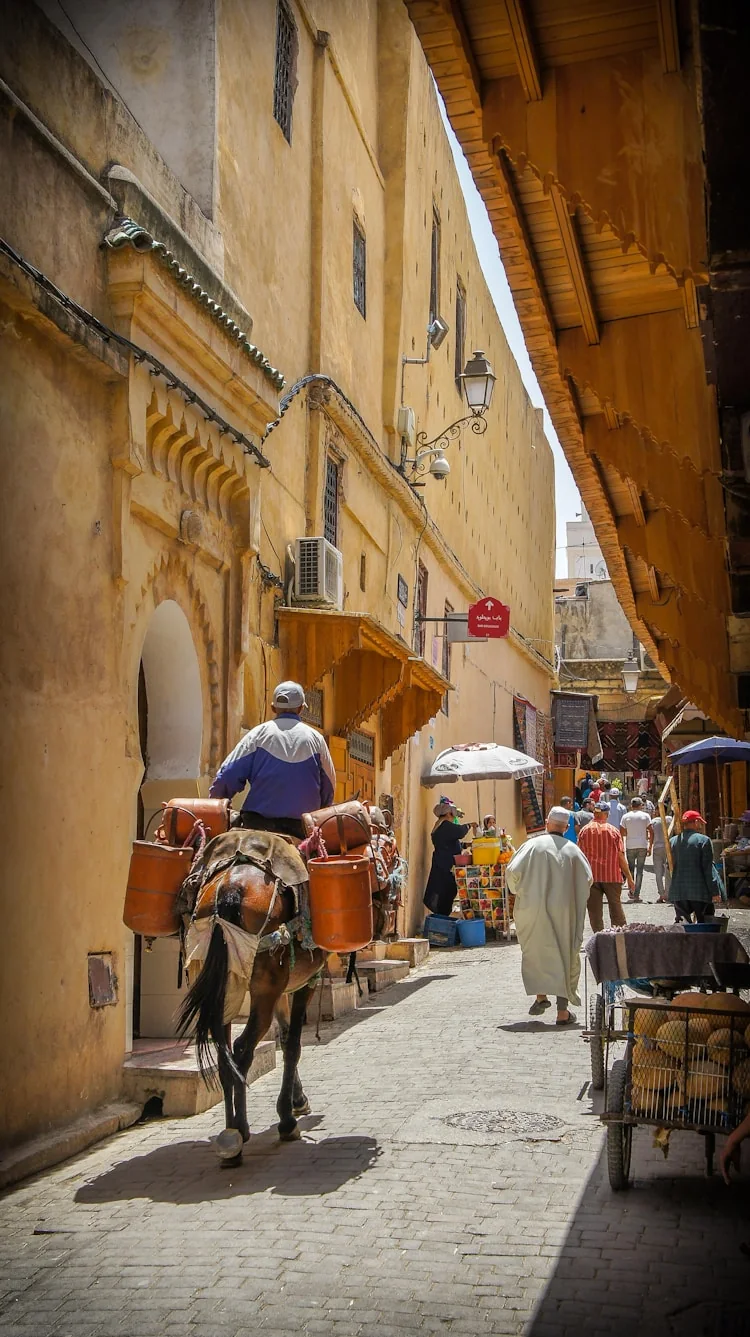
Narrow Moroccan medina street with warm red walls
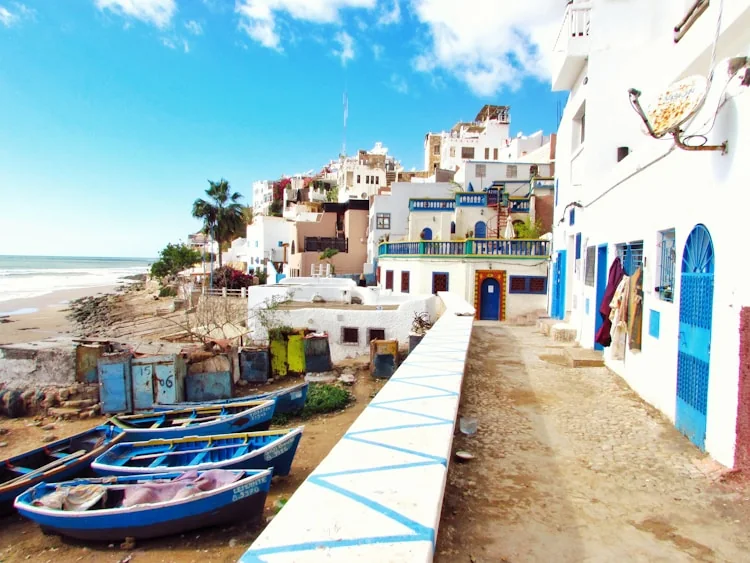
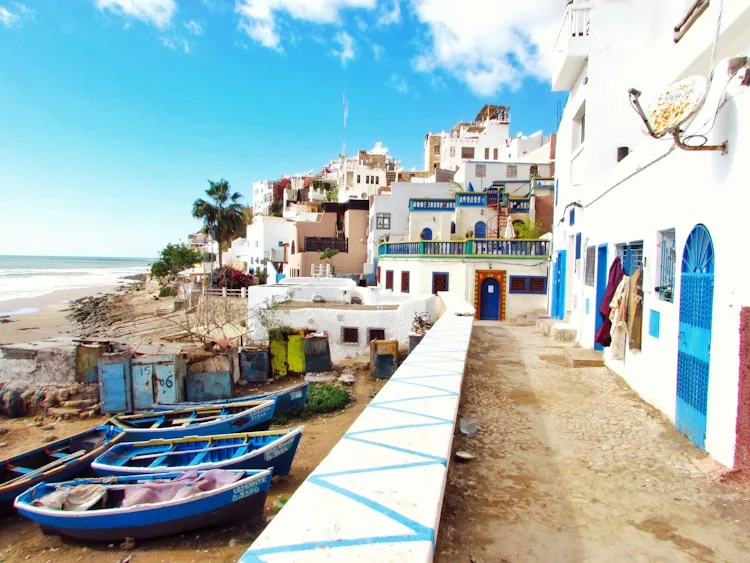
White and blue Moroccan Atlantic coastal town
Discover Morocco more deeply, one place at a time.
Our Purpose

Our Purpose

Three principles shape how Exotic Morocco presents places, culture and visual stories.

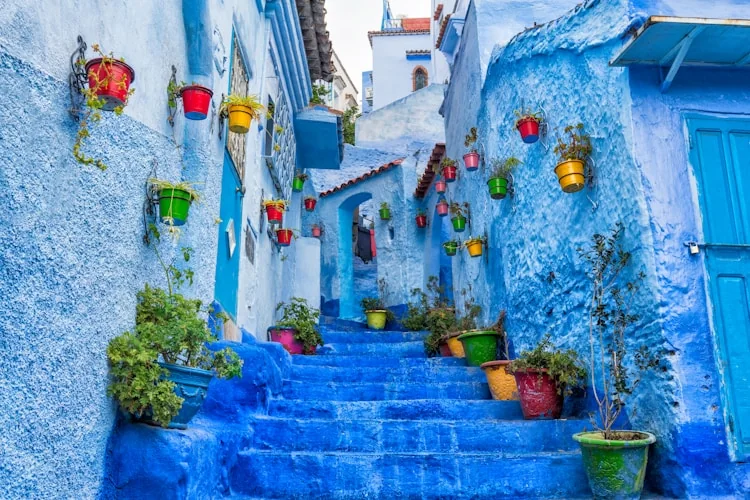
Blue streets in a Moroccan mountain medina
01

Look Beyond the Famous

Morocco extends far beyond its most photographed landmarks. Exotic Morocco gives space to lesser-known cities, historic neighbourhoods, local museums, sacred places, artisan workshops and everyday streets that reveal the country’s regional diversity.

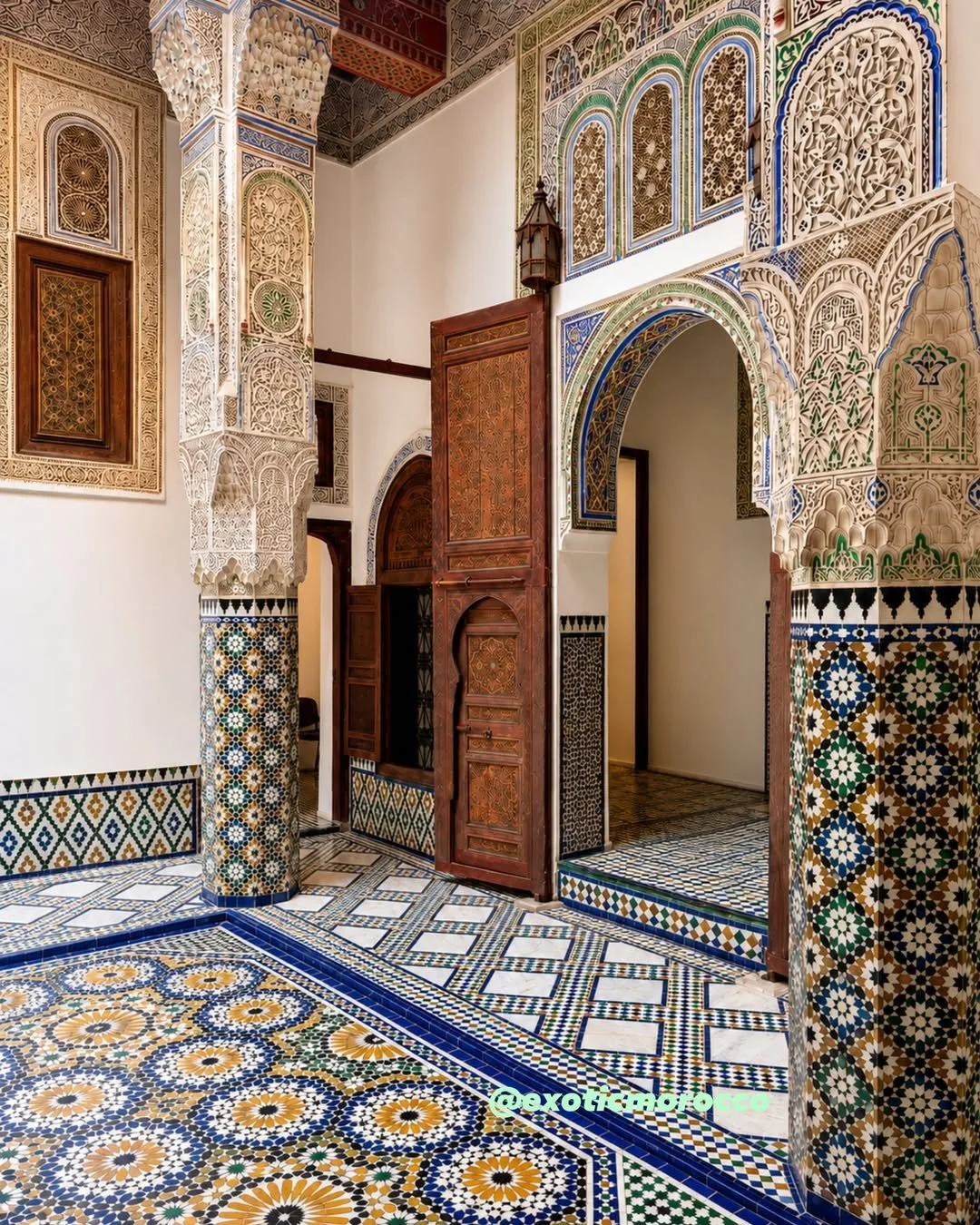
Moroccan interior with zellige, carved plaster and traditional architecture
02

Connect Beauty with Meaning

Architecture, craftsmanship, food and design are never presented as decoration alone. Each subject is connected to history, identity, geography and local life, creating a deeper understanding of the culture behind the image.

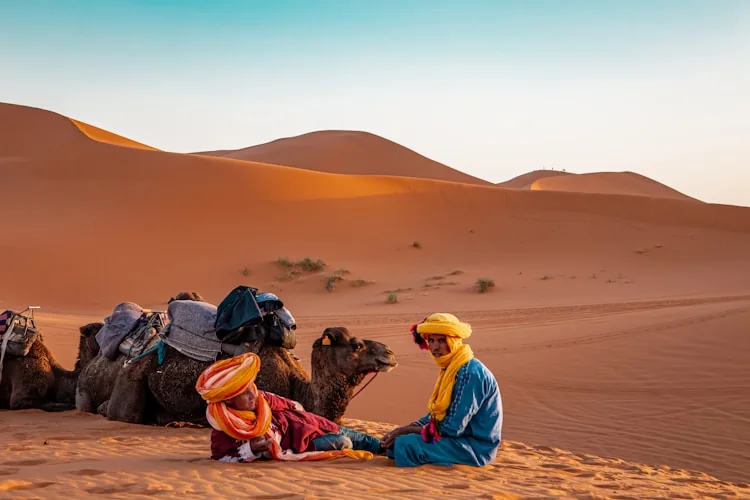
Travellers and guides in the Moroccan Sahara dunes
03

Encourage Respectful Discovery

Meaningful travel begins with curiosity and awareness. Exotic Morocco encourages visitors to approach communities, traditions and living heritage with respect, helping them travel more thoughtfully and form stronger connections with the places they encounter.

How We Work

How We Work

Each guide and collection is built with research, context, careful verification and lasting value.

Research with Care

Each subject begins with focused research into the history, geography, architecture and cultural identity of a place. Important monuments, neighbourhoods, traditions and regional details are identified before the content is written or designed.

A subject is approached through the sources appropriate to it: historical and cultural references for context, institutions and responsible organisations for place information, and current provider notices for details that change. These sources answer different questions. An old account may explain a building’s significance without telling a visitor whether its doors are open today.

Verify Every Detail

Place names, monuments, maps, historical claims and visual references are checked carefully. Photographs must match the correct location, while uncertain information is avoided or clearly presented with the necessary context.

Names can have Arabic, Amazigh, French and English forms, and historical accounts do not always agree. A useful explanation makes those differences understandable instead of forcing false certainty. Dates, attributions and location-specific images deserve particular care. Where the evidence is limited, that limit belongs in the story rather than being concealed by confident wording.

Tell the Wider Story

A landmark is never treated as an isolated attraction. Exotic Morocco connects architecture with history, craftsmanship with regional identity, food with local culture and travel guidance with respectful engagement.

A carved doorway can lead from a city walk into the history of domestic space, from there into woodworking, and then into the lives of the people who use and maintain it. Those connections help readers recognise relationships between subjects while allowing each place and tradition to keep its own character.

Design for Lasting Value

Every publication is created as a visual resource worth keeping. Clear structure, carefully selected imagery and useful information make the content valuable before a journey, during a visit and long after returning home.

Enduring context and practical details have different lifetimes. A guide can remain useful for its structure and cultural explanations while transport, admission and access information needs checking again. Clear navigation, legible text and purposeful images make it easier to return to a subject and find the part that matters to you.

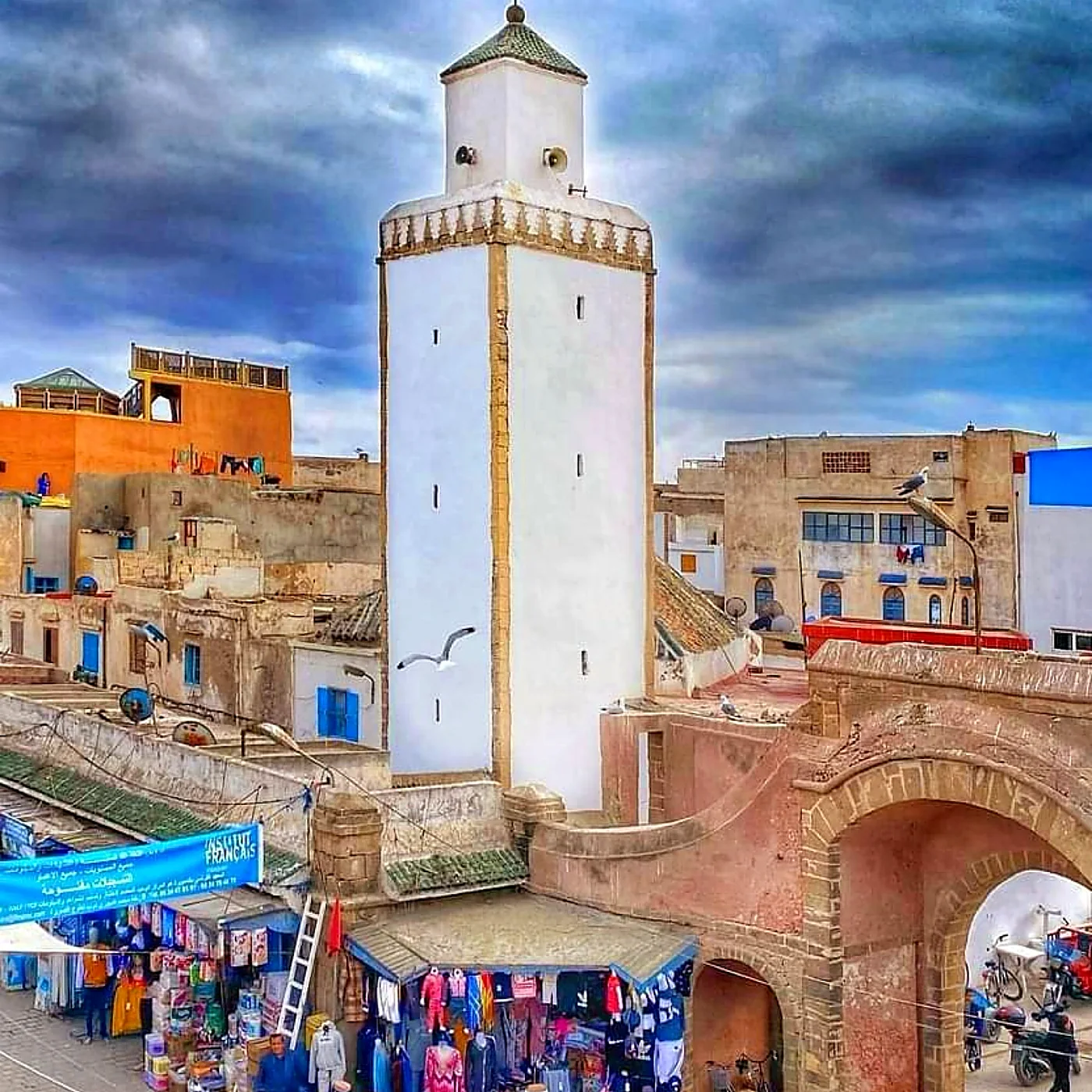
Moroccan minaret rising above historic city architecture
Our Editorial Perspective

Our Editorial Perspective

Place Before Stereotype

Every city, town and region is presented on its own terms. Exotic Morocco avoids reducing the country to a single visual style, allowing the distinct character of Atlantic ports, imperial capitals, northern medinas, mountain communities and desert landscapes to remain visible.

Context Before Spectacle

A beautiful image becomes more meaningful when its story is understood. Architecture, monuments and decorative arts are connected to the people, periods and cultural traditions that shaped them, rather than being presented only as attractive scenery.

Living Culture, Not Frozen Heritage

Moroccan heritage continues through daily life, family traditions, craftsmanship, language, food, music and community memory. Exotic Morocco explores how the past remains present while also recognising that culture develops, adapts and changes over time.

Regional Identity Matters

Morocco is not culturally uniform. Local architecture, clothing, cuisine, dialect, craft traditions and urban rhythm vary widely across the country. Recognising these differences creates a more accurate and respectful understanding of Morocco’s richness.

The visual language

Beauty invites attention. Context gives it depth.

Morocco has extraordinary visual richness, but a bright image is only the beginning of a story. The grain of cedar, a worn threshold, the arrangement of a market stall or the rhythm of a mountain settlement can reveal as much as a wide panorama.

Images are selected for what they help a reader understand: the relationship between a building and its street, the work behind a finished object, or the scale of a landscape. A photograph used to identify a particular site should match that site. An illustrative composition should not be mistaken for documentary proof of a place or event.

That distinction matters in a library that combines photography, visual explanation and designed publications. Captions, descriptions and credits should help establish the role of an image. Attractive presentation does not remove the need to question a location, an attribution or a historical claim.

The same care extends to people. Communities are not a backdrop, craftsmanship is skilled work, and everyday life is not a performance arranged for visitors. Looking closely should encourage respect for the people whose knowledge and effort make a place distinctive.

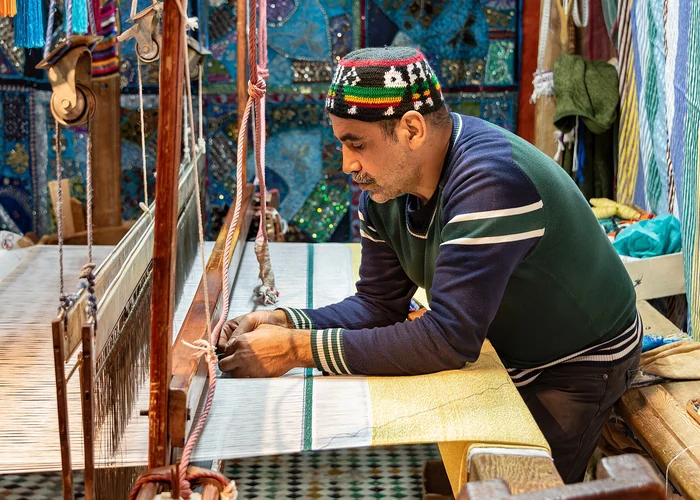
An artisan working at a loom inside a textile workshop
From the workshop to the finished object: learning to notice the work behind the image.
Independent by Design

Independent by Design

A focused platform shaped by curiosity, care and long-term vision

Exotic Morocco is developed independently, allowing its direction to remain thoughtful, flexible and personal. Subjects are chosen because they reveal something meaningful about Morocco, not simply because they are already popular or widely promoted.

This independence makes space for overlooked cities, lesser-known monuments, regional traditions and small architectural details that may receive little attention in conventional travel coverage. It also allows each guide and cultural collection to develop at the pace required for its subject.

The aim is not to publish as quickly as possible, but to build a coherent and lasting body of work. New resources are added gradually so that every publication can retain the same attention to place, visual quality and cultural understanding.

Exotic Morocco continues to grow through a clear long-term vision: creating an accessible visual library that celebrates Morocco’s diversity while treating its history, communities and living heritage with care.

The free library and the premium guides have complementary roles. The website lets readers follow their curiosity across collections, while paid publications bring selected material into a considered format to keep and use. Buying a guide supports the continuation of this independent body of work; the scope of each product is described in its own listing.

Independence also means taking responsibility for limitations. No growing reference library is beyond correction. Readers with local knowledge, a sound historical source or an attribution concern can help improve it through the established contact channel. A precise correction is part of a living editorial process, not an interruption to it.

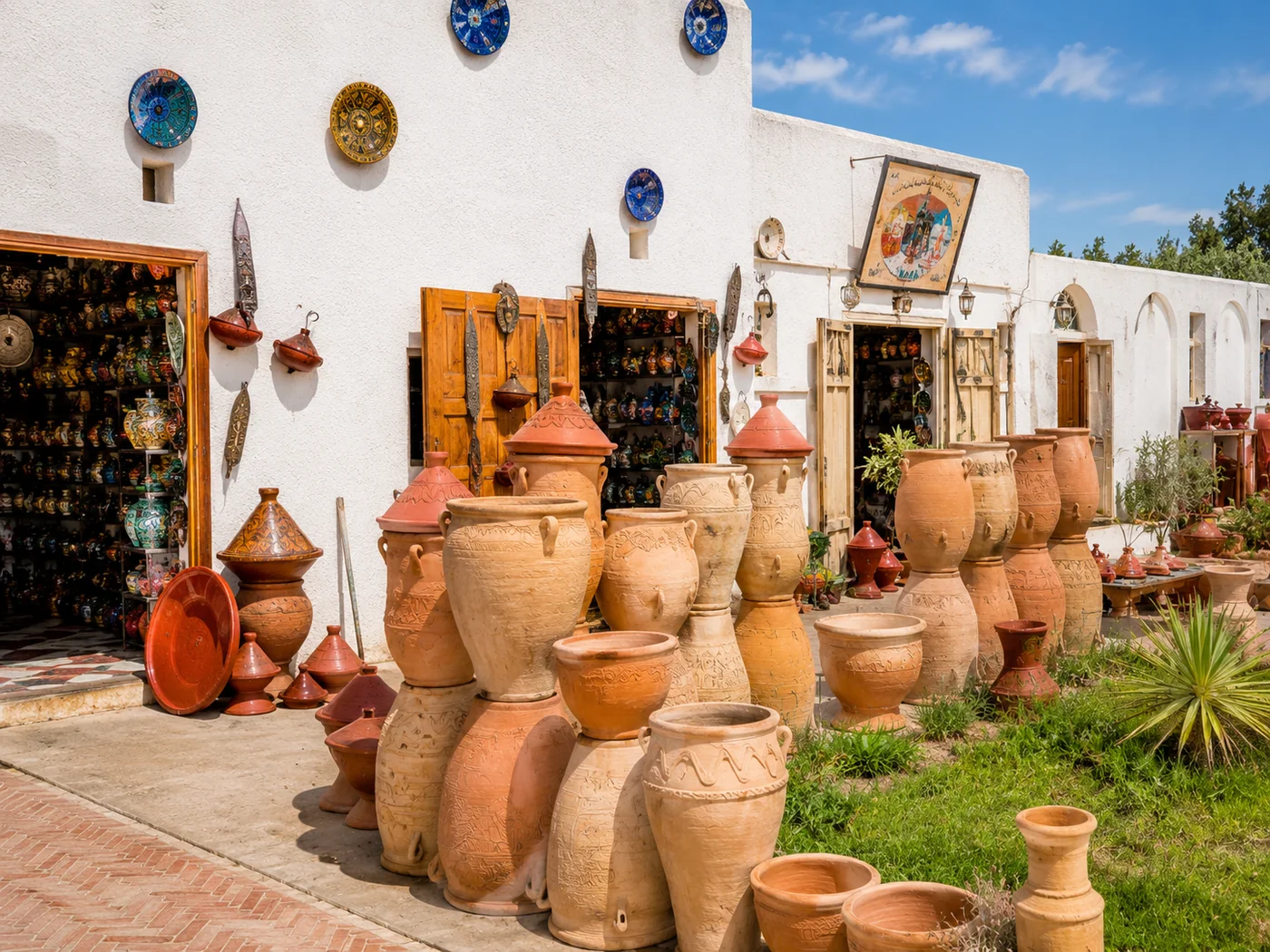
Moroccan craft objects, pottery and artisan details in a sunlit shop
Who Exotic Morocco Is For

Who Exotic Morocco Is For

The platform is made for readers who want Morocco to feel more detailed, more connected and more meaningful.

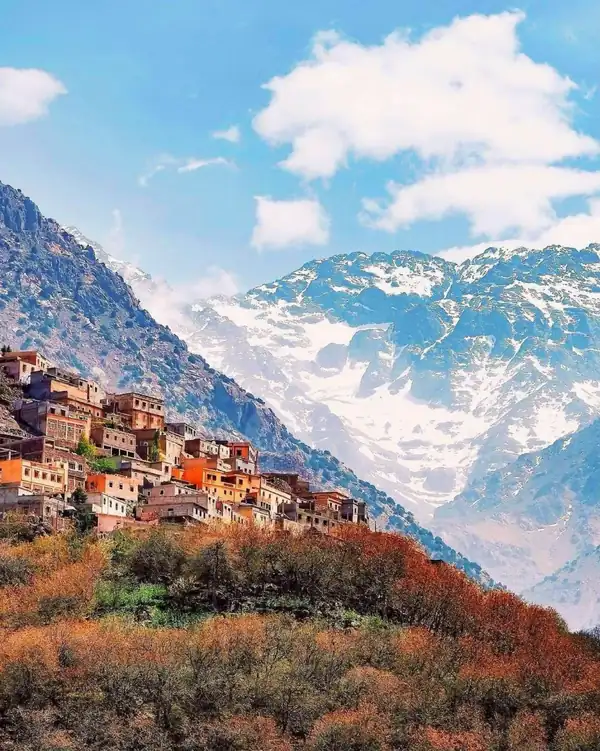
Mountain village and terraced slopes in the High Atlas

Curious Travellers

For travellers who want to understand the character of a destination before arriving. The guides combine cultural background, practical orientation and visual inspiration, helping readers make thoughtful choices and experience each place beyond its most familiar attractions.

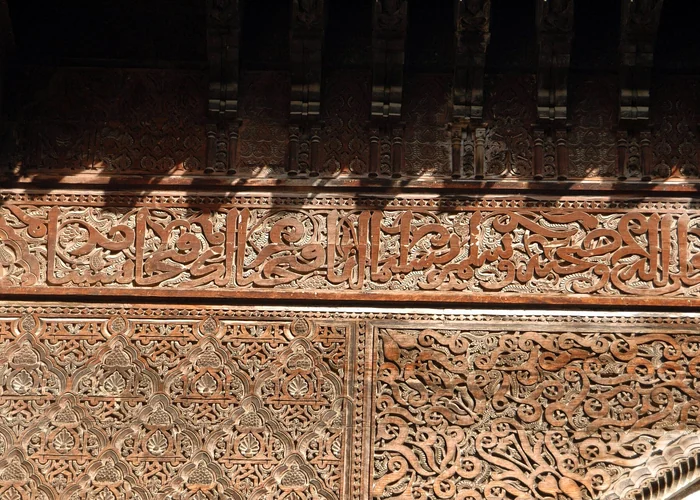
Close view of patterned carved architectural decoration

Culture and Heritage Lovers

For readers drawn to architecture, history, craftsmanship, museums, sacred spaces and living traditions. Exotic Morocco offers a deeper view of how cultural identity is expressed through buildings, objects, neighbourhoods, memory and everyday life.

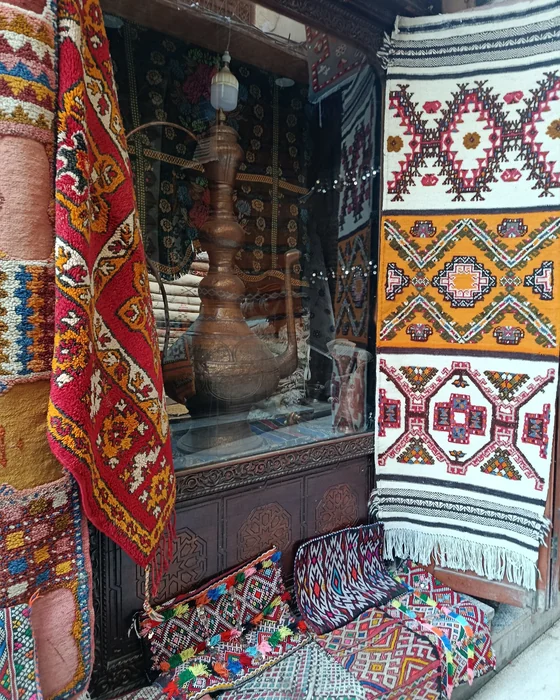
Woven textiles and patterned rugs displayed at a Moroccan shop

Moroccans Around the World

For Moroccans living abroad who wish to reconnect with cities, traditions and regional stories that remain part of their personal or family identity. The platform creates space for recognition, memory and continued cultural discovery.

It is also a resource for conversations between generations: a starting point for asking about a hometown, a phrase, a garment or a dish remembered differently within a family.

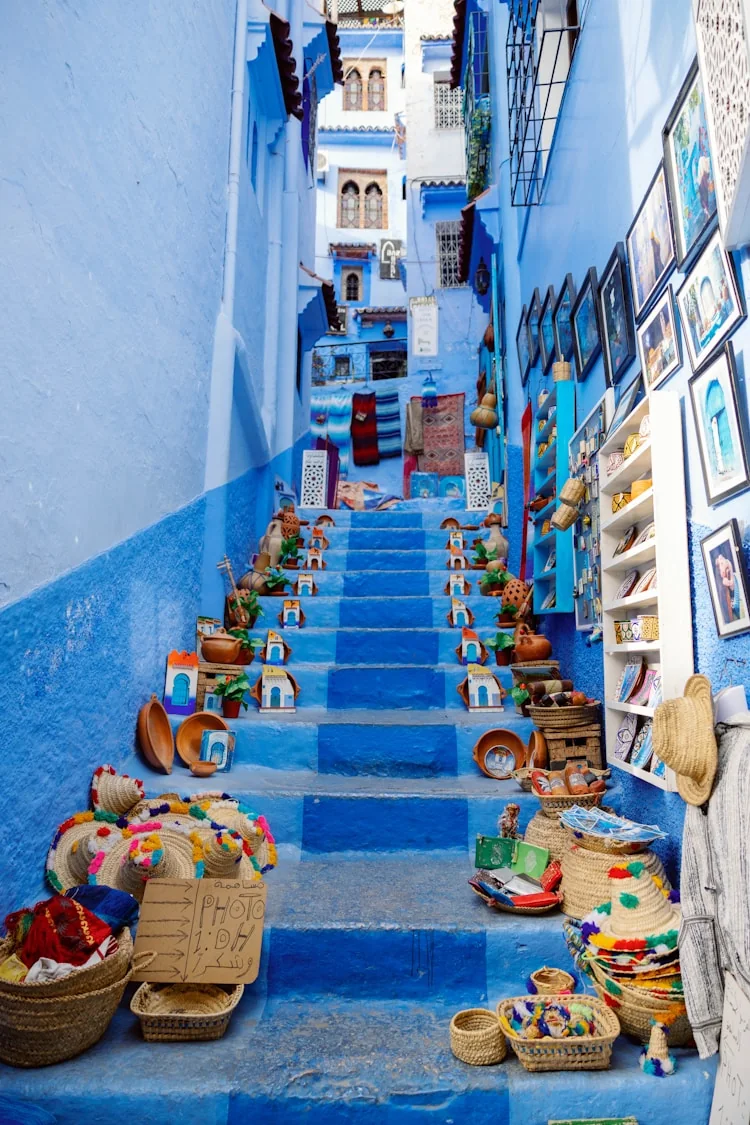
Blue steps and flower pots in Chefchaouen

Visual Story Seekers

For people who may not be travelling yet but still want to explore Morocco through carefully selected photography, design and place-based storytelling. Each visual collection offers a meaningful way to experience the country from wherever they are.

Learning does not require a booked journey. Educators and curious readers can use the linked public resources to introduce a subject, then follow it into more detailed cultural and geographical context.

A Living Library of Morocco

A Living Library of Morocco

Built gradually, designed to grow

Exotic Morocco is developing into a long-term visual library devoted to Morocco’s cities, regions, heritage and living culture. The ambition is a connected body of work: each destination, story and learning resource offers another route into the country’s diversity.

Cities begins with the character of individual places, while Visit draws attention to landmarks and experiences. Regions places them within a wider landscape. Travel moods and regional layers help readers connect a coastal rhythm, mountain route or craft tradition across several destinations.

Themes follows cultural threads across geography: architecture and interiors, textiles and dress, craftsmanship, ceremony and identity. Stories gives those subjects room for a slower narrative. A city can lead into a story, and a story can change what you notice when you return to the city.

Taste connects dishes with food culture, hospitality and the Moroccan table, alongside a growing recipe collection. Food is approached as a lived practice with regional and family variations, rather than a single recipe that stands for everyone.

Learn introduces history, geography, architecture, everyday culture and ways of reading the details around you. Darija adds language practice and useful expressions. These collections are designed to support curiosity before travel and continued learning at home.

Events explores celebrations and cultural gatherings, while Plan helps turn interest into practical preparation. Time-sensitive details still need confirmation with organisers and providers. The library offers orientation and context; a published page is not a booking or a promise of current availability.

The premium guide collection brings selected destinations into publications made to keep. Each product has its own scope, language and format. The longer-term vision is steady, coherent growth: more meaningful connections between places and subjects, with enough care given to each addition for it to earn its place in the library.

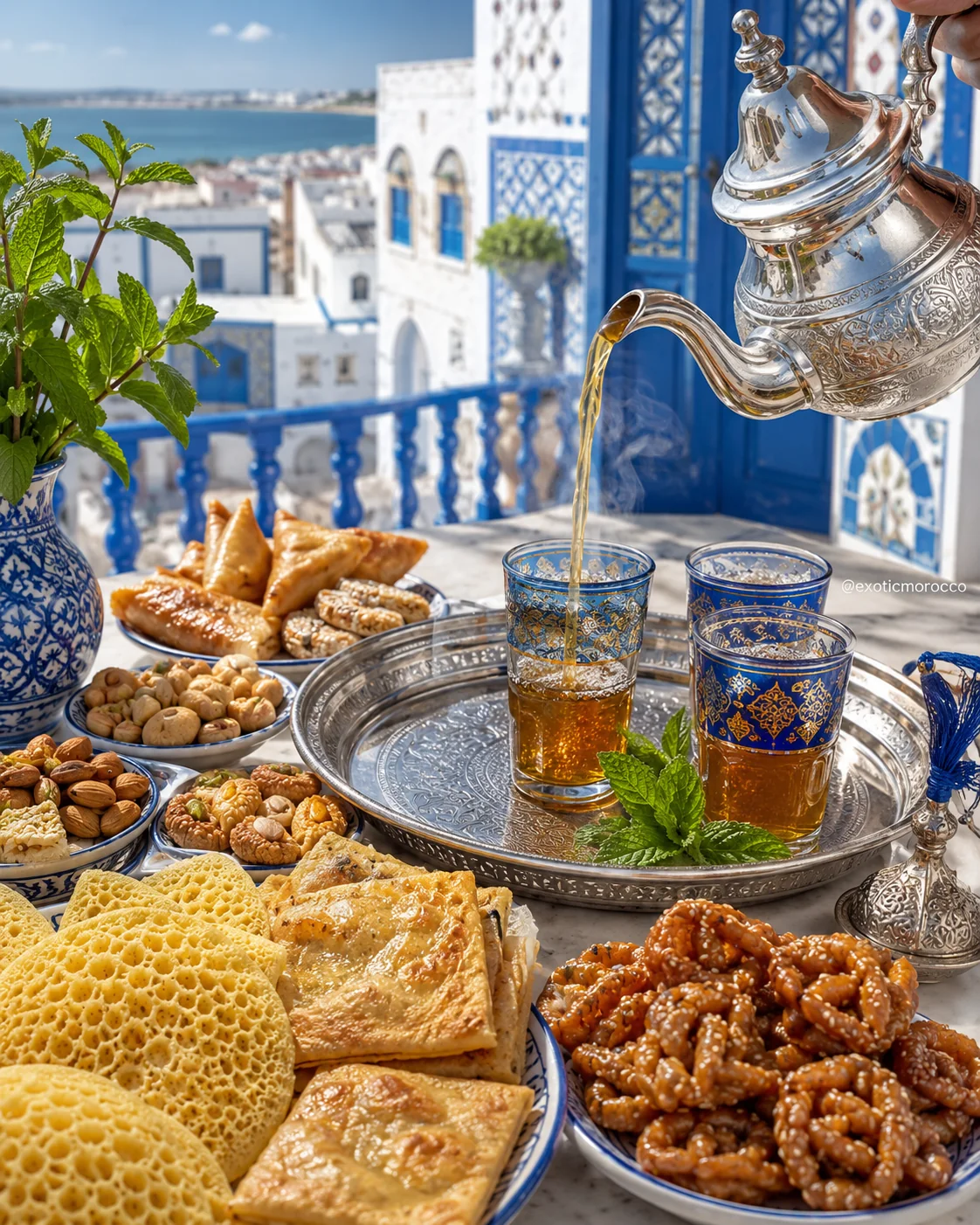
Moroccan tea, pastries and blue zellige table setting
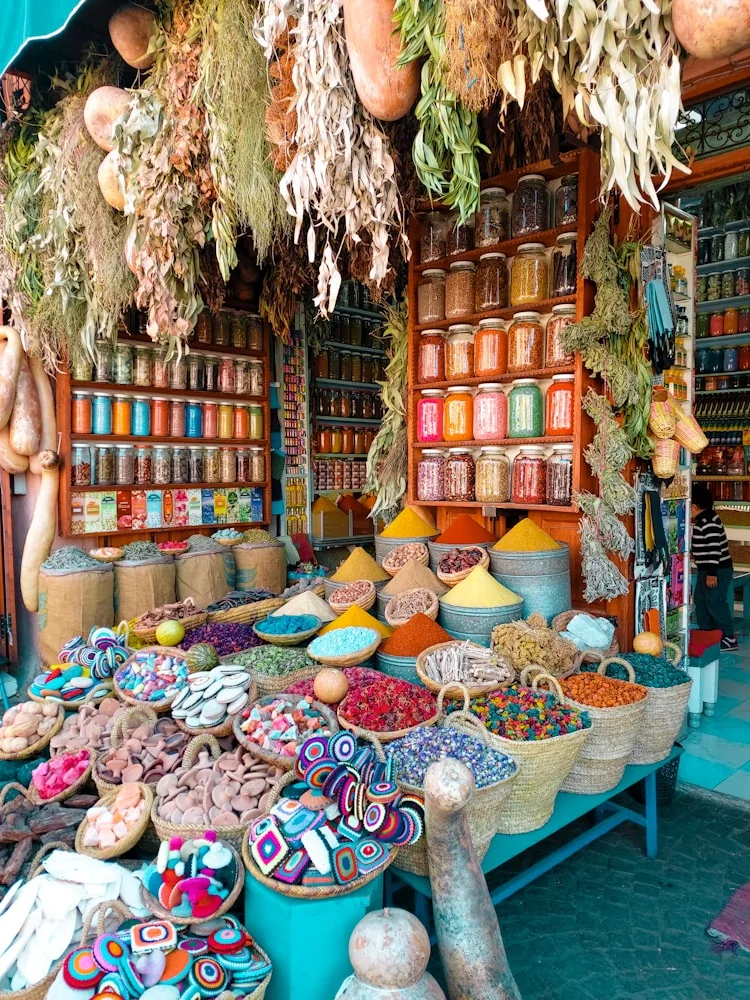
Moroccan pottery and craft objects displayed in a market
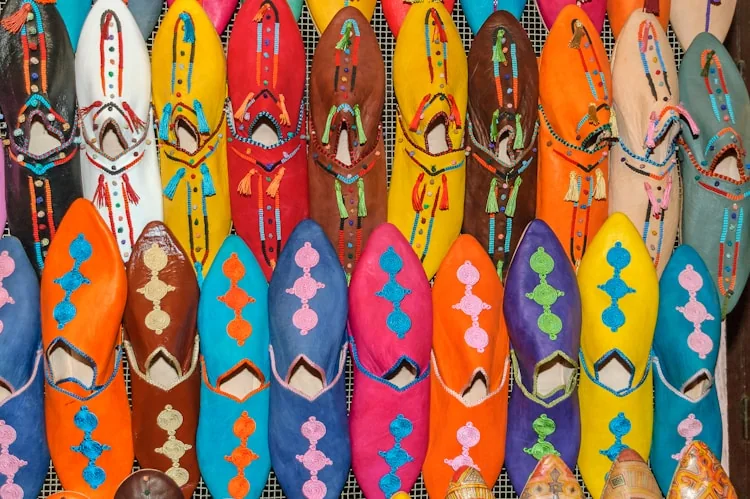
Colourful Moroccan slippers arranged in a craft stall
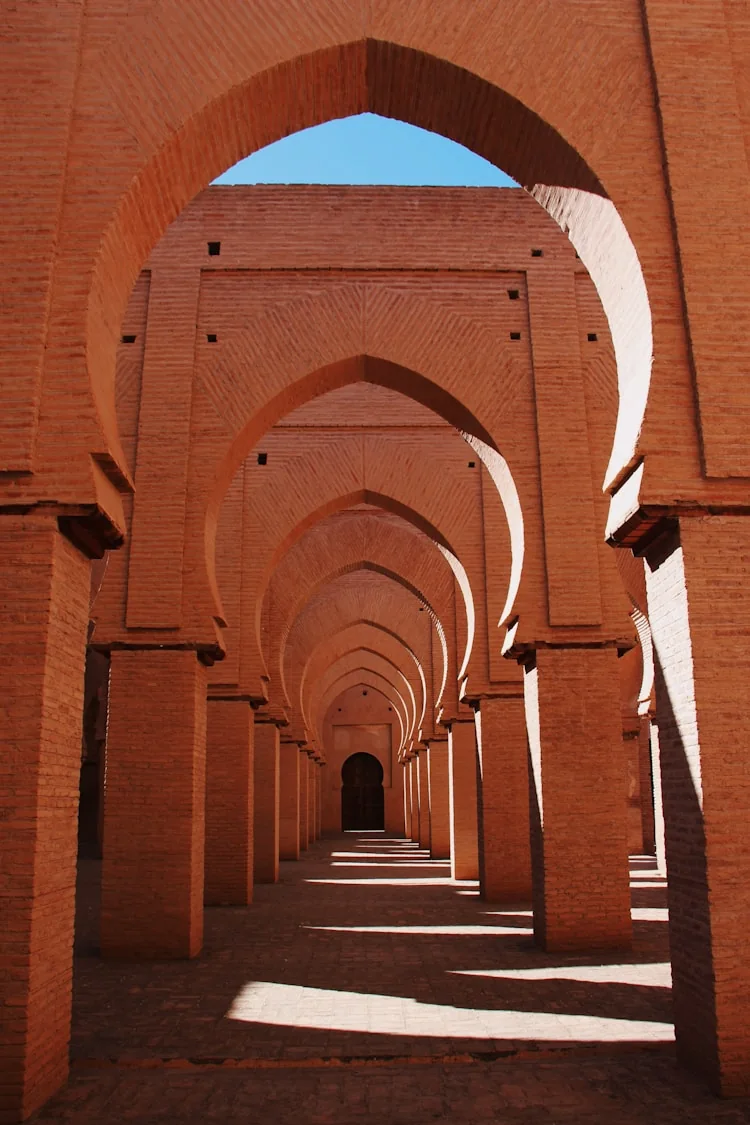
Long Moroccan arched passageway with warm light
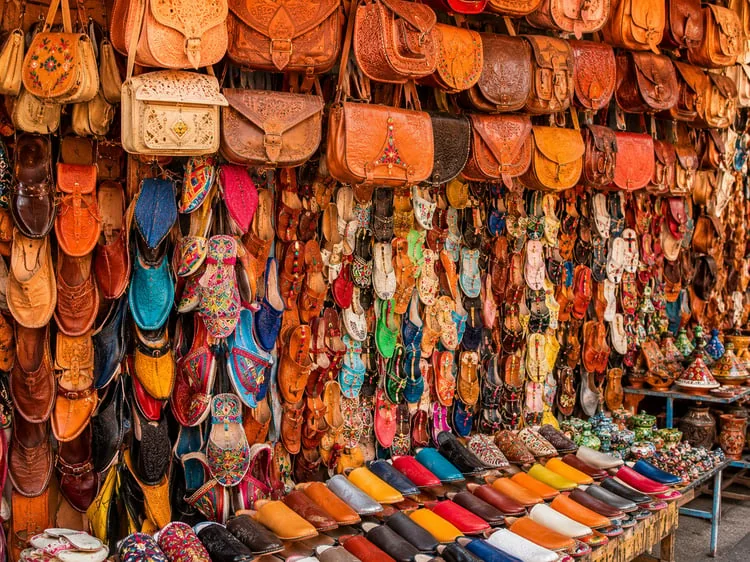
Moroccan leather bags and woven goods in a souk
Blue streets in a Moroccan mountain medina
White and blue Moroccan Atlantic coastal town
Morocco in One Place

Morocco in One Place

Exotic Morocco will continue to grow through carefully developed guides, stories and cultural collections. Each new publication adds another city, tradition, landscape or historical layer to a wider portrait of the country.

Whether you are planning a journey, reconnecting with a familiar place or discovering Morocco from afar, the project offers a deeper way to explore its remarkable diversity.

The story is still being built — one place, one detail and one meaningful discovery at a time.

Have a local perspective to share, a correction to suggest or a question about the project? Get in touch. The most rewarding discoveries often begin with a detail someone else has helped us see.