Stories from Morocco
Places become deeper when they are read as culture: architecture, craft, cities, food, language, history, hidden corners and the small meanings that photographs cannot explain.
Choose the kind of story you want to enter
Stories is the magazine layer of Exotic Morocco: not quick lists, but cultural readings of places, people, materials and memory.
Architecture Stories
Buildings, doors, riads, medinas and urban memory.
Open page →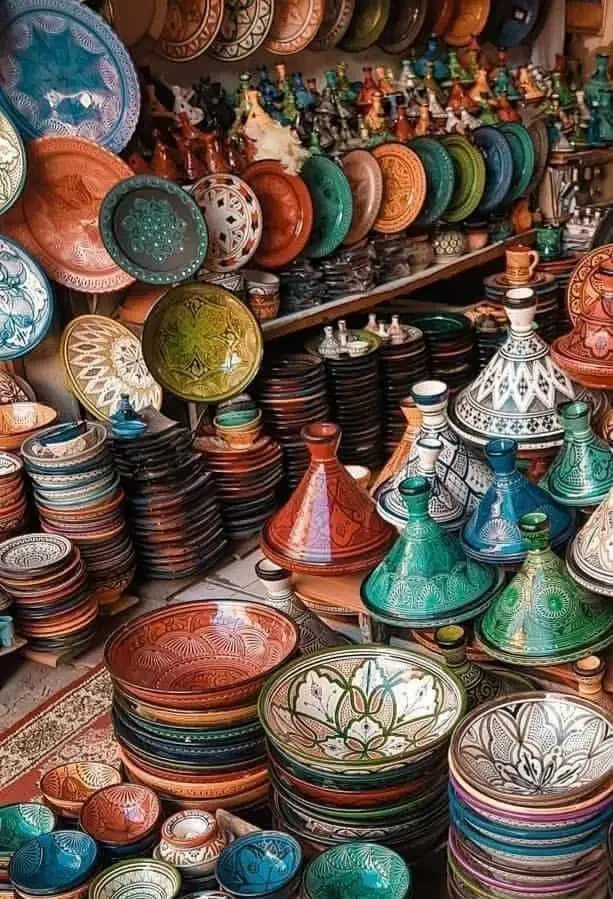
Craft Stories
Wood, zellige, ceramics, textiles and the hands behind them.
Open page →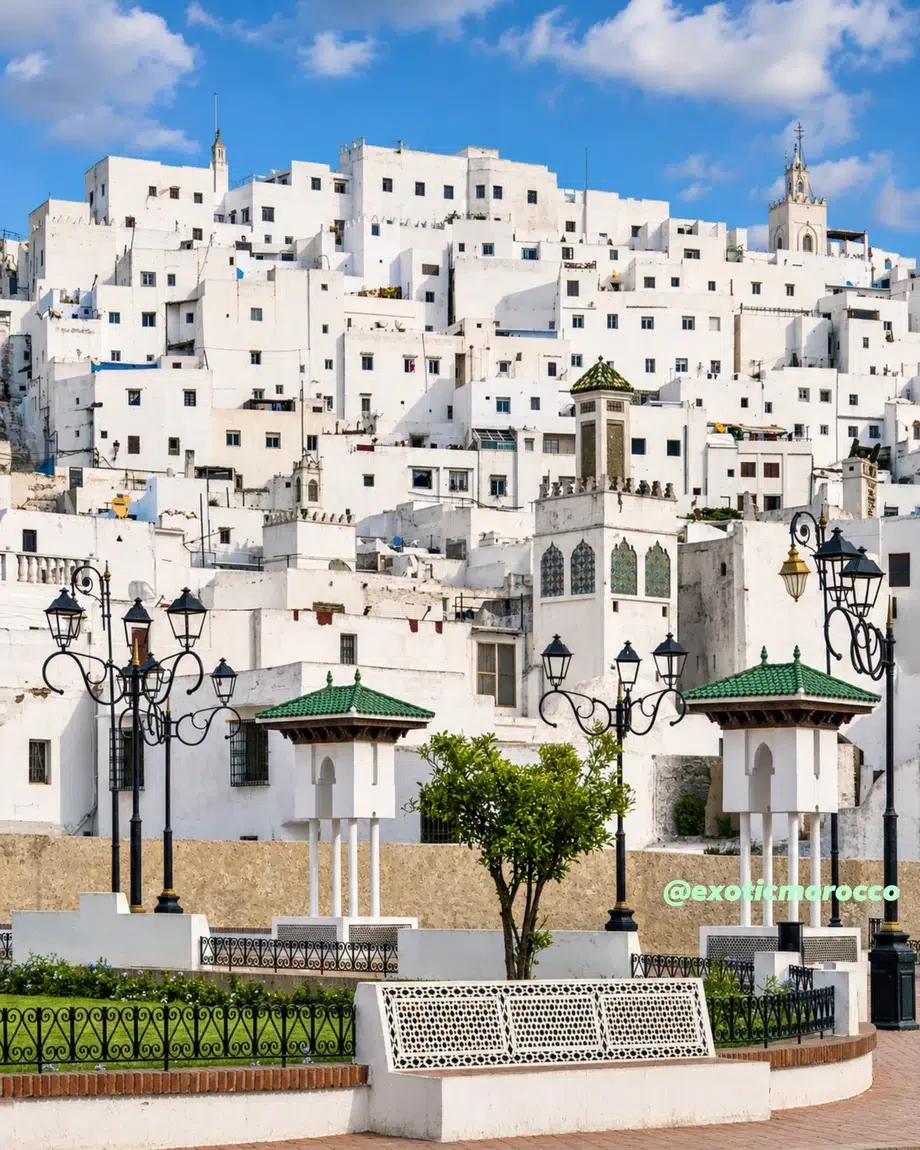
City Stories
Editorial city pieces that go beyond quick destination lists.
Open page →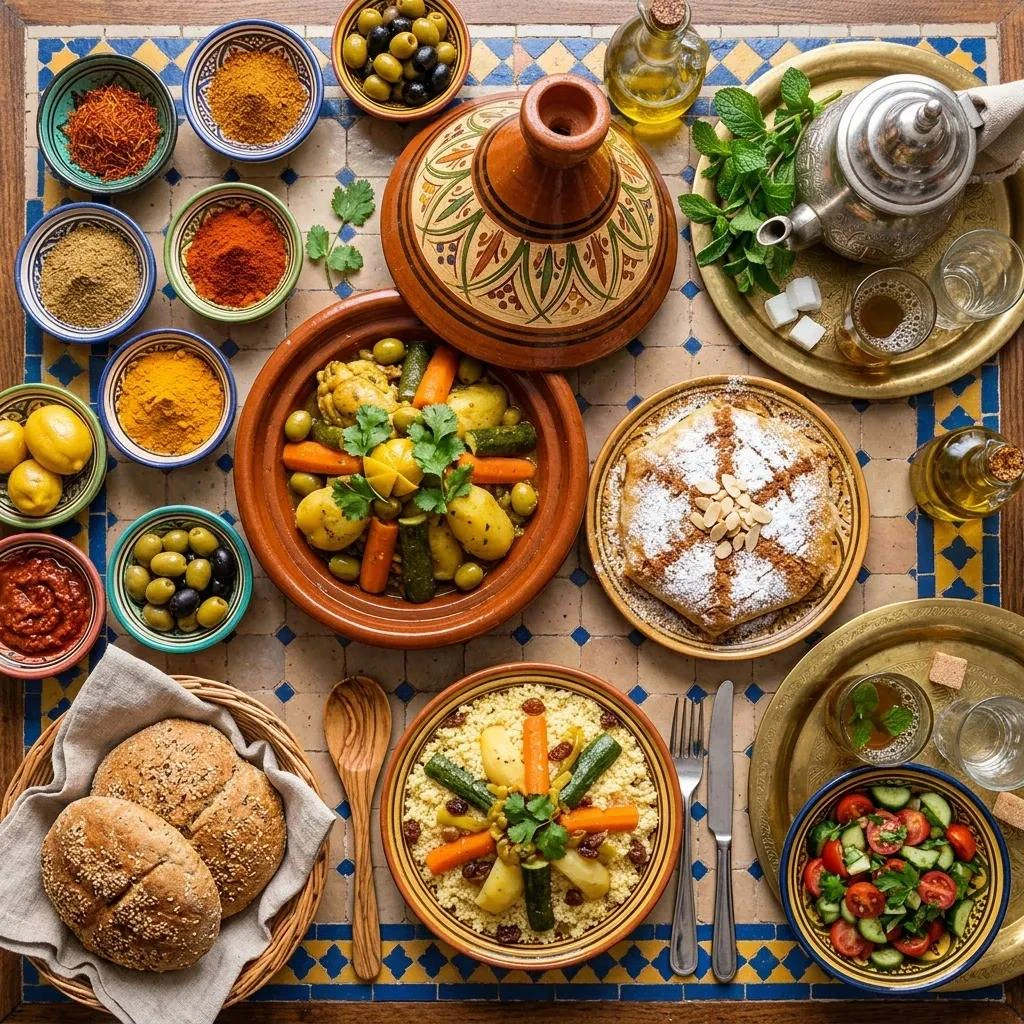
Food Stories
Cuisine as memory, hospitality, market rhythm and identity.
Open page →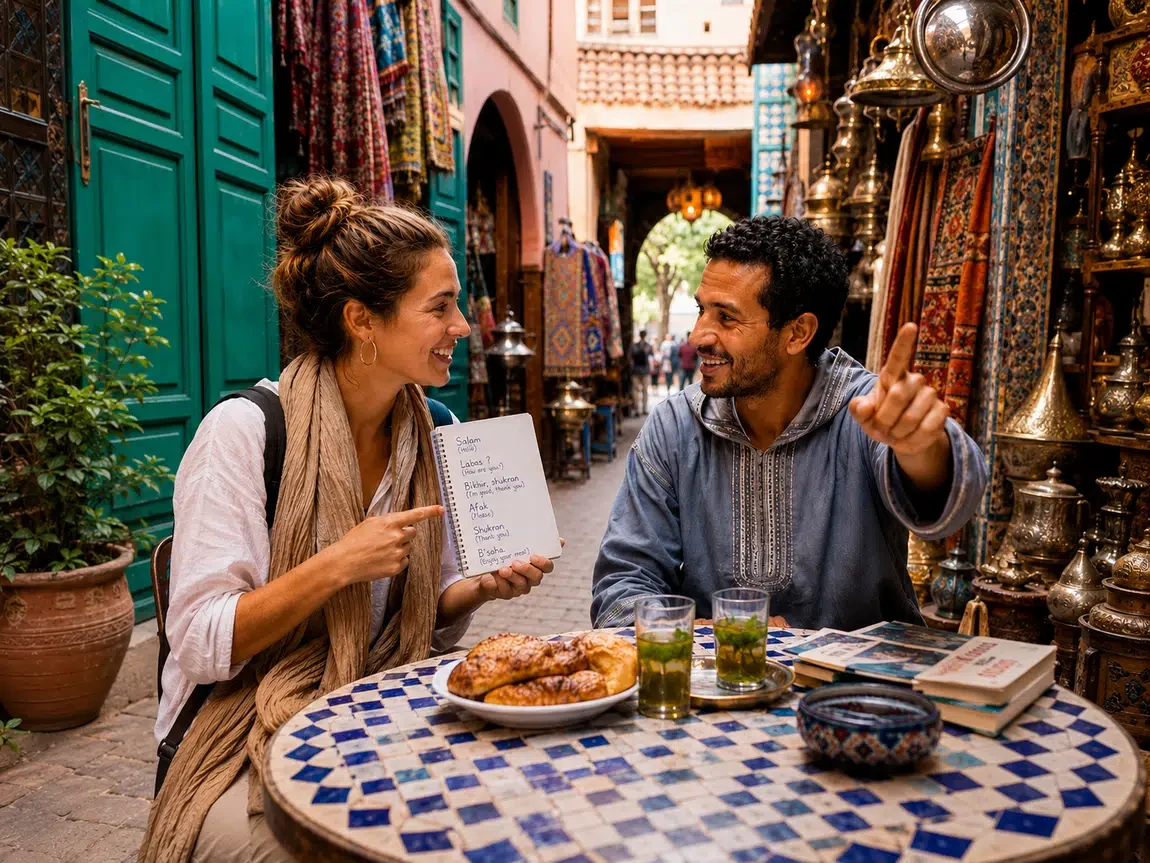
Language Stories
Darija, Amazigh presence, names, phrases and everyday meaning.
Open page →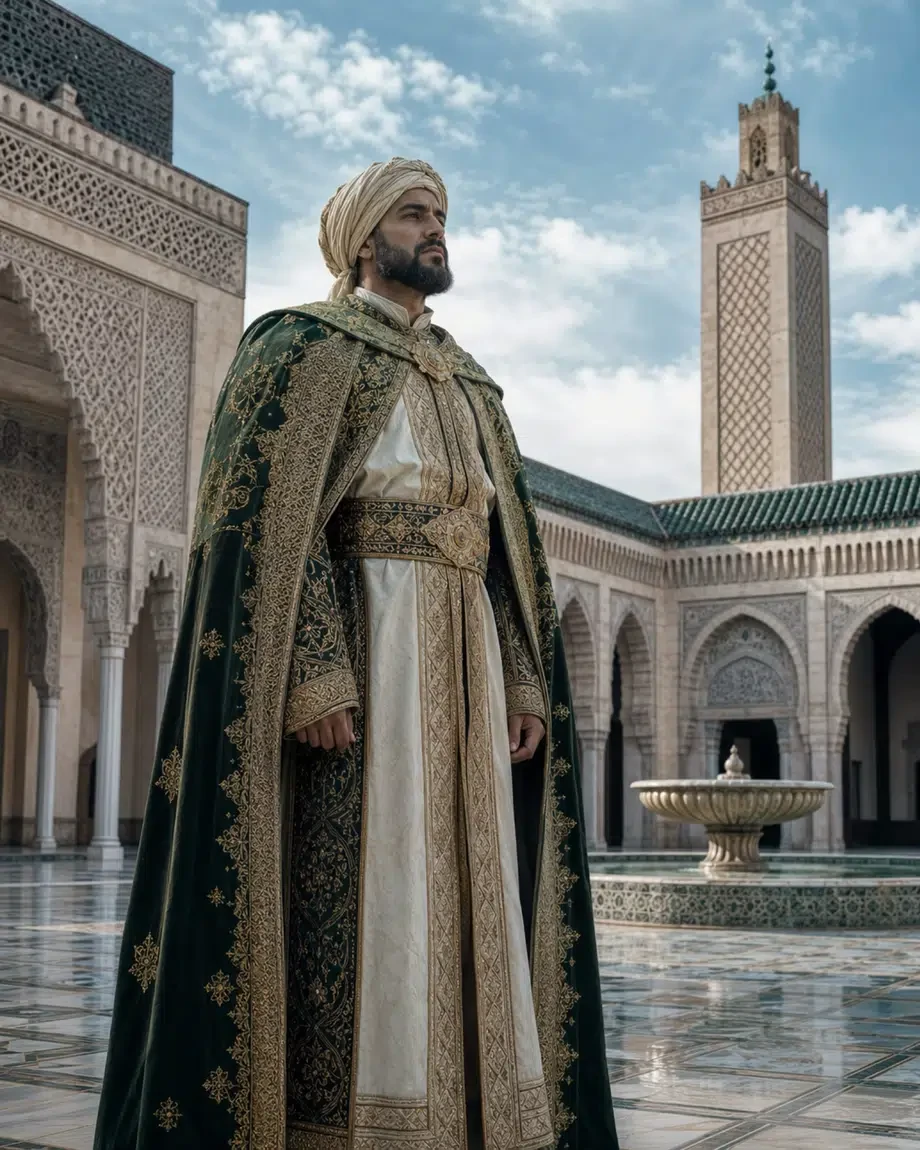
History Stories
Dynasties, routes, ports, archives and cultural layers.
Open page →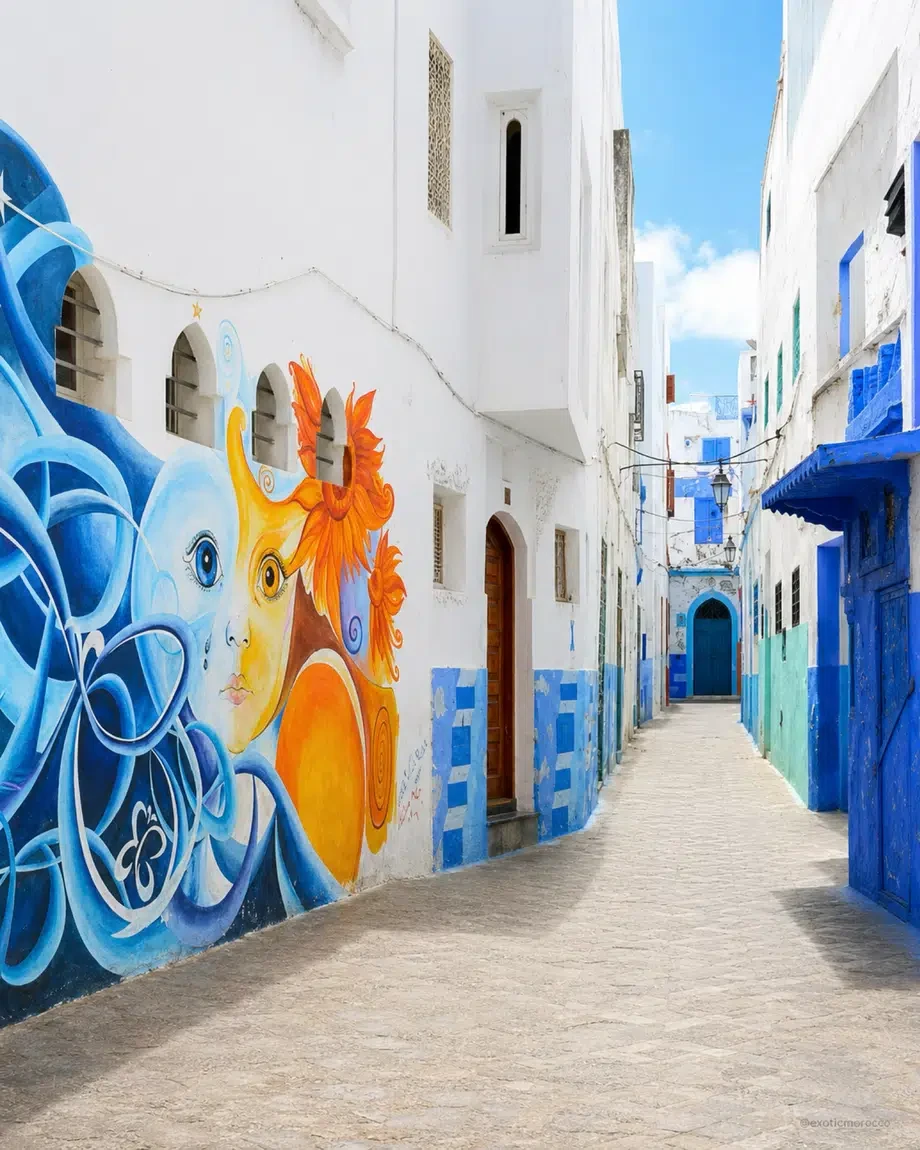
Hidden Places Stories
Quiet towns, overlooked corners and places that reward attention.
Open page →
Travel Culture Stories
How to move, look, photograph and visit with respect.
Open page →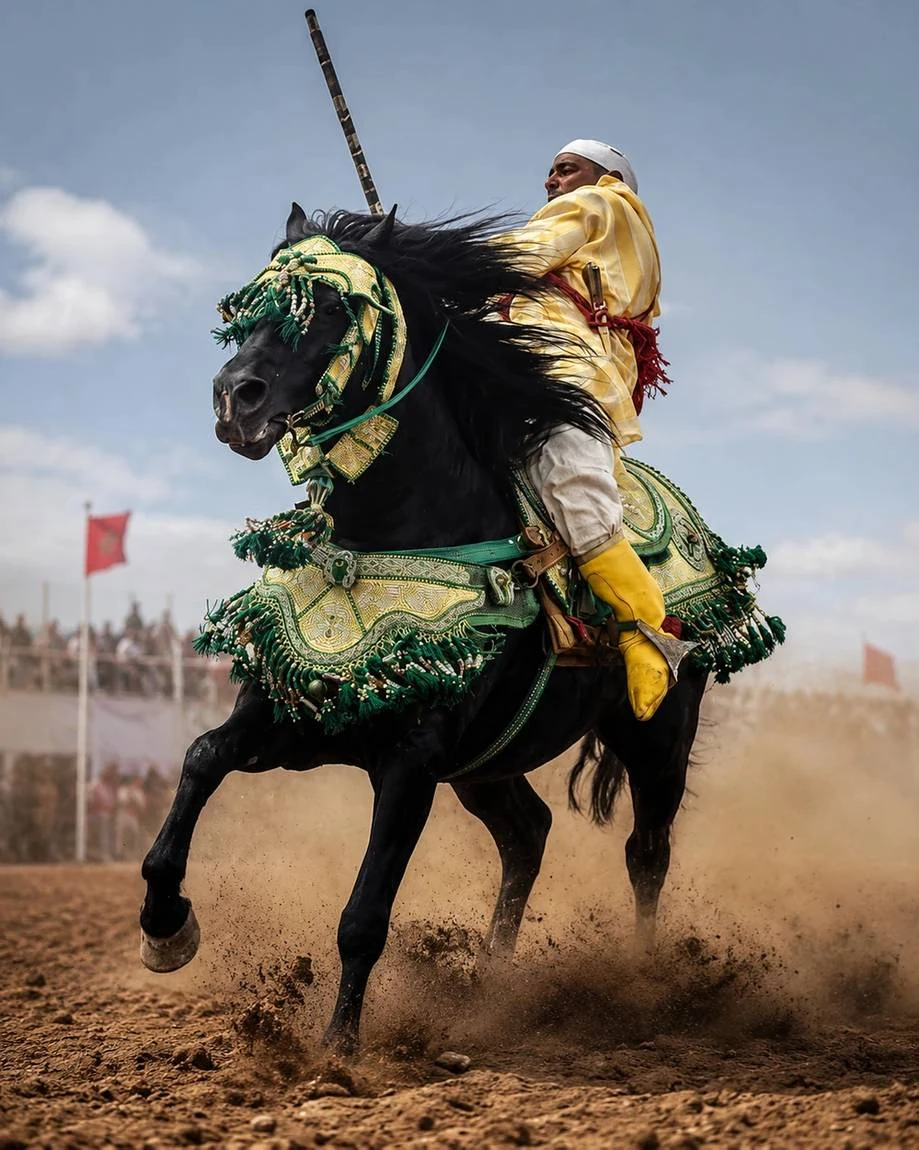
Events & Festivals Stories
Moussems, music nights, craft gatherings and seasonal atmosphere.
Open page →From one article, the whole site can open.
Every story is designed as a bridge: a reader can start with a detail, then move naturally into Places, Themes, Learn, Taste, Events, Plan and the premium guide library.
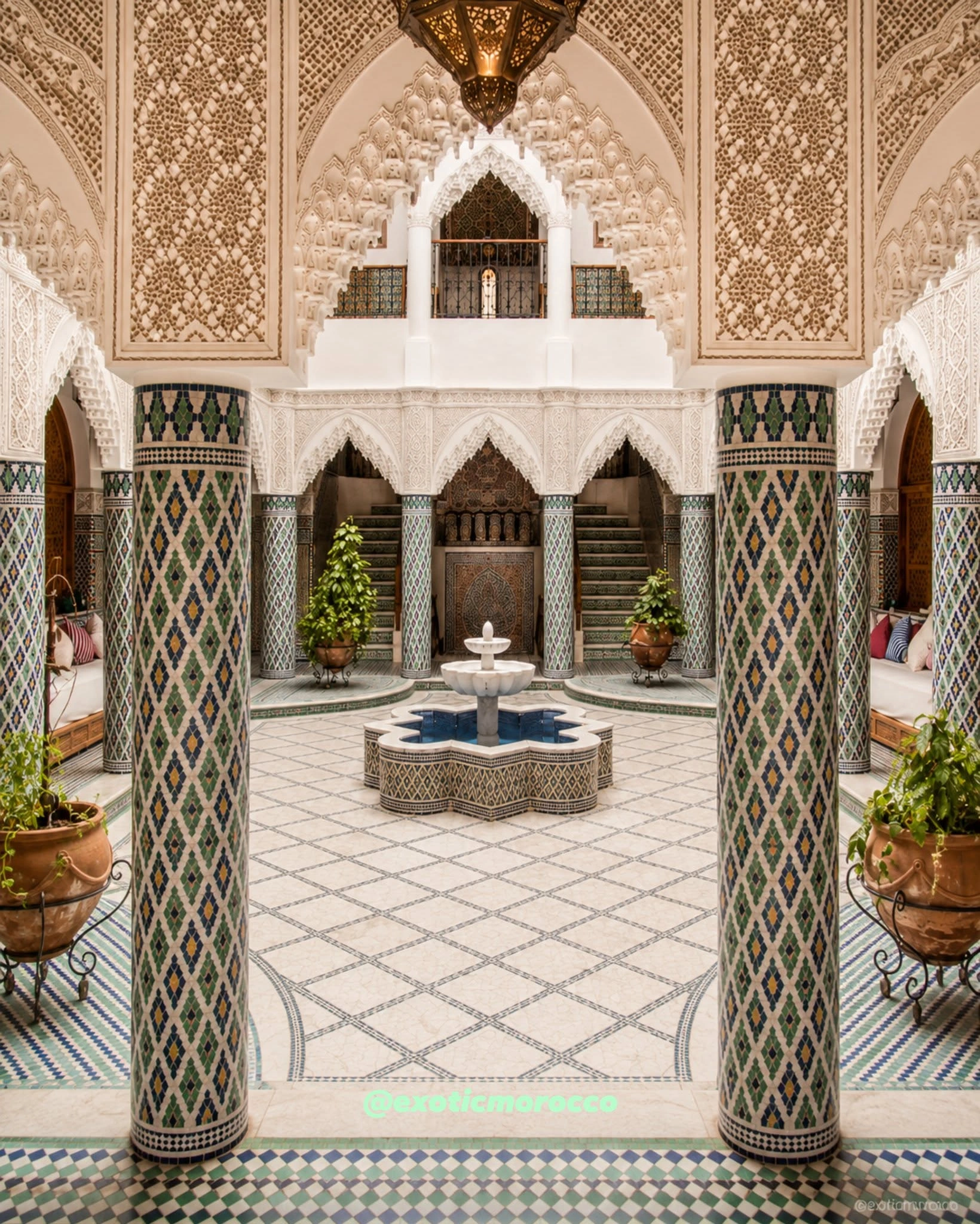
Zellige, Morocco’s Geometry of Light
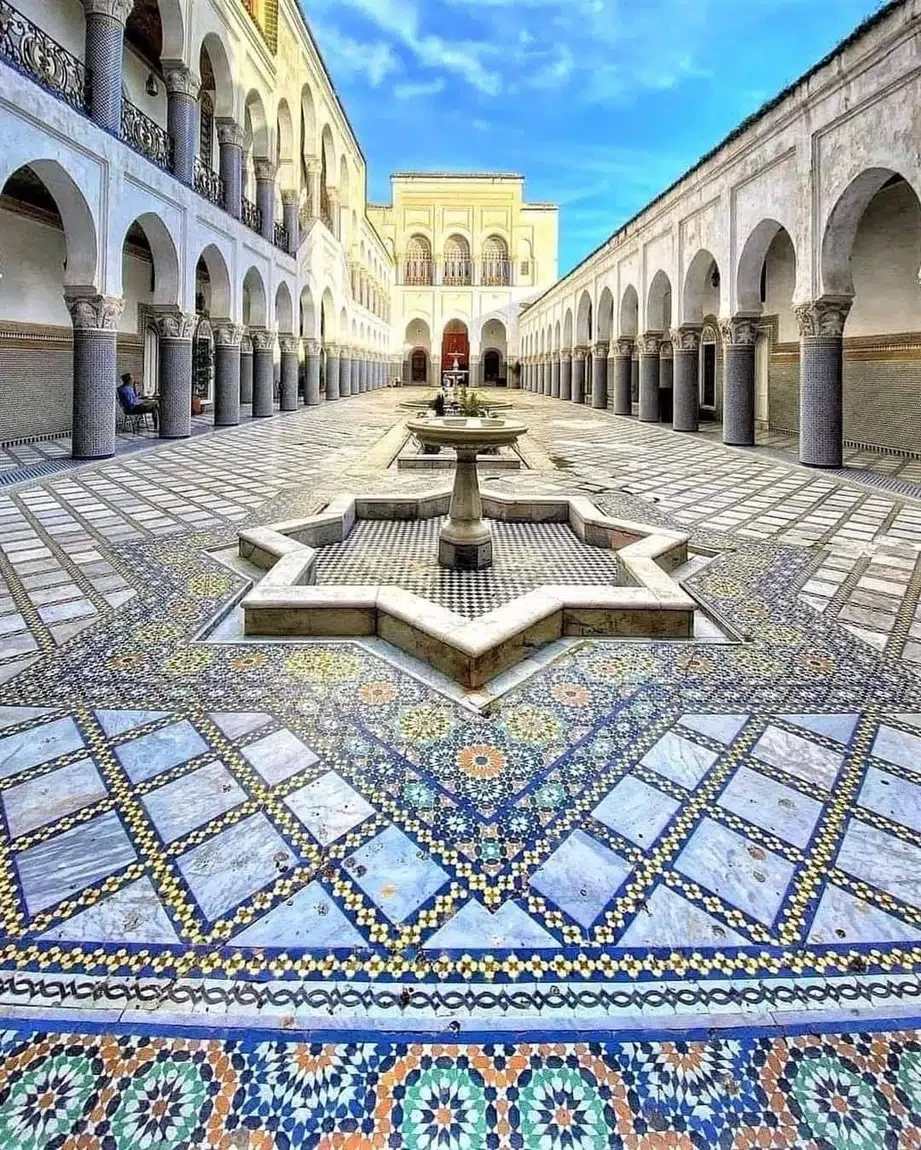
Zellige is one of Morocco’s most refined visual languages. Each tiny piece is cut, shaped and placed by hand, turning patience into rhythm and mathematics into beauty. In courtyards, fountains, gates and riads, it catches light, guides the eye and gives architecture a living surface.
Every pattern begins with discipline: a measured line, a repeated star, a small fragment of colour placed beside another until the surface becomes harmony. Its beauty is not accidental. It comes from hands trained over years, from inherited knowledge and from the quiet intelligence of Moroccan design.
In Morocco, zellige often appears where water, shade and hospitality meet. Around fountains, along courtyard walls and beneath carved plaster, it softens stone with colour and gives architecture a sense of movement. The eye follows the geometry, but the feeling is warmer than geometry alone: it is care, patience and identity shaped into surface.
This is why zellige still feels alive. It belongs to palaces and madrasas, but also to homes, thresholds and daily spaces. It reminds the visitor that Moroccan beauty is built layer by layer — never rushed, never flat, and never only decorative.
Read Morocco city by city
Named places with named histories: Tétouan, Meknès, Fès, Larache, Chefchaouen and the details that make each city distinct.
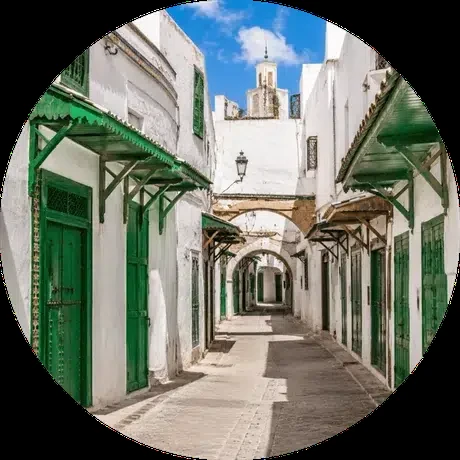
Why Tétouan Carries Andalusia in Its Streets
A city essay about whiteness, craft, medina order and Andalusian memory.
Open page →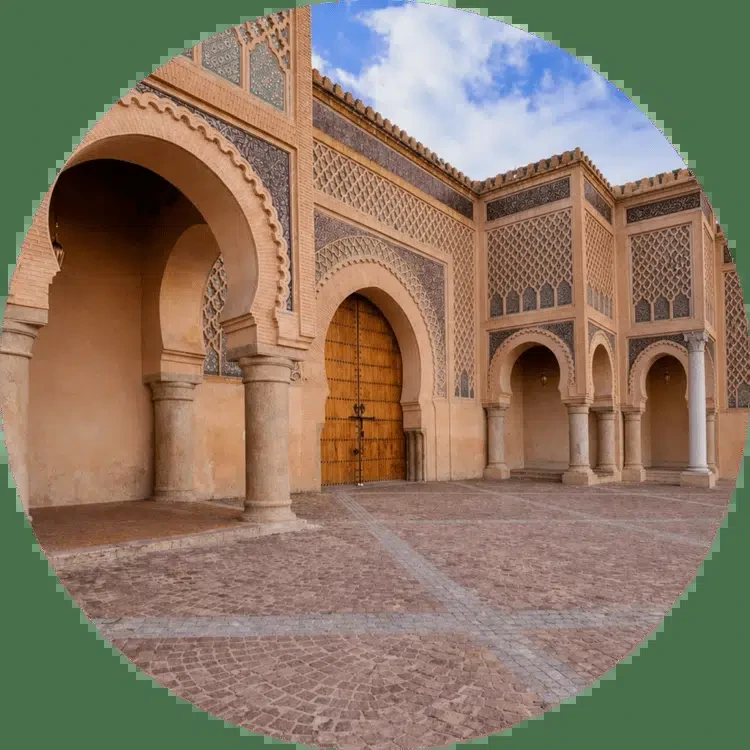
Meknès Beyond Bab Mansour
Look past the postcard gate into imperial scale, granaries and quiet streets.
Open page →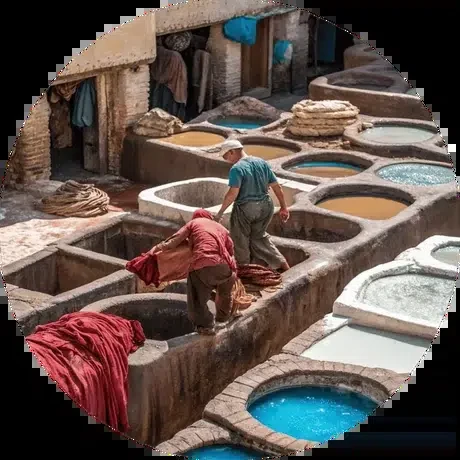
Why Fès Feels Like a Living Archive
A cultural reading of scholarship, craft, alleys, courtyards and memory.
Open page →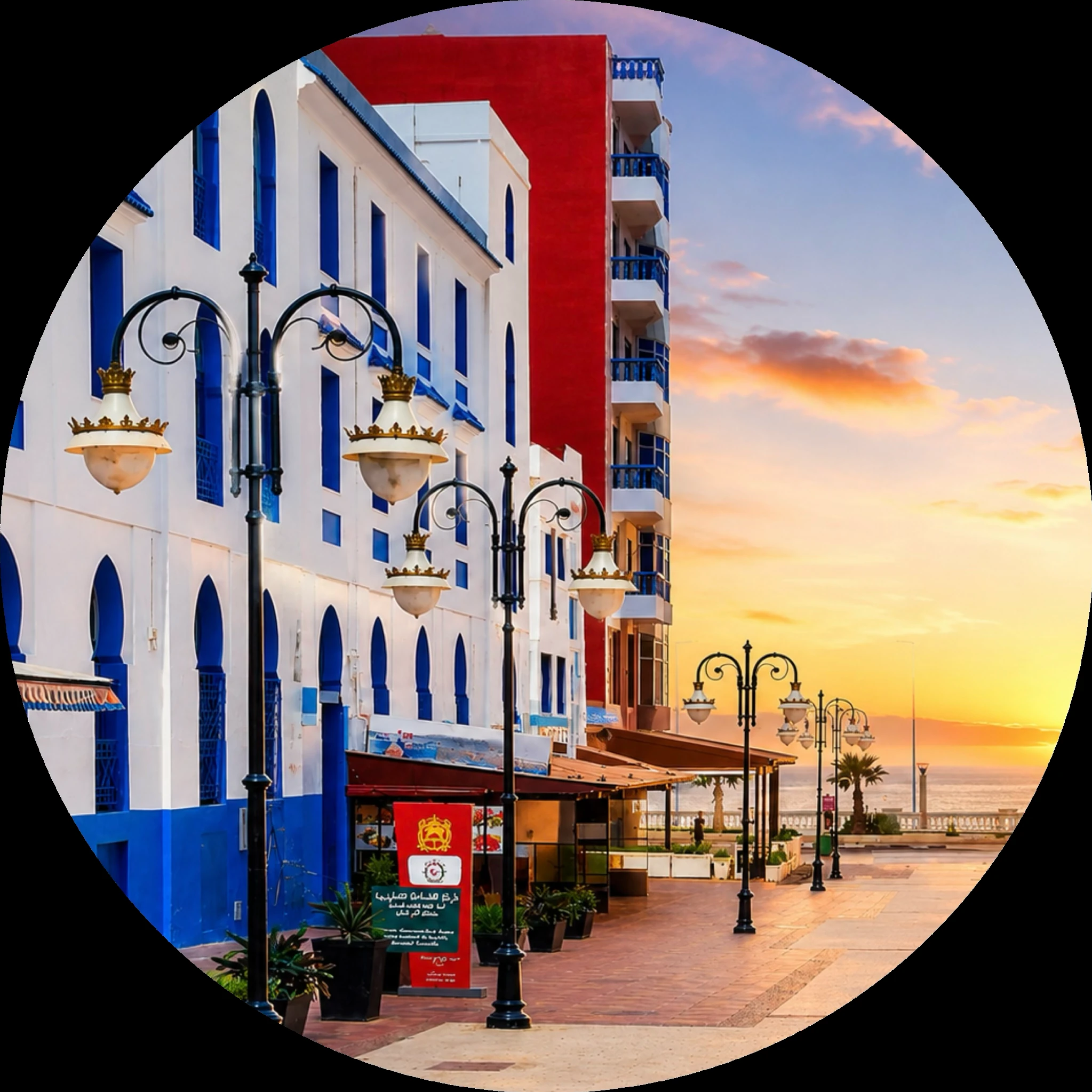
The Quiet Atlantic Layers of Larache
Atlantic light, Spanish traces, Lixus and a slower urban rhythm.
Open page →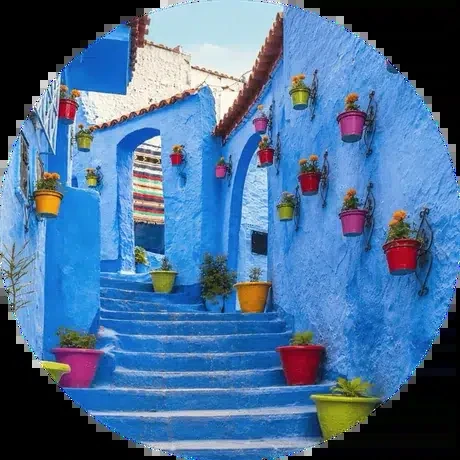
Chefchaouen Beyond the Blue Photograph
The Rif town as place, not only color: landscape, devotion and route memory.
Open page →Follow a thread across the country
Use these pathways to connect articles into journeys of culture, memory and visual meaning.
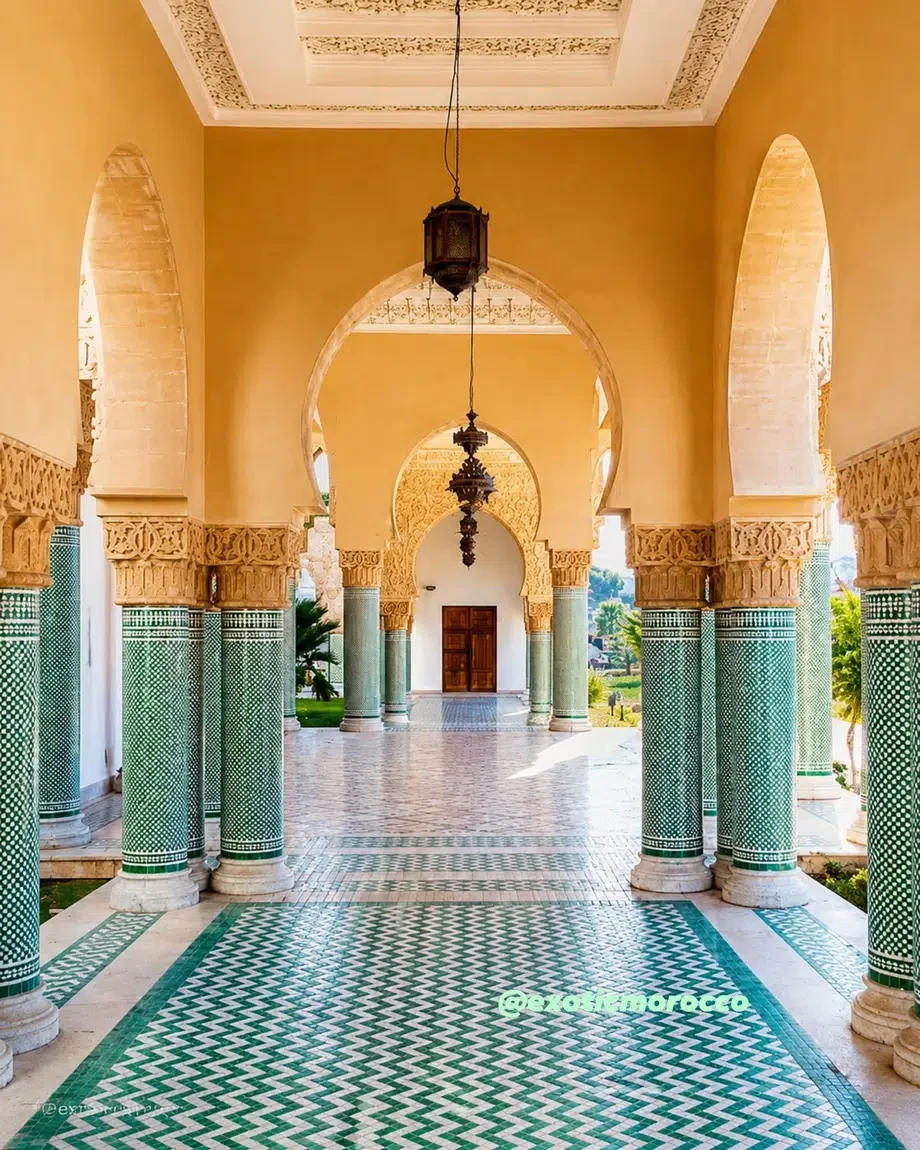
Architecture & Shade
Gates, courtyards, riads, arches and the intelligence of shadow.
Open page →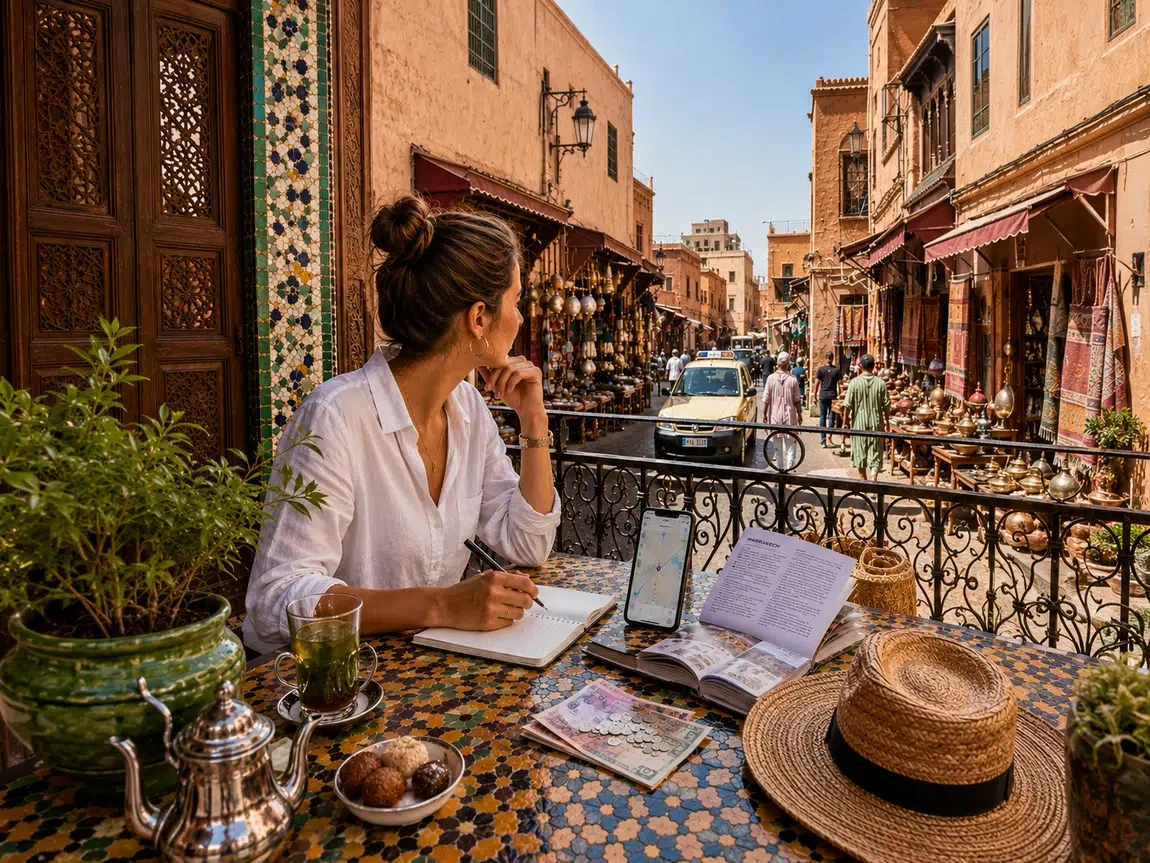
Markets & Daily Life
Souks, food stalls, gestures, work, bargaining and ordinary rhythm.
Open page →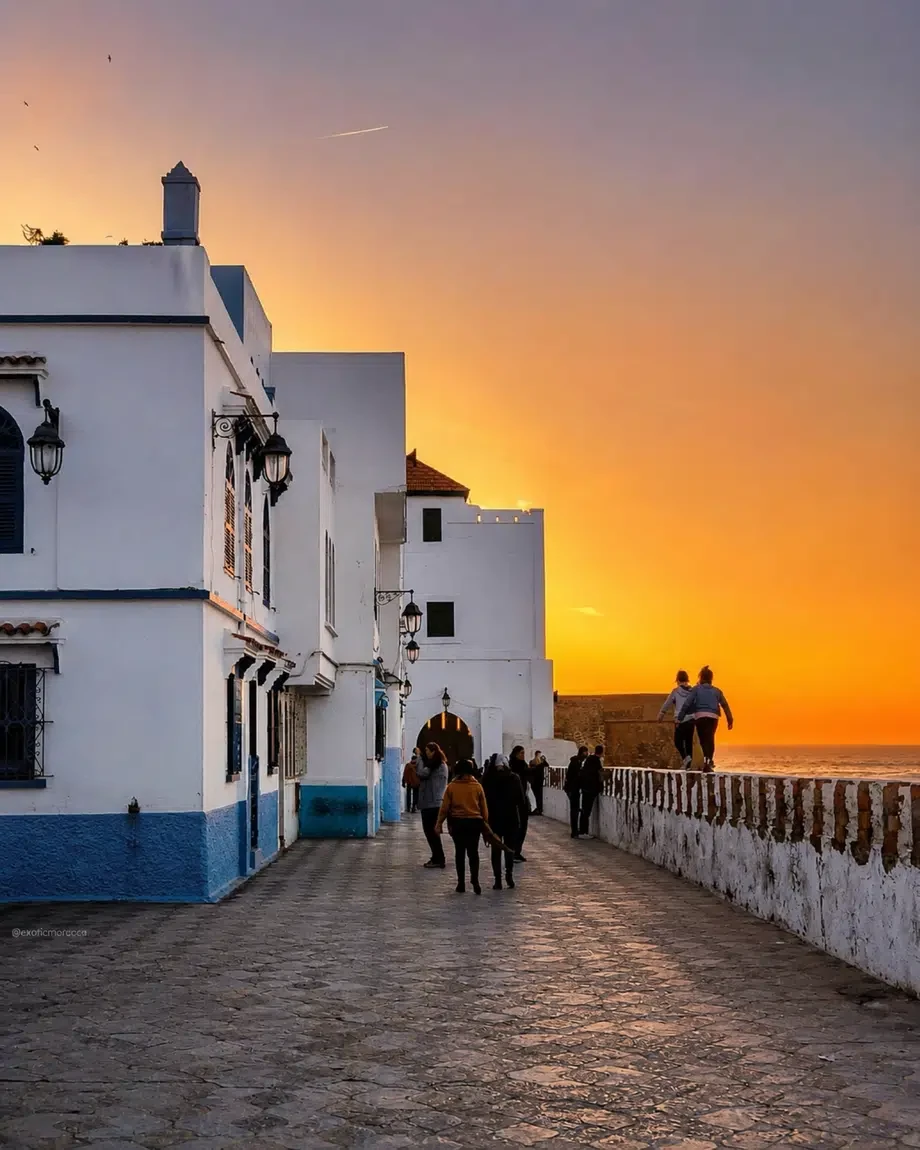
Coast & Port Memory
Atlantic and Mediterranean towns shaped by trade, empire and sea air.
Open page →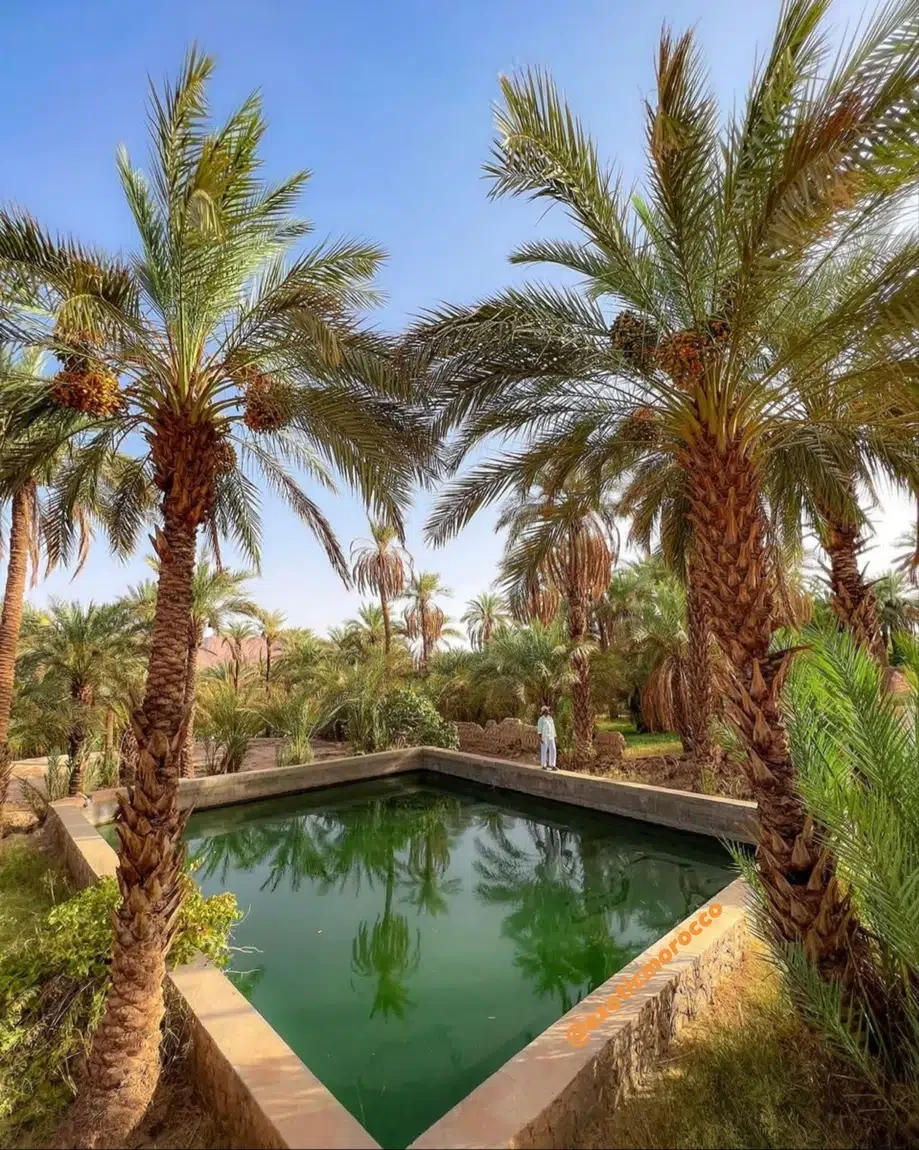
Hidden Morocco
Small places, quiet routes and stories that do not shout.
Open page →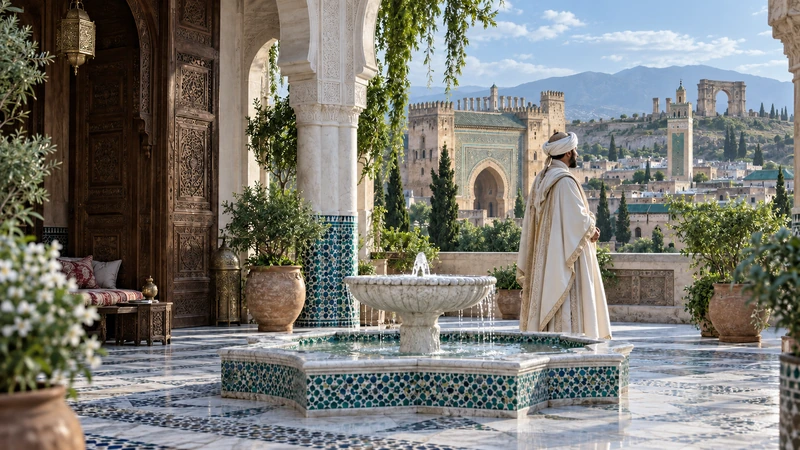
Stories are the cultural bridge
From every story, visitors can move naturally into Places, Themes, Learn, Taste and the premium guide library.