Themes

Themes of Moroccan Culture

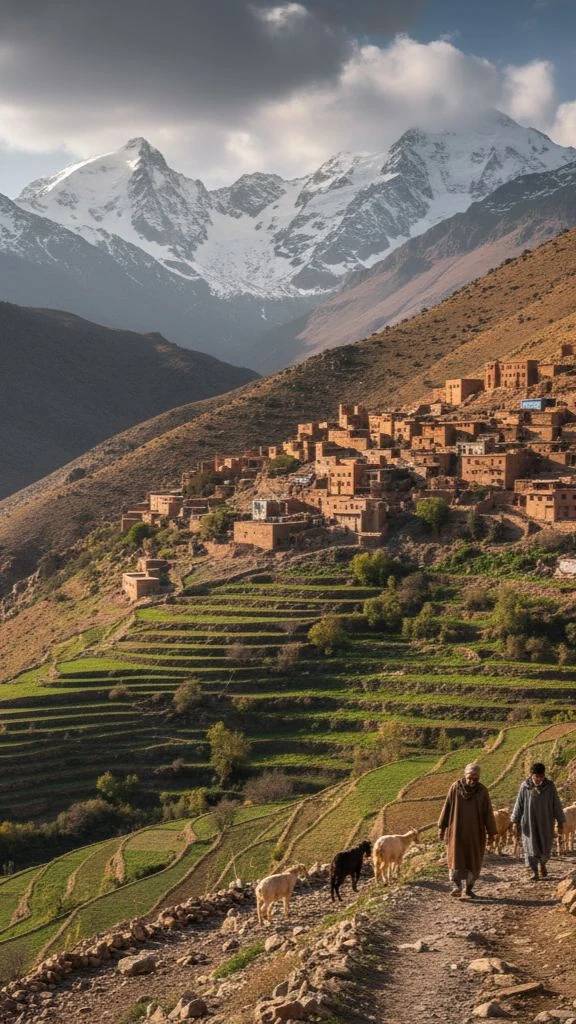
Explore Morocco through architecture, zellige, craft, food, medinas, landscapes, rituals and the small details that make every place meaningful.

Culture Map

Enter Morocco through culture, craft and memory

Morocco can be read through more than destinations. A city gate, a courtyard fountain, a zellige wall, a cedar ceiling, a bread oven, a market stall or a festival procession all carry traces of history, climate, belief, craft and everyday hospitality.

This Culture Map gives visitors a richer way to browse the country: not only by where to travel, but by what to notice once they arrive. It connects built heritage, handmade surfaces, shared food rituals and landscapes into one premium visual route through Moroccan identity.

Built Worlds

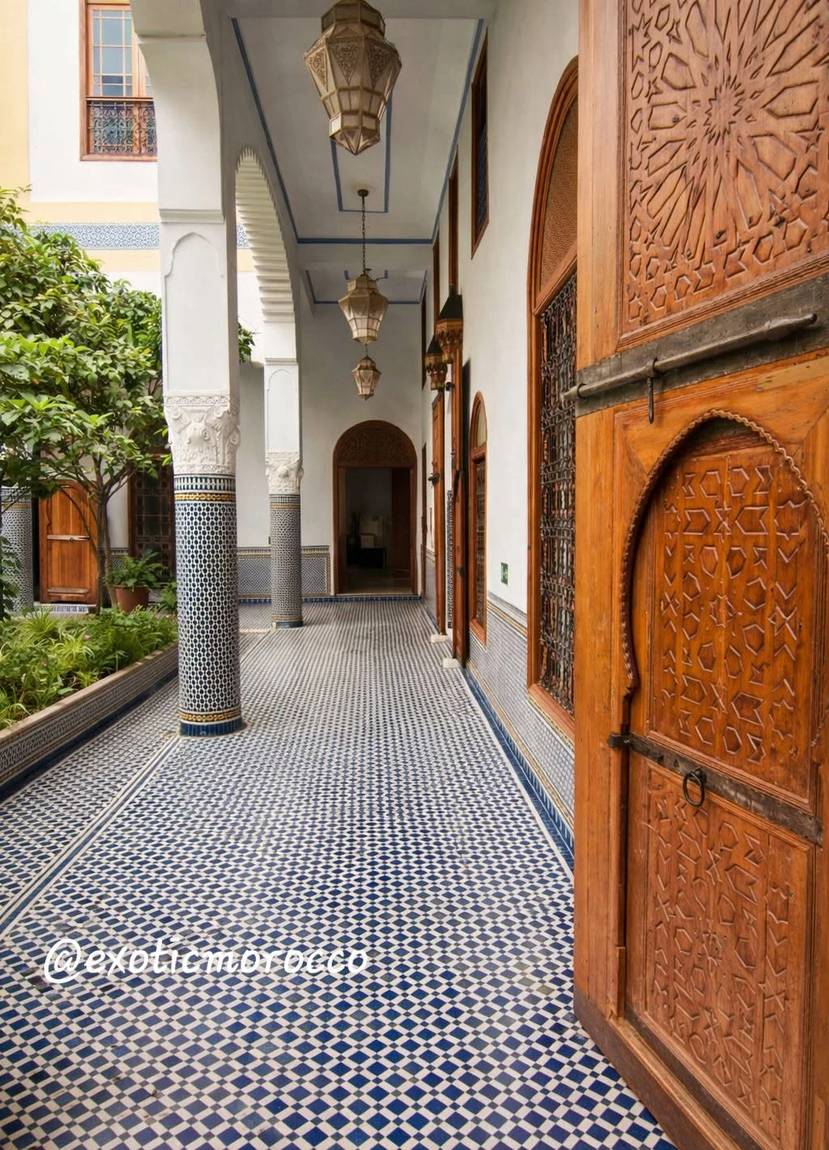
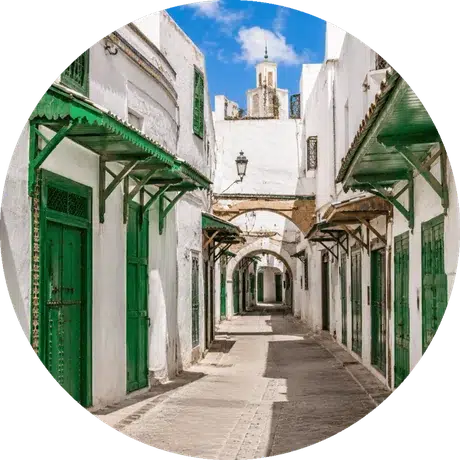
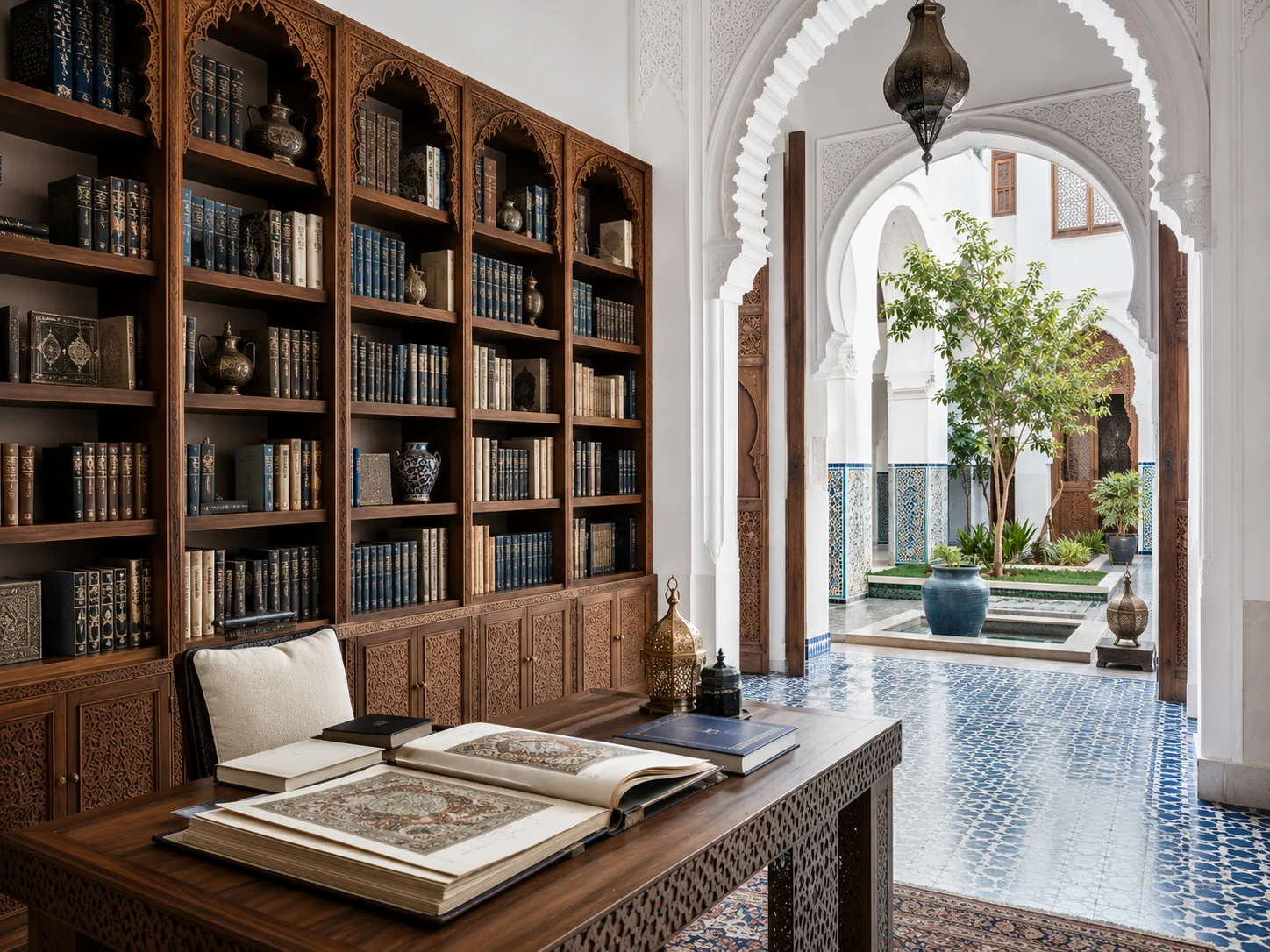
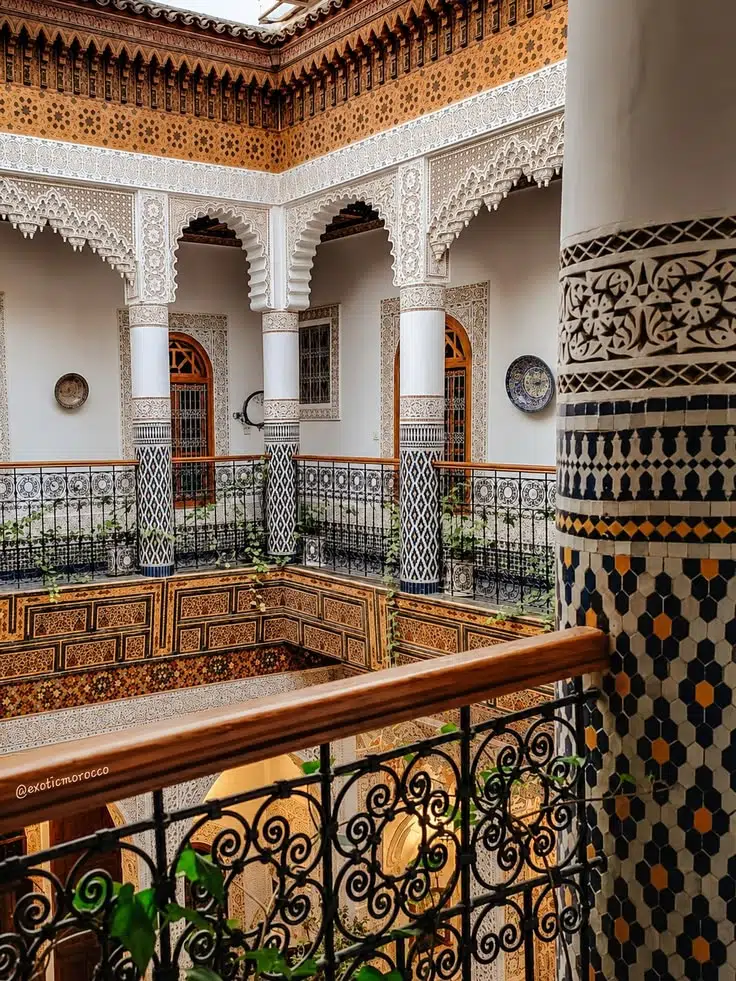
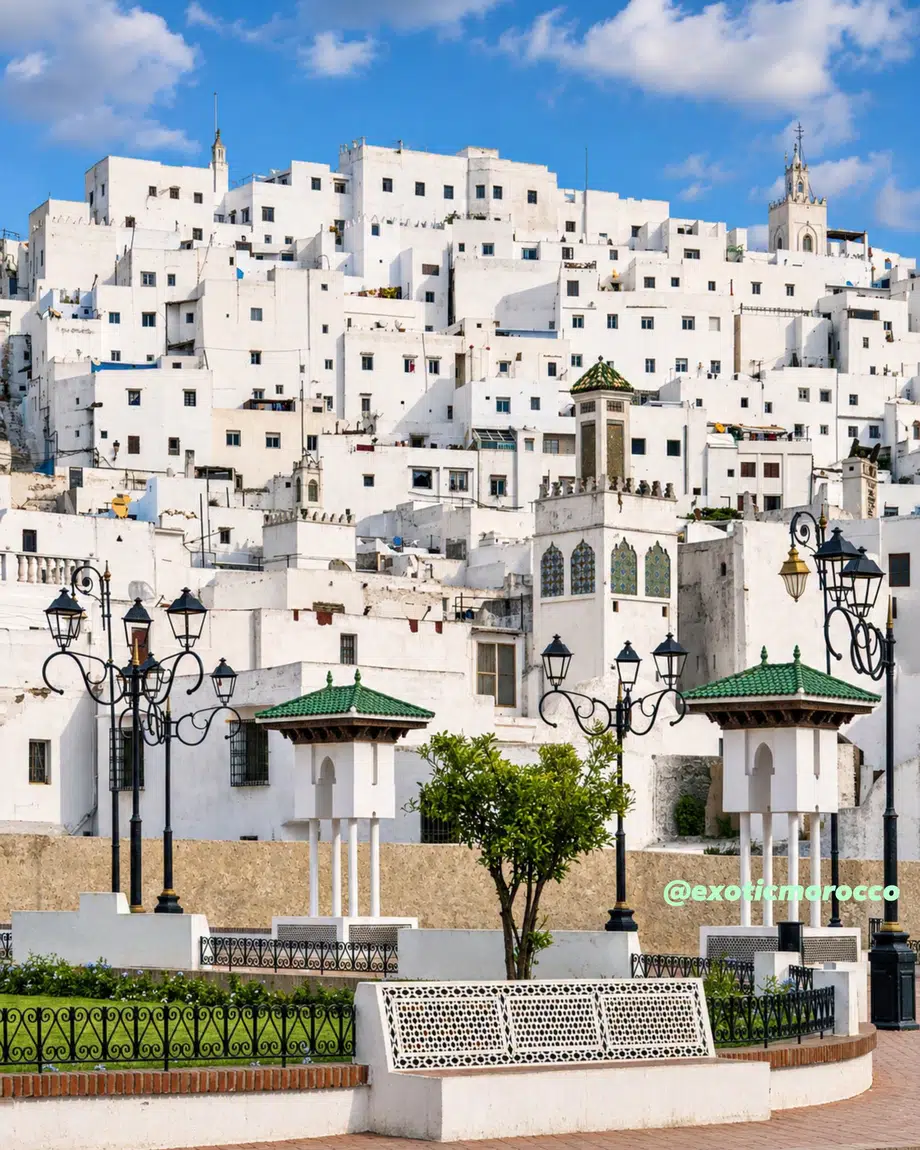
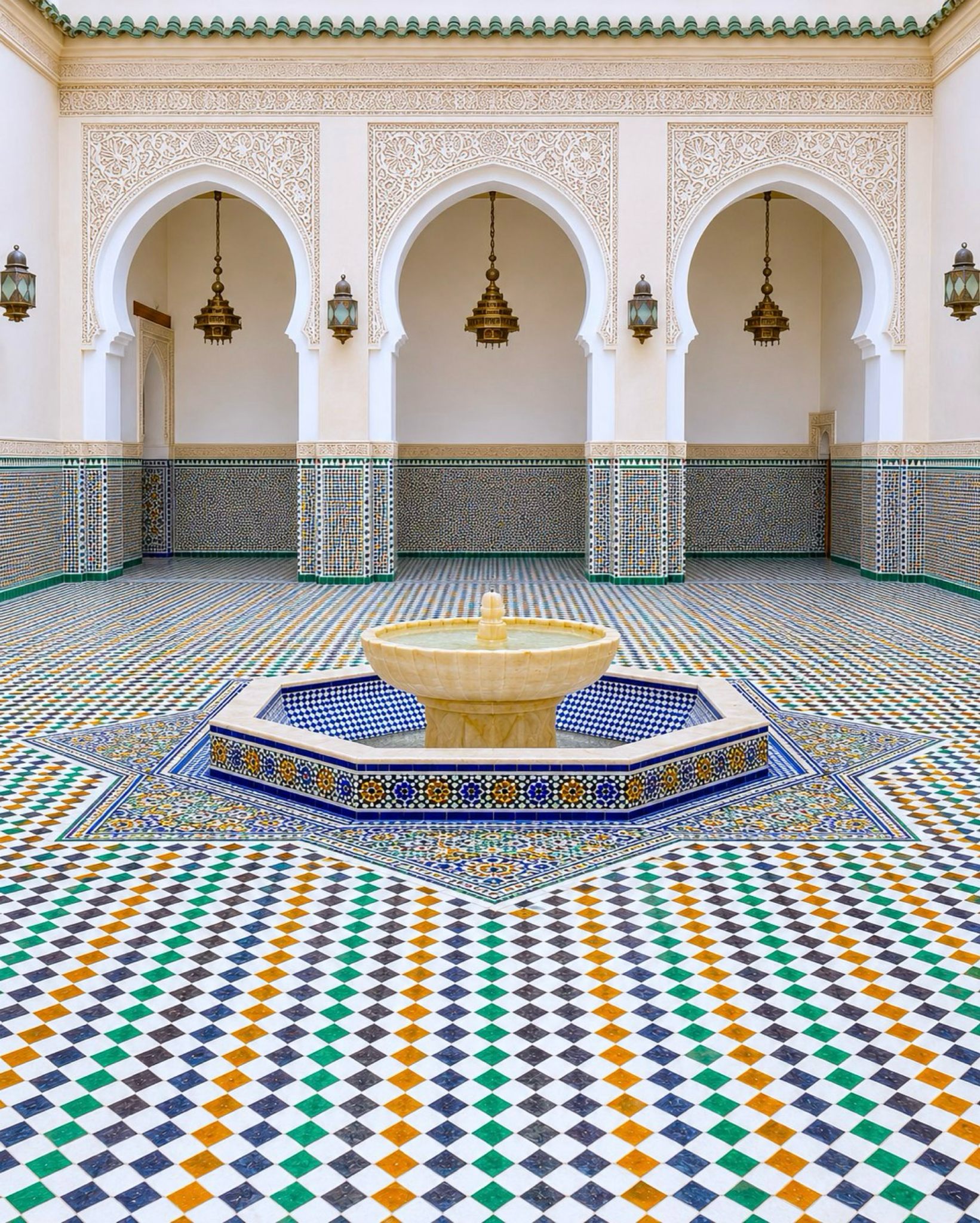
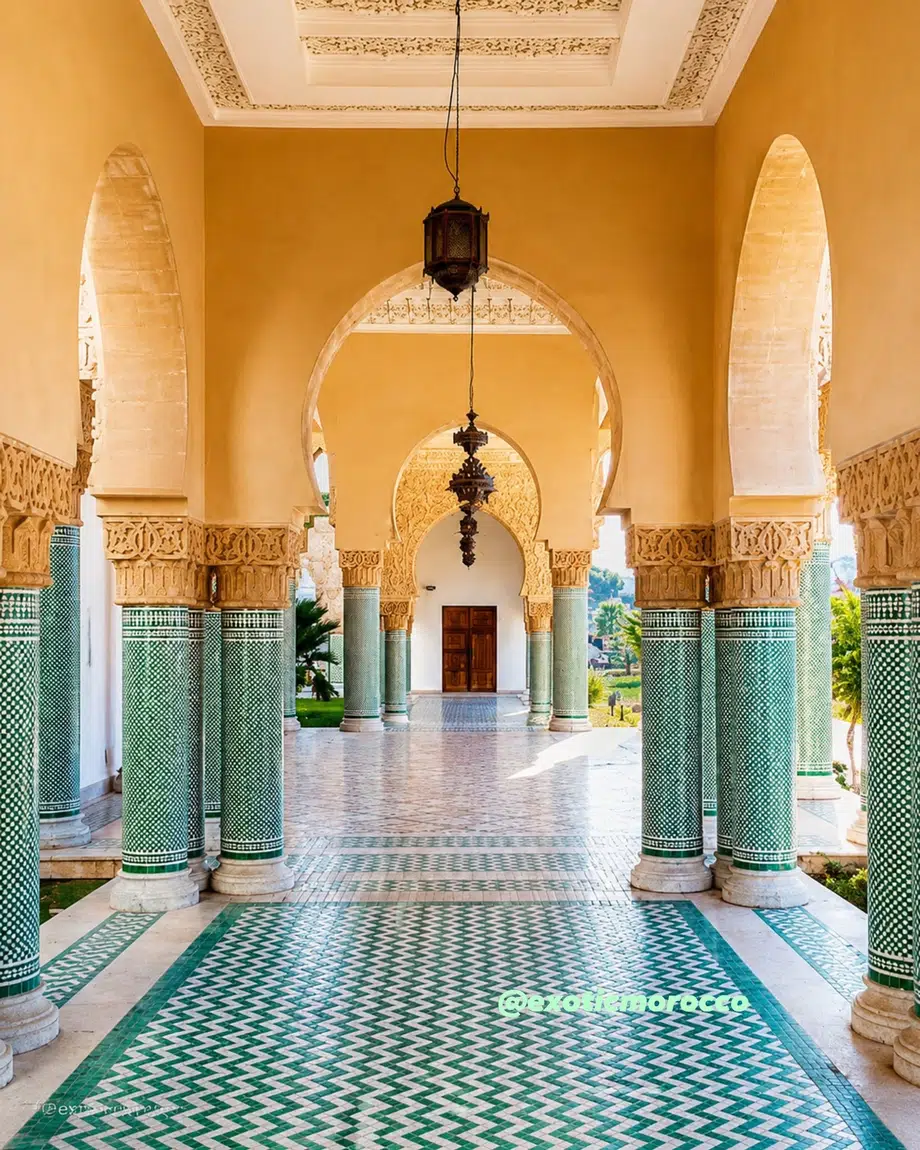
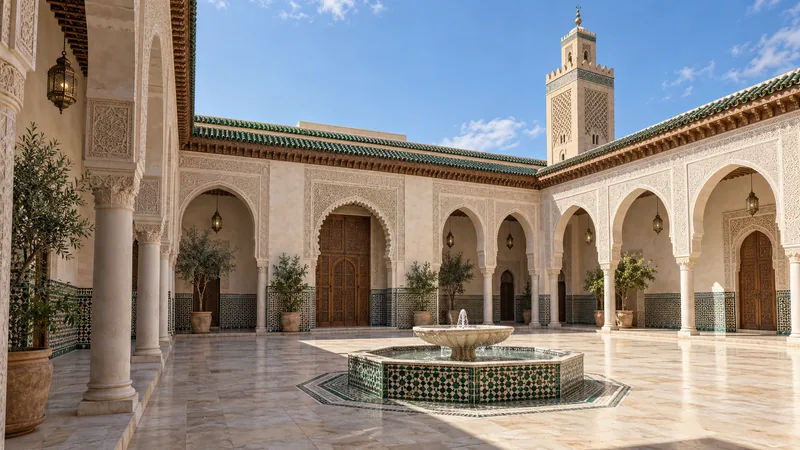
Medinas, riads, kasbahs, gates, courtyards and sacred geometry reveal how Moroccan architecture balances privacy, climate, spiritual symbolism and public life. These built spaces help visitors understand why shade, water, thresholds and ornament matter.
Handmade Morocco

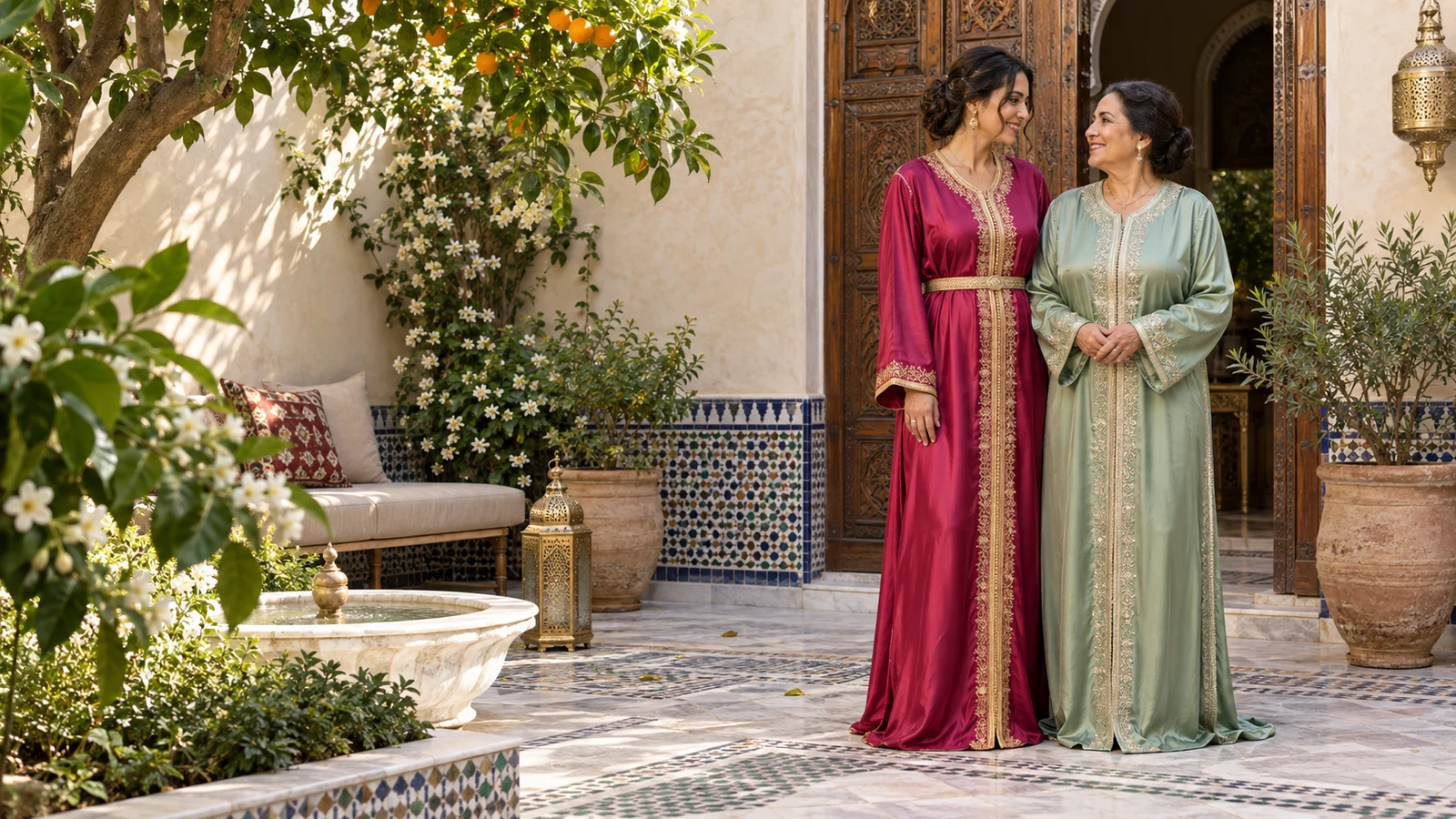
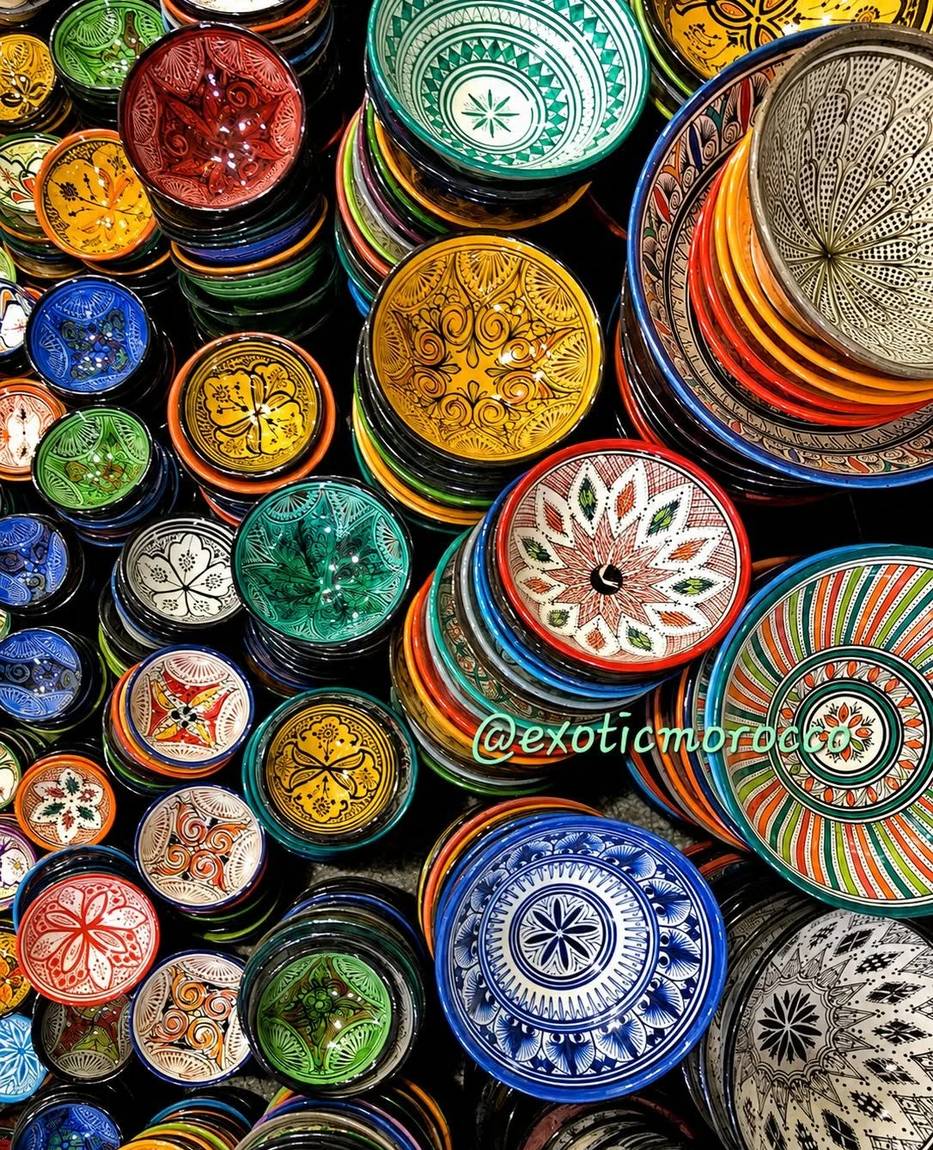
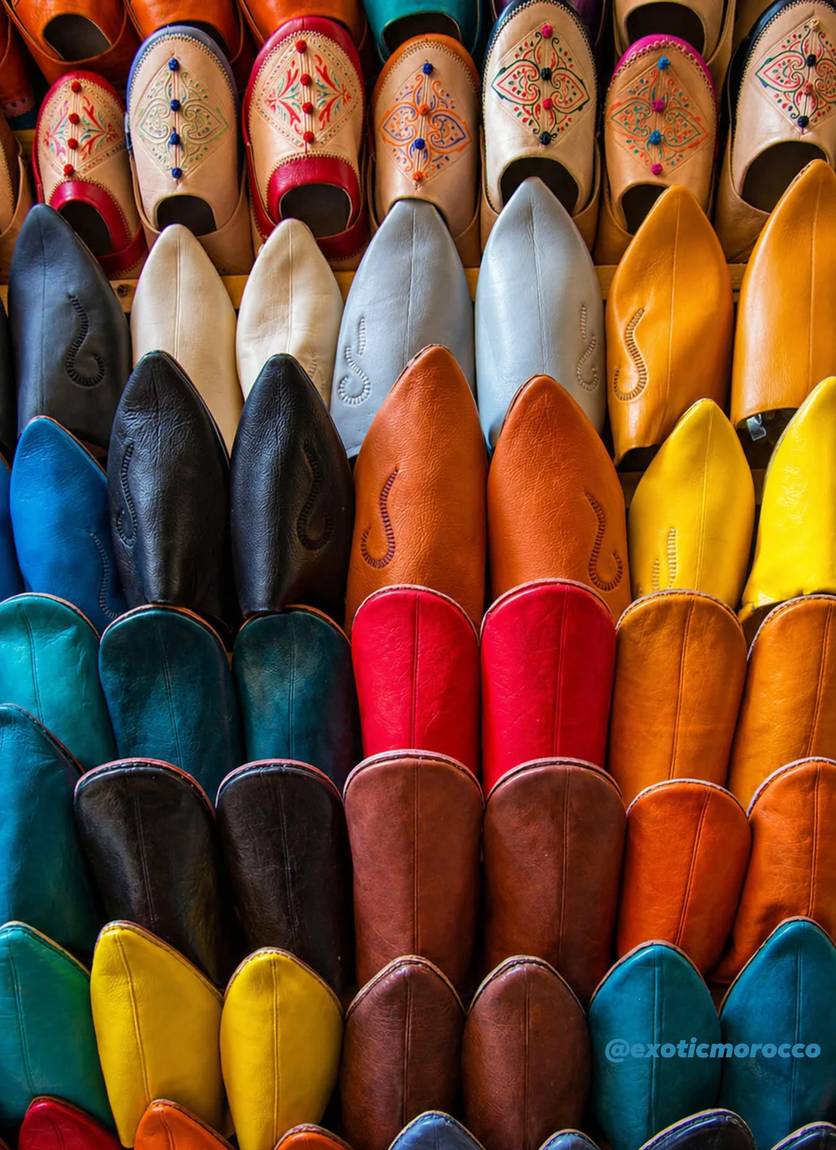
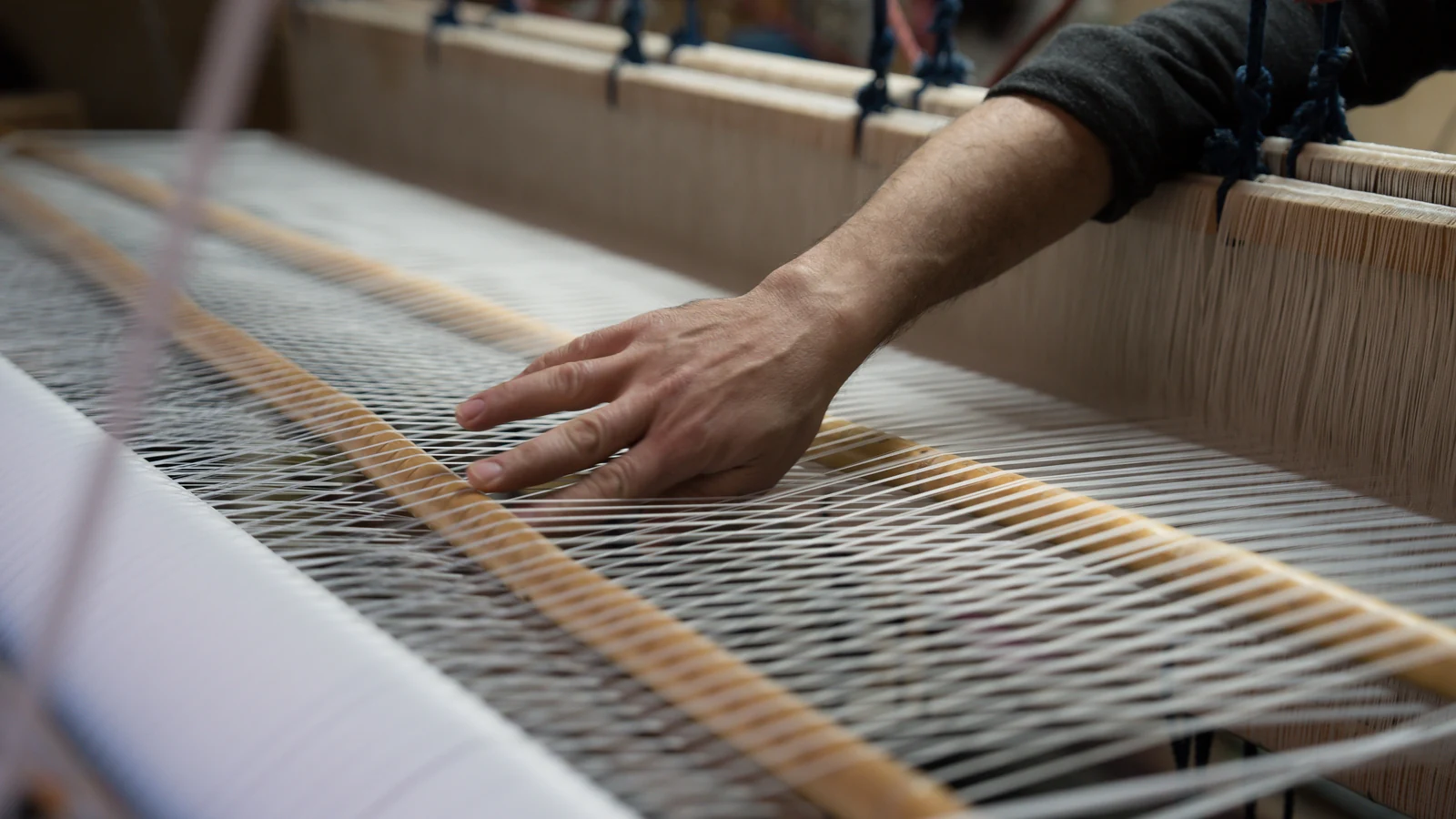
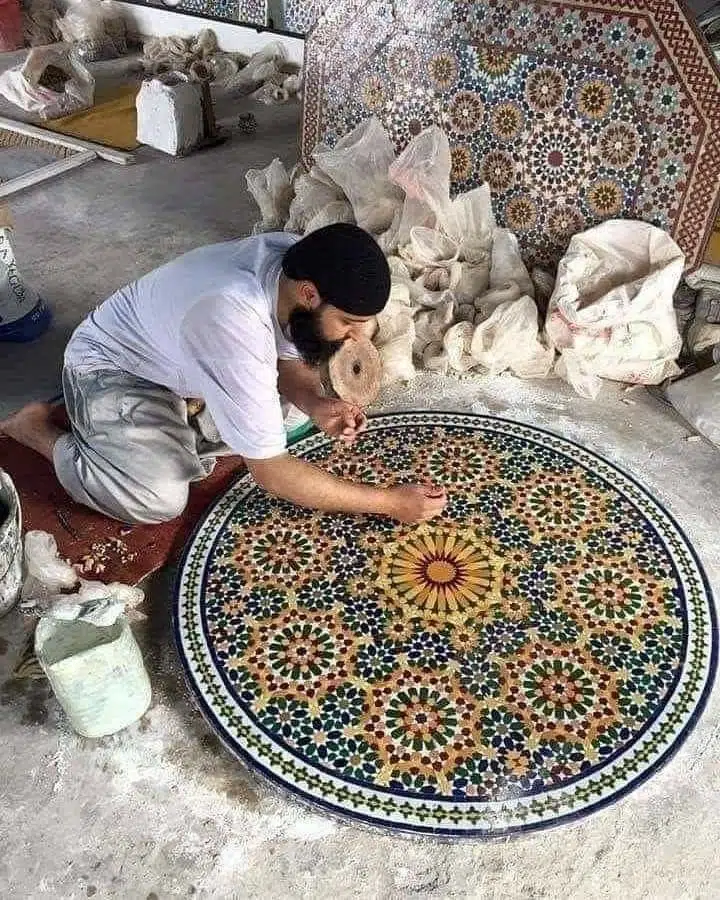
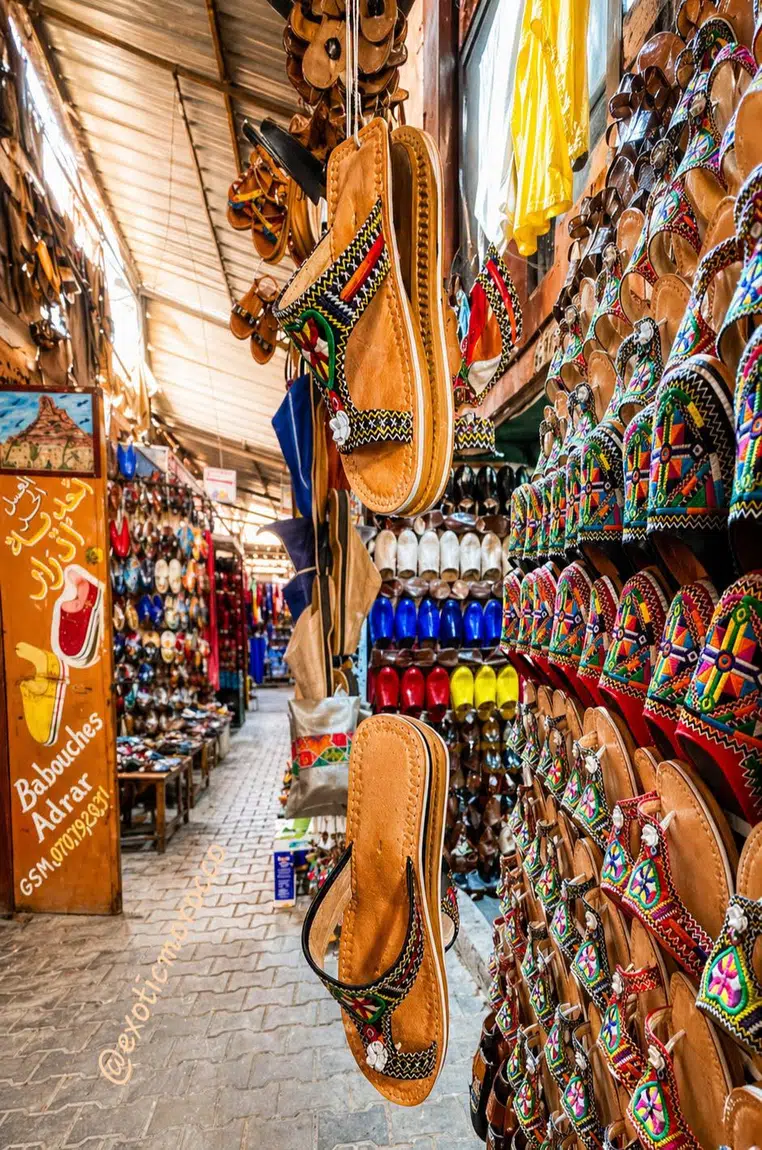
Zellige, ceramics, leather, cedar, brass, textiles, embroidery and traditional dress are not simply decorative surfaces or objects. From sfifa and aâkad to caftans, takchitas, djellabas and jabadors, they are living workshop traditions shaped by patience, regional materials, inherited techniques and the intelligence of the hand.

Living Traditions & Rituals

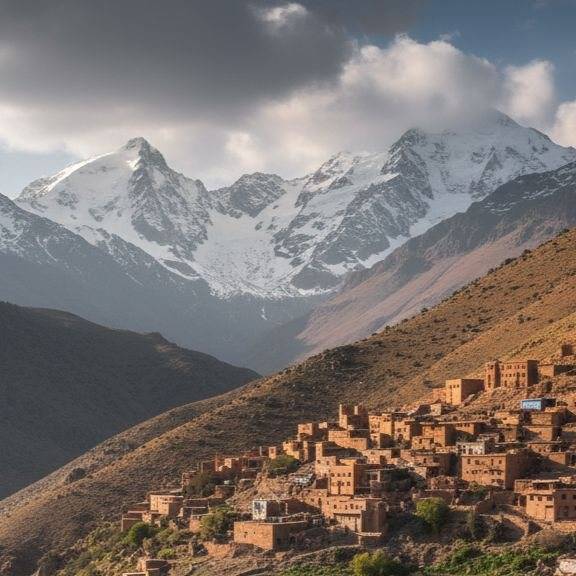
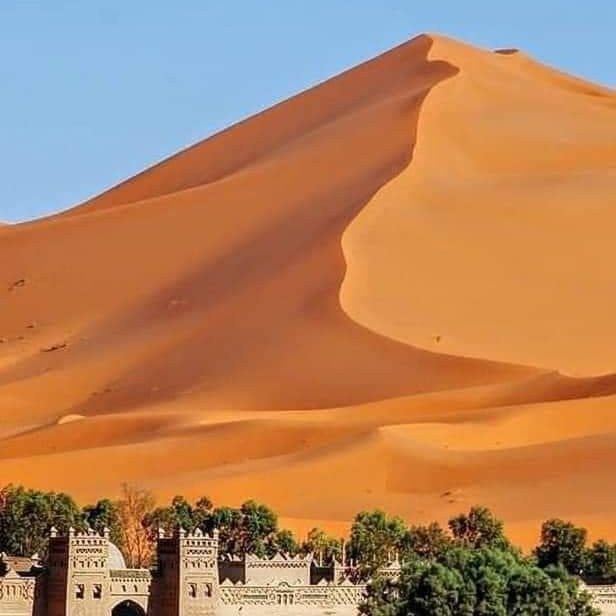
Tagines, couscous, mint tea and shared hospitality blend with coastal, oasis and Atlas landscapes, showing how land, seasonal rhythms, pilgrimage, music, festivals and everyday cultural memory intertwine across Morocco.

Architecture • Ornament • Shade

Read Morocco through spaces, surfaces and light

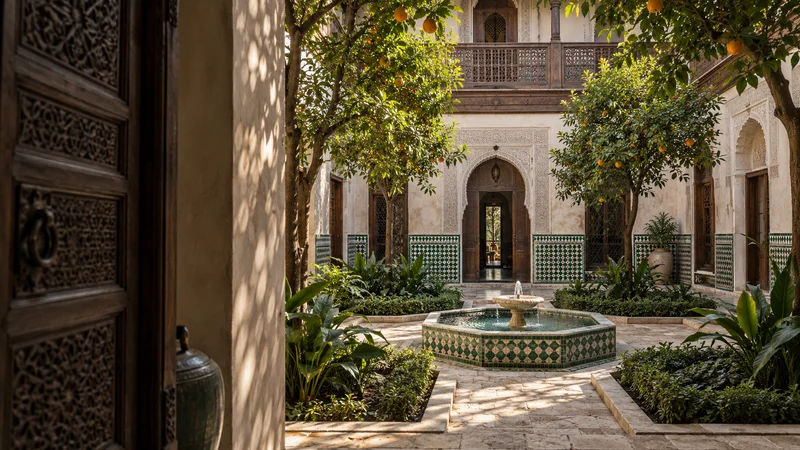
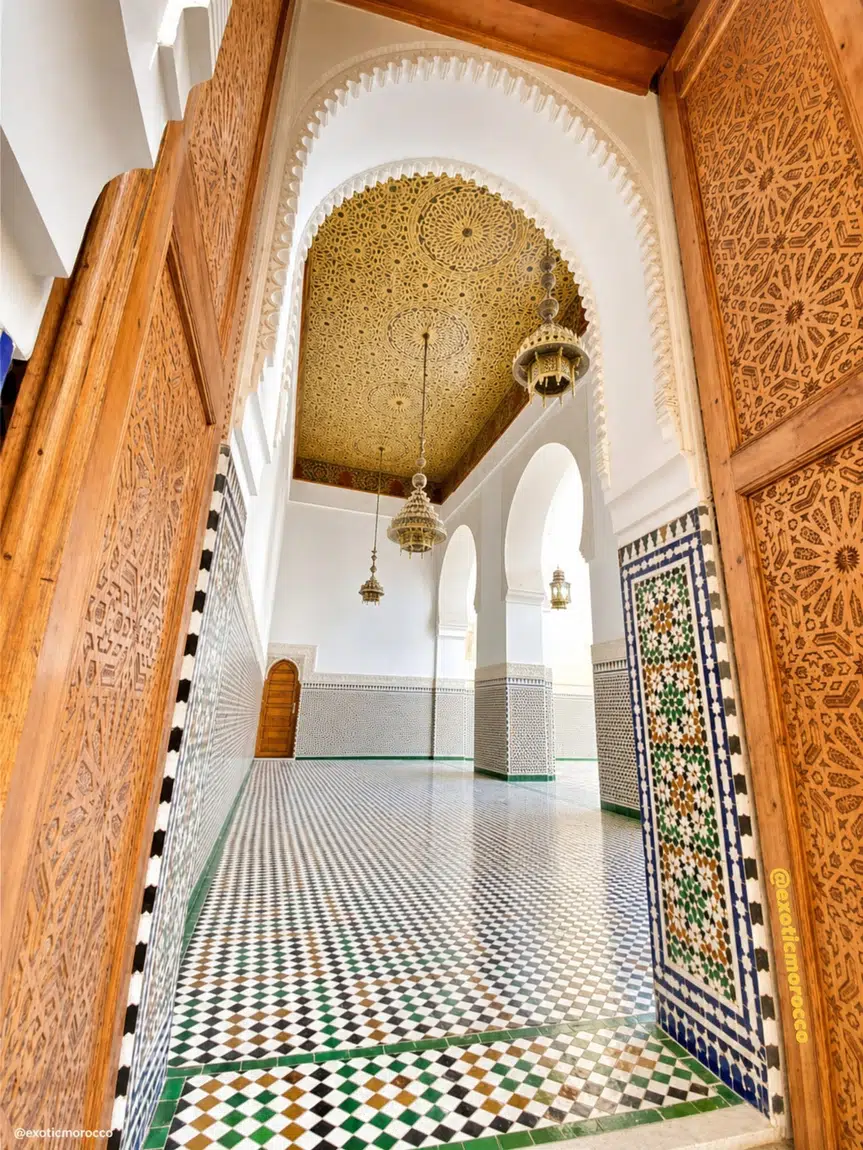
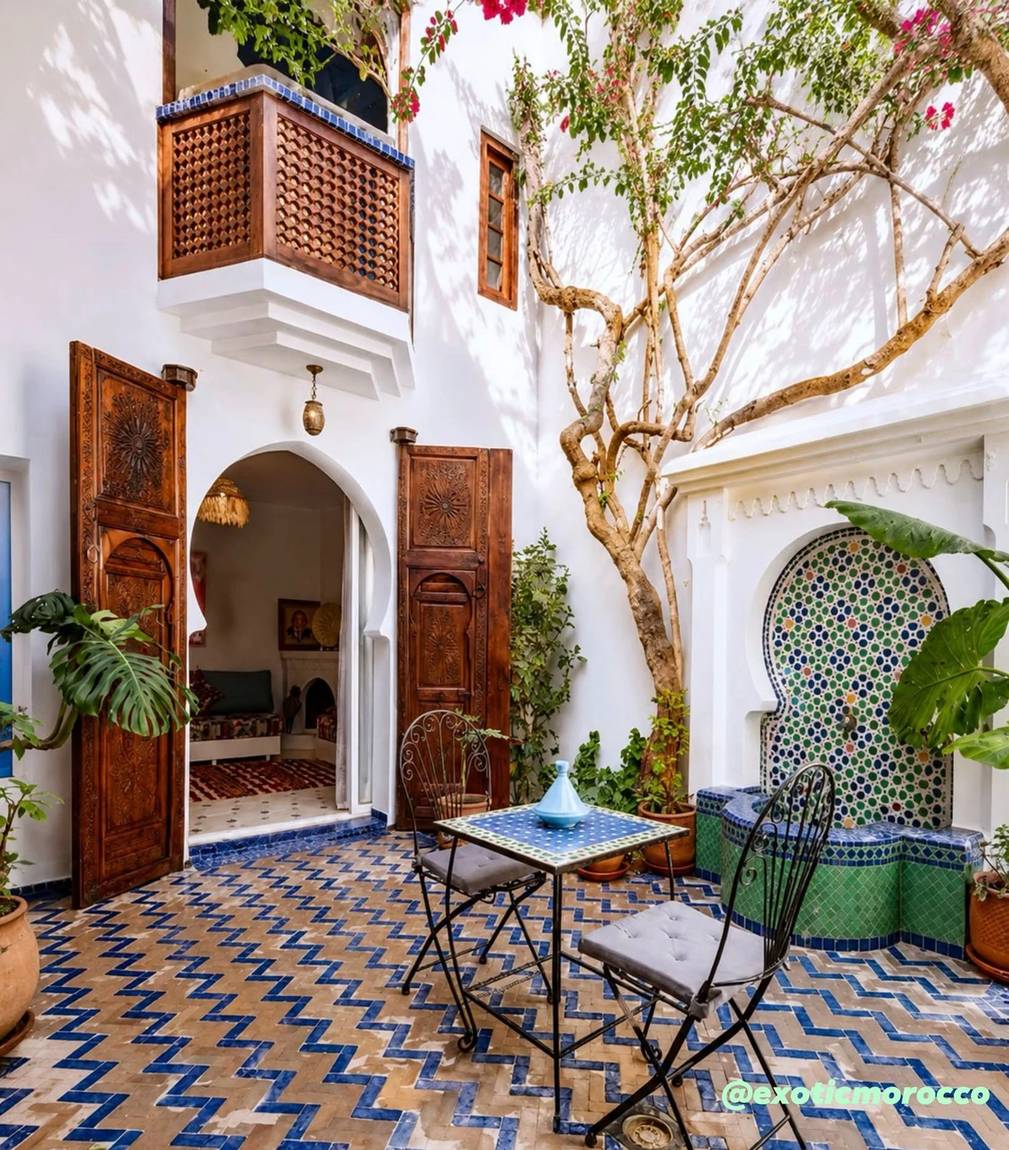
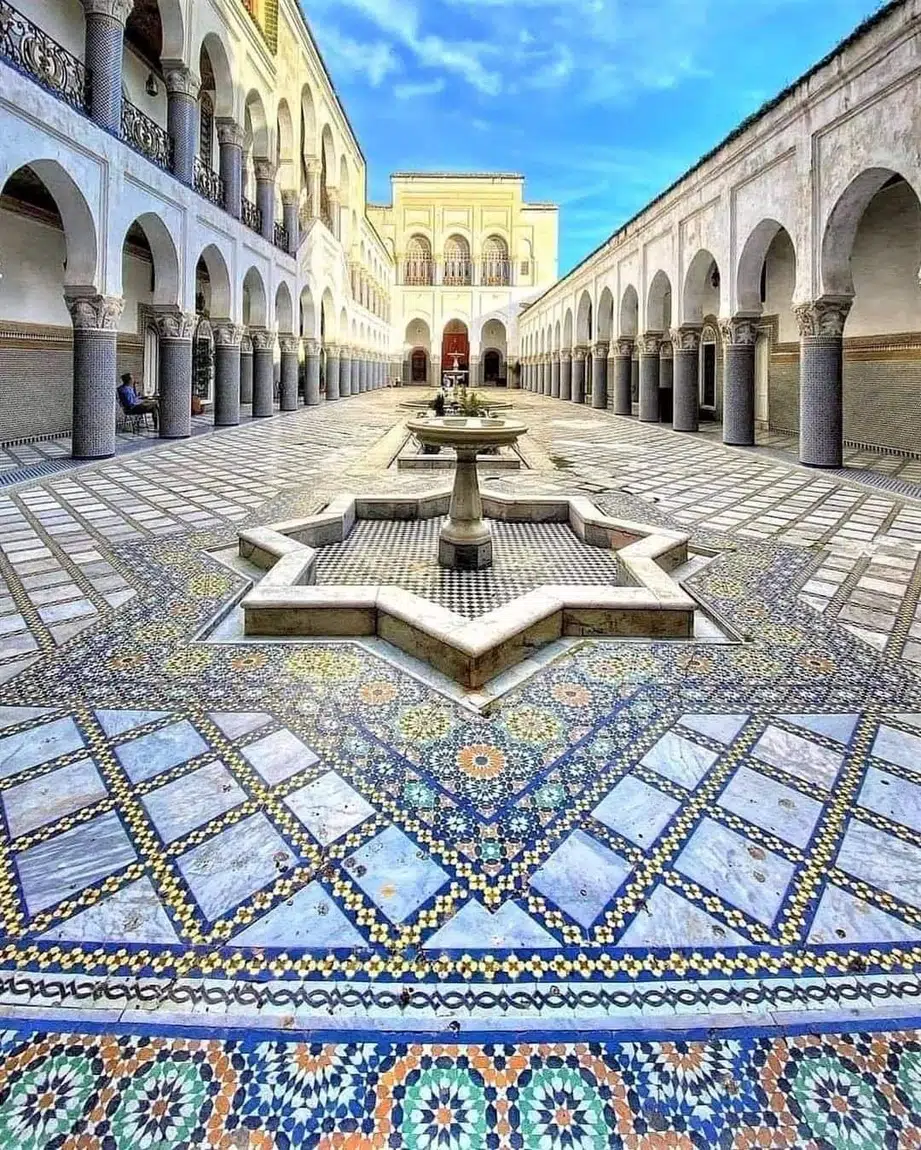
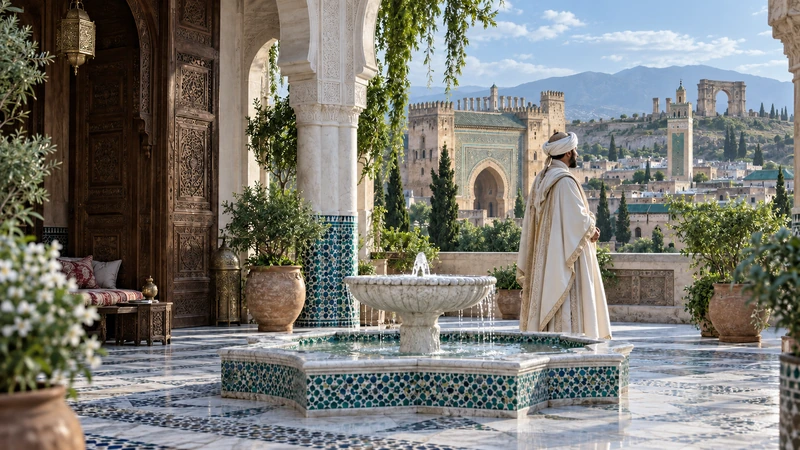
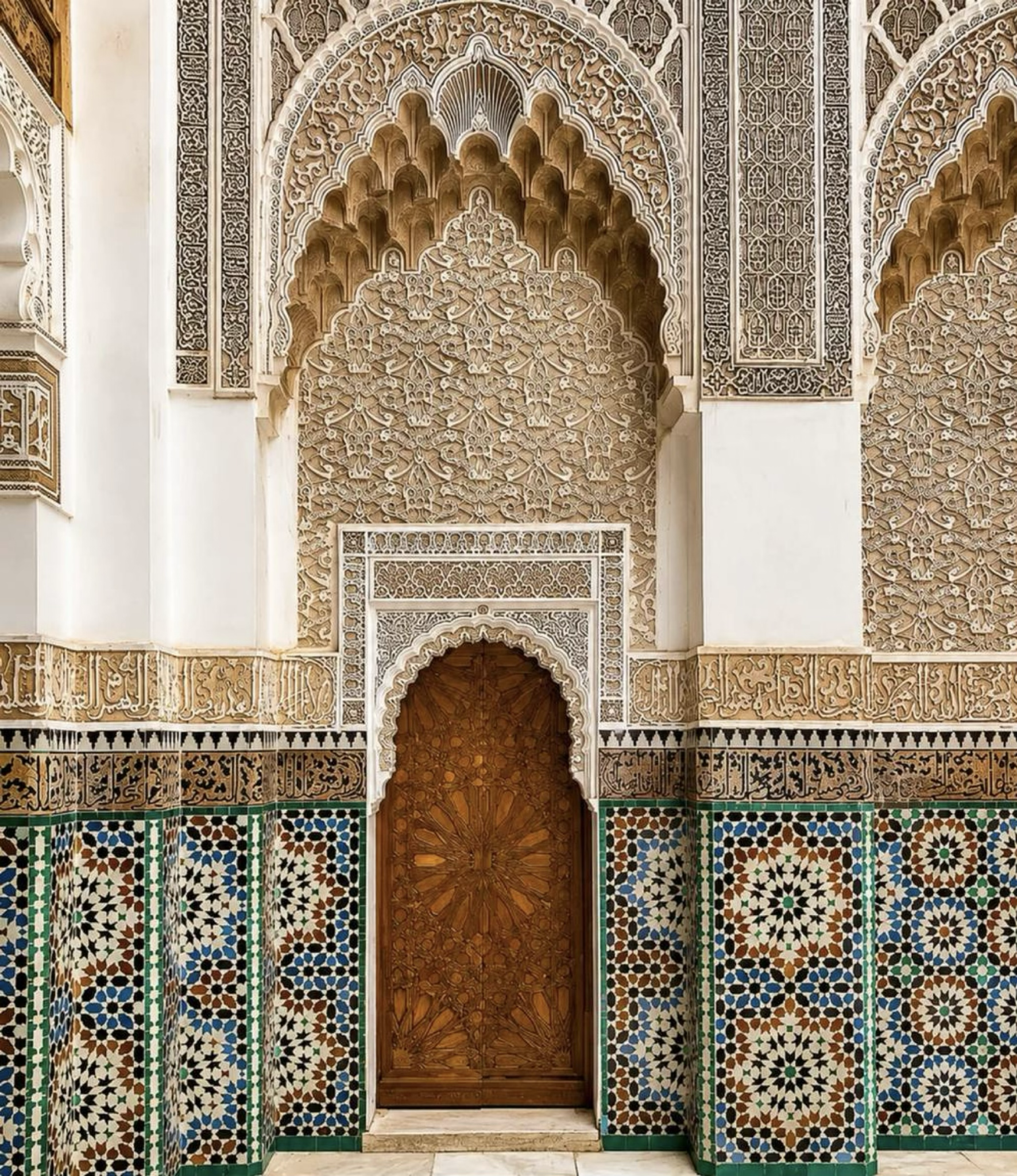
Moroccan design is not only decoration. A courtyard controls privacy and climate. A tiled fountain organizes sound and reflection. A carved door marks a threshold between street life and interior calm. This featured pathway teaches visitors how to look slowly and understand what they are seeing.

Look at the thresholdDoors, corridors and entrances reveal how Moroccan buildings manage welcome and privacy.
Follow water and shadeFountains, patios and arcades explain comfort, reflection and interior atmosphere.
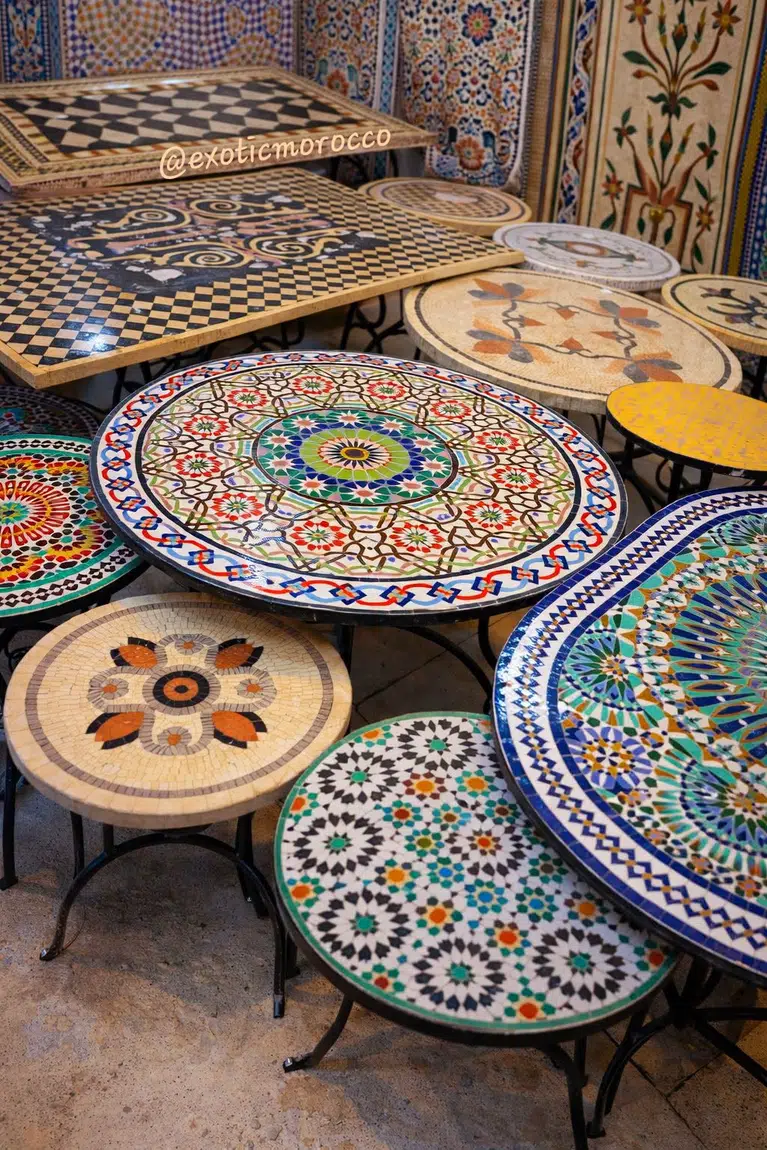
Read the handmade surfaceZellige, cedar, plaster and brass show skill, patience and inherited visual systems.
Start with architecture
Details

Small Details, Big Meaning

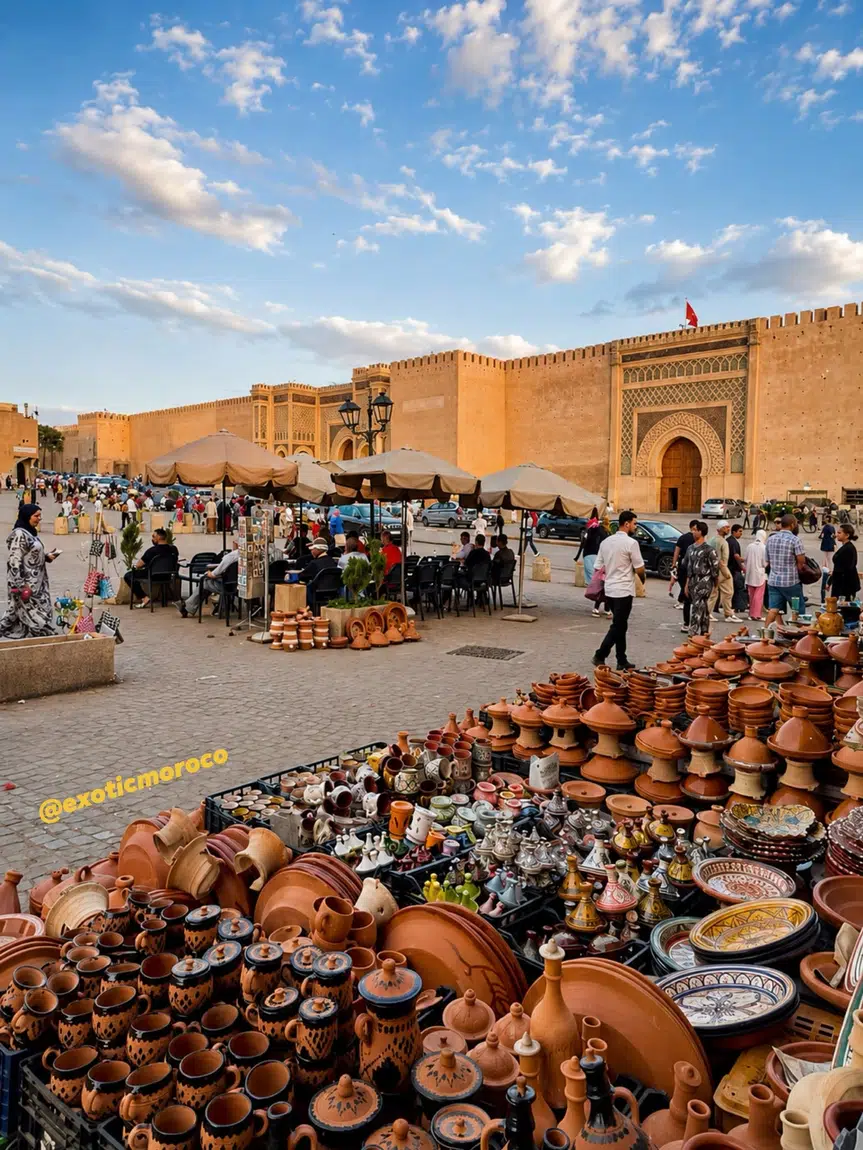
Theme discovery becomes richer when visitors learn to notice forms: a fountain lip, a cedar door, a ceramic bowl, a market display, a courtyard shadow or a pattern repeated by hand.

Places

Themes by Place

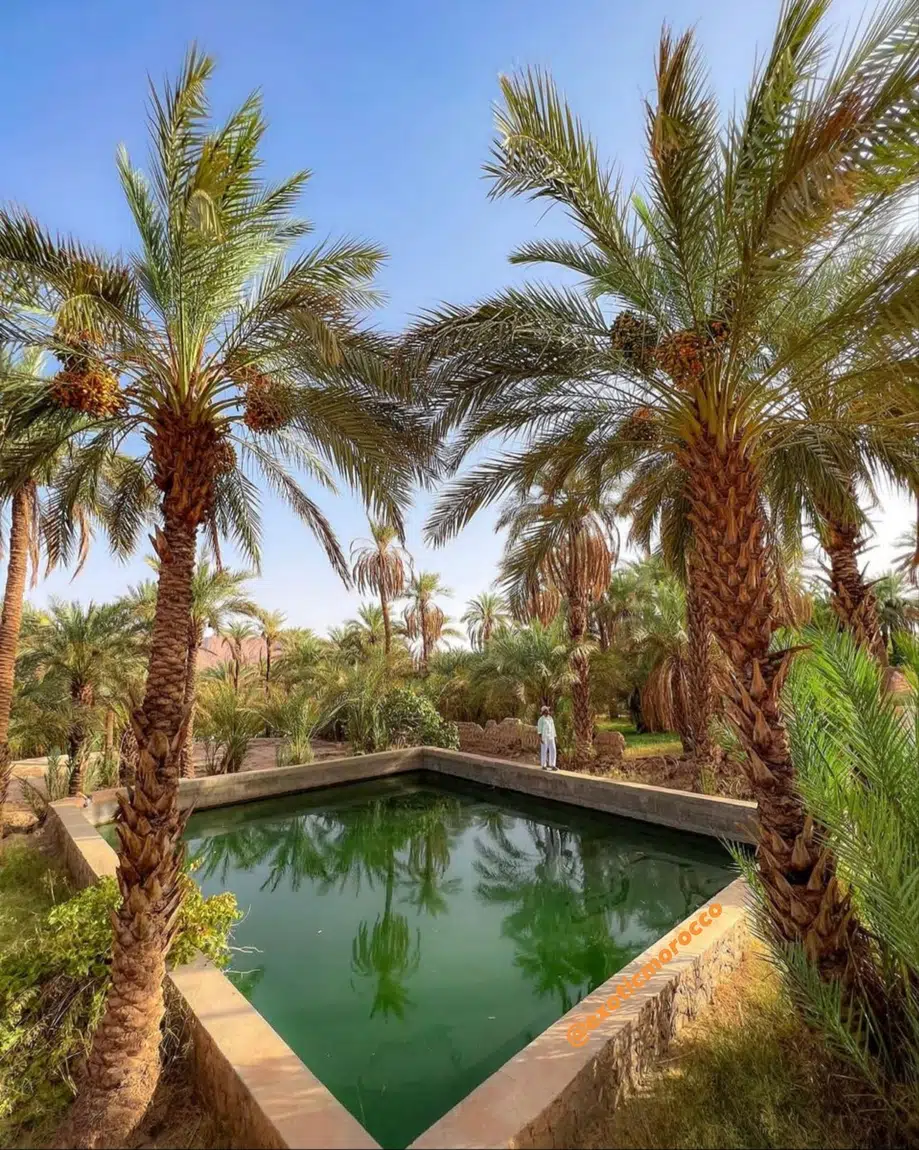
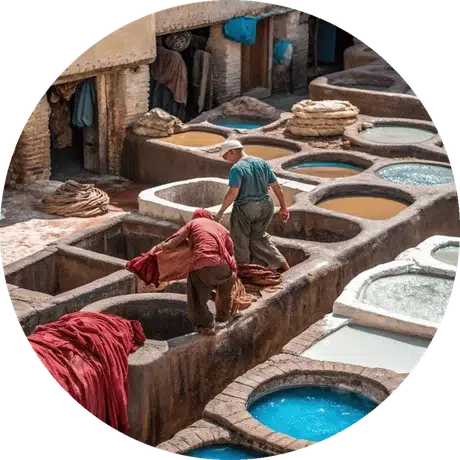
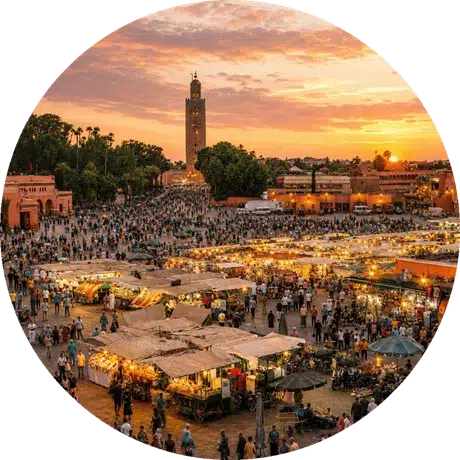
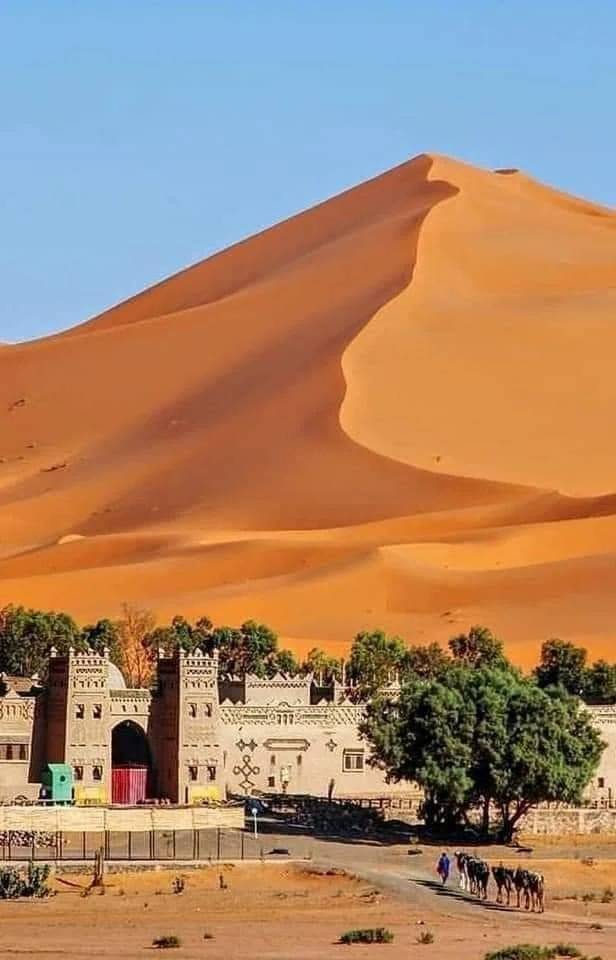
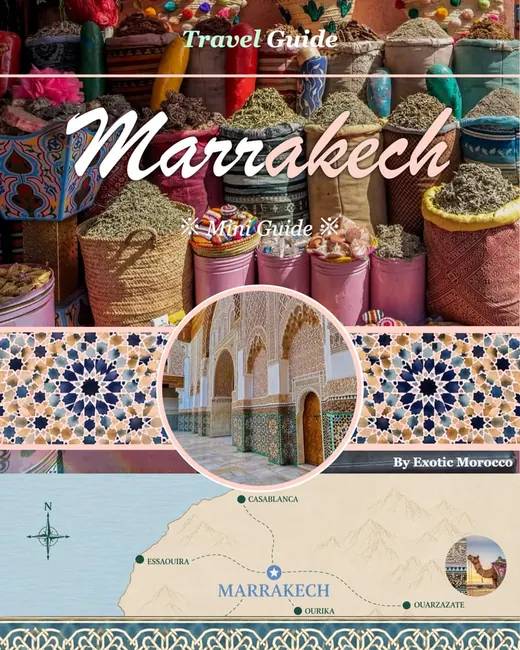
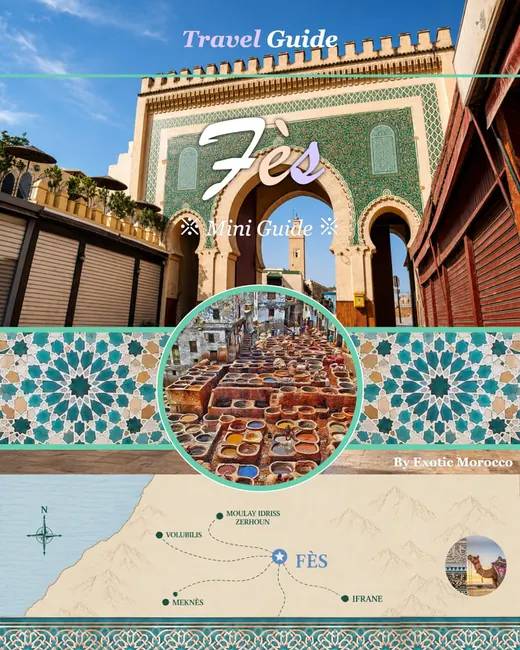
Some themes become clearest in specific places: Fez for craft knowledge, Marrakech for ceremony and gardens, Essaouira for music and sea air, Safi for ceramics, and the south for kasbahs and oases.

Learn

Learn the Themes

Give every visual subject a clear explanation: what it is, why it matters, where to see it and how it connects to history, everyday life and regional identity.

Start with the big picture

Understand before you travel

This learning path turns themes into knowledge. It helps readers move beyond pretty images by explaining how dynasties, materials, climate, trade, religion, craft guilds and regional landscapes shaped Moroccan culture.

  • See with context: understand what a courtyard, gate, souk, mosque exterior, fountain or kasbah is doing.
  • Connect places: follow the same theme from Fez to Marrakech, from the Rif to the Atlantic coast.
  • Travel with respect: learn etiquette, photography sensitivity and the social meaning of hospitality.
Explore learning hub
Moroccan dynasties

Dynasties & Cities

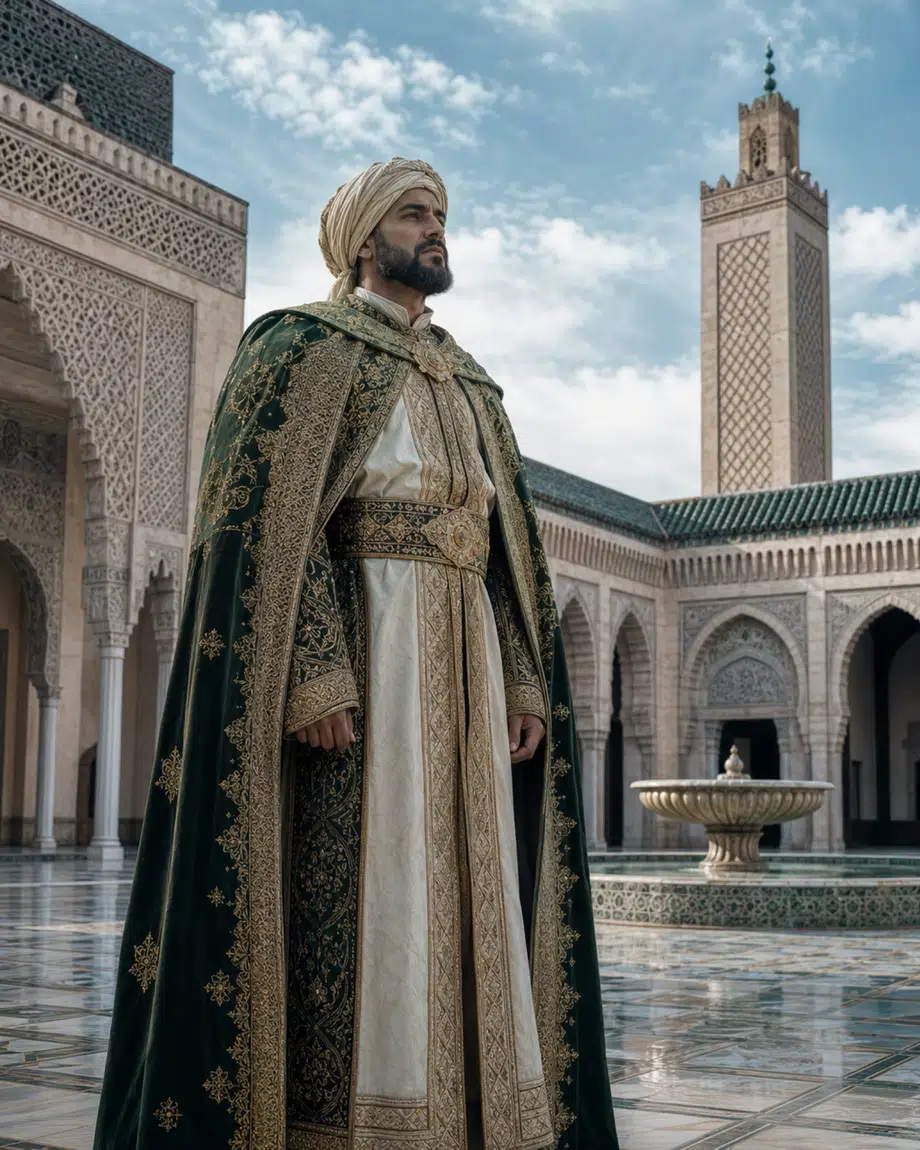
Trace how successive dynasties redirected patronage between Morocco’s great cities, leaving distinct layers of walls, madrasas, palaces, gardens and ceremonial gates. Read each city as a historical sequence rather than a collection of isolated monuments.

Read topic →
Riads and domestic space

Riads & Domestic Space

Explore how inward-facing homes organise family life around a courtyard, water, shade, airflow and privacy. Zellige, tadelakt, carved plaster and cedar show how climate, craftsmanship and social customs meet inside domestic architecture.

Read topic →
Zellige and ornament

Zellige & Ornament

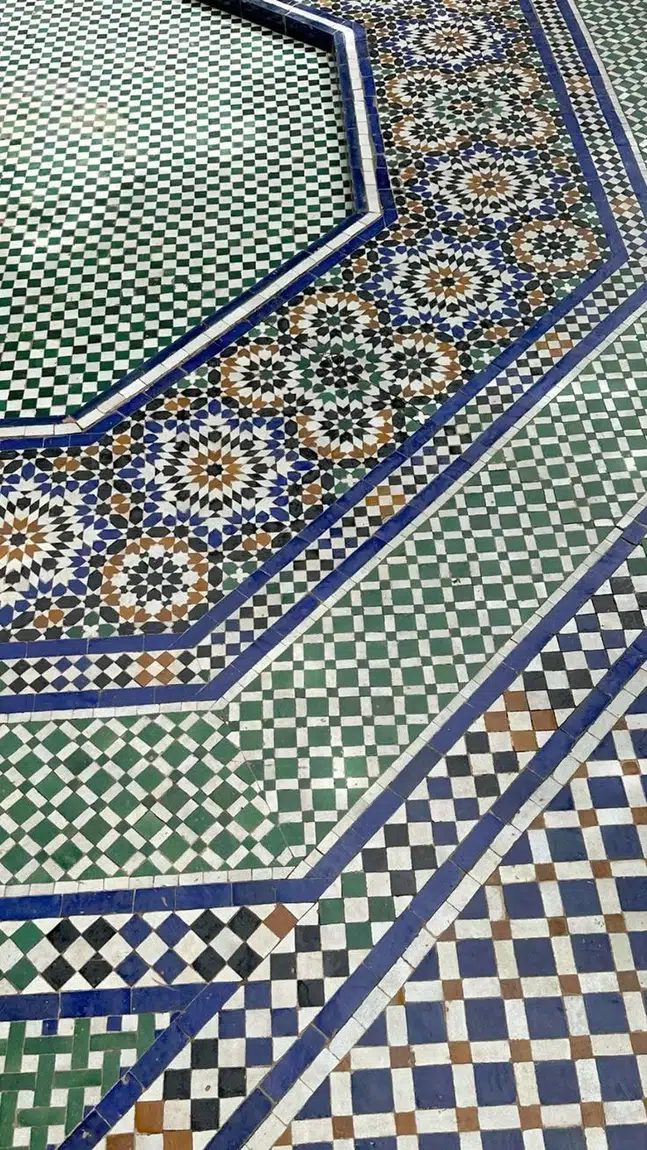
Follow the process from fired clay tile to hand-cut tesserae, then see how stars, polygons, colour and repetition create measured harmony. The topic connects geometry with workshops, fountains, madrasas and contemporary interiors.

Read topic →
Ceramics and artisan craft

Ceramics & Craft

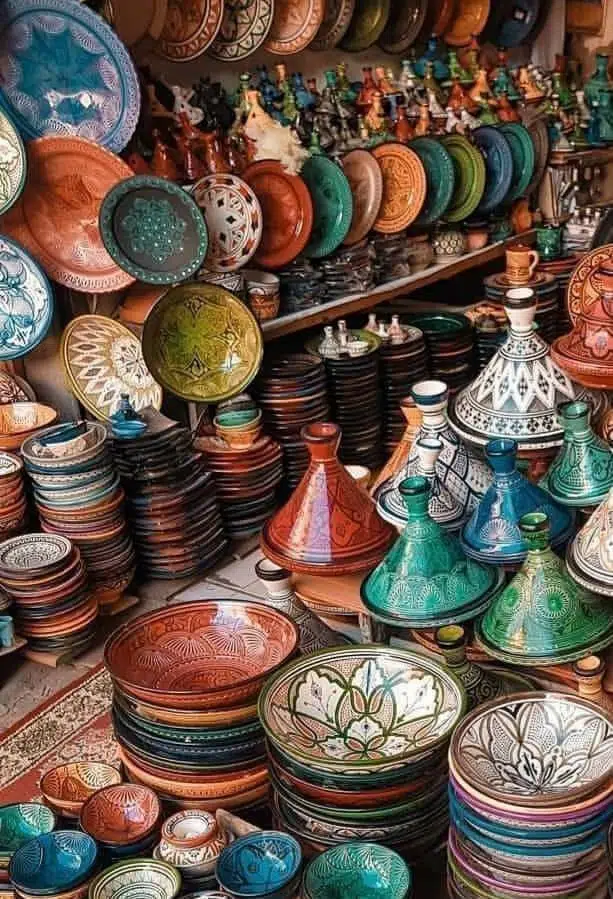
Compare regional pottery traditions, glazing methods, decorative motifs and everyday market vessels. Local clay, firing, workshop organisation and practical use reveal how handmade objects carry identity, trade history and living artisan knowledge.

Read topic →
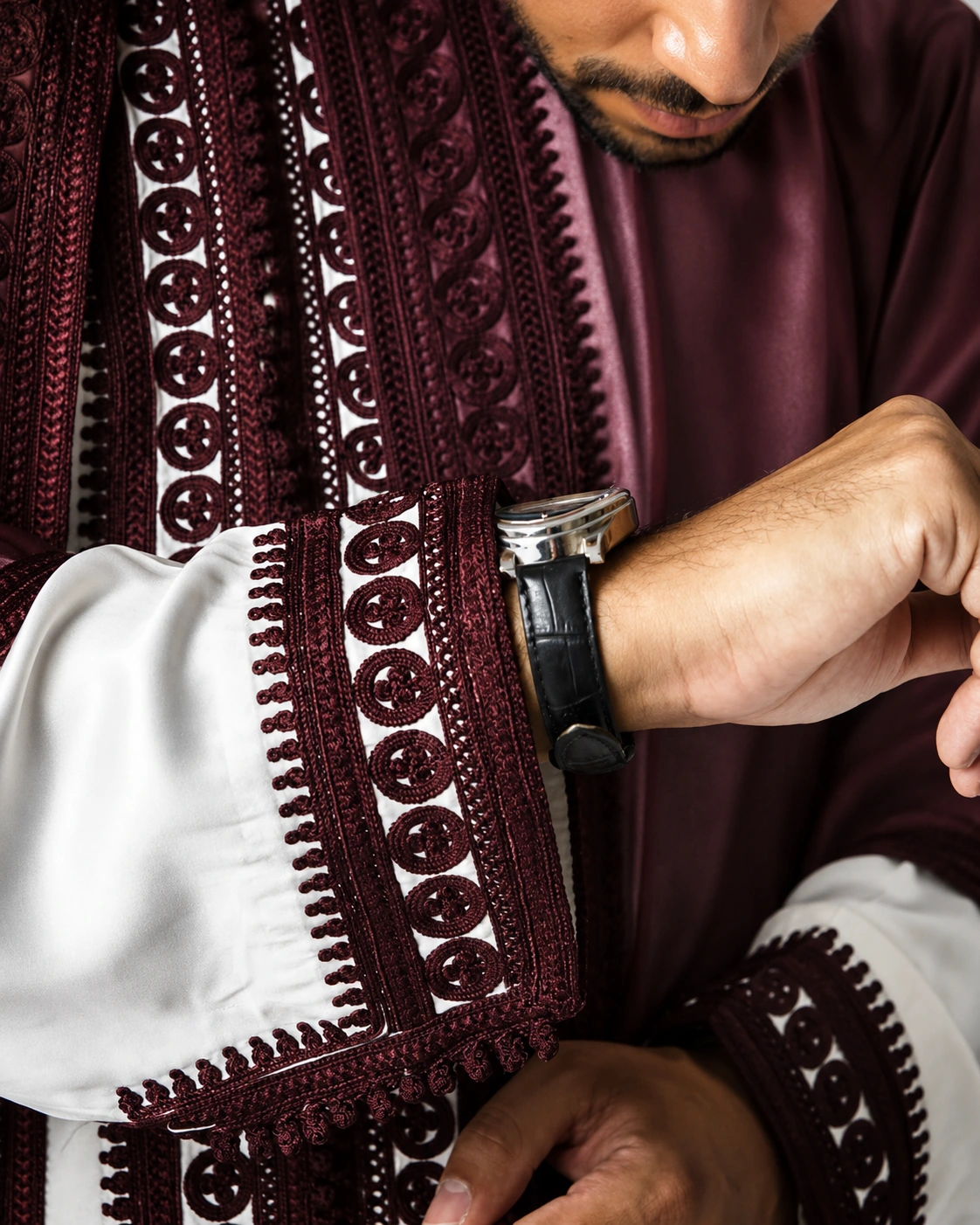
Close-up of burgundy Moroccan jabador embroidery and traditional cuff work

Reading Moroccan Dress

Learn how the caftan, takchita, djellaba, jabador, gandoura and melhfa differ in construction, context and regional use. Follow sfifa, aâkad, embroidery, weaving and jewellery, and understand how dress moves between everyday life, ceremony and contemporary design.

Read topic →
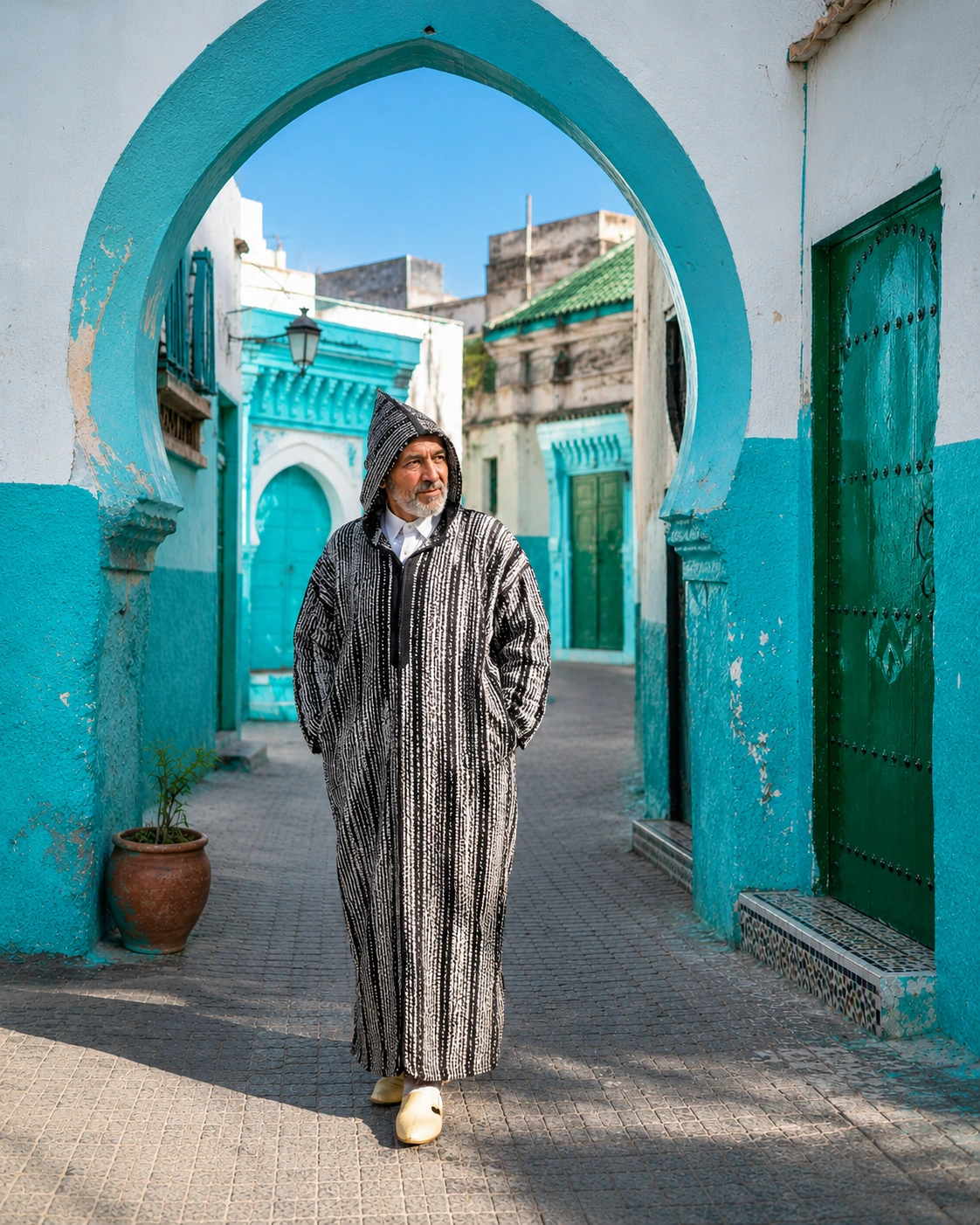
Moroccan djellaba worn in a blue medina street

Djellaba & Everyday Identity

Discover how the djellaba connects daily life, modesty, movement and regional character. Hood shape, woven stripes, wool or cotton cloth and the way it is worn in streets and souks show how dress responds to climate, age, ritual and place.
Read topic →
Taste

Taste as
Culture

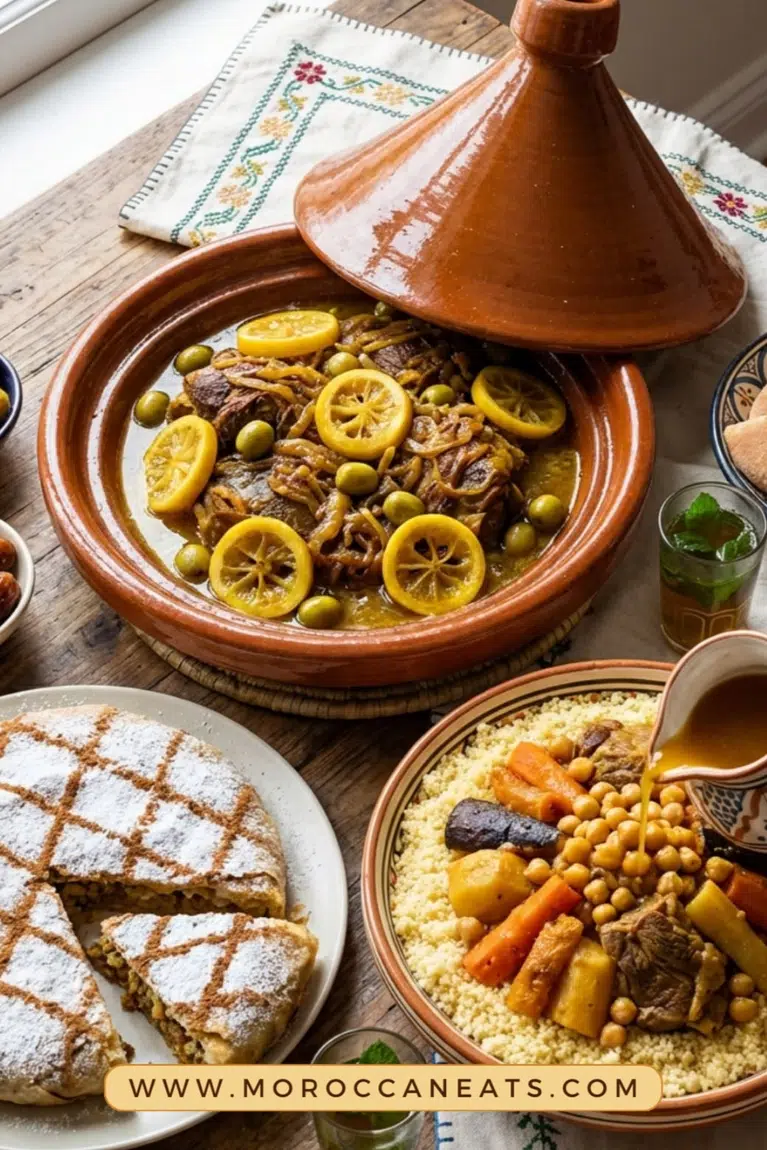
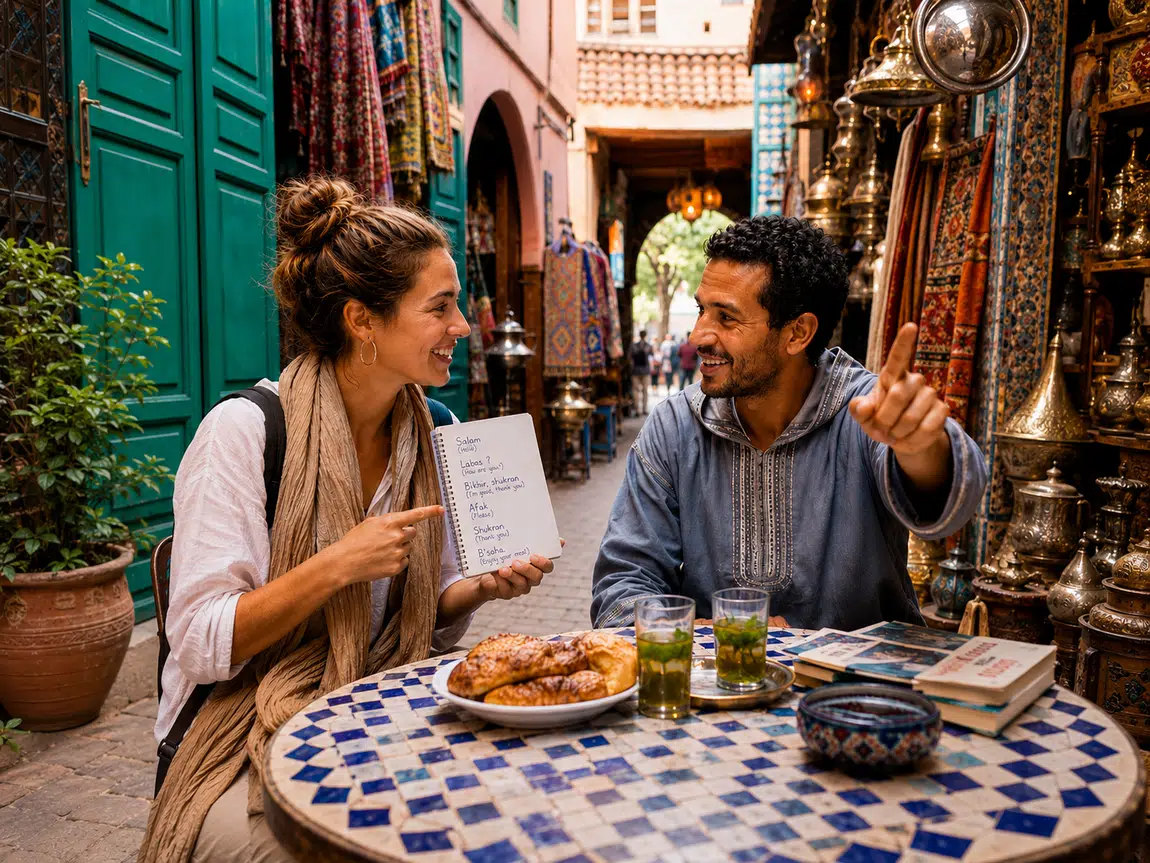
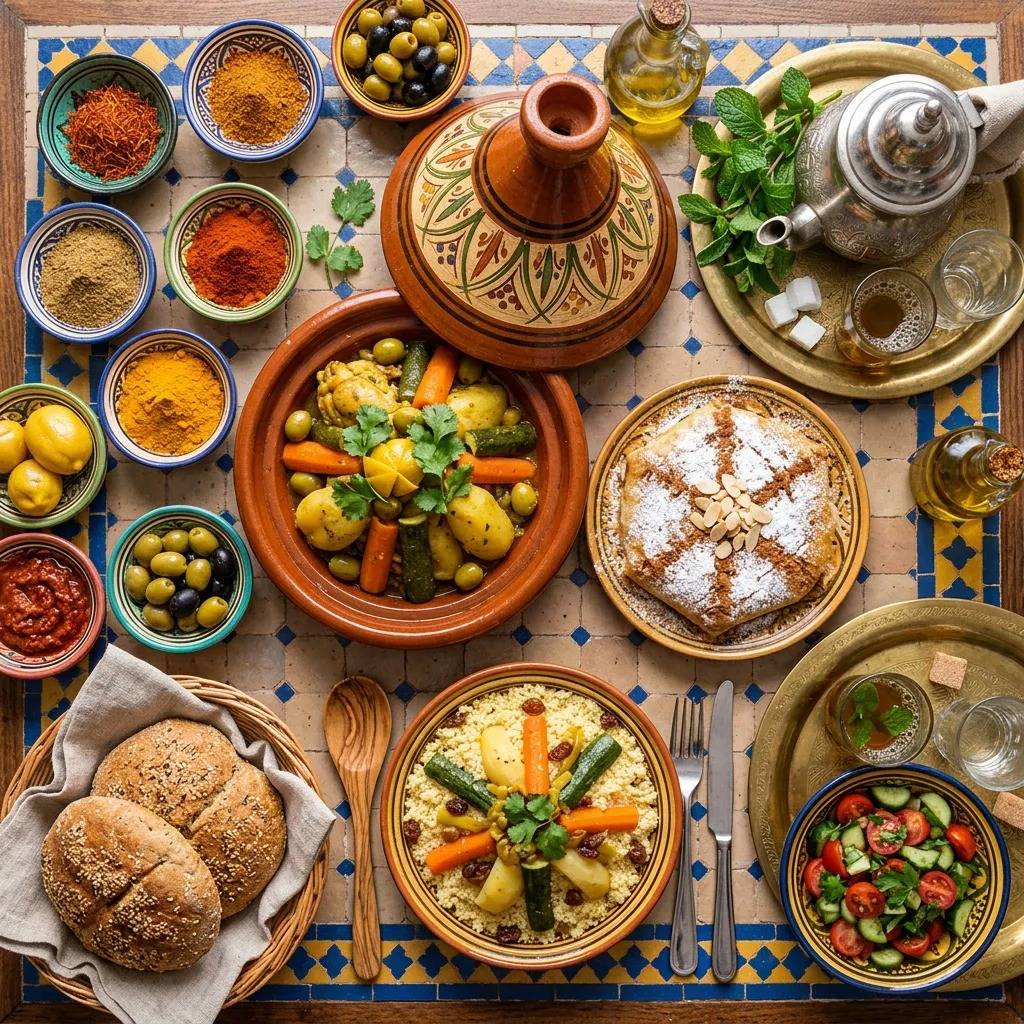
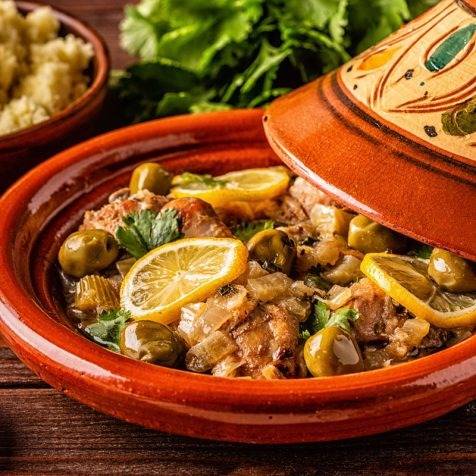
Food belongs on the Themes page because Moroccan cuisine is one of the clearest ways to understand hospitality, seasonality, regional memory and everyday social life. From bread shared at breakfast to Friday couscous and mint tea offered to guests, meals connect family, faith, market rhythms and the geography of coast, mountain, plain and oasis. Recipes become living archives of migration, trade, celebration and knowledge passed between generations.

Moroccan food culture spread with tagine, couscous, breads, tea and spices

From souk spices to the shared table

Moroccan food culture begins long before a dish reaches the table. It starts in spice stalls, bakeries, olive presses, fish markets, gardens and family kitchens, where ingredients are chosen according to season, place and occasion. This theme follows saffron, preserved lemon, argan oil, herbs, grains, dates and seafood through the spaces where they are bought, prepared, served and remembered, revealing how everyday cooking carries hospitality, regional identity and family memory.

  • Mint tea and bread as gestures of hospitality.
  • Tagine and couscous as social dishes, not just recipes.
  • Seafood, mountain cooking and oasis flavours as regional signatures.
Open Taste
Tagine

Tagine

Slow cooking, fragrance and the balance between savoury, sweet and seasonal ingredients.

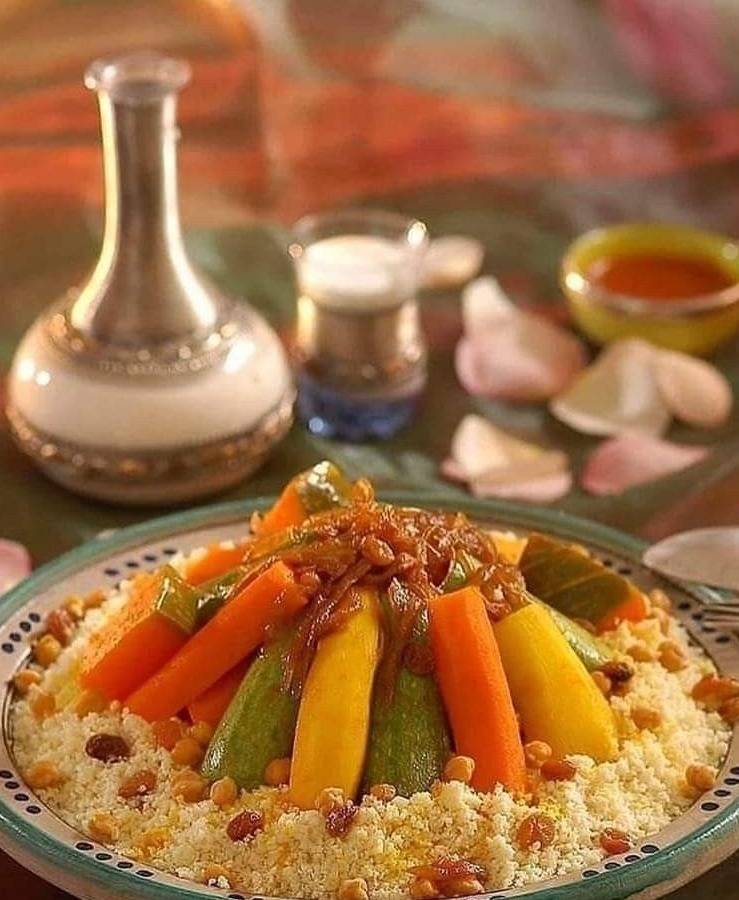
Couscous

Couscous

A communal dish tied to Friday tables, family gathering and generosity.

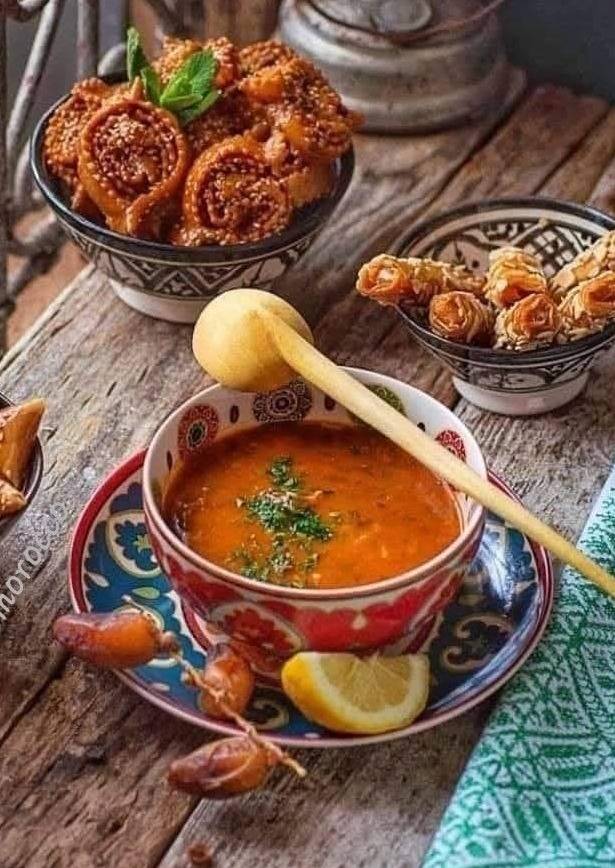
Harira

Harira

A nourishing soup connected to Ramadan, comfort, herbs and shared evenings.

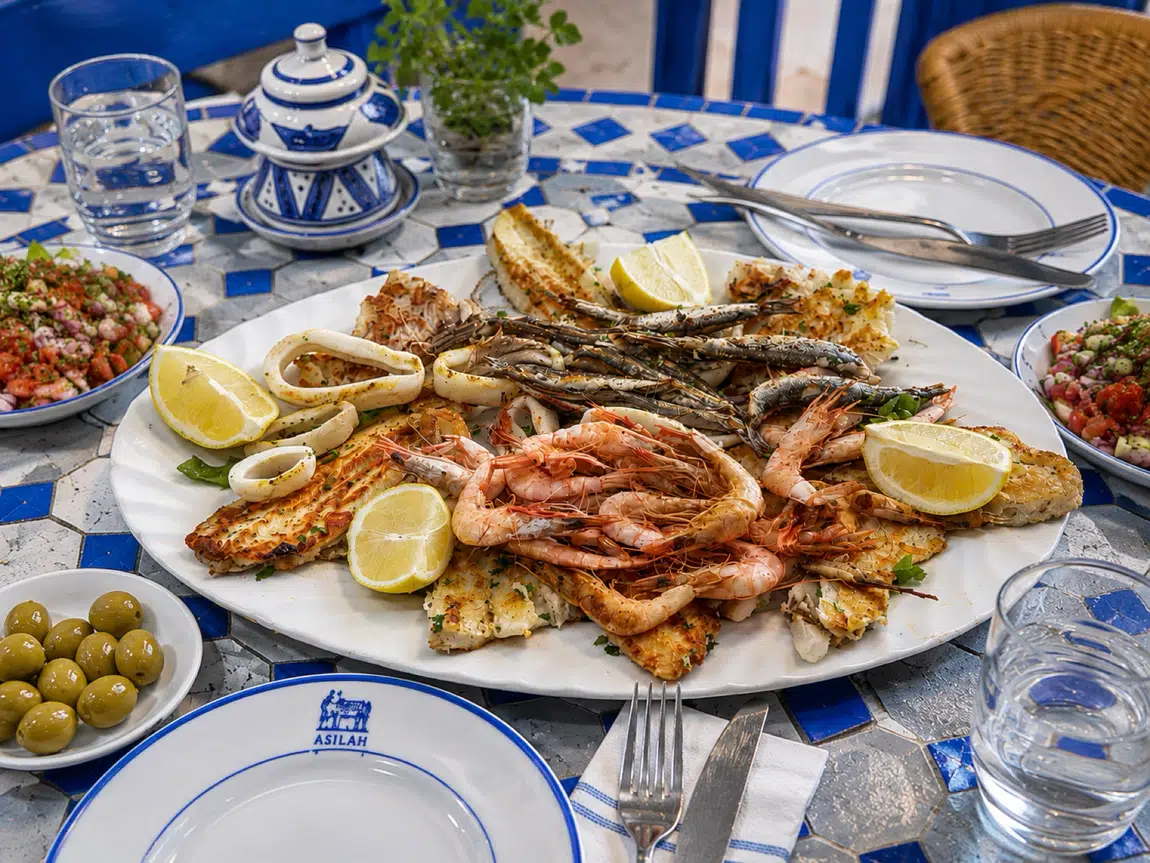
Moroccan seafood platter with shrimp, crab, calamari and lemon on a blue mosaic table

Coastal Cooking

Atlantic and Mediterranean fish traditions shaped by markets, ports and chermoula.

Real spearmint leaves decorative accent
Events

Themes in Motion

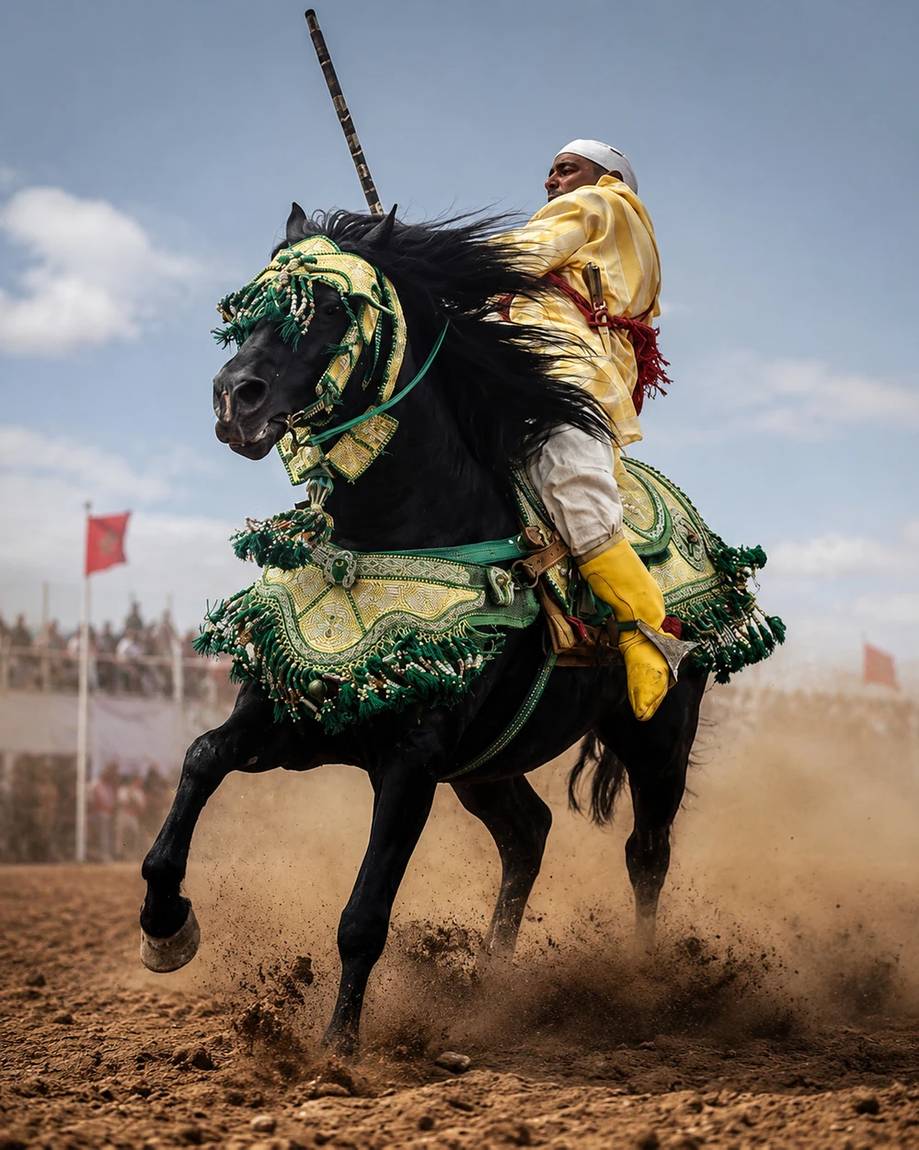
Festivals, moussems, craft events and music gatherings turn Moroccan themes into public experience: sound, procession, display, memory and shared celebration.

Plan

Plan by Interest

Let themes become practical routes. A visitor interested in architecture, food, craft, music or landscapes can use this section to choose cities, seasons and realistic itineraries.

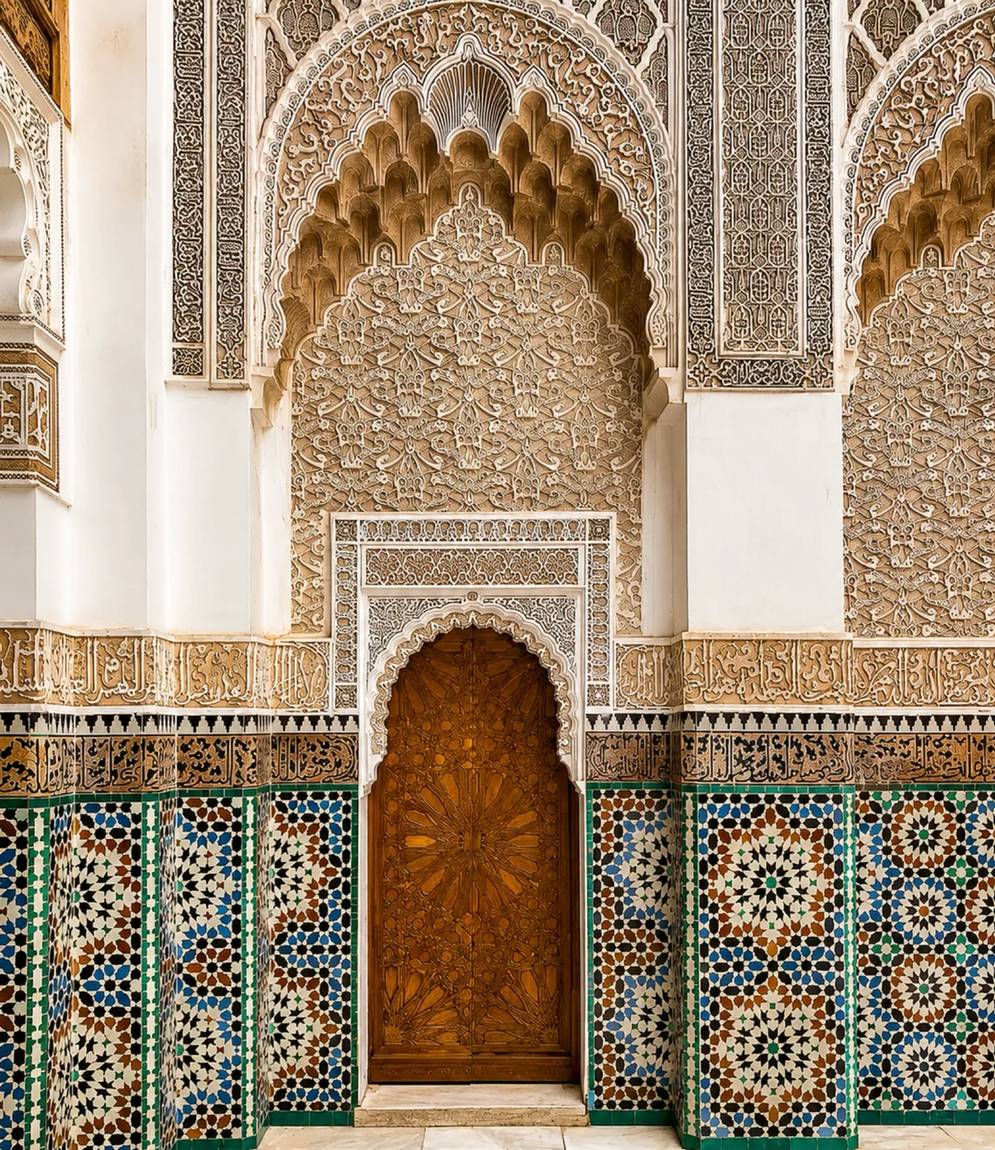
Ben Youssef Madrasa carved plaster, cedar doorway and zellige tilework
About

About Exotic Morocco

Exotic Morocco is an image-led cultural guide to the country’s places, traditions and creative life. We connect architecture, craft, taste, landscape, ritual and everyday stories so every journey begins with meaning, not only a checklist.

Created for curious travellers and culture lovers, the platform brings visual storytelling and thoughtful discovery together — revealing a Morocco that is warm, layered, contemporary and deeply rooted.