
An open door is
a particular invitation.
Start with what the host is actually offering.
“Heritage opening” can mean several things: a museum programme, a guided architectural visit, a temporary exhibition or a cultural performance inside a historic setting. These are different experiences. An advertised evening does not necessarily make the entire building accessible, and an ordinary visitor ticket may not include a special programme.
Read the invitation for the date, entry point, host and format. Is the event a tour with a fixed start, a drop-in exhibition or a concert with assigned admission? That small distinction determines whether you need to arrive with the group, reserve in advance or simply check opening hours.
The reward is more than gaining access. A good visit changes the questions you ask about a building: who uses it, what has been repaired, which skills keep it standing and what a public programme adds to its continuing life.
Look past the surface.
Find the work.
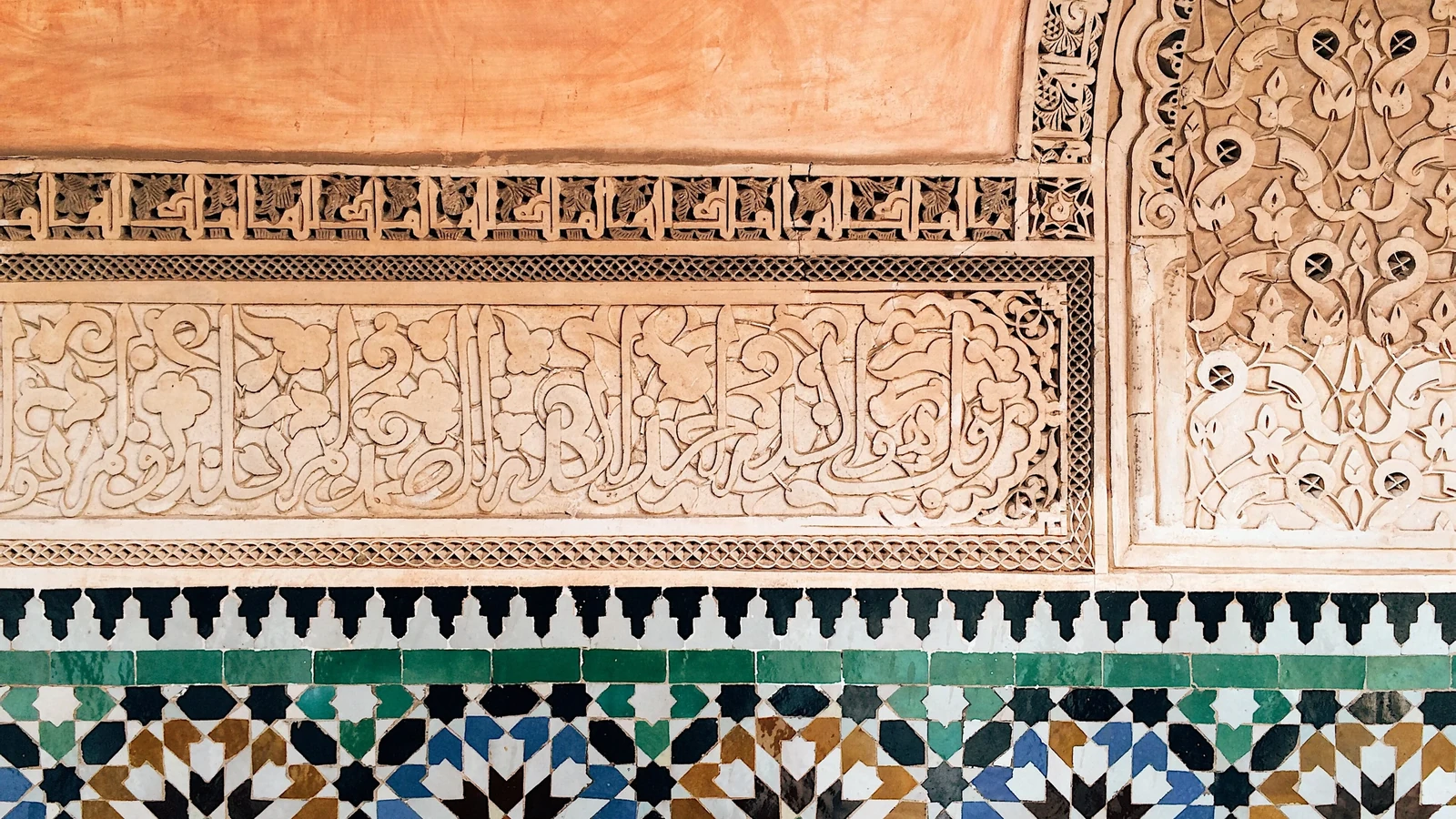
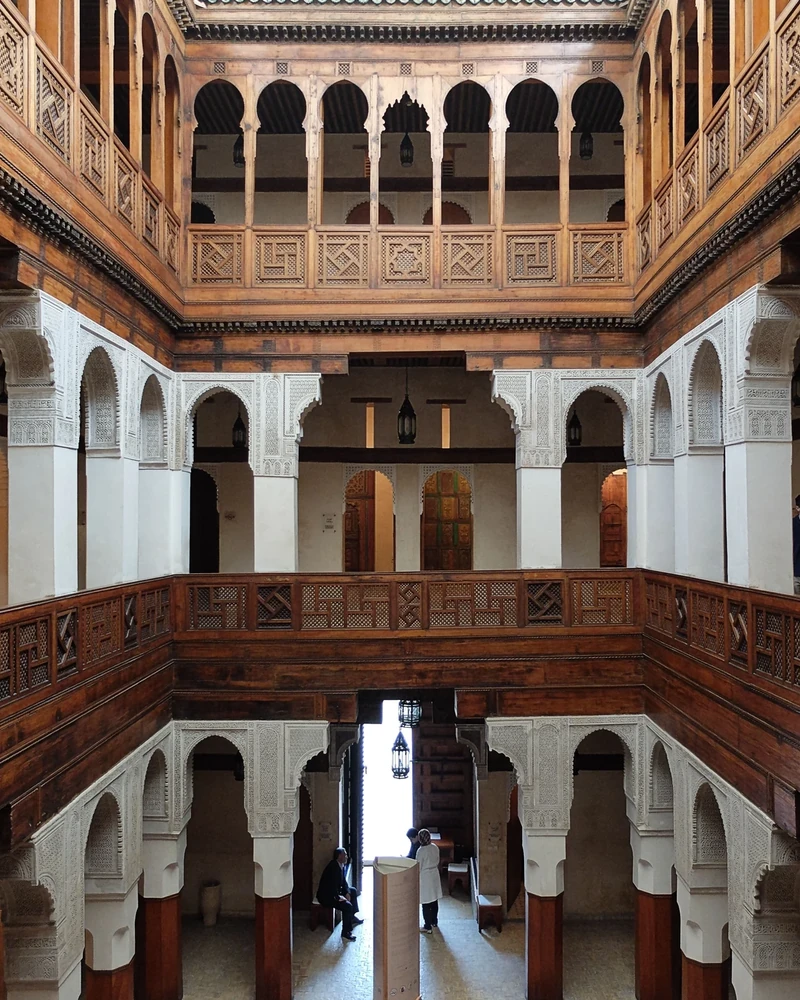
A carved doorway is the visible result of many decisions. Materials had to be selected, transported, shaped and assembled. When you look at ornament, also look at junctions: where timber meets plaster, where a tile edge finishes and where a worn surface meets a recent repair. Those details bring workmanship into focus.
The UNESCO account of the Fès medina emphasizes an urban fabric that still carries living skills and uses. That is a helpful perspective beyond one city. A historic place can be important because people continue to work, learn, worship or meet there; it does not need to be frozen in a single period to matter.
Ask a guide how the building is used now. If conservation work is visible, distinguish an informed explanation from a guess. A newly clean surface alone cannot tell you whether a repair respected the original material or changed it.
Three kinds of opening.
Three different rhythms.
A guided building visit
A group follows an agreed route. Questions and pauses are part of the experience, but wandering away may take you beyond the permitted area. Confirm the tour language and whether stairs or narrow passages are involved.
Understand historic Fès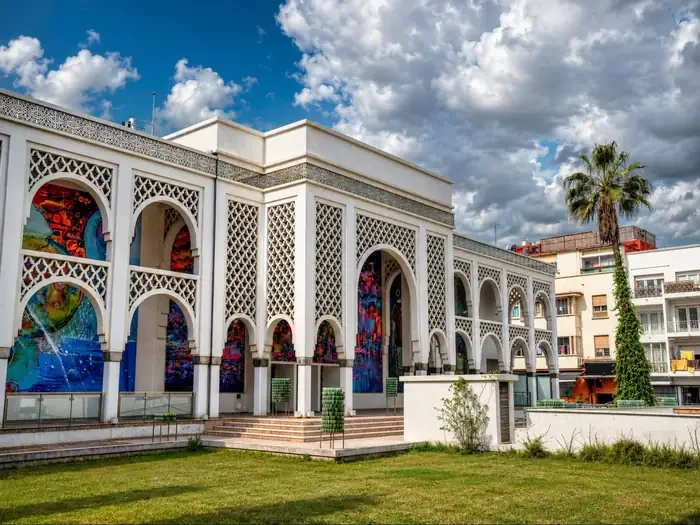
An exhibition or museum programme
Objects, labels and curatorial choices organize your attention. Give the quieter rooms time, and check whether a talk, workshop or temporary show needs a separate reservation.
Explore Rabat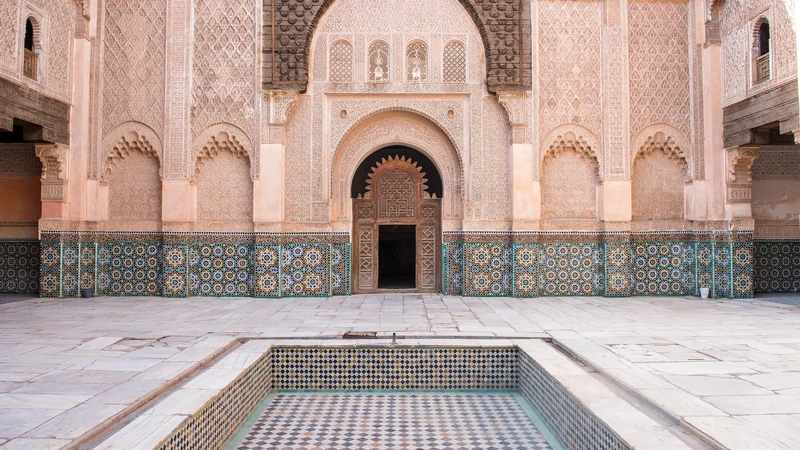
A performance in a historic setting
The event changes how the space is occupied. Seating, lighting and technical equipment may limit what can be visited. A concert ticket is permission for the performance route, not an architectural tour.
Explore music settingsThe threshold
belongs to someone.
Access is an agreement, even when admission is free.
An open courtyard
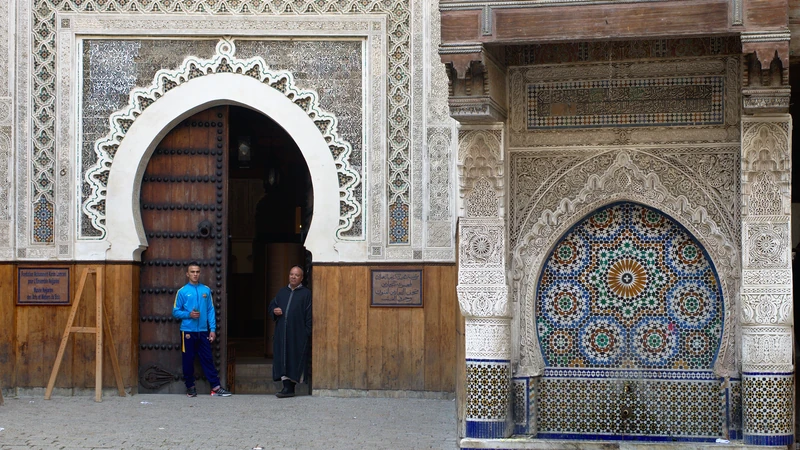
Look for a public sign, a steward or a clear invitation. People entering a building may be residents, worshippers or invited guests. Their presence alone does not establish visitor access.
A working room
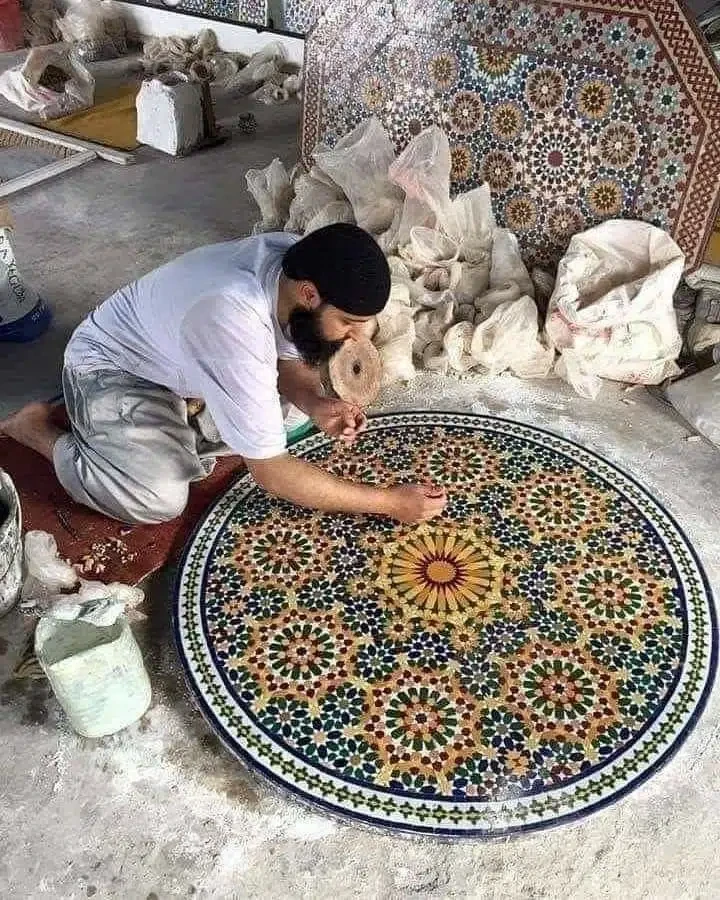
An artisan demonstration has a different pace from an uninterrupted working day. Ask before entering, taking photographs or touching tools. A visible workshop is still a workplace with its own obligations.
A closed passage
A barrier may protect fragile fabric, a private activity or a work area. Respect the limit without looking for an alternative way around it. The part you cannot enter can still be explained by the host.
A small practice
of close looking.
Choose one material
Spend a few minutes with timber, plaster, stone or tile. Notice its texture and the way light reveals relief. Keeping one material in mind makes a large room easier to read.
Compare two details
Find a repeated motif, a repaired edge or two doorways. Describe the difference before deciding what it means. A useful observation can be modest: one surface is deeper, smoother or more worn.
Ask one grounded question
Instead of asking whether everything is “original”, ask what is known about a specific element. A guide can often give a clearer answer about a named feature than about the entire history of a complex building.
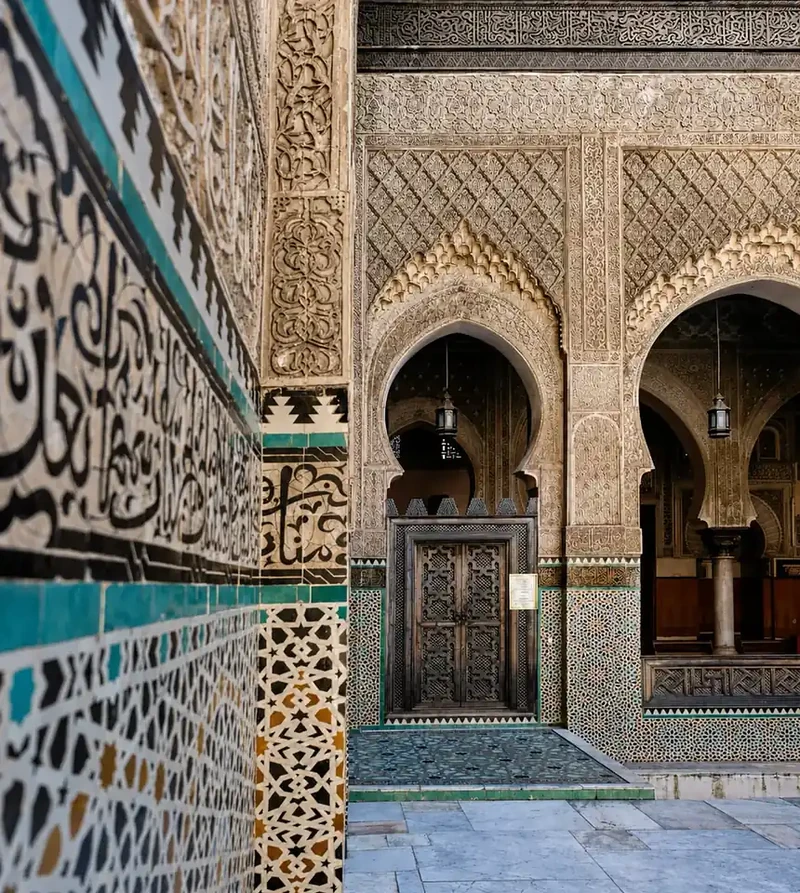
Make the place
part of the visit.
Fès
Historic institutions, craft streets and residential life sit close together. Plan the route to the actual venue, then use the city guide to understand what belongs to a public visit and what belongs to daily life.
Explore FèsRabat
Museums and cultural institutions offer another way to encounter heritage, through exhibitions and programmed activities. Check the institution’s own calendar and admission information before connecting several visits in one day.
Explore RabatMarrakech
A performance setting, a palace visit and a craft workshop can require entirely different arrangements. Match each booking to its address and avoid assuming that a familiar landmark hosts the same programme every year.
Explore MarrakechTétouan
A city visit can connect architectural detail with skilled making. Allow the people in a workshop to explain their own work, rather than treating a short demonstration as representative of every craft practice.
Explore TétouanPhotograph the detail.
Leave the passage clear.
A photograph can be a useful record of what you noticed. Begin with the venue’s policy. Where photography is allowed, keep flash off around sensitive collections and follow any equipment restrictions. Do not assume that a phone is exempt from a no-photography rule.
Step out of doorways before reviewing images. In a narrow route, one person stopping can hold up an entire group. If a person is central to the picture, ask them rather than assuming that public access to the building gives permission for a portrait.
A caption should separate fact from impression. Name the building or material when you know it; avoid assigning an age, maker or meaning that no source has established. A careful photograph becomes more valuable when its description is equally careful.
Photograph with respect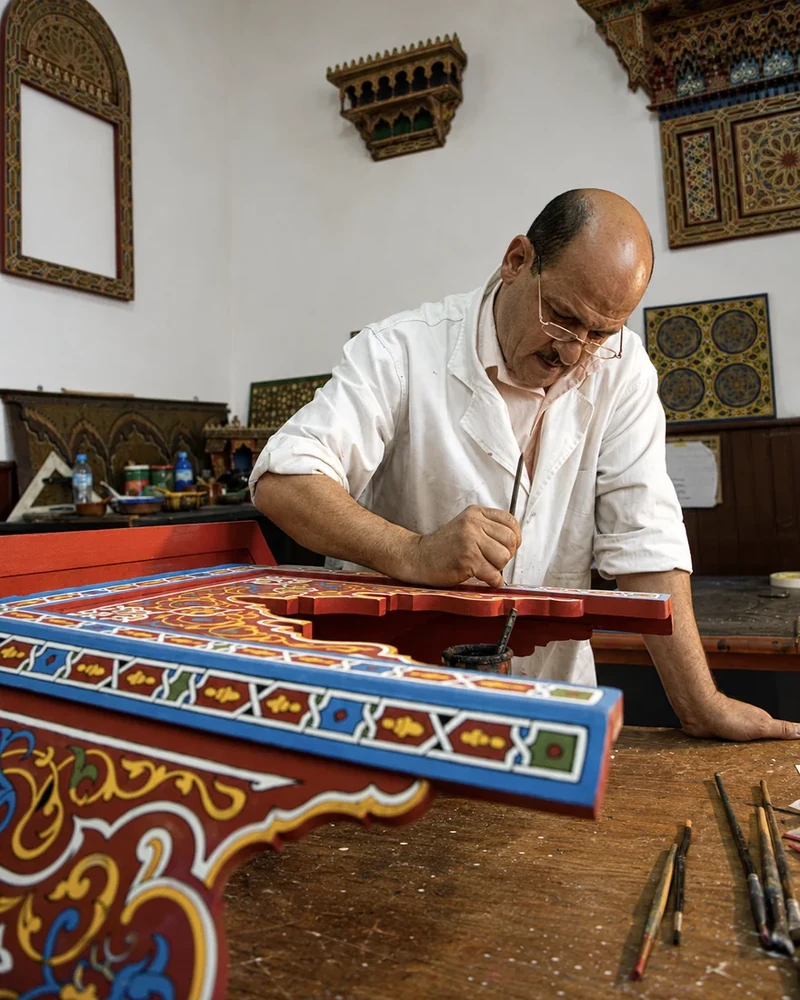
A visit is also
an act of care.
Keep hands off fragile surfaces
Wear, oils and repeated contact accumulate. A carved element that feels robust may have a delicate finish. Treat “please do not touch” as part of preserving the possibility of future visits.
Support the actual work
Pay the stated admission or tour fee through the official channel. If buying from an artisan, ask about the process and price directly. Appreciation is more useful when it respects the time involved.
Leave room for ordinary use
An event may share a site with residents, staff or a religious community. Keep noise and photography appropriate to the immediate situation. A cultural programme does not turn every nearby activity into part of the show.
Before you go.
Are heritage openings held on a fixed national date?
This page describes a type of cultural visit, not one annual nationwide festival. Use the institution or organizer’s own announcement for the specific event you want to attend.
Can I visit without a guide?
That depends on the opening. Some programmes admit visitors only as part of a timed group. Others use ordinary museum admission. Check the format rather than assuming that an open door means independent access.
How do I check physical access?
Ask about the complete route, including the entry threshold, stairs, courtyard surfaces and available seating. A building may have an accessible entrance while a particular room or tour route remains difficult to reach.
What if an announced opening changes?
Keep the official contact and confirmation with your booking. Recheck close to the visit and have a nearby alternative. A cultural visit should remain manageable if restoration work, weather or programming alters access.
Carry one detail
into the next place.
The best souvenir may be a better question.
After the visit, note a material, a skill and a use that you had not considered before. This simple record keeps the experience from becoming a blur of decorated rooms. It also gives your next visit a direction: a similar motif may behave differently in another building, or the same material may be worked in another way.
If an artisan or guide shared knowledge, attribute it accurately when you retell the story. Avoid turning a brief encounter into a universal claim about Moroccan culture. Specific observations leave room for the variety that makes another visit worthwhile.
Continue with craft & ornament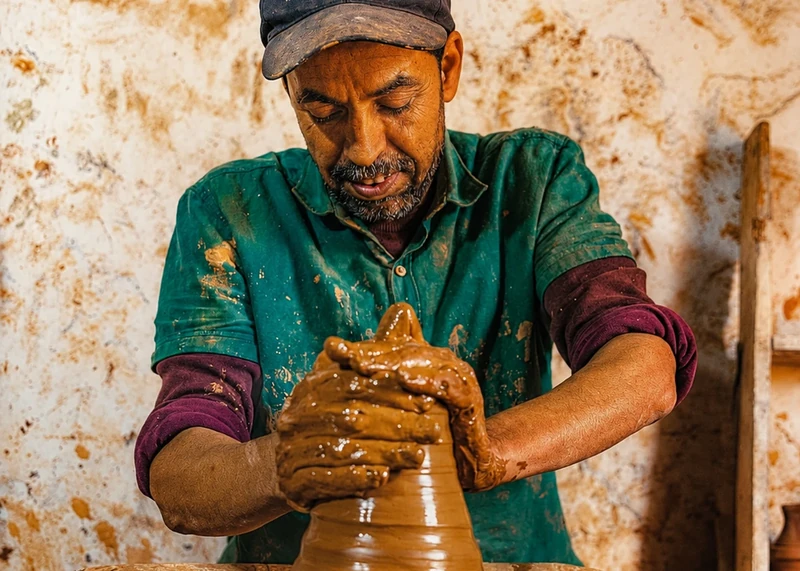
Open another
cultural thread.
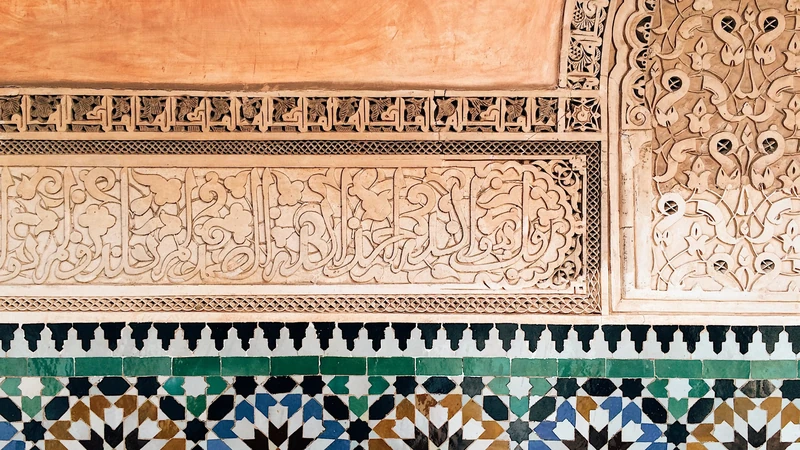
Craft & ornament
Read surfaces through materials and skilled hands.
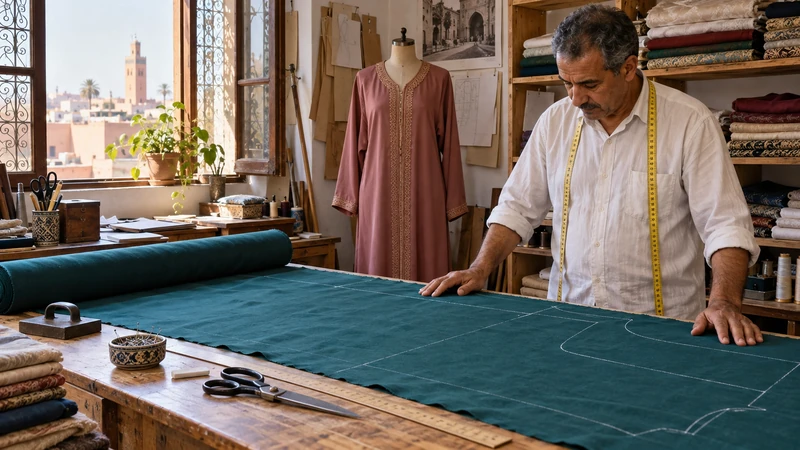
Craft & heritage
Follow the transmission of knowledge.
Capital celebrations
Explore the cultural life of Rabat.
Sacred & local moments
Understand the boundaries around an invitation.
Sources, date checks & image context
Event information checked on 29 September 2026. Dates marked typical describe a seasonal pattern, not an announced booking date. Recheck the linked organizer before committing to travel.
Library images illustrate the host place, materials and cultural context. They are not presented as documentary records of a particular festival edition.
- UNESCO — Medina of Fez
- Moroccan Ministry of Youth, Culture and Communication
- National Foundation of Museums
Photograph credits
Attributions retained from the canonical library. Responsive resizing and WebP conversion; each photograph’s stated licence continues to apply.
- Library photograph: مدرسة ابن يوسف 04 24 52 023000.jpeg — إيان. CC BY-SA 4.0. Cropped/resized; original licence retained.
- Library photograph: Robert Prazeres · CC BY-SA 4.0.Editorial crop, resizing and WebP conversion. The adaptation retains the source licence.
- Library photograph: Marek Kubica from Copenhagen, Denmark · CC BY-SA 2.0.Editorial crop, resizing and WebP conversion. The adaptation retains the source licence.
- Library photograph: Ben Youseff Madressa.jpg — Nash Finley. CC BY-SA 4.0. Cropped/resized; original licence retained.


.jpg)
