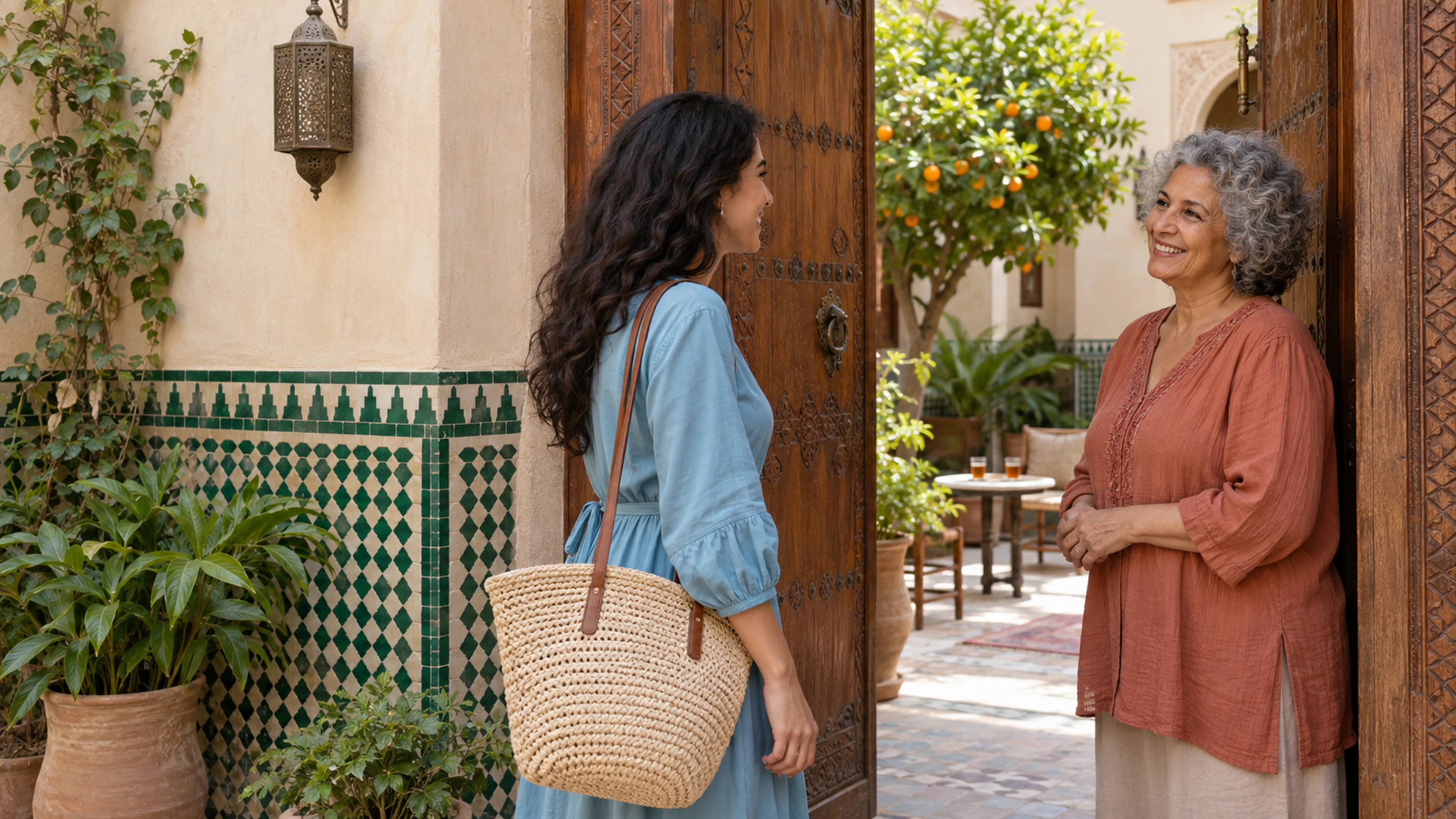
Darija · Everyday context
Greetings & Hospitality
Follow the movement from greeting to invitation, from being offered something to answering comfortably.
Explore the chapter ↗
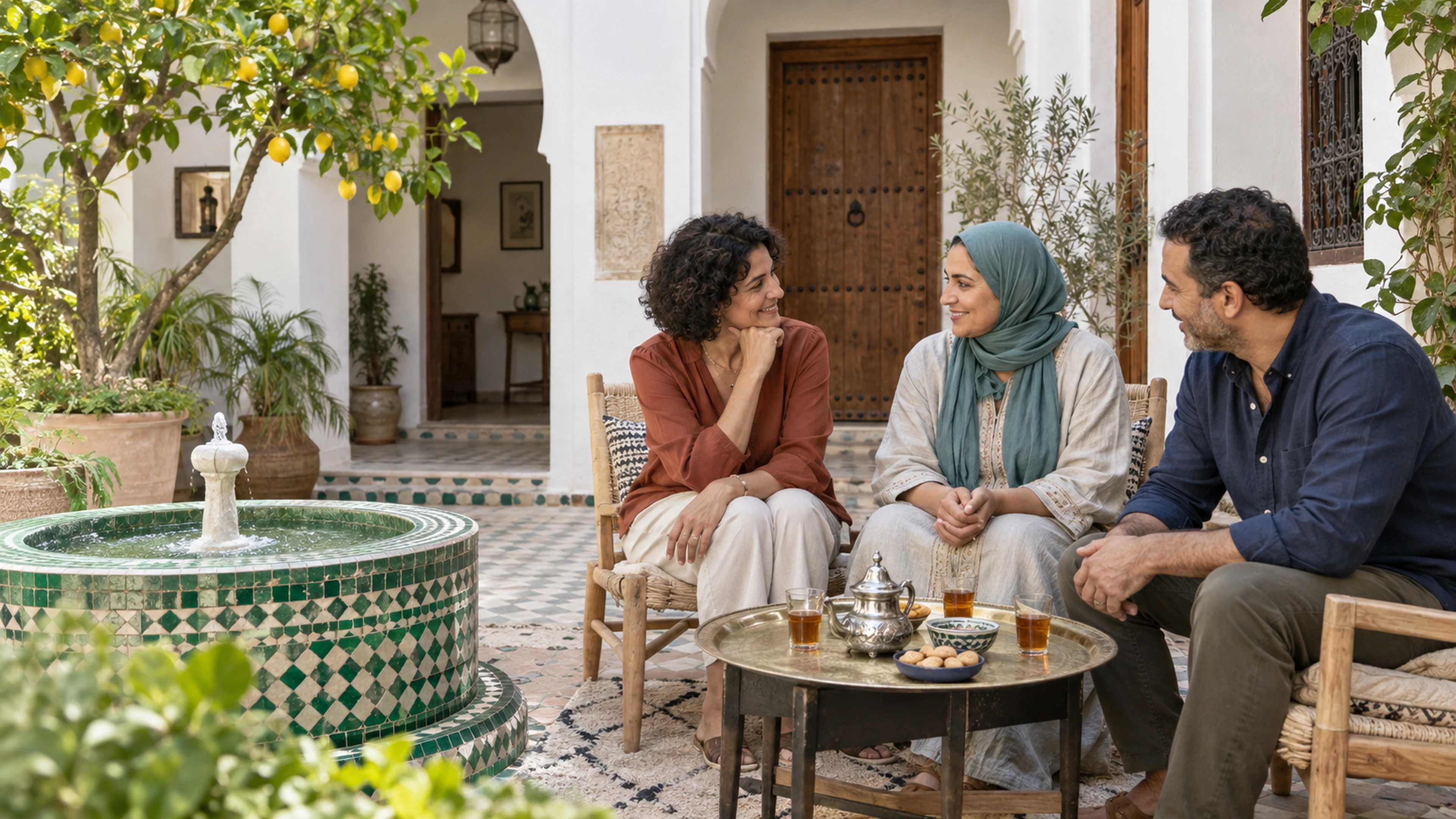
A greeting opens a door. Explore the words, small exchanges and cultural understanding that bring you closer to everyday Morocco.
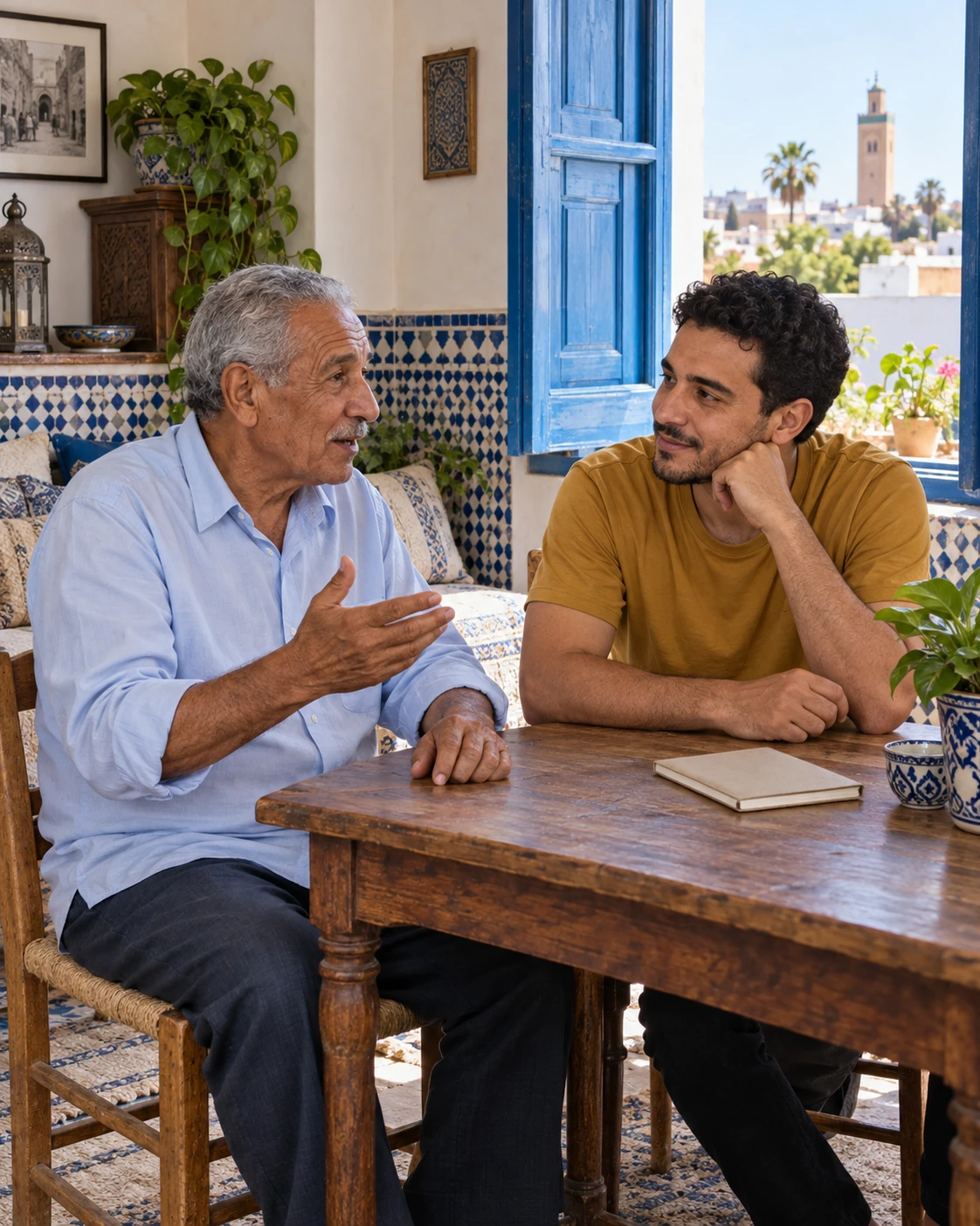
Darija is Moroccan Arabic in daily conversation: a question at a counter, a familiar greeting, a story shared at home. Learning a little becomes more rewarding when you understand what the words are doing between people.
Start with an exchange you can follow. Notice the reply, leave room for a pause and learn how to say when you have not understood. A small conversation can teach more than a long list.
Begin with Darija Basics ↗Darija is one part of Morocco’s language landscape, alongside Amazigh languages and other languages used in particular settings. A person’s appearance or location does not tell you their preferred language. Follow the exchange, welcome a correction and use a language you can share.
These pages connect useful expressions with social context. They are designed for thoughtful beginners and curious travellers, including people reconnecting with family language at their own pace.
Choose a setting. Learn what to say, what the reply might ask of you and how to keep the exchange clear.
Follow the movement from greeting to invitation, from being offered something to answering comfortably.
Explore the chapter ↗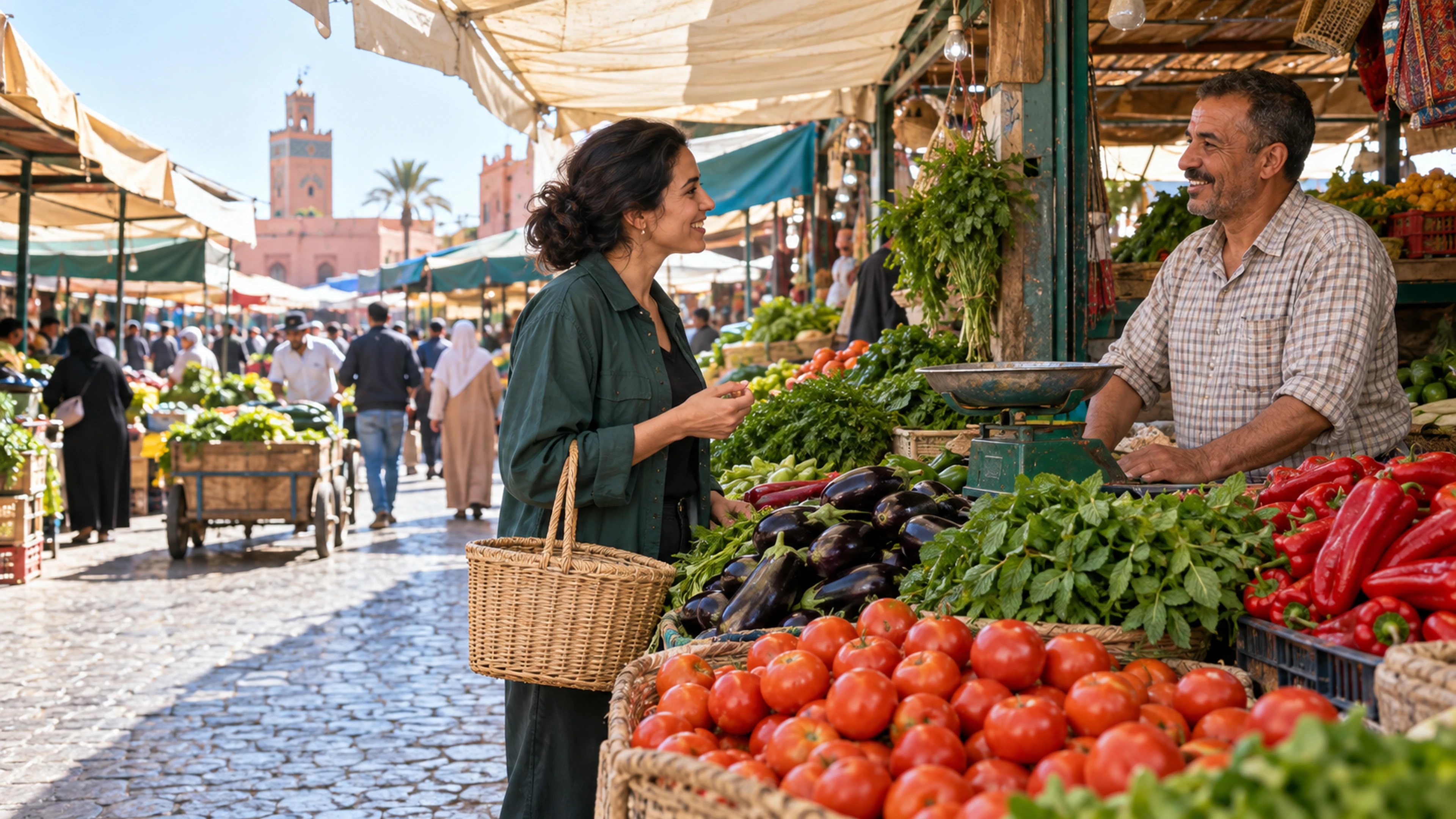
Ask about an item, understand the quantity and finish a purchase without turning the market into a bargaining performance.
Explore the chapter ↗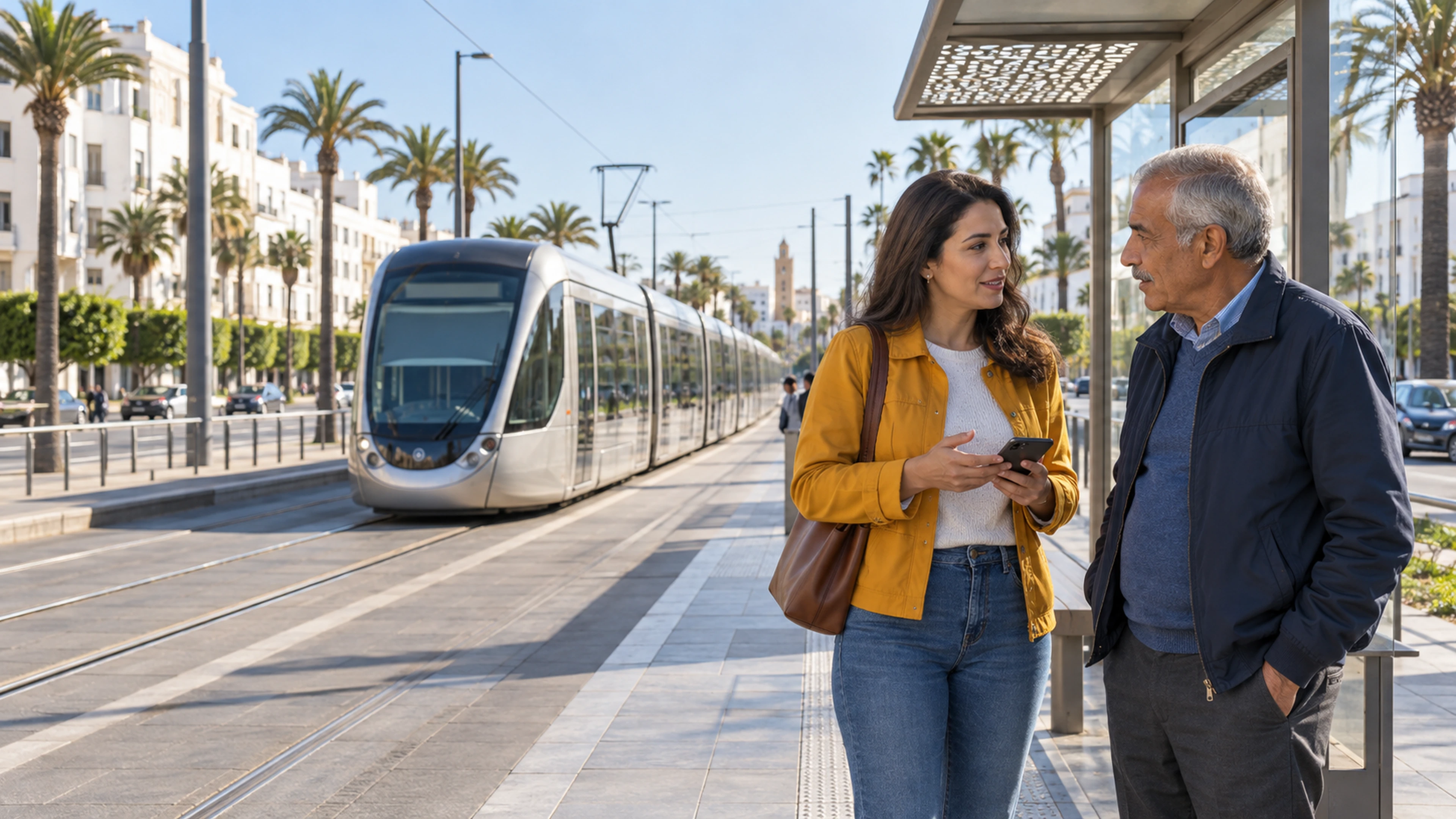
Use Darija to ask where, follow one step at a time and make the practical details of a journey clear.
Explore the chapter ↗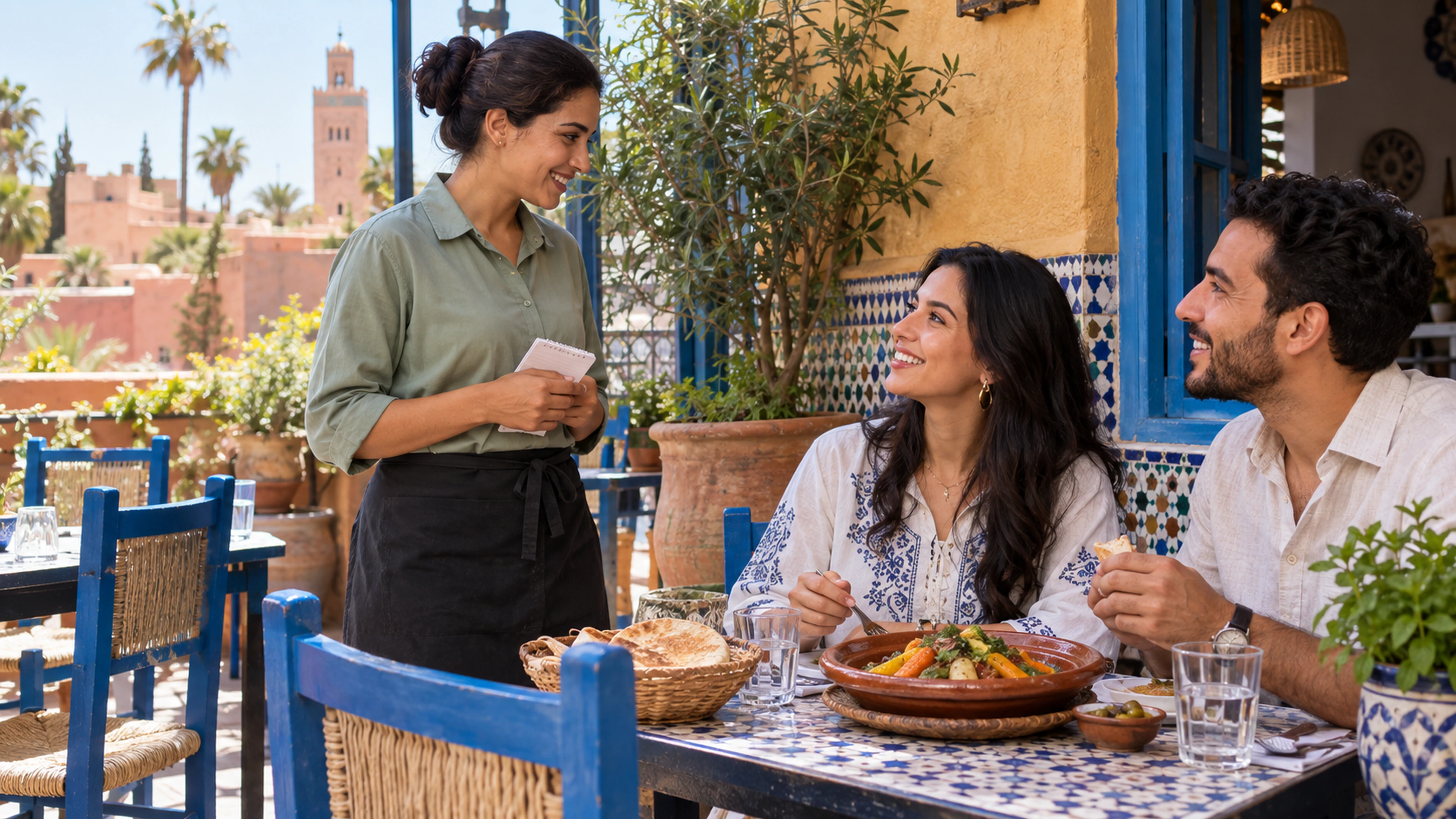
Order with more confidence, understand a question from the table and connect food words to the way a meal is served.
Explore the chapter ↗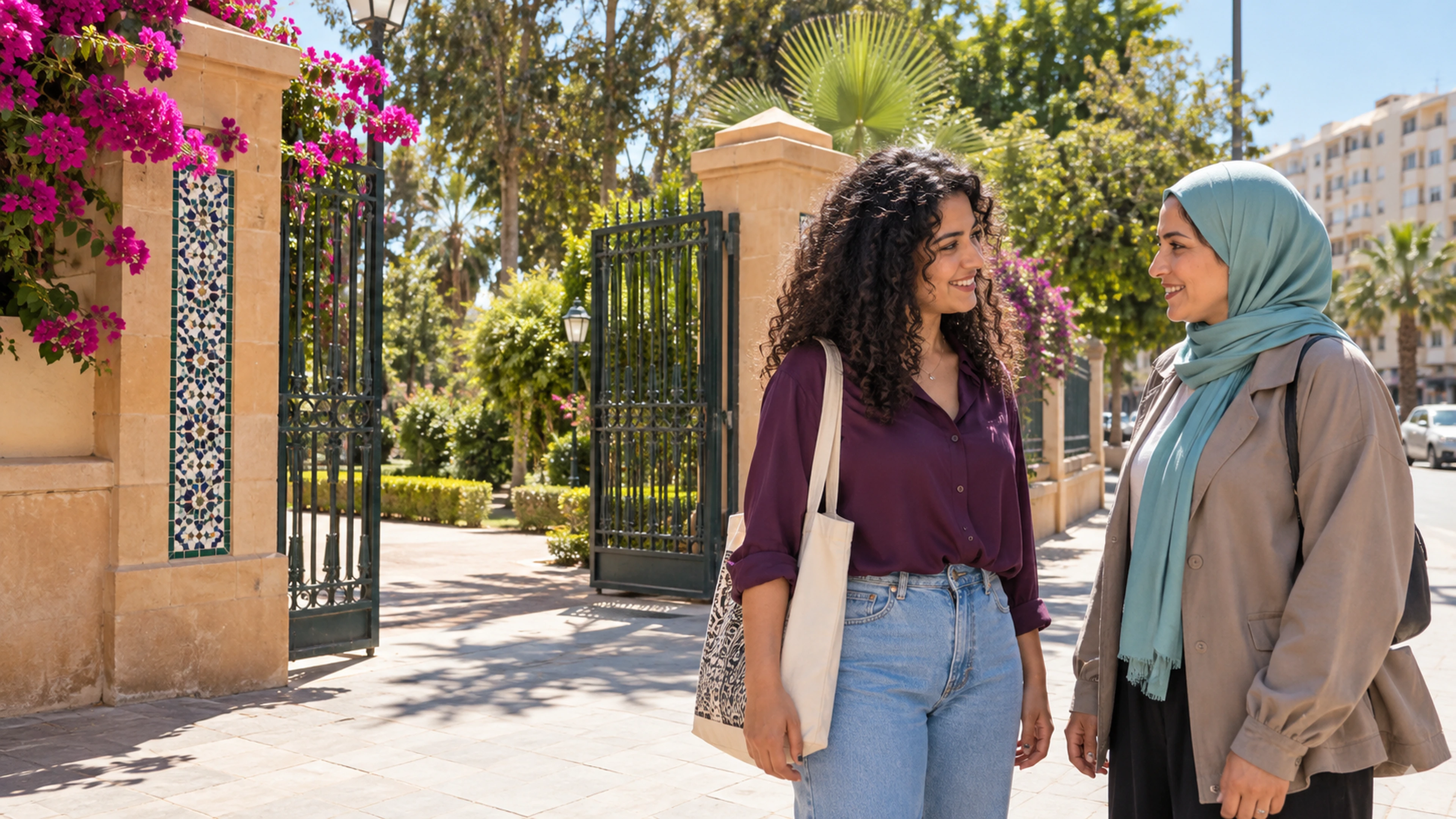
Understand the small expressions that soften a request, acknowledge help and repair an ordinary misunderstanding.
Explore the chapter ↗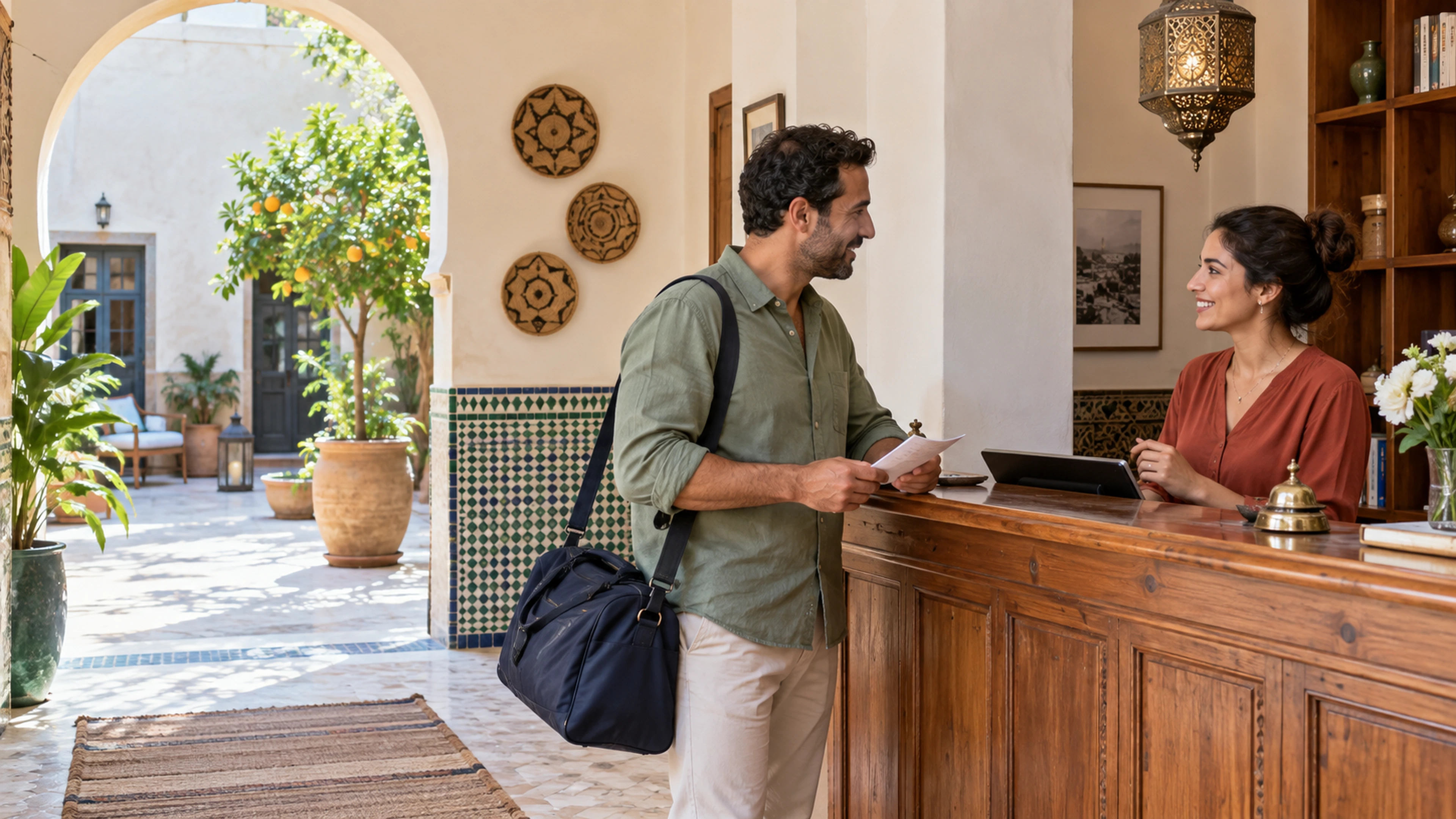
Confirm a place, clarify a time and keep a useful repair phrase ready when travel plans meet real conversation.
Explore the chapter ↗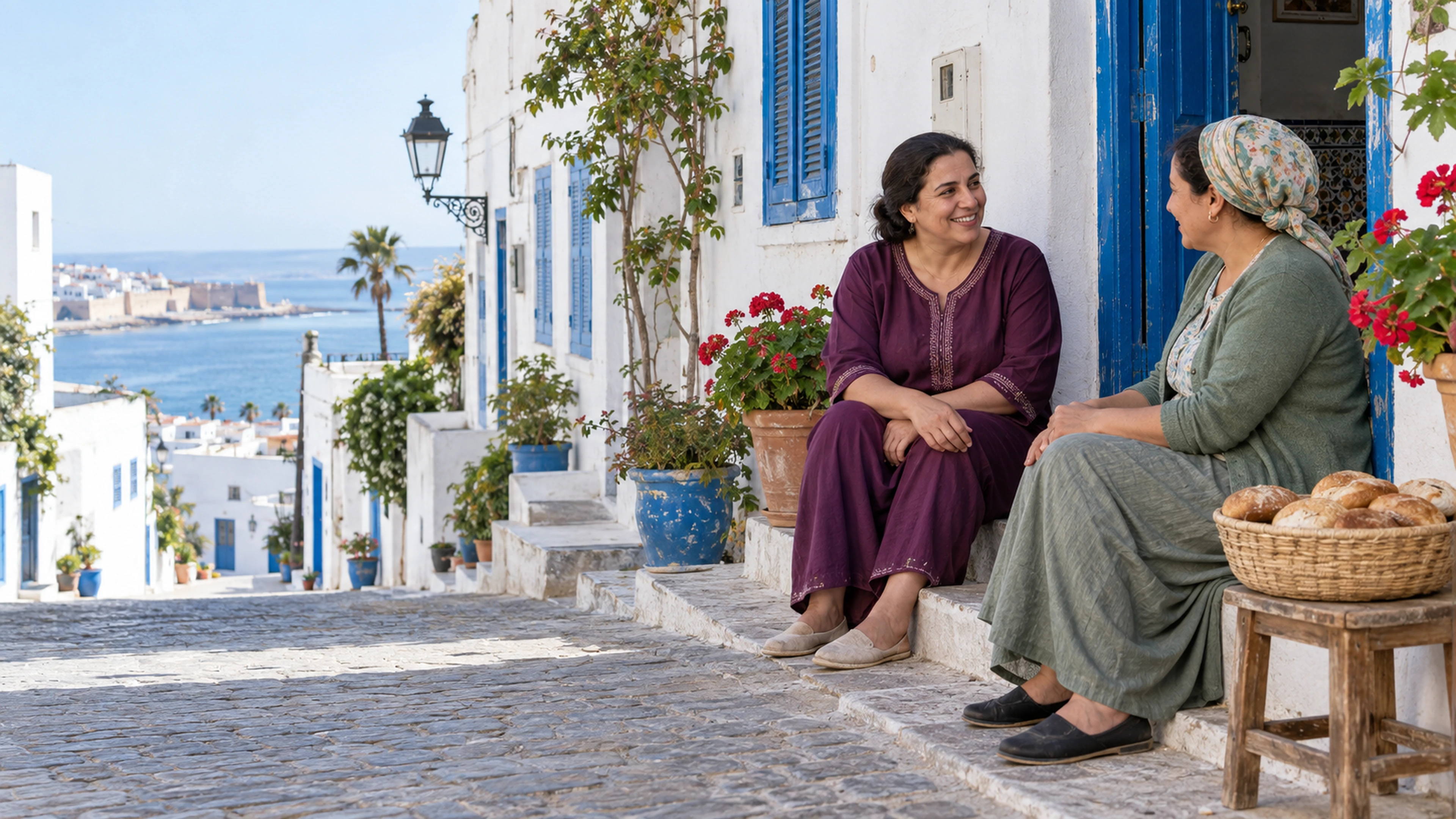
Hear Darija through neighbourhood routines, familiar encounters and the changing pace of an ordinary day.
Explore the chapter ↗Begin with a small exchange, explore the patterns behind it, then learn how attention and respect shape the conversation.
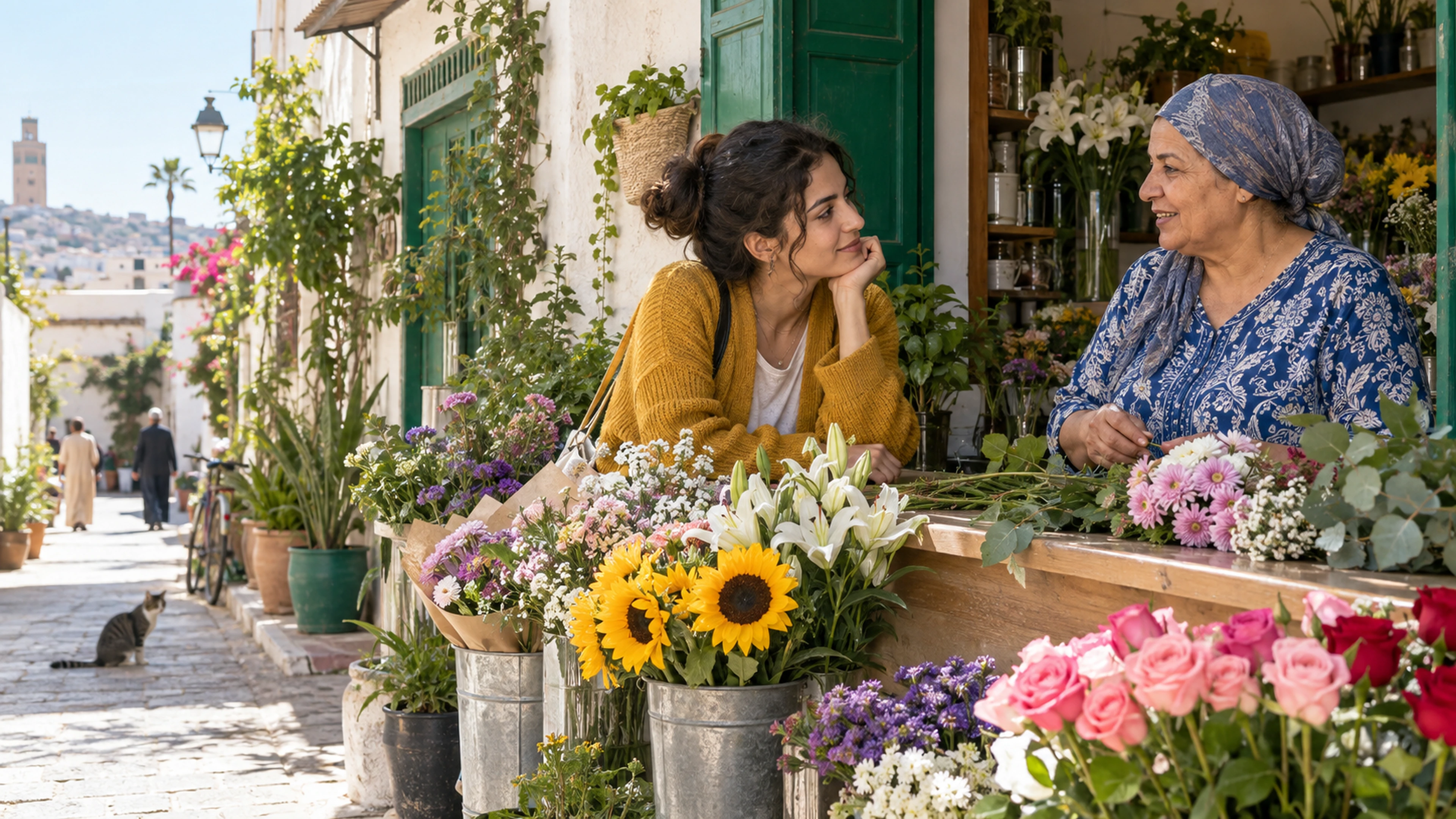
Start with a greeting, hear the reply and build a small exchange that belongs to everyday Morocco.
Explore the chapter ↗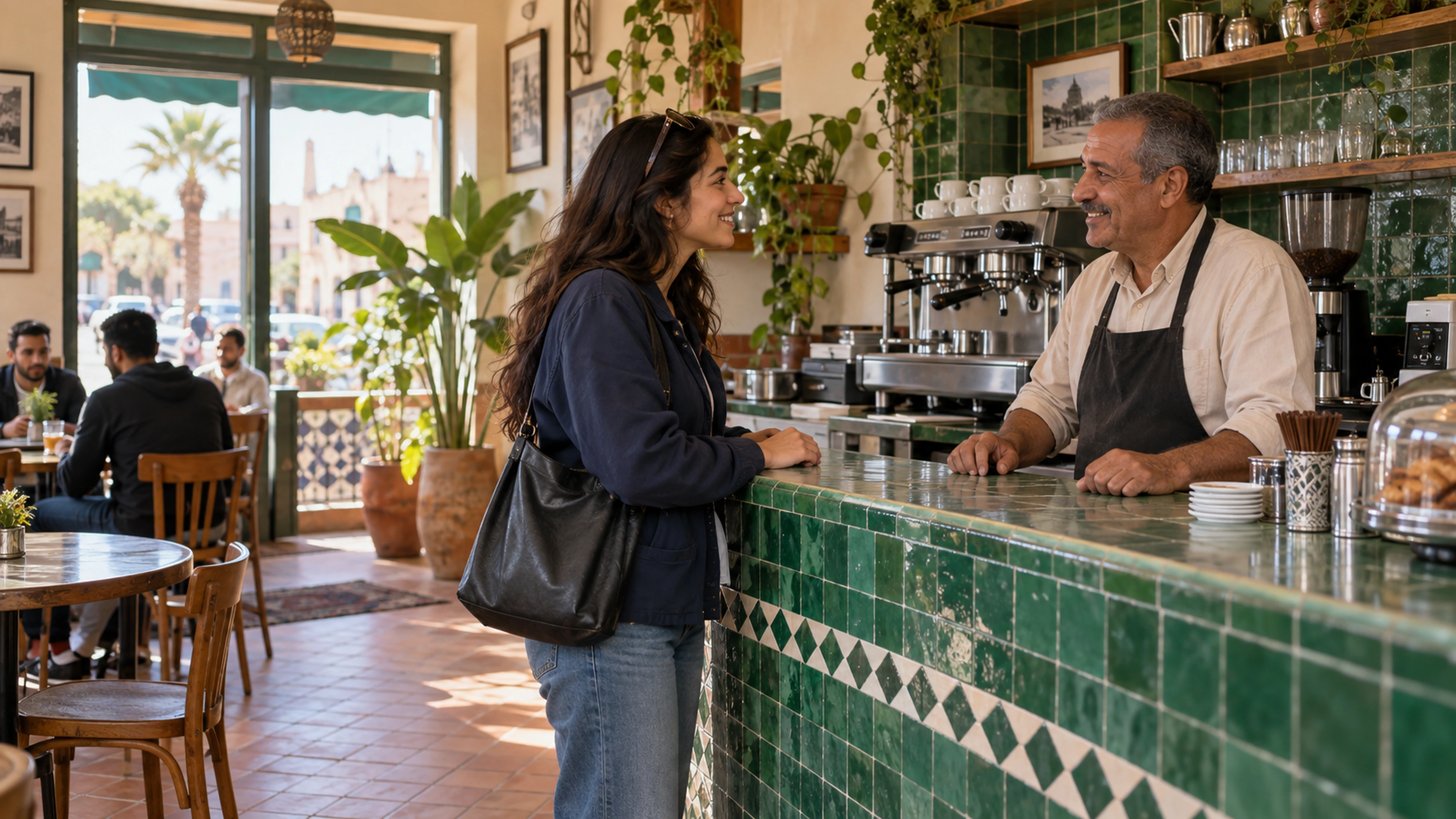
Understand a few productive patterns for requests, questions and clarification, then use them with care.
Explore the chapter ↗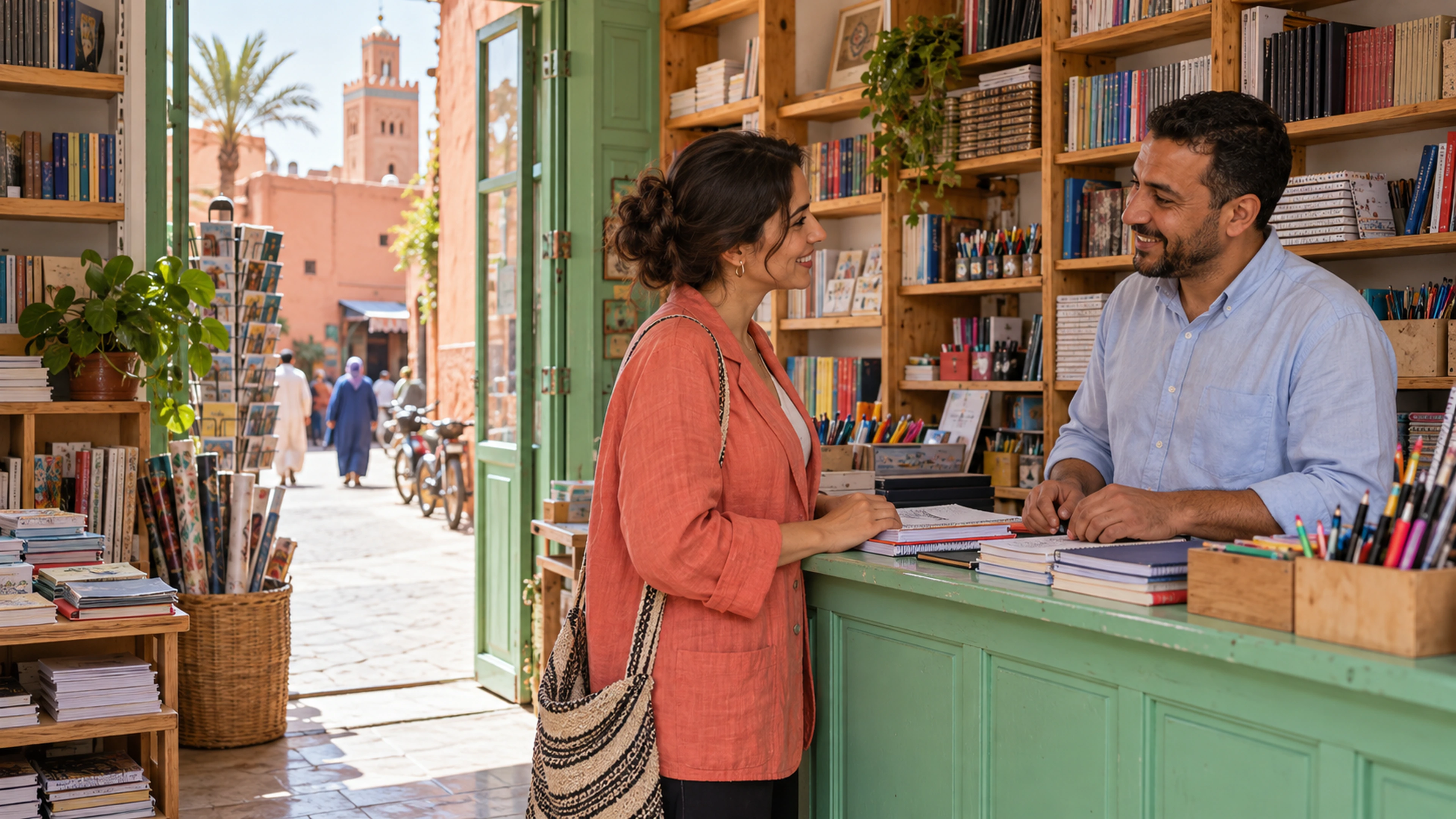
Move from a phrase you can recite to an exchange you can follow, repair and finish naturally.
Explore the chapter ↗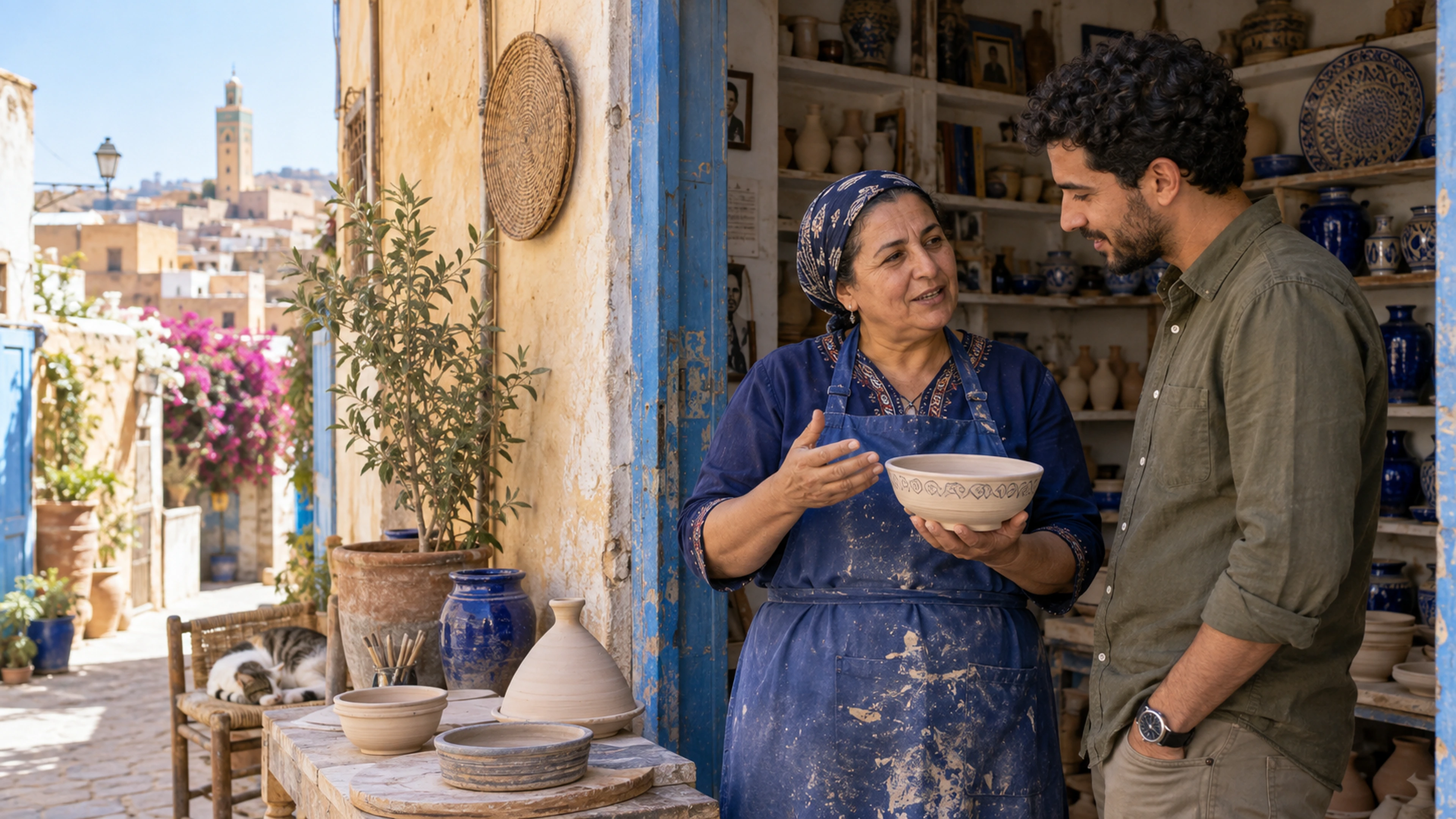
Choose an opening, listen to a preference and use Darija without turning another person into a performance.
Explore the chapter ↗Learn a greeting together with its reply. Practise a request and a way to ask for slower speech. Our Latin spellings are reading aids, with relevant address forms explained on each page. Listen to a willing speaker for rhythm and pronunciation; no written spelling can reproduce every sound.
Build a practical toolkit ↗Continue beyond the phrase. Explore the places, materials and ways of living that give an exchange its context.
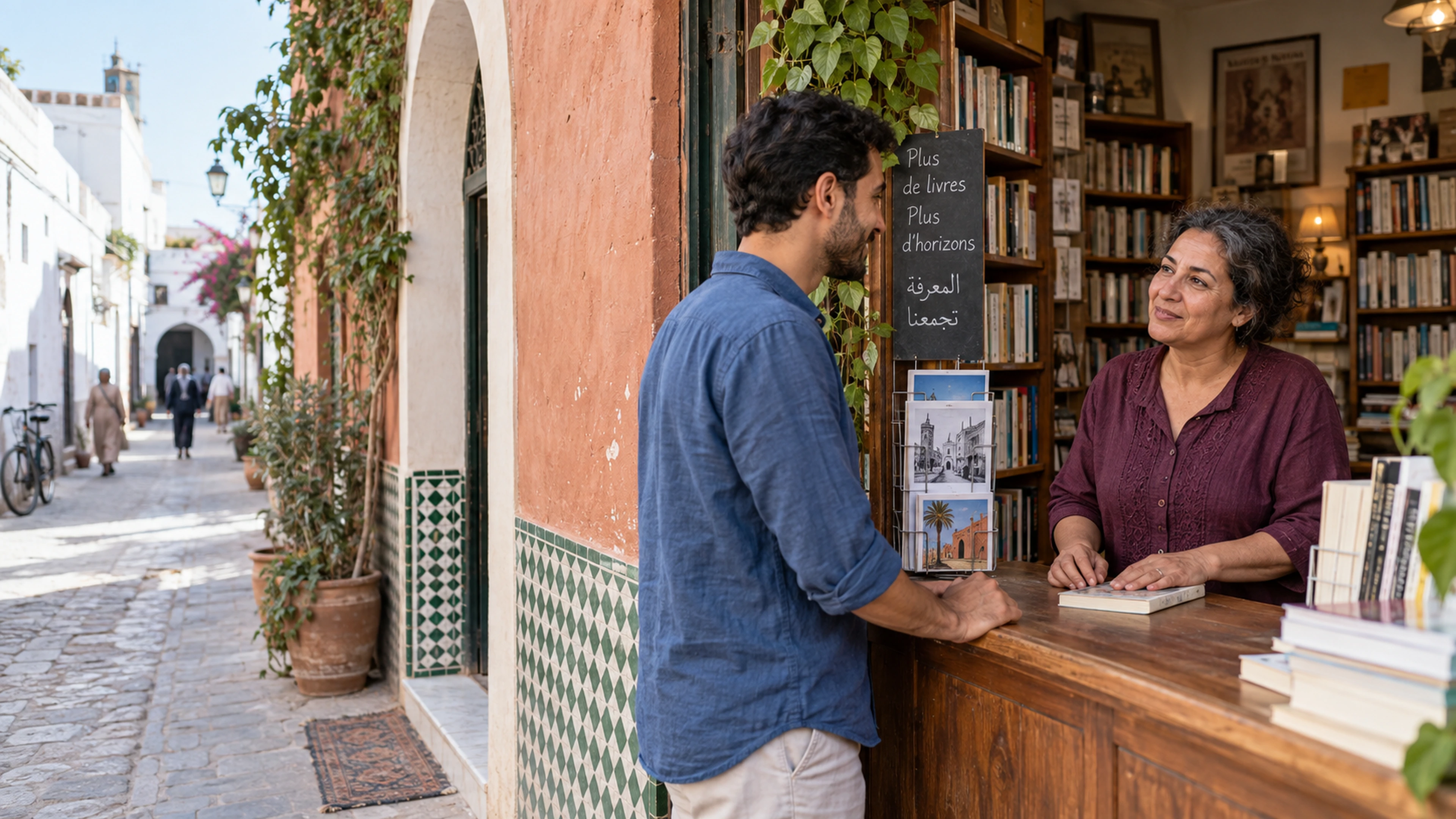
Explore the cultural context of a multilingual country.
Follow the connection ↗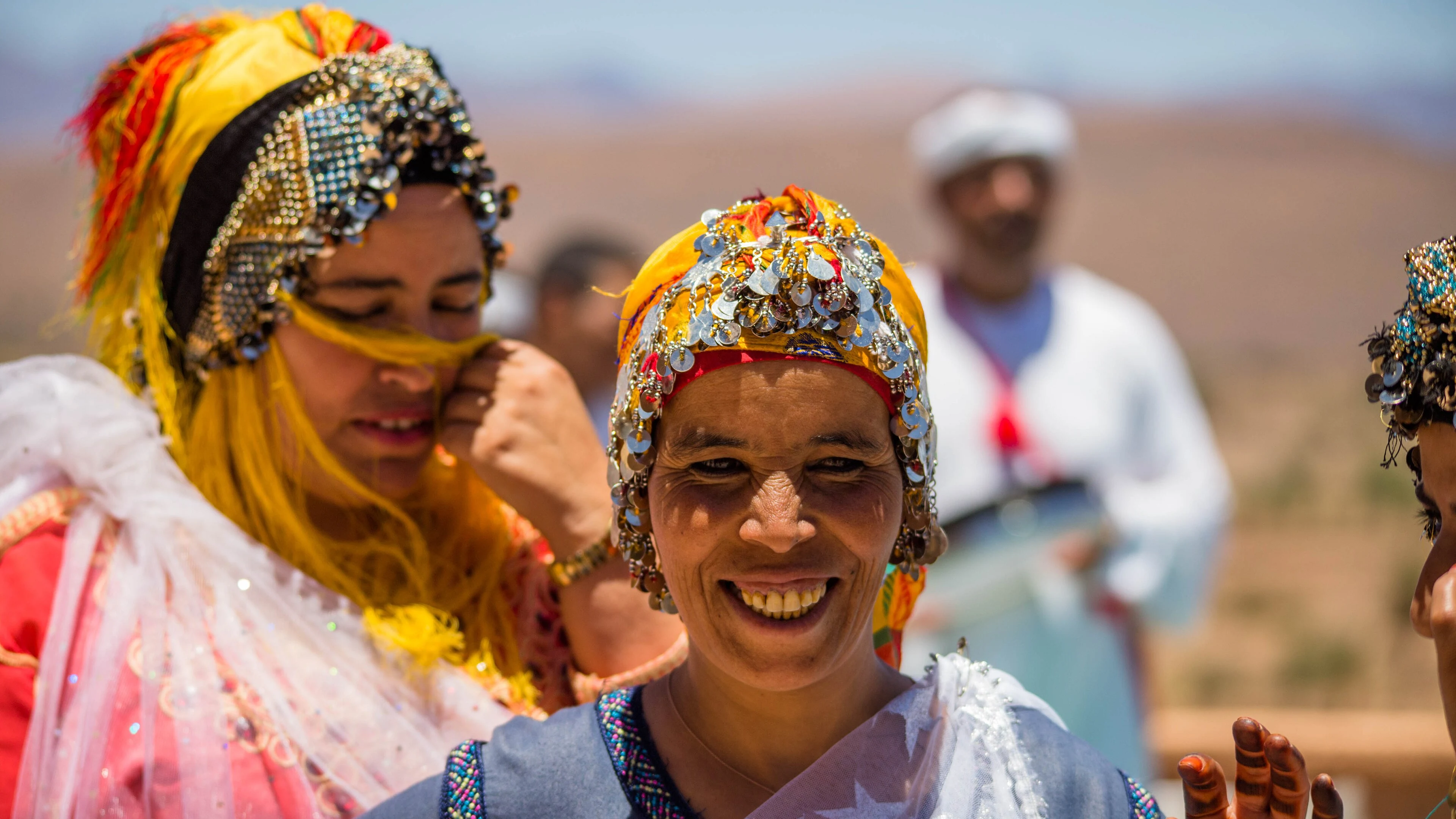
Give Morocco’s languages a wider cultural setting.
Follow the connection ↗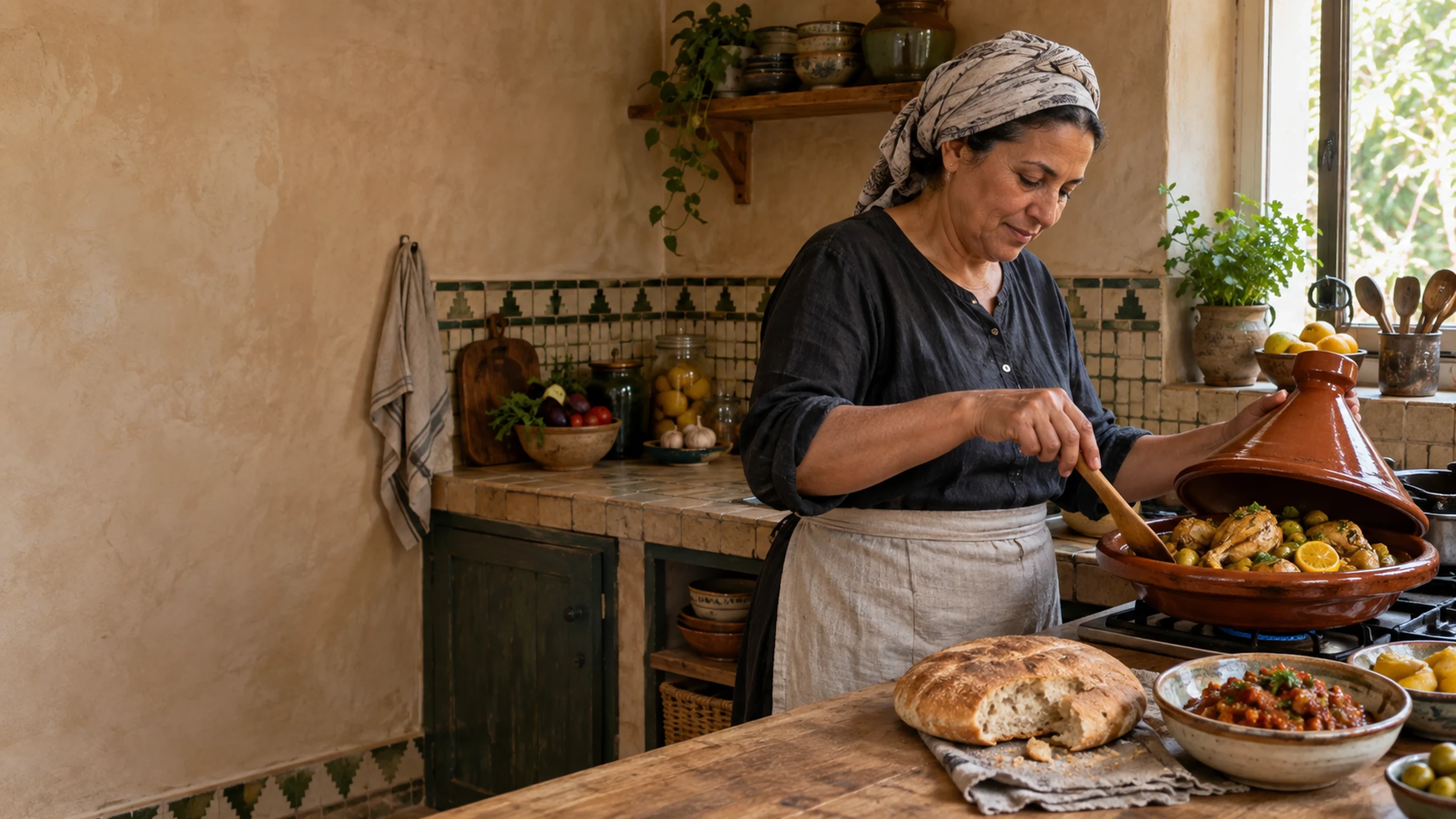
Connect the restaurant conversation with the meal.
Follow the connection ↗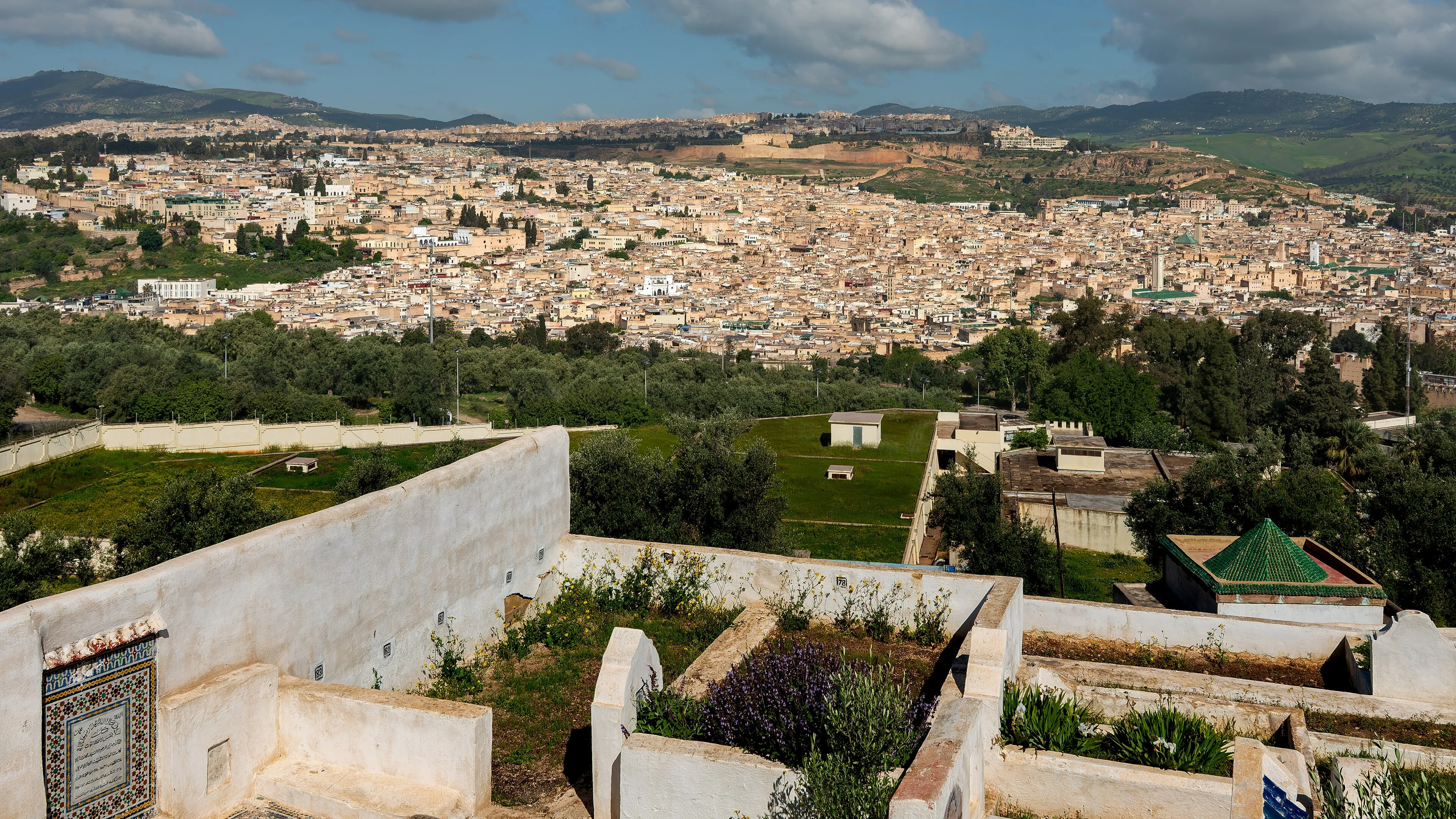
Read the streets where many everyday exchanges happen.
Follow the connection ↗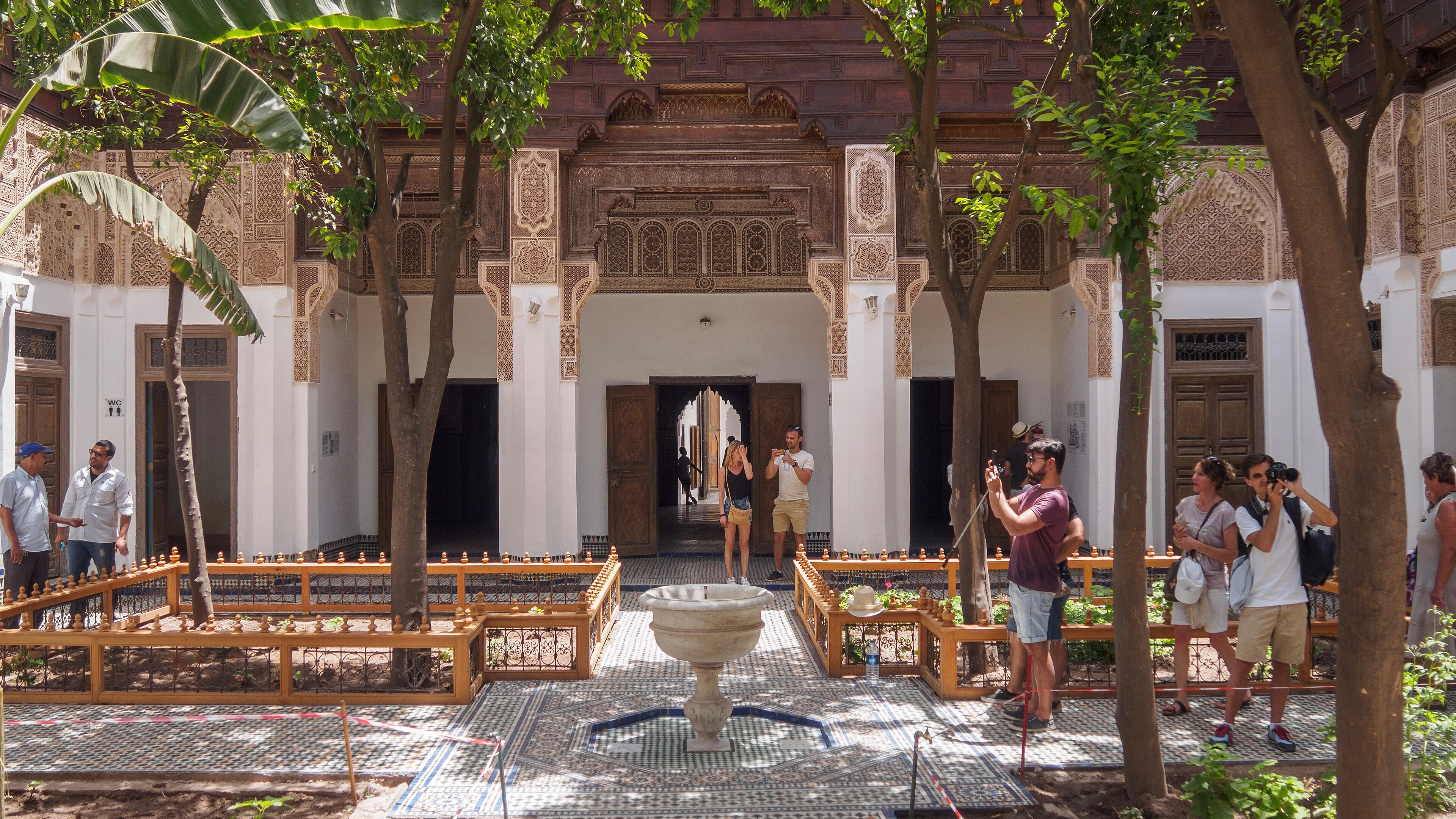
Understand the homes, courts and thresholds around a visit.
Follow the connection ↗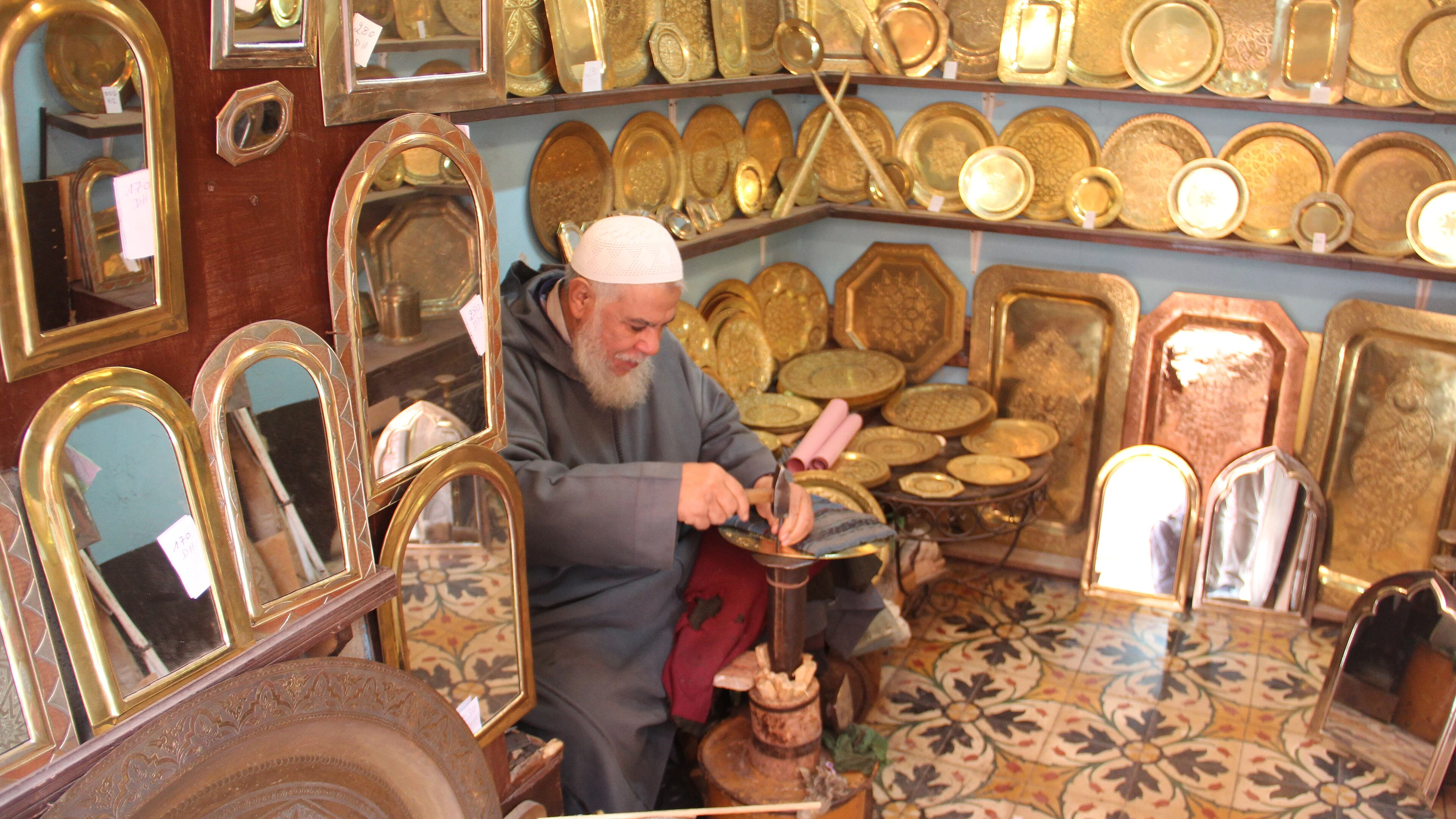
Ask better questions about the work behind an object.
Follow the connection ↗All eleven public Darija chapters are ready to explore. Their companion guides are in preparation; the Shop shows each title and its current availability.
The family draws on the Peace Corps Morocco Moroccan Arabic textbook (2011) for introductory language forms, with original contextual explanations and simplified Latin spellings. Individual chapters include further notes. The IRCAM teaching resources offer a wider Amazigh language context.