Skip to learning
Buying a small quantity: an imagined Moroccan conversation.
A clear question, an understood price

Markets & Shopping

Ask about an item, understand the quantity and finish a purchase without turning the market into a bargaining performance.

Exotic Morocco · 9 minute read
01 / A way into the conversation

Name the thing before the price.

Bshḥal? is useful, but it cannot do all the work of a purchase. Before asking how much, make sure both people are talking about the same object, quantity and unit. A bowl, a pair of slippers and a kilo of tomatoes are three different kinds of transaction. Clarity begins before the number is spoken.

A market is also a workplace. Sellers may be serving several customers, carrying goods or dealing with deliveries. Open courteously, ask a specific question and leave room for the answer. Darija can make the exchange more comfortable, but it is not a trick for obtaining a special price or proof that you belong.

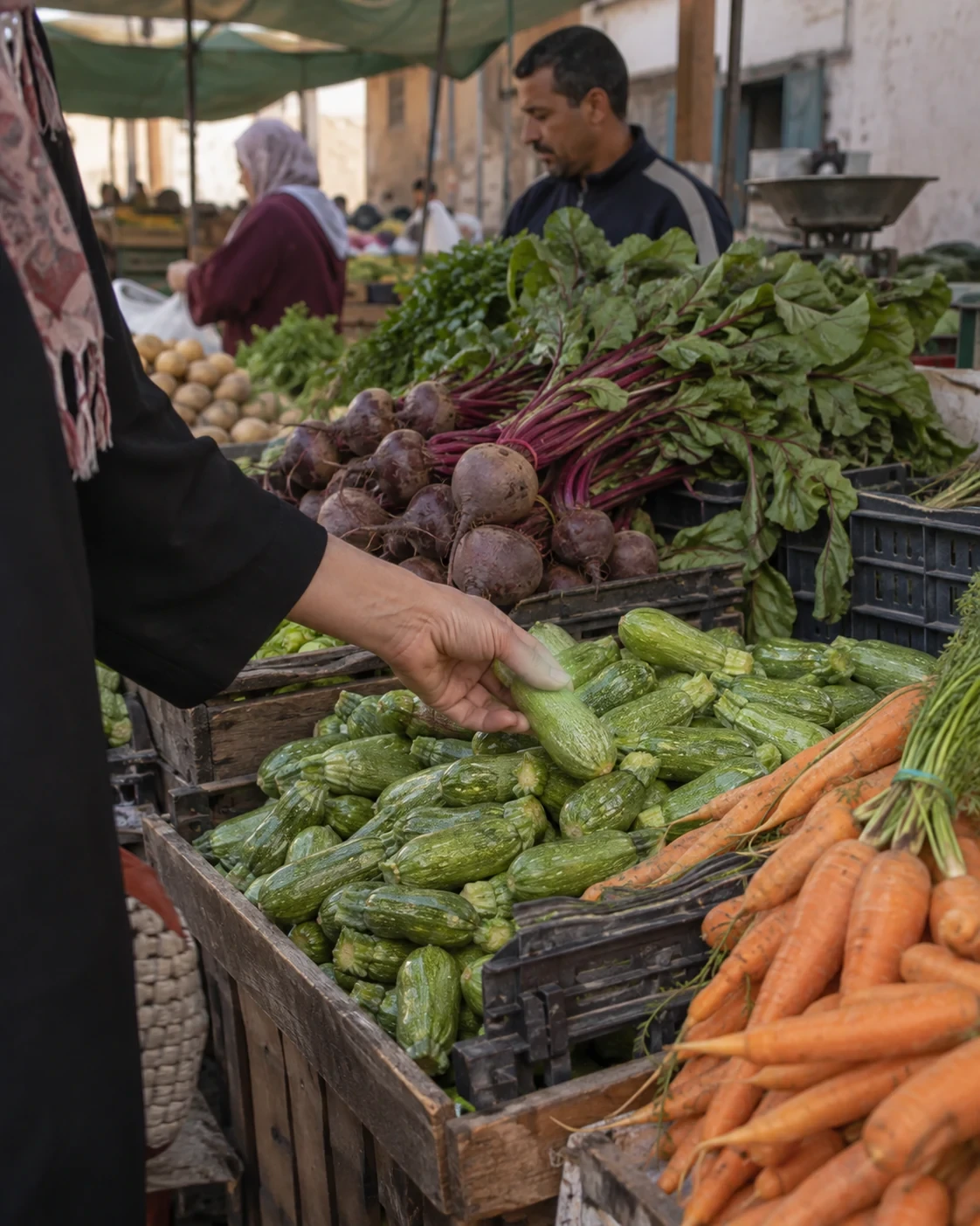
Vegetables selected at a market stall
THE LANGUAGEMoroccan Arabic · Darija
THE APPROACHListen. Respond. Connect.
THE CONNECTIONFind it in Morocco ↗
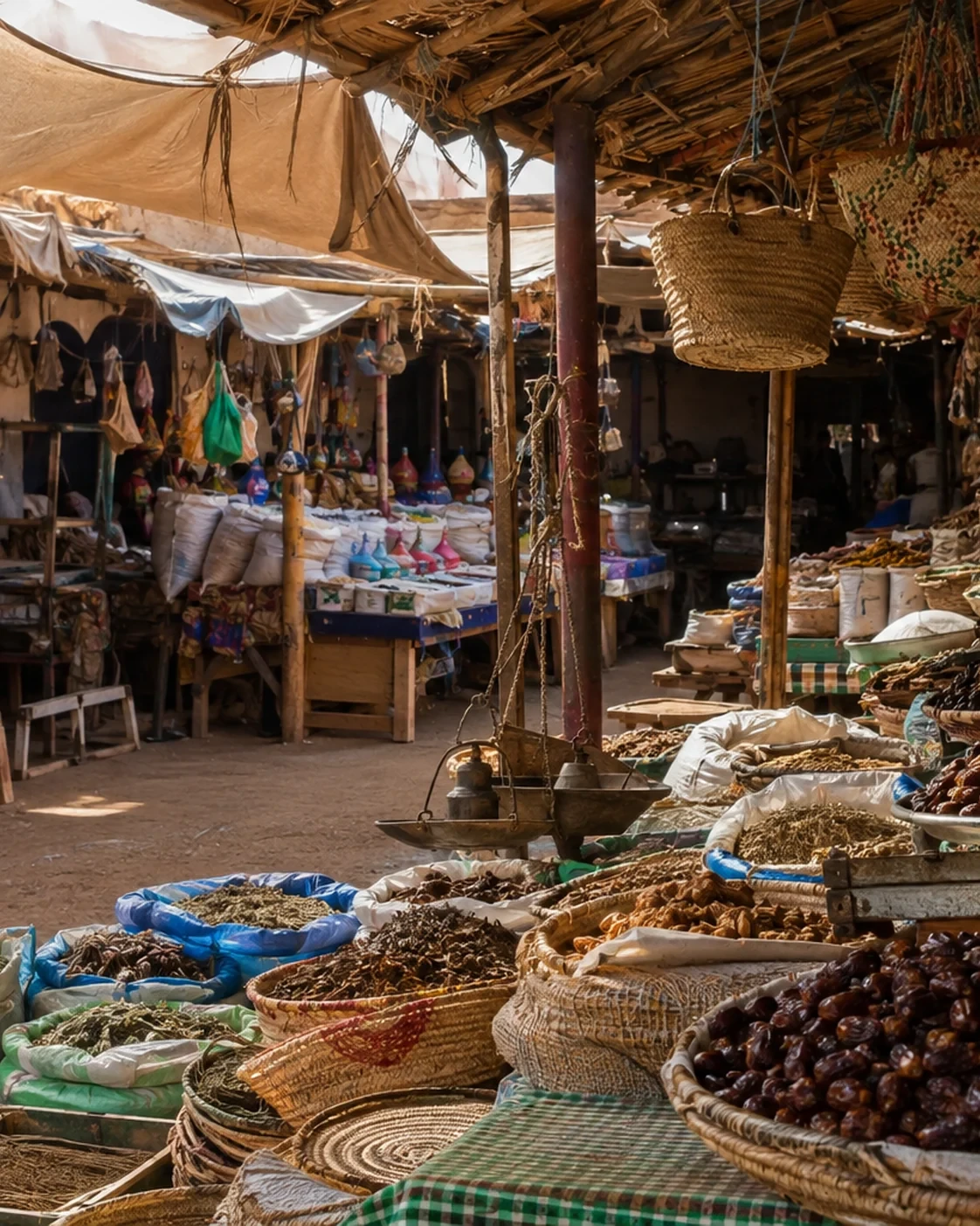
A market interior with ingredients and baskets
02 / Language in context

Price is a relationship between item and unit.

A quoted amount may refer to one piece, a pair, a weight or a whole group of items. The noun and the quantity belong with the number. Pointing at a display while asking bshḥal? can leave uncertainty if several products are close together. Identify what you mean and confirm the unit before comparing one offer with another.

Money vocabulary can add another layer. Everyday counting conventions may differ from the dirham amount printed on a note or displayed on a till. If you are unsure, ask for the amount in dirhams and confirm it with a written number or calculator. This page does not turn regional counting habits into a shortcut conversion table; the important skill is checking the amount actually being requested.

Not every shop negotiates prices. A displayed price, a routine food purchase and a discussion about an individual craft object may follow different practices. Watch the setting and ask calmly. If a price does not suit you, a courteous refusal is sufficient. Respect for a maker’s work does not require buying, and declining does not require disparaging the object.

A closer understanding

Three checks before paying

Meaning becomes clearer when you connect the words to what the speakers are doing.

01 / Notice this

The object

Check that the object you discussed is the one being wrapped. Colour, size, material and finish can distinguish similar pieces. A useful language lesson starts with those visible differences, rather than a sweeping claim that everything on one stall is the same.

02 / Notice this

The quantity

Learn waḥed, juj and tlata as counting forms, but notice that numbers combine with nouns in particular ways. A full grammar of counting takes more space than a shopping card. For an important quantity, repeat it and show the number clearly instead of relying on a half-understood sentence.

03 / Notice this

The total

A price per kilo is different from the total after weighing. Wait for the final amount and check what it covers. If several items are combined, ask for clarification while the objects are still visible. A calm check is part of a clear transaction, not an accusation.

03 / From words to an exchange

Say a little. Understand more.

A small set of useful expressions, with the context that makes them work.

01 / An expression to recognise

bshḥal?

How much?

Use after the item and quantity are clear. Ask for the amount in dirhams if the unit is uncertain.

02 / An expression to recognise

wash ʿandek…?

Do you have…?

A singular-address question to a seller. Add a known item; listen for an answer about availability.

03 / An expression to recognise

waḥed / juj / tlata

One / two / three

Counting forms to recognise. Combining numbers with nouns introduces further grammar.

04 / An expression to recognise

nṣ kilo

Half a kilo

A useful weight expression. Confirm the weighed quantity and final price.

05 / An expression to recognise

wash ʿandek s-serf?

Do you have change?

A practical payment question. It does not specify the note you intend to use, so show or explain that detail.

06 / An expression to recognise

la, shukran

No, thank you

A straightforward way to decline and move on without a prolonged performance.

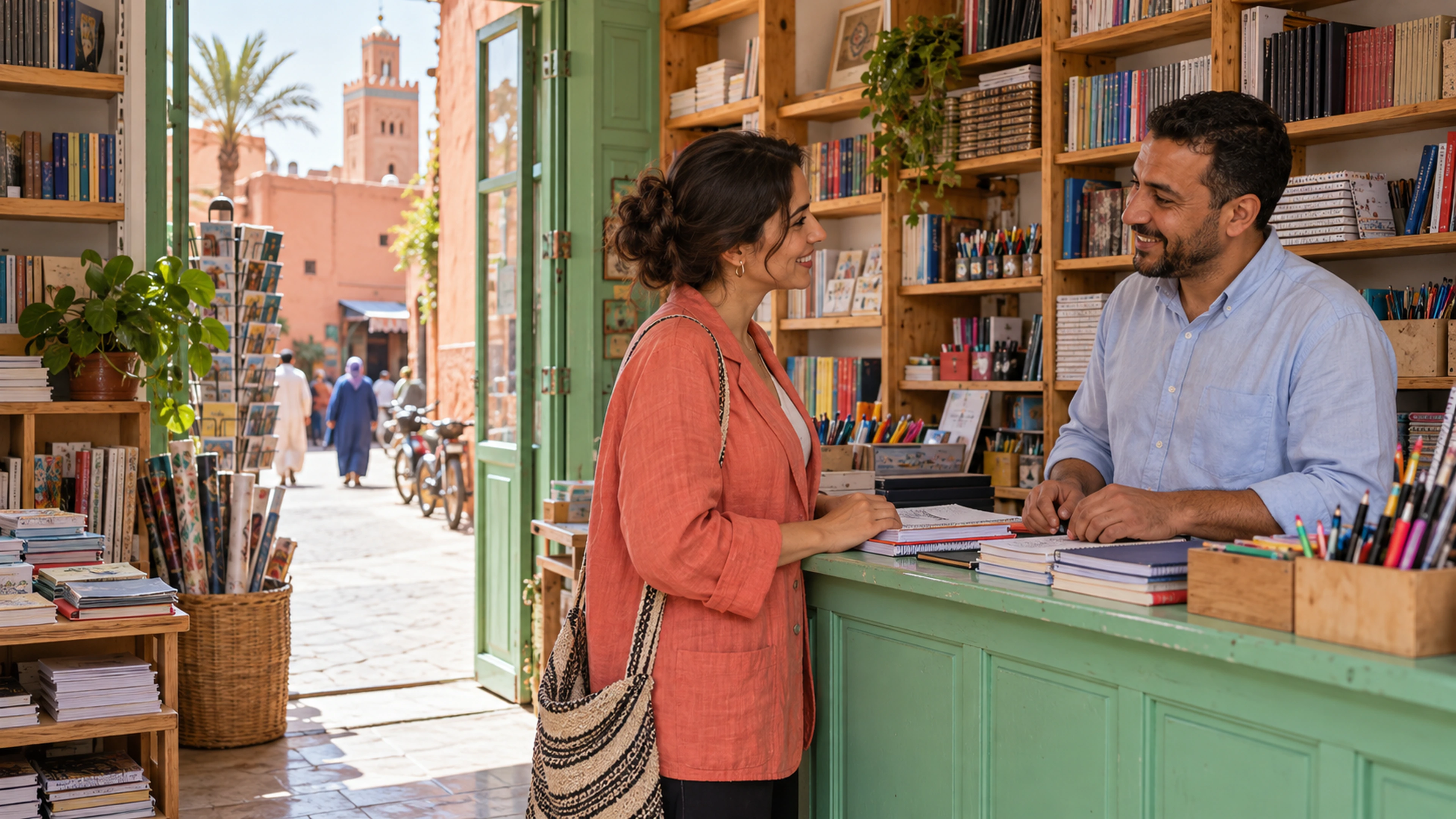
A short practice scene

Buying a small quantity

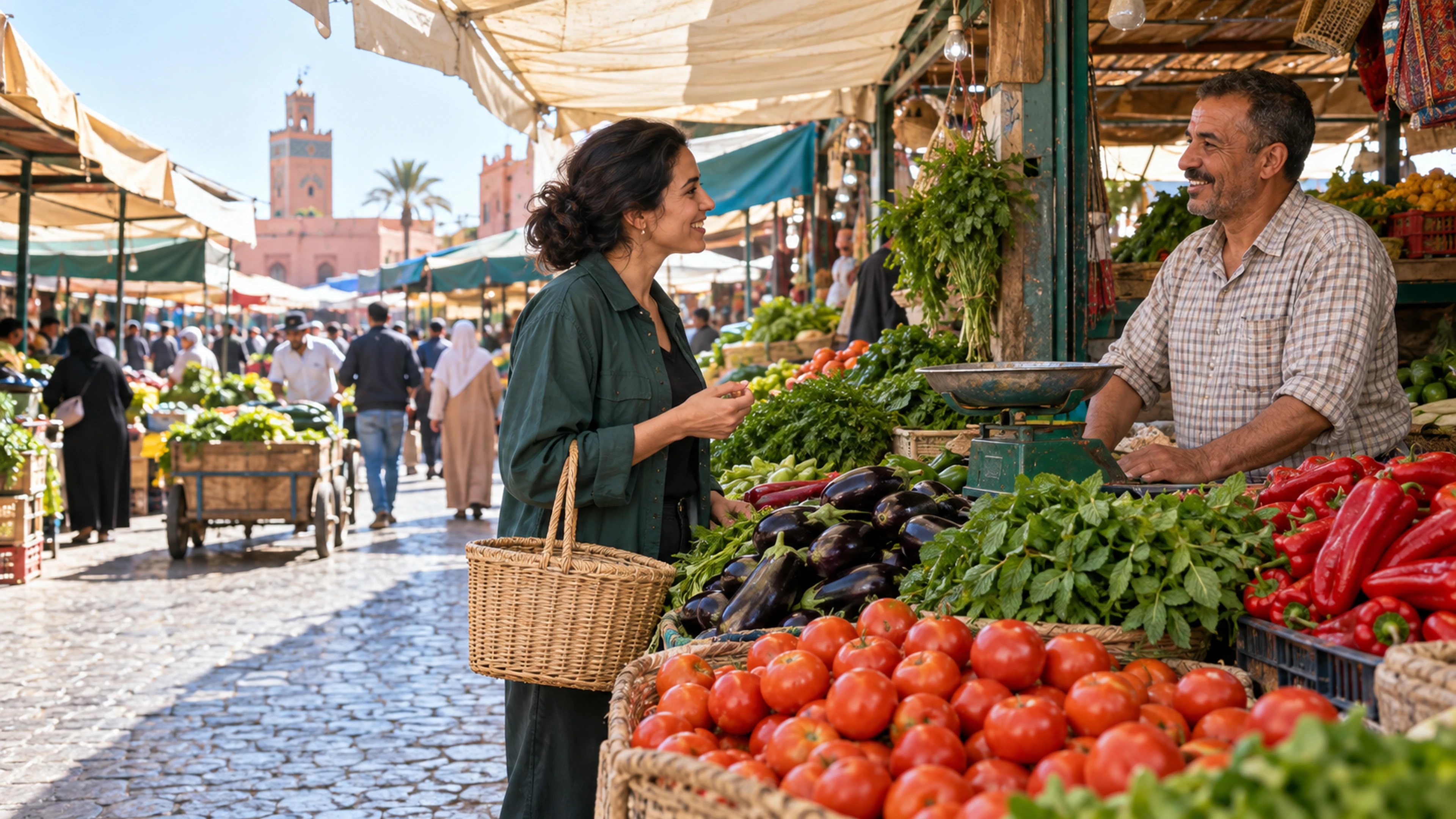
The gesture in this practice scene identifies the produce; the words identify the weight. Neither should be left ambiguous. Wait for the weighing and final amount. If you miss the number, use b-shwiya, ʿafak and ask for it again, or confirm a written figure before paying.

  1. Yous-salamu ʿalaykumHello.
  2. Sellerwa ʿalaykum s-salamHello in reply.
  3. You, indicating the chosen producenṣ kilo, ʿafakHalf a kilo, please.
  4. You, checking the totalbshḥal?How much?
How to read the Darija examples

These are approachable Latin spellings for spoken Moroccan Arabic, not IPA or a single official spelling system. sh is like the sound in “ship”; kh is like the final sound of Scots “loch”; gh is a voiced sound made towards the back of the mouth. ʿ marks ʿayn, which has no direct English equivalent. ḥ is a deeper h sound, and ṣ marks an emphatic s. The doubled vowel in bgheet is an English-oriented reading aid.

Spellings and pronunciation vary. Hyphens help show parts of an expression; they are not instructions to pause. Learn the rhythm from a willing speaker or a reliable recording. Examples are brief practice scenes, not transcripts of the people in the photographs. Relevant masculine, feminine and plural address forms are labelled.

04 / The visual chapter

The setting changes the exchange.

Look beyond the phrase. Objects, working spaces and shared routines give a conversation its practical meaning.

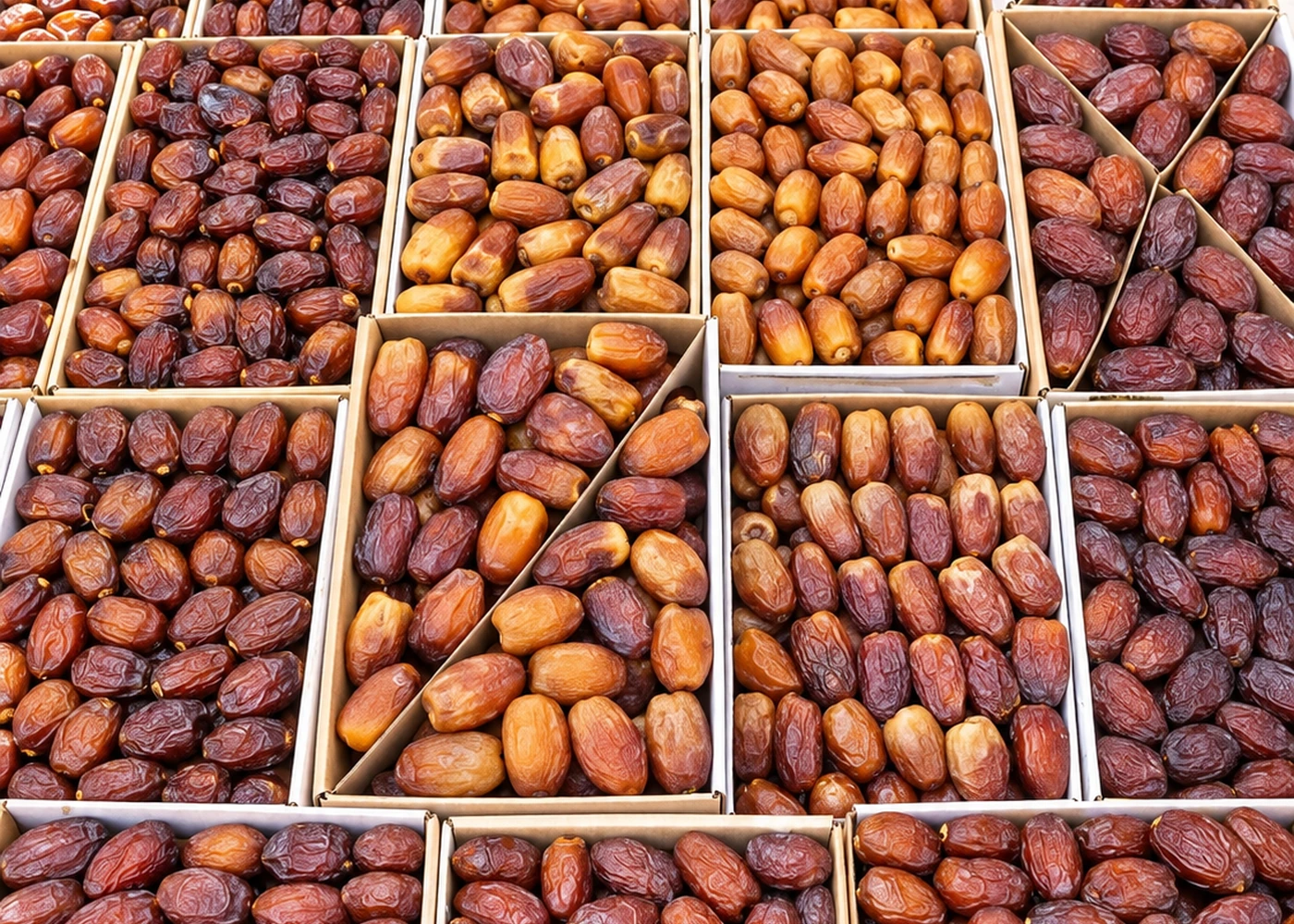
Dates sorted into separate boxes
01 / Language in daily life

A weight is not a handful

A display of dates may contain different varieties or grades with different prices. Identify the box and confirm the weight. Comparing two numbers without checking those details does not tell you which offer is better. A clear purchase begins with the same product and unit in both people’s minds.

Dates sorted into separate boxes
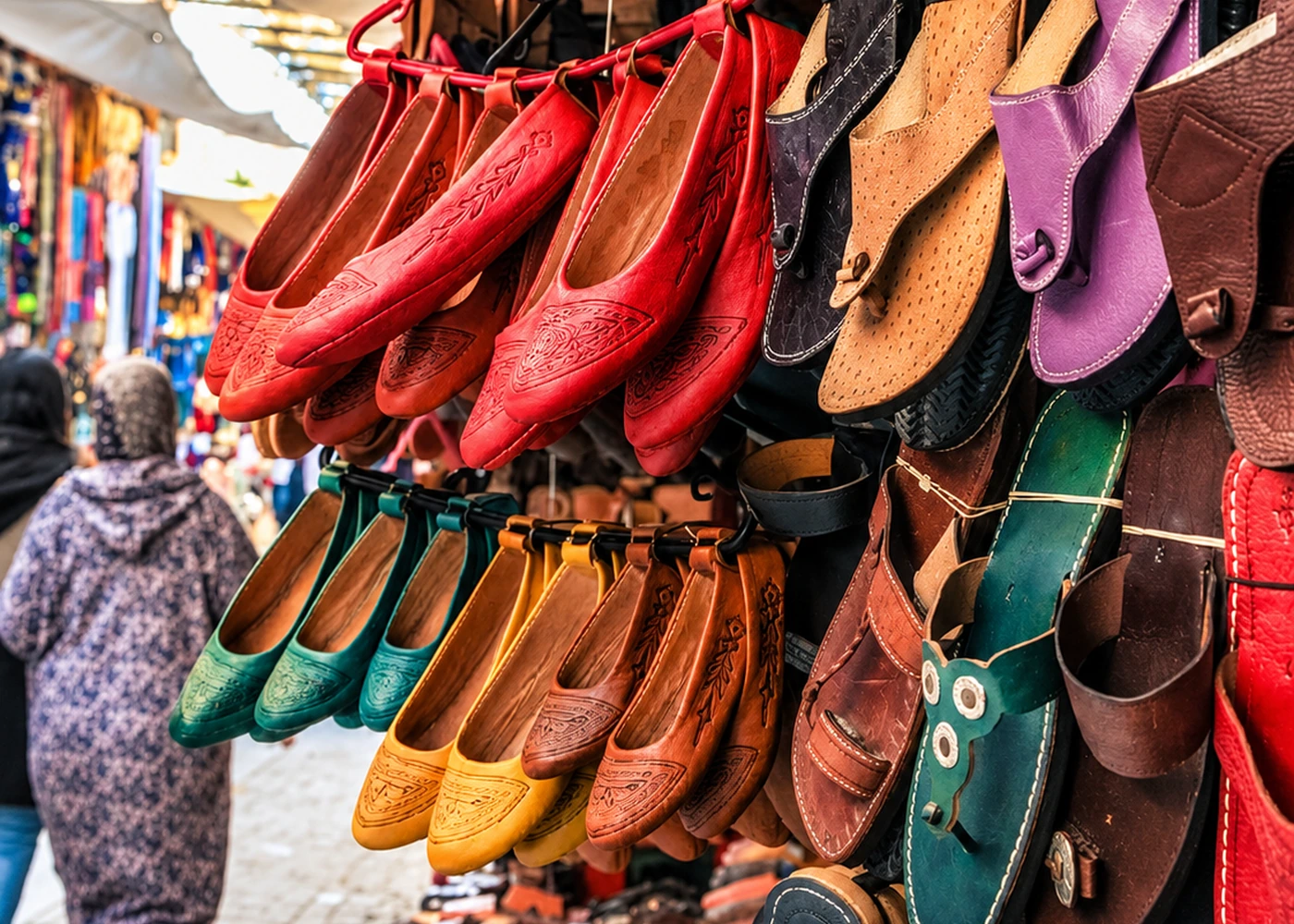
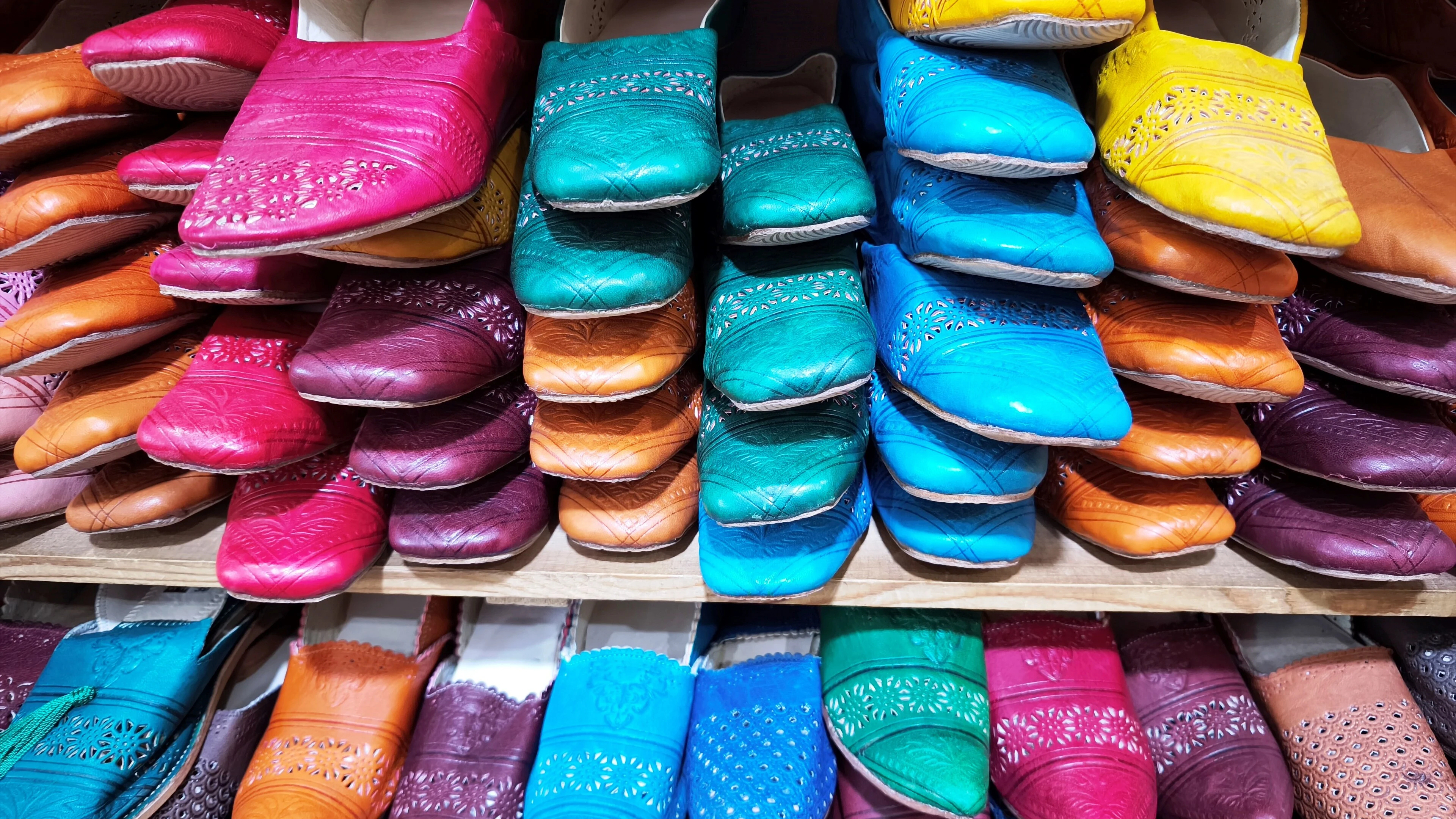
Leather slippers displayed in different colours
02 / Language in daily life

A pair is not one piece

Slippers invite questions about size, material and whether the price covers the pair. Do not assume the answer from the way goods are hung. Check the particular pair you intend to buy and confirm the total before it is wrapped. The useful vocabulary follows the object’s real distinctions.

Leather slippers displayed in different colours
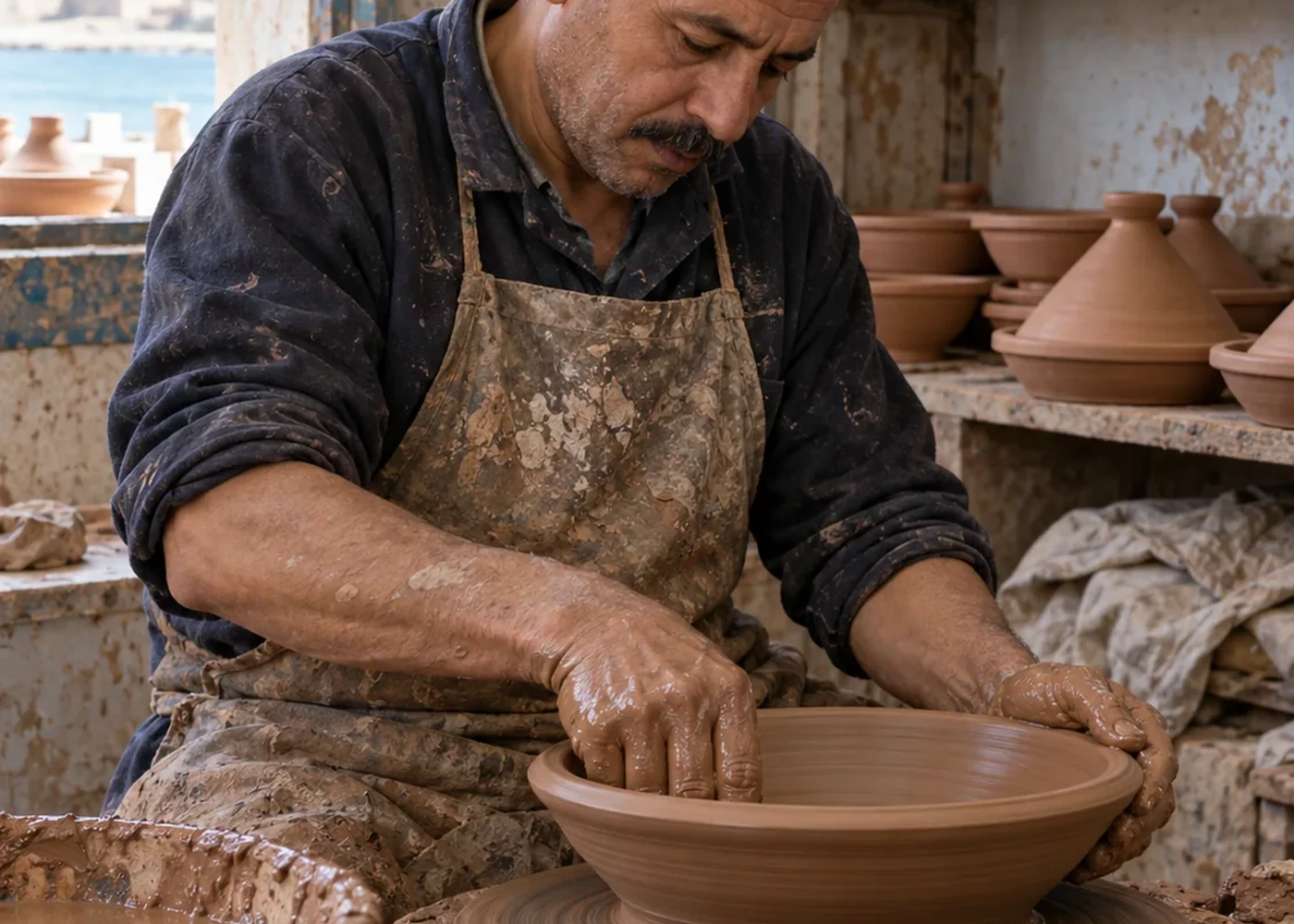
A potter shaping a bowl at the wheel
03 / Language in daily life

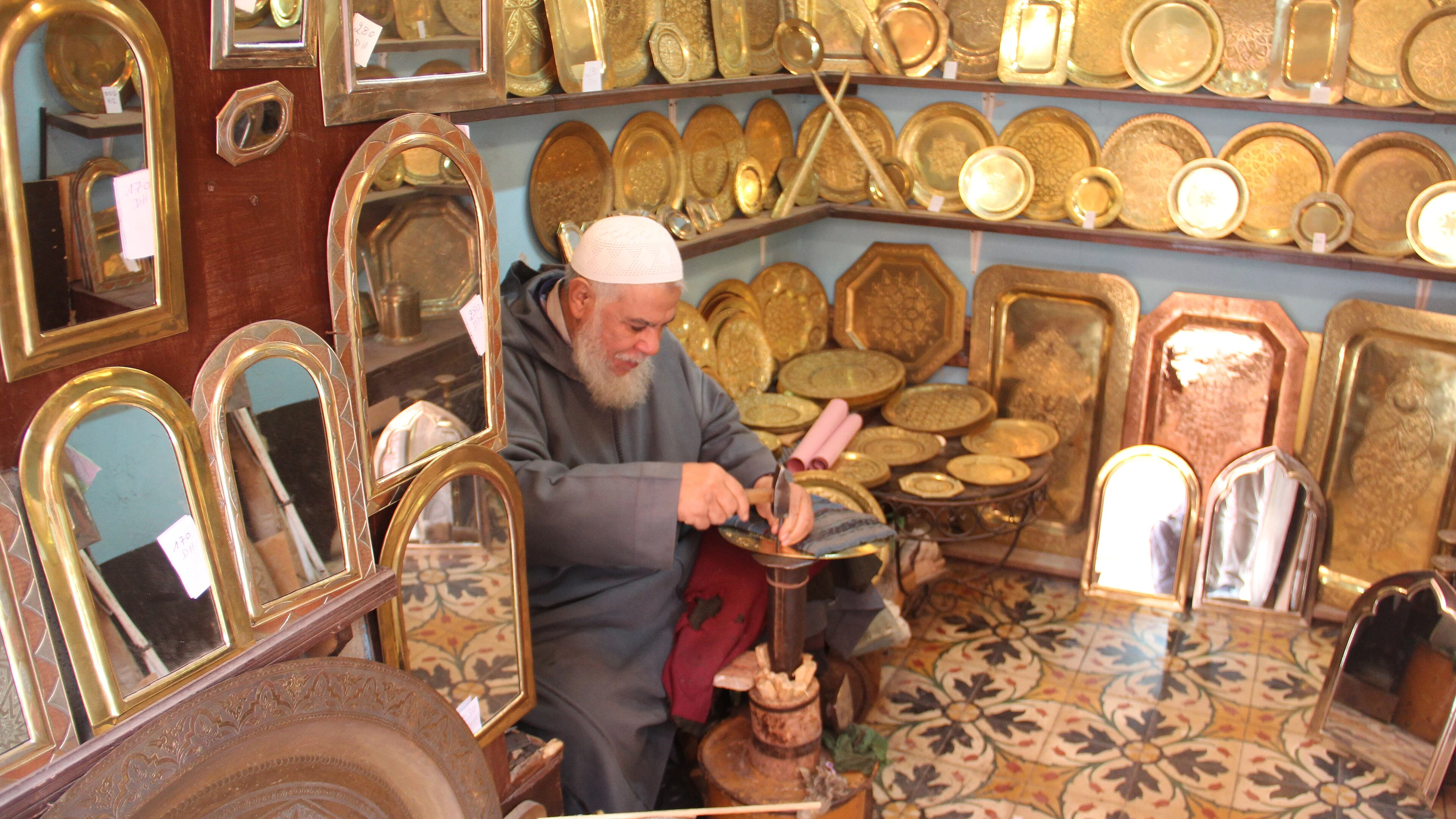
The making belongs in the question

For a handmade object, a question about the process can be more revealing than a rehearsed bargaining line. Ask which stages happen here and what material is used. Listen to the answer without assuming that every maker follows one unchanging tradition or has the same relationship to the goods being sold.

A potter shaping a bowl at the wheel
06 / Try it with attention

Practise with real units, not pretend bargains.

At home, set out three objects and give each a quantity or weight. Ask a partner to quote a price for one, then for the group. Your task is to identify what the number refers to. This builds a more transferable skill than memorising a dramatic bargaining dialogue, because the same distinction matters at a bakery, a grocer and a craft shop.

Try it once slowly, then let your partner change the answer. Listen for what changes before choosing your next phrase.

Choose one clearly identifiable item for practice. Establish whether the quoted amount refers to a single piece, a pair, a weight or a set. If similar objects differ in size or finish, point to the exact one while checking. Understanding a number is useful only when both speakers agree on what that number covers.

Keep a small note of the item and unit after a successful exchange. With a willing partner, practise changing the quantity and asking for the total again. This is a concrete exercise in listening; it does not require a pretend bargaining contest. When browsing without an intention to buy, make your interest clear and leave the seller free to attend to other people.

07 / A more useful conversation

Questions worth asking.

A little nuance makes a phrase more useful.

Should I bargain everywhere?

No. Practices differ by shop and type of transaction. Read the setting, ask if appropriate and accept a clear answer. A fixed-price shop is not a failed cultural experience.

Is a spoken number enough?

Only if you understand the unit and what it covers. Confirm the amount in dirhams, the quantity and whether the quoted figure is a total or a rate.

Can I touch or photograph the goods freely?

Ask first when handling could damage an object or when a photograph includes people or their workspace. Buying interest does not automatically create permission.

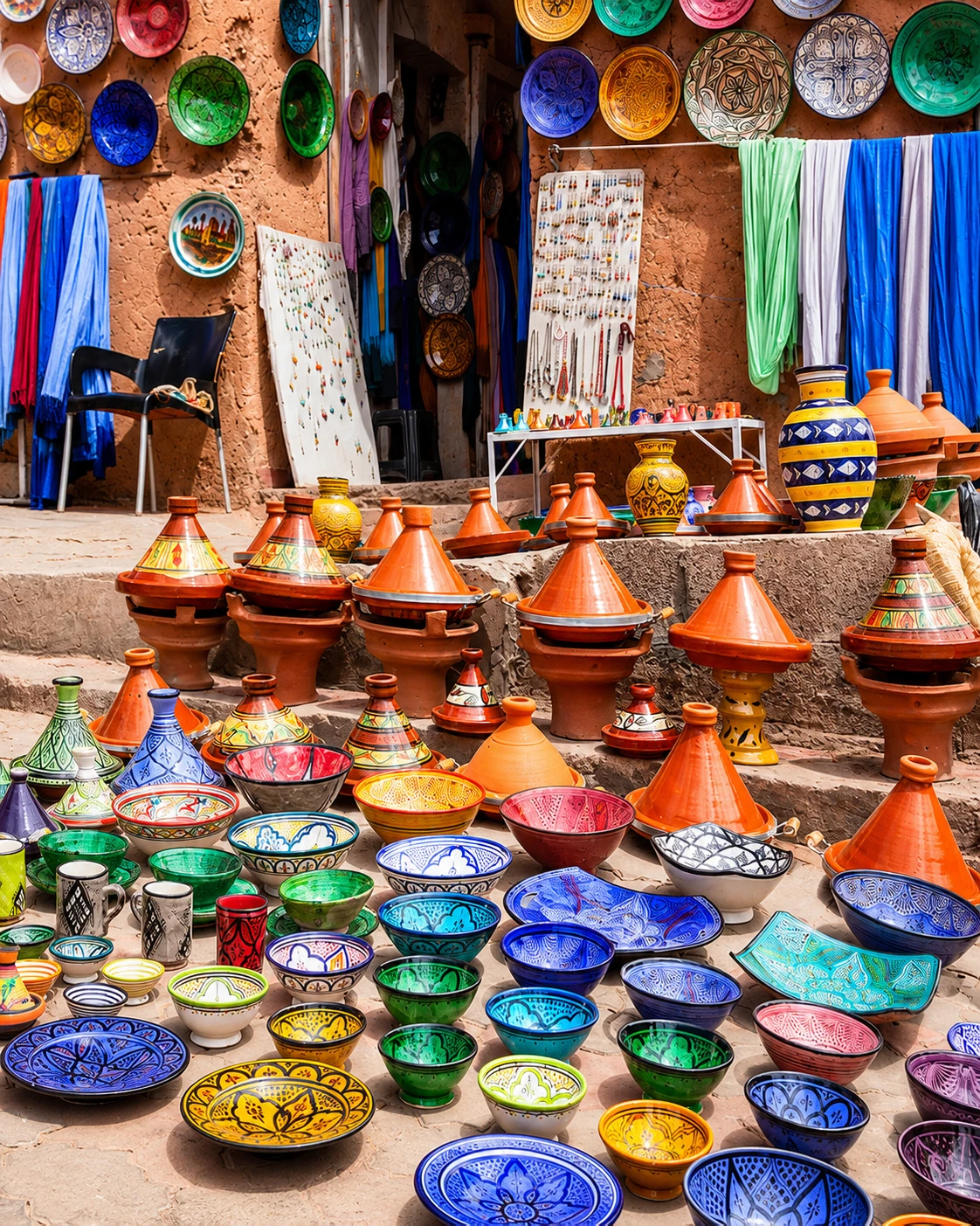
Ceramic tagines and bowls displayed outdoors
The Exotic Morocco guide library

Keep the conversation going.

Take Markets & Shopping further.

This public chapter is free to explore. The companion guide is in preparation, with space planned for fuller phrase sets, practice exchanges and more detailed language notes.

Find current availability in the guide collection.

Explore this guide ↗Back to the Darija collection ↗
Sources & further reading

Language references

  1. Peace Corps Morocco · Moroccan Arabic textbook (2011) — transcription; greetings; useful expressions; numbers; shopping; directions; restaurant language.
  2. IRCAM · Amazigh language teaching resources — wider multilingual context.