Ochre ramparts, medina street life and Atlas-side light in Taroudant

Walled Souss City

Taroudant Ochre ramparts, Souss markets and Atlas-side calm

Taroudant sits within ochre walls in the Souss Valley, where medina gates, market streets, leatherwork, argan and saffron signatures, palms and mountain light shape a calm southern rhythm. It is a city to understand through walls, souks and the routes that open toward oasis country.

Why Taroudant matters

Within the walls of the Souss

Taroudant’s identity begins with enclosure: ramparts, towers and gates hold the medina close while the Souss Valley opens outward to palms, farming country and Atlas-side roads. The city feels southern in climate and colour, but urban in its craft, trade and daily movement.

Its beauty is not only monumental. Taroudant rewards slow attention to market lanes, shaded thresholds, ochre surfaces, working craft quarters and the way local life continues beside the walls rather than being separated from them.

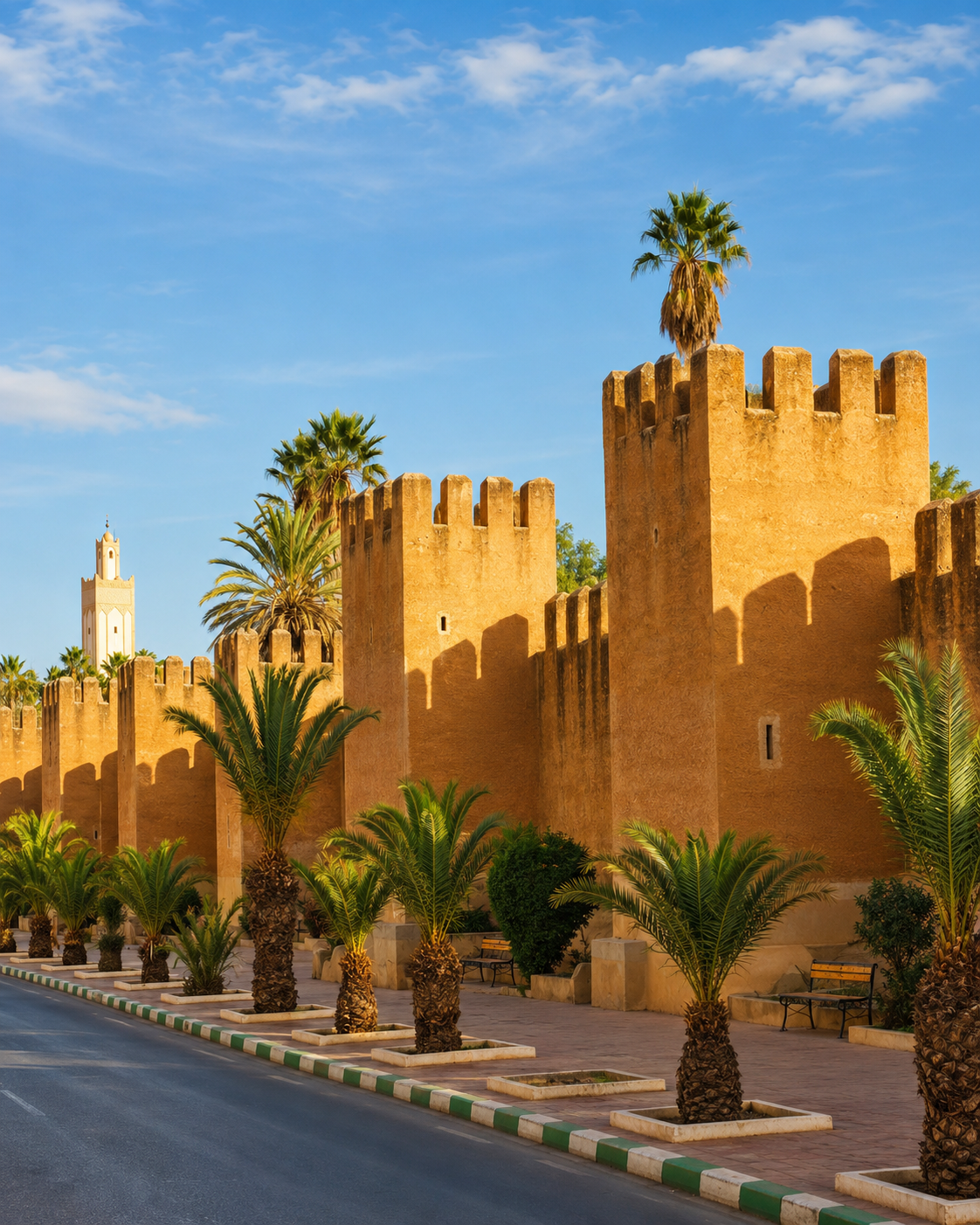
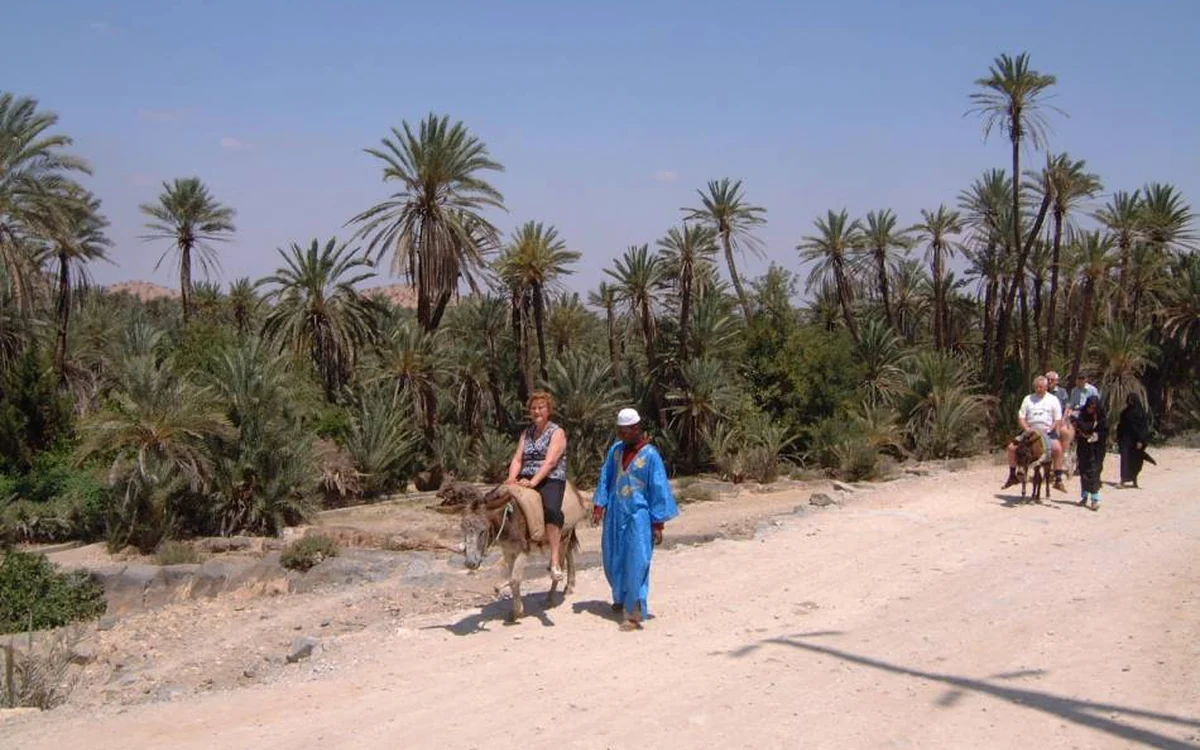
Palm-lined ramparts and civic space inside Taroudant

A city of gates, markets and measure

Taroudant’s scale is readable on foot: a gate, a wall, a square, a souk lane, a tannery edge, a palm grove and the dry light beyond the city.

EXPLORE

Taroudant

Historical orientation

From Souss stronghold to Saadian memory

Taroudant is best read as a southern city built in layers. It was already a Souss centre before its Saadian expansion, and its position between fertile valley, mountain routes and caravan logic gave the city a strategic role. Today the walls preserve that memory while the streets continue to function as a working market town.

01Early Souss centre

Before the dynastic frame

Taroudant grew from the landscape and exchanges of the Souss, where agriculture, market routes and mountain approaches shaped the city before later dynastic building gave it a stronger urban outline.

02Saadian era

Southern power base

The Saadian period strengthened Taroudant’s profile as a political and military centre in southern Morocco, giving the city a deeper memory than its calm streets first suggest.

03Walled medina

Ramparts and gate logic

The medina’s gates, towers and long ochre walls still organise arrival. They make the city easy to read from the outside before visitors enter the more intimate rhythm of the souks.

04Today

A living market city

Taroudant remains a practical regional town as much as a heritage destination, with shops, crafts, produce, cafés and everyday movement keeping the historic core active.

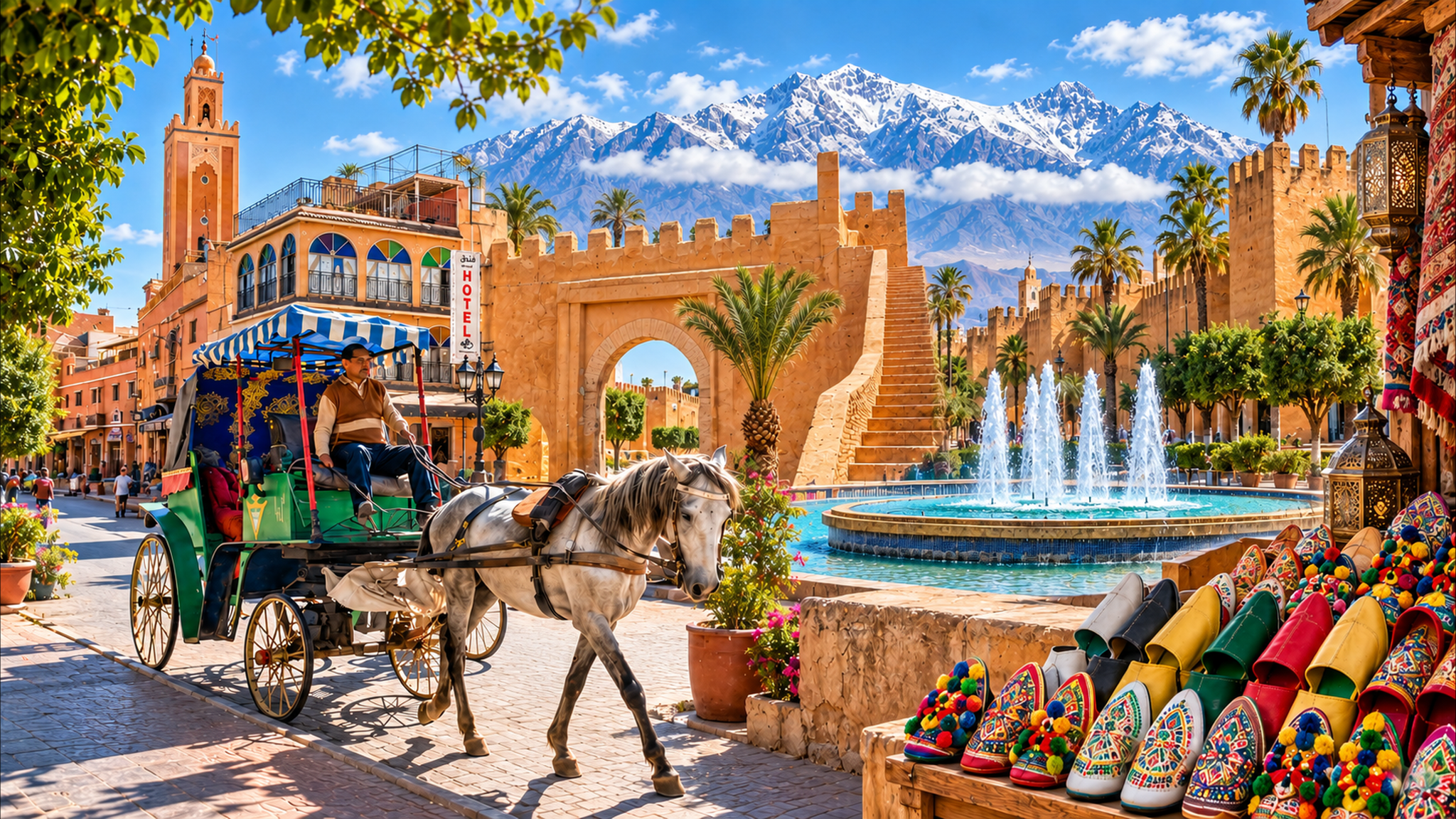
These images bridge the historical story and the city you encounter today: ochre enclosure, shaded gates and the close material rhythm of the market streets.
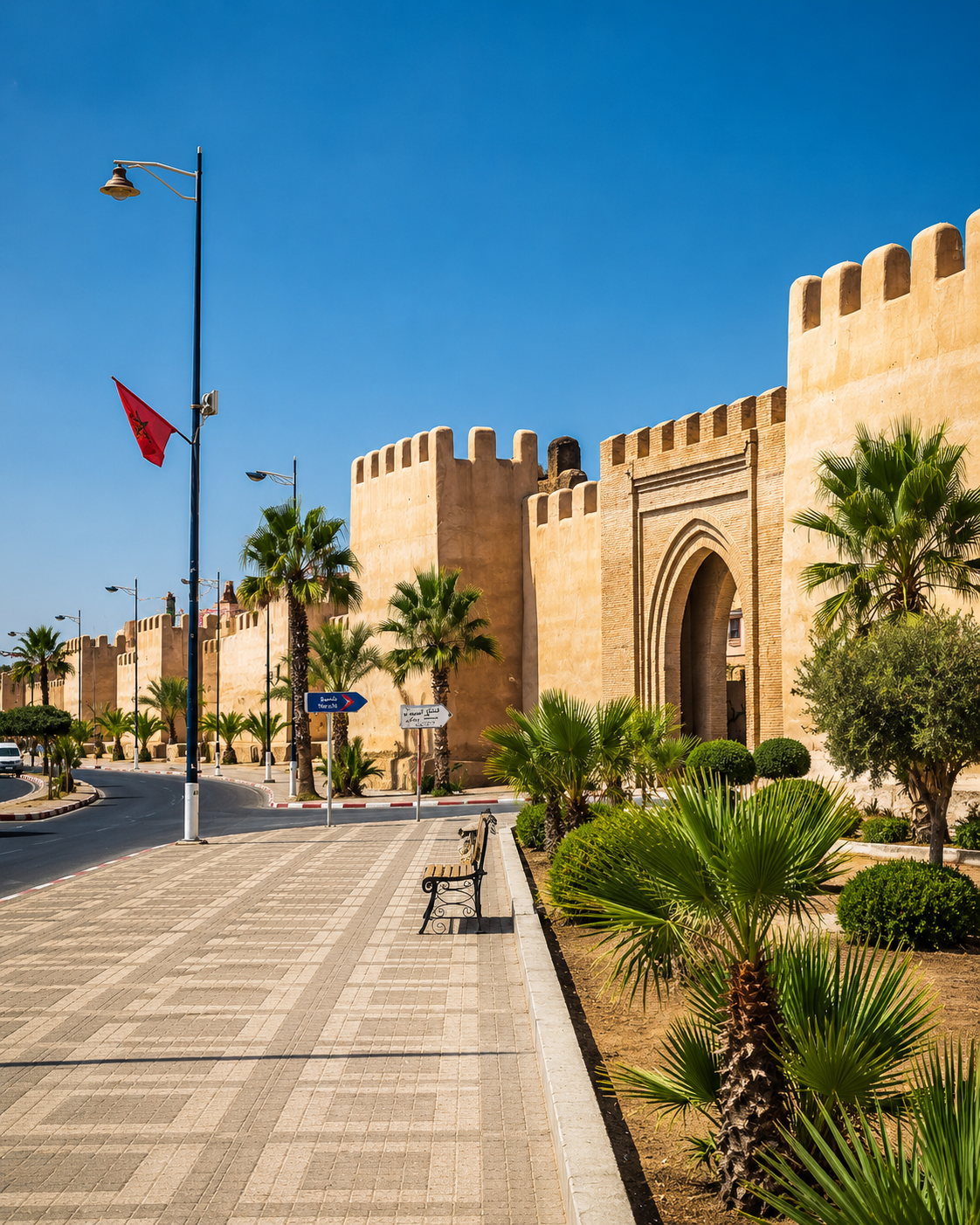
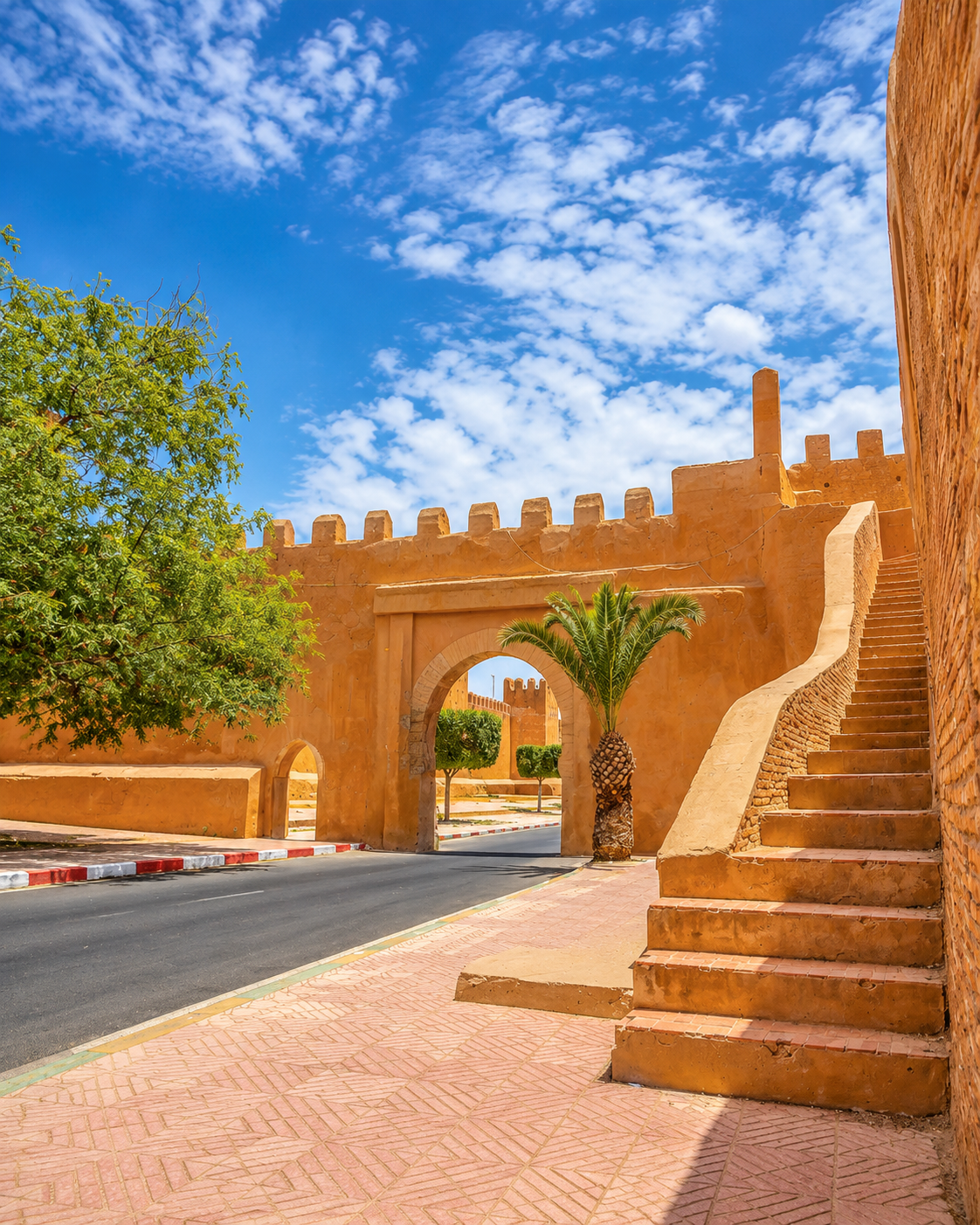
Sunlit ochre ramparts and palms in Taroudant

Rampart memory

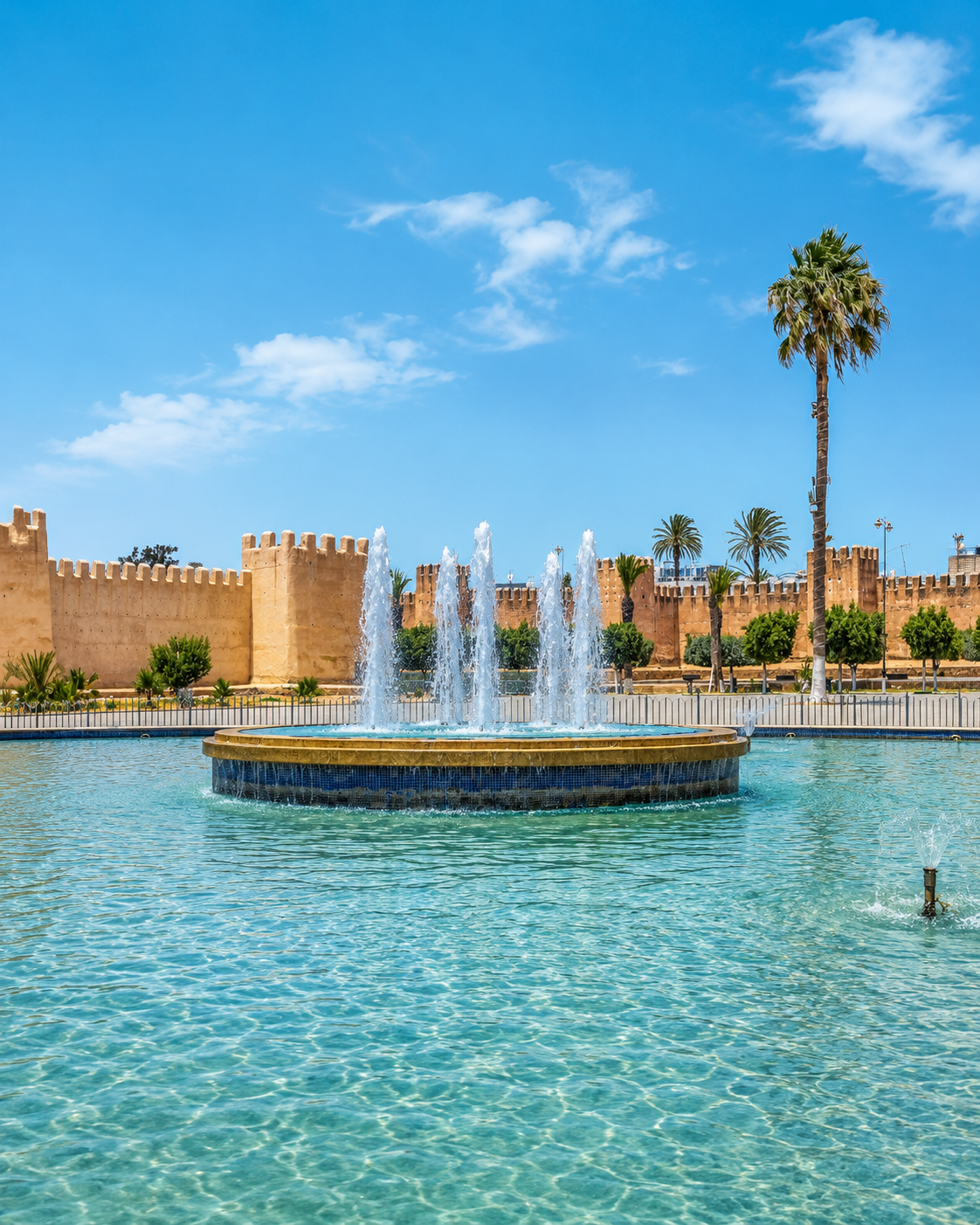
The walls give Taroudant its first language: sun, earth, towers and the calm geometry of arrival.

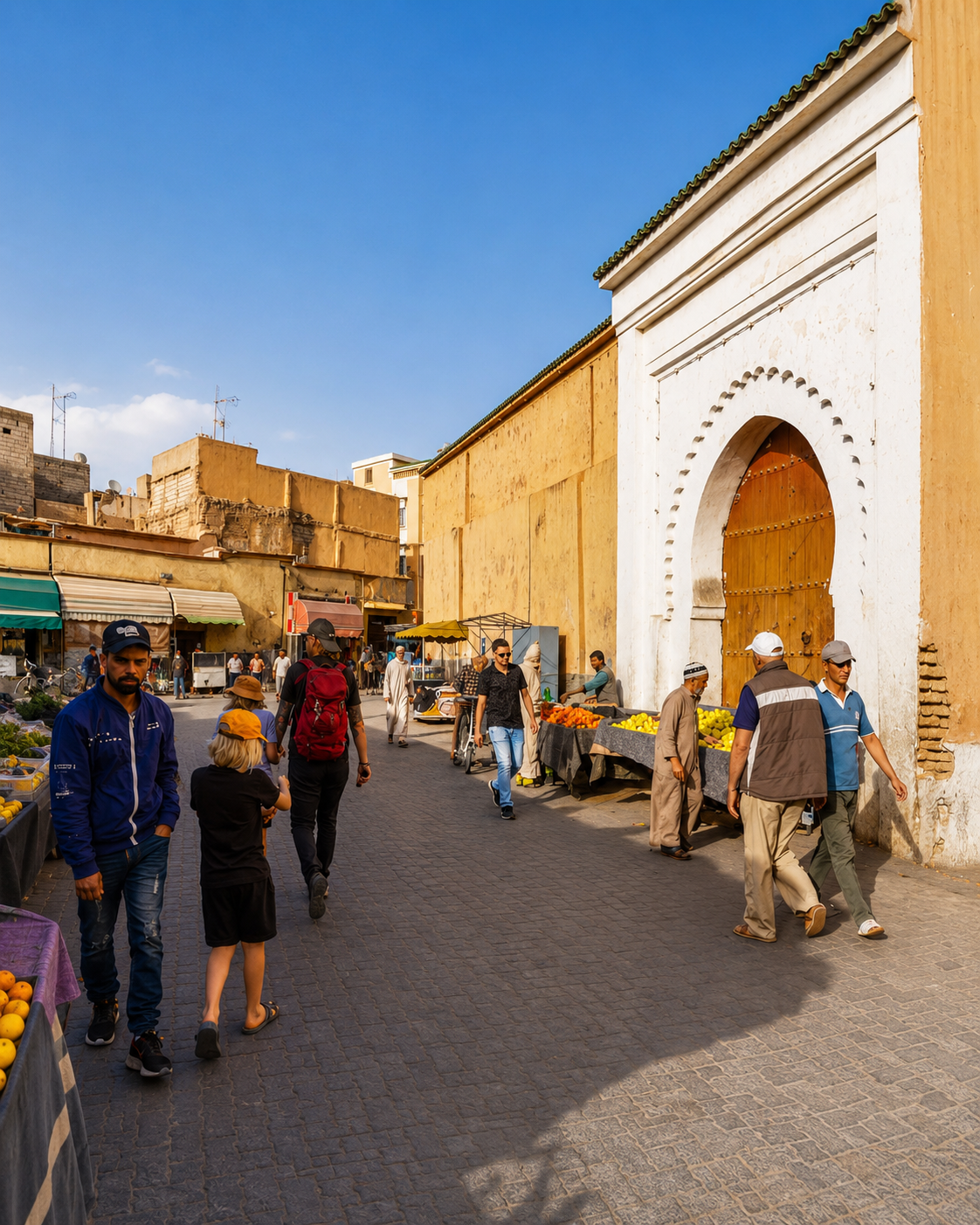
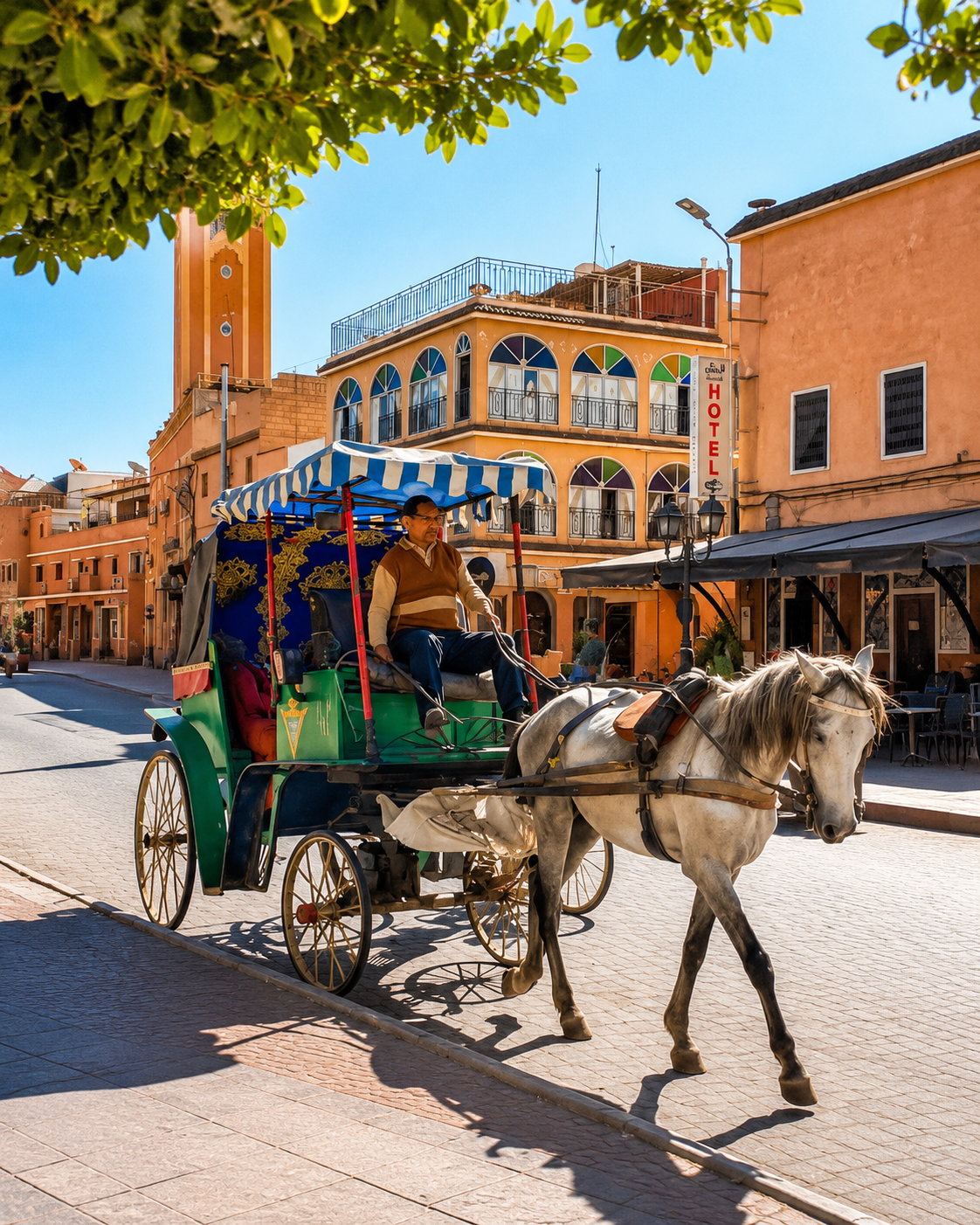
Gate-side market movement inside Taroudant

Gate movement

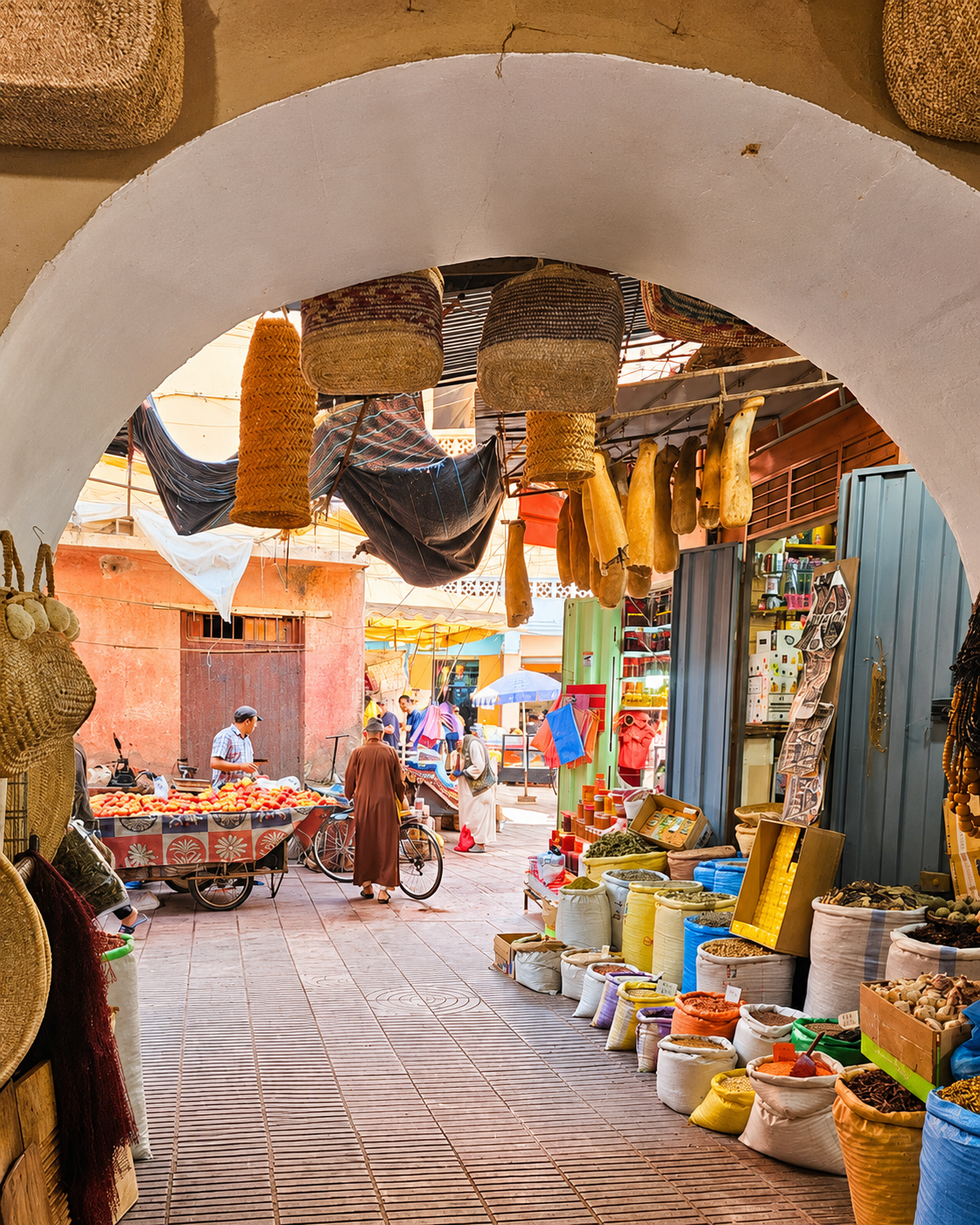
Gateways and palm-lined streets frame ordinary circulation as part of the historic fabric.

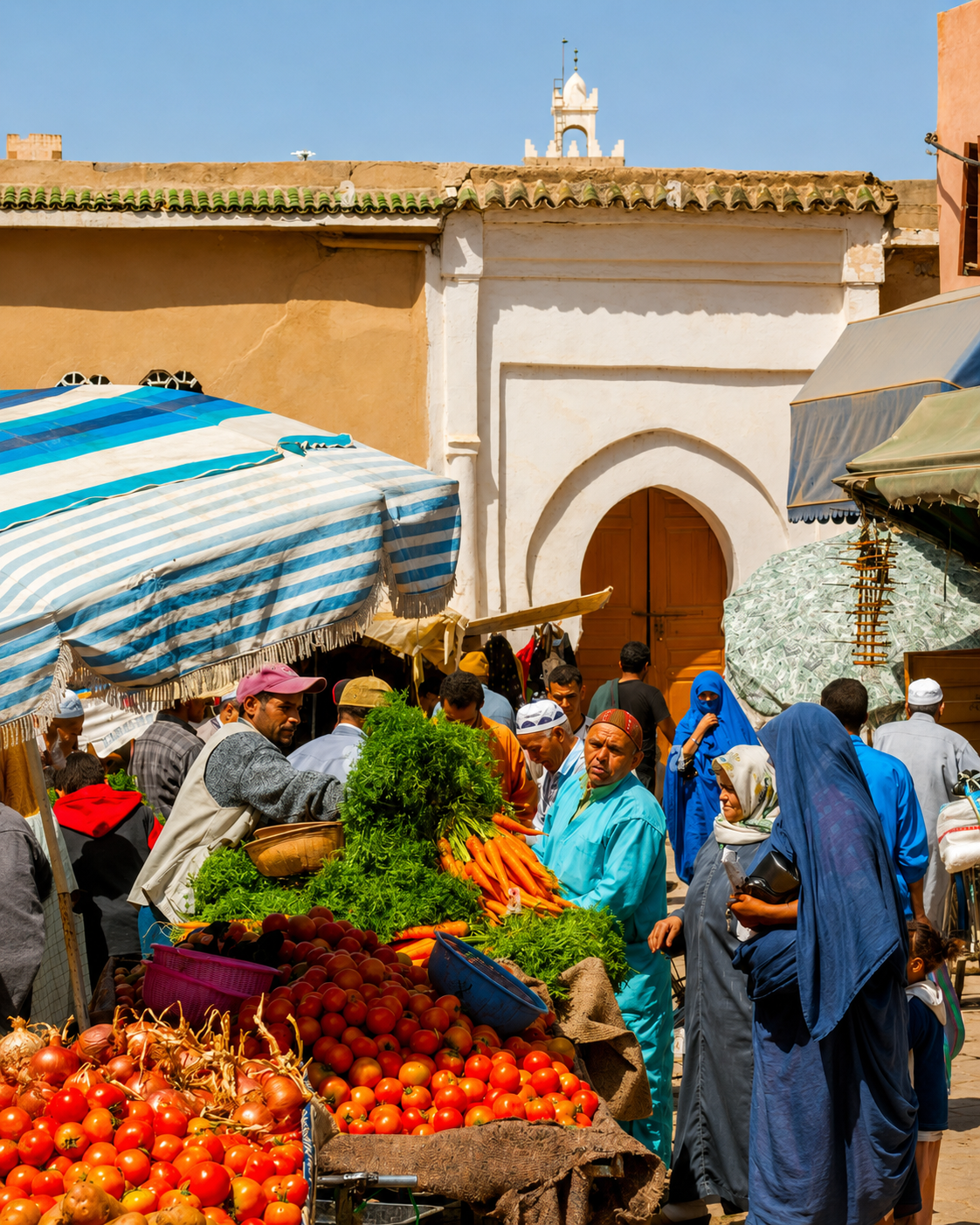
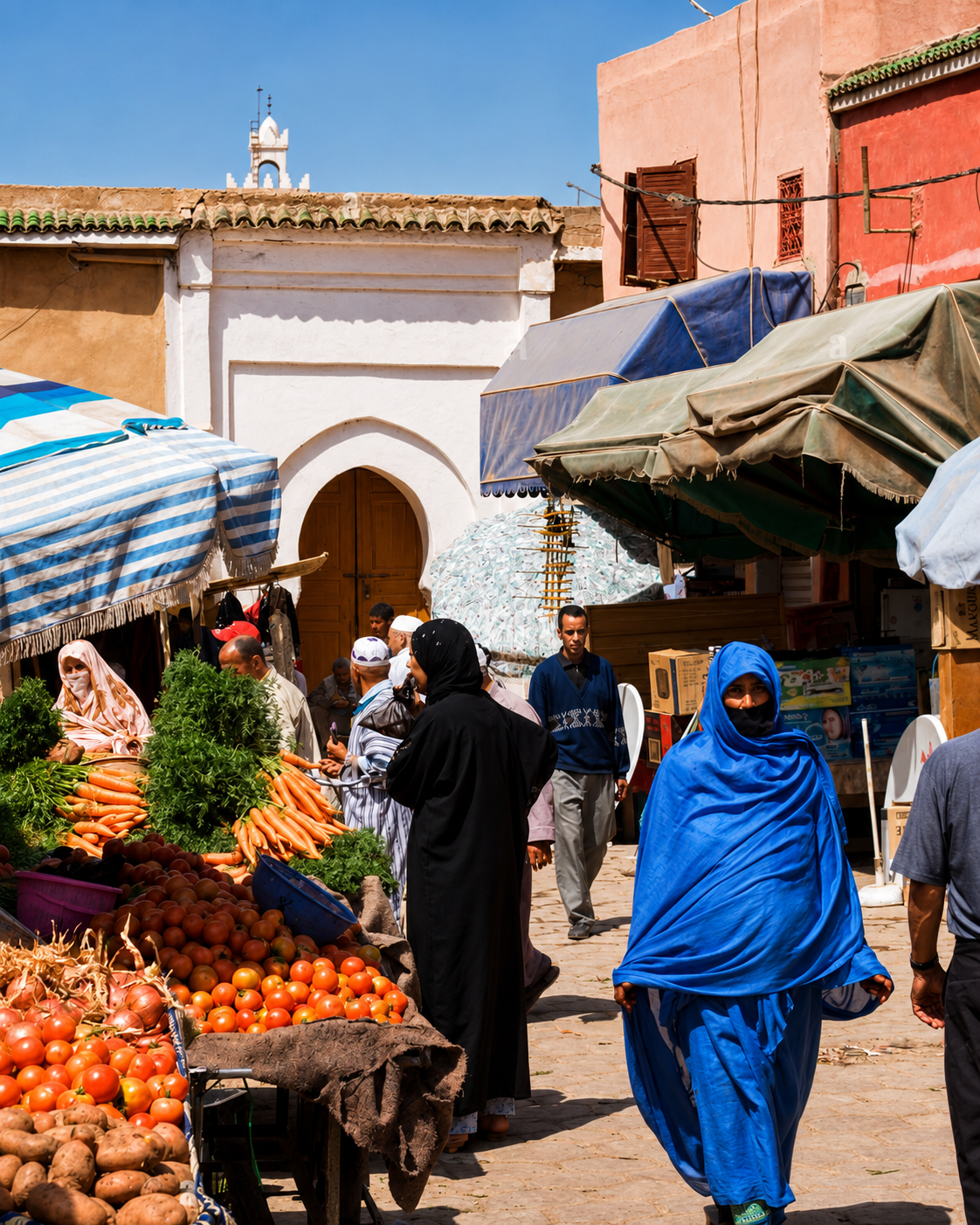
Market produce and daily exchange inside Taroudant

Market texture

Produce, leather, spices and small shops show how Taroudant’s heritage remains tied to daily exchange.

Taroudant at a glance

Walled Souss city

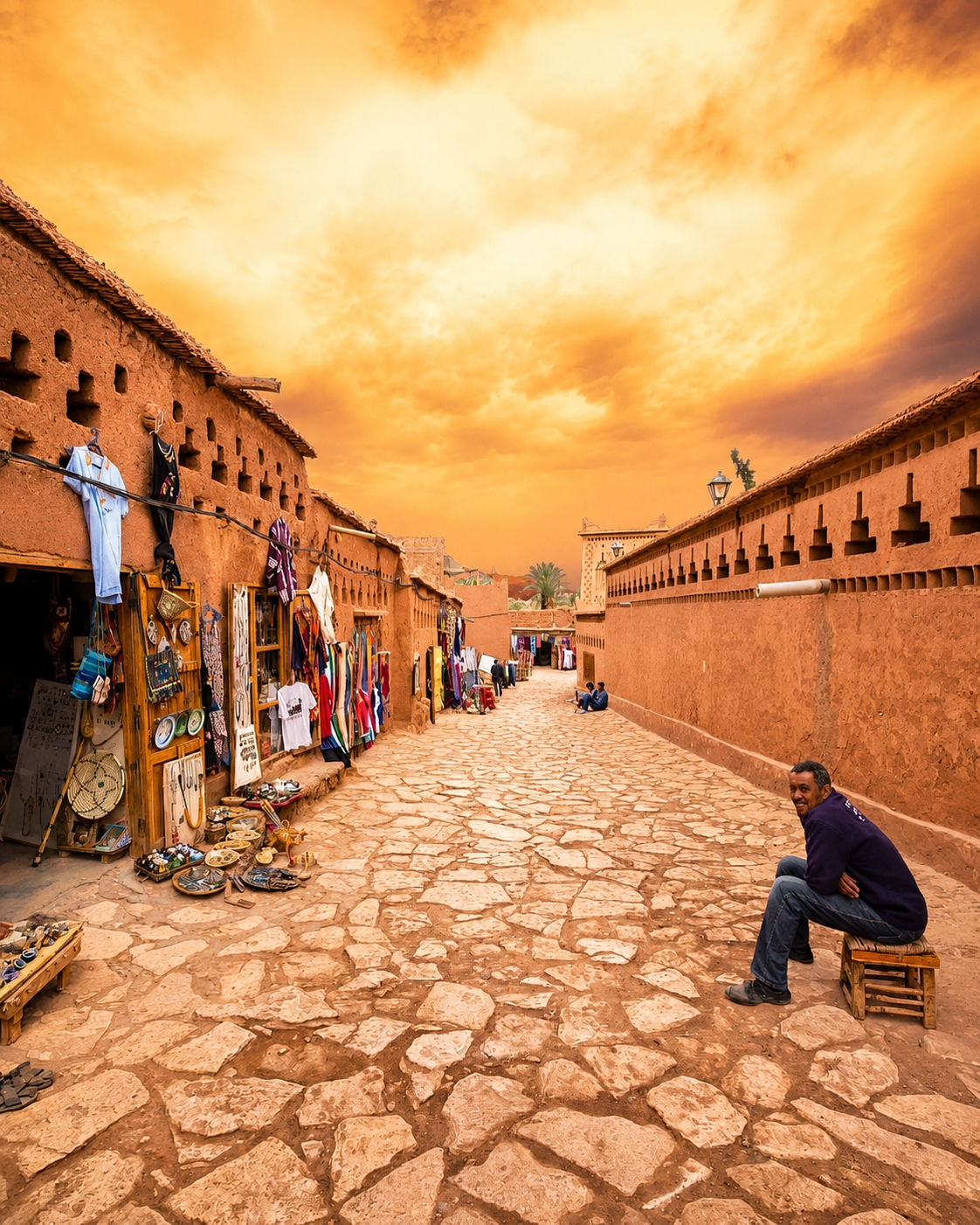
The ramparts define Taroudant before anything else. They give the city a strong outline, but inside that enclosure the atmosphere is slower, local and practical.

Craft and market rhythm

The souks remain central to the visit, with leatherwork, everyday goods, produce, argan-related products and saffron appearing as part of the wider Souss economy.

A southern base

Taroudant sits inland from Agadir and close to routes that lead toward oasis villages, mountain foothills and the broader Souss-Massa landscape.

Quiet, not empty

The city is calm compared with Morocco’s headline destinations, but it is not a stage set. Its value lies in watching how the medina still works.

A clearer reading of the city

A city shaped by walls, markets and southern routes

To understand Taroudant, read its enclosure, working medina and surrounding landscape together. The ramparts explain protection and arrival; the souks explain everyday exchange; the valley and oasis routes explain why the city faces outward.

Arched gate and rampart stairs in Taroudant
Layer 1

Rampart enclosure

Long ochre walls and gate thresholds create the city’s first impression, turning movement into a sequence of approach, entry, shade and reveal.

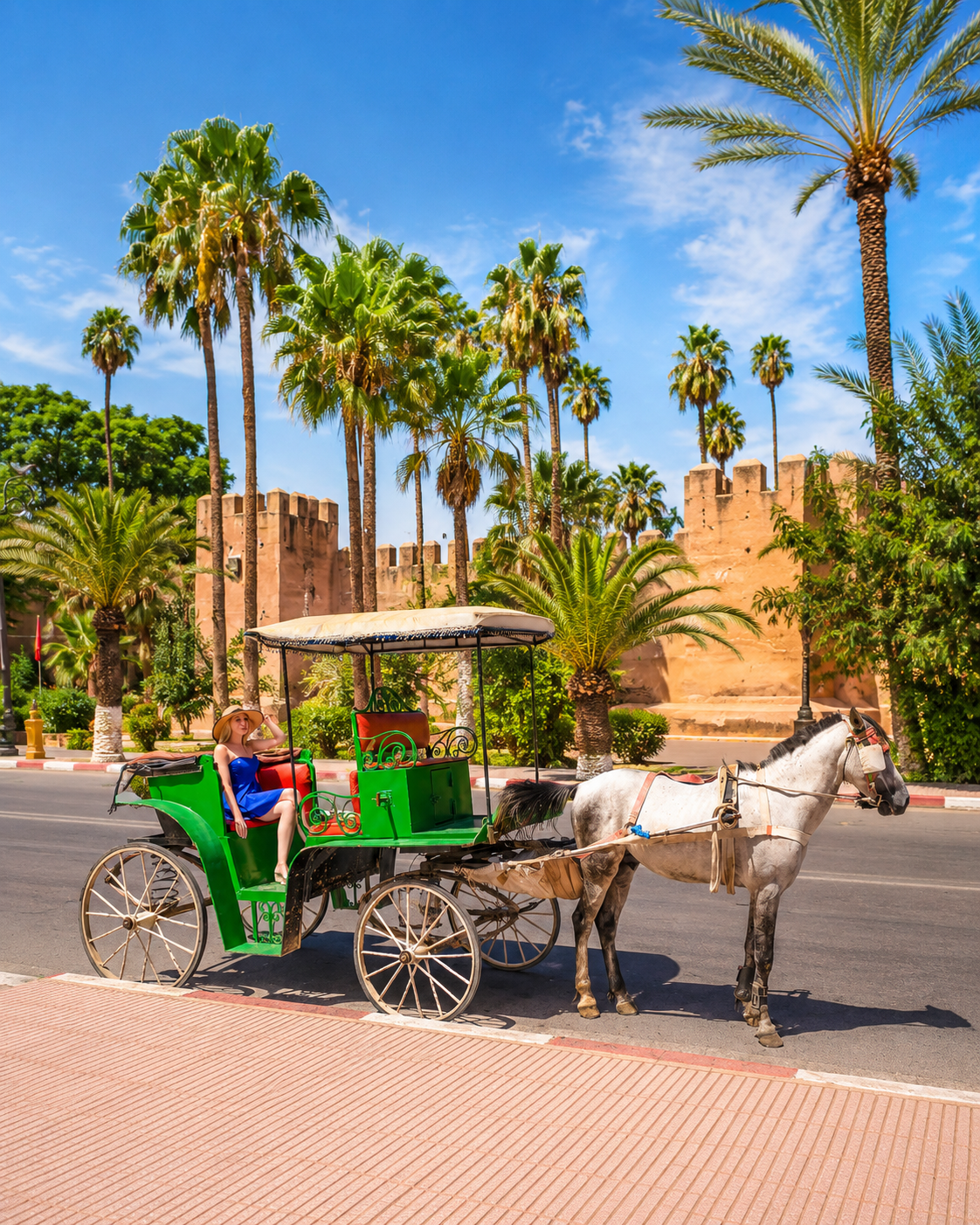
Street life and carriage movement near Taroudant’s medina walls
Layer 2

Public squares and lanes

Place Assarag and nearby market streets help orient the medina, linking cafés, carts, shops and shaded passages into a readable daily circuit.

Produce stalls beside a Taroudant medina gateway
Layer 3

Craft and local produce

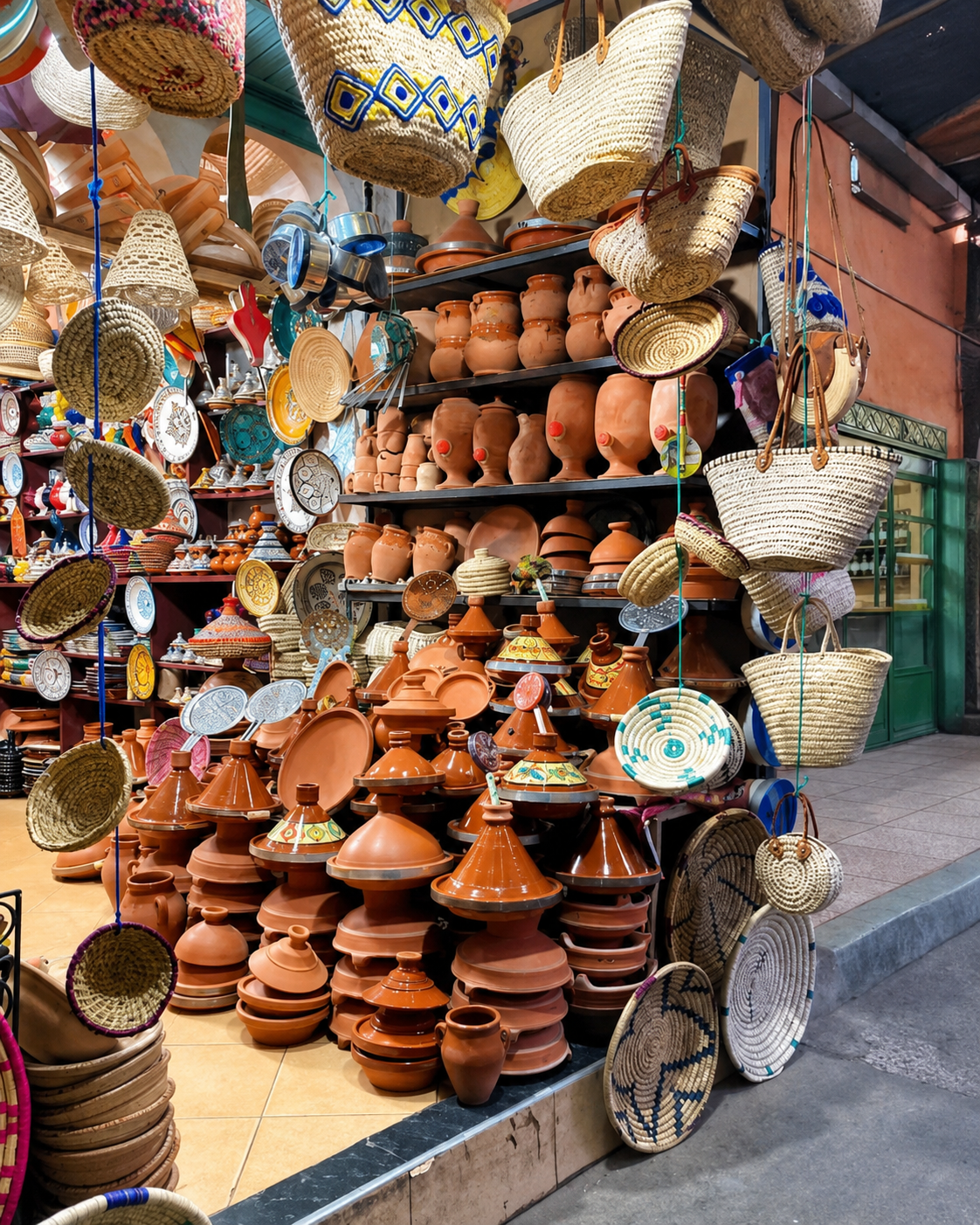
Leather, olives, spices, argan products and saffron connect Taroudant’s market life to the materials and agricultural identity of the Souss.

Landmarks & orientation

Read Taroudant through six defining places

Taroudant is not explained by one monument. These six places and urban elements reveal how gates, walls, markets, craft spaces and nearby oasis country give the city its form.

1
Taroudant Ramparts

The ochre wall circuit gives the city its outline, scale and first sense of southern identity.

2
Medina Gates

Gateways frame arrival and show how movement into the old city is controlled, shaded and ceremonial without feeling distant.

3
Place Assarag

A key public square for orientation, cafés, market approaches and the everyday pulse of the medina.

4
Taroudant Souks

Working market passages where leather goods, produce, spices and household objects keep trade close to daily life.

5
Tanners’ Quarter

A practical craft area that links the city’s leather culture to labour, material and local skill rather than decoration alone.

6
Tiout Oasis

A nearby palm-grove landscape that extends the visit beyond the walls into oasis agriculture and village rhythm.

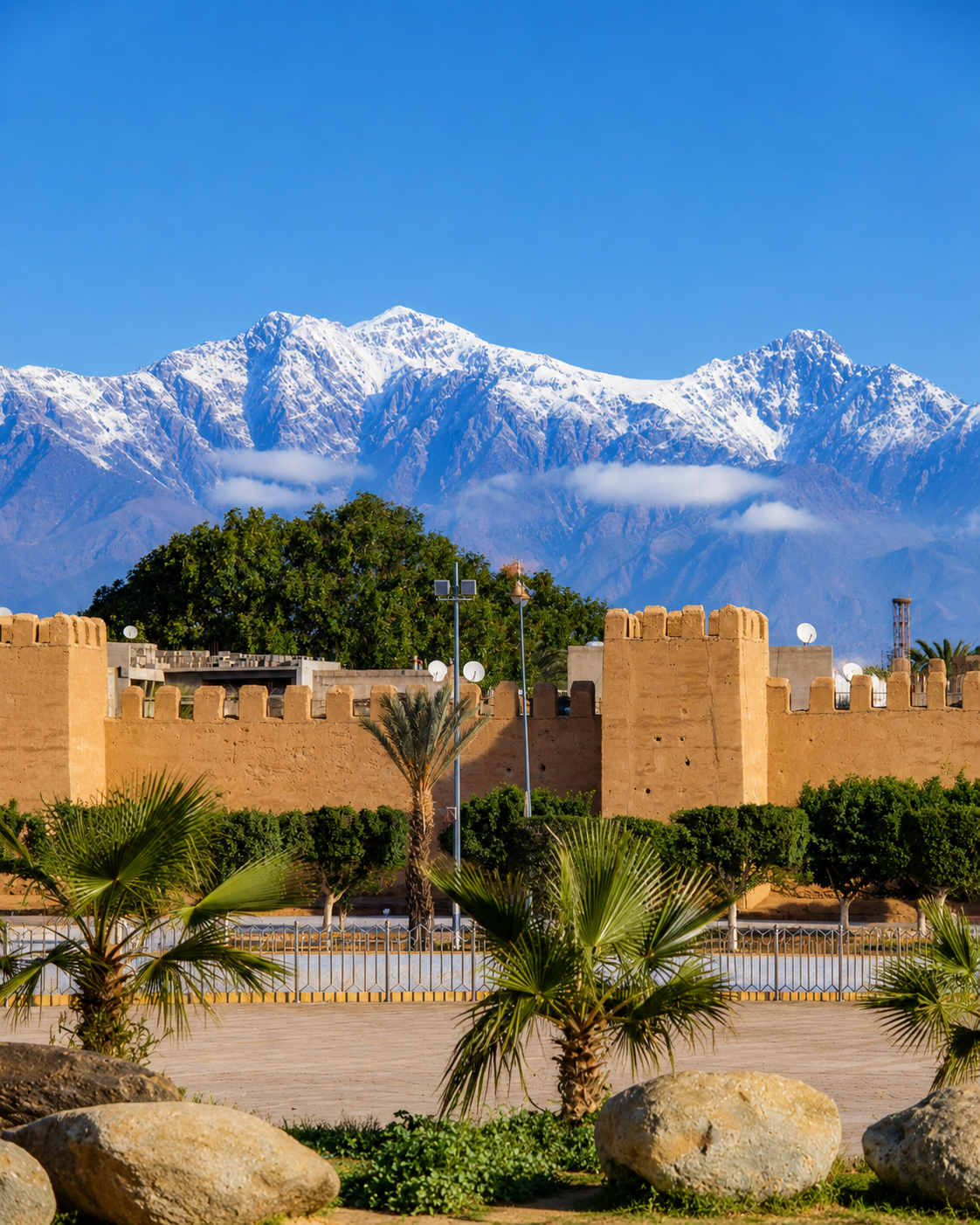
Ochre walls, palms and Atlas mountains around Taroudant
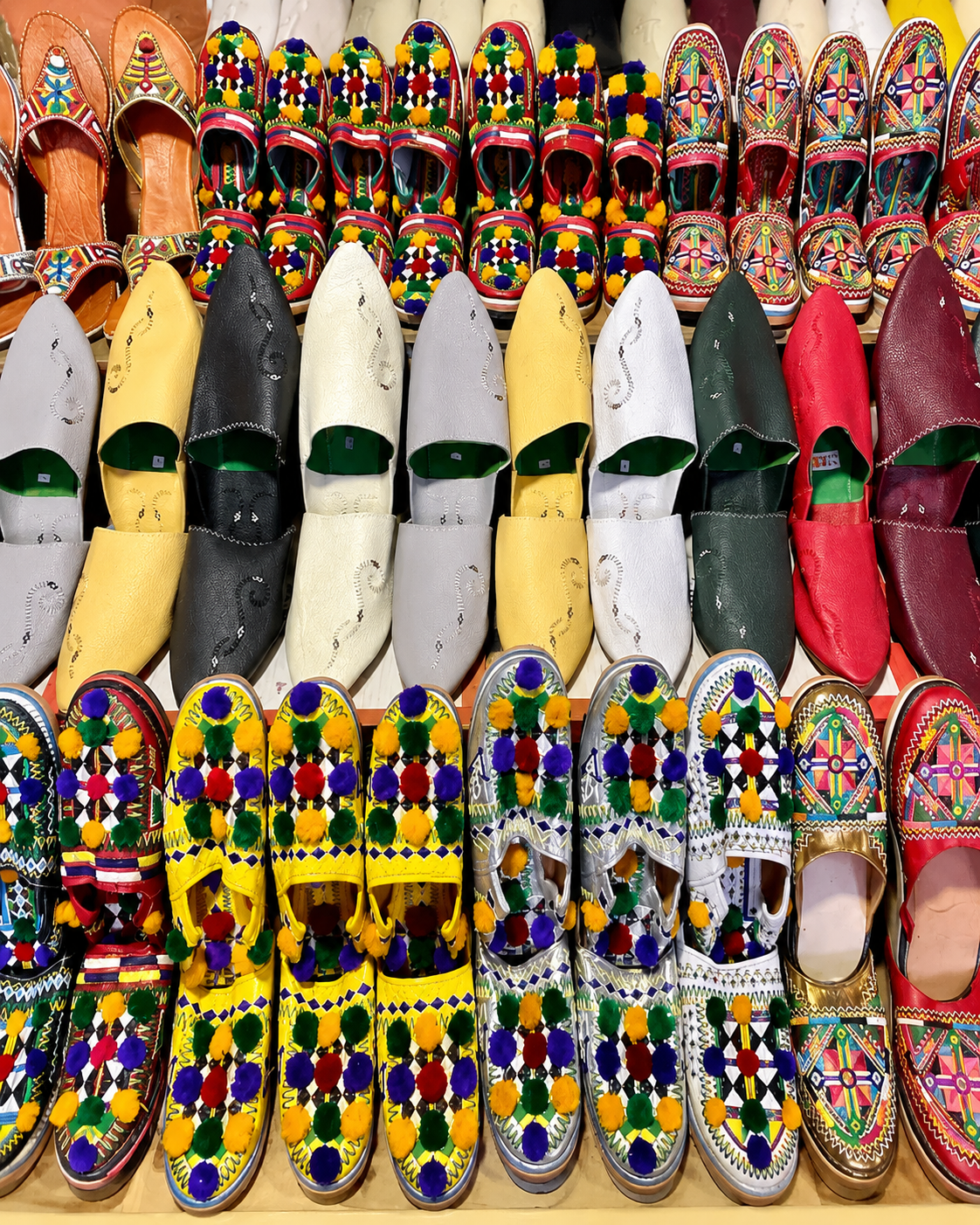
Colourful babouche display inside a Taroudant souk

A Souss craft interior

The souk — material culture in motion

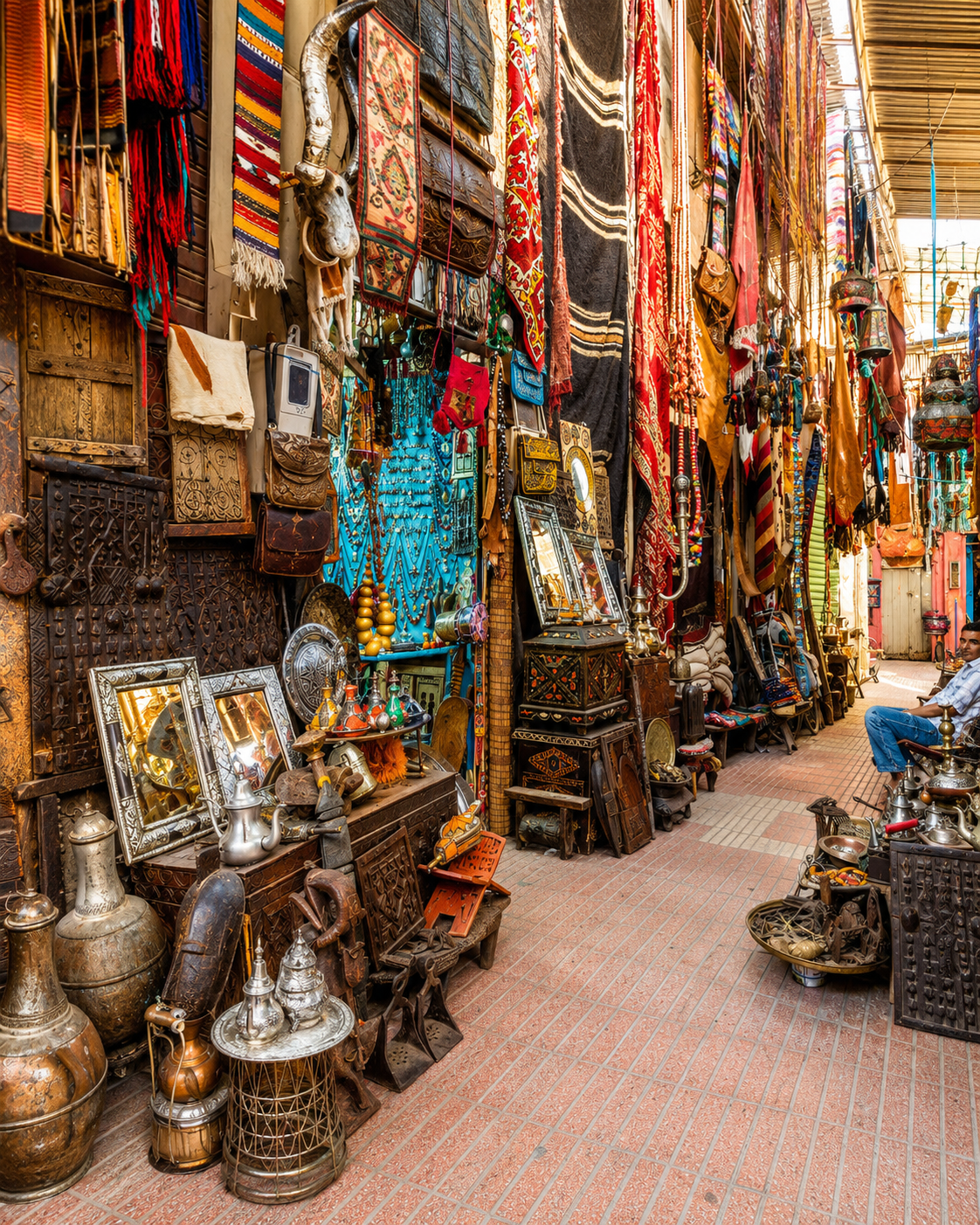
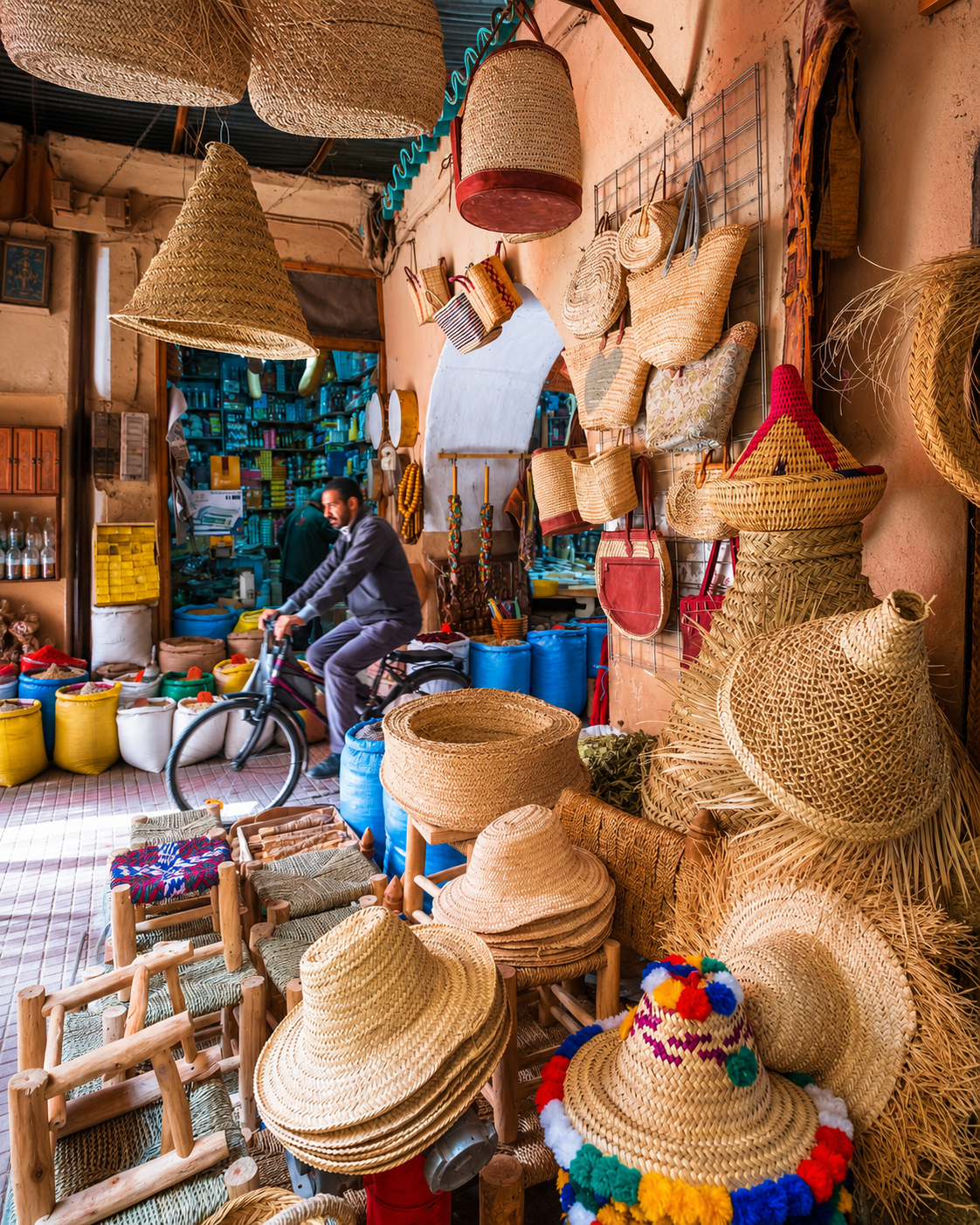
Taroudant’s souks are not an ornamental backdrop. They are working spaces where leather shoes, everyday goods, produce, olives, spices and regional ingredients sit close together. The most rewarding visit moves slowly through these lanes, treating craft as part of the city’s living economy rather than as a display detached from local life.

  • Leatherwork and babouche displays reveal practical craft through form, colour and repetition.
  • Produce, argan-related products and saffron connect the market to the wider Souss.
  • The market’s small scale makes close looking possible without turning the city into a spectacle.

Architectural reading

Three architectural languages to notice

Earth walls and towers

Taroudant speaks first through mass and colour: pisé surfaces, towers, crenellations and warm earthen tones that shift with the sun. The walls are not background; they organise the city’s edge.

Gateways and thresholds

The gates compress movement from open road to shaded entrance and medina lane. Their value lies in the transition they create as much as in their architectural form.

Market surfaces and craft detail

Inside the walls, architecture becomes smaller and more tactile: shopfront tiles, canopies, timber, leather, baskets, produce and the practical textures of trade.

Visual atmosphere

Ochre wall, market colour and oasis light

Nearby highlights

Nearby oasis, gardens and Atlas-side routes

Taroudant works well as an inland base for a wider southern reading: Tiout Oasis for palms and village agriculture, gardened palace spaces inside the city, and routes that point toward the Souss Valley, High Atlas and Anti-Atlas landscapes.

Tiout Oasis

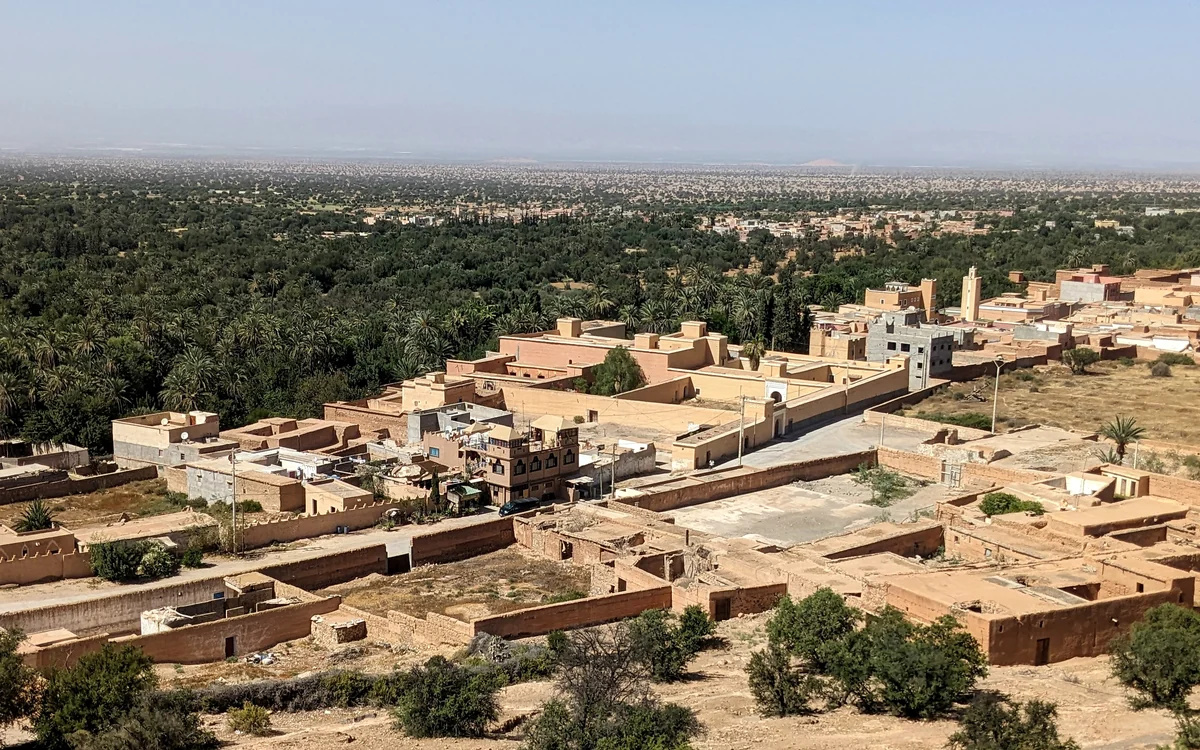
A palm-grove village landscape south of Taroudant, valued for its oasis agriculture, views and slower rhythm beyond the city walls.

View over Tiout oasis and village near Taroudant

Palais Salam and garden interiors

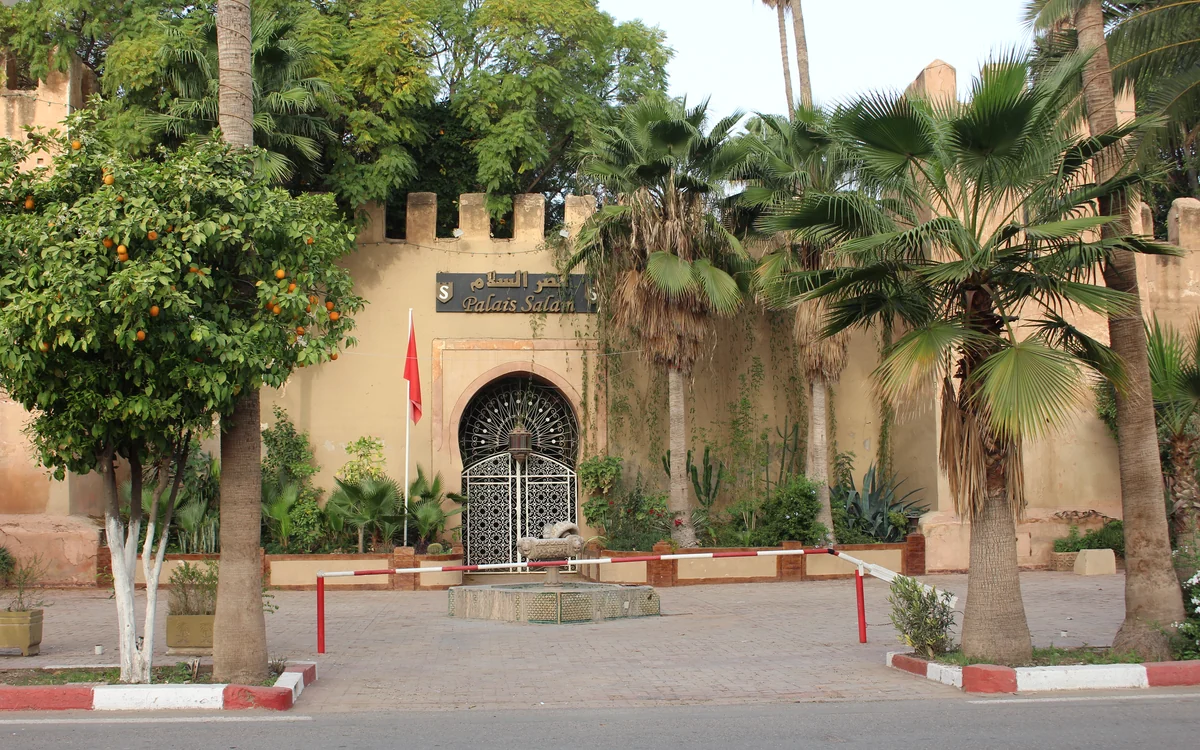
Inside Taroudant, restored palace and garden atmospheres offer a softer counterpoint to the ramparts and market lanes.

Palais Salam garden entrance in Taroudant

Souss Valley and Atlas approaches

Use Taroudant as a calm base for reading the surrounding agricultural valley and the roads that lead toward mountain foothills and oasis country.

Palm grove tracks in Tiout oasis near Taroudant
Travel note: opening hours, access rules, restoration work, transport conditions and local visitor arrangements can change. Check current official or trusted local information before travelling.

Practical orientation

How to experience Taroudant well

  • Begin with the ramparts and gates before entering the souks.
  • Give the market streets enough time; they are working spaces, not just photo stops.
  • Use Place Assarag as a simple orientation point for cafés, lanes and return routes.
  • Treat Tiout Oasis or palace-garden visits as separate extensions rather than rushed add-ons.
  • Move slowly in the hotter parts of the day and ask before photographing people or workspaces.

A strong first visit

Quiet fountain and ochre walls in Taroudant

Start with a gate or rampart section, continue toward Place Assarag, enter the souk lanes slowly, then return to the walls when the light softens. Leave Tiout or an Atlas-side extension for a separate half day if the journey allows.

Taroudant rampart-side street life for the Premium Visual City Guide

Go deeper with Exotic Morocco

Taroudant — Premium Visual City Guide

Continue with a complete visual publication designed to connect the city’s ramparts, souks, craft life, historic layers, practical orientation and nearby oasis country into one carefully structured journey.

✓ Historic context✓ Essential landmarks ✓ Architecture & design✓ Culture & local life ✓ Practical travel guidance✓ Nearby highlights

Continue the journey

Continue the journey through Taroudant

Look beyond the walls and encounter a southern city of gates, market lanes, craft textures, palm-shadowed routes and oasis-side extensions.