

01 · Begin with the everyday
The flavour is in
the knowing.
When to lower the heat.
How the dough should feel.
Who is coming to the table.
Moroccan cooking lives in these small decisions, repeated and adapted from one kitchen to the next.
Aubergines soften for zaalouk. A cook loosens steamed couscous by hand. Bread waits beside a dish whose sauce is part of the pleasure. These are useful places to begin: with ingredients, texture and the people who turn them into a meal.
This is a guide into that world. Follow a flavour, a technique or a place, then enter the individual dish pages for a closer look. There is room here for a quick weekday lunch as well as the meal prepared for a house full of guests.
A household’s version can be just as meaningful as a restaurant’s signature. Variation is part of the story.
02 · Knowledge carried forward
Many histories.
Living kitchens.
Amazigh, Arab, Andalusian and Jewish traditions form part of Morocco’s culinary history.
These are connected histories, not a set of neat labels for individual dishes. A familiar preparation can cross borders, change names and take a different form in the next household. It deserves a more careful story than a single inventor or an unsupported ancient date.
Couscous offers a clear example. In 2020, UNESCO recognised the knowledge and practices around its production and consumption through a joint nomination by Algeria, Mauritania, Morocco and Tunisia. The recognition concerns skills and social life as well as the food.
Follow the grain ↗Place matters
Start with what grows, is raised, caught or traded nearby.
Hands remember
Touch, smell and judgement accompany written instructions.
Traditions move
Family recipes travel with people and adapt to new kitchens.
03 · Follow the landscape
A sense
of place.
The Atlantic and Mediterranean coasts, mountain settlements, inland cities and the southwest offer different starting points. These connections are invitations to explore, never rigid boundaries around a dish.
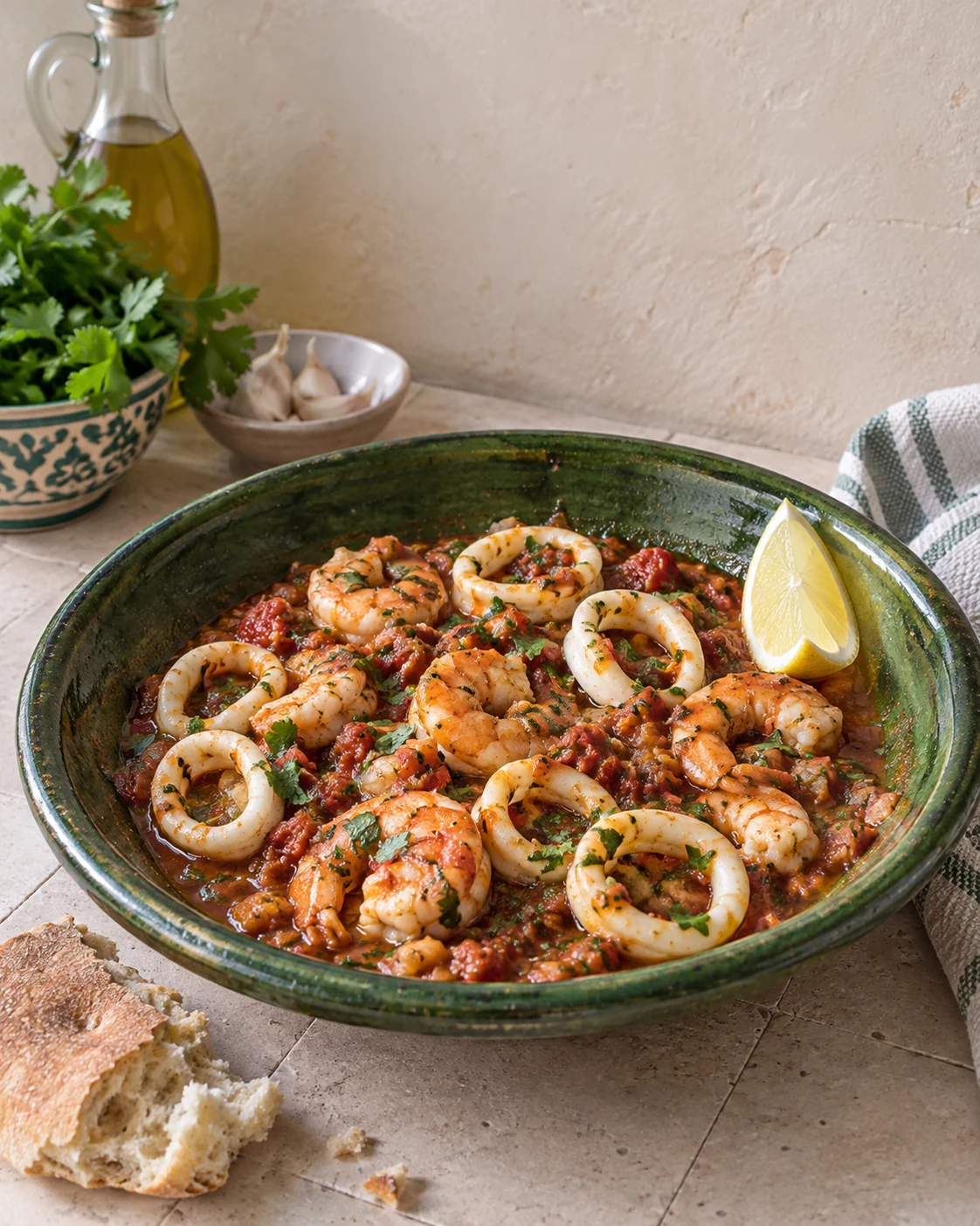
Coastal cooking
Fish, chermoula and the daily work around the catch.
Explore this connection ↗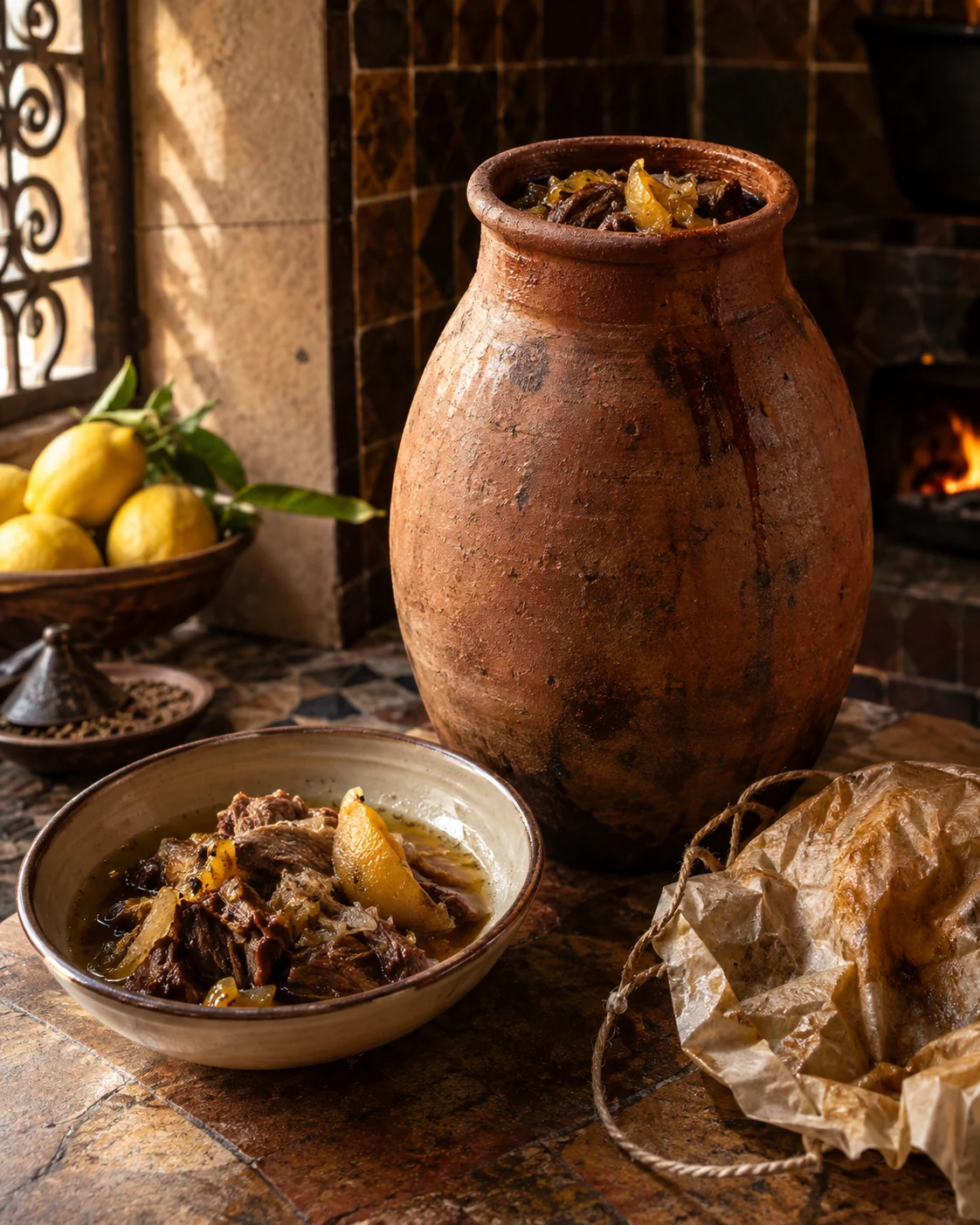
Tanjia & Marrakech
Marrakech’s tanjia brings the vessel, the slow cook and the shared meal together.
Explore this connection ↗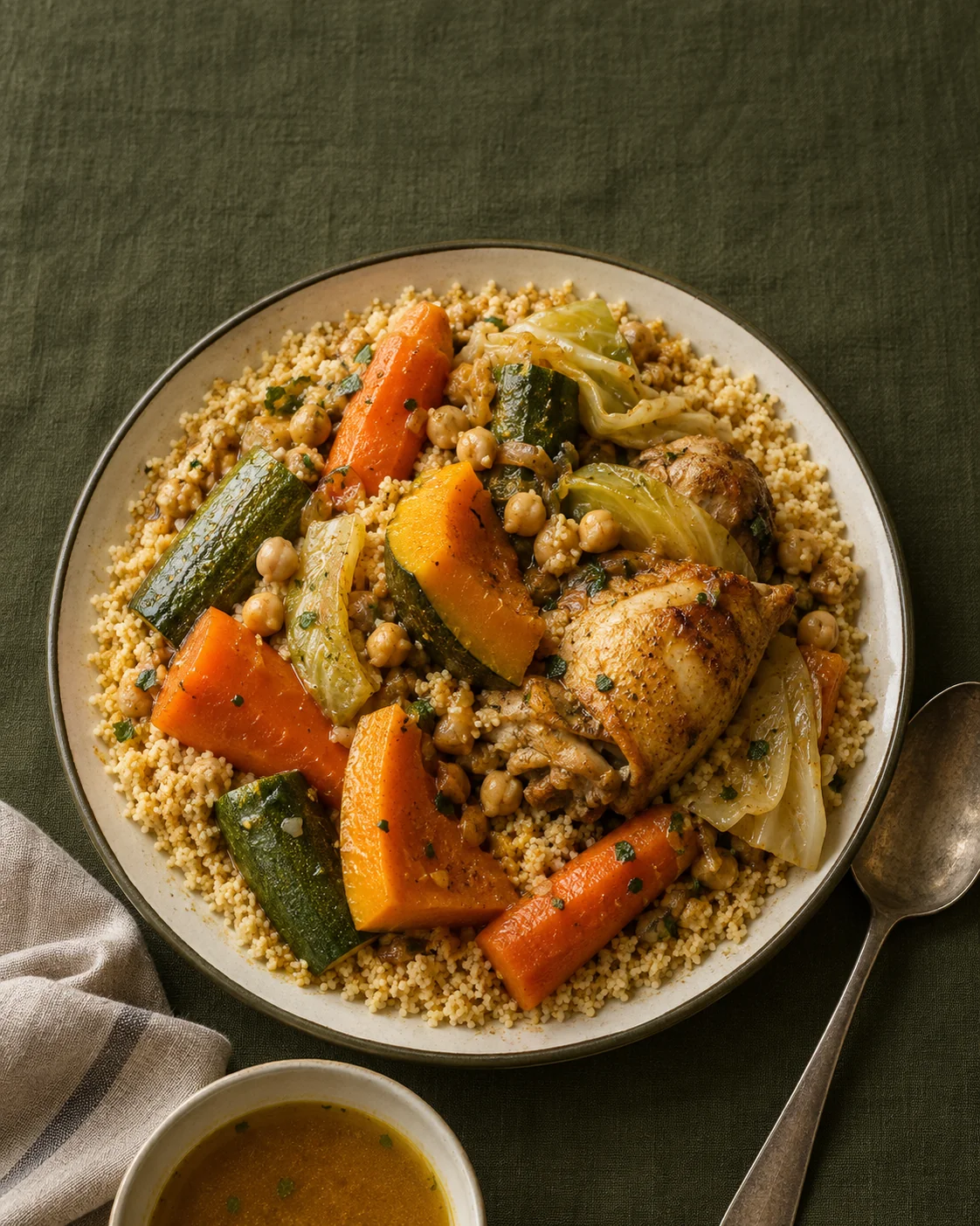
The couscous table
A grain preparation with many local and household expressions.
Explore this connection ↗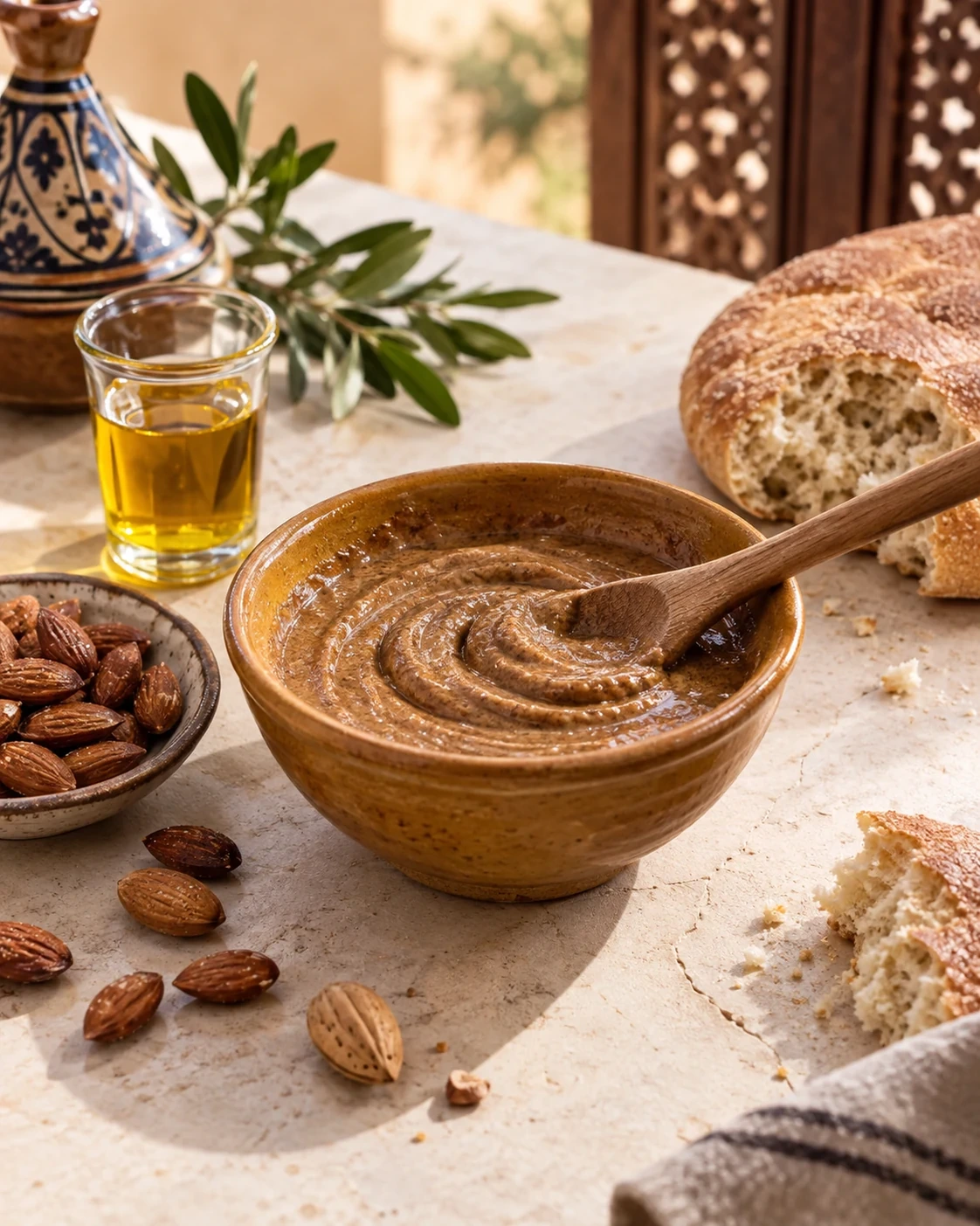
Amlou & the argan landscape
Amlou introduces roasted almonds, honey and culinary argan oil.
Explore this connection ↗04 · A vocabulary of flavour
Build from
the pantry.
The most useful question is what an ingredient does. Does it add freshness, body, acidity, sweetness or fragrance? A considered combination says more than a long list of spices.
Open the Moroccan pantry ↗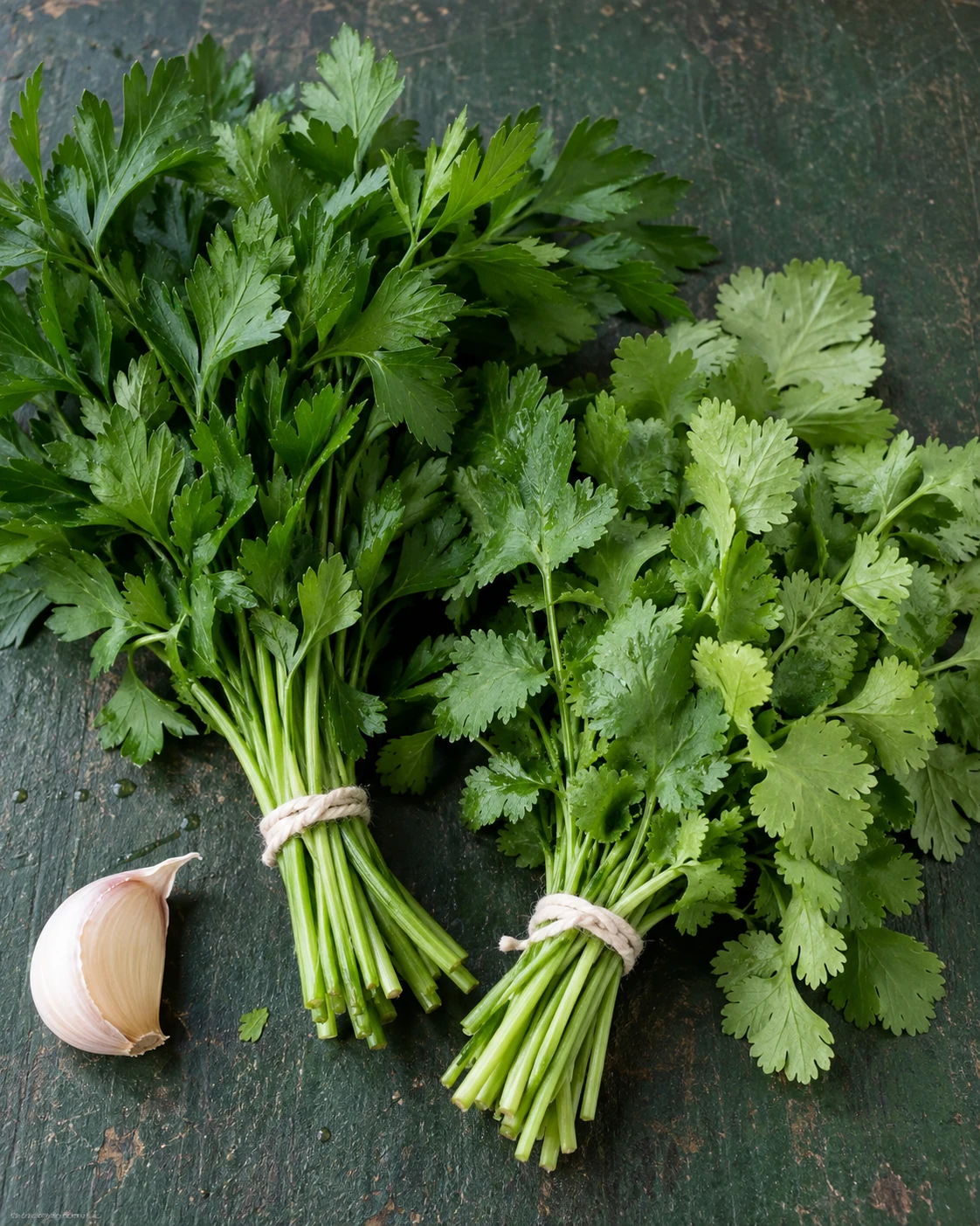
Herbs and measured spices
Parsley and coriander, cumin, ginger, paprika or saffron appear in different combinations. Ras el hanout is a variable blend, not a compulsory addition to every dish.
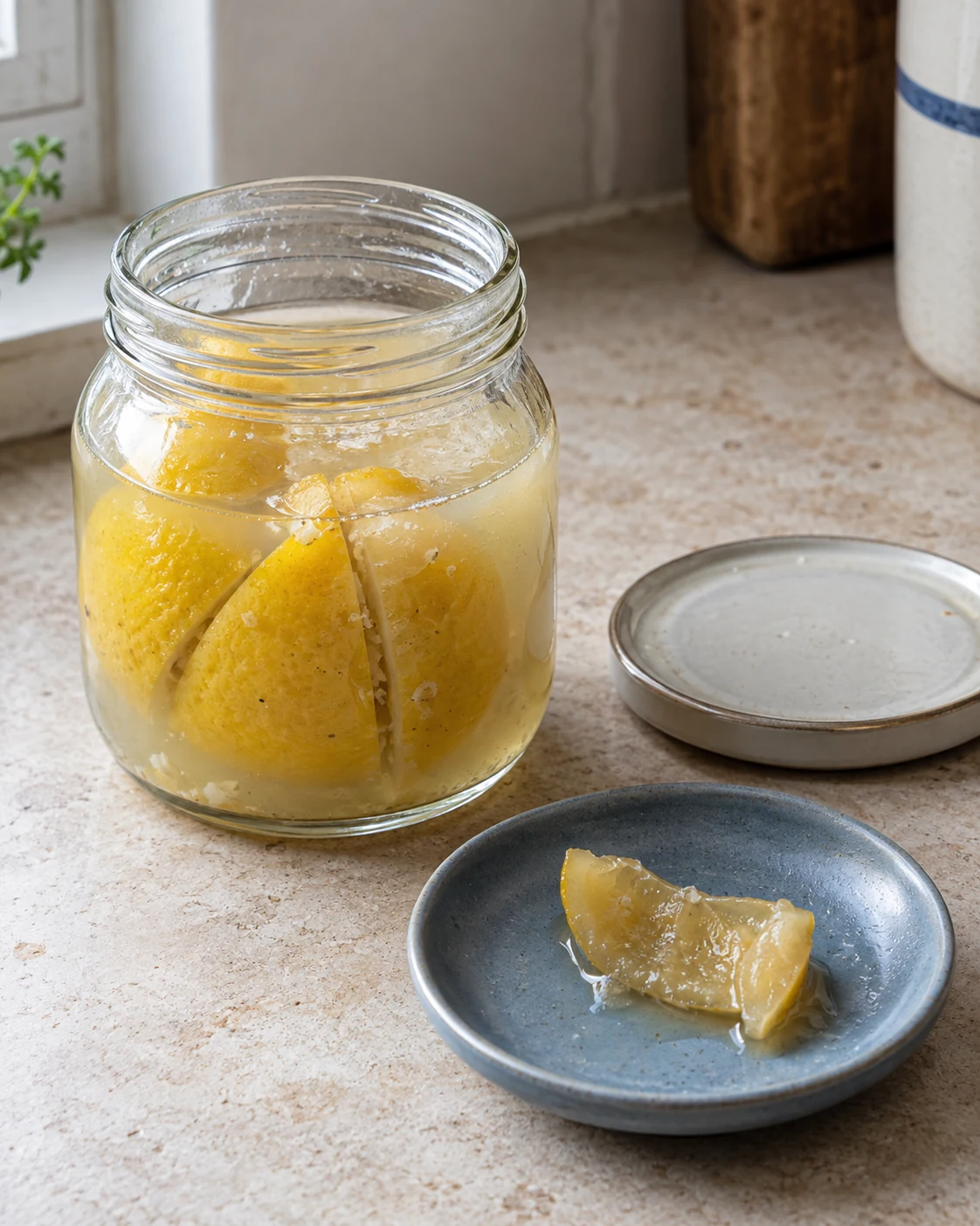
Salt, time and brightness
Preserved lemon brings salty citrus character. Its role differs from a squeeze of fresh juice; olives and smen bring other kinds of depth.
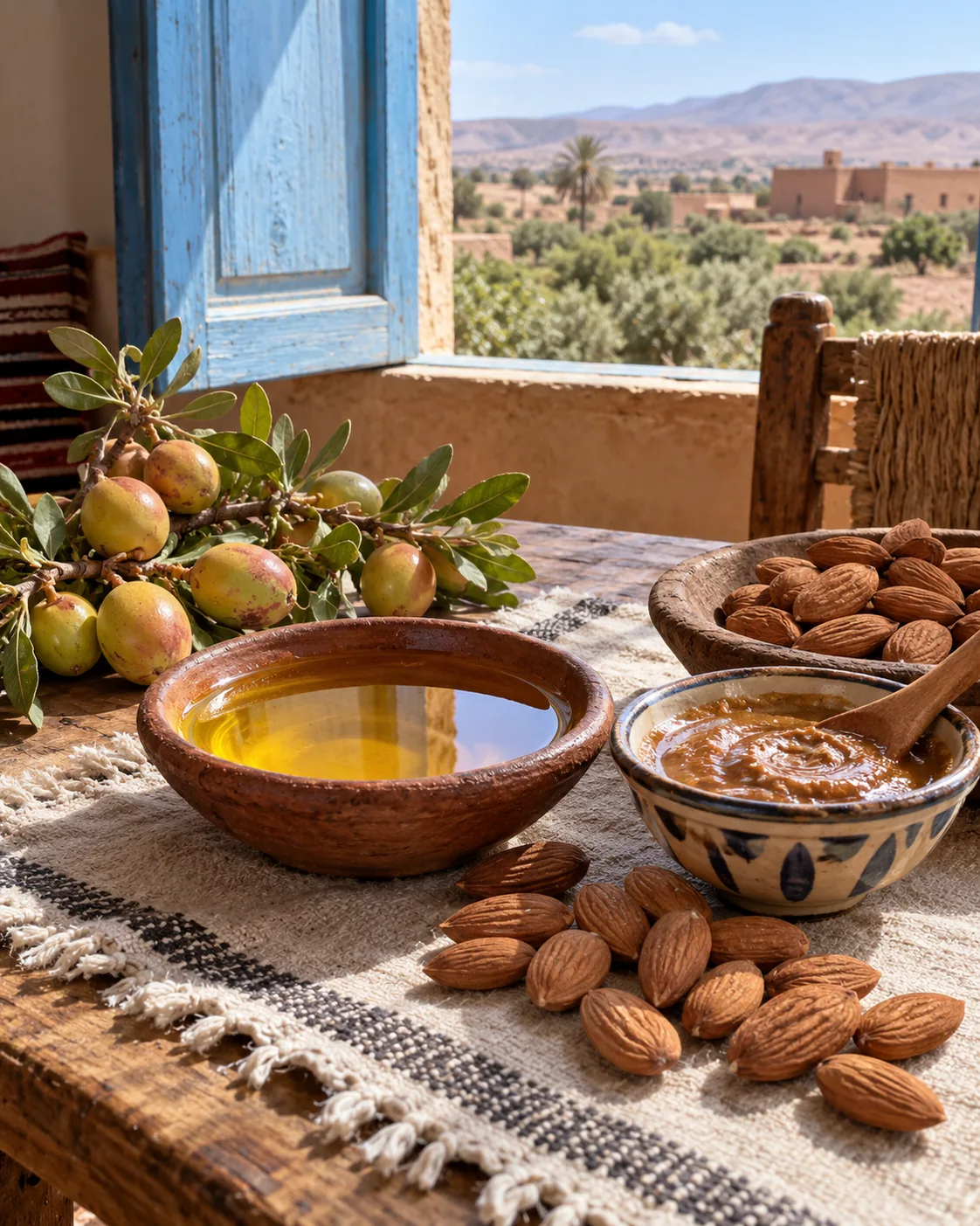
Oils, nuts and sweetness
Olive oil and culinary argan oil have distinct flavours and uses. Almonds, sesame, honey and fragrant waters belong to particular preparations, rather than a universal seasoning.
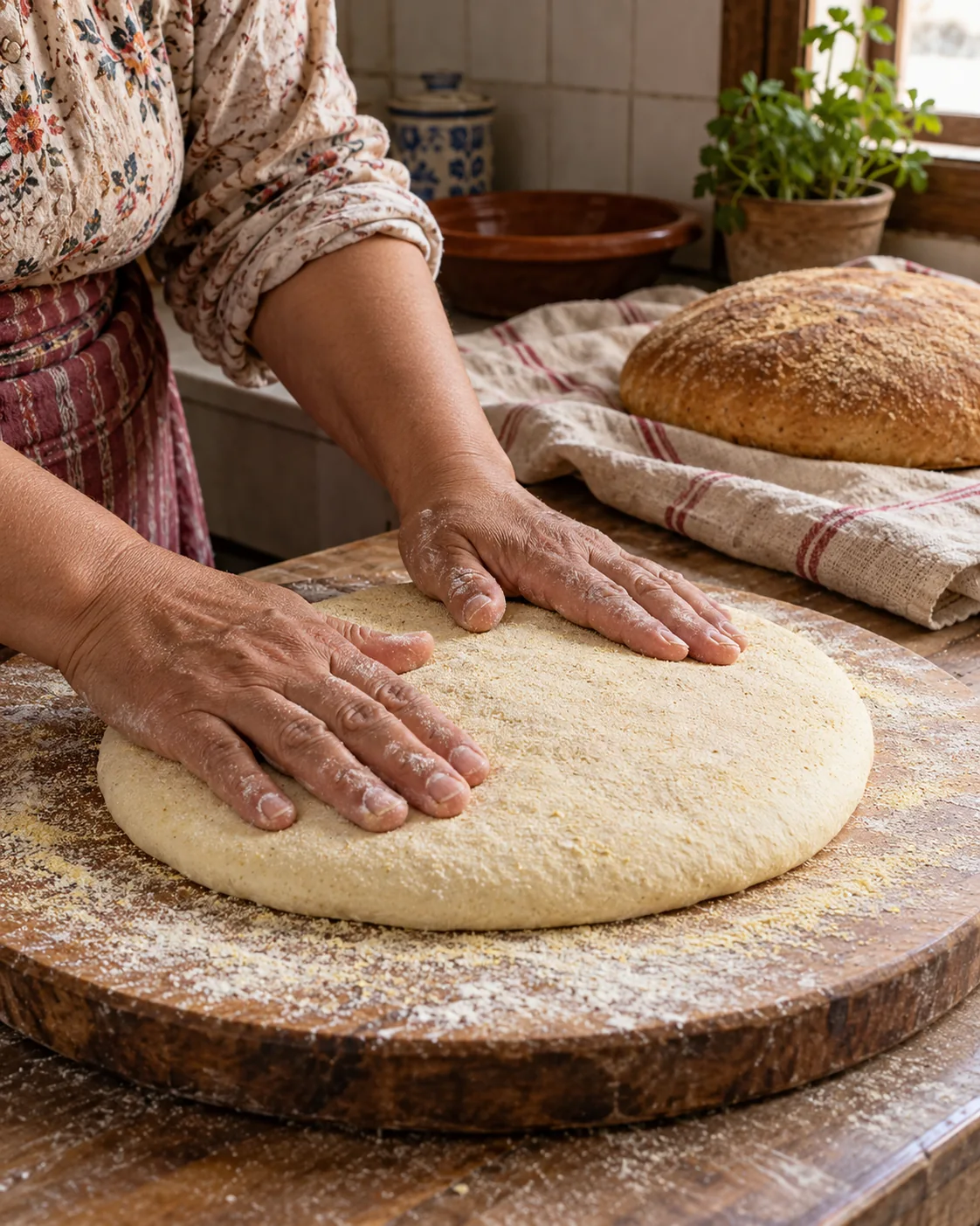
Flour, semolina and grain
Bread, couscous, pancakes and griddle breads begin with related ingredients but ask for different handling. Texture is the useful distinction.
Fragrance, warmth and chilli heat are different qualities. Taste the dish in front of you; “Moroccan” does not describe one fixed level of spice.

05 · Hands, heat & patience
Technique gives
ingredients a voice.
The same grain or vegetable can become something quite different through steaming, roasting, stretching or slow cooking. Look closely at the change in texture.
Light grains.
Separate strands.
Steaming is central to traditional couscous preparation and to seffa. Loosening, moistening and returning the grains or vermicelli to steam is a different process from simply soaking an instant product.
Explore couscous ↗Learn the feel
of the dough.
Msemen develops layers through stretching, folding and cooking on a hot surface. Harcha asks for the tender crumb of a semolina dough; baghrir for a batter whose holes open as it cooks.
Explore layered bread ↗Give the sauce
its time.
A tagine asks the cook to watch heat, moisture and the ingredients’ cooking pace. In cooked salads such as zaalouk and taktouka, reducing excess liquid changes both texture and intensity.
Explore slow cooking ↗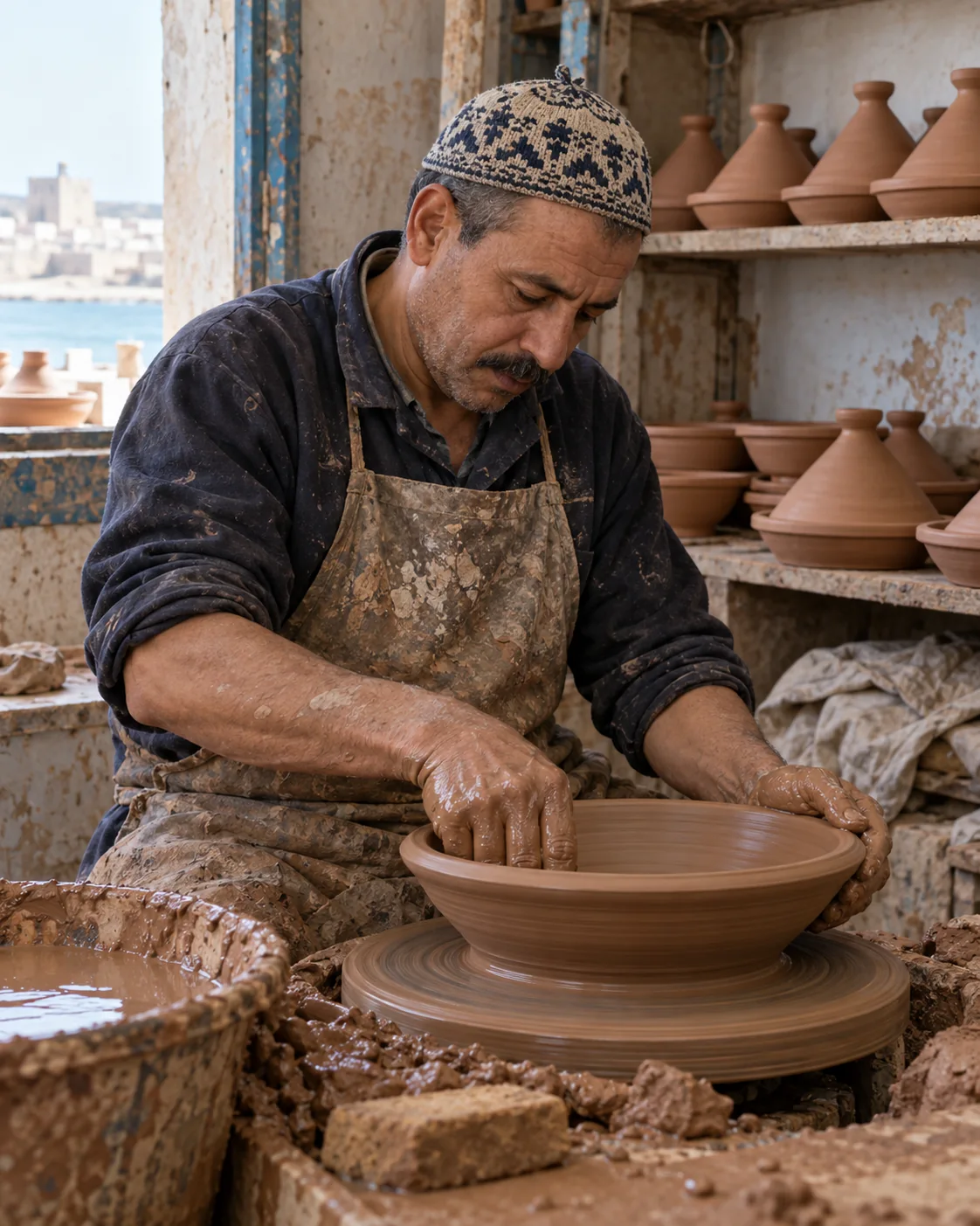
06 · The vessel is part of the story
Clay, steam
and a working kitchen.
A tagine names both a vessel and the food cooked in it. A tanjia does too, but its shape and cooking tradition are different.
The tagine’s shallow base and conical lid differ from the tall earthenware tanjia jar. A couscoussier separates simmering liquid below from steaming grain above. Knowing the vessel helps explain the method.
Beautiful pottery is not automatically suitable for cooking. A practical kitchen uses vessels chosen for their intended purpose, and follows the maker’s guidance on food use and heat.
07 · An invitation to stay
The meal has
a rhythm.
Hospitality can be as simple as making tea and finding another place at the table.
A weekday breakfast, a Friday couscous and a celebration ask for different preparations. Work, school, region and household preference shape daily meals. There is no single timetable that describes every Moroccan home.
During Ramadan, households observing the fast reorganise the day around iftar and the pre-dawn meal. Harira, dates and honeyed pastries are familiar on many tables, alongside considerable family variation.
Read the rhythm of the day ↗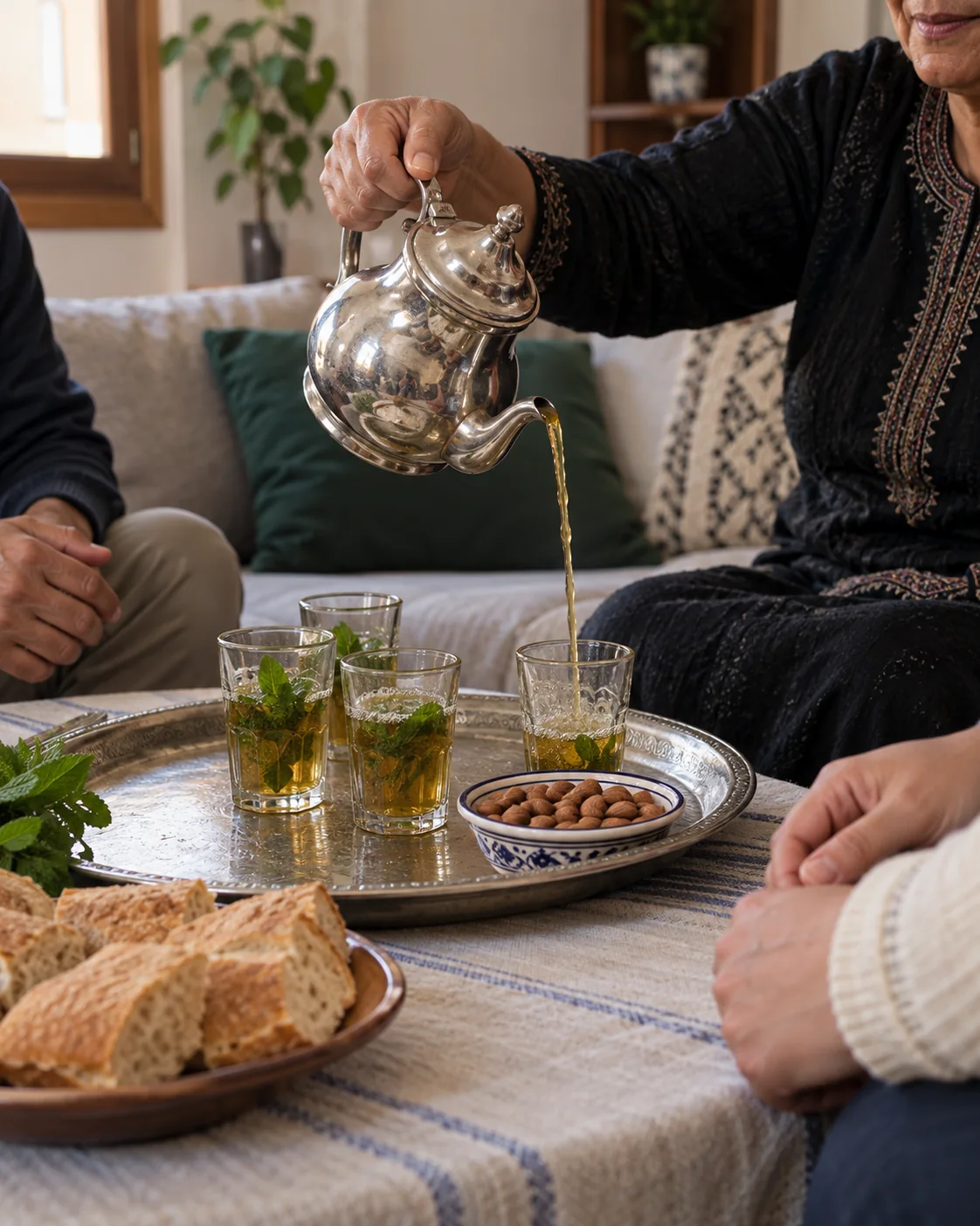
Bread, something to share.
Griddle breads, olive oil, honey or amlou offer different ways into breakfast.
The breakfast table ↗Make room for the sauce.
Bread, vegetables and a main dish can form a meal without an elaborate procession of courses.
Discover main dishes ↗Tea, conversation, a pause.
Tea belongs to many occasions. The setting can be formal or thoroughly everyday.
The tea story ↗08 · A different kind of freshness
Let the coast
change the menu.
Small fish deserve as much attention as a grand platter.
Alongside grilled fish and fish tagines, sardines offer a close look at the cook’s skill. Chermoula brings herbs, garlic and spices into the preparation; its proportions and uses vary.
Butterflied sardines may be paired around a filling, folded individually, baked or prepared in other ways. A picture of a whole grilled fish cannot explain those distinctions. Follow the dish page to see the preparation more closely.
Sardines with chermoula ↗Explore the coastal kitchen ↗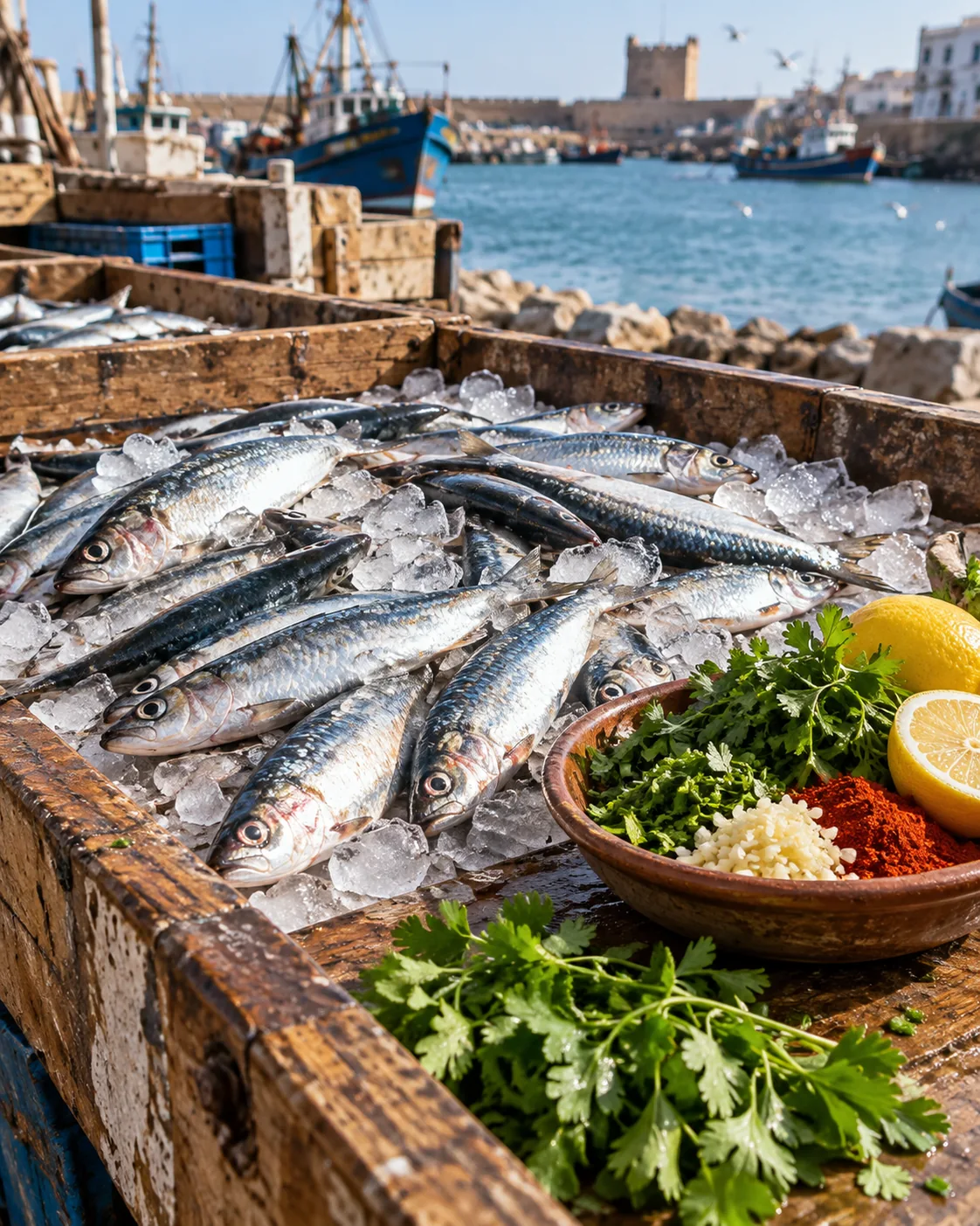
09 · From the stall to today’s kitchen
A living cuisine
keeps choosing.
Start with what is good today.
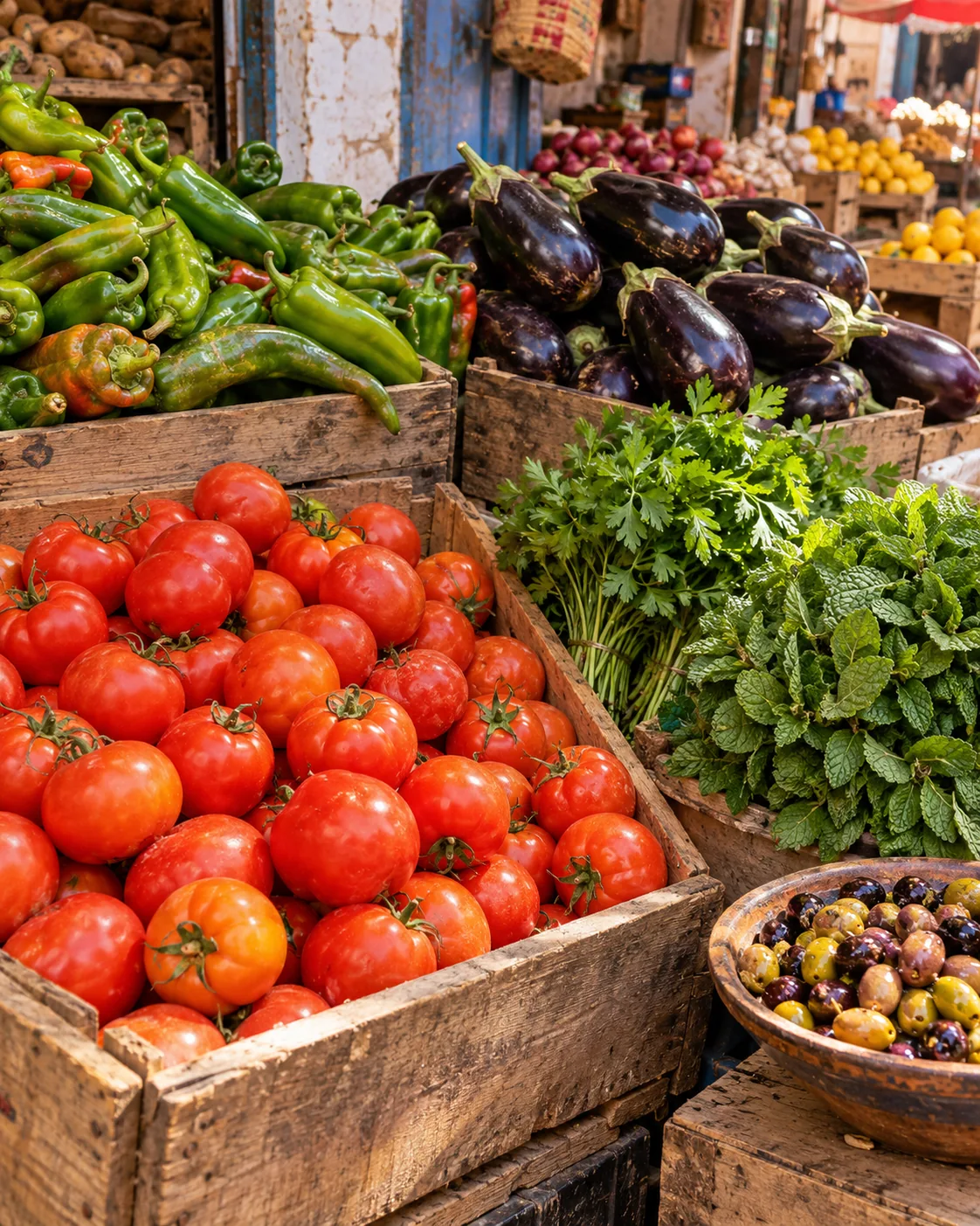
A market makes ingredients visible: ripeness, variety, size and the difference between one stall and the next. A home cook or restaurant chef still has to decide what those ingredients should become.
Contemporary Moroccan cooking includes family kitchens, neighbourhood counters, bakeries and restaurants. A new presentation or a practical appliance need not erase the flavour or the knowledge behind a dish. The more interesting question is what the cook has kept, and why.
10 · A different balance
A little sweetness.
A longer conversation.
Toasted nuts, sesame, honey and floral fragrance take distinct forms in the sweet kitchen. Pastry, a fruit dessert and a glass of tea each offer their own kind of finish.
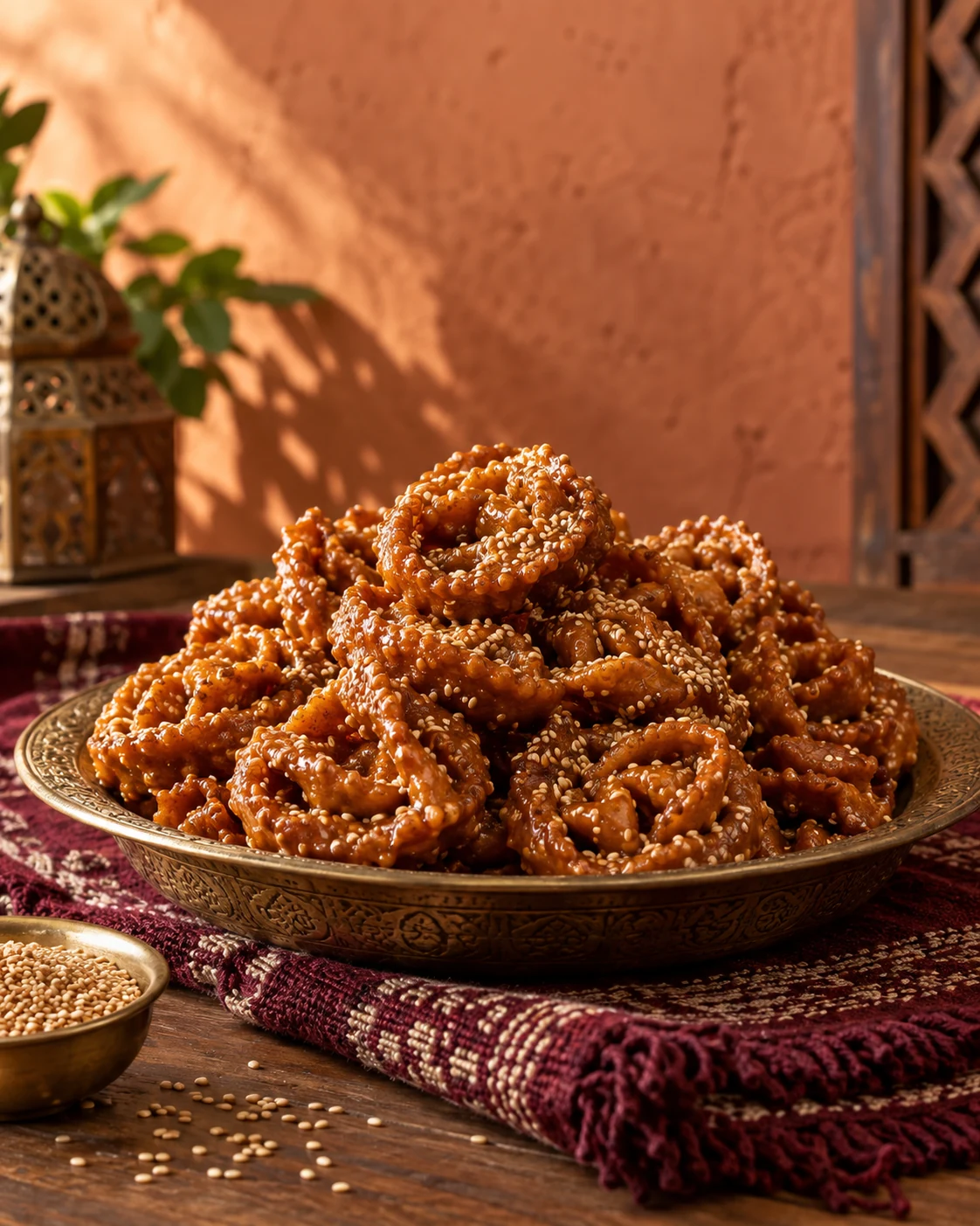
Chebakia
Folded sesame pastry finished with honey.
Explore the story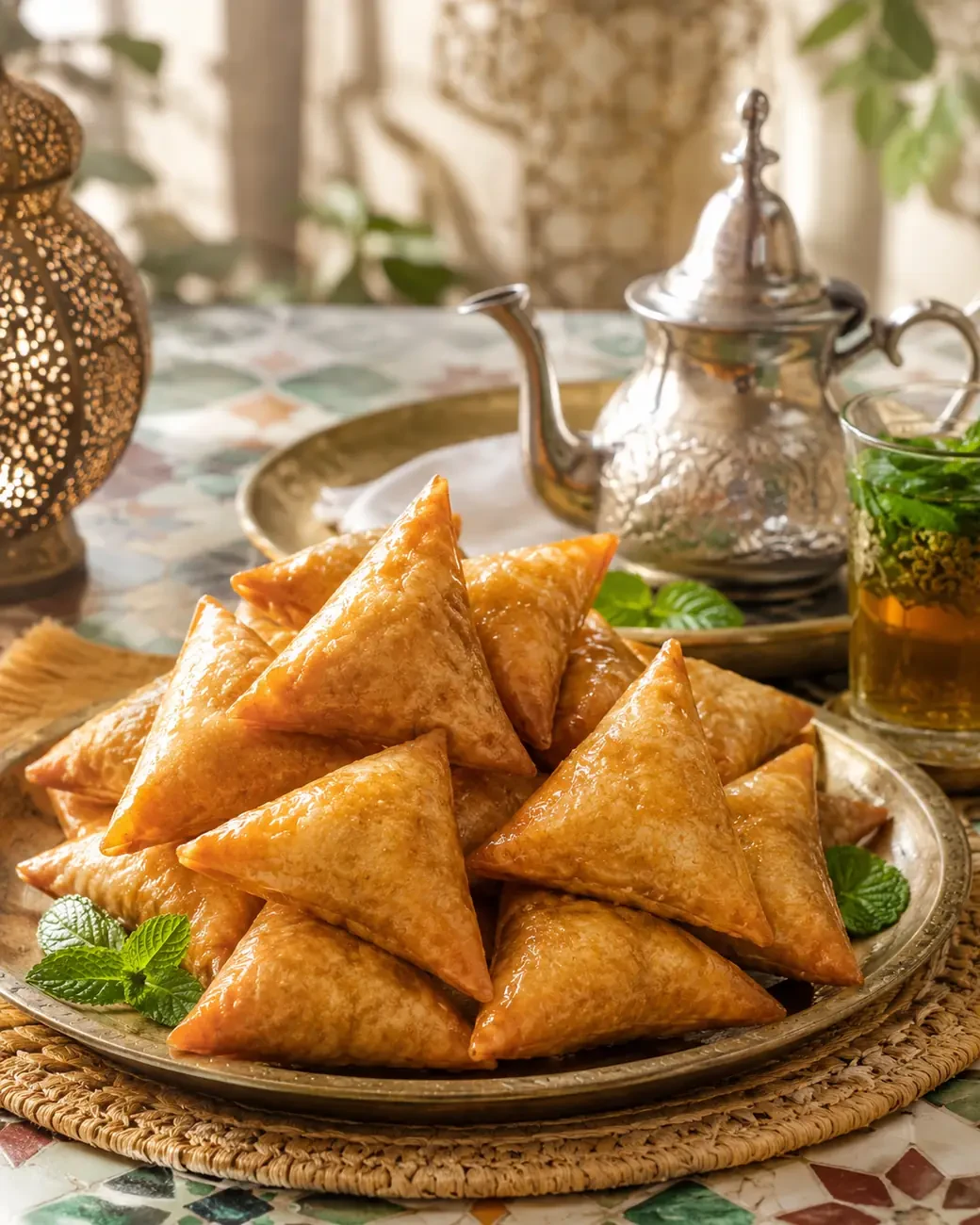
Briouats
Small folded pastries, with both savoury and sweet possibilities.
Explore the story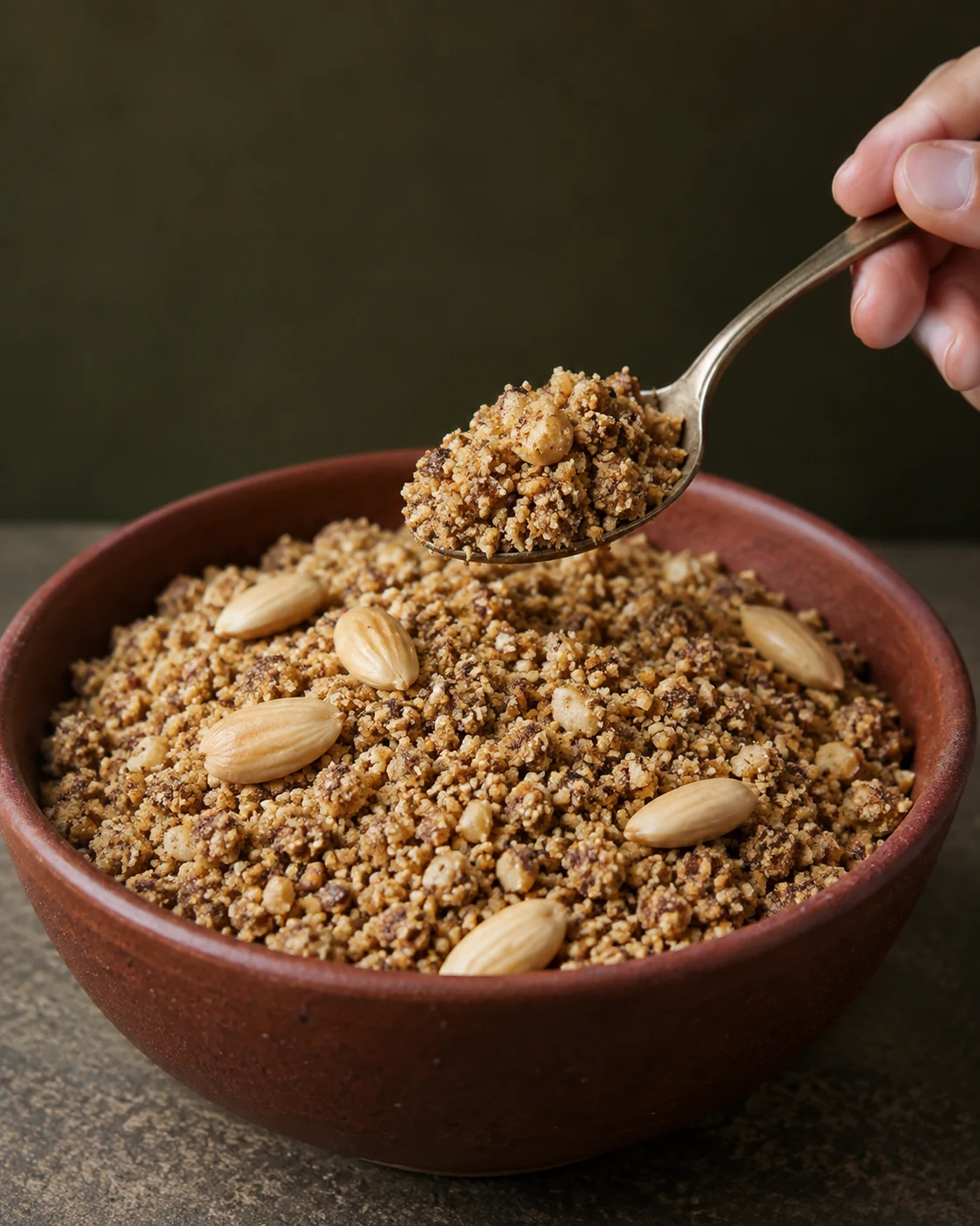
Sellou
Toasted flour, sesame and almonds in a distinctive sweet mixture.
Explore the story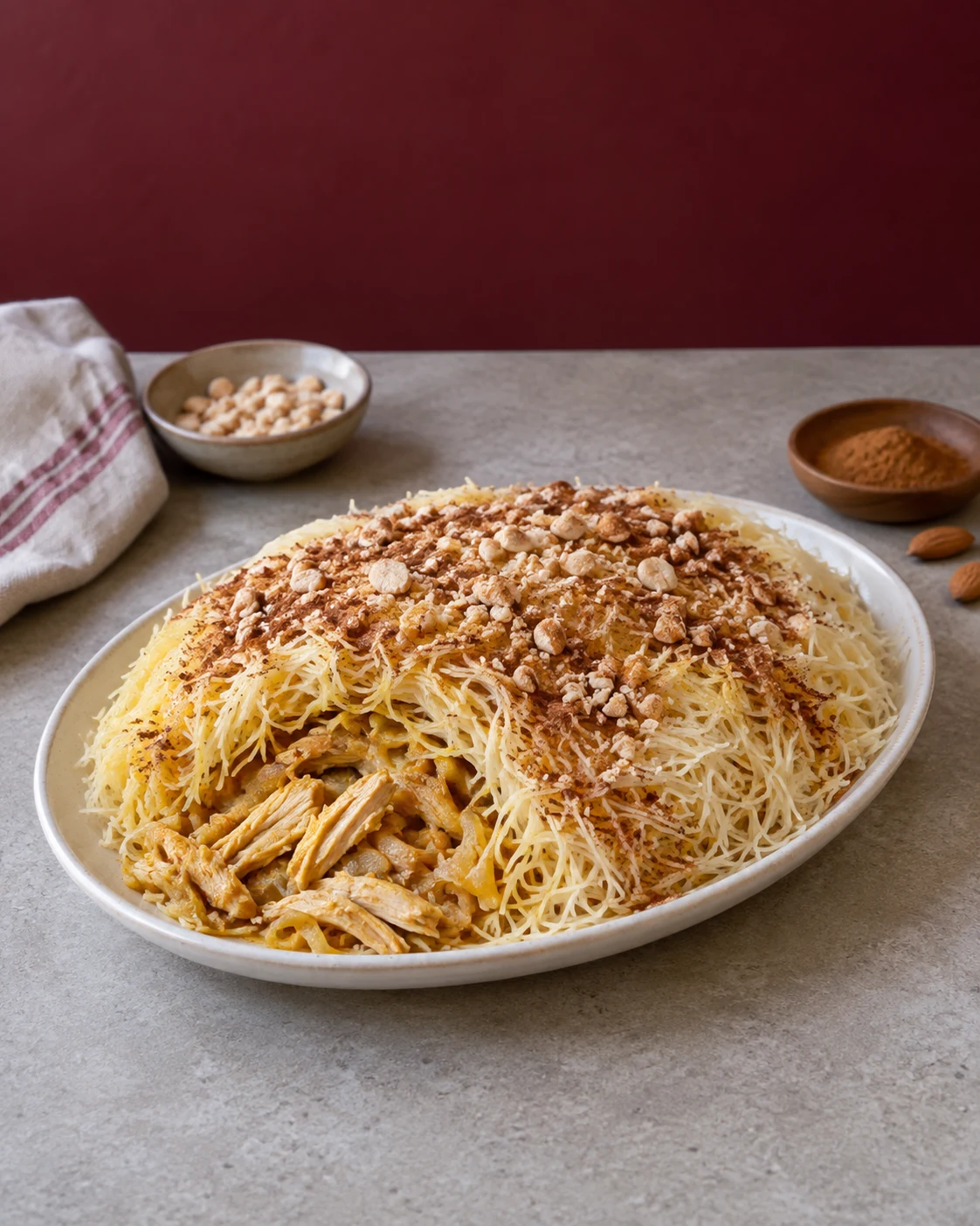
Seffa
Steamed vermicelli or couscous, almonds and sweet aromatics.
Explore the story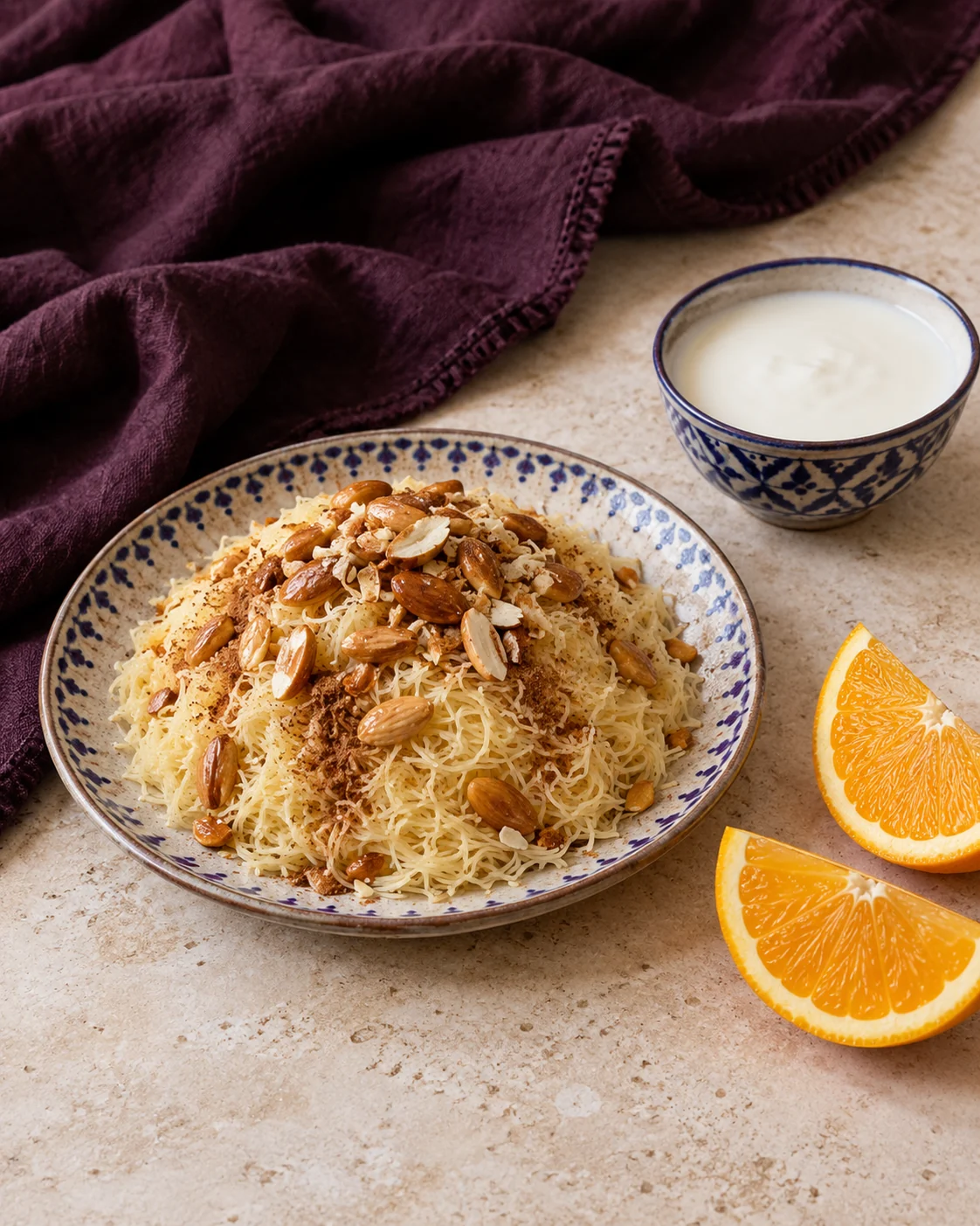
Desserts
Fruit, fragrance and a considered sweet ending.
Explore the story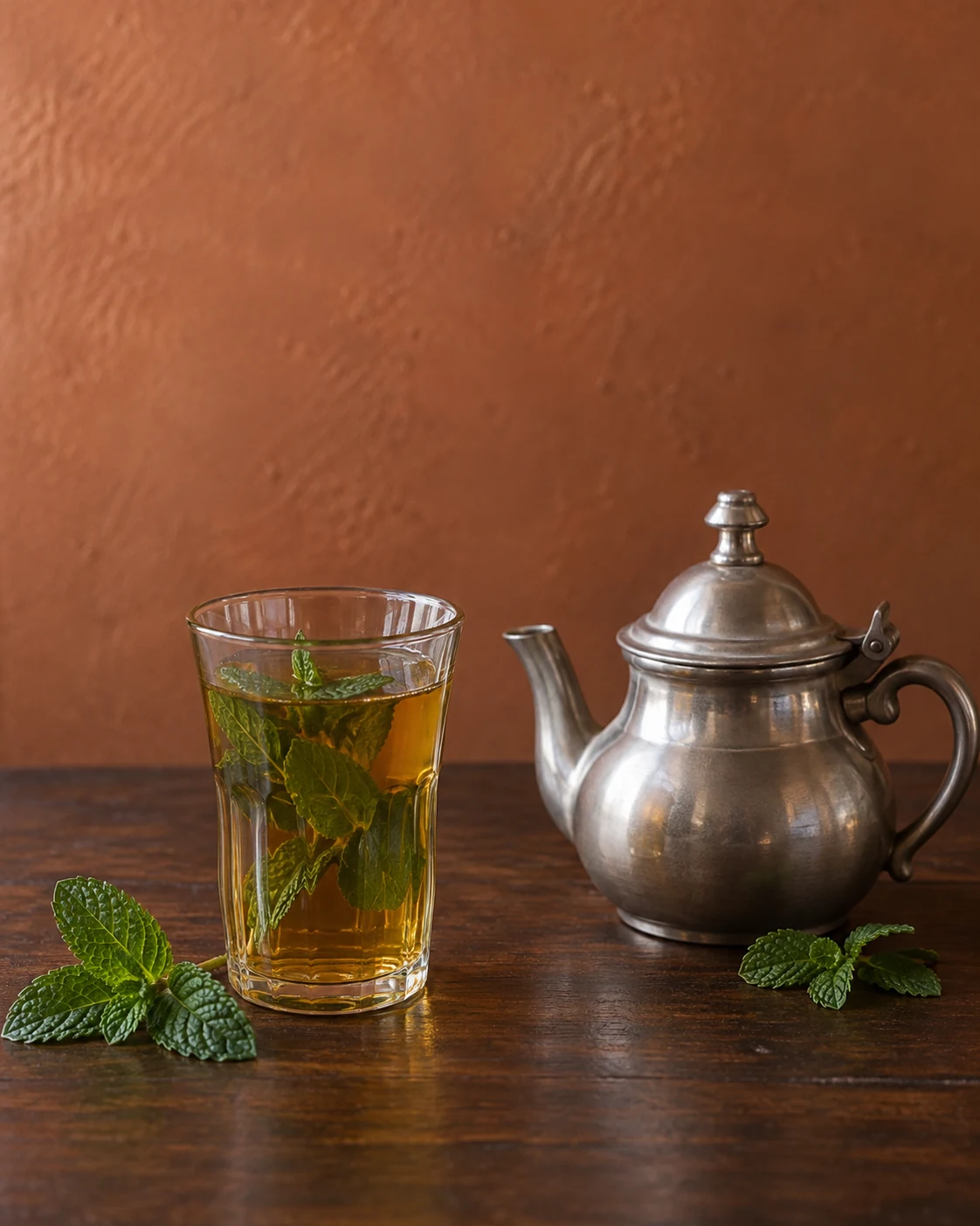
Moroccan Mint Tea
Green tea, fresh herbs and the time given to a guest.
Explore the story11 · Find a dish. Follow a flavour.
Your next Moroccan
kitchen story.
The complete Taste collection, arranged for discovery.
Begin with one dish, explore a family of flavours, or spend more time with the culture around the table.
Visit the Recipes collection ↗Shared dishes & savoury flavours
11 stories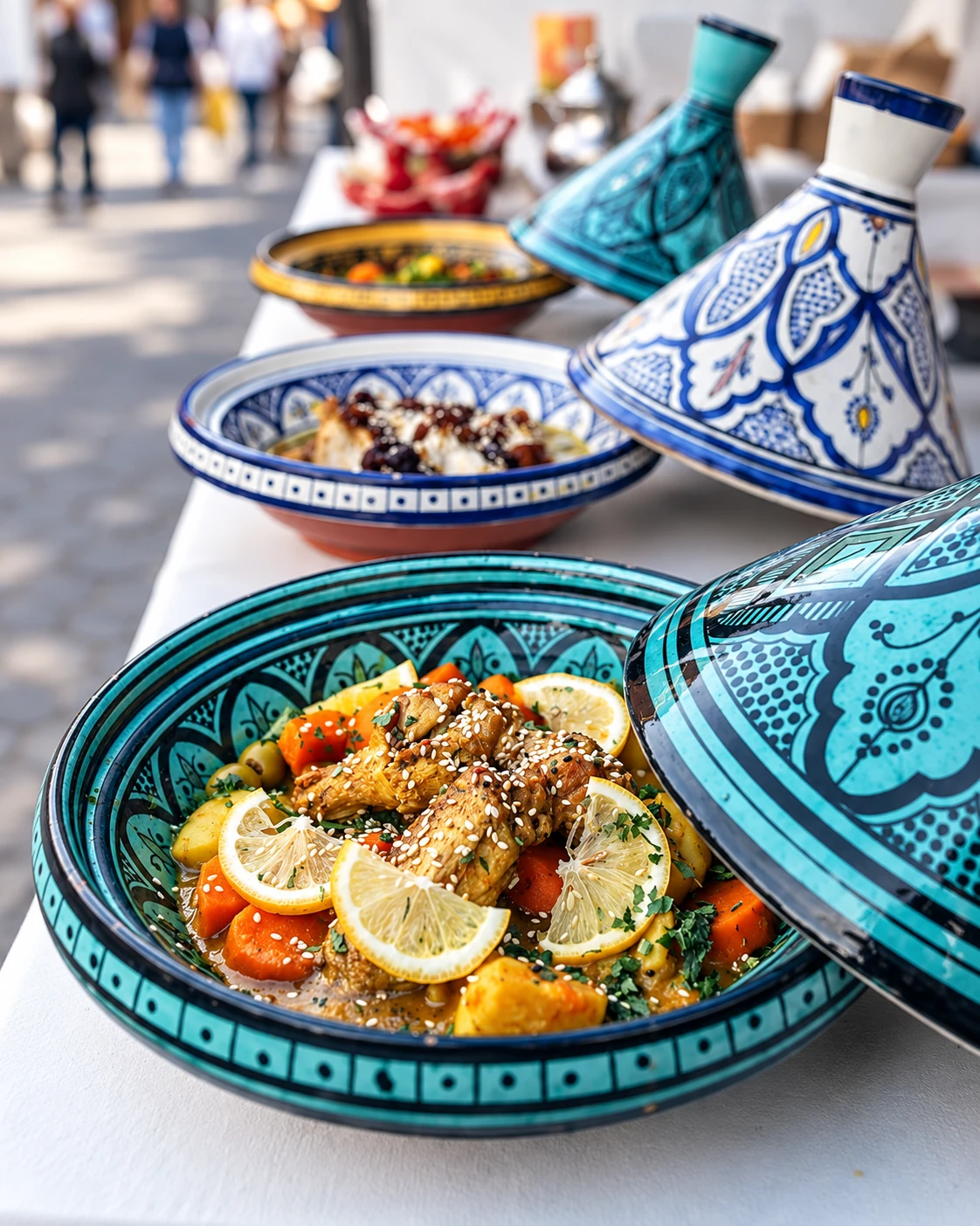
Tagine
Gentle heat, clay pots and the balance of a slow-cooked sauce.
Explore the storyCouscous
Grains, steam and the many ways a shared platter comes together.
Explore the story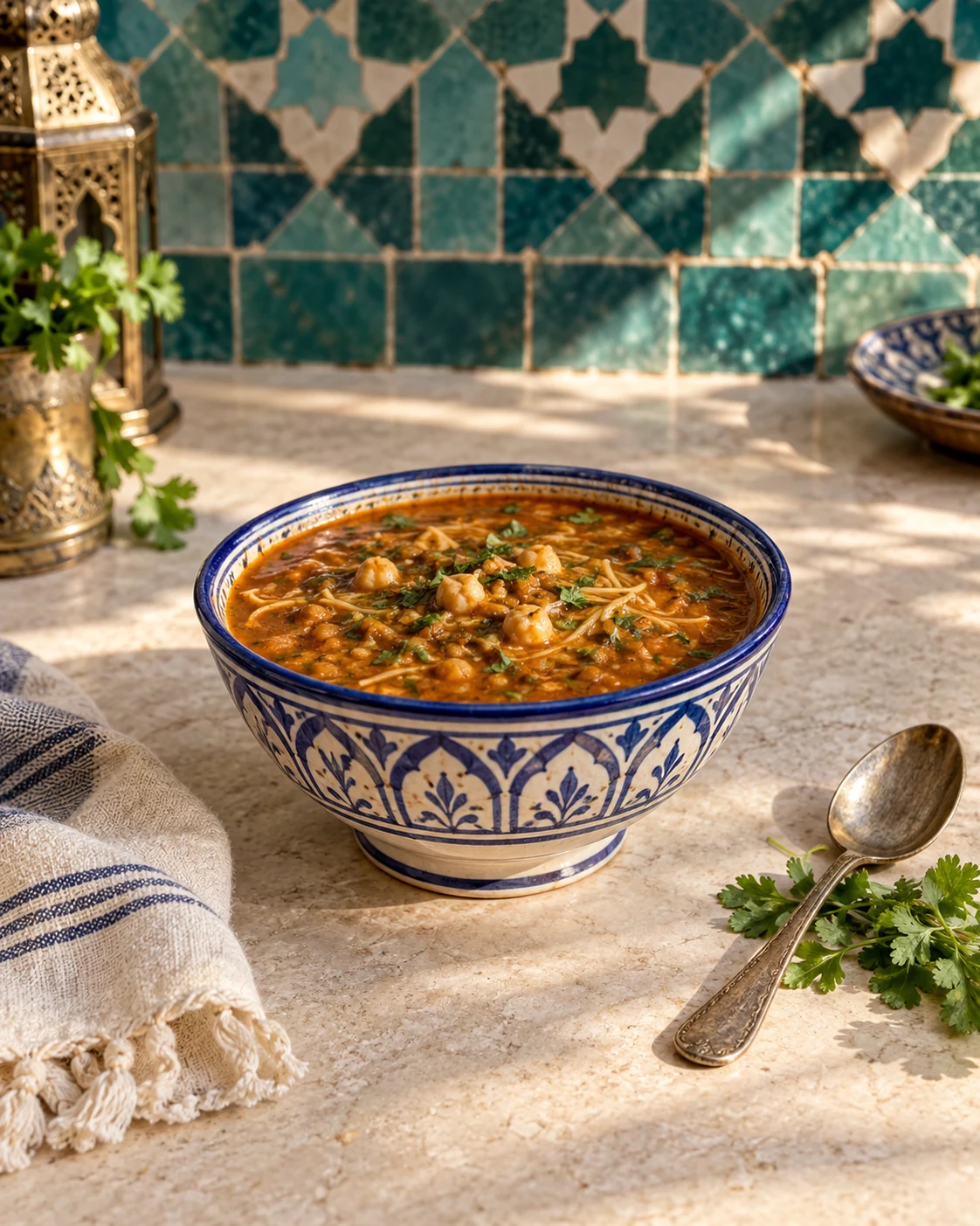
Harira
Tomato, pulses and herbs in the warmth of a shared table.
Explore the story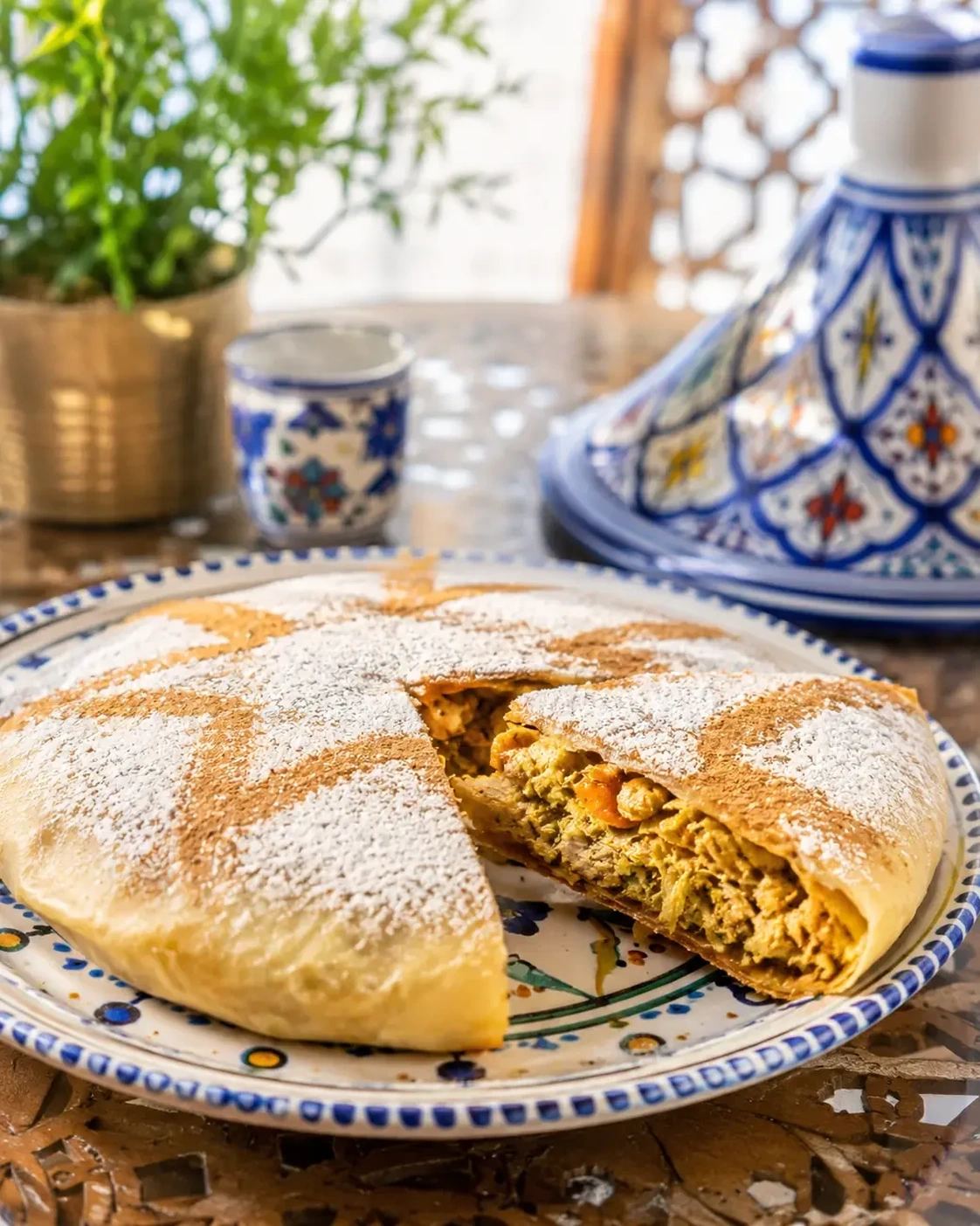
Pastilla
Fine pastry, layered fillings and the pleasure of contrasting textures.
Explore the story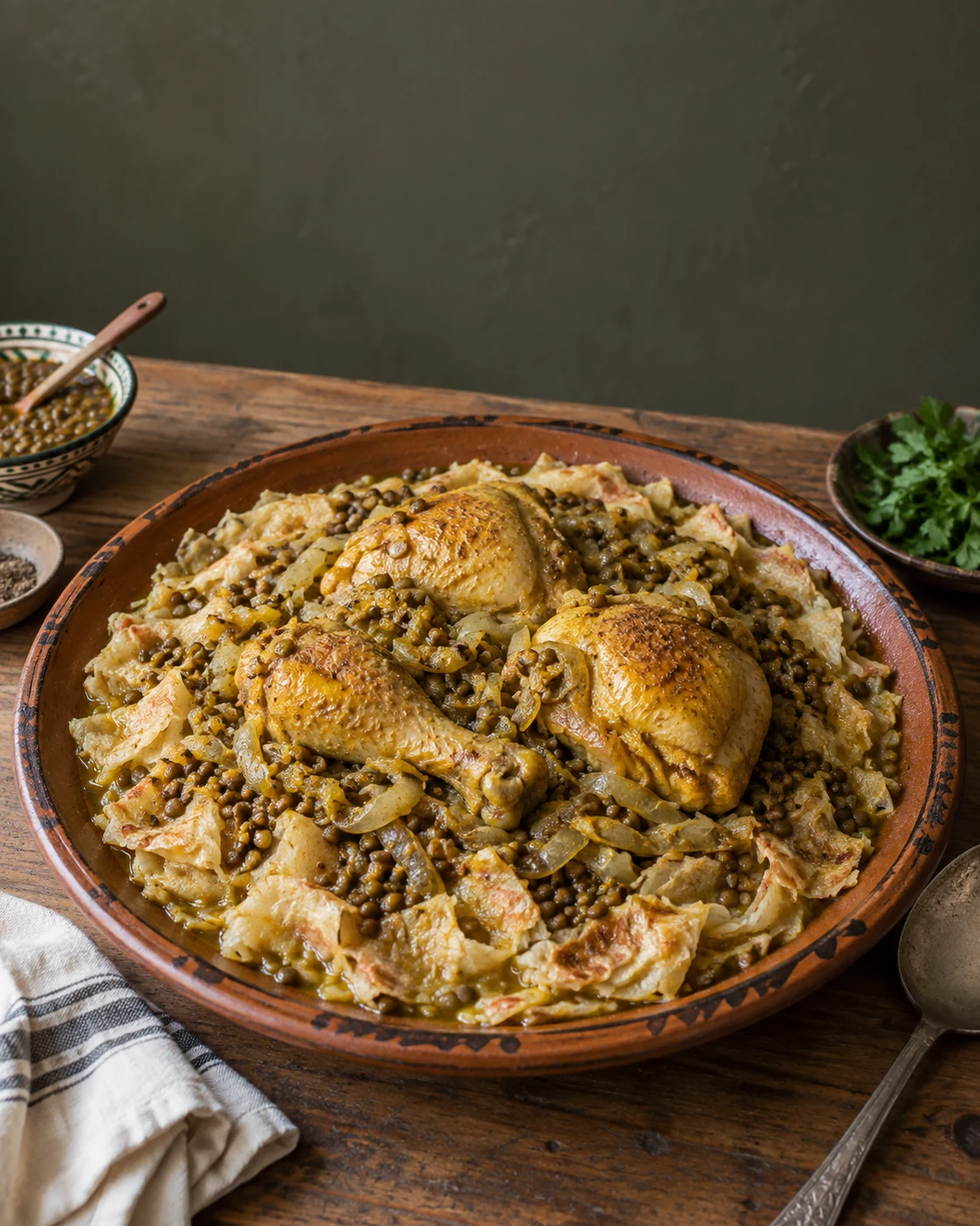
Rfissa
Chicken, lentils and fragrant broth finding their way through torn bread.
Explore the storyTanjia
The earthenware pot and patient cooking associated with Marrakech.
Explore the story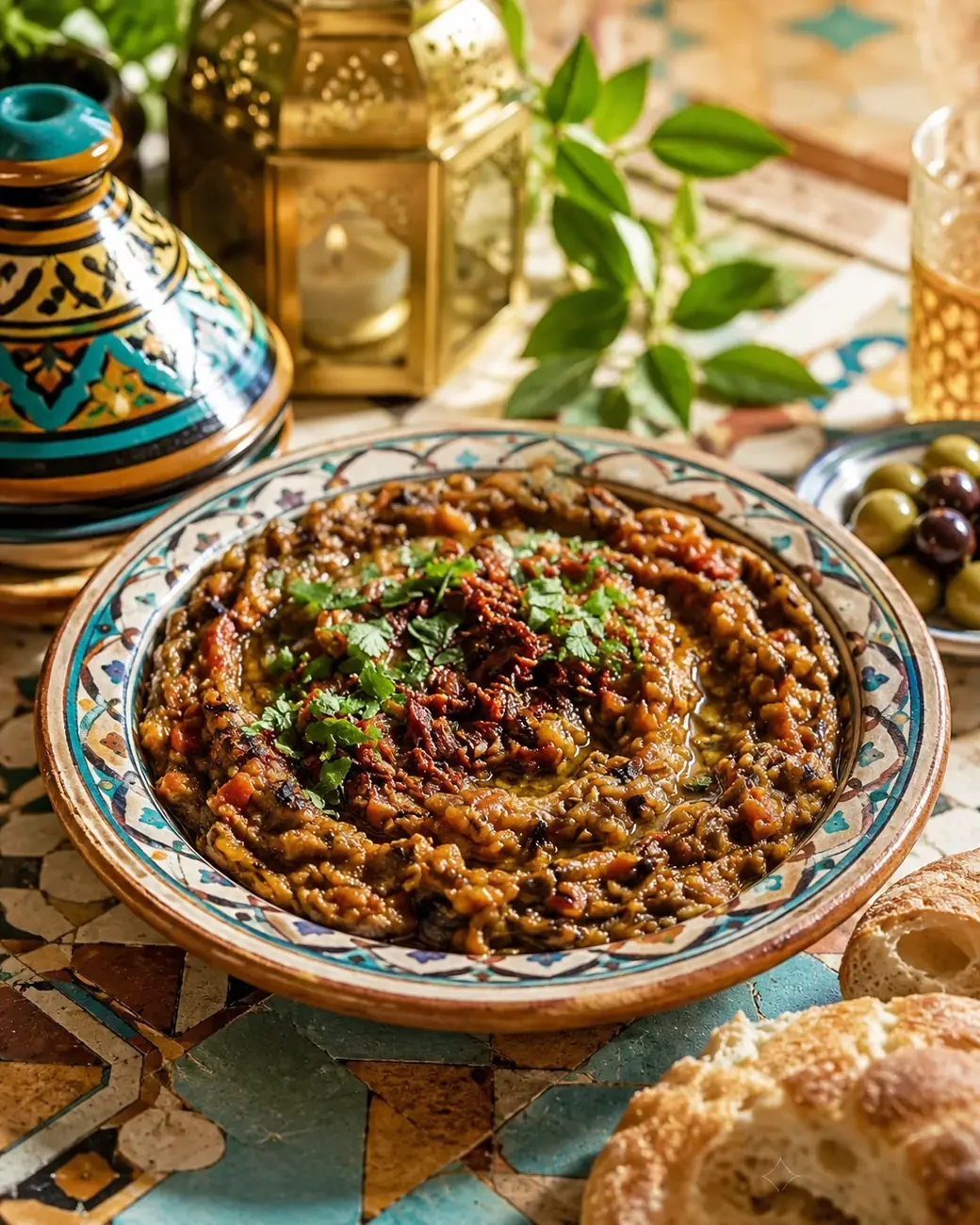
Zaalouk
Aubergine and tomato cooked until their flavours meet.
Explore the story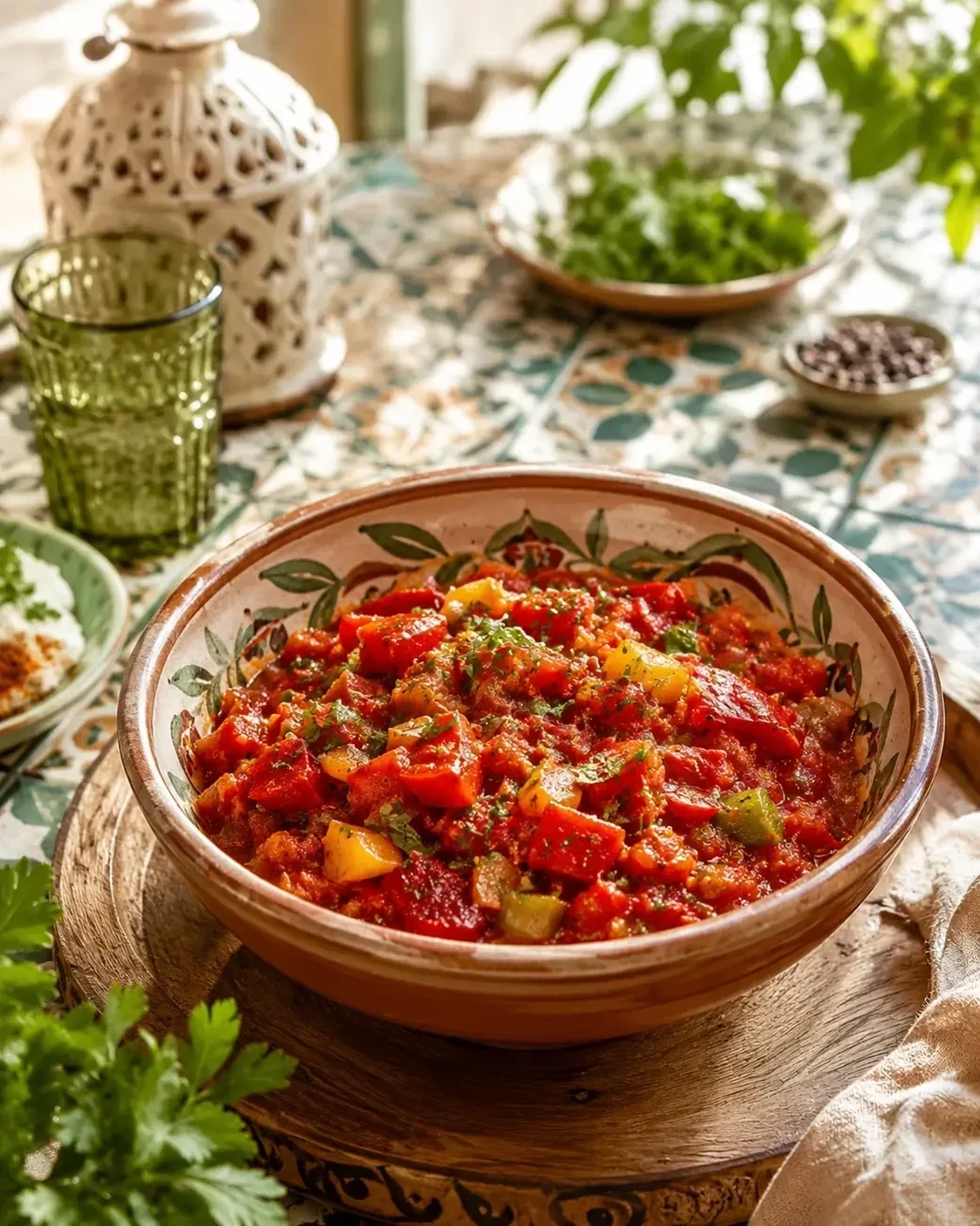
Taktouka
Roasted peppers and tomatoes, with bread close at hand.
Explore the story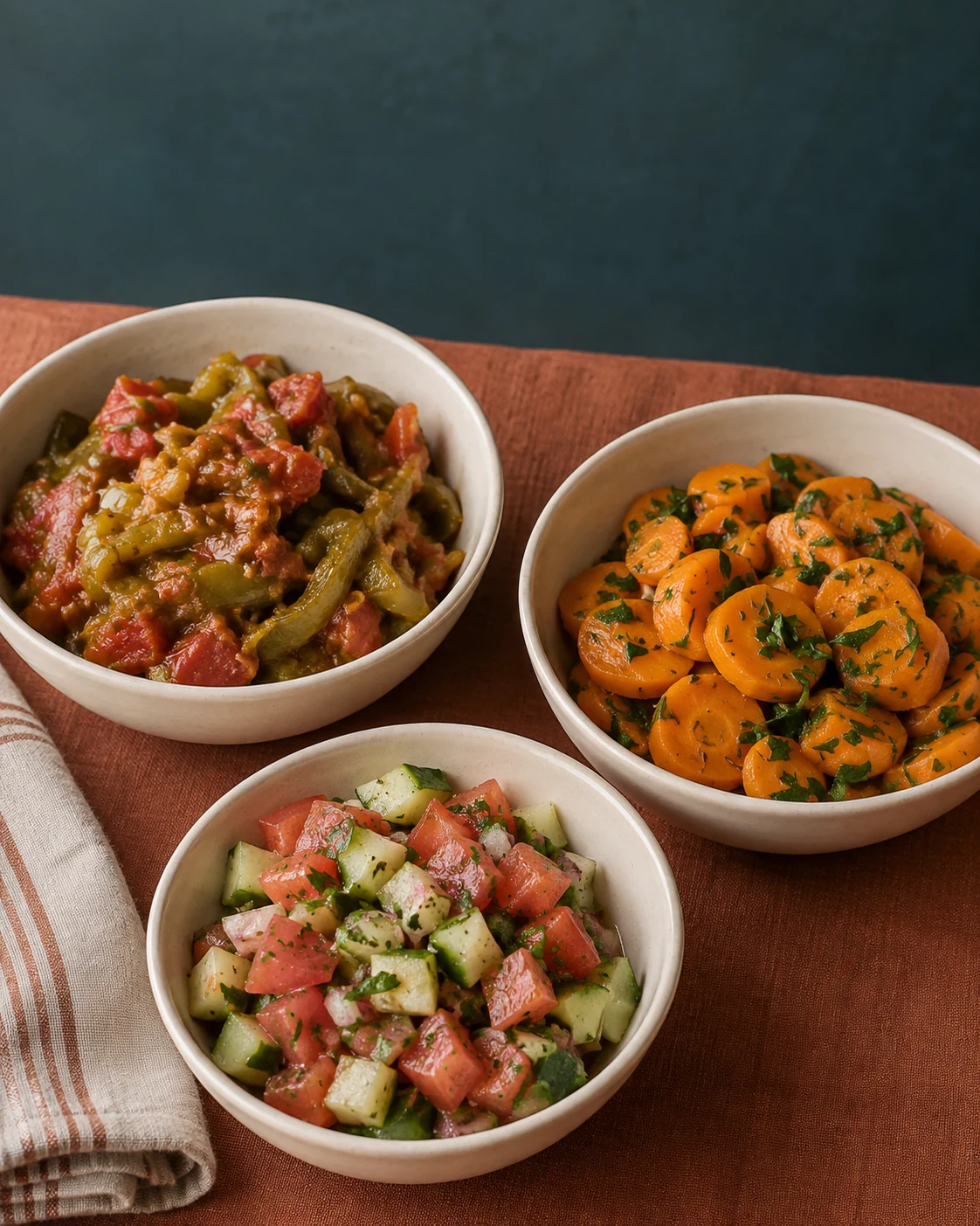
Moroccan Salads
Fresh, cooked and preserved flavours served in small dishes.
Explore the story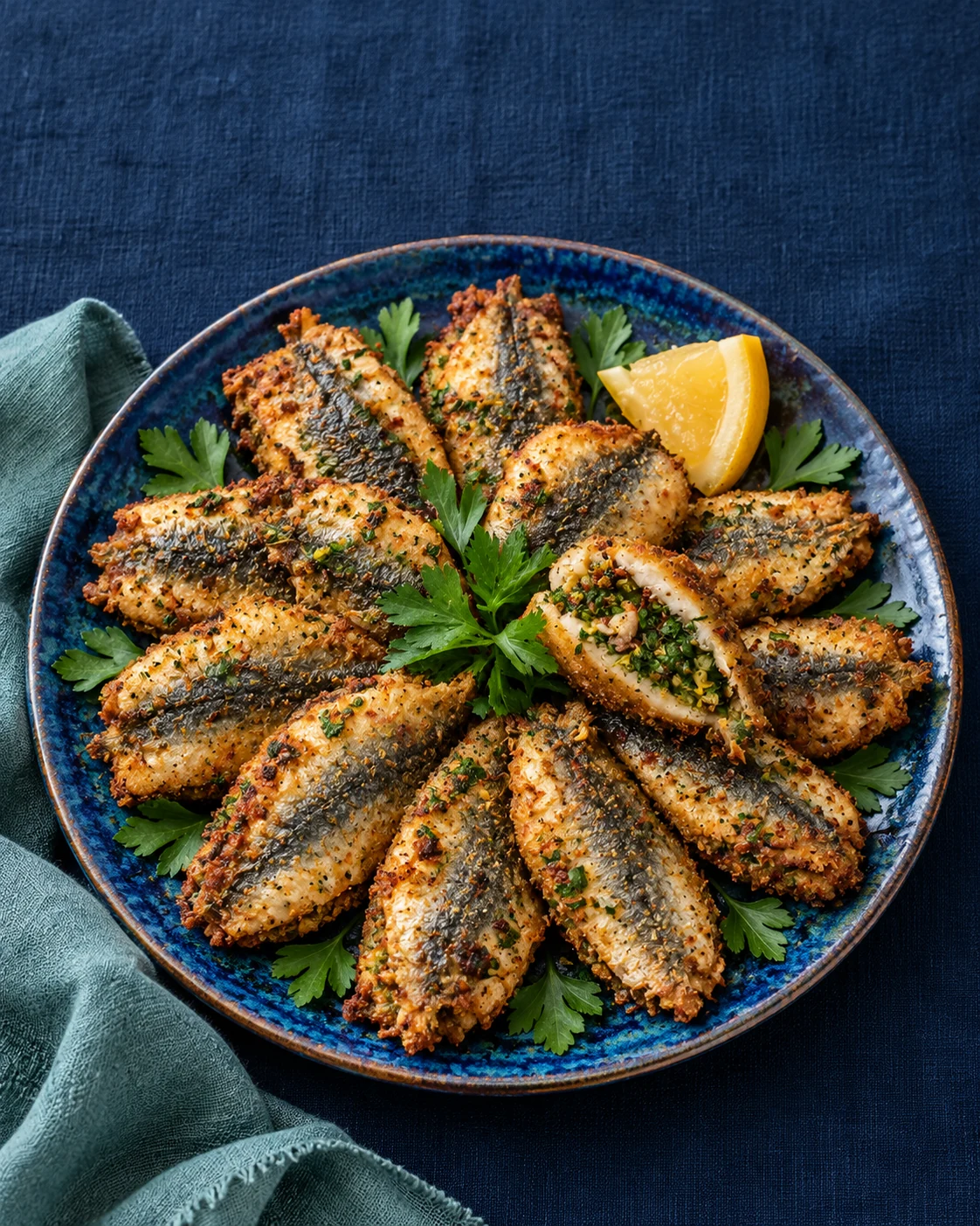
Sardines with Chermoula
Small fish, fragrant herbs and the details of preparation.
Explore the story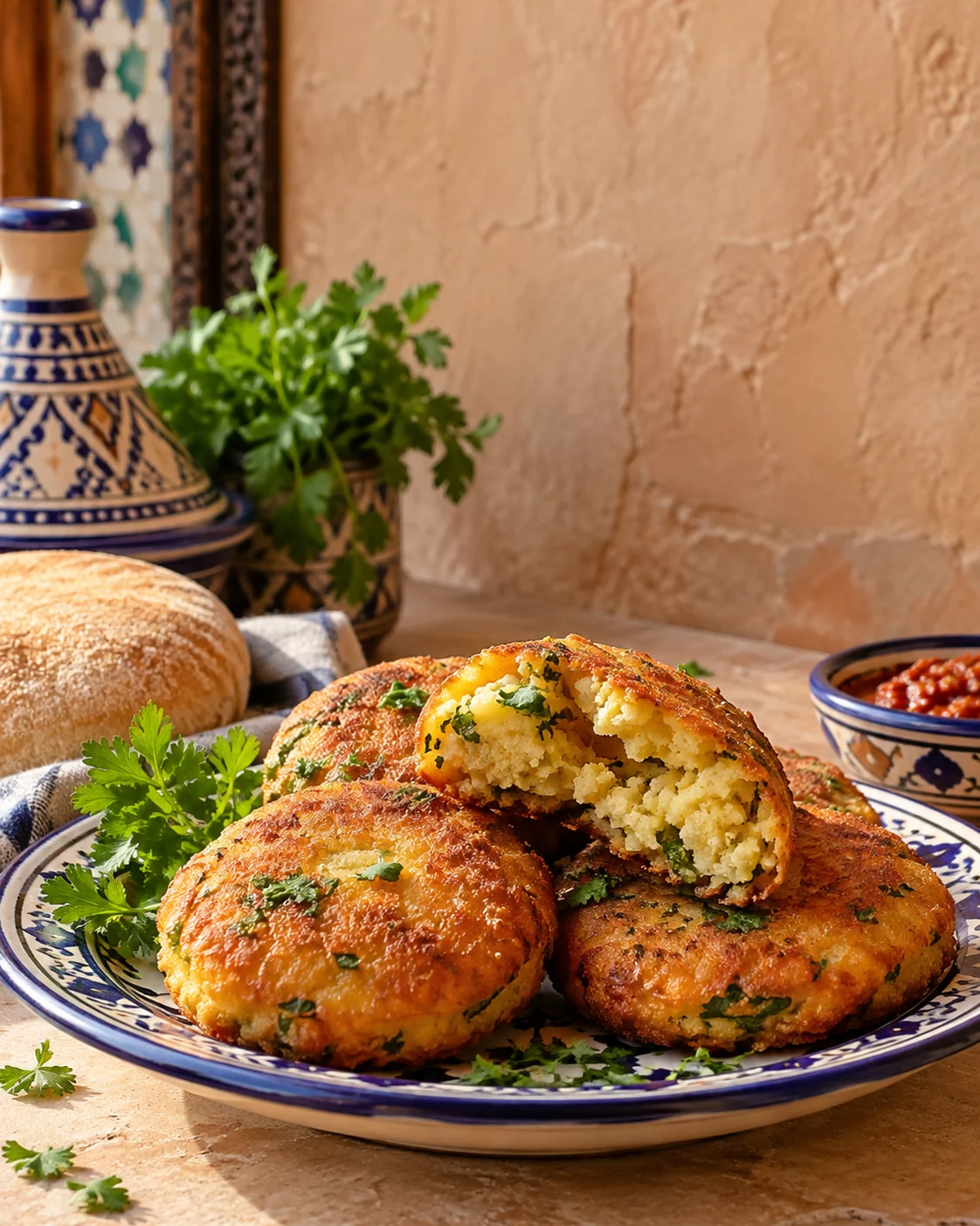
Maakouda
Potato patties, crisp edges and the rhythm of the street counter.
Explore the storyBread, sweetness & tea
09 stories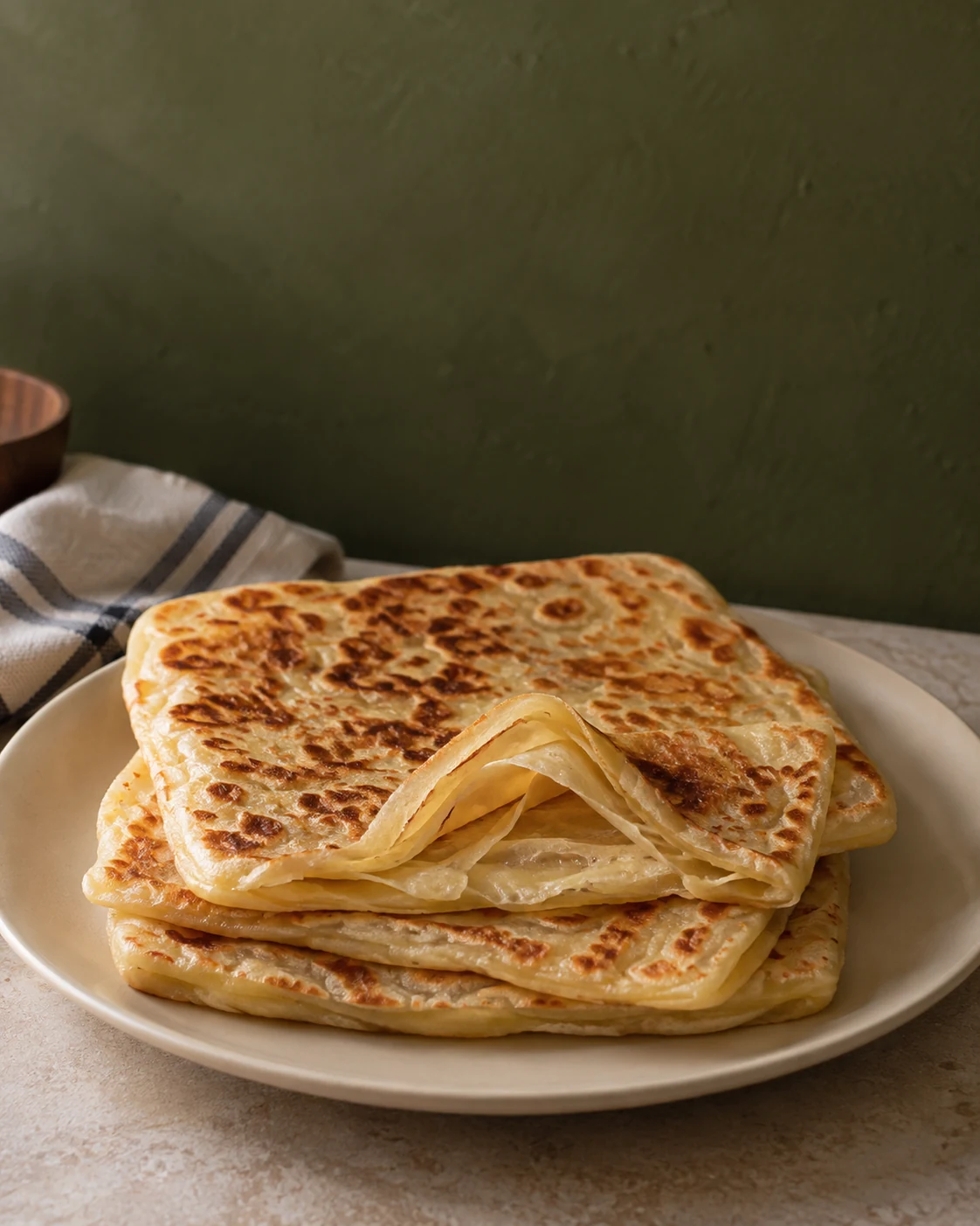
Msemen
Thinly stretched dough folded into supple, flaky layers.
Explore the story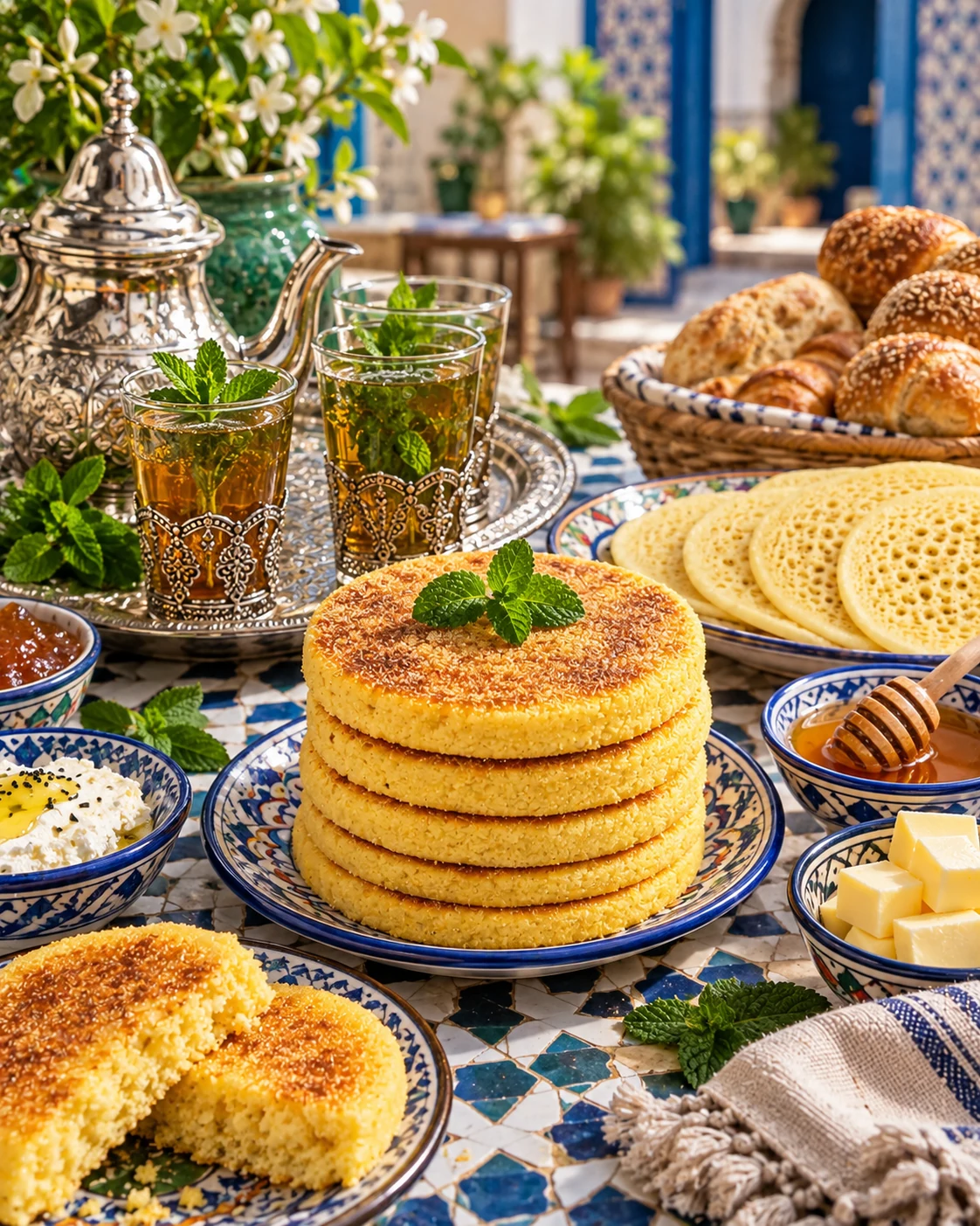
Harcha
Semolina, a hot pan and a tender, crumbly round.
Explore the story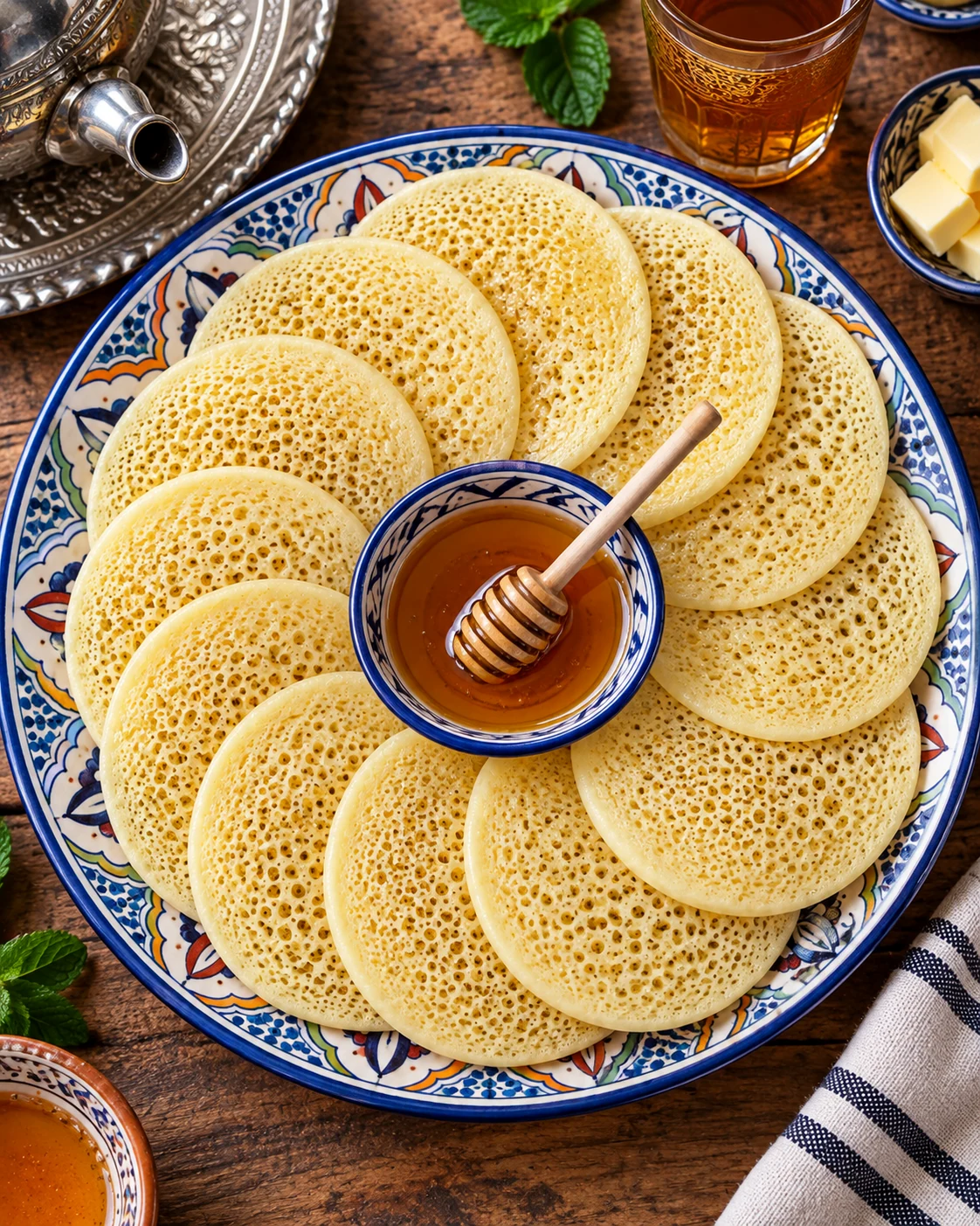
Baghrir
Light semolina pancakes with a surface of tiny holes.
Explore the storyAmlou
Roasted almonds, culinary argan oil and honey from the southwest.
Explore the storyBriouats
Small folded pastries, with both savoury and sweet possibilities.
Explore the storyChebakia
Folded sesame pastry finished with honey.
Explore the storySellou
Toasted flour, sesame and almonds in a distinctive sweet mixture.
Explore the storySeffa
Steamed vermicelli or couscous, almonds and sweet aromatics.
Explore the storyMoroccan Mint Tea
Green tea, fresh herbs and the time given to a guest.
Explore the storyExplore a family of flavours
09 stories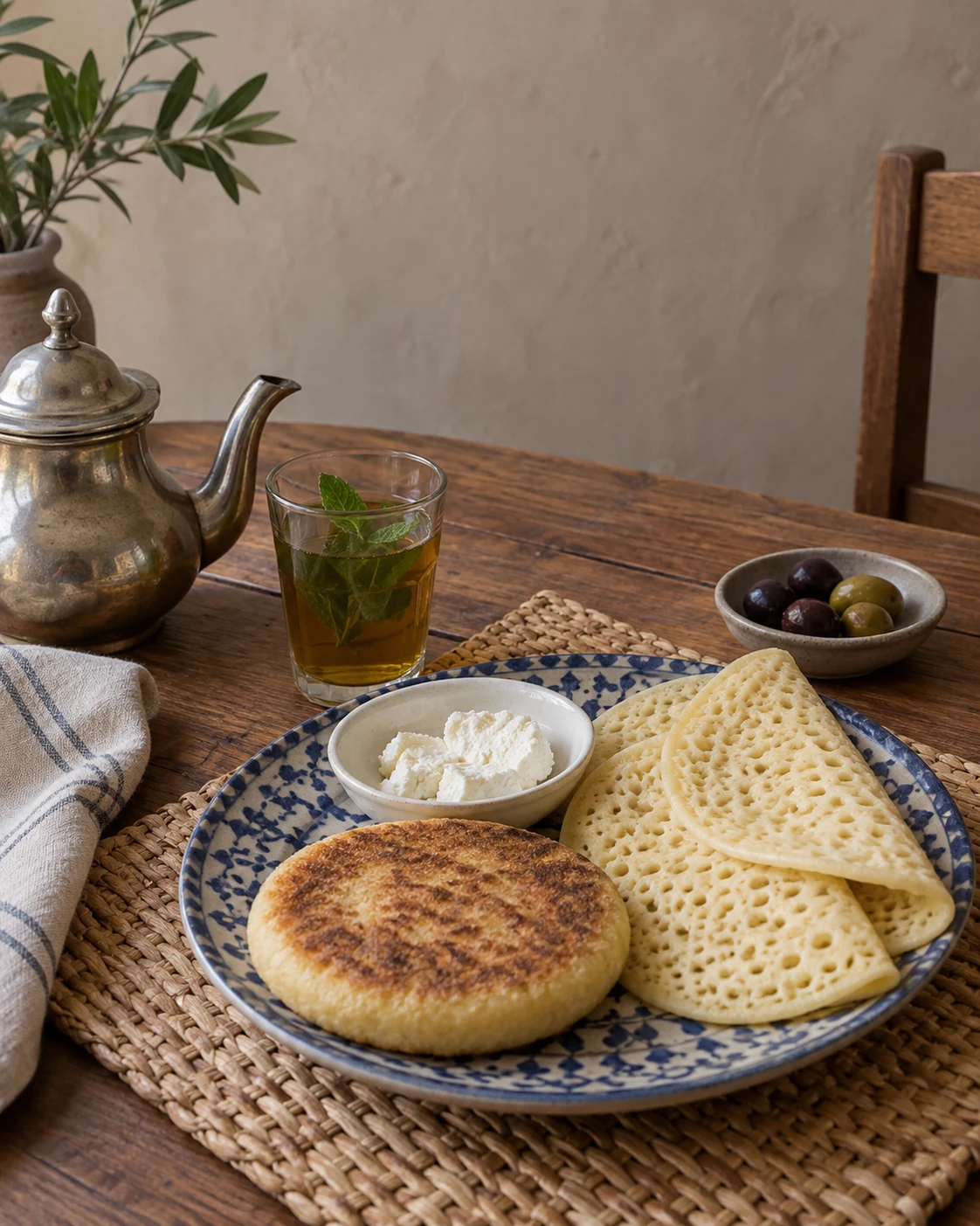
Moroccan Breakfast
Breads, spreads and the first table of the day.
Explore the story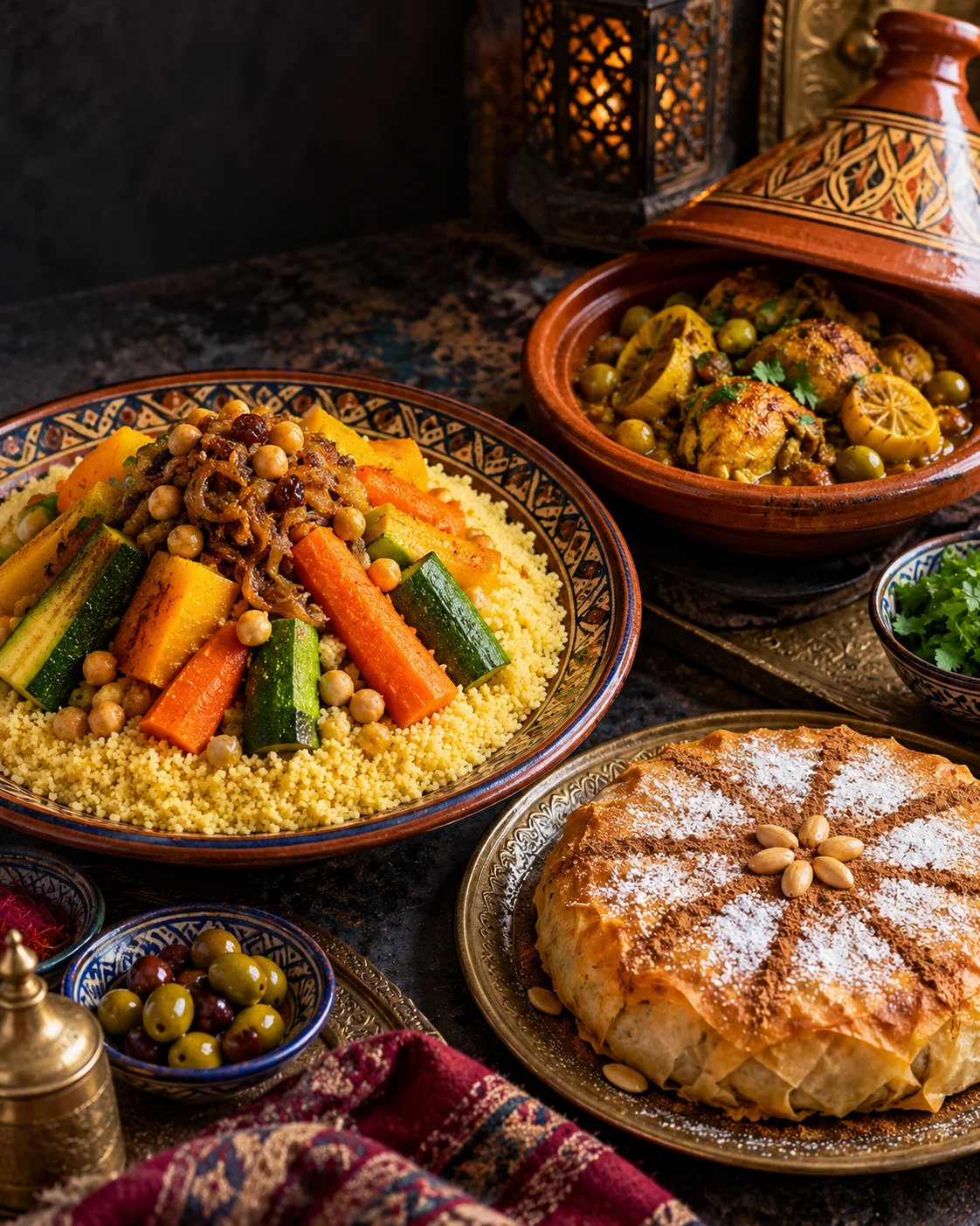
Main Dishes
Shared platters and the decisions behind a satisfying meal.
Explore the story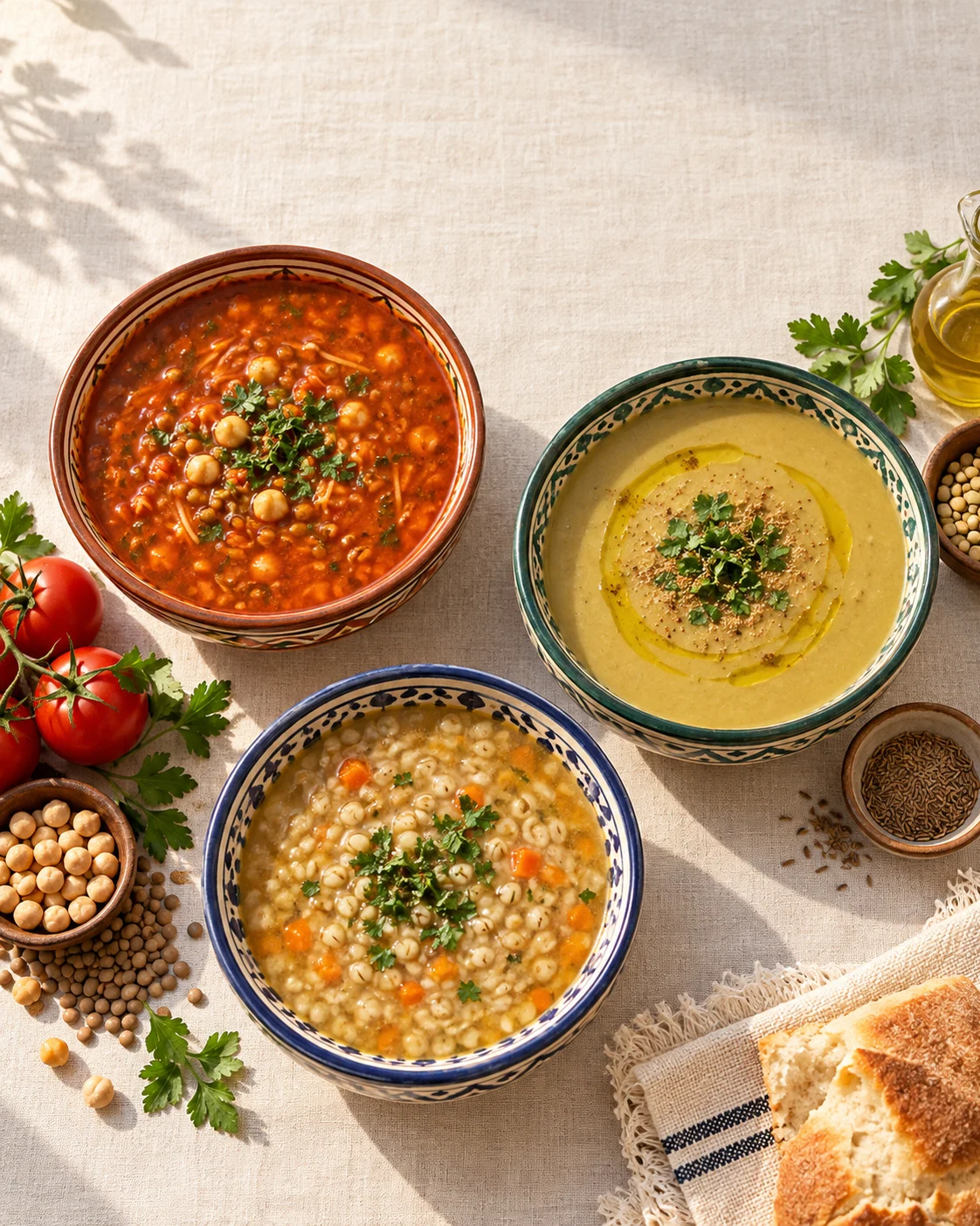
Soups
Harira, bissara and other bowls shaped by place and occasion.
Explore the story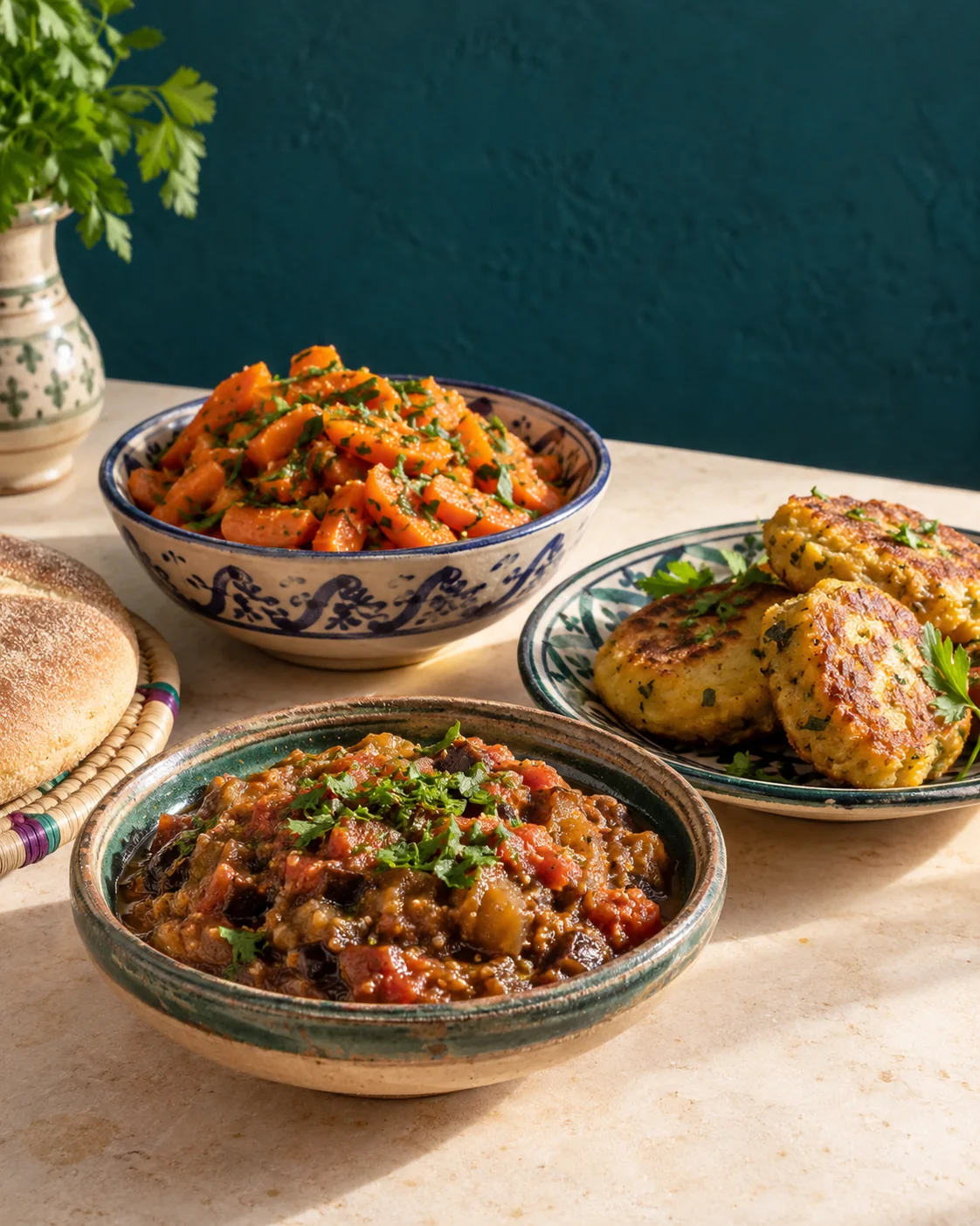
Salads & Sides
Vegetables, pulses and bright accompaniments.
Explore the story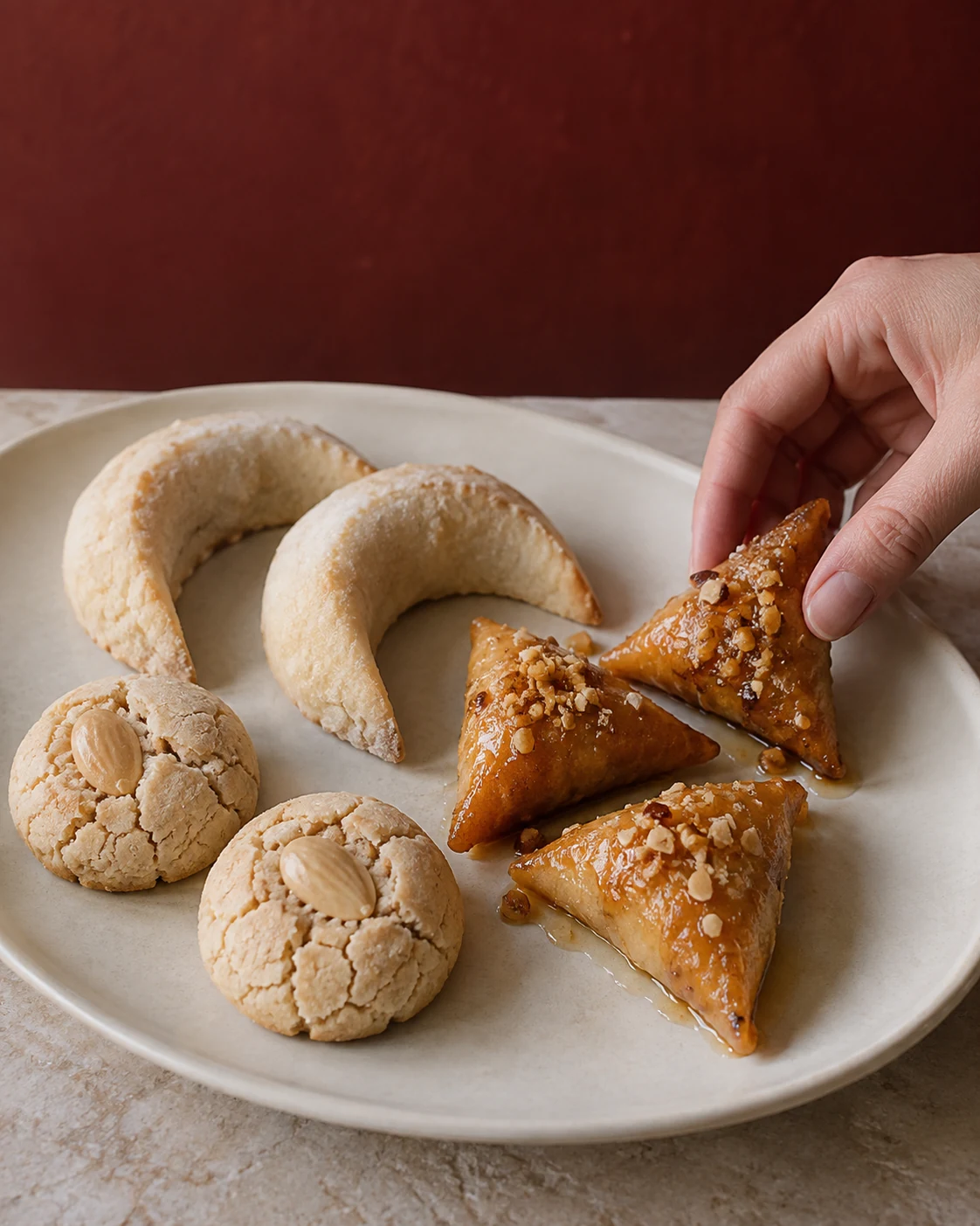
Sweets & Pastries
Almonds, sesame, pastry and the work of the sweet kitchen.
Explore the story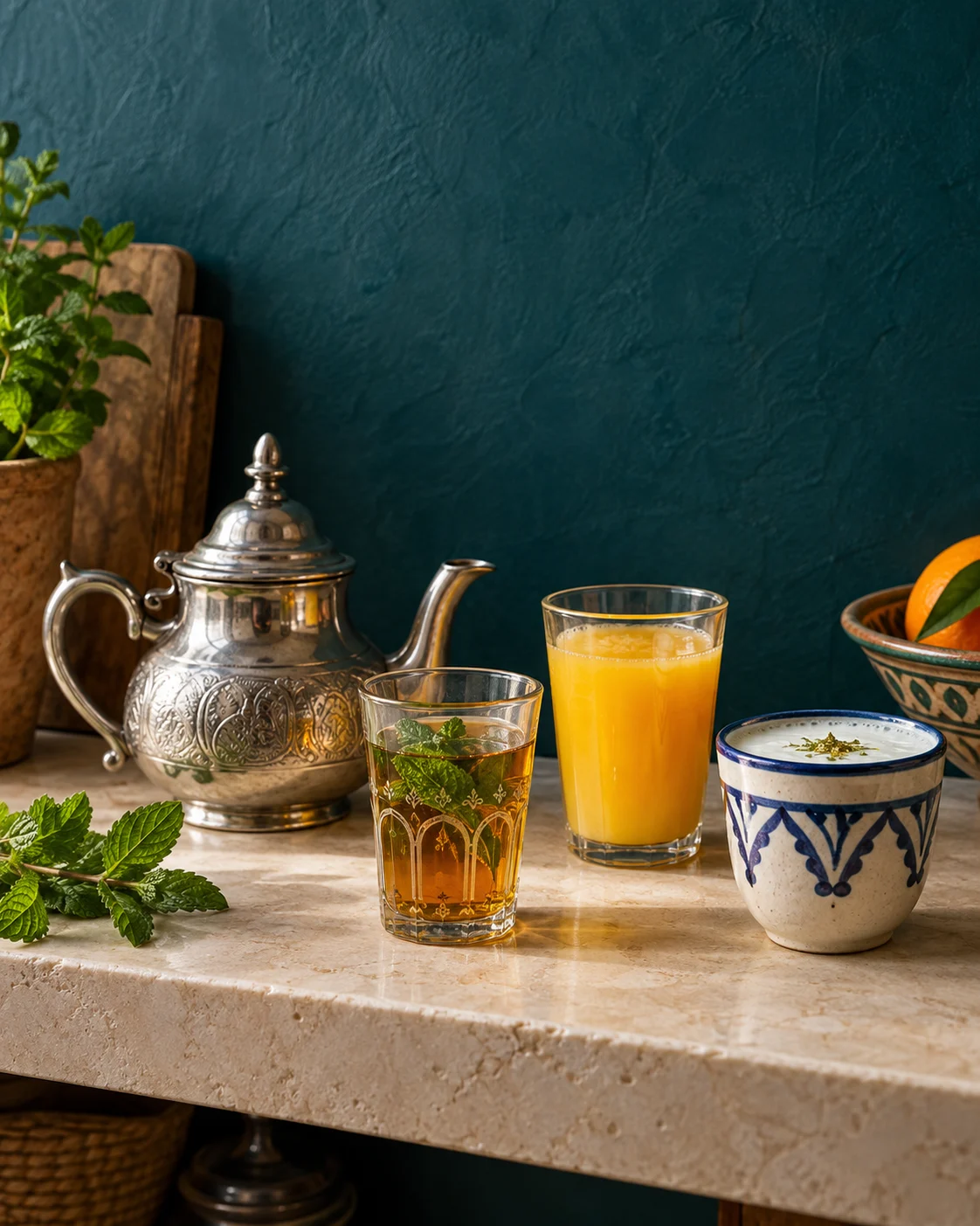
Drinks
Tea, juices, milk-based drinks and moments of refreshment.
Explore the story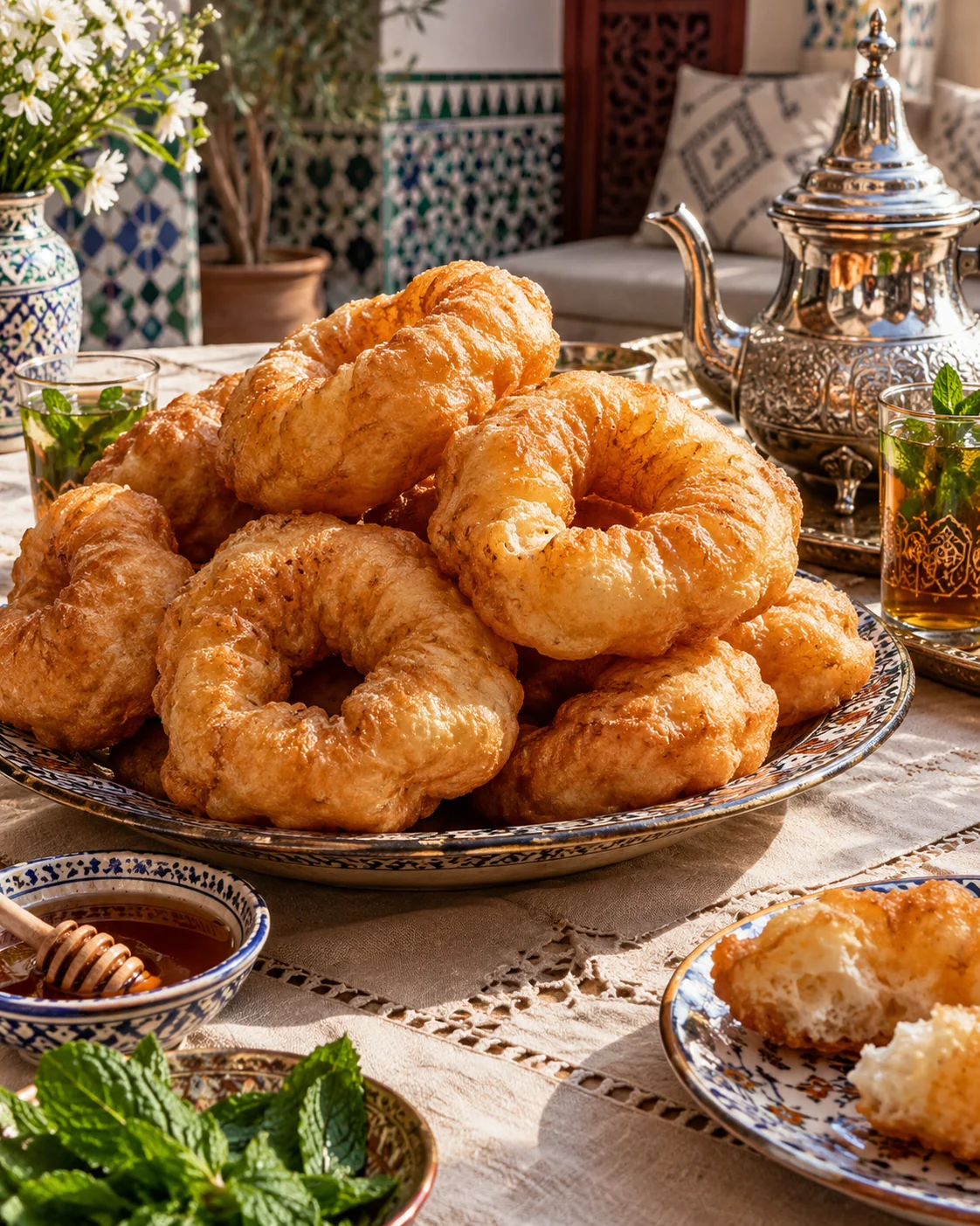
Street Food
Counters, griddles and food made to eat on the move.
Explore the storyDesserts
Fruit, fragrance and a considered sweet ending.
Explore the storySeafood & Coastal Cooking
Fish markets, chermoula and the kitchens of the coast.
Explore the storyThe culture around the food
05 stories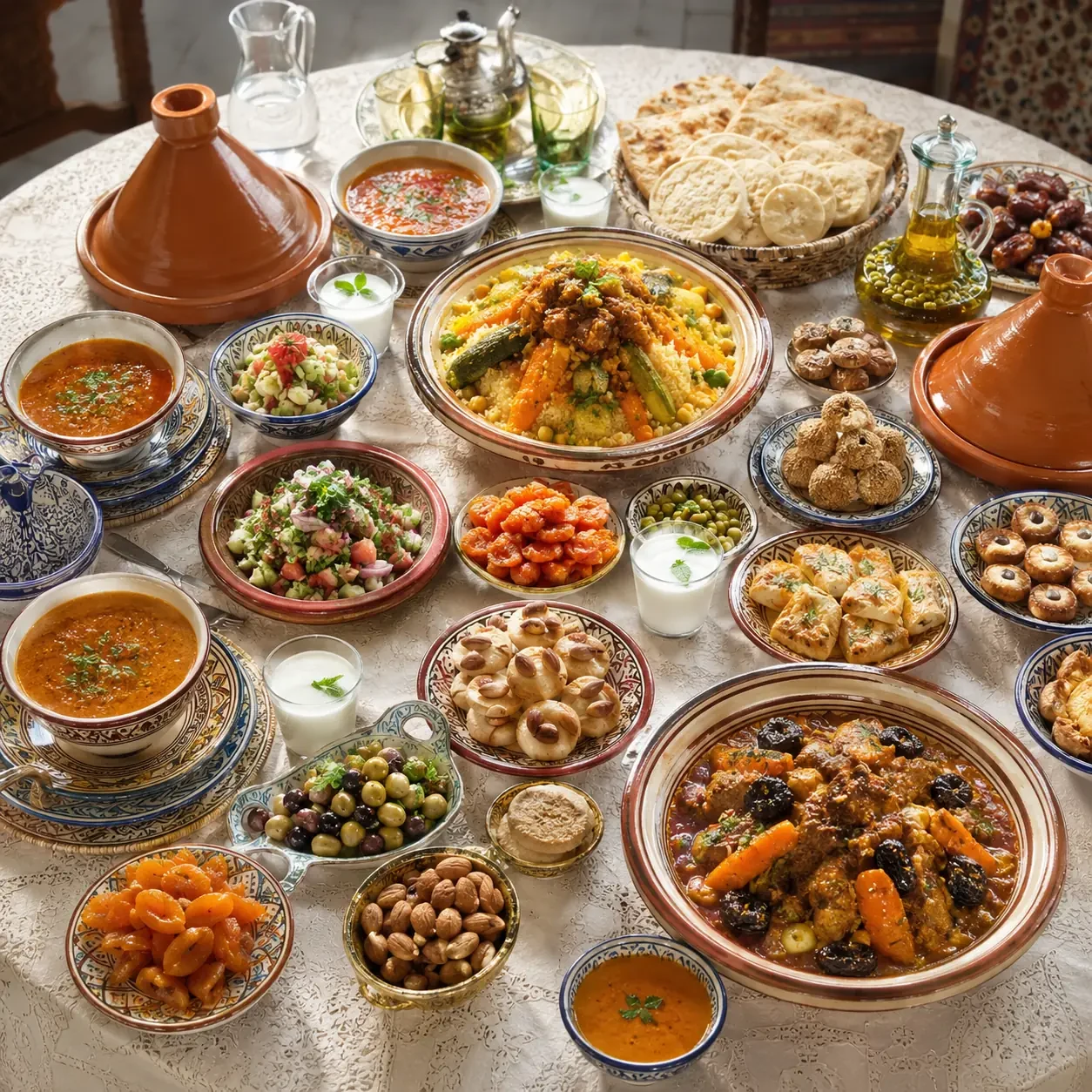
Moroccan Food Culture
The people, gestures and knowledge around the meal.
Explore the story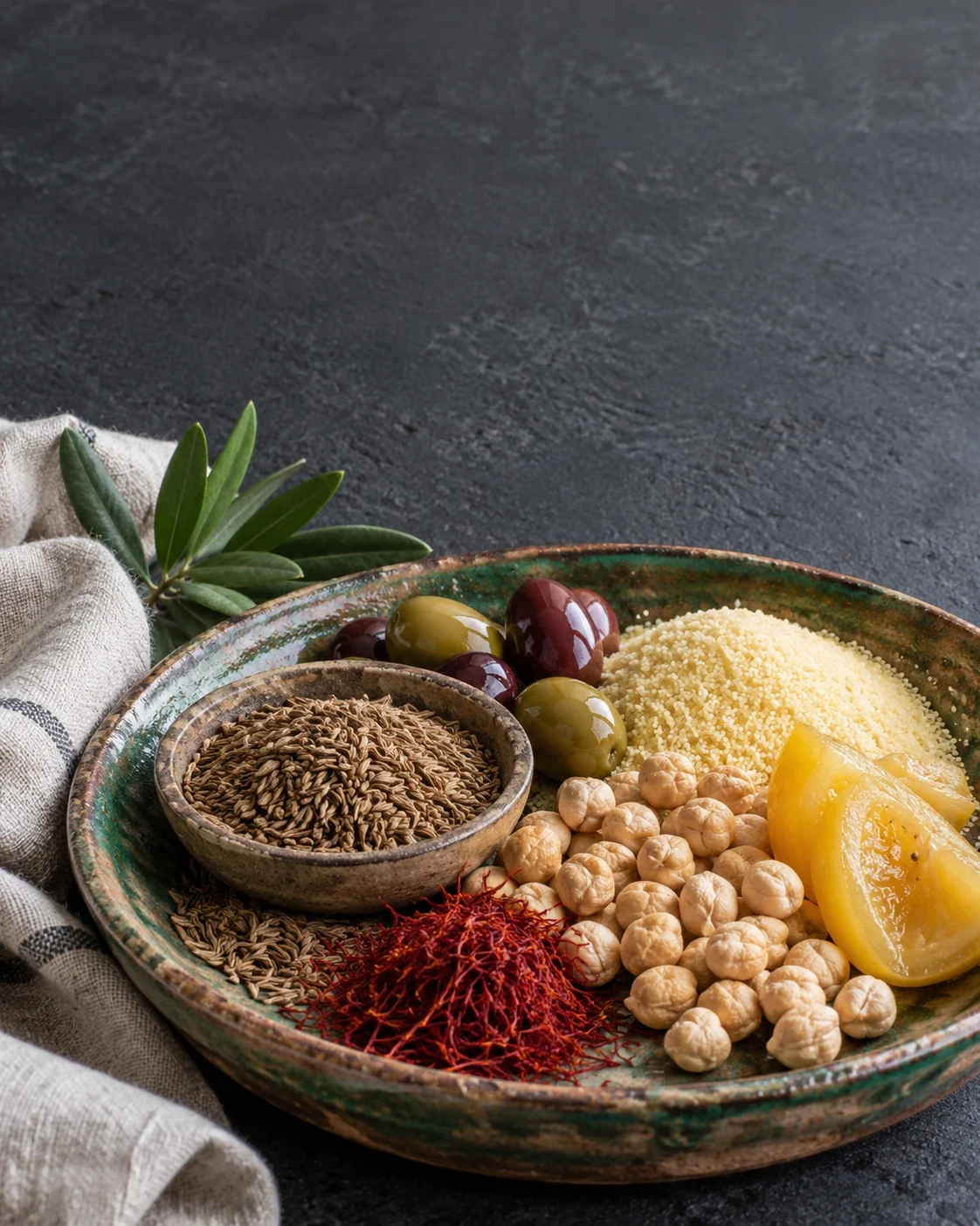
Moroccan Ingredients & Pantry
Get to know the ingredients before choosing a dish.
Explore the story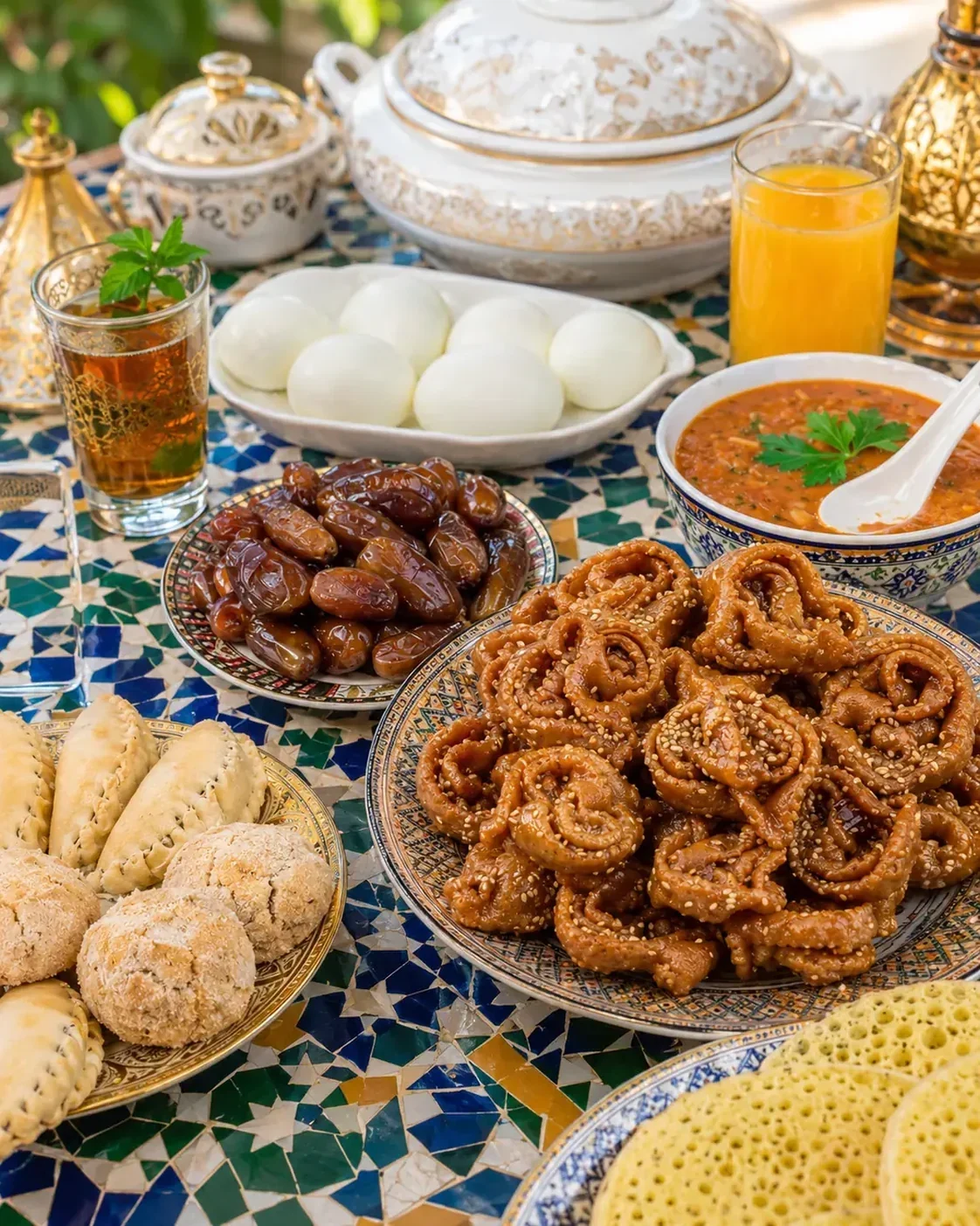
Moroccan Meal Rhythm
How food finds its place in the day and the calendar.
Explore the story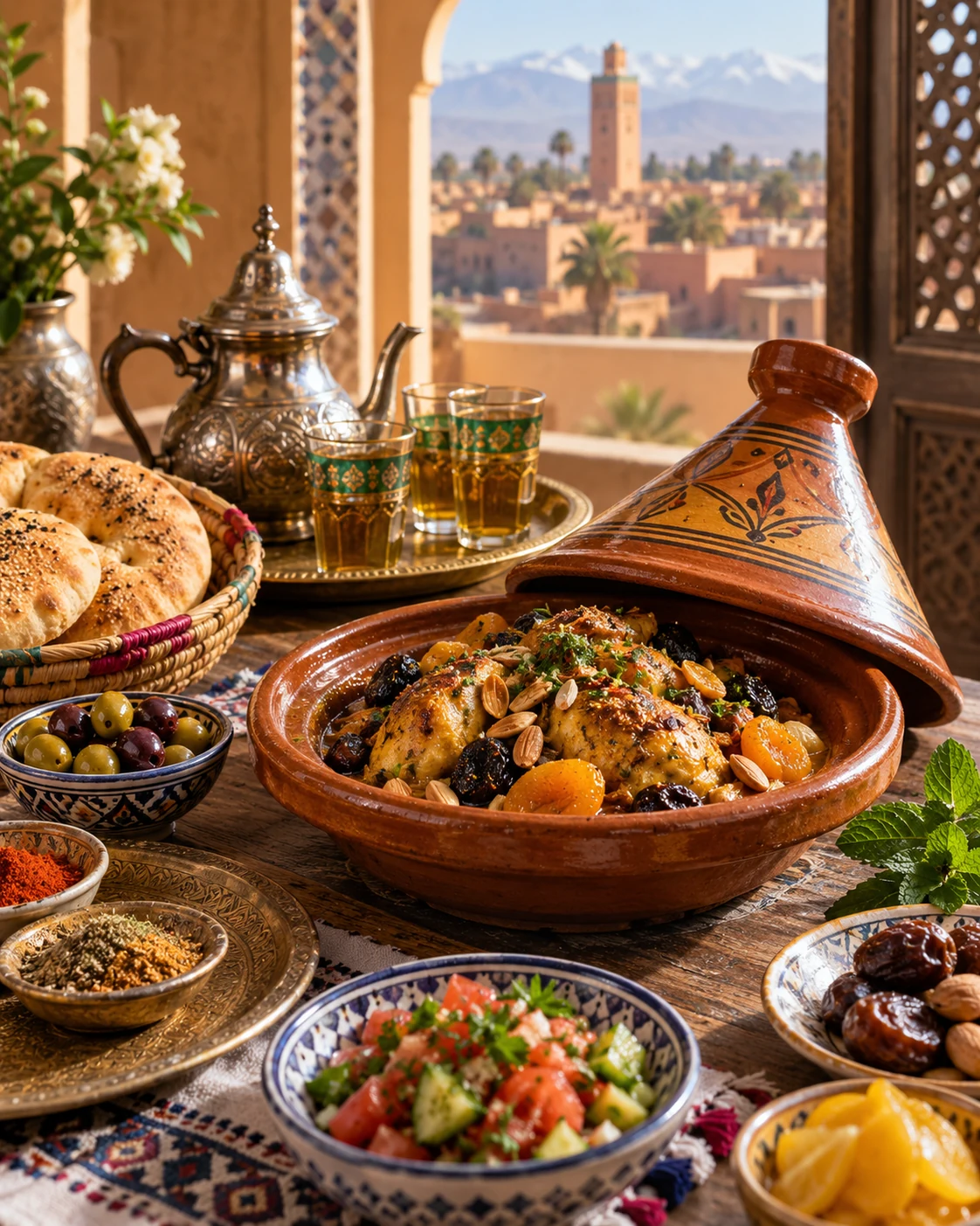
Food Culture Route
Follow culinary connections between kitchens, markets and makers.
Explore the story
Food & Restaurants
Read a menu, understand the setting and choose an experience.
Explore the storyThe table opens onto a country
Keep your
curiosity hungry.
Return to Taste, follow the places behind a dish or explore the guide collection.
Sources & further reading +
These references support the cultural context and cooking distinctions introduced here. Individual dish pages provide more focused reading. Culinary photographs include commissioned AI-generated illustrations; they do not document named people or a particular establishment.