02 / The deeper contextA way of building.
Many ways of living.
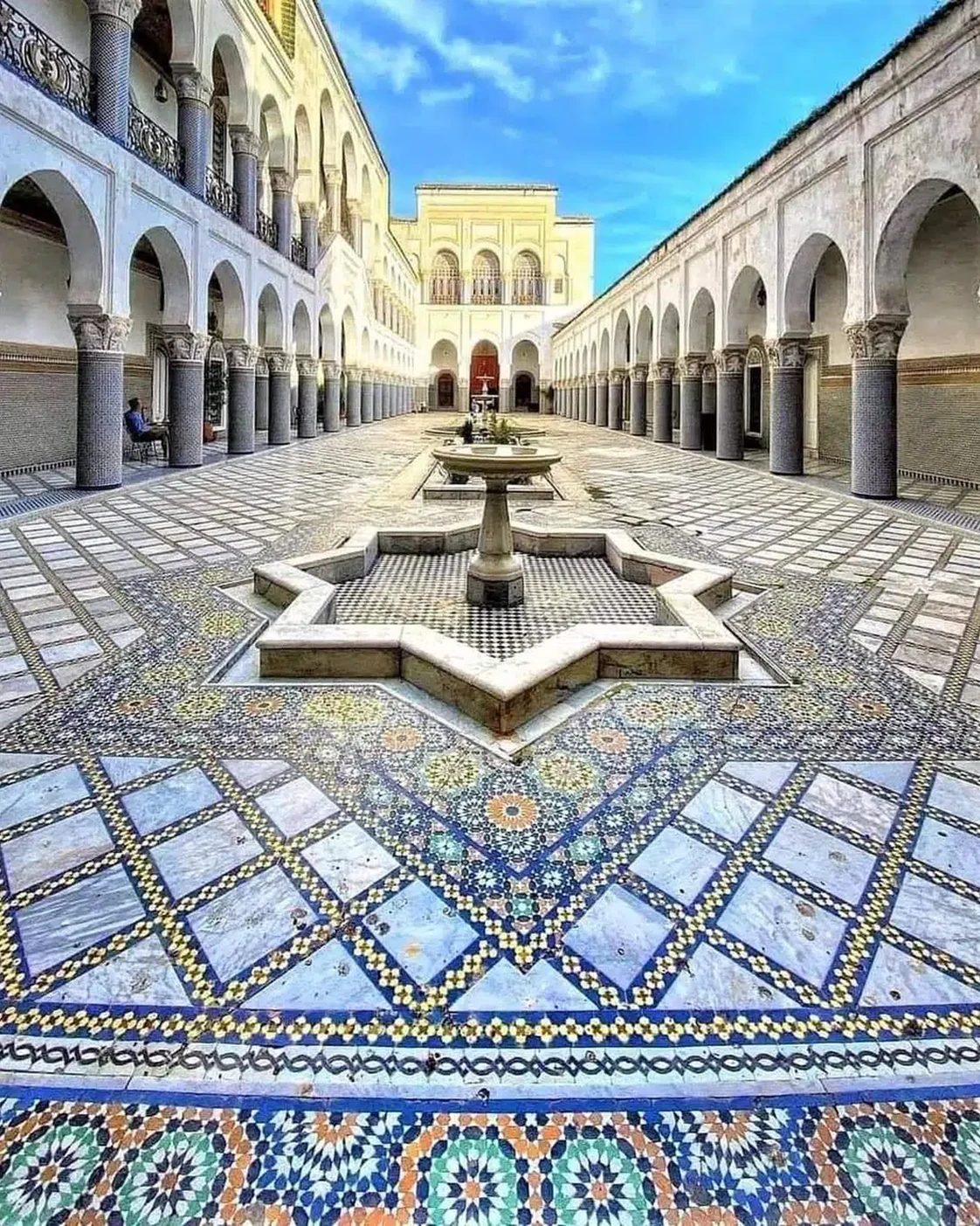
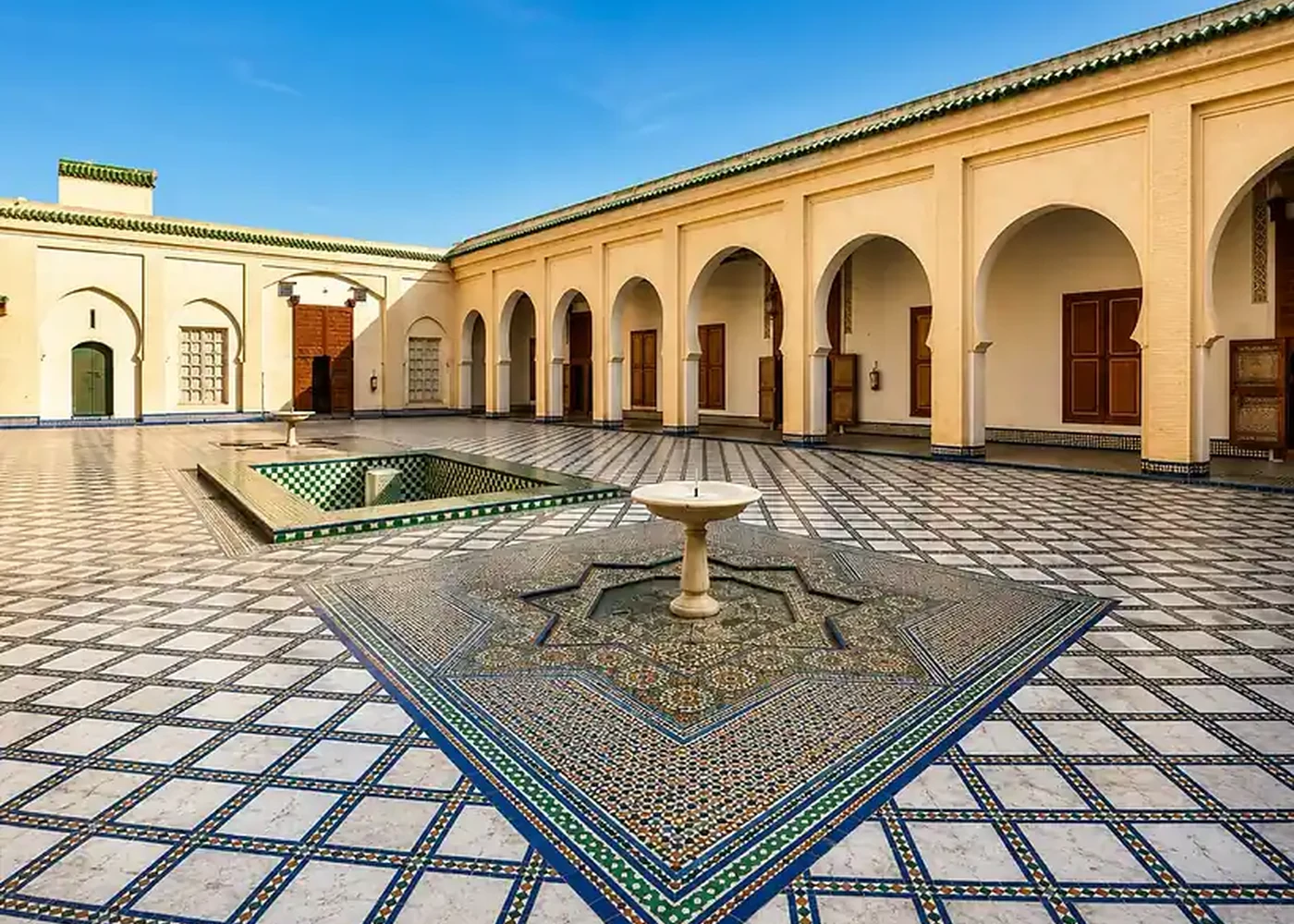
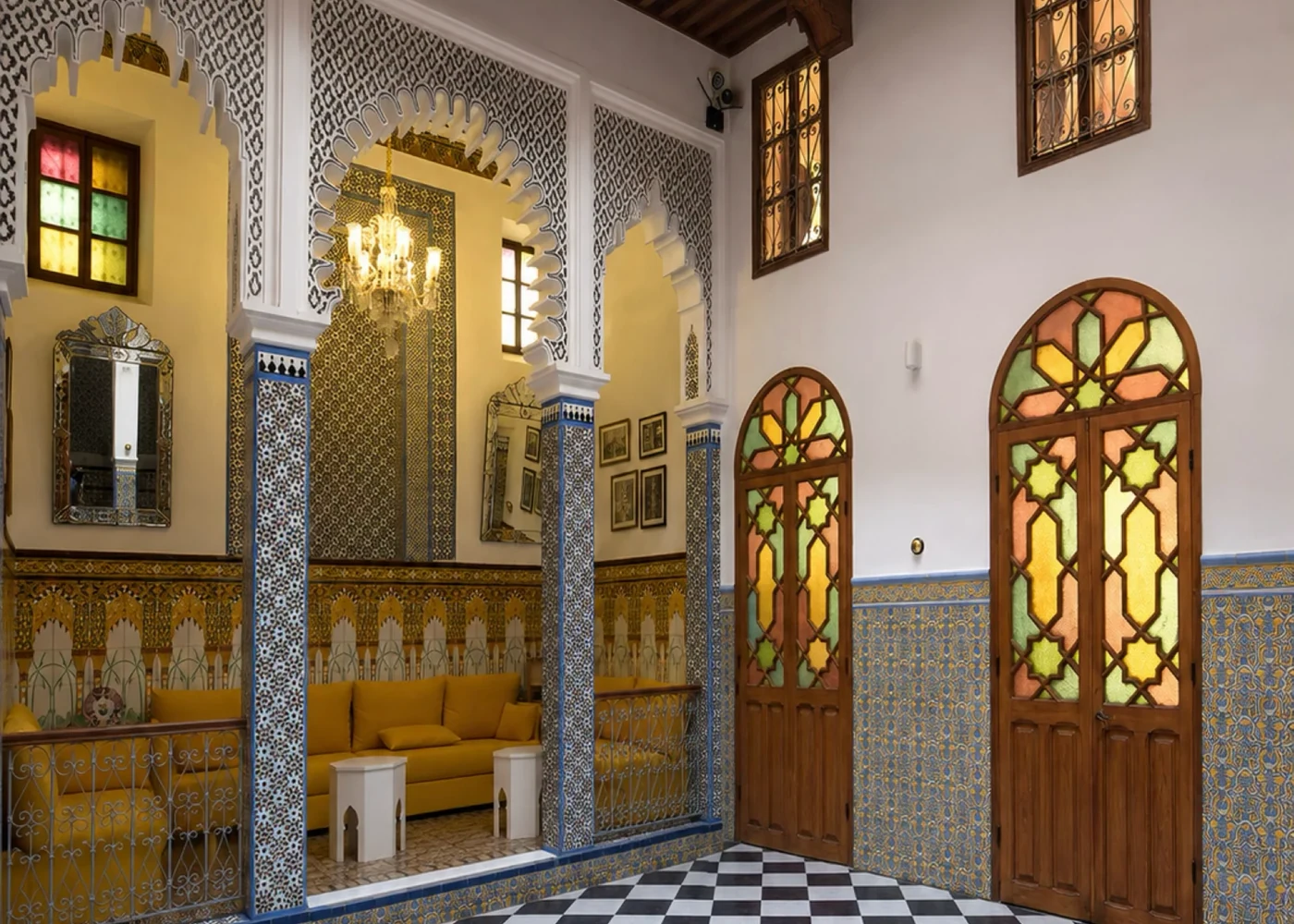
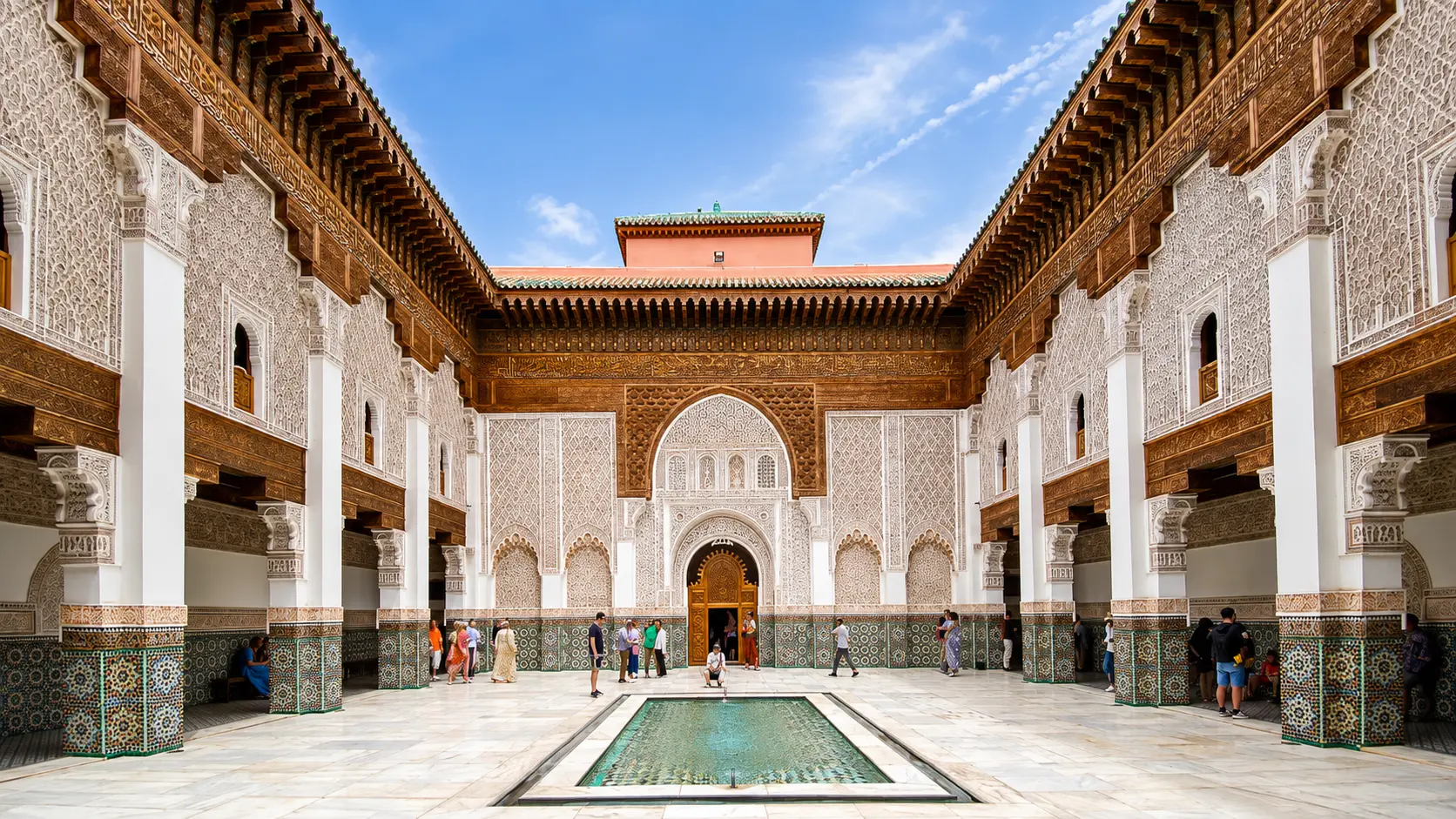
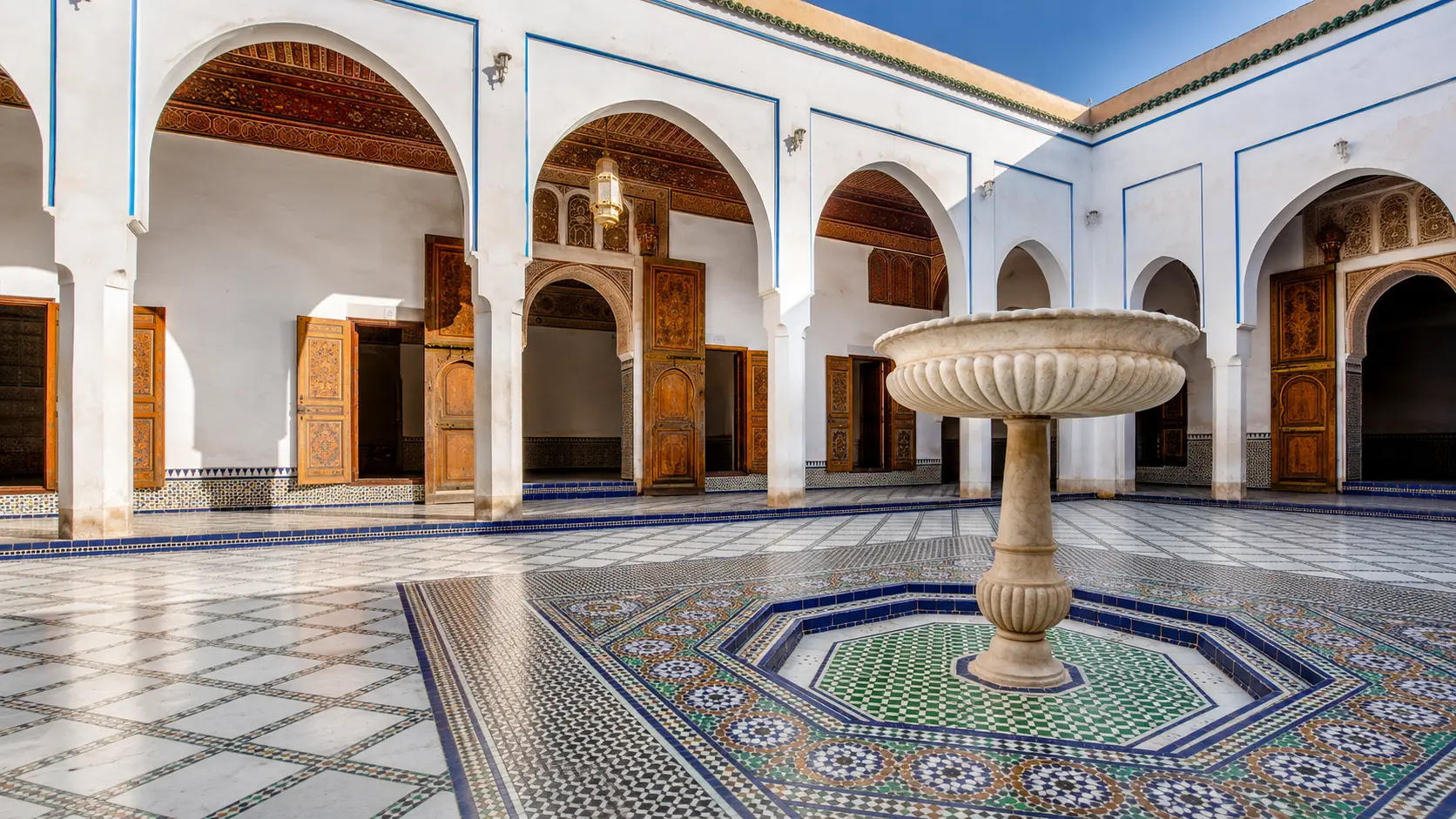
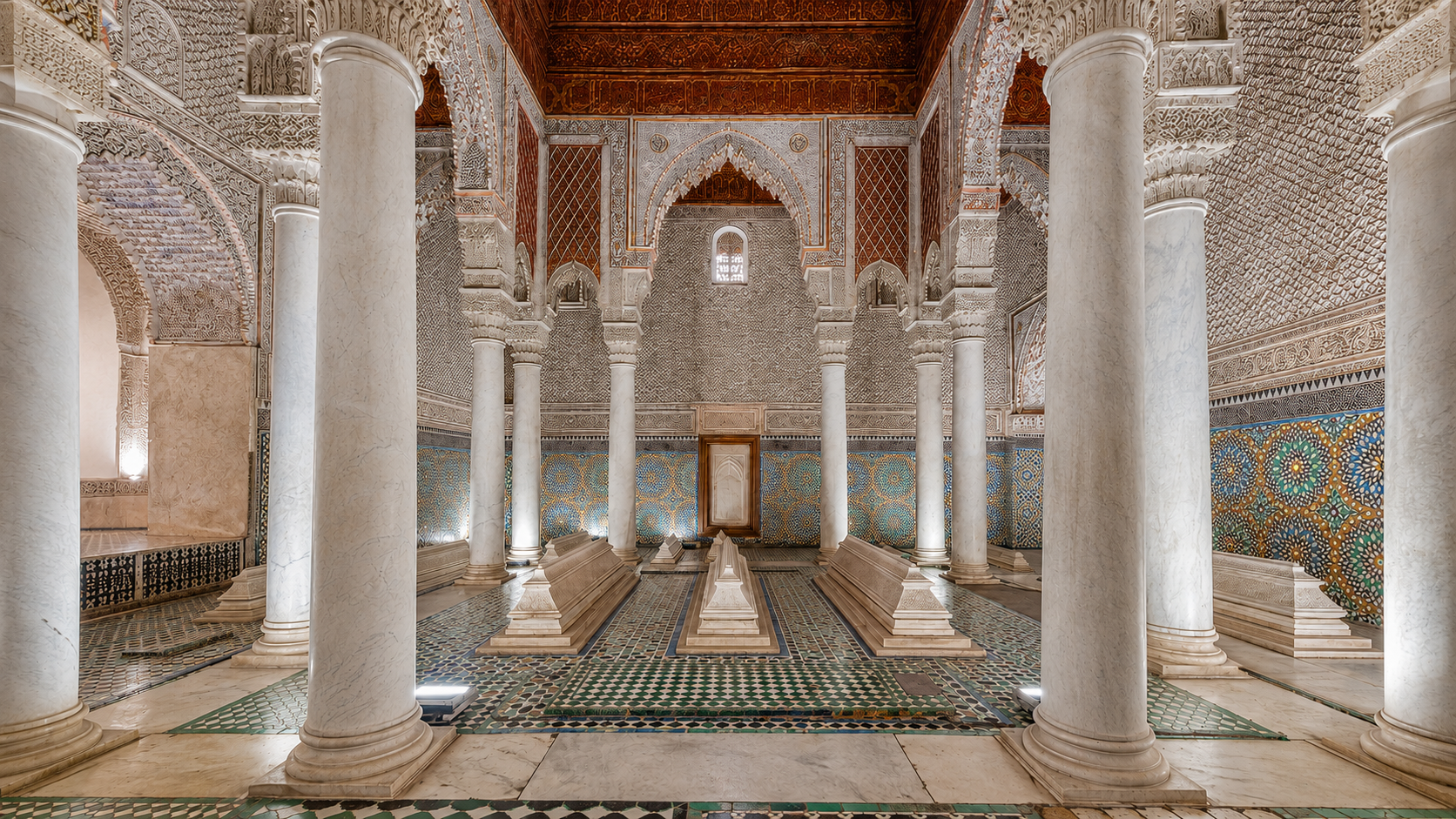
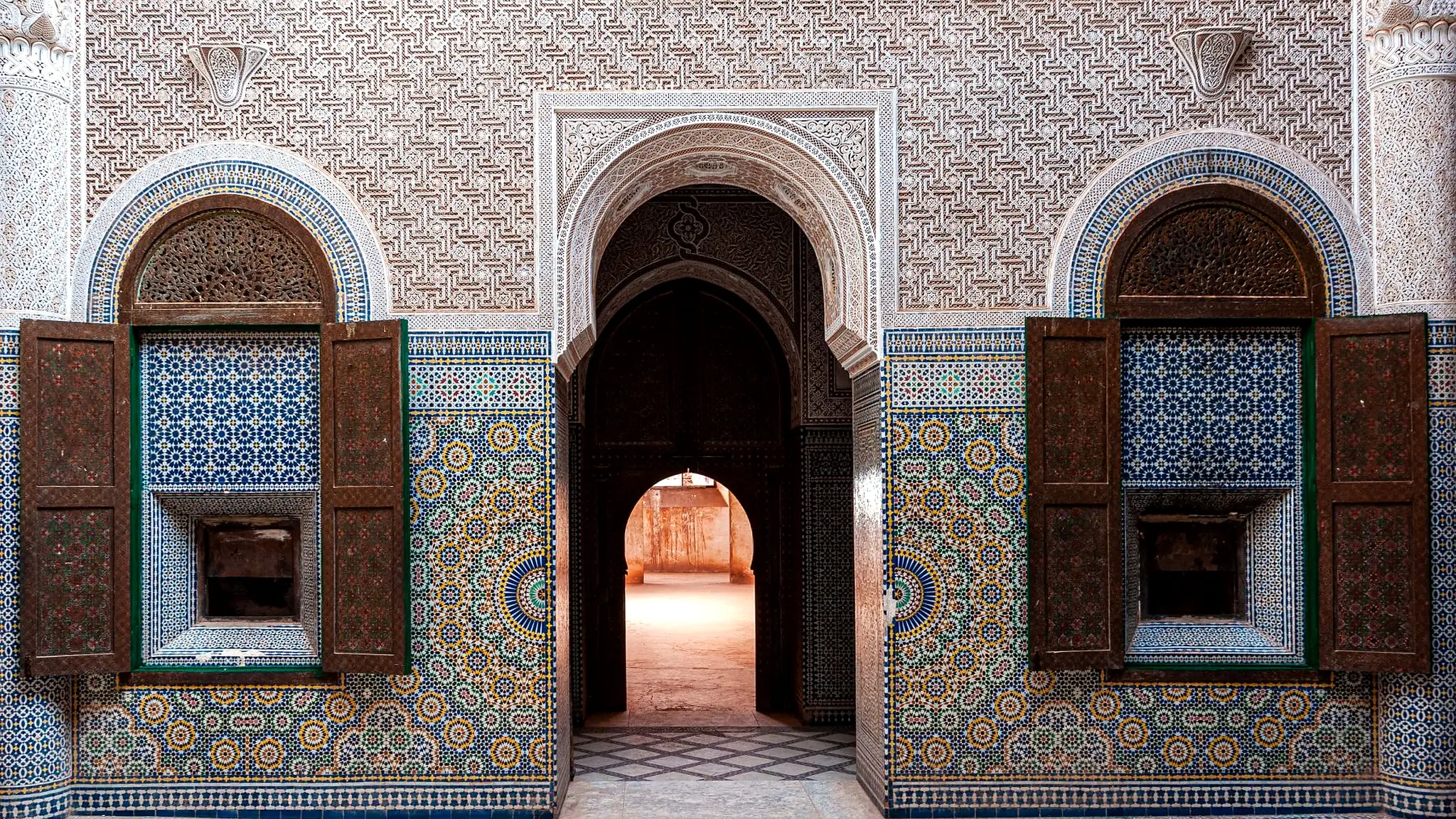
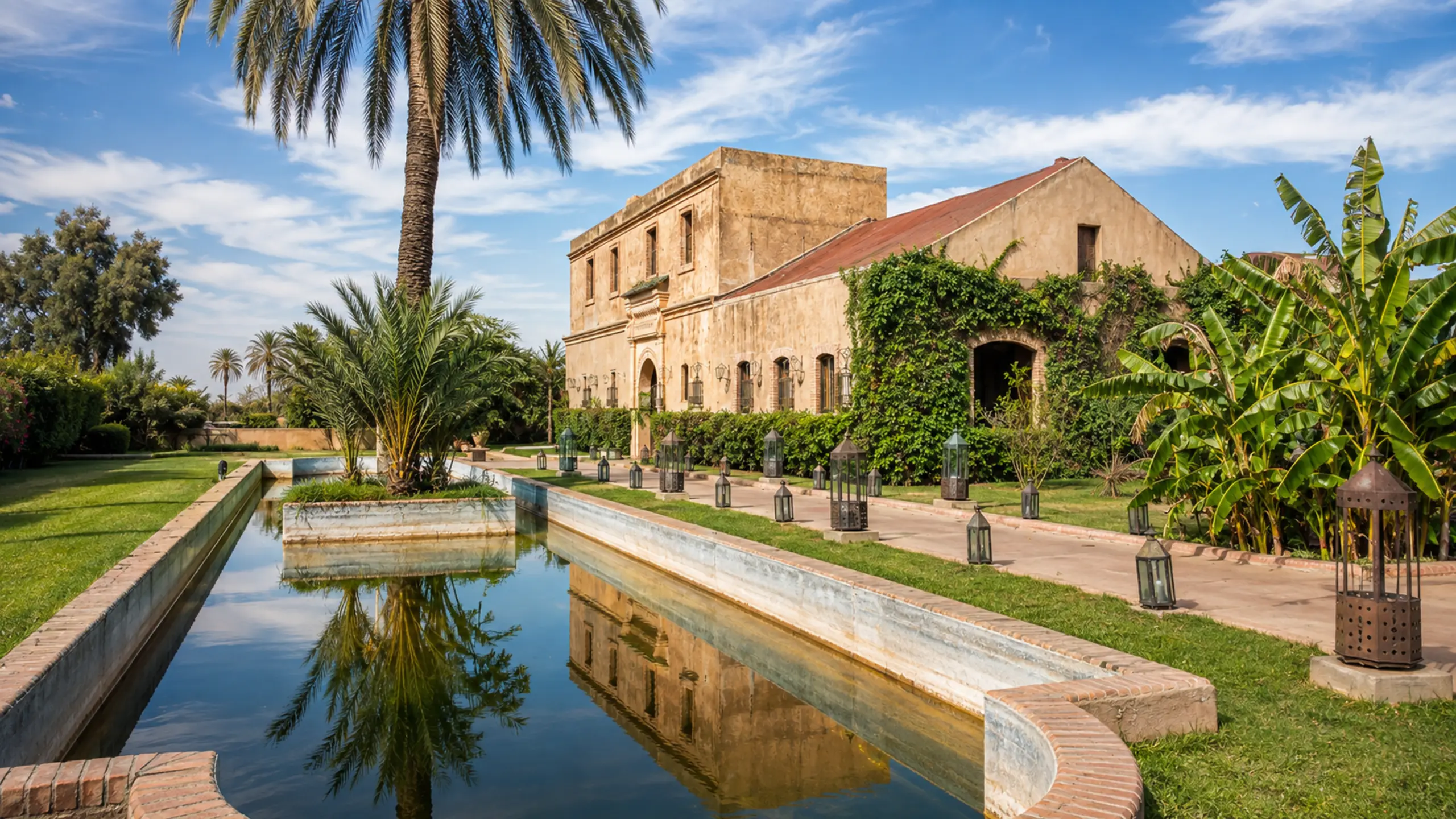
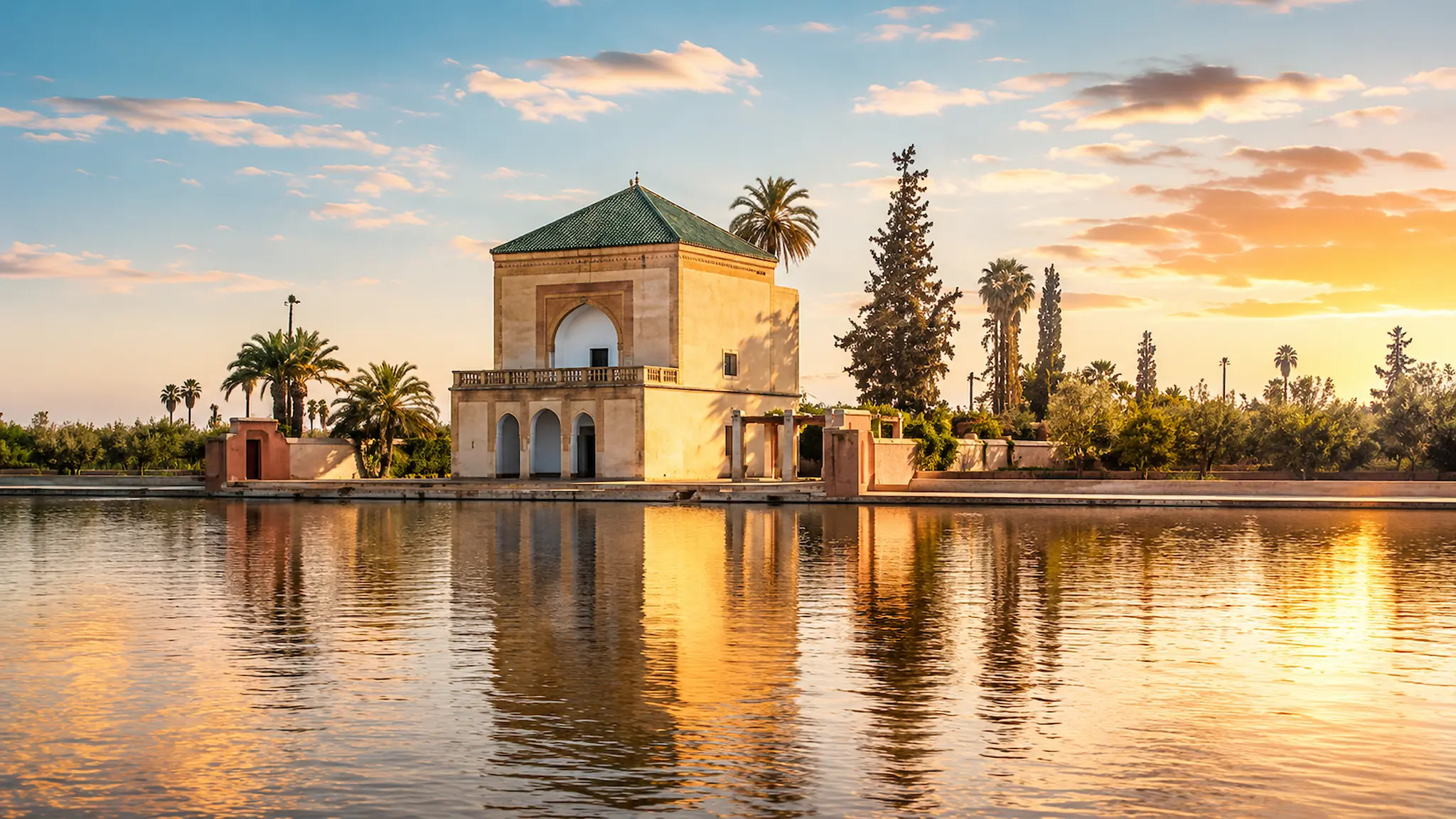
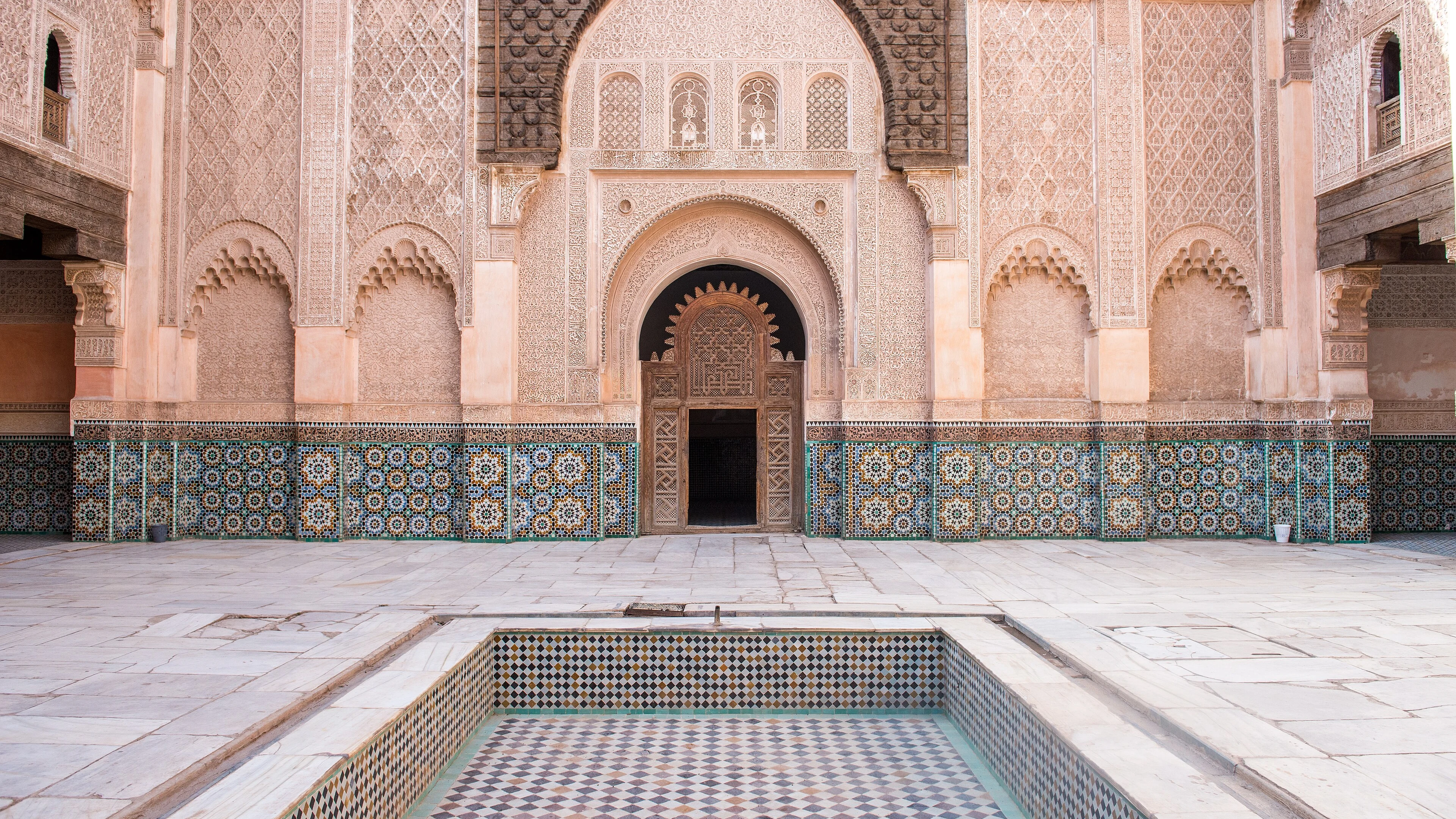
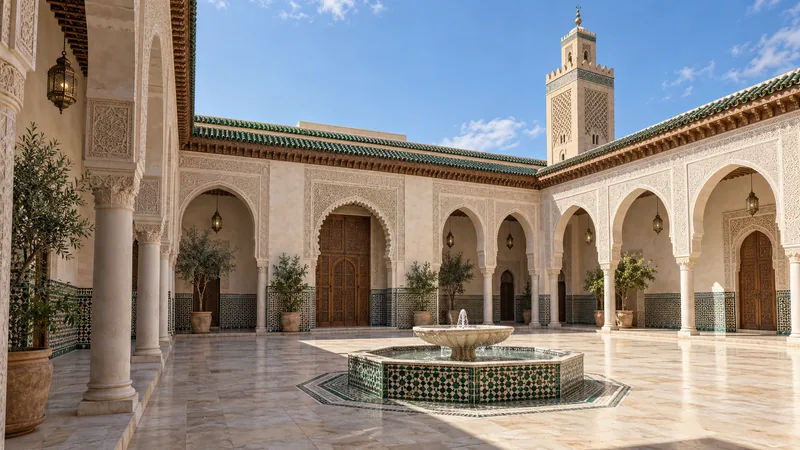
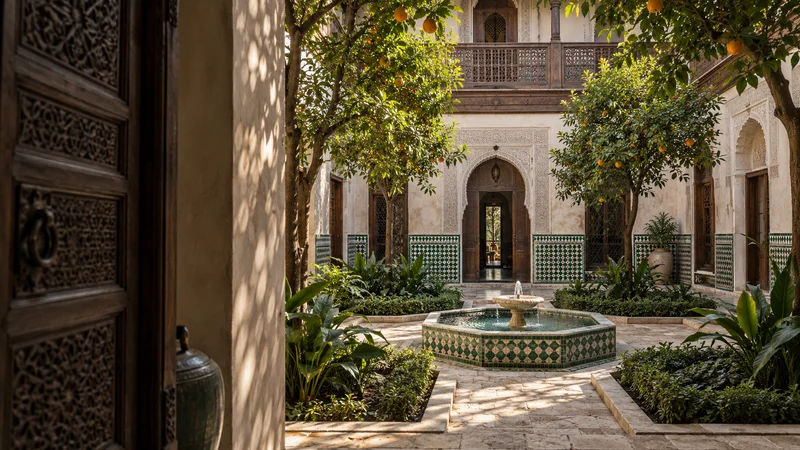
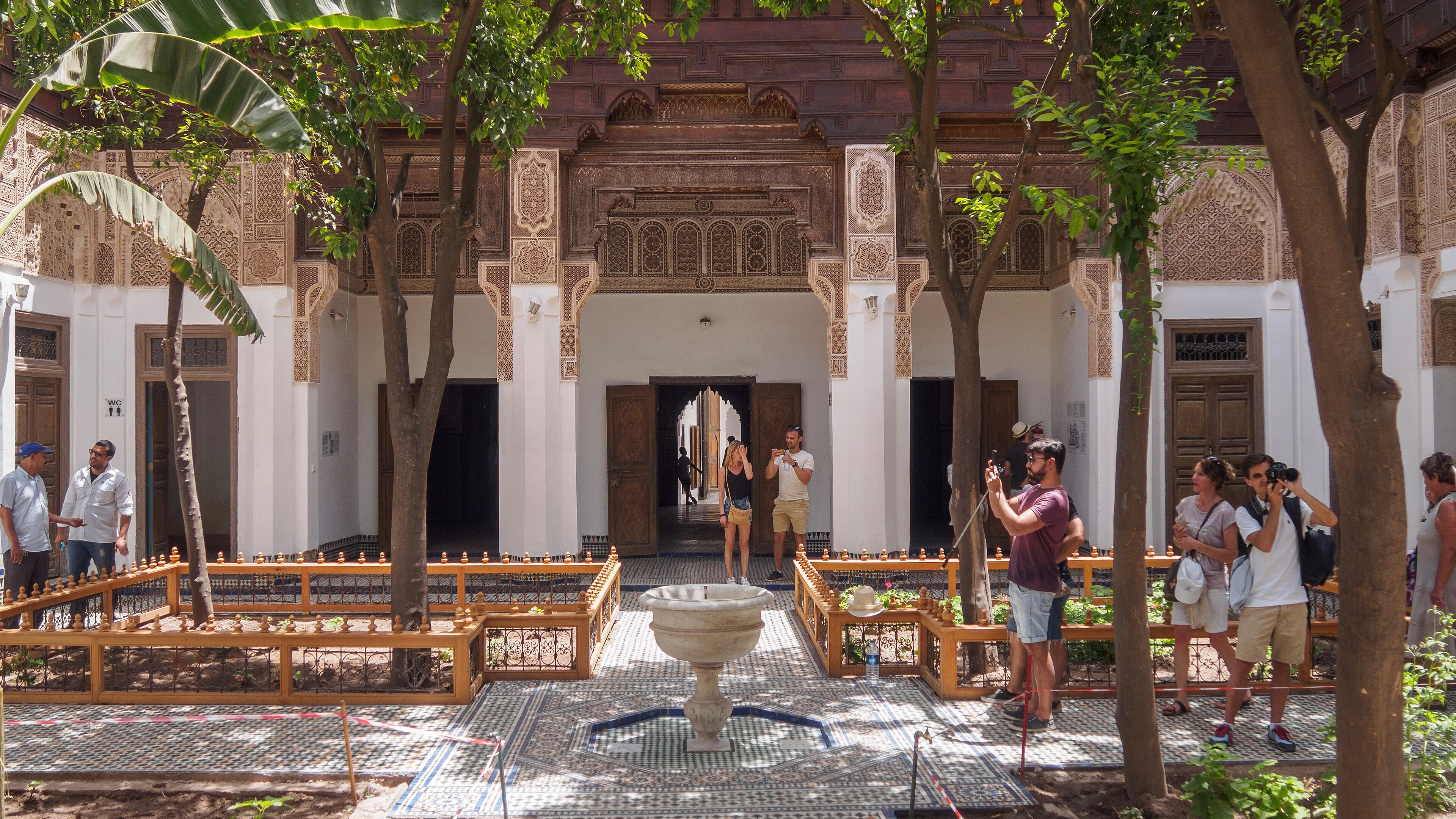
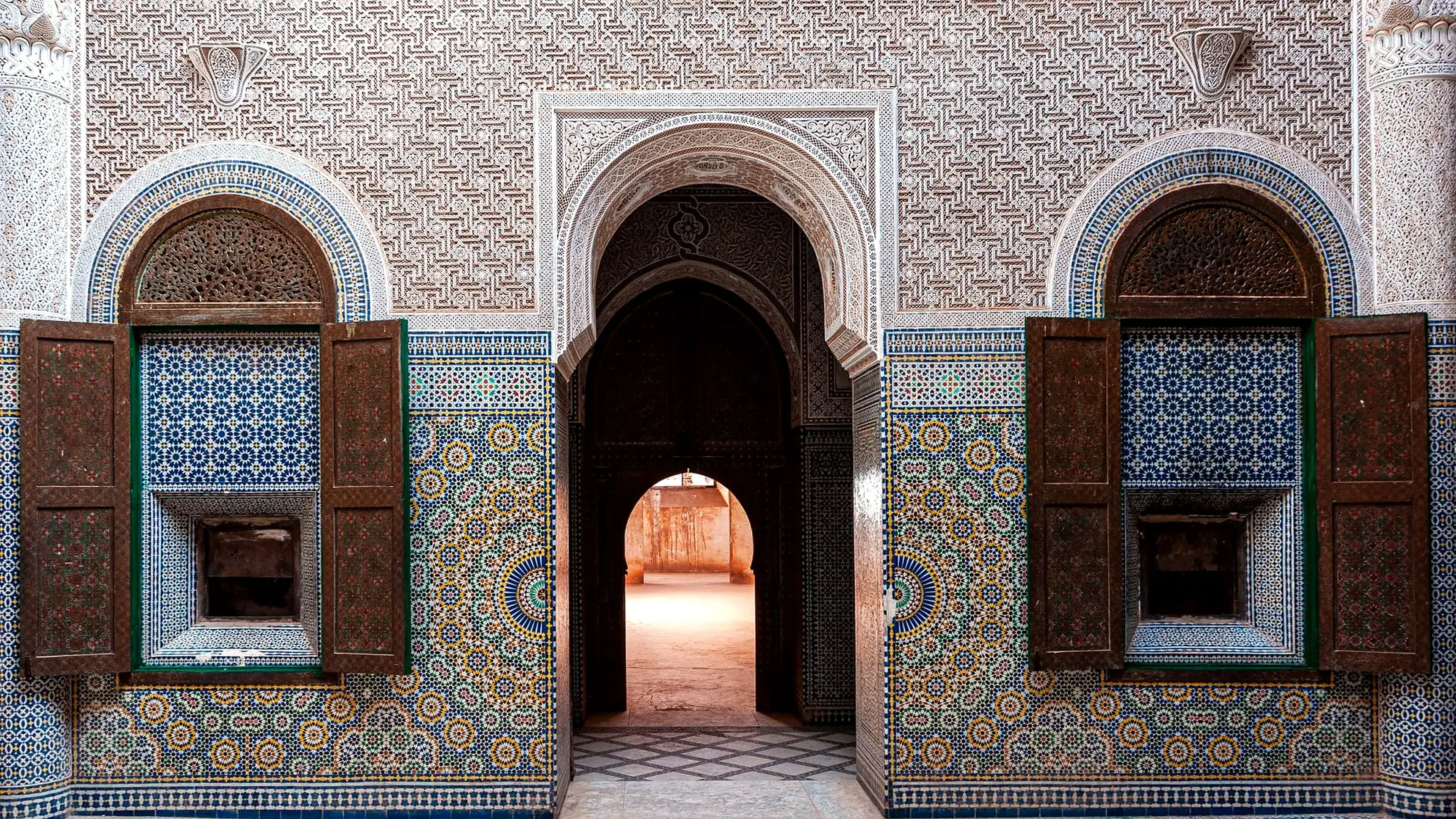
Moroccan architecture is best approached through spaces and needs before styles. A courtyard house, a fortified settlement, a religious school and a modern apartment block organise daily life differently. Each deals with access, light, shelter, movement and the relationship between an individual room and a larger community. Decoration may announce the building, but its plan explains how it works.
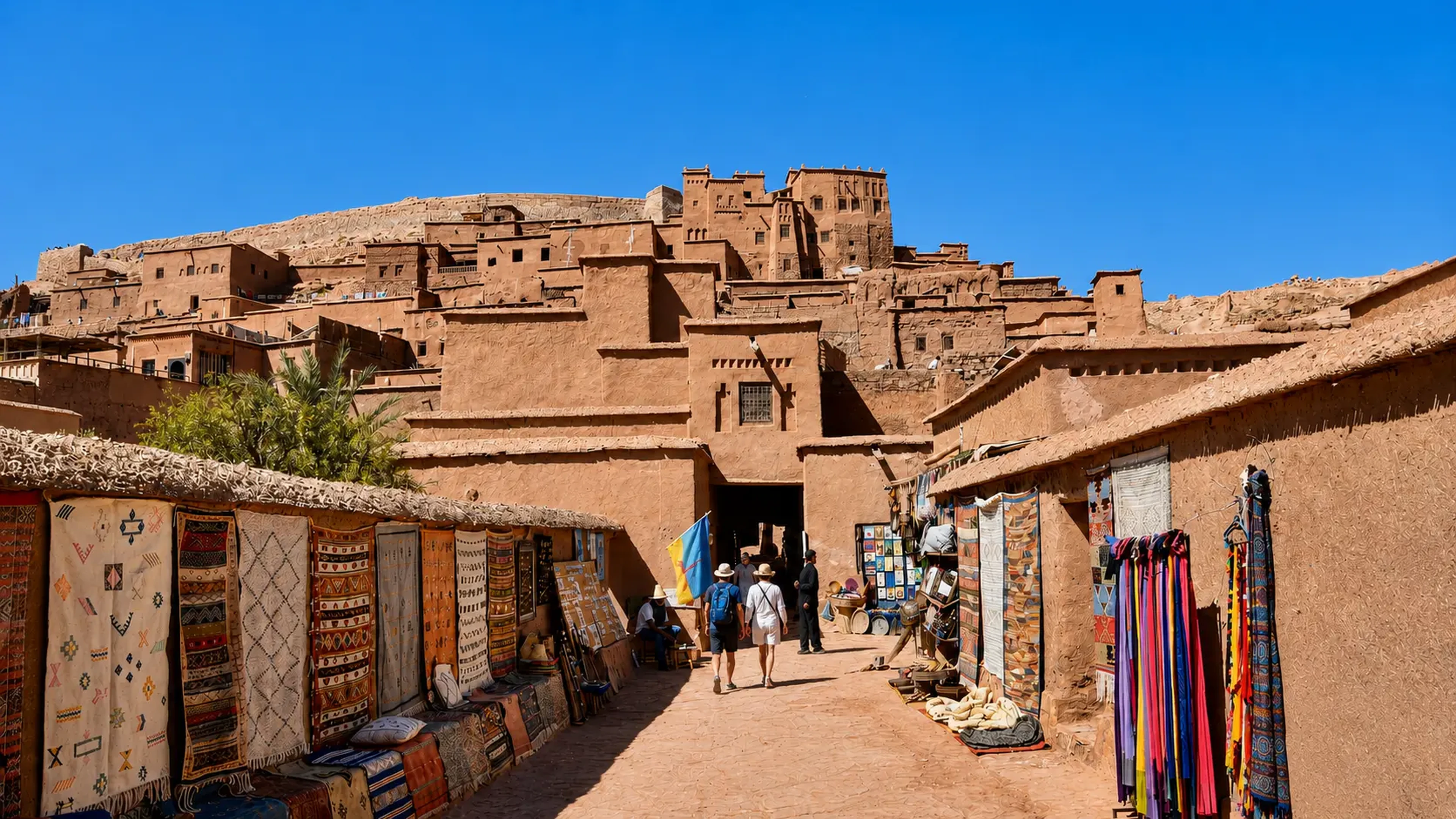
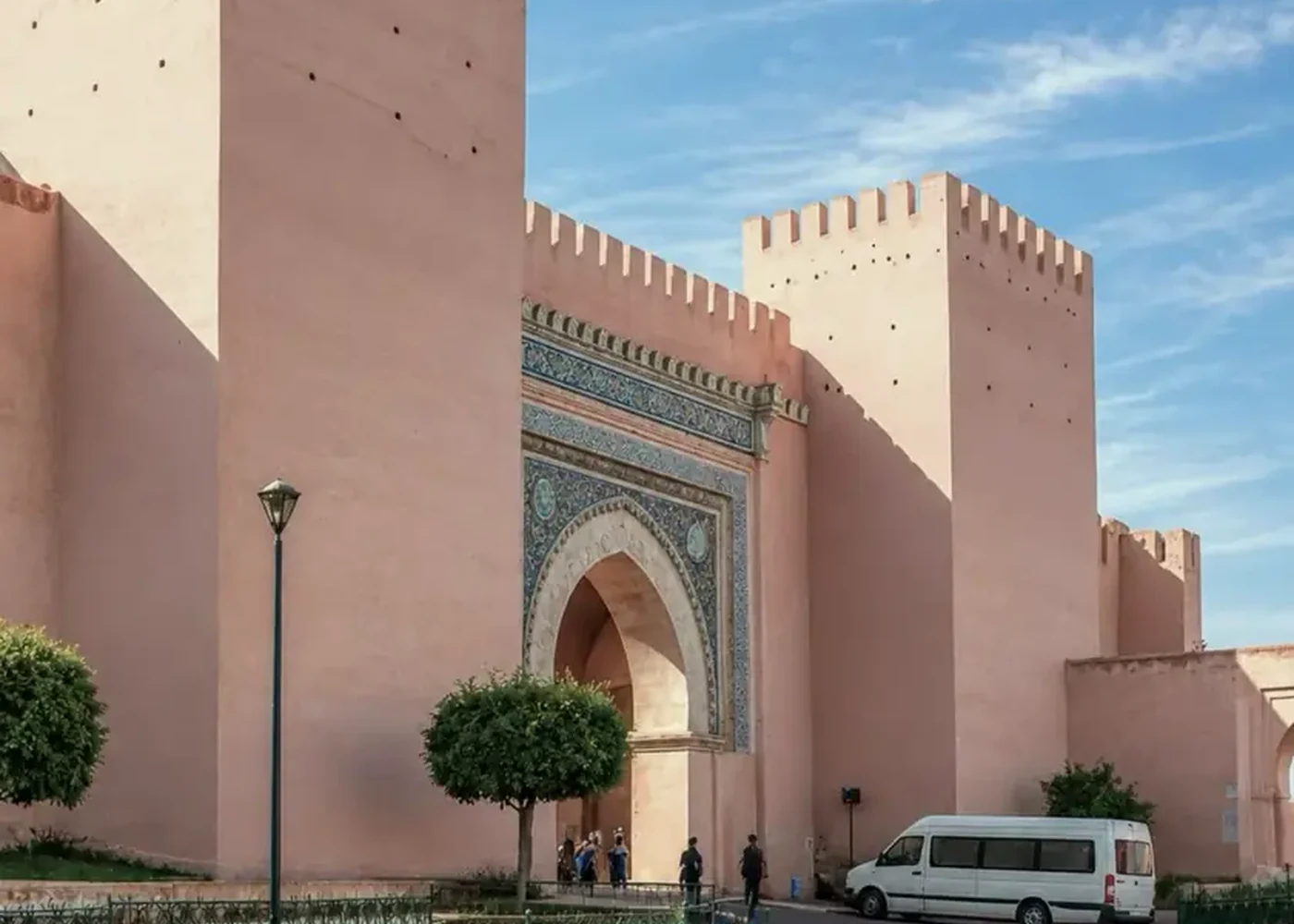
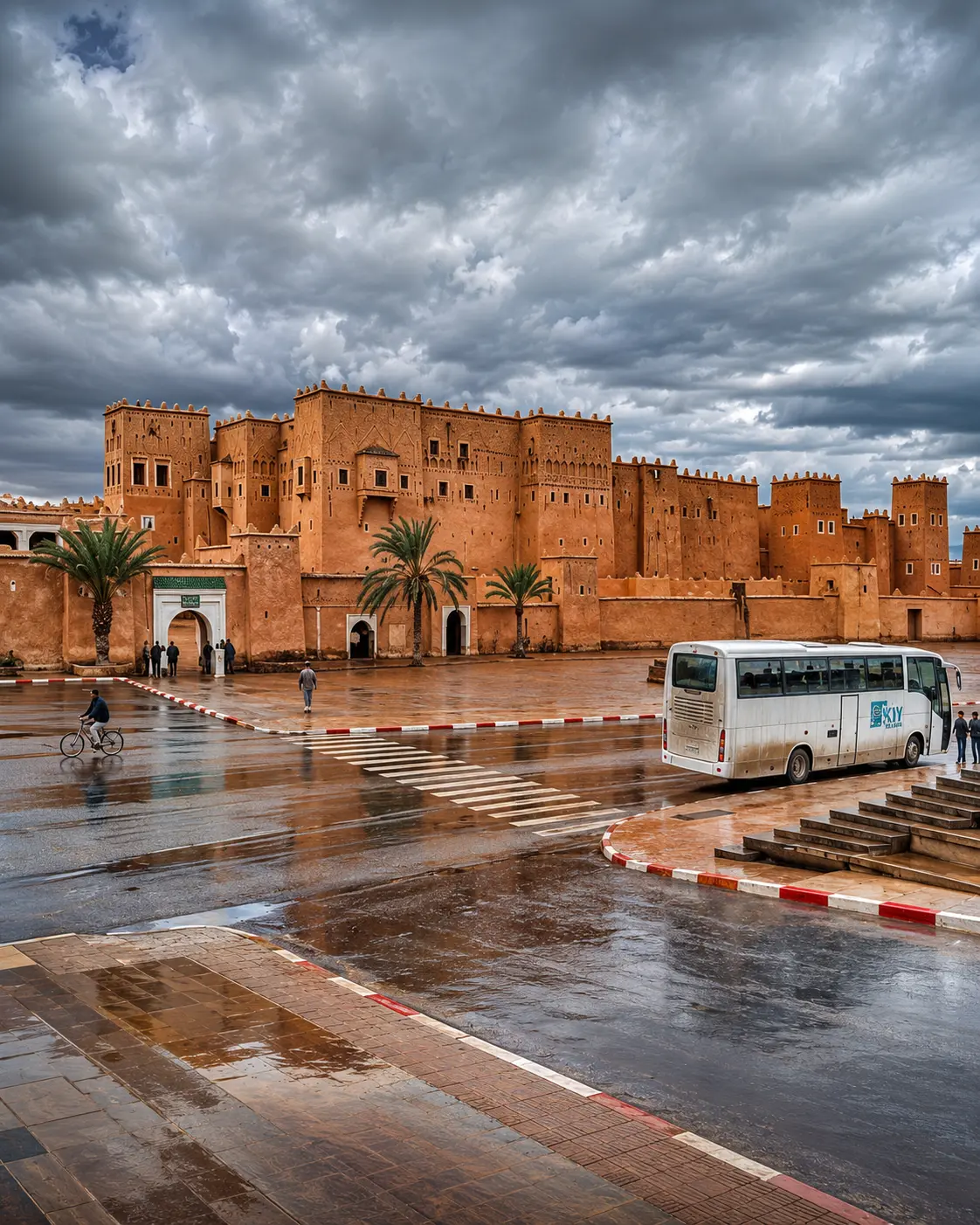
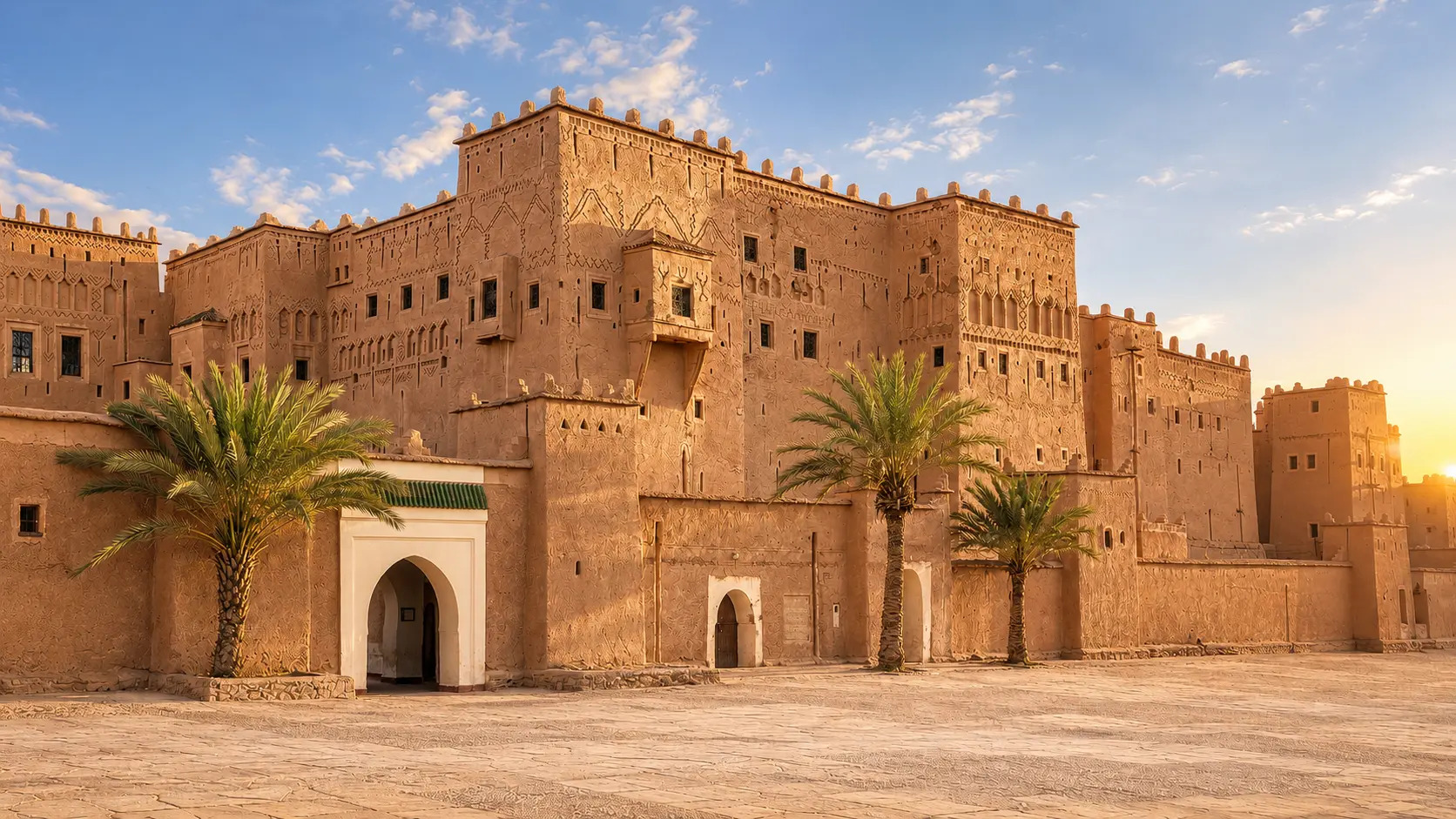
The contrast between a compact urban house and a southern earthen settlement is especially useful. At Aït Ben-Haddou, dwellings and shared spaces form a group enclosed by defensive walls. In a courtyard house, the organising open space sits within the building itself. Both make enclosure important, but they should not be treated as interchangeable examples of a single Moroccan style.
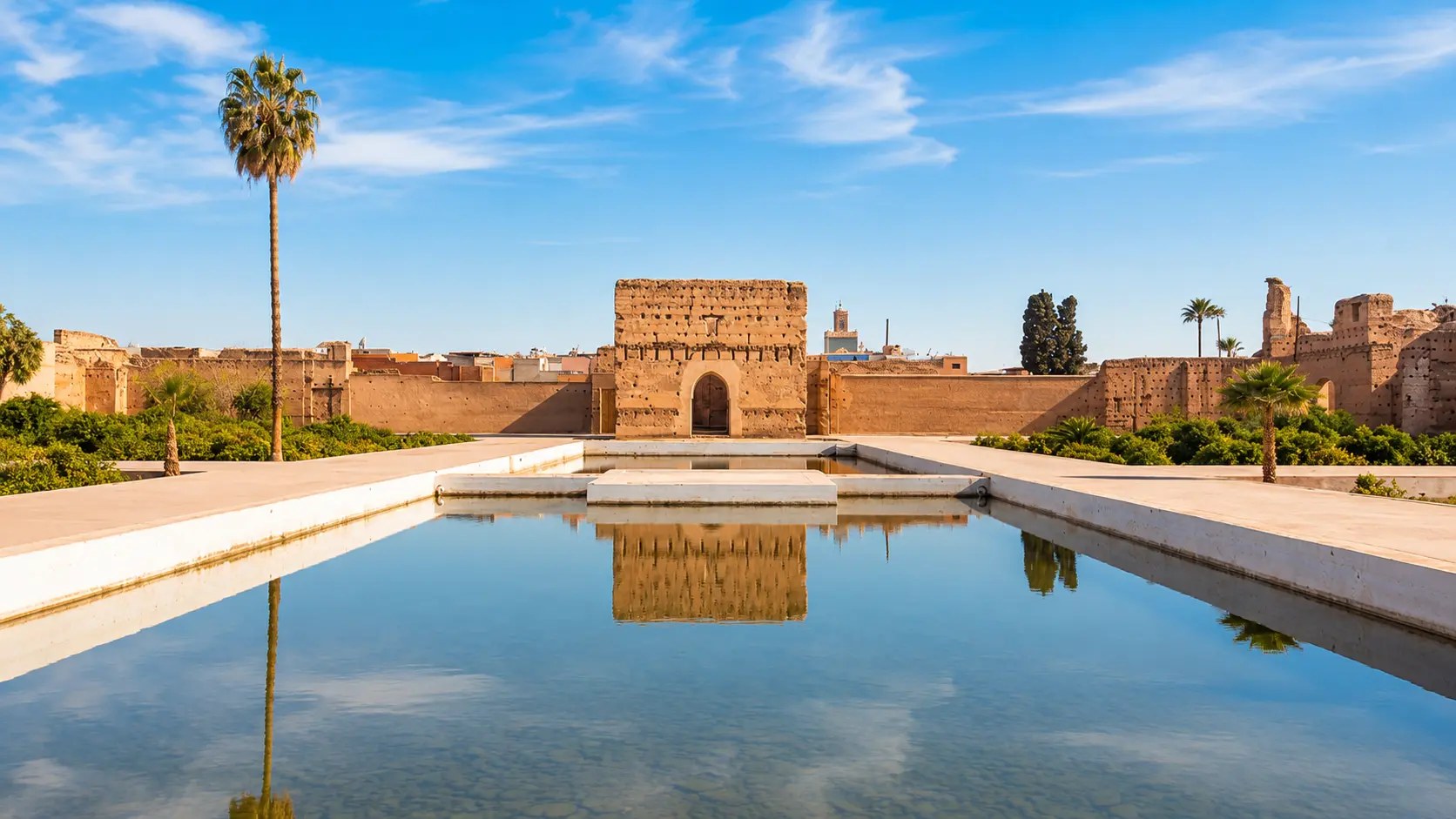
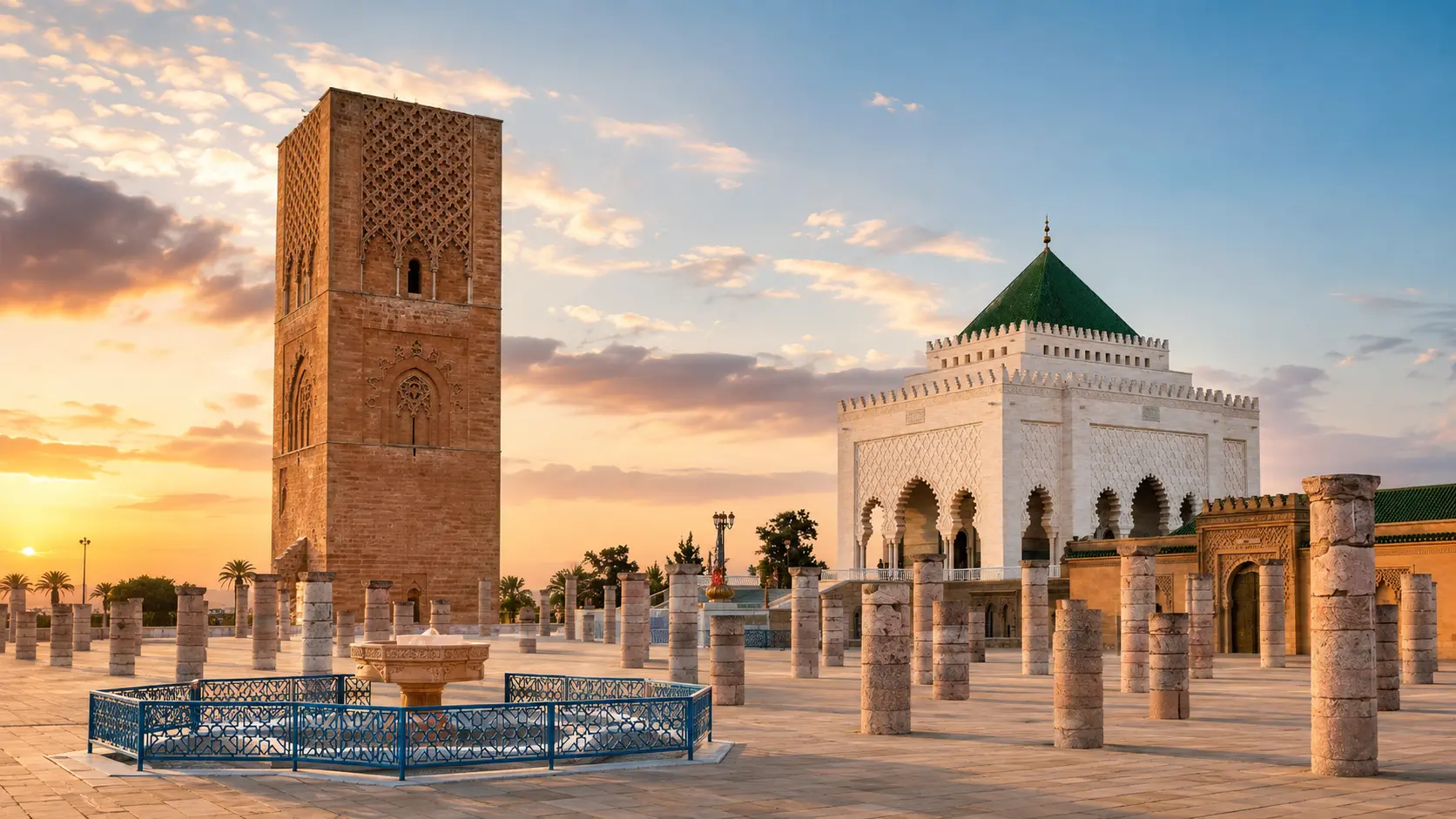
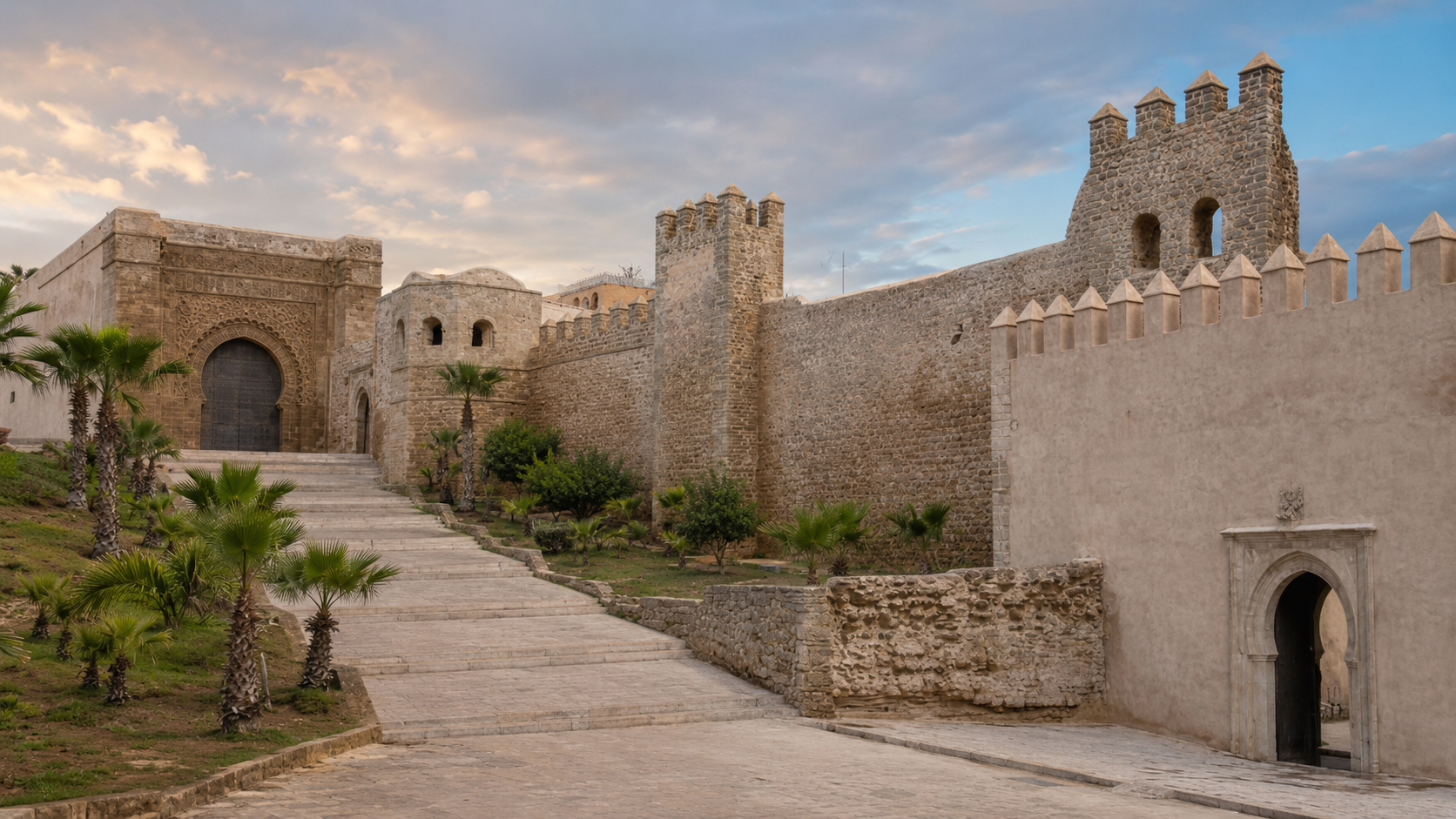
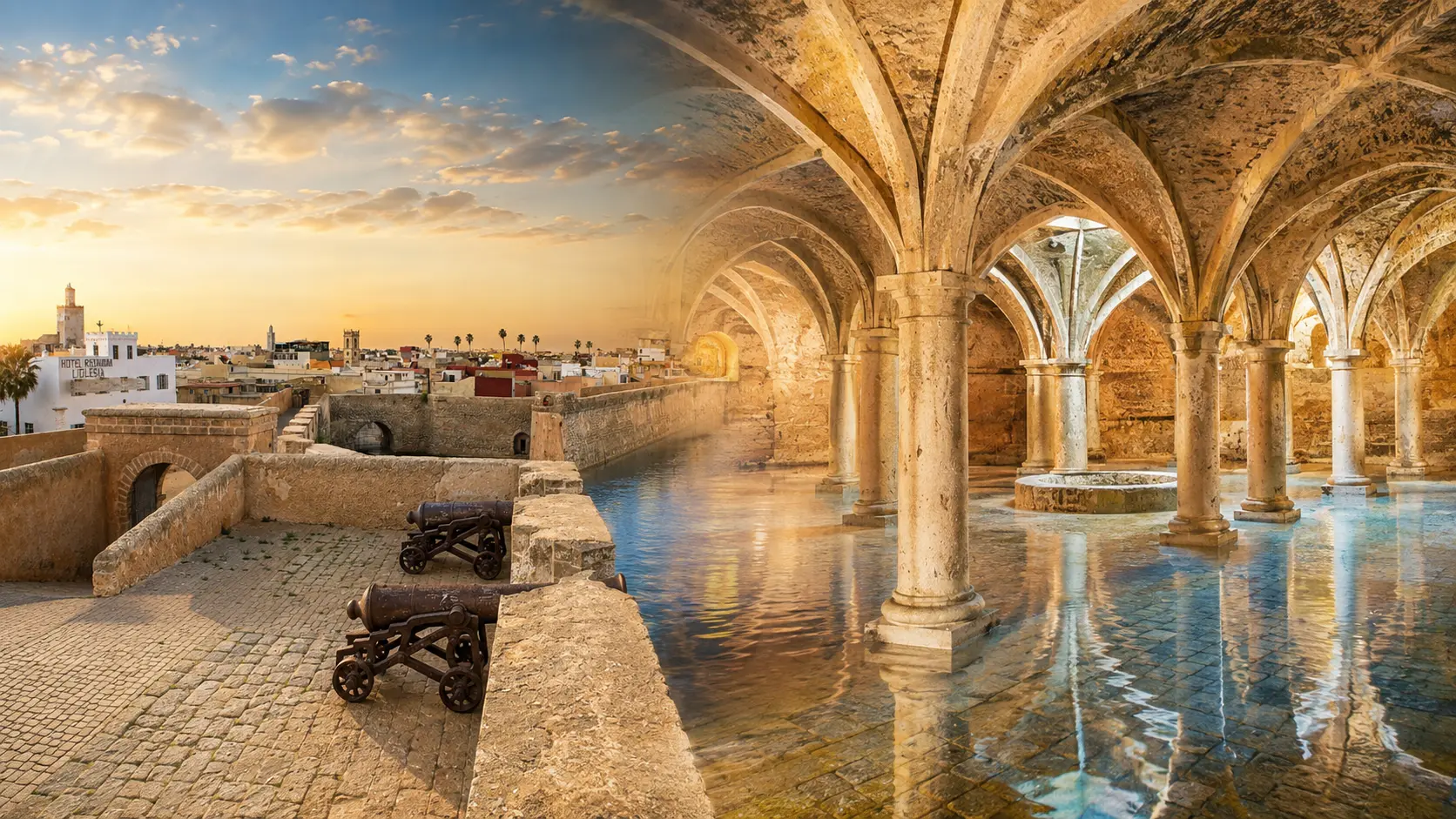
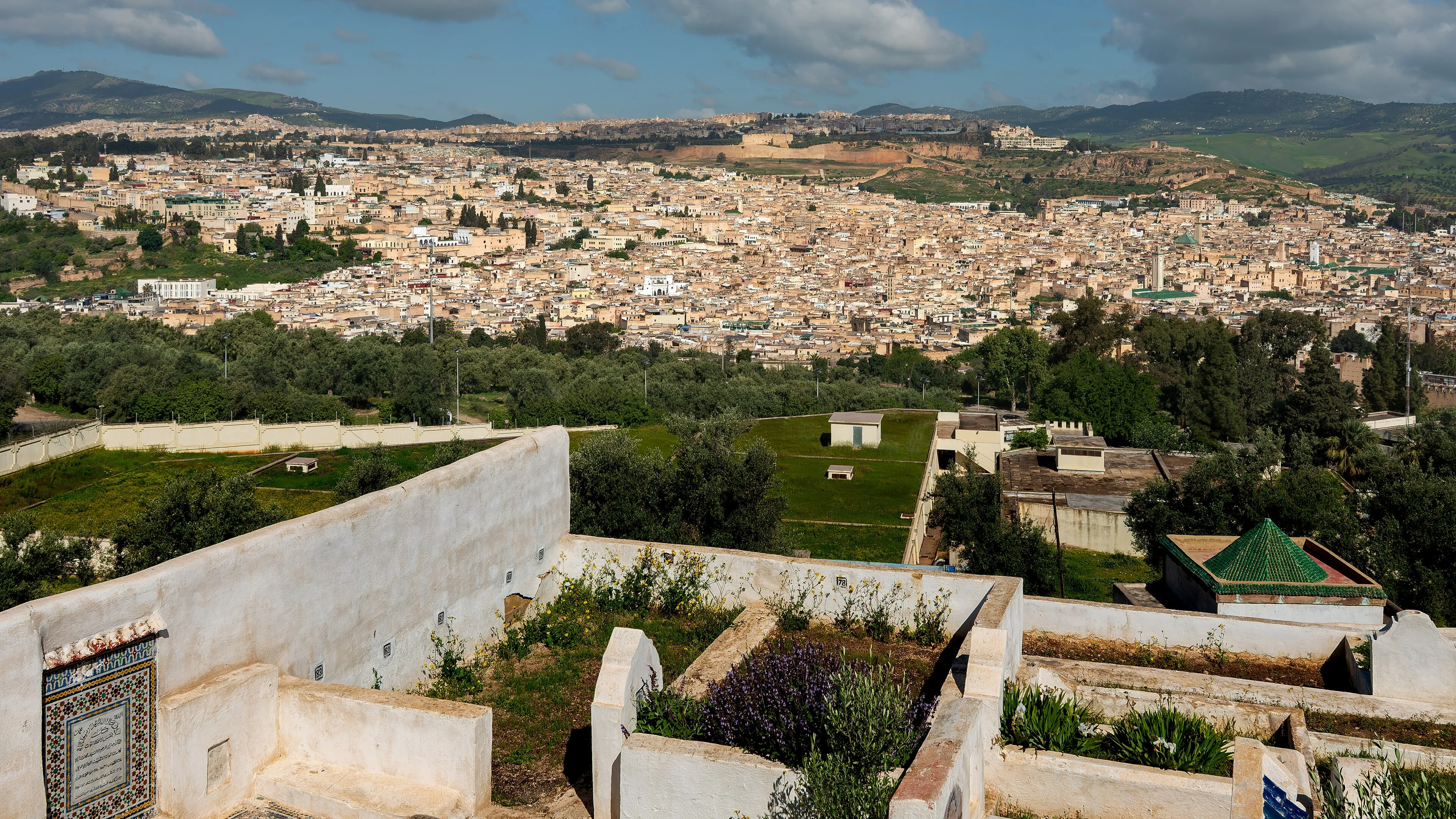
Nor does the story stop at historic walls. Rabat places older monuments beside twentieth-century planning, while contemporary towns continue to expand and change. A serious architectural reading includes ordinary streets, housing and infrastructure alongside celebrated palaces. The question is how a place supports life, not only how successfully it represents the past.





.jpg)
