Why Heri es-Souani matters
Imperial Meknes becomes architecture you can read.
Heri es-Souani matters because it turns the hidden work of a palace-city into monumental space. The complex is not simply a ruin for atmosphere; it helps visitors understand how grain storage, water supply, controlled movement and royal ambition were organised at the edge of historic Meknes.
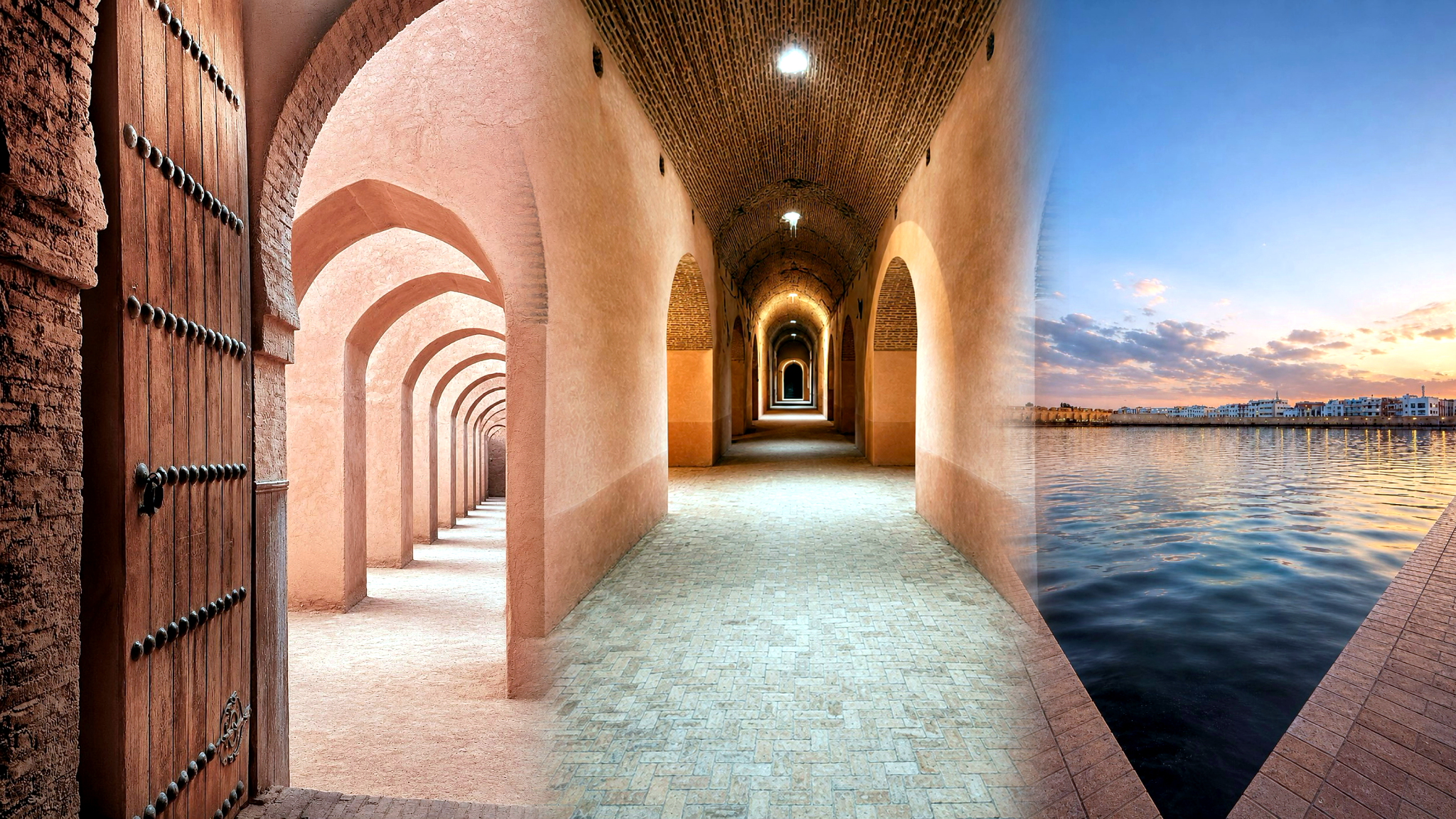
The Prefectural Council of Tourism of Meknes describes Heri Souani and Dar Al Ma as a prestigious imperial edifice made of two large parts: Dar Al Ma, the water house with ten well rooms and underground supply pipes, and the granaries, also called stables, whose collapsed ceiling left the long series of arches visible today.
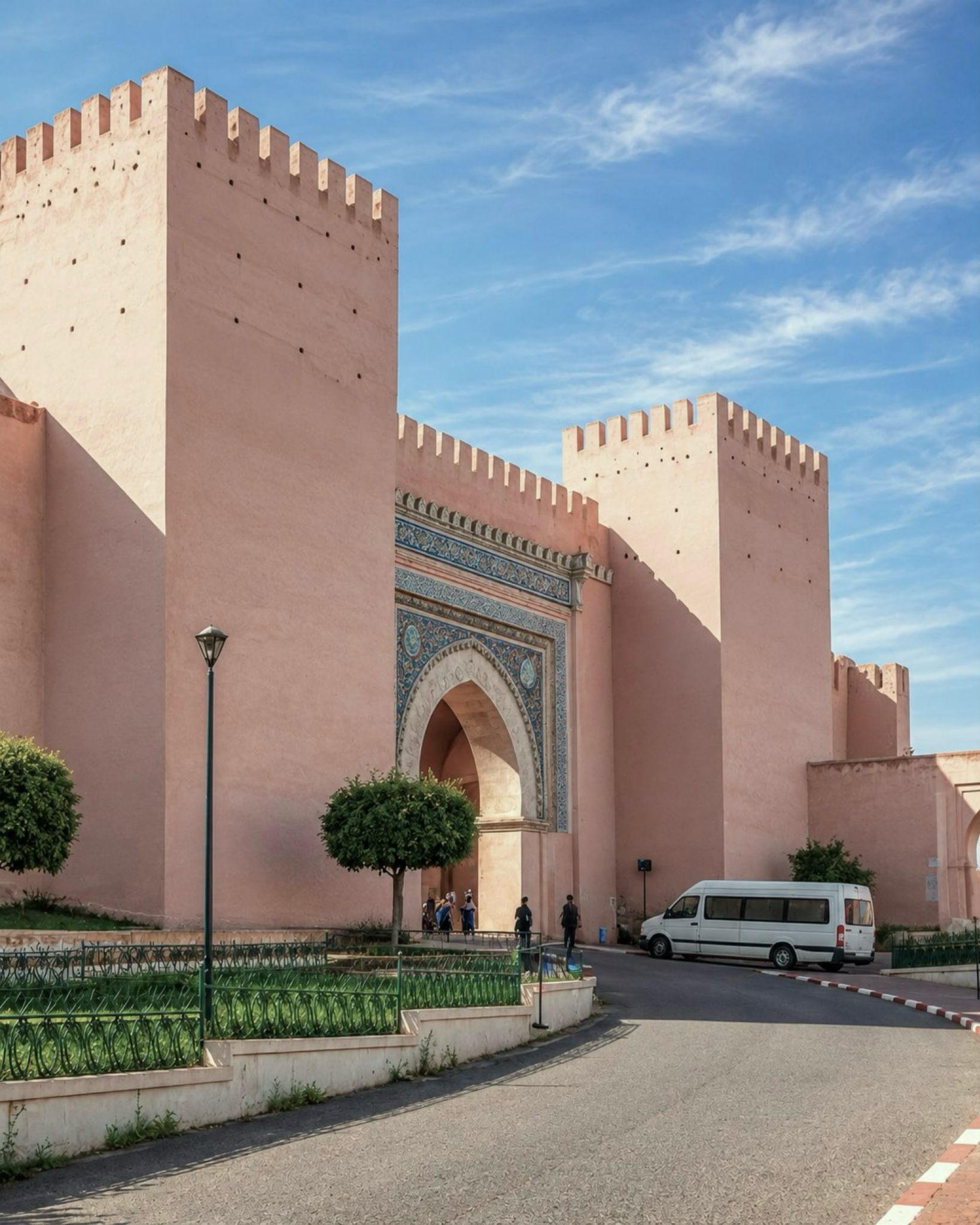
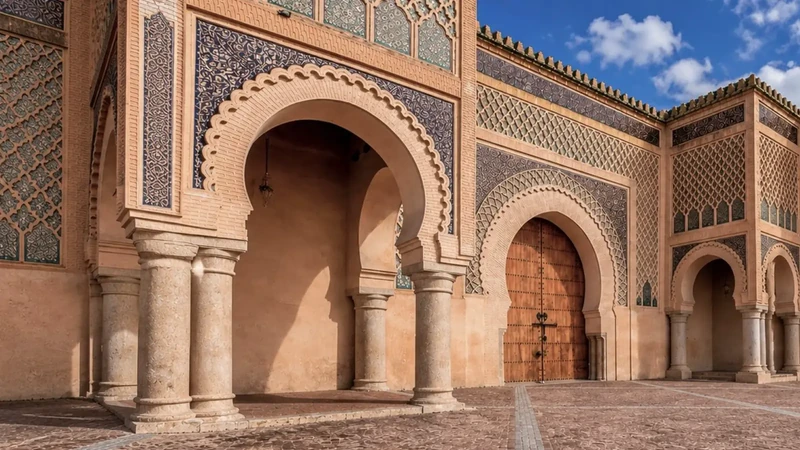
The Moroccan National Tourism Office places the royal stables and granaries of Sultan Moulay Ismail among the essential heritage experiences of Meknes. That context matters: this is a place connected to the medina, the former royal palace remains and the wider UNESCO-listed historic city, not an isolated backdrop.
Its visual force comes from repetition. Rows of arches, heavy walls, broken vault lines and cool interior passages make scale visible before any label explains it. The architecture feels powerful because it was built for use, pressure and endurance.
The common name Royal Stables belongs to visitor language, but the best reading stays careful. Rather than leaning on uncertain horse-capacity stories, this page treats Heri es-Souani as a granary and water-engineering complex whose stables association sits inside a broader imperial Meknes memory.
Core facts are grounded in the Prefectural Council of Tourism of Meknes and the Moroccan National Tourism Office Meknes guide. Practical details such as opening hours, access conditions and prices should be checked close to travel.