02 / The deeper contextPower changes hands.
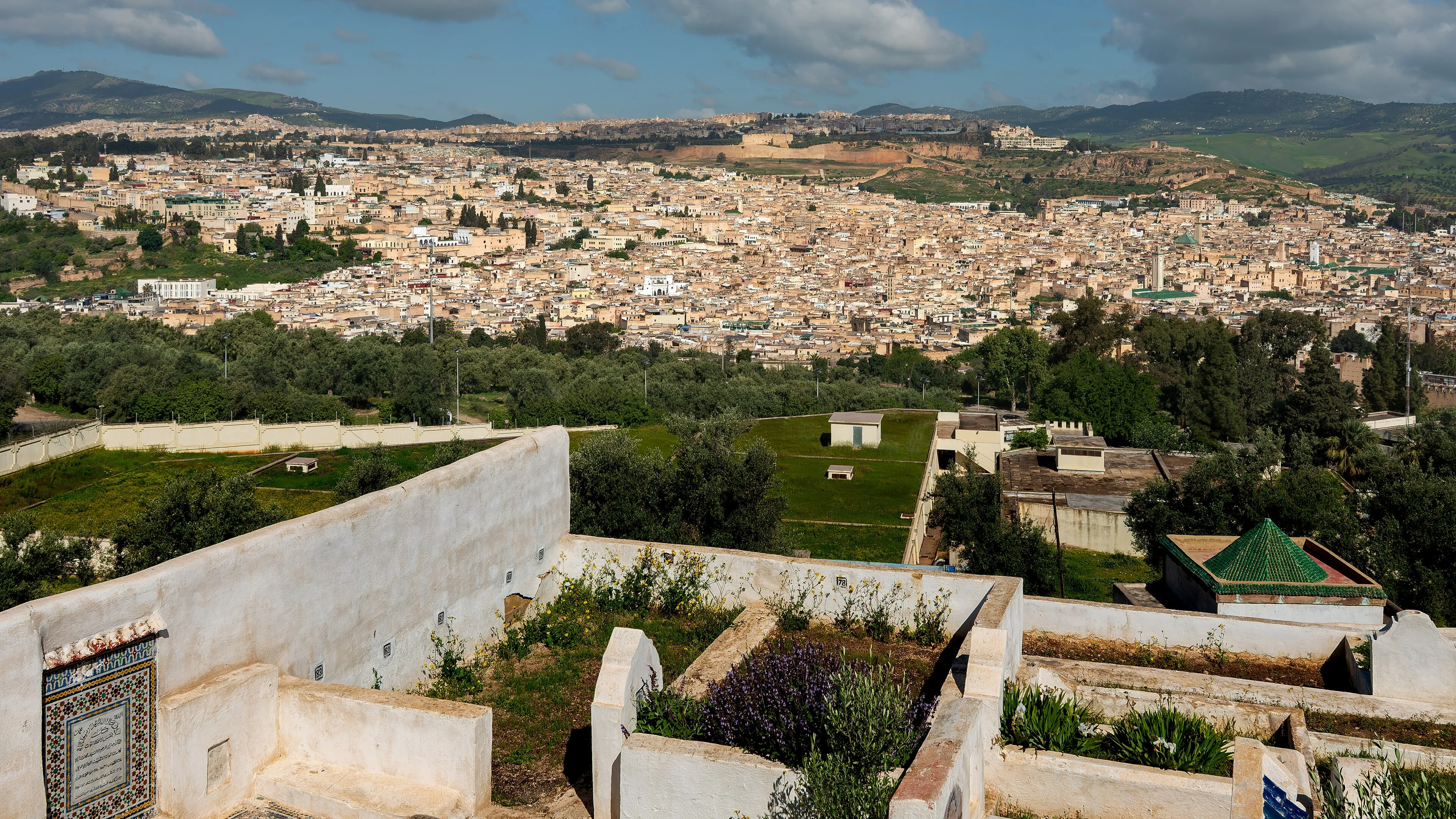
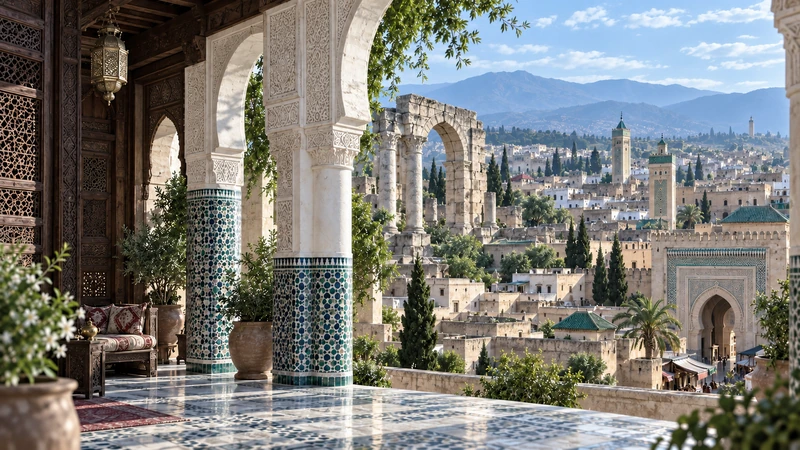
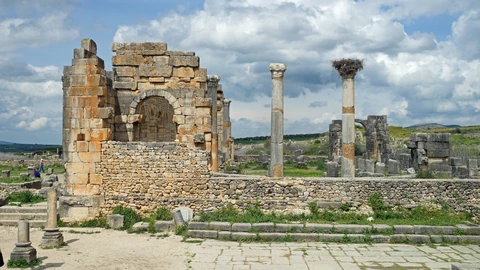
Cities keep the traces.
Dynastic history explains a particular kind of continuity: the transmission and contestation of political authority. It helps connect rulers with capitals, religious institutions, military ambitions and public works. It becomes misleading when a family name is used as a label for every person, object or belief within the territory it claimed. A dynasty is a governing formation, not a complete culture.
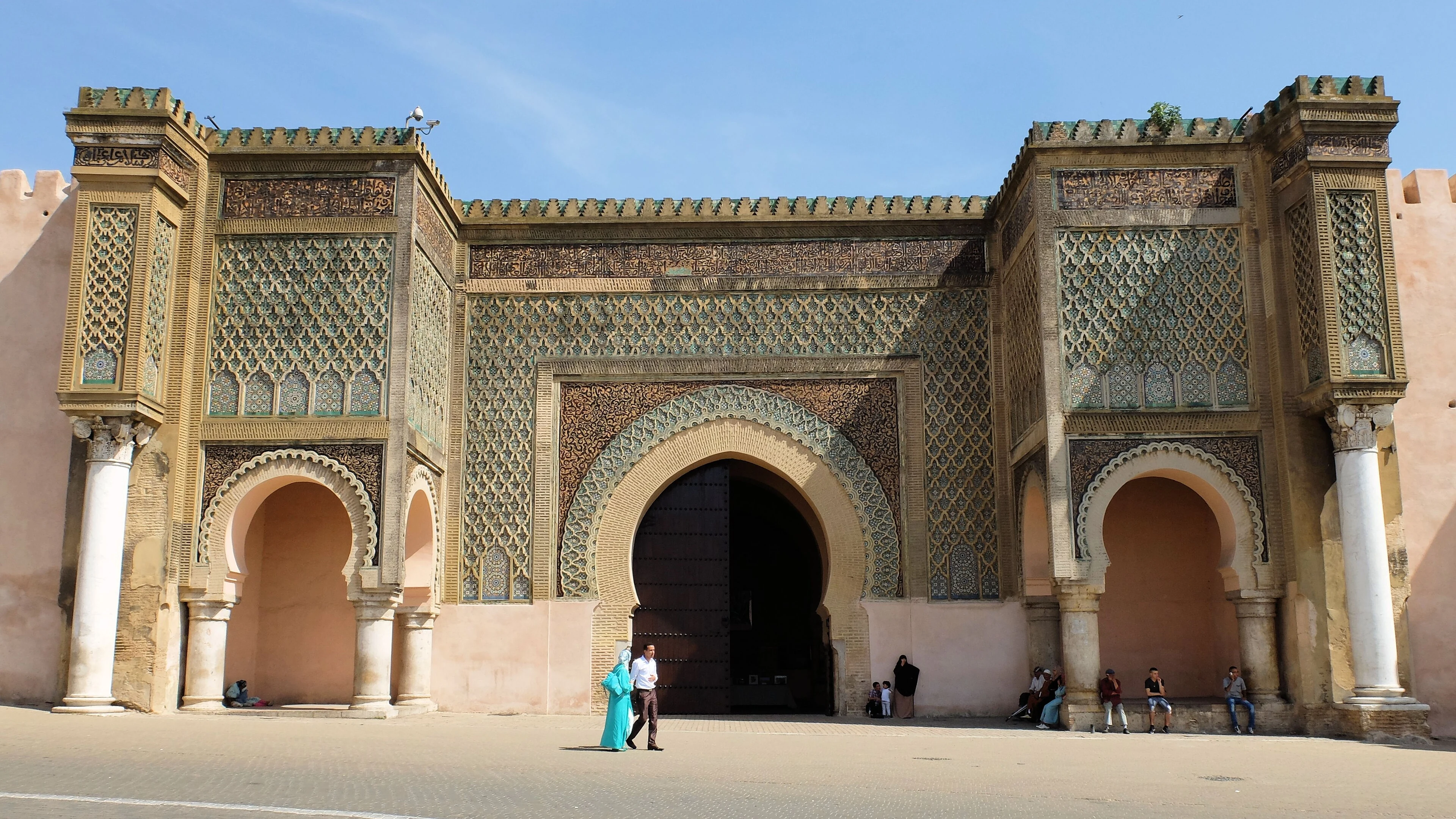
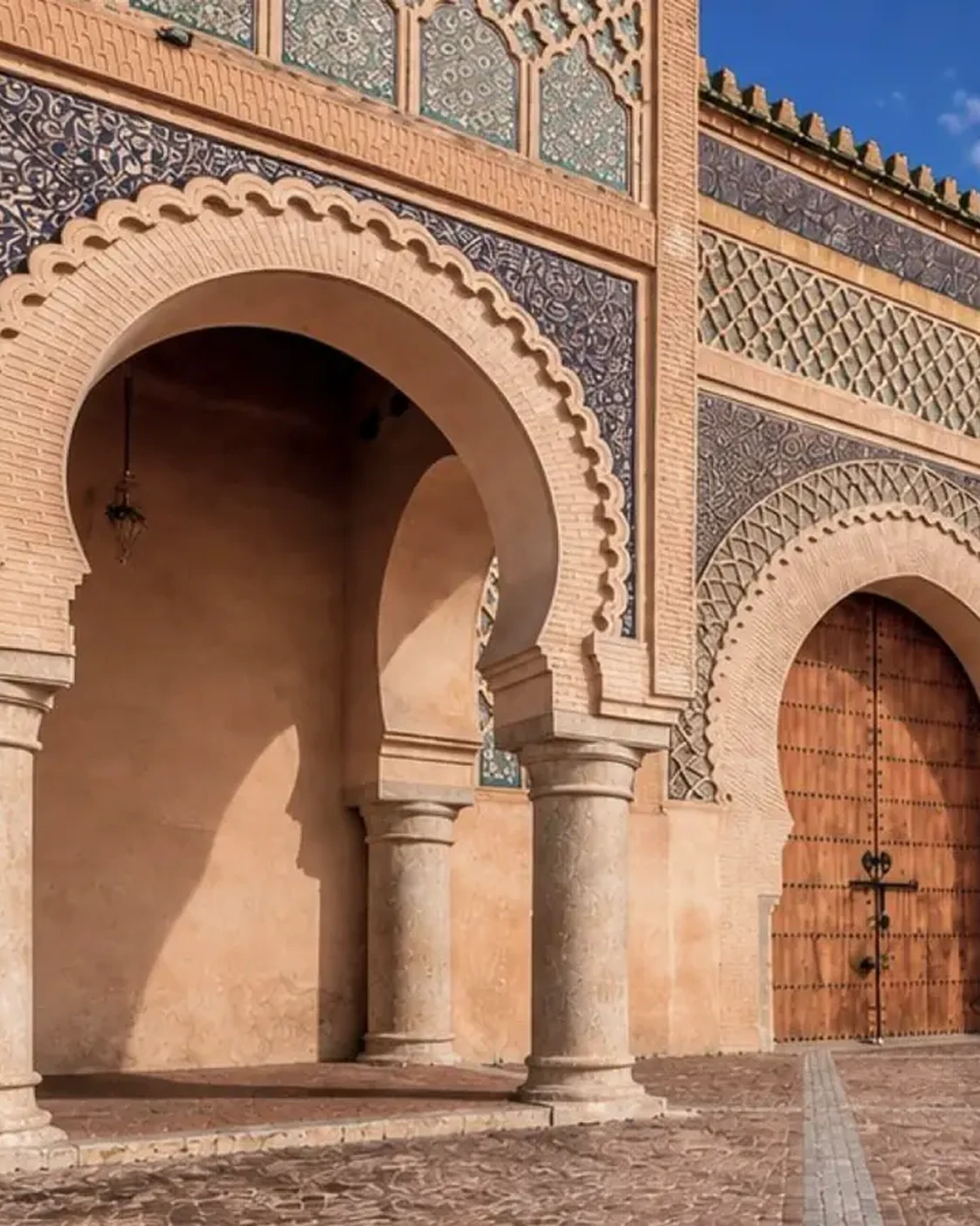
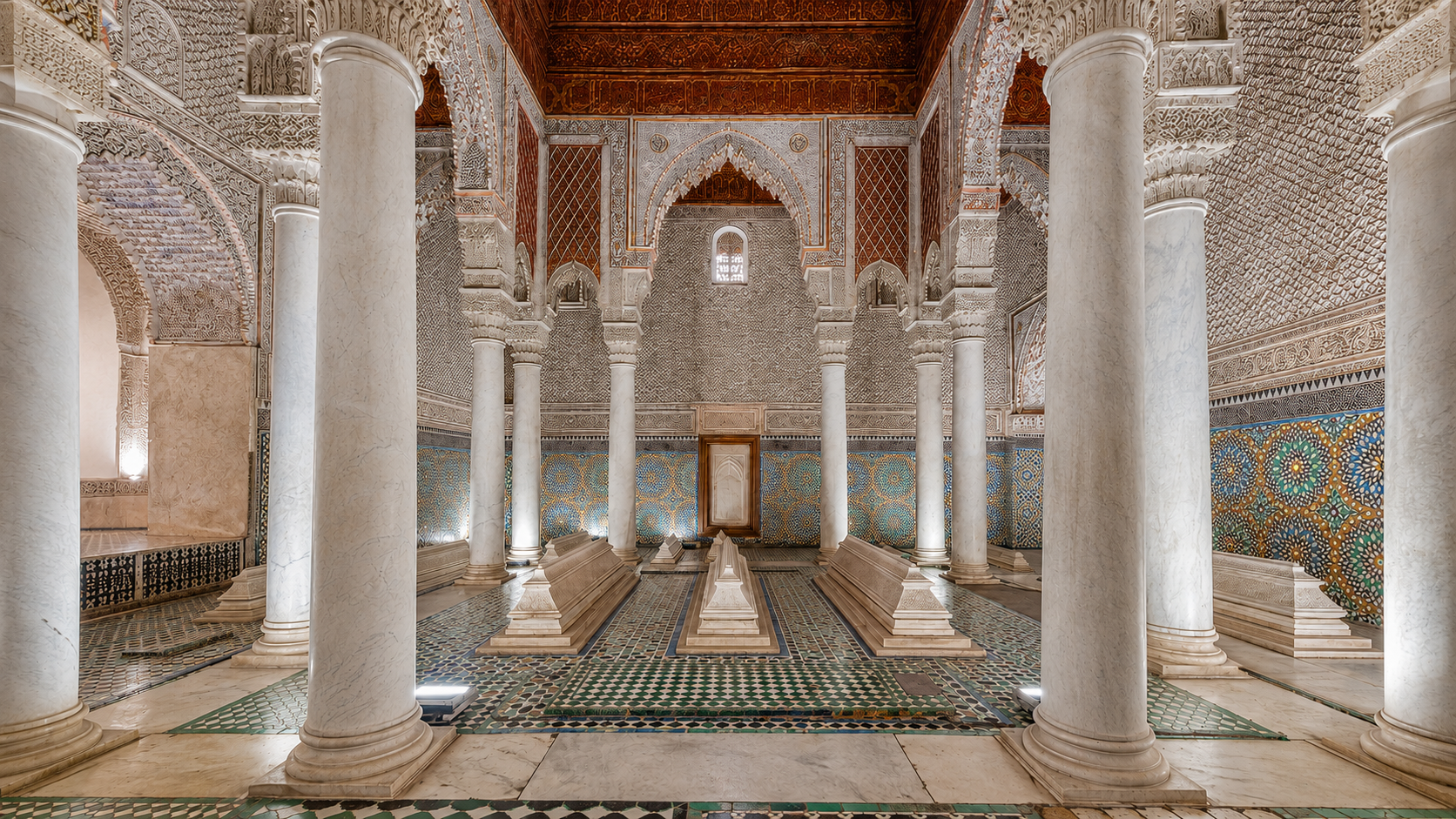
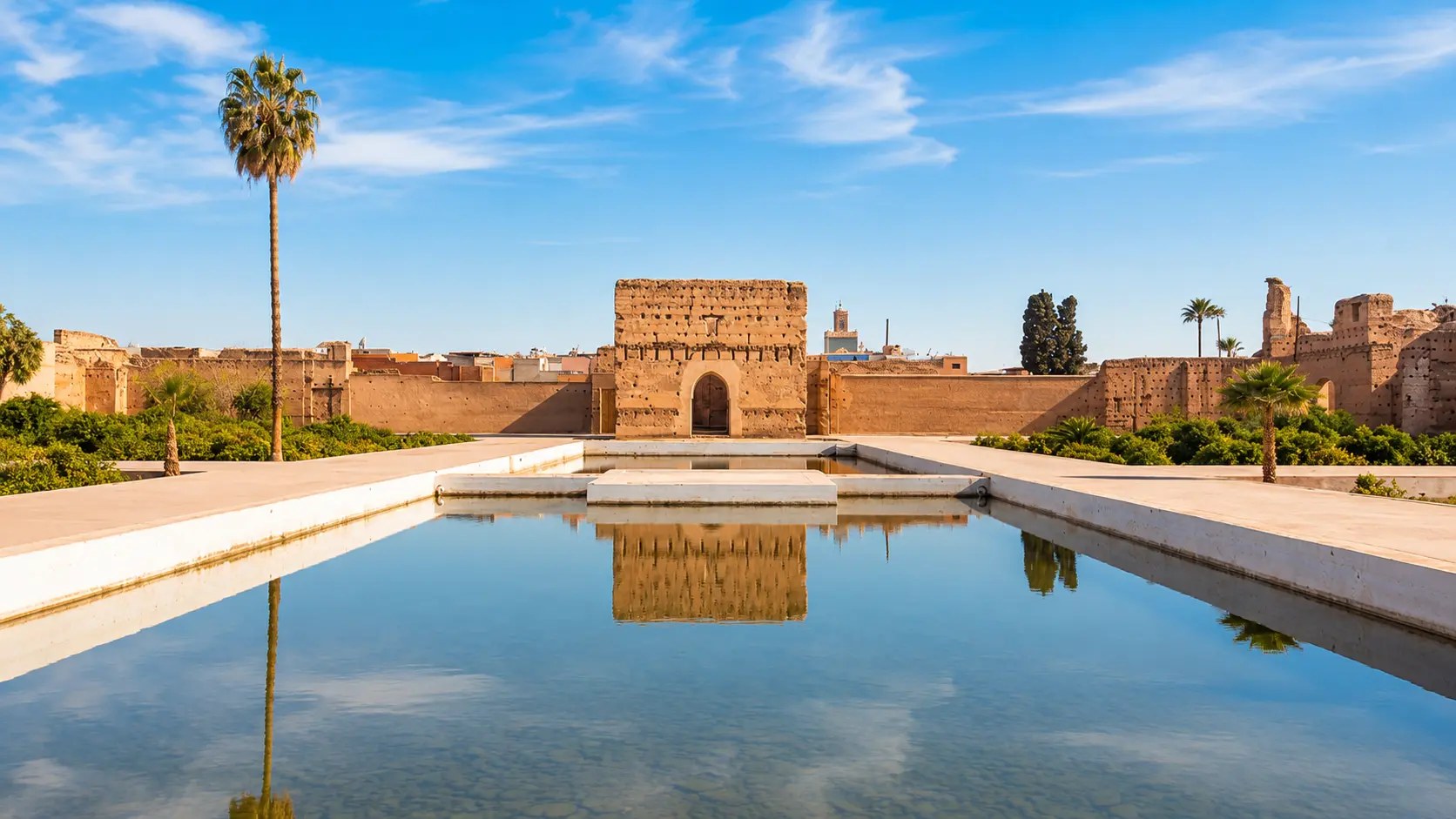
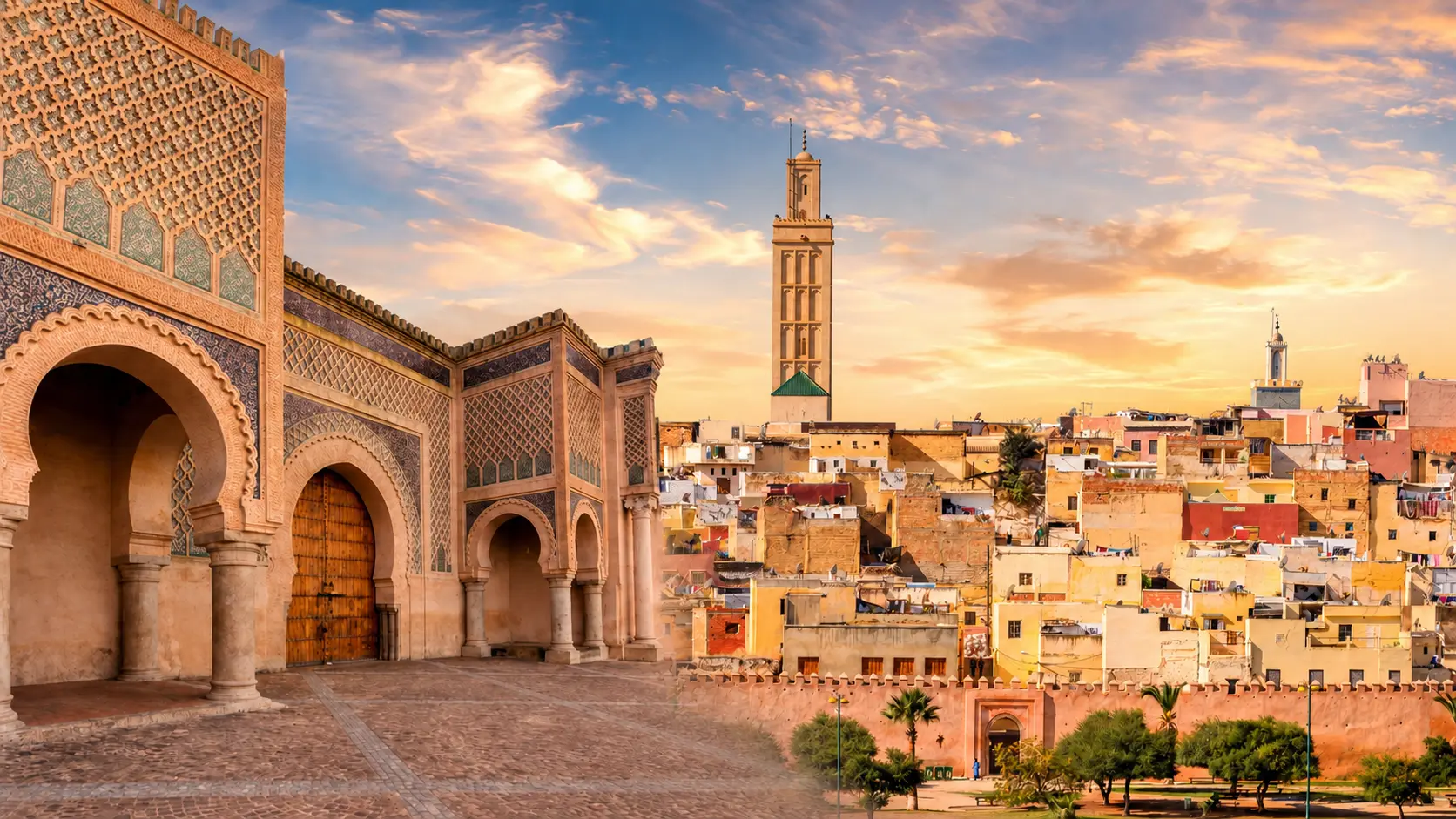
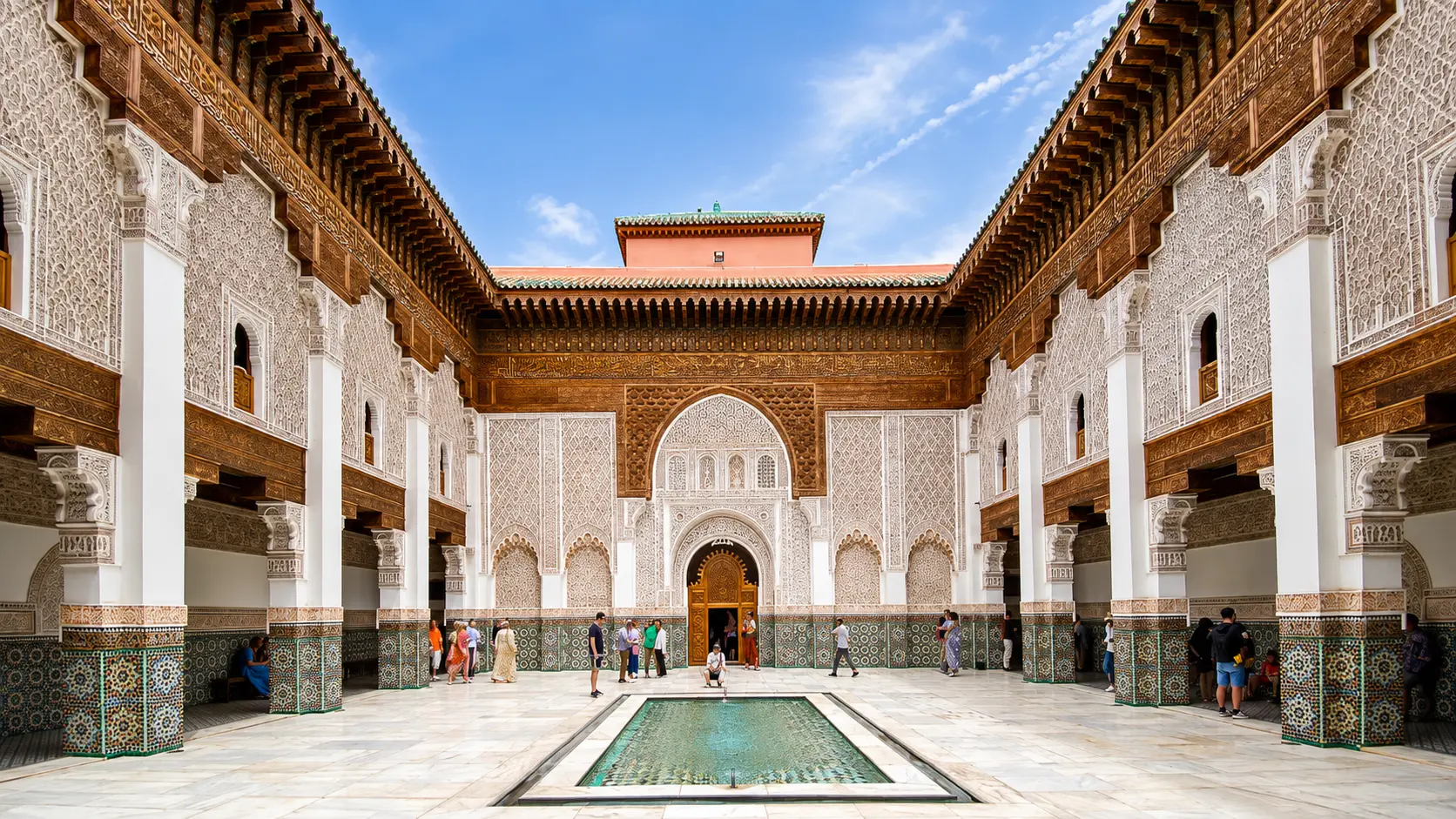
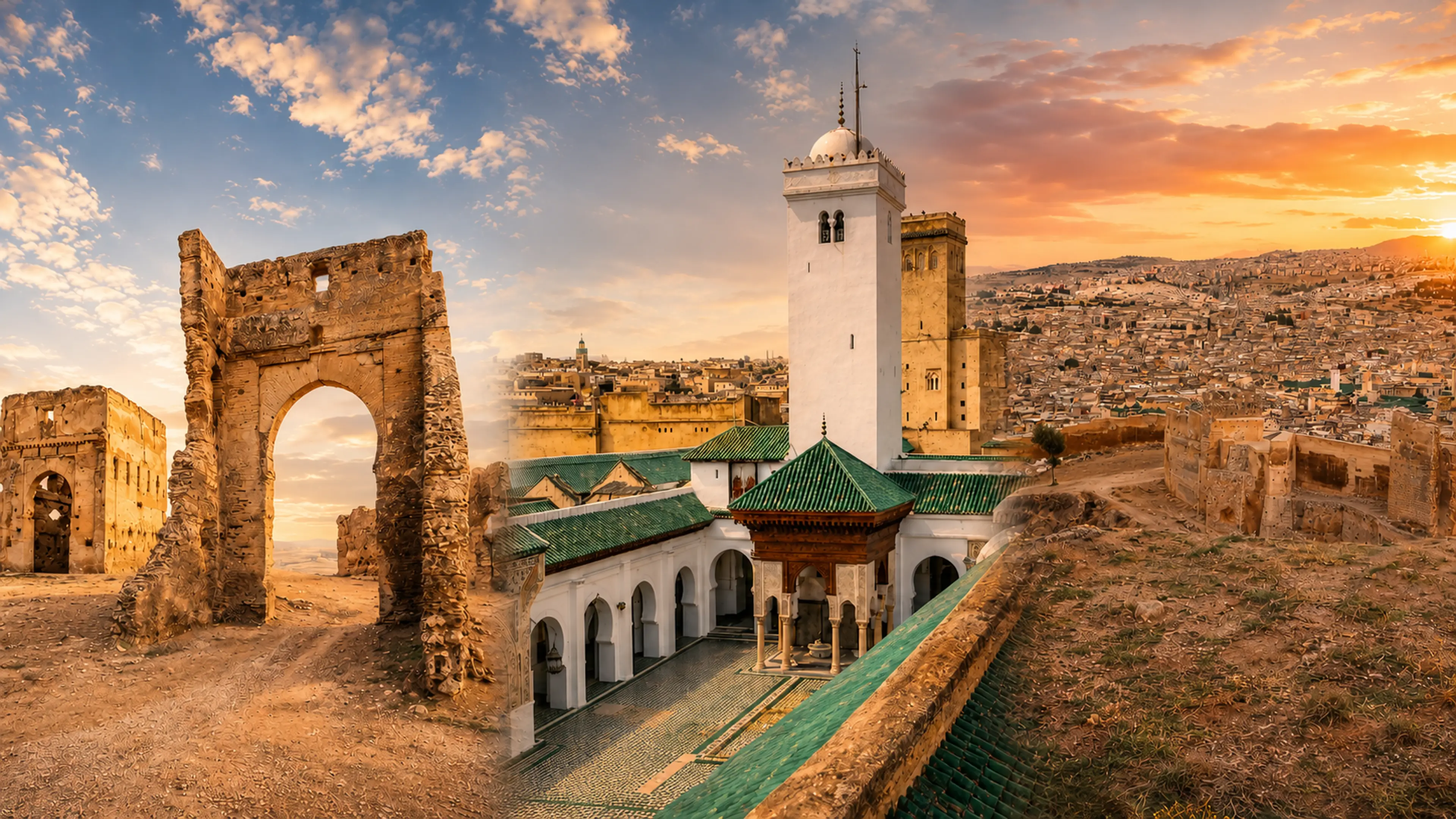
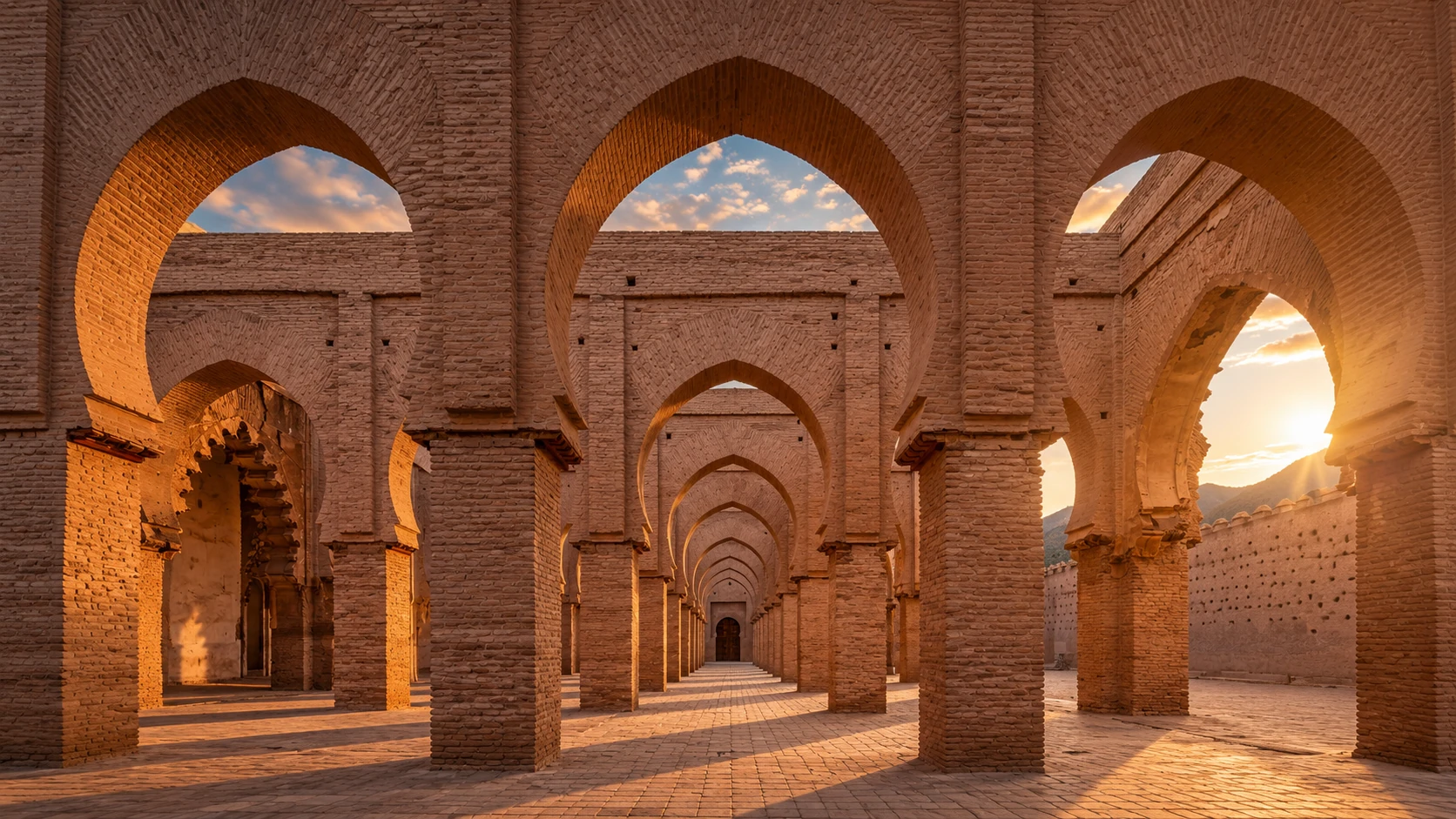
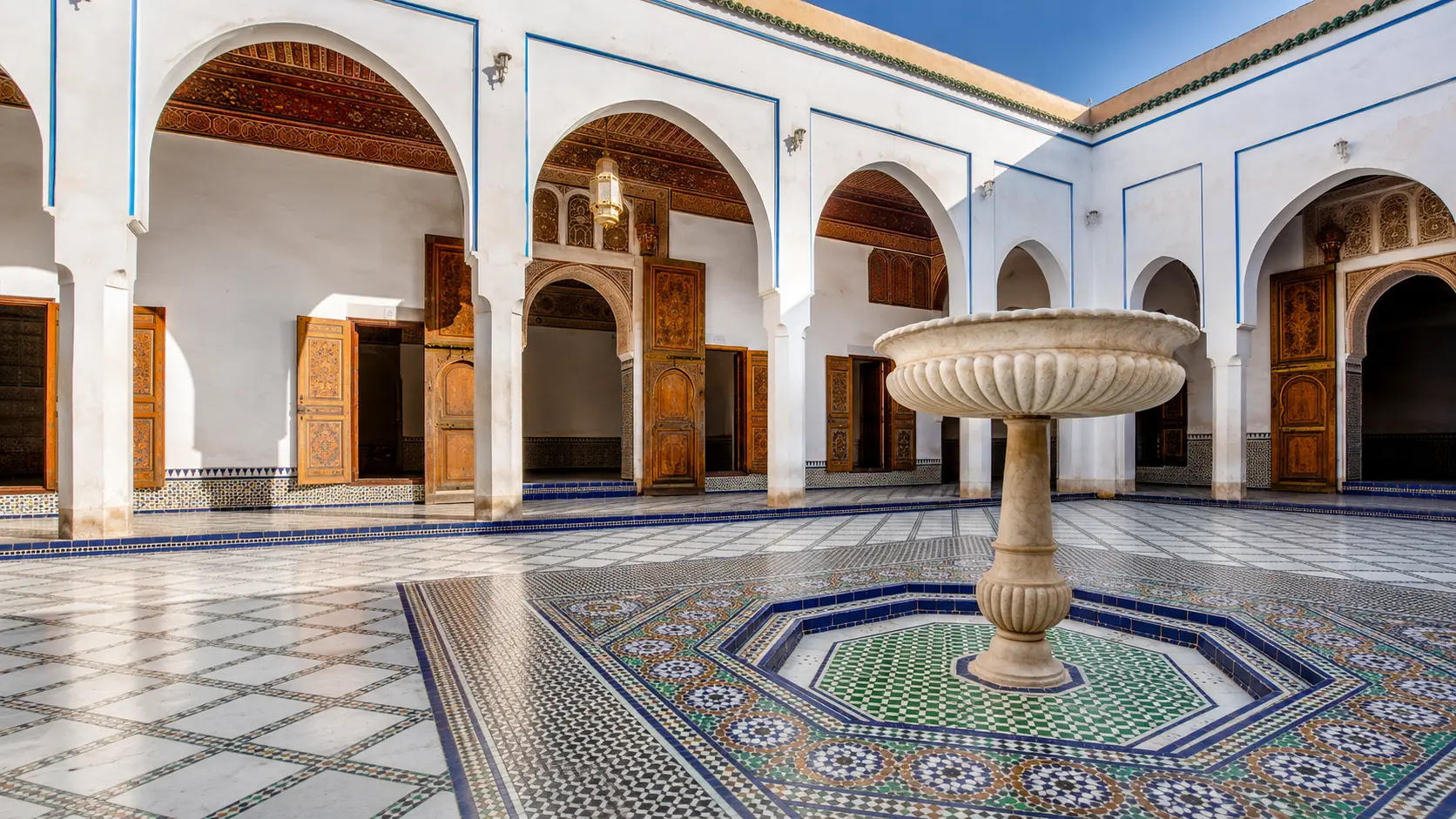
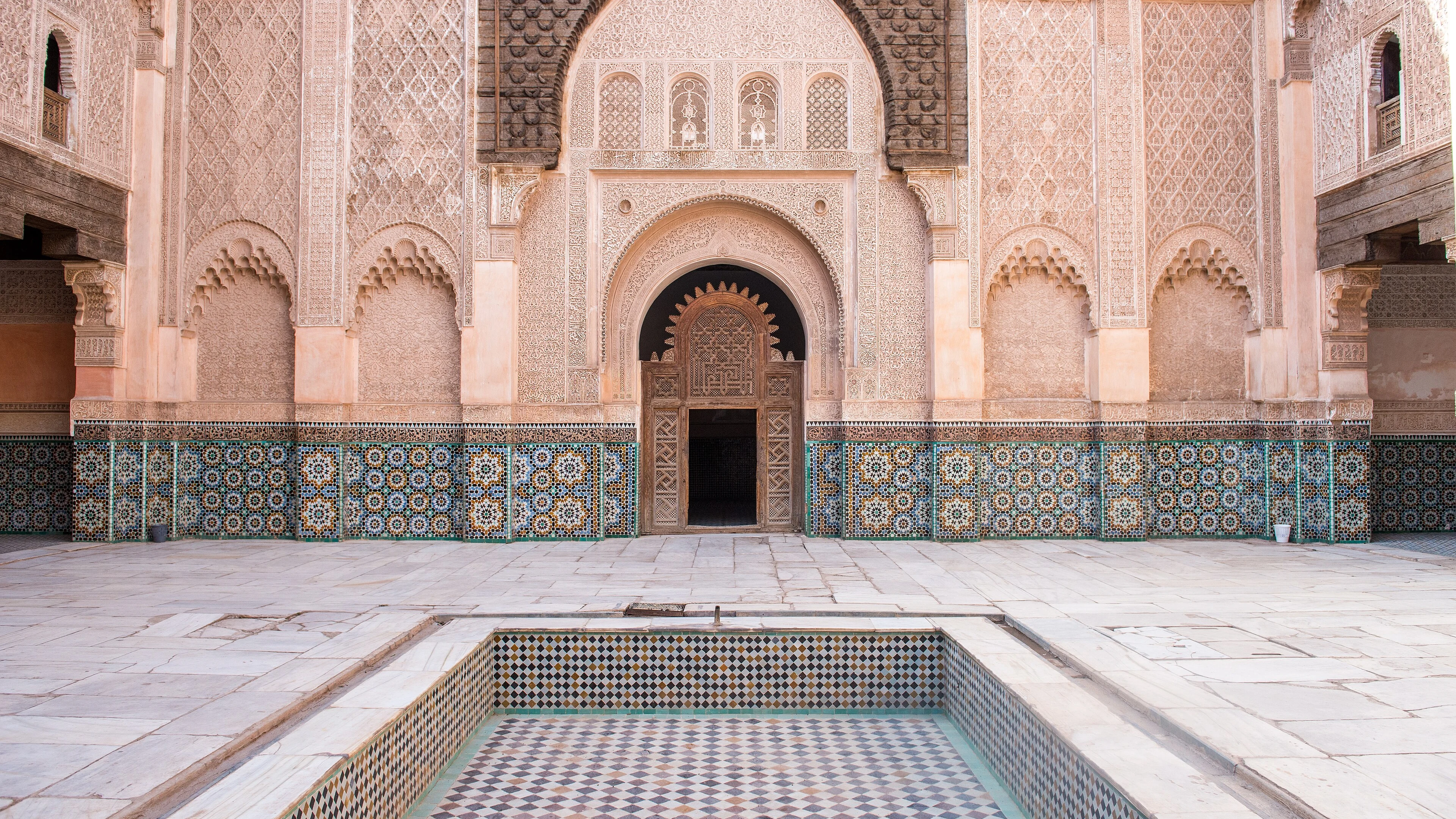
The Almoravids and Almohads linked power based in Morocco to a wider western Islamic world. Marrakech was central to both, but their ambitions and institutions were not identical. Later, Marinid patronage gave Fez another major architectural chapter. The Saadian and Alaouite periods introduced further changes of emphasis, with monuments in Marrakech and Meknes providing especially legible starting points.
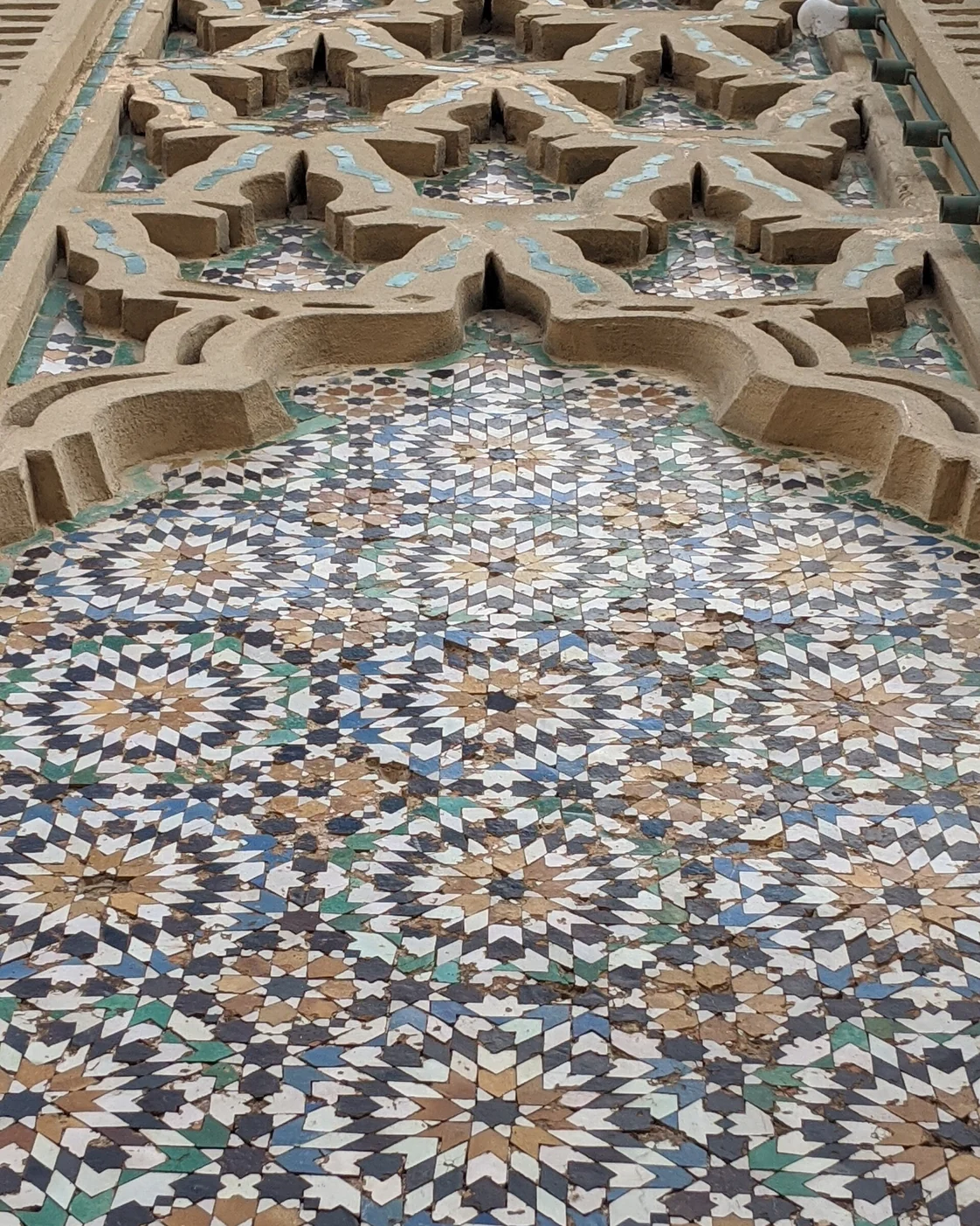
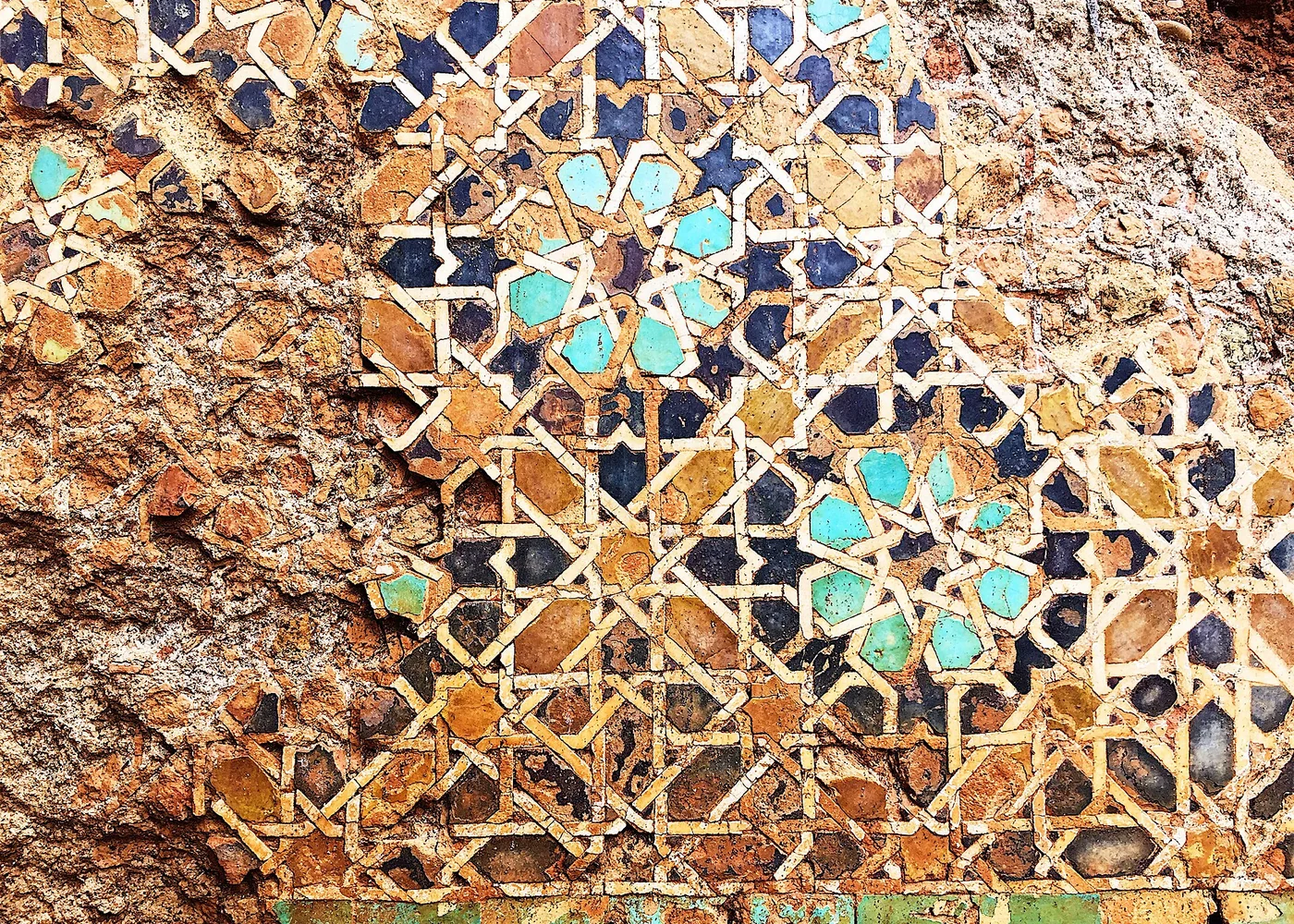
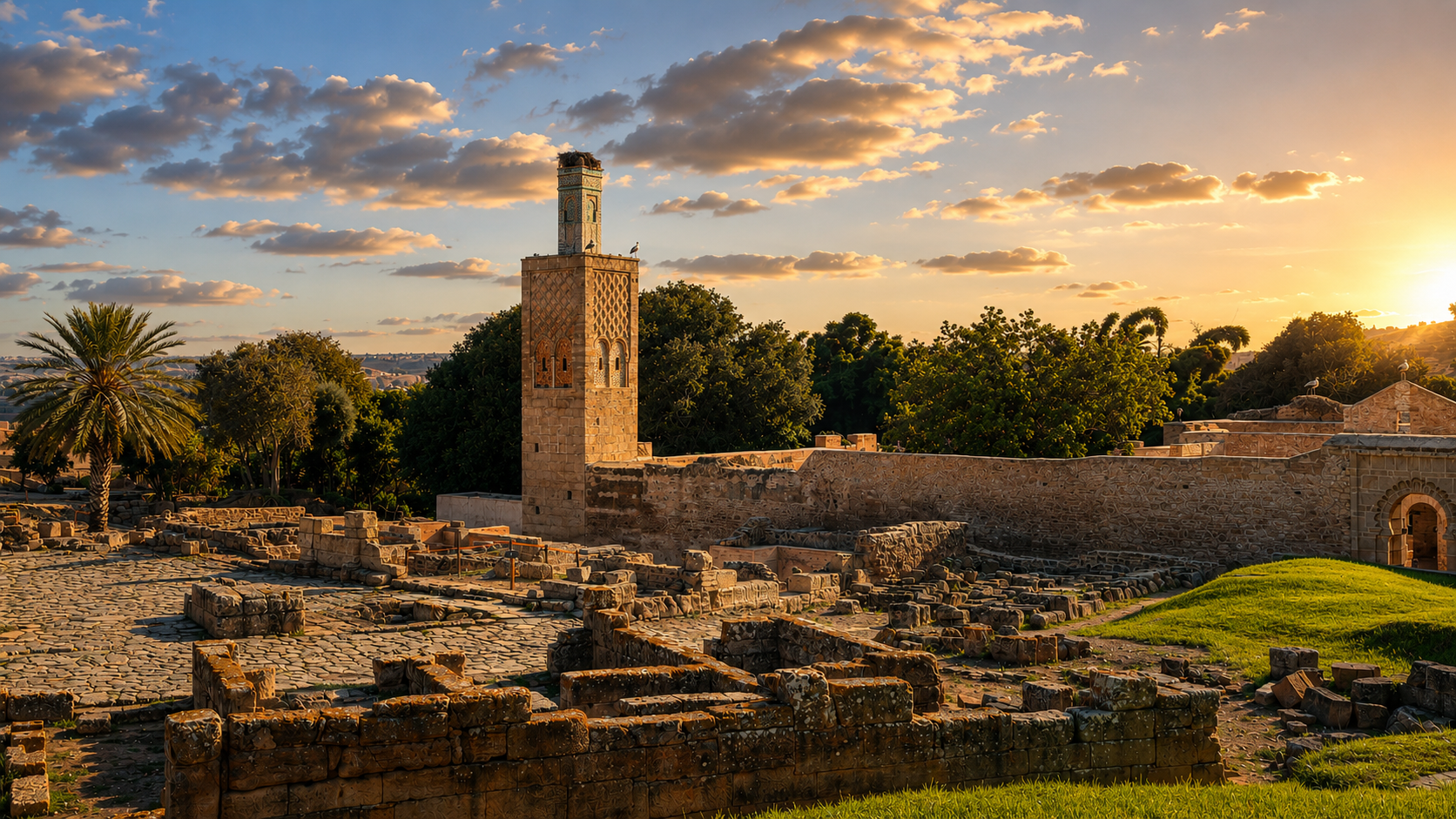
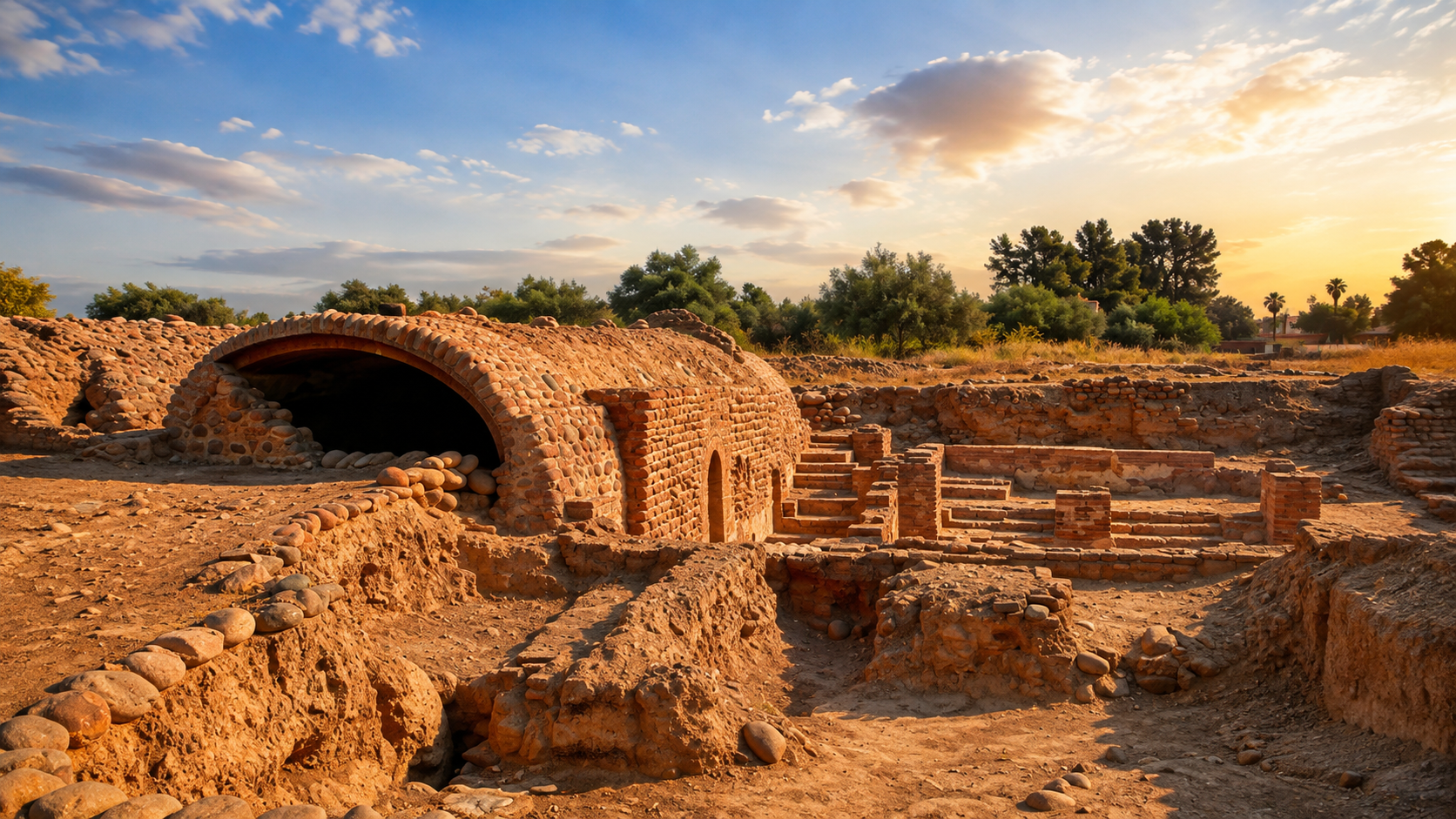
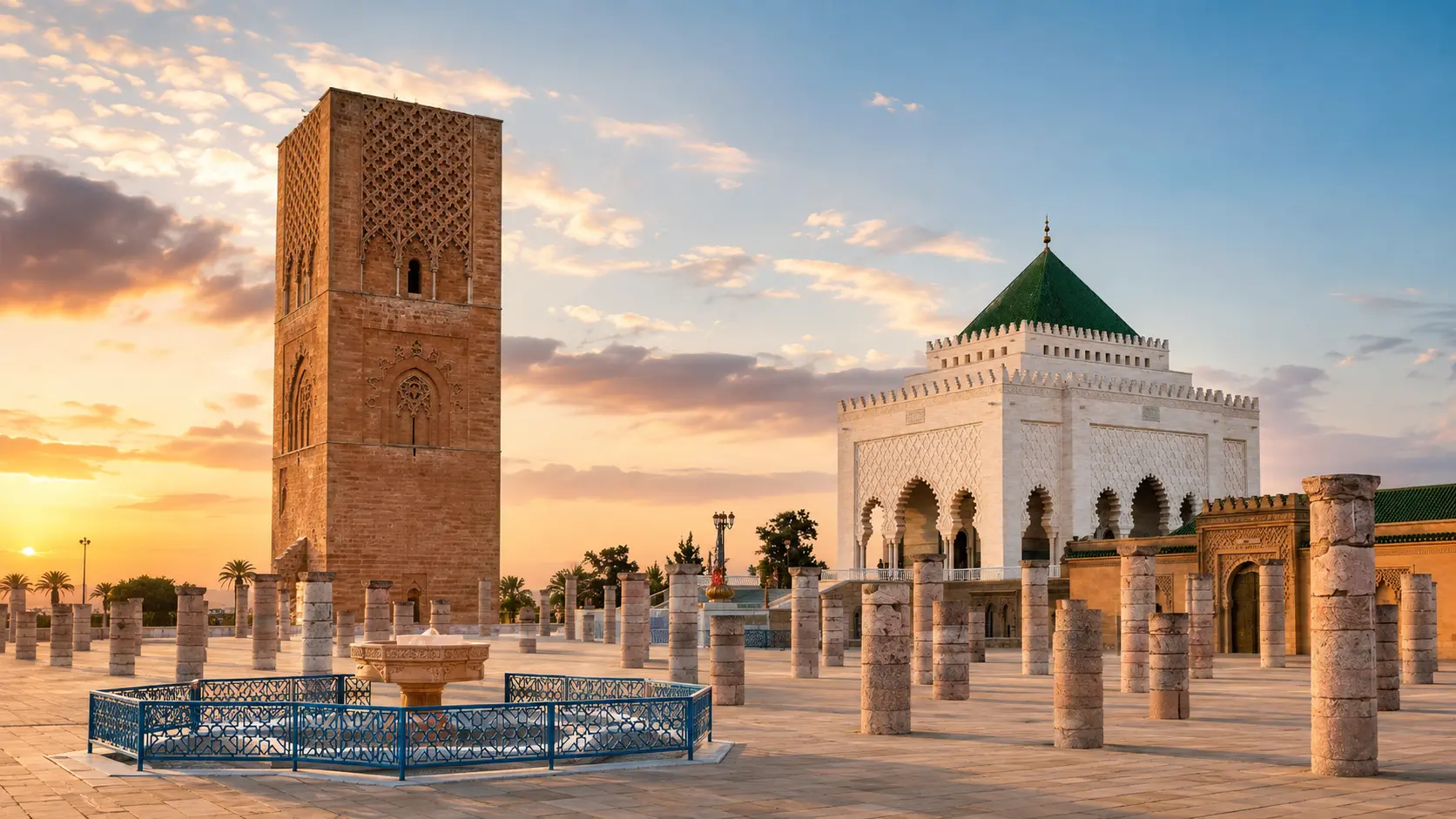
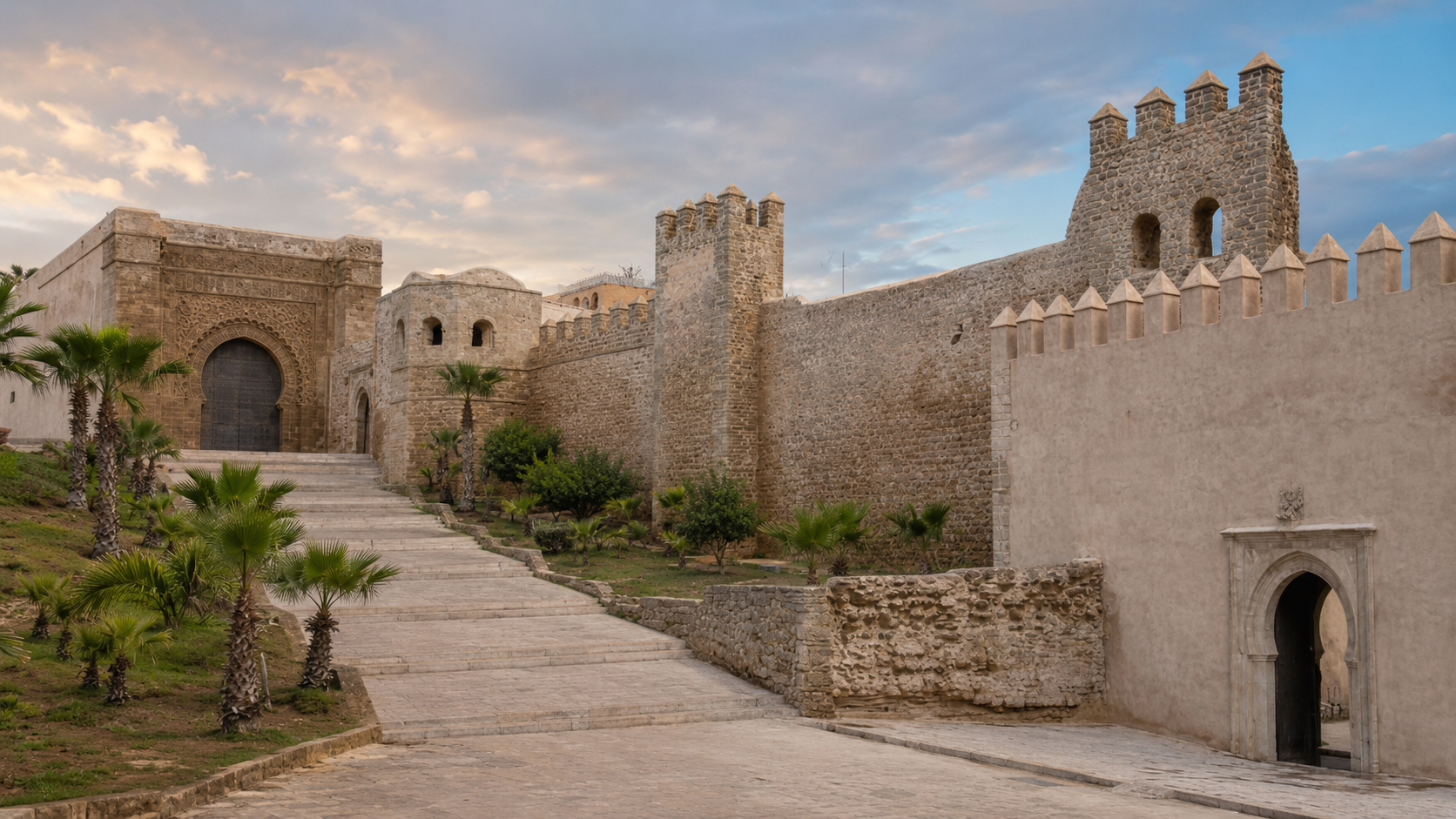
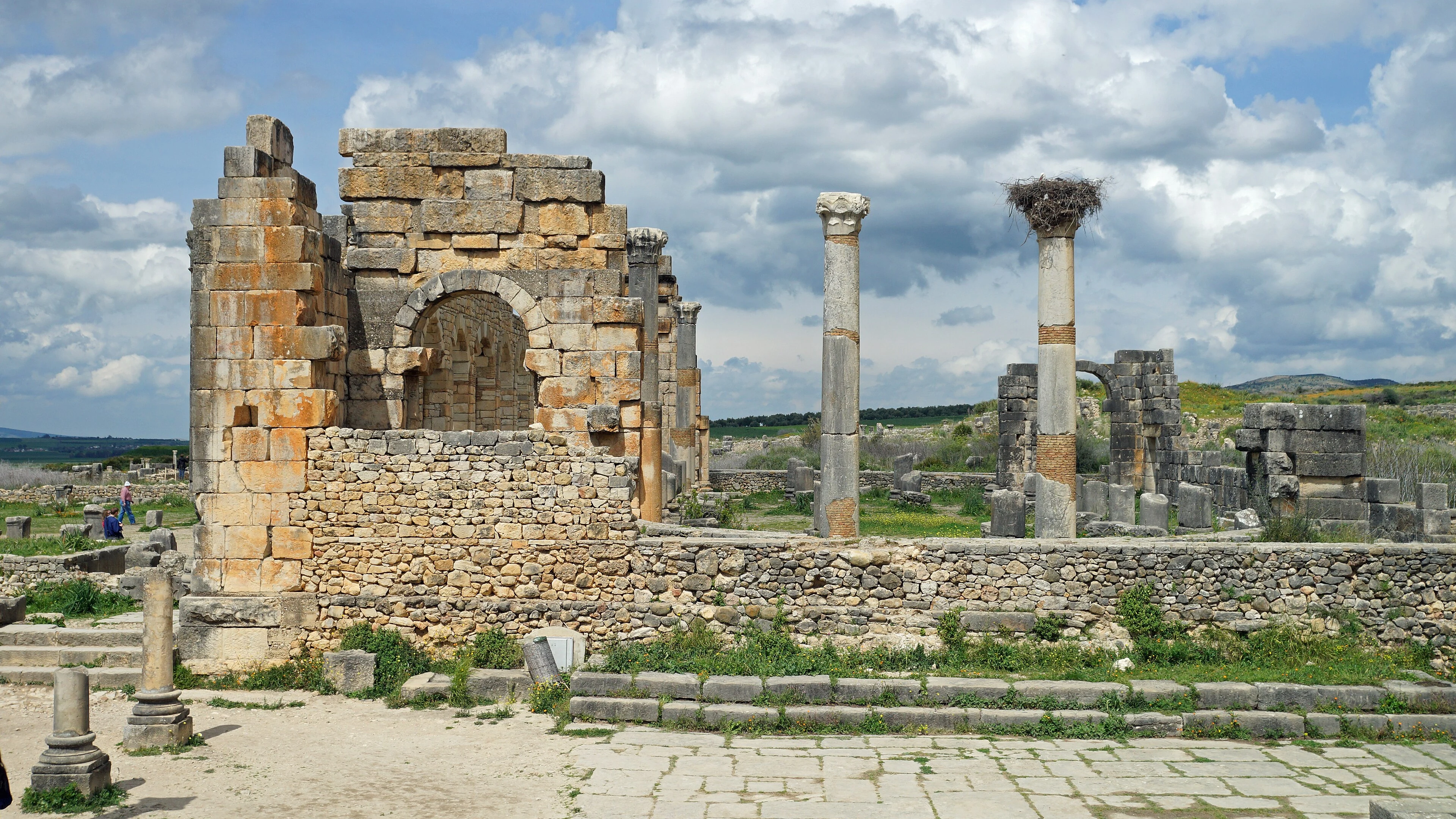
A building can outlive several regimes. It may be enlarged, repaired, repurposed or decorated again. For that reason, the date of a foundation and the date of the surface in front of you may differ. The rewarding approach is to build a layered record: who founded it, who changed it, what survives, and what the documentation can actually establish.






.jpg)


