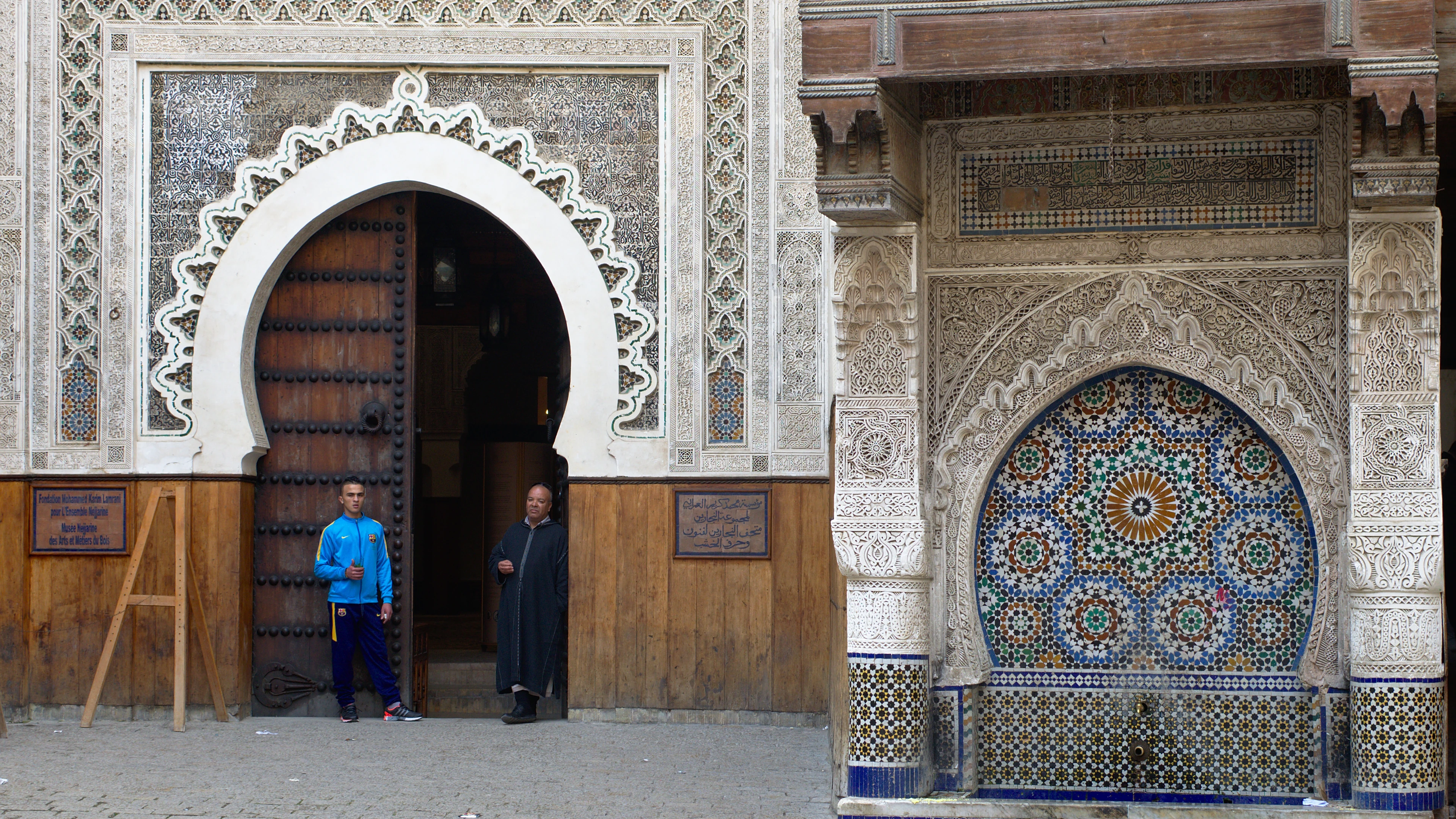
Fès, a living archive
A city’s records can be held in walls, objects and practiced skills. Reading Fès means leaving room for the people who keep it alive.
Read the story ↗
Exotic Morocco · Stories
Dynasties, migrations, buildings and the evidence that connects one period to another.
Enter the story ↓01 / The starting point
A date can fix attention, but it cannot explain a whole place. A building may have a foundation, later additions, repairs and a new use. A city can preserve several plans beside one another. A skill can continue through people whose working conditions have changed. History becomes more useful when these different kinds of time remain distinct.
The essays gathered here begin with places rather than a single national timeline. Meknès offers a reading of imperial power through water and provision. Fès connects institutions, objects and continuing care. Larache keeps nearby Lixus separate from the later coastal city while considering their shared landscape. The wider history and dynasties guides provide a chronology to support those closer readings.
02 / Choose your first encounter
Choose the essay that brings this subject into focus.
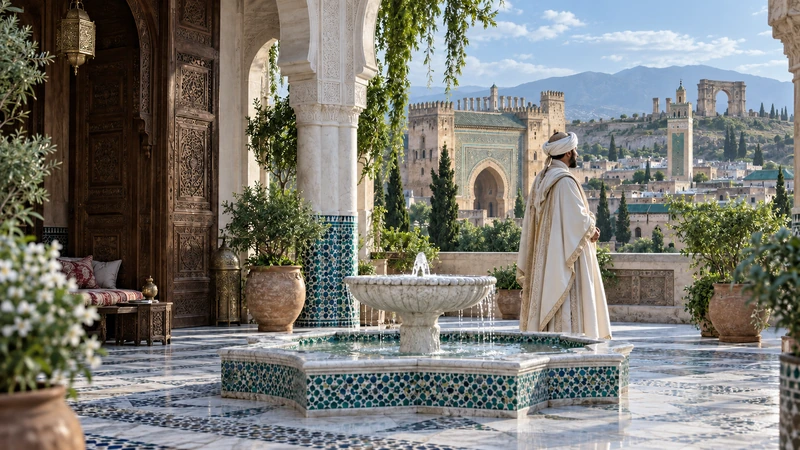
A city’s records can be held in walls, objects and practiced skills. Reading Fès means leaving room for the people who keep it alive.
Read the story ↗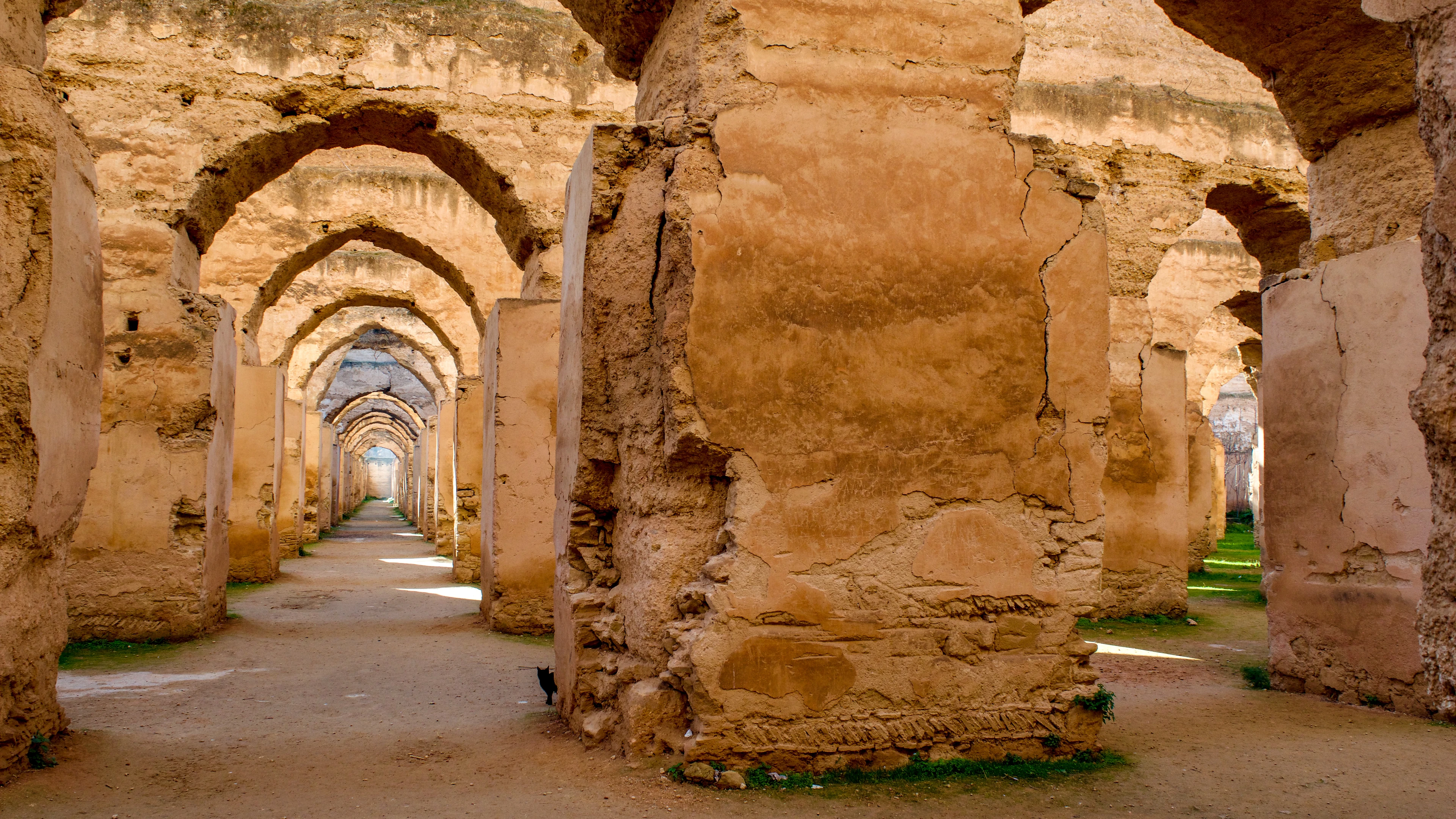
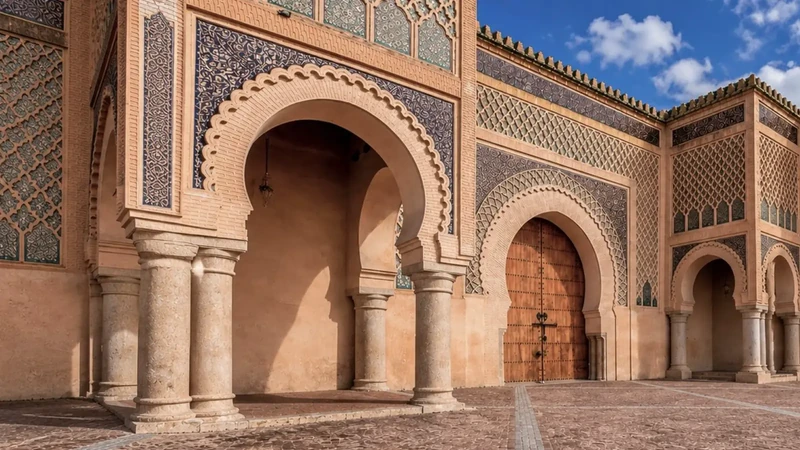
Behind the famous gateway is a city of water, provision, markets and music. Change the scale, and another Meknès appears.
Read the story ↗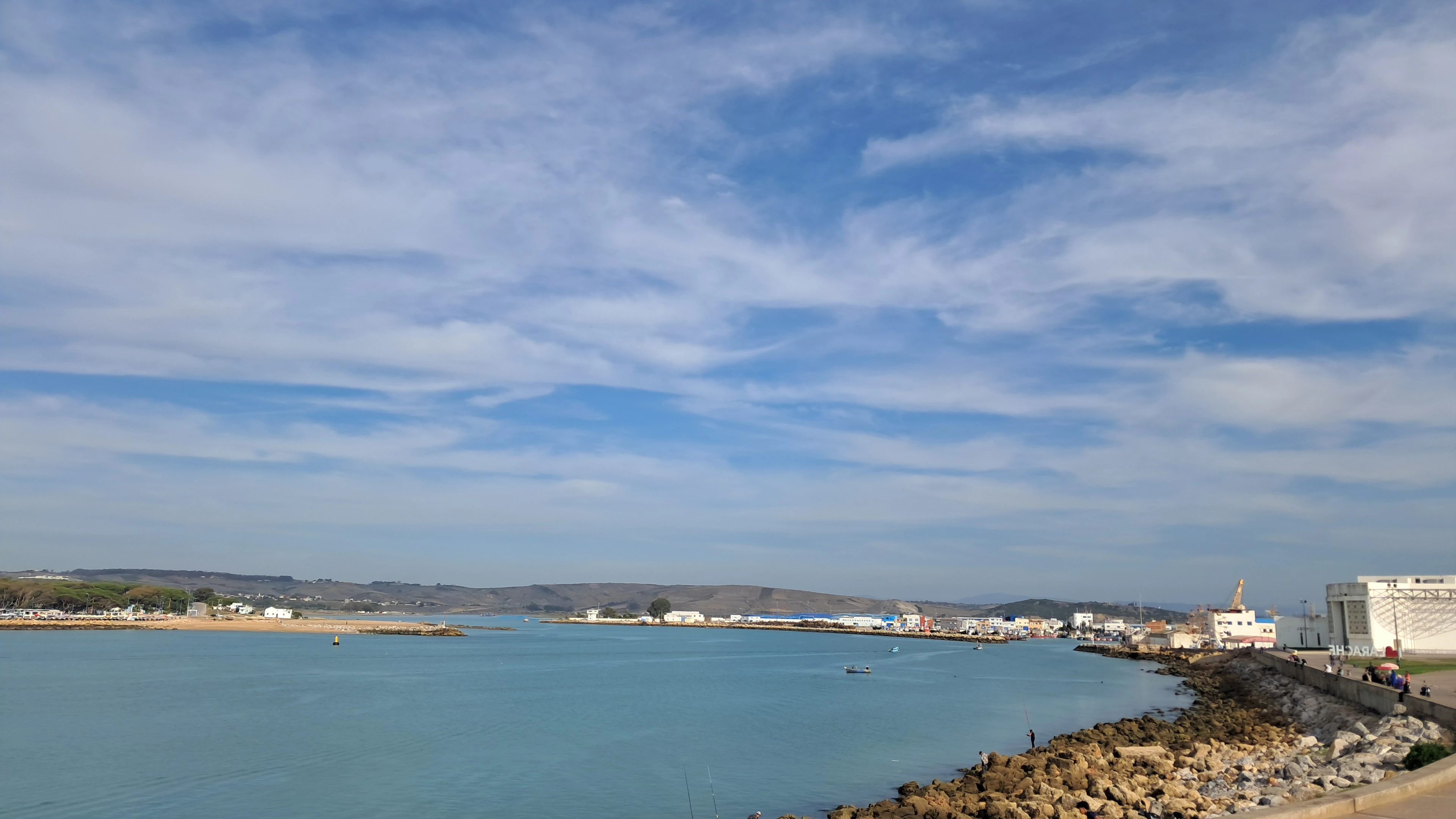
An estuary, a working port and an ancient hill across the water. Read Larache through the relationships that a sea view leaves out.
Read the story ↗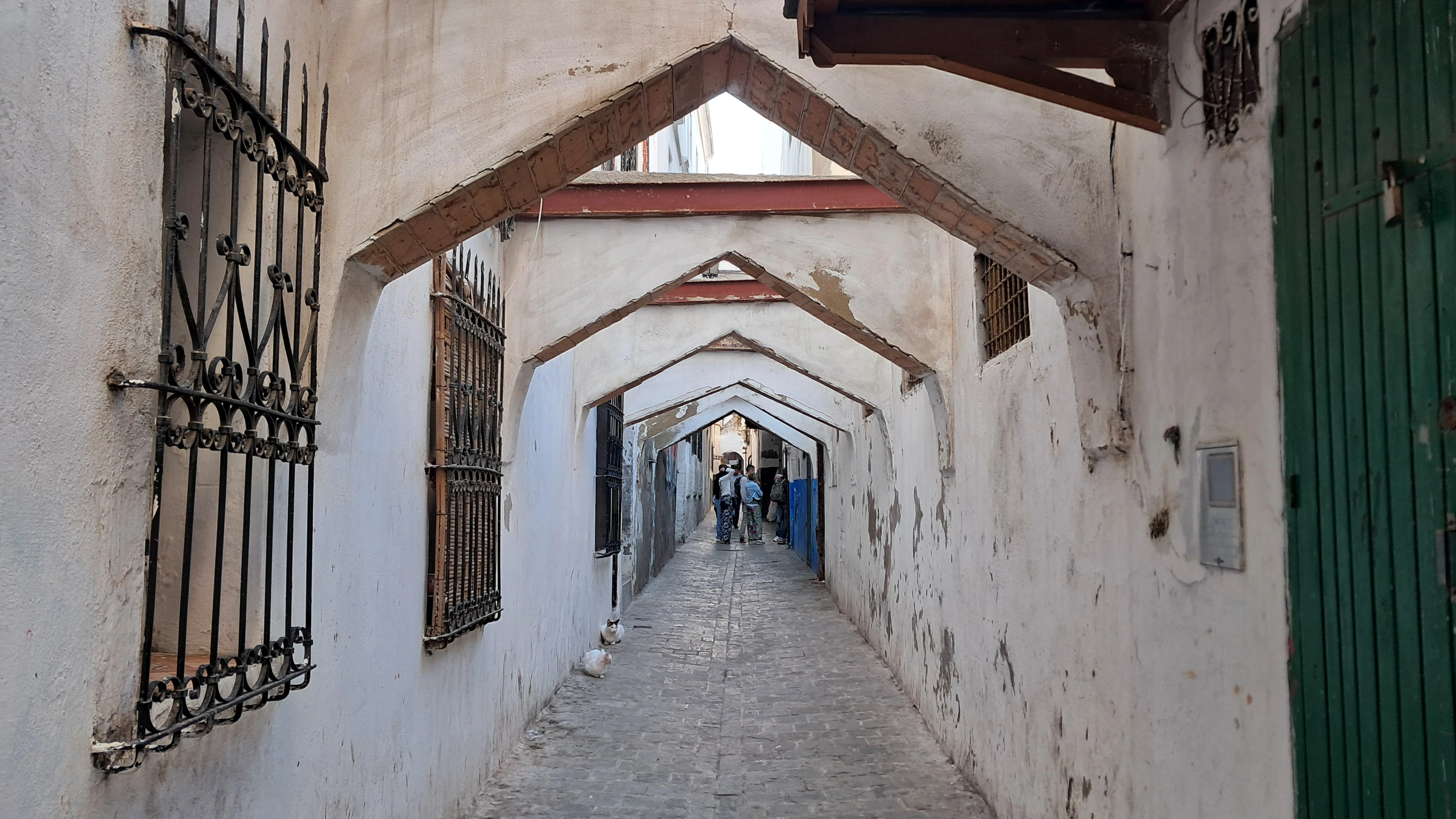
Across a white hillside city, streets, thresholds and working crafts reveal an inheritance carried by people.
Read the story ↗03 / Look closer
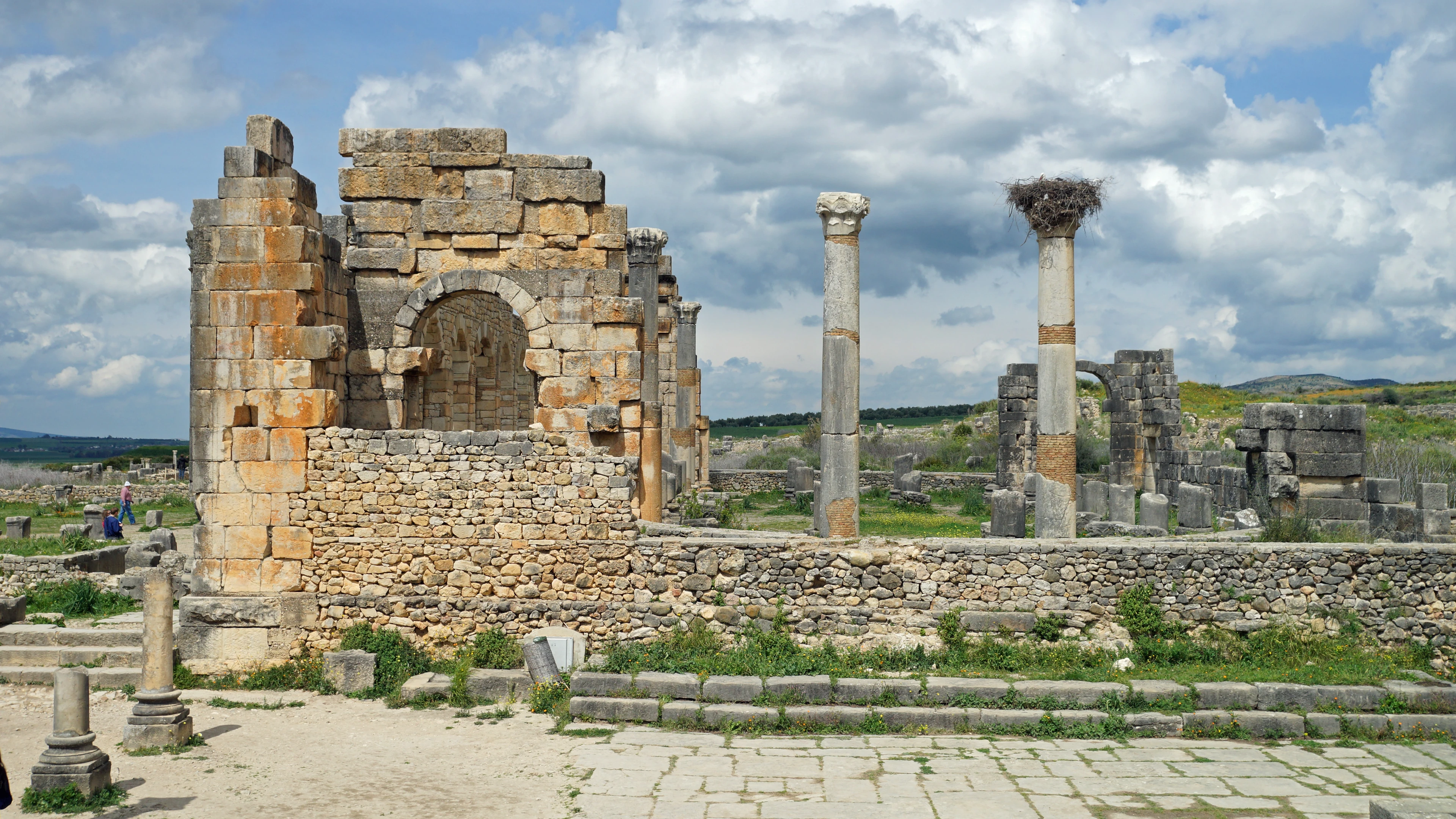
The basilica remains at Volubilis, shown above, belong to an archaeological setting. They should not be made into proof that every nearby settlement has an uninterrupted Roman identity. Likewise, an old foundation does not date every surface visible today. Ask what a source actually establishes: a period, an activity, an alteration or a relationship. The unanswered part can remain a question without making the visit less rewarding.
04 / The story in context
A date can place an event in a sequence, but it cannot by itself explain everything visible in a city. The Fès story treats walls, objects and practiced skills as different kinds of record. They do not all preserve the same information. Reading them together requires attention to what is documented and to what remains a question.
Begin with a specific object or space. Ask what its record actually establishes: a maker, a use, a period, a change of function. Then look at the wider story with that limit in mind. A careful account can become more interesting when it shows the edges of its knowledge, instead of smoothing different kinds of evidence into one seamless narrative.
Read these essays alongside one another by comparing kinds of evidence. Fès follows institutions and continuing work; Meknès distinguishes monumental space from the systems that supported it; Larache separates a present port from an archaeological site; Tétouan considers movement and the organisation of streets. Each offers a different scale at which a historical question can be asked.
Keep a small distinction in your notes: what you observed, what a source establishes and what remains an interpretation. A repaired wall can prompt a question without supplying its own date. The existing History connections below retain the wider chronology and specialist context; the Stories collection provides a slower encounter with a particular place.
A different distance
The Meknès essay shifts from the spectacle of a gateway to the systems that supported a monumental city. Scale can be read through the space required for storage, water, movement and work as well as through decorated entrances. The famous view remains important, but it begins to participate in a larger set of relationships.
Compare that approach with Larache, where the estuary, the city and Lixus offer another arrangement of historical layers. Do not collapse those layers into a single moment. The value of the comparison is that it changes your questions: what belonged together, what came later and which connection is established by a source rather than suggested by the view?
A different distance
Historic places are also places where decisions continue to be made. Maintenance, interpretation and everyday use shape what a visitor can see. A repaired surface is not explained simply by calling it new; nor does visible age establish the full history of an object. Look for documentation before assigning either a loss or a continuity.
Use the history and dynasty guides to build a chronology, then return to the individual stories. The chronology helps orient the reading; the place gives it texture and limits. Holding both together allows a journey through Morocco to remain curious about the past without treating present-day life as scenery around an already finished account.
Story pathways
Cities, cultural context and a connected essay, chosen for this subject.
Learn A wider chronology Place local stories within Morocco’s longer history. Explore ↗
Explore the context ↗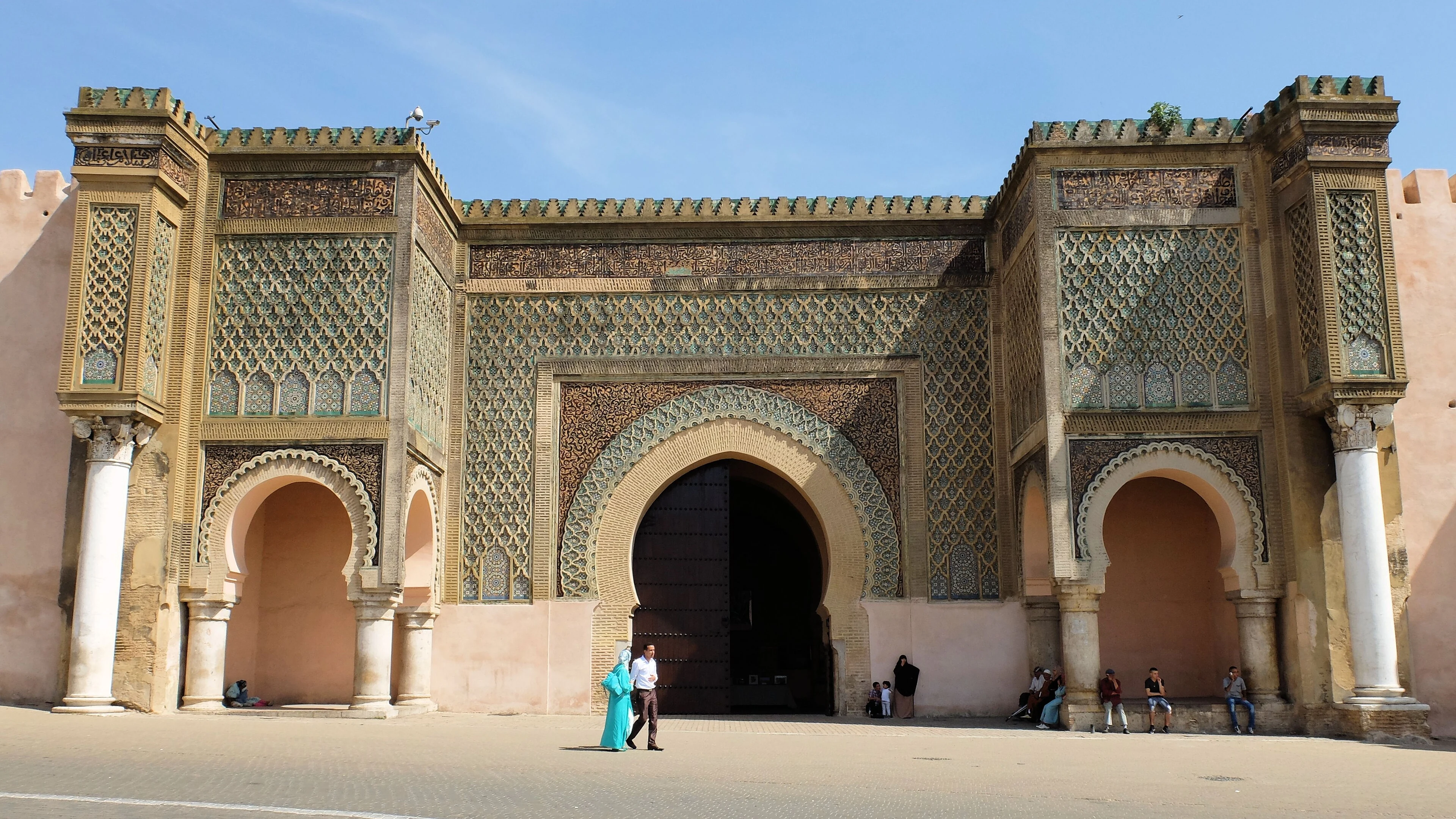
Learn Dynasties in context Connect rulers and periods to institutions and places. Explore ↗
Explore the context ↗
Continue with Morocco Through Time →
Explore the context ↗A city’s records can be held in walls, objects and practiced skills. Reading Fès means leaving room for the people who keep it alive.
Explore the story ↗Continue reading
Keep the subject in view as you choose your next chapter.
A city’s records can be held in walls, objects and practiced skills. Reading Fès means leaving room for the people who keep it alive.
Read the story ↗Behind the famous gateway is a city of water, provision, markets and music. Change the scale, and another Meknès appears.
Read the story ↗An estuary, a working port and an ancient hill across the water. Read Larache through the relationships that a sea view leaves out.
Read the story ↗Across a white hillside city, streets, thresholds and working crafts reveal an inheritance carried by people.
Read the story ↗This reading room connects published stories with contextual guides. Each linked story includes its own research and photography notes.
Photography is identified through the linked source records. Crops and responsive sizes were prepared for this layout.
Research checked 27 September 2026.
.jpg)
.jpg)

