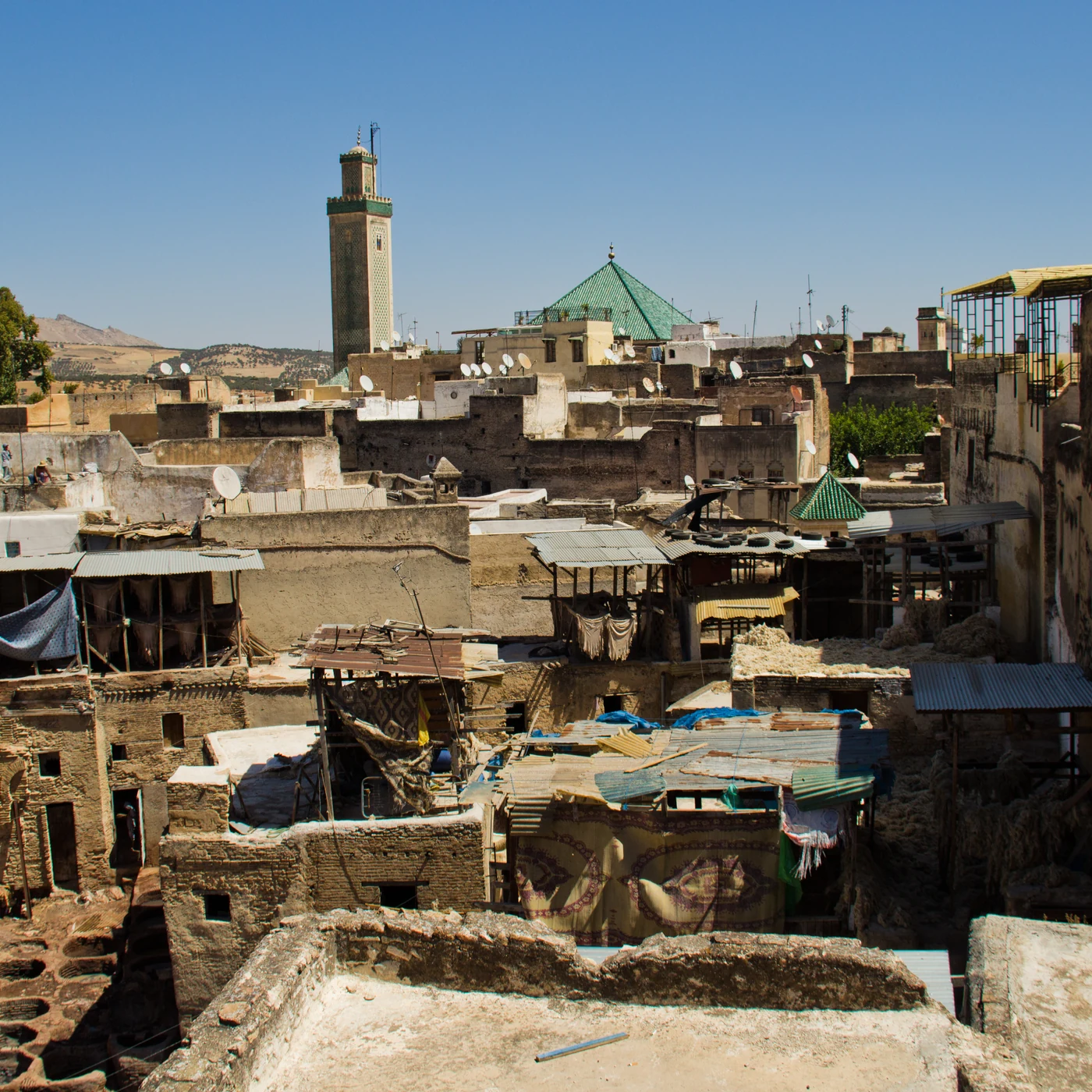
Read the roofscape
Buildings and work share the same urban fabric in the medina of Fès.

Exotic Morocco · Stories
A city’s records can be held in walls, objects and practiced skills. Reading Fès means leaving room for the people who keep it alive.
Enter the story ↓01 / The starting point
The view over Fès is almost too complete. Roofs gather into a dense field; taller buildings interrupt the horizontal spread; streets largely disappear between them. It is easy to mistake that view for an explanation. At ground level, the city becomes less immediately legible and much more specific. A route serves a market. An opening leads towards a court. A wall carries traces of repair as well as ornament.
“Living archive” is a useful metaphor only if both words are taken seriously. An archive holds evidence that needs to be interpreted. A living city contains people whose needs do not exist for the sake of preserving a visitor’s preferred image. Fès makes that relationship unusually visible because historic buildings and ongoing activities occupy the same urban fabric.
The archive here has more than one kind of record. There are dates and inscriptions, plans and written histories, objects made for particular uses, and forms of knowledge that depend on practice. No single lane contains all of them. The pleasure of reading the city lies in connecting evidence without pretending that every connection has already been proved.
02 / Read the details
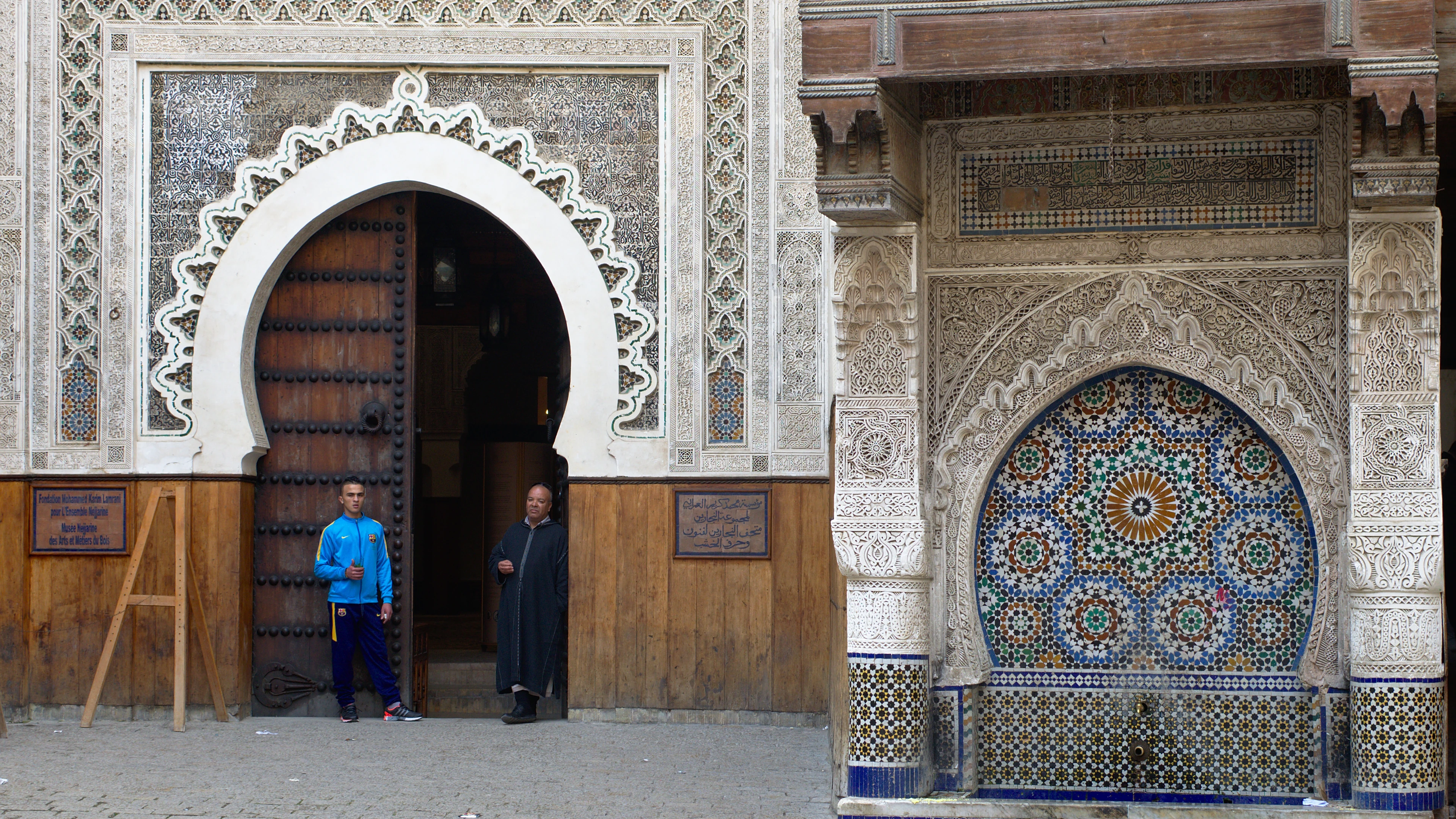
Three visual encounters within this story.
Buildings and work share the same urban fabric in the medina of Fès.
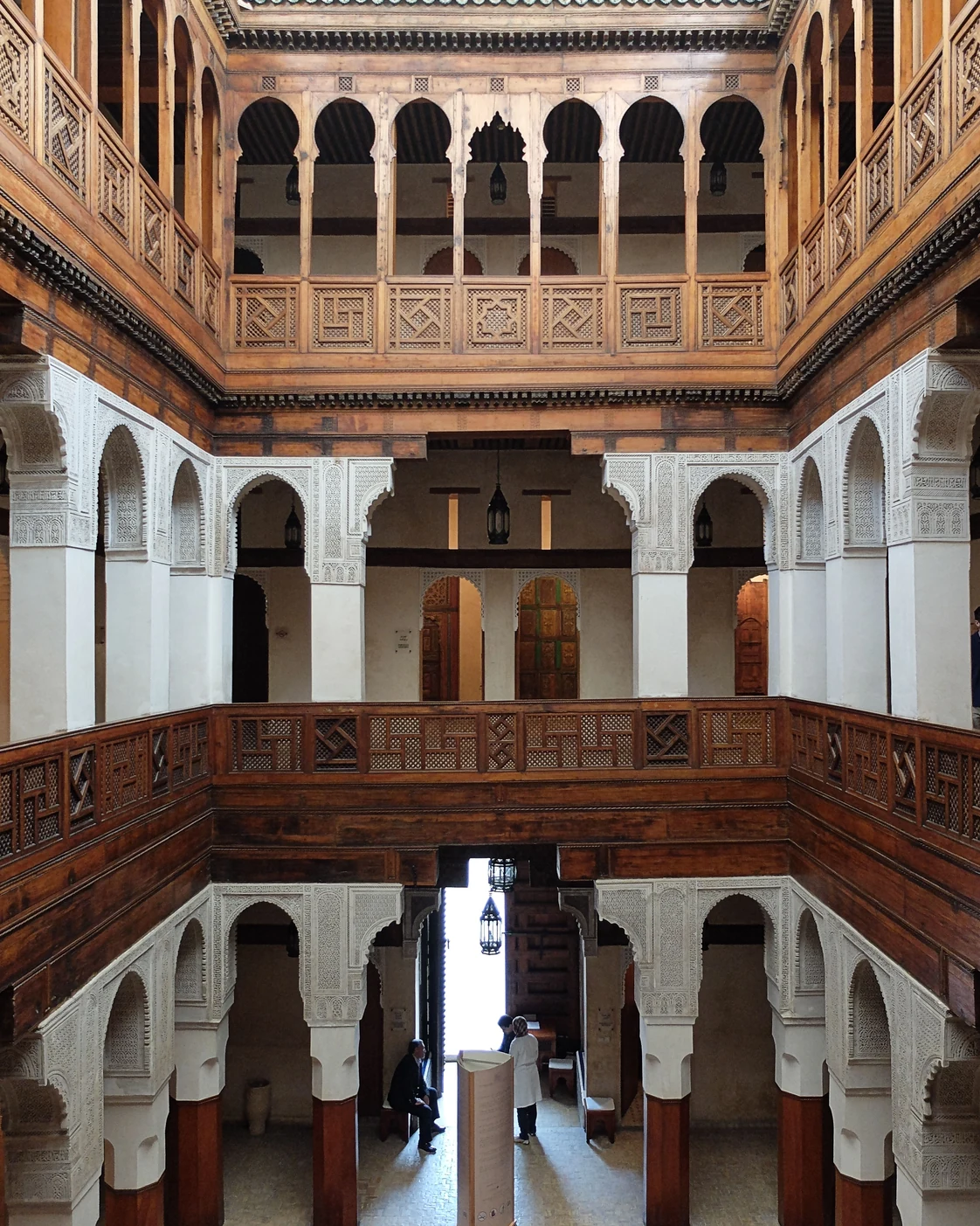
The courtyard of the Nejjarine Museum, in a former fondouk devoted today to wood arts and crafts.
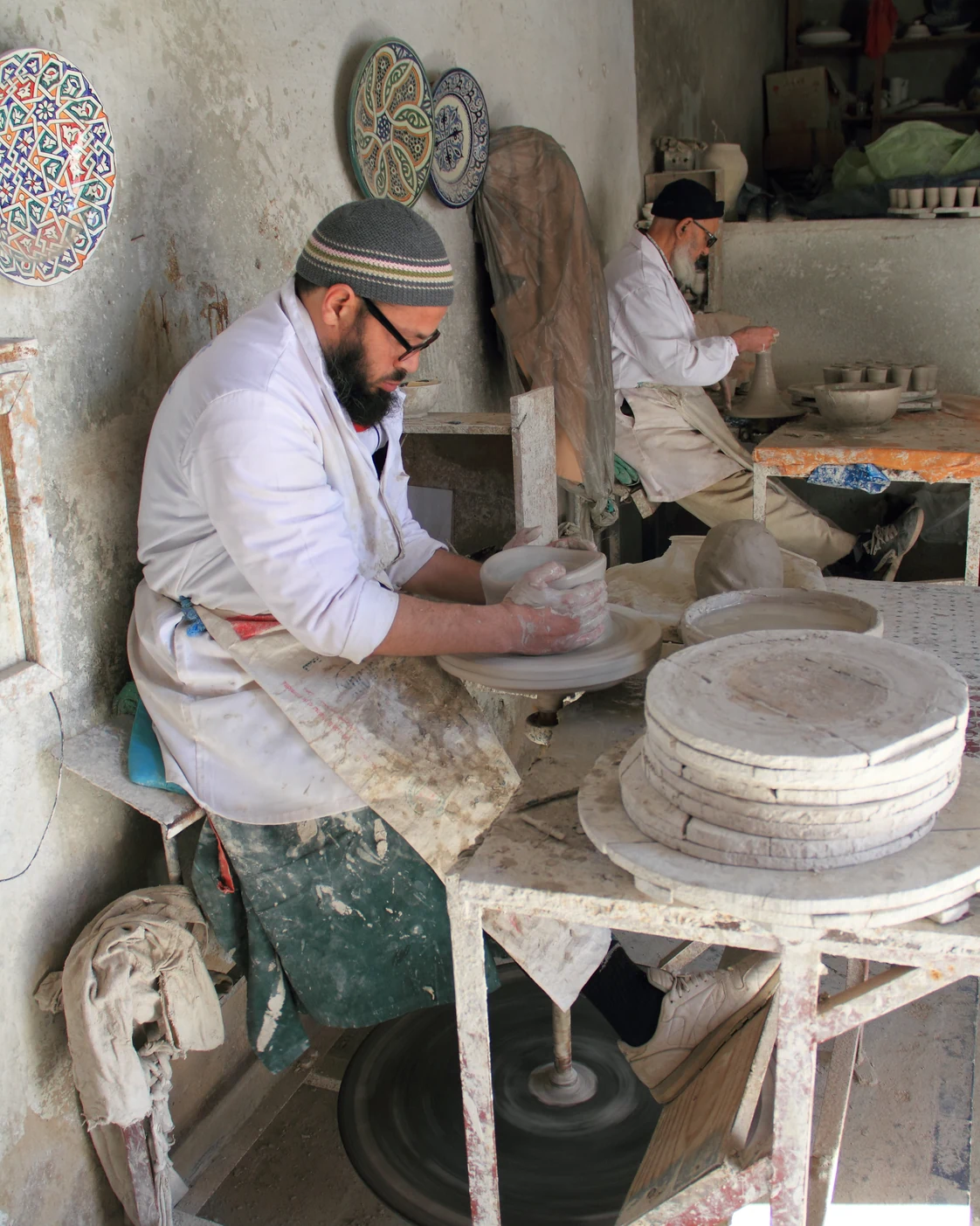
A potter in Fès, photographed in 2016. Material knowledge depends on practice.
03 / Look closer
UNESCO’s account places the city’s Idrisid foundations between the late eighth and early ninth centuries, describing two early quarters separated by the Fès river. It records their later unification and the Marinid foundation of Fès el-Jdid in 1276. These successive arrangements matter more than a single convenient founding date.
The distinction between Fès el-Bali and Fès el-Jdid reminds us that a historic city can contain its own history of expansion. “New” does not have to mean recent. A later political and residential centre can stand beside an older urban fabric, altering relationships without erasing everything that preceded it.
This is why a skyline should be read cautiously. Buildings visible together were not necessarily conceived together. Repairs, additions and changes of use can be younger than a foundation; a familiar façade need not be the oldest part of a place. The city’s visual coherence is not proof of a single moment in history.
03 / Look closer
A useful approach is to give each encounter a small set of questions. What kind of institution or activity was this building associated with? Which period does the evidence identify? What is visible now, and what would require a plan, an inscription or specialist explanation to establish? The questions keep admiration connected to knowledge.
Our guide to Moroccan dynasties can help establish a wider chronology. On the street, however, a period label should support attention rather than replace it. A Marinid building is not understood simply because the word “Marinid” has been attached to it.
04 / The story in context
02 / Institutions and their surroundings
Fès is inseparable from a history of religious learning, but familiar superlatives can obscure the institutions themselves. The al-Qarawiyyin quarter belongs to a much wider setting of streets, commerce, worship and teaching. This story does not depend on a contest over which institution should be called the world’s first university. That modern category needs careful historical definition.
A fondouk and a madrasa offer different entry points into the archive. One brings commercial movement and accommodation into the picture; the other connects learning with the rooms and resources that supported it. Compare their courts, routes and woodwork, then read the building’s own account before attaching a particular function to an individual room.
The workshop offers a third kind of record. A tool mark, an unfinished piece and a repair can reveal decisions that a completed façade conceals. Ask which stage you are seeing and who carries out the next one. This makes the ‘living’ part of the metaphor practical: knowledge is repeated, adjusted and taught through work, rather than stored only in an old building.
Stay with the context
The smaller scale of a madrasa can make some architectural relationships easier to see. In an accessible historic teaching building, look at the relation between the court, decorated communal spaces and the more restrained accommodation around them. Different functions need not receive the same treatment. A richly worked surface is one part of an organised institution.
At Al-Attarine, the early fourteenth-century building provides a particularly clear meeting of materials: glazed tile below, carved plaster above, and wood contributing another texture and structural language. The change from one to the next is worth as much attention as an individual pattern. The building is not a flat accumulation of beautiful decoration.
The zellige story follows the making and reading of one of those materials. Here the broader point is that knowledge has a physical setting. Teaching, accommodation, gathering and movement have to be accommodated somewhere. The arrangement of a building can give those activities different degrees of visibility, enclosure and importance.
Religious and educational buildings also have rules of access. A view through a doorway does not make every space public. Observe the arrangements at the actual site and do not turn a place of worship into a viewing platform merely because its architecture is celebrated. Respecting the boundary is part of understanding the institution.
A closer encounter
Dates and descriptions can establish a context that a beautiful photograph cannot supply.
A cut, a joint or a repeated shape can reveal decisions involved in making an object.
Repair is evidence that a building has a life after its first construction.
A different distance
03 / The record held in a skill
A craft district is often photographed for its finished surfaces or displays of goods. The deeper subject is the knowledge behind them. A worked object contains decisions about material, sequence and use. Some decisions can be explained in words; others become reliable through repeated practice and correction.
The Hassan II Mosque Foundation’s account of zellige offers a concrete example: clay preparation, firing, cutting to templates and assembling the pieces face down. The finished face conceals much of that sequence. Looking only at the surface can therefore miss the relationship between a visible pattern and the method that makes it possible.
A different distance
Wood offers a different route into material knowledge. The Nejjarine Museum occupies a former eighteenth-century fondouk and is devoted to the arts and crafts of wood. As the national museums’ 2025 brochure explains, the building and the subject belong together: an older commercial setting now houses objects through which craft can be studied.
That pairing makes comparison possible. A door, a domestic object and a tool do not ask the same thing of wood. Their proportions, connections and finished surfaces respond to different purposes. Even without specialist training, a visitor can start by identifying what an object was meant to do before considering how it was decorated.
There is a limit to what a visual essay can establish about contemporary work. A photograph of a workshop does not document the maker’s whole training, working conditions or business. Nor is every object sold in a historic market necessarily made in that market. A serious appreciation of craft leaves room for these questions instead of filling the gaps with romantic certainty.
A different distance
For a visitor, attention can begin very simply: ask what a material is, how a particular stage is done, and whether the person working is comfortable being photographed. If they choose to explain, listen to their account as an account of their own work. The city’s knowledge is held by individuals, not by an anonymous character called “tradition”.
A different distance
It is tempting to describe Fès as unchanged because so much of its historic form remains legible. UNESCO’s assessment is more useful: it recognises the importance of surviving building skills while identifying conservation and urban pressures. The survival of a dense historic city is an ongoing responsibility, not a completed achievement.
Roofs, walls, drainage and access all belong to that responsibility. A visitor may focus on a decorated room, but the room depends on a building that must continue to stand and function. The less photogenic parts of maintenance are not separate from cultural heritage. They help make its survival possible.
There is also a difference between conserving an object and keeping a neighbourhood habitable. A building can be admired from outside while presenting practical difficulties to the people who use it. The needs of residents, businesses and visitors do not always align automatically. To call Fès a living archive should sharpen our awareness of those relationships, not conceal them behind a pleasing phrase.
A different distance
The Batha museum offers a visible example of a historic building entering a renewed institutional chapter. The Fondation Nationale des Musées records its reopening in February 2025 as the Museum of Islamic Arts after restoration. Its presentation connects objects from different periods, including ceramics, manuscripts, textiles and metalwork, within the palace and its garden setting.
A museum visit can therefore complement the street rather than compete with it. Displayed objects have labels and an interpretive arrangement; an urban encounter has a physical and social context that cannot be moved into a case. Moving between the two lets each correct the limitations of the other.
A different distance
Begin a visit to Fès with a manageable part of the city. Pair a street-level encounter with a place where the history is interpreted: a museum, a documented monument, or a conversation with an informed guide. A little reliable context is more useful than a large collection of unexamined anecdotes.
Keep the city’s ordinary uses in view. A market is a place of transactions, a doorway controls access, and a workshop is a workplace. Seeing these uses does not strip the medina of its cultural richness. It explains why that richness has a life beyond a photograph.
There will be things you cannot date, identify or interpret on the spot. That is a reasonable ending to an encounter with a complicated place. An archive invites another question; a living city will never be fully contained by the answer.
The past is present here.
So are the people making what comes next.
Story pathways
Cities, cultural context and a connected essay, chosen for this subject.
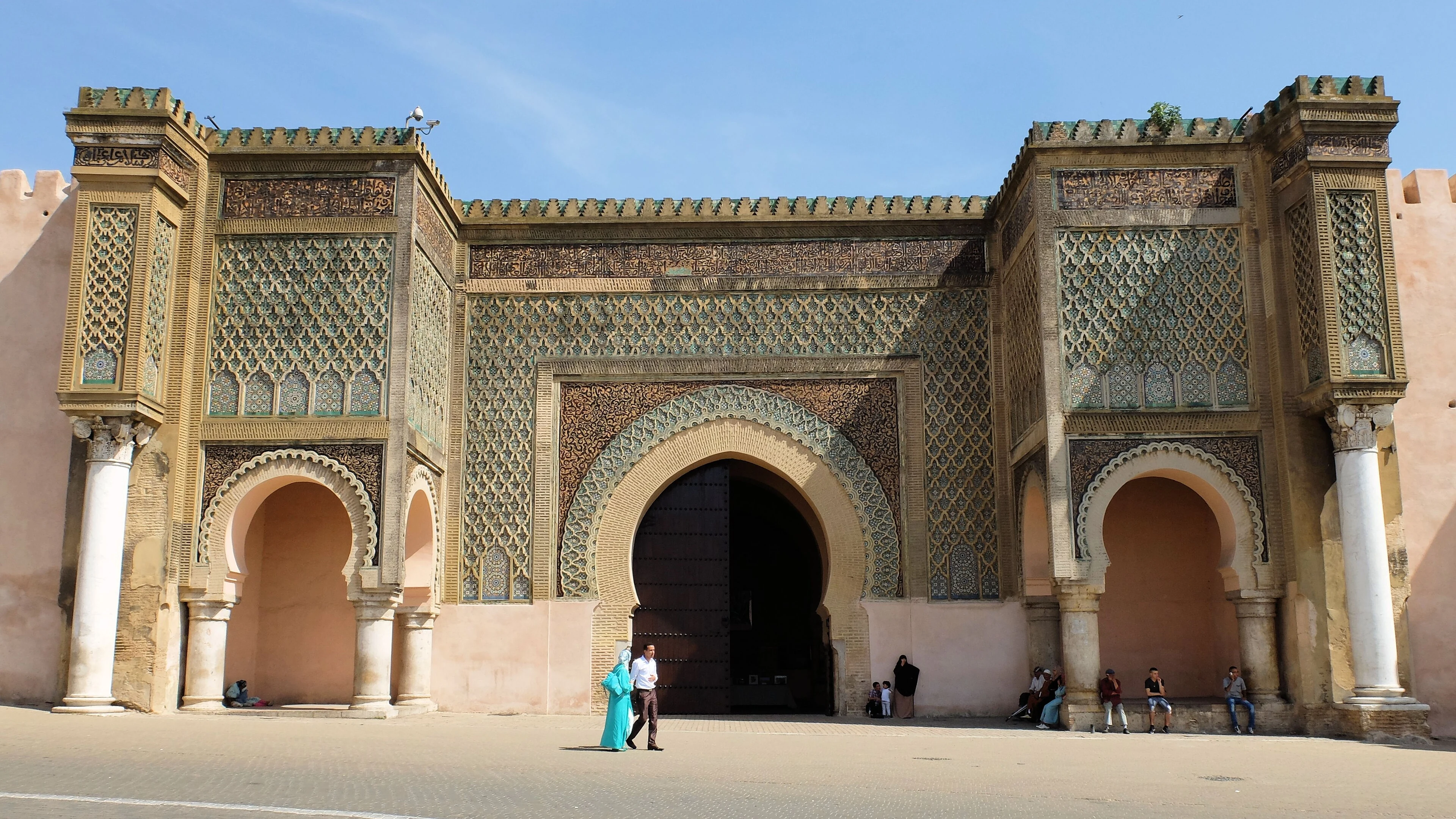
guide to Moroccan dynasties
Explore the context ↗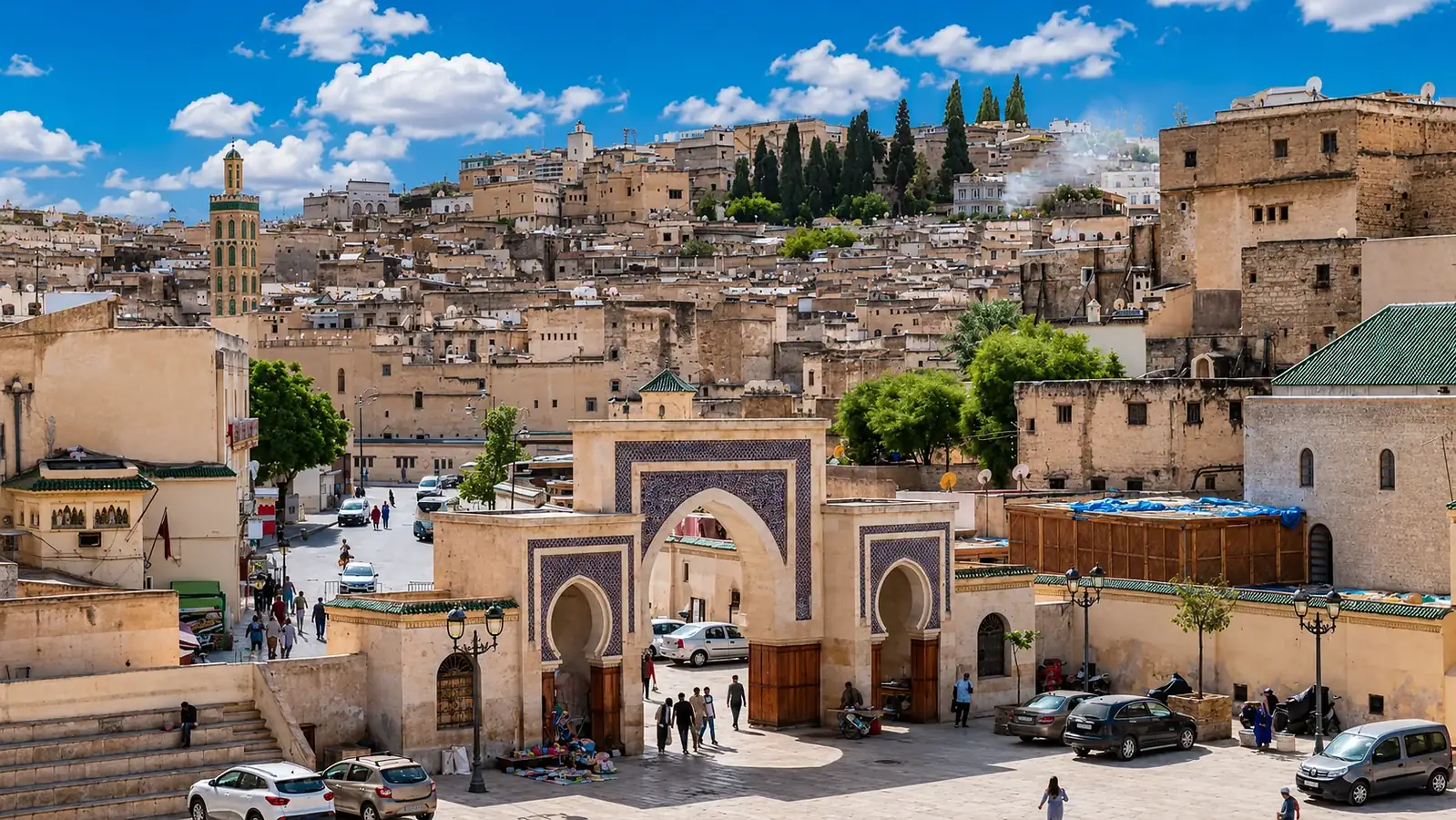
Continue the city context behind this story.
Explore the city ↗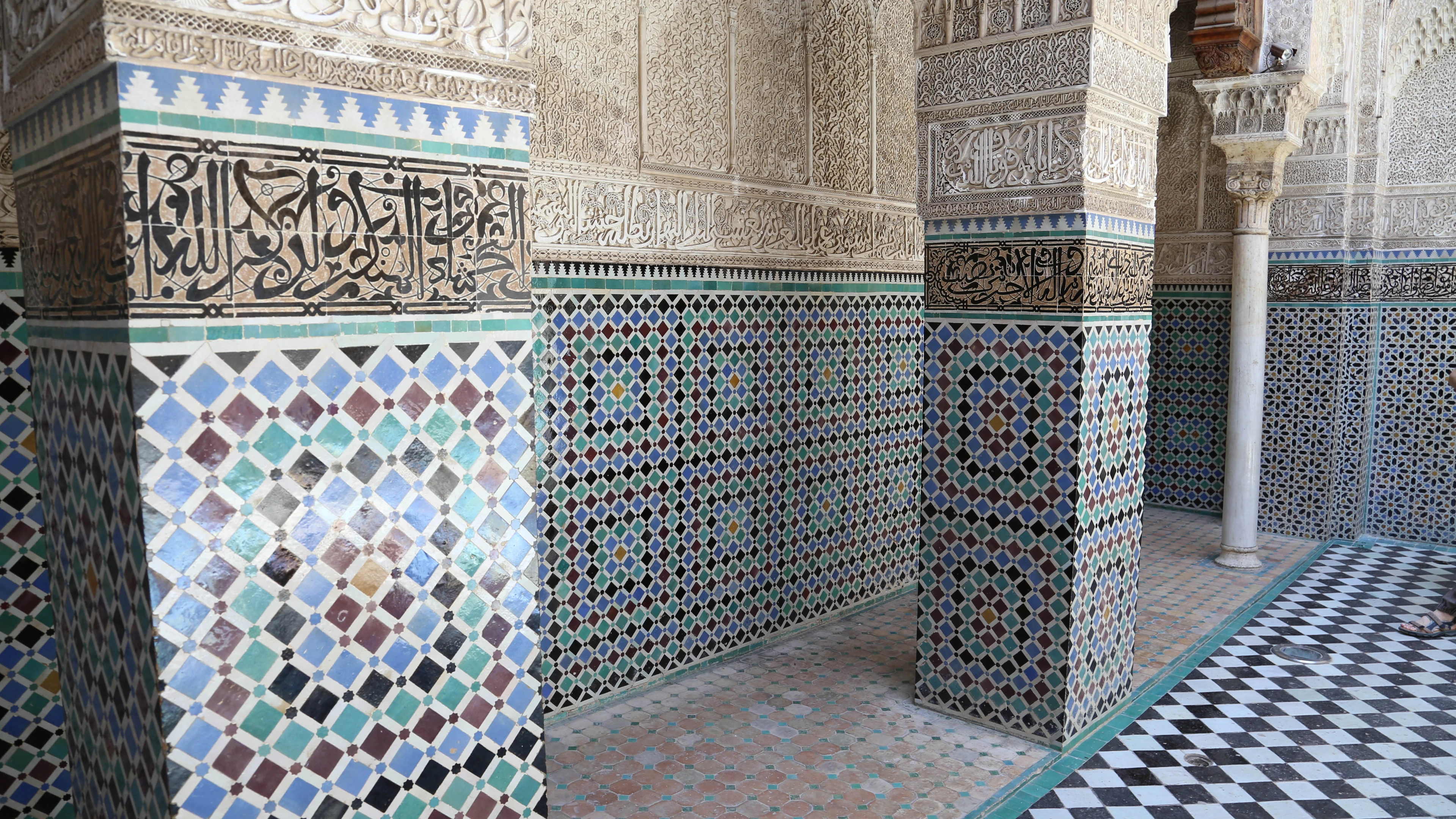
A small piece of clay. An extraordinary way of seeing. Inside the craft that gives Moroccan architecture its colour, rhythm and human touch.
Explore the story ↗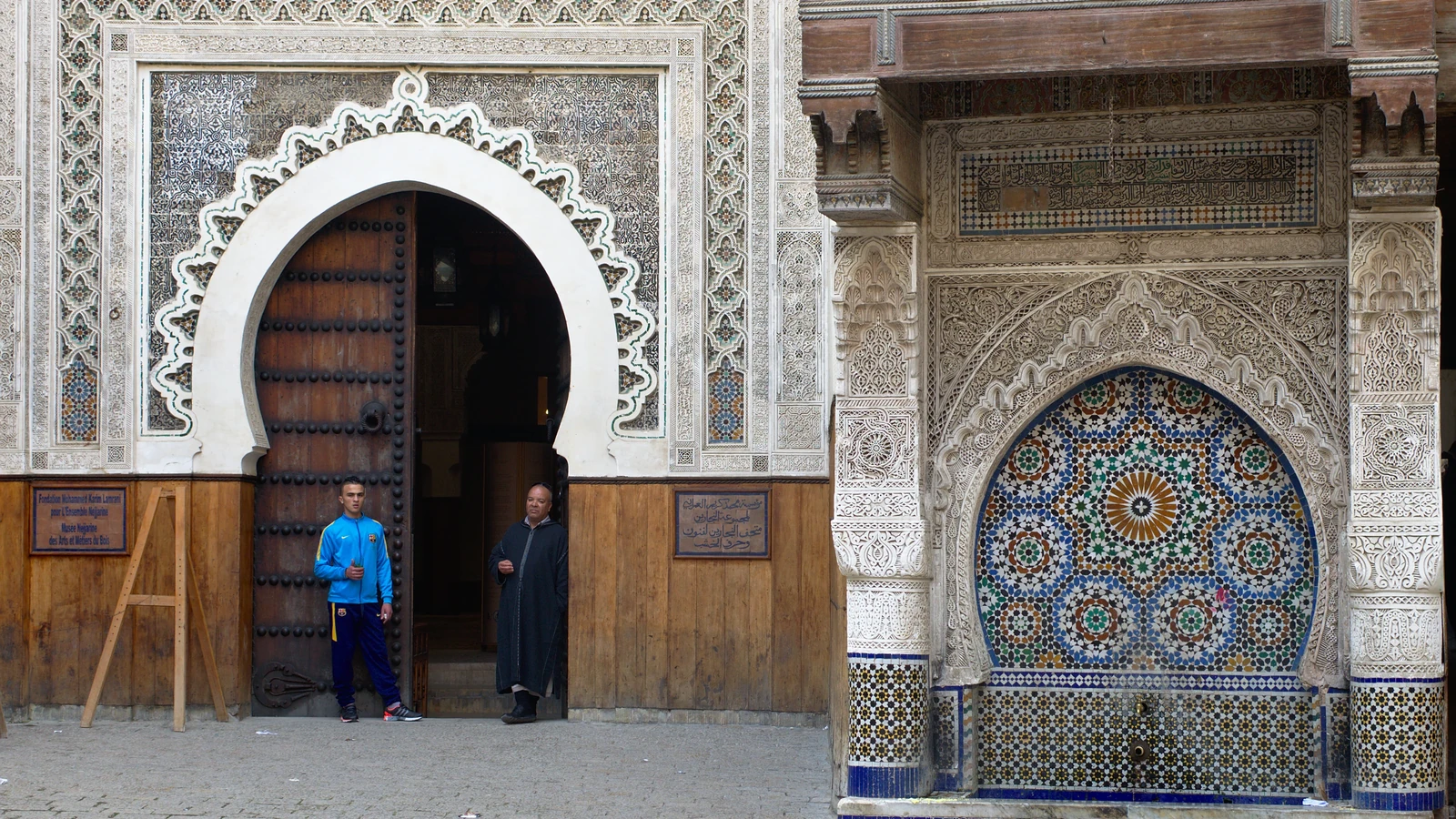
A musical evening gathers many kinds of attention: the performer’s, the listener’s, and the city’s continuing life around them.
Explore the story ↗Continue reading
Keep the subject in view as you choose your next chapter.
A small piece of clay. An extraordinary way of seeing. Inside the craft that gives Moroccan architecture its colour, rhythm and human touch.
Read the story ↗A musical evening gathers many kinds of attention: the performer’s, the listener’s, and the city’s continuing life around them.
Read the story ↗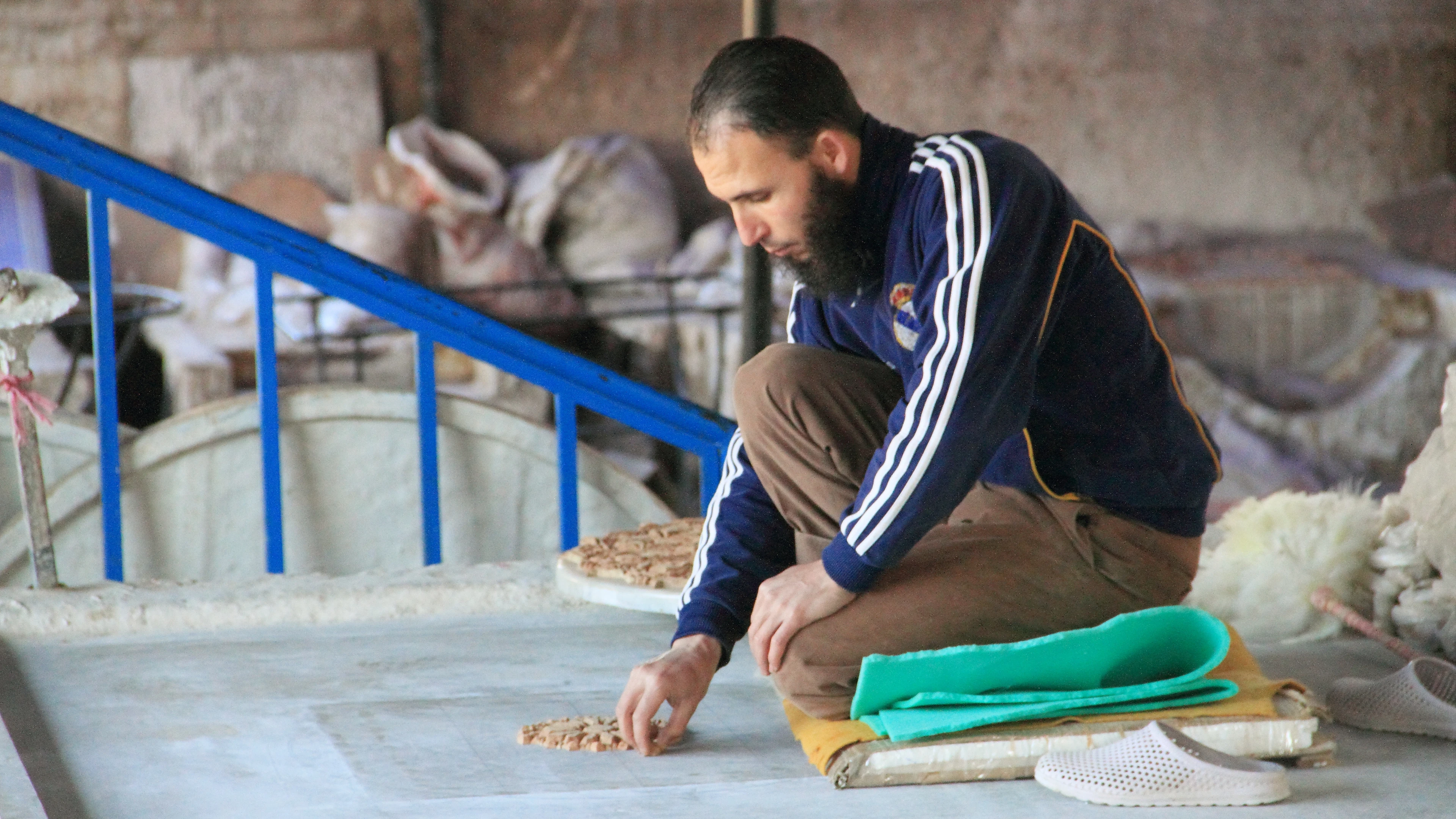
Clay, colour, wood and the decisions that turn material into a useful, beautiful thing.
Read the story ↗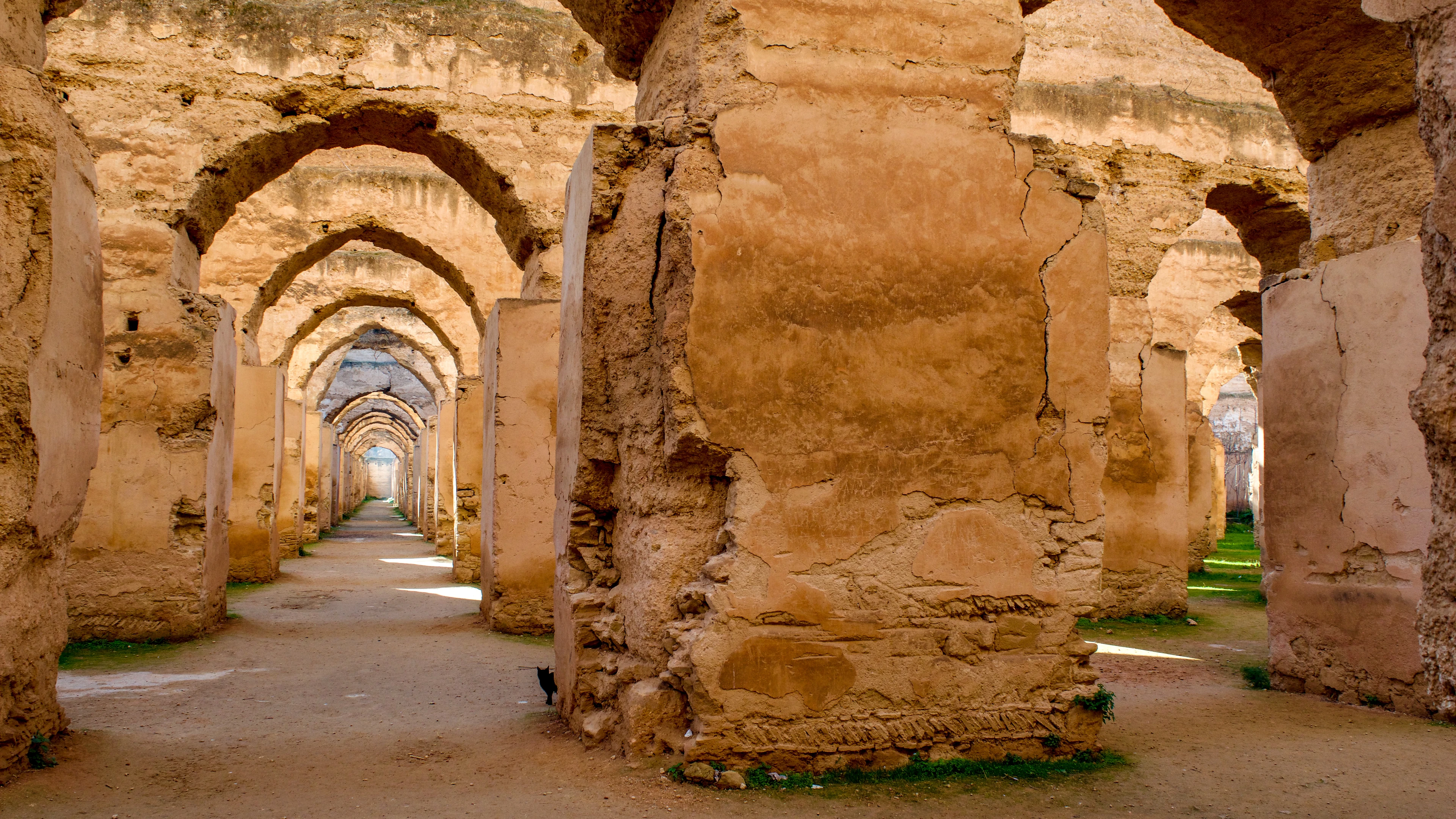
Behind the famous gateway is a city of water, provision, markets and music. Change the scale, and another Meknès appears.
Read the story ↗This is a researched visual essay. Historical claims are distinguished from editorial observations. No first-person visit, interview or quotation has been invented. Photographs show their stated locations; they do not document every person or practice discussed.
Photography is identified through the linked source records. Crops and responsive sizes were prepared for this layout.
Research checked 27 September 2026.

.jpg)
.jpg)
.jpg)


.jpg)