Change the scale
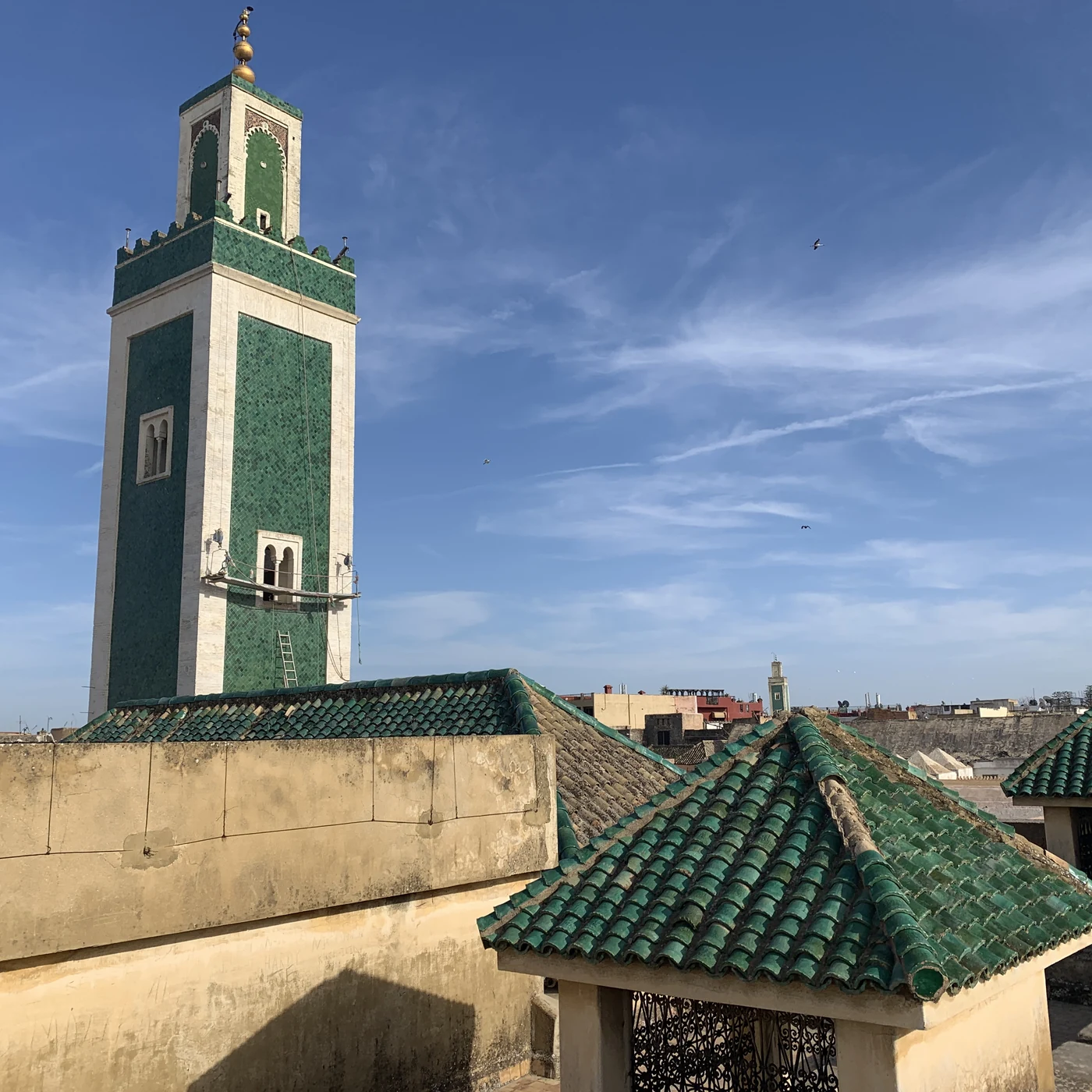
A change of scale: the Grand Mosque’s minaret and the roofs around it.

Exotic Morocco · Stories
Behind the famous gateway is a city of water, provision, markets and music. Change the scale, and another Meknès appears.
Enter the story ↓01 / The starting point
A monumental gate is exceptionally good at becoming an image. It has a frame, a centre and an obvious front. It invites the camera to stand in a particular place. Bab Mansour has all that, with a surface whose geometry and colour reward a closer look. But a photograph of the entrance cannot explain the city on either side of it.
Meknès becomes more interesting when the gate is treated as a hinge. Beyond its public face are changes in scale: the concentrated streets of a medina, the expansive organisation of an imperial complex, the repeated bays of great structures, and places where water had to be collected and managed. These are different kinds of architecture doing different kinds of work.
The city is often introduced through Sultan Moulay Ismaïl, who made it his capital during his reign of 1672–1727. That connection is essential. It is not the whole history of Meknès, and it should not make the life of a city disappear behind the biography of a ruler. A stronger visit makes room for both monumental ambition and ordinary use.
02 / Read the details
Three visual encounters within this story.
A change of scale: the Grand Mosque’s minaret and the roofs around it.
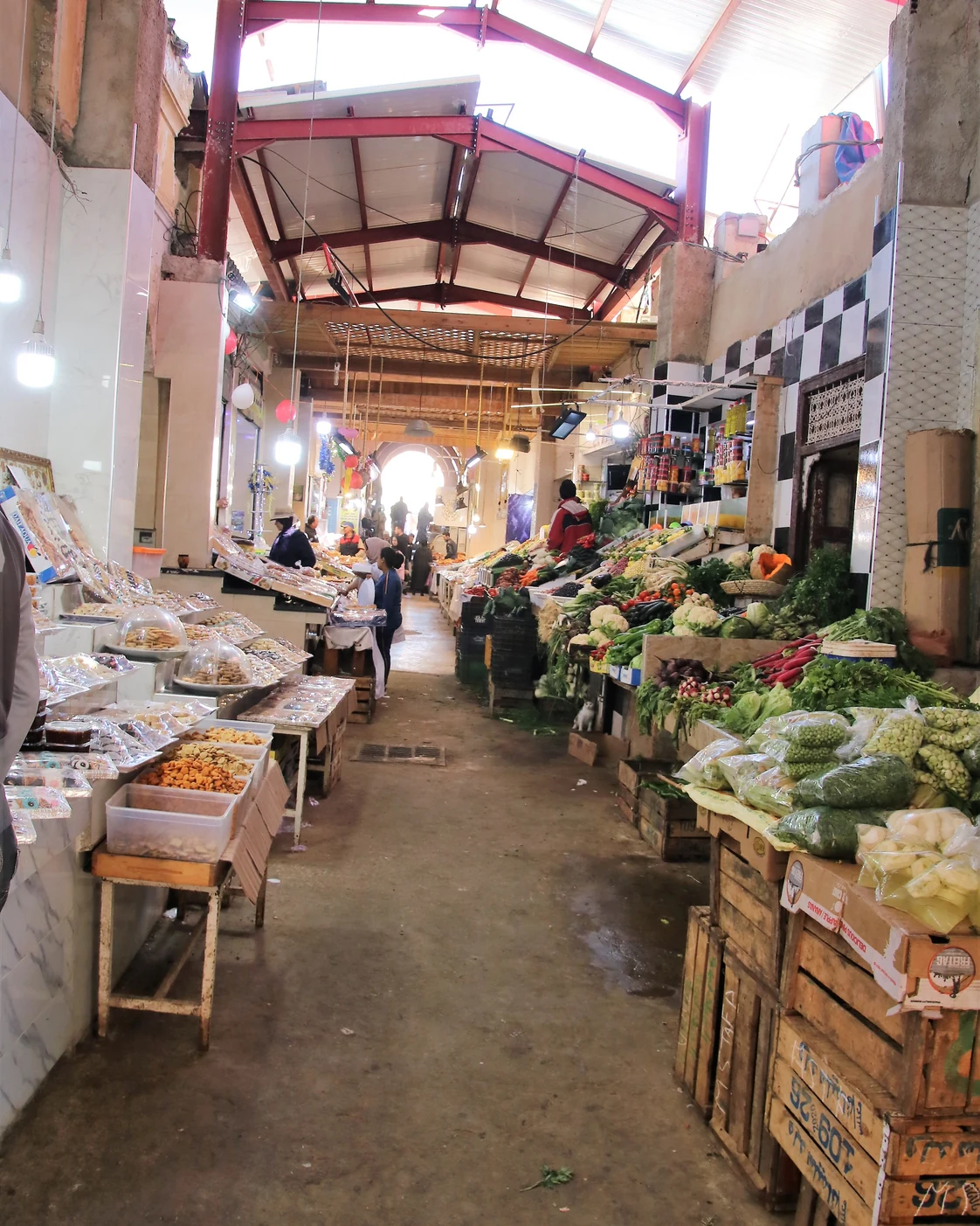
A market lane in Meknès, photographed in 2020: the city between its monuments.
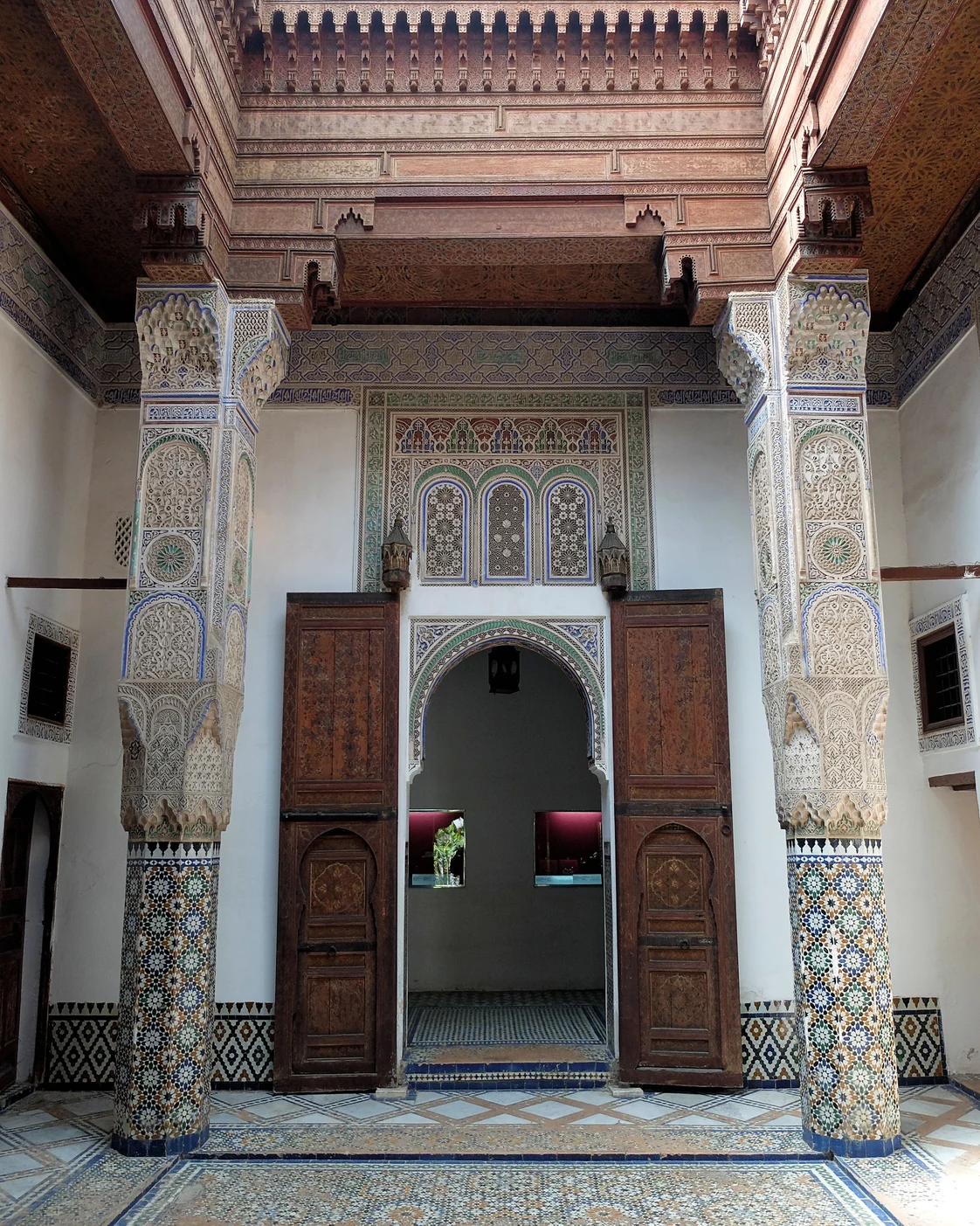
Architecture at Dar Jamaï: a historic residence with a later life as a museum.
03 / Look closer
UNESCO’s description of historic Meknès distinguishes the dense medina from the extensive open areas of the kasbah. It also places the city’s beginnings as an Almoravid military settlement in the eleventh century. The imperial capital was therefore a major transformation of an existing place, not a city without a past suddenly summoned into being.
Scale is one of the most immediate ways to understand that transformation. A high wall changes the relationship between a person and a building even before ornament is considered. A long enclosed route directs movement. A large open space can separate an approach from its destination. Architecture does not merely represent authority in symbols; it can organise the experience of approaching it.
These observations are a way of reading the surviving fabric, not a claim that we can reconstruct every ceremony or daily routine from a photograph. We can notice the difference between an inviting shopfront and a long blind wall without inventing a particular procession. We can ask why an entrance is conspicuous while much of what it encloses remains out of sight.
03 / Look closer
The word “imperial” can encourage admiration while leaving its practical questions unanswered. Who and what had to move through this place? What had to be supplied? How were boundaries maintained? Those questions make the built environment more legible. They also prevent a vast complex from becoming nothing more than a backdrop for a story about luxury.
At Bab Mansour, begin with the façade, but then widen your attention. Look at how its opening relates to the space in front of it, how the wall continues beyond the decorated surface, and how present movement uses the surroundings. The gate acquires meaning through those relationships.
04 / The story in context
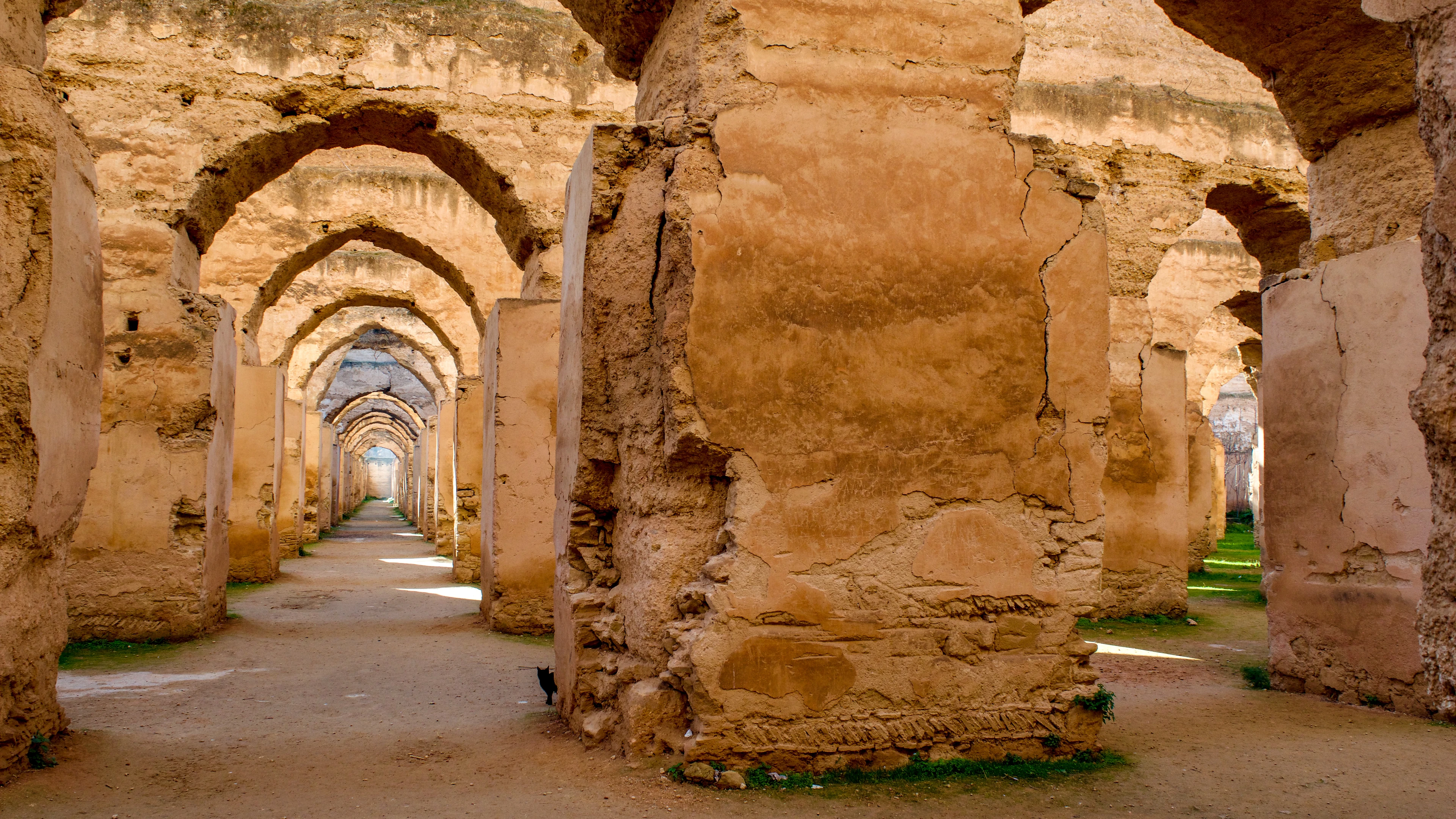
A court cannot function on decorated entrances alone. It needs arrangements for supply, storage and water. The Heri es-Souani and Dar el-Ma area brings that less immediately glamorous side of Meknès into view. The local tourism council connects the large Agdal basin with water reserves and the irrigation of palace gardens; UNESCO includes the city’s great granaries among its important monuments.
Names used in travel accounts can be less precise than the structures deserve. “Granaries”, “stables” and “royal stores” are sometimes gathered into a single shorthand description of this area. The often-repeated spectacular horse totals are not needed to appreciate it. This story avoids treating a popular number, or a label attached to an entire complex, as a substitute for a careful account of individual spaces.
The gate, water reserve and storage buildings invite three different questions. A gate makes an entrance legible; a water system concerns supply; a store concerns keeping provisions available. Reading them together changes an imperial landscape from a set of impressive façades into an account of organisation and maintenance.
Look for that distinction in captions as well as on the ground. Names such as granary, stable and reservoir carry functional claims and should be checked against the site’s explanation. A long series of arches may be visually compelling without establishing how each space was used. Return to the present medina afterwards: the city’s everyday routes provide a different measure of scale.
Stay with the context
What the visitor can read directly is the importance of repetition and enclosure. A sequence of bays allows a very large structure to be understood as related parts. A thick wall is more than a picturesque surface: its mass is part of how a building is constructed and how its interior differs from the exterior. A reservoir gives water a defined place and measurable volume within an urban system.
Consider the difference between a fountain and a basin. Both involve water, but a small fountain can articulate the centre of a court at the scale of a person, while a large reserve asks us to think about a wider system of use. Confusing the two under a romantic idea of “water in Moroccan architecture” loses the specific intelligence of each.
The Heri es-Souani guide provides a place-based continuation of this reading. Access to individual monuments can change during restoration; historical photographs document what they show at the time of capture and are not a promise that every interior is currently open.
A closer encounter
Follow the relationship between a gate, an approach and the space beyond it.
Think about the water, goods and reserves that a large urban complex requires.
Notice how the historic fabric sits beside present trade, movement and cultural life.
A different distance
03 / Return to human scale
The medina offers a useful correction to the scale of the imperial complex. Here the interest is often in a shorter distance: between a stall and a passer-by, one opening and the next, an enclosed lane and the light at its end. It takes attention rather than an elevated viewpoint to see how a street is being used.
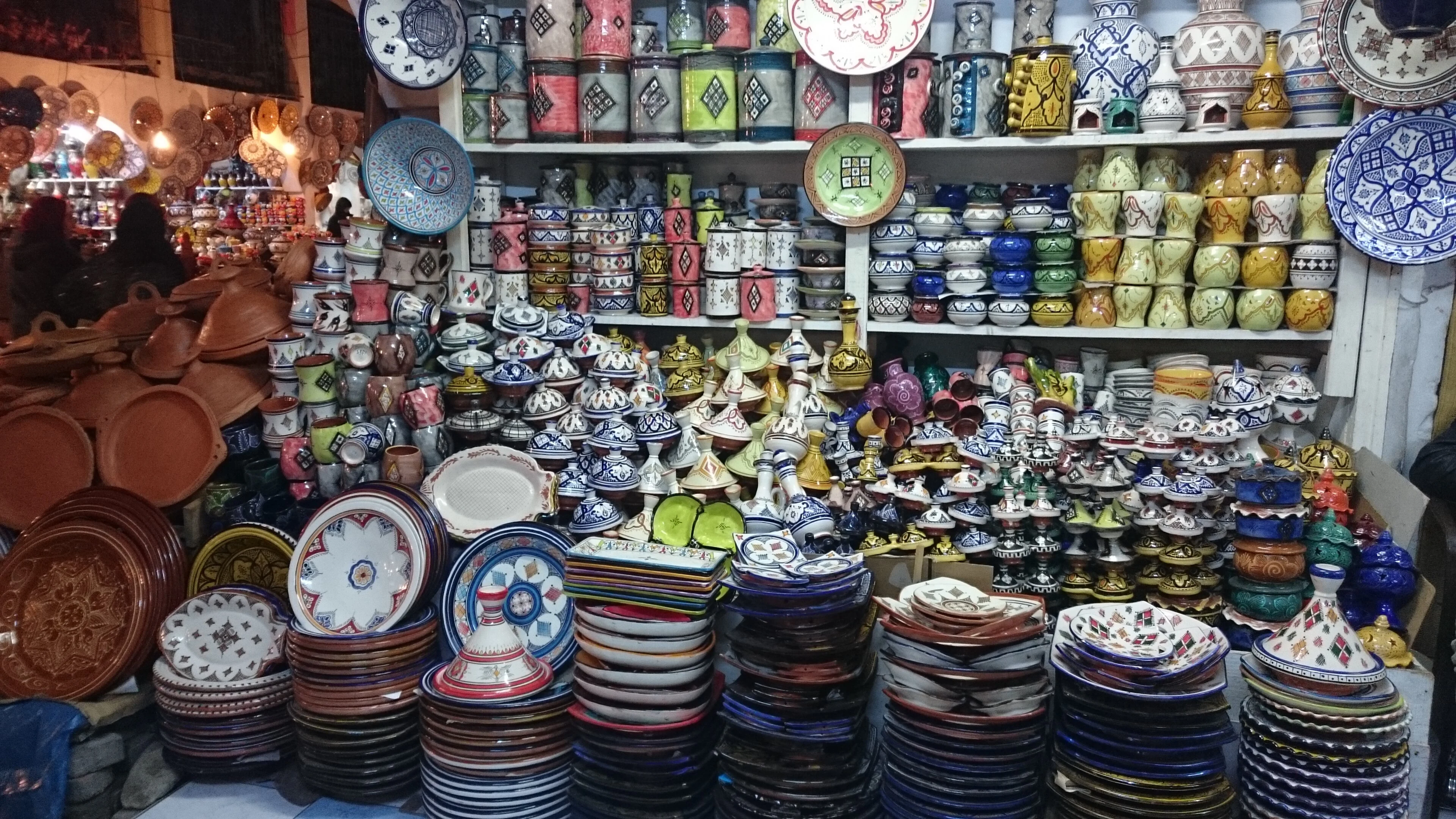
Market photographs make this point without requiring an invented encounter. In the displays pictured here, repetition belongs to goods: vessels grouped together, shapes arranged for viewing, colour concentrated in a small space. These are commercial decisions as well as visual ones. An object has to be seen, handled, compared and, eventually, taken away.
A different distance
That makes a market a useful place to resist two opposite clichés. It is neither an unchanged medieval scene nor merely a collection of souvenirs. Its meaning depends on the actual business being done. Some goods may serve local households, some visitors, and some both. A photograph cannot establish the origin or production method of every item on a stall.
Ask specific questions if you intend to buy. What is the object made from? Is it intended for cooking, serving or display? Where was it produced? The distinction matters more than a confident general claim that everything in a historic setting must be local and handmade. Our ceramics and craft guide offers a vocabulary for looking more carefully.
Allow other people to continue using the street. Step out of the route before stopping over a map, and ask before making a worker the subject of a close photograph. These small choices do not lessen the pleasure of a visit. They help keep the life that makes the setting interesting from becoming an obstacle to the visitor’s picture.
A different distance
04 / A city can also be heard
Dar Jamaï introduces a different scale of history. The Fondation Nationale des Musées dates the original residence to 1882 and describes its later conversion into a museum. Following restoration, it reopened in March 2022 as the National Museum of Music. This is a nineteenth-century house with a later institutional life, not simply another room in Moulay Ismaïl’s capital.
Its musical focus is an important change in perspective. Gates and walls can dominate an account of Meknès because they are easy to photograph. Instruments and musical traditions ask different questions: how sound is made, how a repertoire is learned, how a performance gathers people, and how an object gains meaning through use.
A different distance
The museum’s collection brings several Moroccan traditions into the same interpretive setting. That does not make them interchangeable. A difference in an instrument’s construction, a playing technique or a performance context can be the beginning of understanding. Reading the labels and listening where sound is provided may tell you more than simply recognising a familiar silhouette behind glass.
The building remains part of that encounter. Its worked wood, plaster, tile and garden give material form to a domestic setting that has been adapted to public cultural use. This is a useful reminder that heritage does not only survive as a protected shell. It can take on a carefully considered new purpose.
Seen after the great walls and spaces of the imperial city, Dar Jamaï changes the emphasis from territory to attention. A large urban history becomes readable through smaller objects and forms of knowledge. Meknès has room for both.
A different distance
A fuller encounter with Meknès moves between scales. Start with the public face of a gate, look for the systems that supported the imperial city, and return to the shorter distances of a street or a museum room. There is no need for every stop to compete for the status of the most spectacular.
The nearby landscapes of Volubilis and Moulay Idriss can extend a journey, but they should not be treated as additional chapters of one uninterrupted building project. Different places preserve different histories. Keeping those distinctions clear makes the region richer, not harder to understand.
Bab Mansour will still make a compelling photograph at the end. What changes is what the image can remind you of: not just a decorative façade, but a city of provision, authority, trade, music and continuing work.
Take the photograph.
Then follow what it leaves outside the frame.
Story pathways
Cities, cultural context and a connected essay, chosen for this subject.
ceramics and craft guide
Explore the context ↗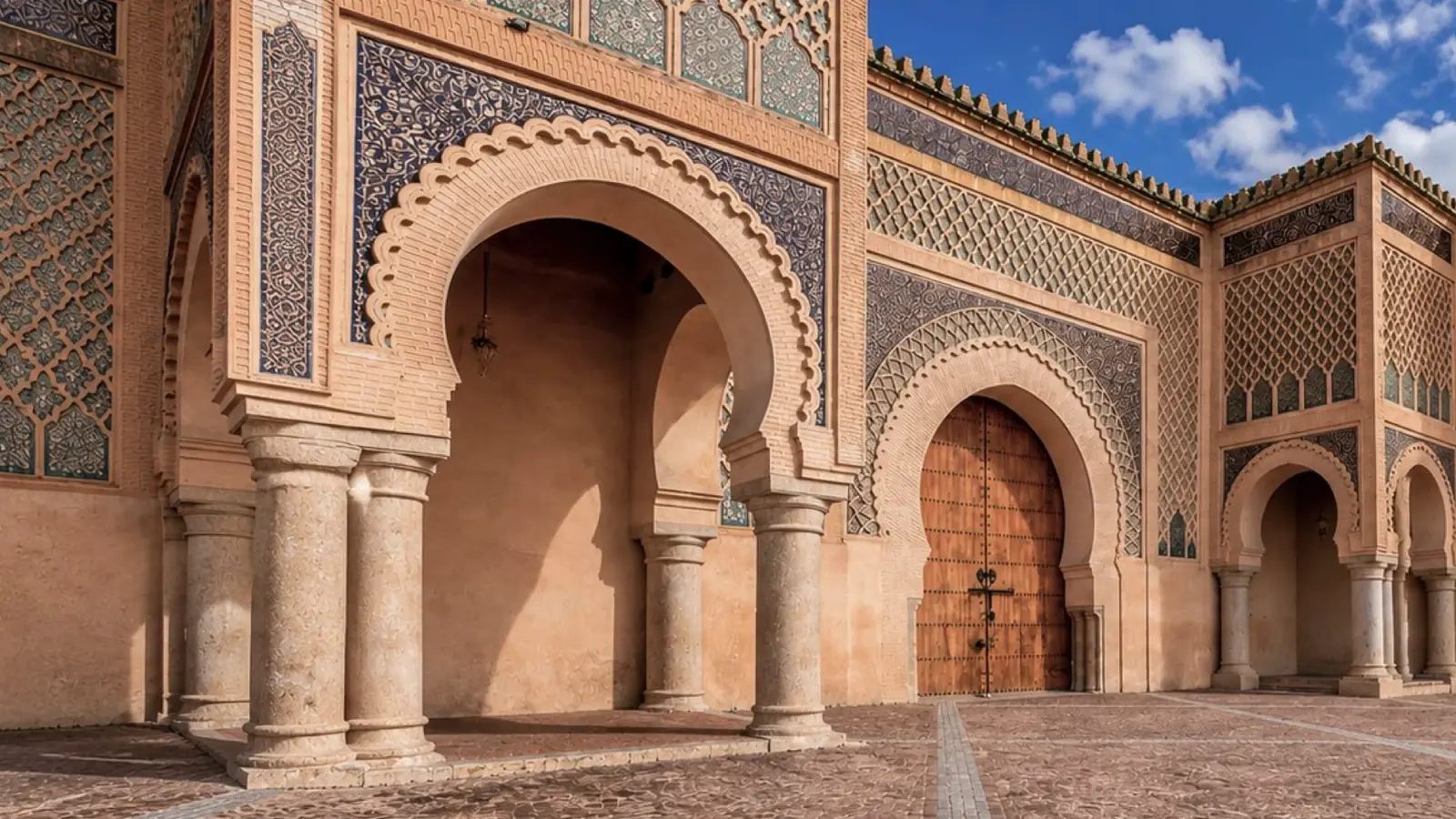
Continue the city context behind this story.
Explore the city ↗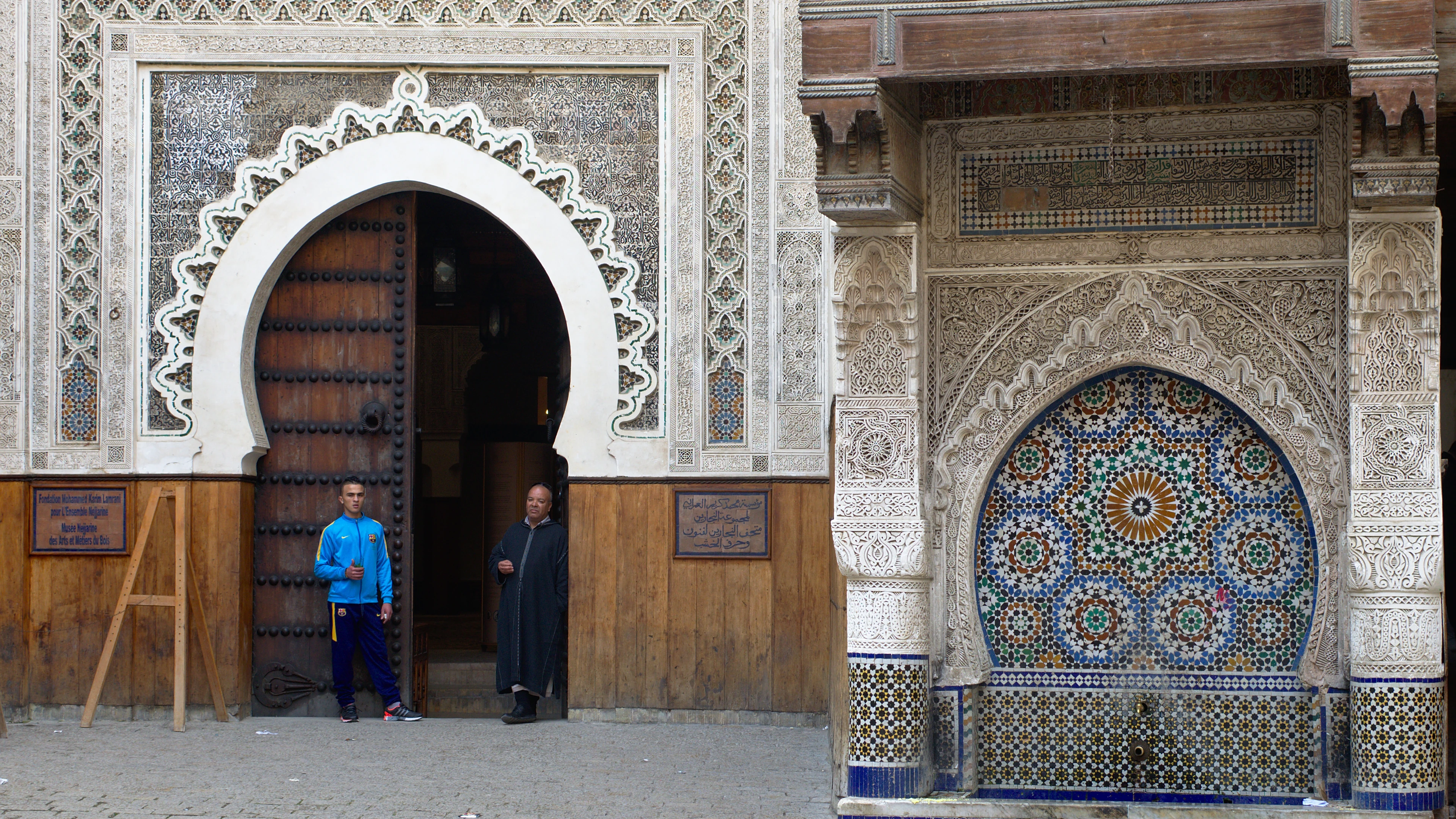
A city’s records can be held in walls, objects and practiced skills. Reading Fès means leaving room for the people who keep it alive.
Explore the story ↗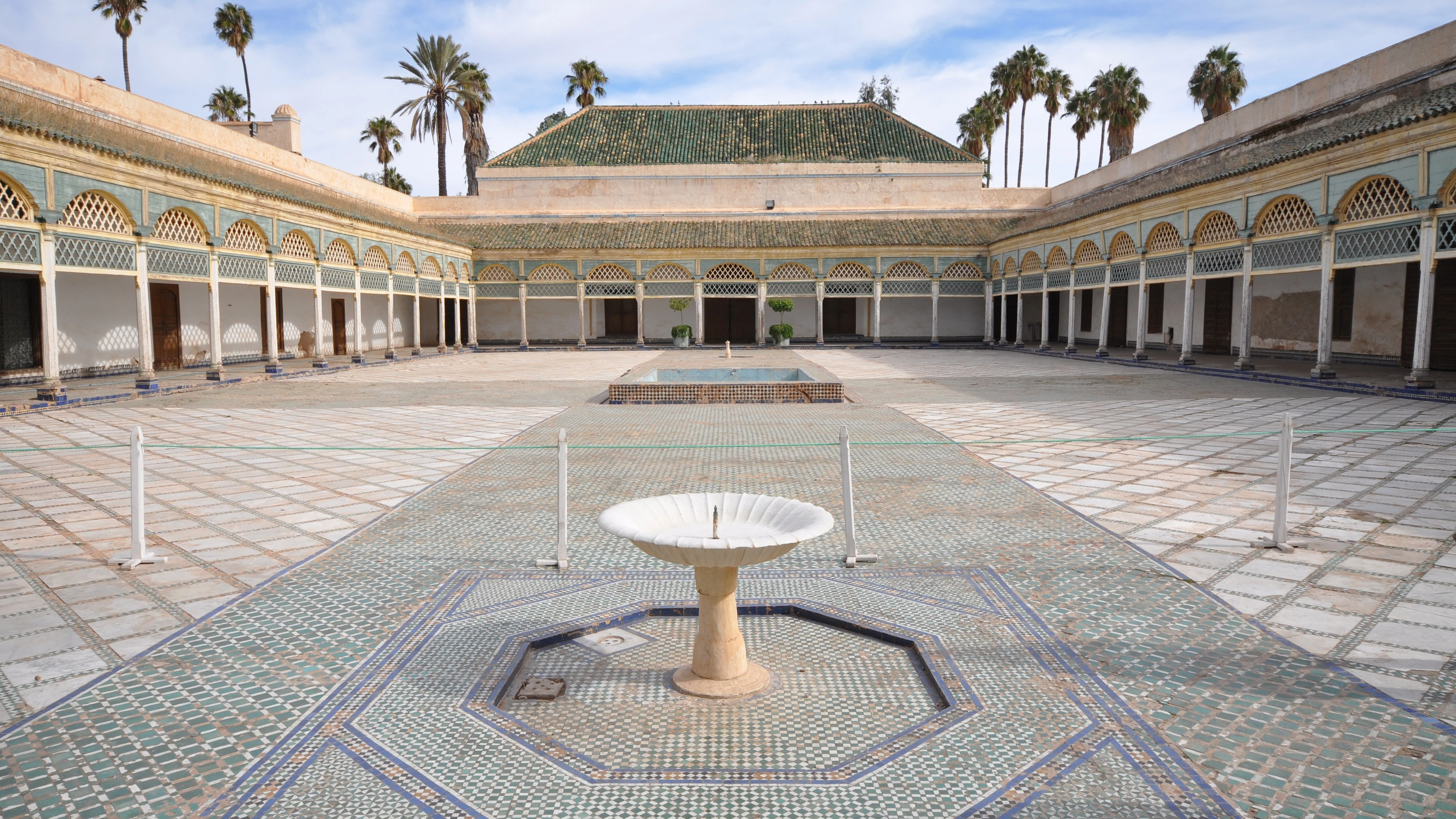
Gates, courtyards, streets and the materials that shape how a place is used.
Explore the story ↗Continue reading
Keep the subject in view as you choose your next chapter.
A city’s records can be held in walls, objects and practiced skills. Reading Fès means leaving room for the people who keep it alive.
Read the story ↗Gates, courtyards, streets and the materials that shape how a place is used.
Read the story ↗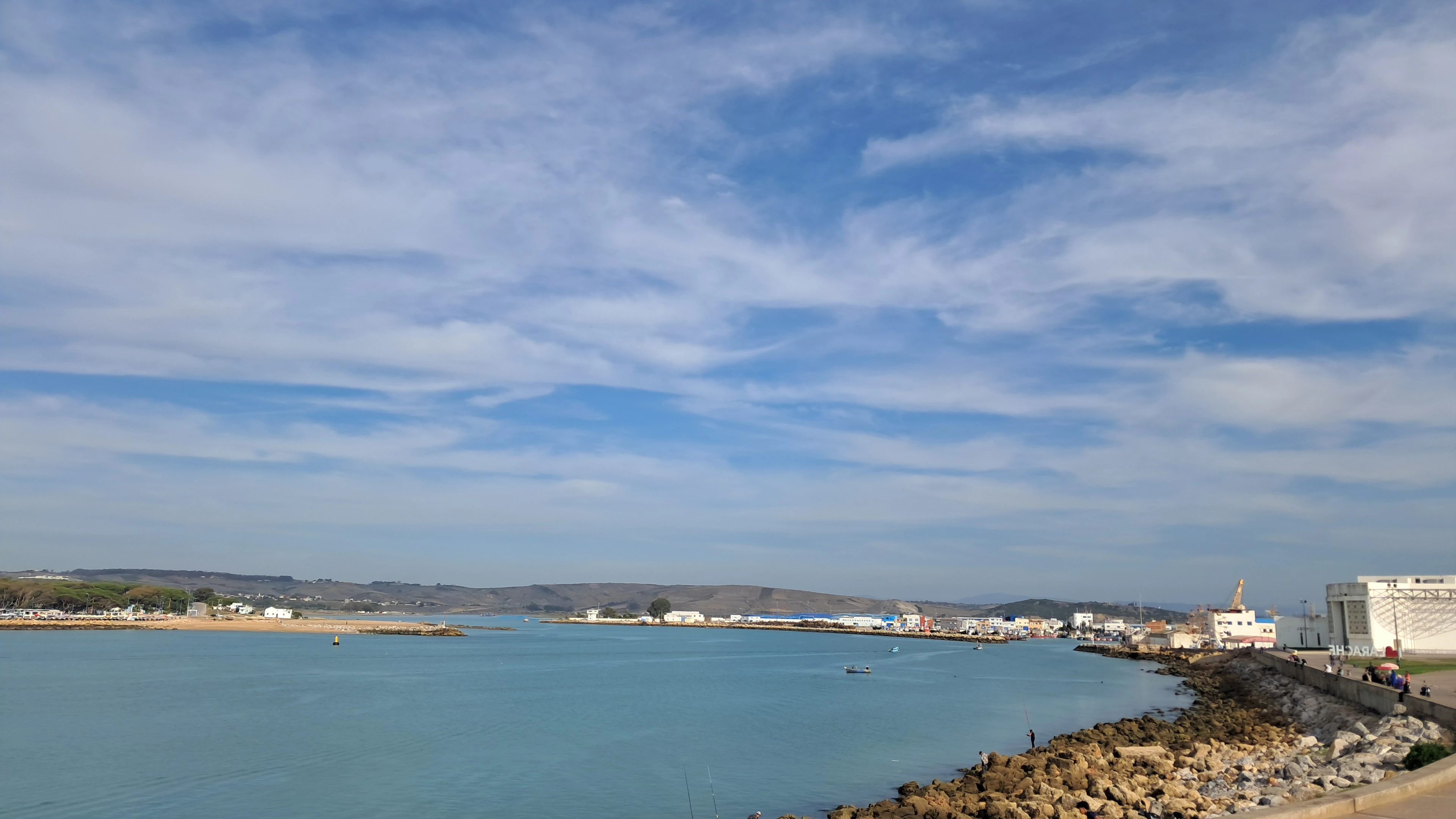
An estuary, a working port and an ancient hill across the water. Read Larache through the relationships that a sea view leaves out.
Read the story ↗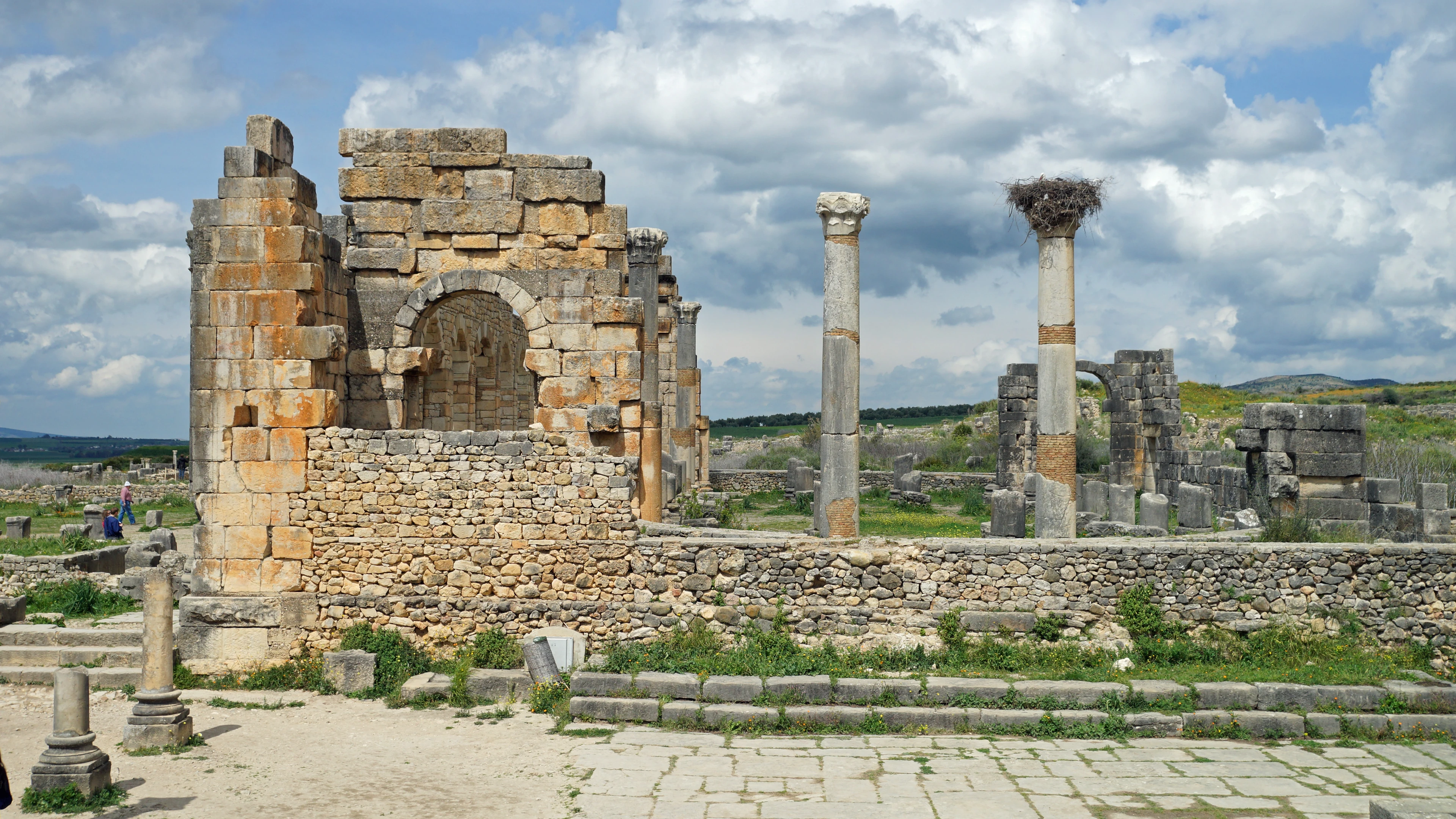
Dynasties, migrations, buildings and the evidence that connects one period to another.
Read the story ↗This is a researched visual essay. Historical claims are distinguished from editorial observations. No first-person visit, interview or quotation has been invented. Photographs show their stated locations; they do not document every person or practice discussed.
Photography is identified through the linked source records. Crops and responsive sizes were prepared for this layout.
Research checked 27 September 2026.

.jpg)


_07.jpg)

.jpg)
.jpg)