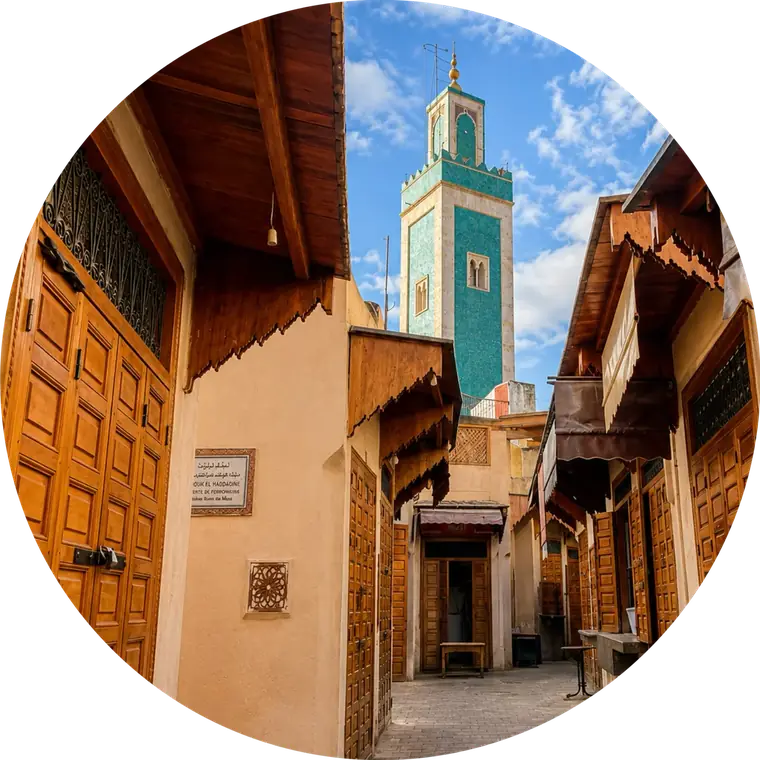
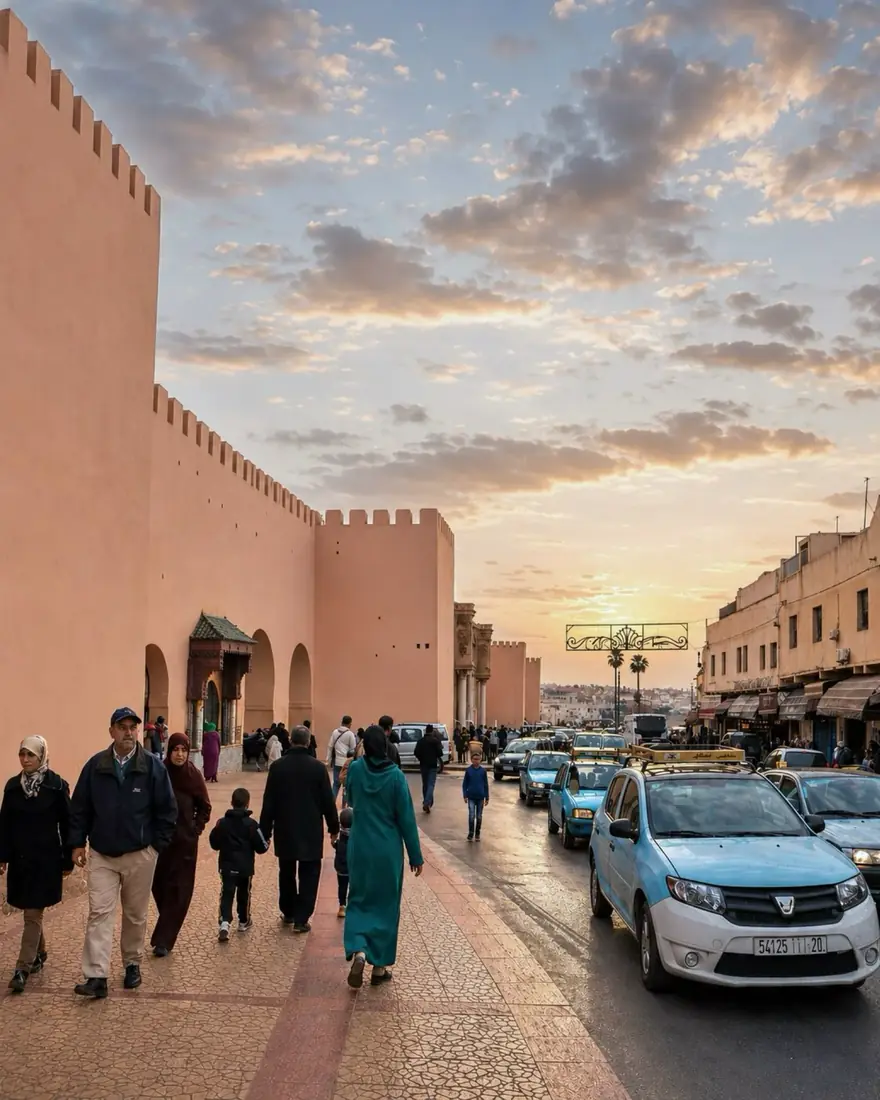
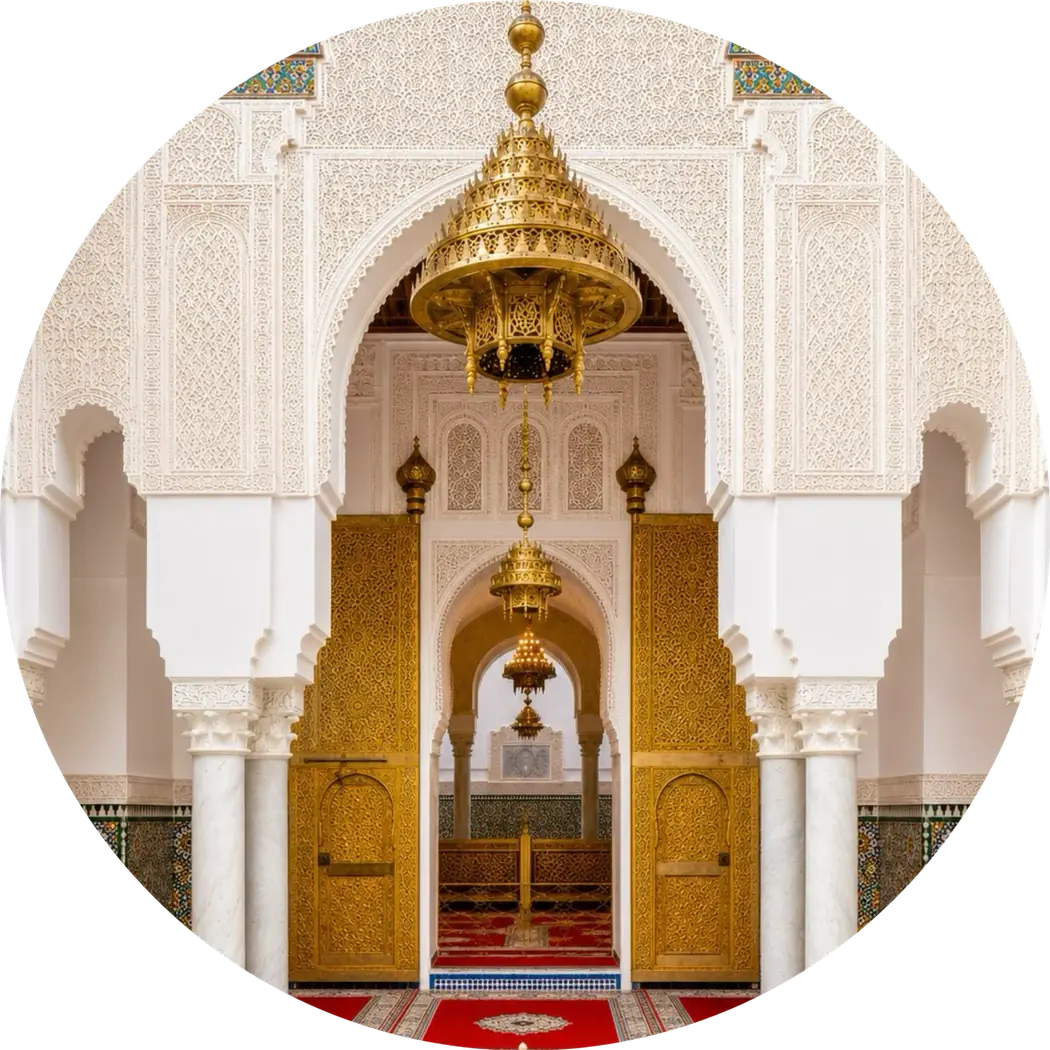
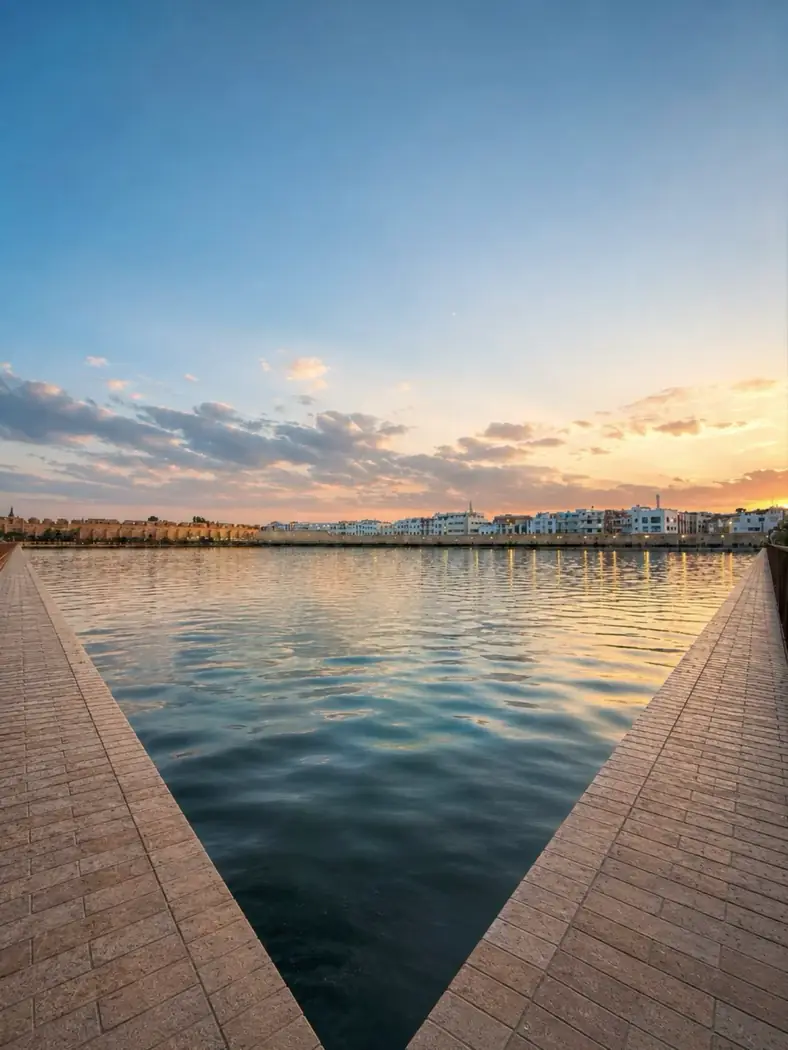
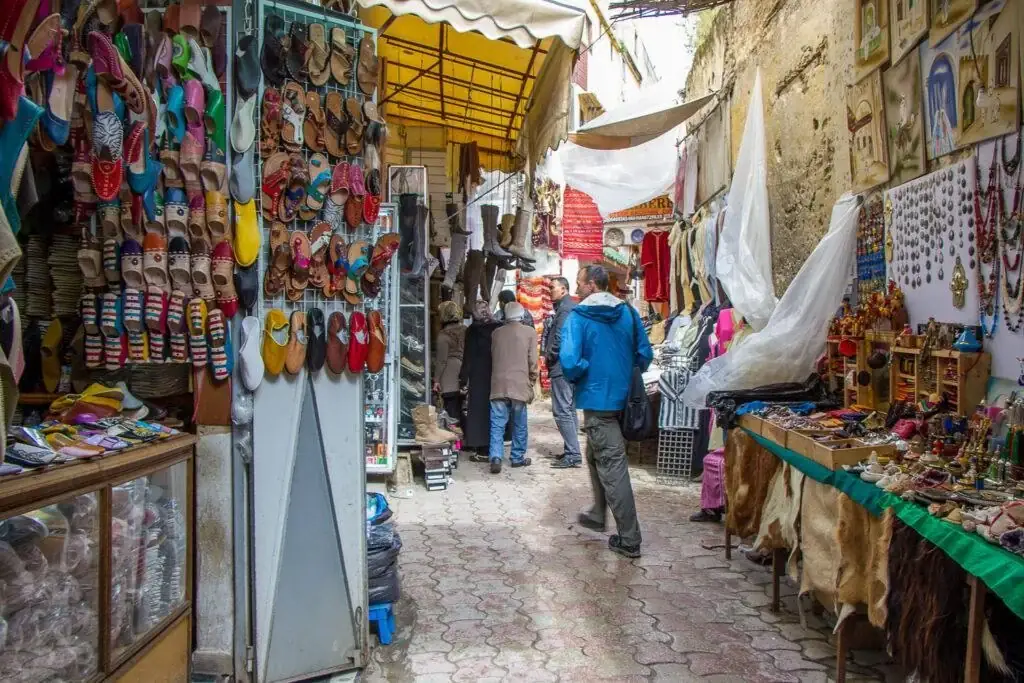
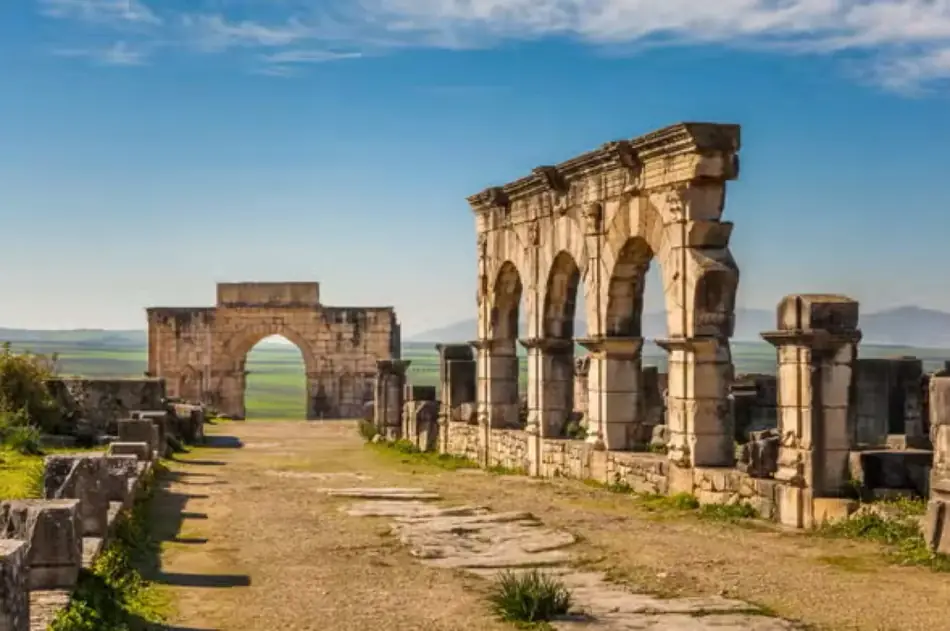
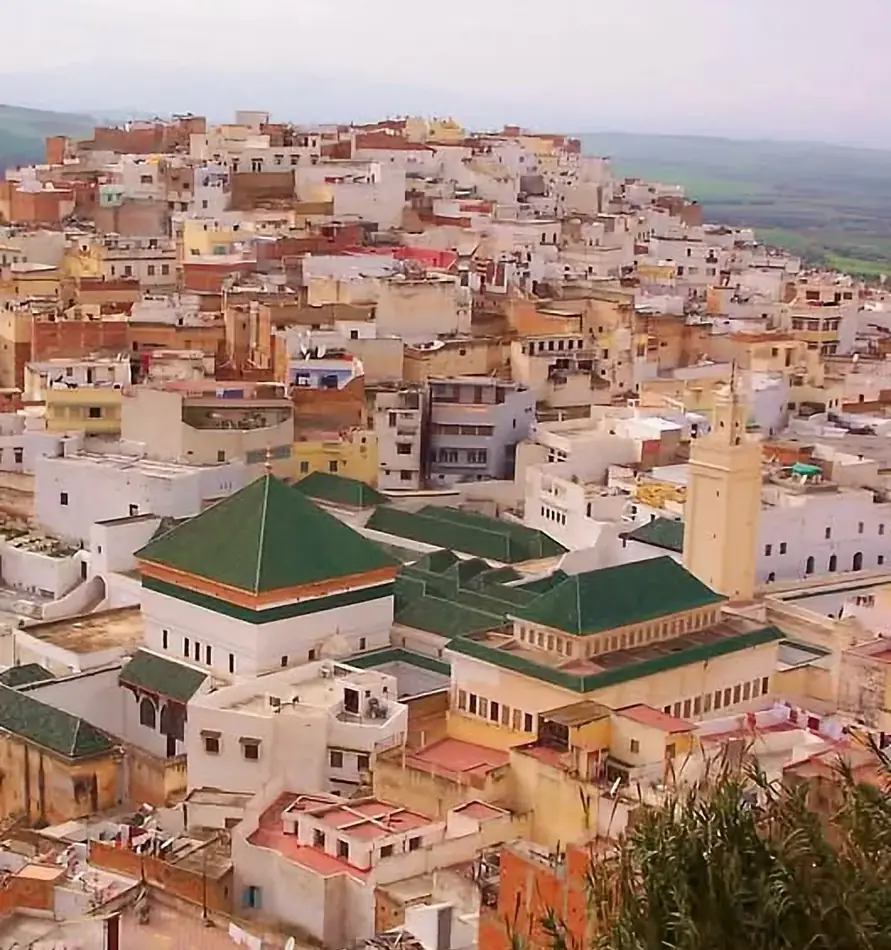
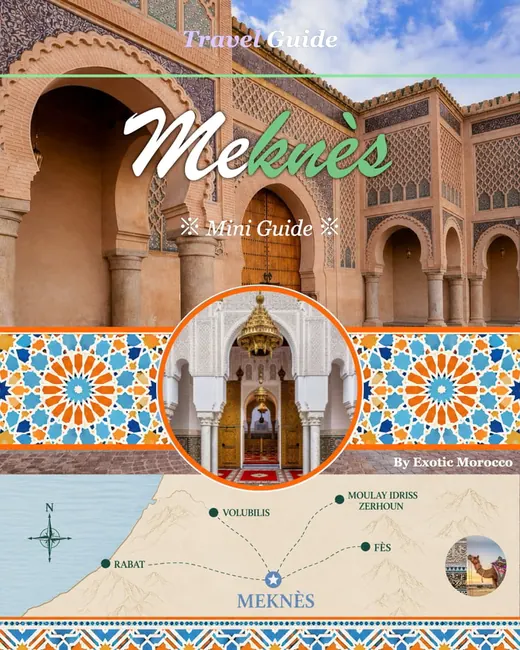
Meknès is best understood as a city built in layers. An Almoravid military settlement established the first urban nucleus; Marinid rule added religious and educational institutions to the medina; and Sultan Moulay Ismail later recast the city as an Alaouite capital on an exceptional scale. The result is not one historical image, but a living city where medieval, imperial and contemporary fabrics still meet.
0111th centuryAlmoravid stronghold
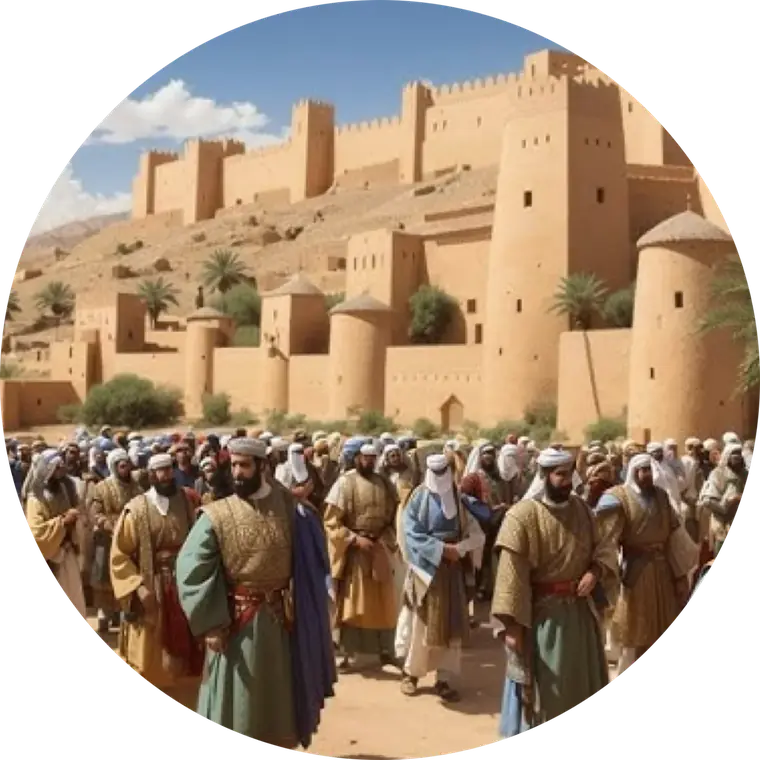
Meknès began as an Almoravid military settlement, establishing a strategic nucleus on the Saïss plain from which the later city developed.
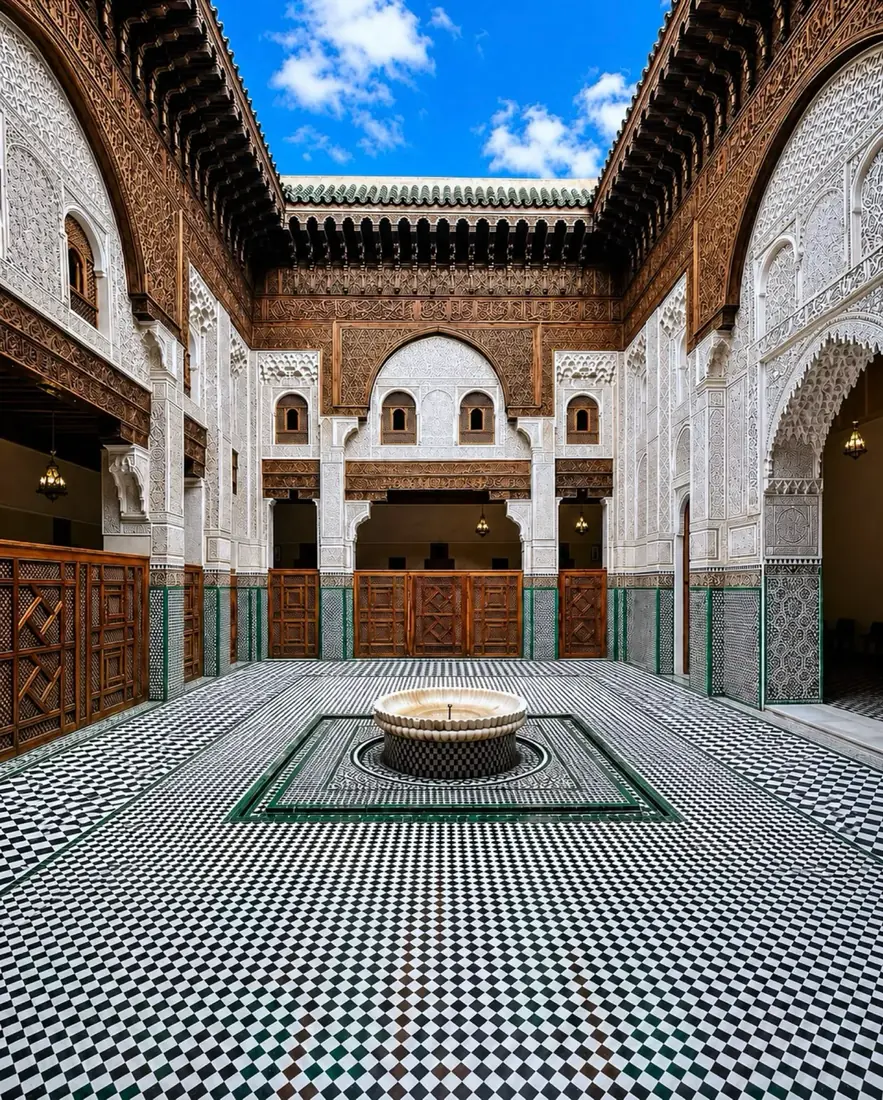
0214th centuryMarinid scholarship
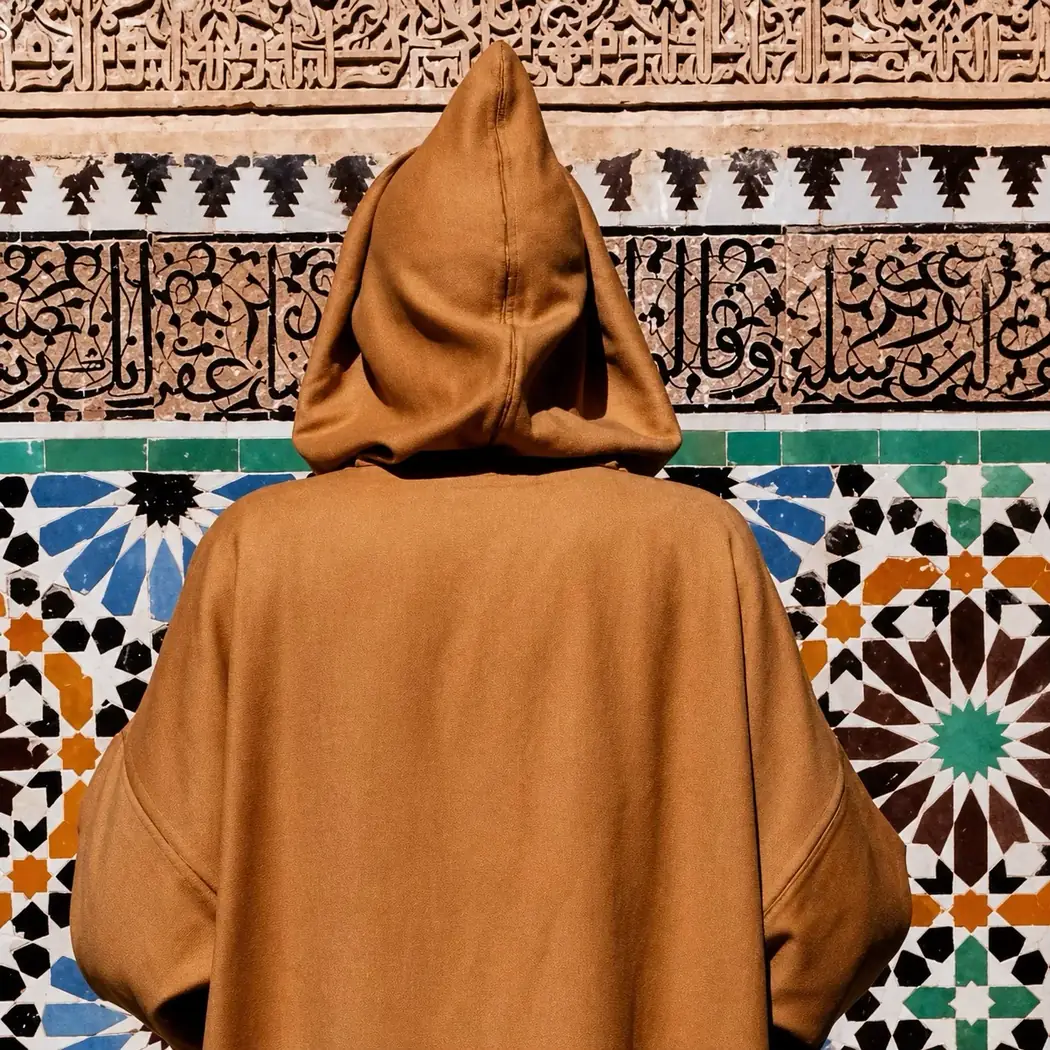
Religious and educational foundations deepened the medina’s urban life. Bou Inania Madrasa preserves this layer through its courtyard, student rooms, zellige, carved plaster and cedarwood.
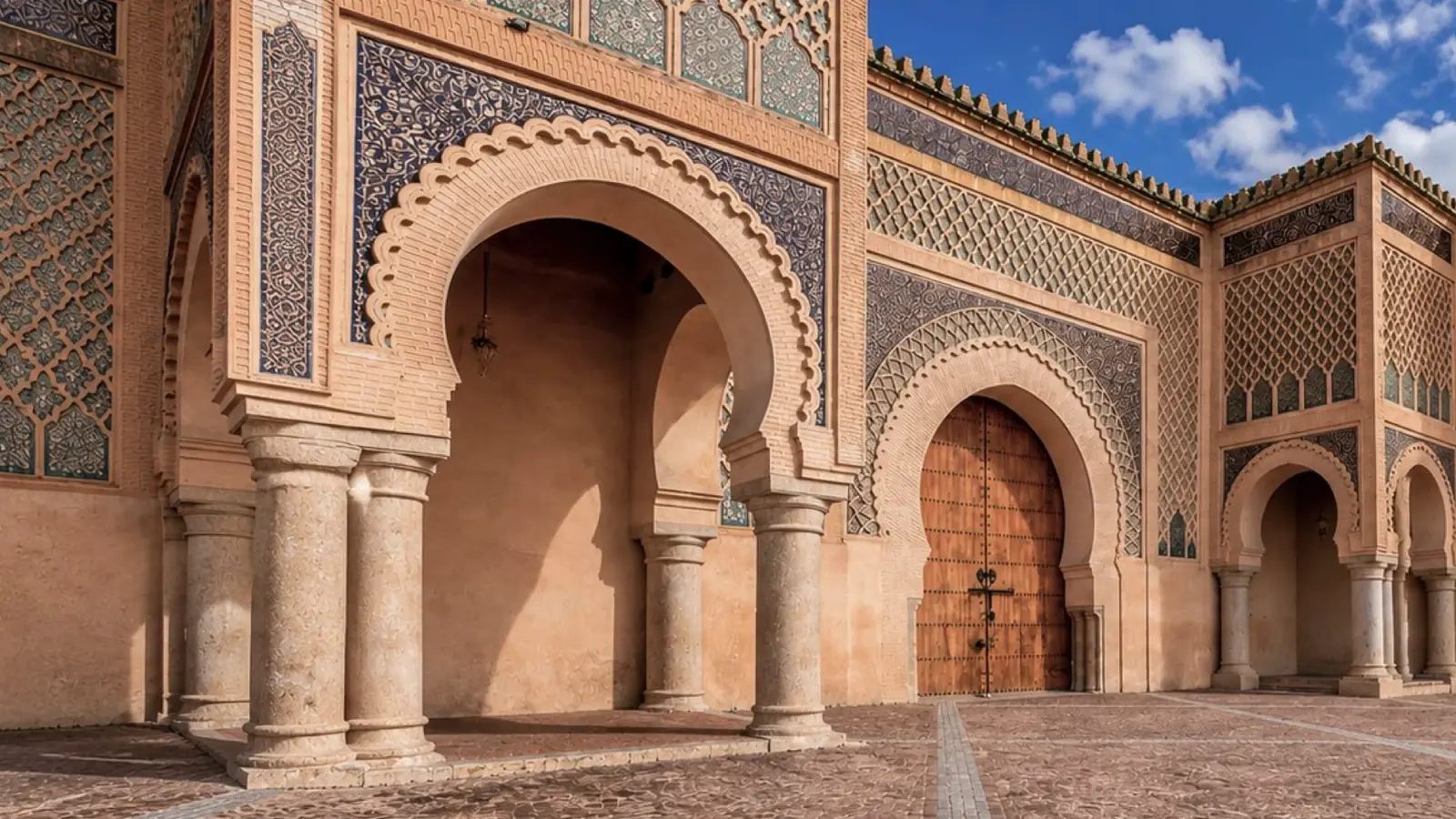
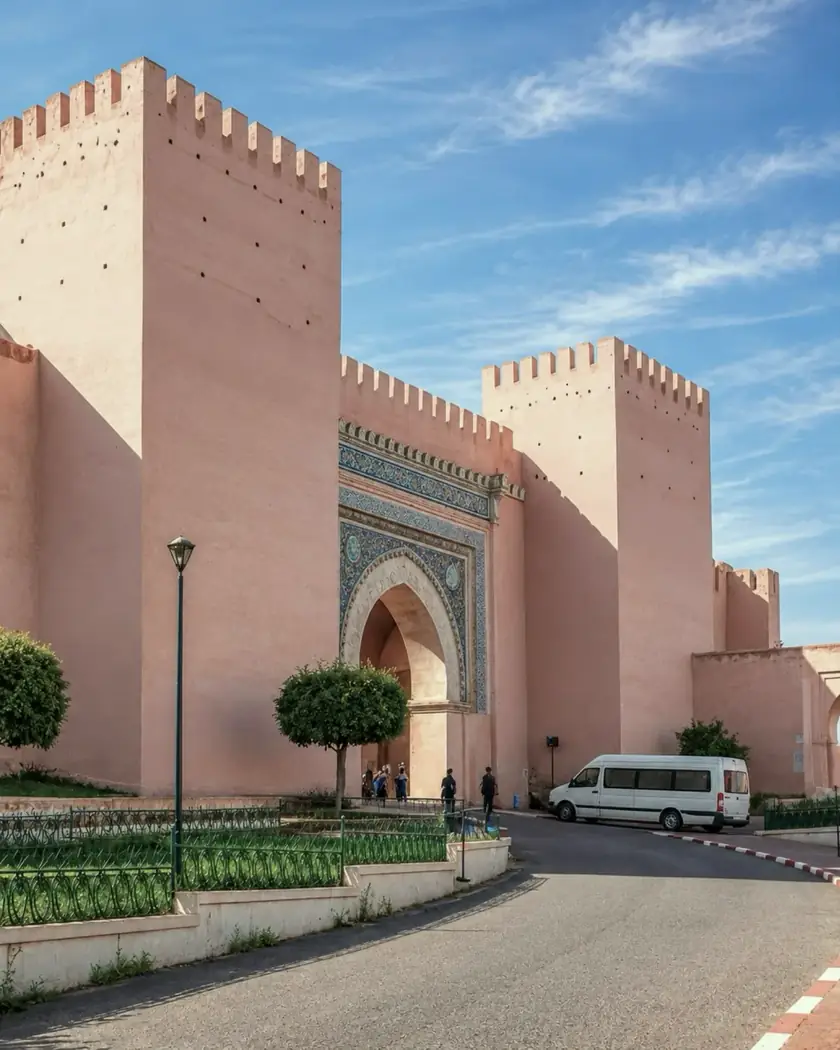
031672–1727Moulay Ismail’s capital
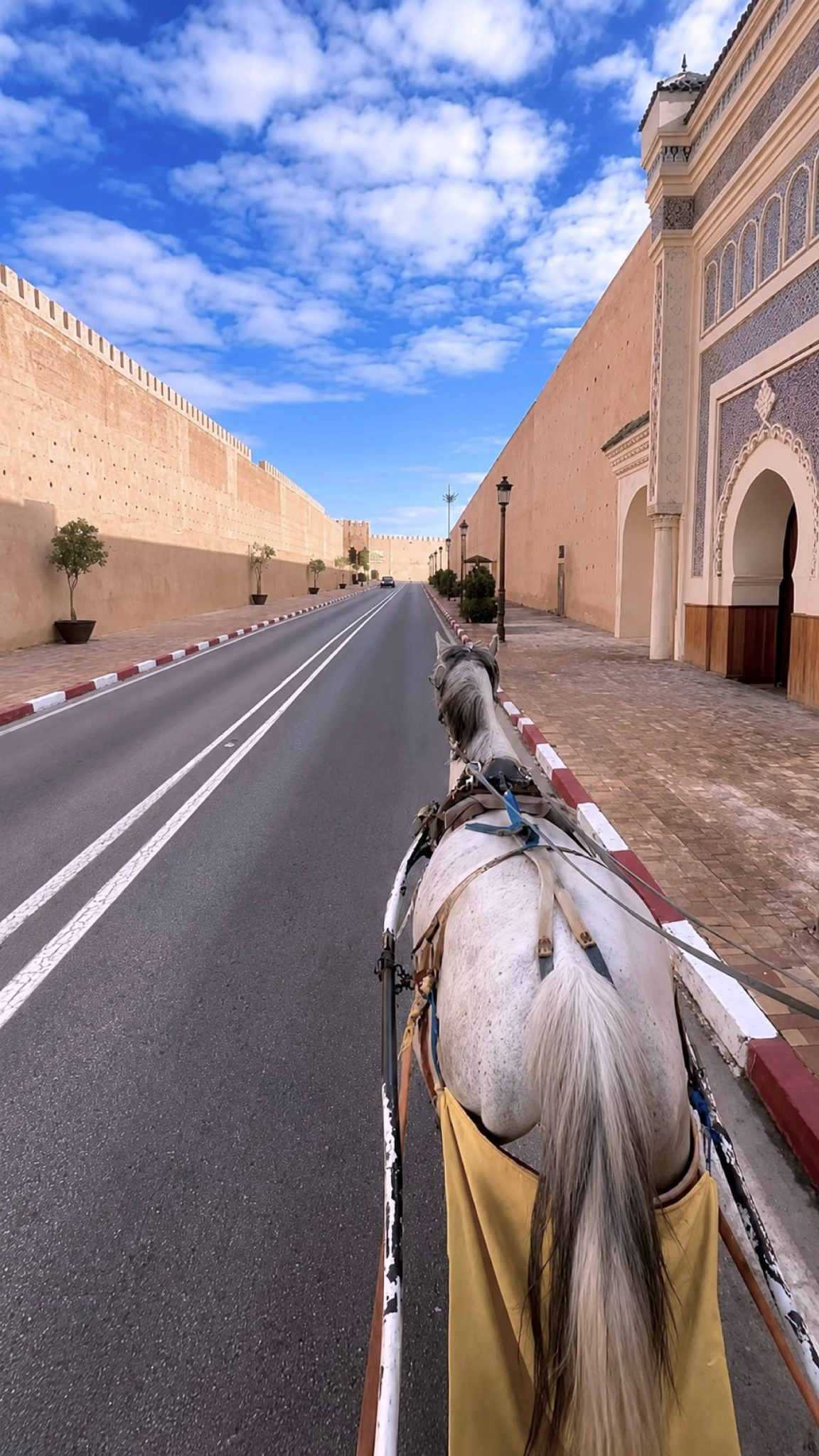
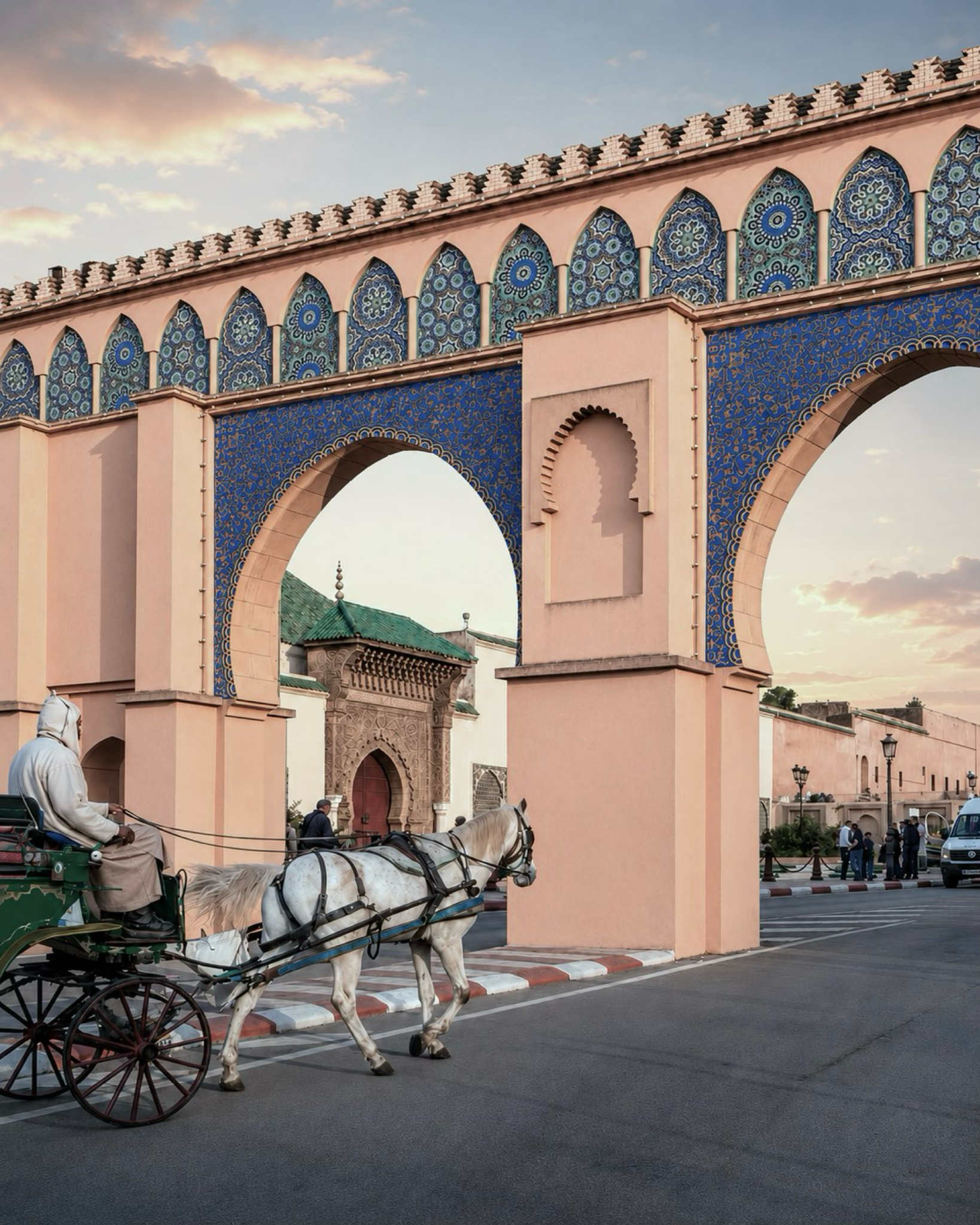
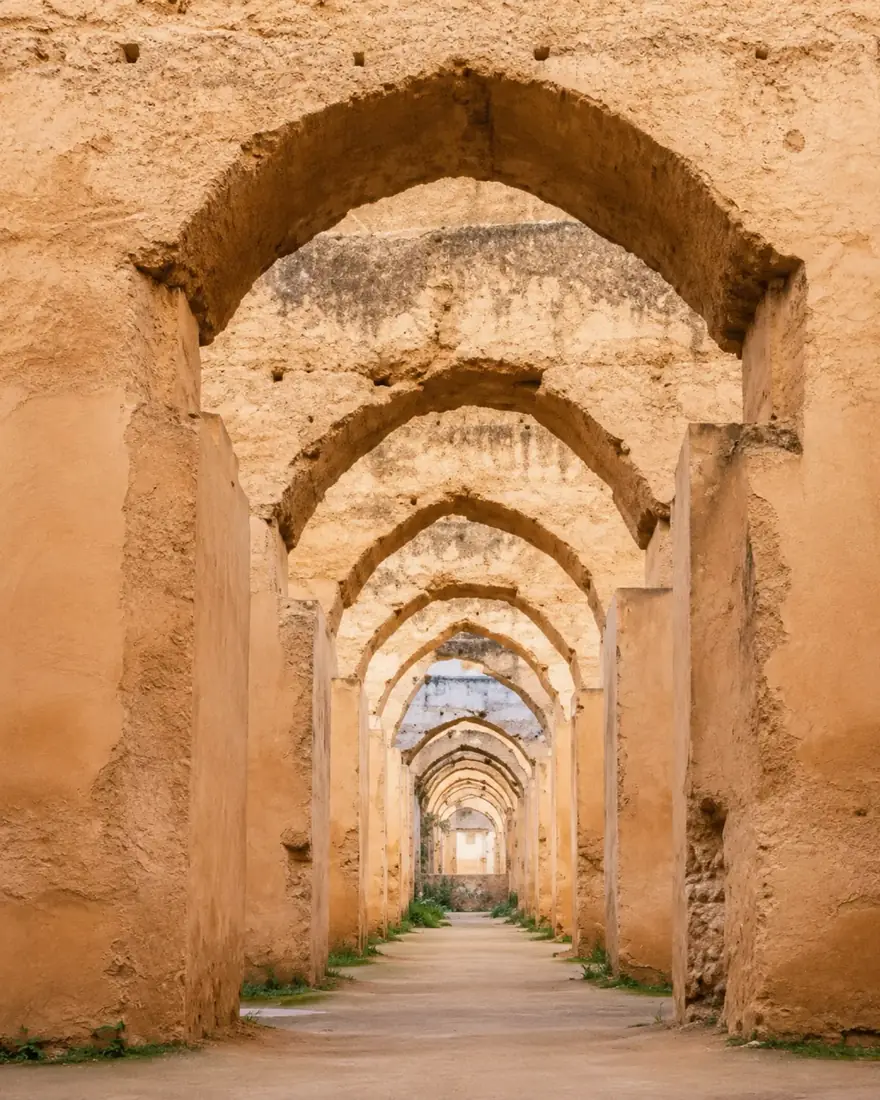
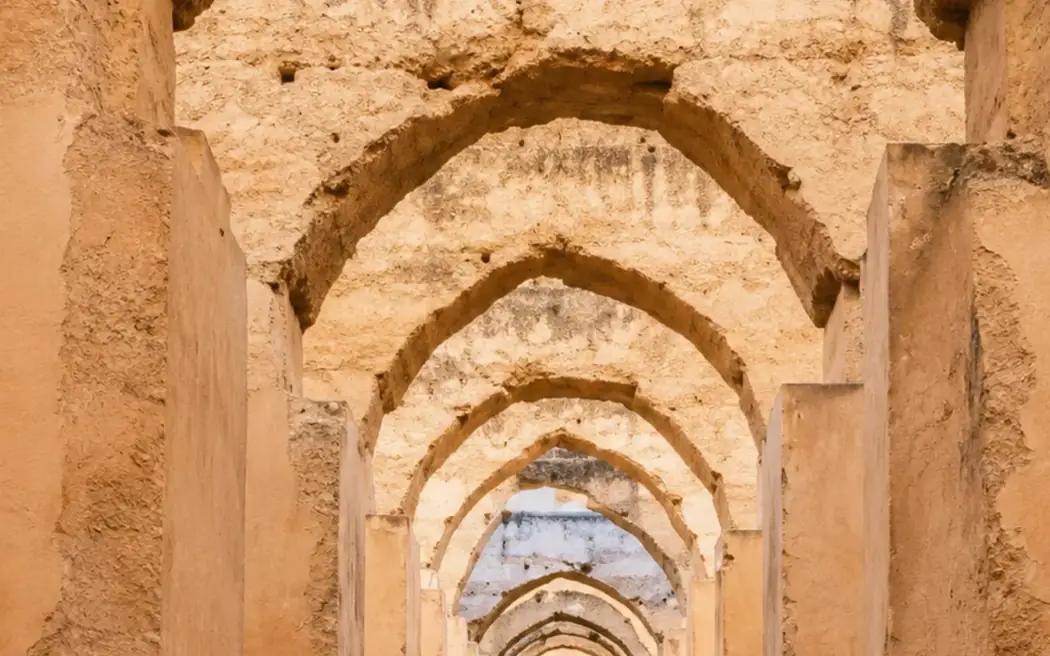
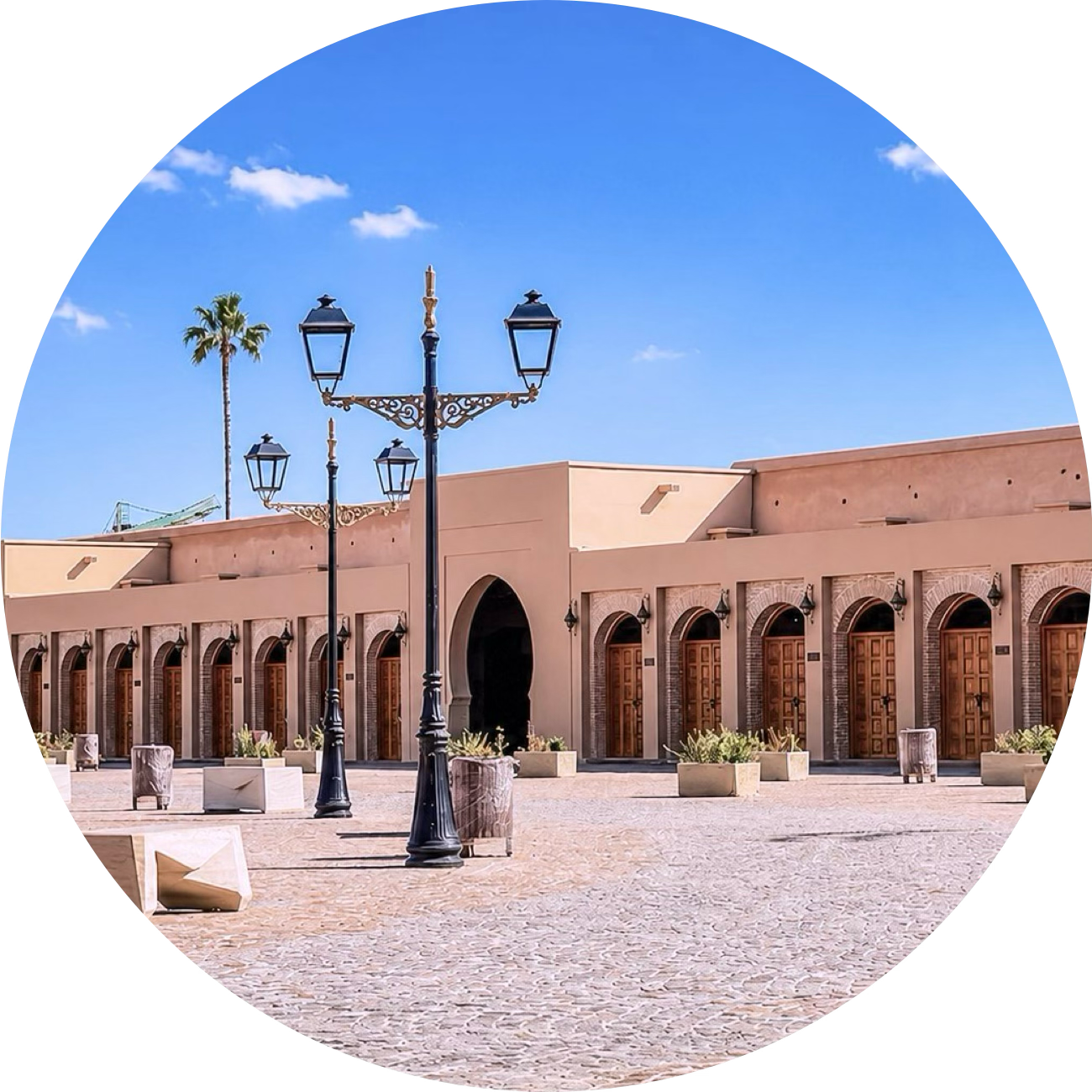
The Alaouite sultan transformed Meknès into a royal capital of walls, gates, palaces, waterworks, granaries and ceremonial spaces built on an exceptional scale.
04Since 1996World Heritage recognition
UNESCO recognises the historic city for the unusually complete urban fabric and monuments of a seventeenth-century Maghreb capital, where Islamic and European planning traditions meet.