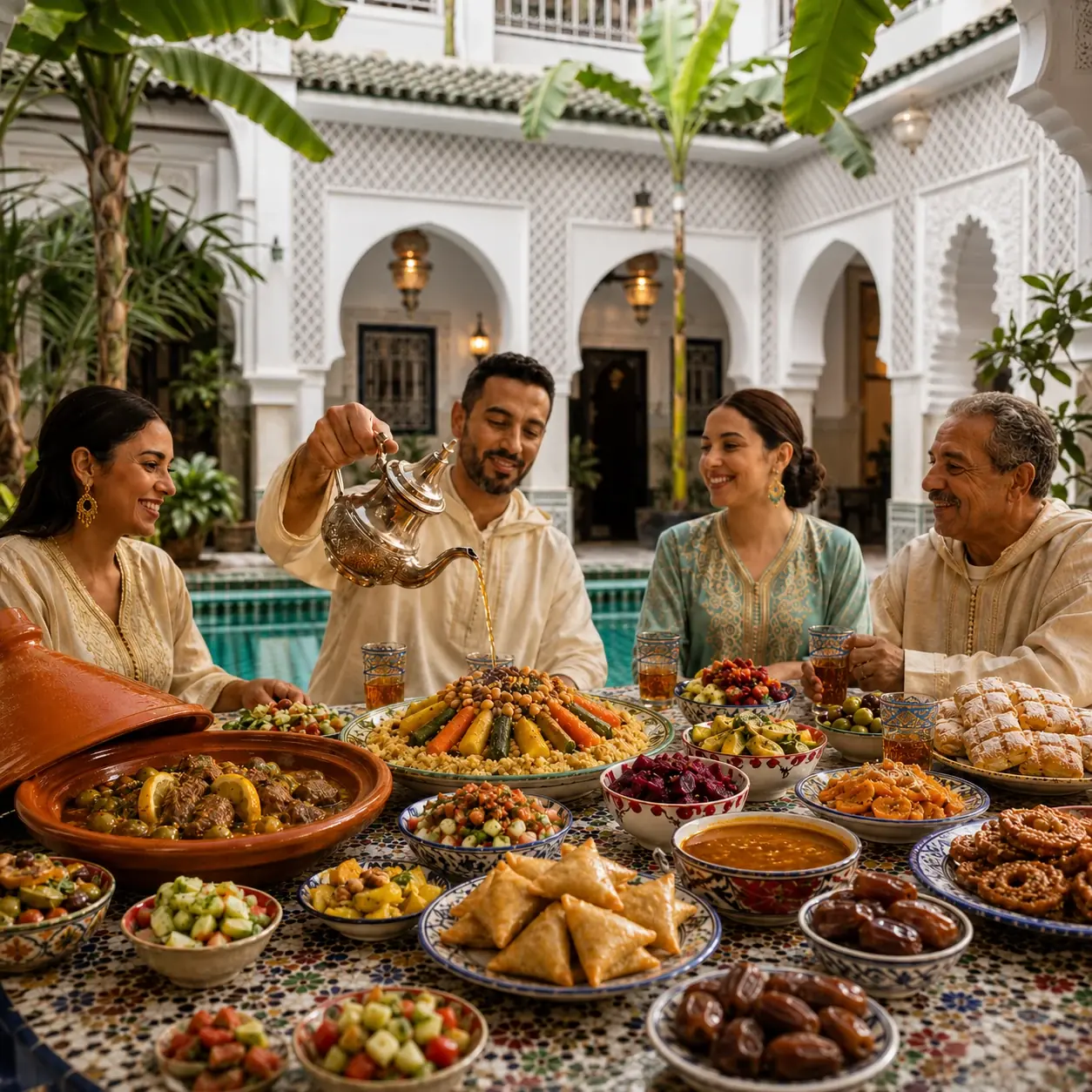
 Cultural foundation
Moroccan Food Culture
This topic anchors the Taste section. It connects cuisine to memory, hospitality, markets, regional identity and respectful cultural understanding.

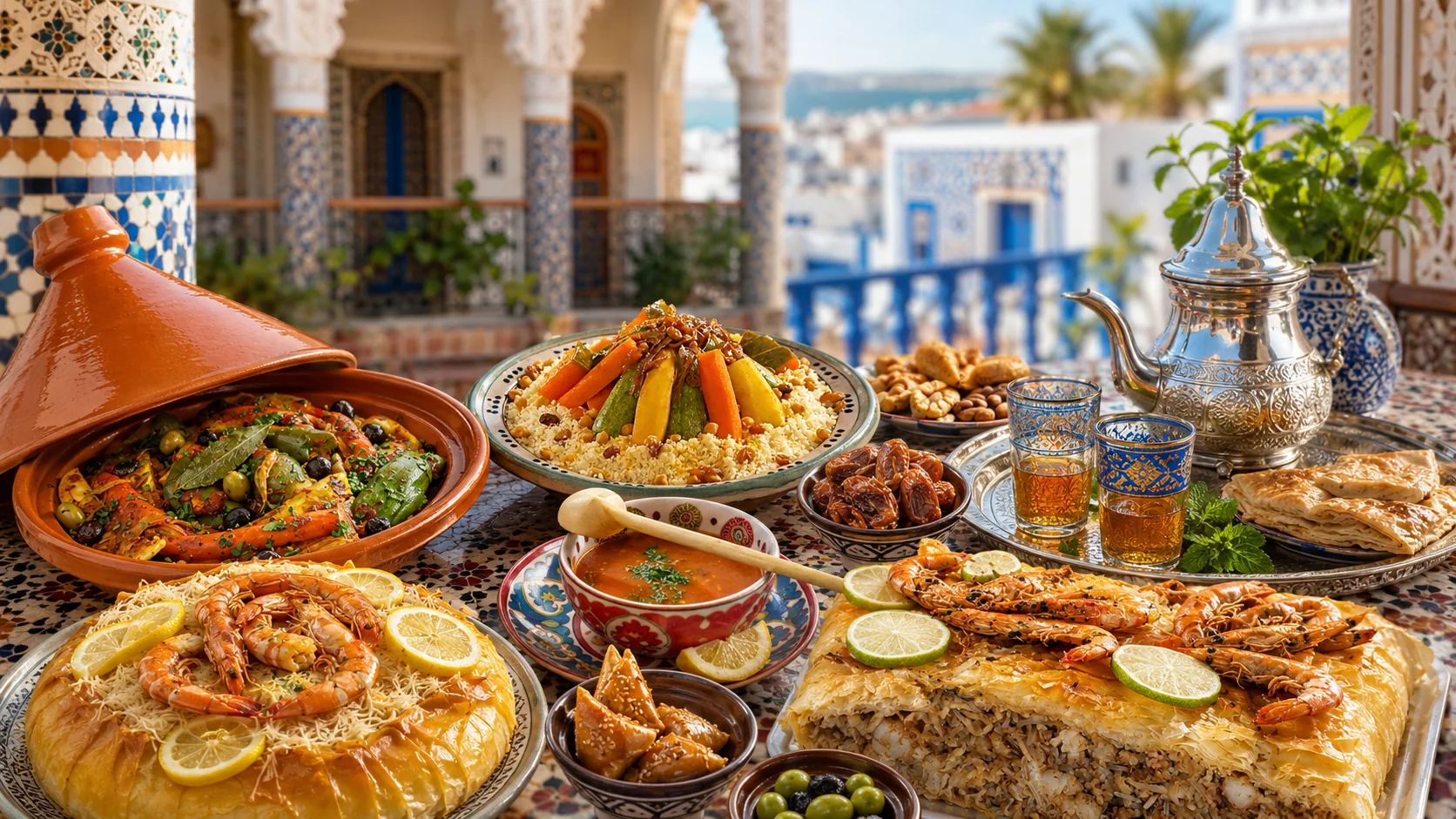
Explore Morocco through food culture, recipes, hospitality, markets, regional dishes, breads, sweets, mint tea and the social meaning of the table.
Taste begins before the recipe: with bread on the table, mint tea poured with care, small salads shared first, market ingredients, regional memory and the rhythm of eating together.
Cultural foundation
This topic anchors the Taste section. It connects cuisine to memory, hospitality, markets, regional identity and respectful cultural understanding.
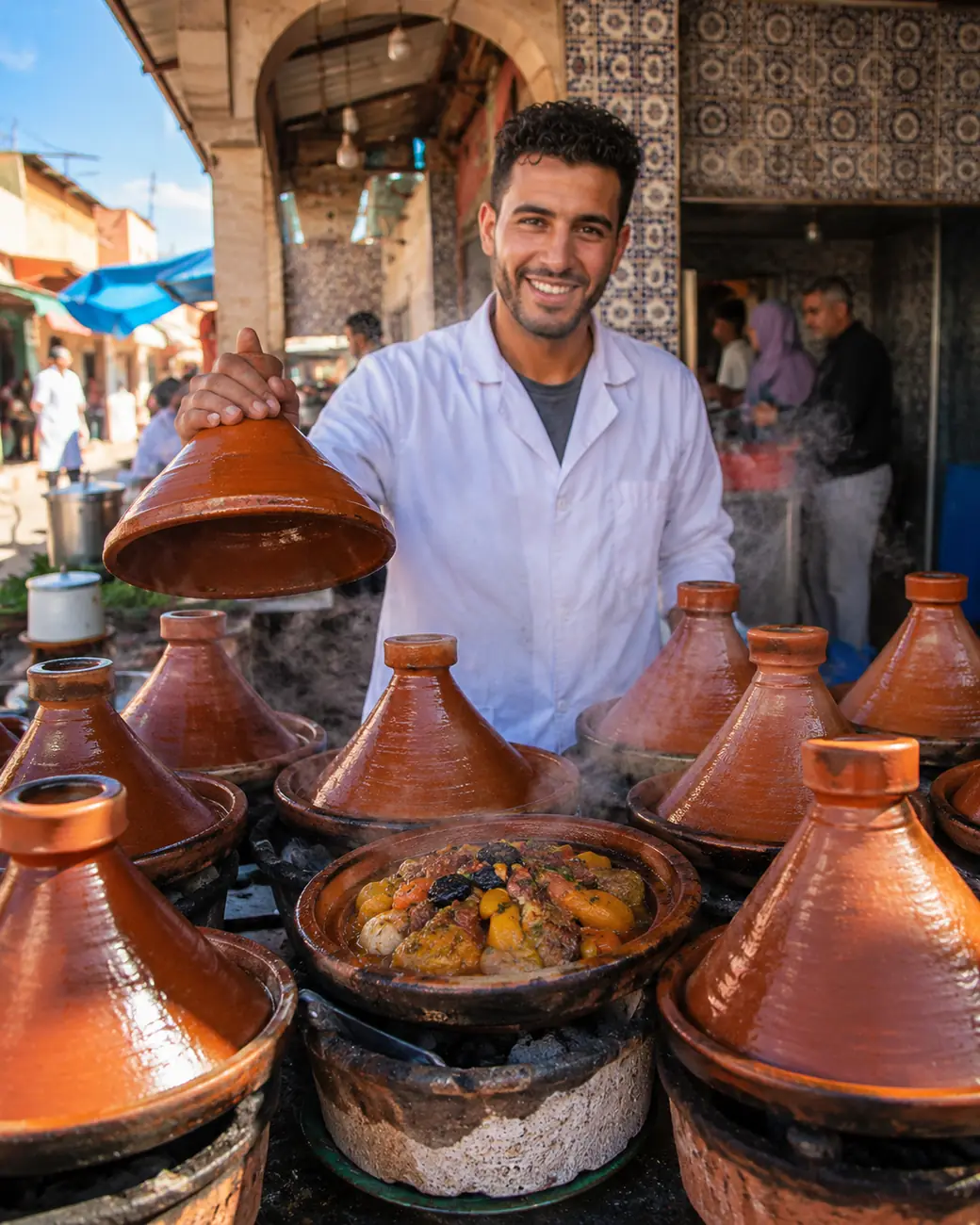
Tagines, tanjia and stews show patience, vessels and family rhythm.
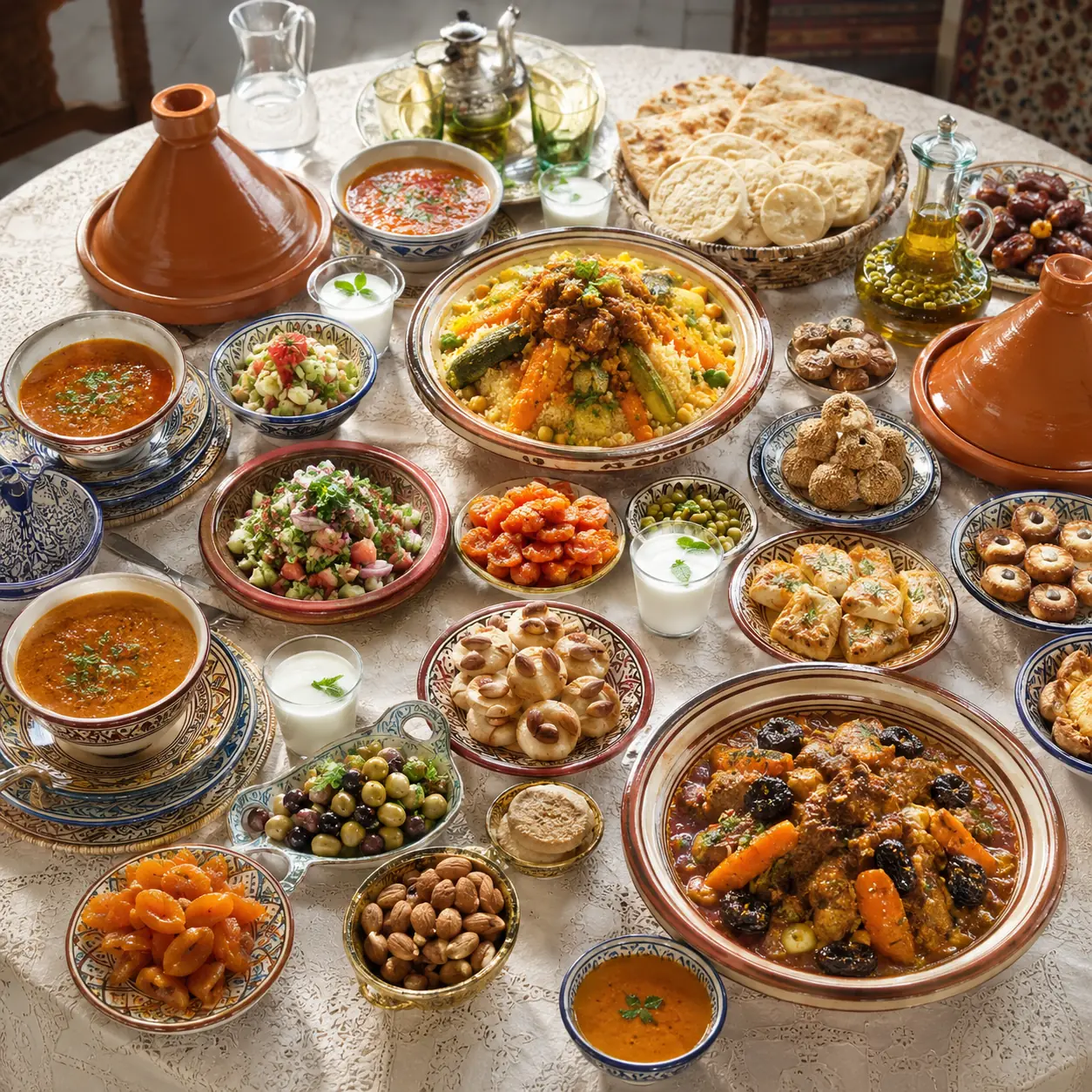
Couscous, salads and bread turn food into a social centre.
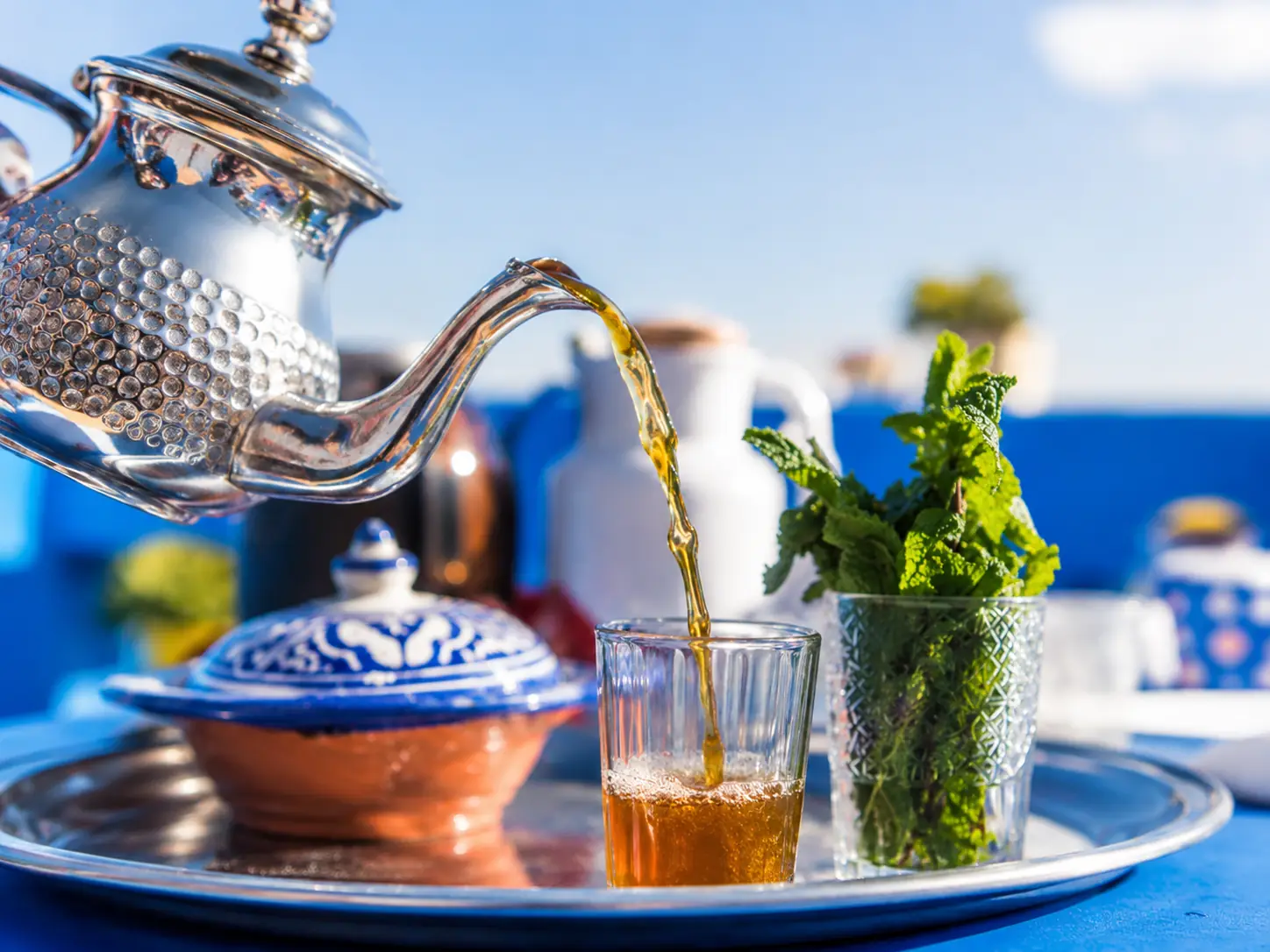
Mint tea is a drink, a welcome, a gesture and a moment.
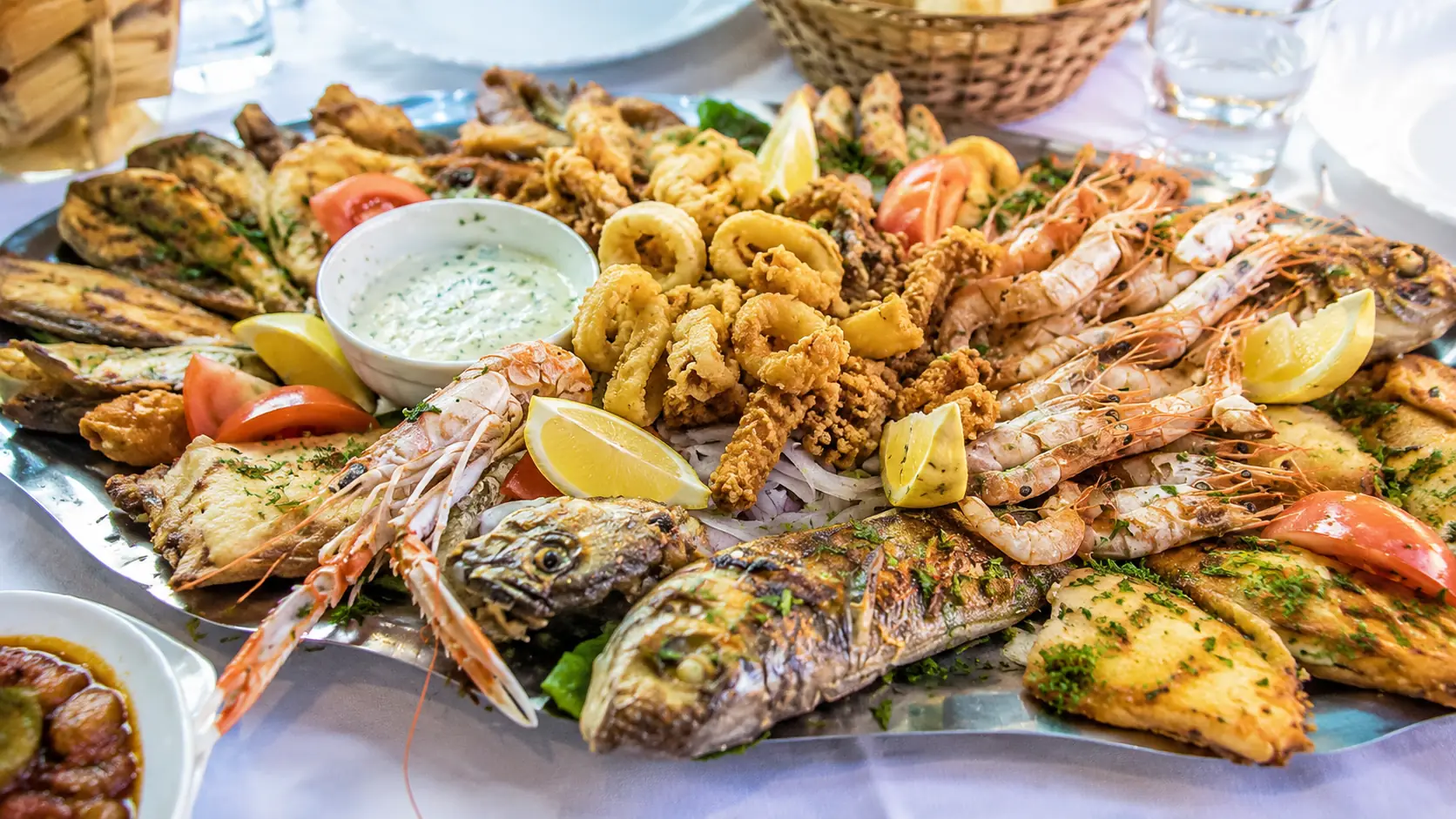
Sardines, chermoula and seafood connect Morocco to the Atlantic.
These cards are practical and emotional entry points into Moroccan cuisine. They help visitors move naturally through the Taste collection, from iconic dishes to the broader culture of the table.
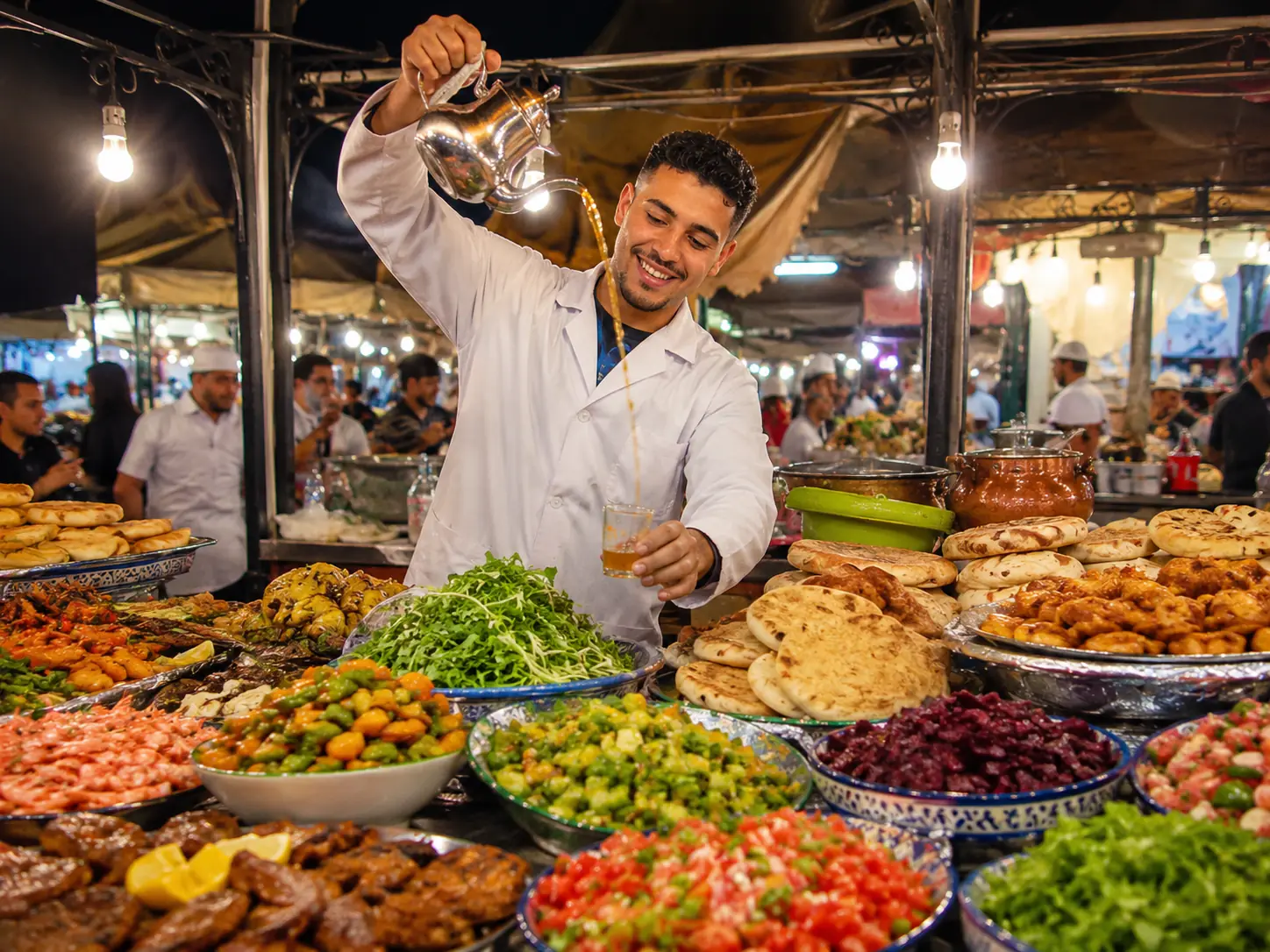
Cuisine as memory, hospitality, markets, regional identity and the social rhythm of the table.
Open topic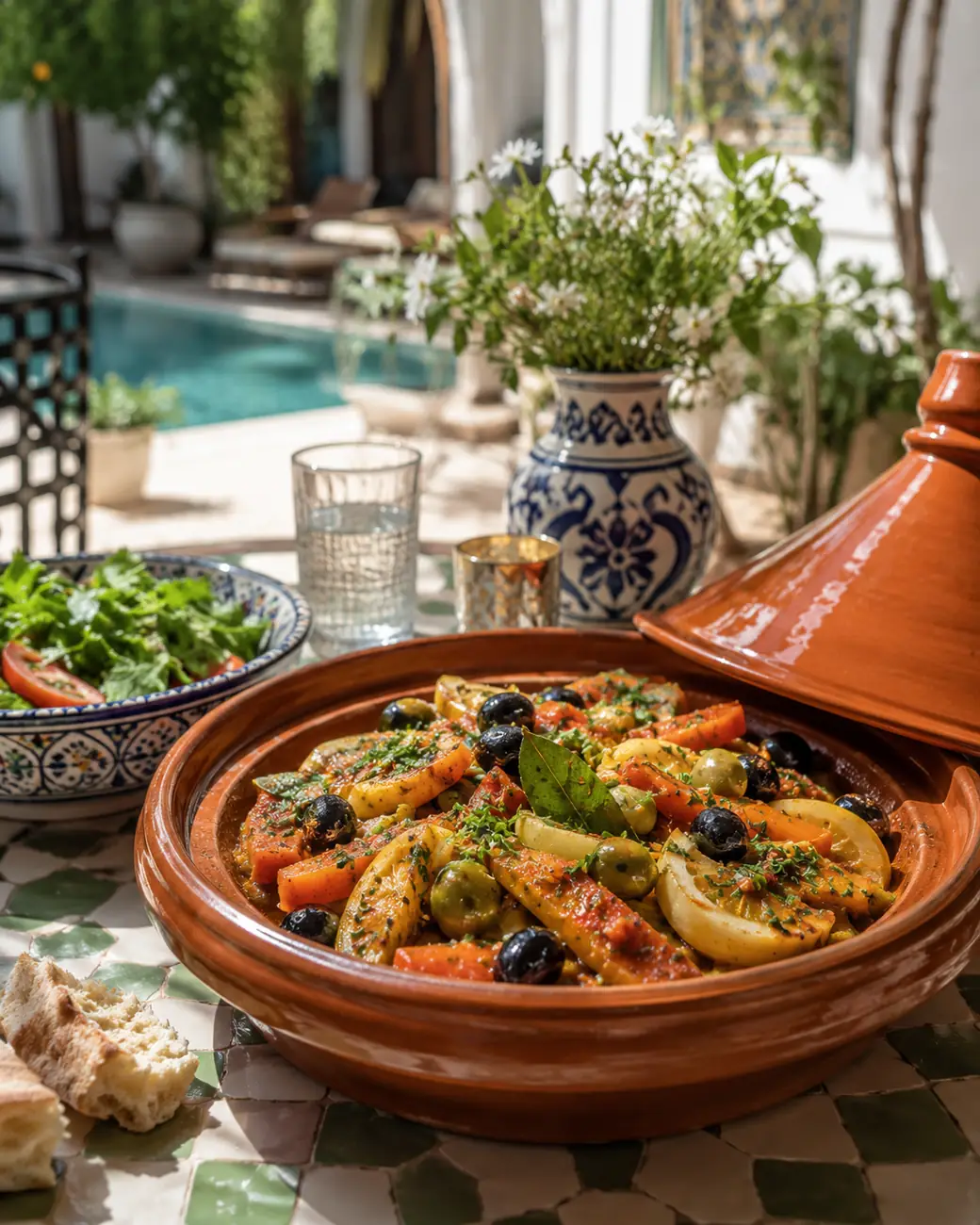
Slow-cooked clay-pot dishes that carry regional variation, family rhythm and spice memory.
Open topic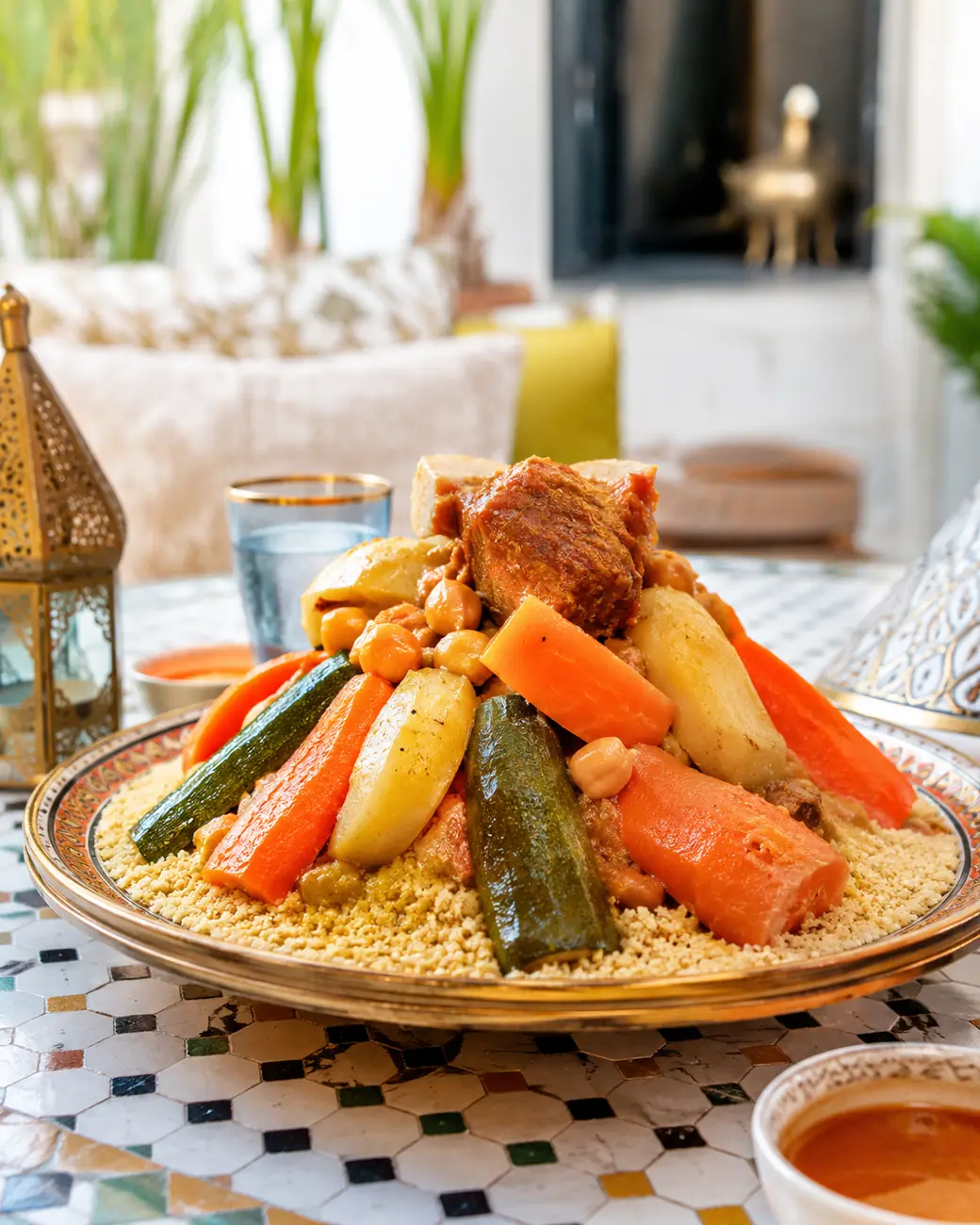
A shared grain dish connected to weekly family meals, vegetables, broth and celebration.
Open topic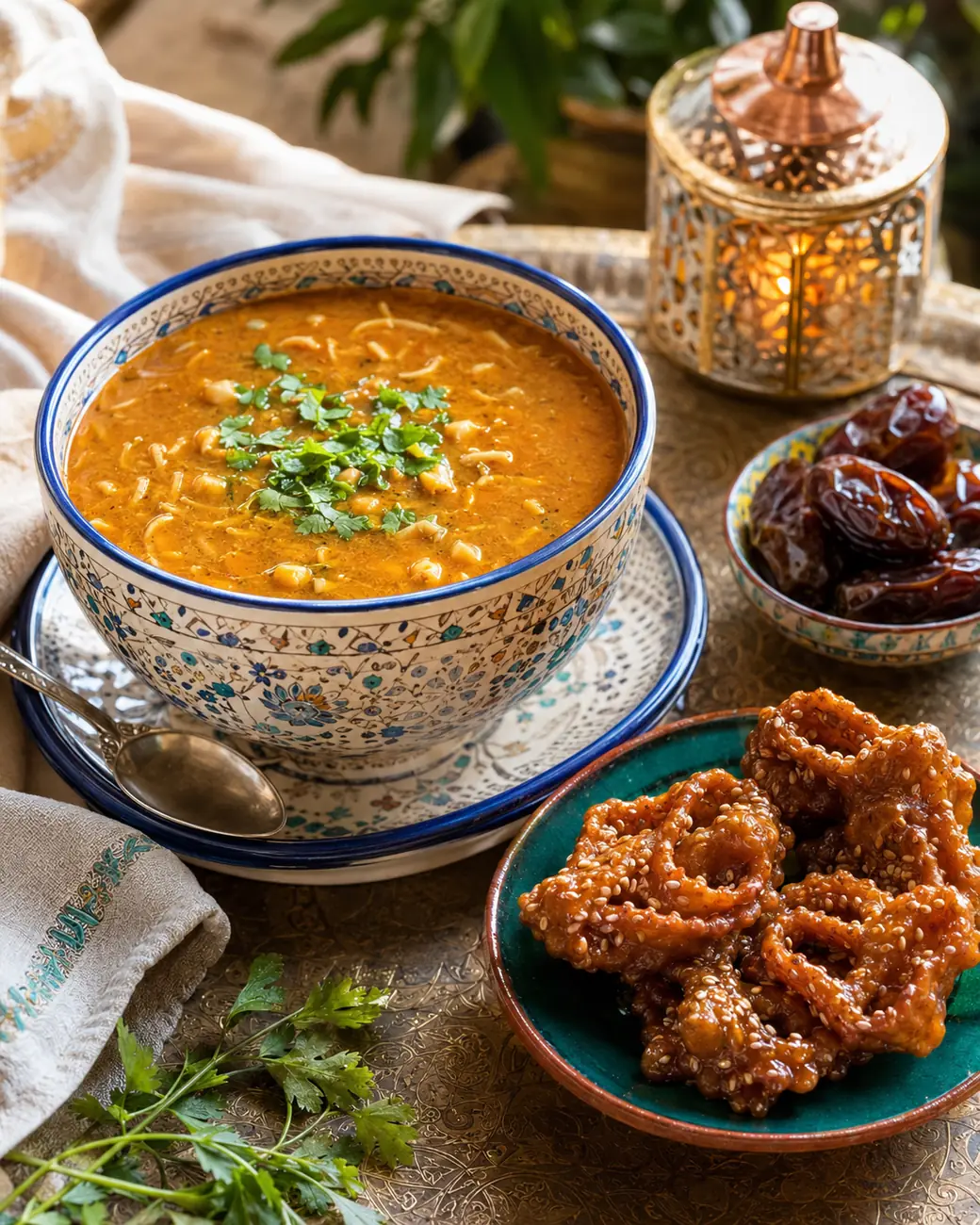
A tomato, herb and legume soup closely associated with Ramadan evenings and everyday comfort.
Open topic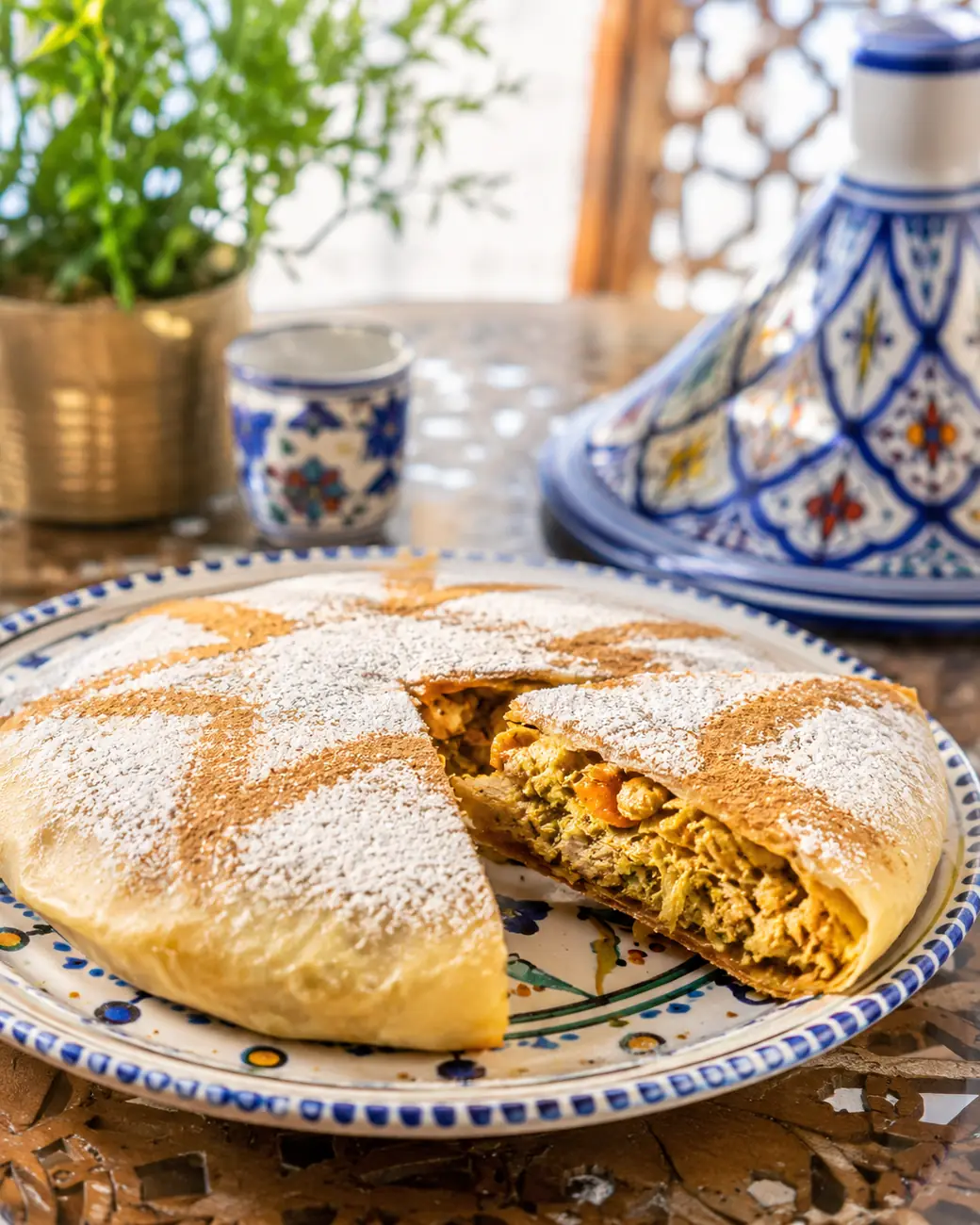
Layered pastry where sweet, savoury and festive Moroccan refinement meet.
Open topic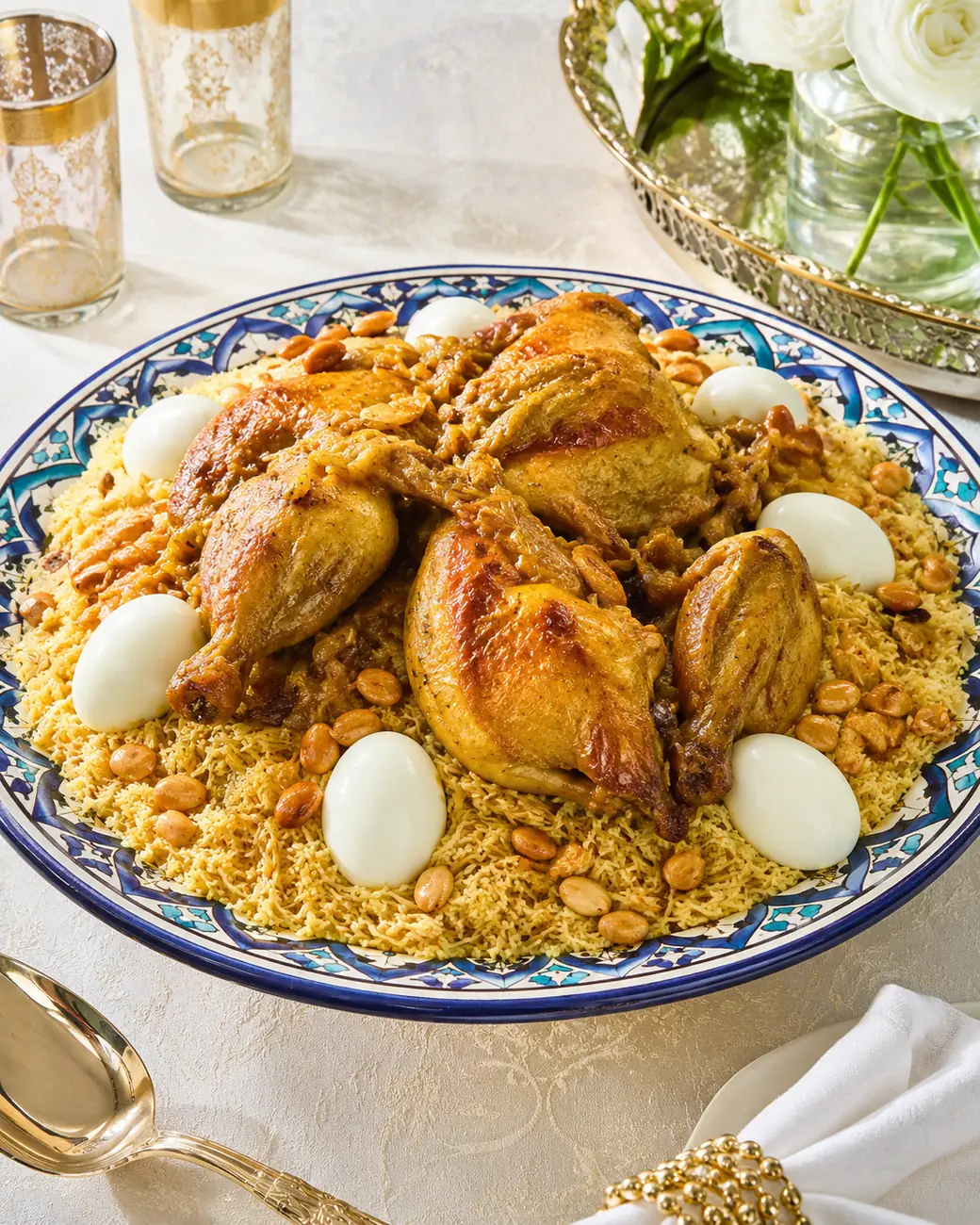
Chicken, lentils and fenugreek over shredded msemen, often tied to care and home cooking.
Open topic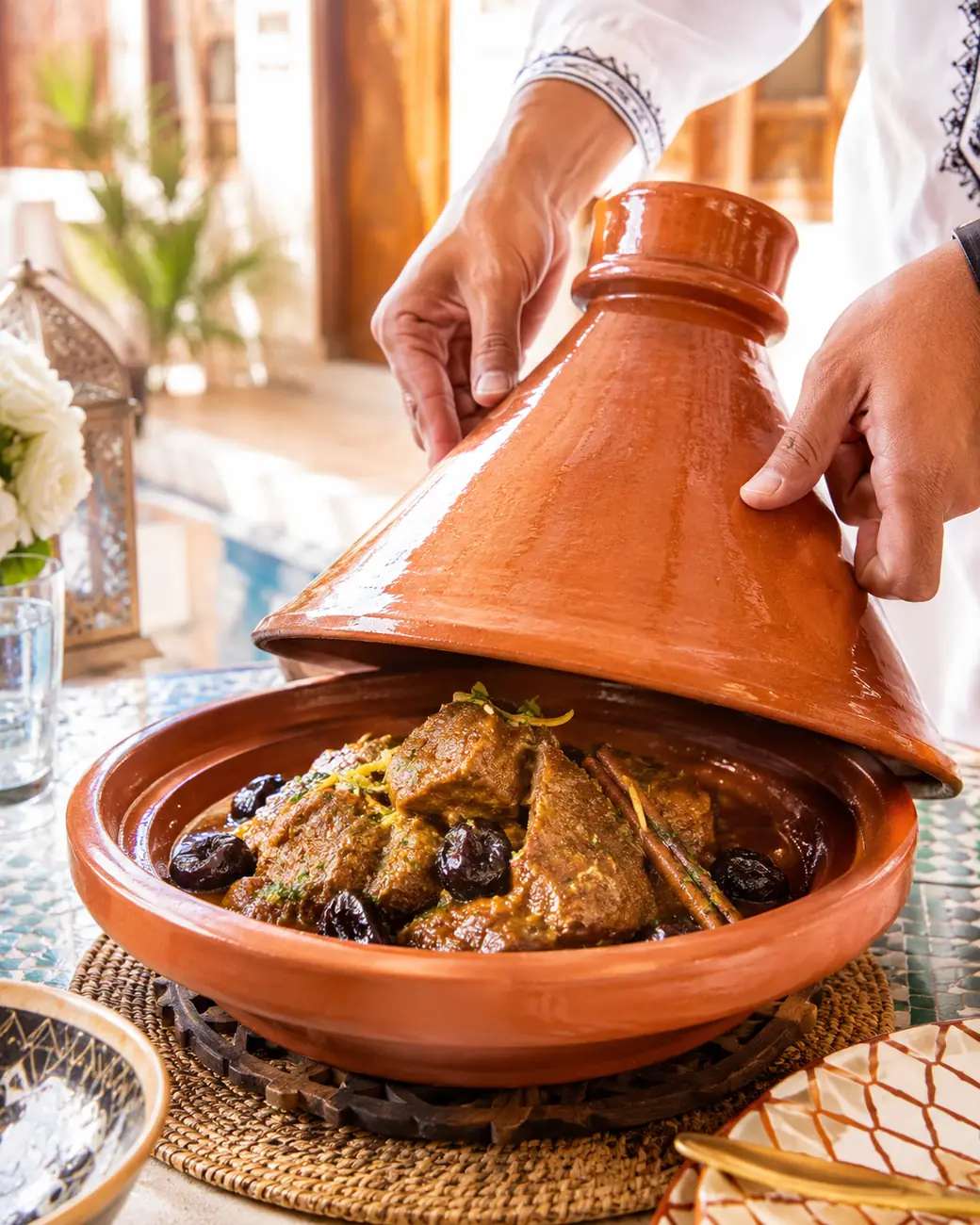
A slow-cooked Marrakech dish connected to communal ovens, meat, preserved lemon and patience.
Open topicThis collection is anchored by Morocco’s best-known dishes and table traditions, giving visitors a clear way into the recipes and food culture that define Moroccan taste.
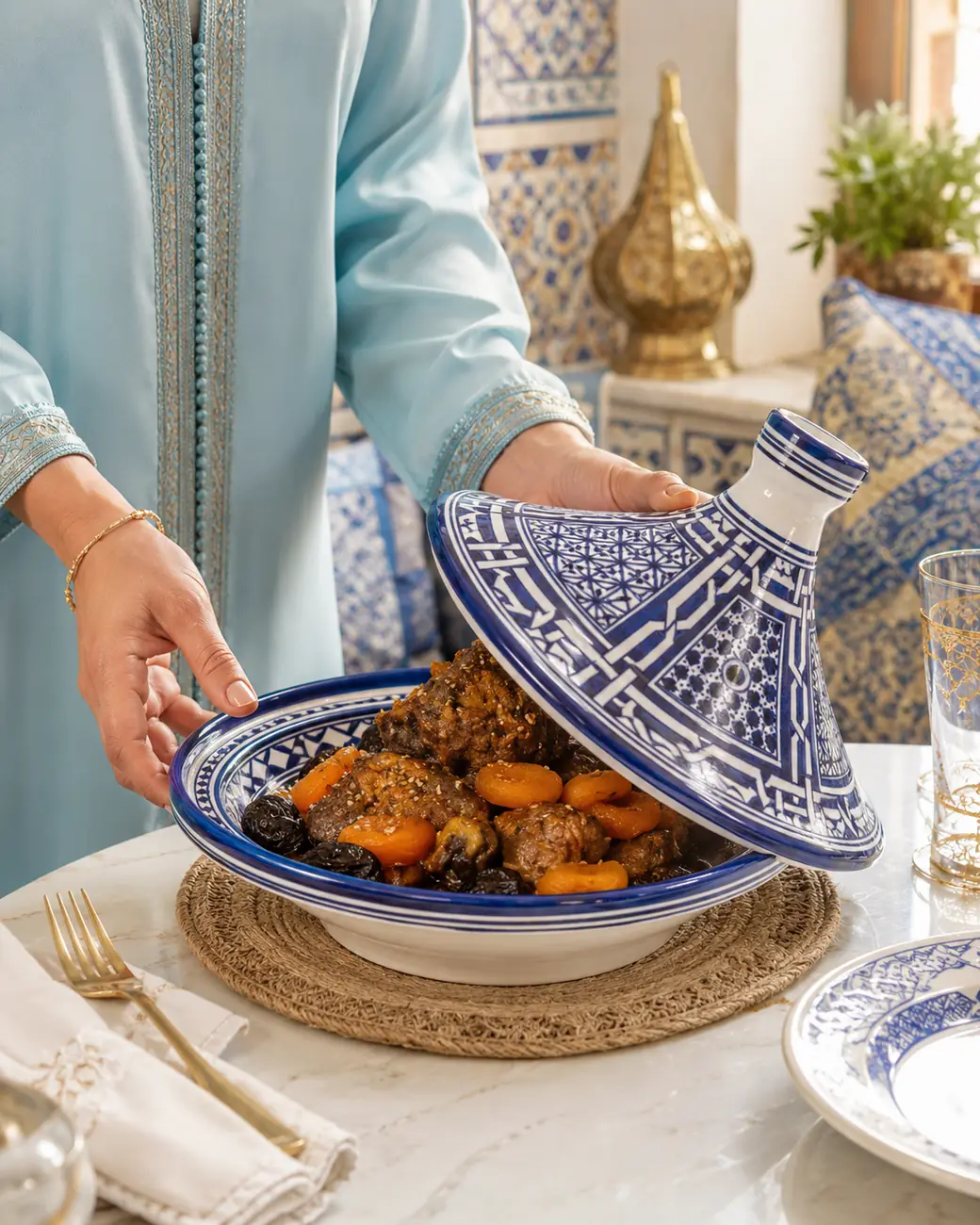
Slow-cooked clay-pot dishes that carry regional variation, family rhythm and spice memory.
Open topic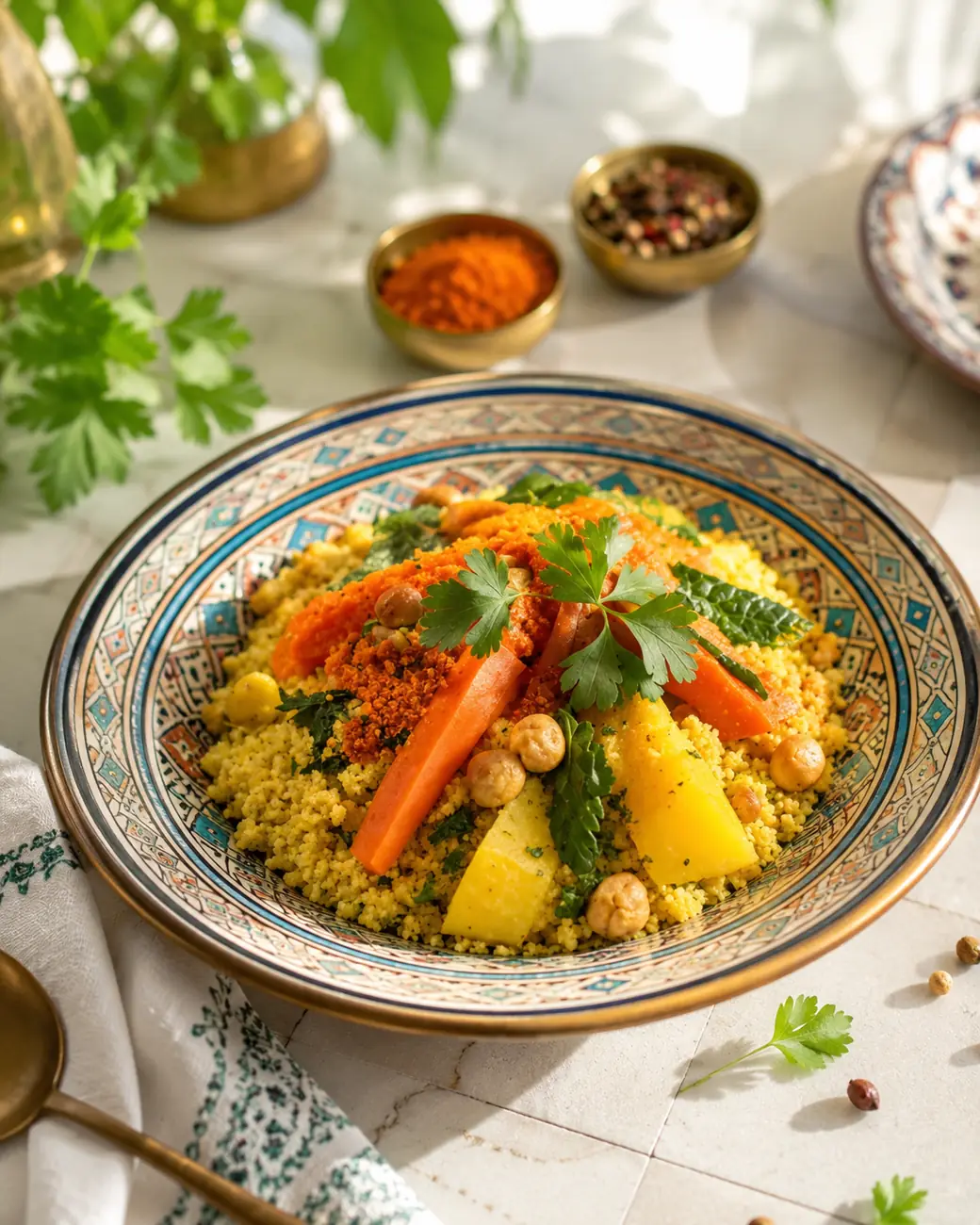
A shared grain dish connected to weekly family meals, vegetables, broth and celebration.
Open topic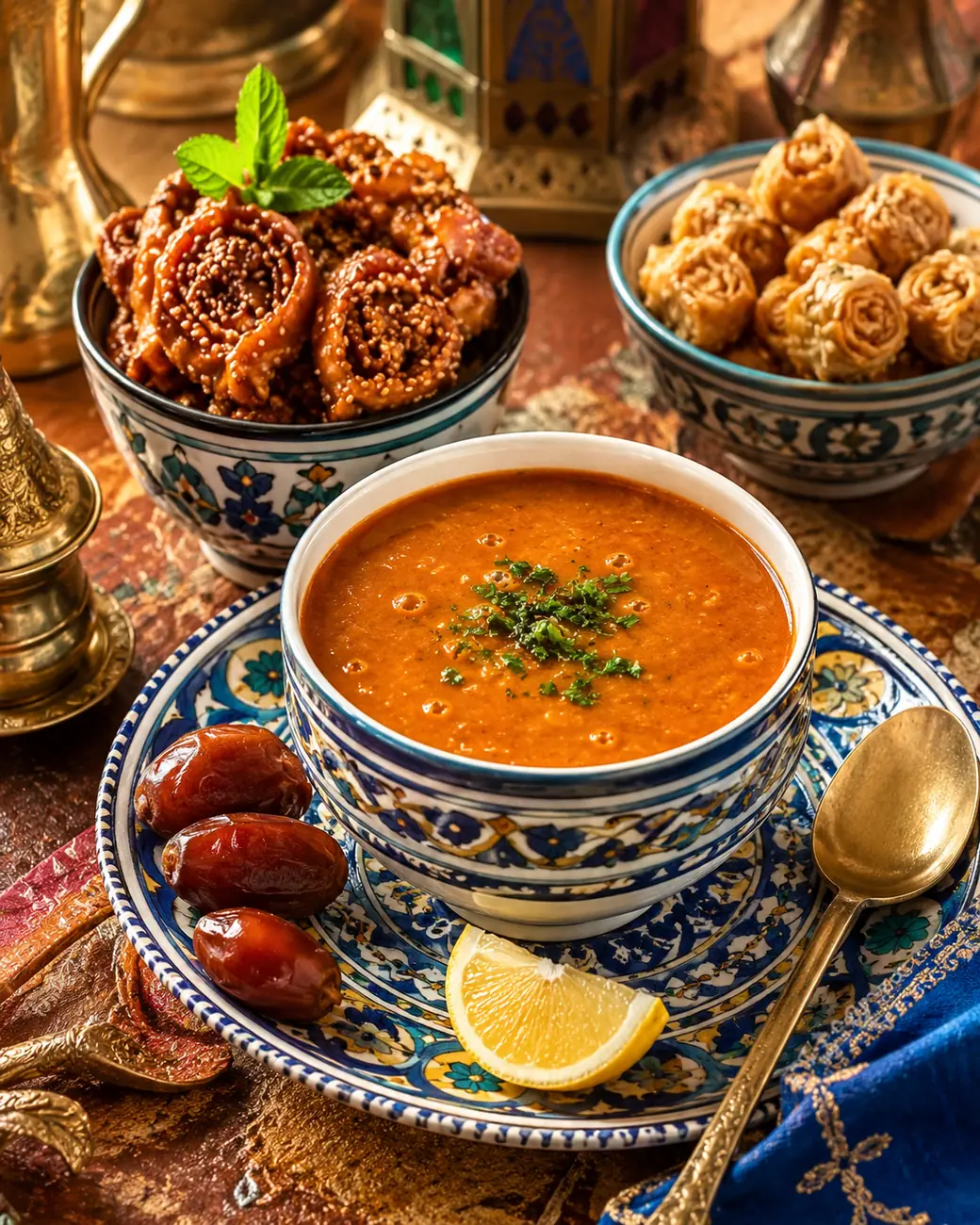
A tomato, herb and legume soup closely associated with Ramadan evenings and everyday comfort.
Open topic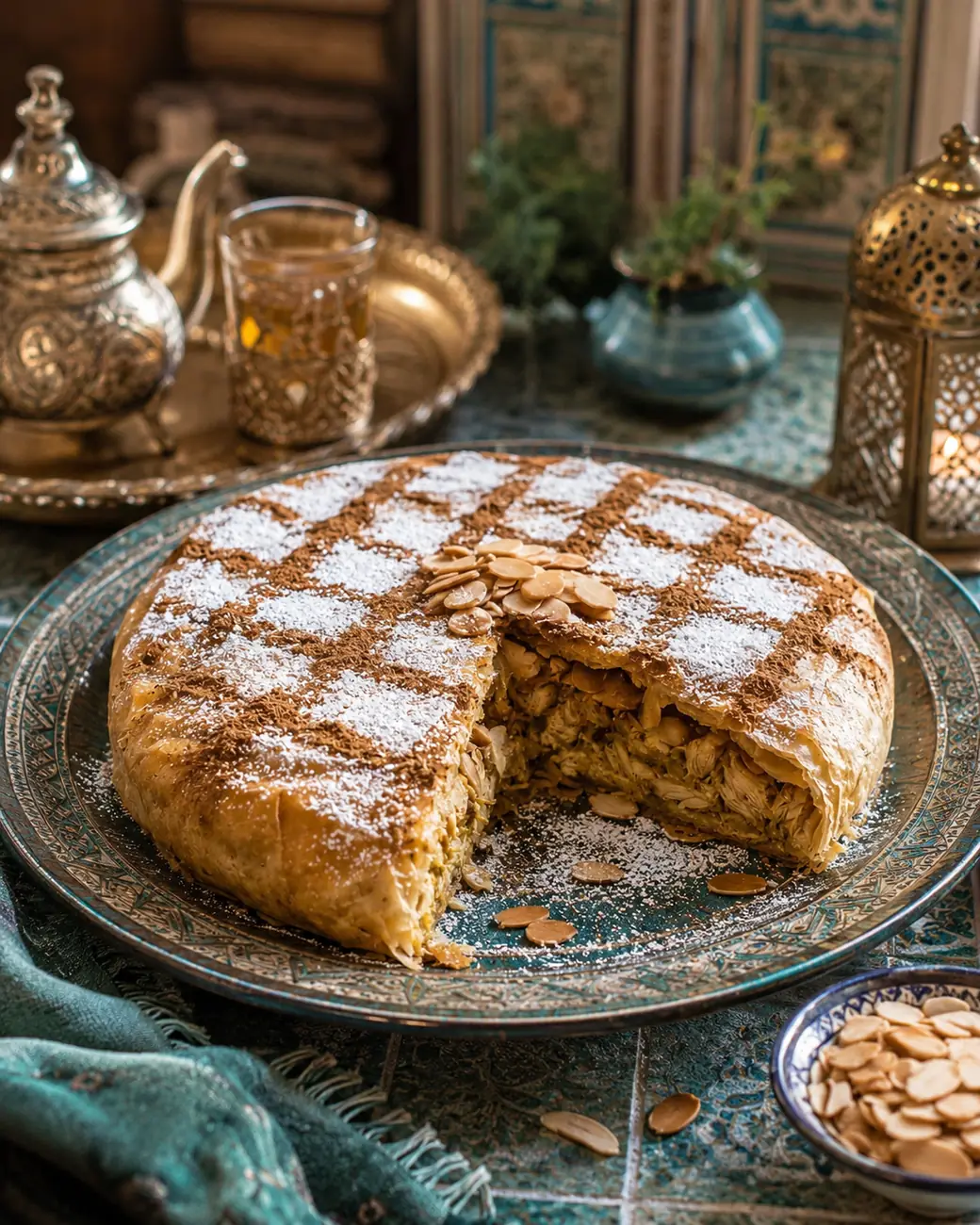
Layered pastry where sweet, savoury and festive Moroccan refinement meet.
Open topic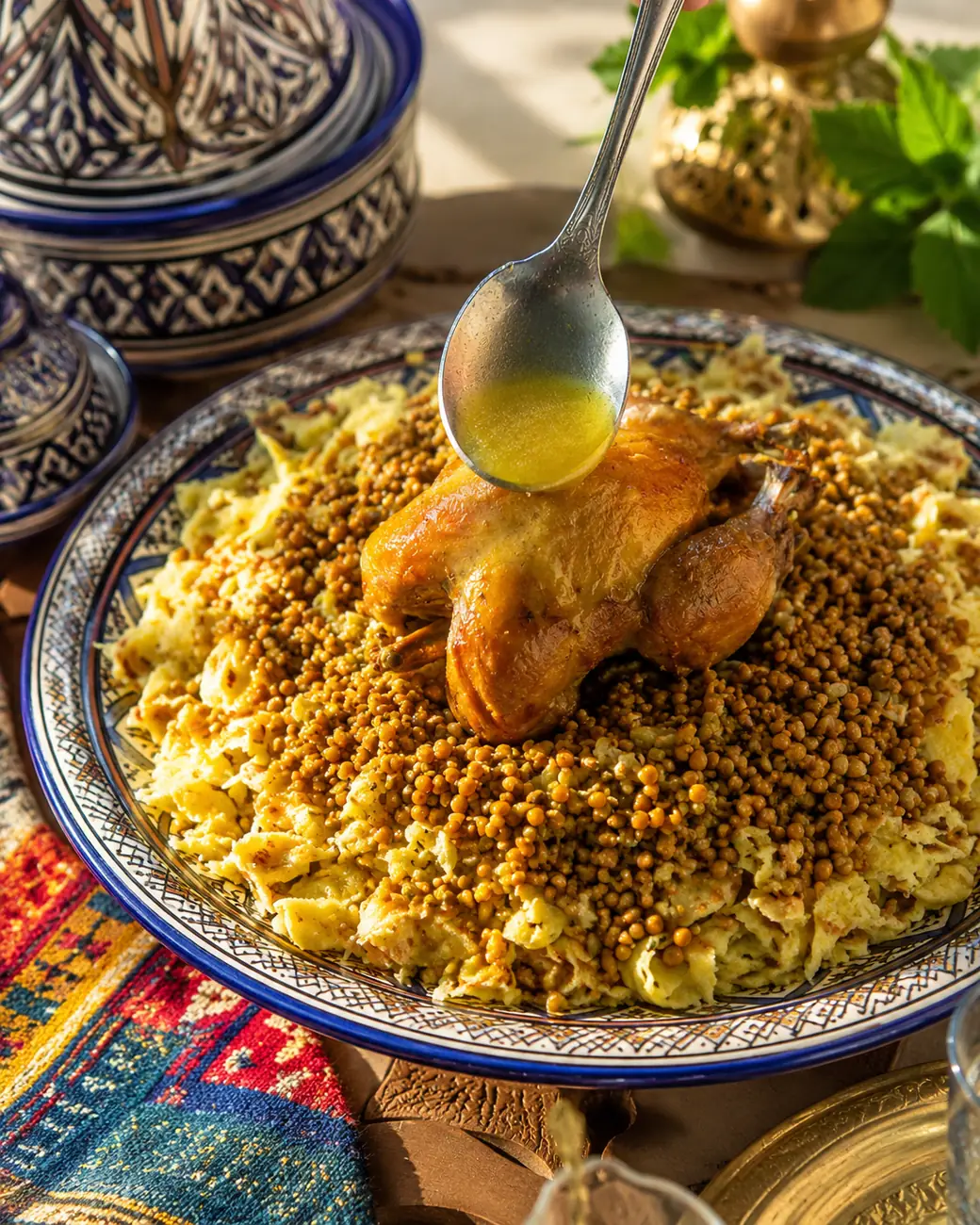
Chicken, lentils and fenugreek over shredded msemen, often tied to care and home cooking.
Open topic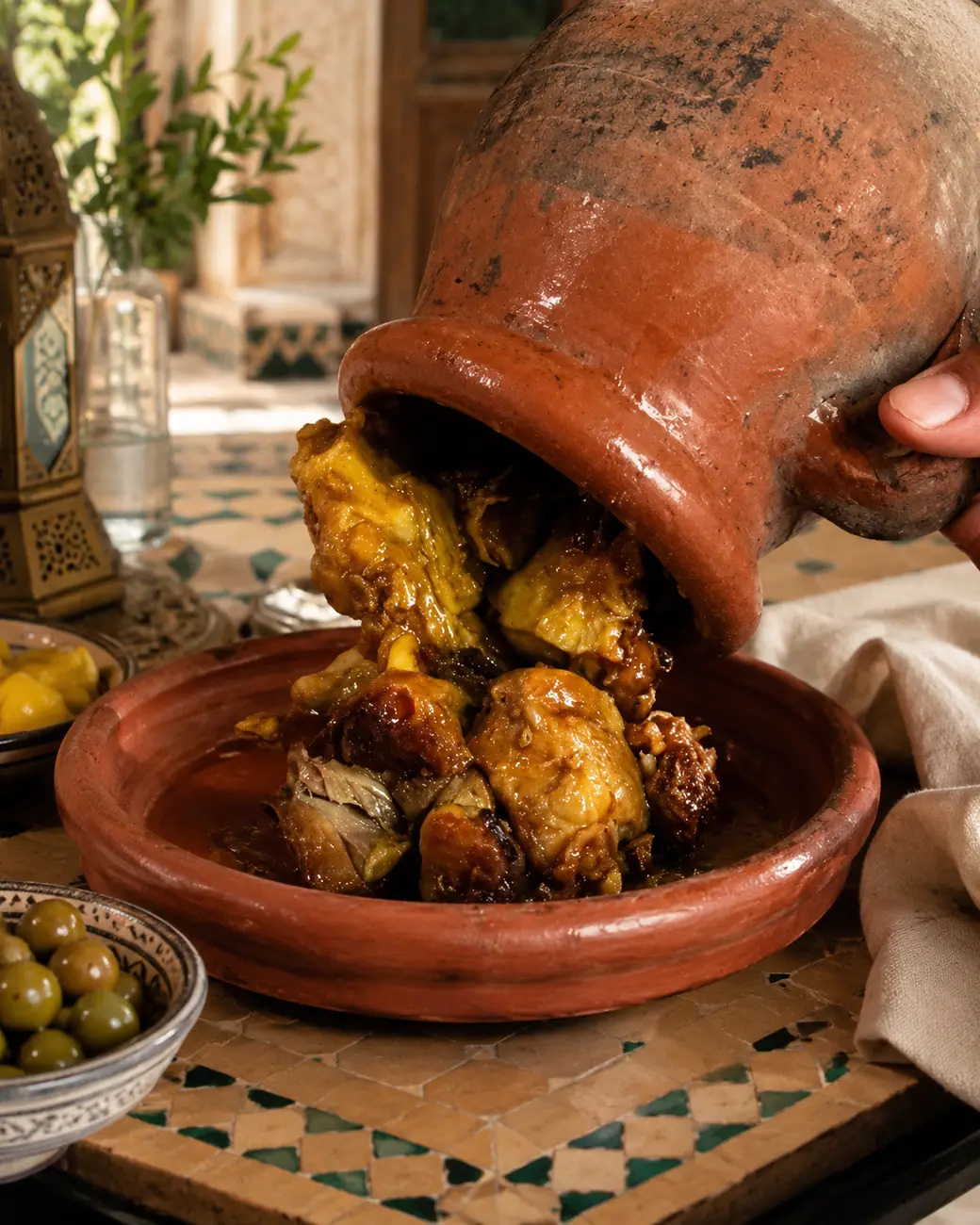
A slow-cooked Marrakech dish connected to communal ovens, meat, preserved lemon and patience.
Open topic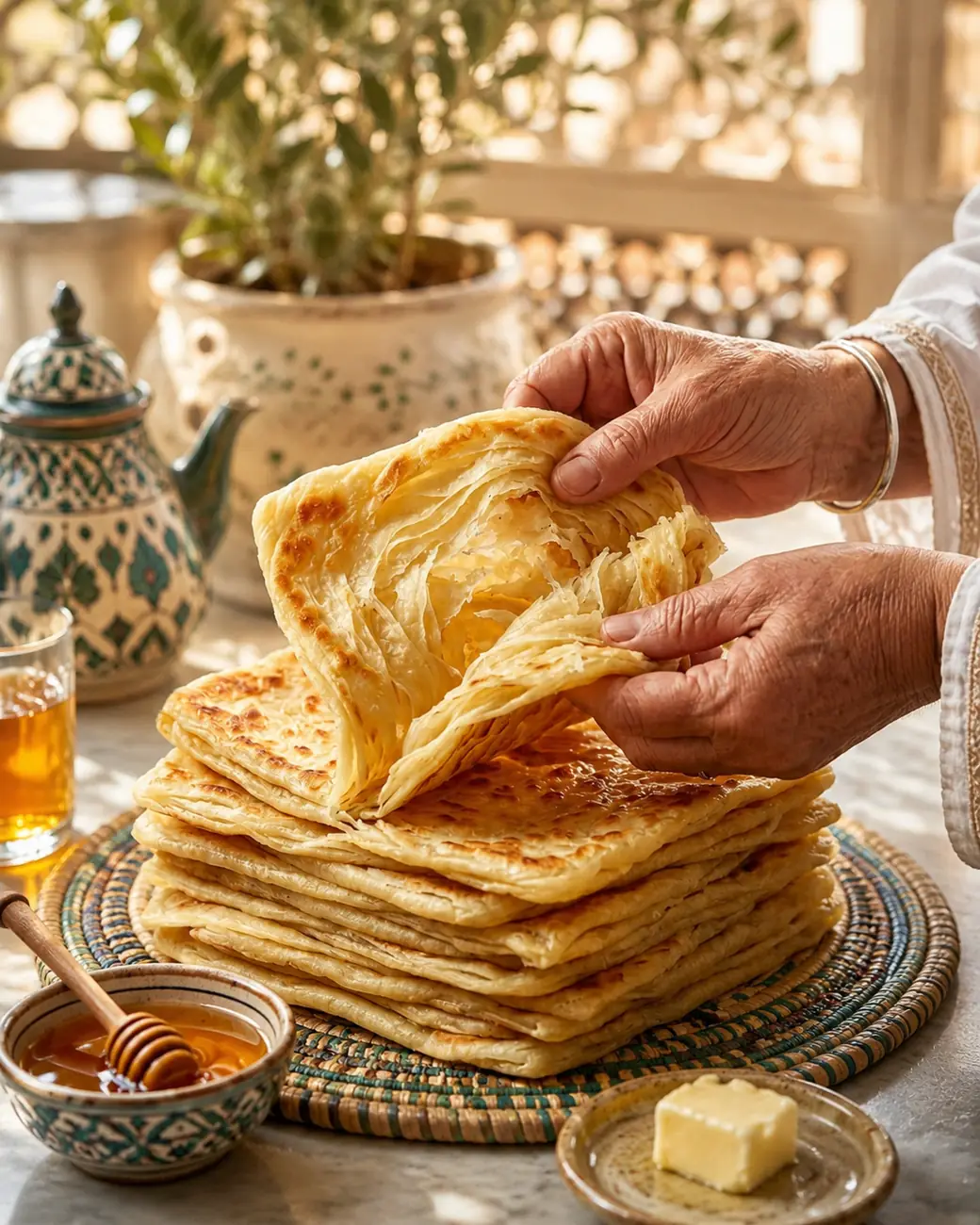
Layered square flatbread served with honey, cheese, amlou or savoury fillings.
Open topic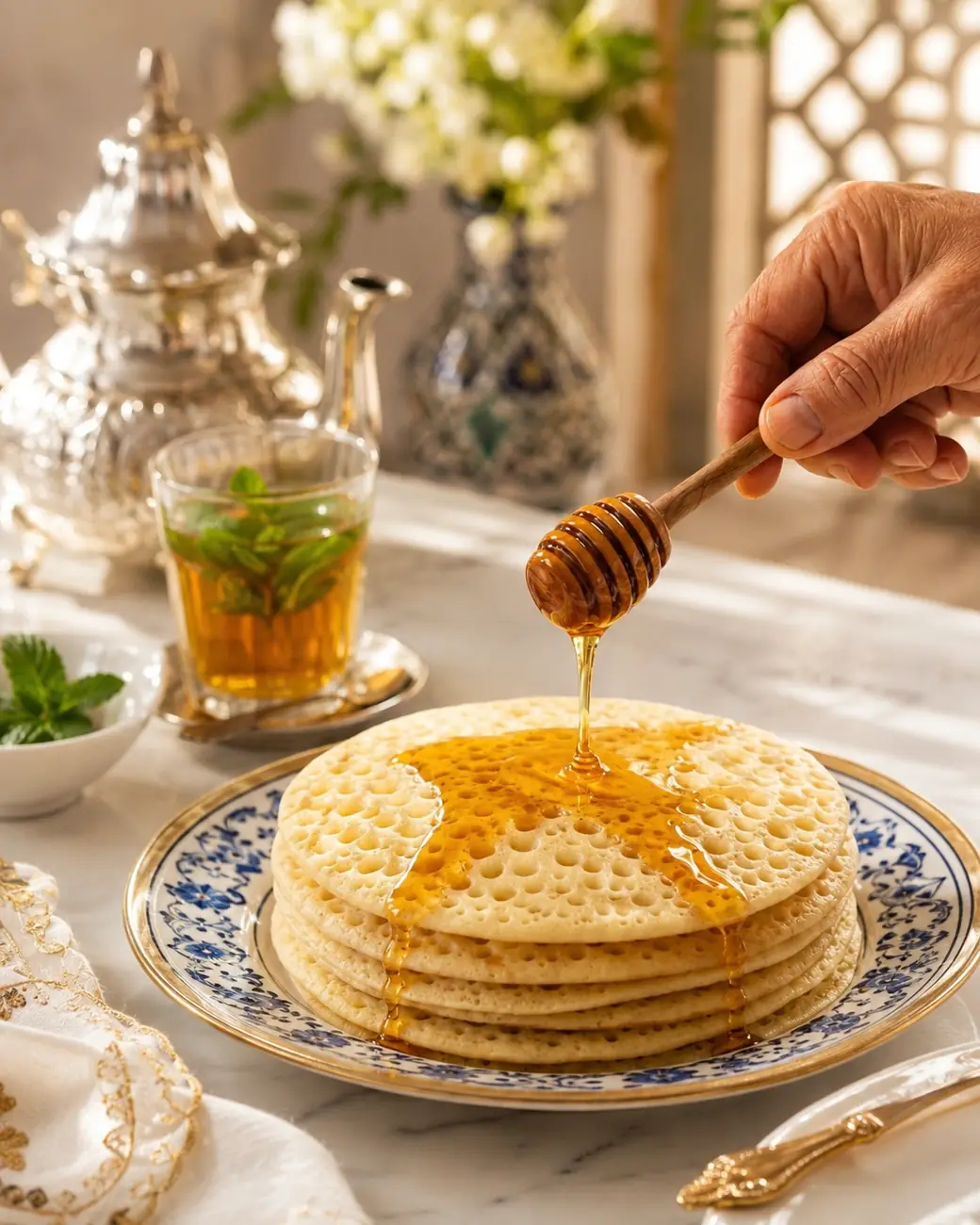
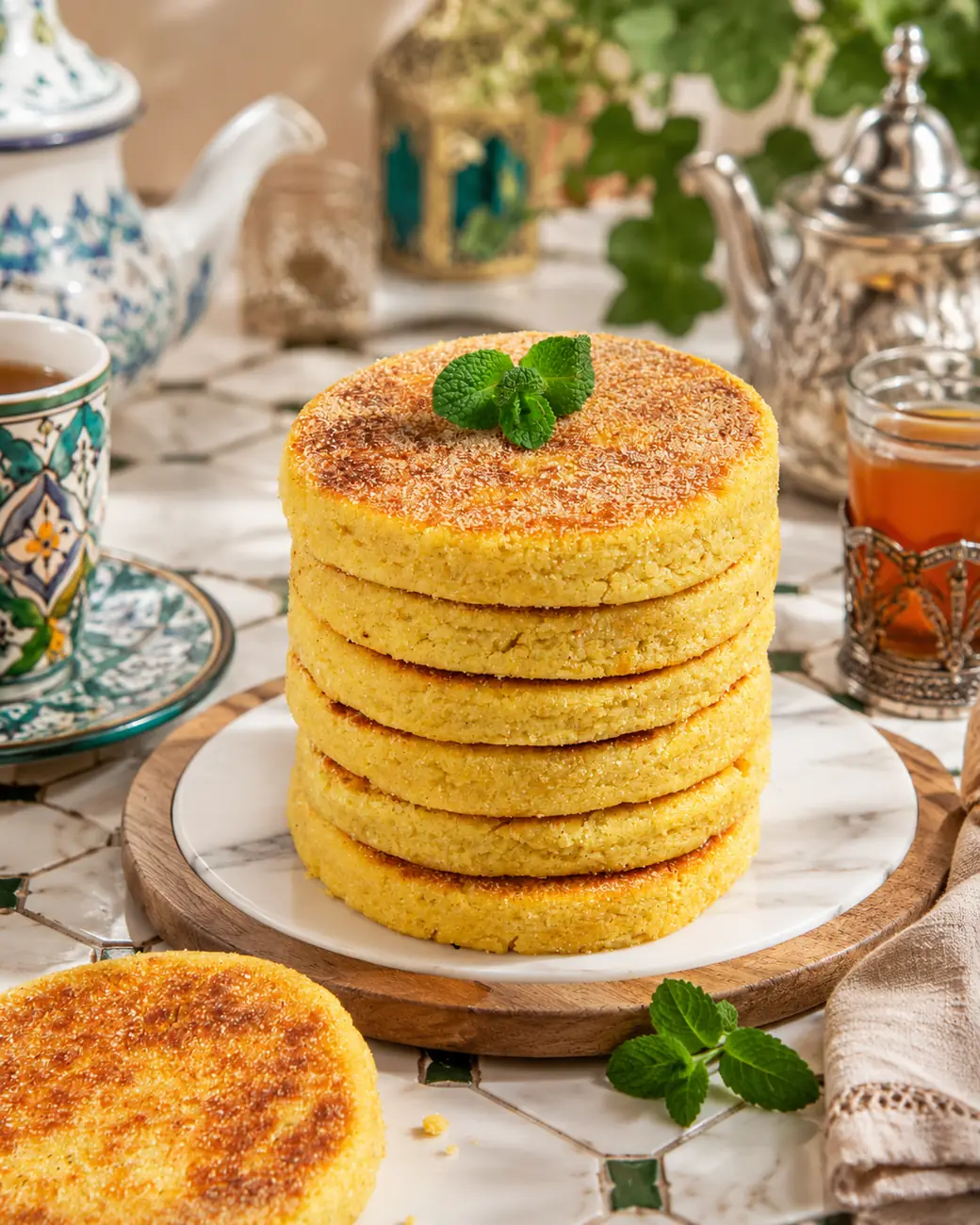
Pan-cooked semolina bread that sits between snack, breakfast and tea table.
Open topic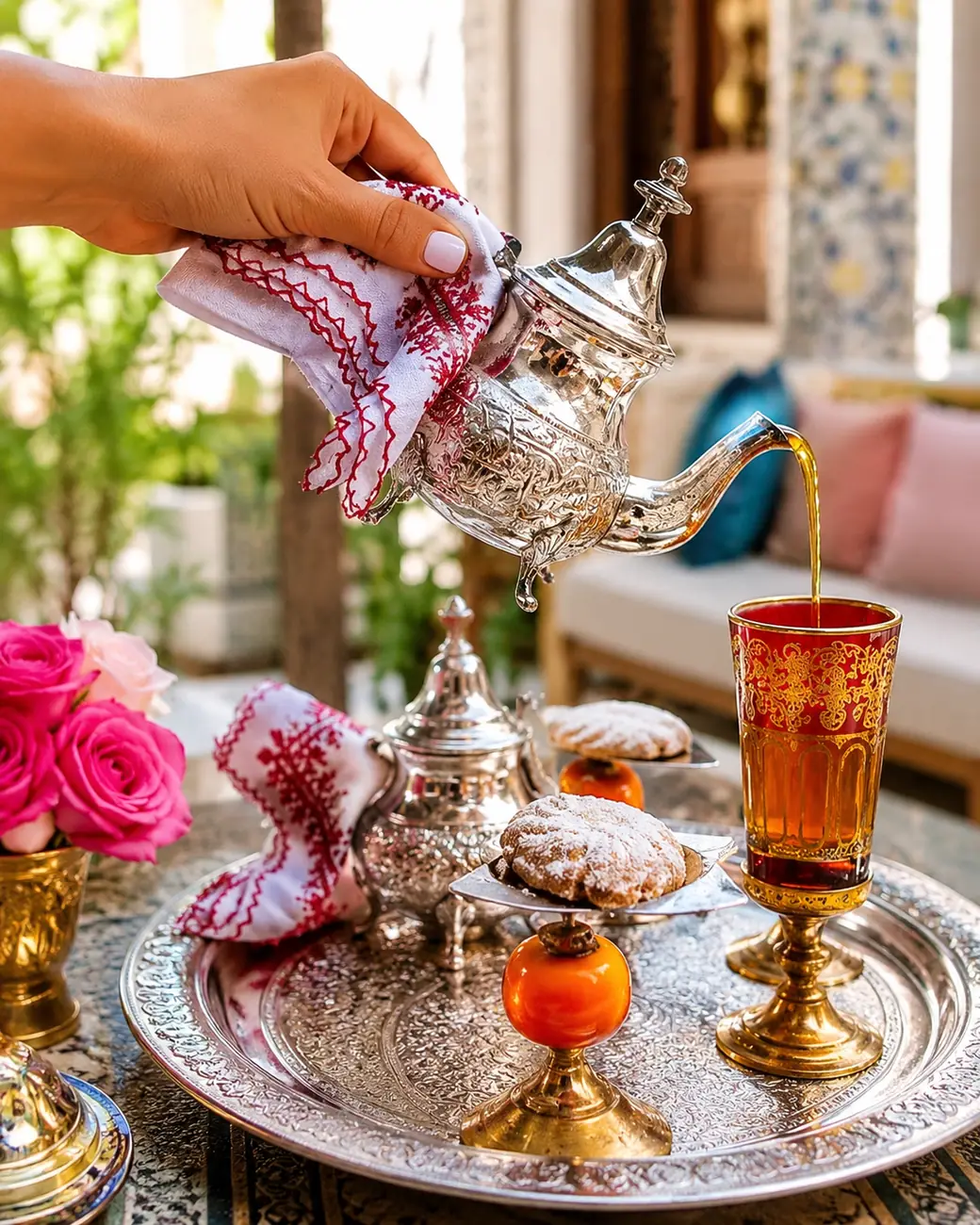
Green tea, fresh mint and sugar as hospitality, pause and social language.
Open topic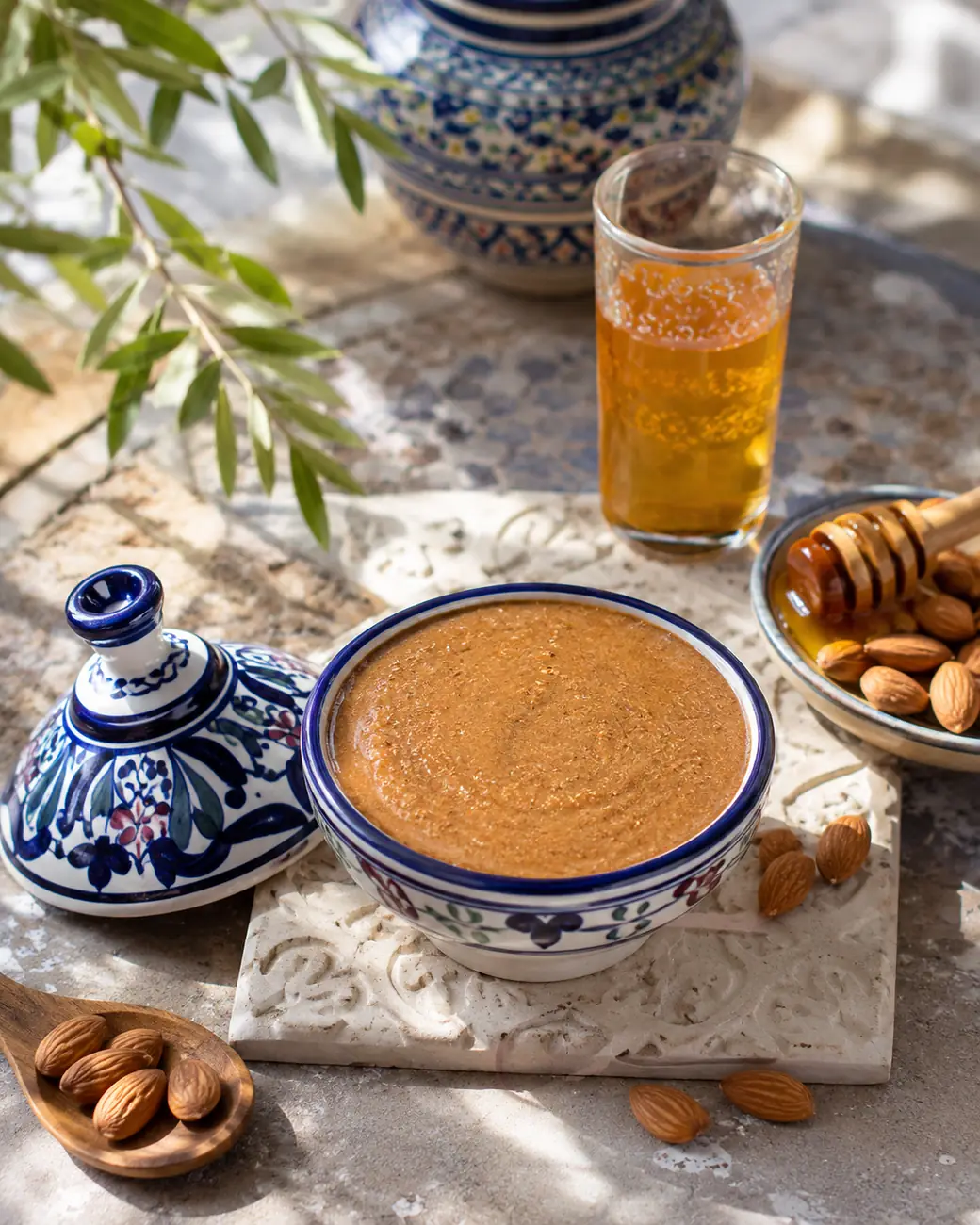
Almond, argan oil and honey spread from the Souss region, served with bread or breakfast.
Open topic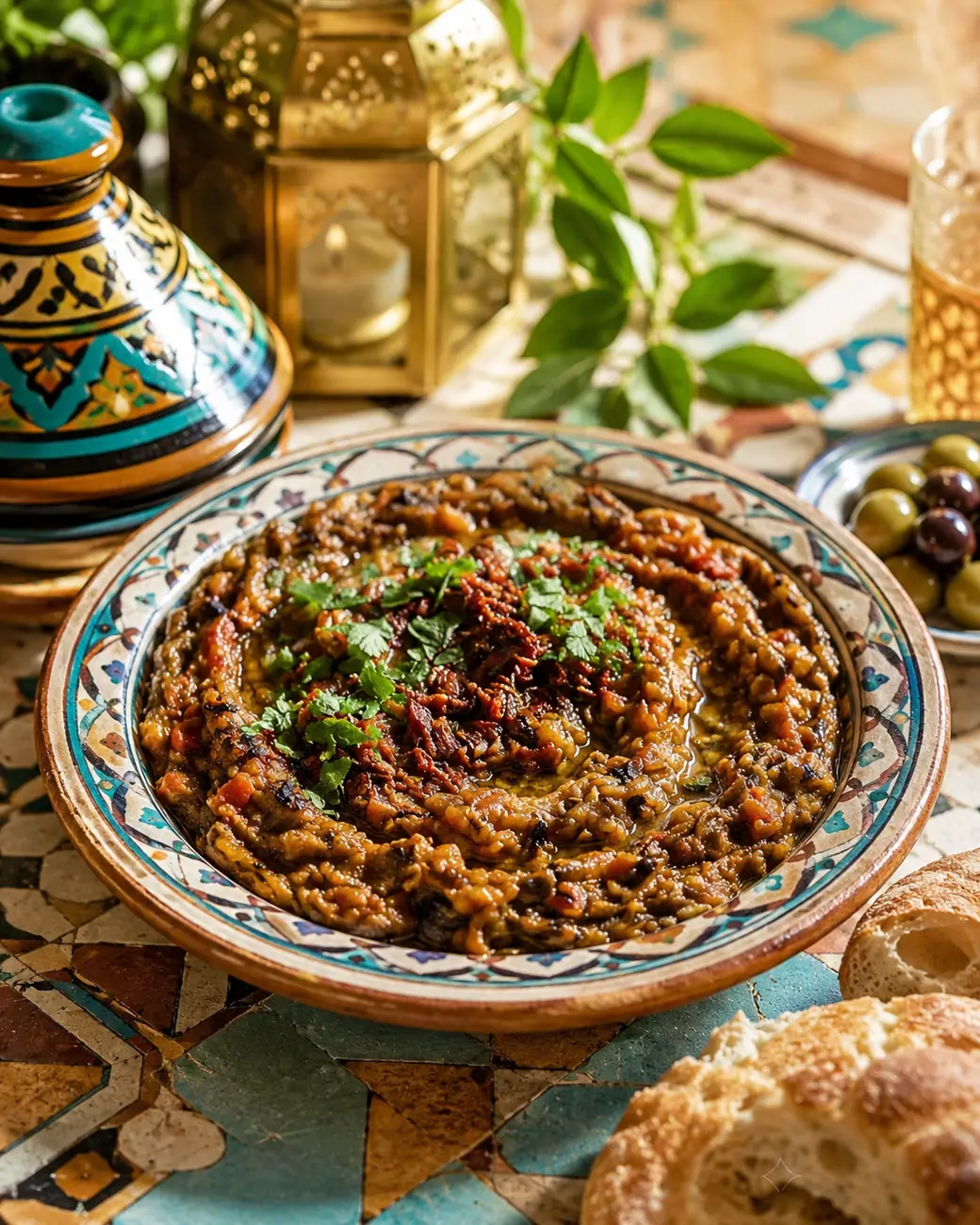
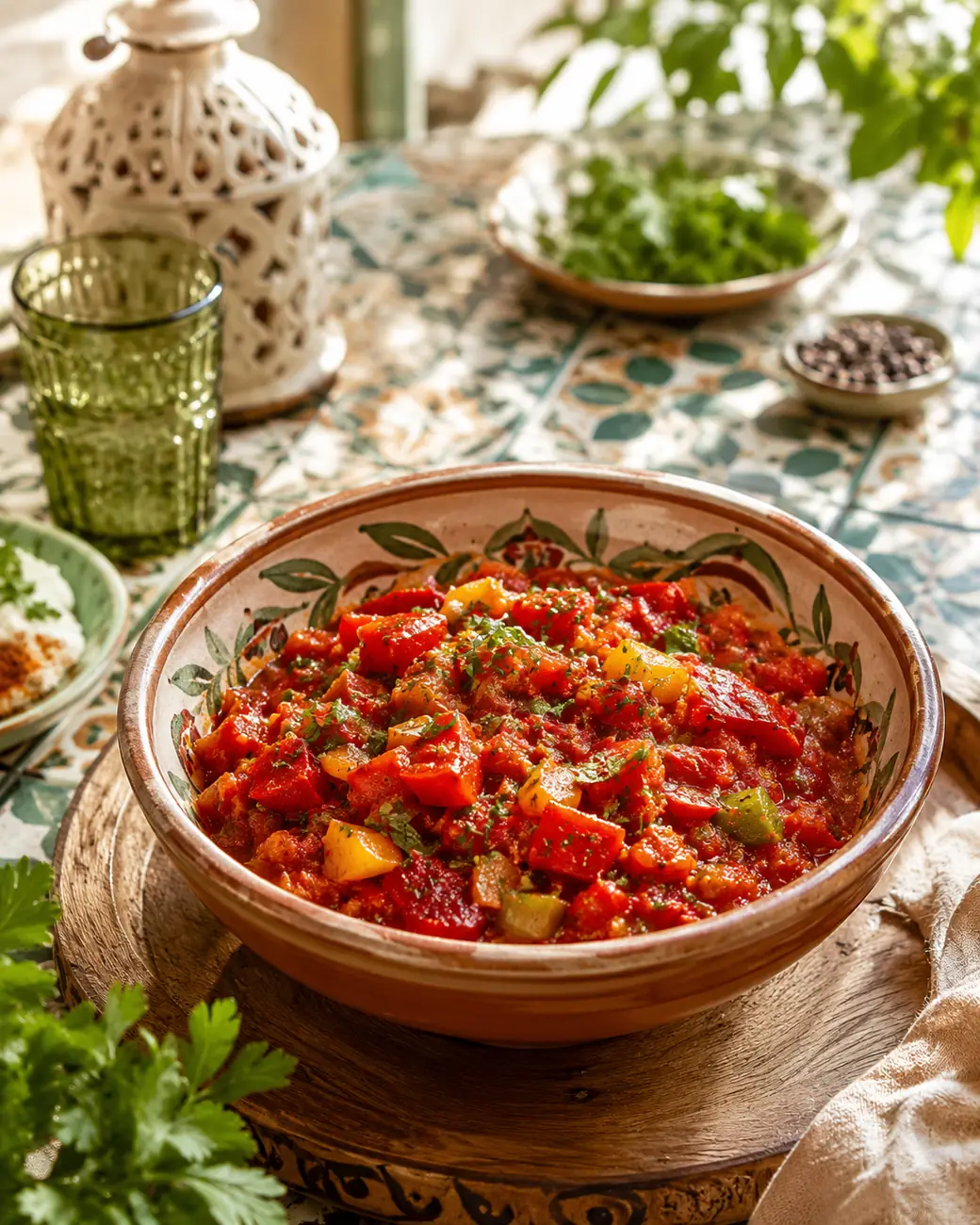
Roasted pepper and tomato salad that brings colour, smoke and softness to the table.
Open topic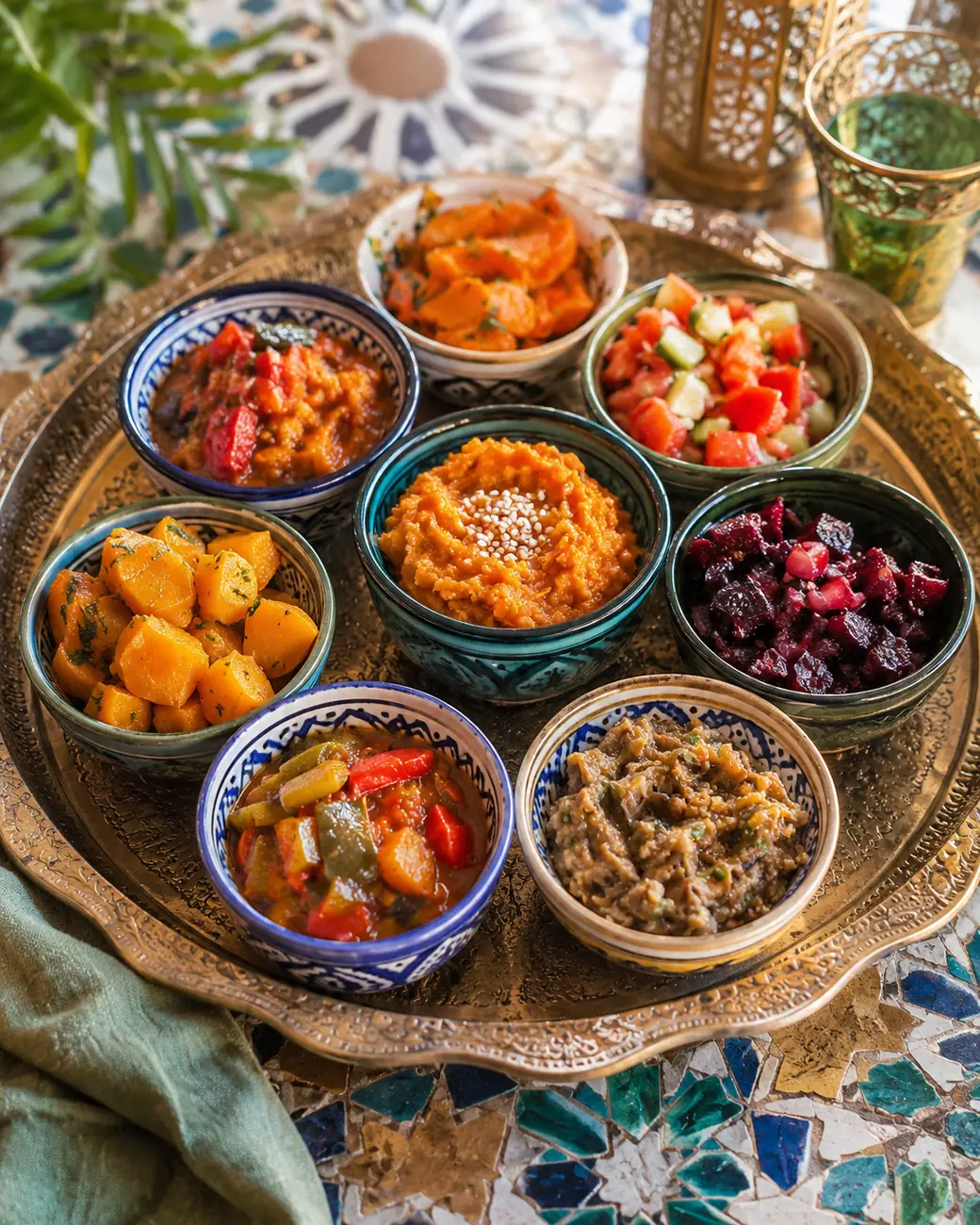
A family of cooked and fresh small plates that open a meal with variety.
Open topic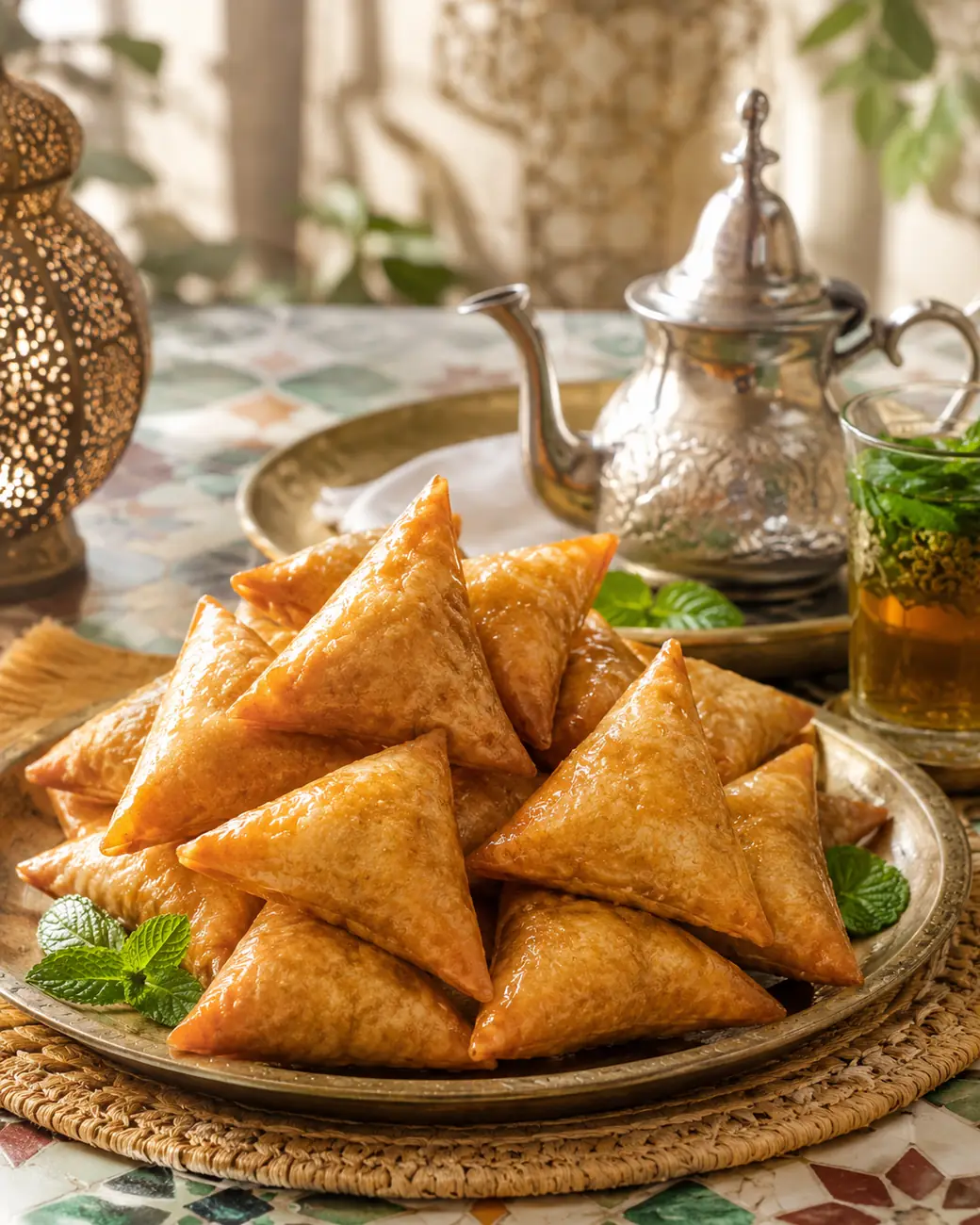
Filled pastry triangles or rolls, sweet or savoury, often served at gatherings.
Open topic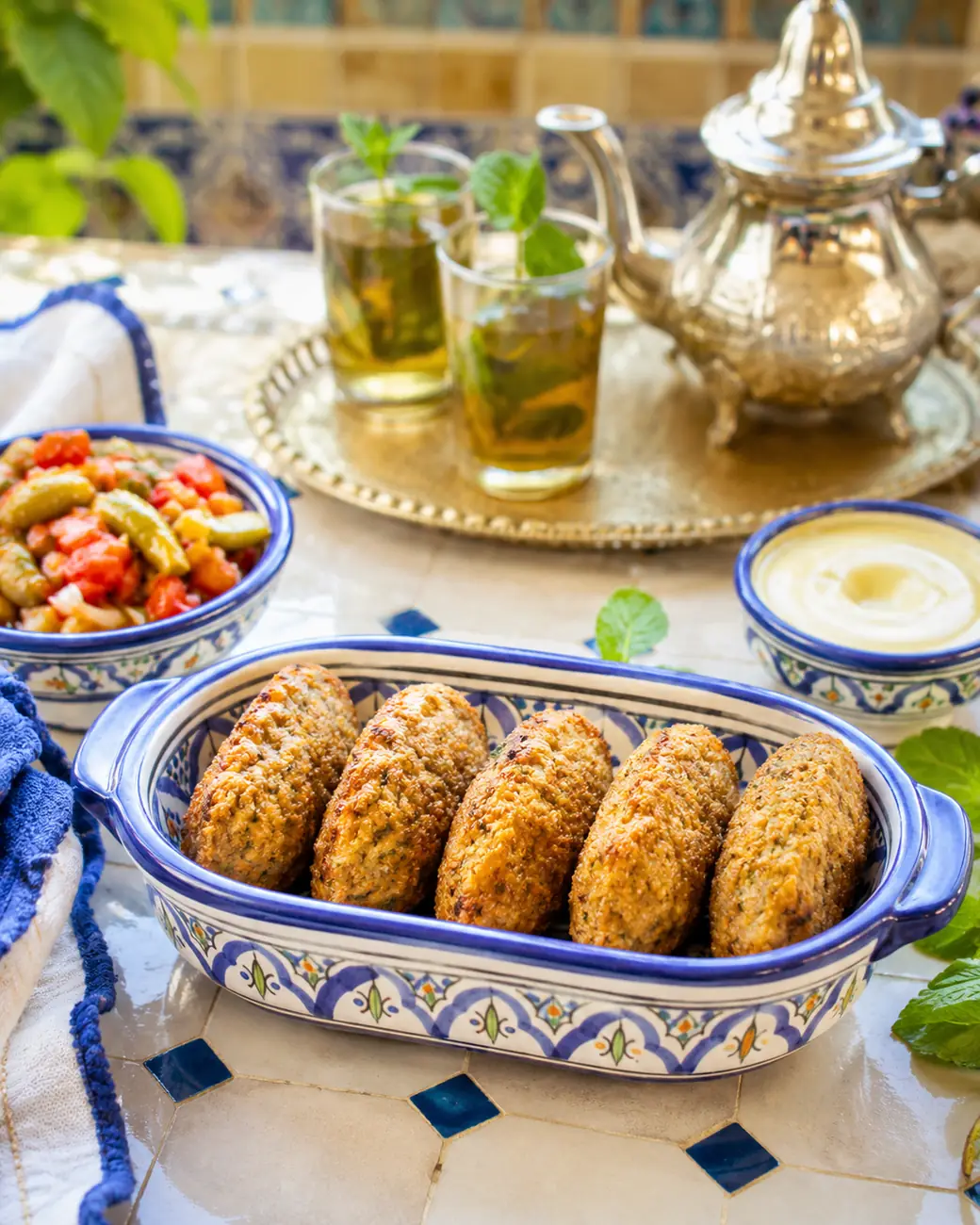
Potato cakes tied to markets, sandwiches and everyday street-food culture.
Open topic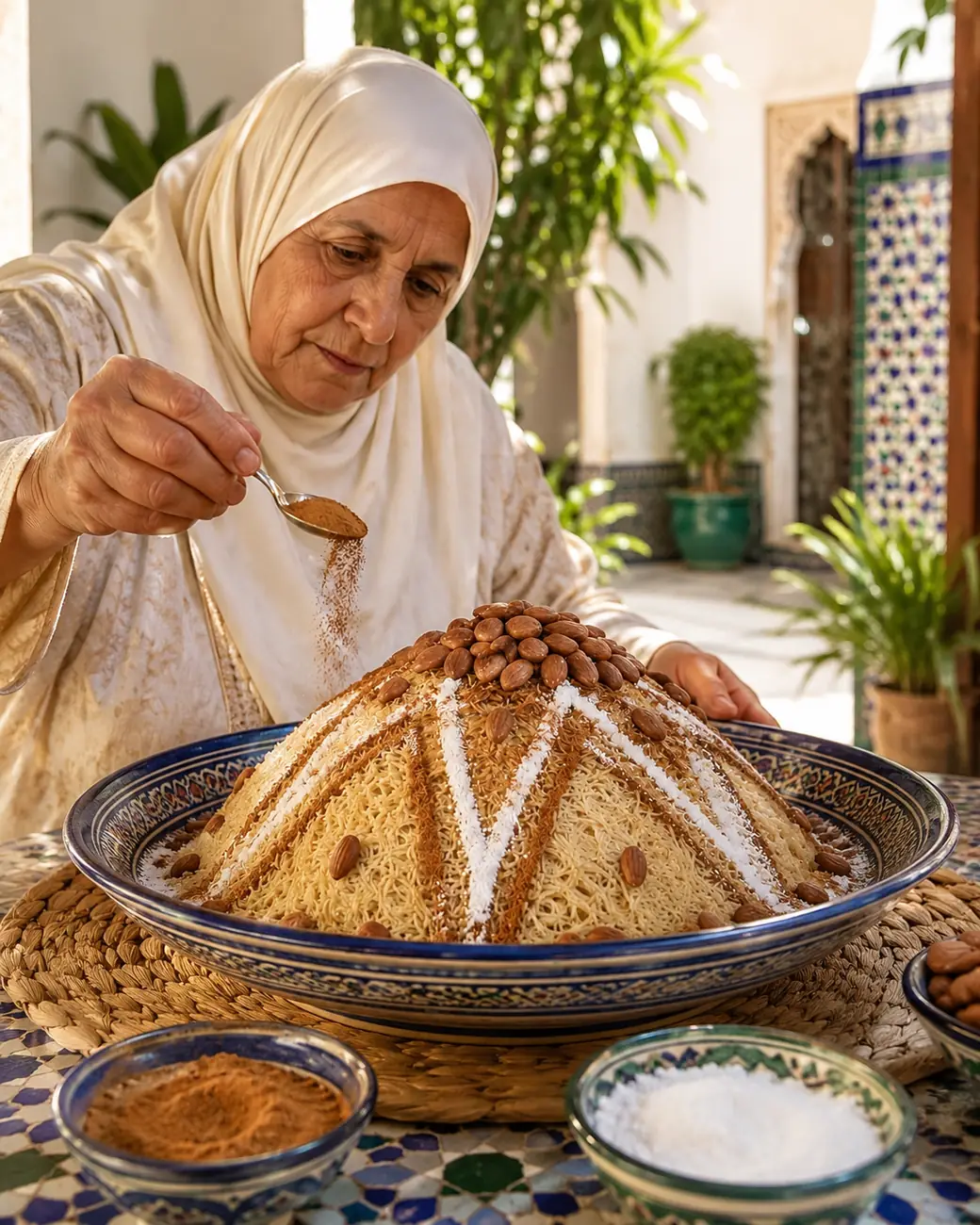
Sweetened vermicelli or couscous with cinnamon, almonds and powdered sugar.
Open topic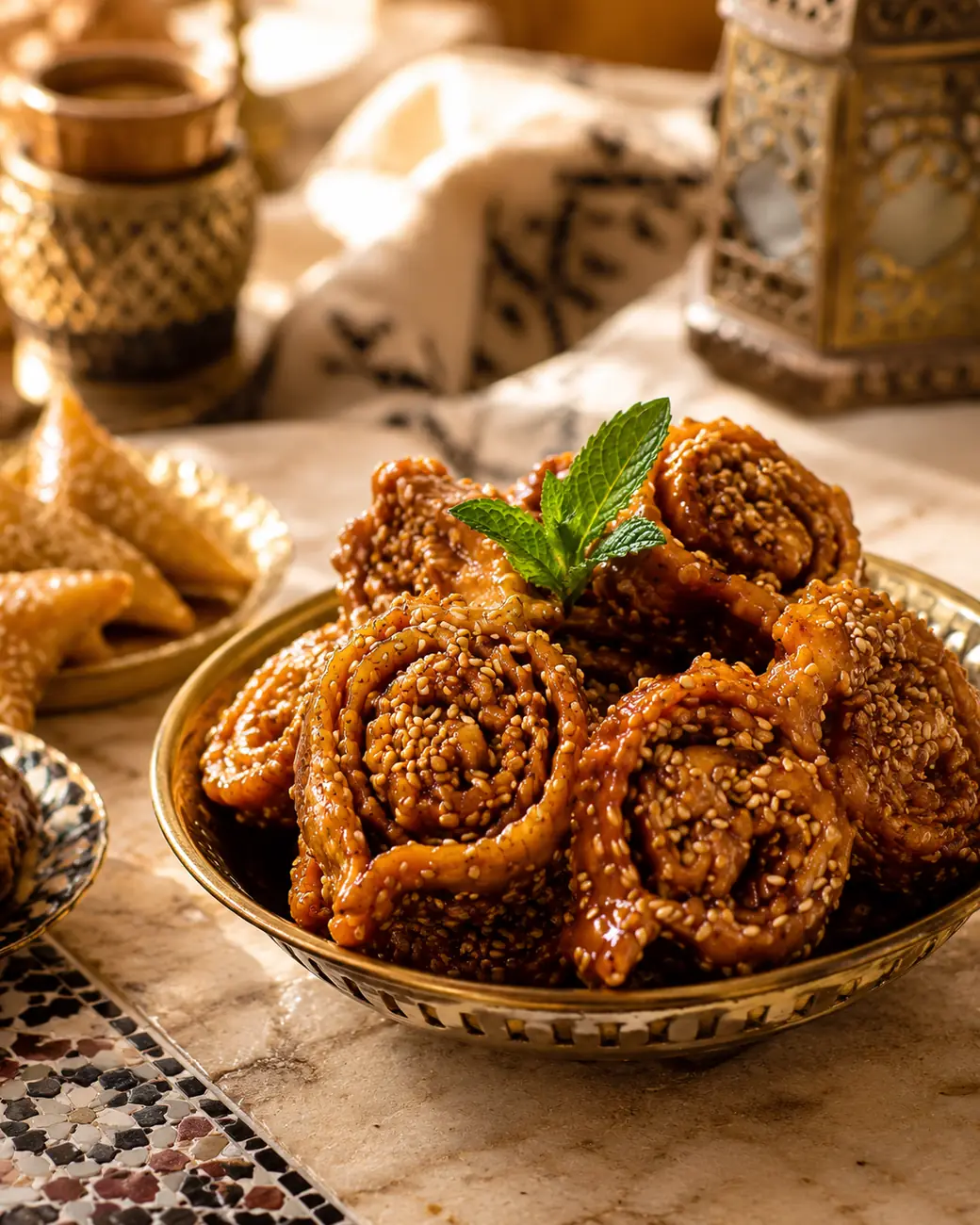
Sesame-honey pastry strongly connected to Ramadan tables and festive sweets.
Open topic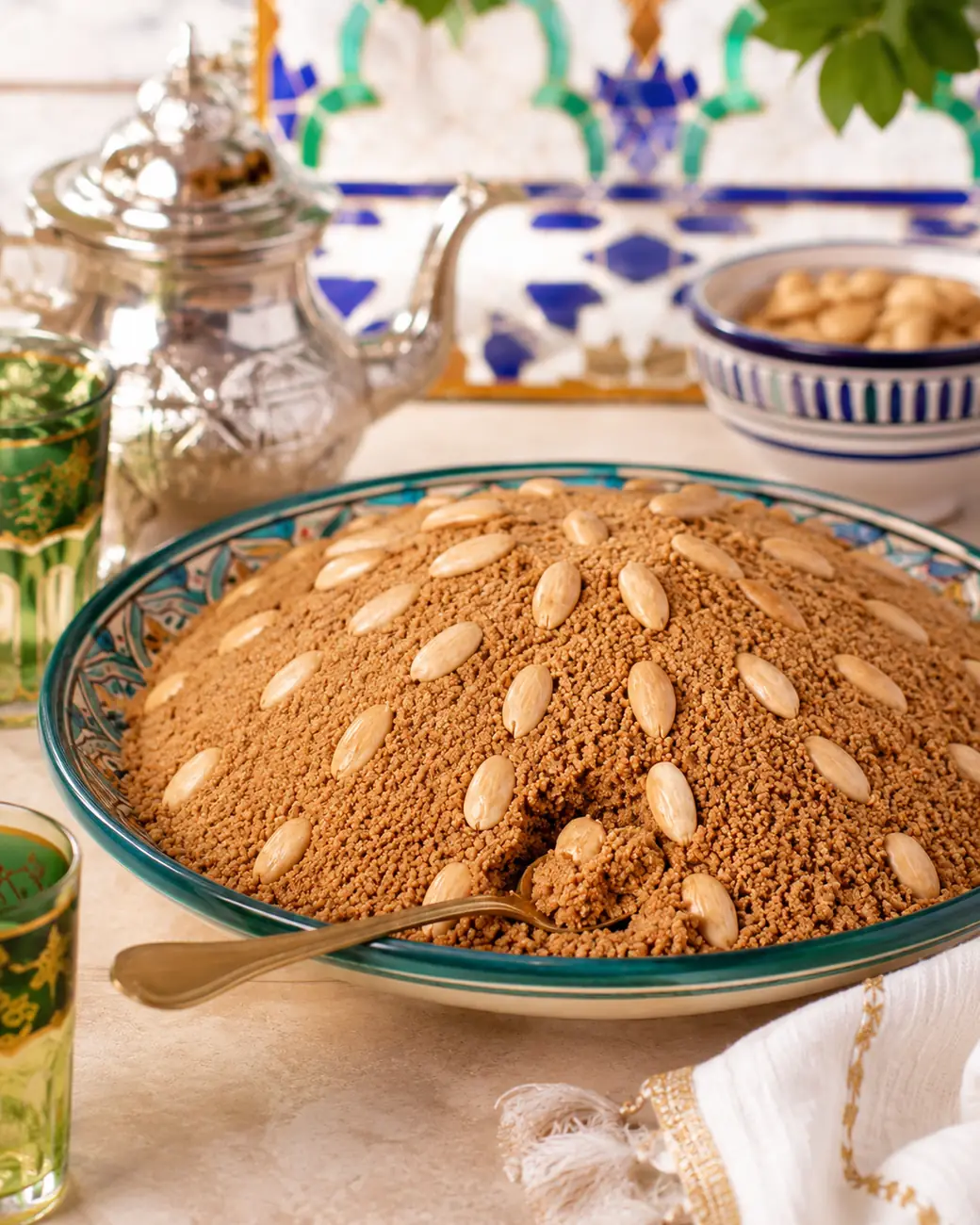
Toasted flour, almonds, sesame and spices made into a dense celebratory sweet.
Open topic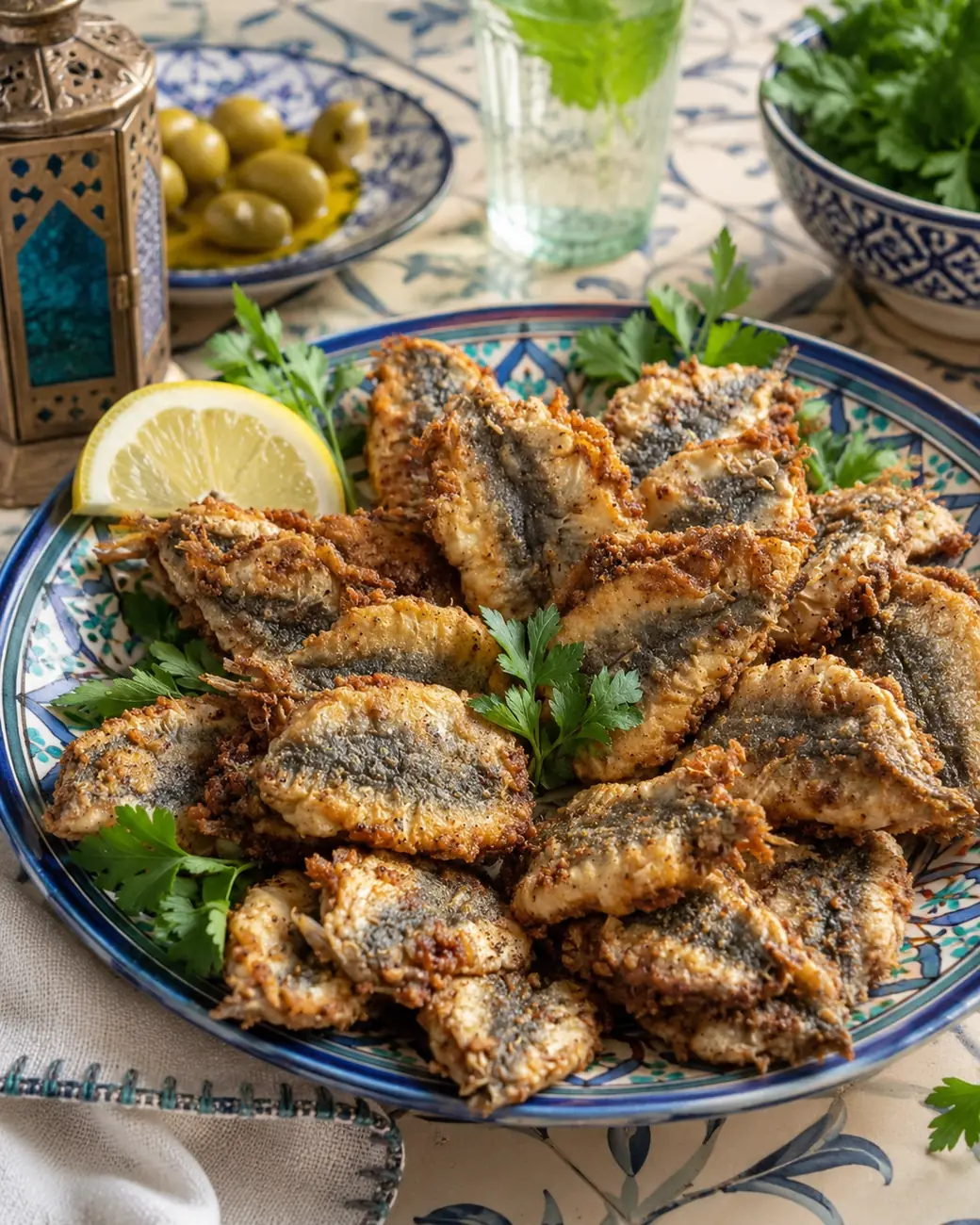
Atlantic fish culture through sardines, herbs, garlic, lemon, spices and coastal cooking.
Open topicThis section adds meal logic to the hub and helps visitors understand how Moroccan foods appear across the day and across social moments.
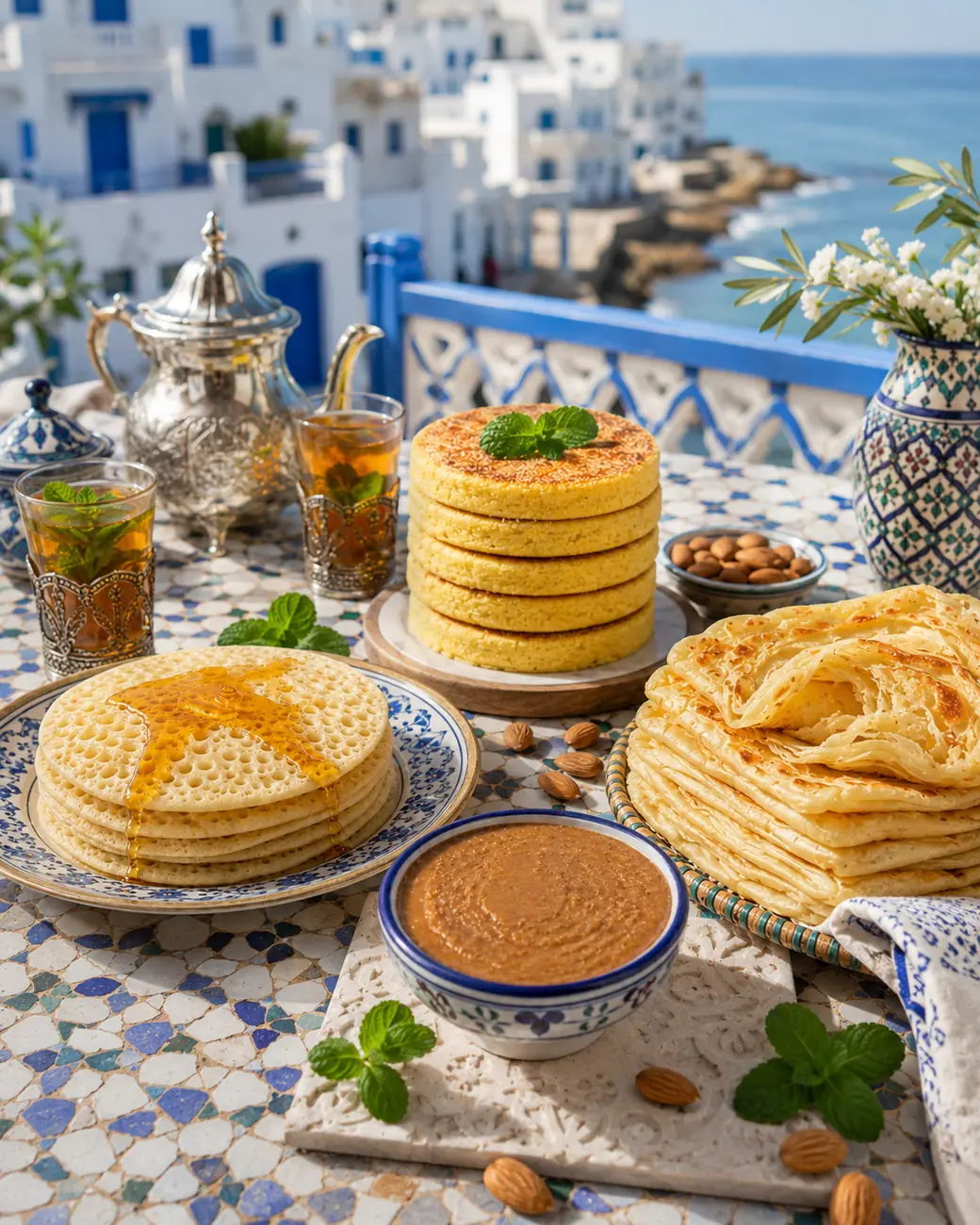
Morning food is generous, bread-led and closely tied to tea, spreads, simple comfort and the rhythm of a slow start.
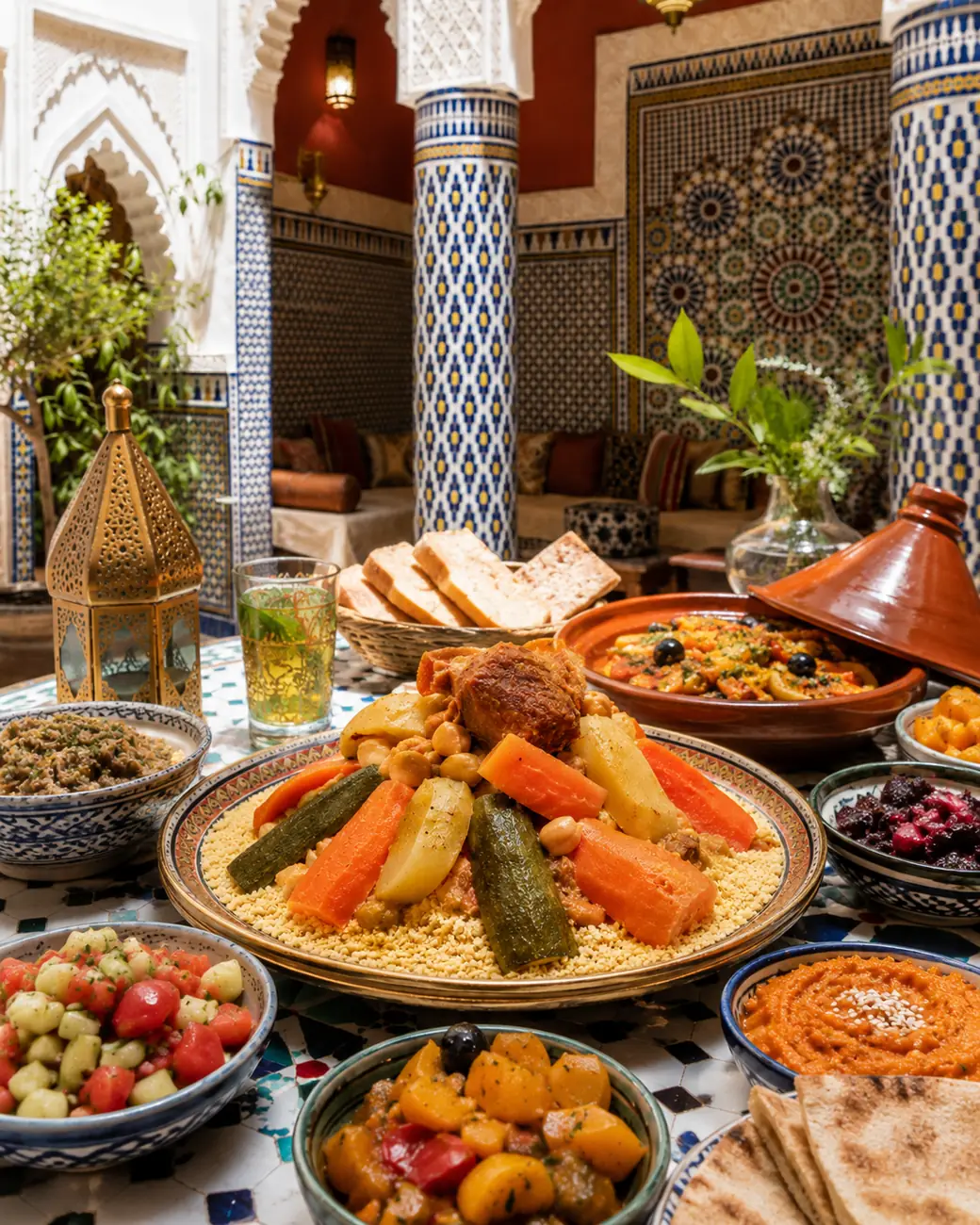
Lunch often becomes the main social meal, especially in family settings where the table gathers people around one centre.
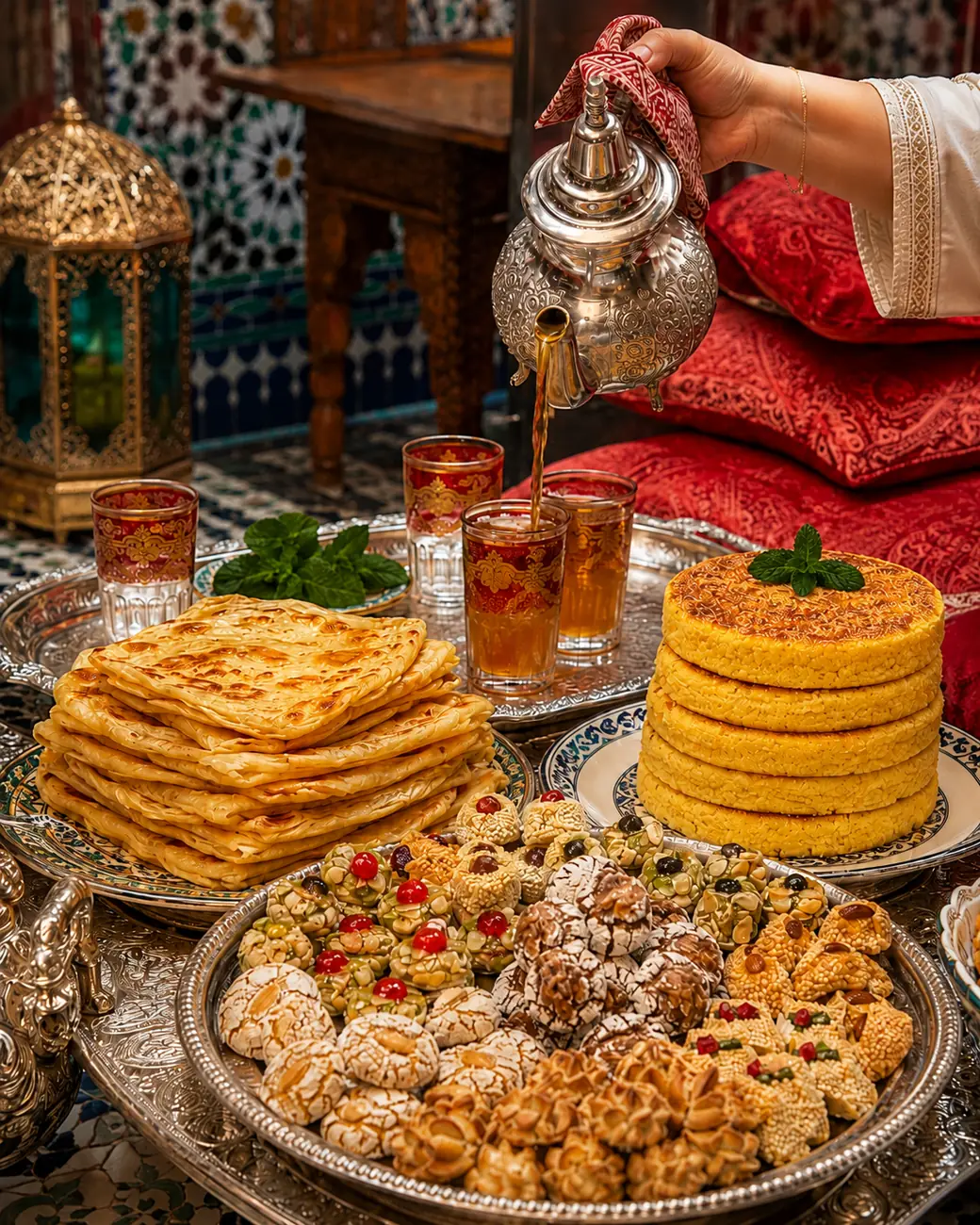
Tea is a pause, a welcome and a conversation. It gives Moroccan food culture one of its clearest daily rituals.
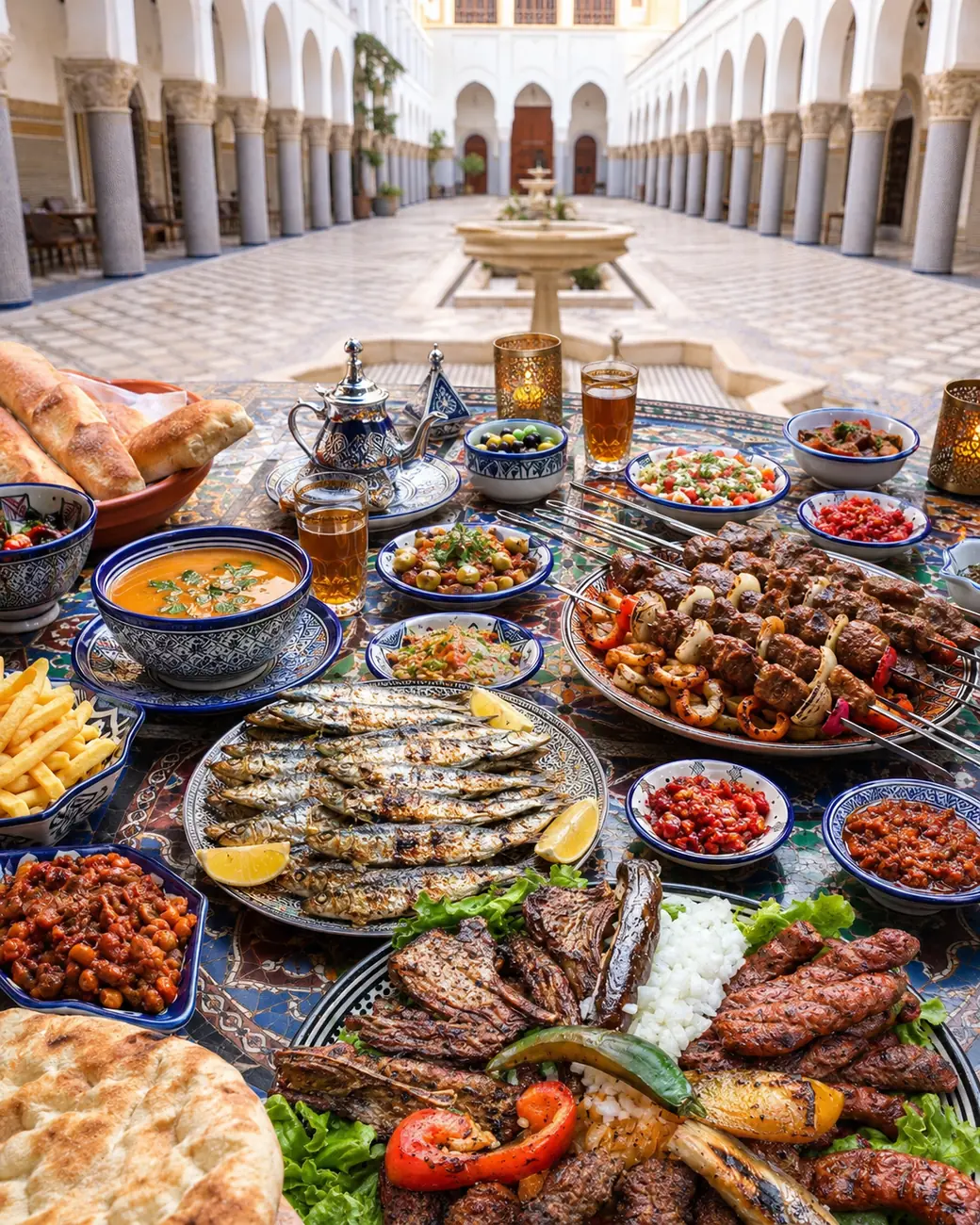
Evening food changes by city, season and family rhythm, from quiet home meals to lively street-food moments.
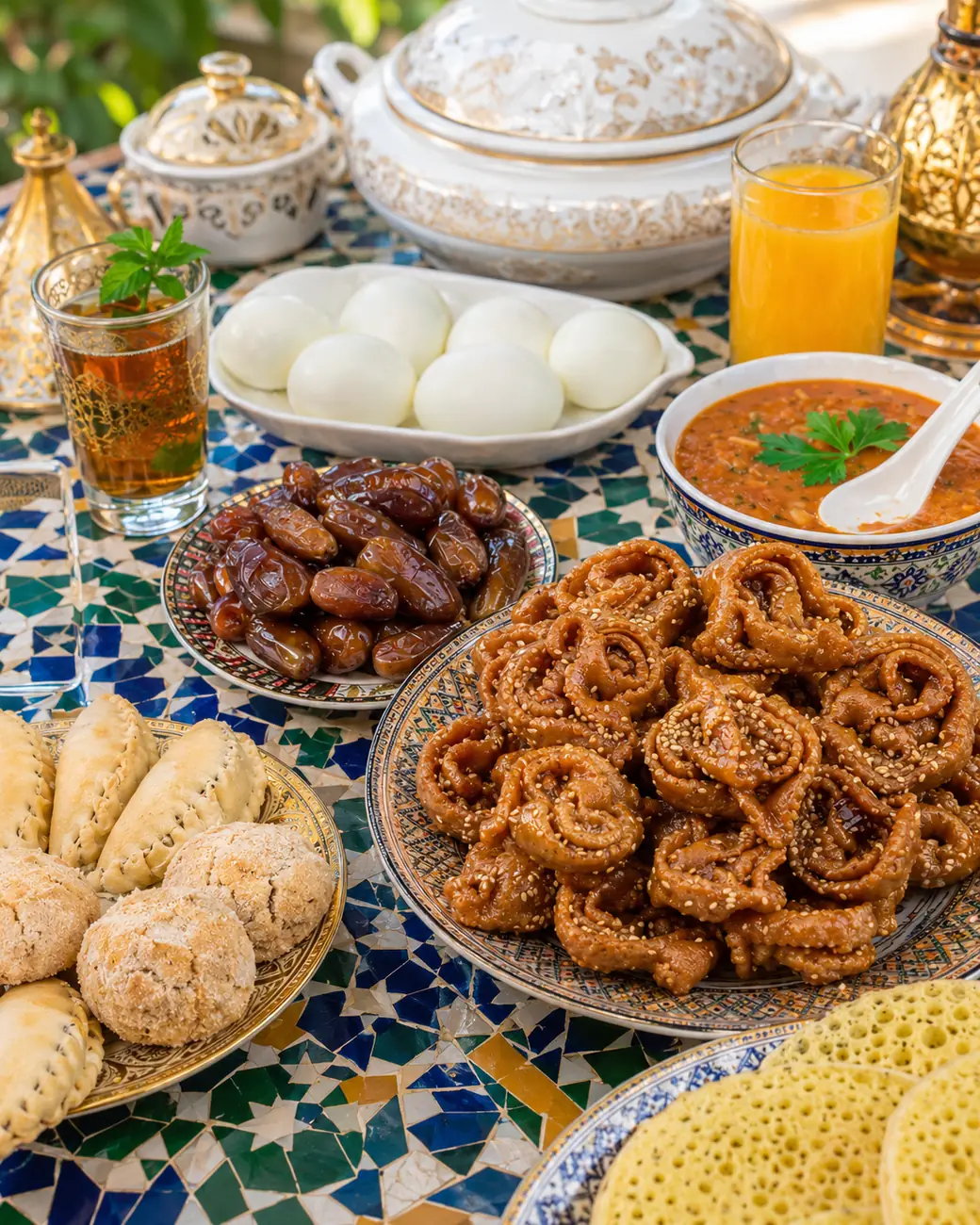
Iftar has its own rhythm, generosity and emotional memory, where familiar tastes mark the transition from fasting to gathering.
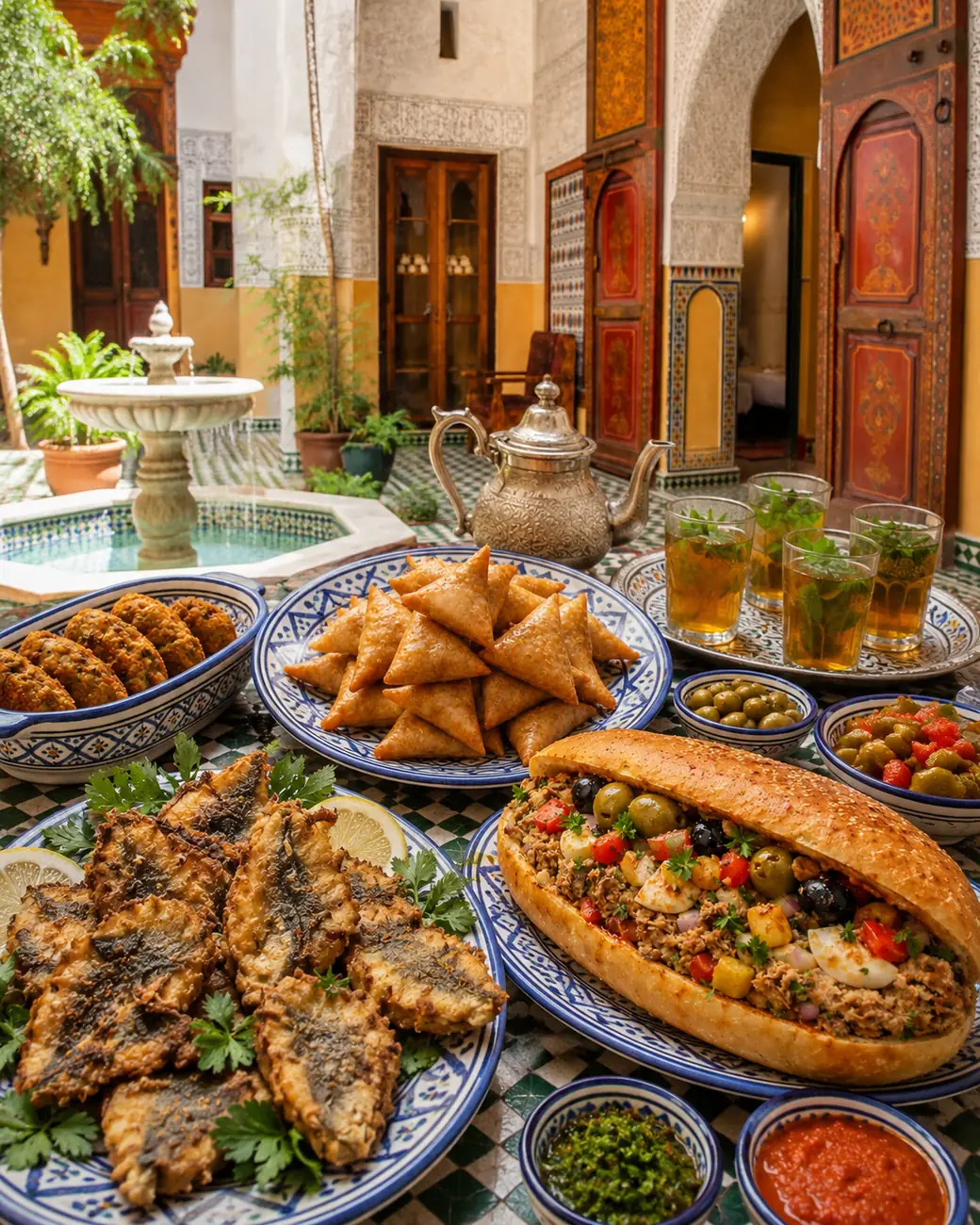
Street food makes Morocco immediate, local and sensory, connecting markets, movement and everyday appetite.
These categories create practical browsing paths: breakfast, main dishes, soups, salads, sweets, desserts, drinks and street food.
Morning breads, tea, pancakes, amlou, harcha, msemen and simple hospitality.
Open categoryThe central dishes of the table: tagines, couscous, tanjia, rfissa and regional mains.
Open categoryHarira and other warm bowls that connect comfort, fasting, season and home cooking.
Open categoryCooked salads, raw salads, zaalouk, taktouka, olives, breads and table companions.
Open categoryChebakia, sellou, seffa, sweet briouats and celebration sweets.
Open categoryMint tea, juices, café culture and moments of hospitality.
Open categoryMarket snacks, sandwiches, maakouda, grills, seafood, msemen and everyday food culture.
Open categorySeffa, fruit endings, milk desserts and sweet finishing notes for festive tables and gentler sweet cravings.
Open categoryCulture behind taste
Moroccan food is not only a catalogue of dishes. It is a living system of welcome, market knowledge, family rhythm, regional identity and remembered gestures around the table.
Bread, tea, olives, shared plates and the words used around them carry meaning. They tell you where you are, who is welcoming you, what season it is, and how memory enters everyday food.
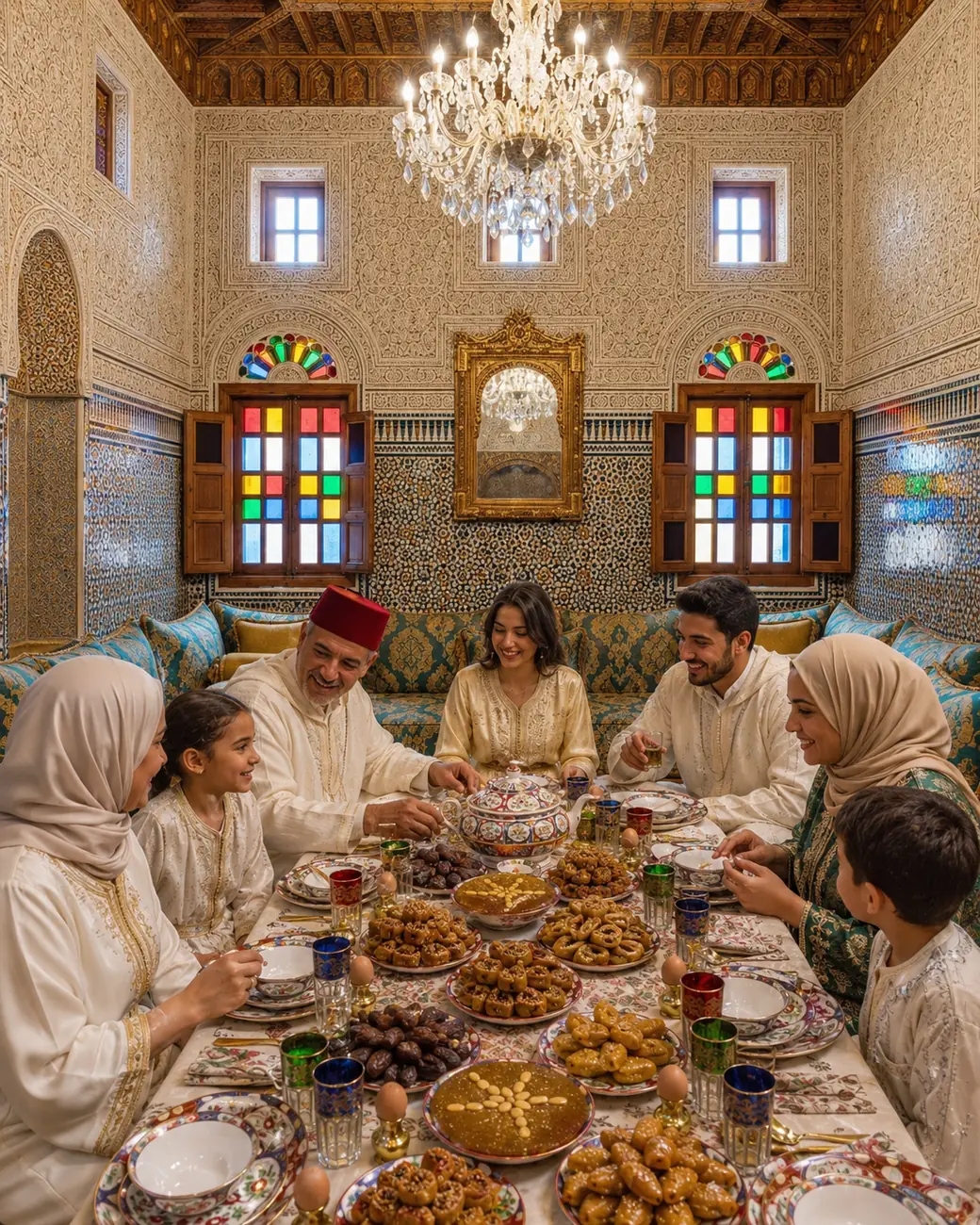
Food words carry etiquette, blessing and welcome.
Ingredients and vessels reveal coast, mountain, oasis and city.
Friday couscous, Ramadan harira and mint tea become family time.
Tea, bread and shared plates often explain the table before a menu does.
Souks turn herbs, olives, fish, dates and vegetables into living knowledge.
Atlantic sardines, Souss amlou, Marrakech tanjia and oasis dates make geography edible.
Friday, Ramadan, family visits and afternoon tea give food its rhythm.
This is the full Taste collection. Every item below sits within the /taste/ section and helps visitors navigate the wider food library more clearly.
Moroccan food connects to cities, markets, ports, mountains, family memory, festivals and craft. Use Taste as a sensory door into the wider world of Exotic Morocco.