

01 · The Moroccan table
At the table.
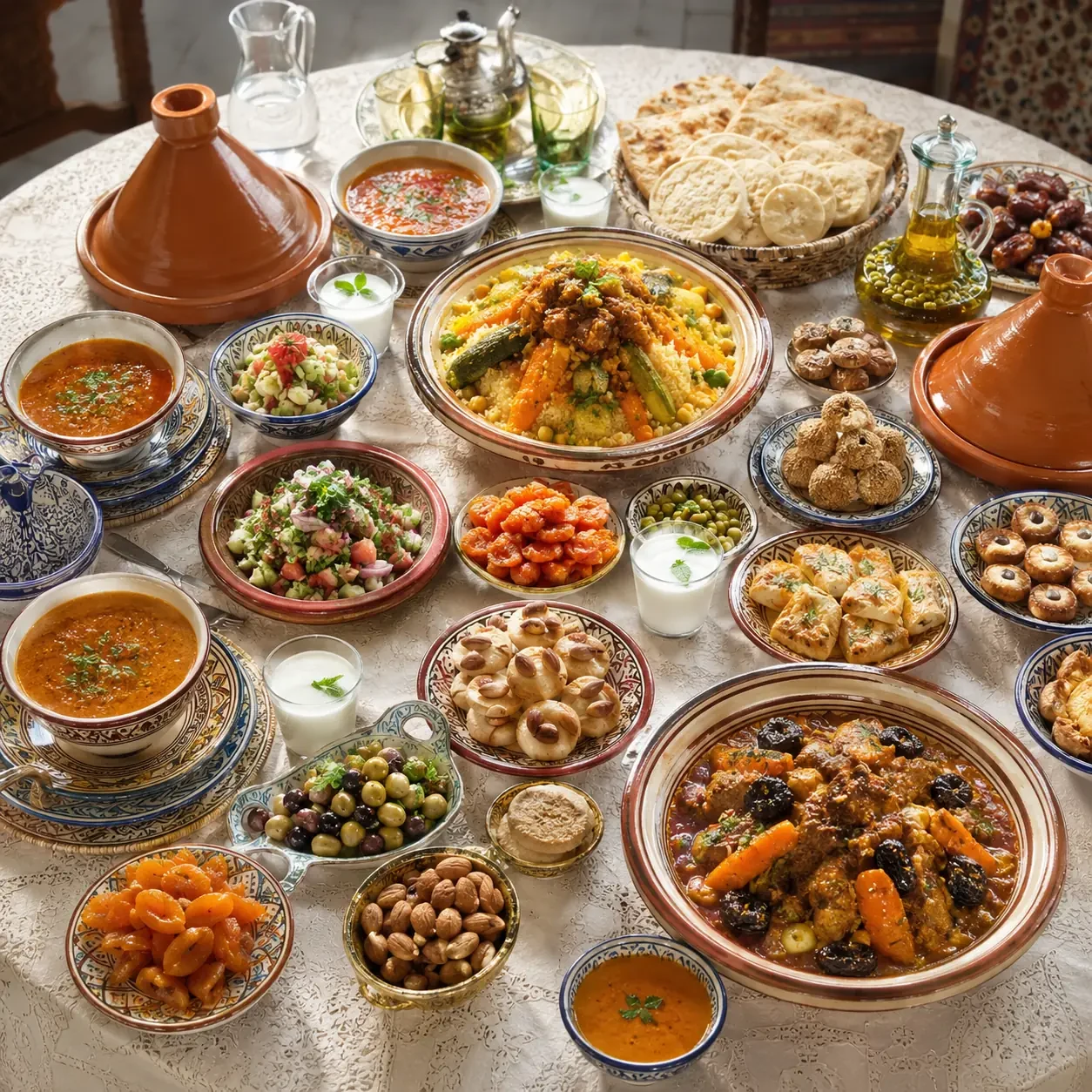
Bread passed, a shared dish, another glass of tea: welcome takes many forms.
A Moroccan table can be modest or abundant, an ordinary lunch or a meal prepared for guests. Its meaning often lies in the attention between people: making room, offering what is available and allowing time to stay.
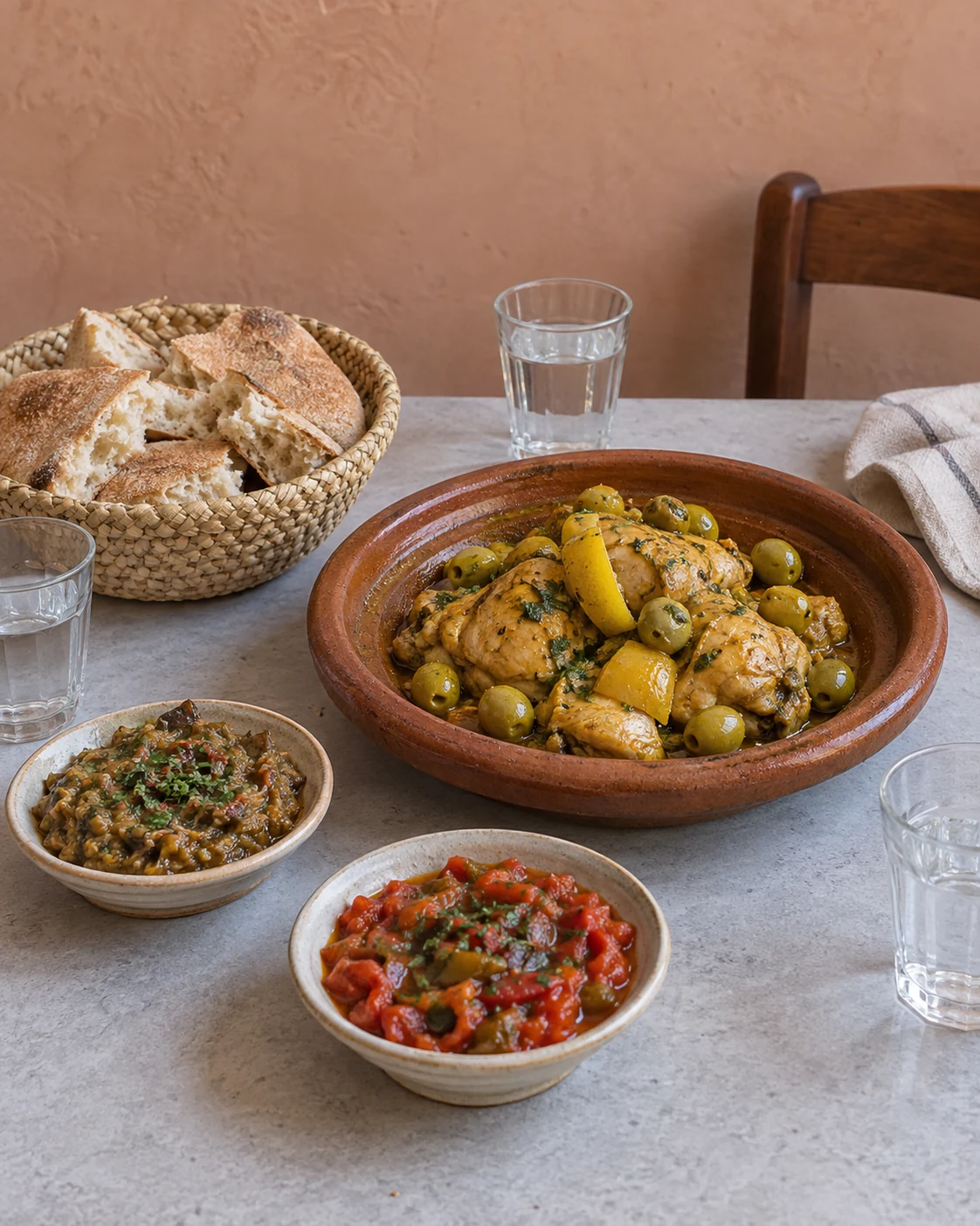
Bread, small salads and a dish placed in the centre are familiar in many homes. Other tables use individual plates and cutlery. Follow your host’s lead; eating from the part of a shared dish nearest you is a useful custom to recognise, rather than a rule for every household.
Region, season, family history and the working day all influence what appears. A quick café breakfast and a long family lunch belong to the same living food culture. Hospitality is expressed through care as much as quantity.
02 · Food and place
Geography becomes
flavour.
Morocco’s coastlines, plains, mountains, dry interior and oasis systems shape what is grown, bought, preserved and cooked. Regional identity is visible not only in famous dishes but in everyday ingredients, market habits and preferred textures.
These are lenses, not rigid borders. Families move, cities mix traditions, and a dish can travel far beyond the place with which it is commonly associated.
Migration inside Morocco has made that mixing even more visible. A household in Casablanca may carry techniques from the Rif, the Souss, the Middle Atlas or the Sahara; a restaurant in Rabat may serve a speciality strongly associated with another city. Regional identity remains meaningful, but it travels with people.
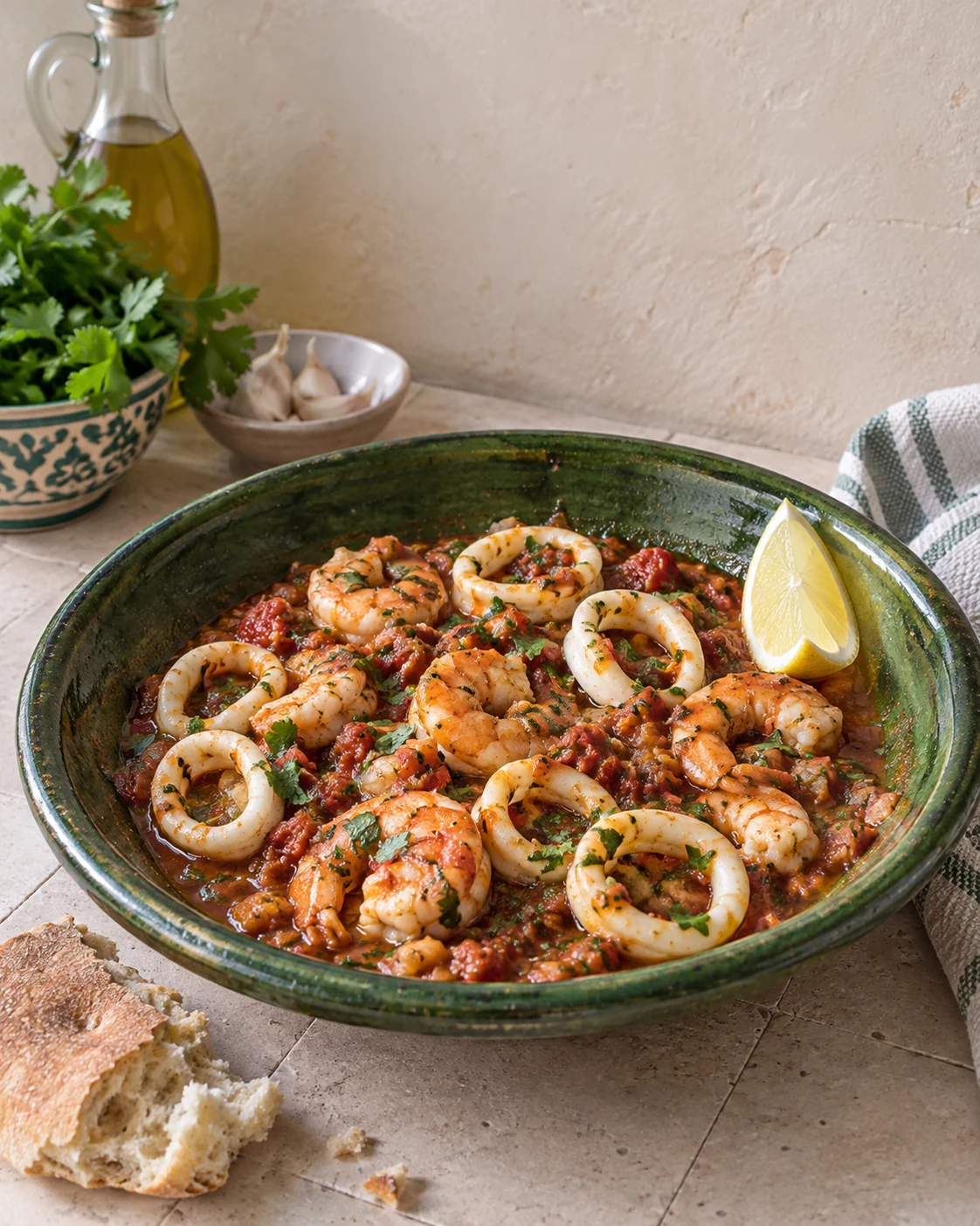
Seafood & Coastal Cooking
Fish markets, chermoula and the kitchens of the coast.
Explore the story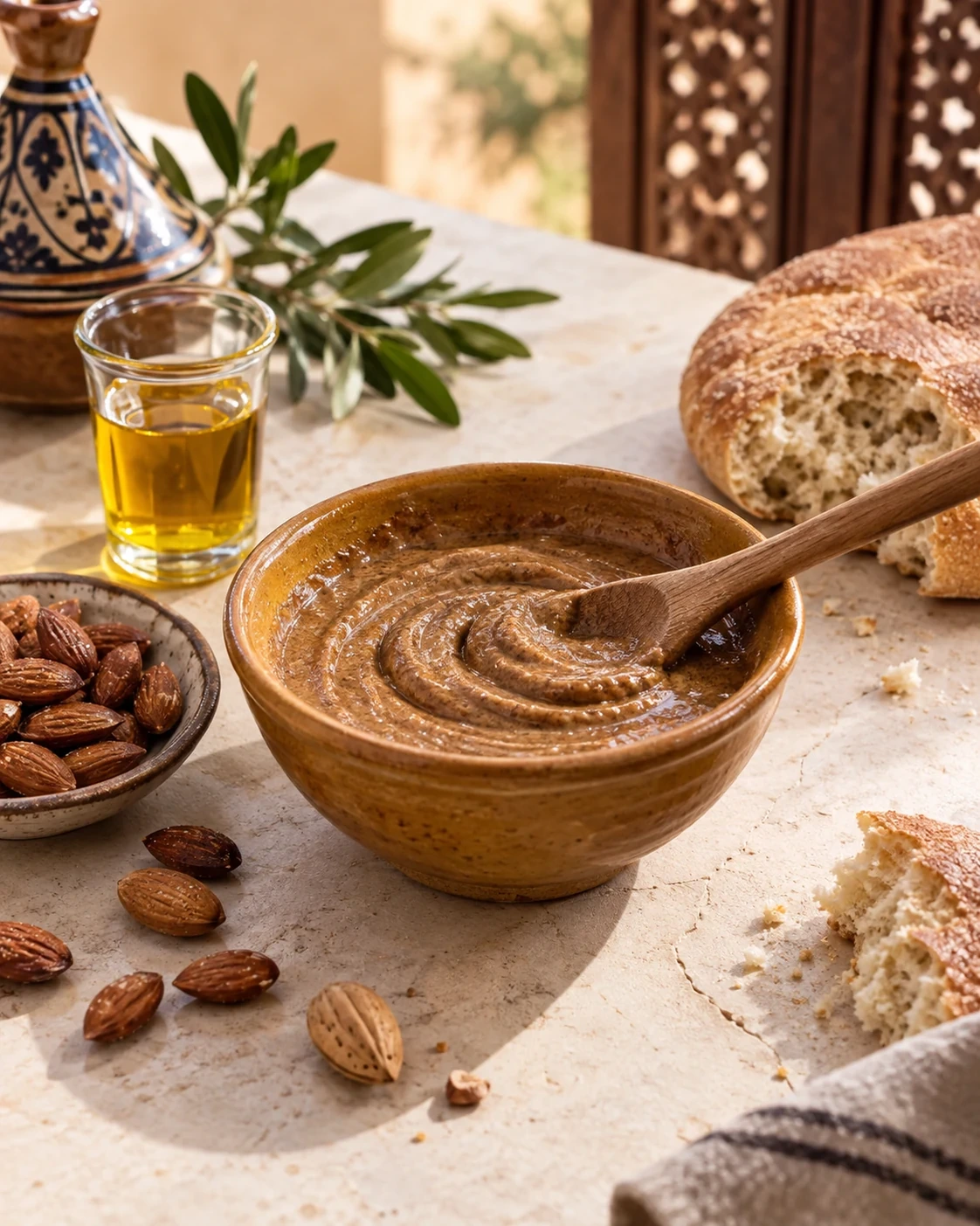
Amlou
Roasted almonds, culinary argan oil and honey from the southwest.
Explore the story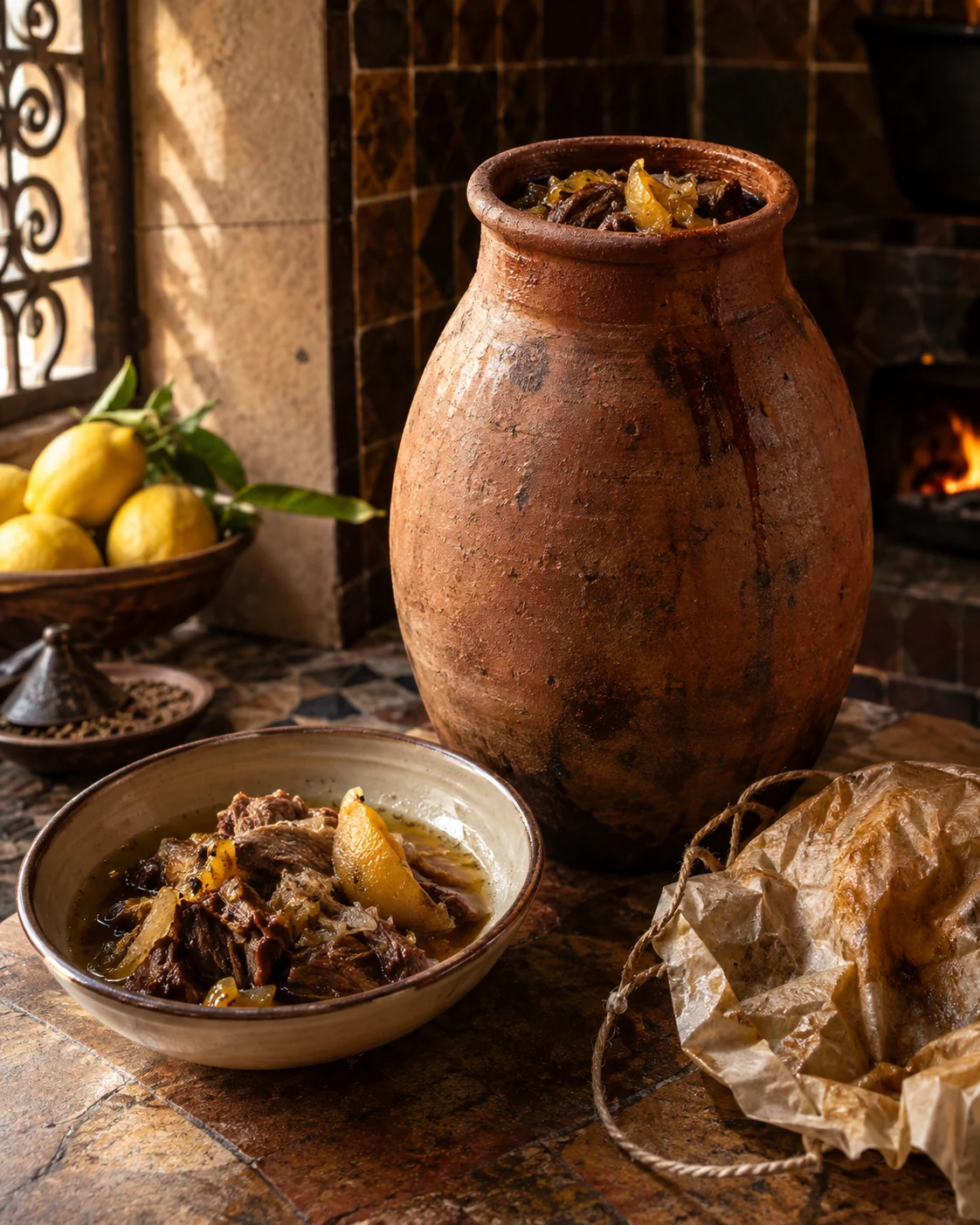
Tanjia
The earthenware pot and patient cooking associated with Marrakech.
Explore the story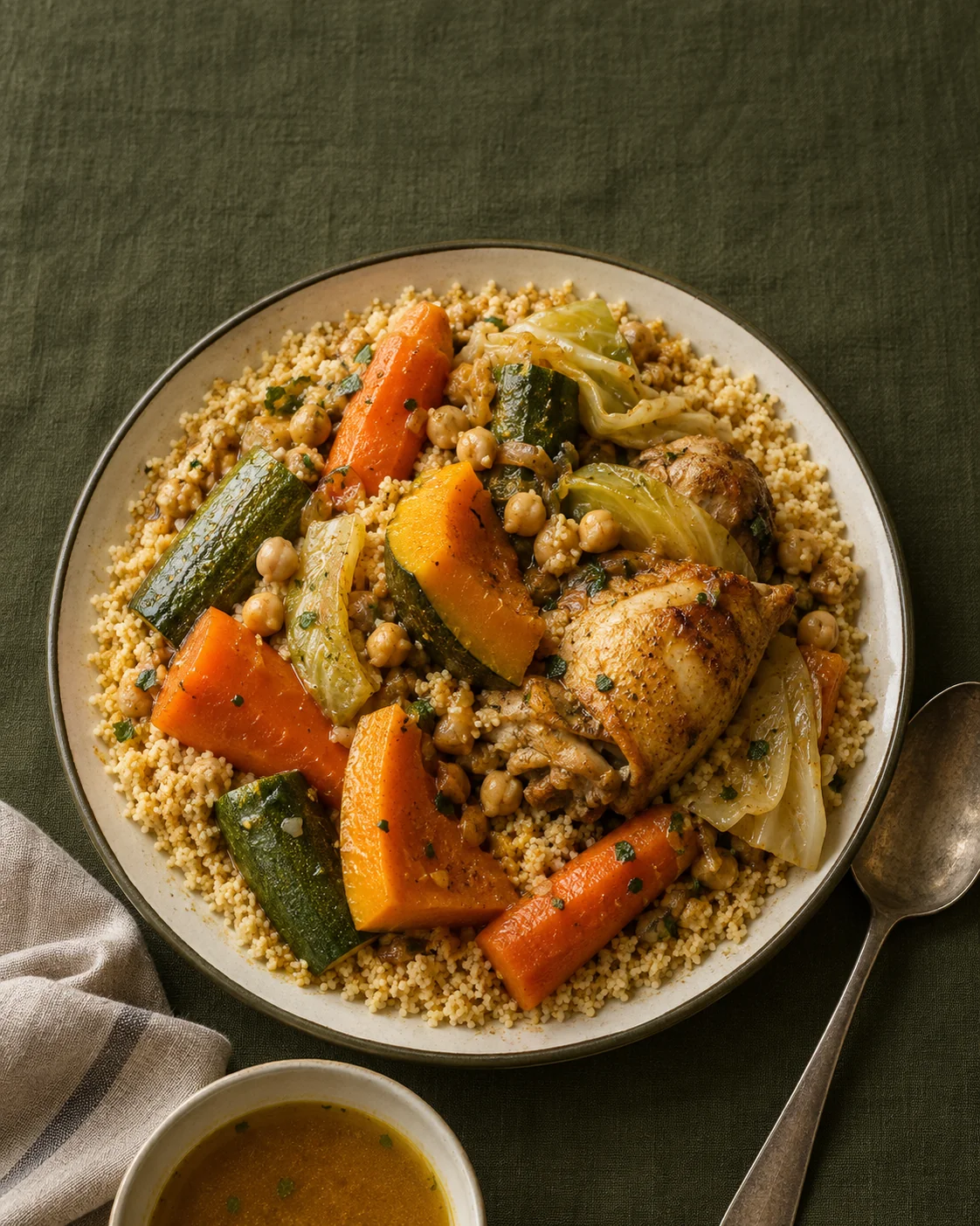
Couscous
Grains, steam and the many ways a shared platter comes together.
Explore the story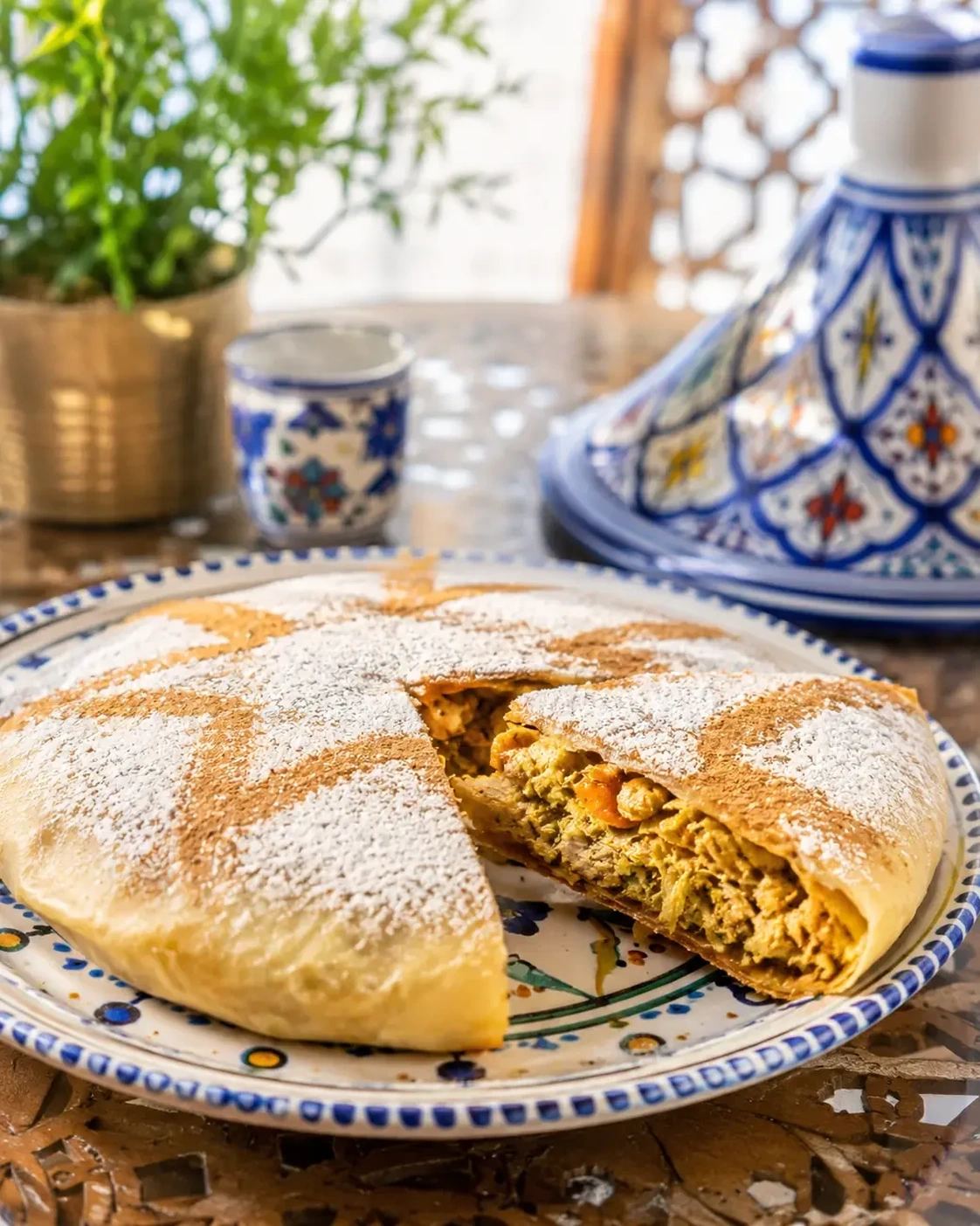
Pastilla
Fine pastry, layered fillings and the pleasure of contrasting textures.
Explore the story03 · Markets before recipes
Market knowledge.
The meal begins with choosing: what is fresh, what is in season, what will work together.
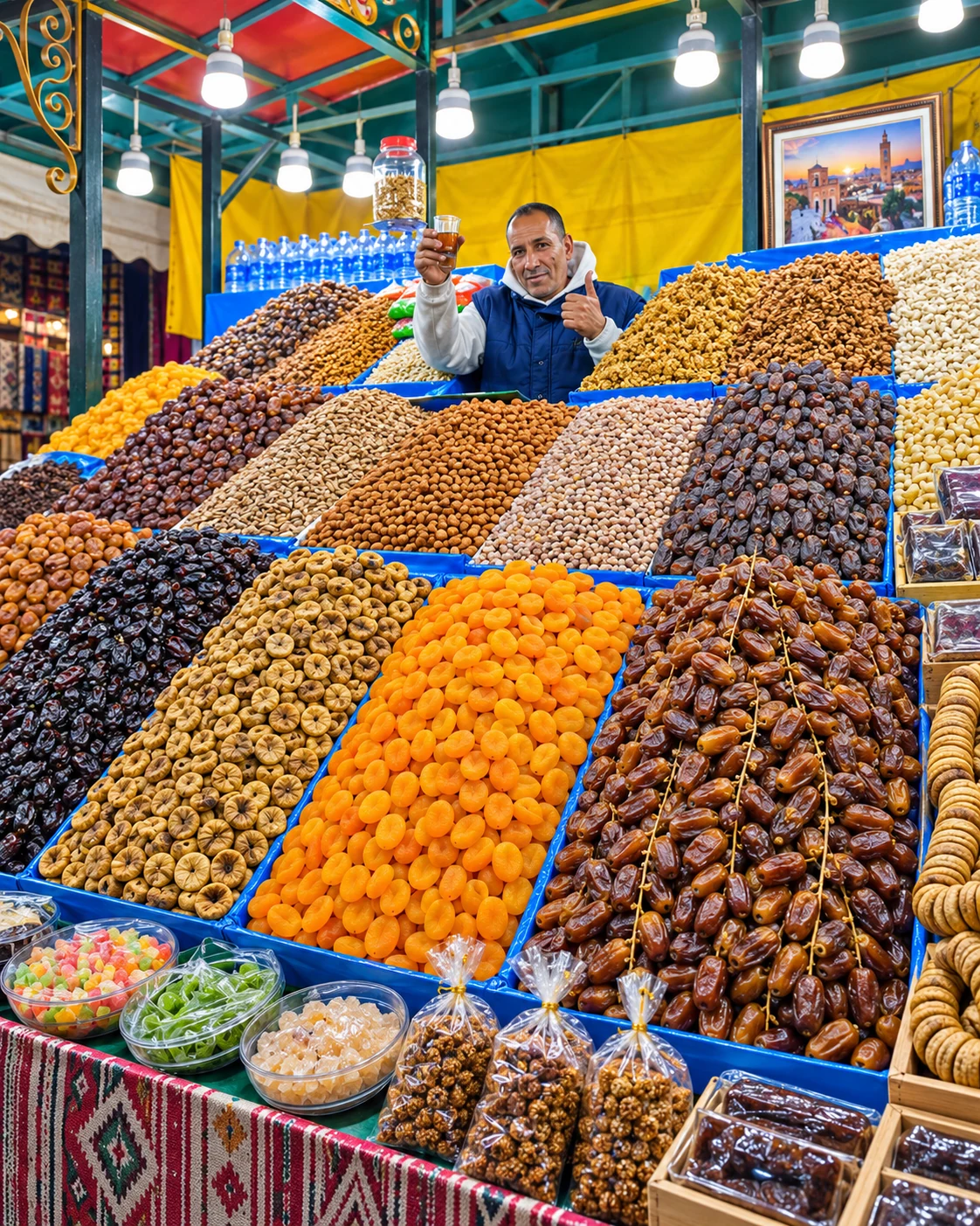
A food market reveals decisions that a written recipe often leaves out. A cook notices ripe tomatoes, fragrant herbs, the size of a courgette or the texture of an olive. Price, season and the number of people eating help shape the meal.
Some households shop daily; others use supermarkets, neighbourhood grocers or a weekly souk. Urban work schedules and rural market days create different habits. There is no single authentic way to buy food in Morocco.
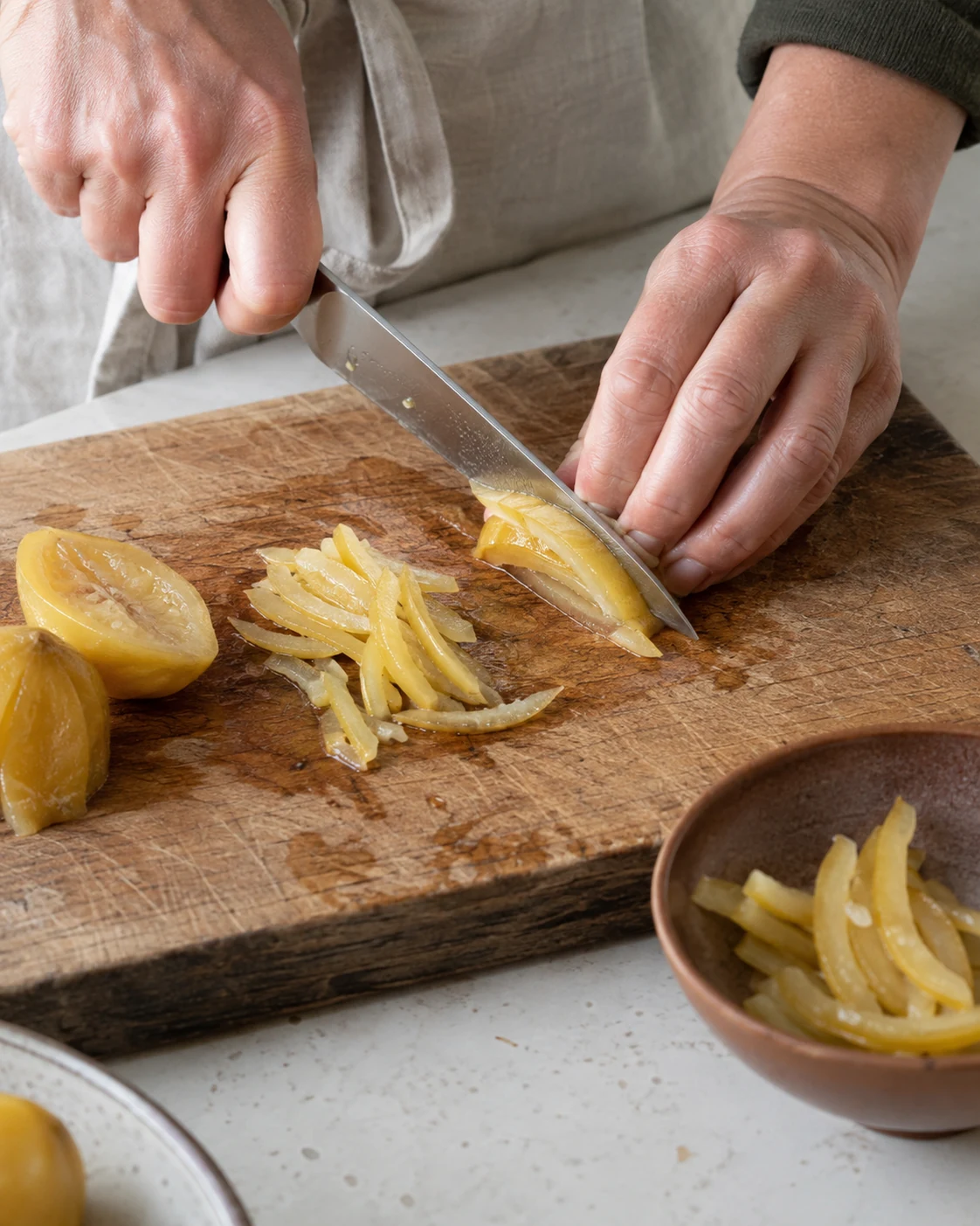
Preserved lemons, olives, pulses and spices connect the fresh market to the home pantry. Ask what an ingredient is used for and how it is prepared. Those conversations can explain more than a photograph of a colourful stall: knowledge travels between seller, cook and family.
04 · Everyday anchors
Bread, work
and daily life.
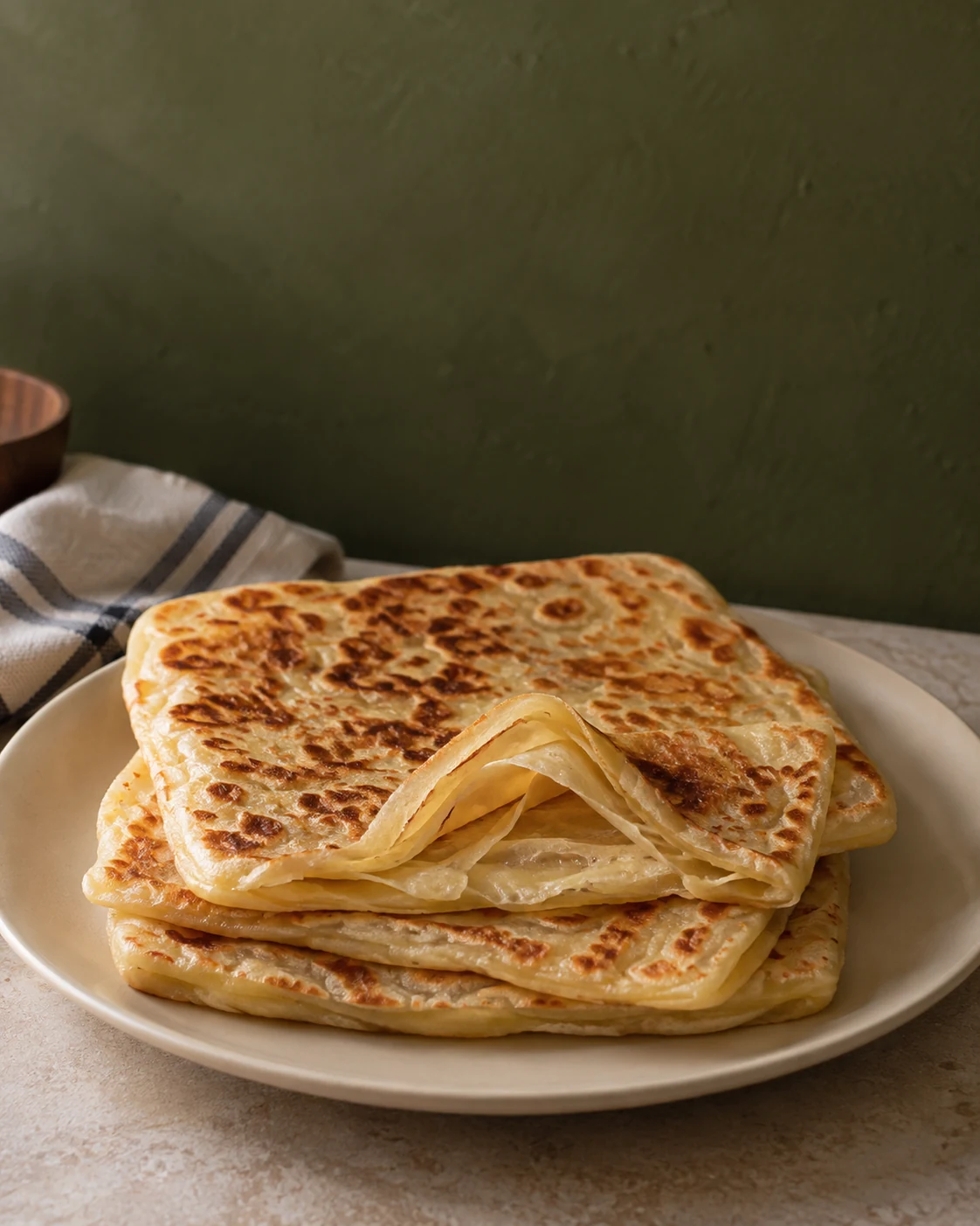
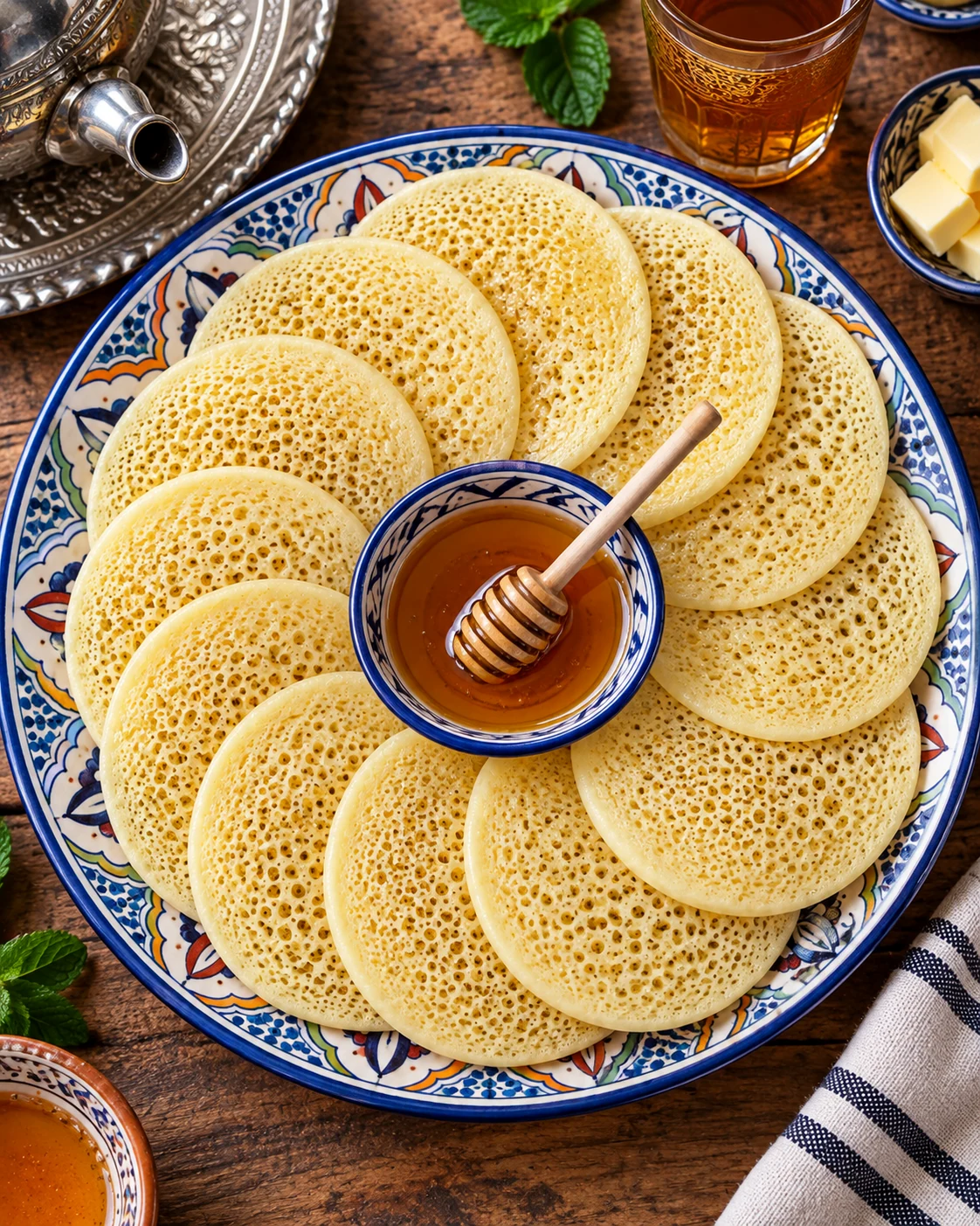
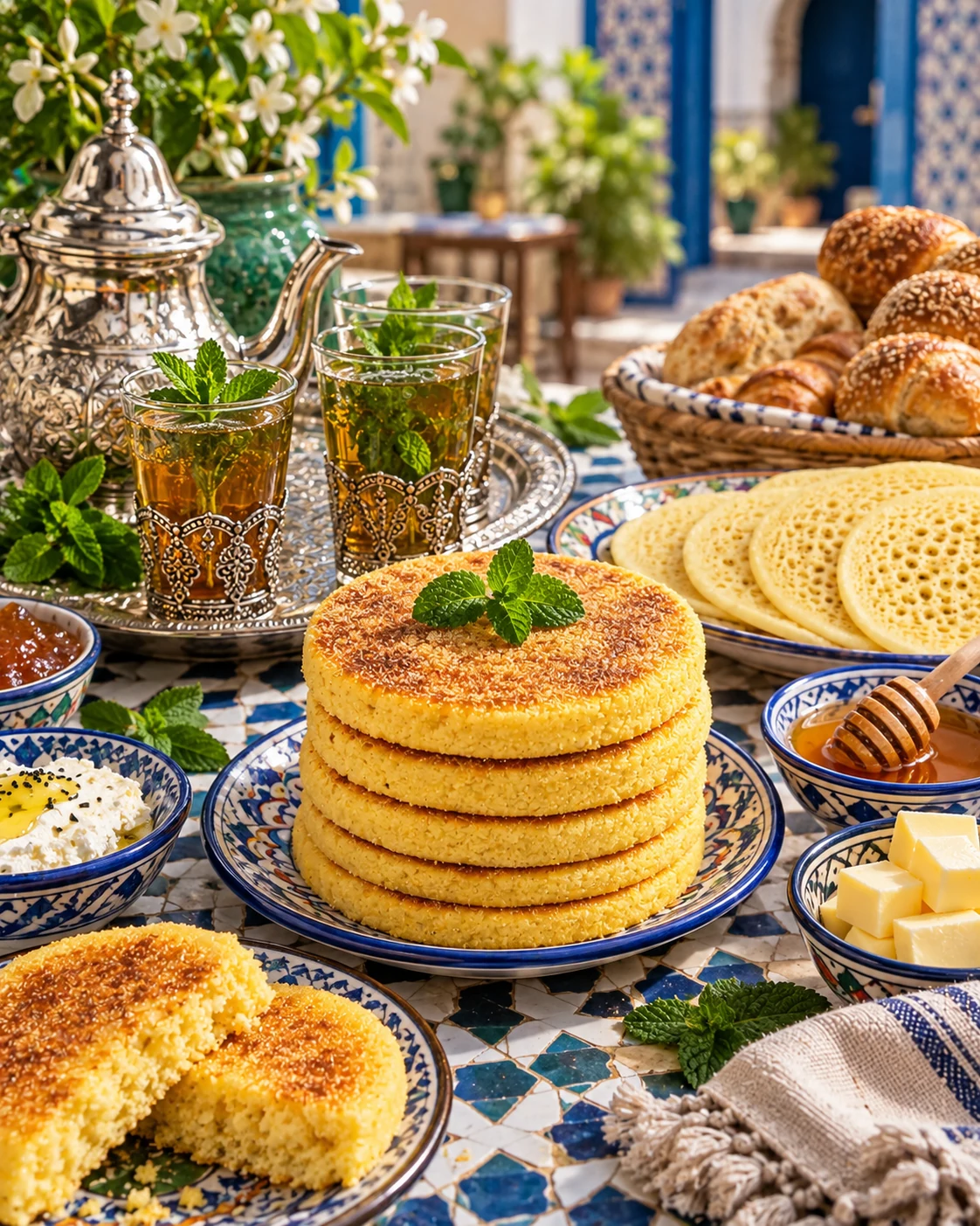
Round khobz accompanies many meals. Msemen, baghrir and harcha bring different textures to breakfast and tea. Flour, shape and accompaniments vary by household and region.
The bread story connects the home, bakery and neighbourhood oven. Some families make dough at home; others buy what fits their day. Neither habit tells the whole story on its own.

05 · Tea, welcome & pause
A glass can keep
conversation open.
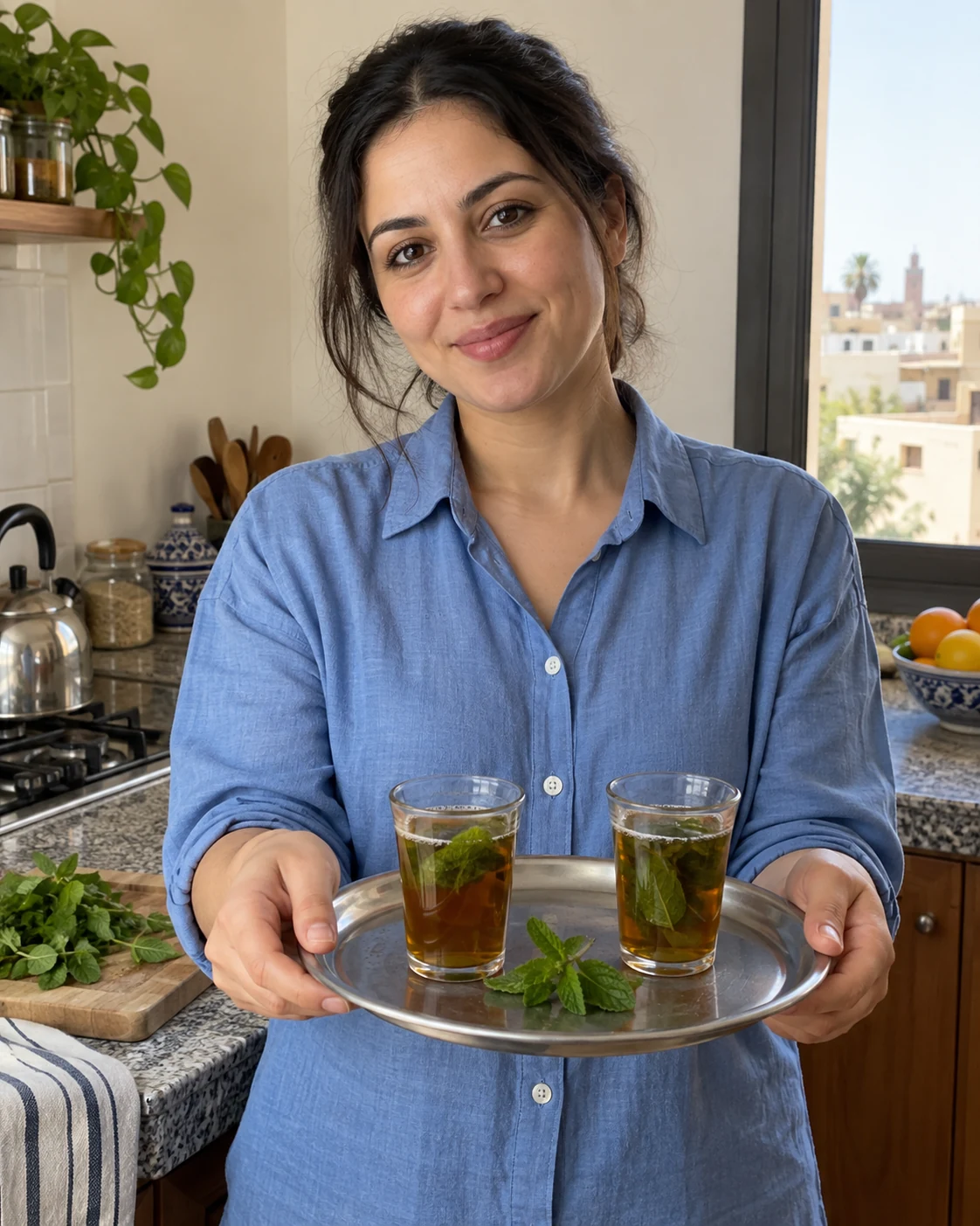
Moroccan tea culture is less about a single fixed formula than about the social act of offering, waiting and staying.
Green tea, mint and sugar are a familiar combination, yet households and cafés vary in strength, sweetness, herbs and method. In cooler weather or in different regions, other aromatic herbs may appear. Presentation also ranges from everyday simplicity to polished silver trays and decorated glasses.
The important point is not to reduce hospitality to a performance. Tea may arrive during a visit, after a meal, during business, while shopping or simply because people have sat down together. It gives conversation a rhythm. The pouring, refilling and shared pause can matter more than the idea of completing a “tea ceremony”.
Visitors do not need to imitate every gesture. Accepting with warmth, following the host’s lead and recognising the invitation behind the glass is usually enough.
06 · The language of ingredients
Flavour in layers.
Aromatic does not have to mean hot. Balance gives ingredients their place in a dish.
Onion, garlic, herbs and warm spices build a foundation; acidity, salt and the concentration of a sauce change it as cooking continues. Preserved lemon and olives bring intensity, while parsley or coriander can freshen a rich preparation.
Sweet and savoury combinations depend on proportion. Dried fruit, honey or caramelised onion may sit beside meat, balanced by pepper, salt, herbs or acidity. Ras el hanout also varies by maker and purpose: it is a family of blends, not a single national formula.
Grains, pulses and oils are quieter foundations. Wheat, barley, semolina, chickpeas and lentils matter far beyond restaurant menus. Olive oil and south-western culinary argan traditions connect the pantry to landscape, agricultural work and knowledge passed between generations.
07 · Watching, helping, practising
The knowledge is
in the hands.
Recipes name ingredients and steps. Technique lives in the decisions between those steps: heat, moisture, texture, timing and how a cook responds to what is happening in front of them.
A quiet simmer, the feel of a dough or the way a sauce coats a spoon gives information that a timer cannot. Steaming, folding, resting and reducing each ask for a different kind of attention. The vessel and the strength of the heat change how those decisions unfold.
These skills are often learned beside another cook: watching, helping, tasting and trying again. A familiar preparation can move between a clay pot, a pressure cooker and a modern kitchen because the cook understands the result being sought. The techniques below offer a way to recognise that knowledge at work.
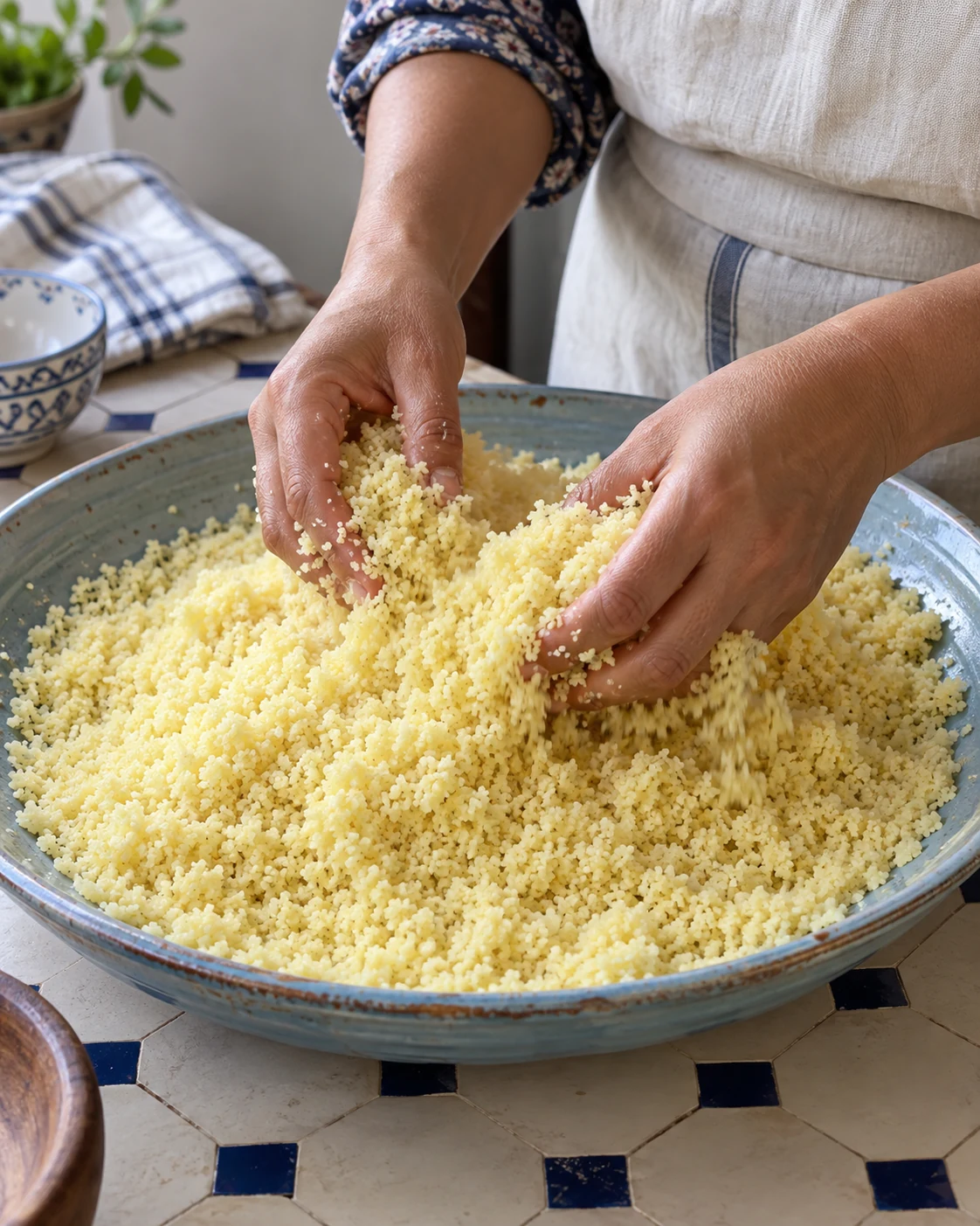
Touch
A cook feels the moisture and separation of the grains, then adjusts.
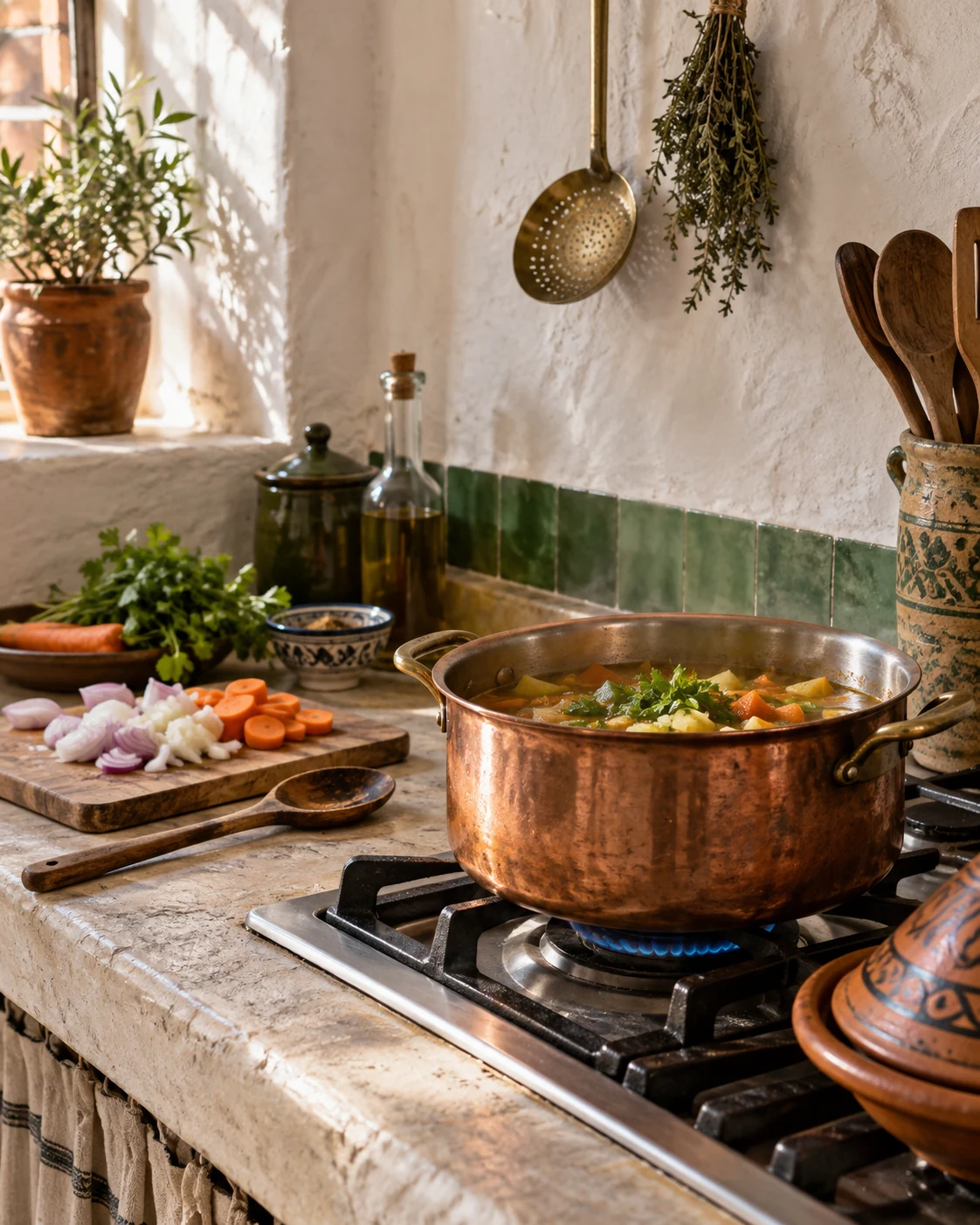
Heat
A quiet simmer and the reduction of liquid change both texture and concentration.
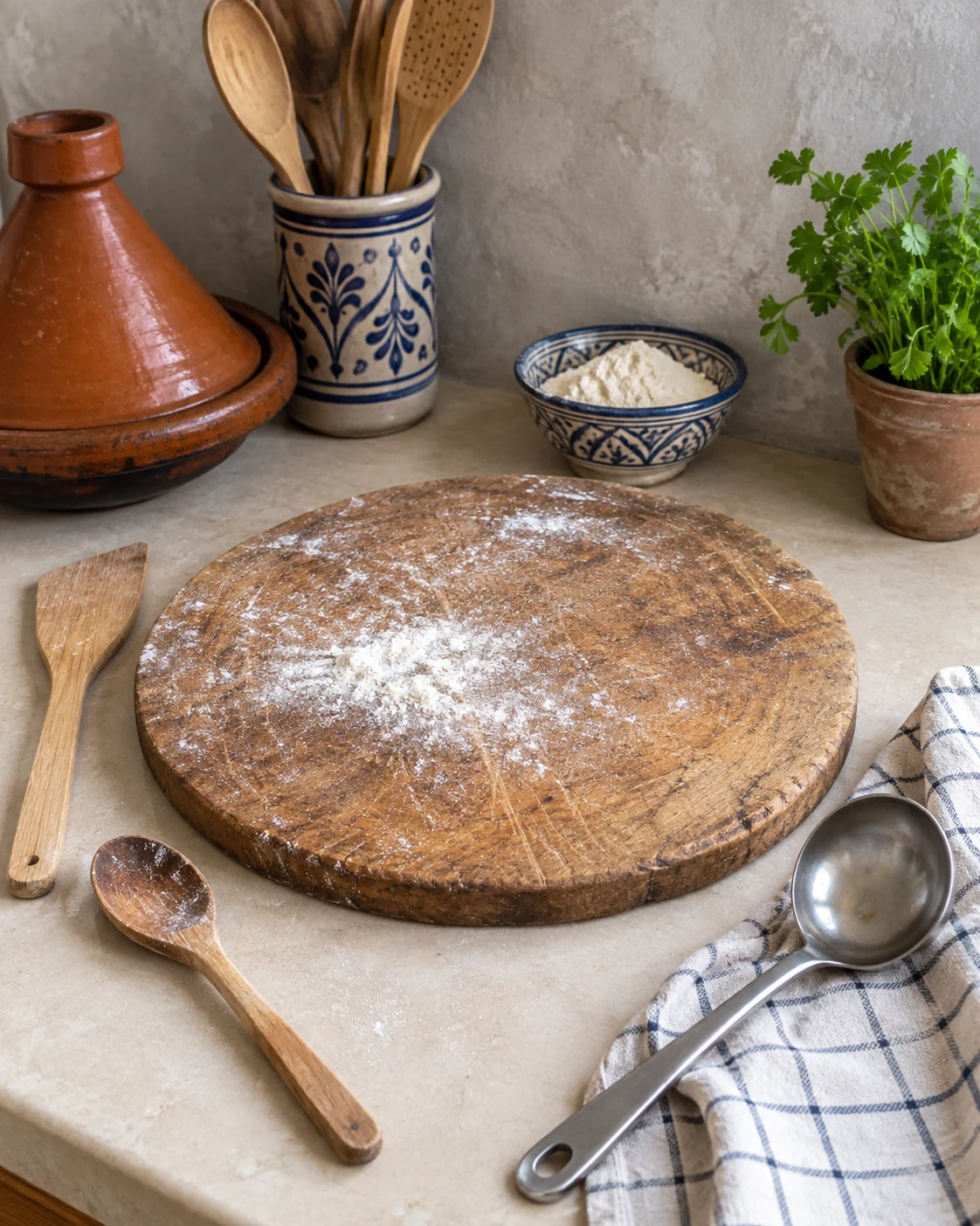
Use
The familiar weight of a tool is part of the work, alongside newer appliances.
08 · Family, region & variation
Many family versions.
A familiar dish can hold many histories. Recognition does not require identical recipes.
Two households may disagree about the vegetable, spice, garnish or texture that makes a dish feel right. One preparation is everyday food; another is made for guests. Family preference and local availability both matter.
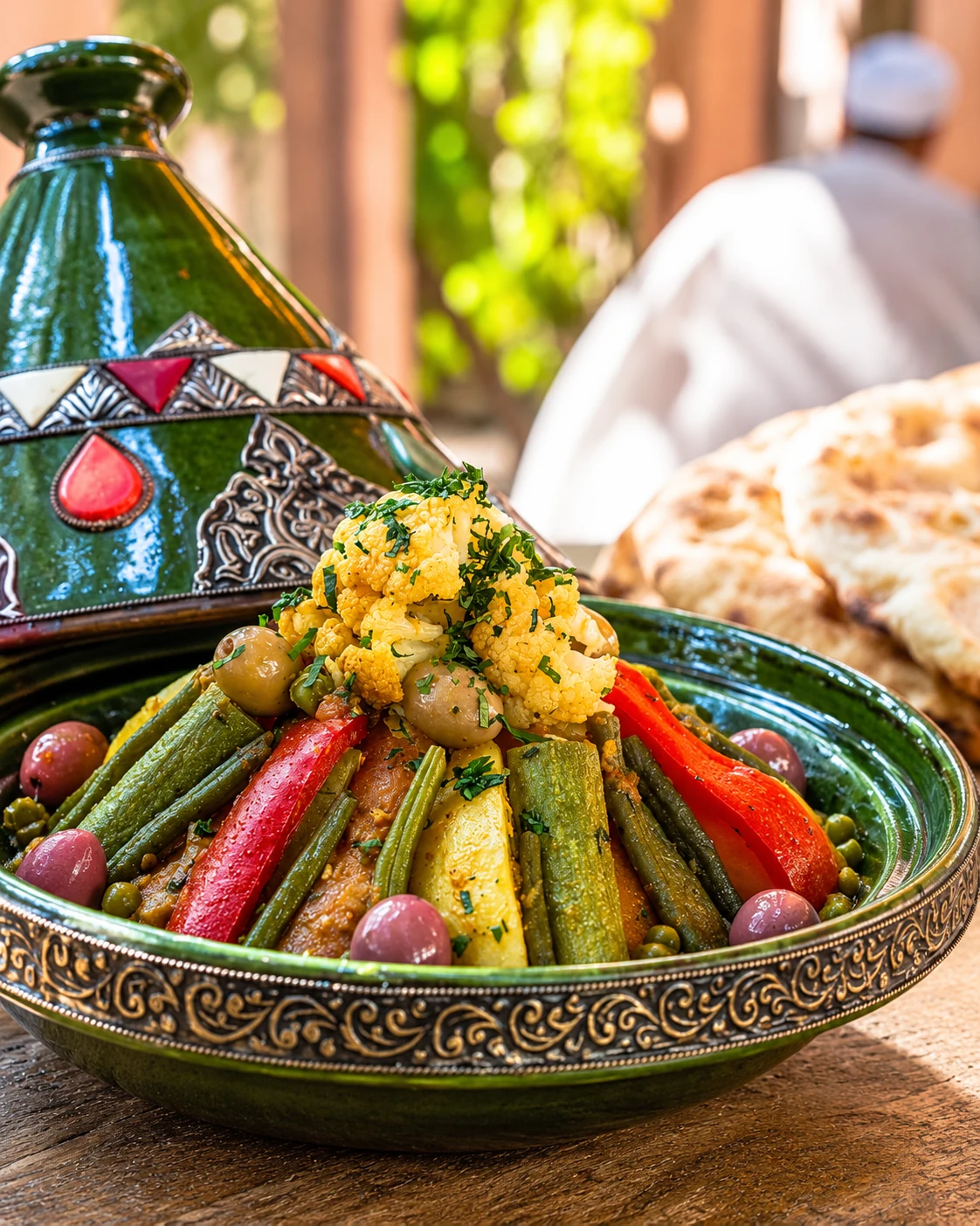
Couscous makes that variation visible. Its grain, broth and accompaniments change with region, season and occasion. The knowledge recognised by UNESCO is shared across Algeria, Mauritania, Morocco and Tunisia; it cannot be reduced to one country’s single recipe.
Much is learned by watching and helping: feeling dough, tasting a sauce or knowing when to stop cooking. Moroccan kitchens abroad continue that learning with different ingredients and schedules. Asking “How is it made in your family?” opens a richer conversation than looking for one definitive version.
09 · Occasion and time
Food follows
the rhythm of life.
Breakfast, Friday lunch, afternoon tea, Ramadan evenings, family visits and celebrations each create different expectations. What appears on the table depends on who is gathering and why.
The rhythm of a day also shapes the work behind a meal. A quick breakfast before school or work asks for something different from a slow morning with family. Shopping, resting dough, cooking ahead and serving are fitted around the time available, as much as around appetite.
When the occasion changes, preparation can become a shared task: one person cooks, another sets the table and someone else brings bread or sweets. A familiar dish takes on a different meaning when it welcomes a guest or marks a family milestone. Abundance, timing and the order of serving all help express that meaning.
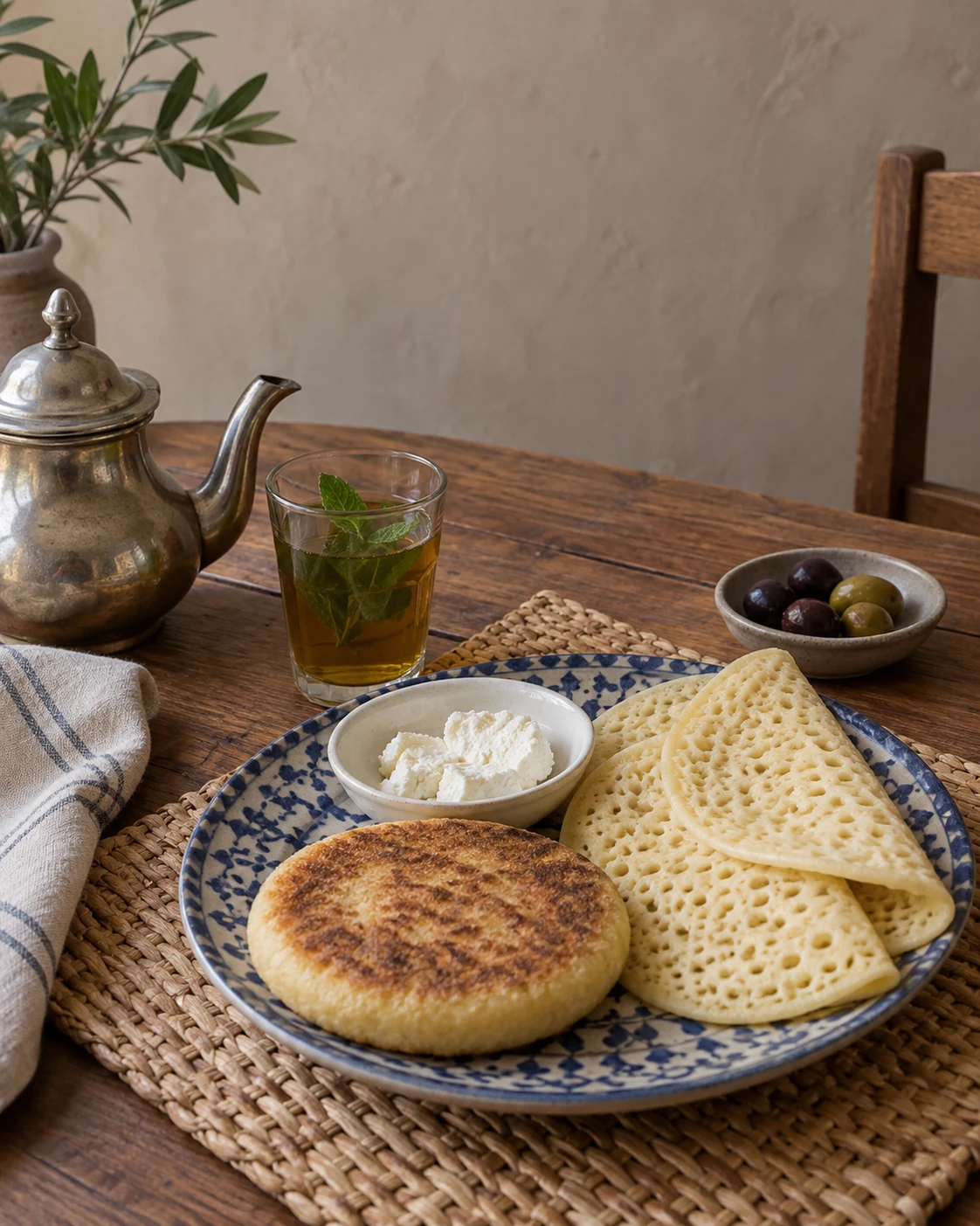
Moroccan Breakfast
Breads, spreads and the first table of the day.
Explore the story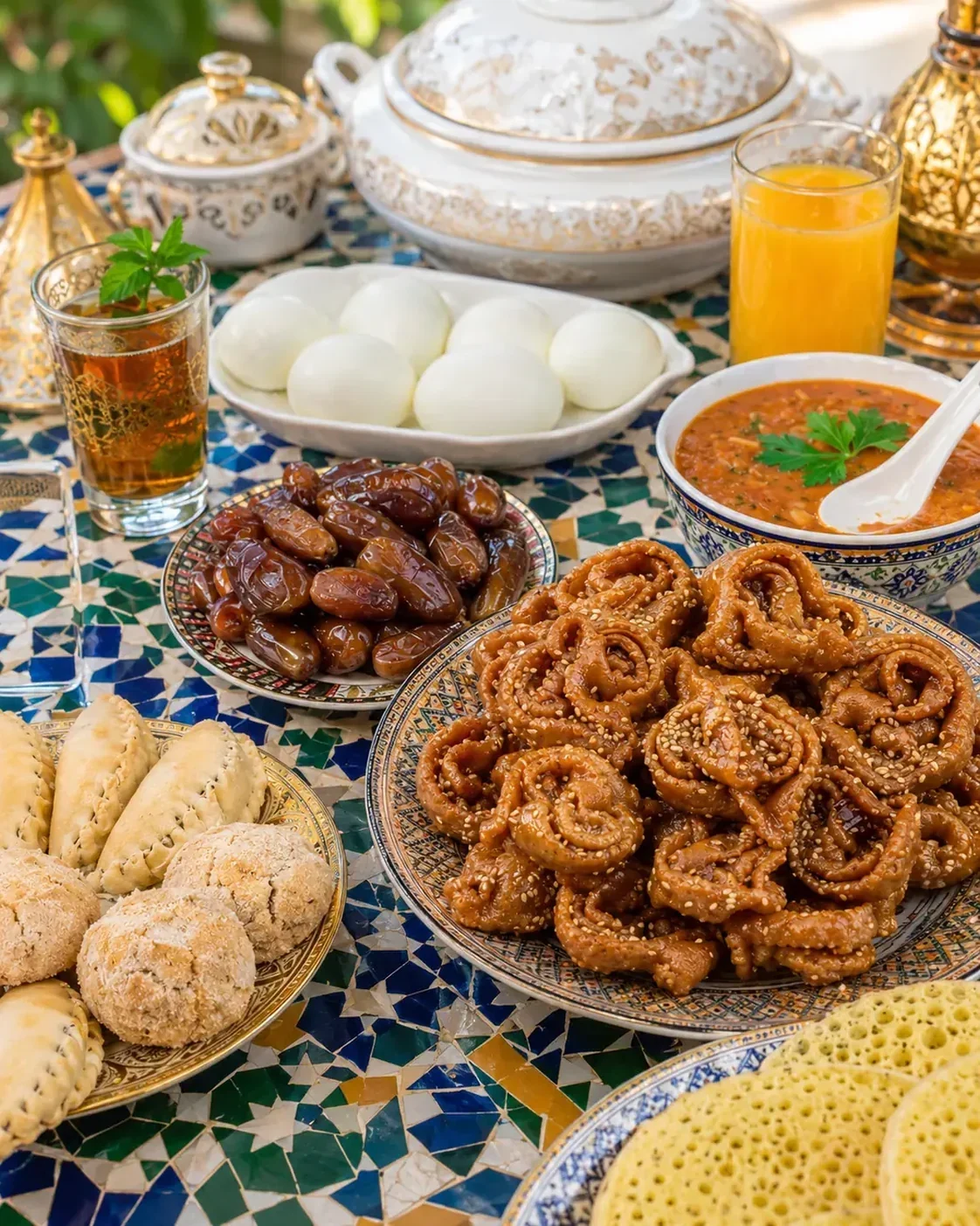
Moroccan Meal Rhythm
How food finds its place in the day and the calendar.
Explore the story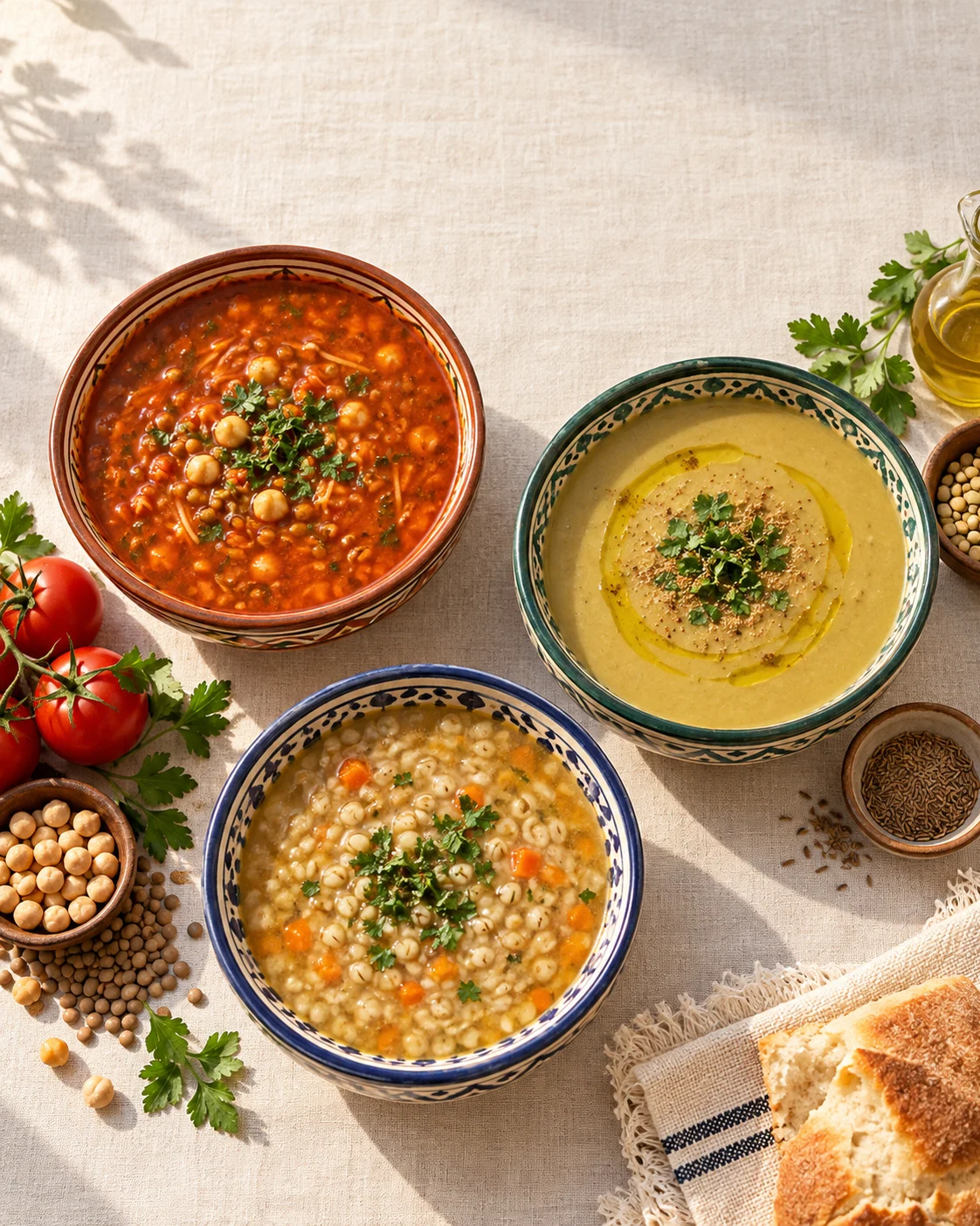
Soups
Harira, bissara and other bowls shaped by place and occasion.
Explore the story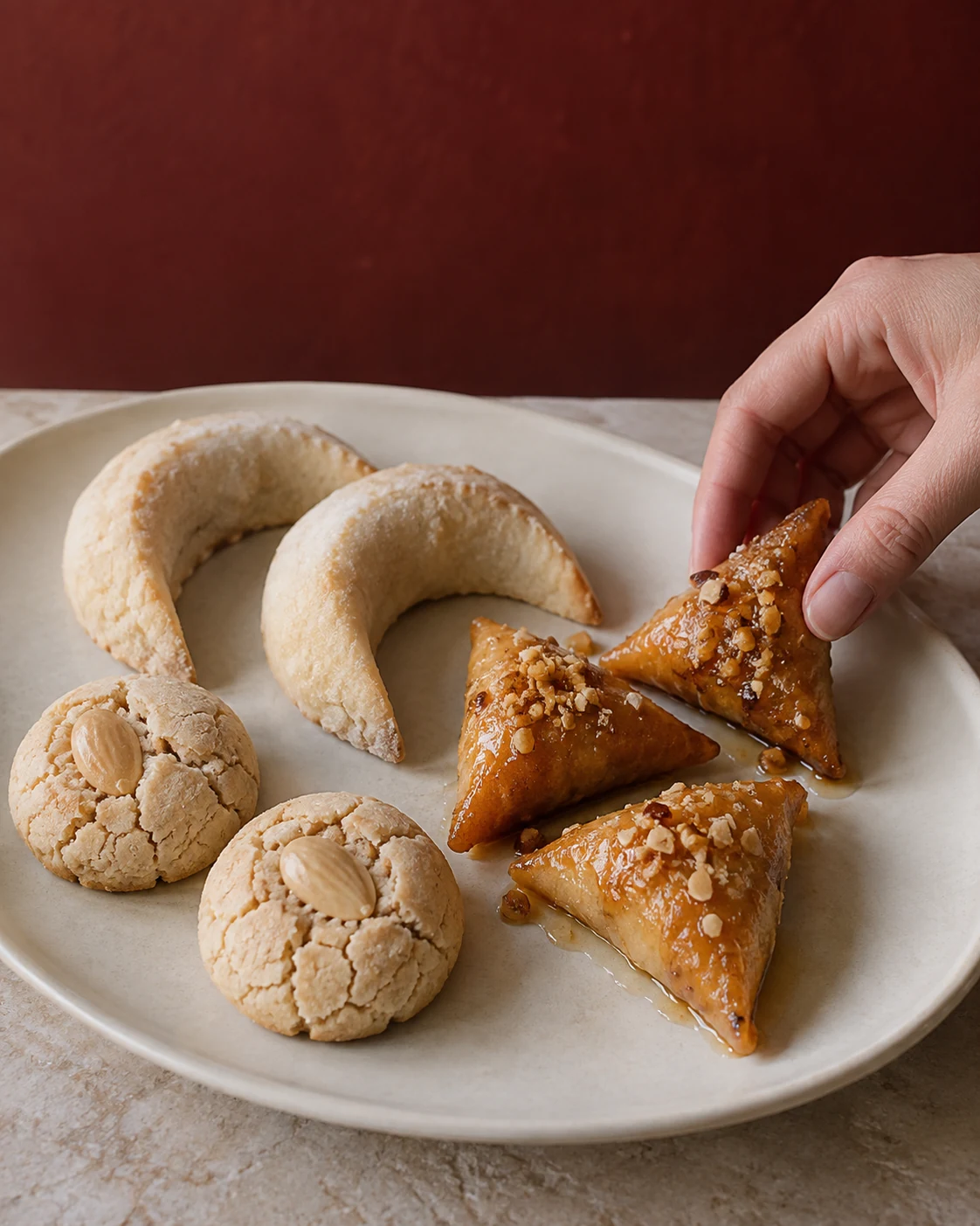
Sweets & Pastries
Almonds, sesame, pastry and the work of the sweet kitchen.
Explore the story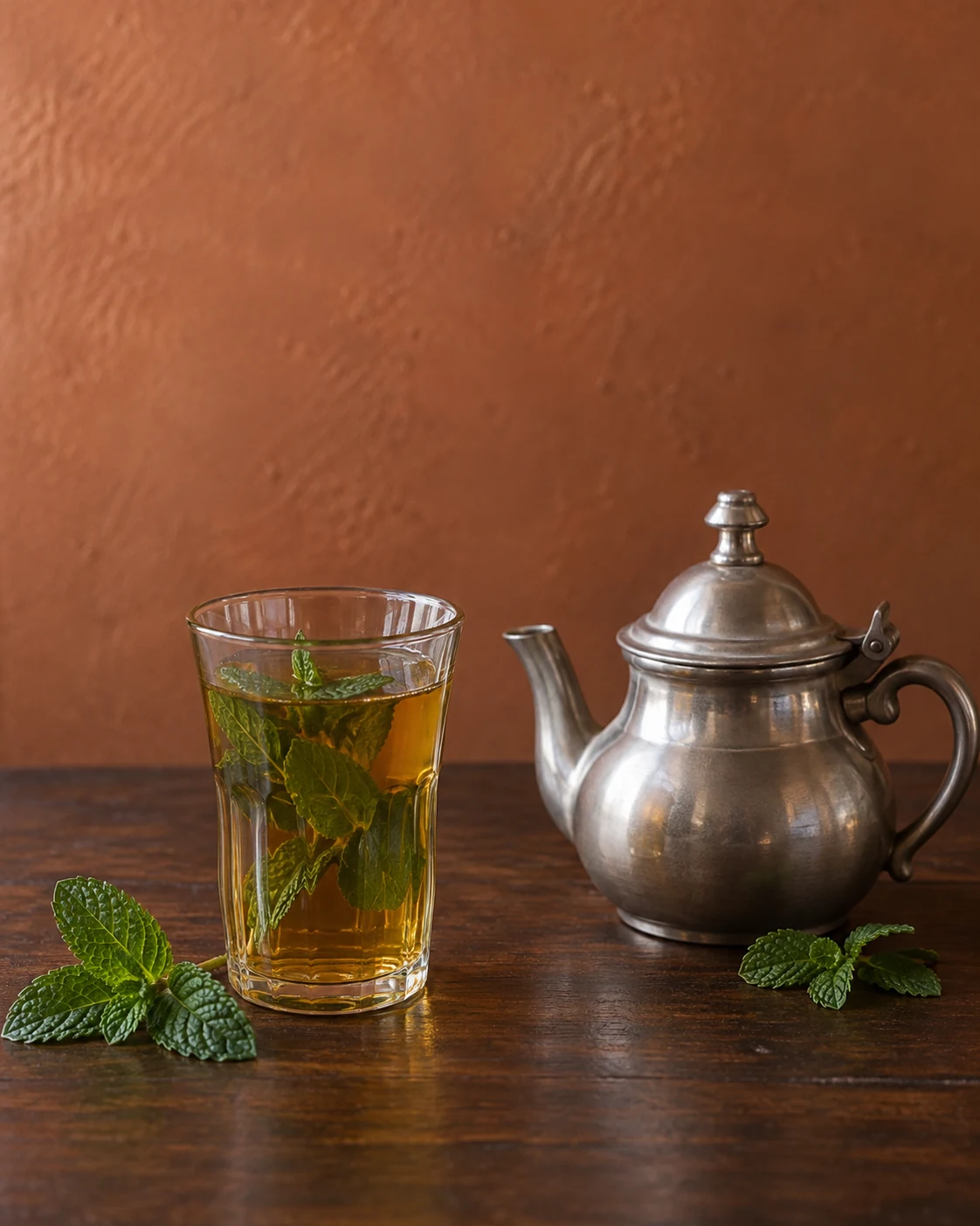
Moroccan Mint Tea
Green tea, fresh herbs and the time given to a guest.
Explore the story10 · Craft around the table
Made by hand.
Made for the table.
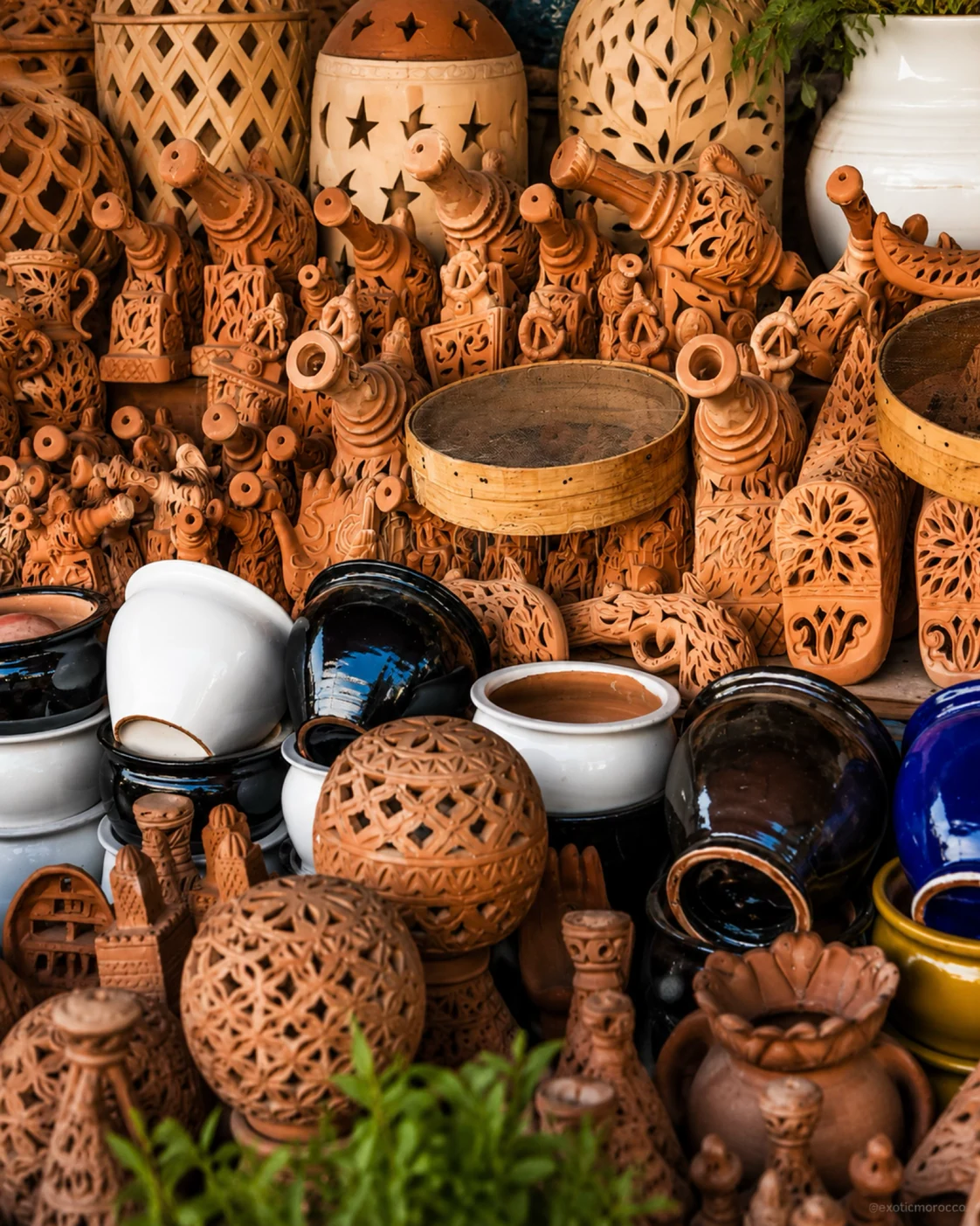
Before the first bite, there is clay, a woven fibre, a worked surface — and someone who knows what to do with it.
A tagine holds the meal. A basket carries bread. A tray brings tea within reach. The materials around a Moroccan table are part of its everyday rhythm: chosen, handled, washed and brought out again.
This is a living craft culture. Painted ceramics and carved wood sit alongside stainless steel, pressure cookers and modern appliances. What connects them is use, care and the knowledge passed between makers and cooks.
 EXOTIC MOROCCOTASTE · THE GUIDE COLLECTIONMoroccan Food CultureIngredients, technique
and the Moroccan table
From the story to your kitchen
Keep the flavour.
Go a little deeper.
Follow the relationships between ingredients, hospitality, everyday work and family memory.
Explore the Exotic Morocco guide collection for a closer look at ingredients, kitchen knowledge and the culture around the table.
- Understand the ingredients and their roles
- Recognise the techniques and textures that matter
- Bring context and confidence to the way you cook and serve
Continue around the table
A dish.
A deeper connection.
Choose a food story, then follow the knowledge and people around it.
Explore Moroccan Cuisine ↗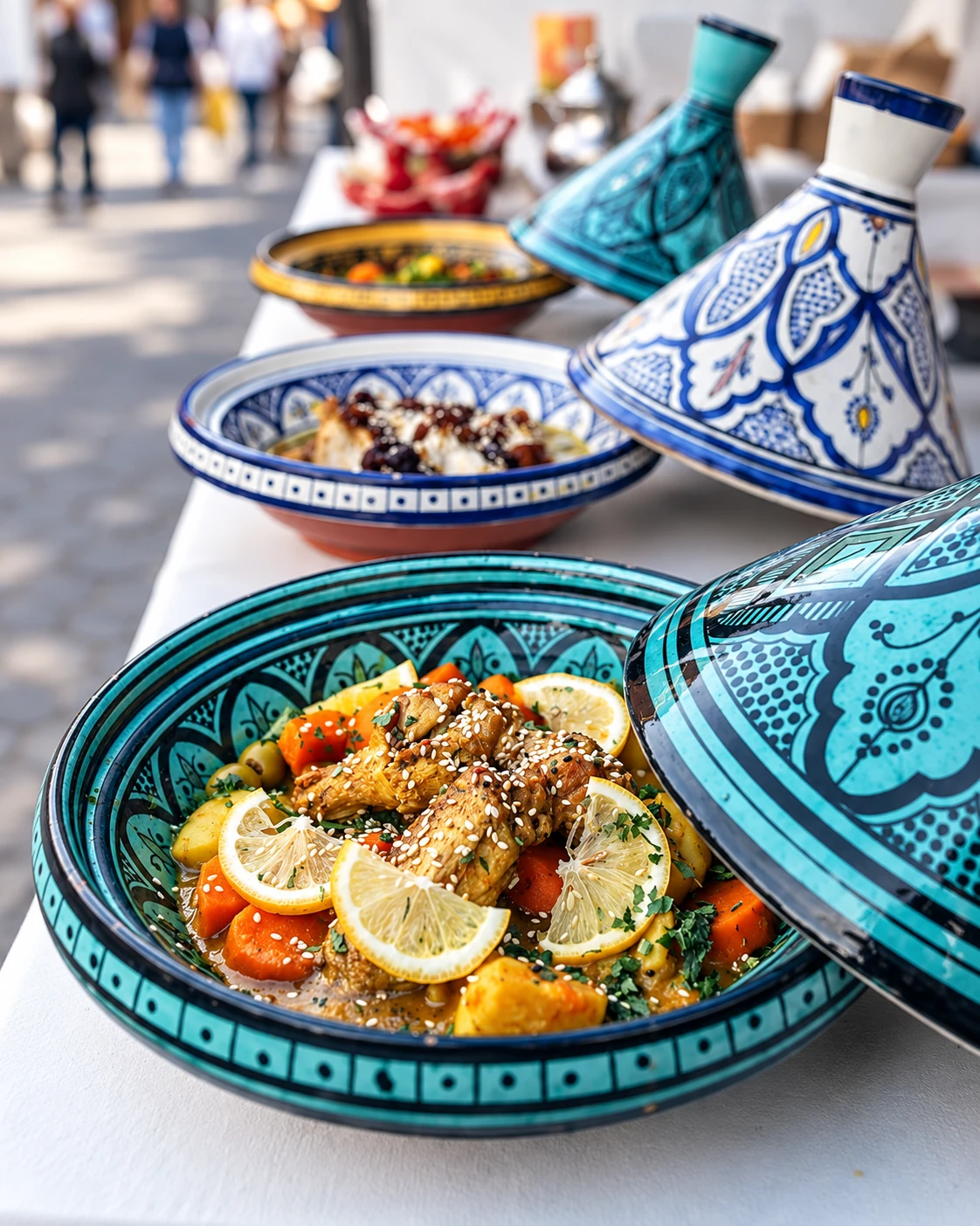
Tagine
Gentle heat, clay pots and the balance of a slow-cooked sauce.
Explore the storyCouscous
Grains, steam and the many ways a shared platter comes together.
Explore the story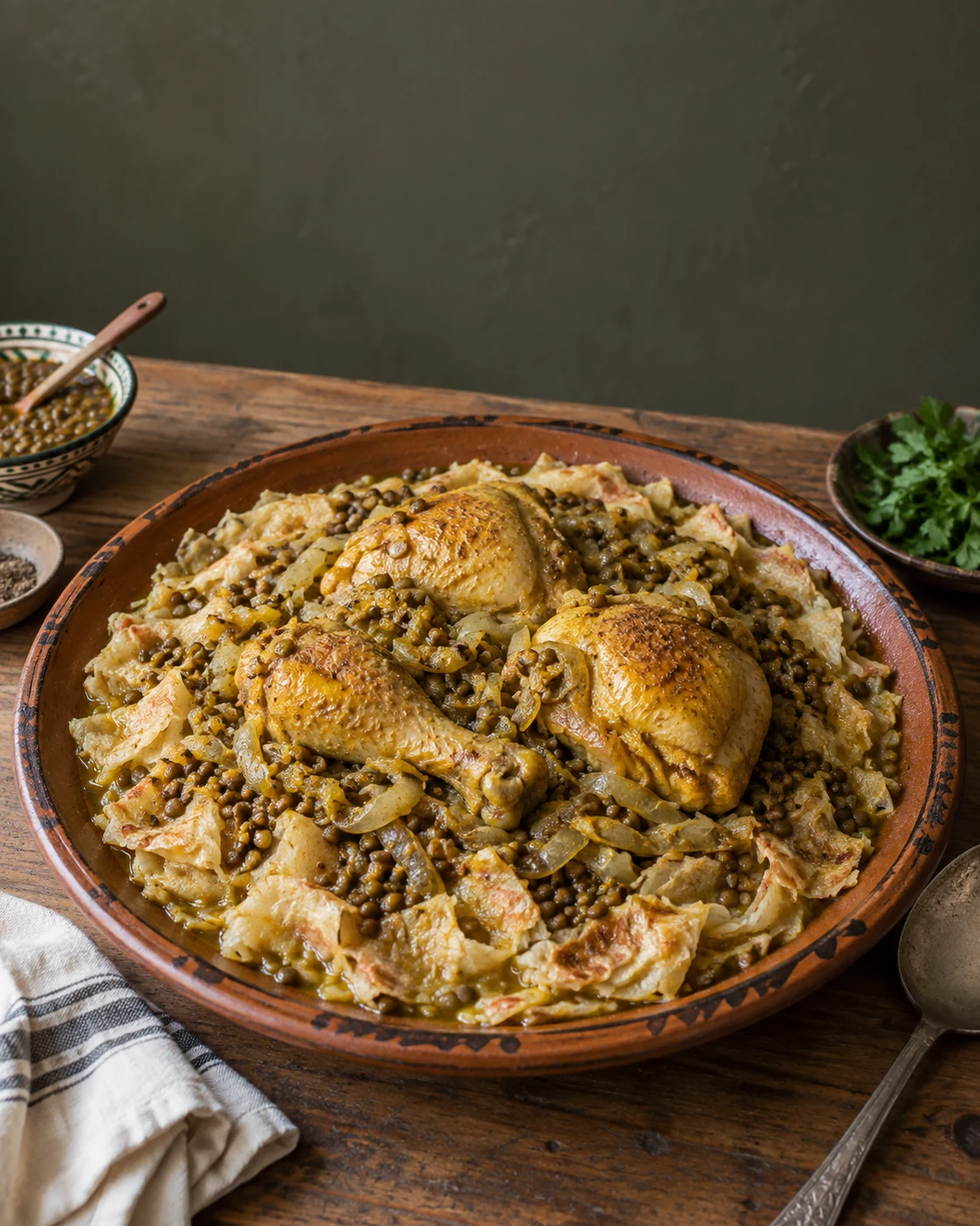
Rfissa
Chicken, lentils and fragrant broth finding their way through torn bread.
Explore the story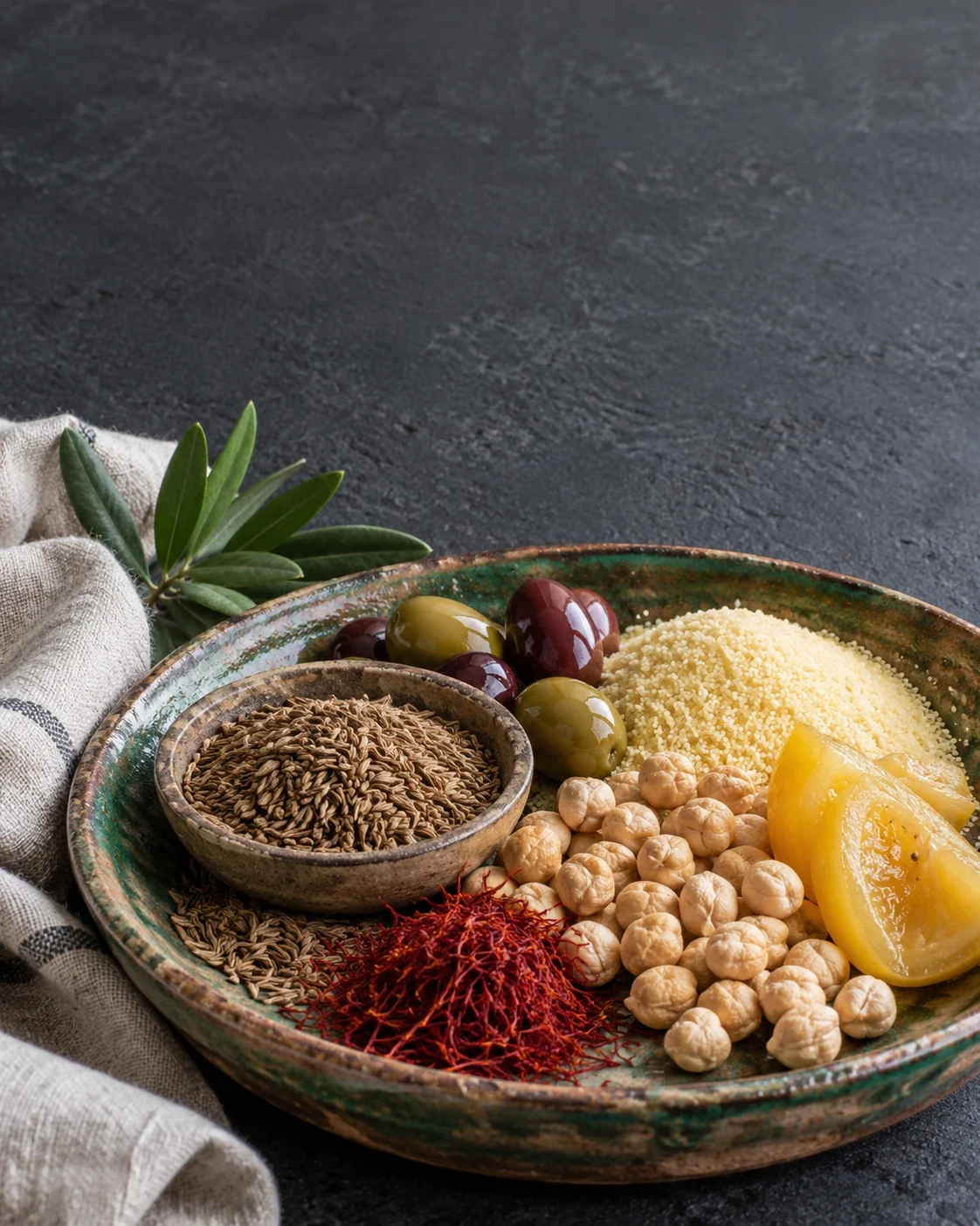
Moroccan Ingredients & Pantry
Get to know the ingredients before choosing a dish.
Explore the story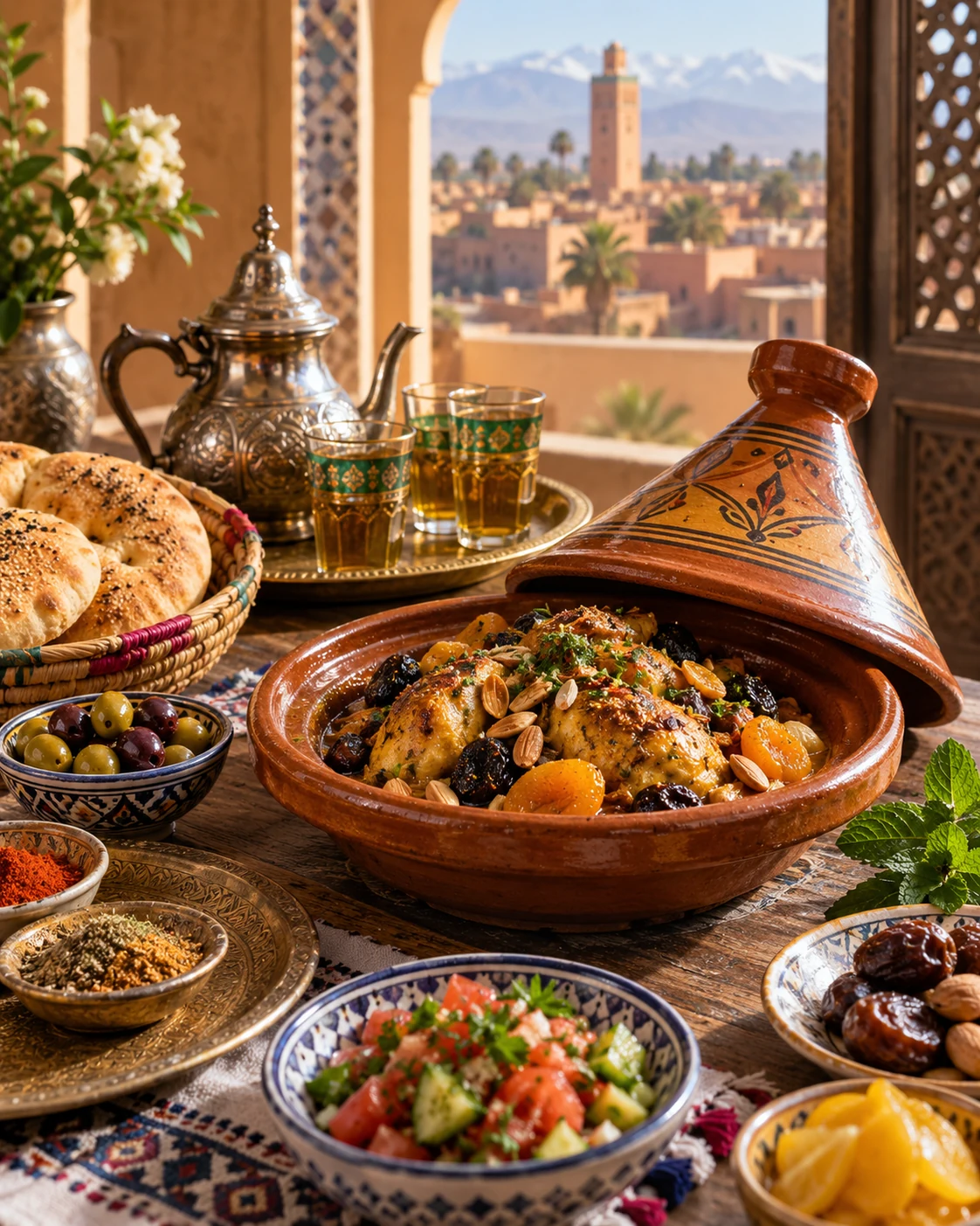
Food Culture Route
Follow culinary connections between kitchens, markets and makers.
Explore the story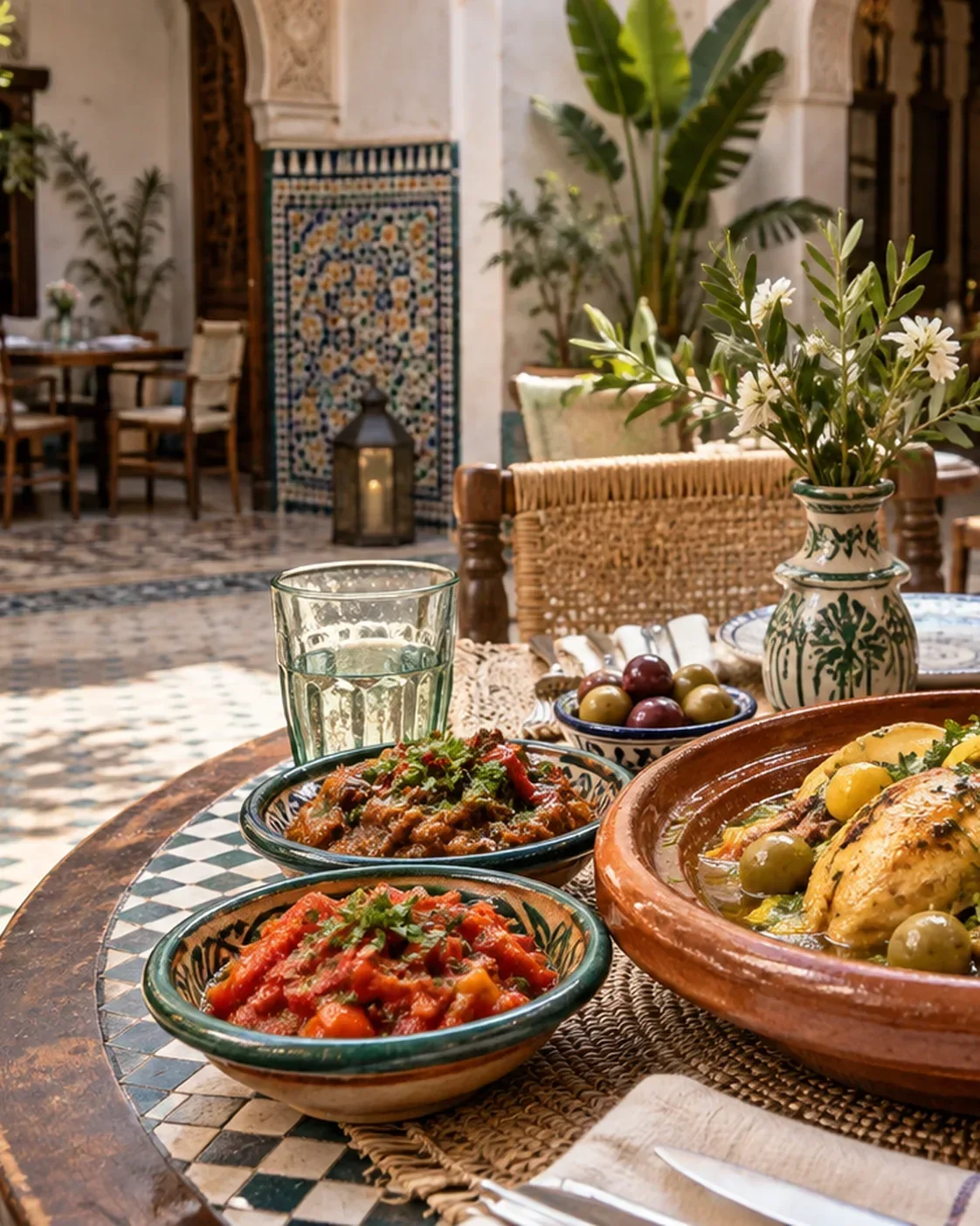
Food & Restaurants
Read a menu, understand the setting and choose an experience.
Explore the storySources & further reading +
These references support the cultural context and cooking distinctions introduced here. Individual dish pages provide more focused reading. Culinary photographs include commissioned AI-generated illustrations; they do not document named people or a particular establishment.