
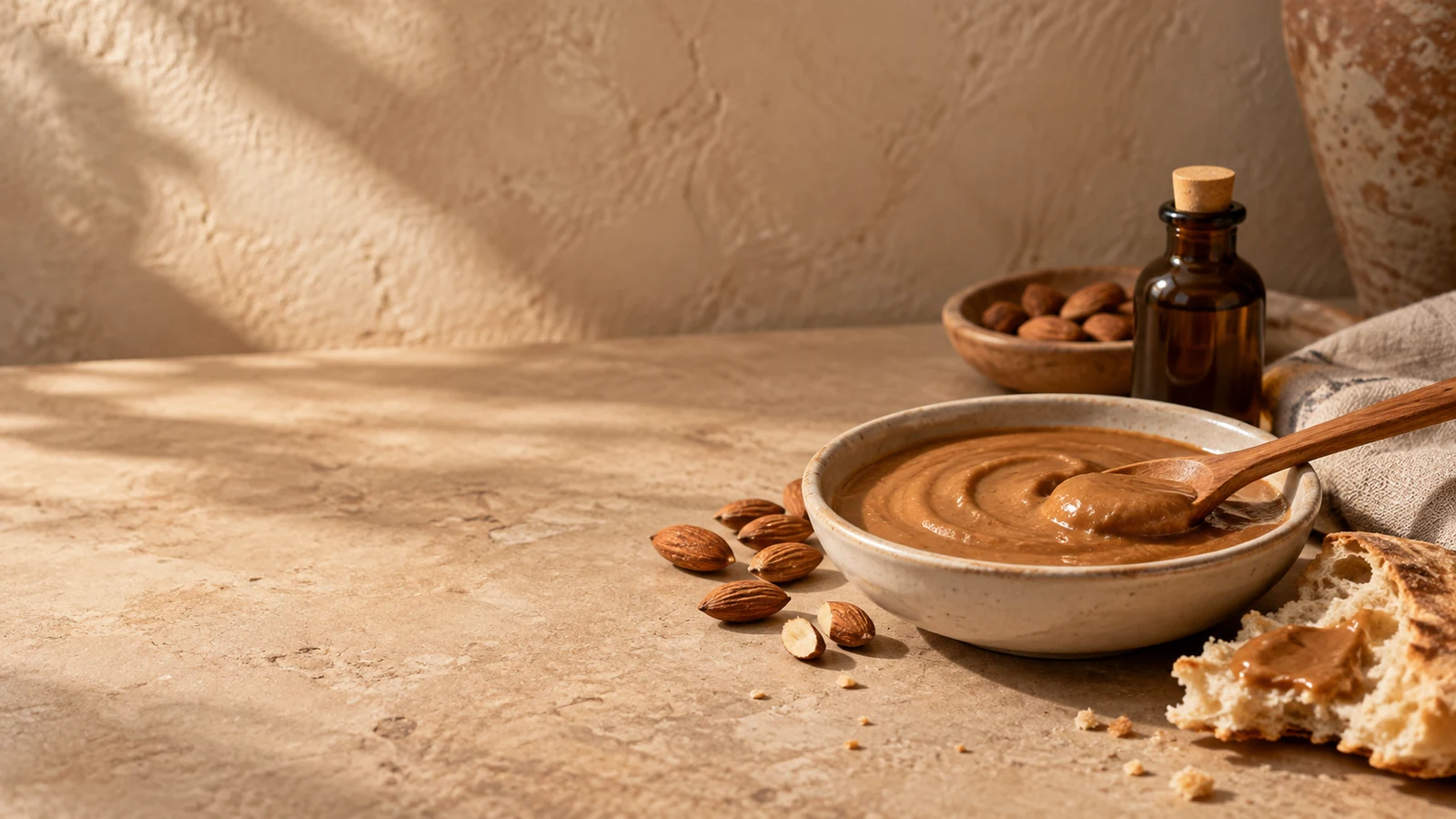
01 · A spread with a clear identity
Three ingredients.
One distinctive spoonful.
Almonds give the body. Argan gives the signature. Honey rounds the edges.
Amlou is a Moroccan spread built around ground almonds, culinary argan oil and honey. Morocco’s tourism office describes it as a common preparation in the South and connects it particularly with Agadir’s argan-oil culture. [1]
The short ingredient list makes quality and balance unusually visible. Roast level changes the almonds; the oil changes aroma and flow; the honey changes sweetness and viscosity. Family versions do not have to land at exactly the same texture.
Its natural setting is practical rather than ceremonial: bread, breakfast, a shared table and time for tea.
Enter Moroccan food culture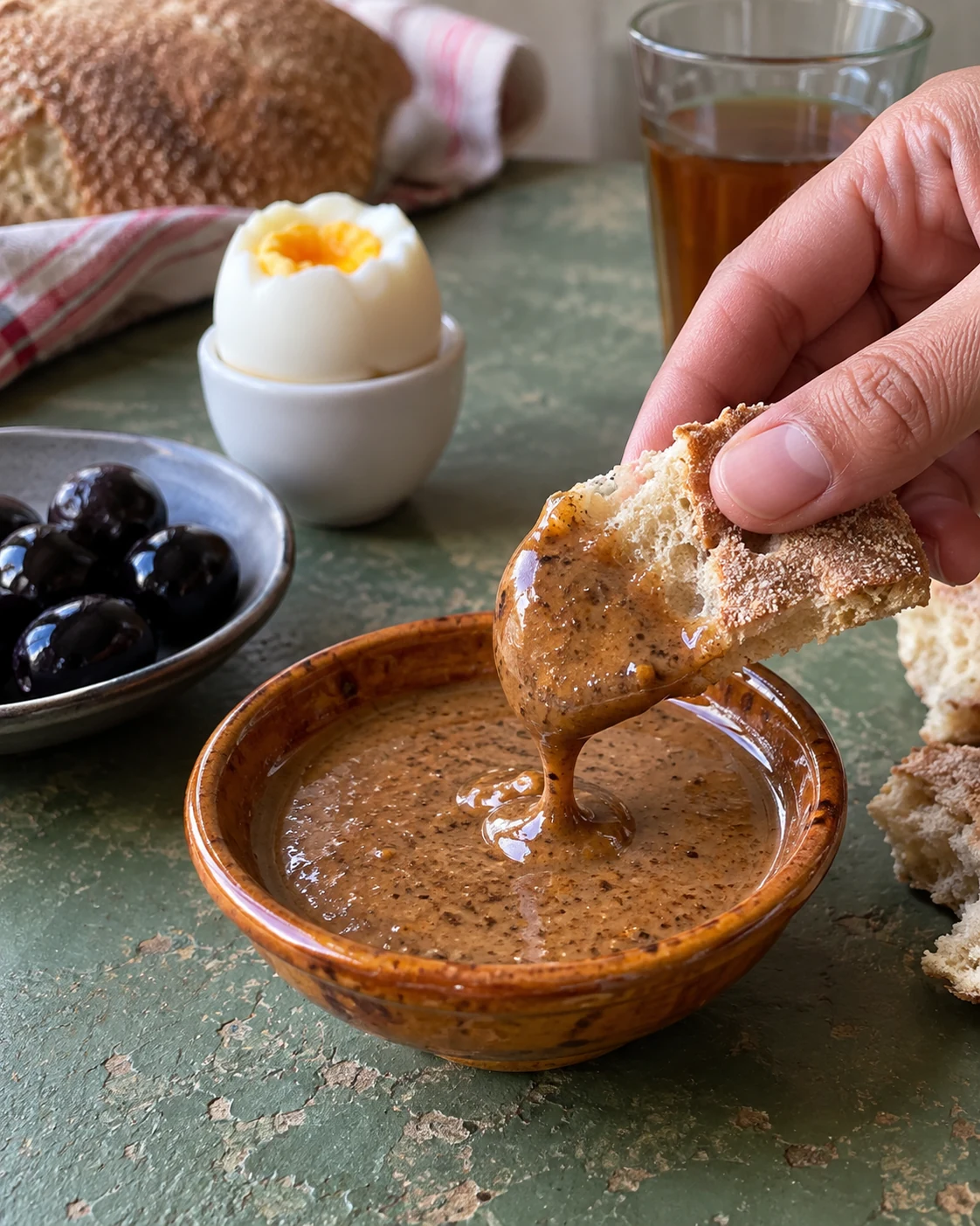 SOUTHWESTERN TABLE
Roasted almonds ground until they can become a cohesive paste.
Culinary argan oil brings the flavour that makes Amlou unmistakably its own.
Honey sweetens and helps shape the final spoonable consistency.
02 · The argan landscape
A spread shaped by its landscape.
Amlou’s roots are easier to map than to date.
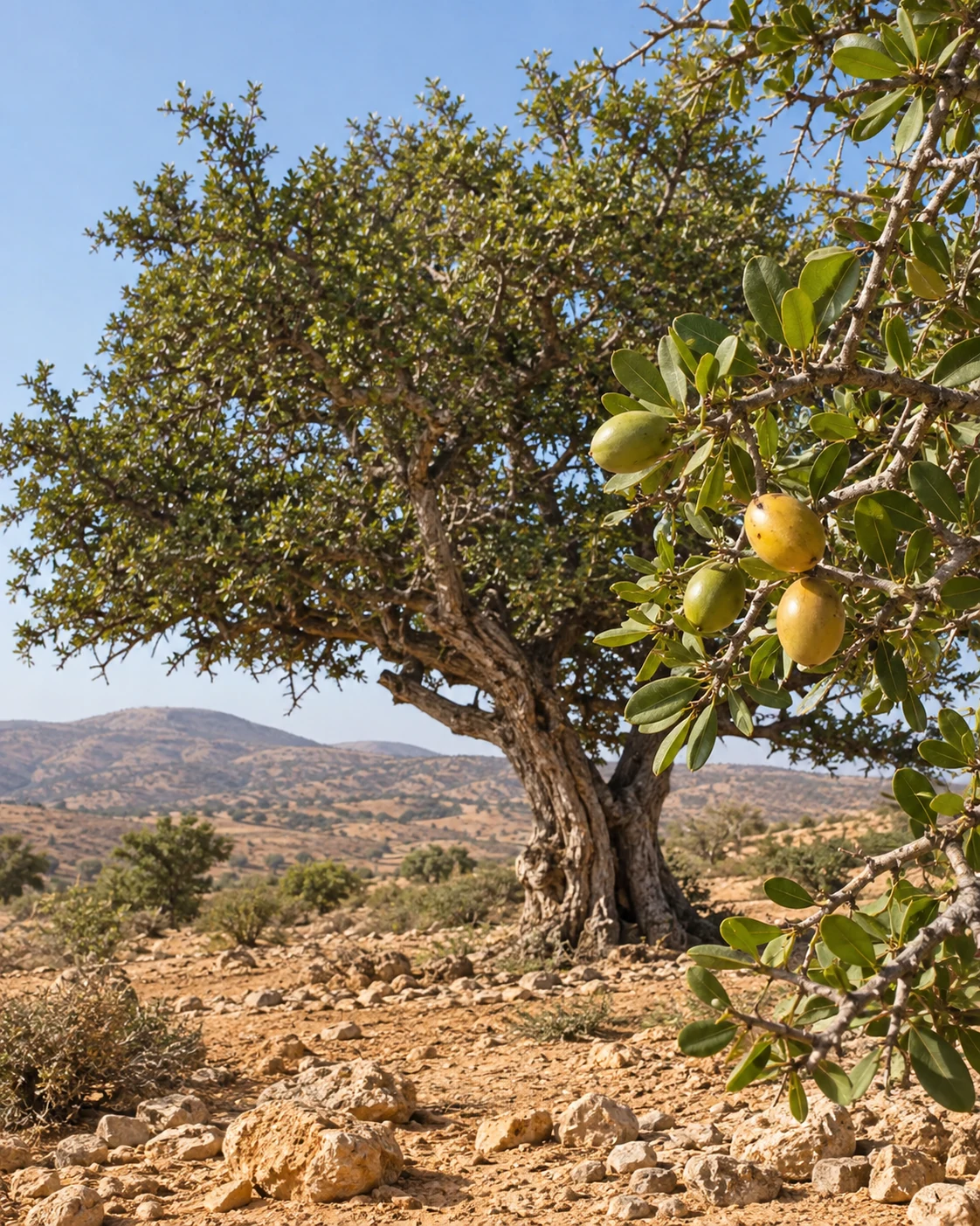
Amlou is closely associated with Morocco’s south and southwest, where argan trees, almond growing and the making of culinary argan oil connect the spread to its landscape. Its regional character remains clear even as it is made and enjoyed elsewhere.
UNESCO’s 2014 inscription concerns the practices and know-how surrounding the argan tree — not Amlou as a separately listed heritage dish. The distinction keeps the story accurate while still showing why argan knowledge is central to understanding the spread. [3]
Argan country
The argan tree is endemic to the Arganeraie Biosphere Reserve in southwest Morocco. [3]
Knowledge carried by practice
Harvesting, sorting, milling and oil extraction involve specialised knowledge transmitted within communities.
A living breakfast food
Amlou is not frozen in one historic formula. Homes vary sweetness, grind and flow while keeping the core ingredients recognisable.
03 · The method in principle
Roast. Grind.
Loosen. Balance.
Amlou is simple enough to expose every shortcut. The important transformation is not a long ingredient list; it is turning almonds into a paste that can carry oil and honey.
Roast for depth
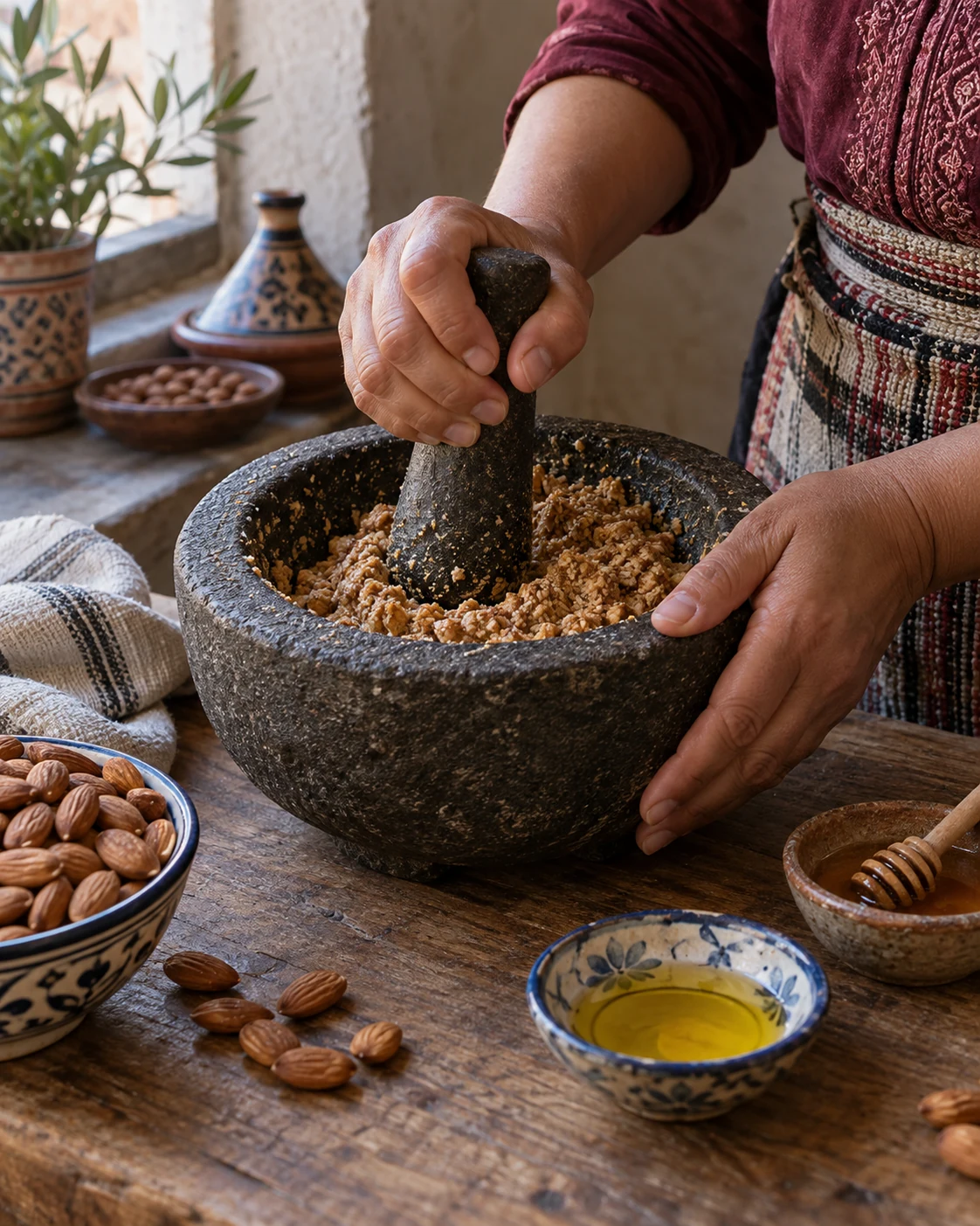
Roasting deepens the almonds’ nutty aroma. The aim is an even toasted character, not scorched bitterness. Several modern Amlou recipes use roasted almonds as the starting point. [5]
Grind beyond crumbs
The almonds move from pieces to meal and then toward paste as their natural oils are released. Traditional manual methods and modern powered processors can reach the same basic goal by different routes.
Add oil, then judge the balance
Culinary argan oil loosens the almond paste and adds its characteristic flavour; honey brings sweetness and further changes the flow. Gradual addition makes the final texture easier to control. [6]
Use food-grade argan oil. Cosmetic argan products are not cooking ingredients.
04 · Ways to meet Amlou
One spread.
Several table partners.
These are serving contexts, not rules. Amlou can be thick enough to spread or loose enough to spoon; what sits beside it changes the experience without changing its identity.
Breakfast breads make the differences in texture easiest to notice.
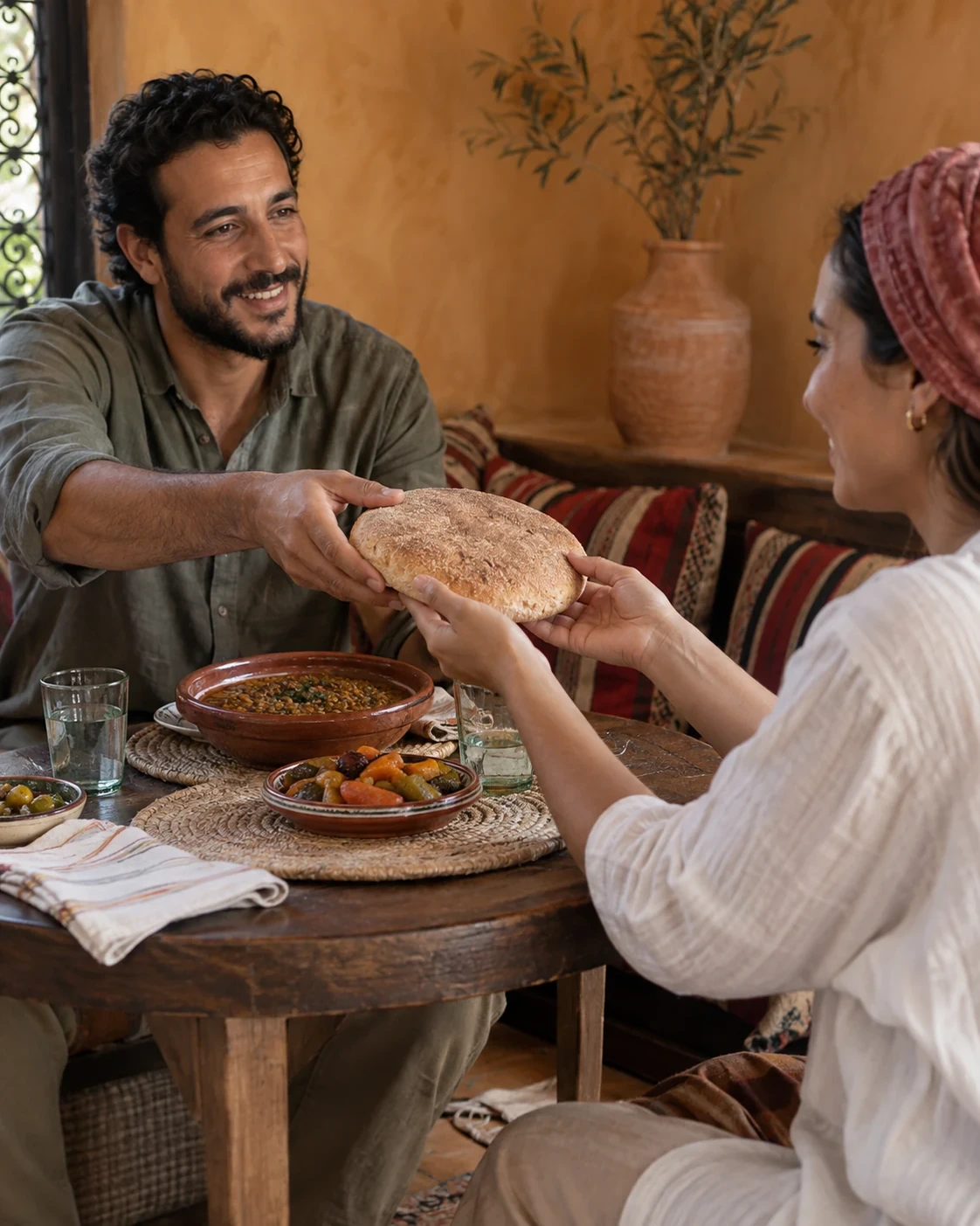
Warm khobz
Soft crumb and a proper crust give Amlou somewhere to soak in without disappearing. Bread keeps the spread — not the garnish — at the centre.
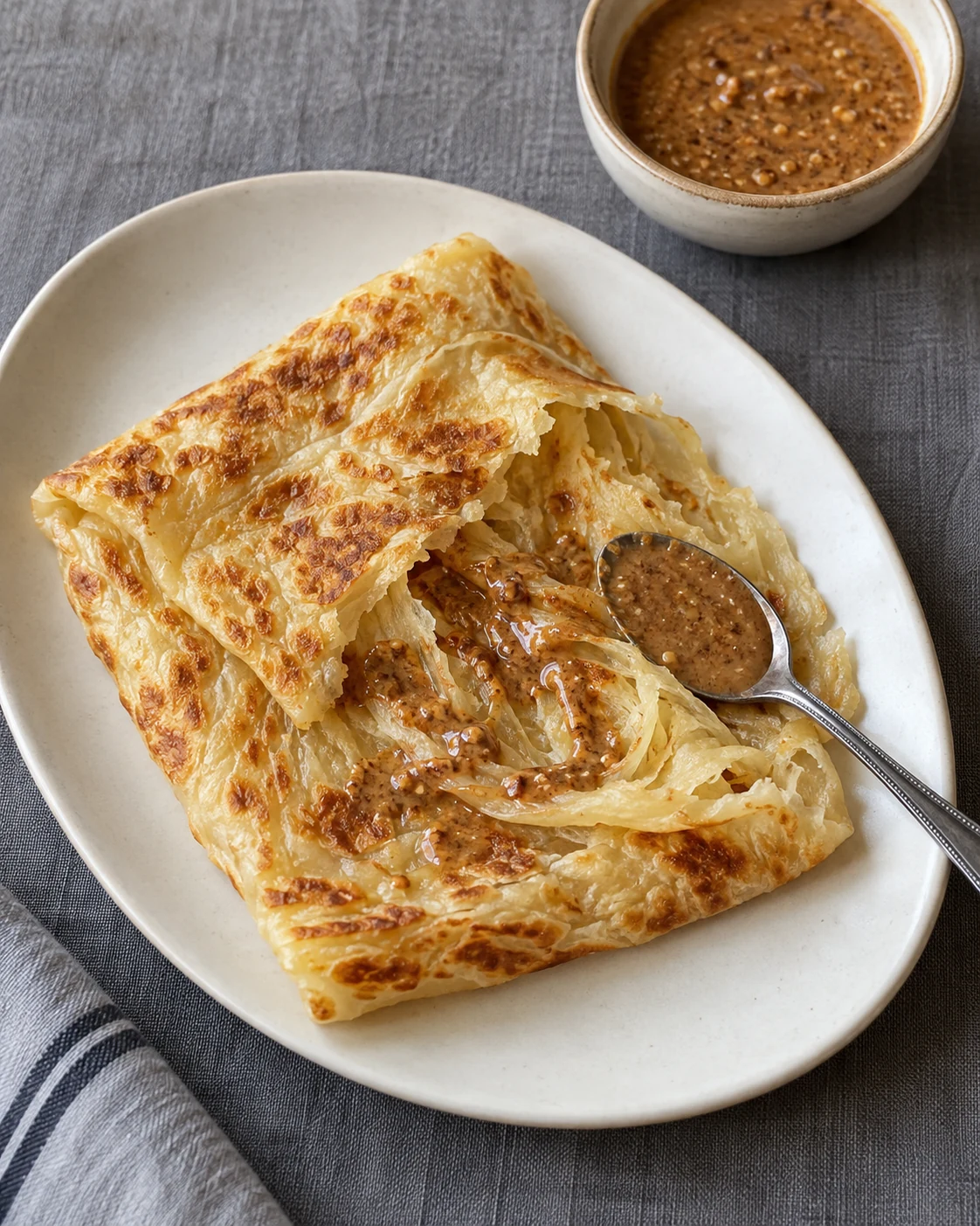
Msemen
The laminated layers of msemen bring chew, crisp edges and richness. Amlou adds nutty depth rather than acting like a thin syrup.
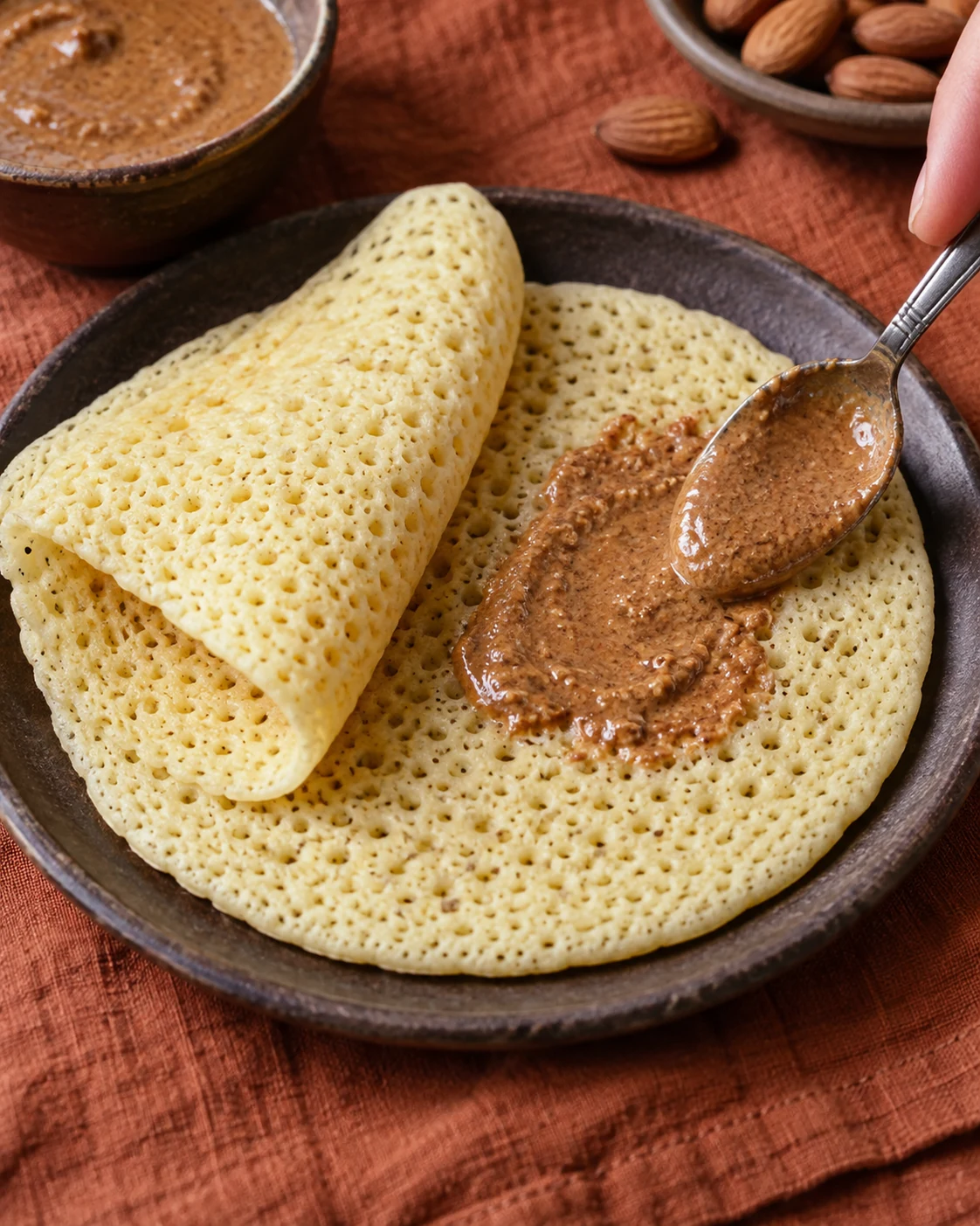
Baghrir
Baghrir’s honeycomb surface catches a softer Amlou beautifully. If the spread is already sweet, extra honey on the table becomes a choice, not a requirement.
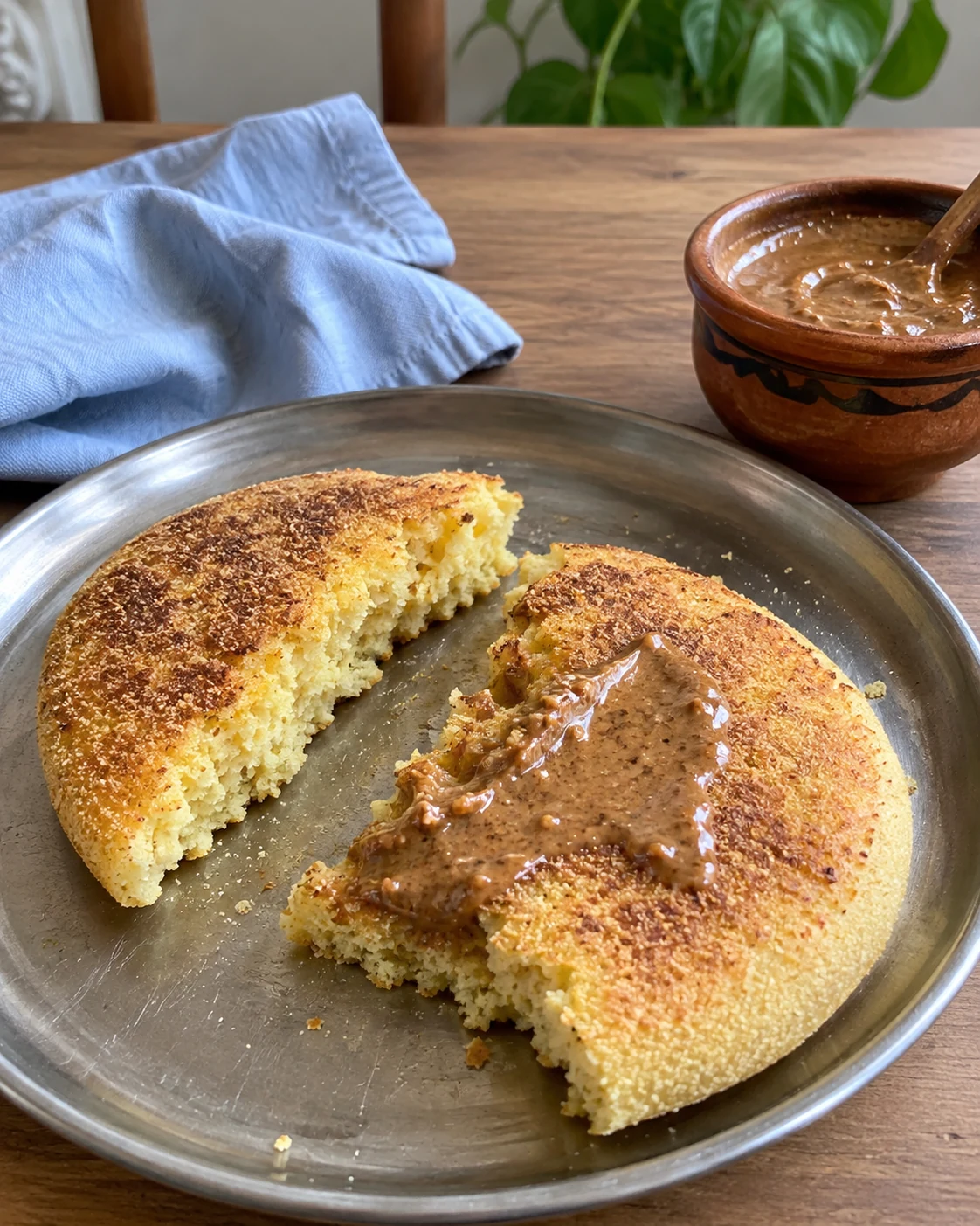
Harcha
The more crumbly semolina texture offers a different counterpoint to Amlou’s smoothness, especially when both are served warm or at room temperature.
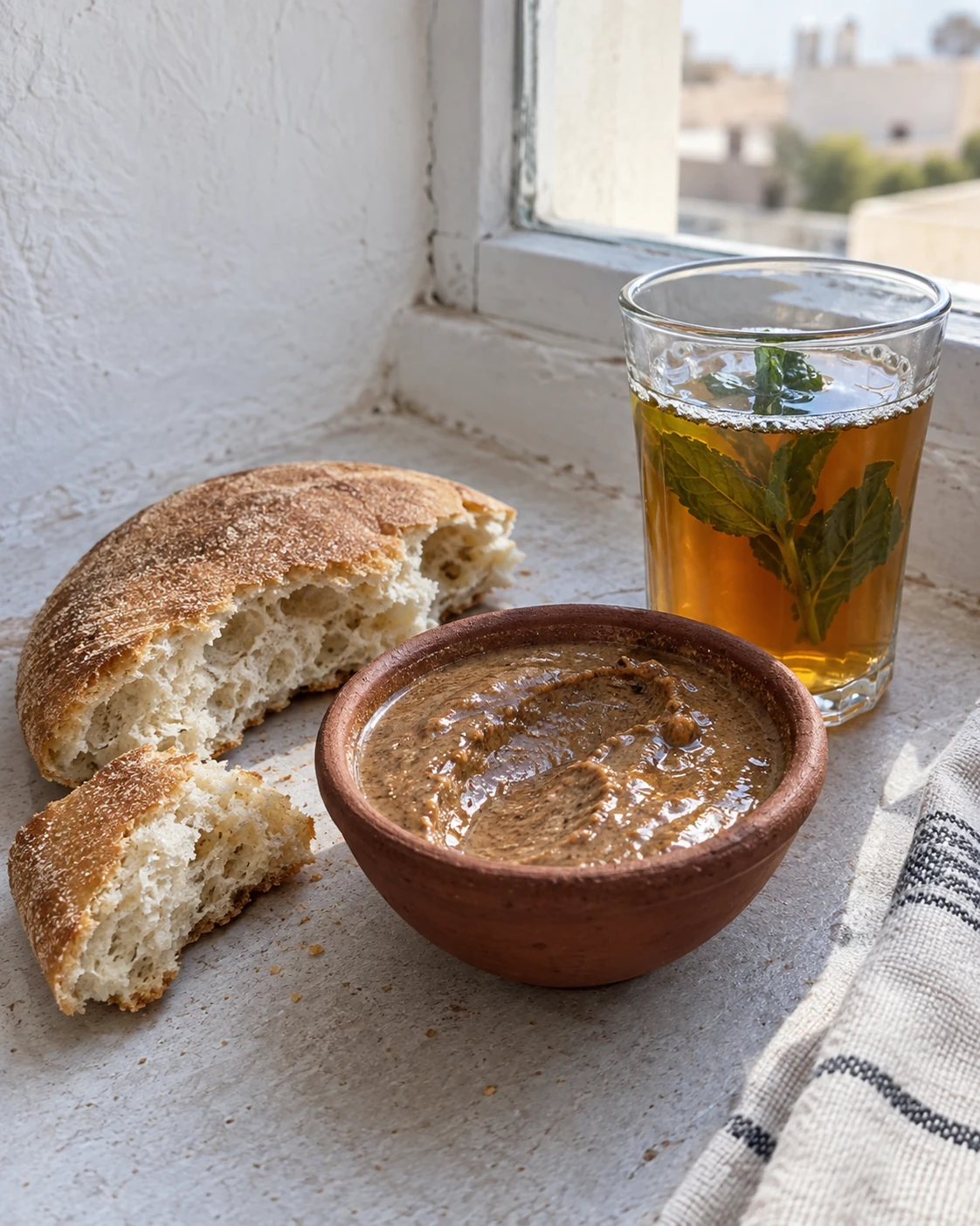
Mint tea
Tea does not become an ingredient in Amlou; it changes the rhythm of serving it. Bread, a shared spread and a pot of tea turn a small food into a longer pause.
Texture is allowed to move.
Some versions are loose enough to drizzle; others are kept thicker. That difference can come from the grind, the amount of oil and honey, and household preference. It is variation, not a defect. [5]
Keep the ingredient identity visible.
Amlou can inspire modern pairings while retaining a clear foundation of roasted almonds, culinary argan oil and honey.
05 · The ingredient logic
A short list.
Nothing to hide behind.
Because Amlou depends on three principal ingredients, substitutions change more than a detail. They change the dish’s flavour structure.
Quality matters, but so does proportion: one ingredient should not erase the other two.
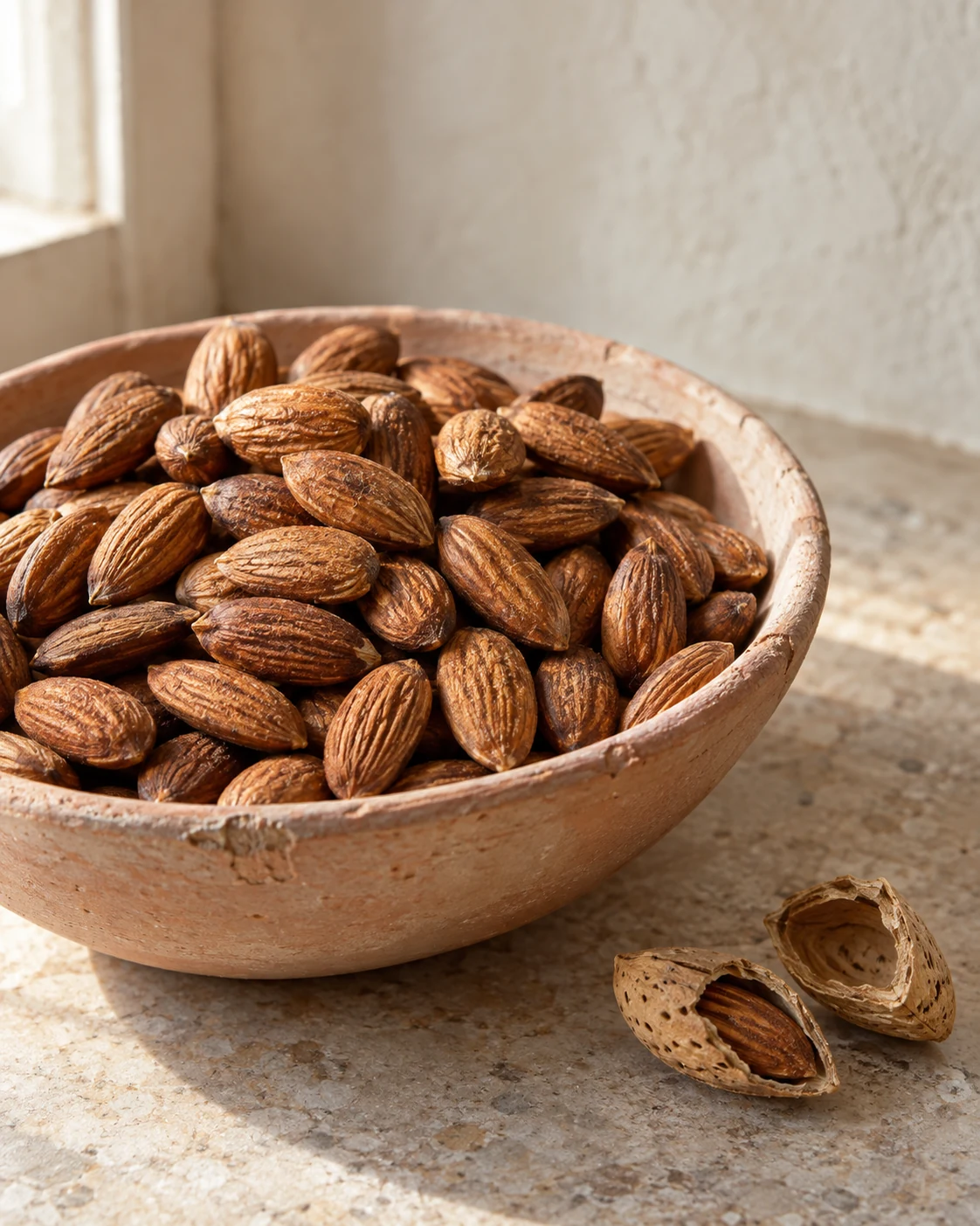
Roasted almonds
Body, aroma & natural oils.
Roasting intensifies the nutty flavour; grinding creates the body of the spread. The paste should taste of almond before anything else is used to adjust it.
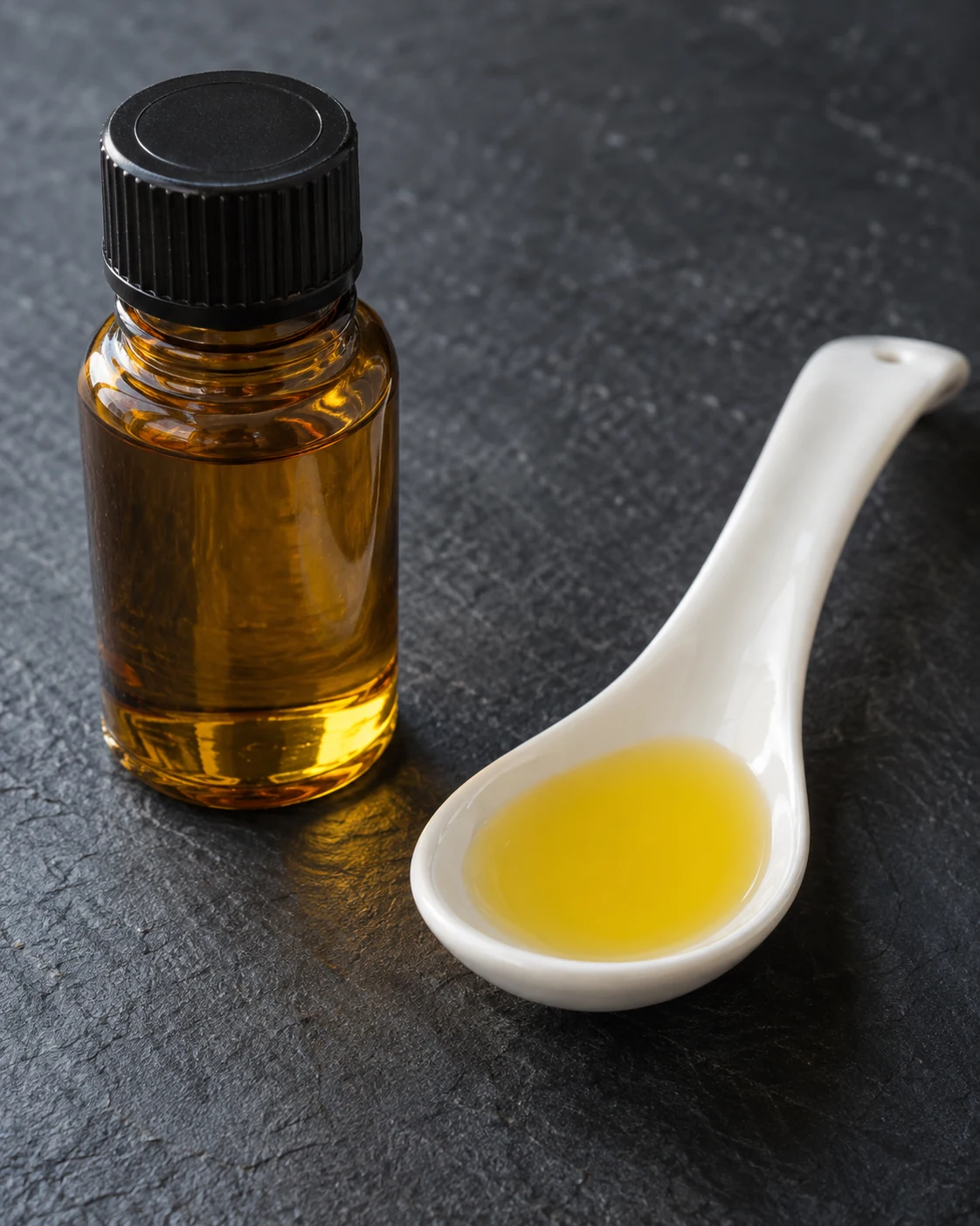
Culinary argan oil
The regional signature.
Argan oil brings aroma, richness and flow. Use an oil sold for food preparation, not a cosmetic product. The argan tree’s cultural landscape is rooted in southwest Morocco. [3]
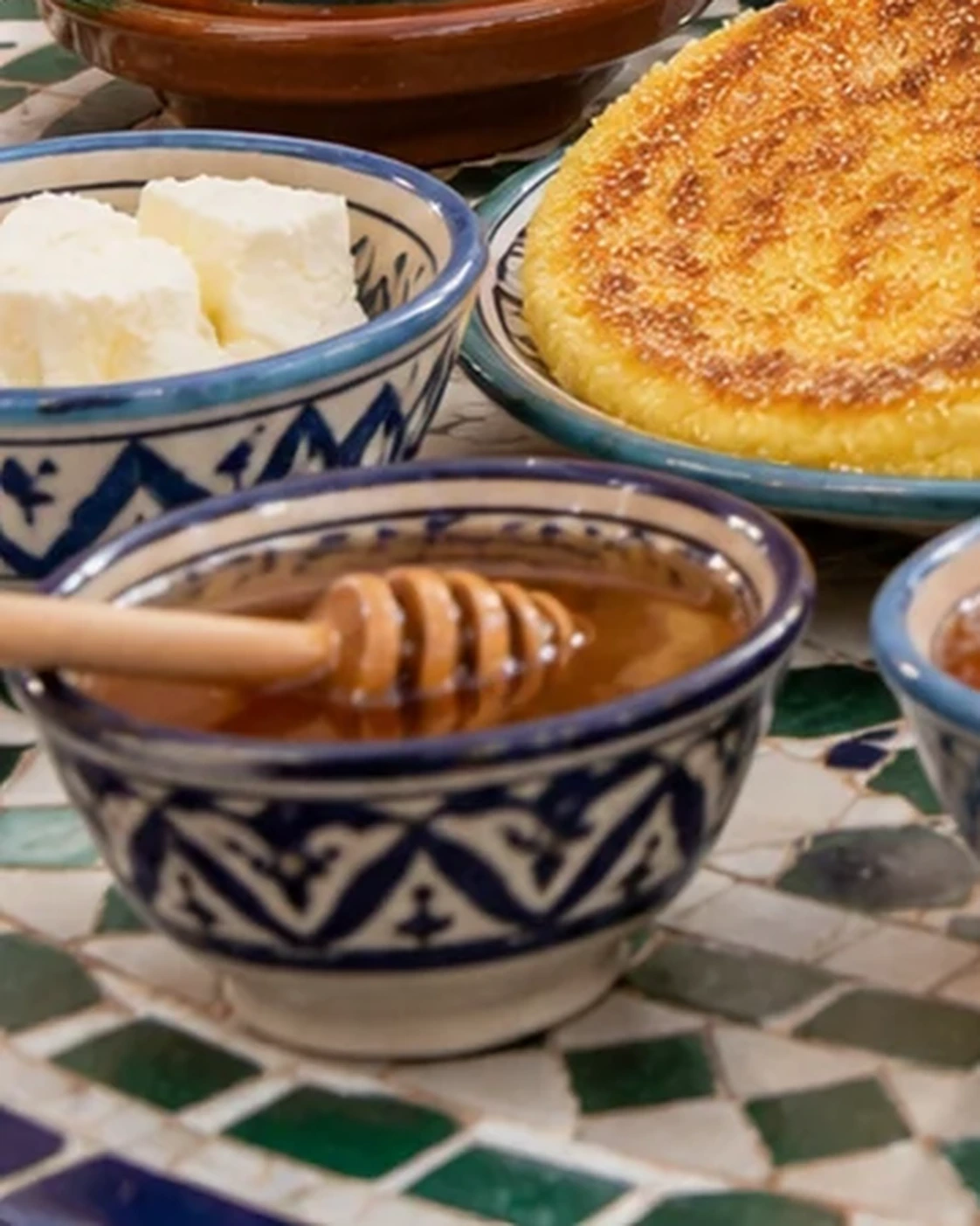
Honey
Sweetness with a voice of its own.
Honey rounds the toasted almonds and changes viscosity as well as sweetness. Different honeys can shift the aroma, which is one reason Amlou need not taste identical from one table to the next.
Explore the three ingredients
ROAST · GRIND · FLOW
Texture
tells the truth.
Amlou is not simply three ingredients stirred together. Its character depends on how they meet.
Once the almonds are ground finely enough, oil can loosen the paste without making it feel disconnected. Honey then changes both sweetness and body. The result may be spoonable, spreadable or more fluid according to preference.
A glossy surface is less important than a balanced spoonful.
The almonds build the structure.
Stop too early and the texture stays sandy. Continue grinding and the nut’s own oils help move the mixture toward a paste.
Argan oil controls flow and character.
Adding it gradually makes it easier to judge both consistency and flavour. Culinary argan oil should be recognisable, not overwhelming.
Honey finishes the balance.
The final sweetness is not fixed by a national rule. A family may prefer a darker, nut-forward Amlou or a sweeter, looser one. [5]

06 · A spread shaped by place
Amlou follows
the argan landscape.
The regional connection is strongest in Morocco’s southwest.
Morocco’s National Tourist Office places Amlou among the characteristic tastes of Agadir and the South, while UNESCO locates the argan tree and the extraction practices surrounding it in the Arganeraie Biosphere Reserve of southwest Morocco. [1] [3]
The point is not to draw a culinary border around the spread. Amlou is made, sold and eaten beyond its original regional associations. Place matters because one of its defining ingredients has a very specific ecological and cultural geography.
Agadir & the South
Official tourism material identifies Amlou with the area’s argan-oil food culture.
Read the wider food culture ↗Argana & honey country
The Honey Road described by Visit Morocco connects local honey, crushed almonds and argan oil in Amlou. [2]
Explore Taste Morocco ↗Ait Souab–Ait Mansour
FAO recognises an argan-based agro-sylvo-pastoral heritage system in this southwest landscape. [4]
Keep exploring food & place ↗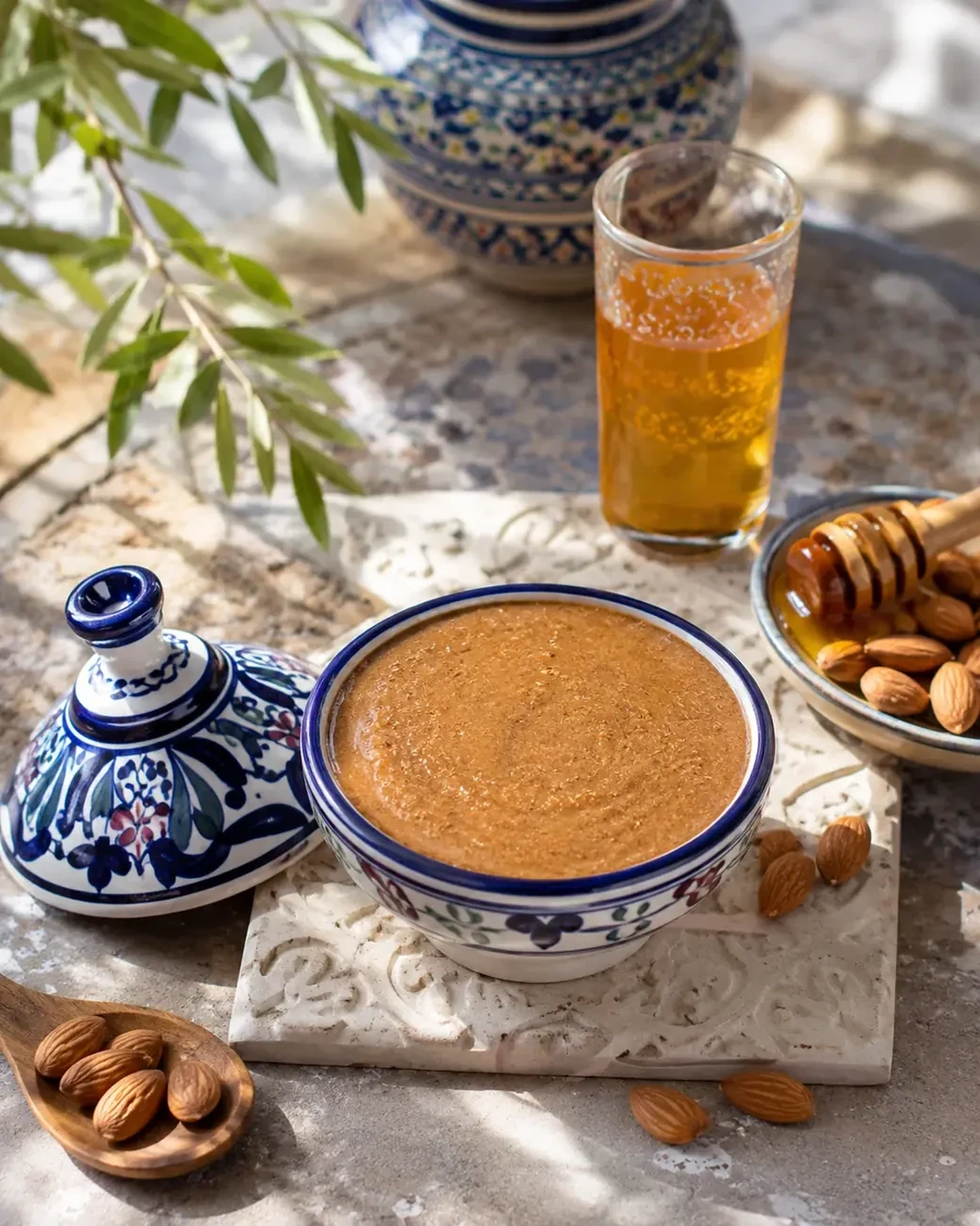
07 · Breakfast & the shared table
Bread first.
Tea nearby.
Amlou makes the most sense when something warm is ready to carry it.
Khobz, msemen, baghrir and harcha each bring a different texture. Amlou can be spread, spooned or dipped according to its consistency and the bread beside it. The table may be simple or generous; the spread does not need decoration to explain itself.
Serving habits vary across households. Some tables place one bowl in the middle; others portion spreads into smaller dishes.
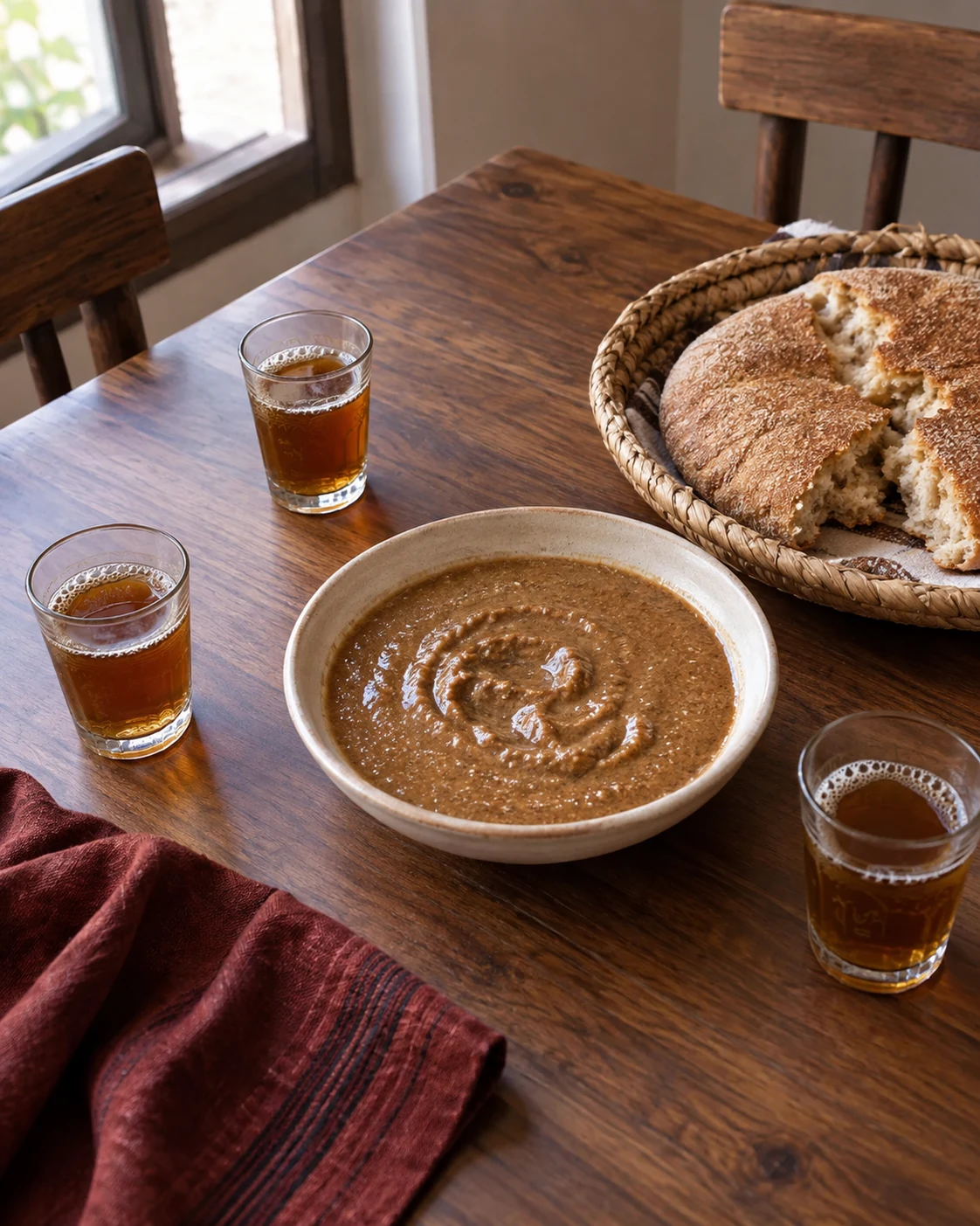
Bread gives the spoon somewhere to go.
Amlou’s richness works because bread changes the mouthfeel. A crusty piece of khobz absorbs differently from airy baghrir or laminated msemen.
That difference is useful: it lets the same bowl feel different without changing the spread itself.
Sweet, but not only sweet.
Honey belongs inside classic Amlou, yet the flavour should still read as almond and argan. A breakfast table may offer extra honey, butter or oil, but none is mandatory on top of the spread.
The best way to understand Amlou is to taste the three core ingredients as a balance, not as separate toppings.
Tea changes the pace.
Not the recipe.
Mint tea is a natural companion to a Moroccan breakfast or afternoon pause. It belongs beside Amlou as part of the table rhythm, not inside the spread.
Everyday food can still feel generous.
Amlou can appear in an ordinary breakfast and also on a fuller table prepared for guests. Generosity is expressed through the whole table — fresh bread, tea, conversation and time — rather than through a special garnish on the Amlou itself.
08 · Argan knowledge & changing tools
Before the spoon,
there is argan work.
The ingredient carries a cultural history deeper than this one spread.
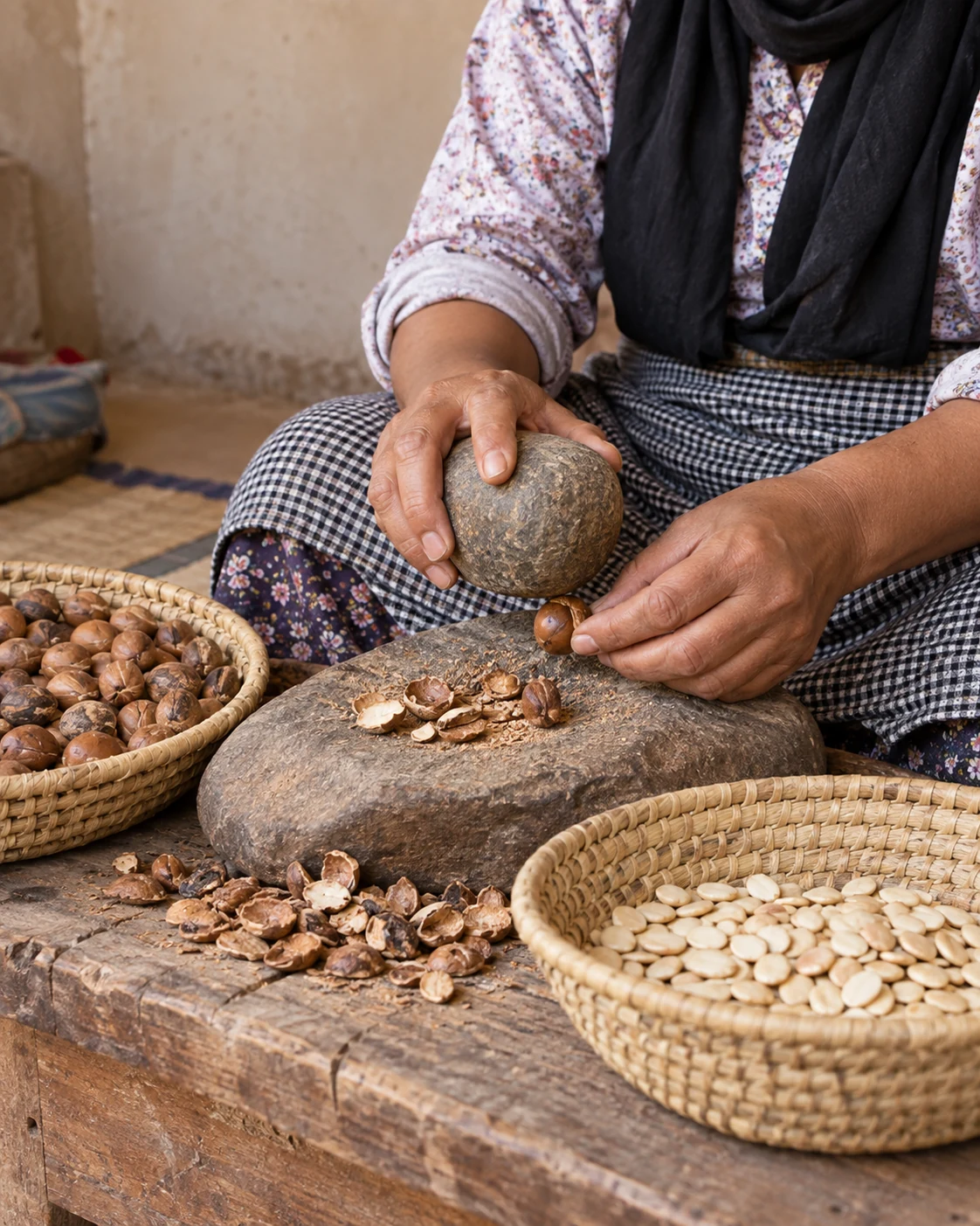
UNESCO describes traditional argan-oil extraction as a sequence of specialised tasks — from collecting and drying fruit to pulping, sorting, milling and mixing — practised particularly by rural women in the Arganeraie Biosphere Reserve. The inscription recognises those practices and the knowledge around the tree, not a frozen kitchen scene. [3]
Today, culinary argan oil can reach the kitchen through cooperatives, small producers and more mechanised processing as well as hand knowledge. For Amlou, the practical question is simple: is the oil food-grade, good quality and appropriate for eating?
At home, the almonds can likewise move from hand grinding to a modern processor. The tool changes speed and texture; it does not erase the need to judge roast, grind and flow.
Explore ingredients, hands & food culture09 · A closer look
Good questions.
Clear answers.
The details that keep Amlou specific.
What is Amlou made from?
The classic core is almonds, culinary argan oil and honey. Morocco’s National Tourist Office describes that combination directly. [1]
Do I need culinary argan oil?
Yes if you want the characteristic Amlou flavour. Use an oil sold for eating. Cosmetic argan products are not interchangeable with food-grade oil. [6]
Is Amlou always completely smooth?
No. Grind and final consistency vary. Some cooks prefer a thinner, more fluid Amlou; others keep it thicker and more spreadable. The three-ingredient identity matters more than one universal texture.
Is Amlou the same as almond butter?
No. Almond paste provides the body, but culinary argan oil and honey are defining parts of Amlou. Calling it simply almond butter hides the ingredient that most clearly connects it with Morocco’s southwest.
How is Amlou served?
Breakfast and tea-time are common contexts. Bread, msemen, baghrir and harcha all work as carriers; the exact table changes from household to household. [5]
Is Amlou itself UNESCO-listed?
No. UNESCO inscribed “Argan, practices and know-how concerning the argan tree” in 2014. Those practices include culinary uses of argan oil, but the listing is not a separate designation of Amlou as a dish. [3]
 EXOTIC MOROCCOTASTE · THE GUIDE COLLECTIONAmlouIngredients, technique
and the Moroccan table
From the story to your kitchen
Keep the flavour.
Go a little deeper.
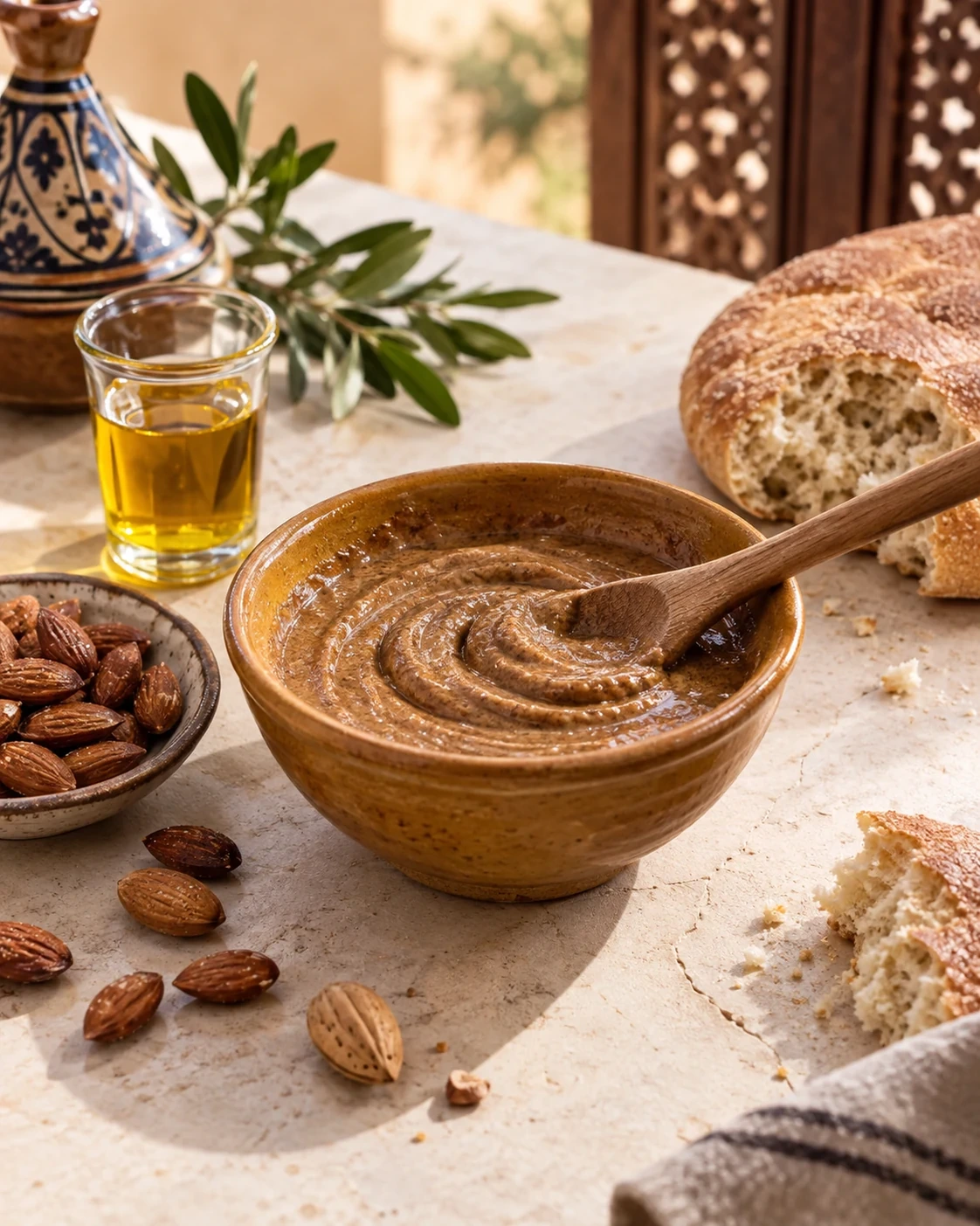
Roasted almonds, culinary argan oil and honey from the southwest.
Explore the Exotic Morocco guide collection for a closer look at ingredients, kitchen knowledge and the culture around the table.
- Understand the ingredients and their roles
- Recognise the techniques and textures that matter
- Bring context and confidence to the way you cook and serve
Continue tasting Morocco
Follow the
table outward.
Another dish, another technique, another way into the Moroccan kitchen.
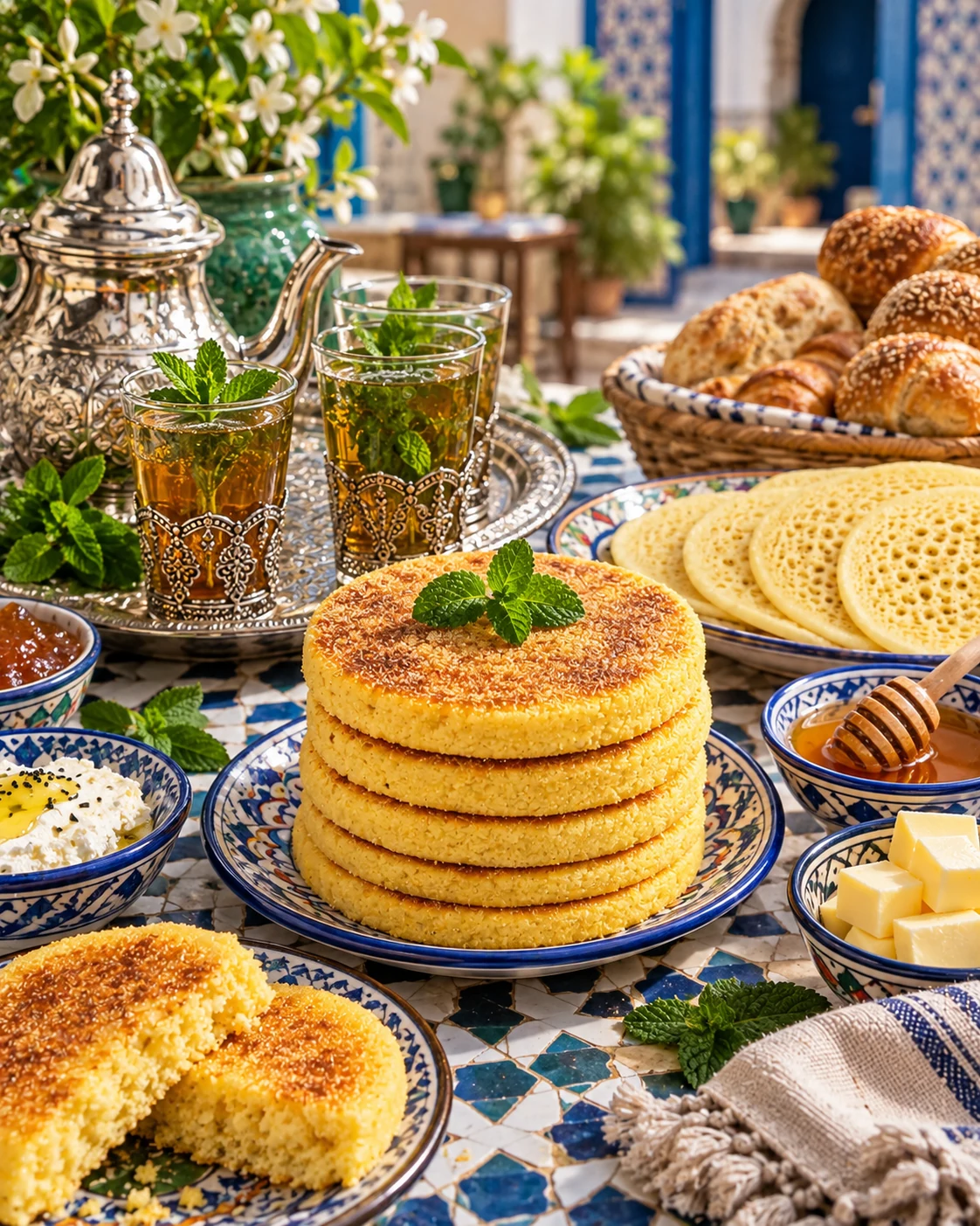
Harcha
Semolina, a hot pan and a tender, crumbly round.
Explore the story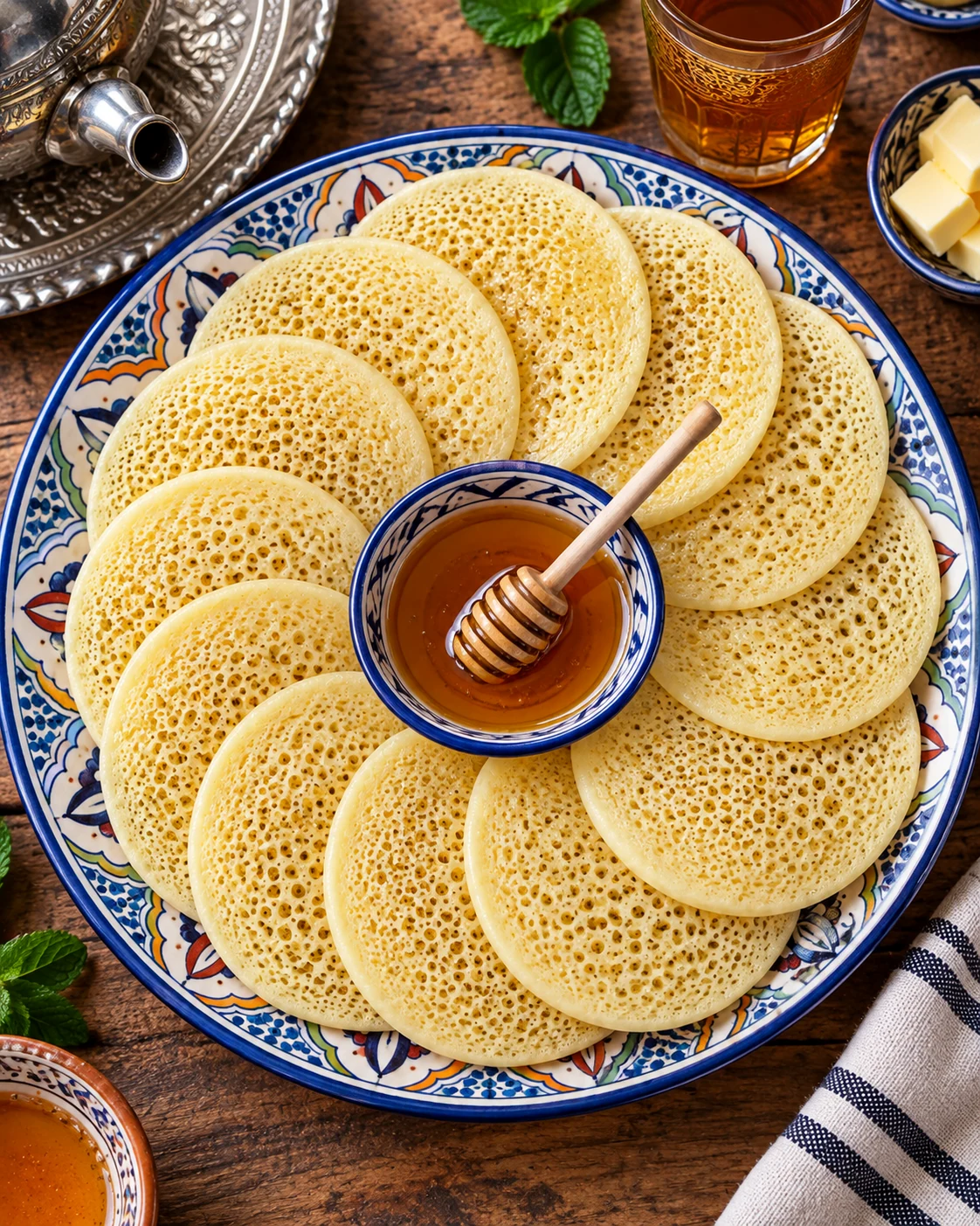
Baghrir
Light semolina pancakes with a surface of tiny holes.
Explore the story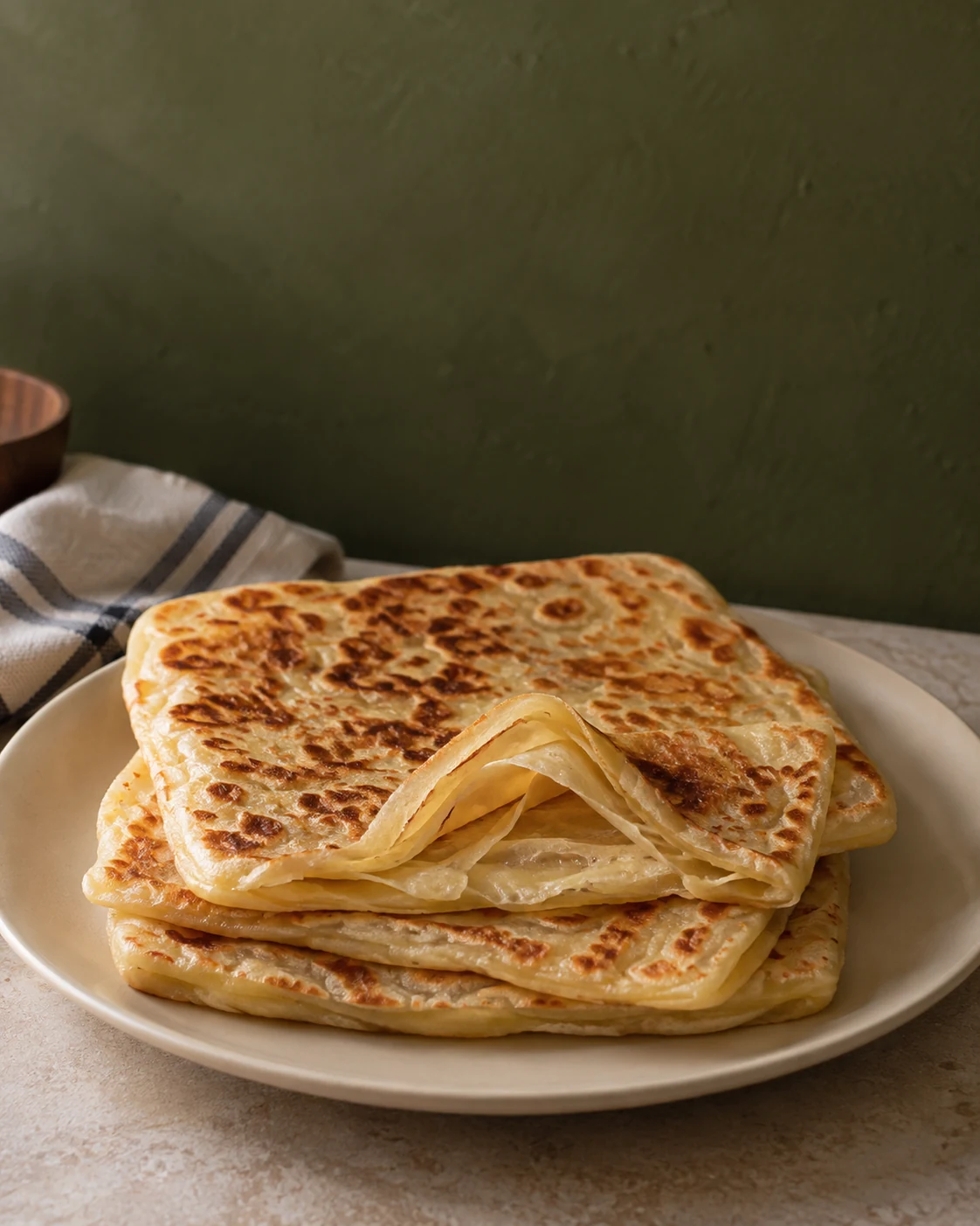
Msemen
Thinly stretched dough folded into supple, flaky layers.
Explore the story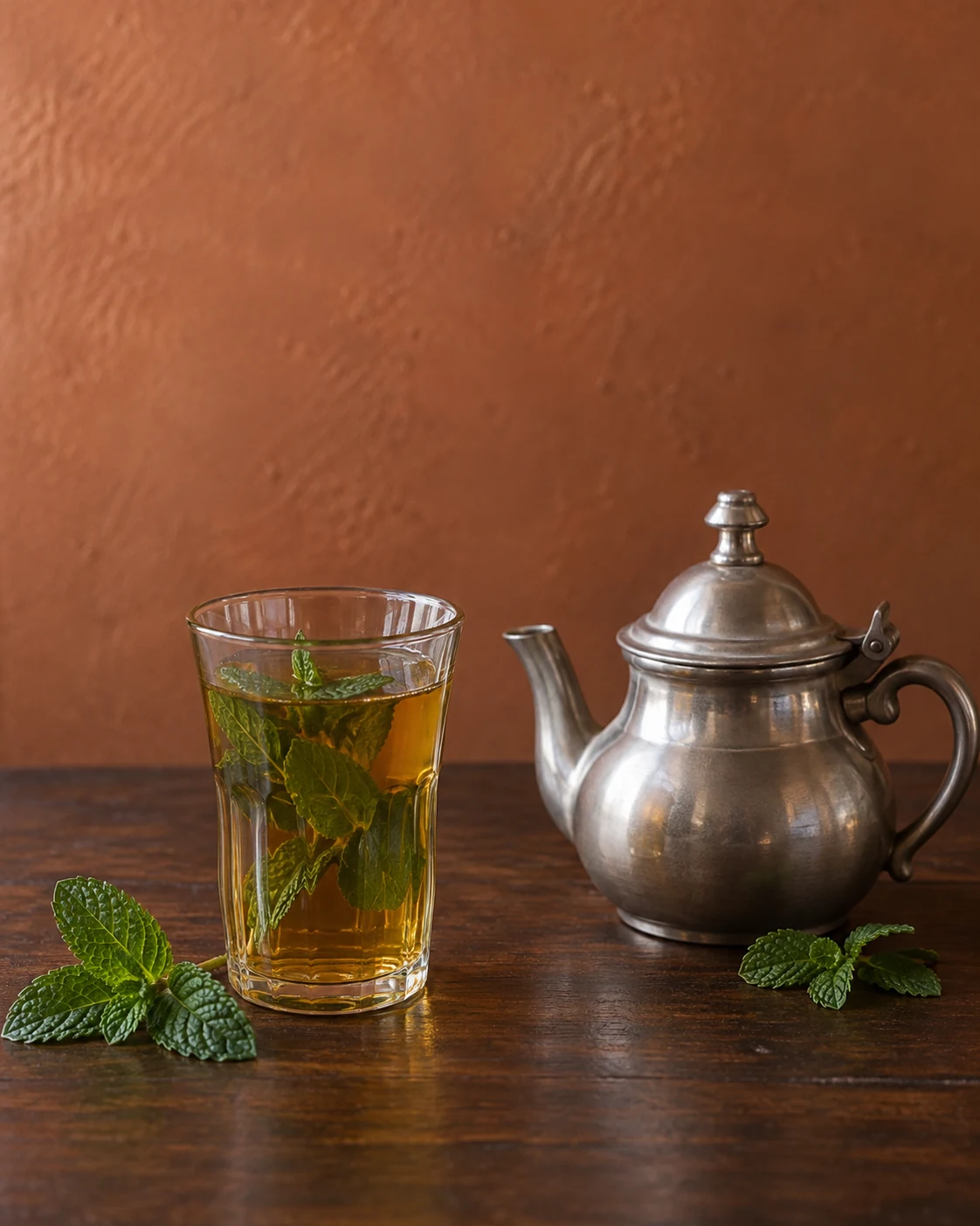
Moroccan Mint Tea
Green tea, fresh herbs and the time given to a guest.
Explore the story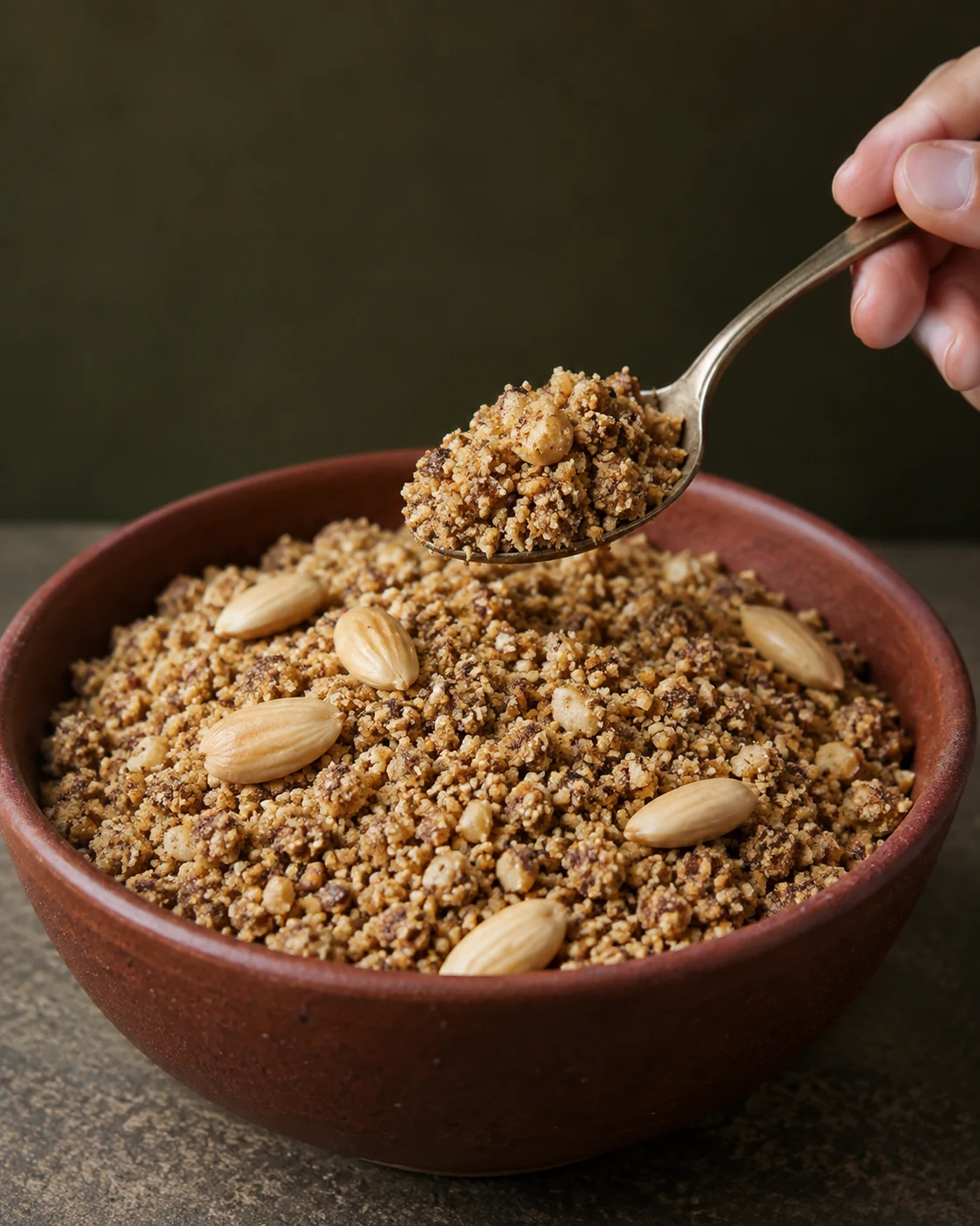
Sellou
Toasted flour, sesame and almonds in a distinctive sweet mixture.
Explore the story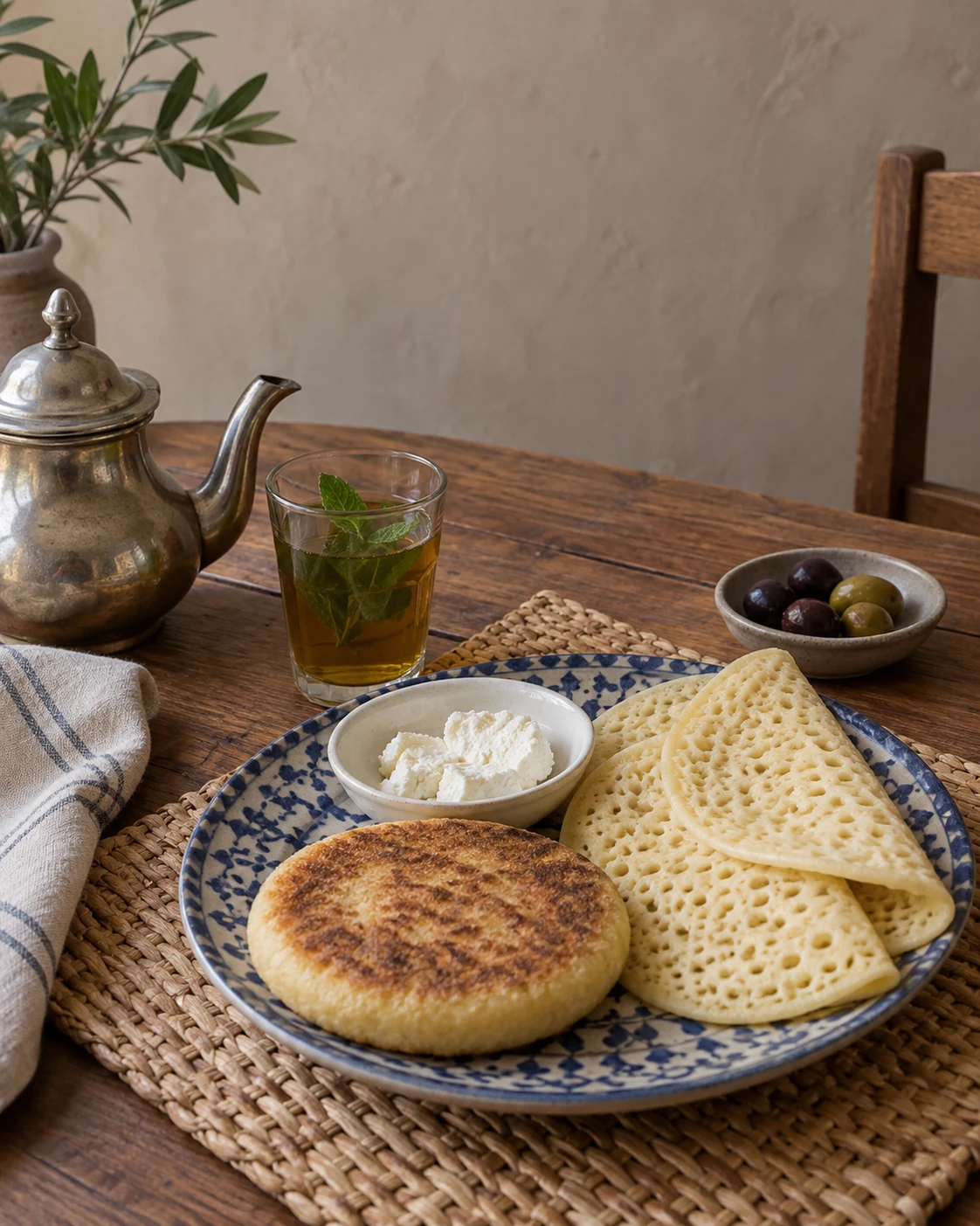
Moroccan Breakfast
Breads, spreads and the first table of the day.
Explore the storySources & editorial notes
Photography combines existing Exotic Morocco assets and generated editorial illustrations. These images do not document a named person, household or historical event.
- Moroccan National Tourist Office · Gastronomy — Amlou as a southern/Agadir preparation combining argan oil, honey and almonds.
- Moroccan National Tourist Office · The Honey Road — local honey, crushed almonds and argan oil in Amlou around the southwest.
- UNESCO Intangible Cultural Heritage · Argan practices and know-how — southwest geography, extraction knowledge, culinary uses and the 2014 inscription.
- FAO GIAHS · Argan-based system, Ait Souab–Ait Mansour — argan agro-sylvo-pastoral heritage system and its regional agricultural knowledge.
- Nargisse Benkabbou · Amlou — roasted almonds, argan oil, honey, serving with breads and variation in consistency.
- La Cuisine de Bernard · Amlou — edible argan oil distinction and modern versus manual grinding context.
EXOTIC MOROCCO Places. People. The pleasure of knowing more.Back to top ↑