

01 · A Marrakech essential
One vessel.
A city
inside it.
Clay, meat, preserved lemon and time.
Tanjia is one of the dishes most strongly associated with Marrakech. Its name belongs to both the food and the tall earthenware vessel in which it is traditionally cooked. Unlike the broad family of dishes known as tagine, tanjia is built around an urn-shaped jar, a close mixture of meat and aromatics, and long, gentle heat. [1]
The flavour is usually deeply savoury rather than complicated for its own sake. Meat supplies richness; preserved lemon brings salt and a rounded citrus perfume; garlic, cumin and sometimes saffron or smen deepen the cooking juices. Variations belong to cooks and households, but the identity of the vessel and the slow method remains unmistakable. [4]
To understand tanjia is therefore to look beyond a finished plate. The jar, the shared heat of the city, the baker or furnace keeper, the bread on the table and the people waiting to eat all belong to the story.
Enter Moroccan food culture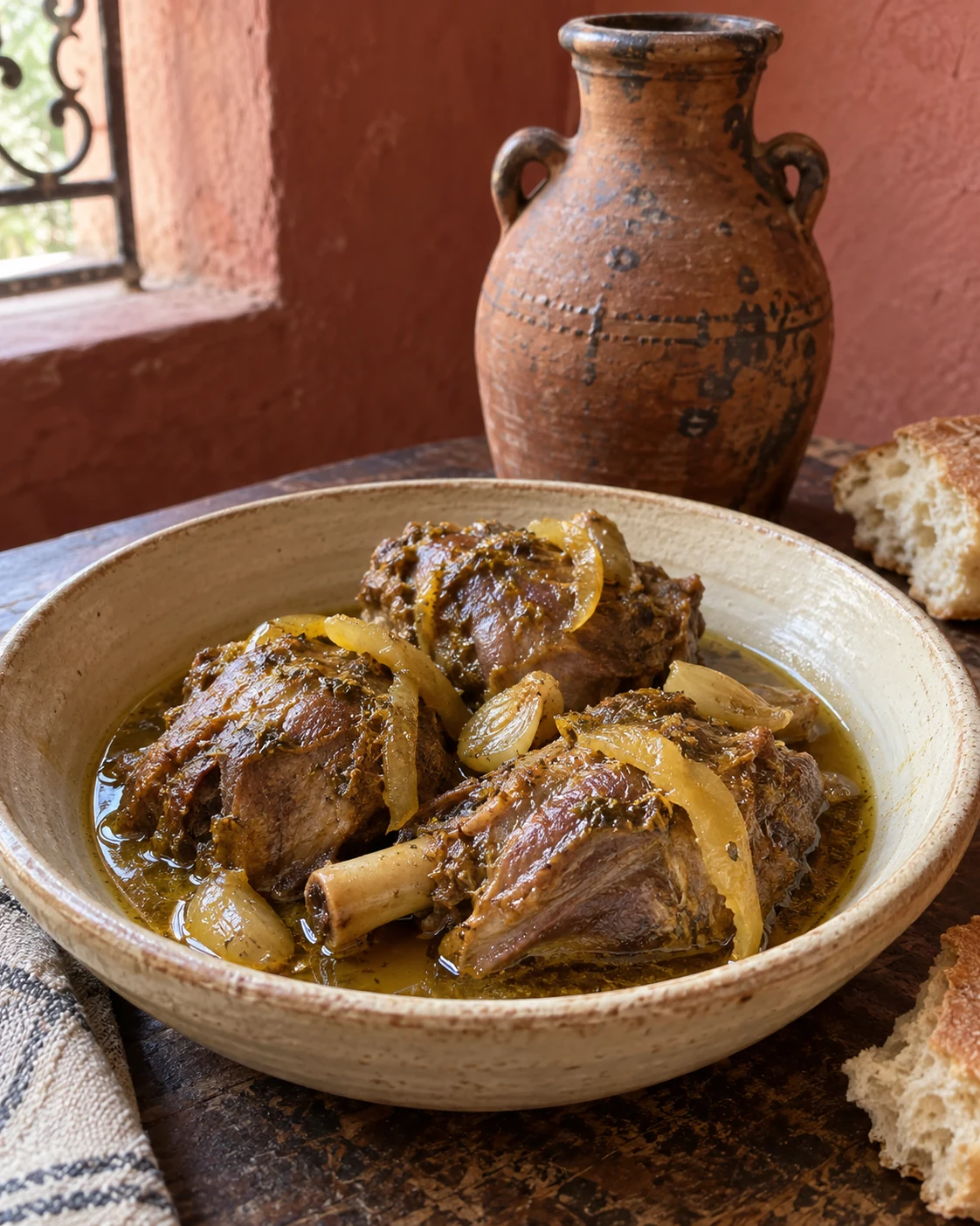
The name can refer to both vessel and dish.
Narrow-mouthed, practical and made for patient heat.
Minimal tending; maximum attention to time and company.
02 · Roots & living memory
Marrakech, work
& shared heat.
The association with Marrakech is strong; the origin stories deserve care.
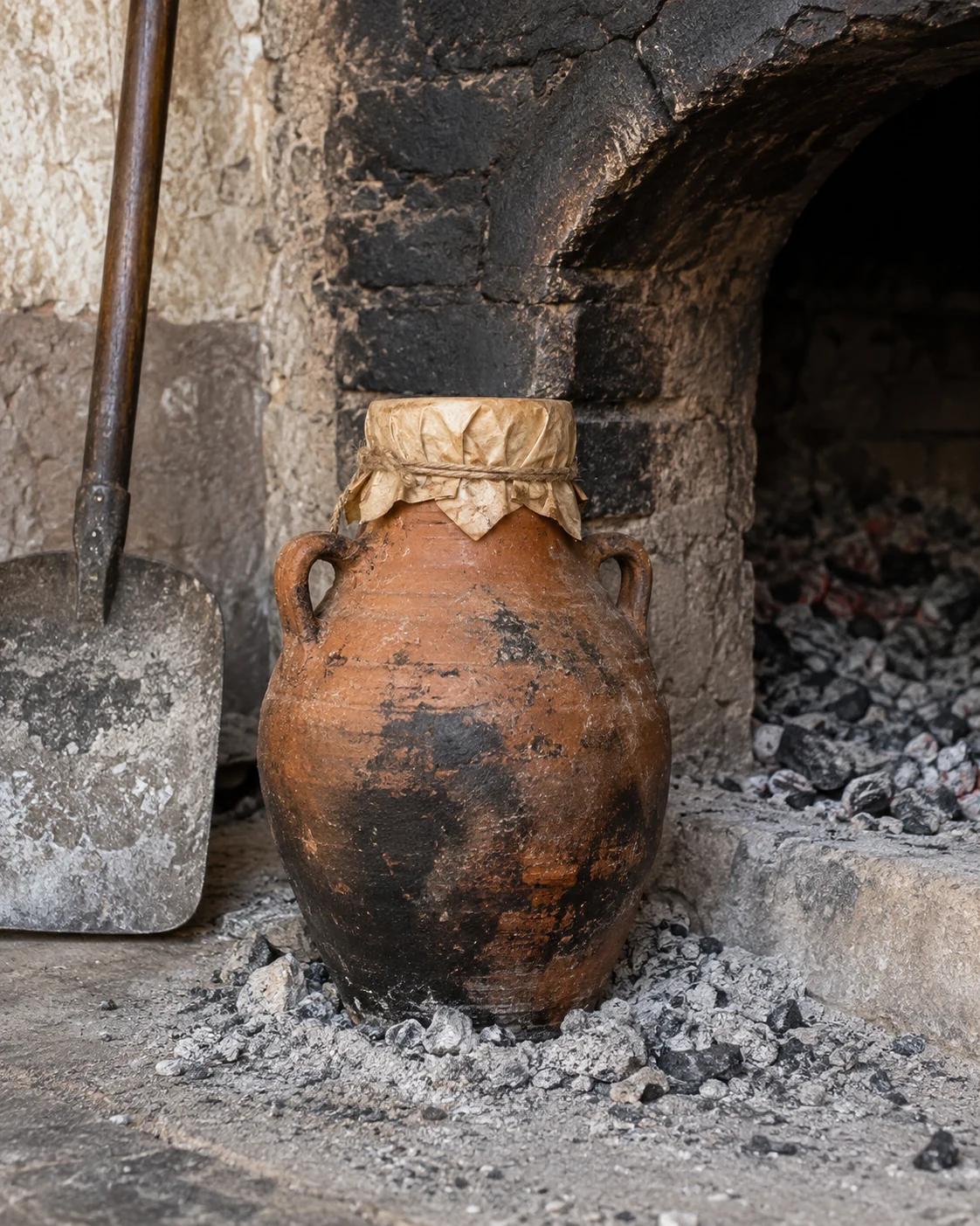
Contemporary Moroccan tourism sources describe tanjia as a typical Marrakech dish, traditionally made with lamb or veal in a terracotta jar and left to cook for hours. Culinary accounts also connect the method with the low heat of neighbourhood ovens and the furnace beneath the hammam. [1] [2]
Popular memory often links tanjia with artisans, shopkeepers and groups of working men who could prepare a jar, leave it with a fernatchi or furnace keeper, and return later to collect the cooked meal. That history is meaningful, but it should not be turned into a neat invention story with one date or one founder. The evidence supports a living Marrakech tradition more securely than a single origin tale. [4]
Documented association
Marrakech, terracotta, meat and long slow cooking appear consistently across contemporary Moroccan and culinary sources.
Local memory
Workshop life, hammam furnaces and communal ovens are recurring parts of how the dish is remembered and explained.
Living practice
Tanjia is not confined to one historical social group. Families, restaurants and home cooks continue to adapt the dish today.
03 · The vessel & the method
The shape
of waiting well.
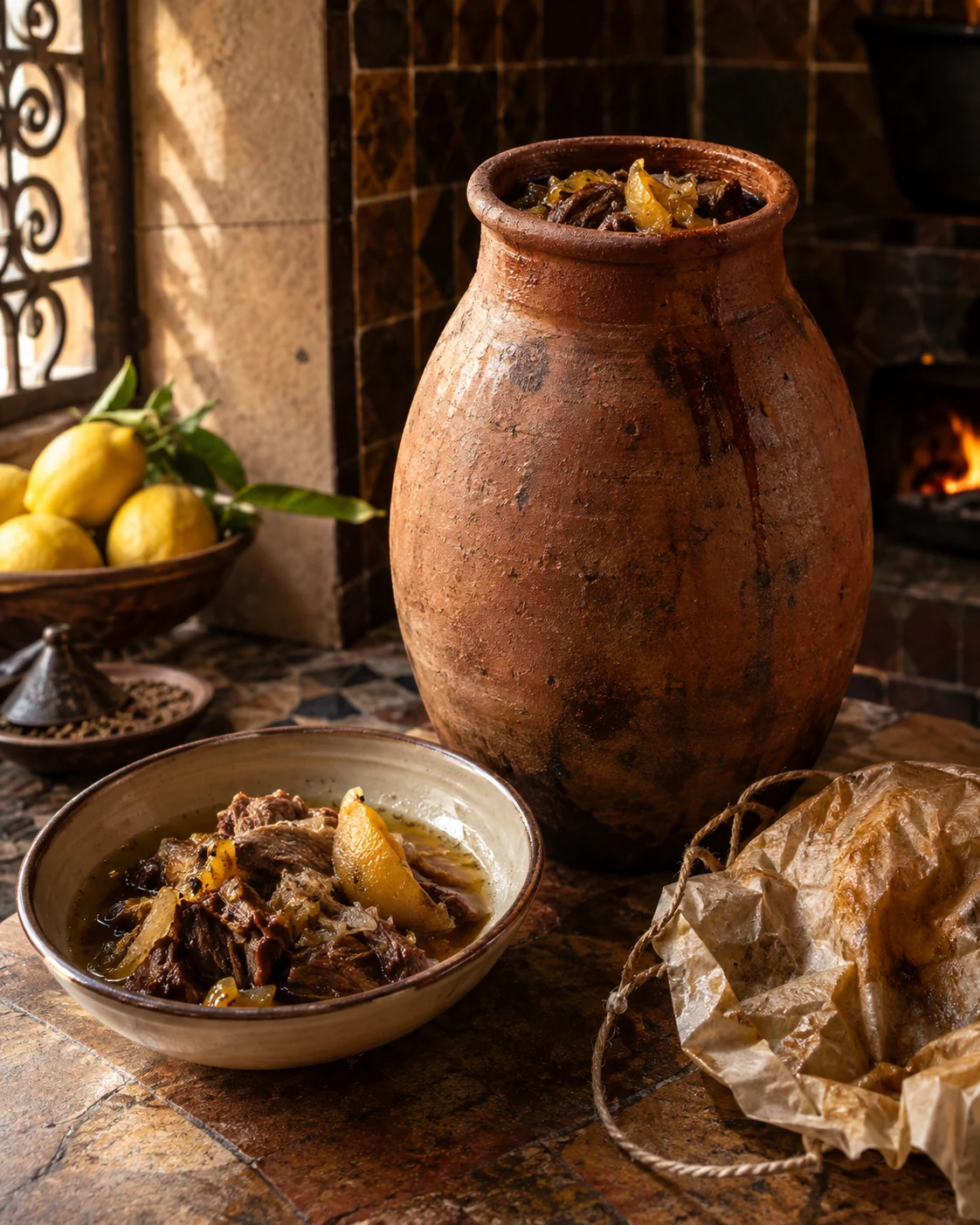
The tanjia jar is tall rather than shallow. Ingredients settle together inside a narrow opening, while the seal and steady heat keep moisture and aroma close.
Traditional accounts describe the vessel covered with paper or parchment, tied closed and entrusted to low heat or ashes. The technique asks for patience more than stirring. [4]
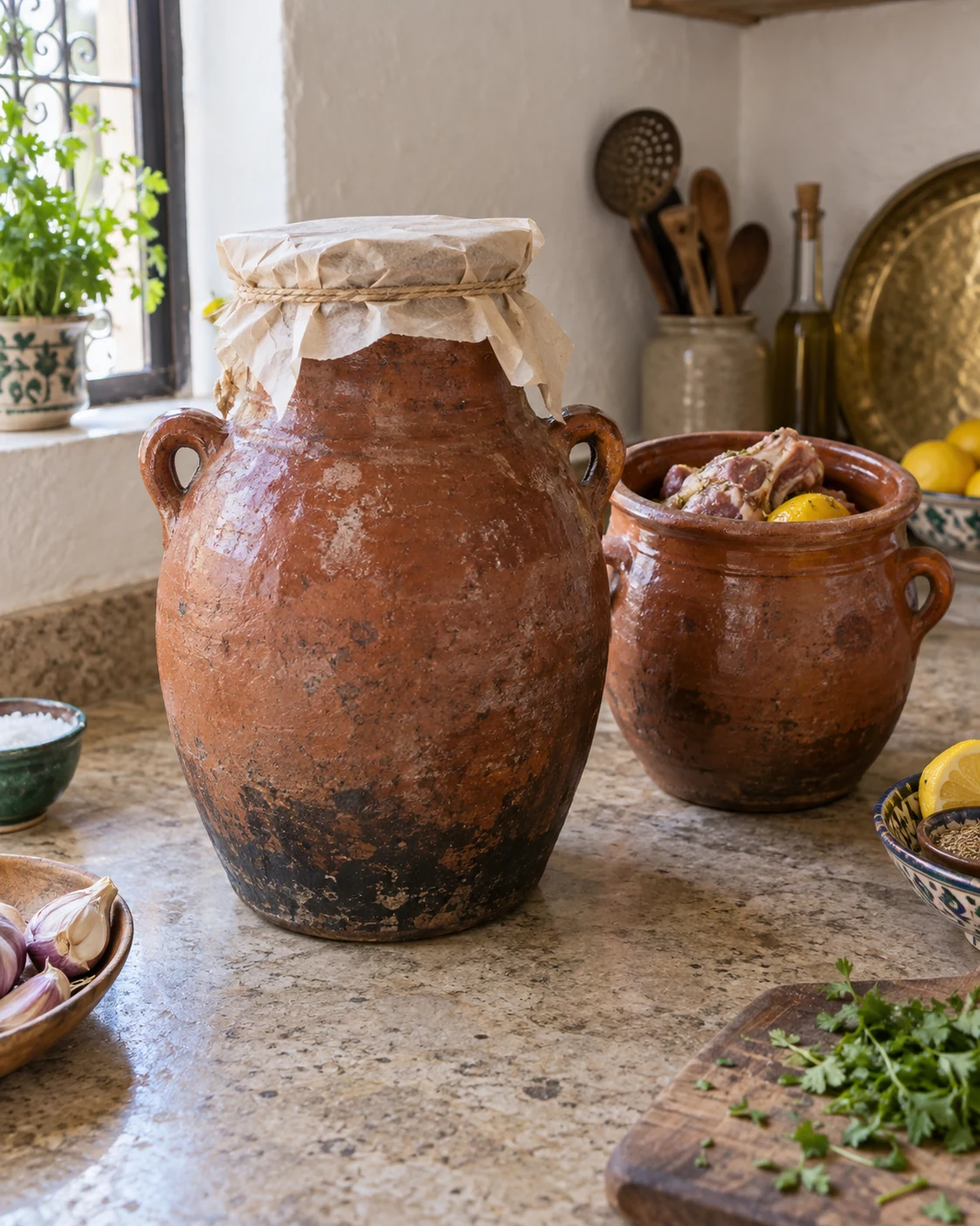
The jar
A rounded body and narrow mouth hold meat, aromatics and their juices close together. The dish and the vessel share a name.
The seal
Paper or parchment and string can cover the opening before cooking. Some traditional descriptions mention small holes in the cover, while household practice varies.
The patient heat
Low, steady heat lets collagen soften and the garlic, preserved lemon and spices settle into the cooking juices. The original ash-and-furnace context is part of the flavour story, even when modern kitchens adapt it.
Modern home versions may use an oven, heavy covered pot or pressure-based method. They can honour the flavour logic without pretending to reproduce the exact conditions of a Marrakech hammam furnace. [4]
04 · The many expressions of tanjia
One identity.
Many household balances.
Tanjia is recognisable without being mechanically fixed. Meat choice, fat, spice emphasis and the intensity of preserved lemon can move from cook to cook.
These are useful ways to notice variation, not five official categories.
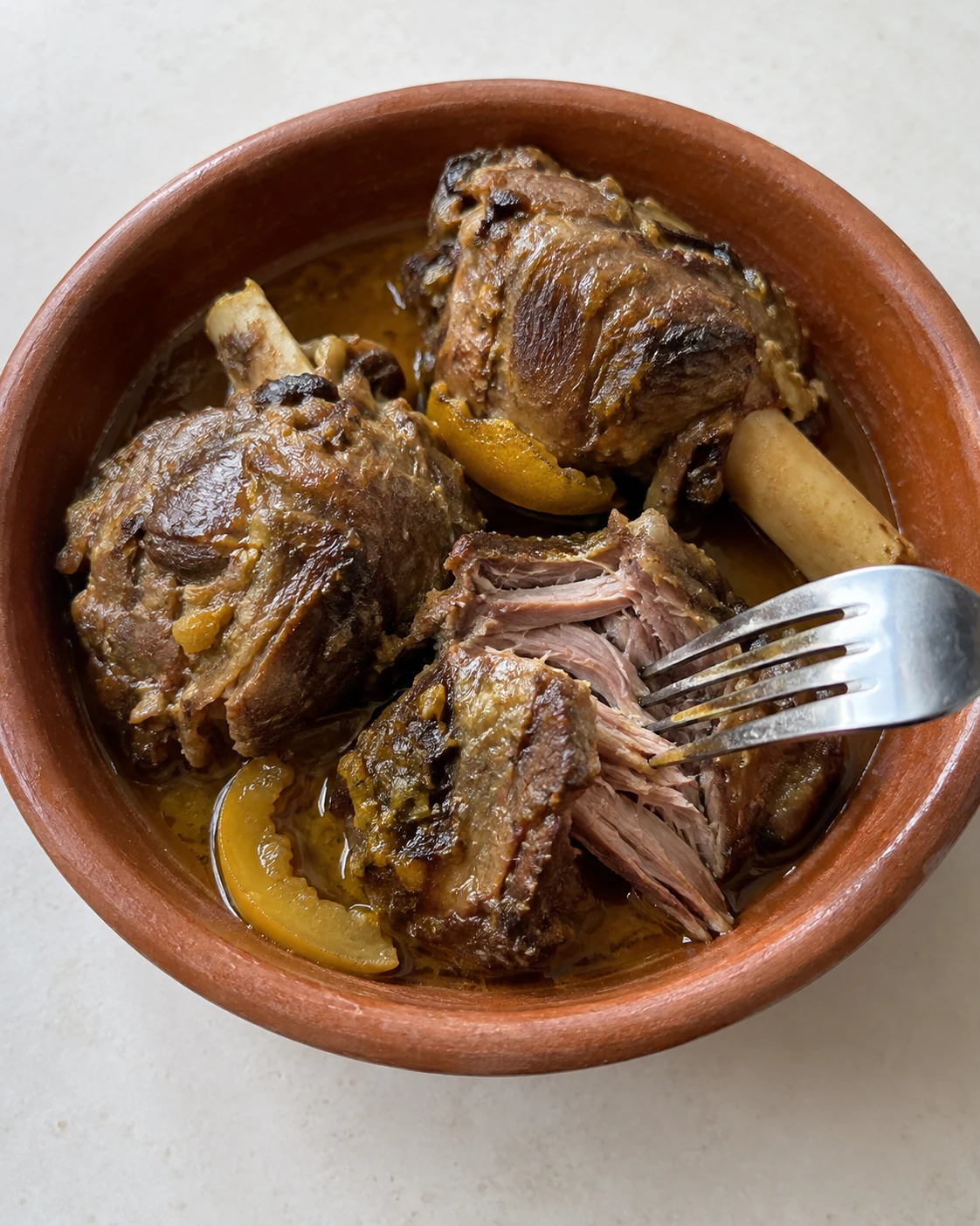
Lamb & mutton
Lamb and mutton fit naturally with a method designed for long, gentle cooking. Richer cuts give body to the juices and can become exceptionally tender without needing a long list of ingredients. [2]
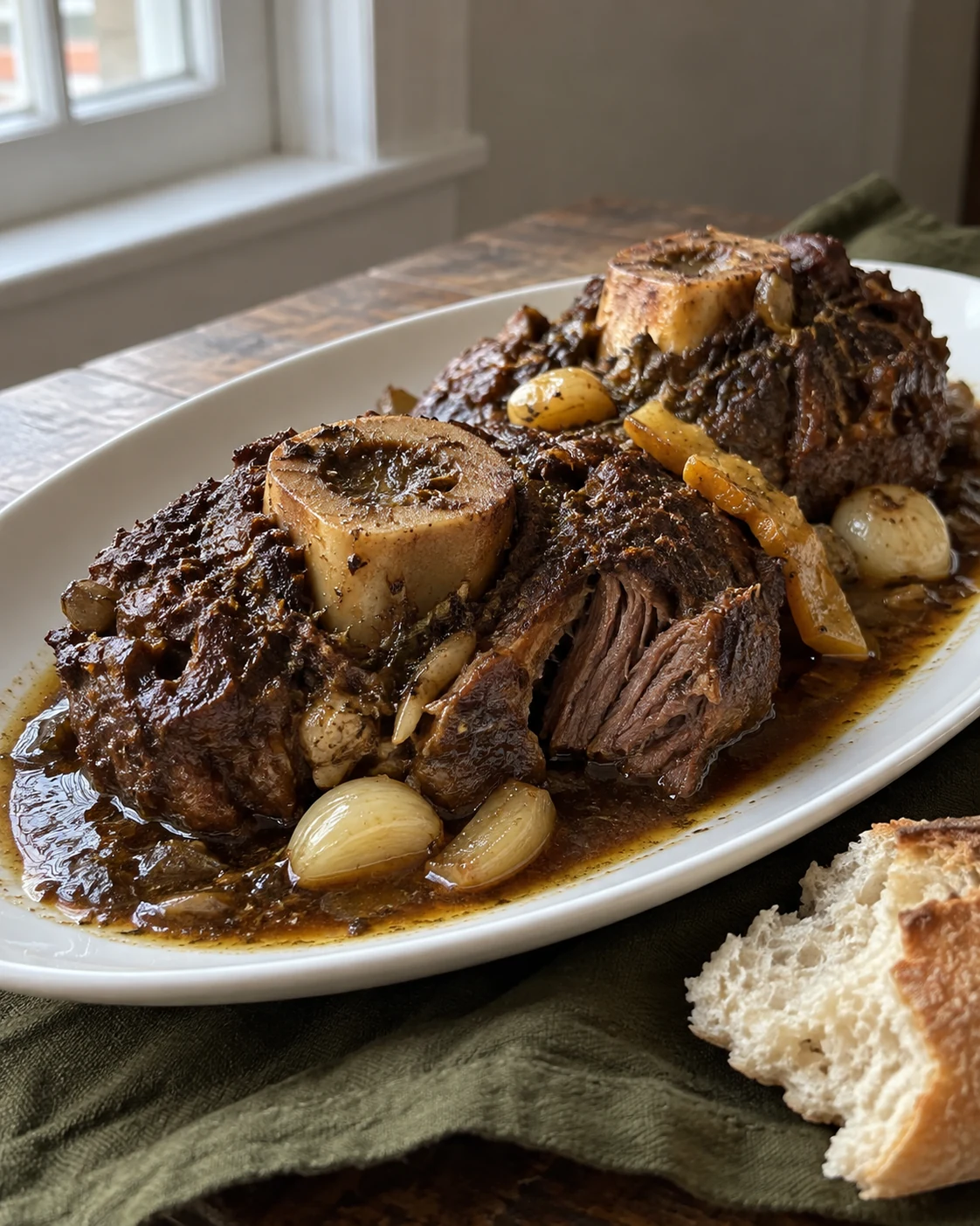
Beef & veal
Beef and veal also appear in documented descriptions of tanjia. Cut, fat and connective tissue matter more than a rigid rule about one species. [1]
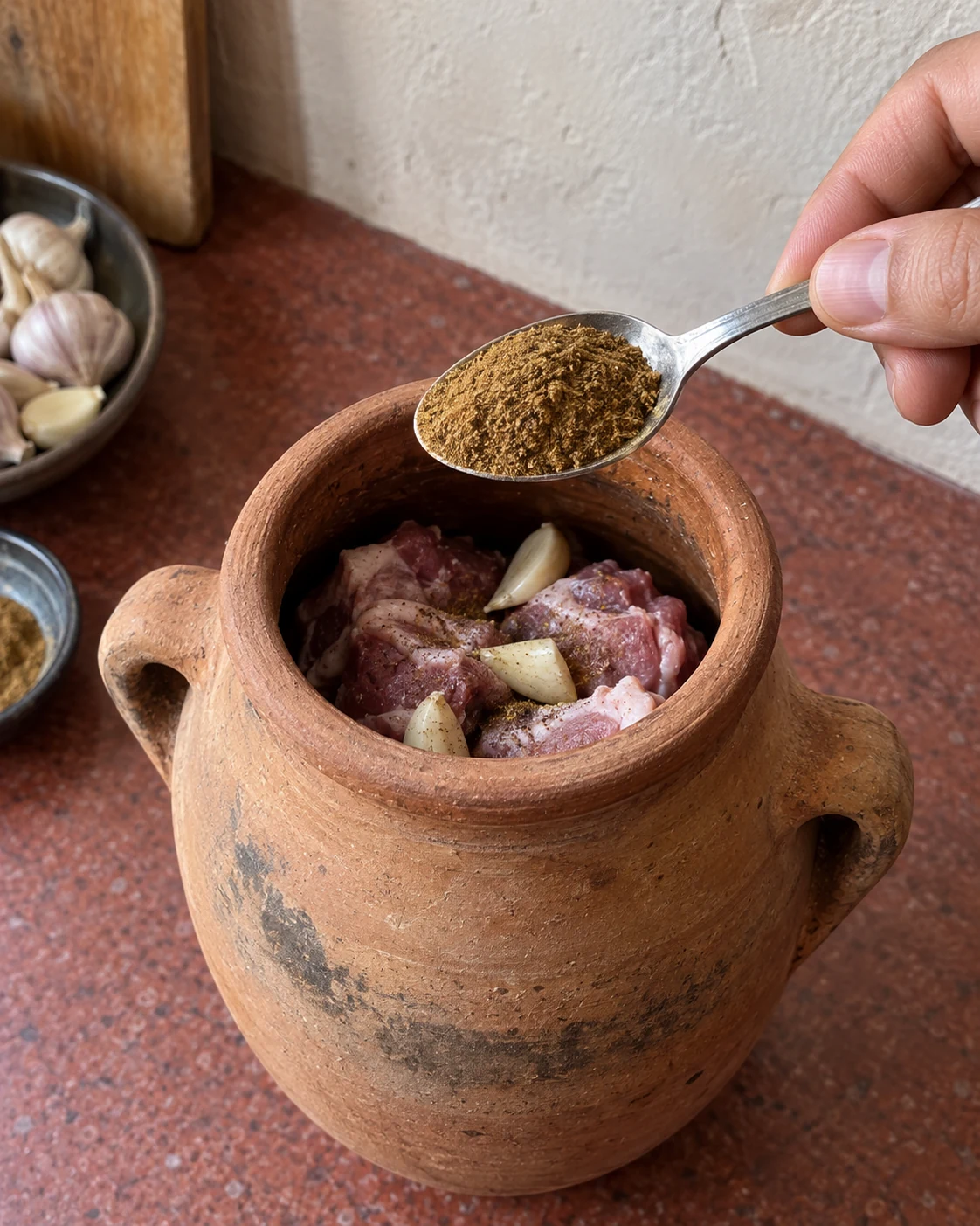
Cumin-forward
Cumin is one of tanjia’s most characteristic savoury notes. Some cooks let it lead; others keep it quieter behind garlic, pepper and the meat itself. [3]
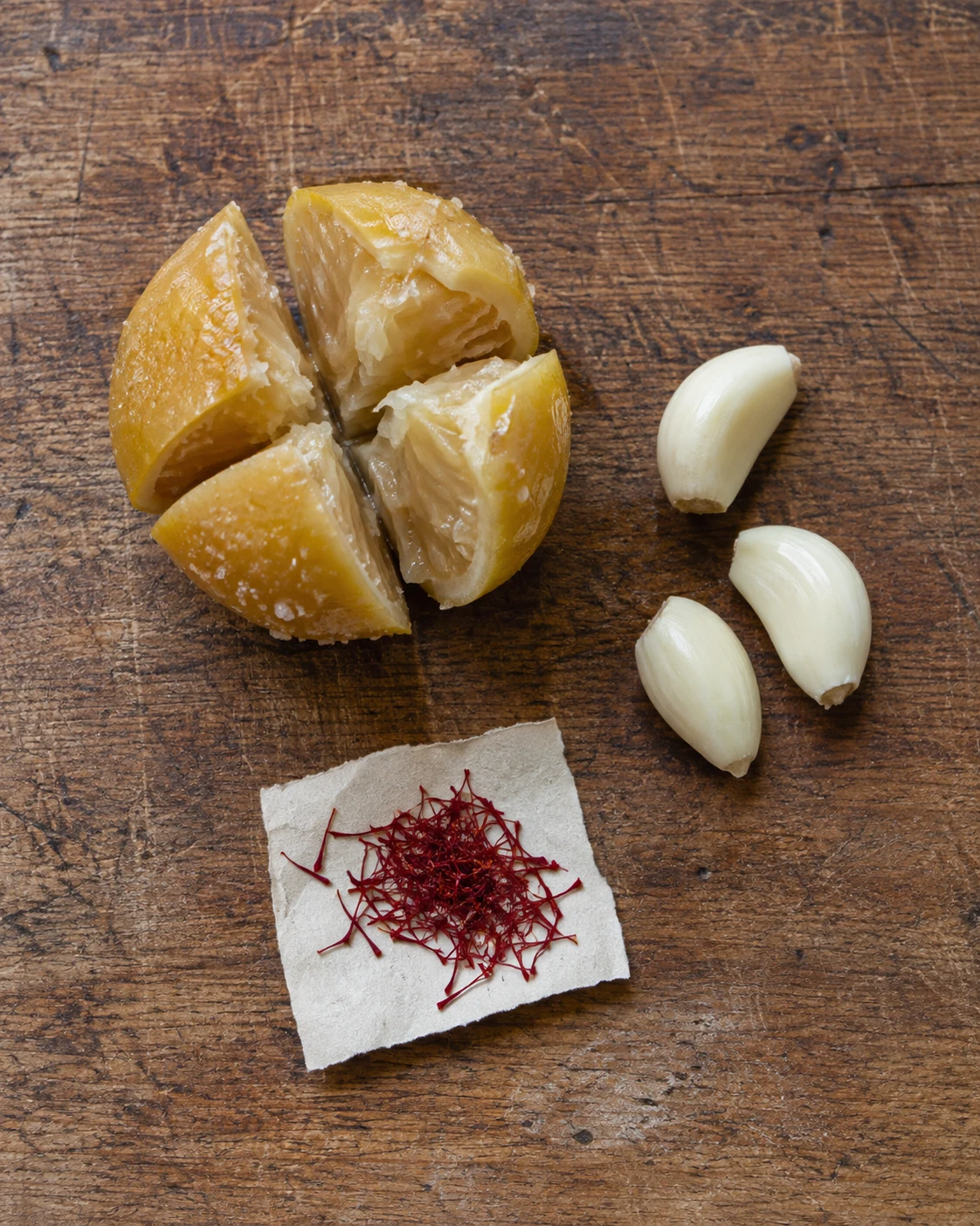
Lemon, saffron & garlic
Preserved lemon can be assertive or restrained. Saffron adds fragrance and colour where used; garlic softens into the sauce. Their balance is a signature of the cook, not a universal formula.
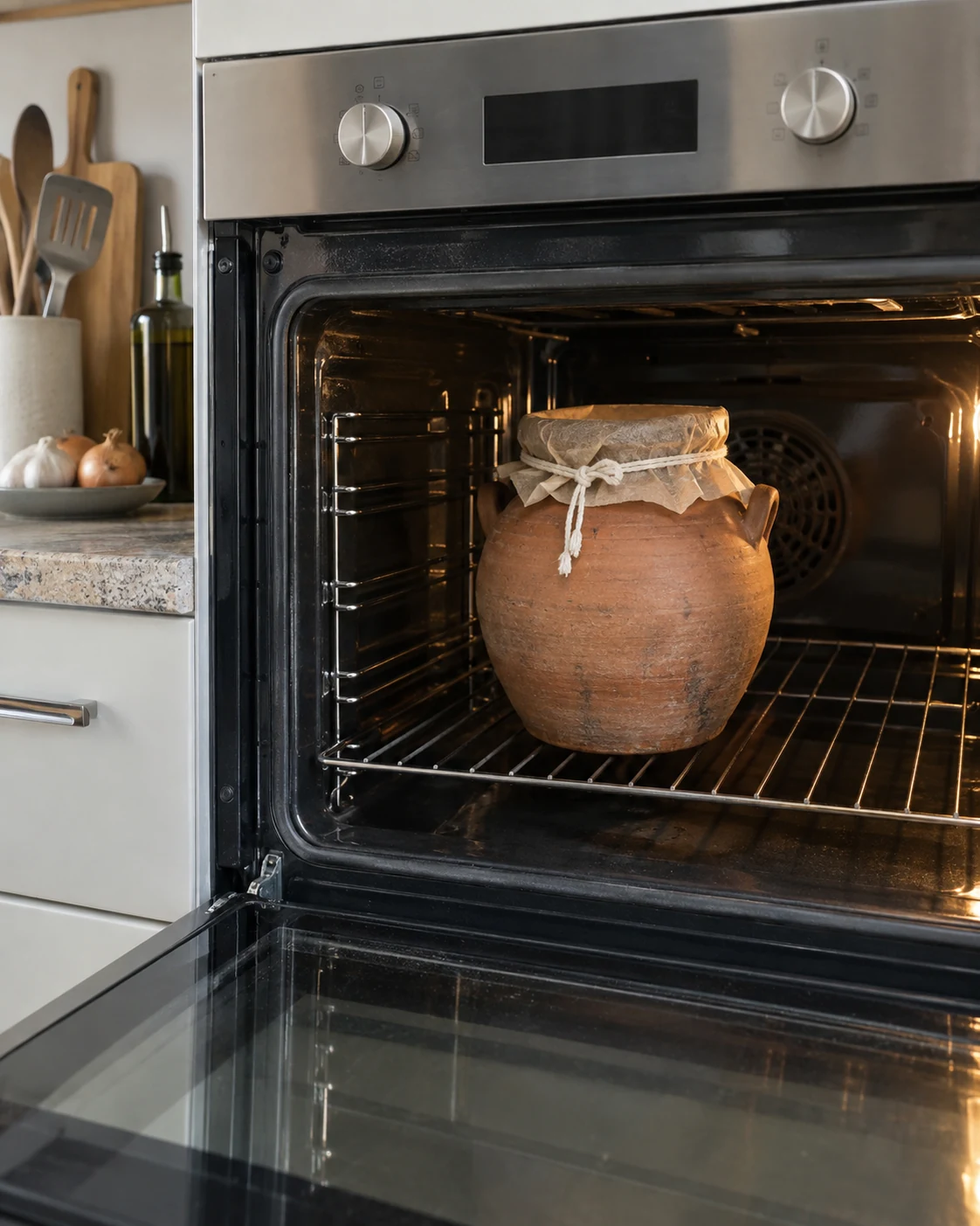
Home adaptations
Not every cook has access to a hammam furnace or neighbourhood oven. The jar may meet an oven, or the flavour profile may move to another covered vessel. Adaptation keeps the dish alive without erasing where its older method comes from. [4]
Variation without losing identity.
The dish can change in meat, fat, spice and intensity while still remaining recognisably tanjia. What matters is the relationship between the vessel, restrained liquid and patient heat.
Family versions matter.
One household may prize pronounced cumin; another may remember a sharper preserved-lemon note or the flavour of aged smen. Those differences are part of a living food tradition.
05 · The language of flavour
Few ingredients.
Deep consequences.
Tanjia is a lesson in concentration. Its identity comes less from piling on spices than from allowing a small group of ingredients to change together over time.
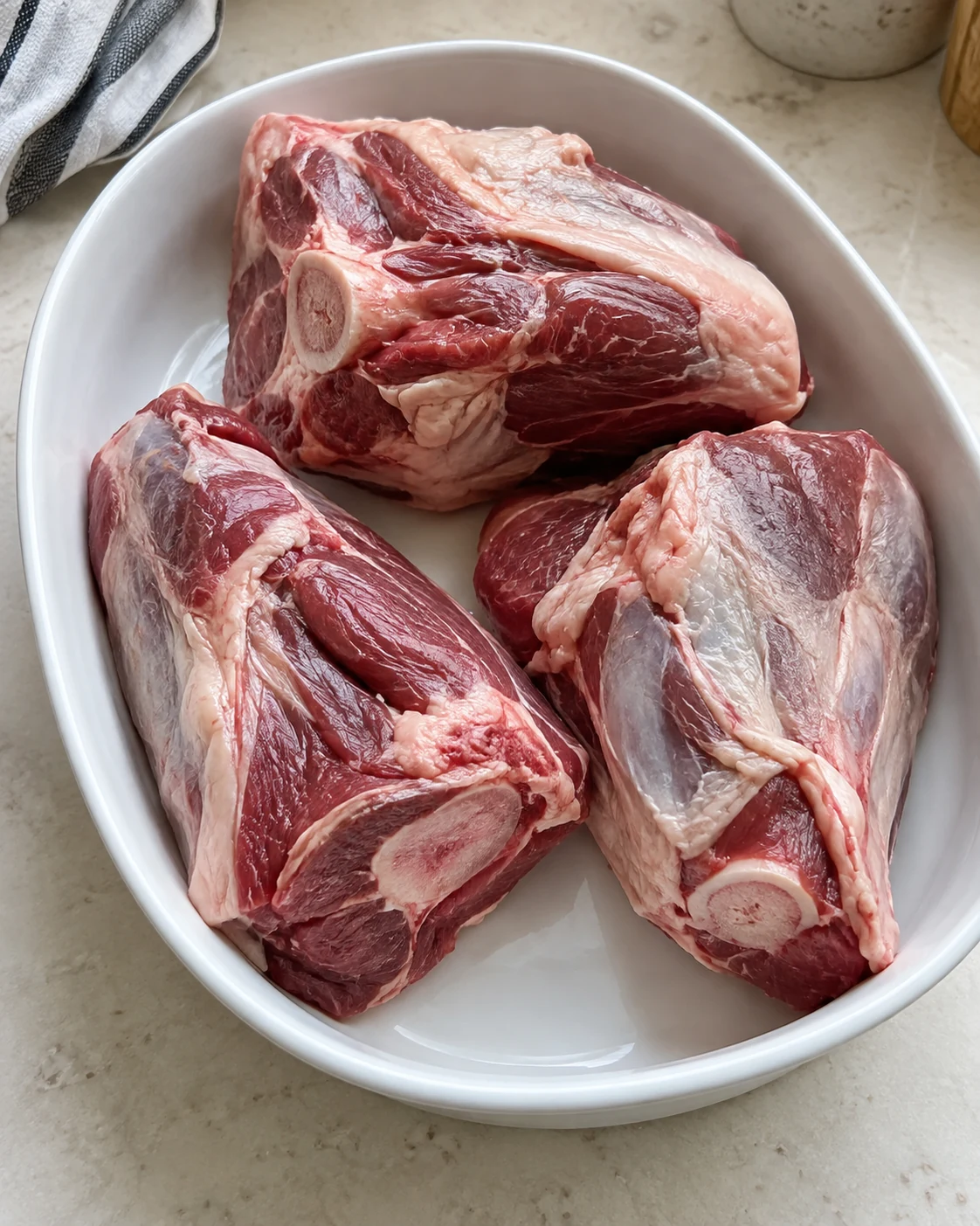
Meat & collagen
The body of the dish.
Long cooking rewards cuts with connective tissue and enough fat to enrich the juices. Lamb, mutton, beef and veal all appear in contemporary descriptions.
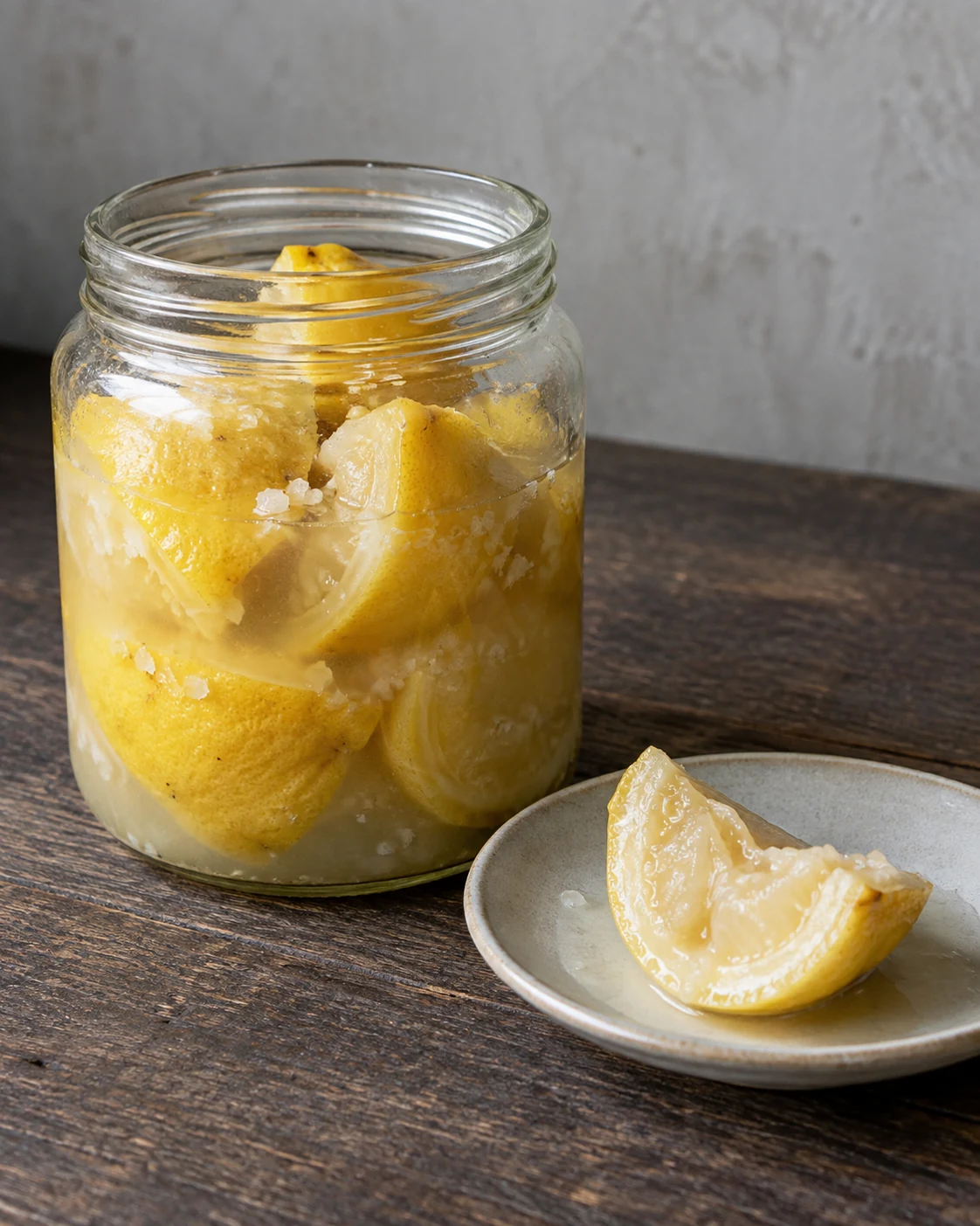
Preserved lemon
Salt, perfume & brightness.
Preservation changes the peel as well as the acidity. Its citrus note becomes rounded, aromatic and savoury enough to sit inside a rich meat dish.
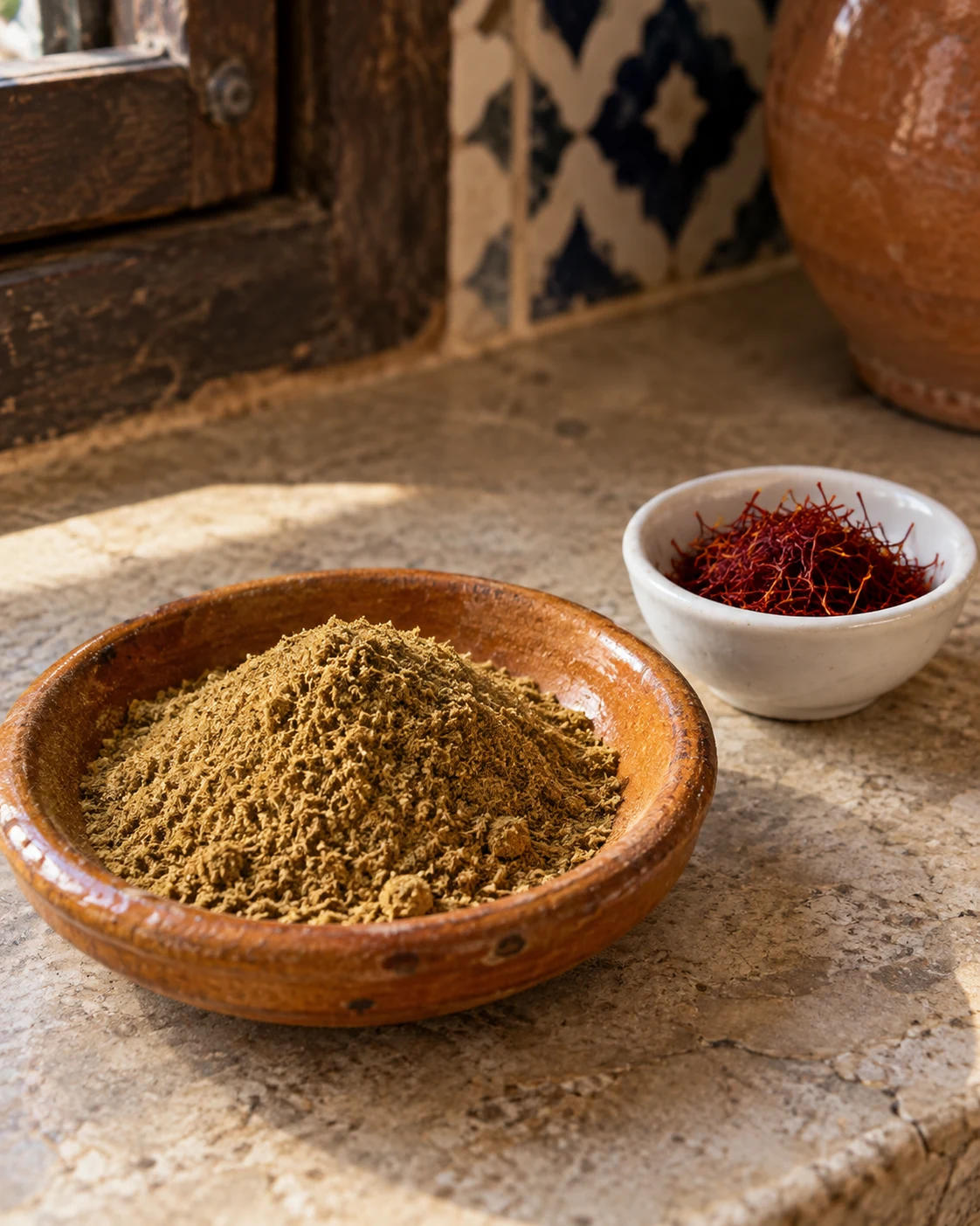
Cumin & saffron
Earth and perfume.
Cumin gives tanjia its familiar warm, earthy direction. Saffron appears in many versions, adding fragrance rather than chilli heat. Pepper and other seasonings vary with the cook.
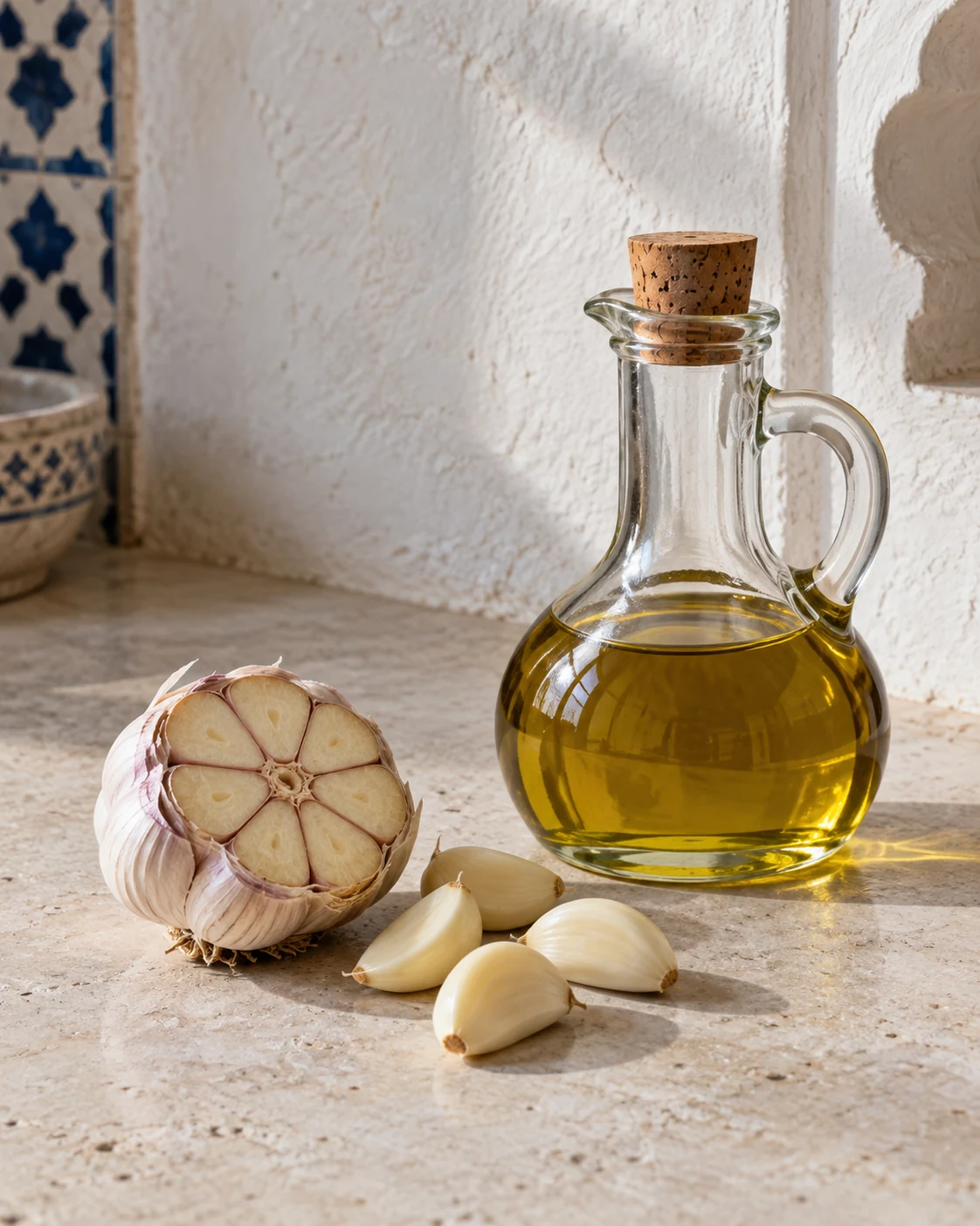
Garlic, oil & smen
The savoury carrier.
Garlic mellows as it cooks. Olive oil carries aroma and enriches the juices; aged butter, or smen, appears in some traditions but is not a compulsory marker of every tanjia. [4]
Explore the four flavours
MEAT JUICES · FAT · LOW HEAT
The quiet
foundations.
Tanjia makes its own argument for restraint.
There is usually little need for a complicated sauce built separately from the meat. As the jar heats slowly, rendered fat, collagen, garlic, preserved lemon and seasoning form the cooking liquor together. What begins as distinct ingredients becomes one concentrated savoury environment.
The long wait is not an empty interval. It is the technique.
Meat juices become the sauce.
As the cut relaxes, flavour and gelatin move into the liquid. The final texture depends on the meat, vessel and amount of moisture rather than one fixed consistency.
Fat carries aroma.
Olive oil, rendered fat and sometimes smen carry cumin, garlic and saffron through the dish. Richness should feel integrated rather than separate.
Low heat joins the parts.
Steady heat does the work that constant stirring would interrupt. The sealed jar encourages the flavours to remain close and become more cohesive over time. [4]

06 · Marrakech, season & family
Marrakech
has a say.
The city is not merely a label attached after cooking.
Tanjia’s identity is intertwined with Marrakech: its medina, working life, ovens and hammams recur in official and culinary descriptions of the dish. That does not require claiming that no related vessel or preparation exists elsewhere. Food moves, and clay cooking traditions are wider than one city. [1] [4]
There is no strict tanjia season. A rich slow-cooked meat dish can feel especially welcome on cooler days or at long gatherings, yet it is made and served throughout the year. Household taste, the cut available, occasion and access to the traditional cooking context matter more than a calendar rule.
In the medina
Workshops, food sellers, hammams and ovens sit inside the same dense urban fabric that carries the dish’s memory.
Explore Marrakech ↗At the Moroccan table
Tanjia makes sense inside a broader culture of bread, small dishes, tea, hospitality and meals that change from home to home.
Explore food culture ↗Across family kitchens
A remembered balance of cumin, lemon or fat can matter more to a family than a published formula.
Discover Taste Morocco ↗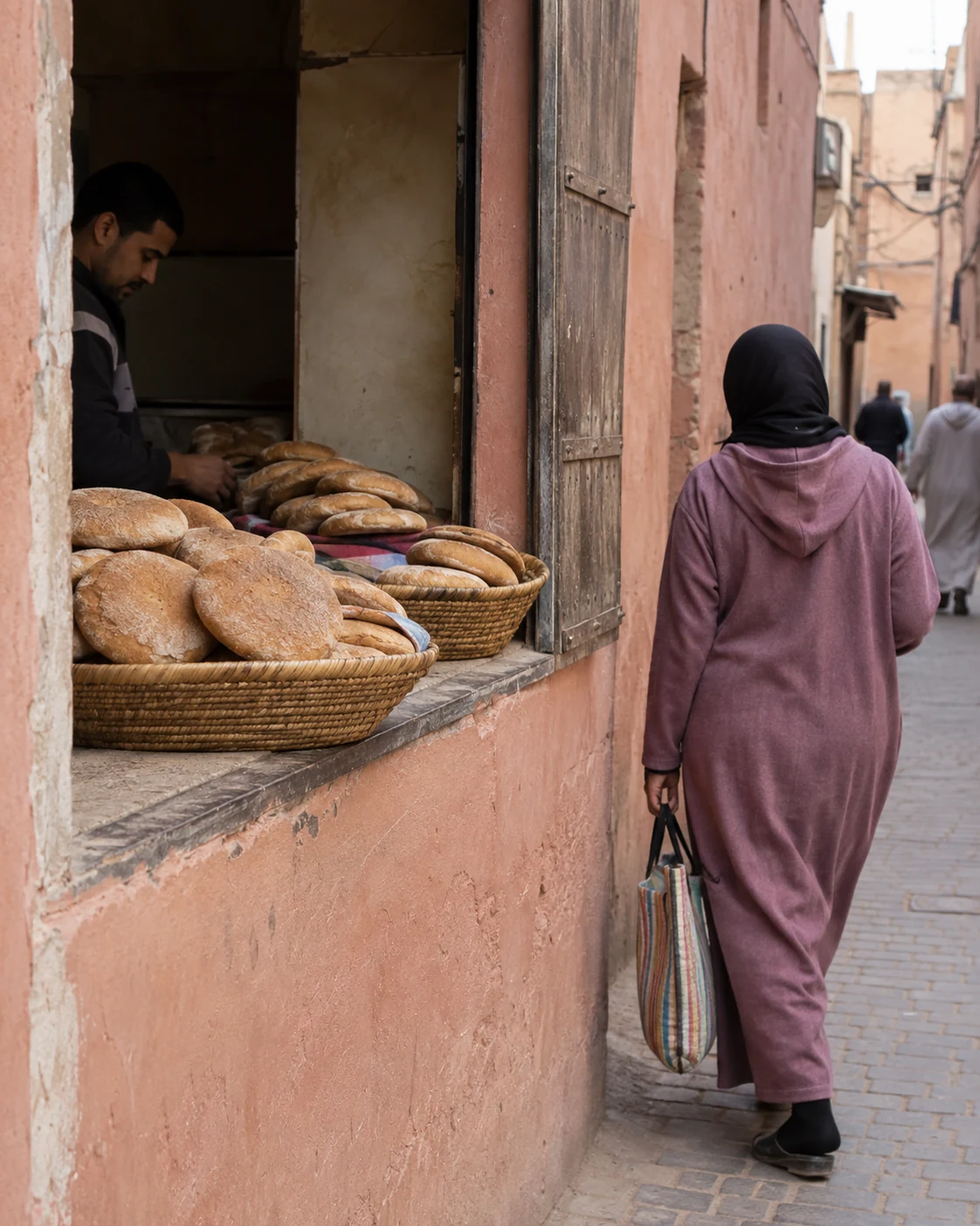
07 · The shared meal
Bring bread.
Let the table slow down.
Tanjia is rich food.
The company gives it rhythm.
Once opened and served, tanjia becomes a dish for tearing, gathering and passing. Bread is not decoration beside it: it is one of the most natural ways to pick up tender meat and the concentrated juices left in the serving dish.
Historical accounts often describe groups of friends or colleagues sharing the meal, but the contemporary table is broader. Families, visitors and restaurant diners all participate in its living life. The old association with male working groups is history, not a rule about who may make or enjoy tanjia today. [2]
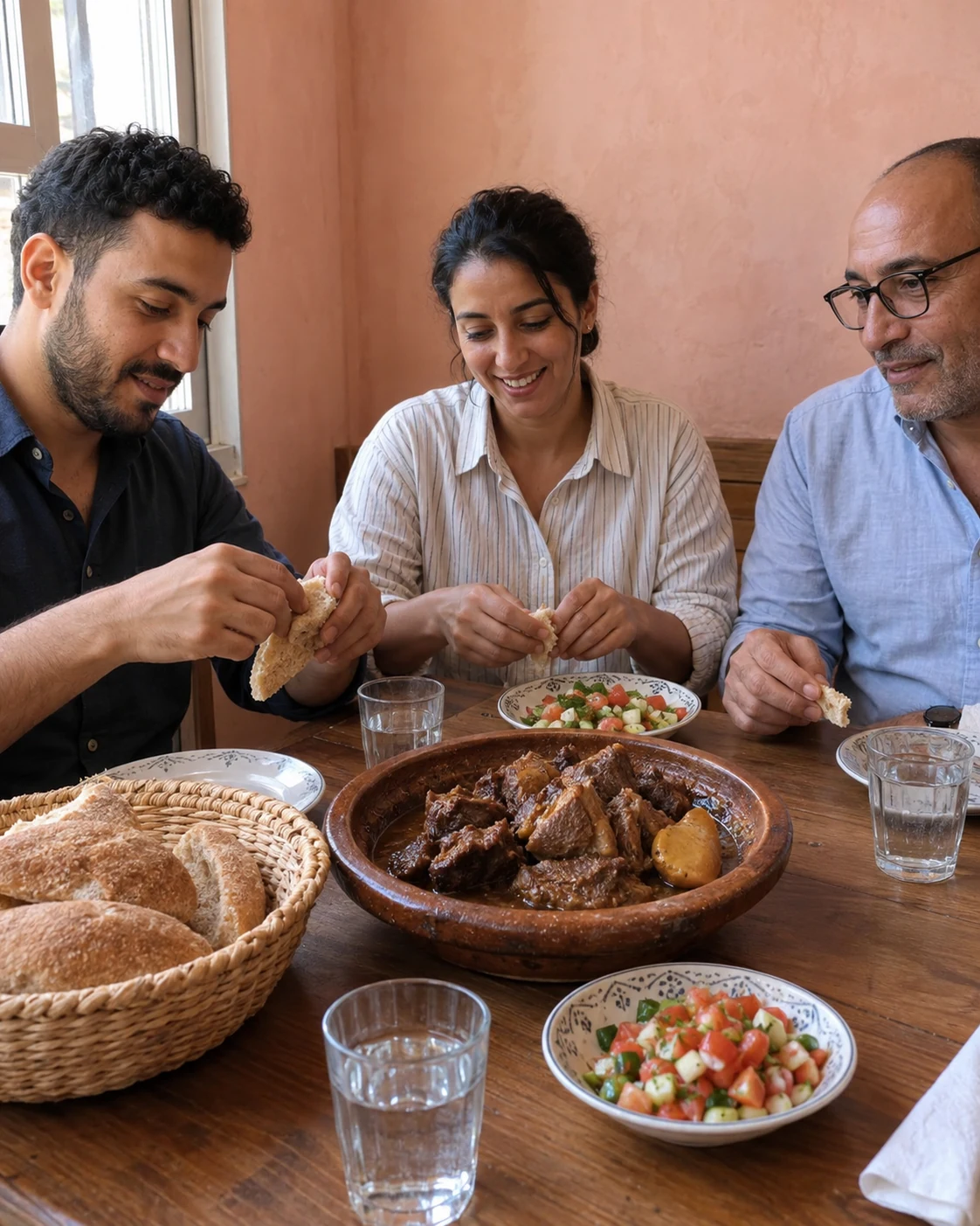
Khobz does the practical work.
Tender meat and a concentrated sauce ask for bread with structure. Torn pieces gather the juices without turning the meal into a formal performance.
At a communal dish, follow the hosts and the arrangement of the table. Moroccan homes differ, and hospitality is better understood through attention than through a rigid etiquette script.
Keep the rest of the table alive.
Olives, cooked salads, fresh vegetables or another small dish can provide brightness and texture around a rich tanjia. The accompaniments depend on household and occasion.
The point is not to build a compulsory menu. A modest table can be generous when the main dish is good, the bread is fresh and nobody is being hurried away.
Tea can come later.
Conversation often does.
Mint tea belongs to Morocco’s wider culture of welcome and pause. It can precede a meal, follow it or appear on its own. Tanjia does not require tea beside the plate; both traditions simply understand that hospitality includes time.
Informal can still be memorable.
Tanjia has long been associated with outings, friends and working-life gatherings as well as city restaurants and home meals. Its richness makes it especially suited to a table where people intend to stay a while.
08 · Clay & craftsmanship
Before the slow heat,
there is the vessel.
The shape is humble because its job is practical.
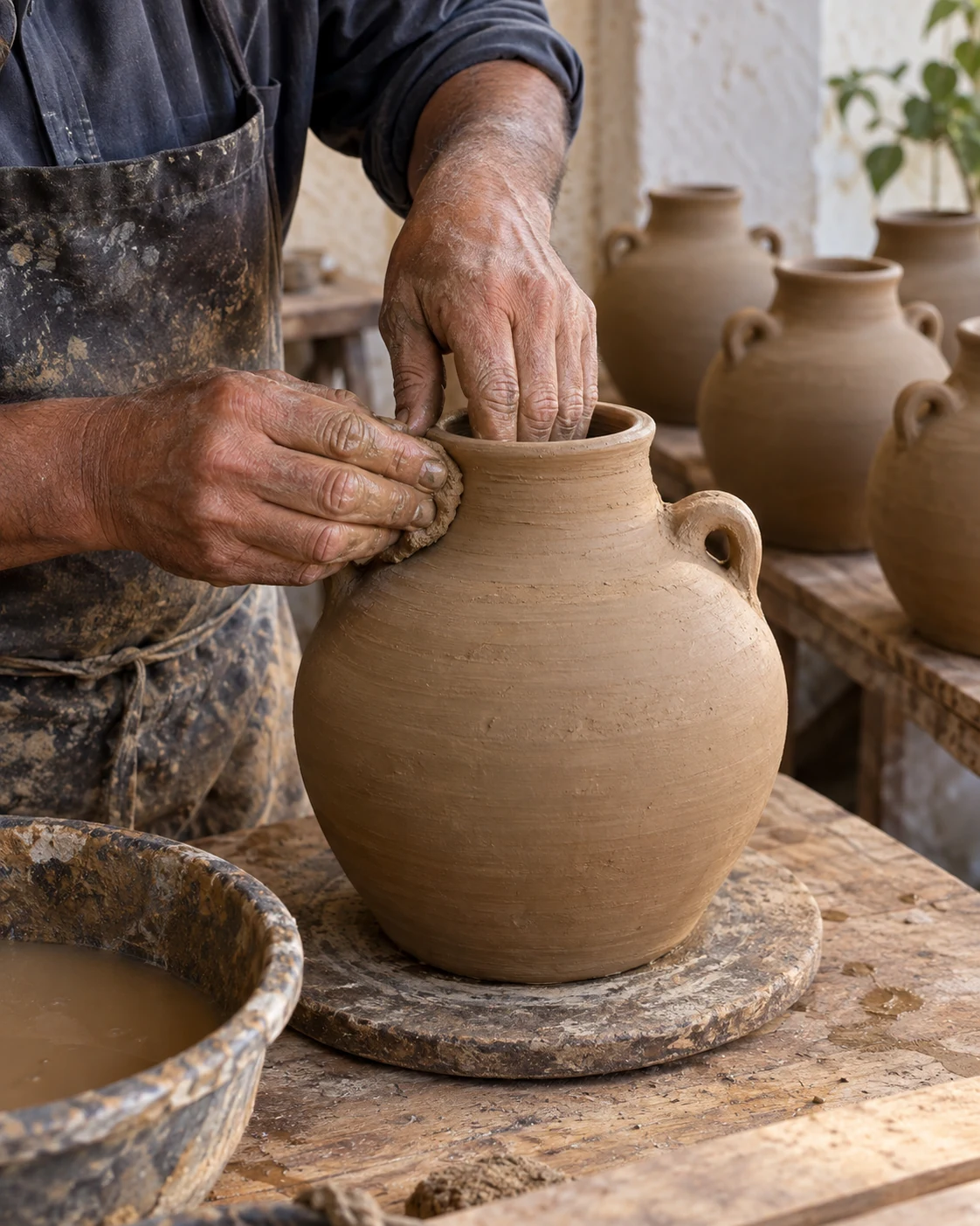
Tanjia belongs to a much wider Moroccan world of earthenware: storage jars, bowls, cooking pots, tagines and table ceramics. Clay has to be selected, shaped, dried and fired before a cook can trust it with food.
The tanjia jar’s rounded body and narrow opening are part of the technique, not an ornamental afterthought. A potter makes an object; a cook learns how that object behaves. Between them sits a form of knowledge that is difficult to reduce to decoration.
Not every terracotta vessel sold in a market is intended for cooking. Food safety, glaze composition and resistance to heat changes matter. The most beautiful choice is the one that is both appropriate and usable.
Explore Moroccan craft & design ↗09 · A closer look
Good questions.
Clear answers.
A few distinctions make tanjia easier to understand.
Is tanjia the same as tagine?
No. Both names can refer to a vessel and the food associated with it, but the vessels and cooking traditions are different. Tagine uses a shallow base and conical lid; tanjia is associated with a tall, urn-shaped clay jar and is especially identified with Marrakech.
Is tanjia only from Marrakech?
Marrakech is its strongest contemporary cultural association, and Moroccan tourism sources present it as a typical city dish. Related clay-vessel traditions and adaptations exist more widely, so “closely associated with Marrakech” is more accurate than claiming an absolute exclusive boundary. [1] [4]
Does tanjia have to be lamb?
No. Lamb and mutton are familiar, but beef and veal are also documented. The suitability of a cut for slow cooking matters more than a rule that allows only one meat.
Why are hammams and communal ovens part of the story?
Traditional accounts describe sealed jars left in steady residual heat, including the hot ashes or furnace connected with the hammam and neighbourhood oven. That shared infrastructure allowed the dish to cook slowly while people returned to work or daily life. [2]
Is tanjia a “men’s dish”?
Historical narratives often connect it with male artisans, bachelors or groups of workers in Marrakech. That is useful social history, not a rule for the present. Today the dish is part of a much wider public, restaurant and family food culture.
Can tanjia be made in a modern home kitchen?
Yes. Contemporary cooks adapt the heat source and sometimes the vessel. A home oven or another covered cooking method can reproduce parts of the flavour logic, although it is not identical to cooking a sealed jar in traditional ashes. [4][4]
 EXOTIC MOROCCOTASTE · THE GUIDE COLLECTIONTanjiaIngredients, technique
and the Moroccan table
From the story to your kitchen
Keep the flavour.
Go a little deeper.
The earthenware pot and patient cooking associated with Marrakech.
Explore the Exotic Morocco guide collection for a closer look at ingredients, kitchen knowledge and the culture around the table.
- Understand the ingredients and their roles
- Recognise the techniques and textures that matter
- Bring context and confidence to the way you cook and serve
Continue tasting Morocco
Follow the
table outward.
Another dish, another technique, another way into the Moroccan kitchen.
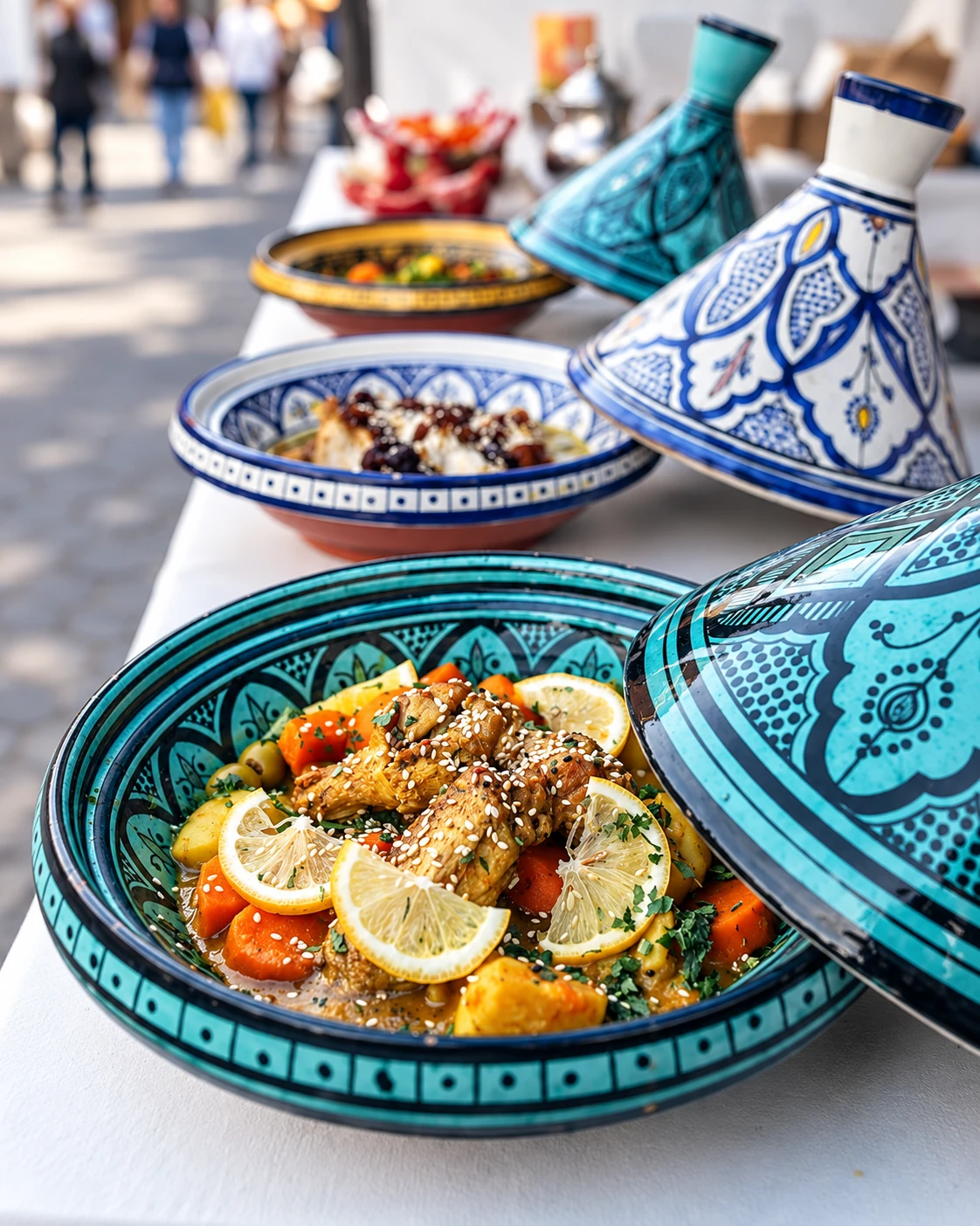
Tagine
Gentle heat, clay pots and the balance of a slow-cooked sauce.
Explore the story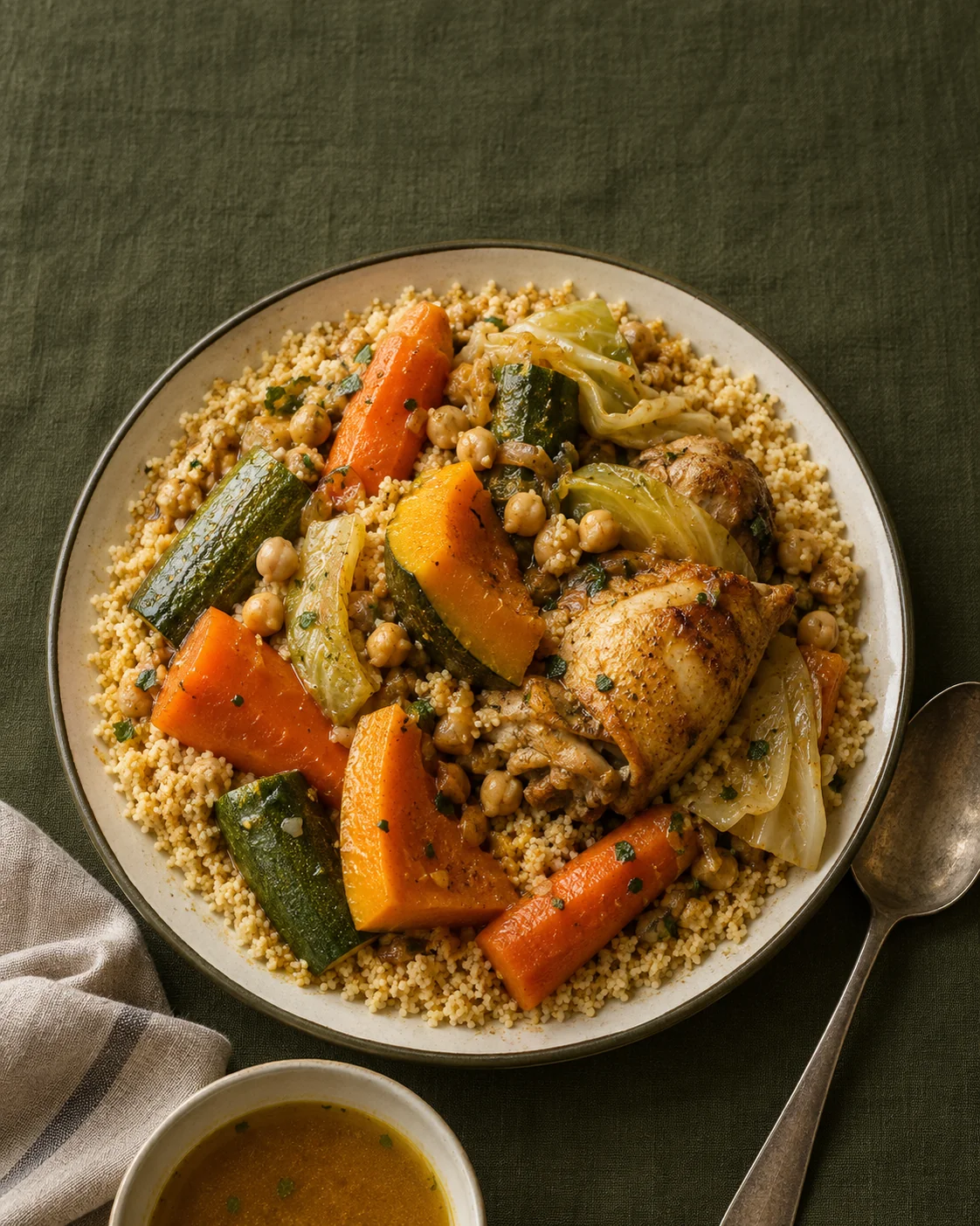
Couscous
Grains, steam and the many ways a shared platter comes together.
Explore the story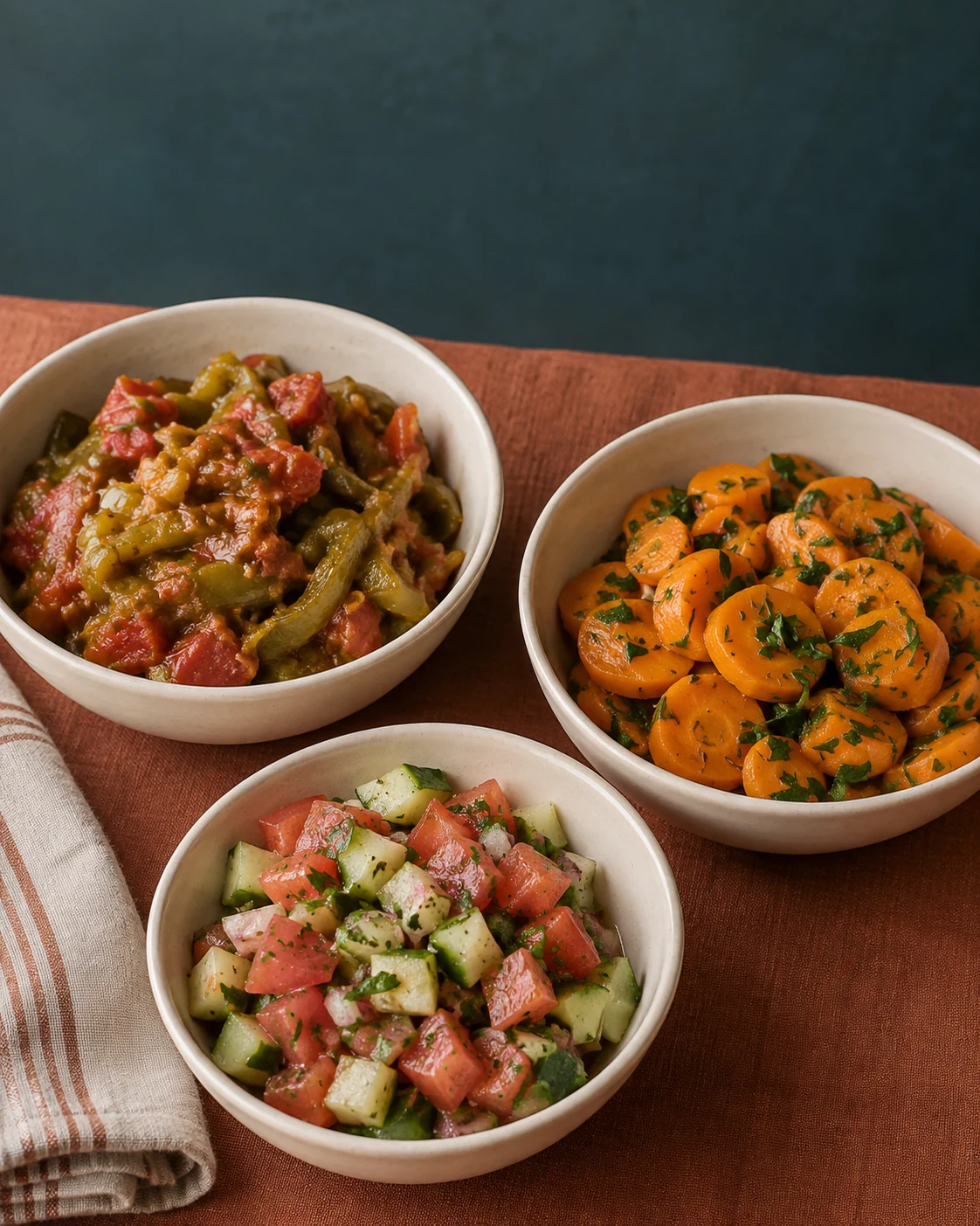
Moroccan Salads
Fresh, cooked and preserved flavours served in small dishes.
Explore the story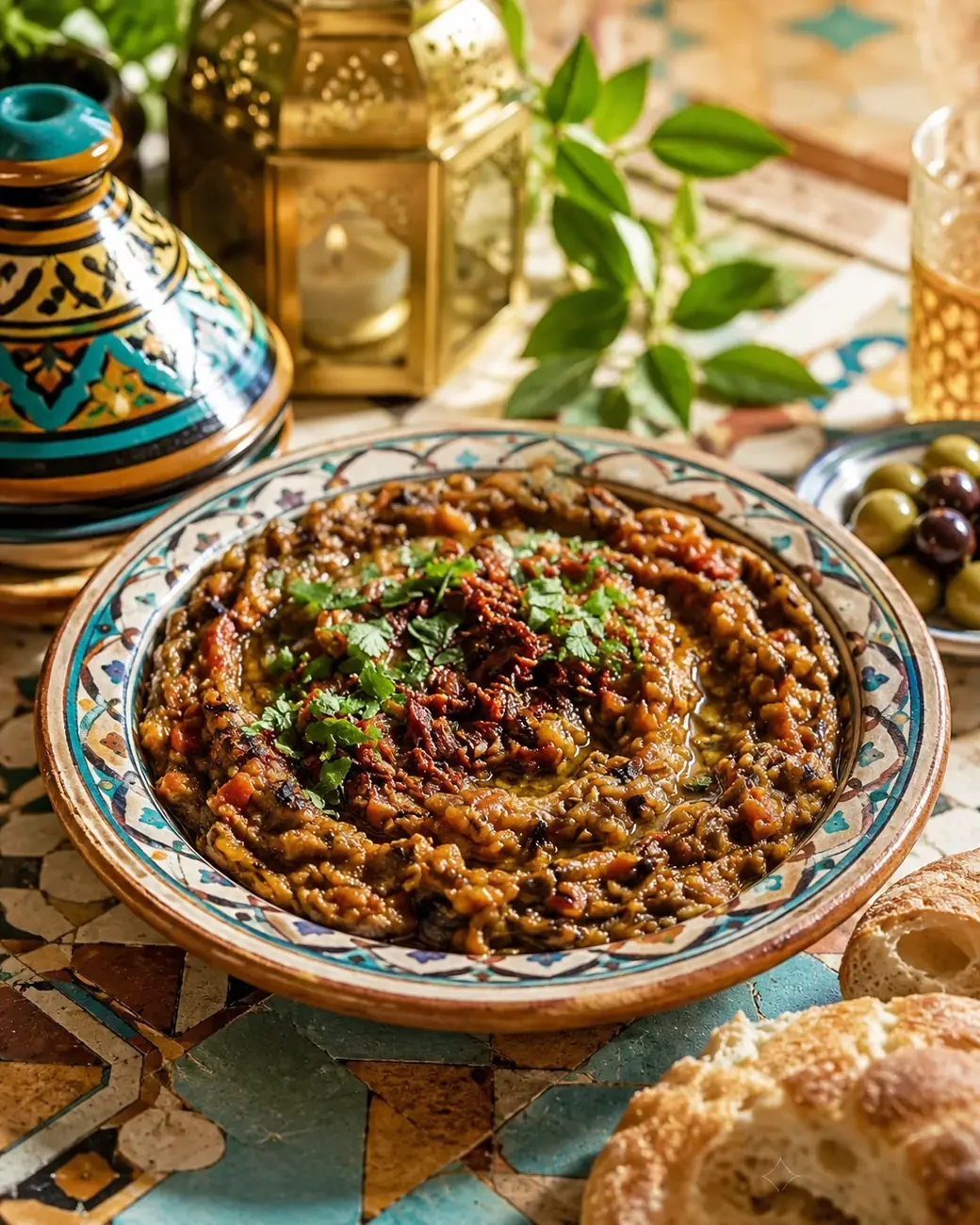
Zaalouk
Aubergine and tomato cooked until their flavours meet.
Explore the story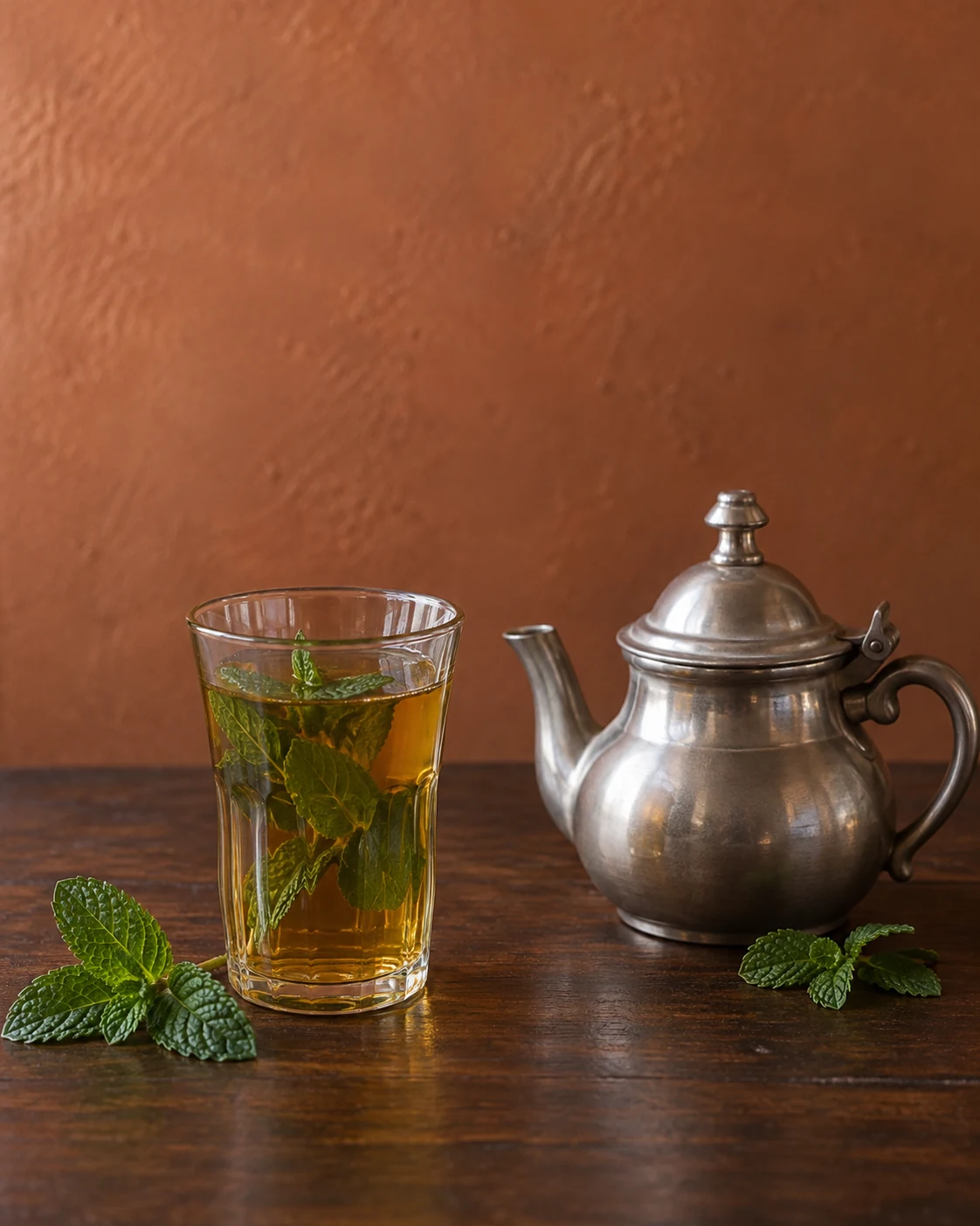
Moroccan Mint Tea
Green tea, fresh herbs and the time given to a guest.
Explore the story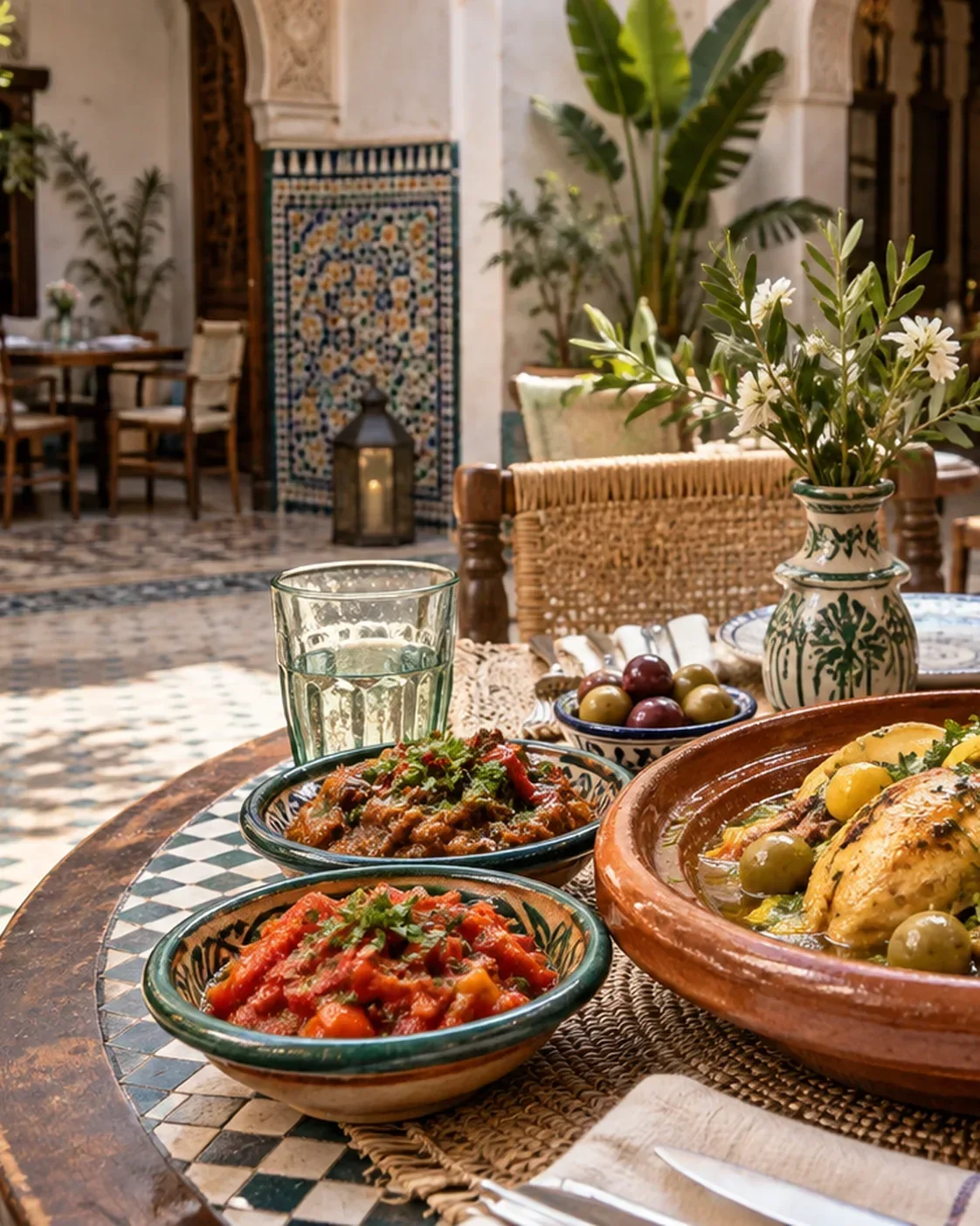
Food & Restaurants
Read a menu, understand the setting and choose an experience.
Explore the storySources & editorial notes
Photography combines existing Exotic Morocco assets and generated editorial illustrations. These images do not document a named person, household or historical event.
- Moroccan National Tourist Office · Food & drinks — Marrakech association, terracotta vessel and traditional meat preparation.
- Amanda Mouttaki for SAVEUR · The Tangia of Marrakech — social history, hammam-furnace tradition, ingredients and working-life associations.
- SAVEUR · Moroccan Tangia — ingredient and flavour references; quantities and method are not reproduced here.
- Nada Kiffa · Taste of Maroc · Moroccan Tangia / Tanjia — vessel terminology, ashes, fernatchi tradition, sharing and contemporary adaptations.
- Moroccan National Tourist Office · Gastronomie — Moroccan culinary context and regional food culture.
- Wikimedia Commons · Tangia category — documentary visual reference consulted during research; Commons images are not bundled in this package.
EXOTIC MOROCCO Places. People. The pleasure of knowing more.Back to top ↑