

01 · A Moroccan cooked salad
Soft aubergine.
Bright tomato.
Zaalouk is cooked, reduced and deliberately spoonable.
At its centre are aubergine and tomato, cooked with garlic, olive oil and familiar Moroccan seasonings such as cumin, paprika and fresh herbs. The vegetables soften into each other, but the final texture can remain rustic rather than perfectly smooth. [1]
It is usually described as a cooked salad, and it is often eaten with Moroccan bread. Some cooks serve it warm; others prefer room temperature or cold. Roasting the aubergine can add smoke, but it is one method among several — not the definition of the dish. [1] [2]
The important idea is transformation: raw aubergine and tomato become soft, concentrated and cohesive enough to scoop with bread.
Enter Moroccan food culture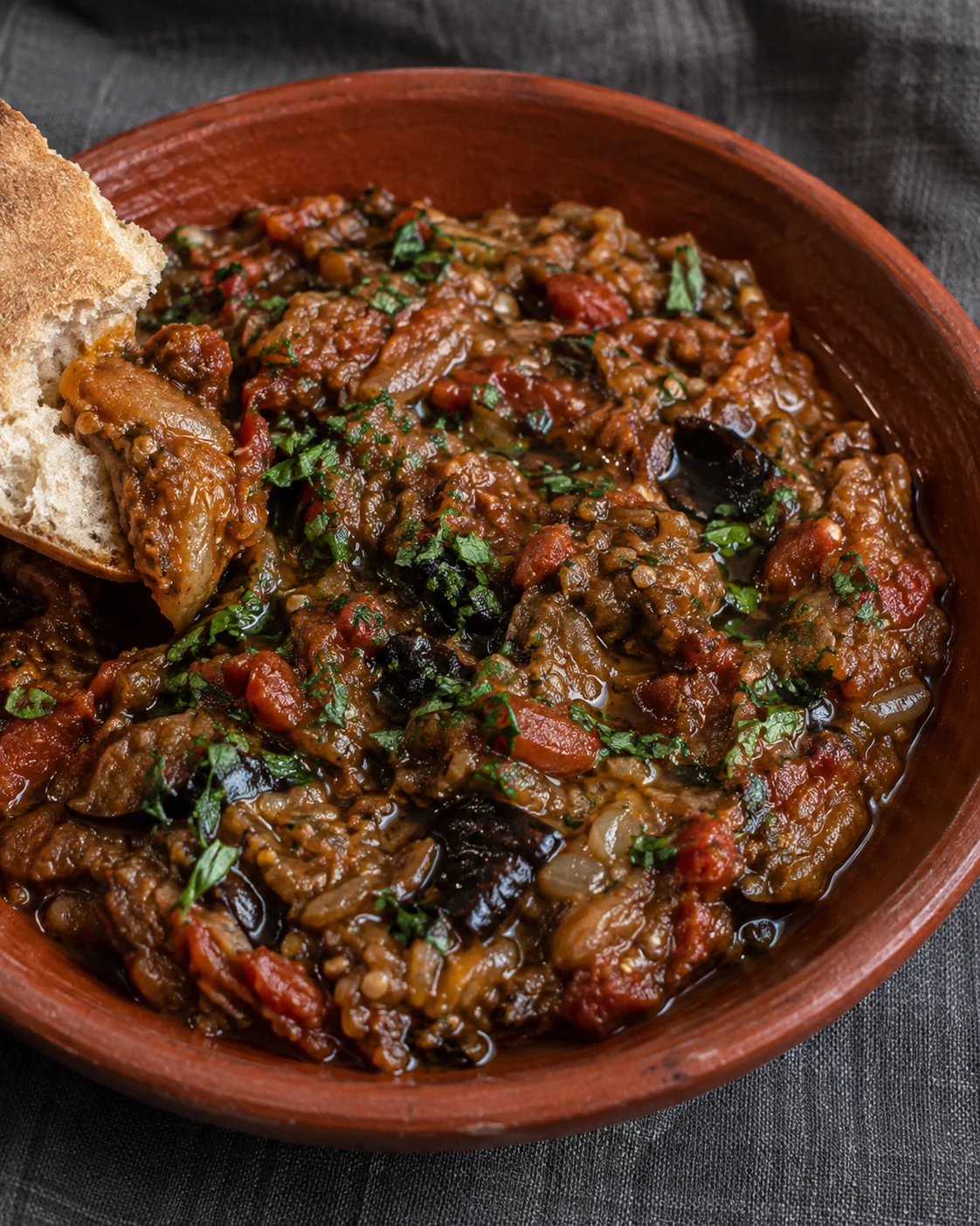
Soft vegetables, reduced together.
The ratio can change from home to home.
Often served beside the wider meal.
02 · Everyday kitchen knowledge
A familiar dish, many family versions.
Its place in Moroccan kitchens is clearer than a single birth story.
Morocco’s National Tourist Office lists Zaâlouk among Moroccan starters and identifies it as an aubergine preparation within a table that includes both raw and cooked vegetable salads. [5]
Reliable recipe sources document substantial variation between regions and households: the amount of tomato, how much aubergine skin is left on, whether the aubergine is cooked directly, steamed or roasted, and how smooth the finished salad becomes. [1] [2]
Zaalouk is an everyday Moroccan preparation whose texture and seasoning vary between kitchens. Roasting, simmering and reducing offer cooks different ways to bring aubergine and tomato together.
Household knowledge
Family practice carries the dish: proportions and technique can change while the core combination remains recognisable.
Written versions
A published recipe records one cook’s method. It does not turn that version into a national rule.
Living adaptation
Contemporary cooks may plate or garnish zaalouk differently. Those choices are best described as reinterpretations when they depart from the familiar base. [4]
03 · Texture is the technique
Cook down.
Then reduce.
Zaalouk succeeds when the aubergine is fully tender and the tomato has lost its raw, watery character.
Soften the aubergine
One-pot versions cook chopped aubergine with the tomato mixture. Other cooks steam, boil, roast or grill the aubergine first. Roasting adds smoke, but it is optional. [1]
Build the tomato base
Tomato, garlic, olive oil, cumin, paprika and herbs create the savoury framework. The tomato must soften enough to behave like sauce rather than chopped raw fruit. [1]
Mash with judgement
Some cooks aim for a velvety mash; others keep recognisable pieces of aubergine. The texture is a preference, not a test of authenticity. [1]
Reduce the moisture
The final uncovered cooking concentrates the vegetables and binds them. A spoon should meet a soft, cohesive salad rather than a pool of thin tomato liquid. [2]
The goal is not perfect uniformity. It is a texture soft enough to spread, substantial enough to scoop and concentrated enough to taste of both vegetables.
04 · Household variation
One name.
Several balances.
The biggest differences are practical: how the aubergine is treated, how much tomato is used, how strongly the salad is mashed and what is added at the finish.
These are overlapping household choices rather than rigid regional borders.
Lemon is optional.
A little lemon can brighten the finished salad, but reliable Moroccan sources do not treat it as mandatory. [1]
Smoked paprika is modern, not required.
Smoke traditionally comes from the treatment of the aubergine when that method is used. Taste of Maroc explicitly distinguishes smoked paprika from traditional Moroccan pantry practice. [1]
05 · The ingredients that do the work
Few elements.
No hiding place.
Zaalouk is built from familiar ingredients, so the balance between them is easy to taste. Aubergine brings body; tomato brings acidity and sauce; seasoning gives the vegetables a Moroccan frame.
The ingredient list can be short. Precision comes from treatment rather than excess.
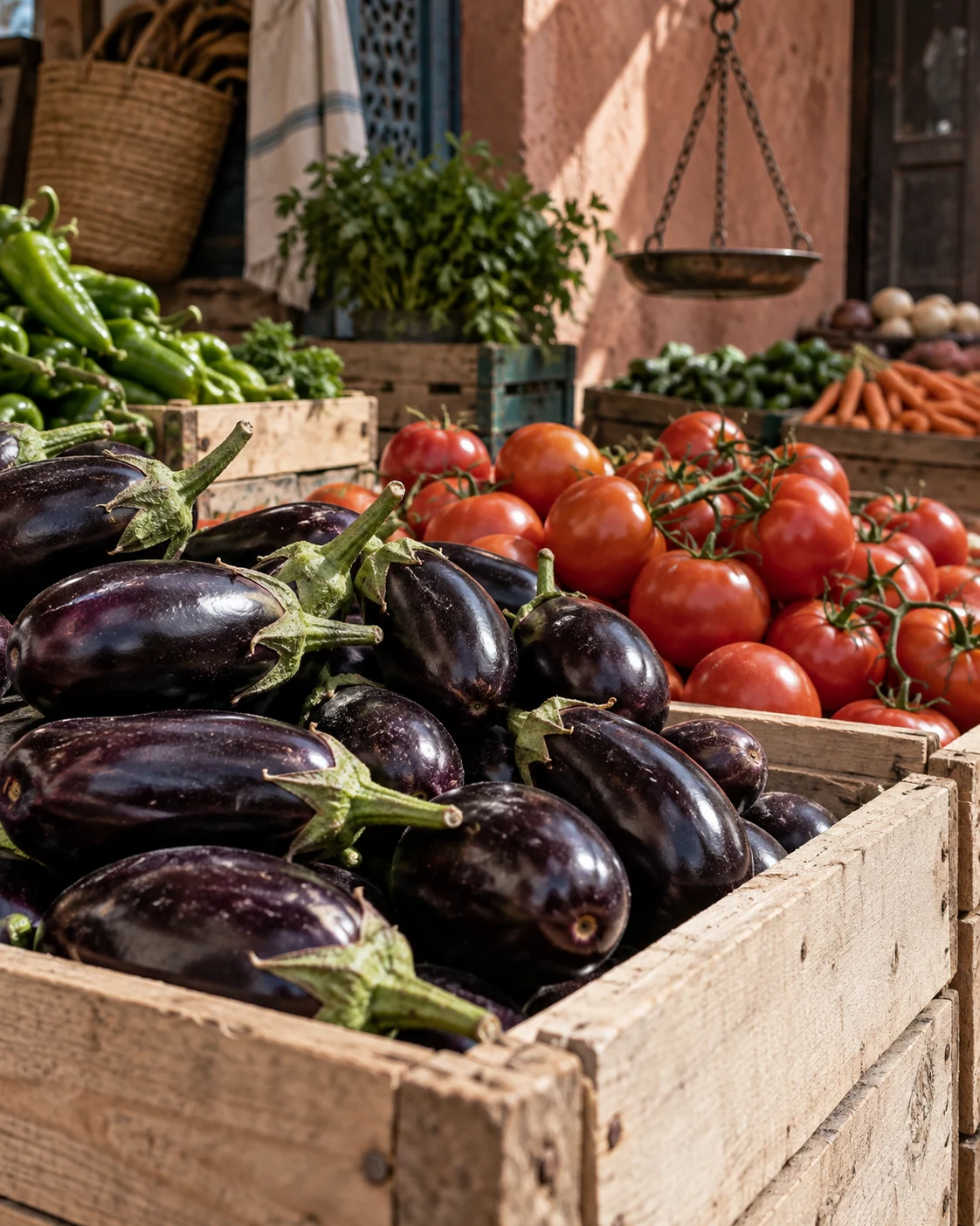
Aubergine & tomato
Body meets acidity.
Aubergine provides the soft, yielding structure. Tomato contributes moisture, acidity and colour; changing their ratio changes the whole character of the salad.
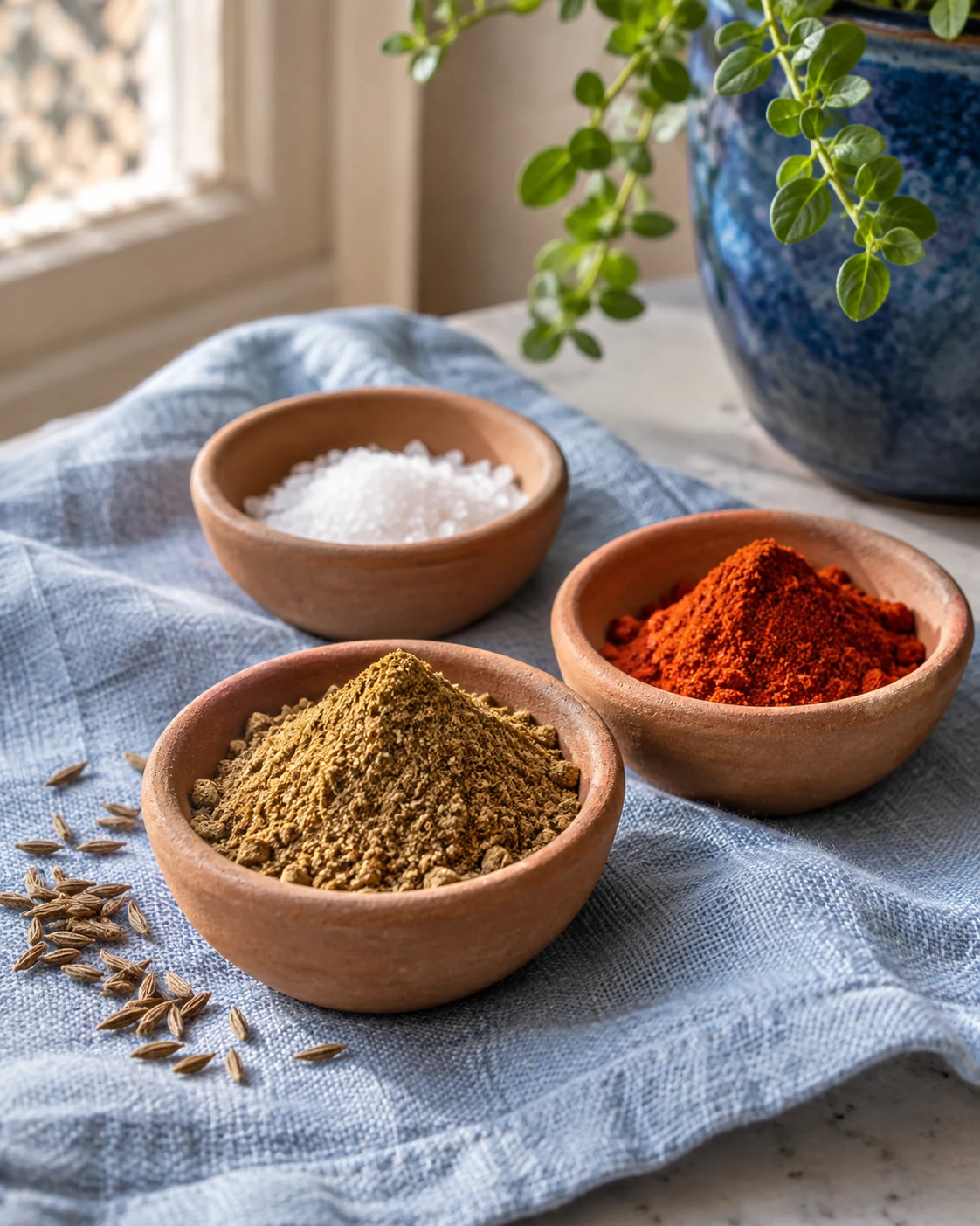
Cumin & paprika
Warm, earthy, red.
Cumin gives earthy depth while sweet paprika rounds the tomato. Chilli can add heat, but a hot zaalouk is a choice rather than a requirement. [1]
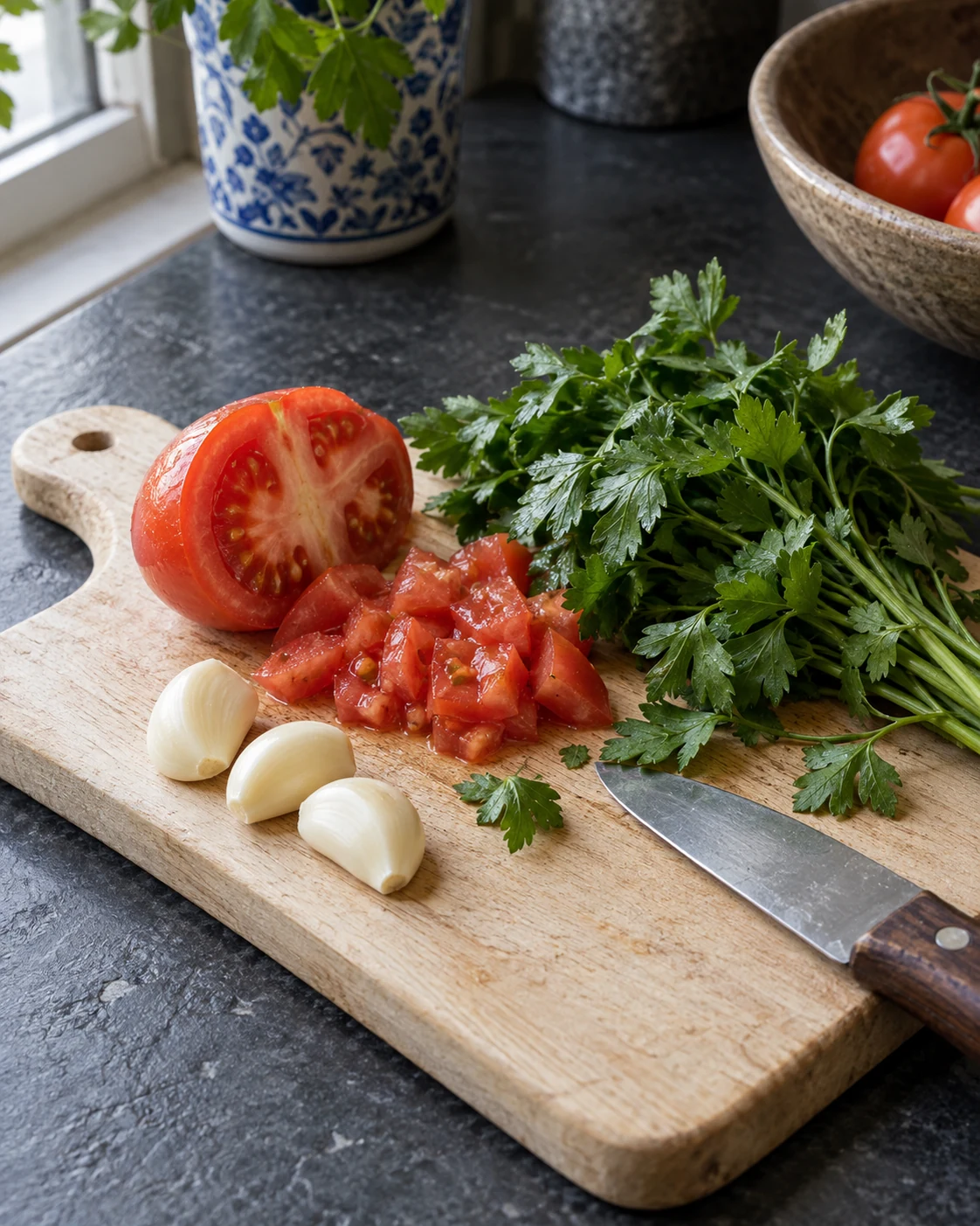
Garlic & herbs
Aromatic, not decorative.
Garlic, coriander and parsley appear across documented versions. Their role is to season the vegetables throughout the cooking, not merely to sit on top at the end.
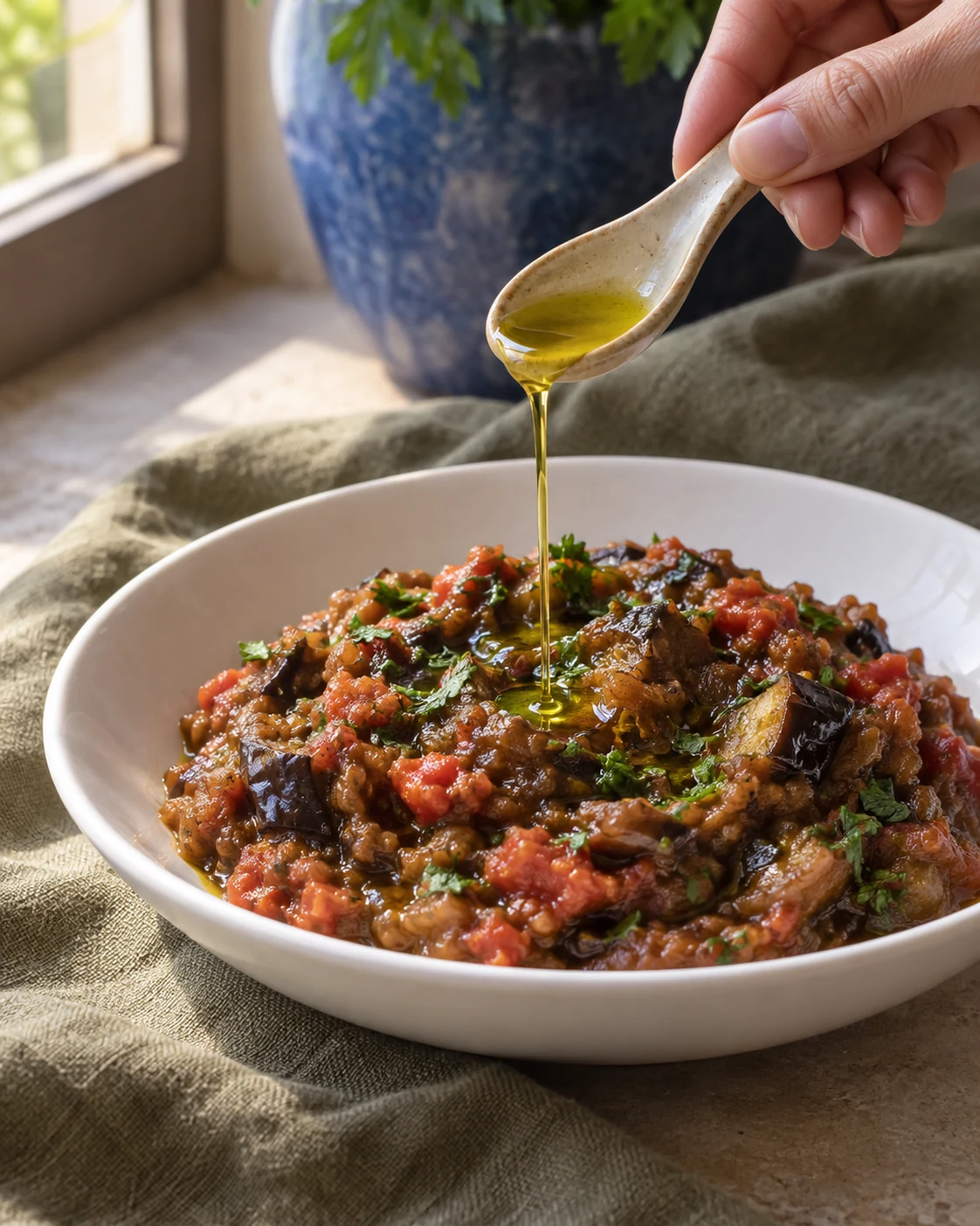
Olive oil
Richness and finish.
Olive oil carries the spices, helps the vegetables cook and can finish the plate. Whole olives are not a core ingredient in the standard formulations reviewed here.
Explore the four ingredient groups
HEAT · MOISTURE · REDUCTION
The final
texture.
Zaalouk becomes itself when separate vegetables stop tasting separate.
Aubergine must be fully tender, tomato must lose excess water and the seasoning must have enough time to settle into both. The final reduction is what changes a wet vegetable mixture into a cohesive cooked salad.
Soft is essential. Smooth is optional.
The aubergine must collapse.
Whether it is roasted first or cooked in the pan, undercooked aubergine leaves the dish spongy and disconnected.
The tomato must become sauce.
Ripe tomatoes break down more readily; watery liquid needs reducing so the finished salad is not loose. [1]
The finish is a judgement call.
Some cooks stop while pieces remain visible. Others mash further. A little lemon may sharpen the flavour, but it is optional. [1]

06 · Produce, season & household
Ripe produce
matters.
There is no spice blend that can rescue watery tomatoes or undercooked aubergine.
Taste of Maroc specifically recommends soft, ripe tomatoes because they break down into sauce more readily and can be less sharply acidic than firm underripe fruit. [1]
Zaalouk should not be assigned to one city merely because a particular version is photographed or served there. The sources reviewed describe it as a broadly Moroccan cooked salad with household variation.
No hard regional border
Regional difference exists, but the available evidence does not support claiming that one city owns the basic aubergine-and-tomato preparation.
Season is influence, not a rule
Peak produce can improve flavour and texture; zaalouk itself is not restricted to a single festival or season.
07 · The shared table
Bread first.
Spoon optional.
Zaalouk can be a starter, side dish or dip — the bread makes those categories feel less rigid.
Taste of Maroc describes zaalouk as traditionally enjoyed with Moroccan bread, while Morocco’s National Tourist Office places cooked vegetable salads among starters and accompaniments at the beginning of a meal. [1] [5]
The dish can be served warm, cold or at room temperature. That flexibility makes it useful on a table with several small plates as well as beside a larger main dish.
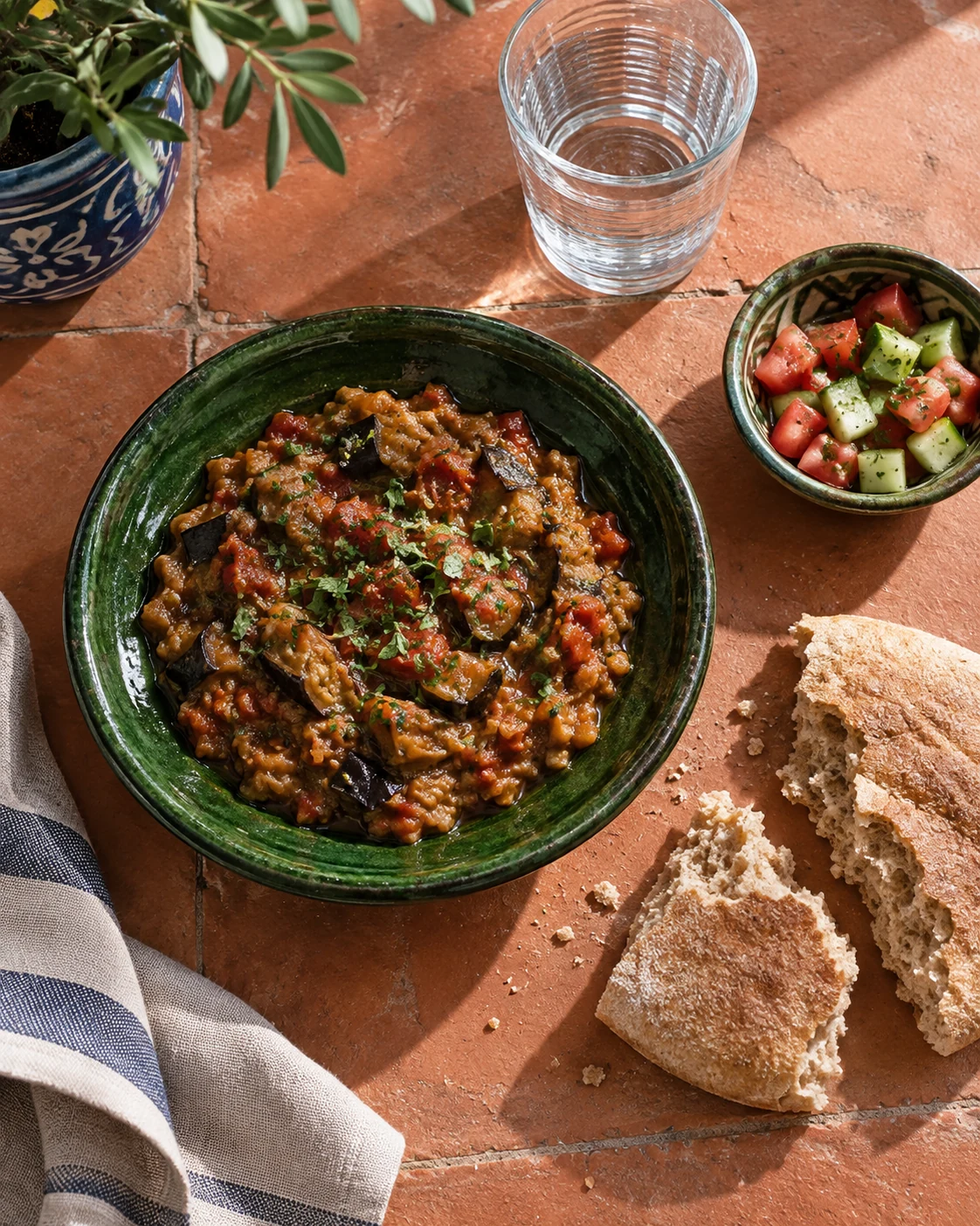
Khobz does the work.
A piece of bread can scoop the soft salad cleanly, picking up aubergine, tomato, oil and spice together. Calling zaalouk a “dip” describes this way of eating it; it does not fully describe its place as a cooked salad.
Warm, cool or in between.
Documented versions serve zaalouk warm, cold or at room temperature. The important constant is the finished texture and seasoning, not one compulsory serving temperature. [1]
Contrast matters.
Competition does not.
Zaalouk can sit beside salads, olives and other accompaniments without trying to become the main event. Its role is often to add softness, acidity and spice around the larger meal.
A salad that is fully cooked.
English-language readers sometimes expect “salad” to mean raw or chilled. Moroccan table language is broader: cooked vegetables can belong naturally to the salad course. [5]
08 · Cooked salads at the Moroccan table
Salad
does not mean raw.
Zaalouk makes more sense beside Morocco’s other cooked vegetable salads.
Taktouka, for example, centres on peppers and tomatoes rather than aubergine. Seasoning can overlap, but the principal vegetables, texture and cooking sequence keep the dishes distinct.
Taste of Maroc also notes that the word zaalouk can appear with other mashed vegetable salads; when used on its own, however, it usually refers to the aubergine-and-tomato preparation. [1]
Explore Moroccan Food Culture ↗Zaalouk
Aubergine and tomato. Soft, reduced, often scoopable. Cumin, paprika, garlic, herbs and olive oil commonly shape the flavour.
Taktouka
Peppers and tomatoes. Another cooked Moroccan salad, but not an interchangeable name for zaalouk.
The useful distinction
Shared spices do not erase the identity of the vegetables. Understanding that prevents every red cooked salad from being treated as the same dish.
09 · Good questions
What people
actually ask.
Zaalouk is simple enough to recognise and flexible enough to create confusion. These distinctions matter more than a rigid “authenticity checklist”.
Is zaalouk always smoky?
No. Roasted or grilled aubergine adds smoke, but one-pot and other methods are also documented. [1] [2]
Does it have to be completely smooth?
No. The finished consistency ranges from chunky to mash-like. The vegetables should be tender and integrated; the exact degree of mashing is a household choice. [1]
Is lemon required?
No. Lemon is used in some versions and can brighten the finish, but reliable sources describe it as optional rather than essential. [1]
Can zaalouk be served cold?
Yes. Warm, cold and room-temperature service are all documented. [1]
Is zaalouk the same as baba ghanoush?
No. Both can involve aubergine, but zaalouk is a Moroccan cooked salad in which tomato is normally part of the familiar preparation. Treating them as interchangeable hides meaningful differences in ingredients and culinary context.
Do whole olives belong in zaalouk?
Olive oil is common in the standard formulations reviewed here. Whole olives are not a defining core ingredient, even though they may appear elsewhere on the same Moroccan table.
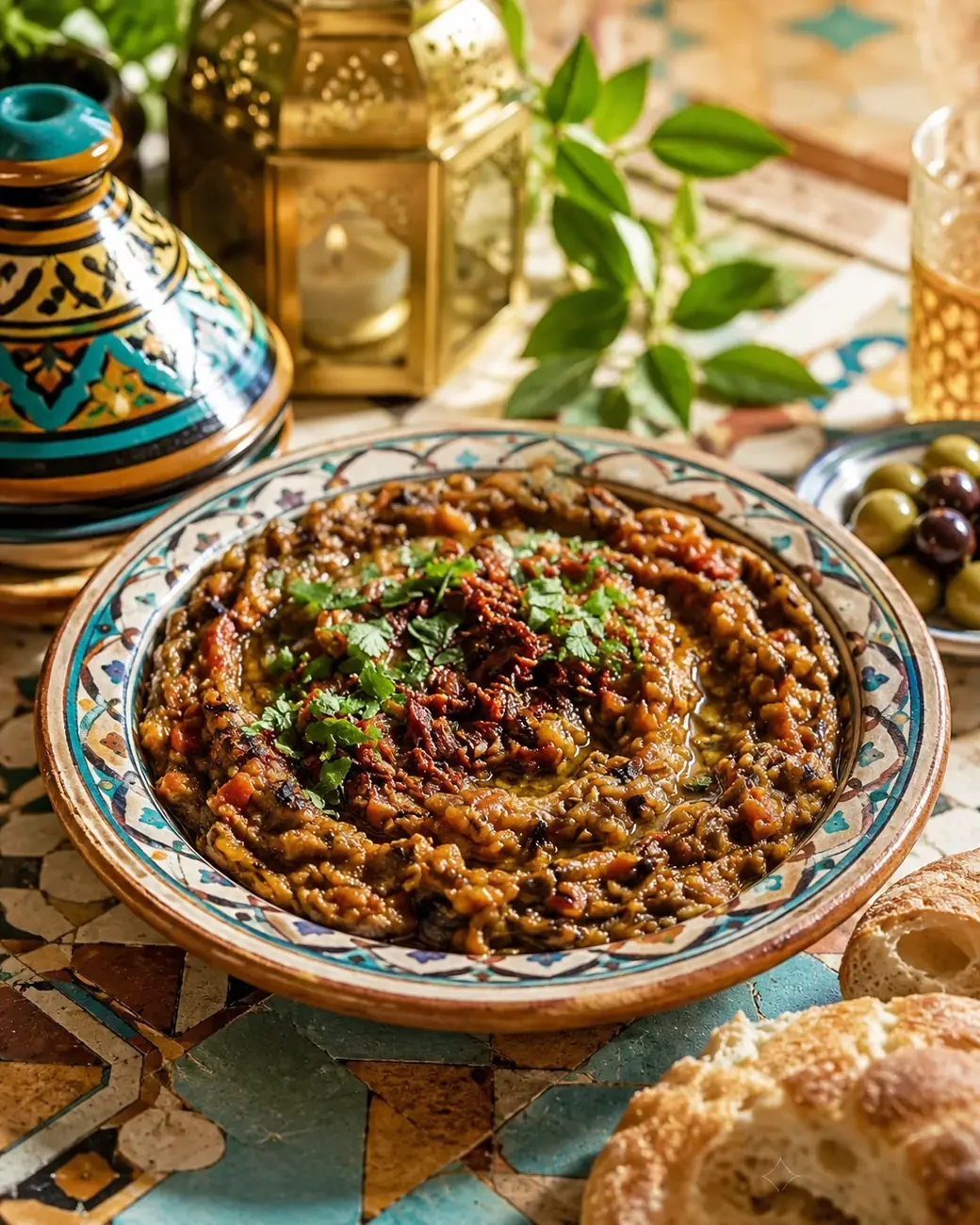 EXOTIC MOROCCOTASTE · THE GUIDE COLLECTIONZaaloukIngredients, technique
and the Moroccan table
From the story to your kitchen
Keep the flavour.
Go a little deeper.
Aubergine and tomato cooked until their flavours meet.
Explore the Exotic Morocco guide collection for a closer look at ingredients, kitchen knowledge and the culture around the table.
- Understand the ingredients and their roles
- Recognise the techniques and textures that matter
- Bring context and confidence to the way you cook and serve
Continue tasting Morocco
Follow the
table outward.
Another dish, another technique, another way into the Moroccan kitchen.
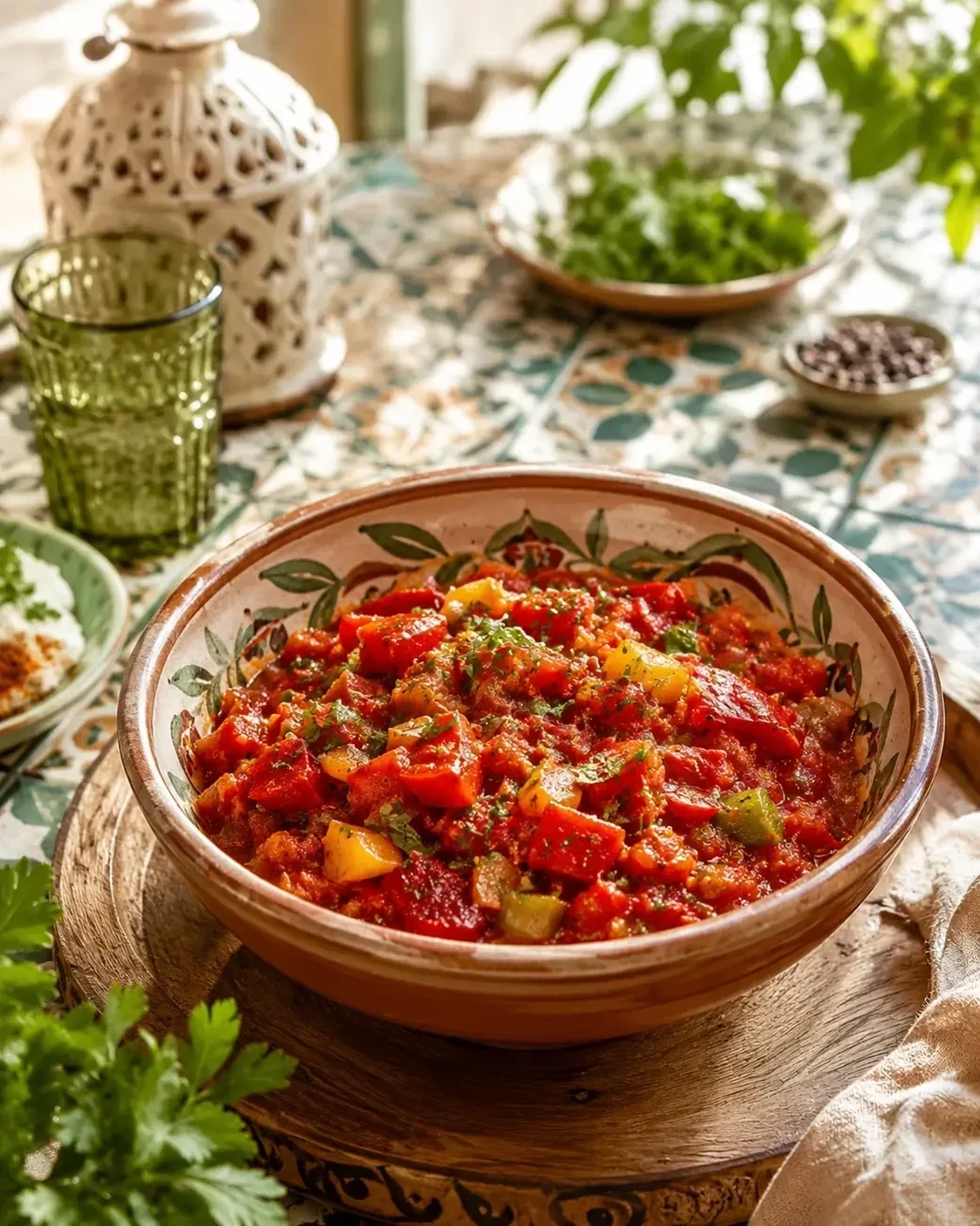
Taktouka
Roasted peppers and tomatoes, with bread close at hand.
Explore the story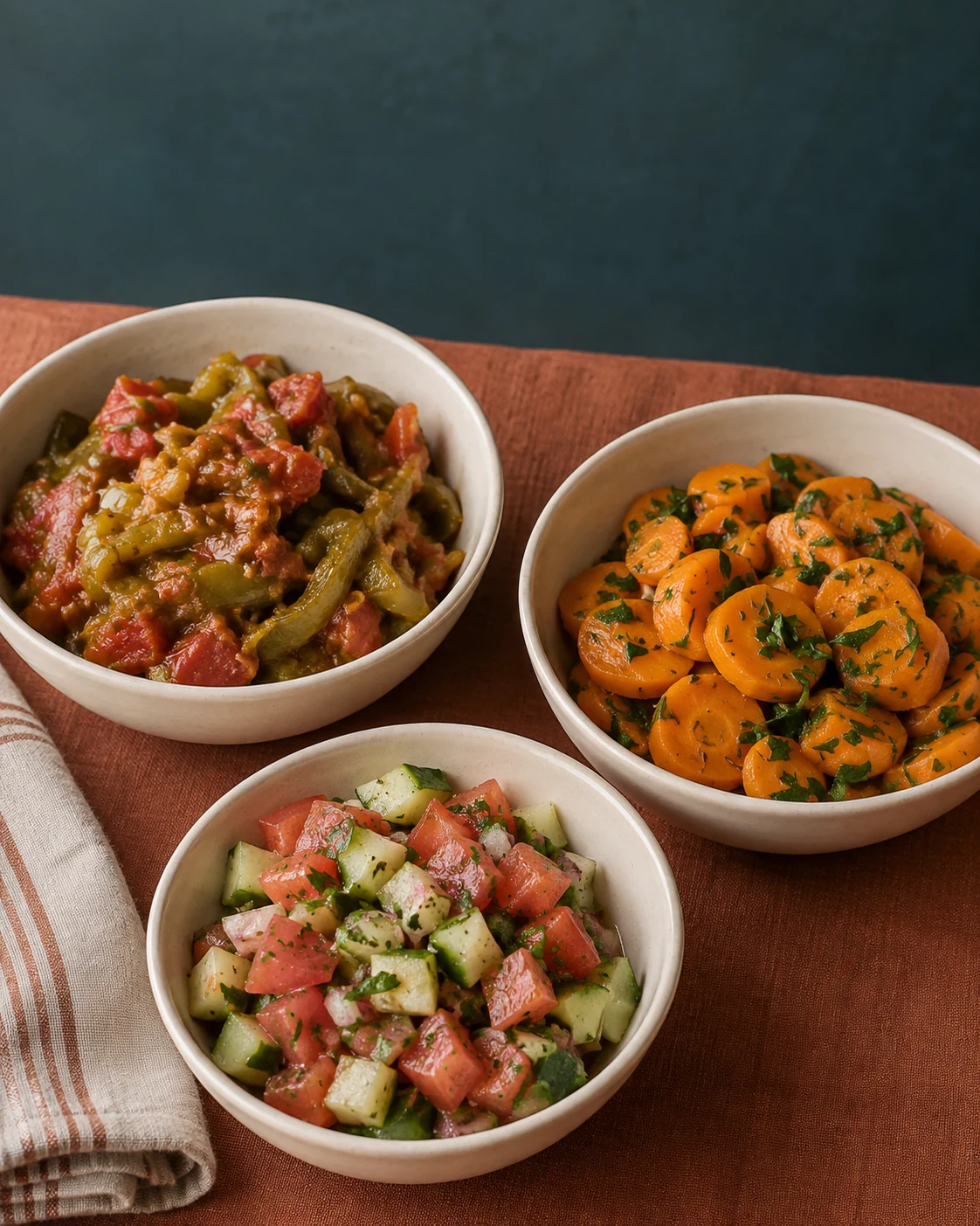
Moroccan Salads
Fresh, cooked and preserved flavours served in small dishes.
Explore the story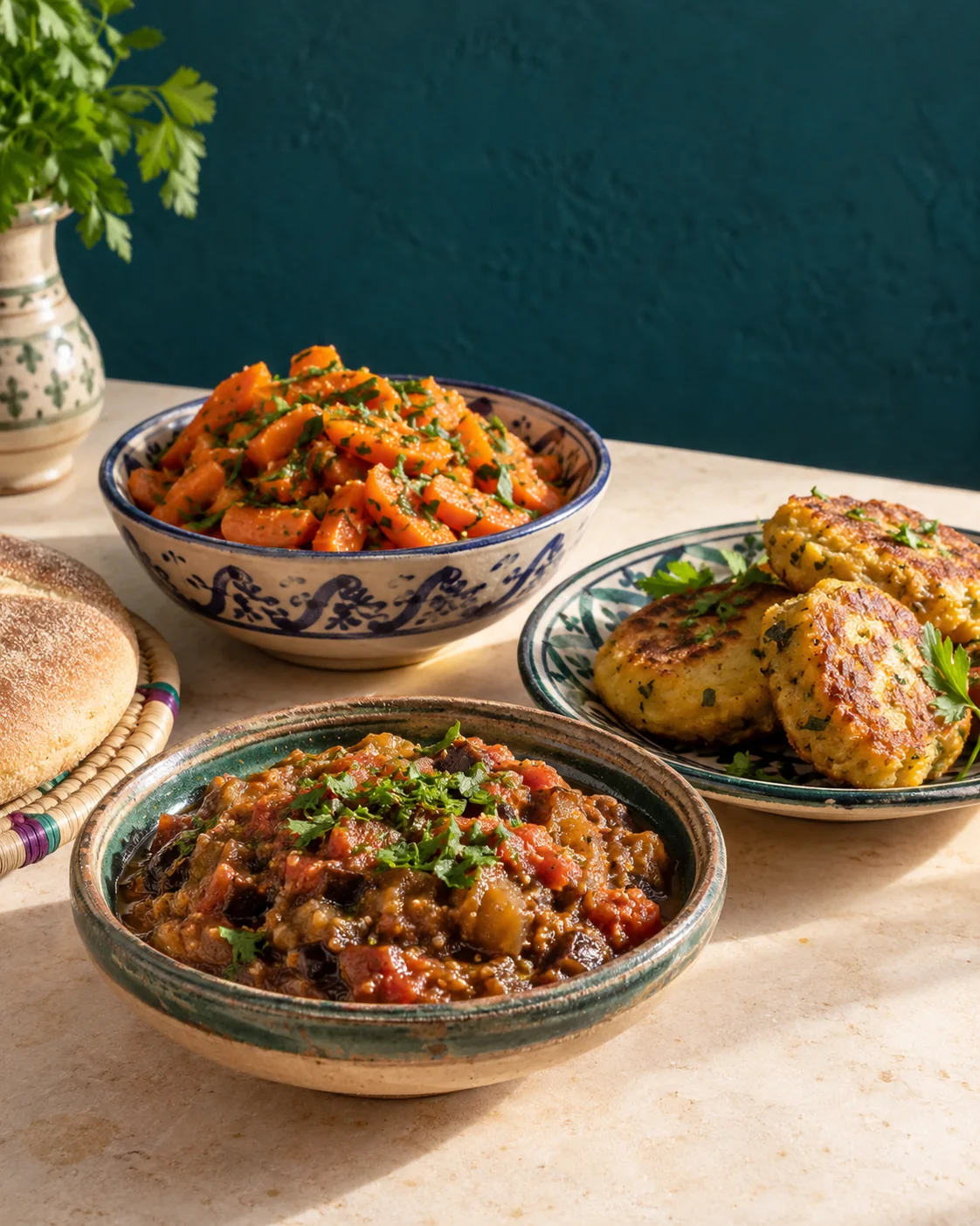
Salads & Sides
Vegetables, pulses and bright accompaniments.
Explore the story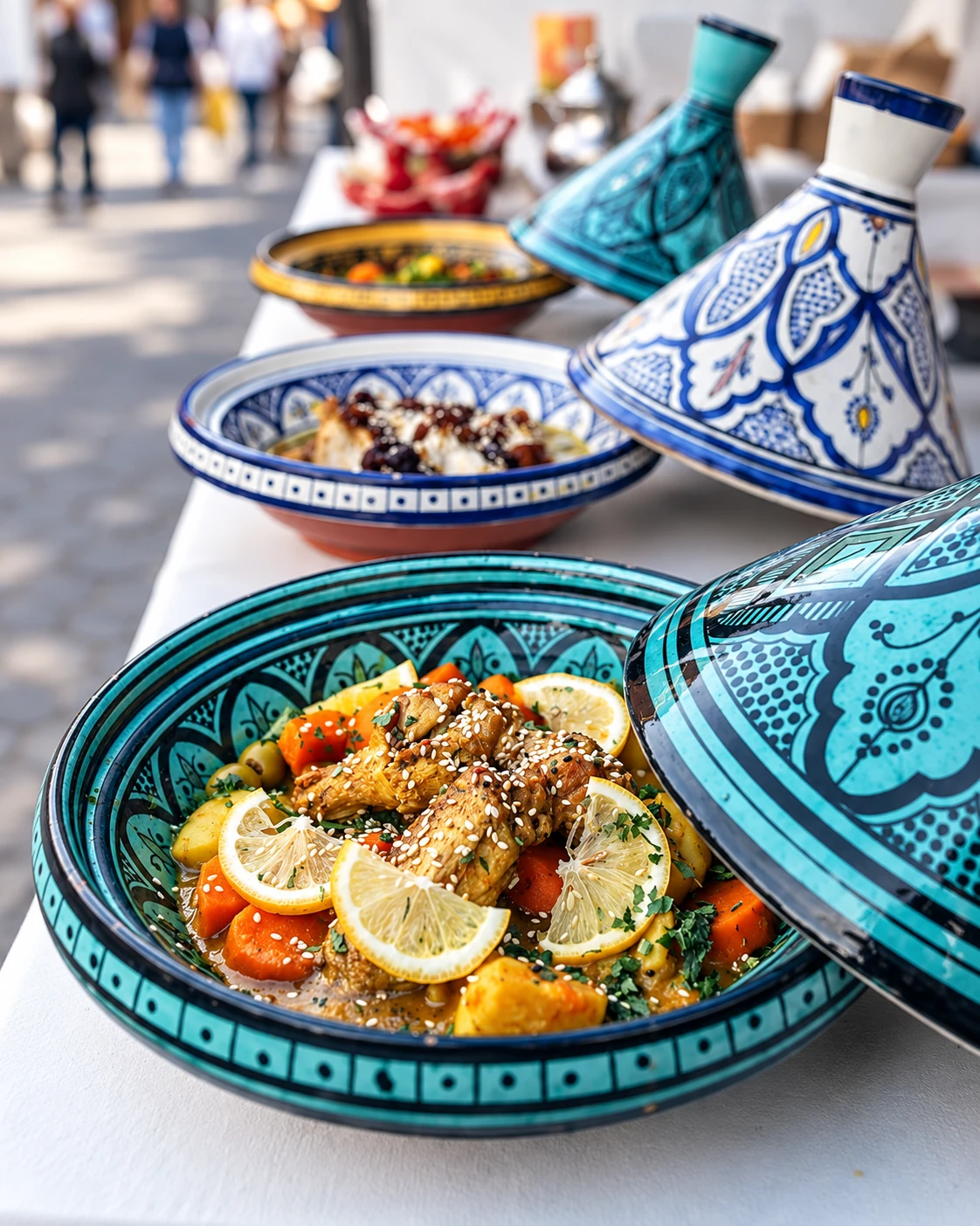
Tagine
Gentle heat, clay pots and the balance of a slow-cooked sauce.
Explore the story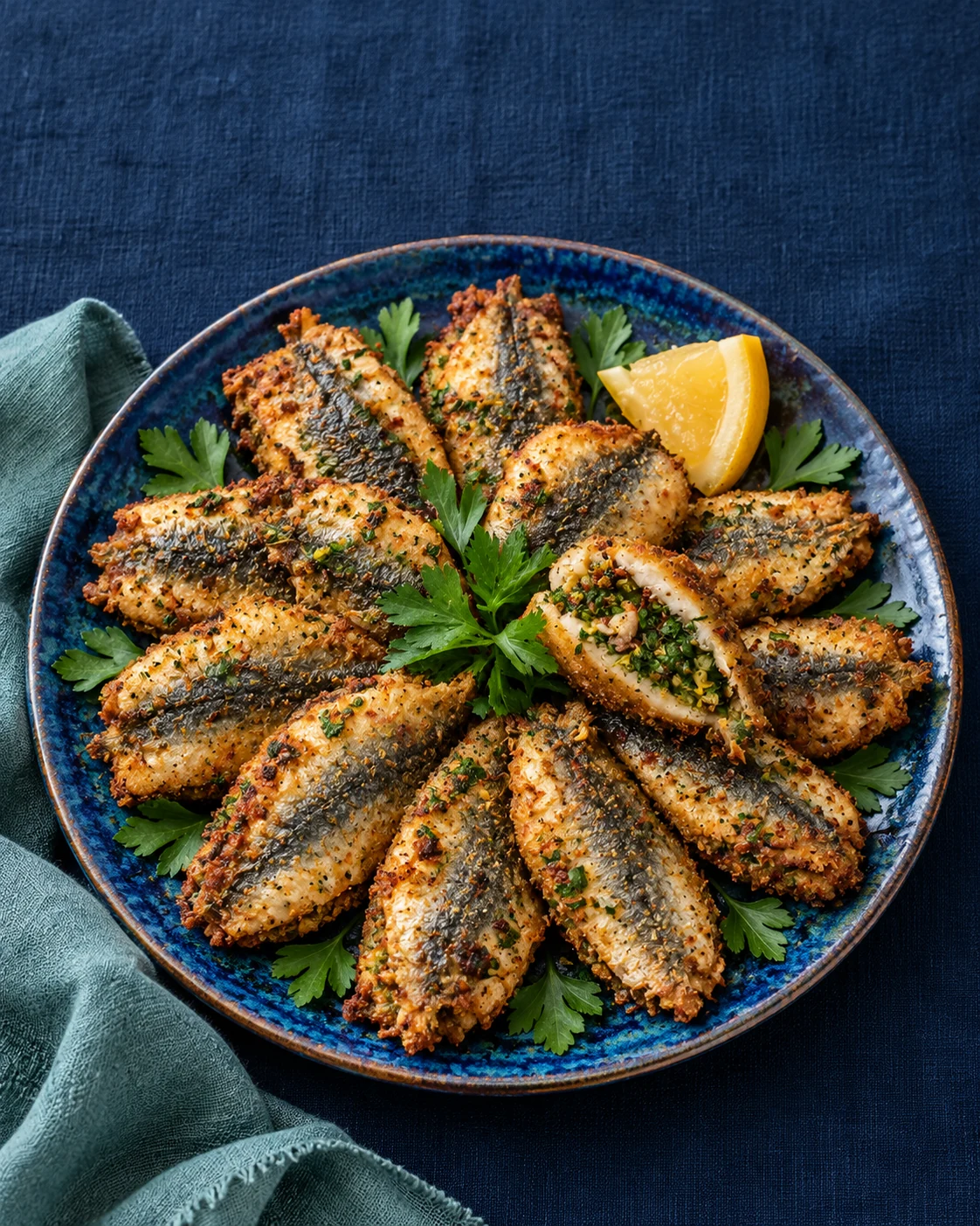
Sardines with Chermoula
Small fish, fragrant herbs and the details of preparation.
Explore the story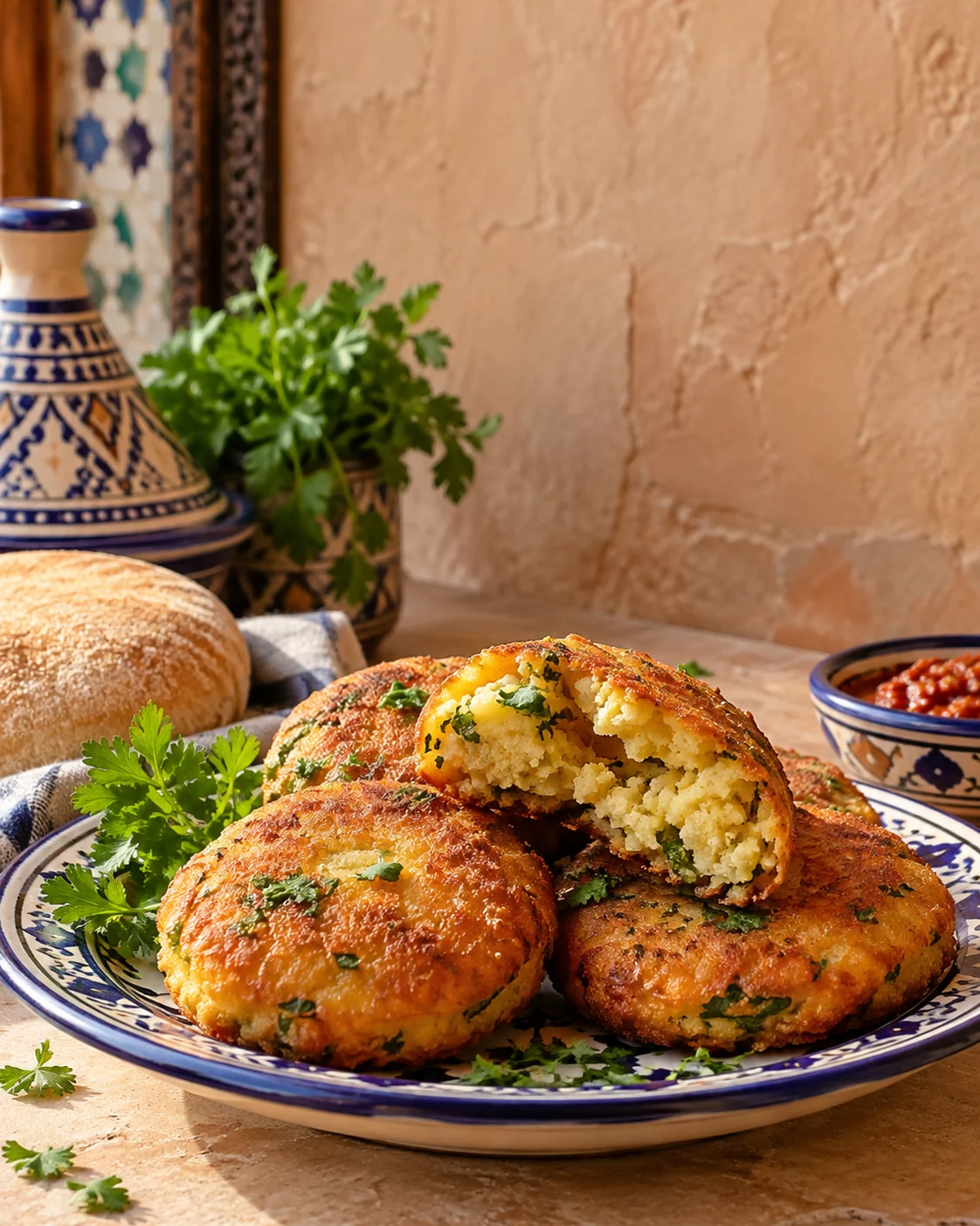
Maakouda
Potato patties, crisp edges and the rhythm of the street counter.
Explore the storySources & editorial notes
Photography combines existing Exotic Morocco assets and generated editorial illustrations. These images do not document a named person, household or historical event.
- Christine Benlafquih · Taste of Maroc — Moroccan Zaalouk Recipe — definition, ingredients, roasting versus one-pot methods, texture, tomato ratios, serving temperature and household variation.
- Nargisse Benkabbou · My Moroccan Food — Zaalouk, Moroccan Aubergine Salad — family variation, one-pot method, core seasonings and serving.
- The Washington Post · Eggplant Zaalouk, adapted from Paula Wolfert — charred-aubergine approach and an influential documented version.
- Nargisse Benkabbou · Zaalouk Dip — a clearly contemporary reinterpretation useful for distinguishing modern plating from the classic base.
- Moroccan National Tourist Office · Food & Drinks — Moroccan starters, cooked vegetable salads, Zaâlouk and bread at the table.
EXOTIC MOROCCO Places. People. The pleasure of knowing more.Back to top ↑