Begin at the estuary
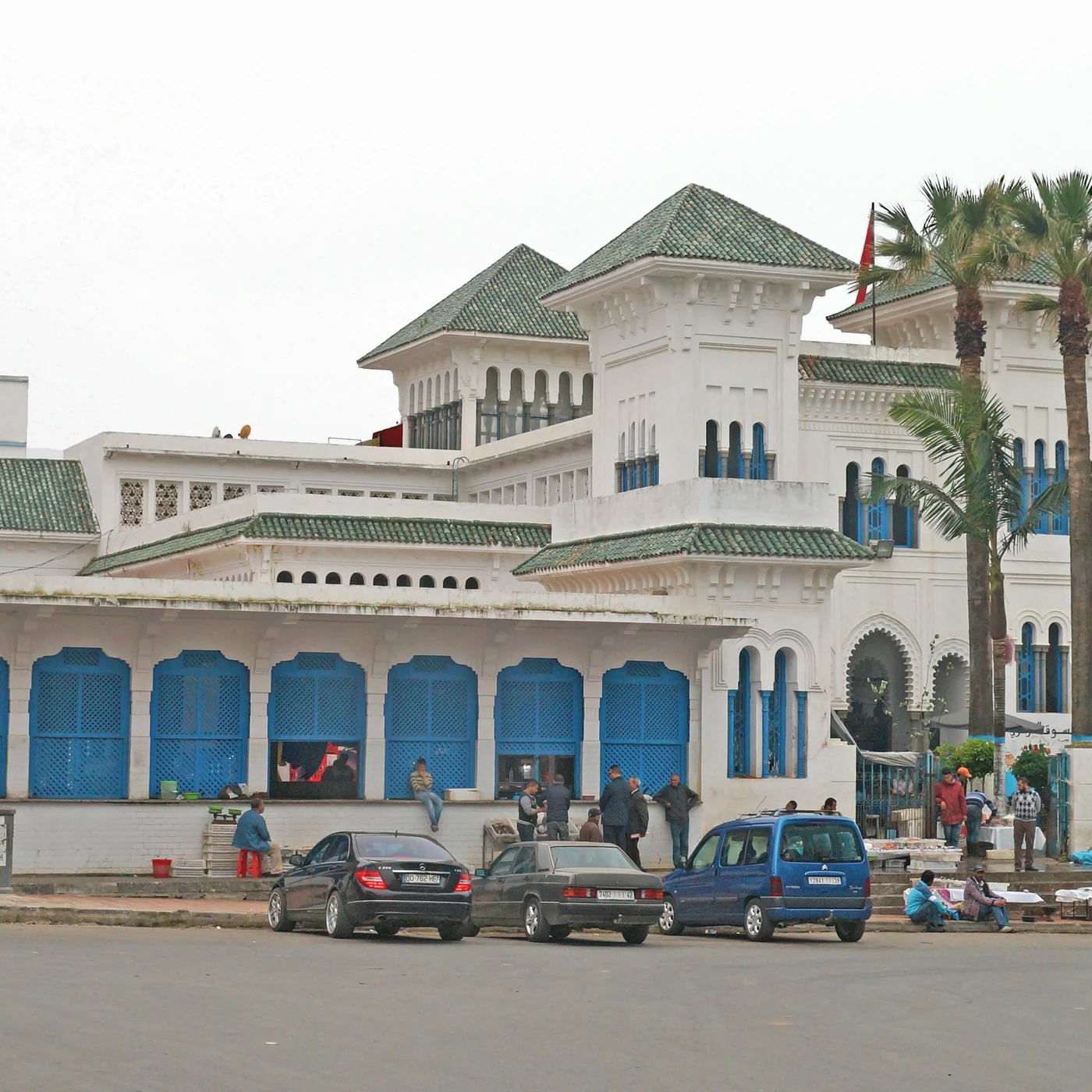
The market hall in Larache: the coastal city has a civic and commercial face as well as a sea view.

Exotic Morocco · Stories
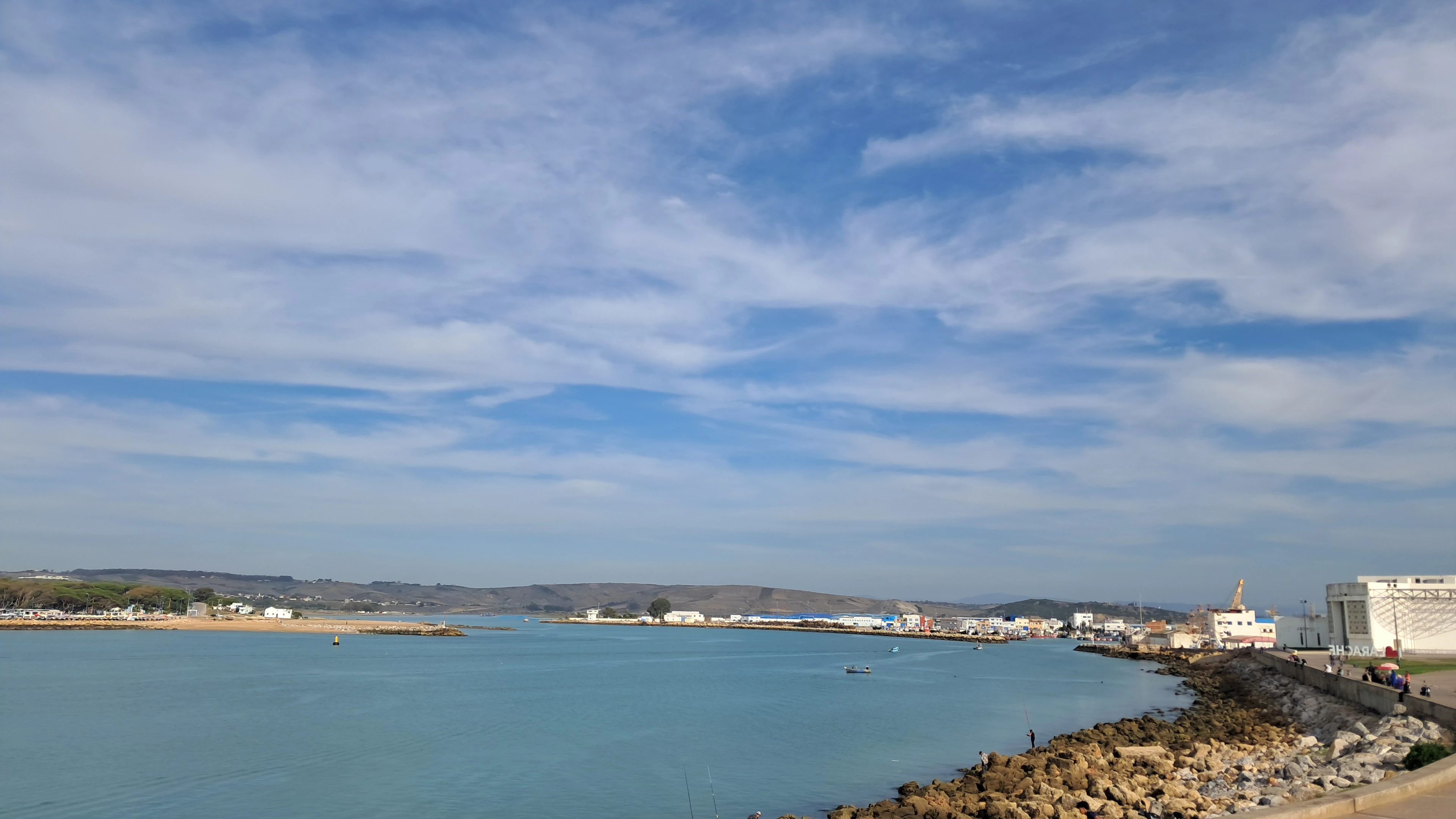
An estuary, a working port and an ancient hill across the water. Read Larache through the relationships that a sea view leaves out.
Enter the story ↓01 / The starting point
A coastal photograph can simplify a town into a line between buildings and blue. Larache resists that simplification. Its setting includes an ocean frontage, a river mouth, a port and an archaeological hill across the wider Loukkos landscape. Each asks the viewer to stand in a different place and consider a different relationship to the water.
The “quiet” in this story describes a way of giving the city attention, not a claim that a port has no noise or urgency. The tasks of a waterfront continue whether or not a visitor is looking. A more patient reading notices that work alongside the public spaces and architectural details that make the city appealing.
There are several historical layers to keep distinct. Lixus preserves evidence of an ancient settlement and its changing activities. Larache has its own urban and political history, including episodes of Spanish control separated by centuries. The present city belongs to contemporary Morocco. Combining these layers without flattening them is the real pleasure of the place.
02 / Read the details
Three visual encounters within this story.
The market hall in Larache: the coastal city has a civic and commercial face as well as a sea view.
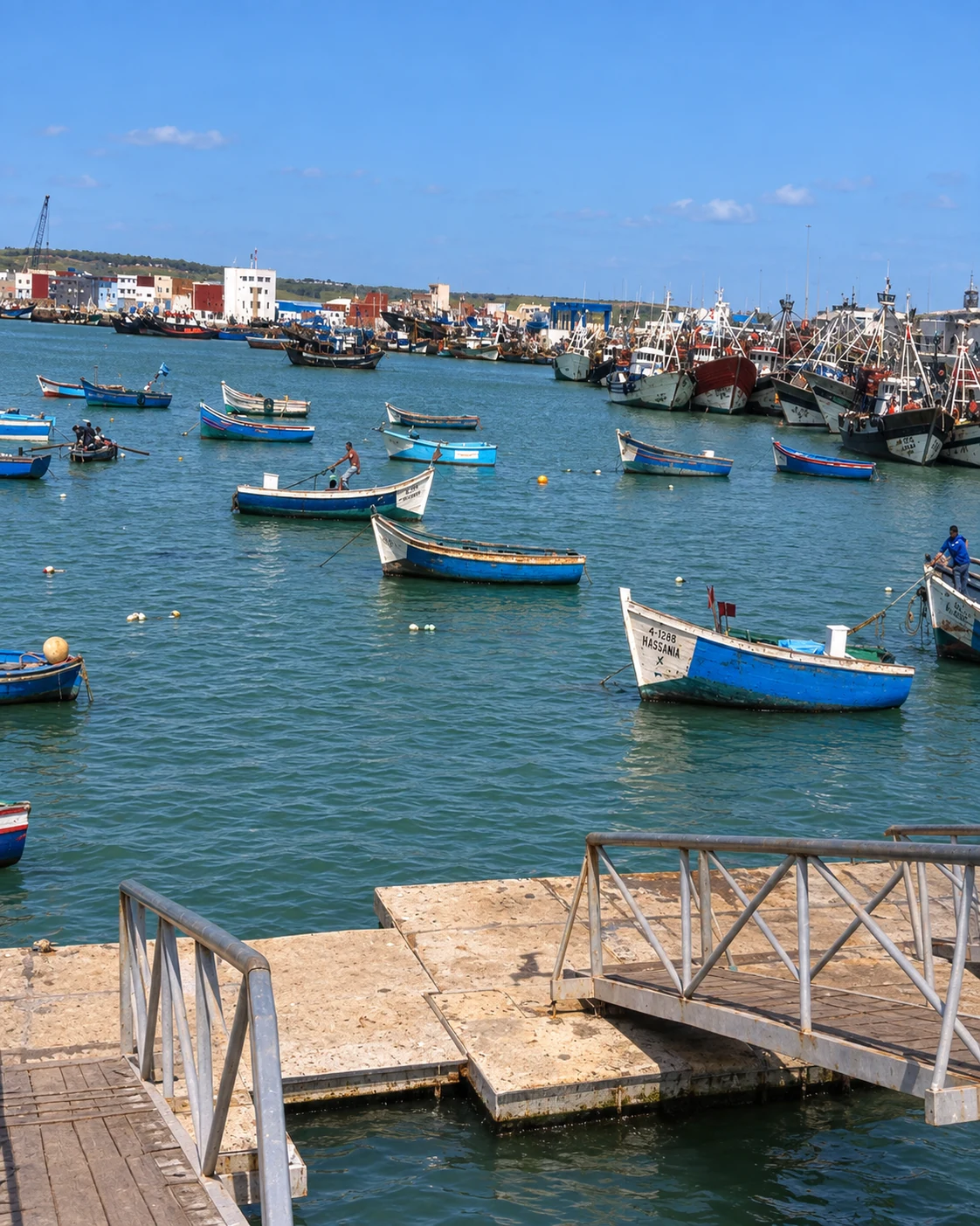
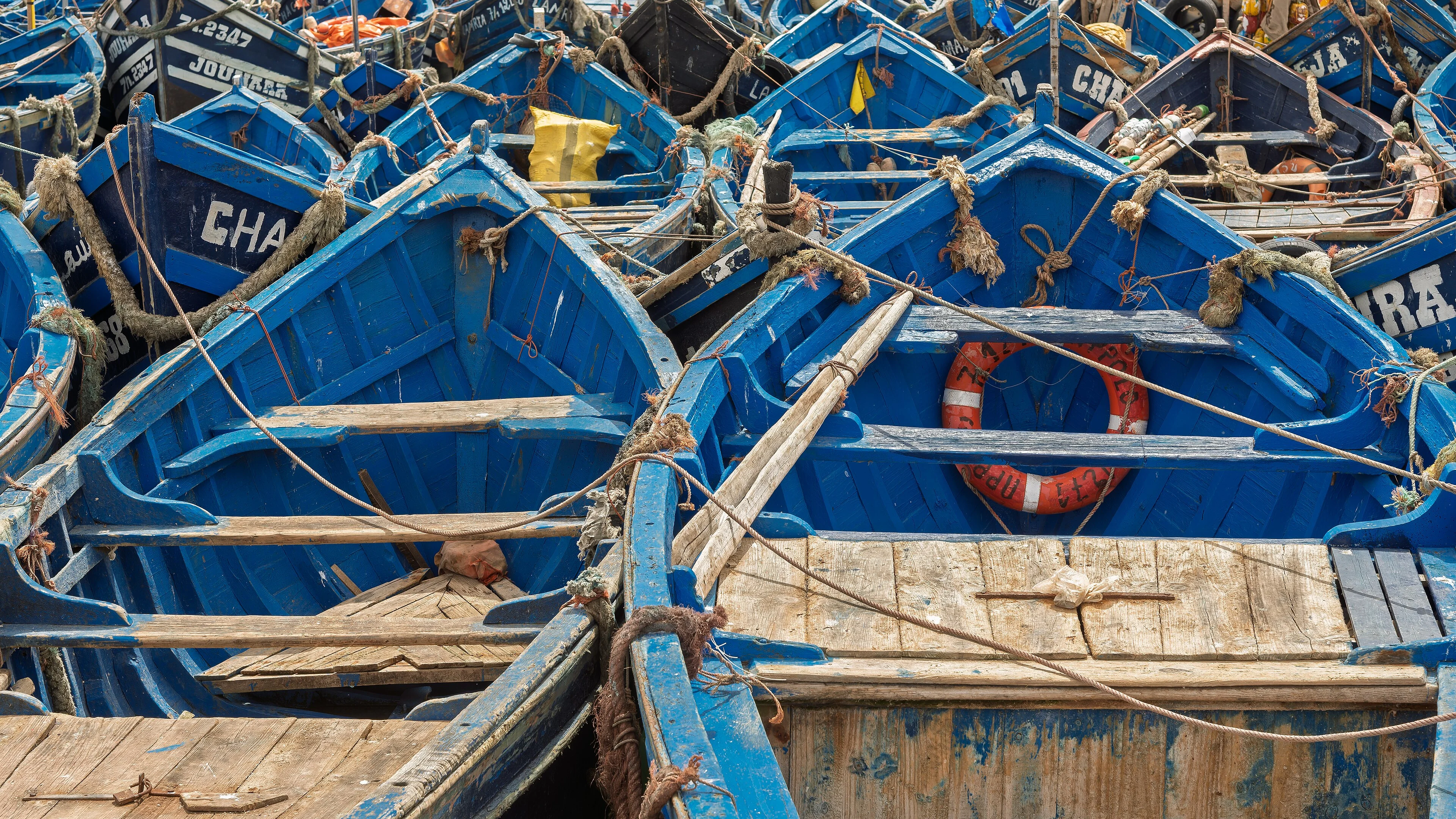
Larache’s working harbour. An AI-assisted image adaptation from a photograph by Bfalih.
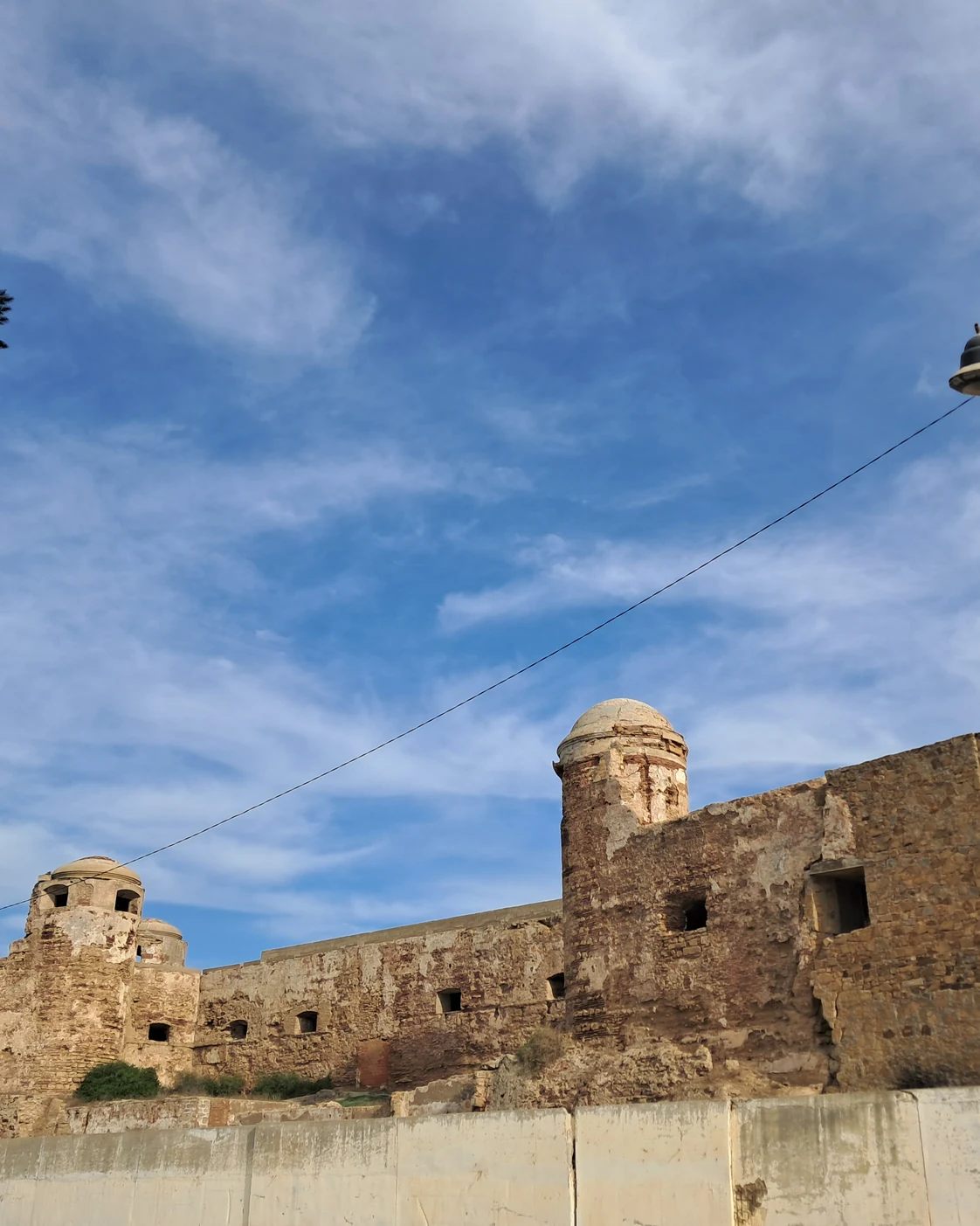
Fortified architecture in Larache: a different scale from the open waterfront.
03 / Look closer
Morocco’s submission for Lixus on UNESCO’s Tentative List describes a site near the Loukkos estuary, opposite the modern city of Larache. It identifies Phoenician, Punic, Mauretanian, Roman and later phases, including Islamic occupation. This is a long archaeological sequence, not a single “Roman ruin” with an uncomplicated beginning and end.
That distinction matters when looking at the remains. A low wall may define a room without preserving its former height. A sequence of tanks can suggest an organised activity more clearly than a complete-looking façade. An excavated area and an unexcavated one do not offer the same amount of evidence. What is visible depends on both past building and later archaeological work.
The national submission highlights a substantial fish-salting complex among the excavated sectors. Here the relation to the surrounding waters becomes more than scenery. Containers, processing space and the organisation of production leave material traces. The remains invite questions about labour and commerce as well as about rulers and monuments.
03 / Look closer
They do not, however, prove an unbroken line from every ancient activity to an apparently similar modern one. Present fishing and ancient processing can be considered within the same coastal setting without being declared identical traditions. Continuity is a historical question that needs evidence, not a convenient transition in a travel story.
The Lixus guide is a useful companion to the site. Keep the broader landscape in view as well as the individual remains. A river, routes across the surrounding ground and access towards the sea help make the location intelligible. The archaeological plan and the view should be read together.
04 / The story in context
Larache’s municipal development account records Spanish occupation in 1610 and the recovery of the city by Moulay Ismaïl in 1689. The later Spanish Protectorate belongs to the twentieth century. These episodes should not be merged into a continuous, loosely defined “Spanish past”. Their political circumstances and urban consequences were different.
Nor is a pale façade, an arcade or a balcony enough to date a building. Architectural features can be repeated, adapted or restored. A reliable identification needs records or a documented building history. The visitor’s task is not to guess a century from a decorative detail but to recognise that the streets may contain several kinds of evidence.
An estuary is a meeting of landscapes as well as a view. The river, harbour edge and Atlantic horizon give different orientations to the same city. Note which one you are facing before connecting a photograph to a historical account: a port scene and a view towards Lixus do not document the same activity.
At an archaeological site, a surviving wall is only part of the record. Plans, labels and excavation histories help establish how a structure relates to its neighbours and period. Keep that kind of evidence beside observations from the present waterfront rather than turning the two into one uninterrupted story. The relationship is interesting precisely because it contains gaps and changes.
Stay with the context
The relationship between an older medina and later civic streets offers a starting point. Notice how the experience of a façade changes with the width of the space in front of it. In a close lane, a doorway may be the main visible event. In a wider square, upper storeys and the rhythm of a whole frontage can be read together.
That is an architectural observation, not a verdict on which part of Larache is more authentic. A working city can contain different street patterns and buildings from different political periods. Its identity does not depend on editing those differences out.
Public spaces also acquire meanings through present use. The same square can be a route, a place to meet, a setting for business and the subject of a photograph. A visitor who remains long enough to notice more than the façade begins to understand the place as an urban environment rather than an arrangement of attractive surfaces.
A closer encounter
Look for the meeting of inland water and the Atlantic. Location shapes the questions we ask of the port.
Distinguish a public promenade from a working waterfront. Their uses and access are different.
Read Lixus as a separate site within this landscape, with its own sequence of occupation.
A different distance
03 / The waterfront is a workplace
A port can be visually compelling because its equipment and movements are unfamiliar to an observer. Ropes, boats, loading areas and boundaries each have a purpose. The right response is to learn what can be learned from permitted public viewpoints, rather than to assume that every interesting-looking space is open for exploration.
Larache’s Institute of Maritime Fisheries Technology provides a useful contemporary reference. The institute describes its creation in 1999 through Moroccan–Japanese cooperation and its role in training seafarers and personnel for the fisheries sector. This is a present-day world of qualifications and professional knowledge, not an occupation outside modern life.
A different distance
That perspective changes how a fishing boat is read. The vessel may have a striking colour or a pleasing reflection, but the people using it need skills, maintenance and practical arrangements. A photograph can show a form; it rarely explains the full working system to which that form belongs.
The same distinction applies to a market. A display has visual order because goods need to be offered, compared and sold. The observer may notice a palette while the seller is thinking about a transaction. Both perceptions are possible, but only one belongs to the visitor. Keeping that difference in mind helps prevent a story about “local colour” from making actual work invisible.
Be especially careful with claims about what is local, seasonal or caught that morning. Those are questions to ask of a particular product, not facts that can be inferred from a coastal address. Our guide to Morocco’s coastal cities and ports offers wider context while leaving room for the differences between places.
A different distance
Seen this way, the coast becomes more interesting rather than less picturesque. Its beauty includes the relationship between a physical setting and the skills needed to use it. The ocean is an environment people have to understand, not a decorative background that happens to move.
A different distance
04 / A patient urban reading
Larache rewards a visit that changes viewpoint instead of trying to make one image represent everything. A view along the water explains a different relationship from a view into a street. A market frontage belongs to another rhythm again. The archaeological site cannot substitute for the present town, and the town cannot supply all the missing information about the ruins.
Use those differences deliberately. Look for a route that makes the setting understandable, then choose a smaller area for closer attention. Observe where people can stop comfortably, where traffic dominates, and where a view opens towards the water. These observations build a mental map without requiring every corner to become an attraction.
A different distance
Old names, monuments and buildings may also preserve memories that are not immediately visible in a contemporary street scene. Treat the stories attached to them with care. A confident anecdote is still an anecdote until its source is clear. Asking where an account comes from is compatible with enjoying it.
Photographs need the same discipline. A camera records a particular view, taken at a particular time. It cannot establish that a street is always empty, that a market always looks the same, or that a monument has escaped alteration. The city continues beyond the instant shown.
This is one reason not to describe Larache as a place untouched by tourism or time. Such phrases turn a town into a promise made to outsiders. Its quieter appeal can be appreciated without claiming that its residents live outside change.
A different distance
A first journey through Larache can bring the waterfront, an urban walk and Lixus into conversation. It need not pretend that they form one seamless itinerary through a continuous past. Allow time for the distance between places and for the different kind of attention each requires.
The wider Atlantic coast supplies useful comparisons, but avoid making every port tell the same story. A river mouth, a sheltered harbour, a fortified shoreline and a civic square are not interchangeable features. Their particular arrangement is what makes a city legible.
In Larache, the longer look begins with a simple recognition: the water has more than one edge, and the city has more than one past. Following those distinctions gives the quiet view its depth.
Stay with the view.
There is a working history inside it.
Story pathways
Cities, cultural context and a connected essay, chosen for this subject.
guide to Morocco’s coastal cities and ports
Explore the context ↗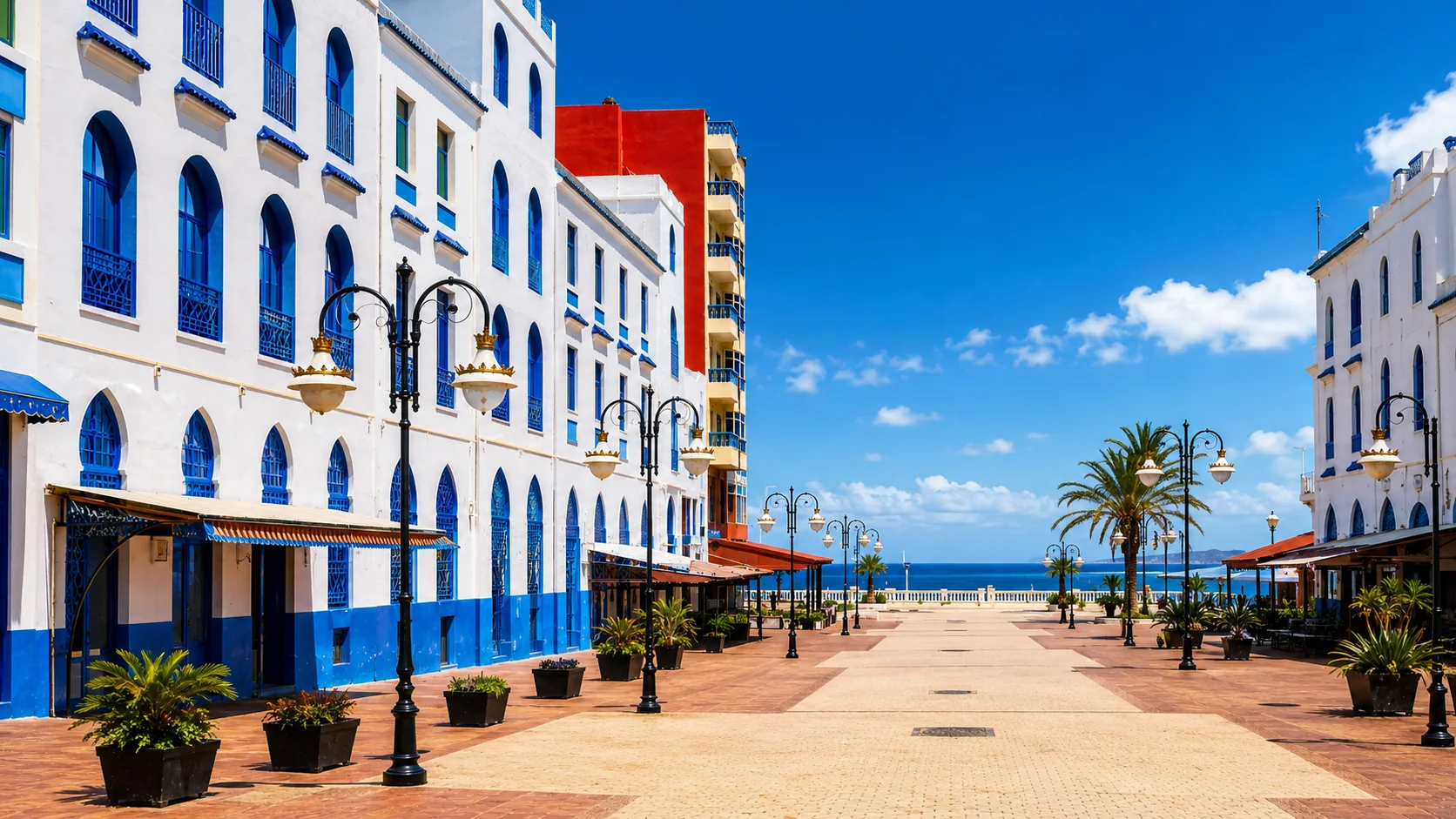
Continue the city context behind this story.
Explore the city ↗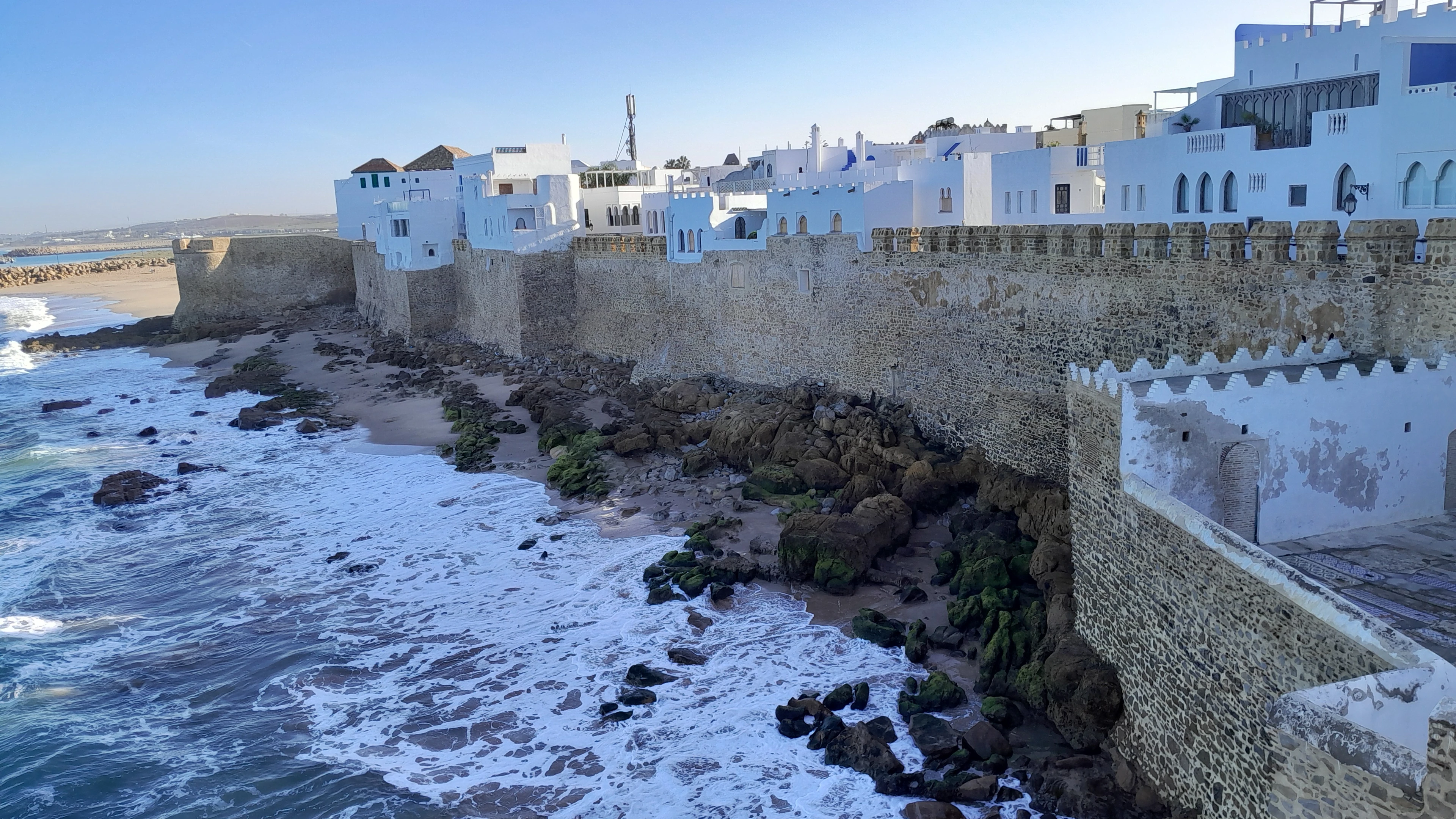
A quieter reading of coastal towns, everyday streets and landscapes beyond the familiar frame.
Explore the story ↗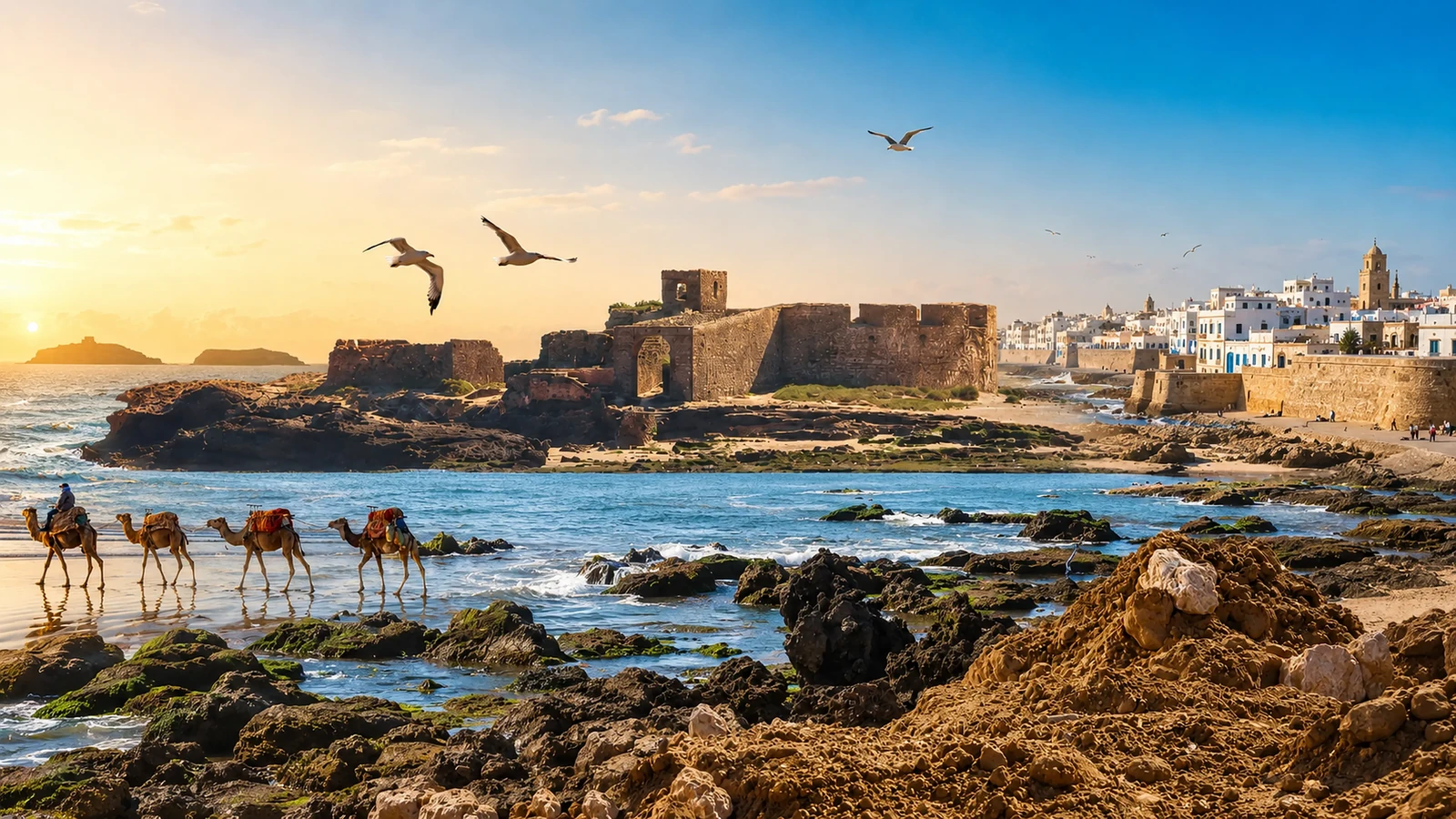
The music draws an audience. Between performances, streets carry the quieter negotiations of a city that continues to work.
Explore the story ↗Continue reading
Keep the subject in view as you choose your next chapter.
A quieter reading of coastal towns, everyday streets and landscapes beyond the familiar frame.
Read the story ↗The music draws an audience. Between performances, streets carry the quieter negotiations of a city that continues to work.
Read the story ↗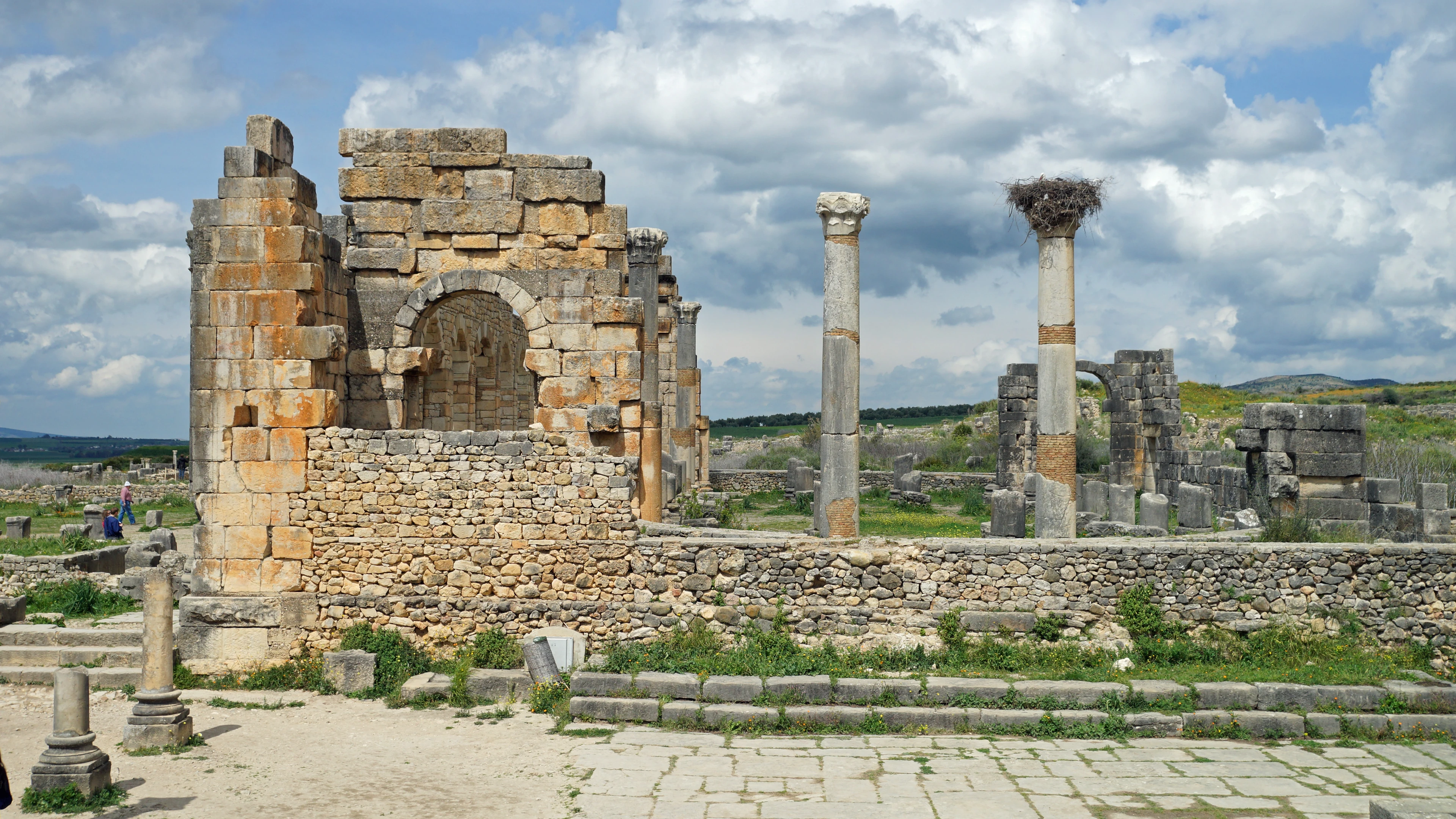
Dynasties, migrations, buildings and the evidence that connects one period to another.
Read the story ↗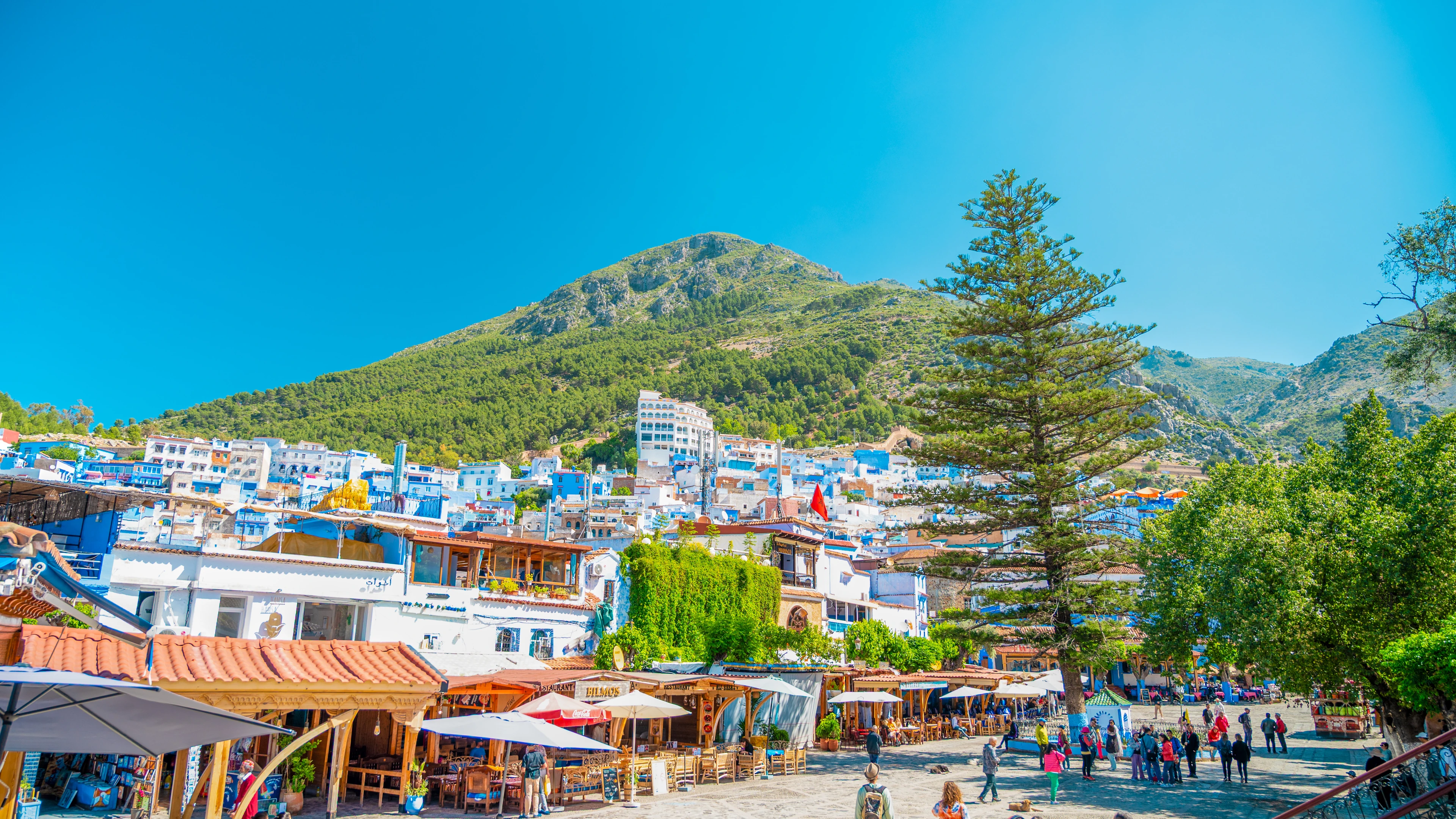
Five places, five ways into the streets, institutions and working life behind a familiar image.
Read the story ↗This is a researched visual essay. Historical claims are distinguished from editorial observations. No first-person visit, interview or quotation has been invented. Photographs show their stated locations; they do not document every person or practice discussed.
Photography is identified through the linked source records. Crops and responsive sizes were prepared for this layout.
Research checked 27 September 2026.

.jpg)


