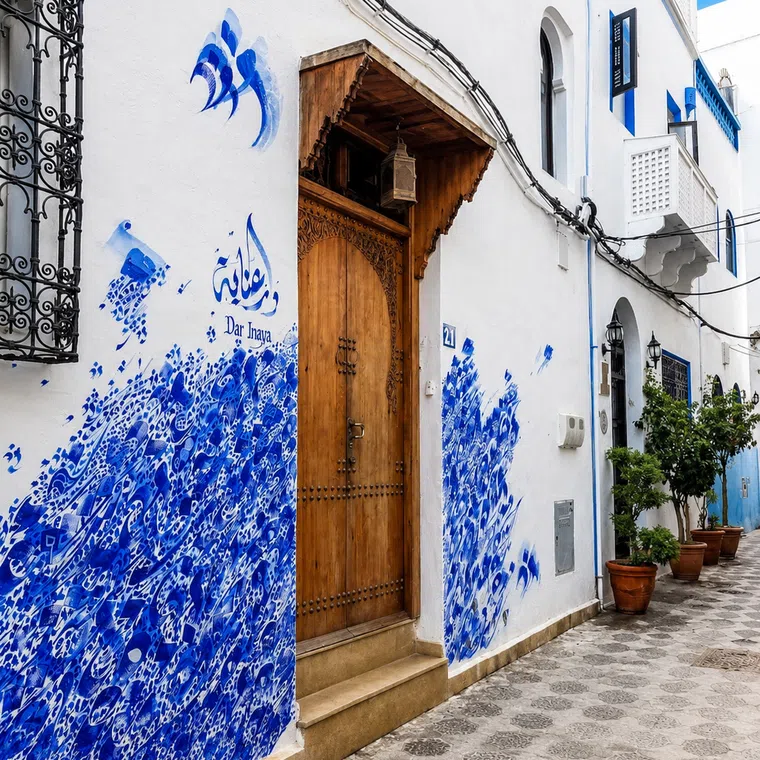
Asilah
Whitewashed medina, murals, ramparts and sea light.
Ocean Medinas, River Ports & Southern Atlantic Light
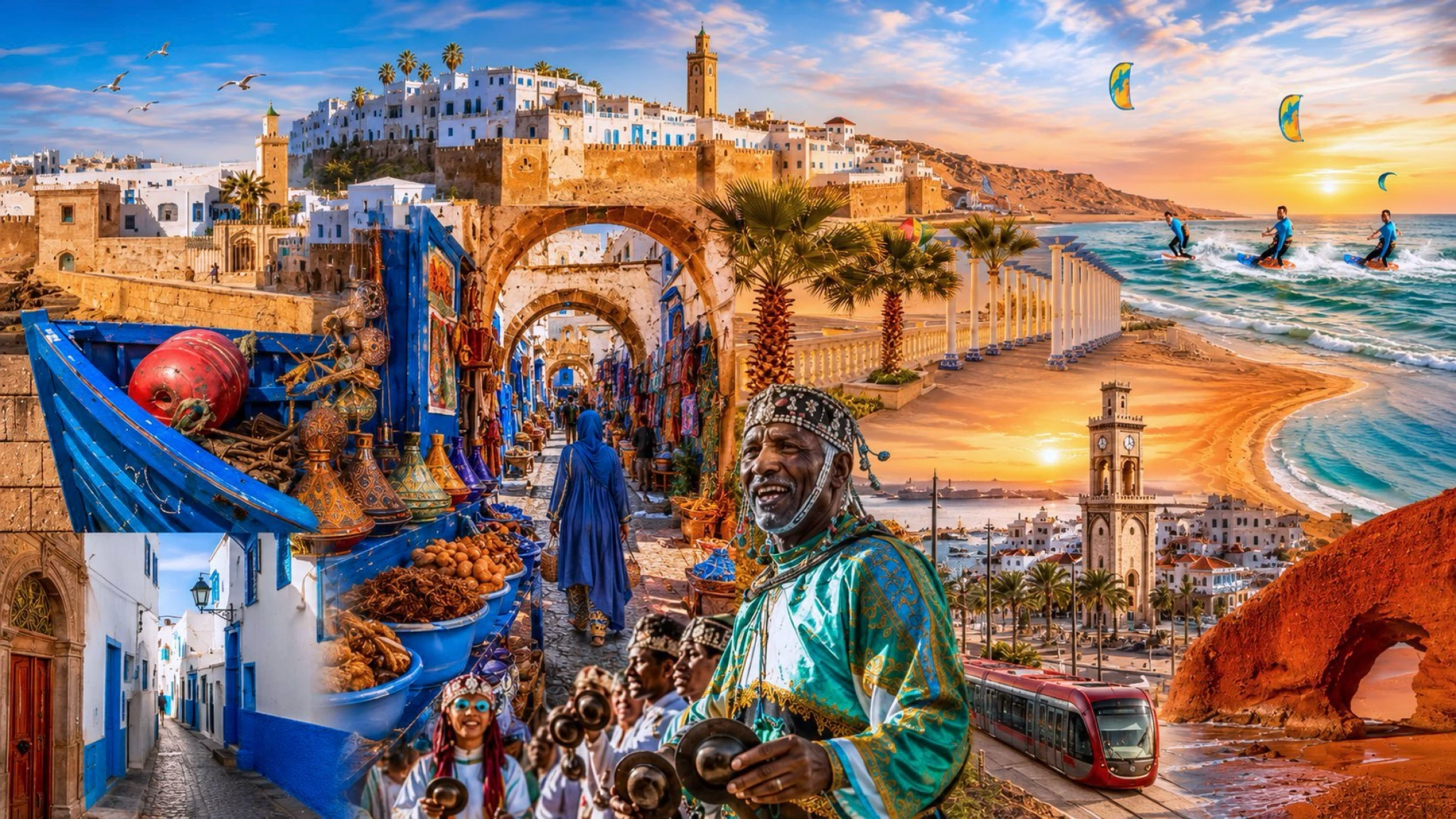
Morocco’s Atlantic face moves through historic ports, ocean medinas, surf towns and Portuguese layers toward the Sahara coast.
This region follows Morocco’s Atlantic-facing cities, river ports and coastal corridors from the northern ocean towns to the long southern sea-desert line.
It connects white medinas, Portuguese ramparts, modern ports, craft cities, surf villages, Art Deco memory, lagoons and Saharan Atlantic landscapes.
Think of this coast as several journeys connected by an ocean. The northern towns, the central urban and craft corridor, and the long southern coast each deserve their own pace. A port can be a working harbour, a historic fortified settlement or a modern logistics landscape; the word does not describe one uniform visitor experience.
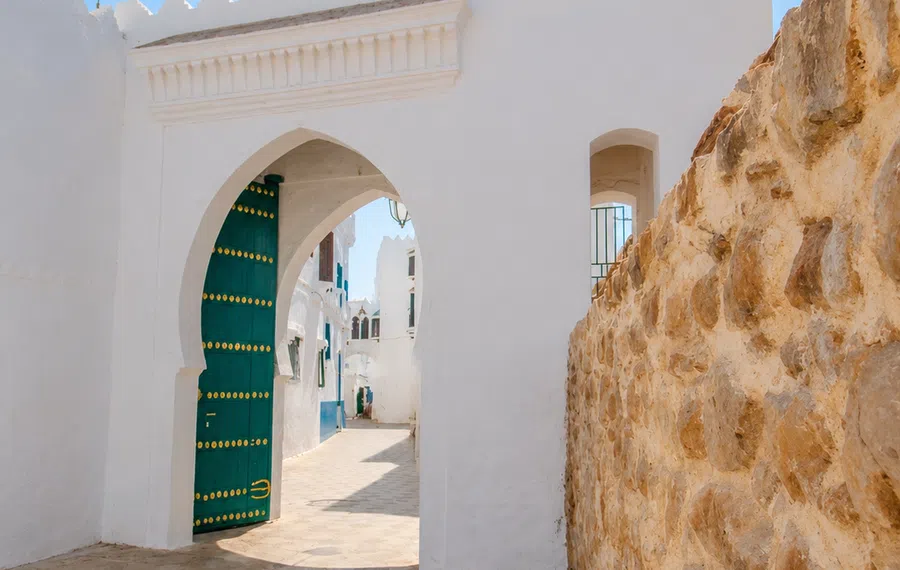
Whitewashed medina, murals, ramparts and sea light.
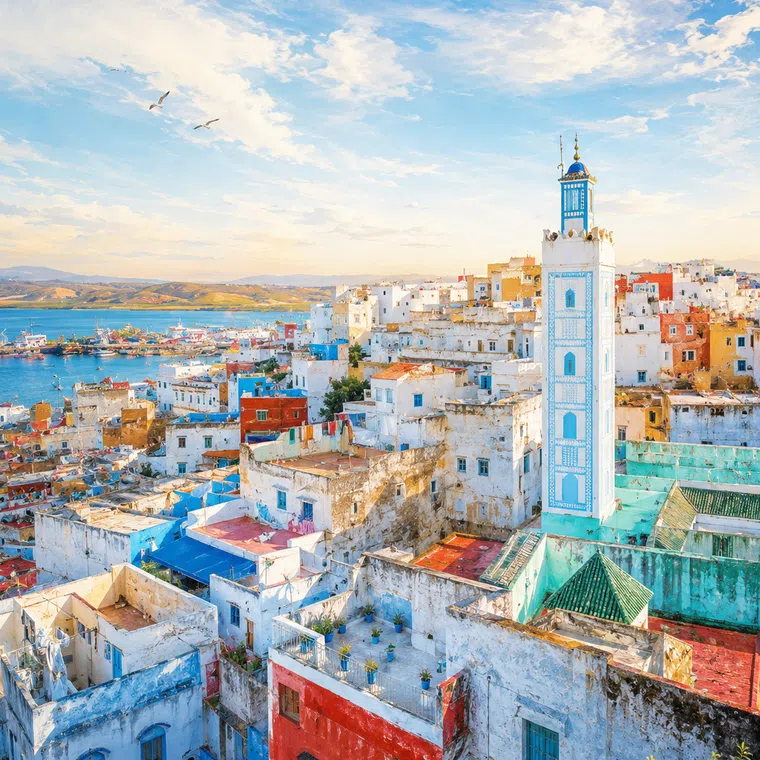
Atlantic balcony, river mouth, Spanish-Moroccan layers and Lixus memory.
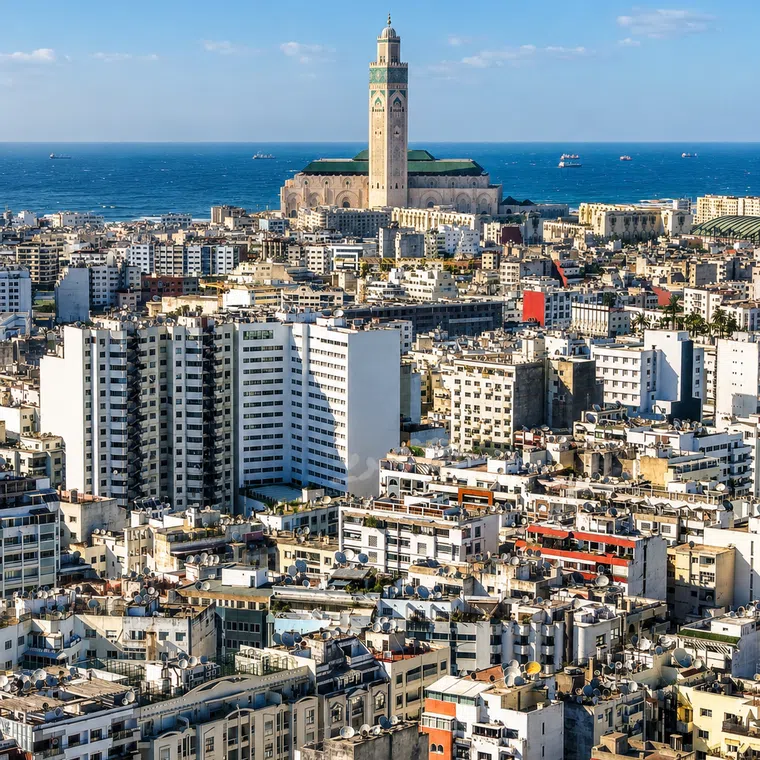
Modern Atlantic metropolis, port scale and Art Deco layers.
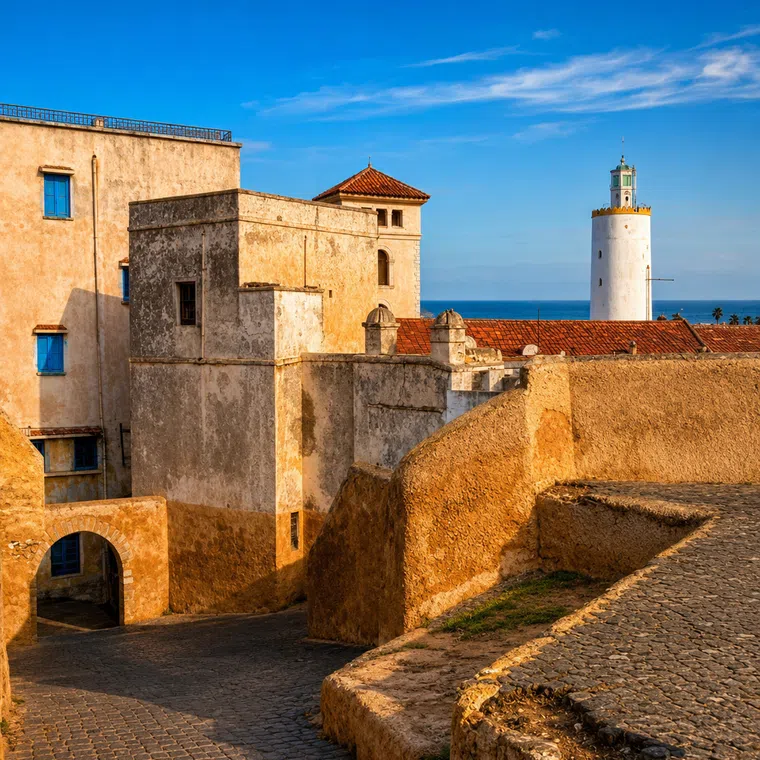
Portuguese-era walls, UNESCO memory and Atlantic stone.
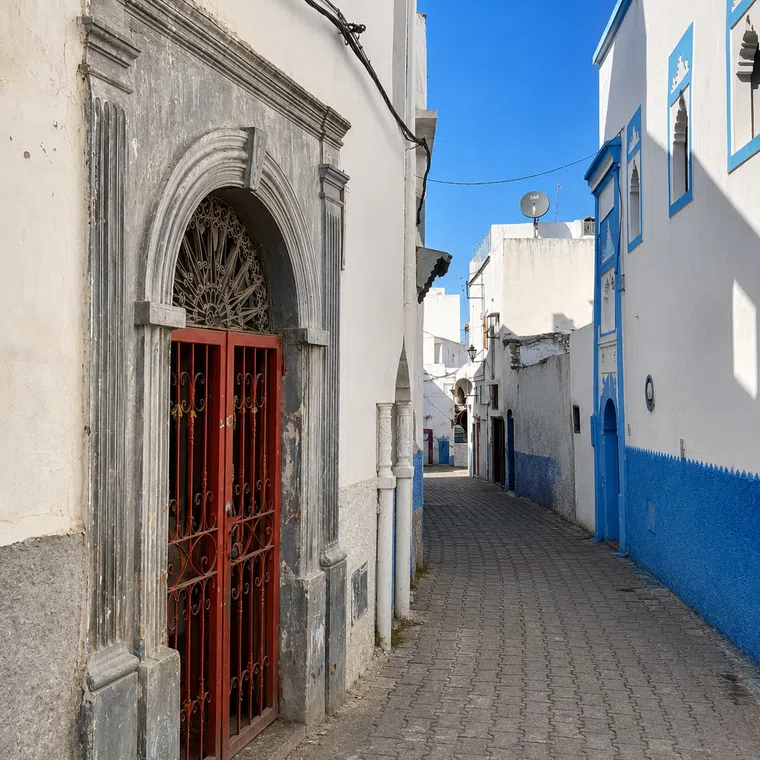
River walls, quiet medina edges and Atlantic artist memory.
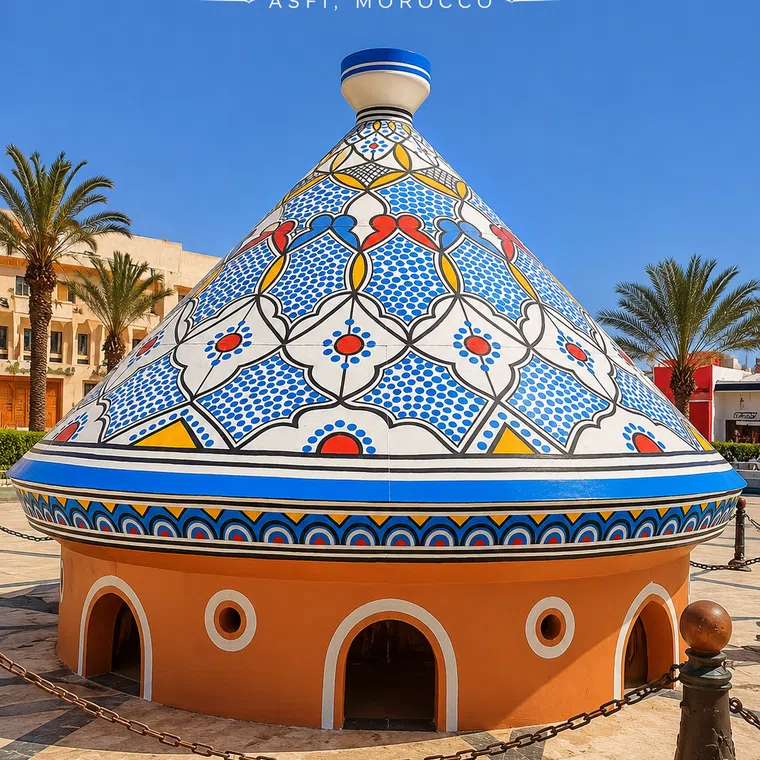
Ceramics, port history, sea cliffs and craft identity.
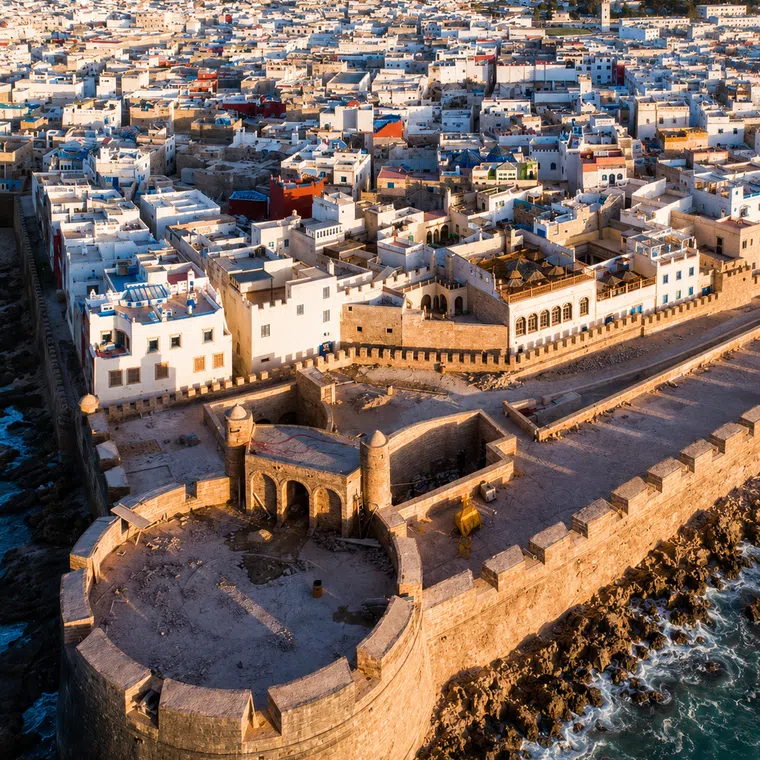
Ramparts, Gnaoua culture, wind and ocean rhythm.
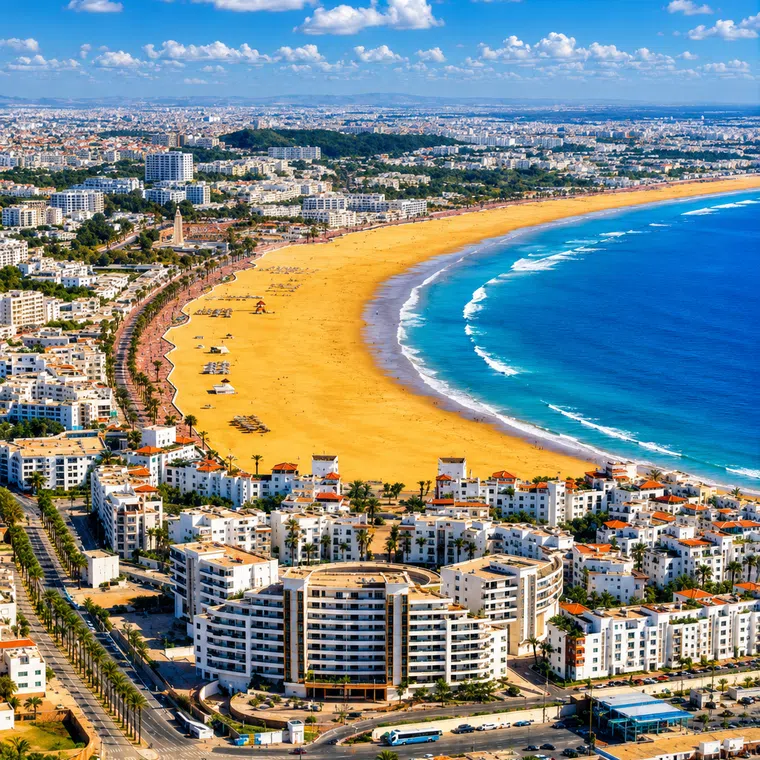
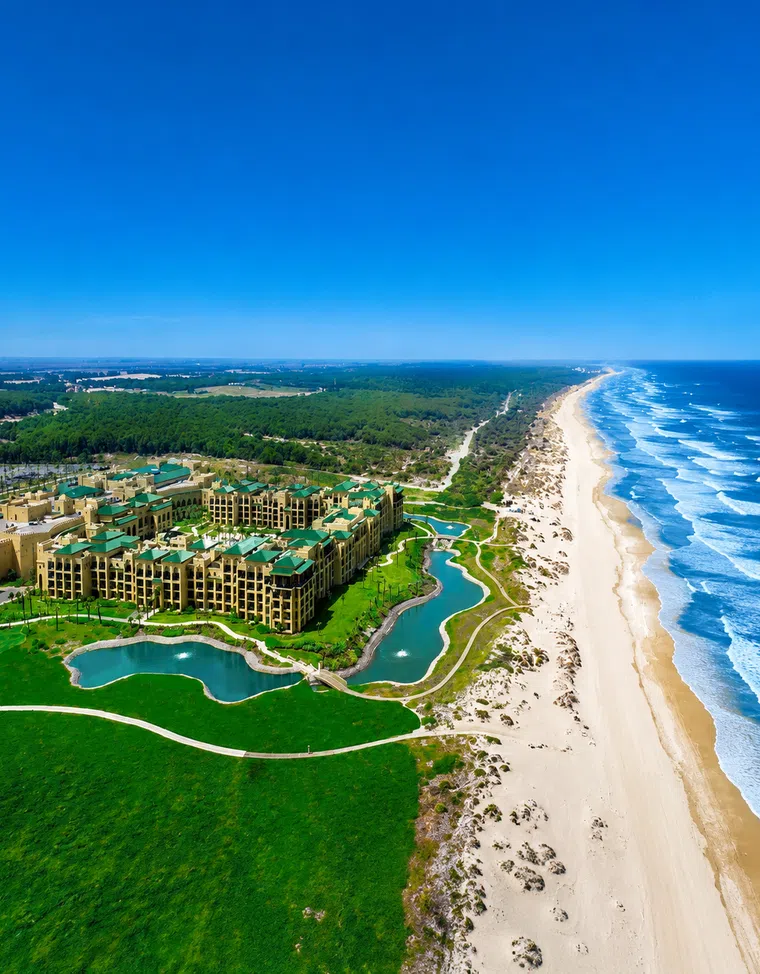
Modern Atlantic resort city, Souss gateway and broad bay.
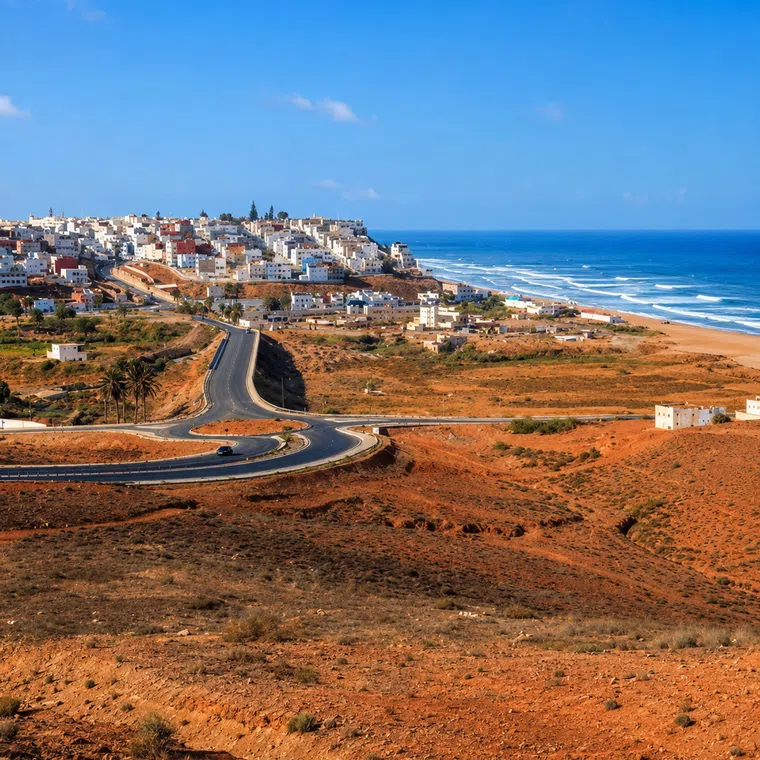
Southern Atlantic town, sea cliffs and Art Deco memory.
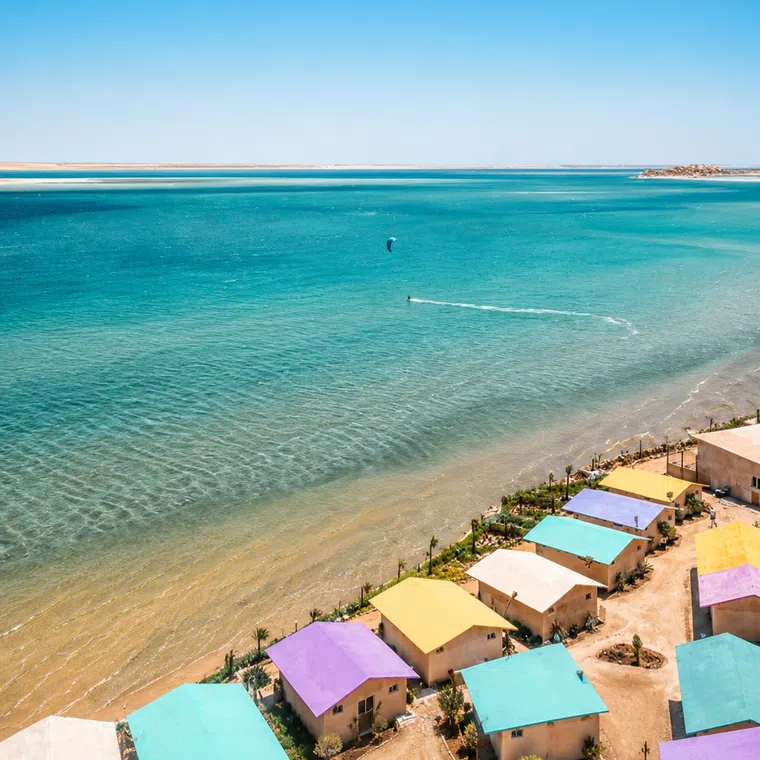
Lagoon, desert-sea landscapes and wind-sport culture.
The route runs south from Asilah and Larache through Casablanca, El Jadida and Azemmour, then follows Safi, Essaouira, Agadir, Sidi Ifni and Dakhla toward the Sahara coast.
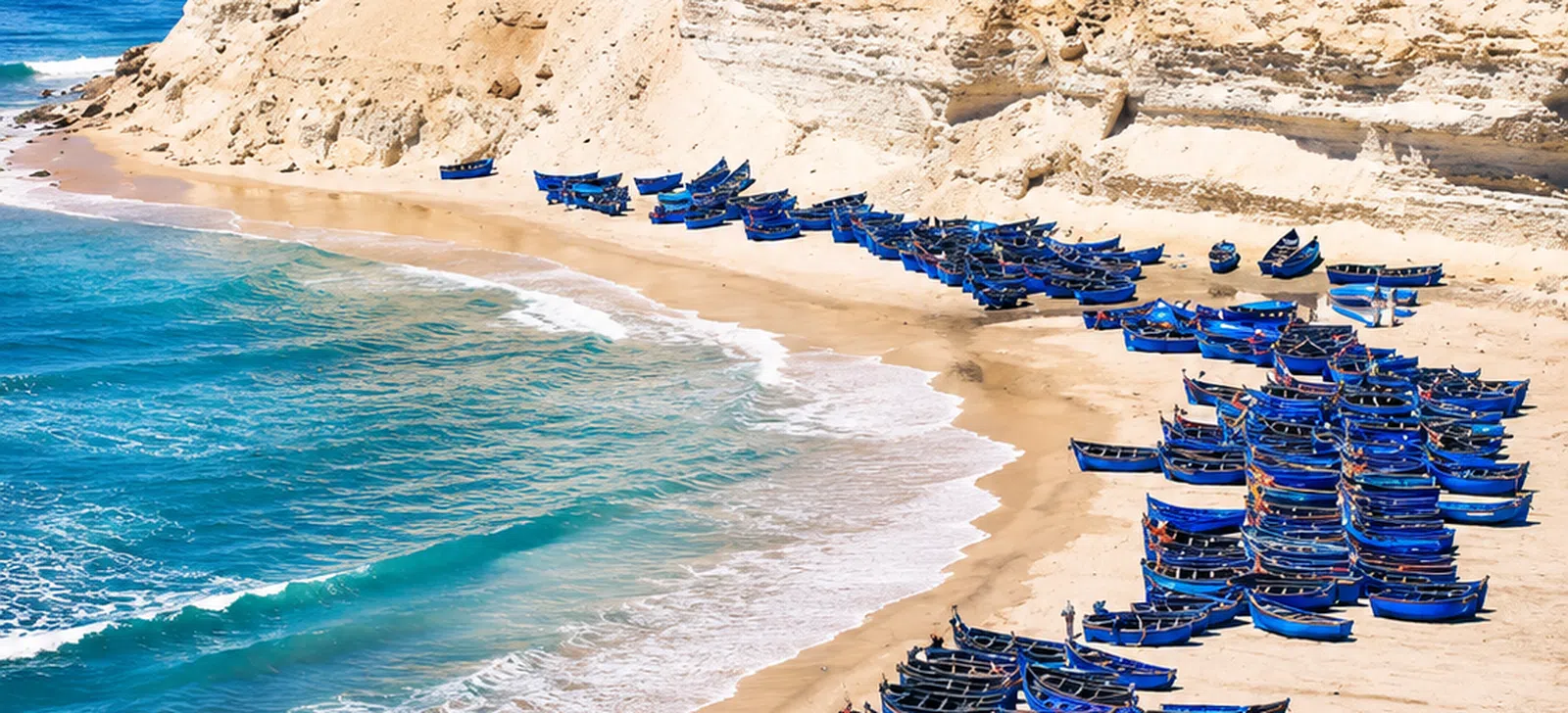 Atlantic route · Ocean medinas to Sahara coast
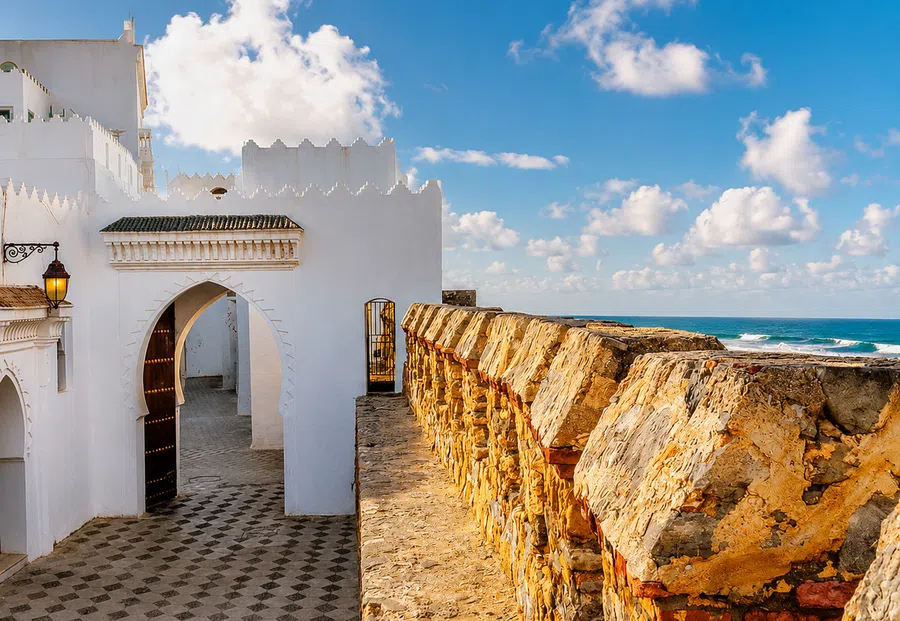 Asilah ramparts
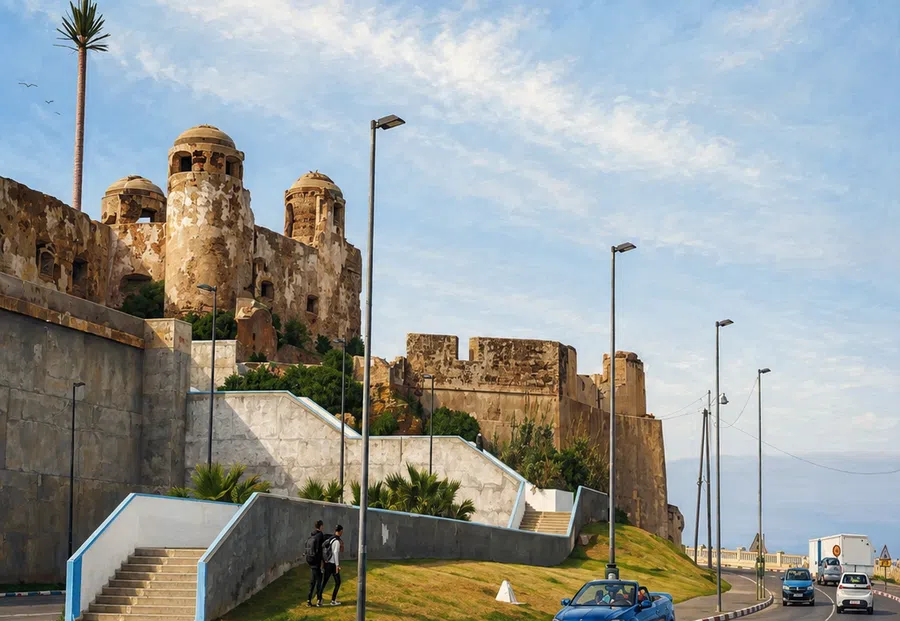 Larache & Lixus
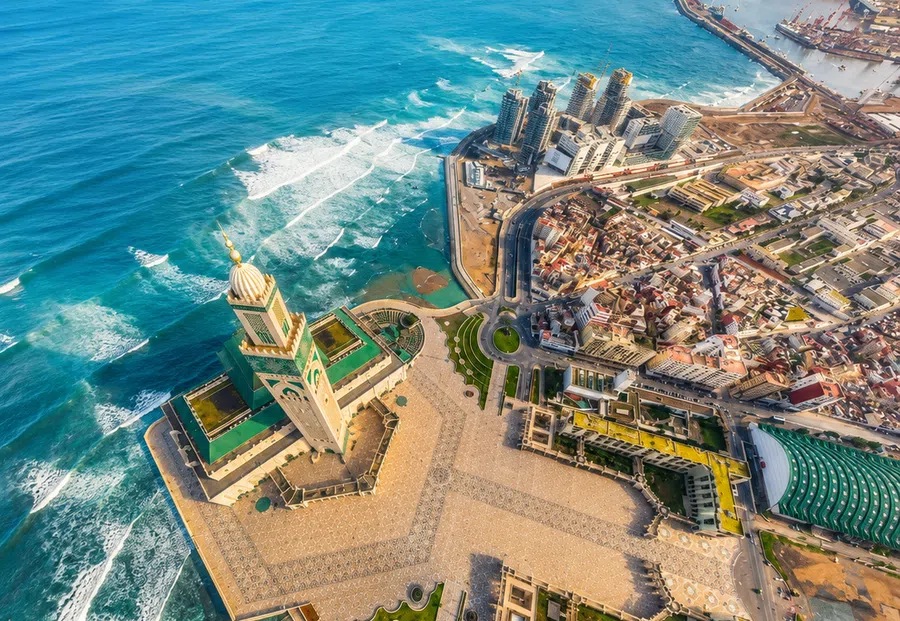 Casablanca port
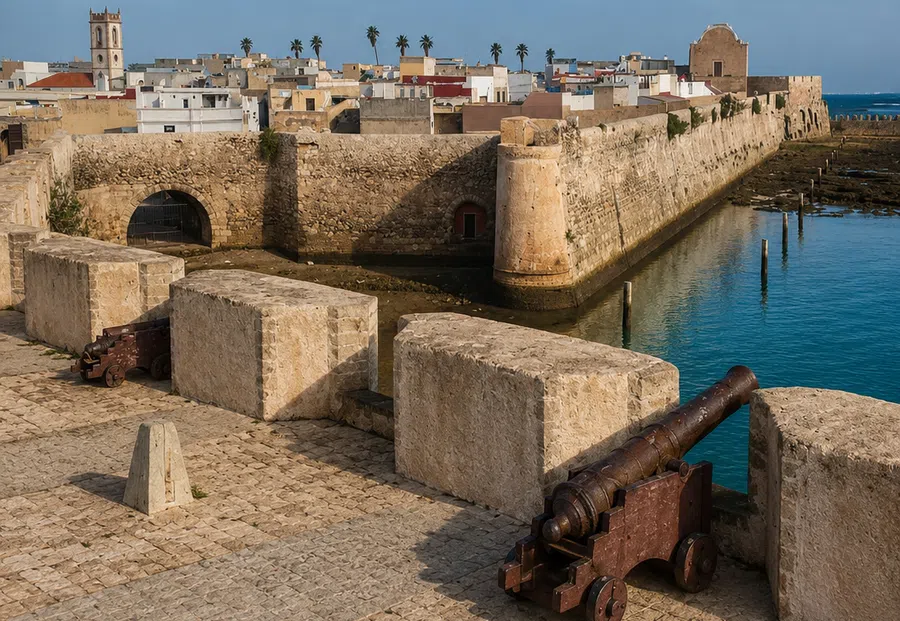 El Jadida / Mazagan
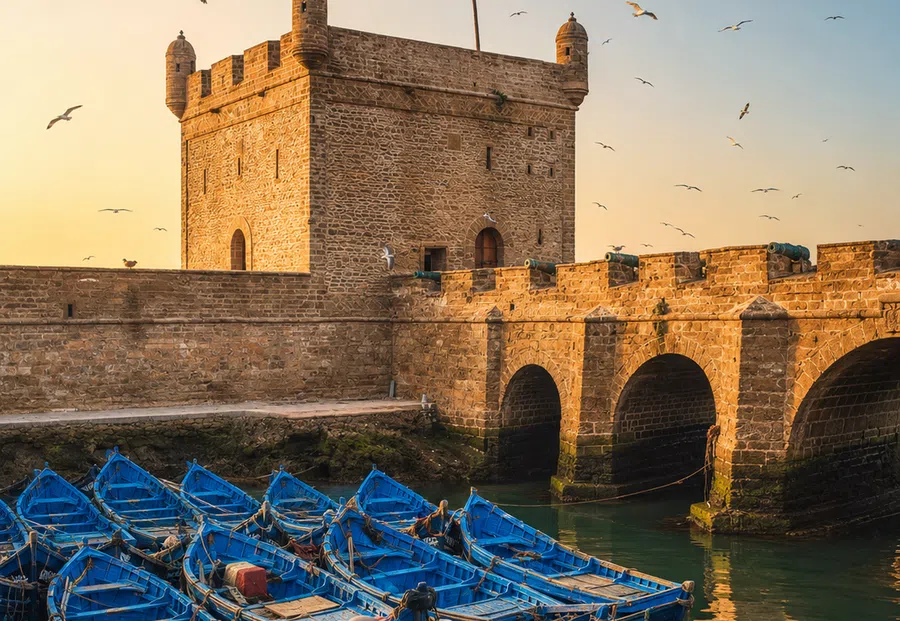 Essaouira wind
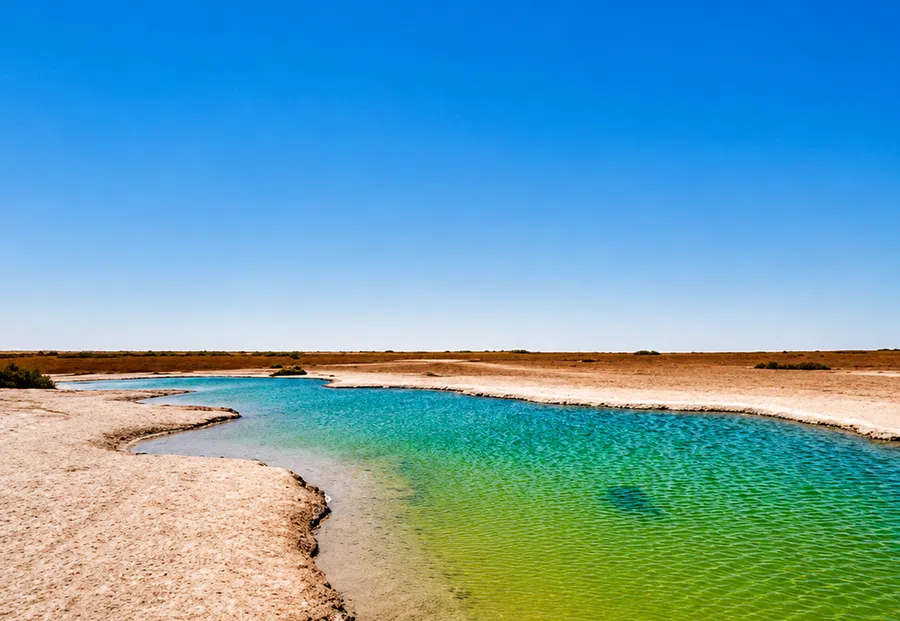 Dakhla lagoon
The Atlantic coast is not one mood. It is a long sequence of river mouths, port cities, ocean medinas, craft towns, modern skylines and desert-sea horizons.
Casablanca, Agadir and Dakhla show Morocco’s modern Atlantic scale, from business port to resort bay to lagoon city.
Larache and Azemmour connect old walls, river mouths and coastal trade memories.
El Jadida and Safi preserve Portuguese-period fortification layers. Essaouira adds a distinct eighteenth-century planned port.
Surf, wind, fishing ports, craft streets and sea-facing medinas give the region its daily rhythm.
Asilah brings white ocean walls; Casablanca adds modern port energy; Essaouira carries wind and ramparts; Dakhla closes the route with lagoon and desert-sea light.
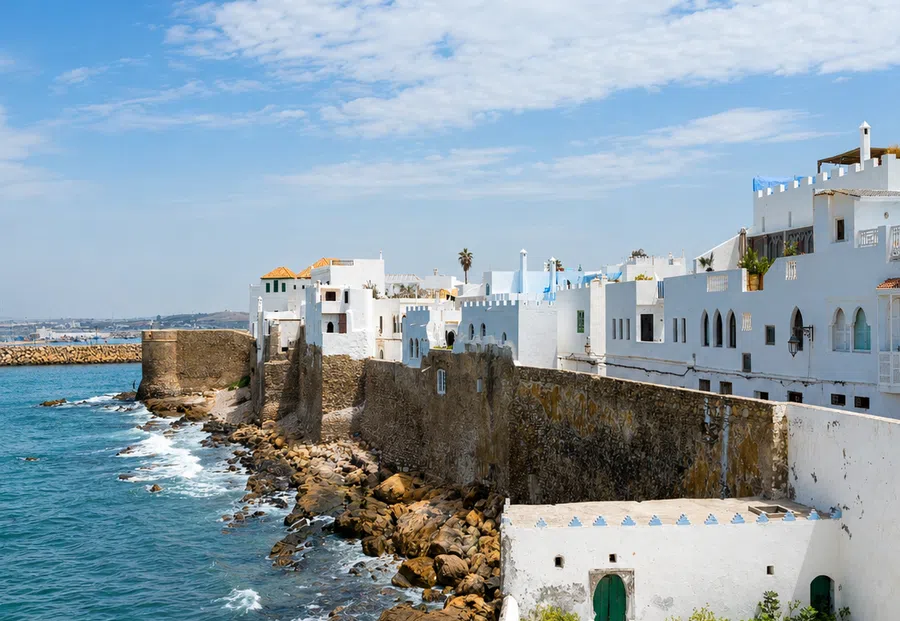
Whitewashed medina, murals, ramparts and Atlantic calm.
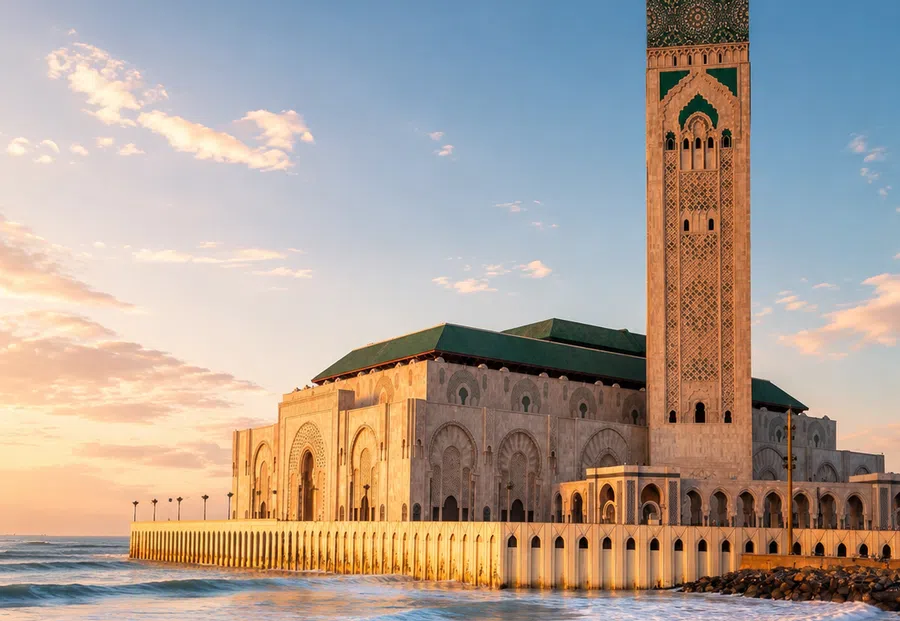
Modern metropolis, port identity, Corniche edges and Art Deco layers.
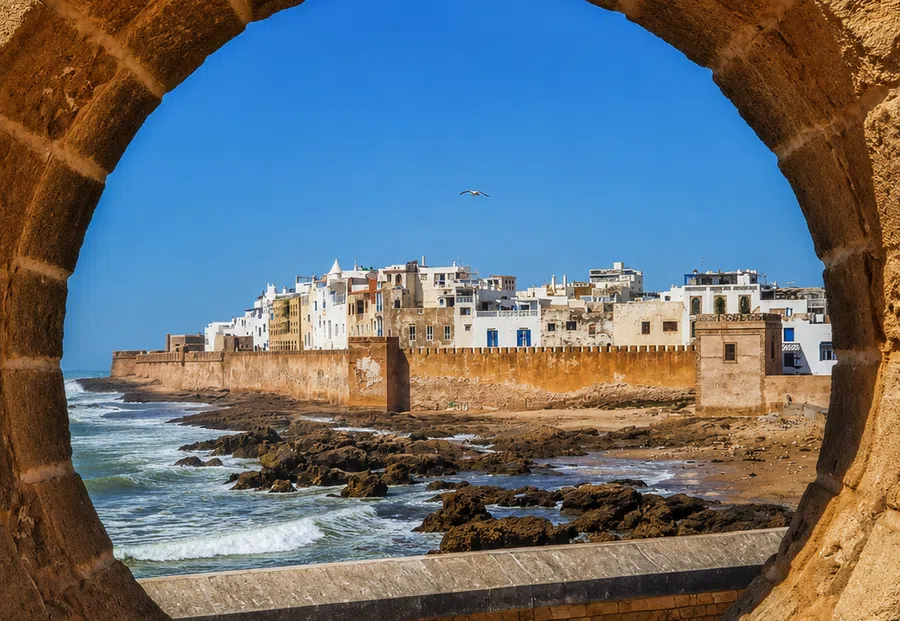
Mogador ramparts, Gnaoua rhythm, fishing port and Atlantic wind.
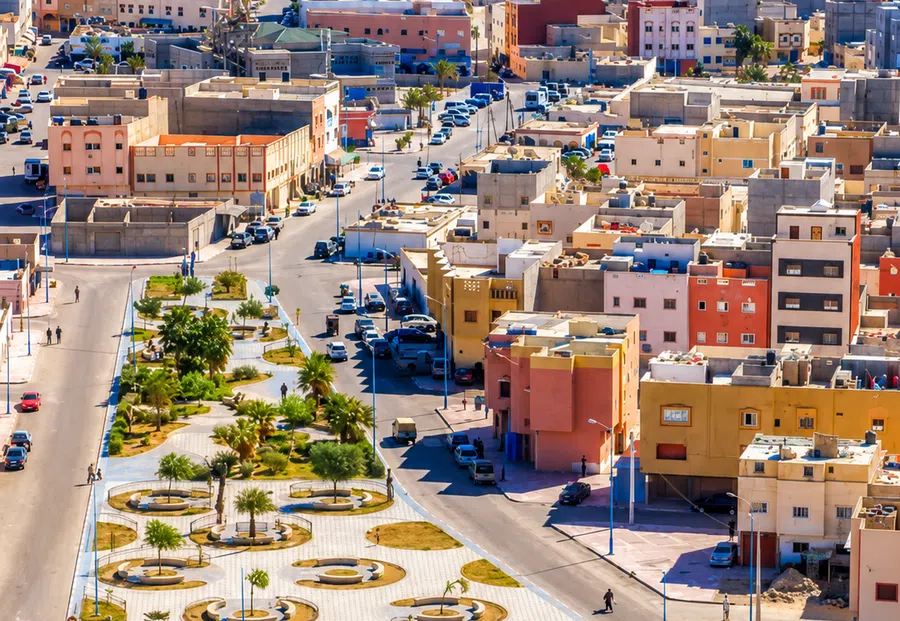
Lagoon horizons, desert-sea landscapes and wind-sport culture.
The Atlantic route is built from sea walls, ports, river towns, craft cities, modern boulevards, surf culture and the desert-facing lagoon landscape of the far south.
Asilah, El Jadida and Essaouira frame the Atlantic through white walls, gates, ramparts and sea-facing streets.
Larache and Azemmour show how Atlantic towns grew around estuaries, crossings, walls and trading memory.
El Jadida and Safi retain Portuguese-period coastal layers; Essaouira’s principal fortified urban form belongs to a later Moroccan port project.
Casablanca and Agadir bring large-scale Atlantic urban life, rebuilt districts, business energy and bayfront movement.
Safi’s ceramics and Essaouira’s wind culture add handmade texture and ocean sound to the route.
A whitewashed ocean medina of murals, ramparts and Atlantic calm.
Asilah keeps the route intimate: white lanes, sea-facing walls, painted surfaces and a medina rhythm shaped by light, art and the Atlantic edge.
The compact medina makes a good place to compare an outward-facing wall with an inward street. Follow changes in wind and shade as you move between them. Murals belong to an ongoing artistic life rather than a permanent catalogue, so let the current streets guide the visit. A quiet hour may reveal the practical use of a lane more clearly than a photograph taken only at its most colourful corner. Pair the town with another northern stop instead of treating the whole Atlantic coast as a short excursion.
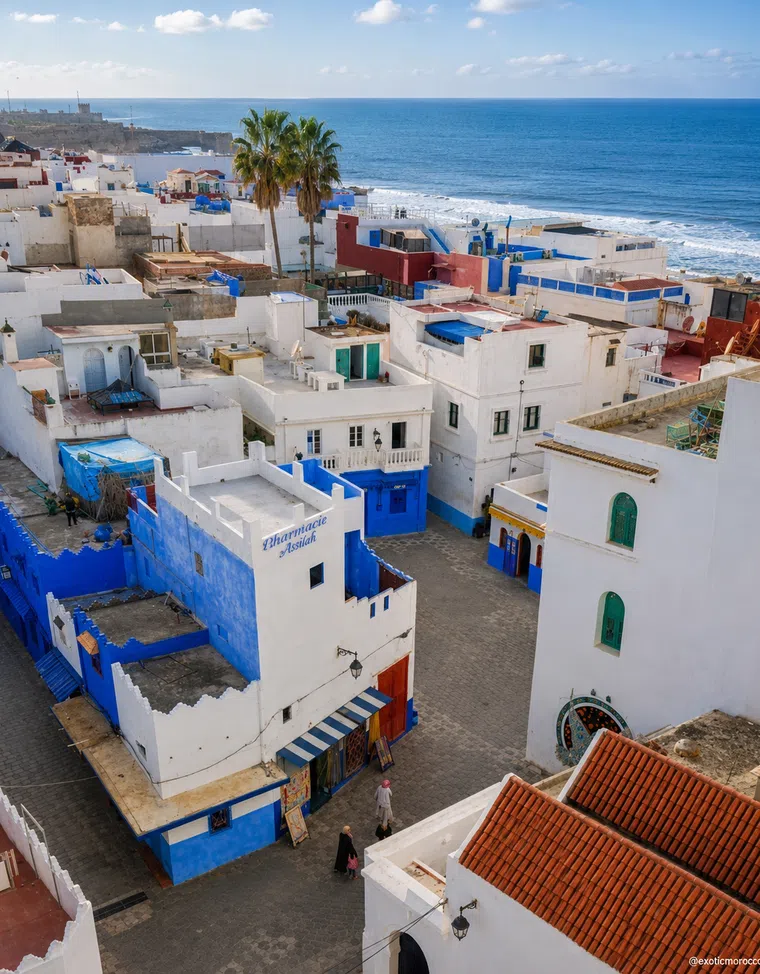 Ocean medina
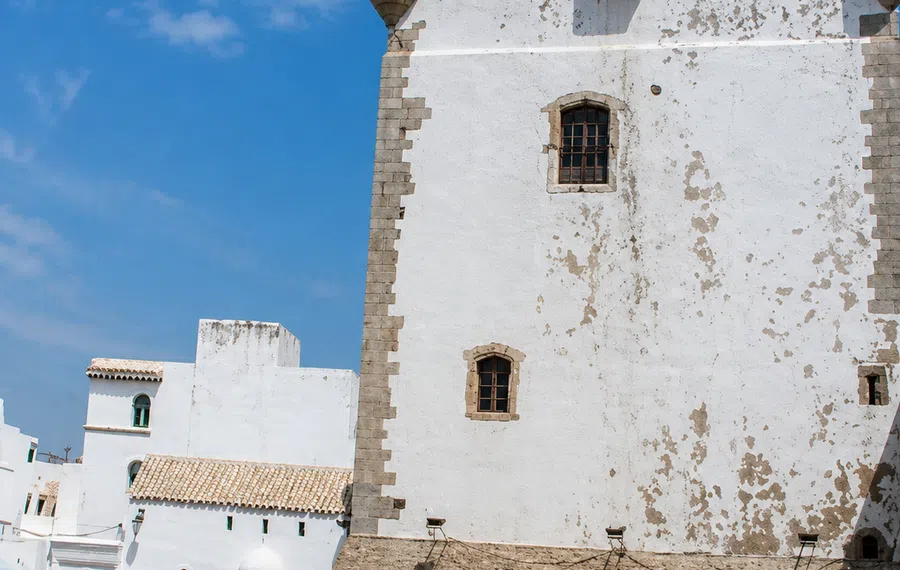 Ramparts
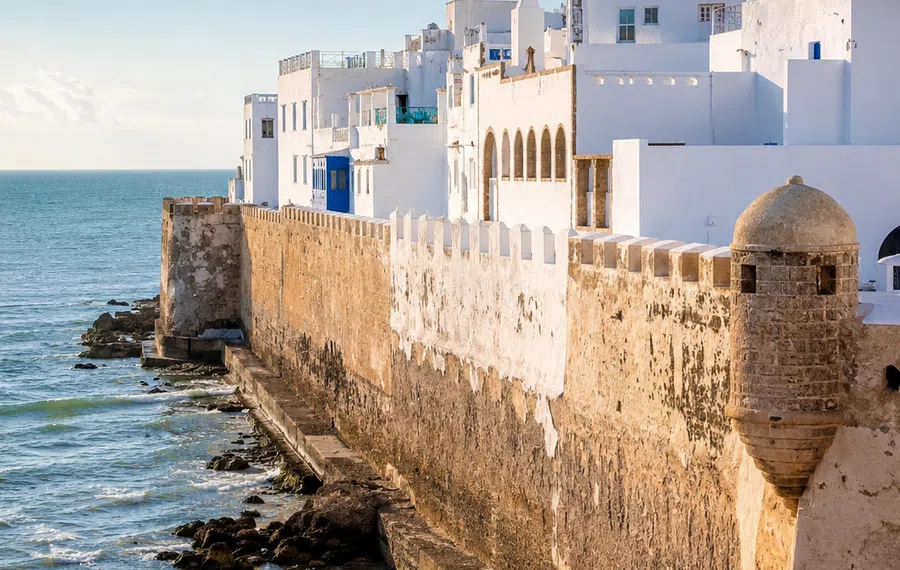 Atlantic walls
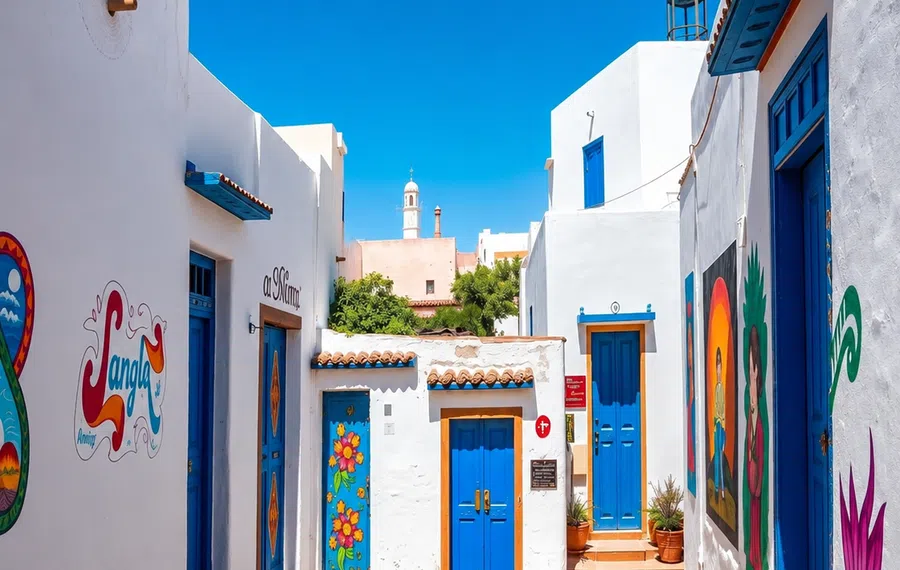 Murals
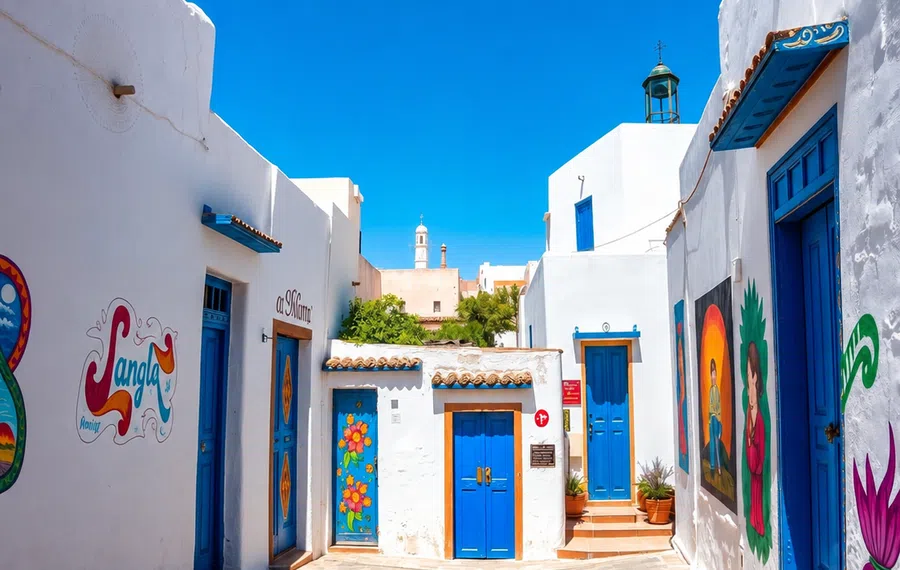 White lanes
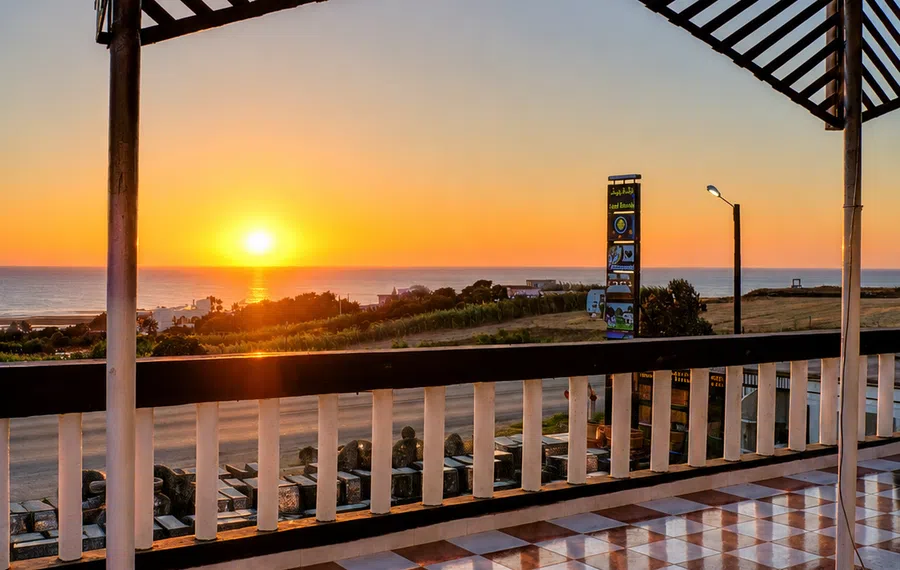 Sea light
 Atlantic detail
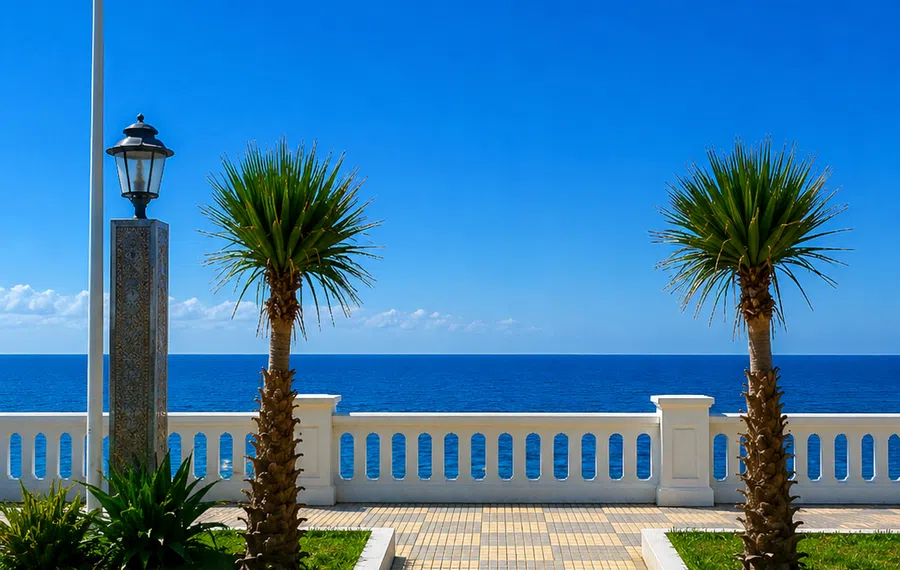
 Atlantic balcony
 Loukkos river
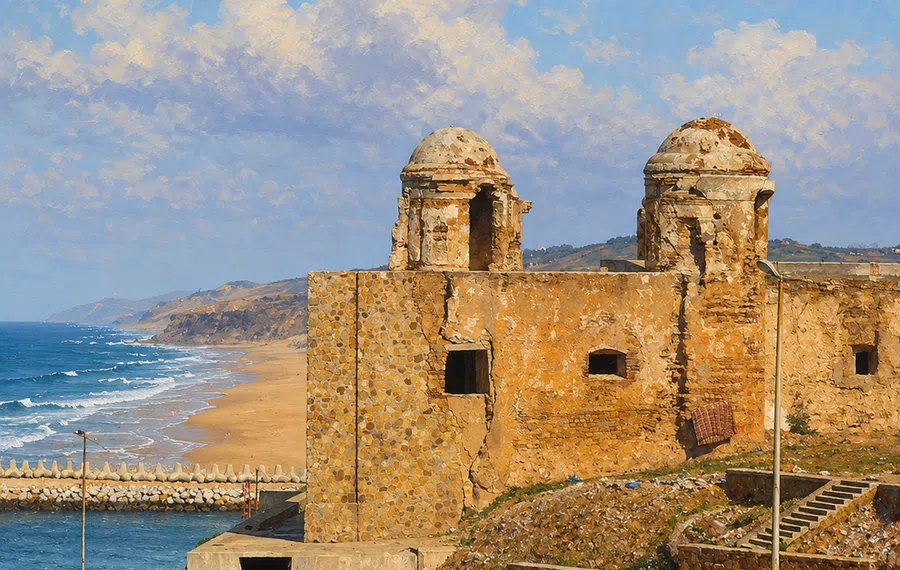 Lixus memory
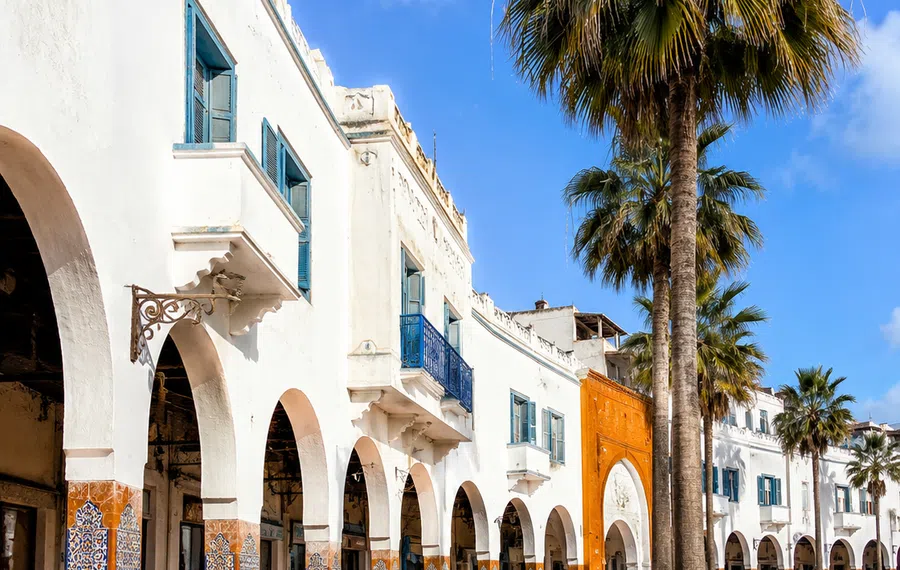 Spanish-Moroccan layers
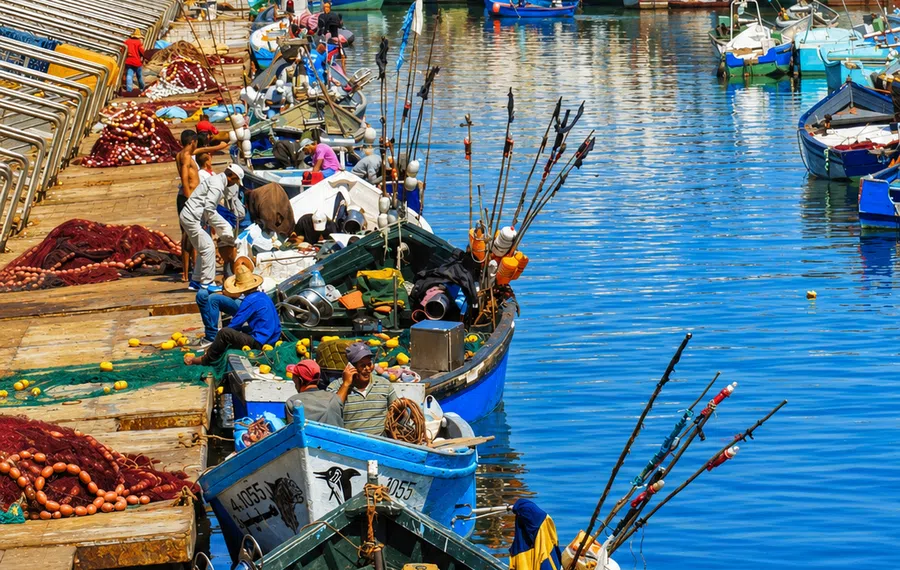 Port edge
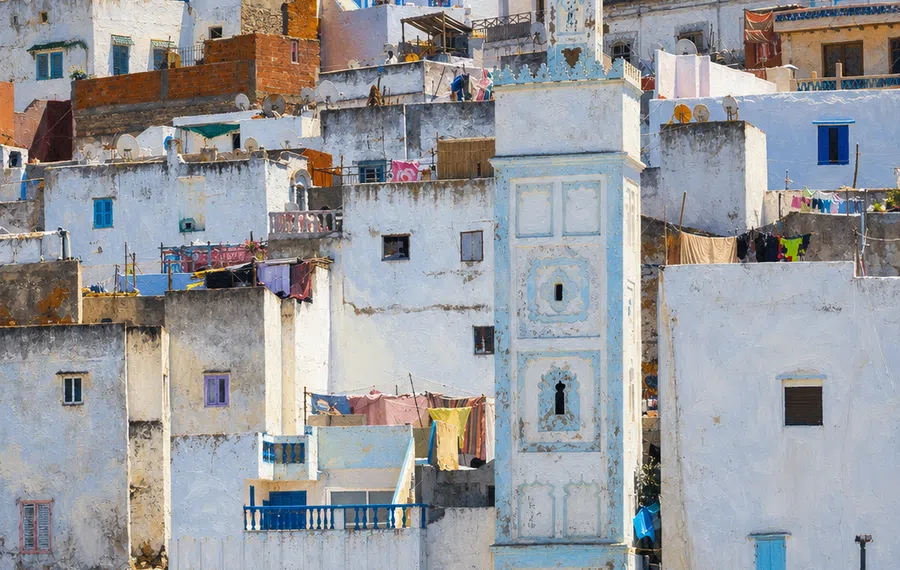 Medina view
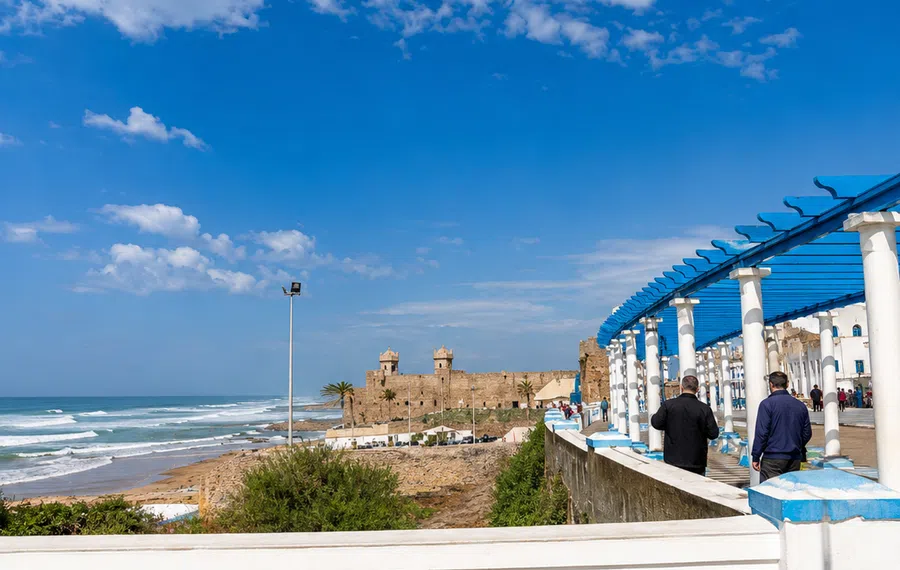 Coastal detail
A river-and-ocean city with Spanish-Moroccan layers and nearby Lixus.
Larache sits by the Loukkos river and the Atlantic, with old streets, balcony viewpoints, port atmosphere and the archaeological memory of Lixus close by.
The river mouth is the key to reading this stop. From the city, notice how the estuary, harbour and sea sit in relation to the streets. Lixus is a separate archaeological visit with a different kind of evidence, not a picturesque extension of the medina. Combine them only with enough time for the transfer and a considered walk. Their relationship helps connect an urban present with a much longer coastal history without suggesting that every visible building belongs to the same period.
Morocco’s largest Atlantic city: port scale, modern energy and Art Deco layers.
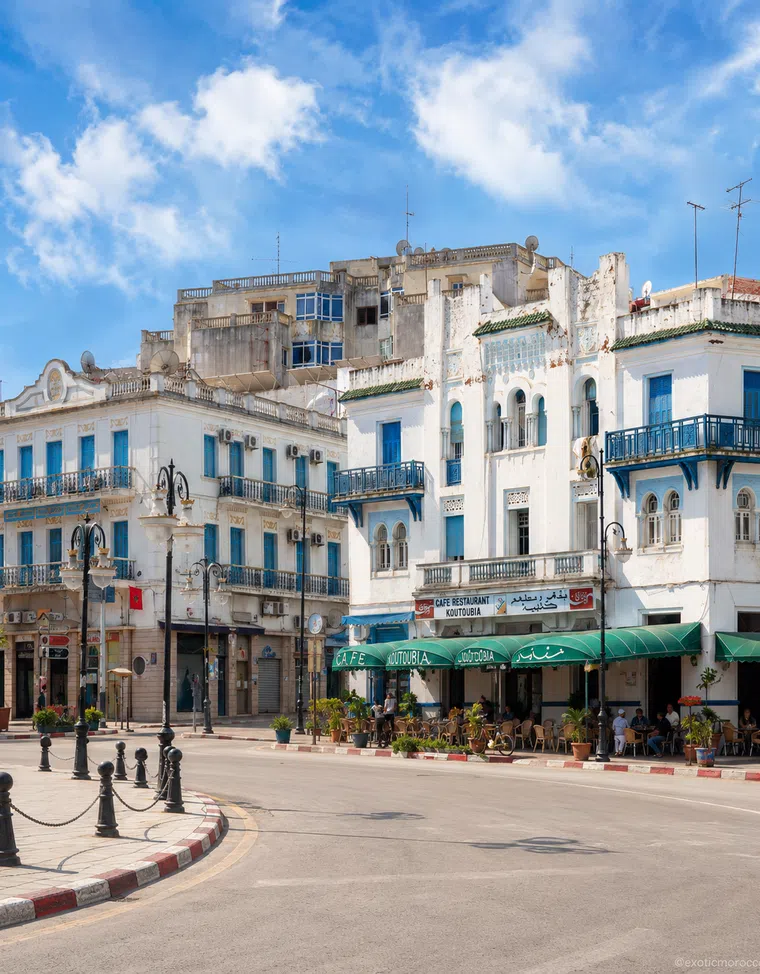
Casablanca changes the route’s scale. The city brings Atlantic business life, port edges, Art Deco streets, Corniche movement and the monumental sea-facing presence of Hassan II Mosque.
Keep Casablanca urban, bright and architectural: a modern Atlantic chapter between older medinas, Portuguese walls and southern coastal towns.
Look at the scale of the ordinary street as well as the major monument. Facades, arcades, apartment buildings and busy junctions reveal a city built around modern work and movement. A waterfront walk is only one perspective on that geography. Choose a compact architectural area, then allow a separate part of the day for the mosque or coast if those interest you. Trying to absorb the whole metropolis between smaller medina towns can make its distinctive urban character disappear into a rushed transfer.
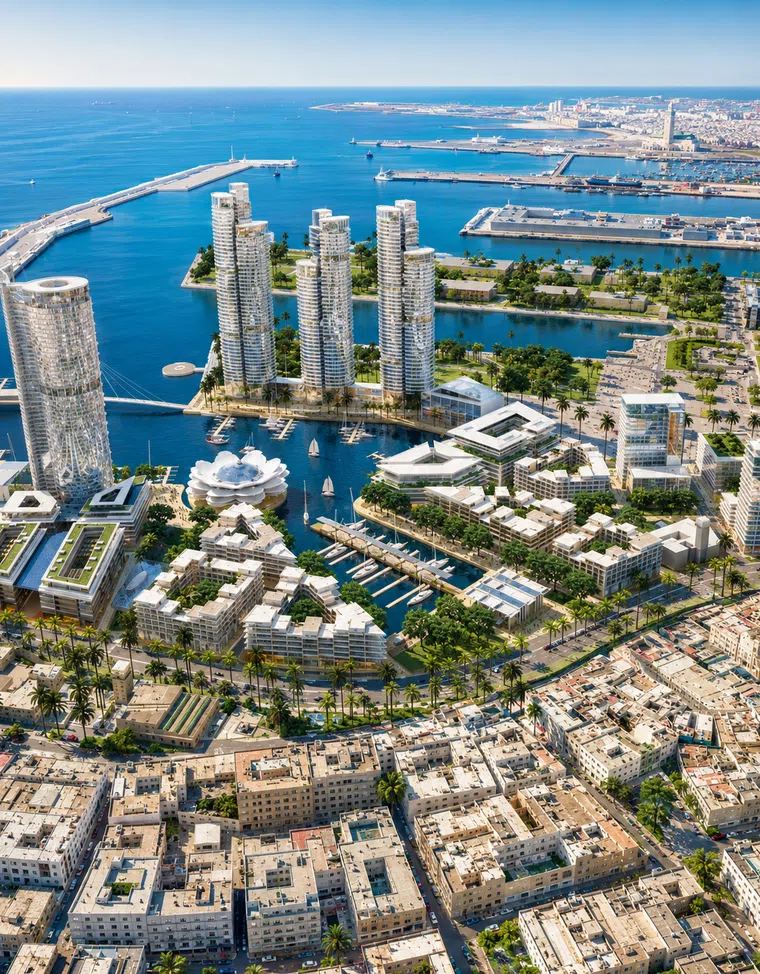 Modern port
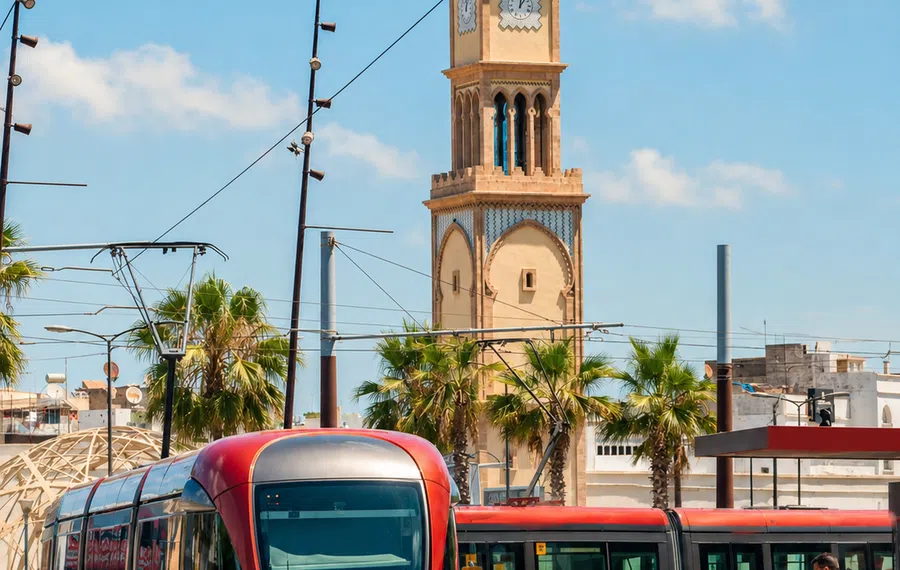 Art Deco layers
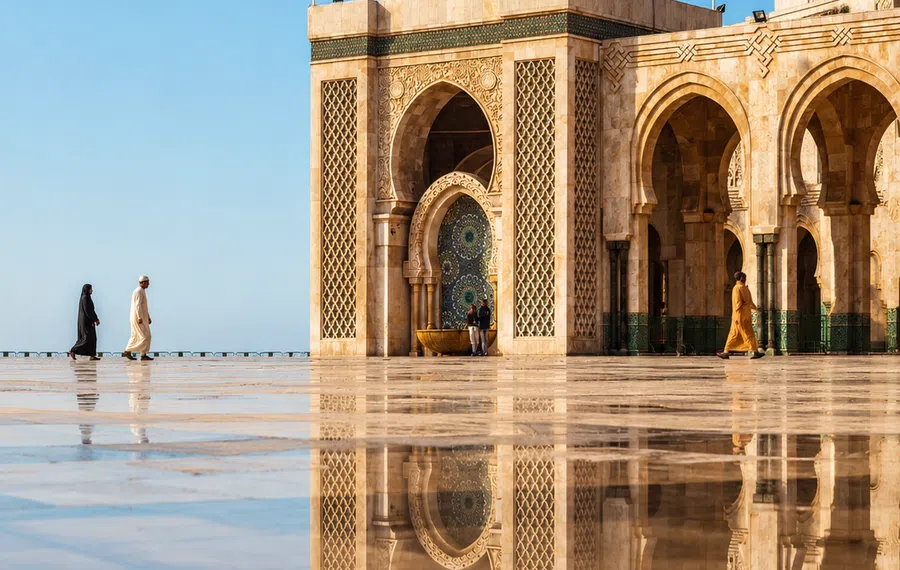 Hassan II Mosque
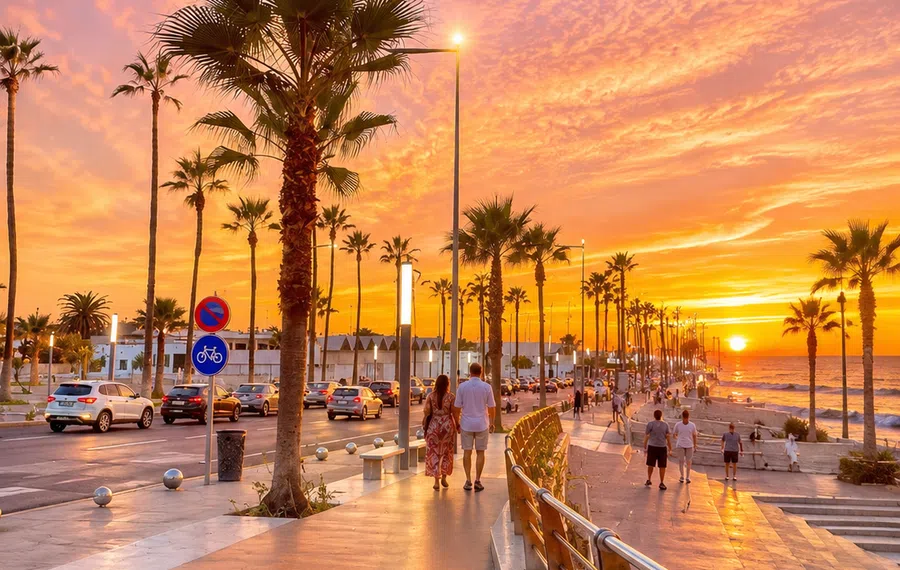 Corniche
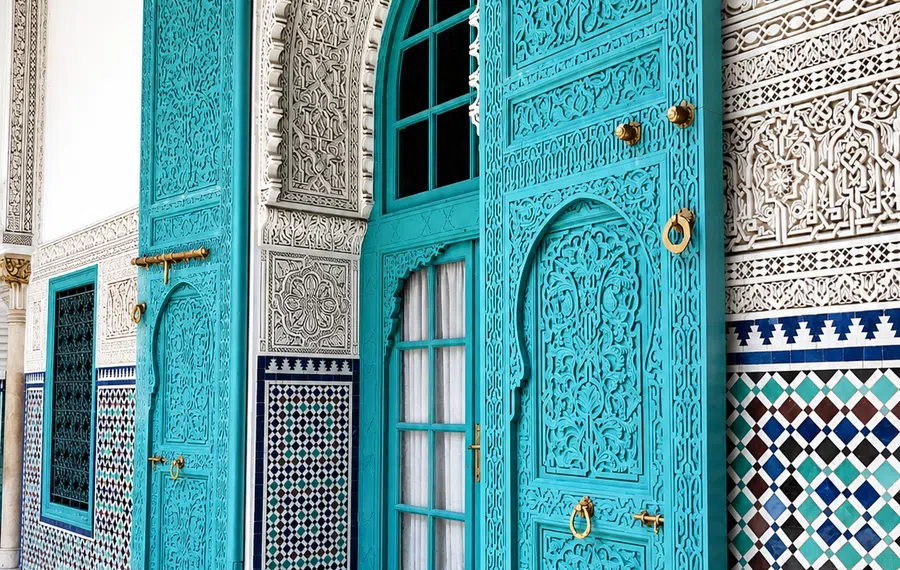 Habous
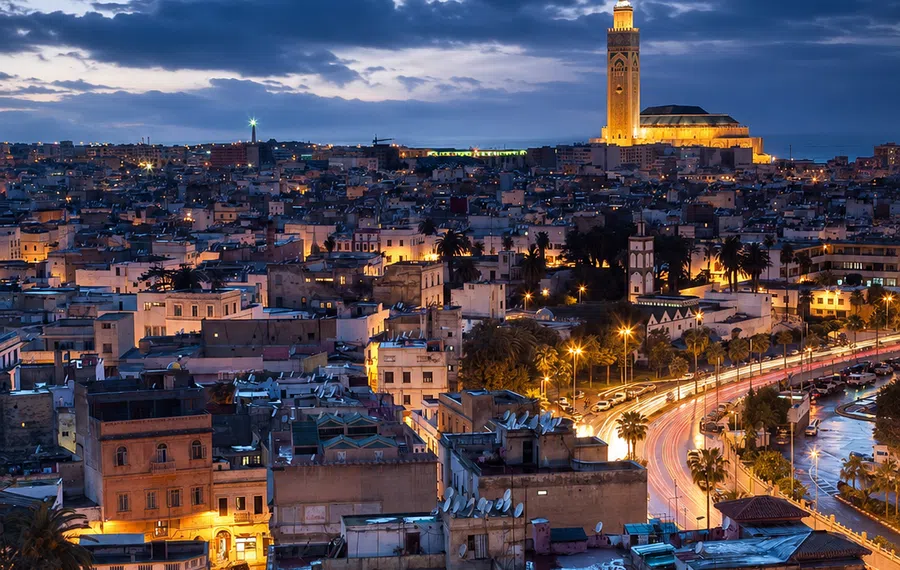 Atlantic skyline
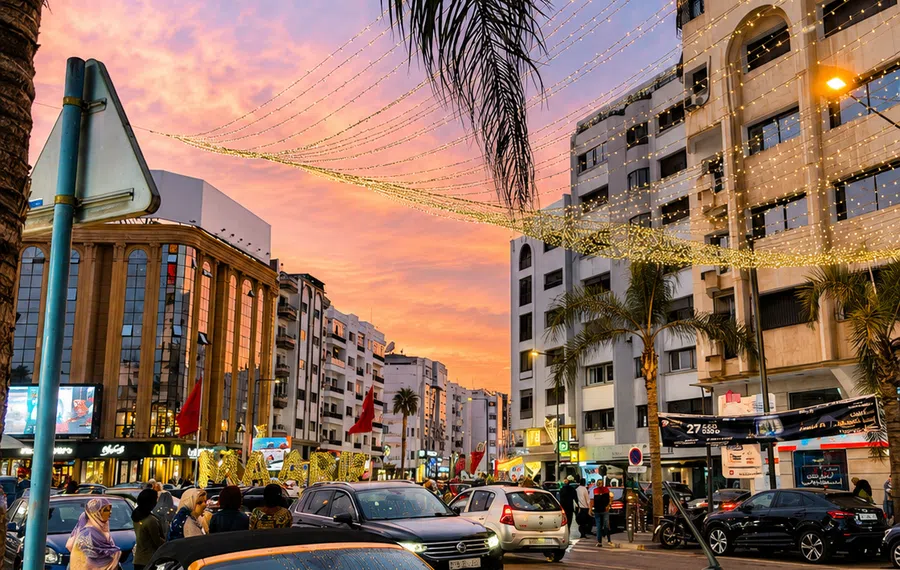 Port rhythm
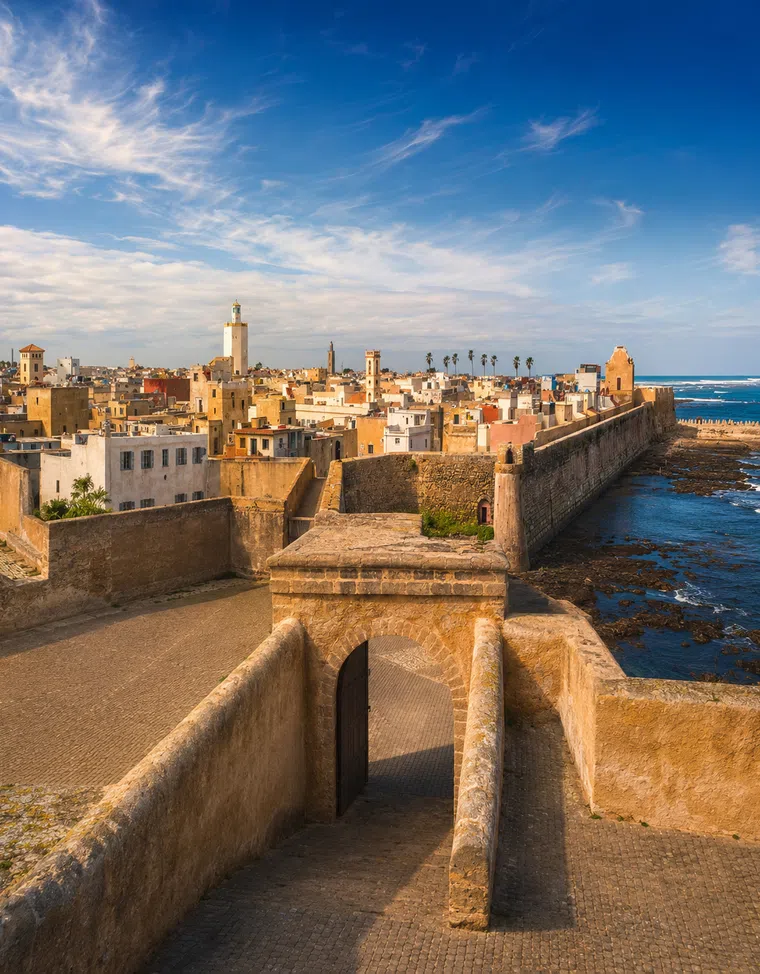 Portuguese City
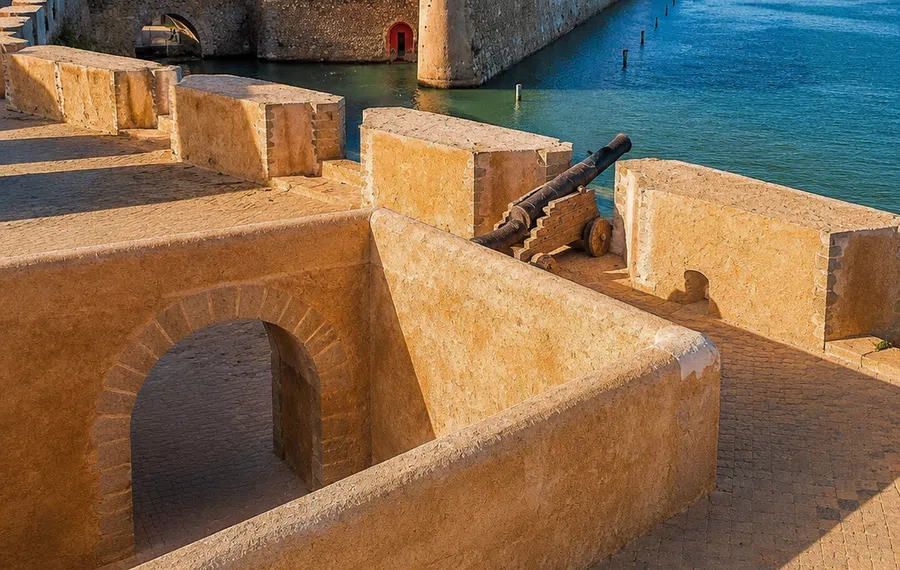 Sea walls
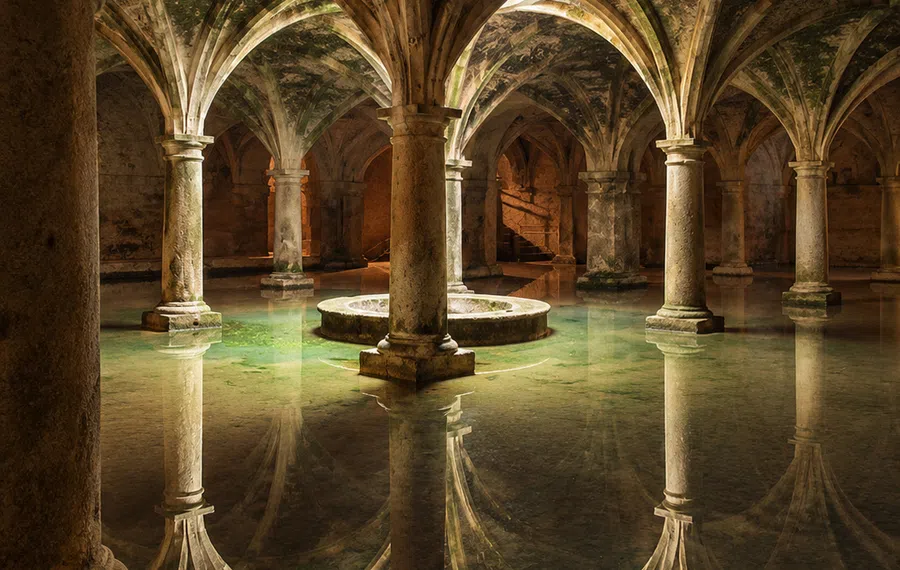 Cistern memory
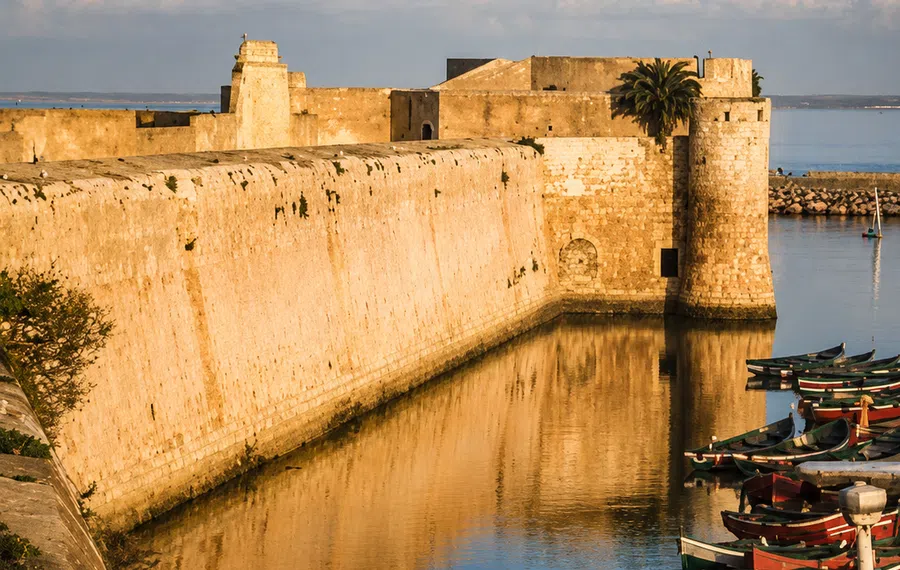 Mazagan ramparts
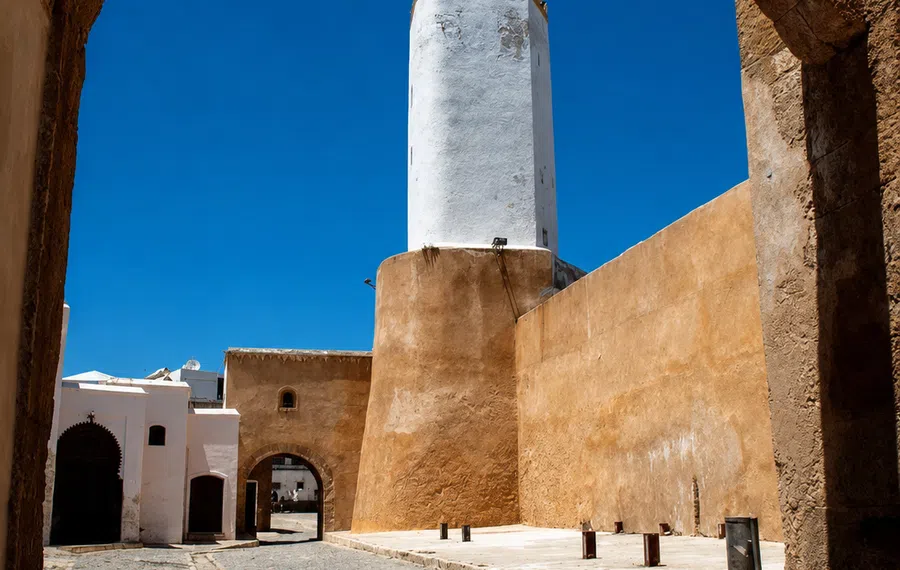 Ocean gate
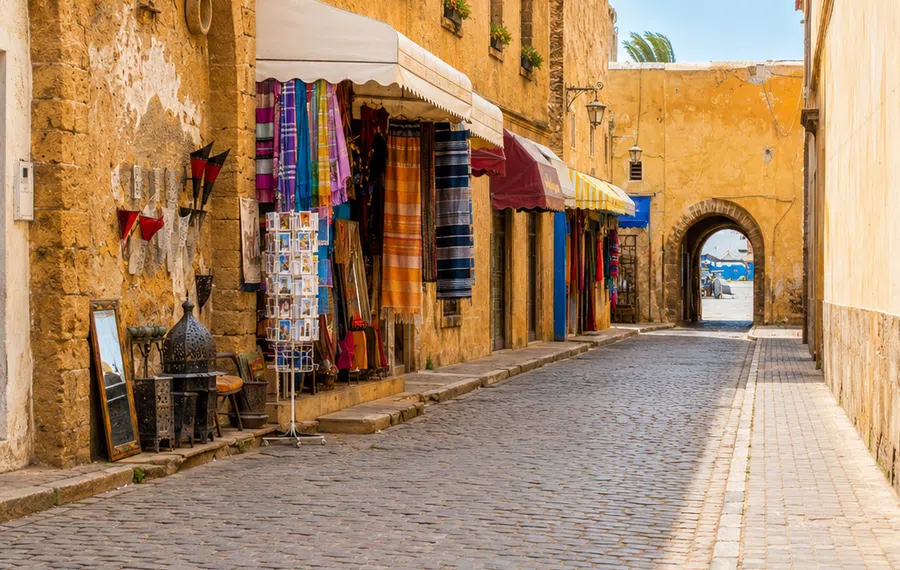 Medina lanes
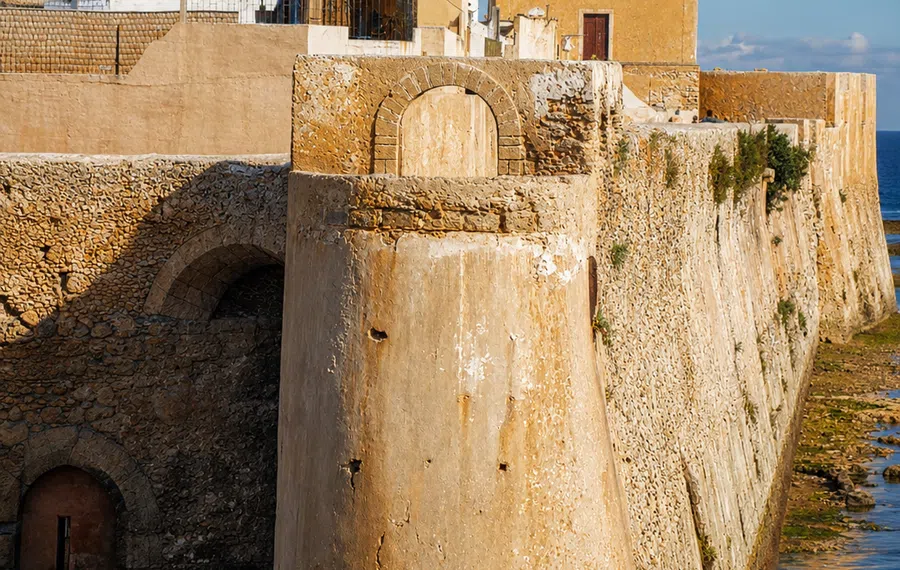 Atlantic stone
A UNESCO Portuguese city where ramparts, cistern memory and Atlantic heritage meet.
El Jadida stands apart through the Portuguese City of Mazagan, sea walls, old gates, stone passages and the famous cistern atmosphere.
This is not Azemmour and not Casablanca. Mazagan adds a compact fortified settlement with a distinct architectural history.
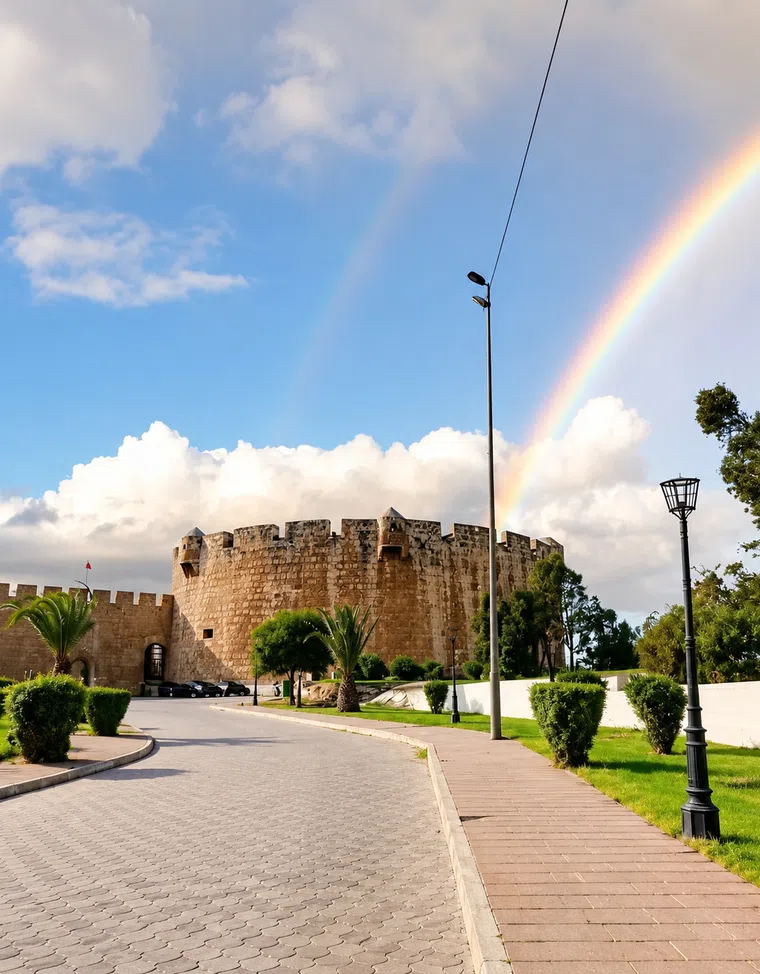
Mazagan is most useful as a comparison between enclosure and connection. Its fortifications define a compact historic area while the sea explains why the position mattered. UNESCO describes a Portuguese fortified city with a later Moroccan history; keep those phases visible when reading the streets. The wider modern city continues beyond the heritage boundary. Check access to individual monuments rather than assuming that inscription guarantees entry, and compare the enclosed streets with the more open seafront outside them.
A quieter Atlantic river town with old walls, painted traces and Oum Er-Rbia light.
Azemmour follows the Oum Er-Rbia near the Atlantic, with a walled medina, river views, artistic memory and a slower atmosphere than the larger coastal cities.
Read the river edge before moving deeper into the lanes. Water, walls and changes of level explain the setting more clearly than a list of decorative doorways. Azemmour and El Jadida can form a useful pair because they offer different relationships to water: an estuarine town and a fortified ocean-facing city. Keep the comparison specific. A small inhabited street deserves the same care as a major attraction, including permission before photographing people and space for residents to pass.
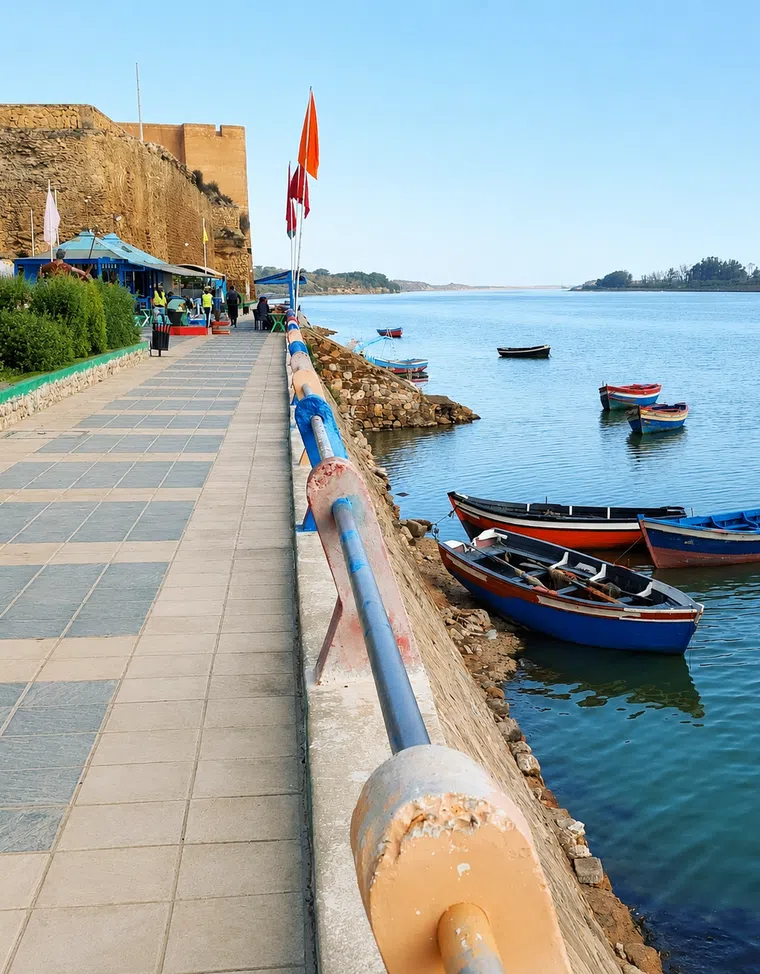 Oum Er-Rbia river
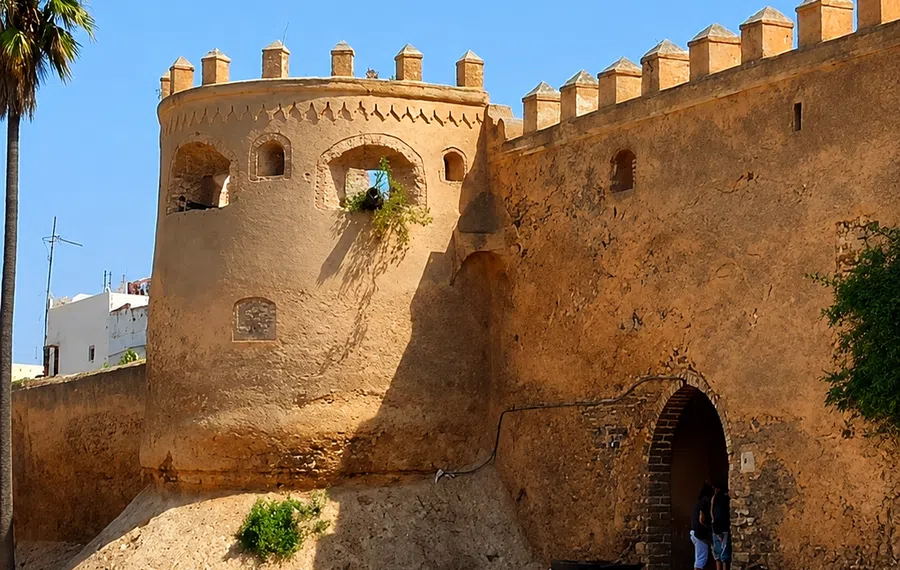 Atlantic walls
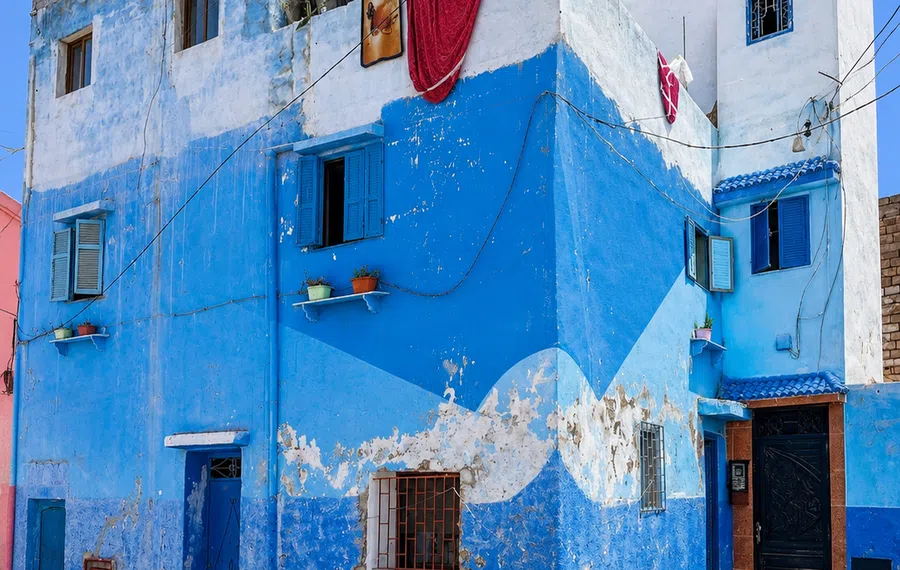 Painted medina
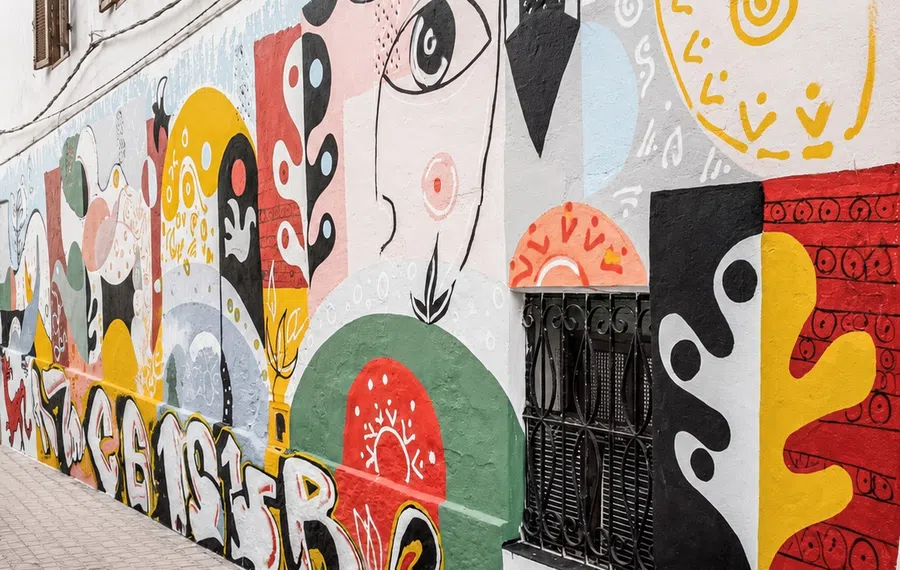 Artist memory
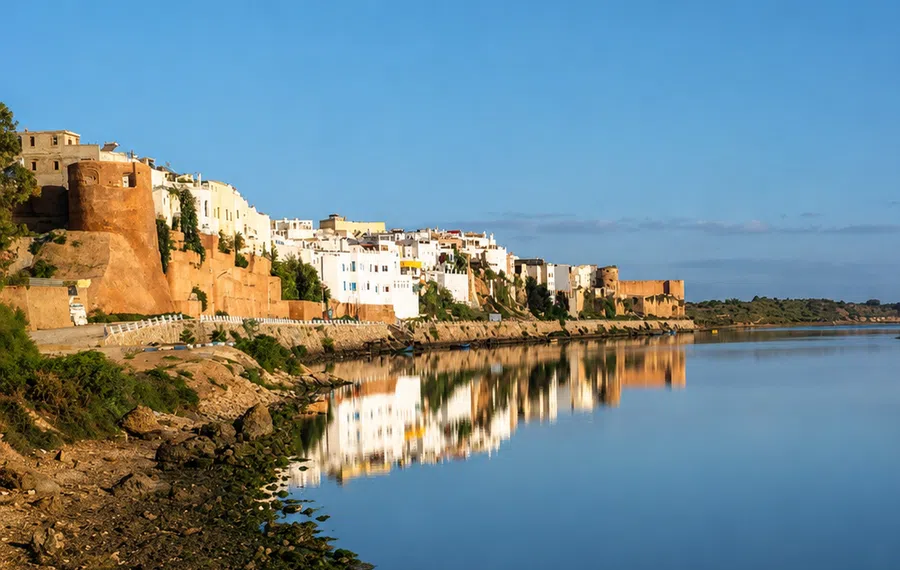 River mouth
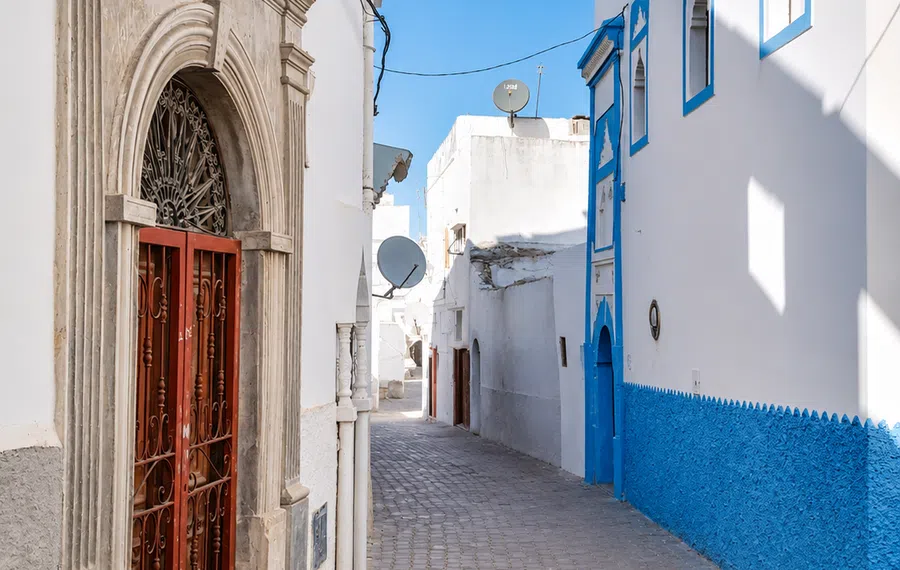 Quiet lanes
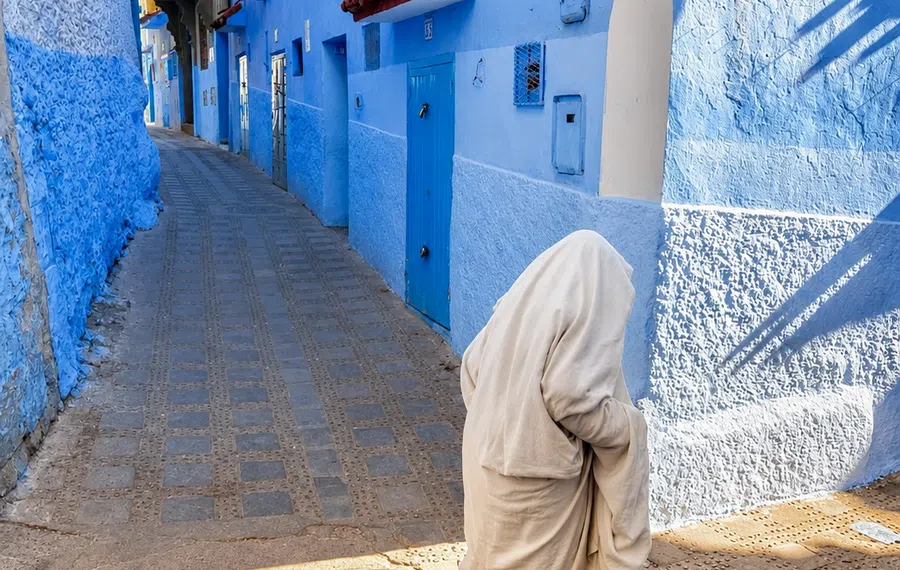 River light
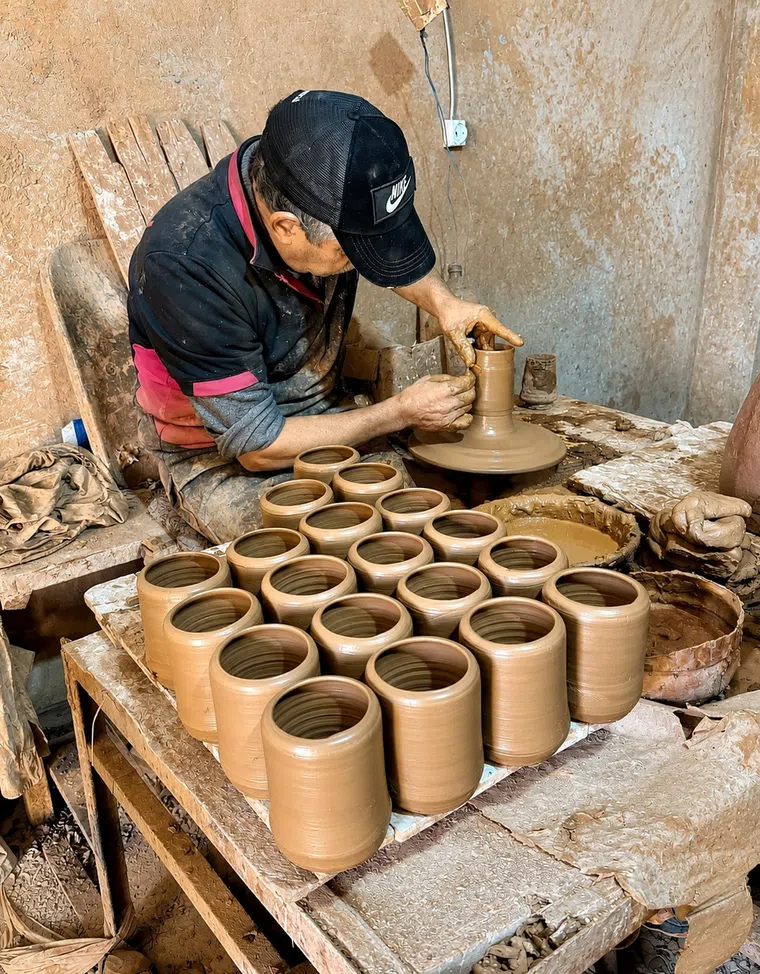 Ceramic craft
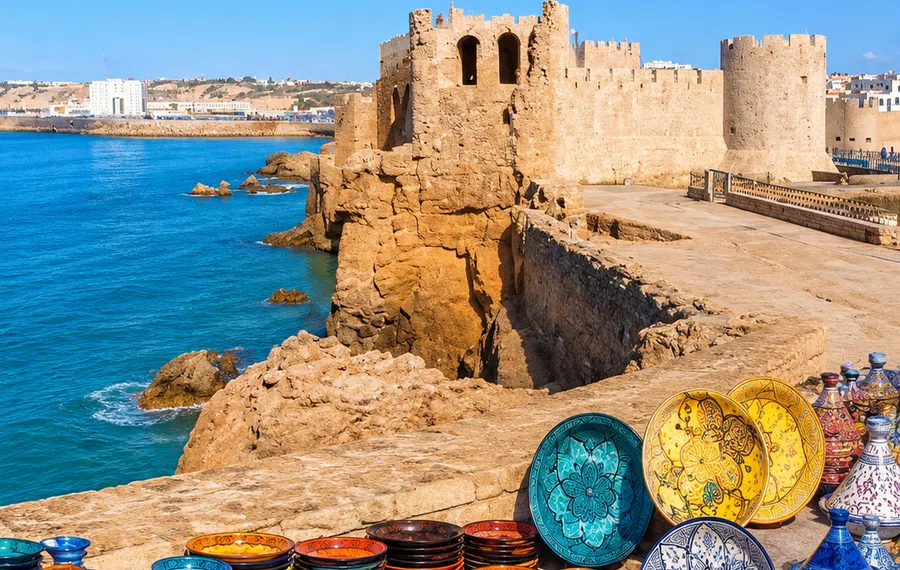 Atlantic port
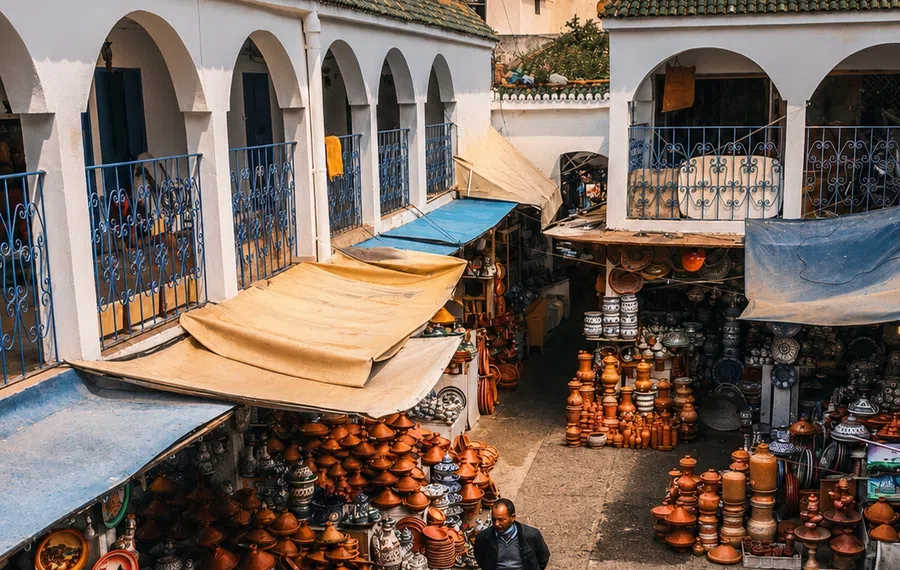 Pottery hill
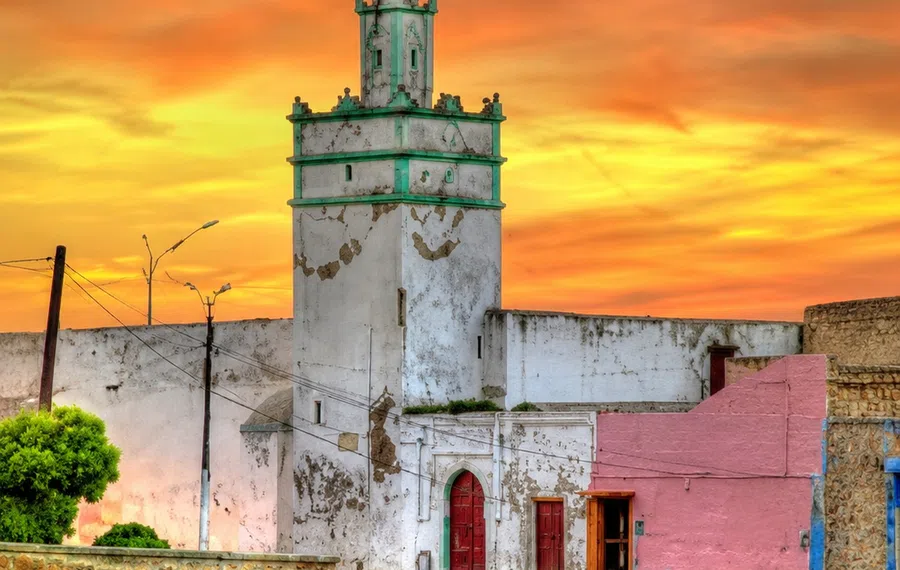 Sea castle
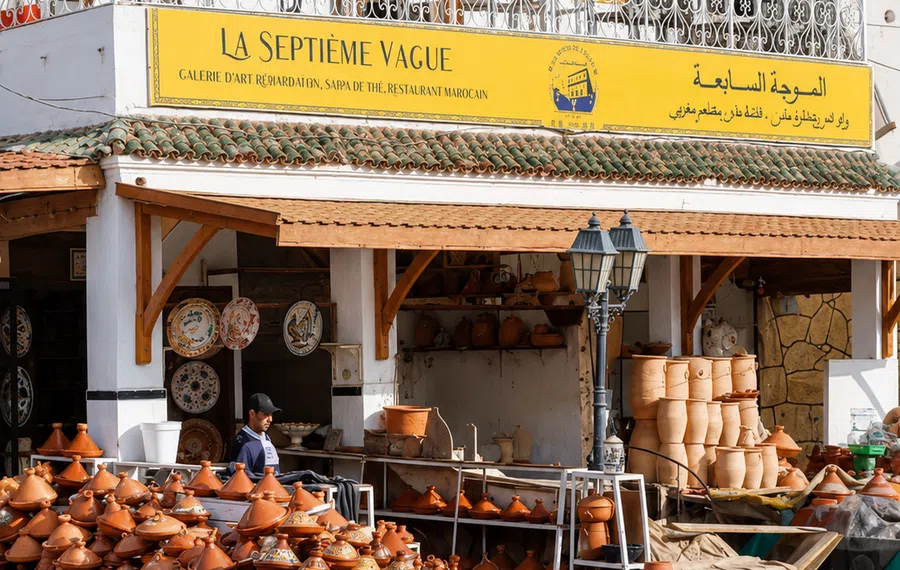 Medina craft
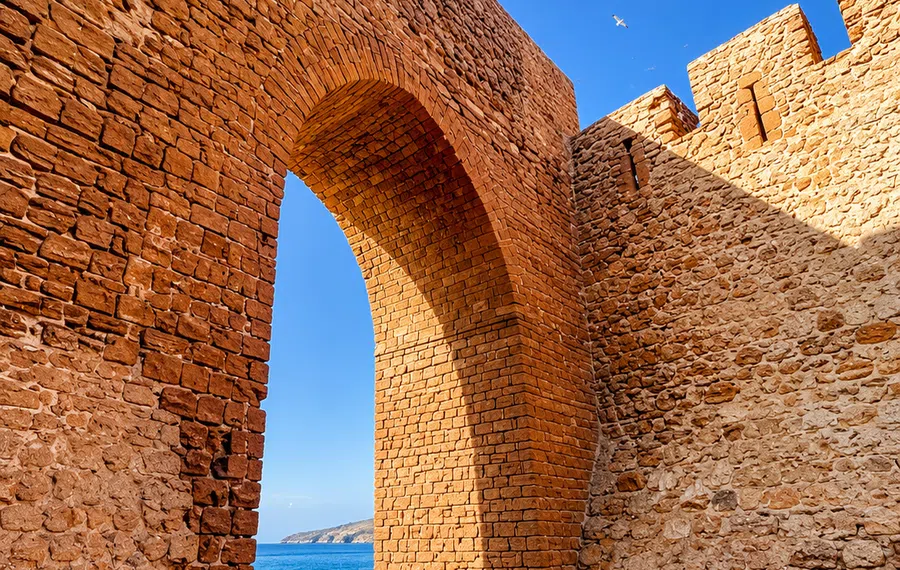 Coastal cliffs
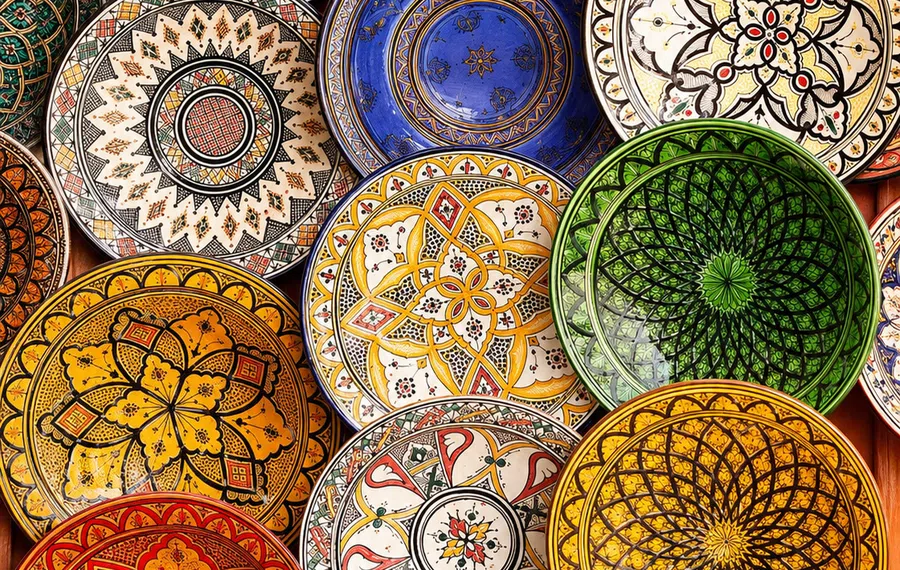 Craft detail
A working Atlantic city of ceramics, port history and craft identity.
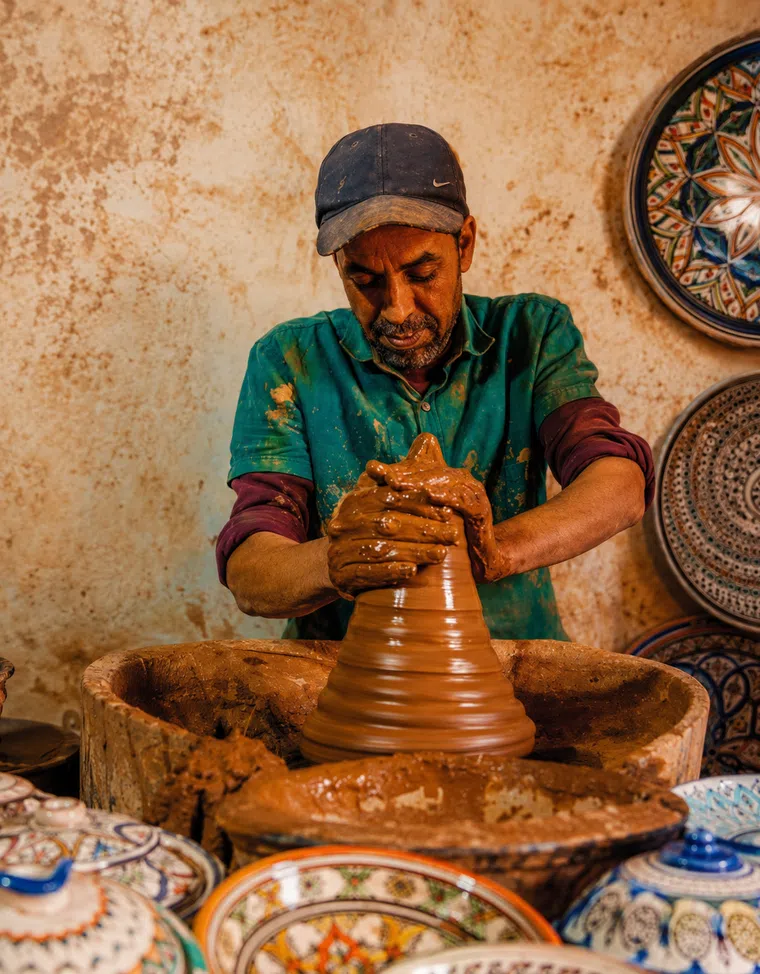
Safi gives the route a strong craft register: pottery, port movement, sea-facing fortifications, medina streets and an Atlantic identity shaped by work and handcraft.
Use Safi as the tactile chapter of the central coast before the route continues to Essaouira’s wind, ramparts and Gnaoua culture.
A pottery visit becomes more informative when you distinguish finished display from production. Ask where shaping, drying, decoration and firing happen, and which stages a workshop can show at that moment. Then return to the wider city: port activity and urban streets place craft within an economy, rather than outside modern life. The relationship between an object, a workshop and a coastal market is a stronger reason to stop than the expectation of buying a generic handmade souvenir.
Ramparts, Gnaoua culture, port rhythm and the Atlantic wind of Mogador.
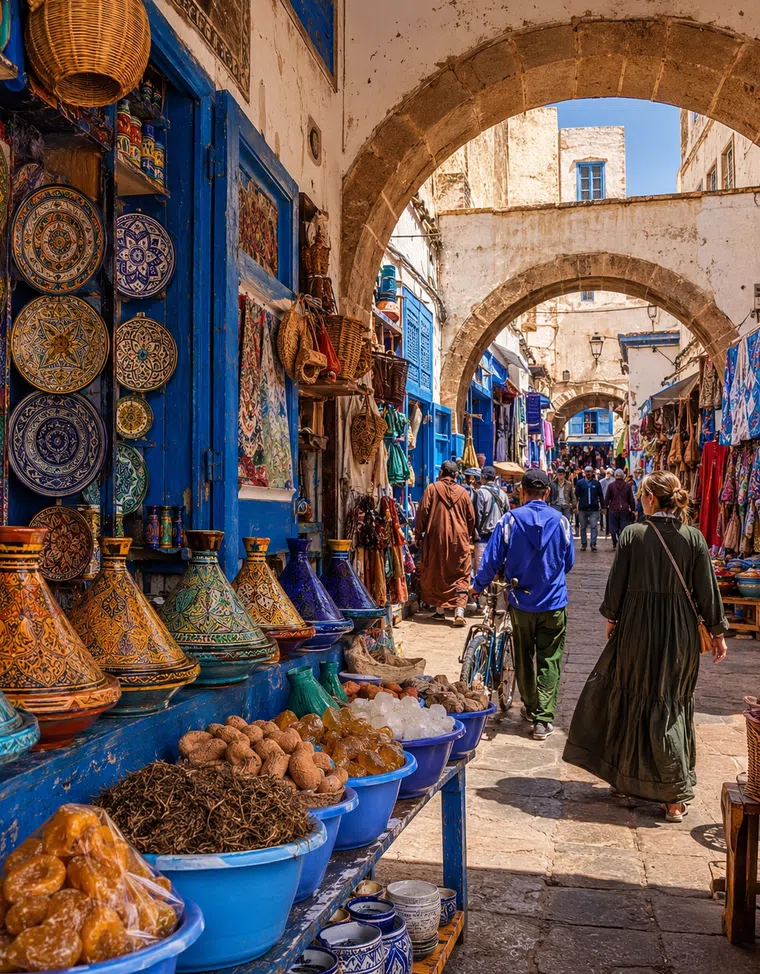
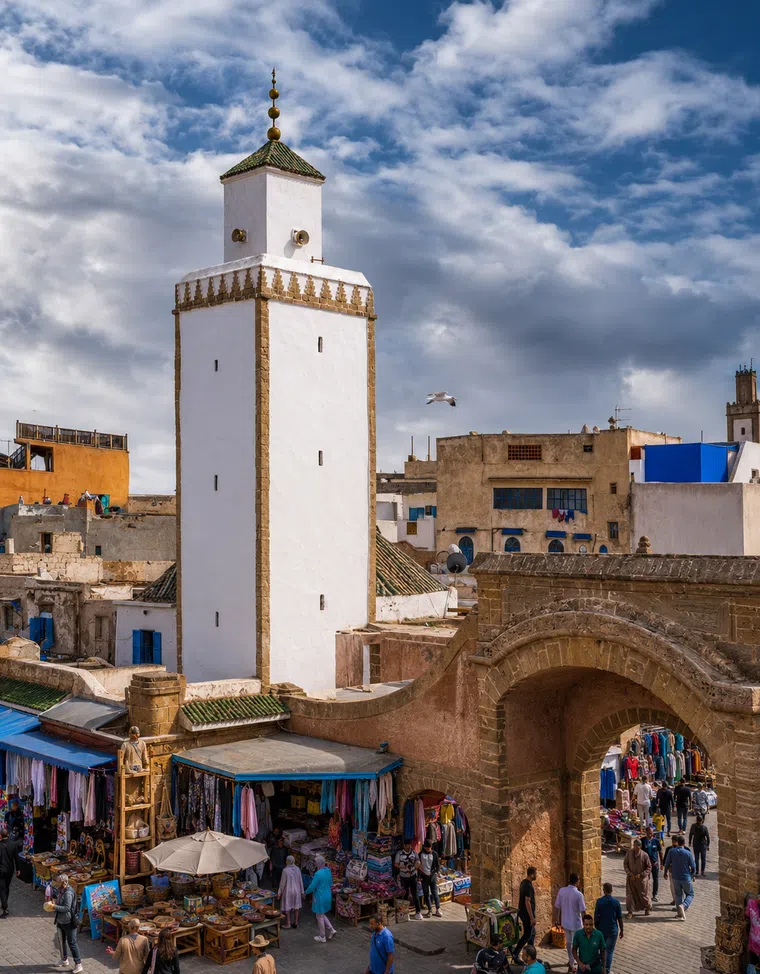
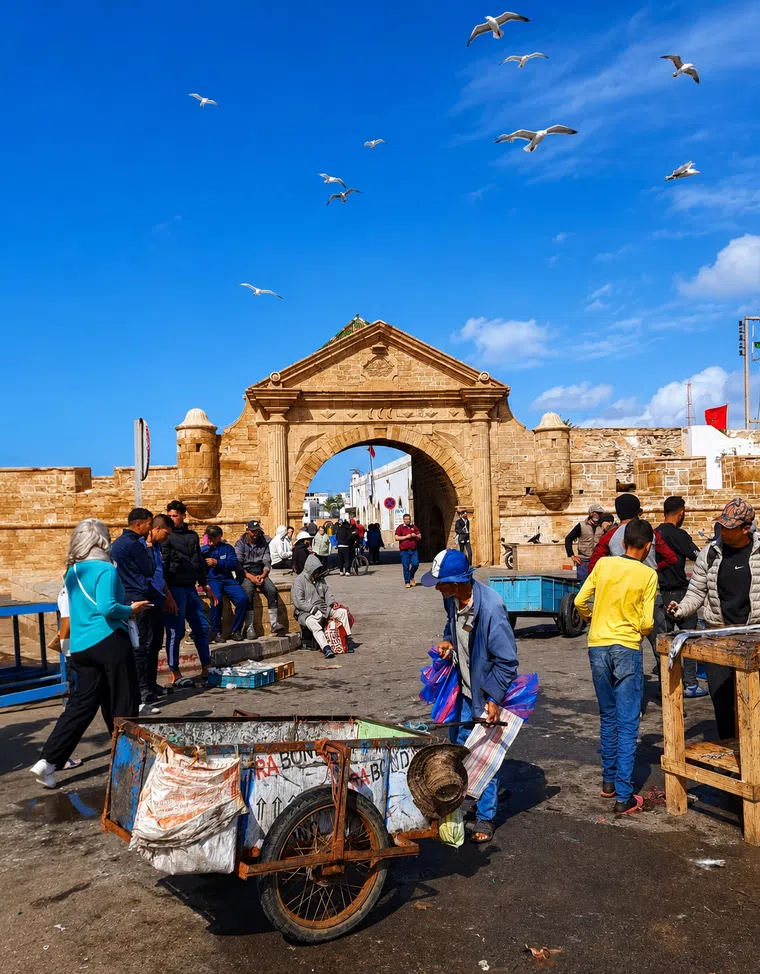
Essaouira is one of Morocco’s clearest Atlantic medina chapters: fortified walls, blue-and-white details, fishing-port life, music culture and wind-shaped travel rhythm.
Essaouira's present fortified medina is strongly associated with eighteenth-century planning and international exchange; it should not be reduced to a Portuguese-era town. Compare the measured street pattern with the working harbour and the exposed ramparts. Each space has a different pace and invitation. Music adds another layer, especially during programmed events, but the festival image is not the whole year. Leave room for workshops, neighbourhood life and a return walk when the light and wind have changed.
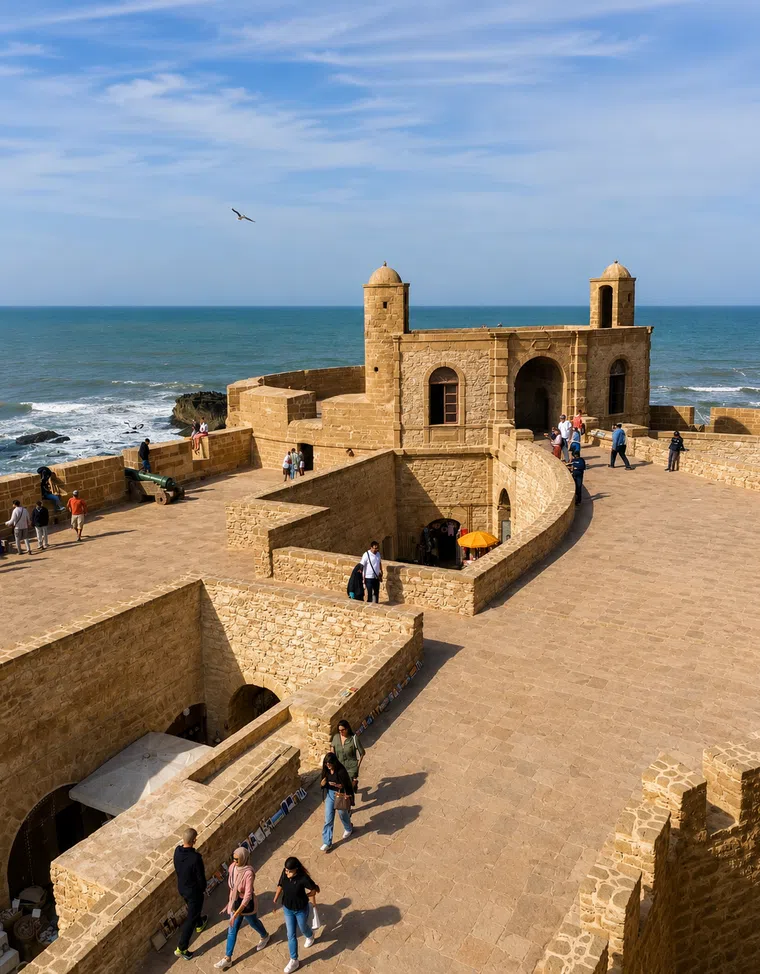 Mogador ramparts
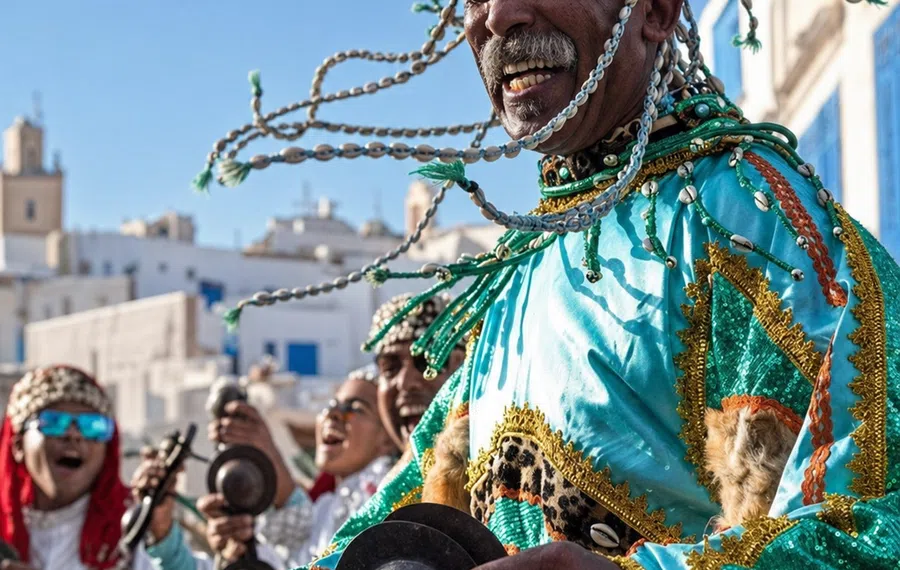 Gnaoua rhythm
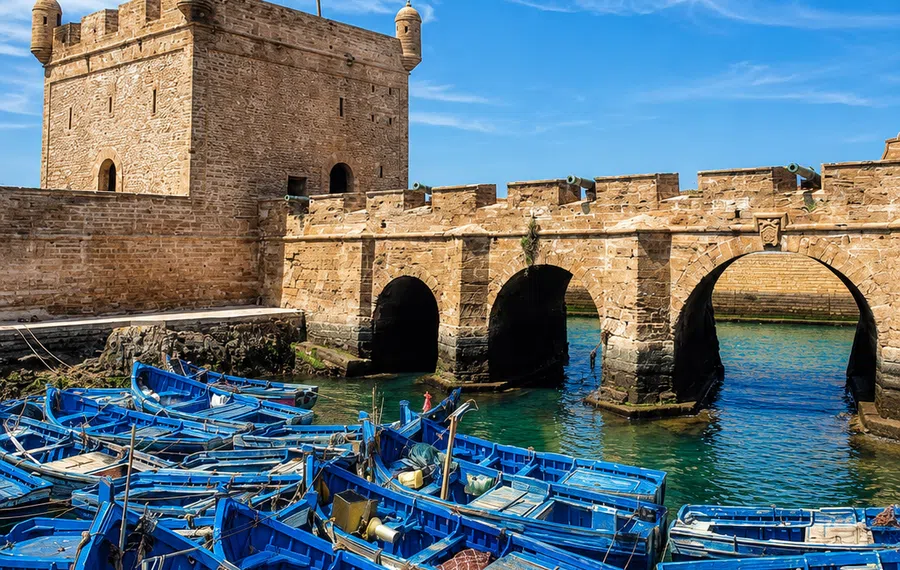 Fishing port
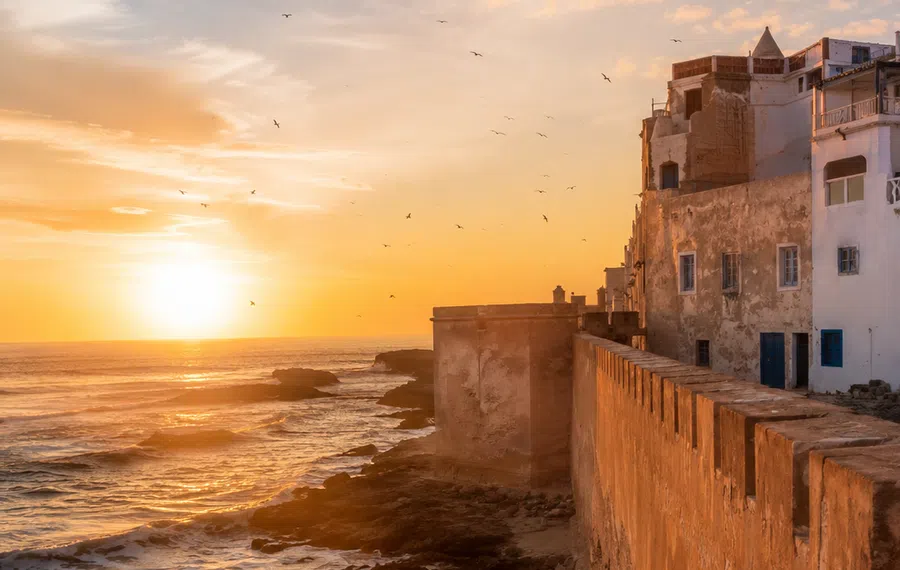 Atlantic wind
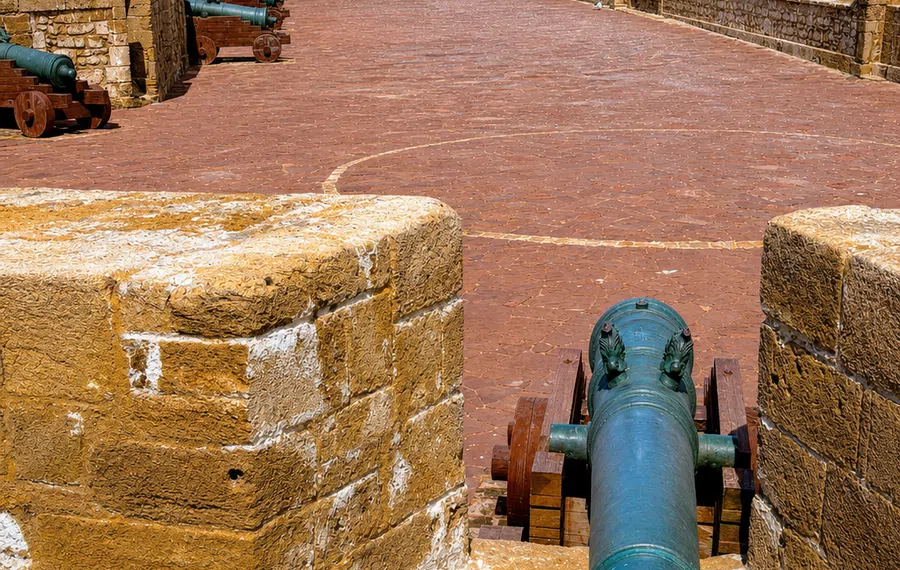 Sqala walls
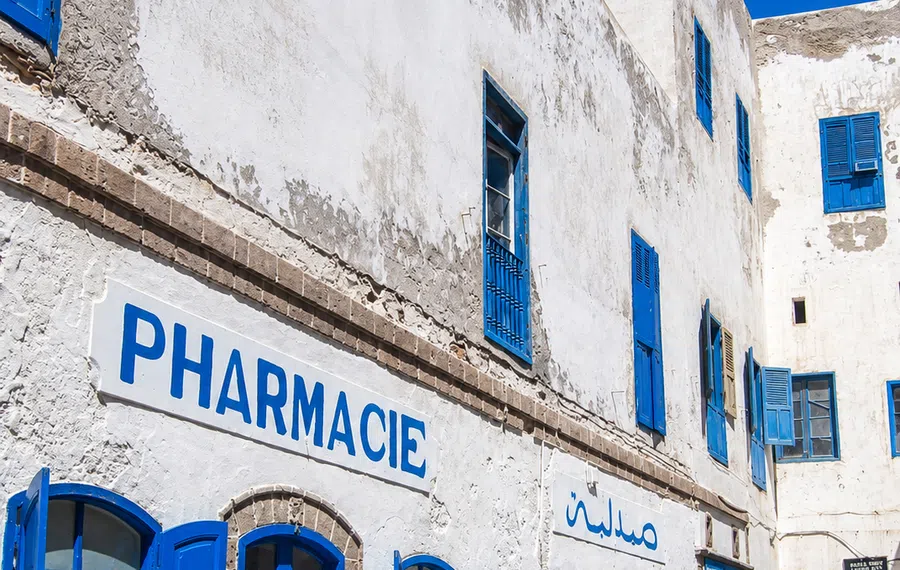 Medina lanes
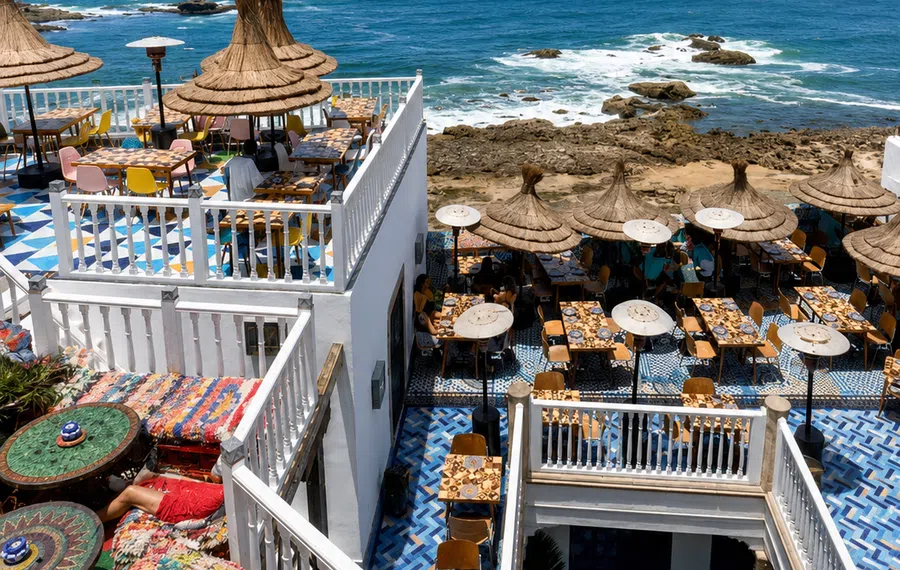 Wind light
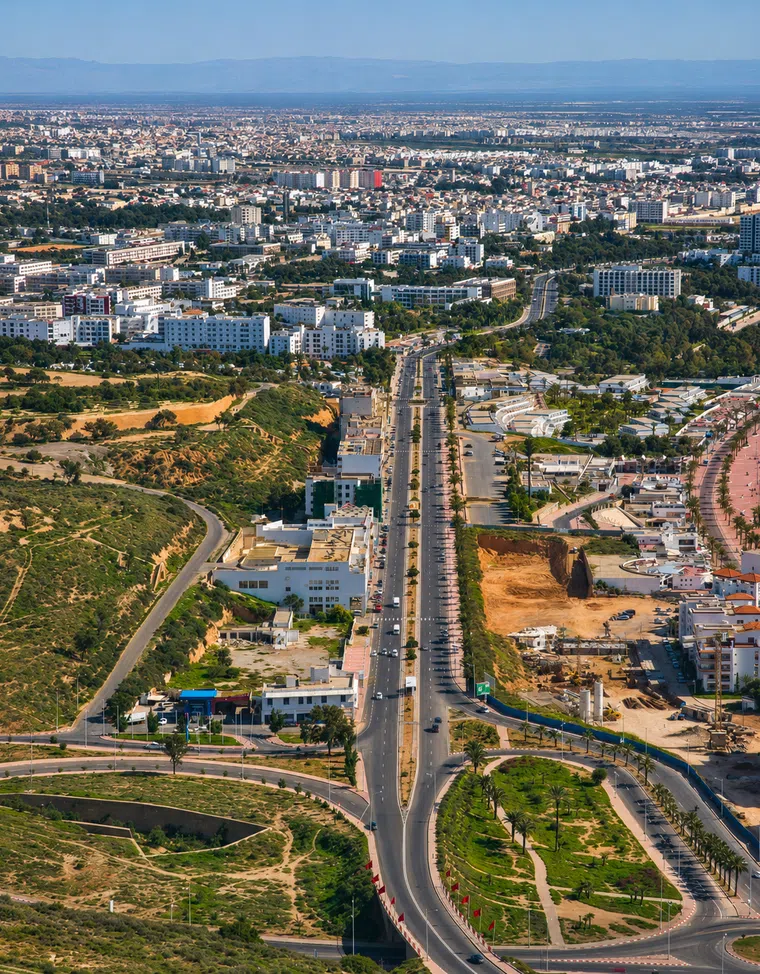 Souss gateway
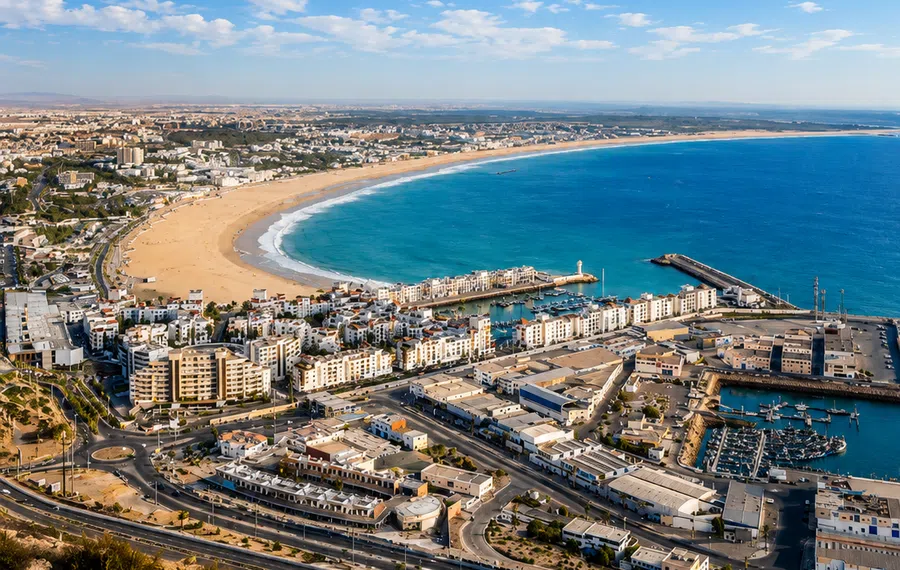 Atlantic bay
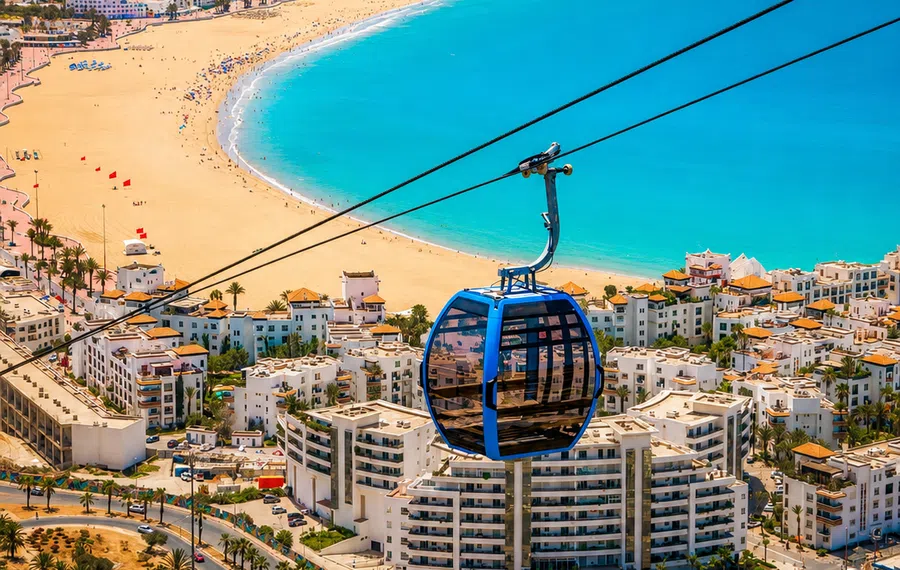 Kasbah hill
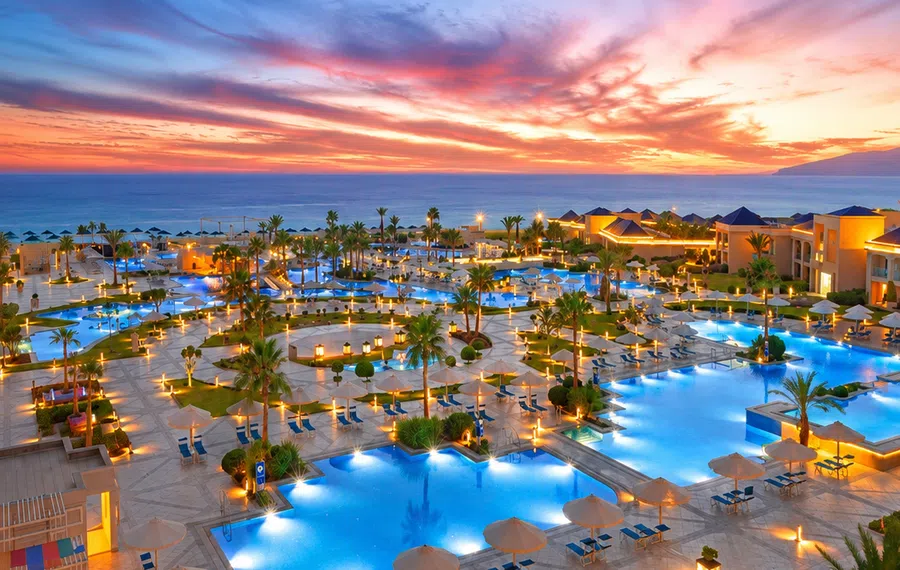 Modern resort
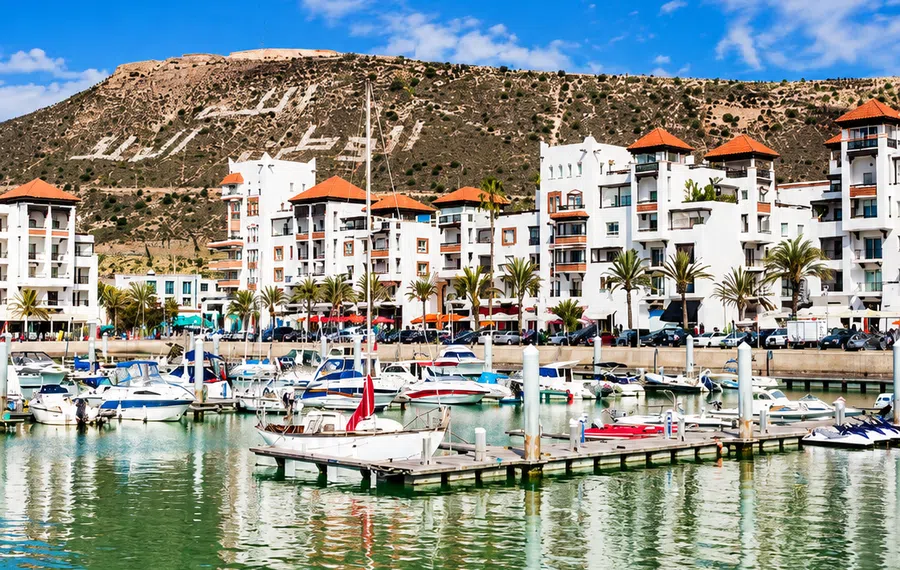 Marina edge
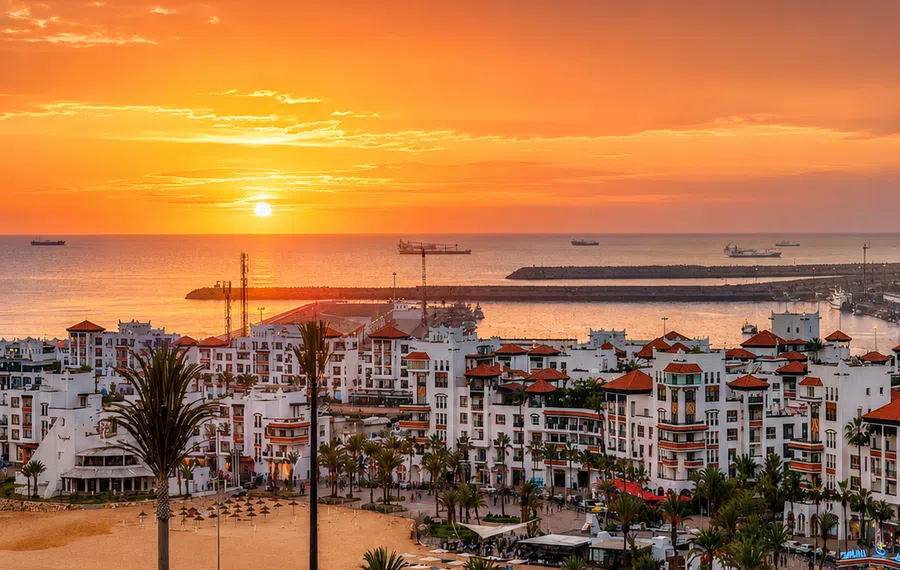 Beach light
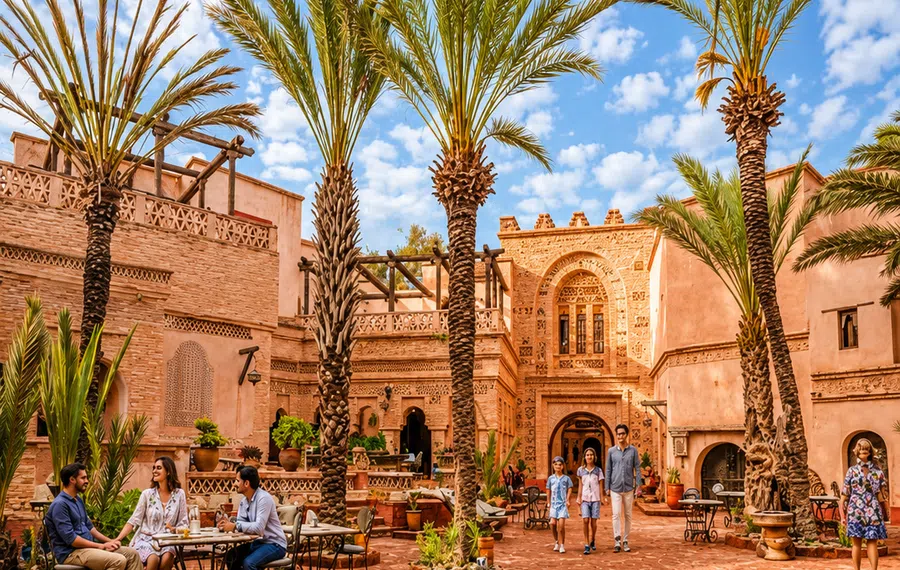 Souss light
A modern Atlantic resort city and gateway to the Souss coast.
The broad bay and rebuilt urban fabric offer a useful contrast with the compact walled ports farther north. Give that modern city its own value instead of searching only for an old-medina experience. A waterfront day, a market visit and an excursion into the Souss each involve different movement and priorities. Choose the relationship you want to explore and plan around it. The coast can be a base for inland discovery, but a line on a regional diagram is not a measure of travel time.
A southern Atlantic town with Art Deco memory, white-blue streets and ocean cliffs.
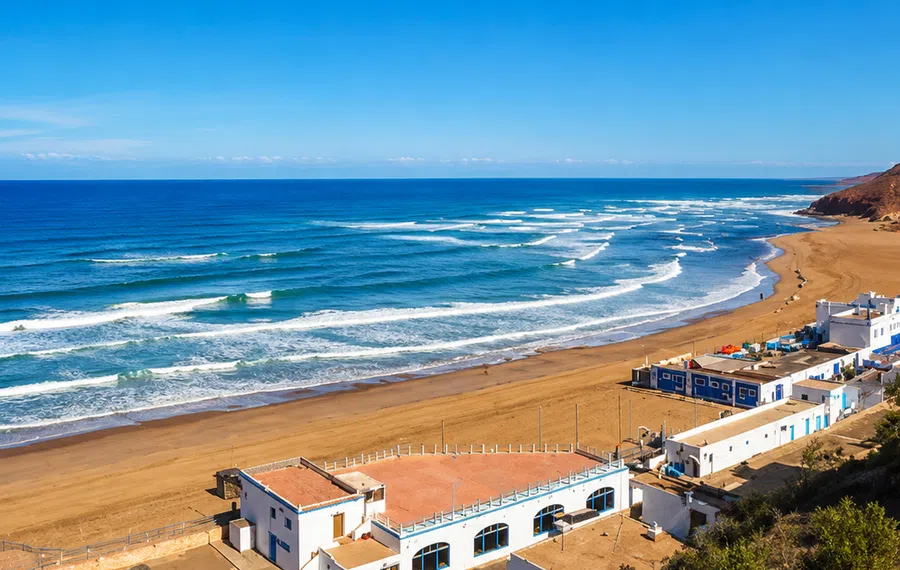
Sidi Ifni is separate from Agadir: smaller, quieter and more southern, with former Spanish-era urban traces, sea-facing atmosphere and an Atlantic edge that feels close to the desert coast.
Look at street alignments, civic facades and the way the built town meets the cliff edge. They bring a different urban history into the coastal sequence from the ramparts of El Jadida or the scale of Casablanca. The town is a useful place to slow the journey before deciding whether to continue much farther south. Separate a local coastal visit from a long road transfer, and allow weather and daylight to shape any walk near exposed sea edges.
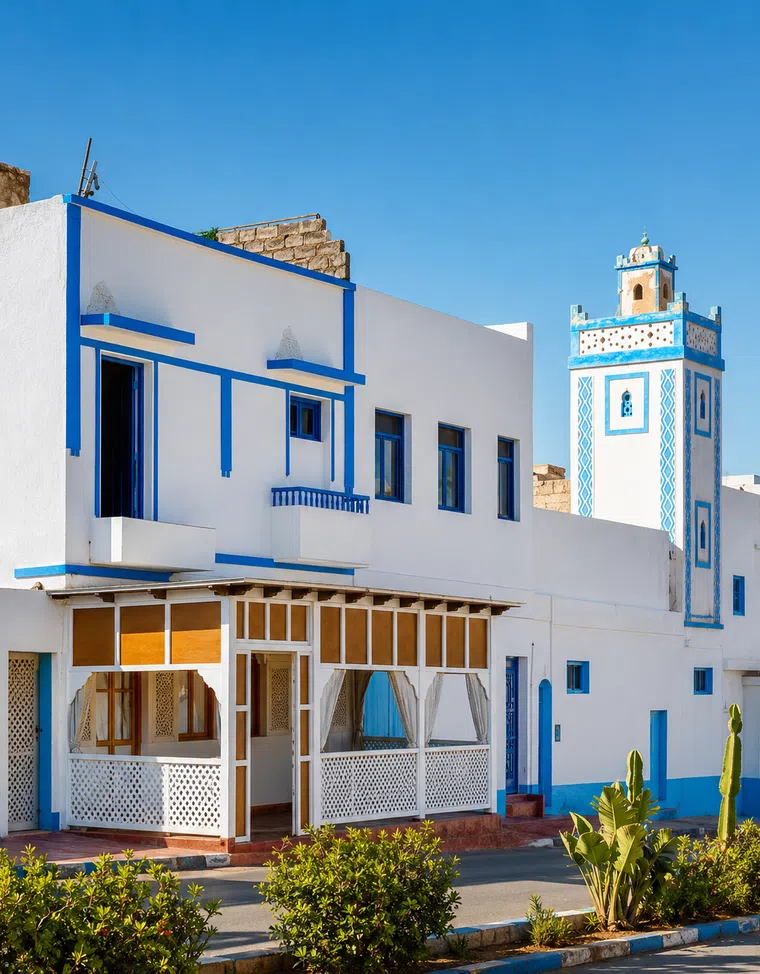 Art Deco memory
 Southern ocean
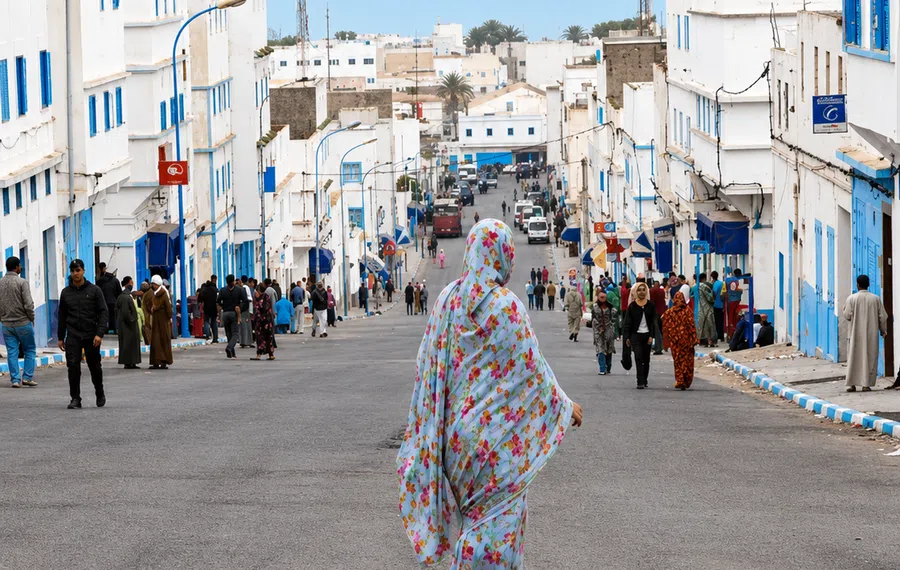 White-blue streets
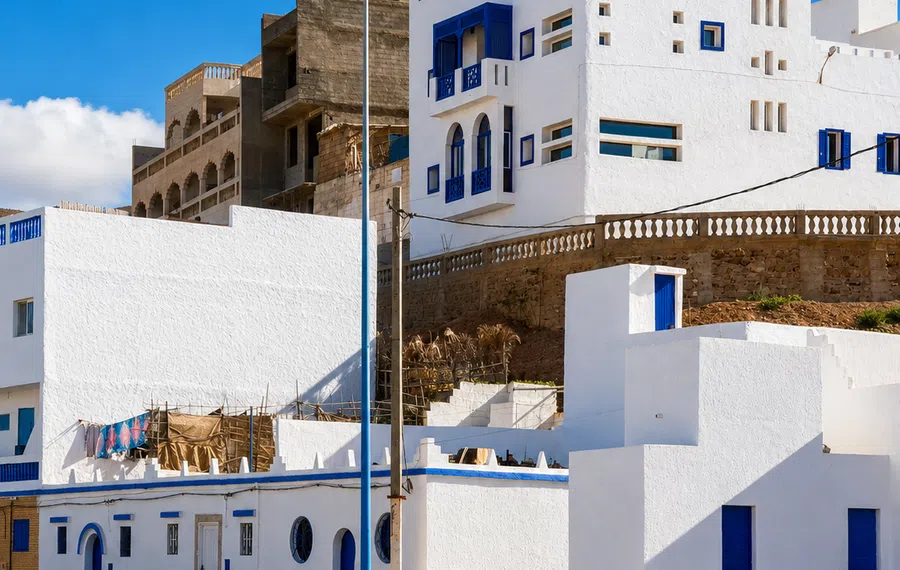 Spanish-era core
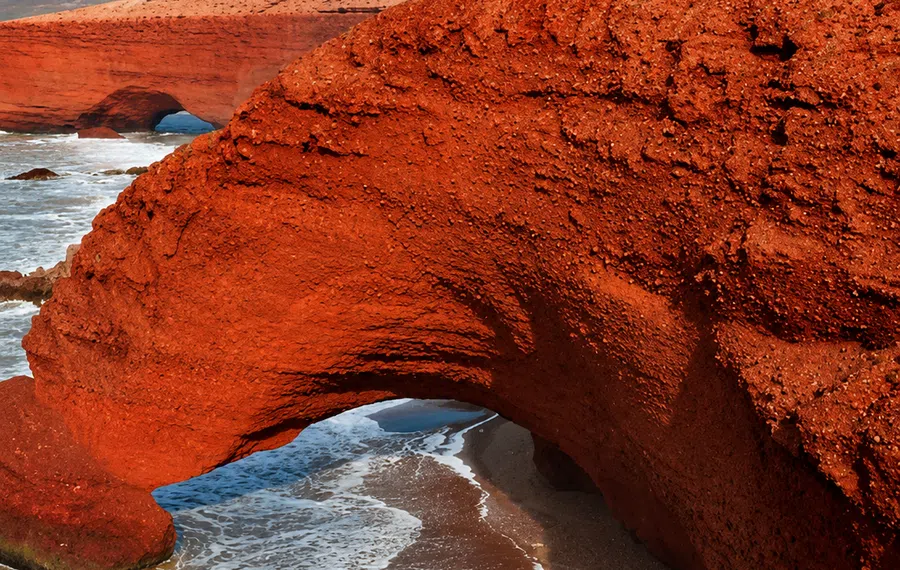 Atlantic cliffs
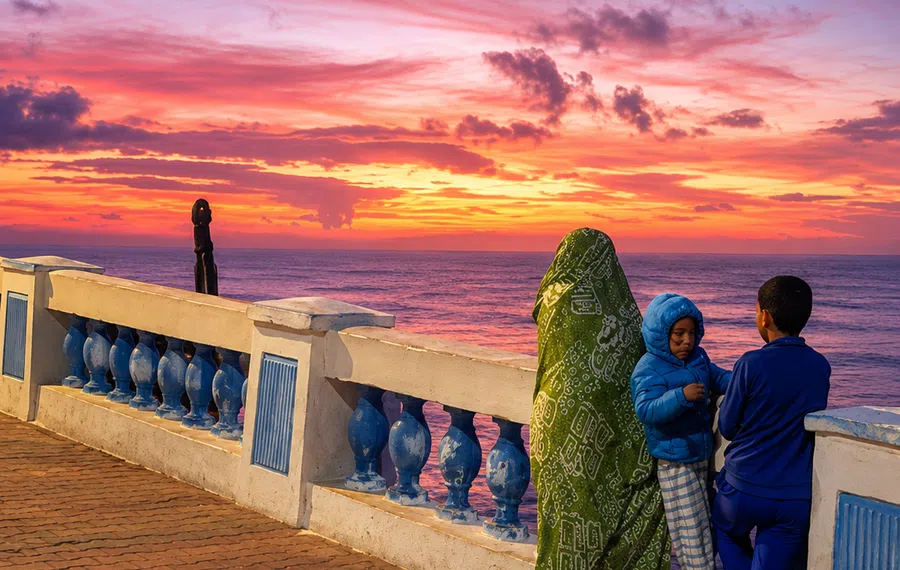 Sea promenade
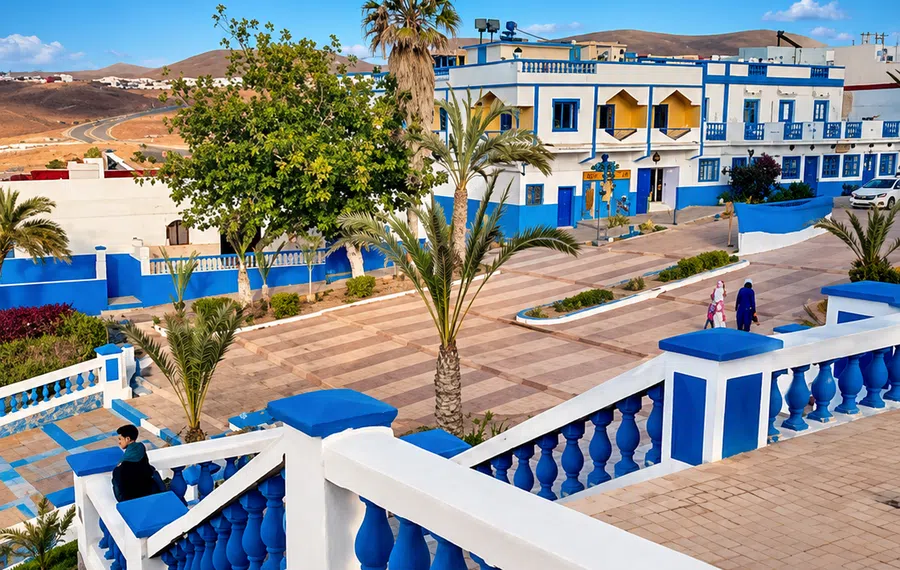 Ocean memory
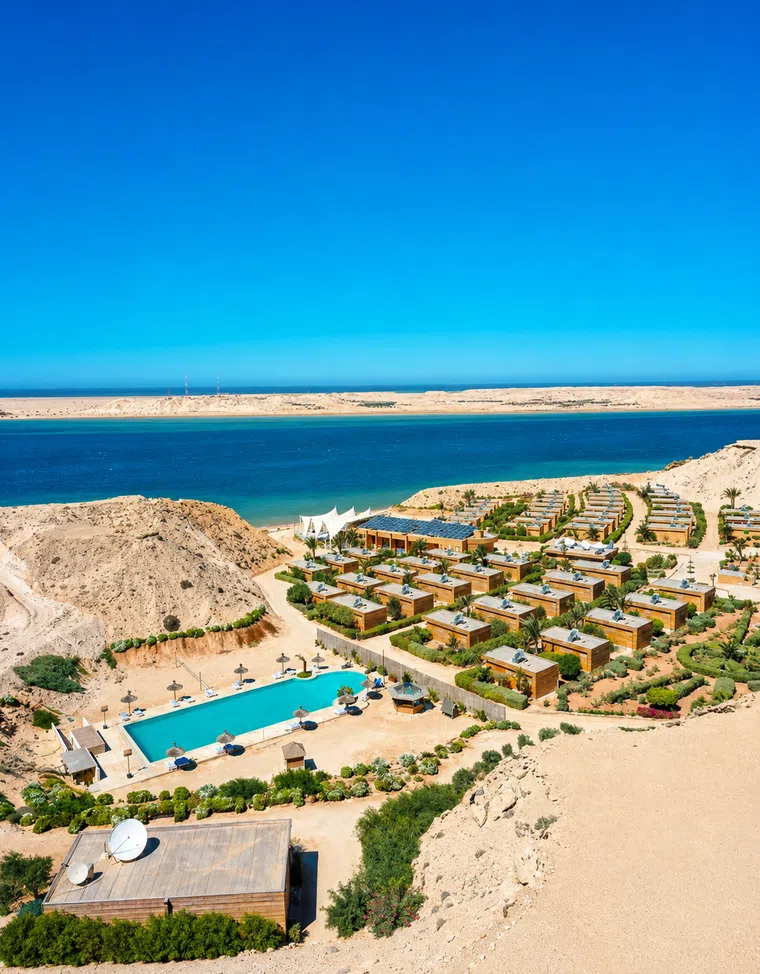 Lagoon horizon
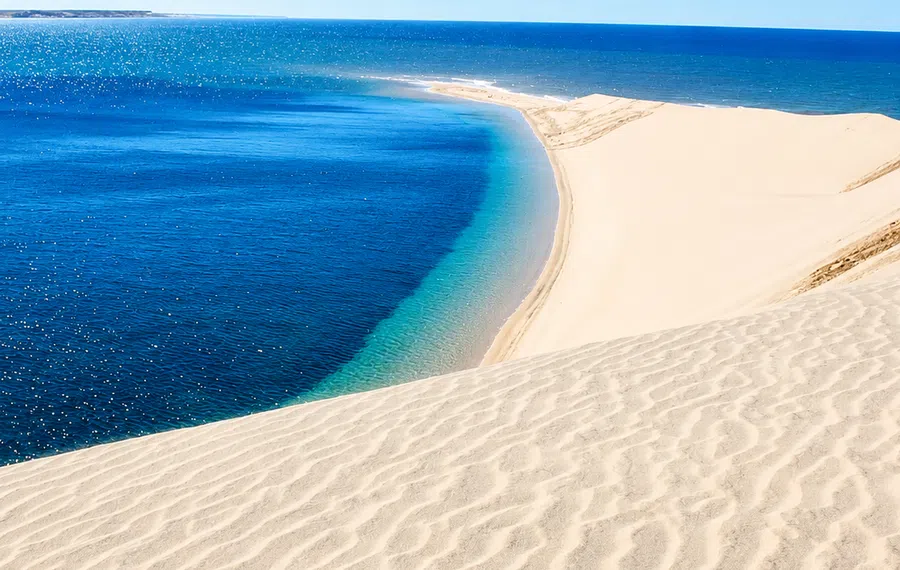 Desert-sea edge
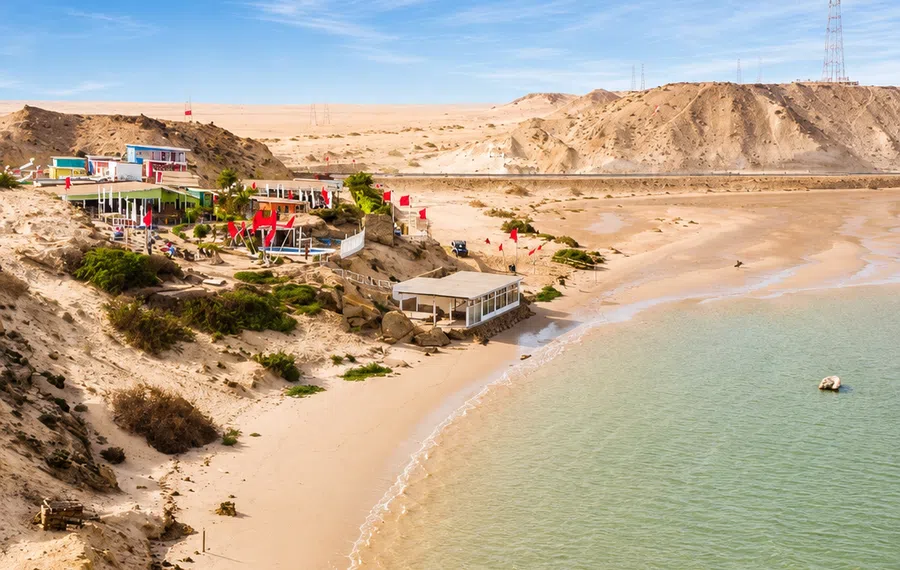 Peninsula light
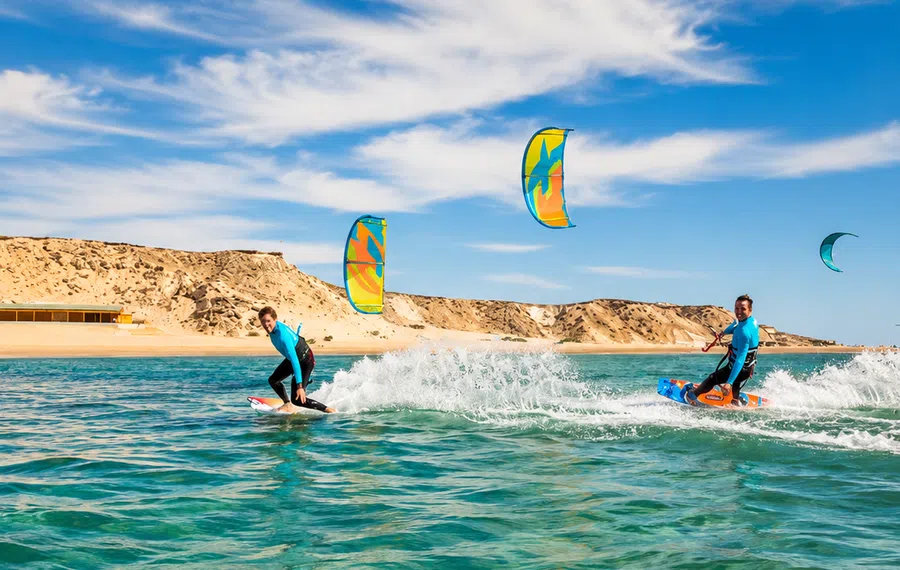 Wind-sport coast
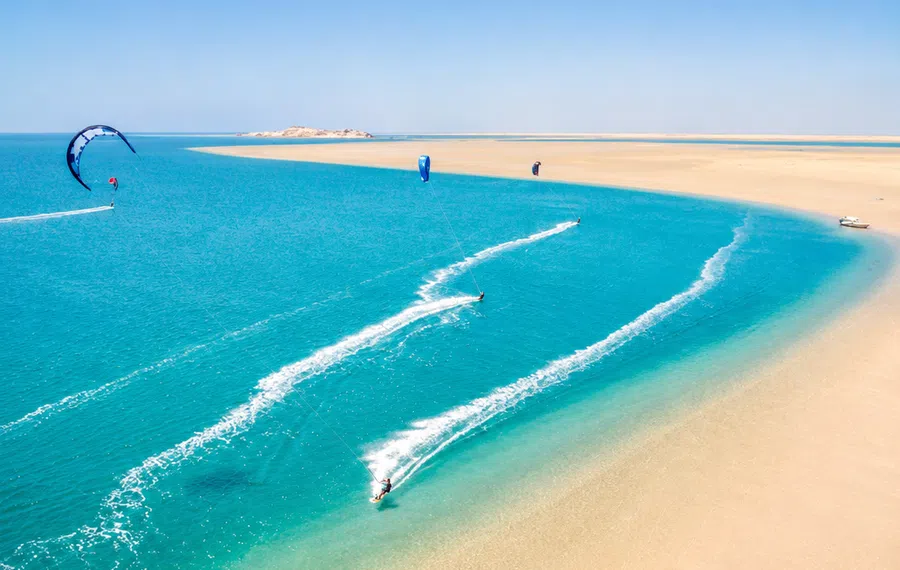 Lagoon shore
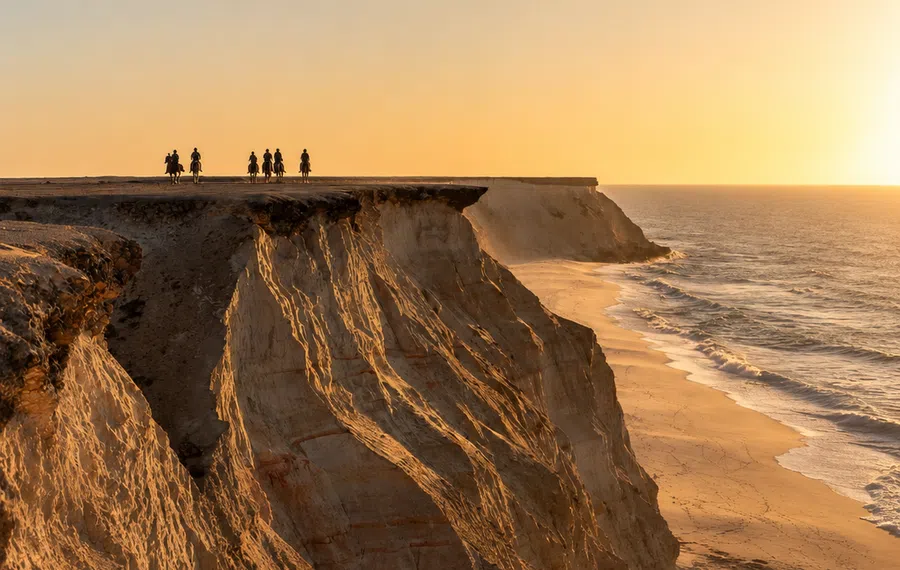 Sahara Atlantic
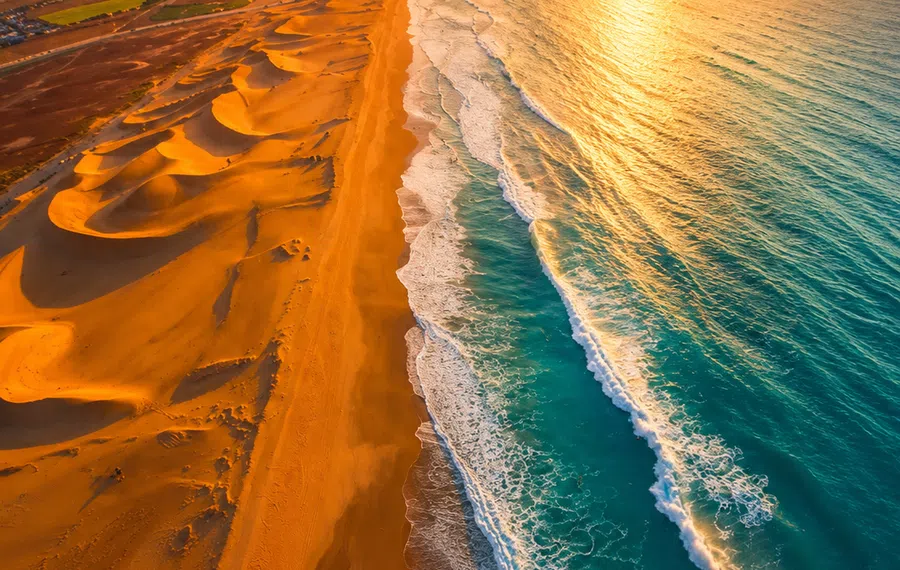 Lagoon light
A Sahara coast finale of lagoon horizons, wind culture and desert-sea light.
Dakhla closes the Atlantic journey with a different scale of openness: lagoon, peninsula, wind-sport culture, desert light and long horizons where sea and Sahara meet.
The lagoon and the open Atlantic are distinct environments, even when a photograph groups them under one blue horizon. Ask which shore an activity uses and how a transfer fits into the day. Dakhla lies in Western Sahara, whose status remains disputed and which the United Nations lists as a Non-Self-Governing Territory. This editorial collection includes it as a coastal travel connection; that grouping does not settle political status. The long southern connection should be planned as its own journey.
Small details carry the route: ramparts, ports, medina walls, craft surfaces, river mouths, modern boulevards, wind culture and lagoon light.
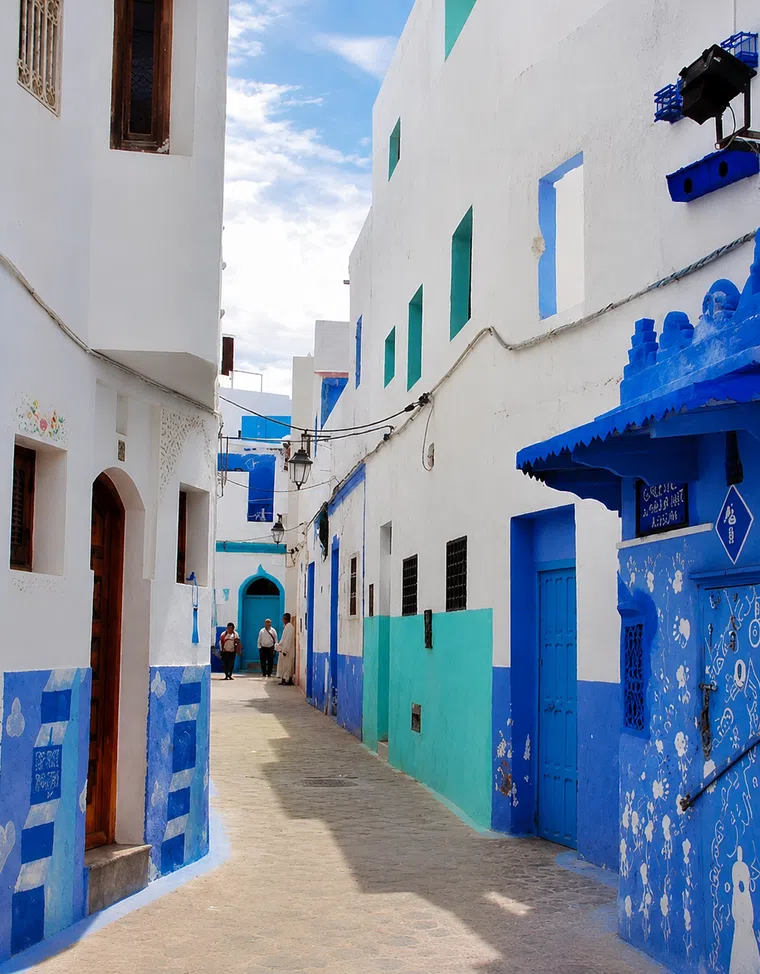 Asilah sea walls
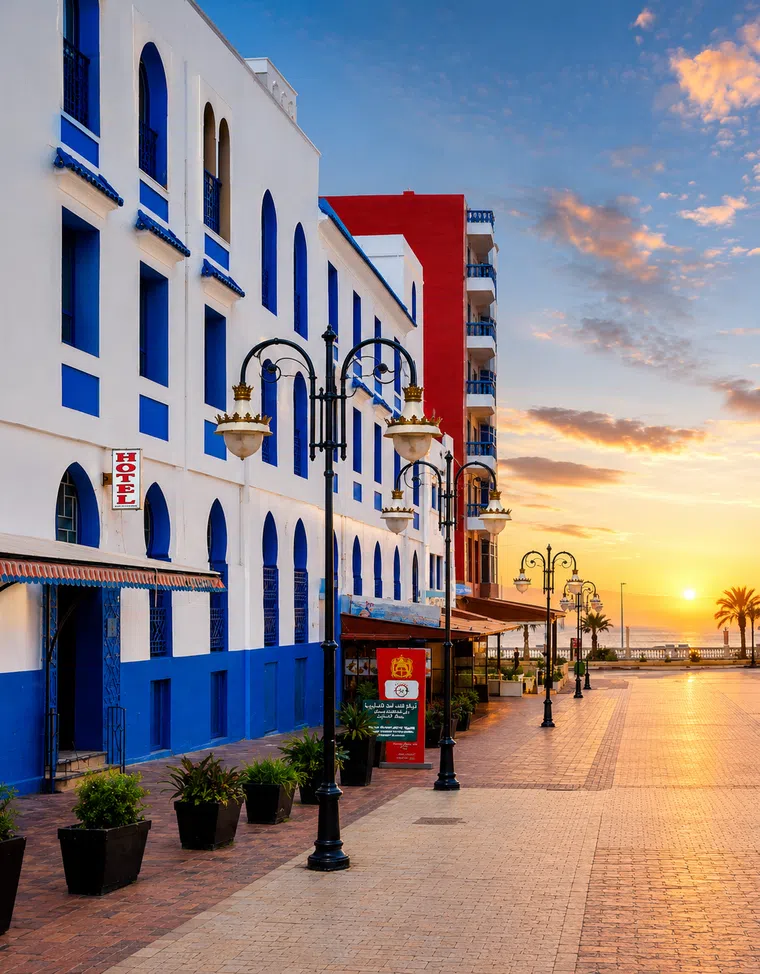 Larache Atlantic balcony
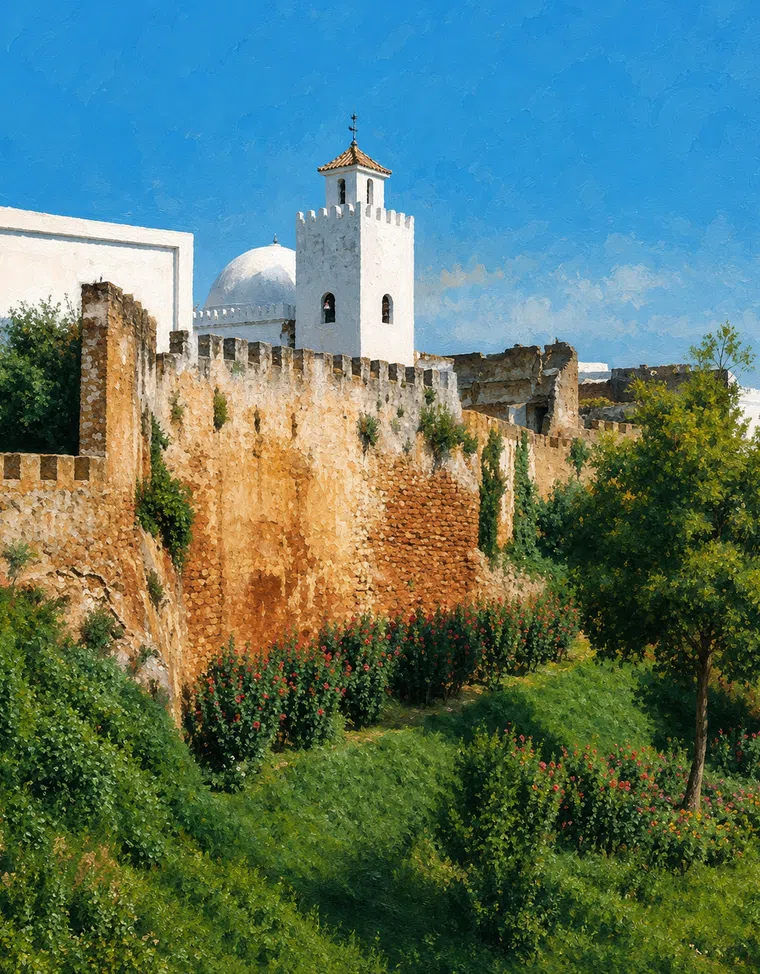 Loukkos river memory
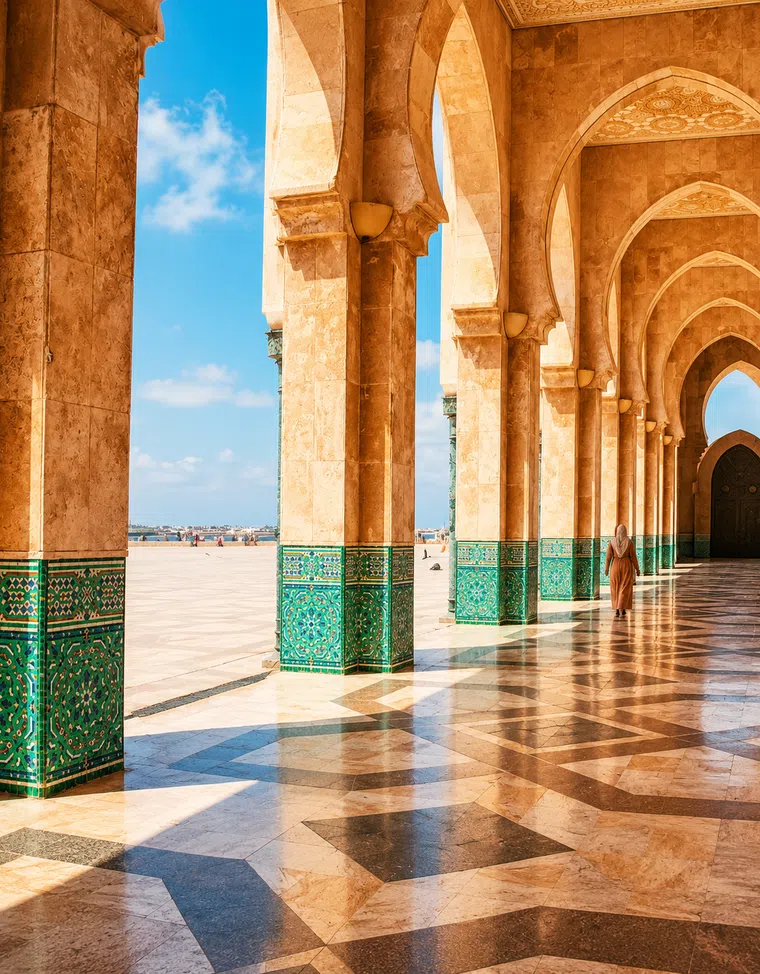 Casablanca Art Deco
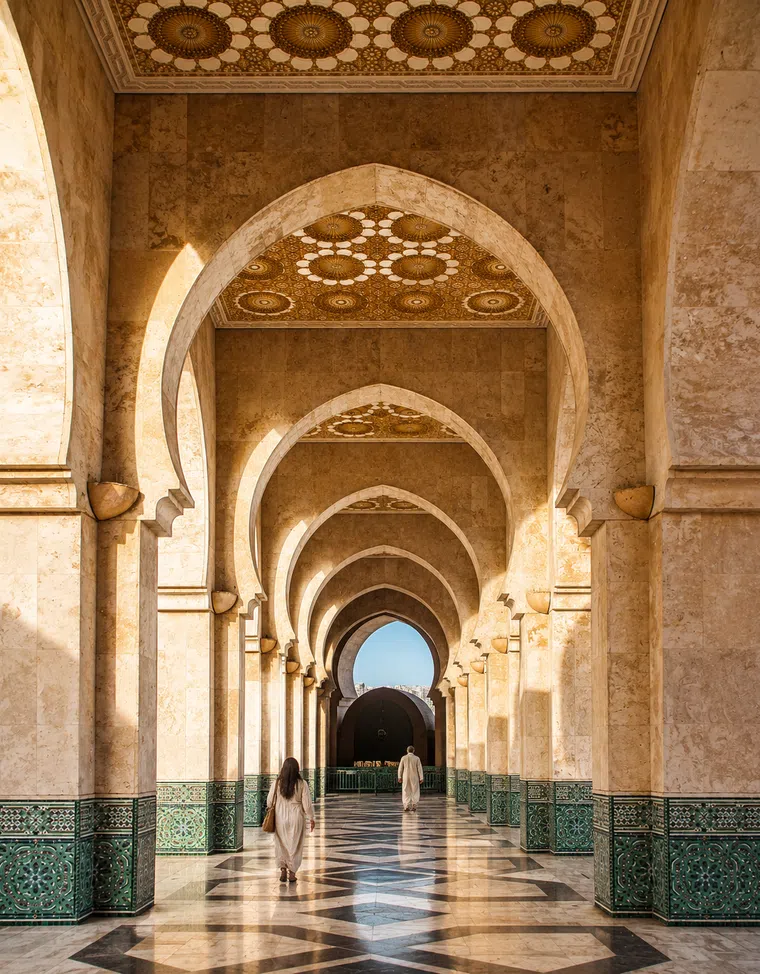 Casablanca Corniche
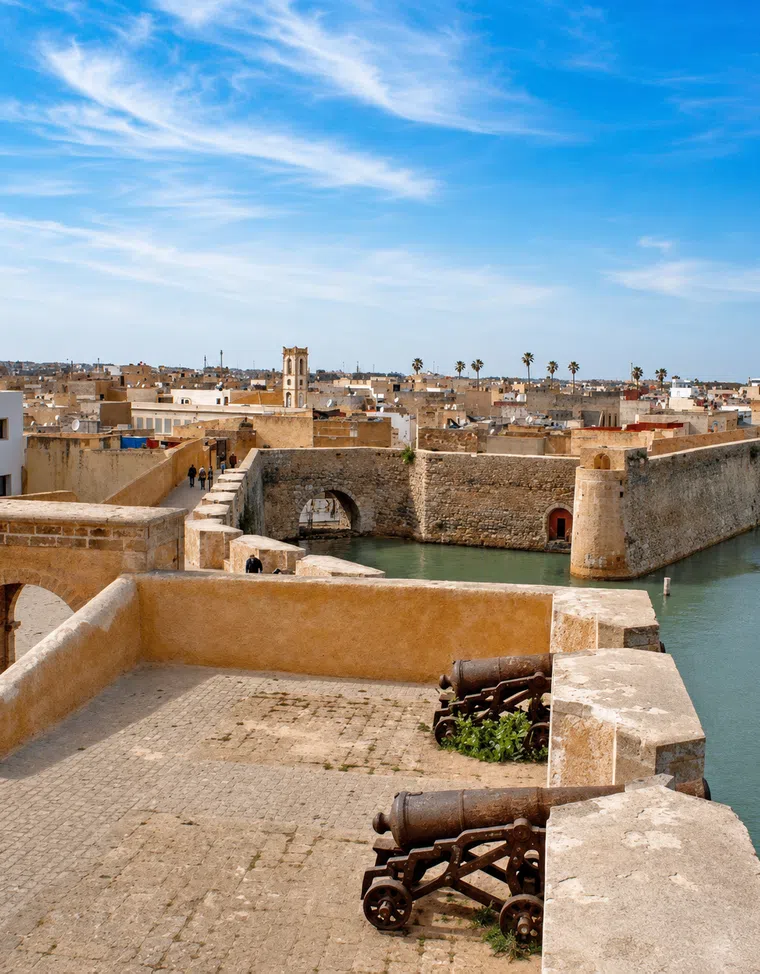 El Jadida Mazagan walls
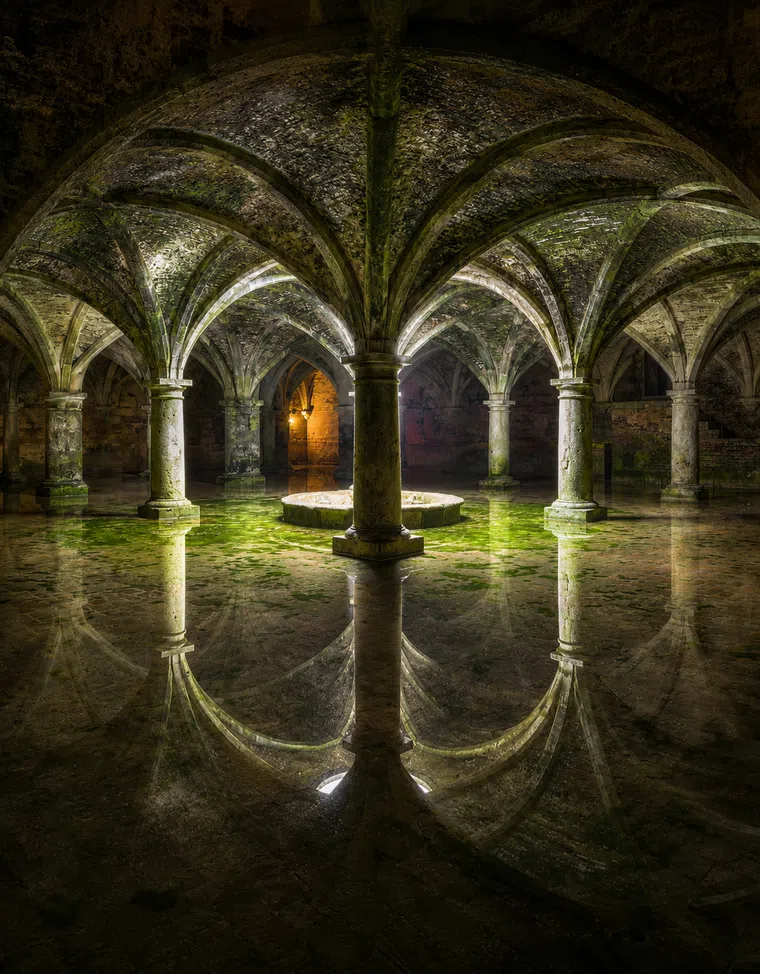 Portuguese cistern memory
 Azemmour river medina
 Azemmour painted lanes
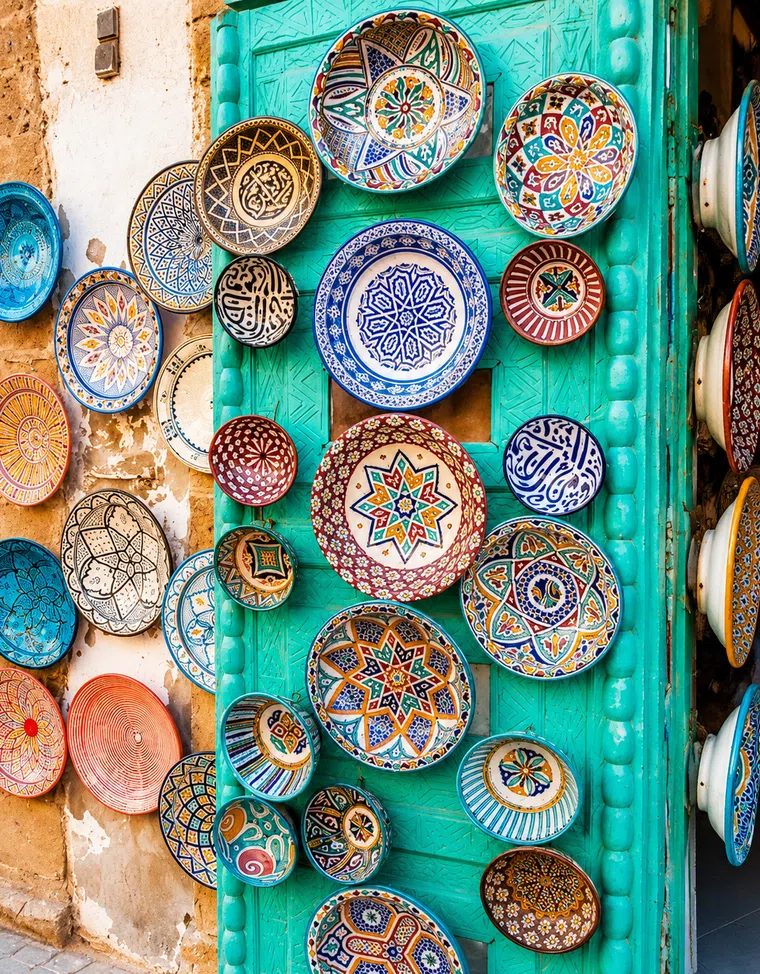
 Safi ceramic craft
 Safi Atlantic port
 Essaouira ramparts
 Mogador fishing port
 Gnaoua cultural rhythm
 Atlantic wind
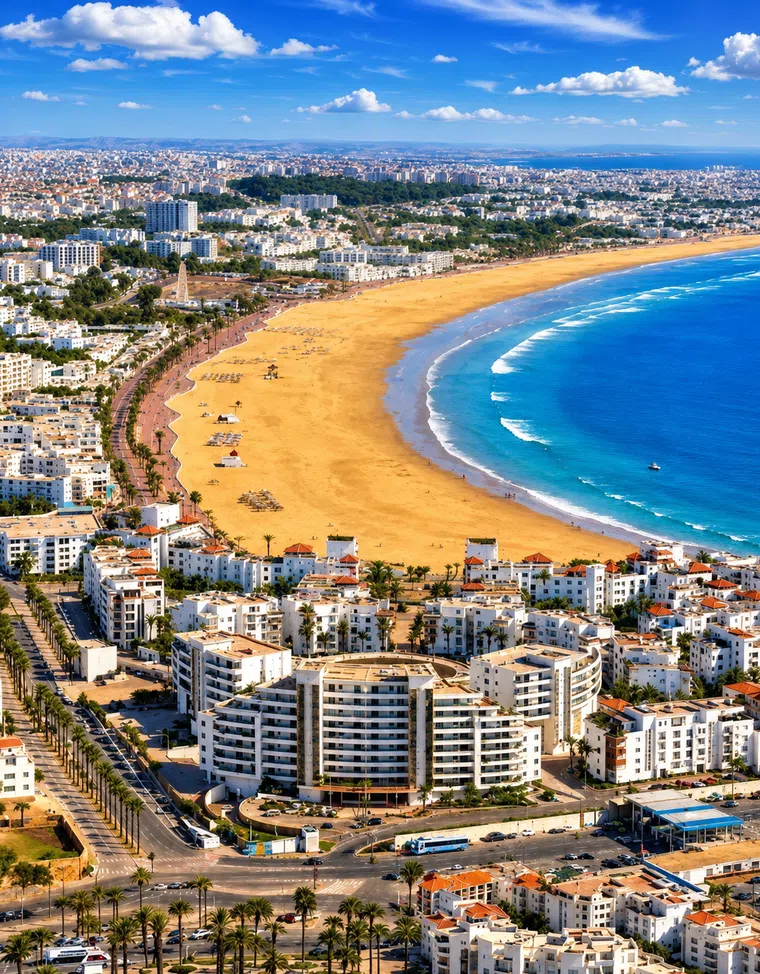 Agadir bay
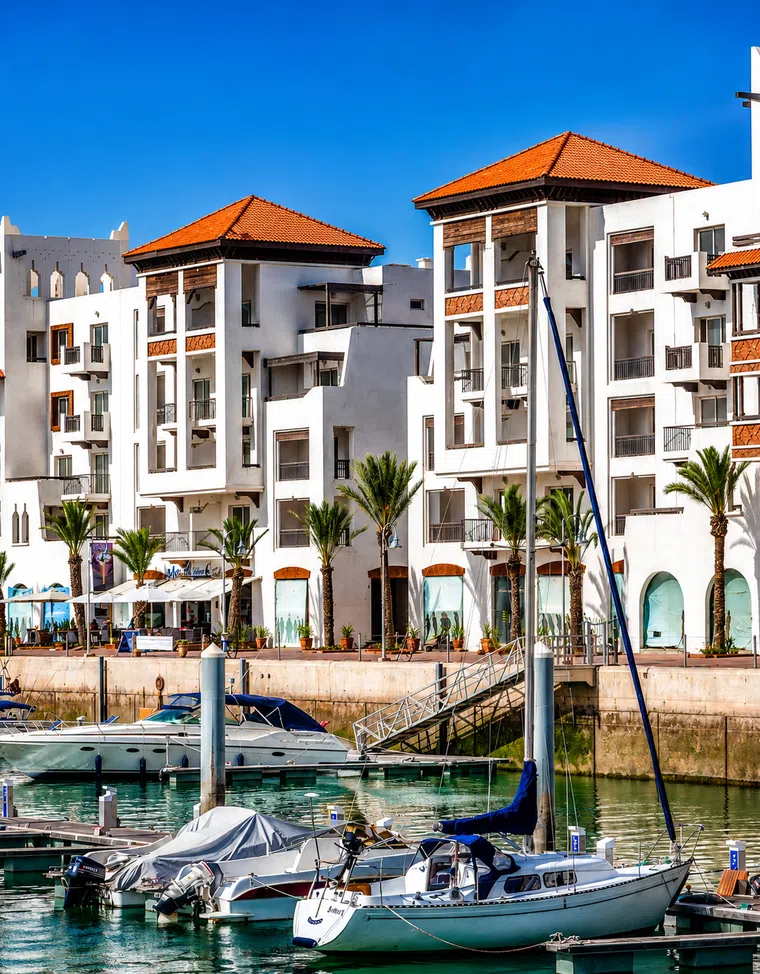 Agadir Oufella view
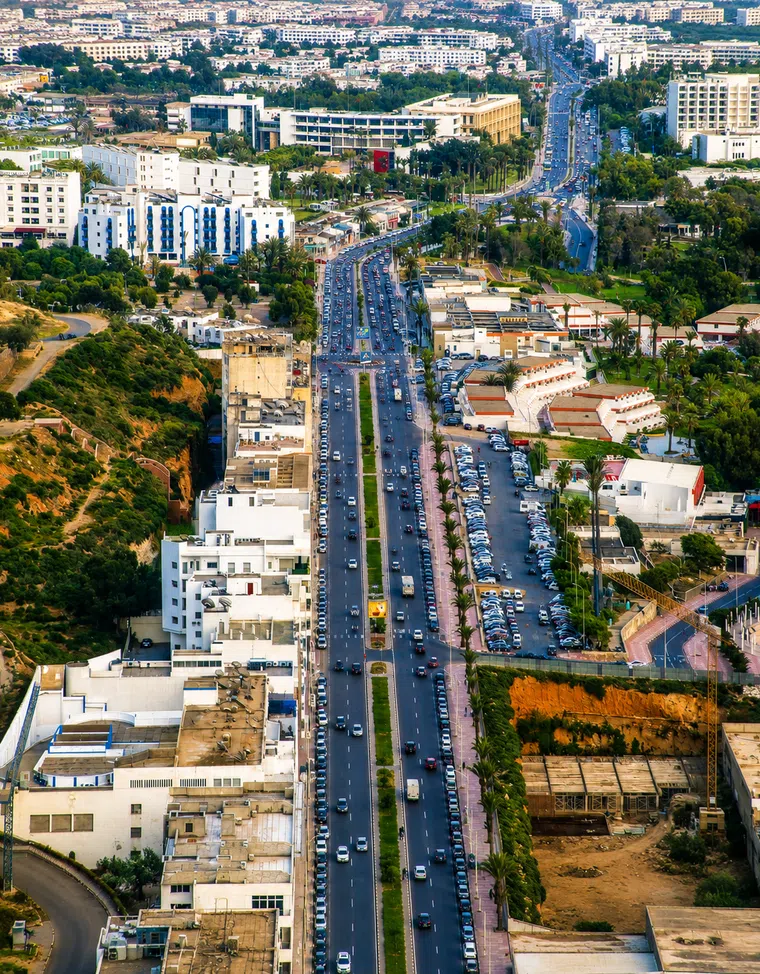 Souss gateway
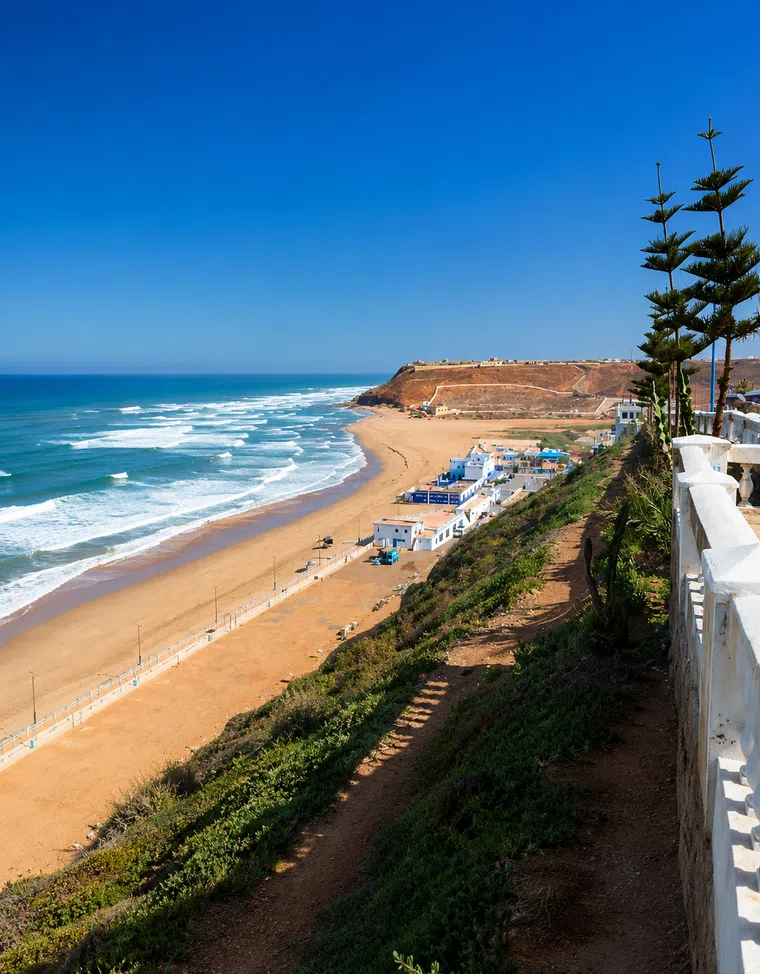 Sidi Ifni Art Deco memory
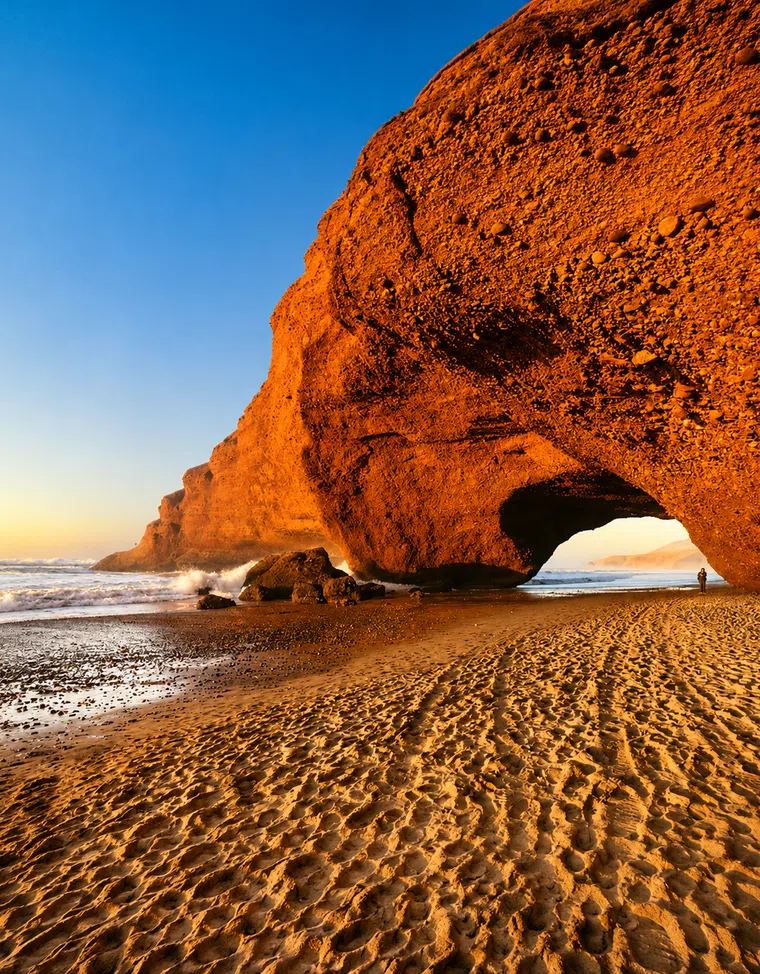 Sidi Ifni ocean edge
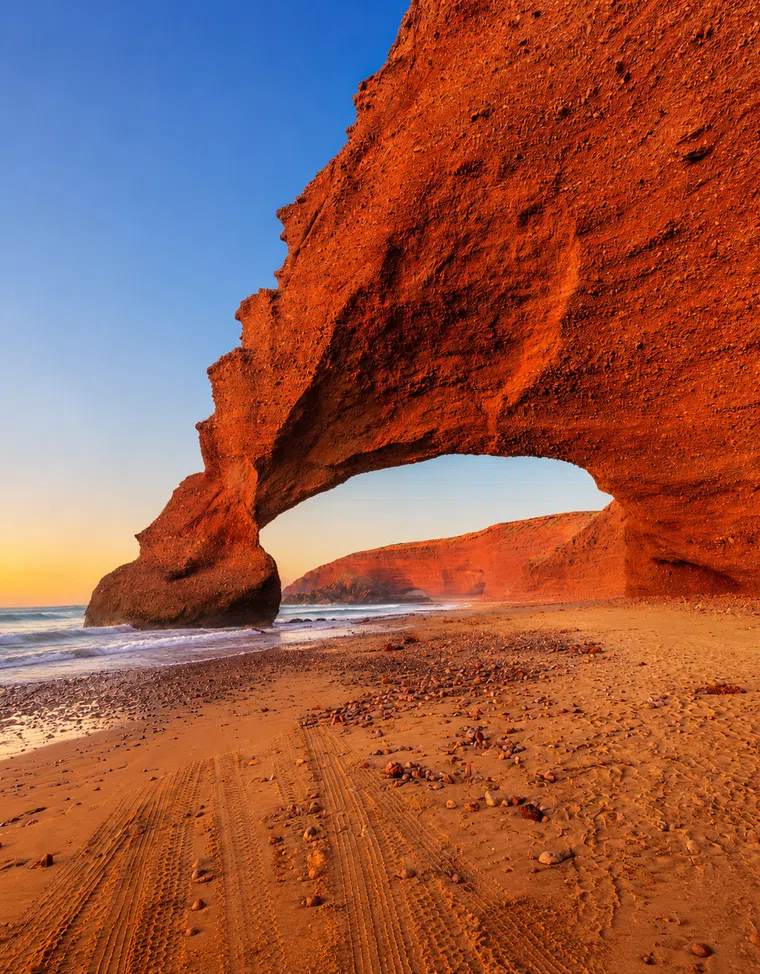 Southern Atlantic cliffs
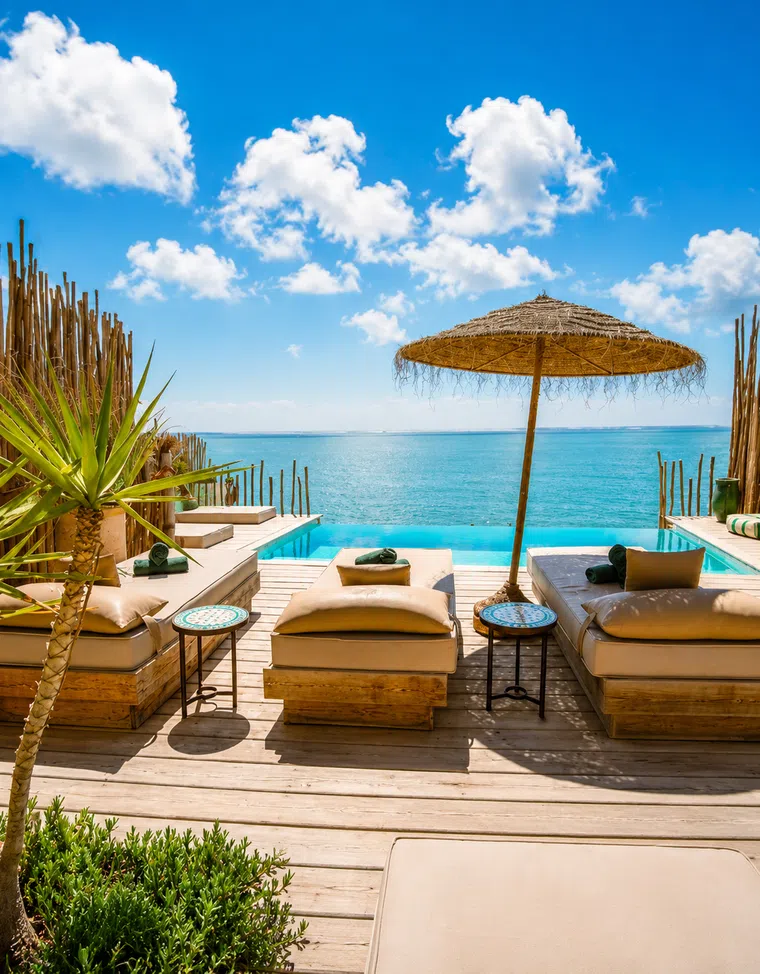 Dakhla lagoon
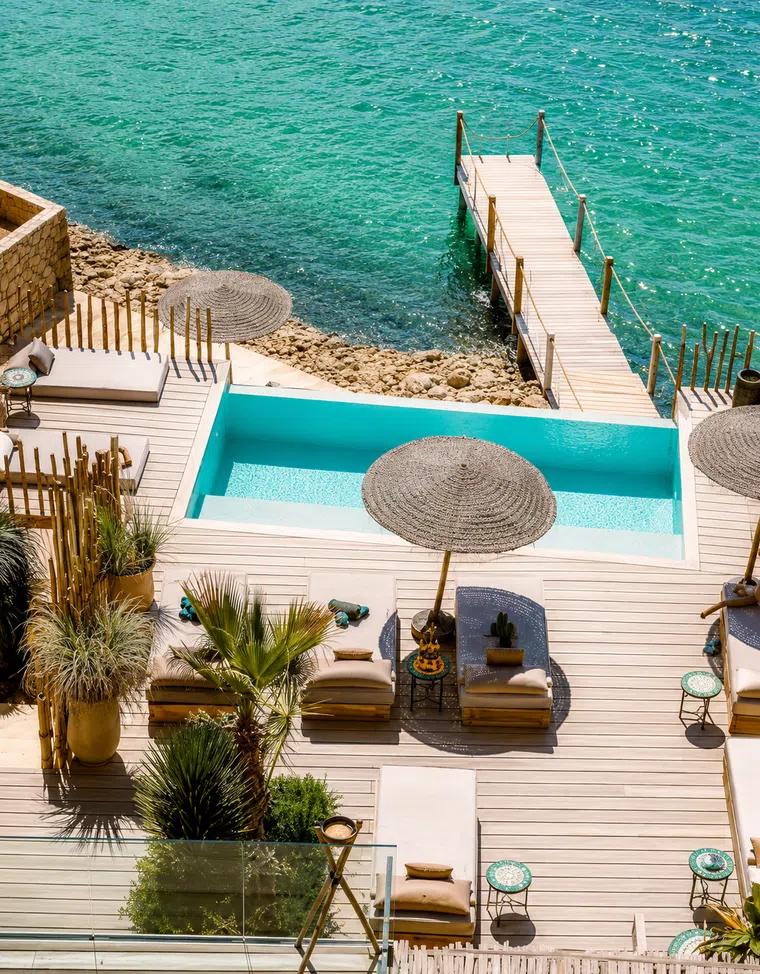 Dakhla peninsula light
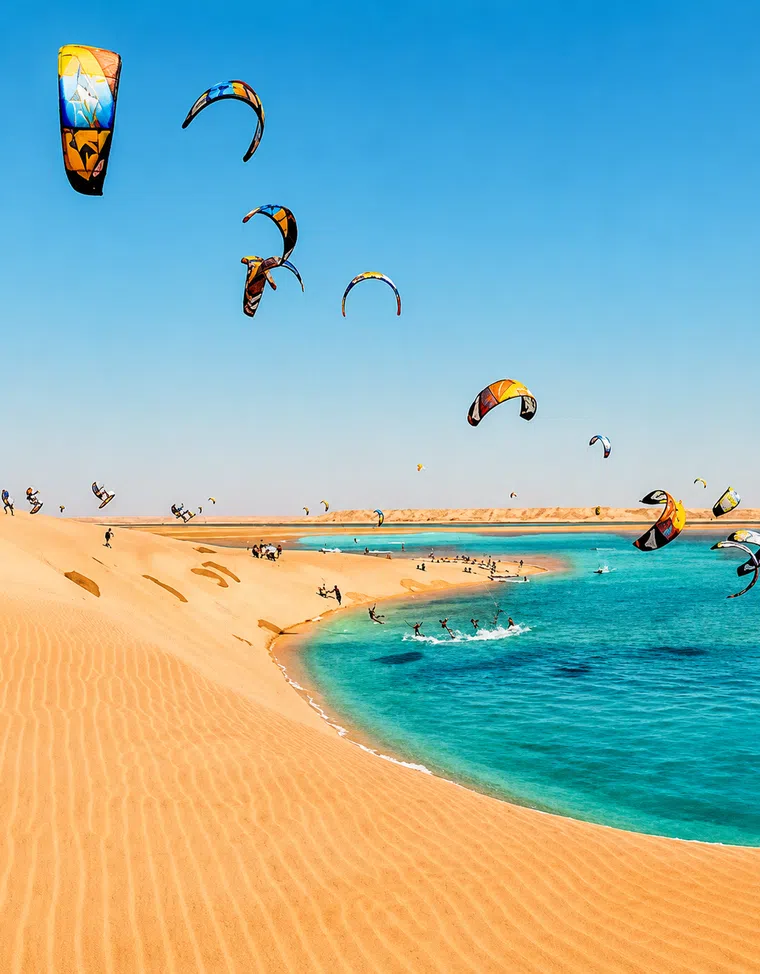 Wind-sport coast
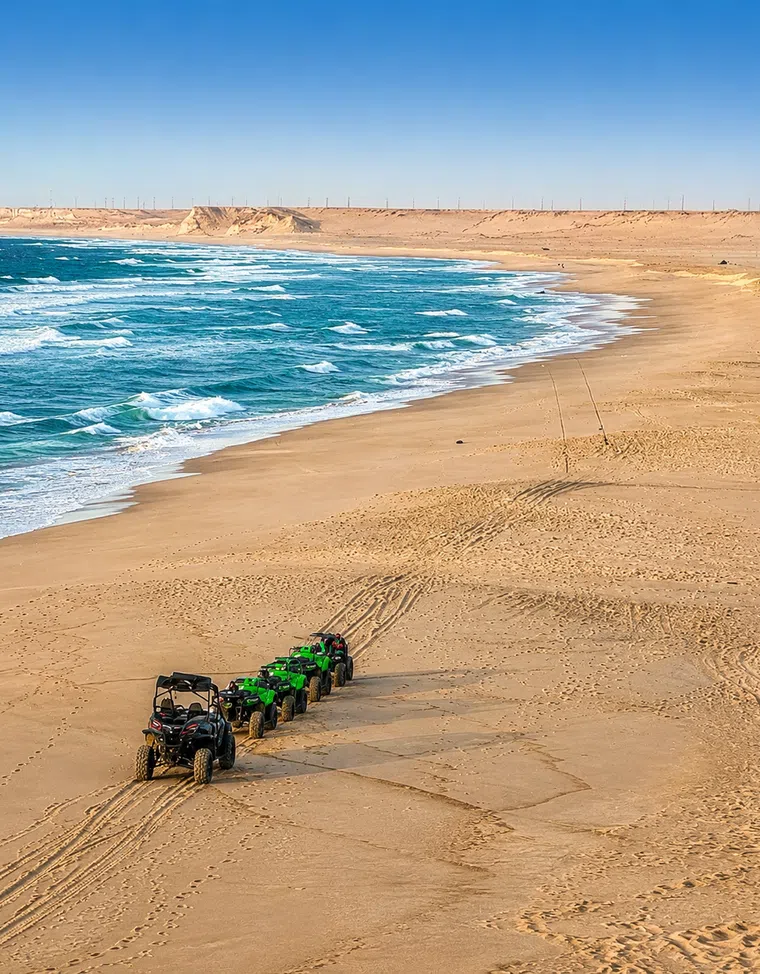 Desert-sea horizon
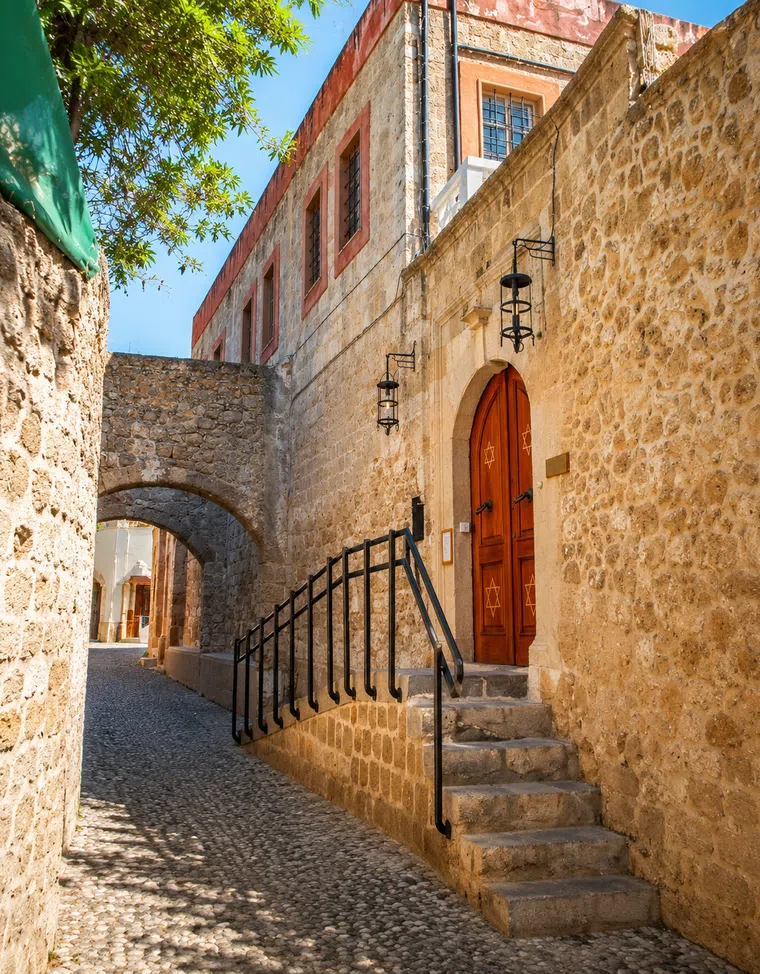 Atlantic medina detail
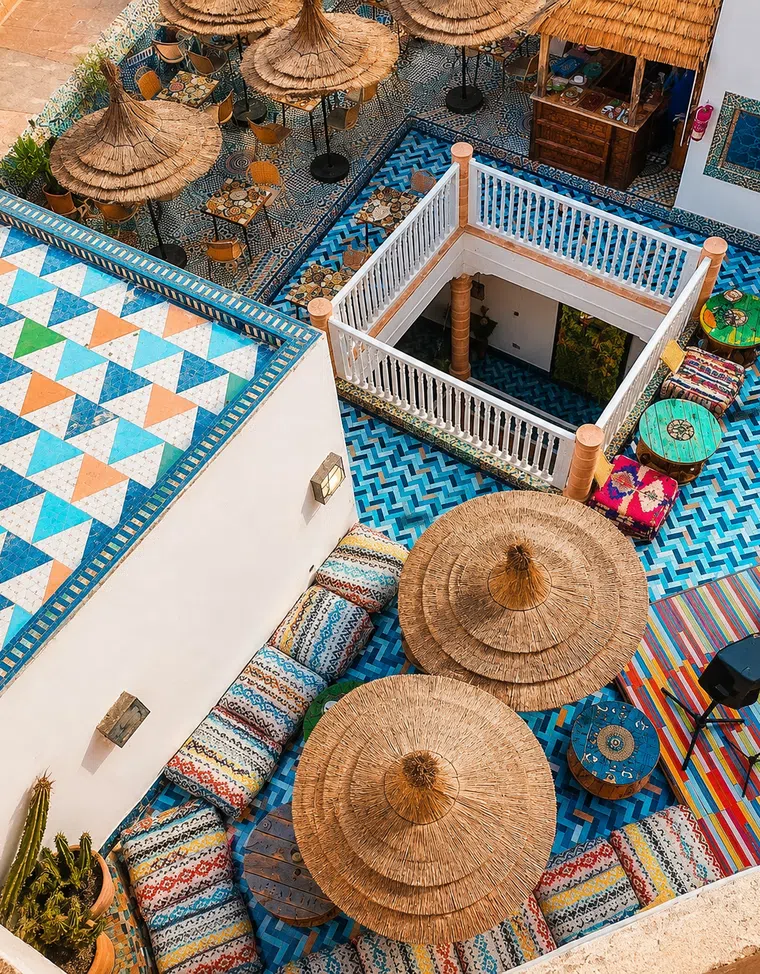 Ocean route texture
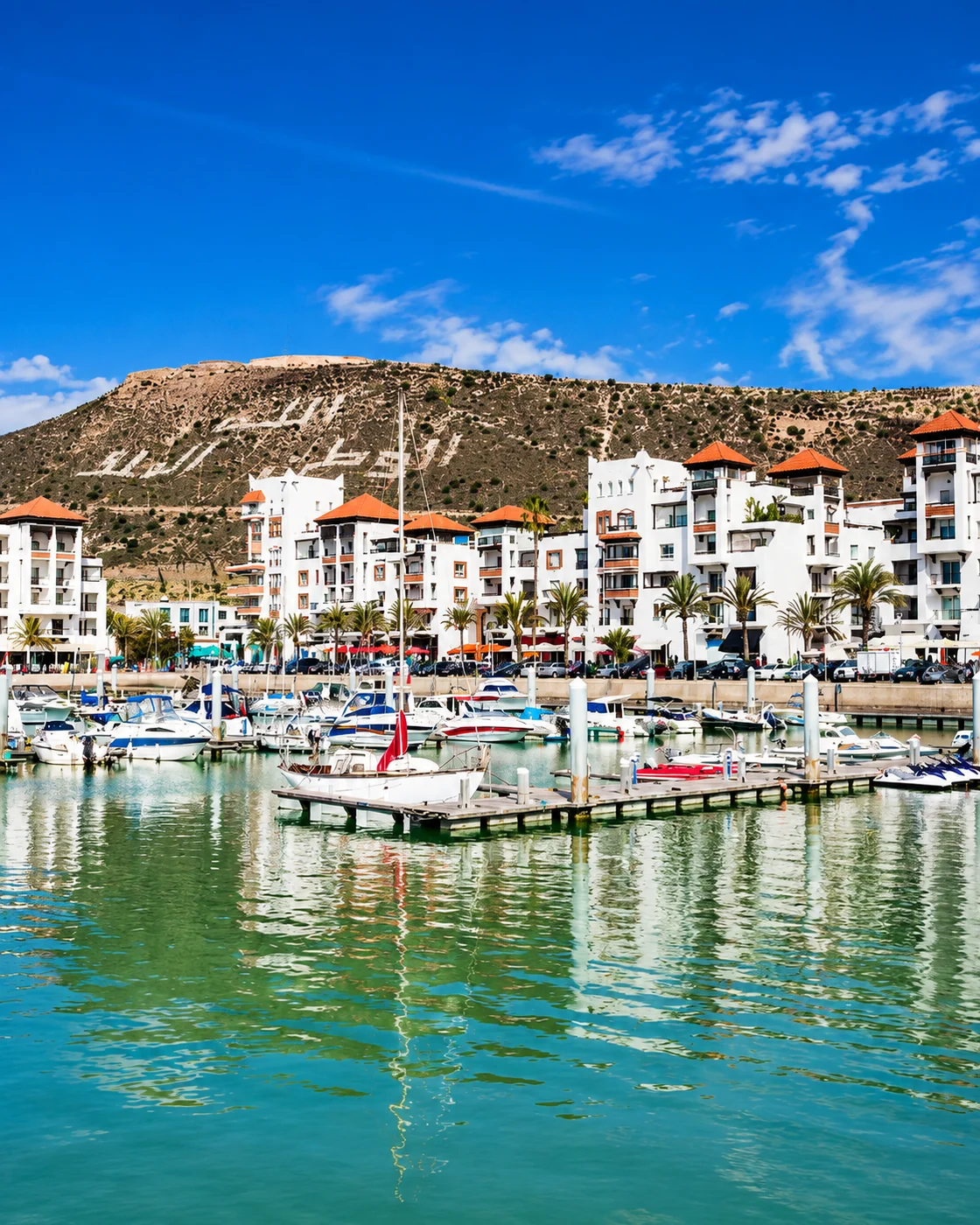 Agadir marina light
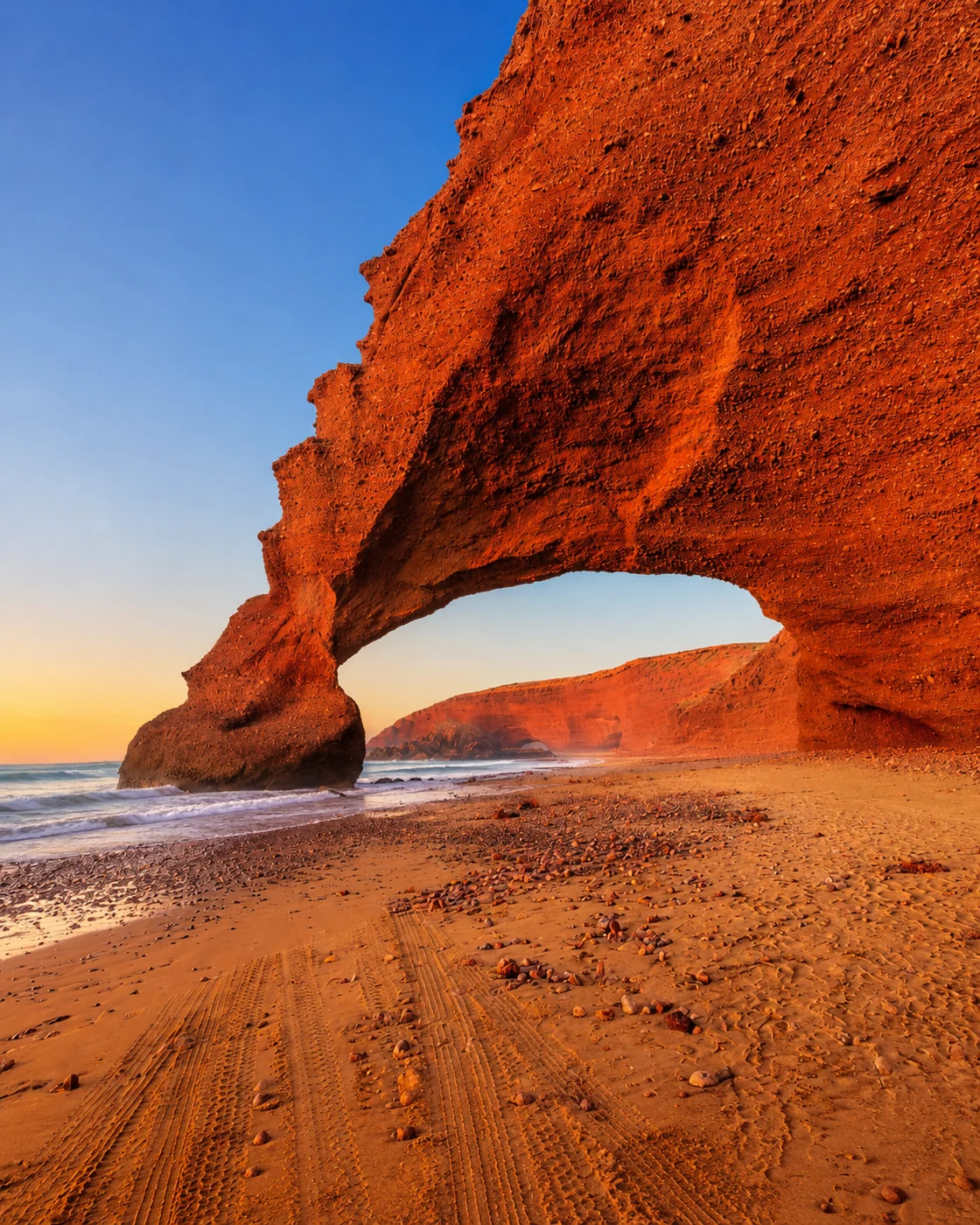 Sidi Ifni Atlantic arch
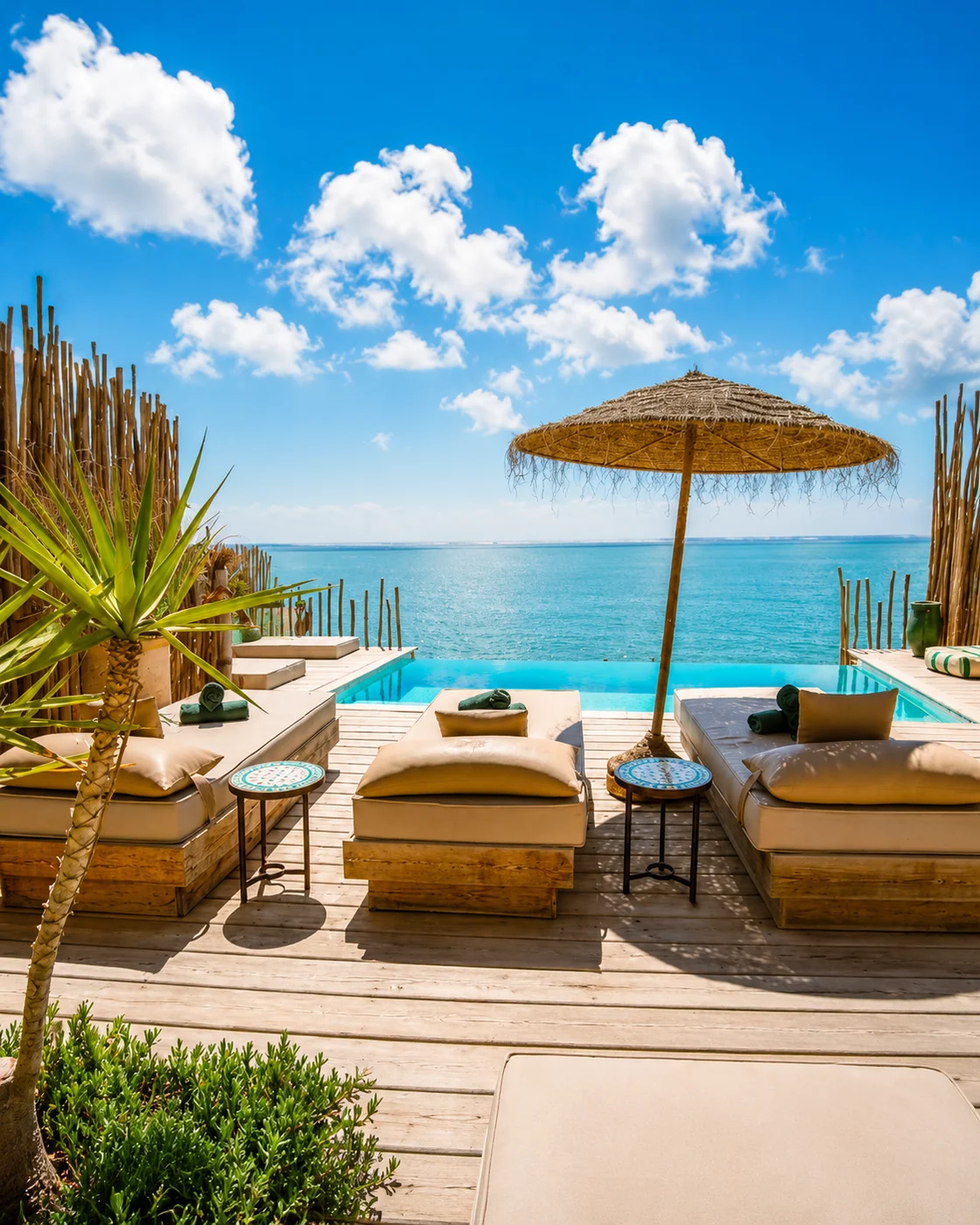 Dakhla lagoon light
Whitewashed medinas, Portuguese walls, Art Deco lines, ceramics, ports, surf villages and lagoon horizons form the visual grammar of Morocco’s Atlantic coast.
The route changes from north to south without losing its ocean logic: walls, wind, river mouths, sea light and long horizons.
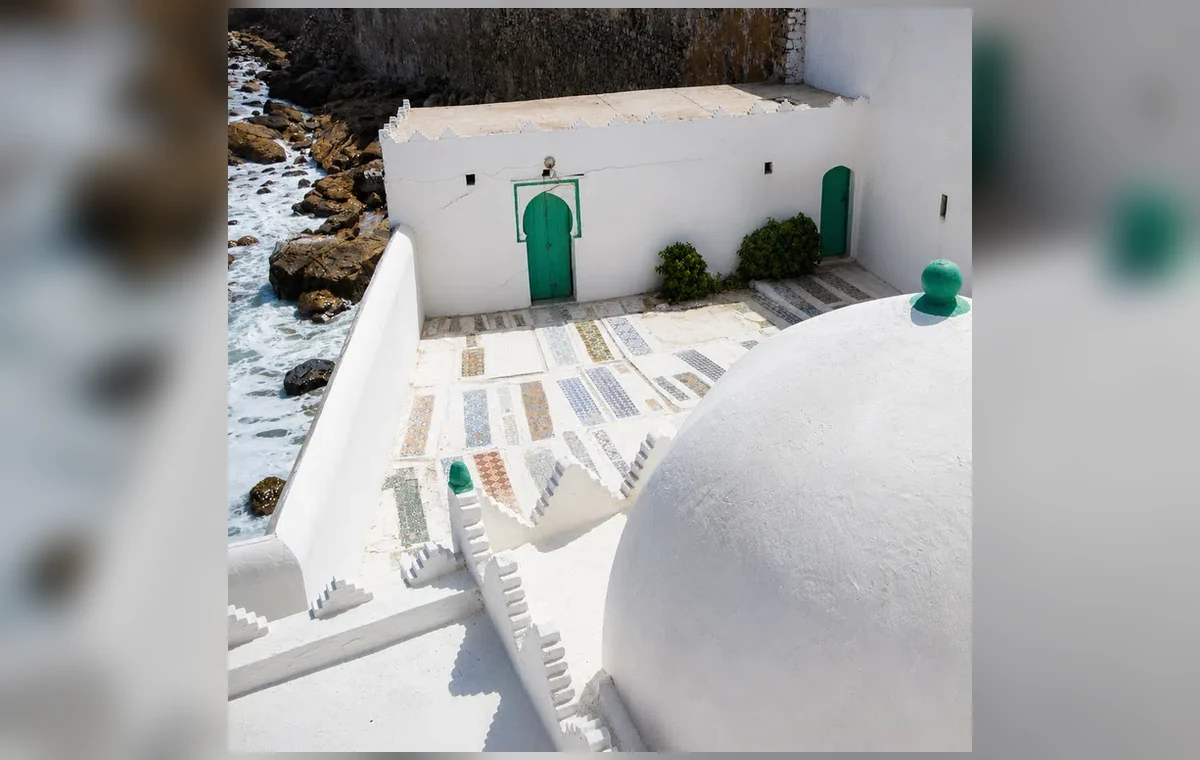
Asilah, El Jadida and Essaouira use white walls, ramparts and sea-facing streets to frame the ocean.
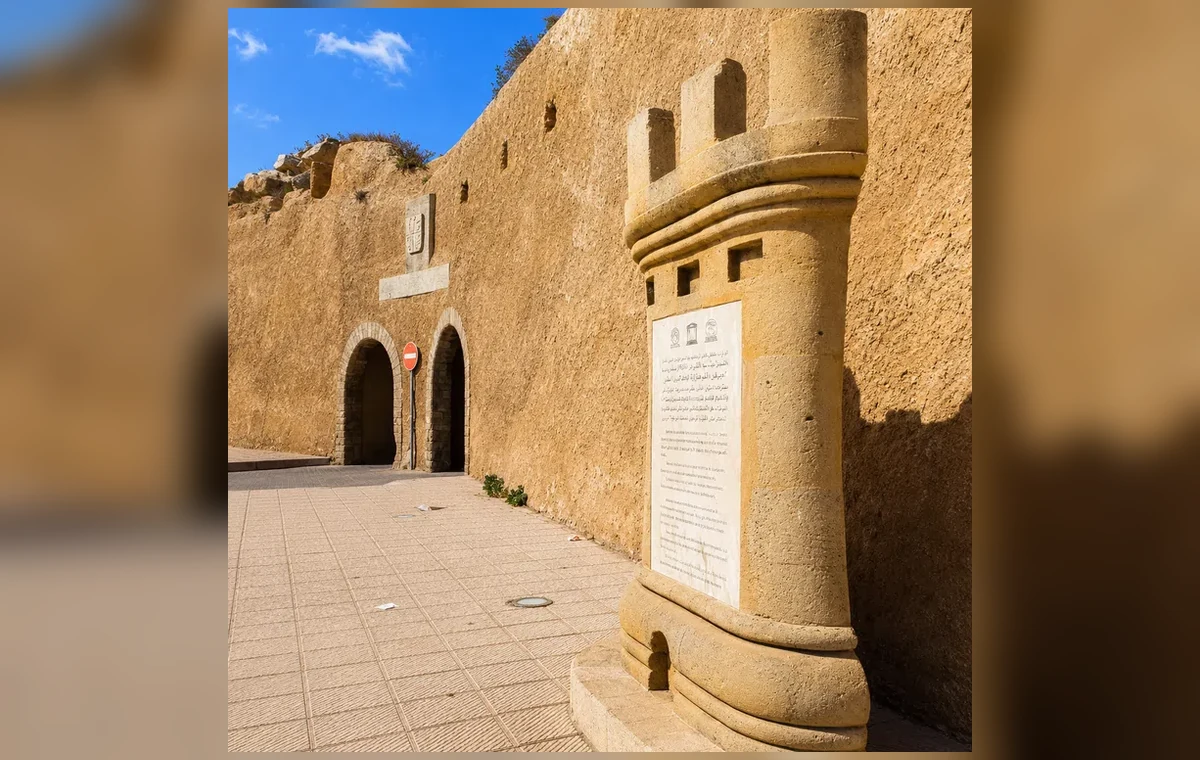
Mazagan and Safi reveal Portuguese-period coastal layers. Mogador adds later fortifications within a planned Moroccan port.
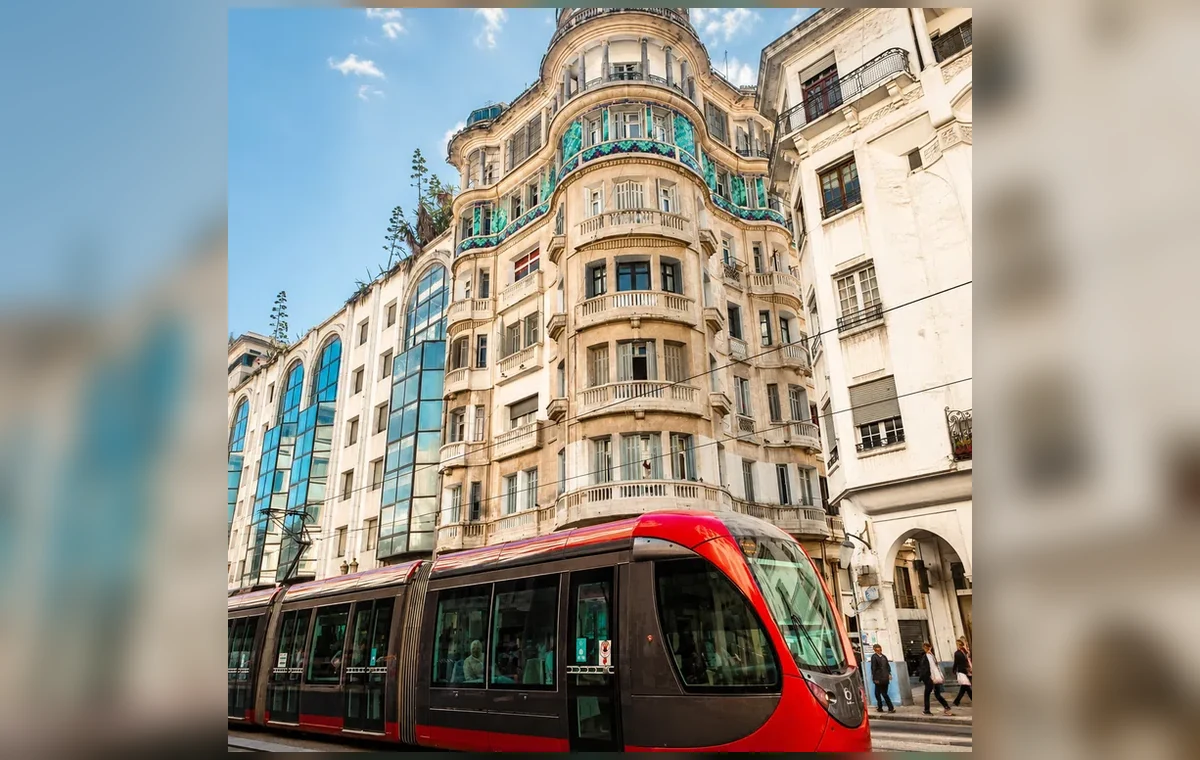
Casablanca and Agadir add boulevards, port scale, rebuilt districts and bayfront modernity.
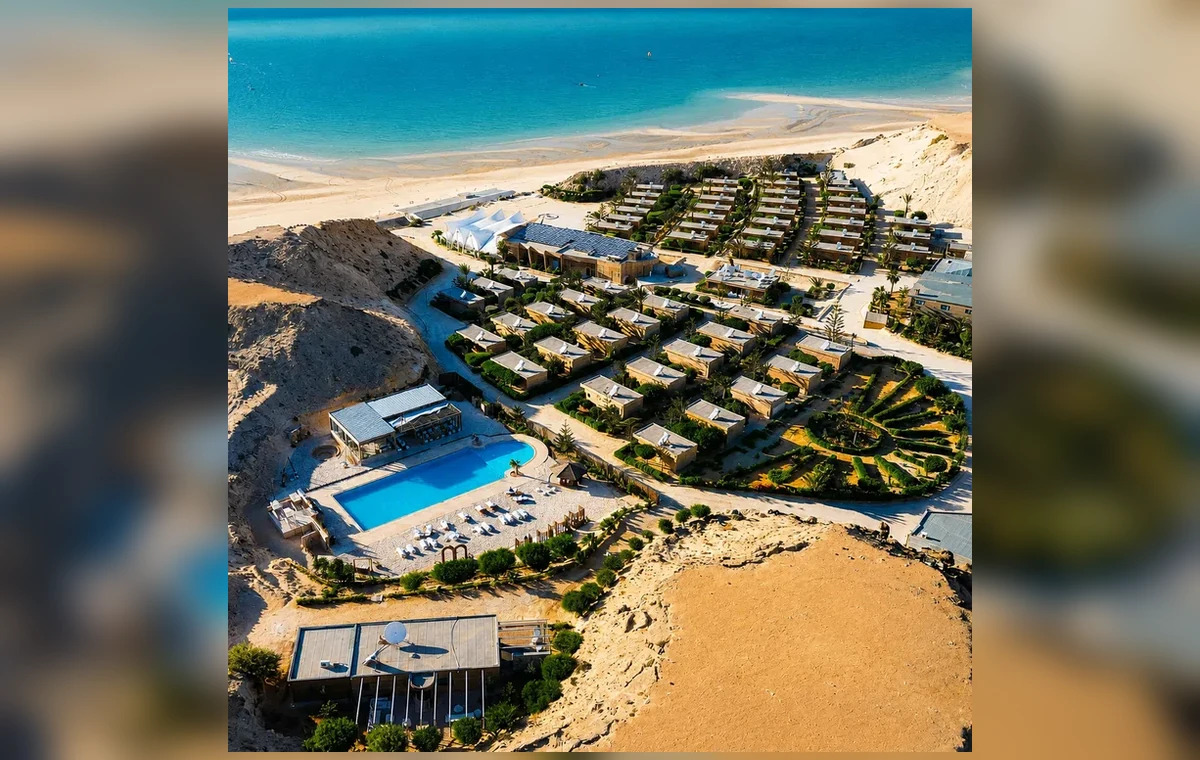
Sidi Ifni and Dakhla shift the coast toward open space, southern memory, lagoon water and Sahara light.
Choose a northern, central or southern coastal segment and allow time for the connections between its towns.
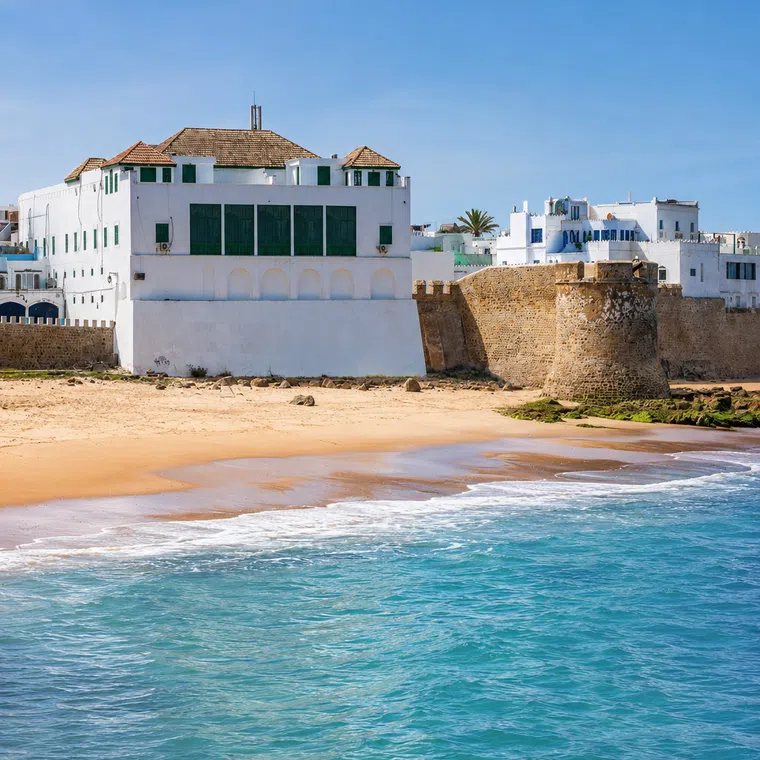 AsilahWhite ocean medina
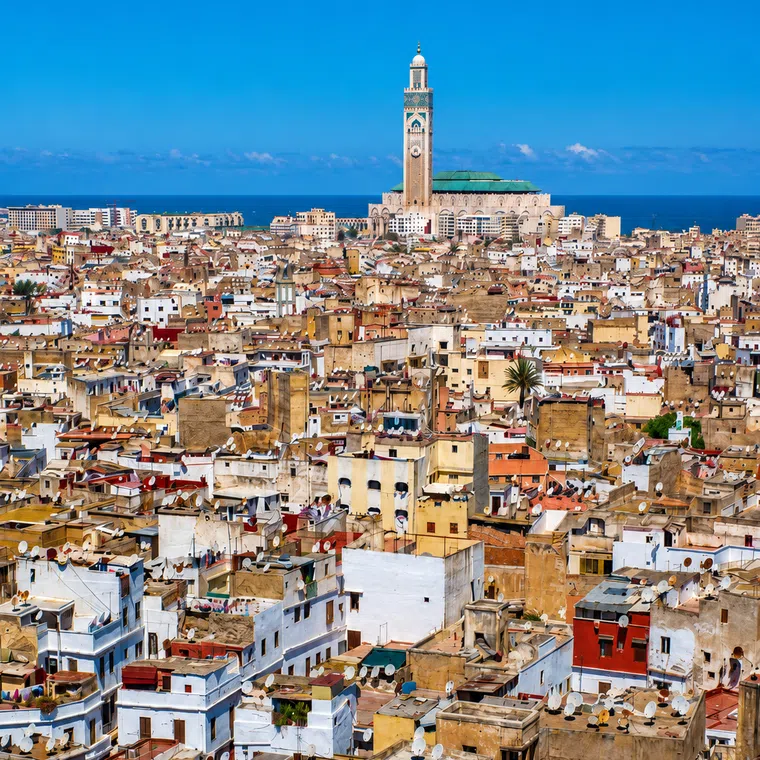 CasablancaModern Atlantic metropolis
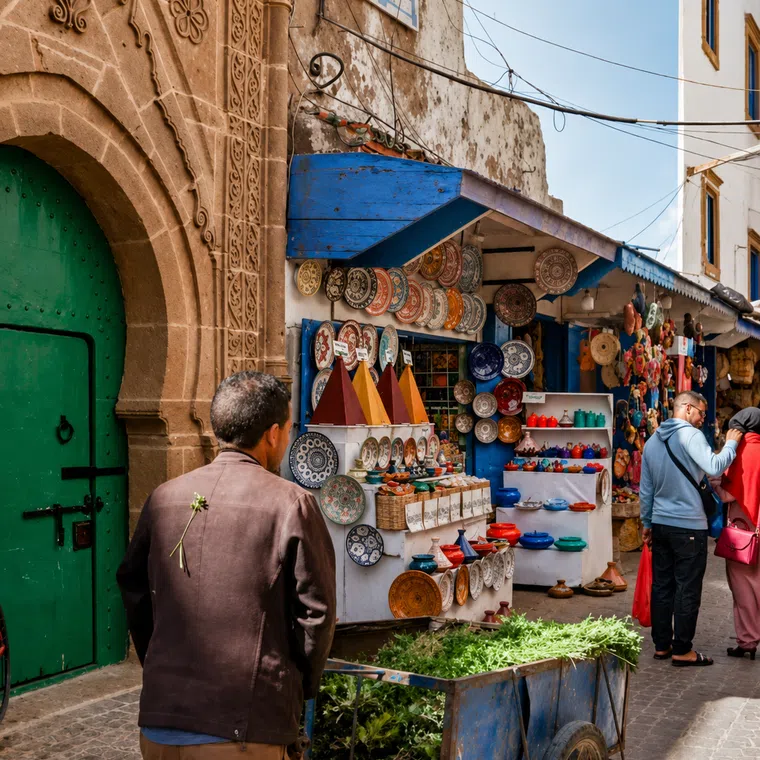 EssaouiraMogador wind city
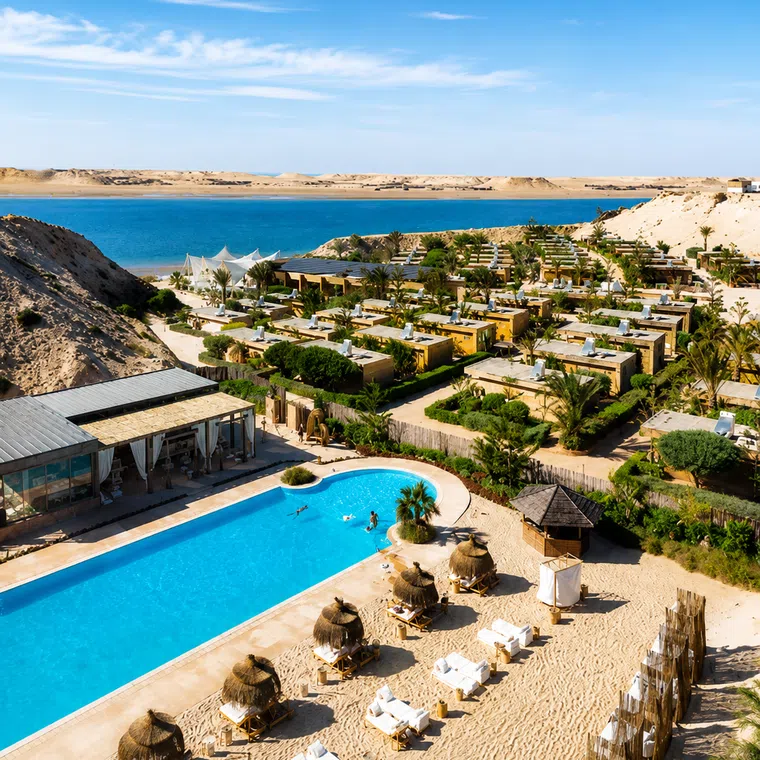 DakhlaLagoon and desert sea
A few considered choices make the connections between these places more useful.
Choose a question before choosing a long list of stops. Asilah and Larache make a northern comparison; El Jadida, Azemmour and Safi connect fortifications, rivers and craft; Essaouira and Agadir contrast a historic port with a modern bay city. These are editorial pairings, not fixed itineraries. Use an actual map and current transport options to decide what fits, keeping arrival and departure days realistic.
The Atlantic influences light, sound and exposure, but conditions differ between a sheltered lane, an estuary and an open beach. Check the local forecast and tides for any shore activity. Fishing ports also follow work rather than a visitor timetable. Stay clear of operations and photograph people only with permission. A meal can connect the harbour to the city, but ask about the fish and its preparation instead of assuming every coastal menu uses the same local catch.
Portuguese fortification, later Moroccan port planning, Spanish-era urban traces and twentieth-century rebuilding are different histories. Their presence along one coast does not make them interchangeable. Follow one building's documented account, then compare it with another town. The Ports & Crossings layer develops this approach; the Sea Air & Ports mood helps shape a journey around the experience of the coast.
Historical and geographical references reviewed in September 2026. Route pairings and looking suggestions are Exotic Morocco editorial guidance. Check current access and transport arrangements before travelling. Existing regional library imagery is retained; photographs and illustrations do not establish present-day access or conditions.
Open the Atlantic region city by city: Asilah, Larache, Casablanca, El Jadida, Azemmour, Safi, Essaouira, Agadir, Sidi Ifni and Dakhla.
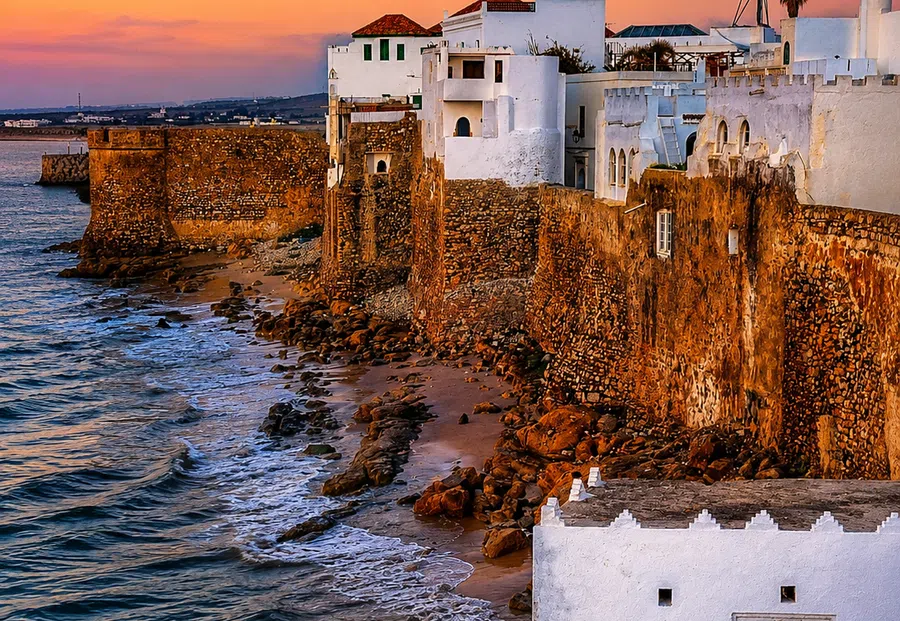
Begin with white ramparts and Atlantic medina light.
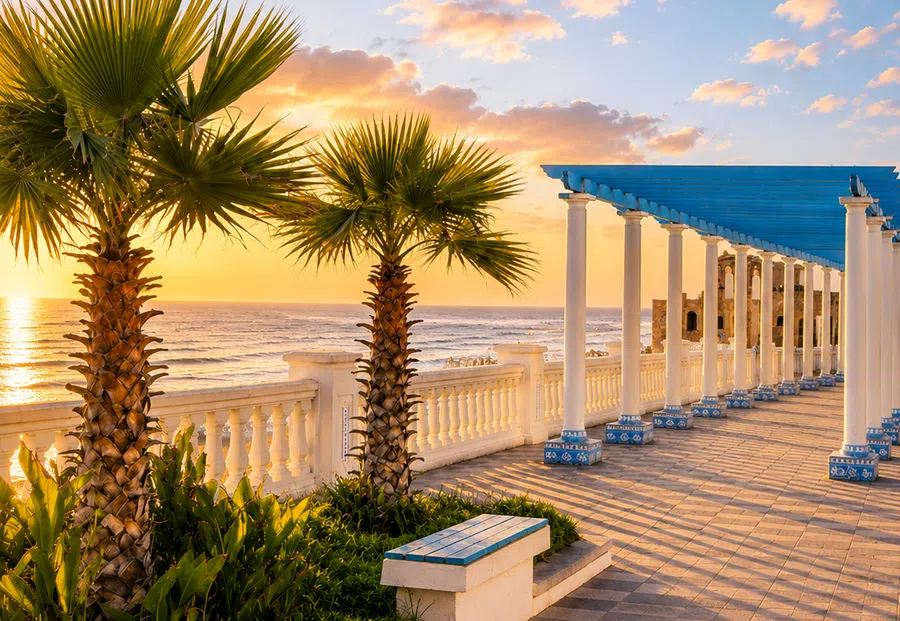
Follow river light, port memory and nearby Lixus.
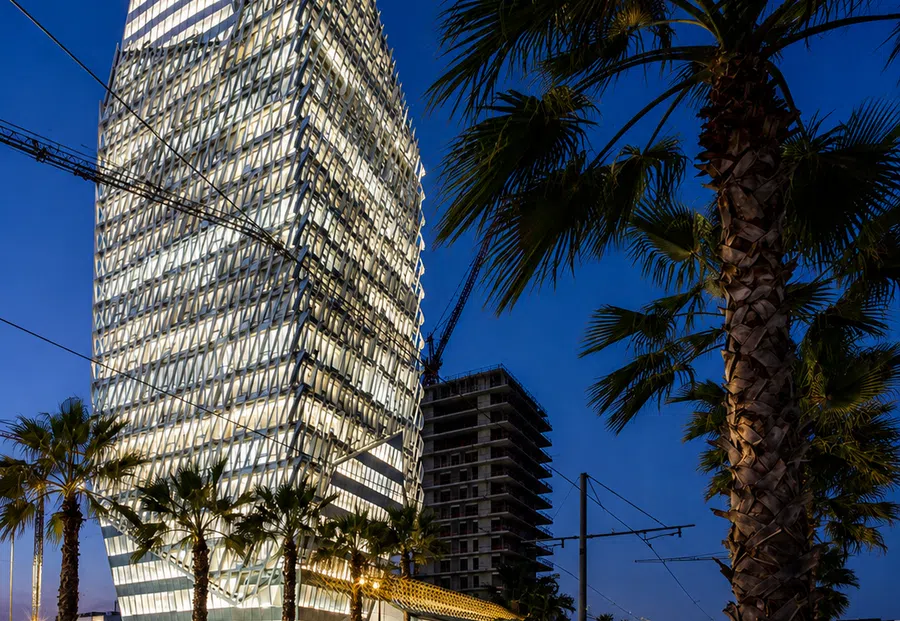
Move into Morocco’s modern Atlantic metropolis.
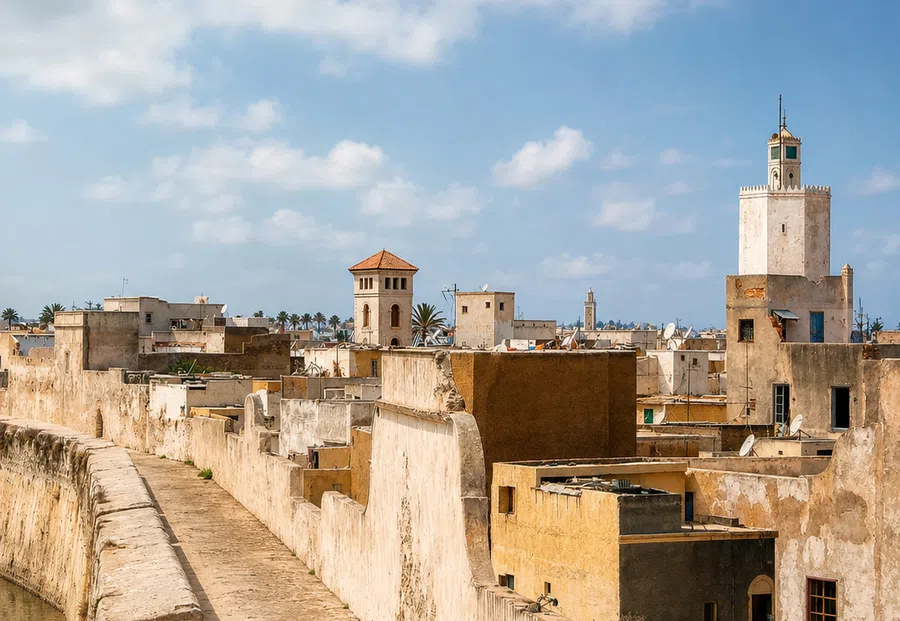
Explore Mazagan walls and Portuguese Atlantic heritage.
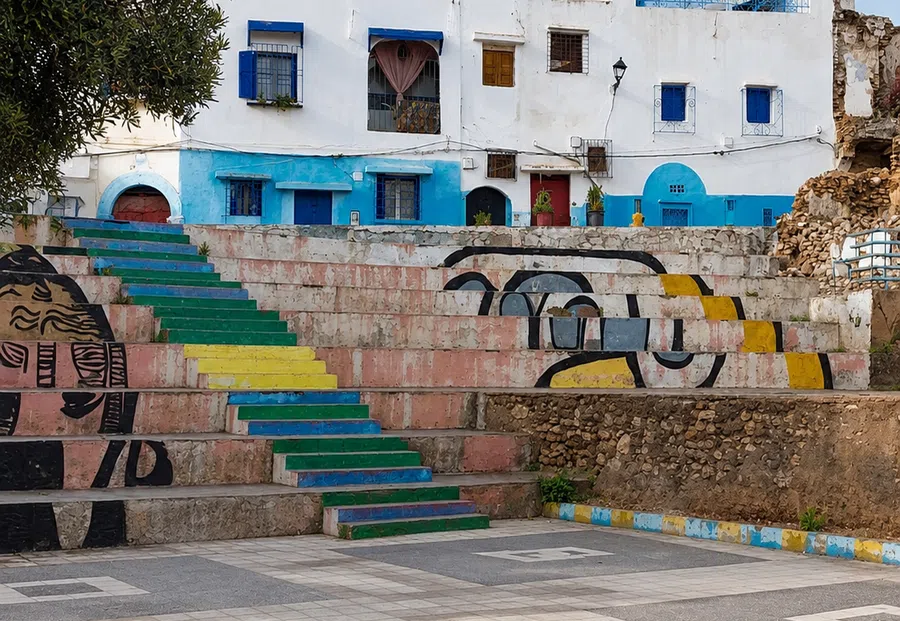
Pause at river walls and quiet Atlantic medina edges.
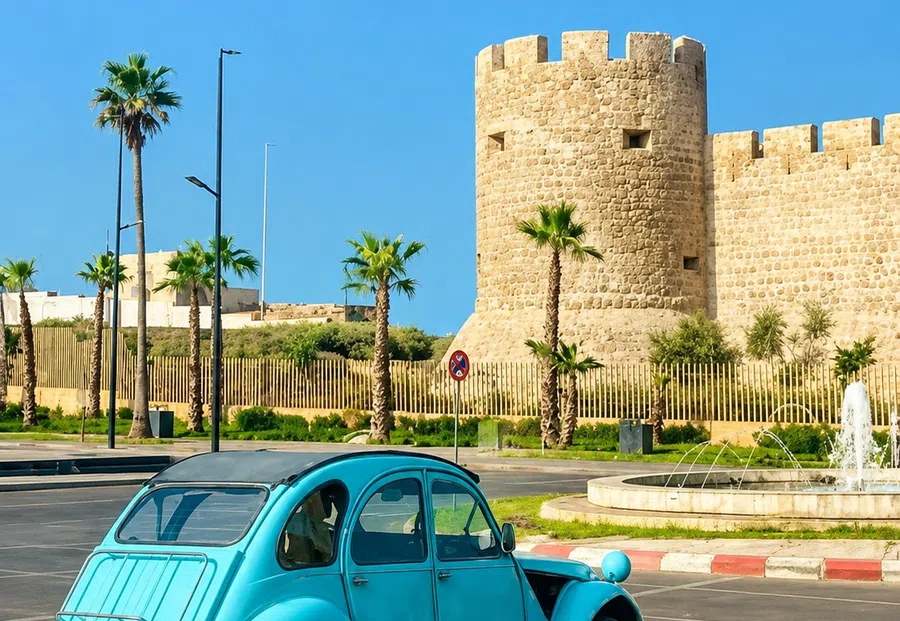
Continue through ceramics, cliffs and Atlantic craft identity.
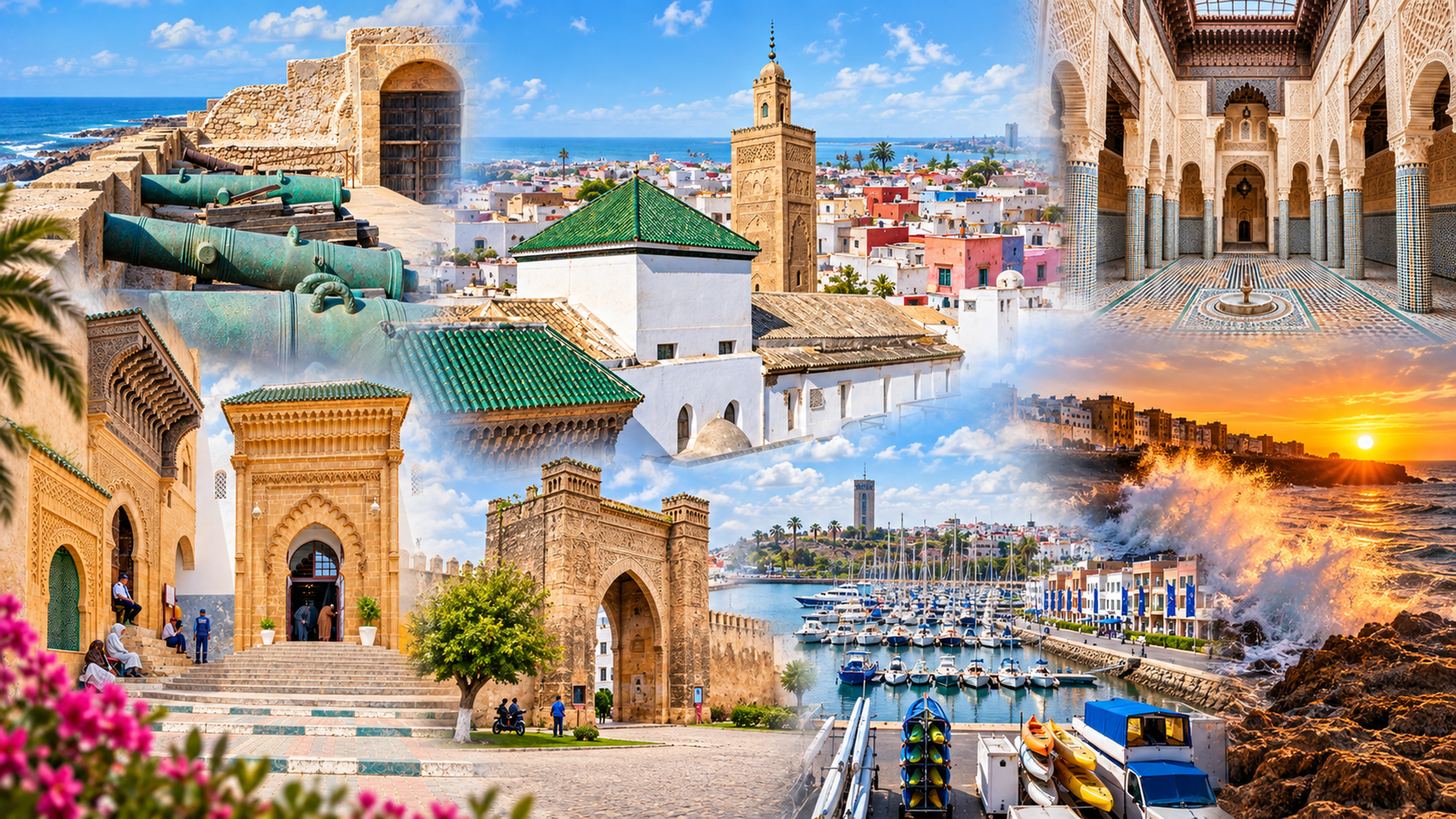
Across the river from Rabat, Salé keeps a different temperature: older, quieter and more inward-looking. Its medina, river gates, mosque-madrasa quarter, candle procession, pottery workshops and corsair memory make it more than a quick crossing from the capital.
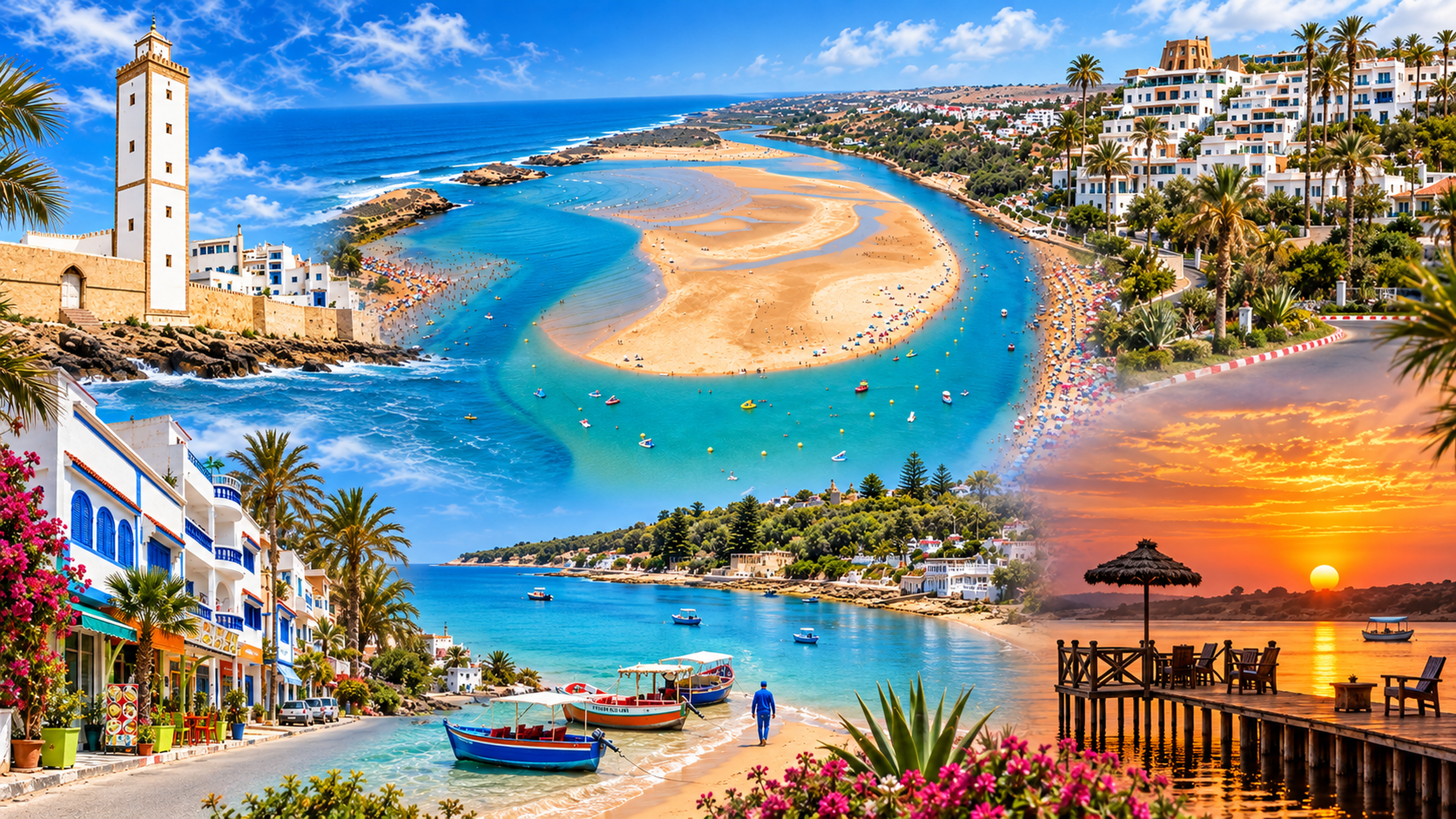
Oualidia sits on a protected Atlantic lagoon between El Jadida and Safi, where tides, fishing boats, oyster parks, dunes, salt marshes and migratory birds set the pace. It is not a city of spectacle; it is a coastal place to read through water, quiet movement and the intelligence of the shore.
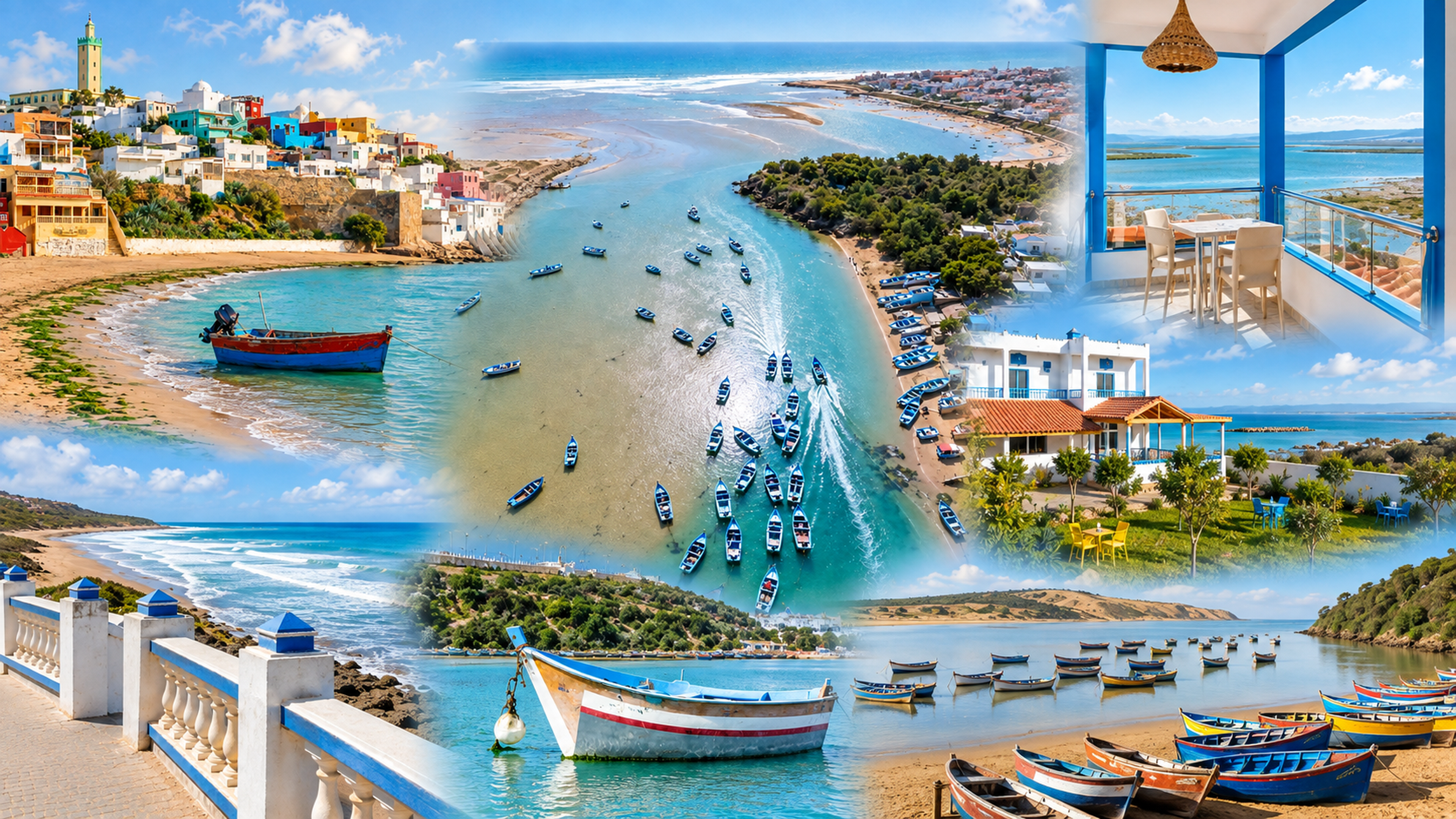
Moulay Bouslham rests between ocean and lagoon: a small Atlantic settlement where fishing boats, dune edges, reedbeds and migratory birds shape the visitor’s memory more than monuments do. It is a place to approach softly, with time for water, weather and local rhythm.
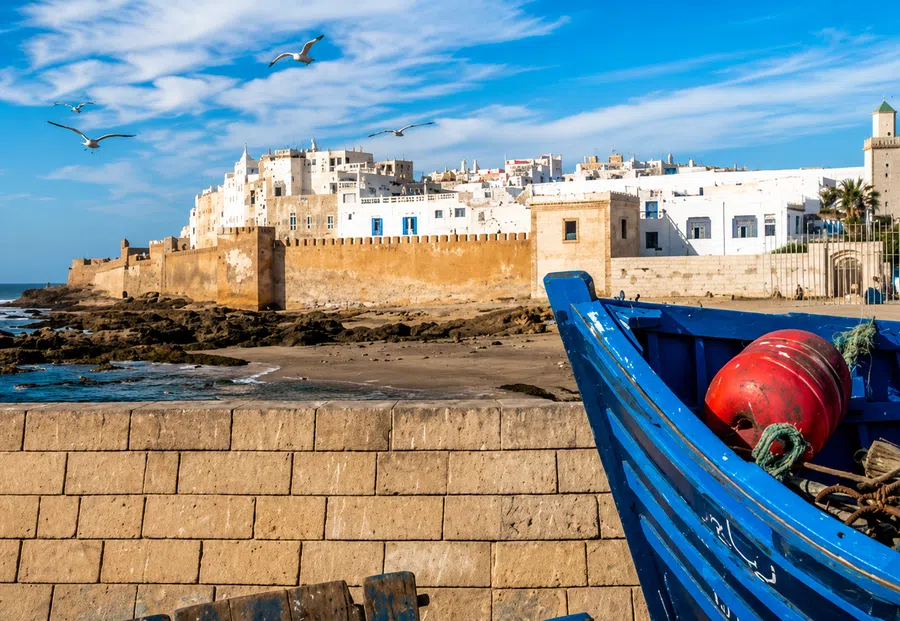
Follow wind, ramparts, music and port rhythm.
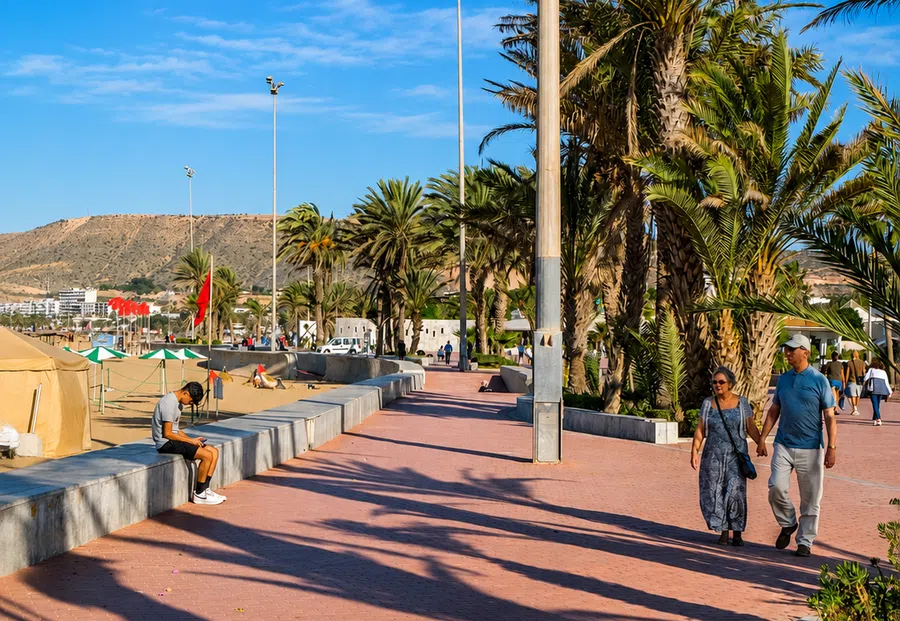
Shift south to the Souss gateway and Atlantic bay.
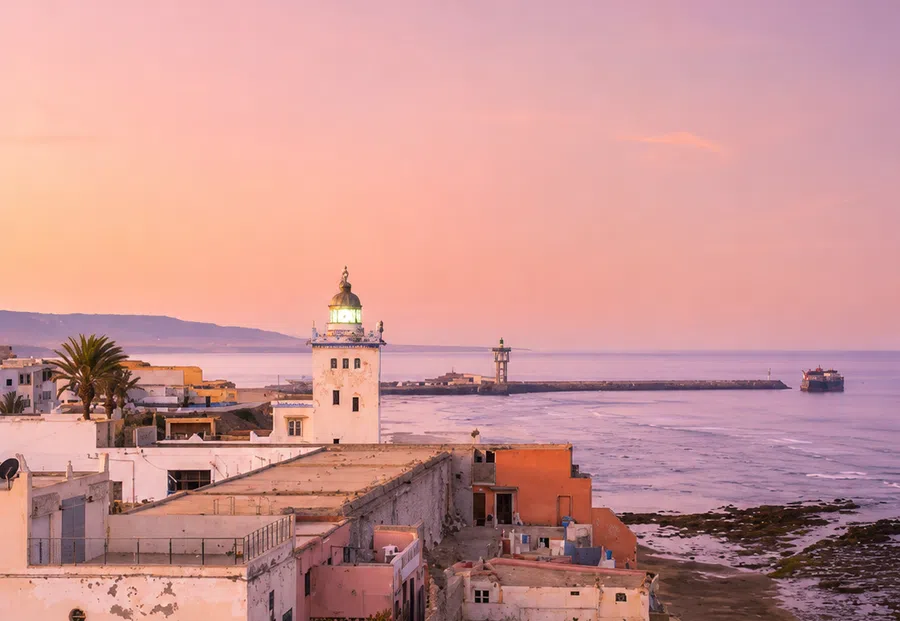
Trace southern Atlantic geometry and Art Deco memory.
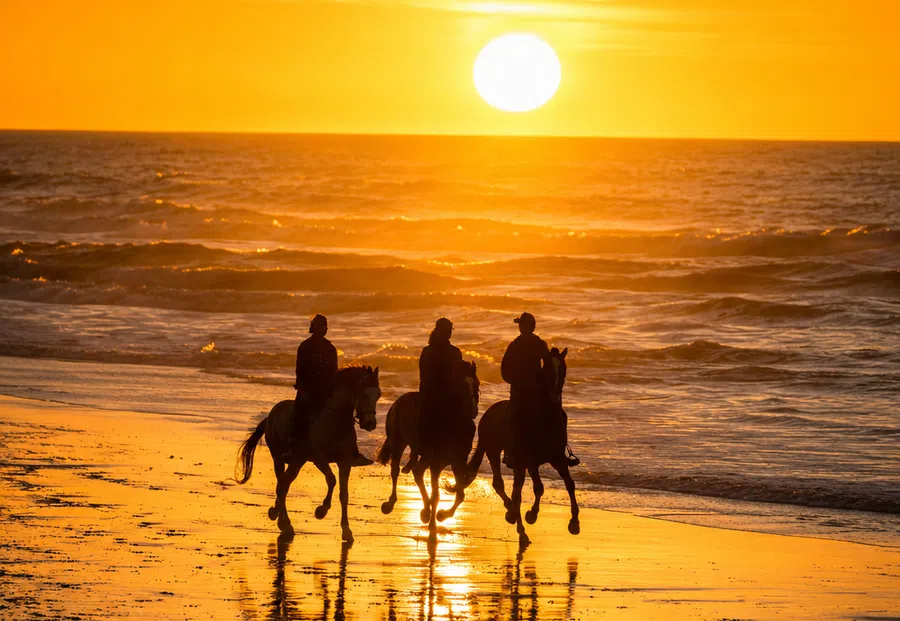
End with lagoon horizons and desert-sea openness.