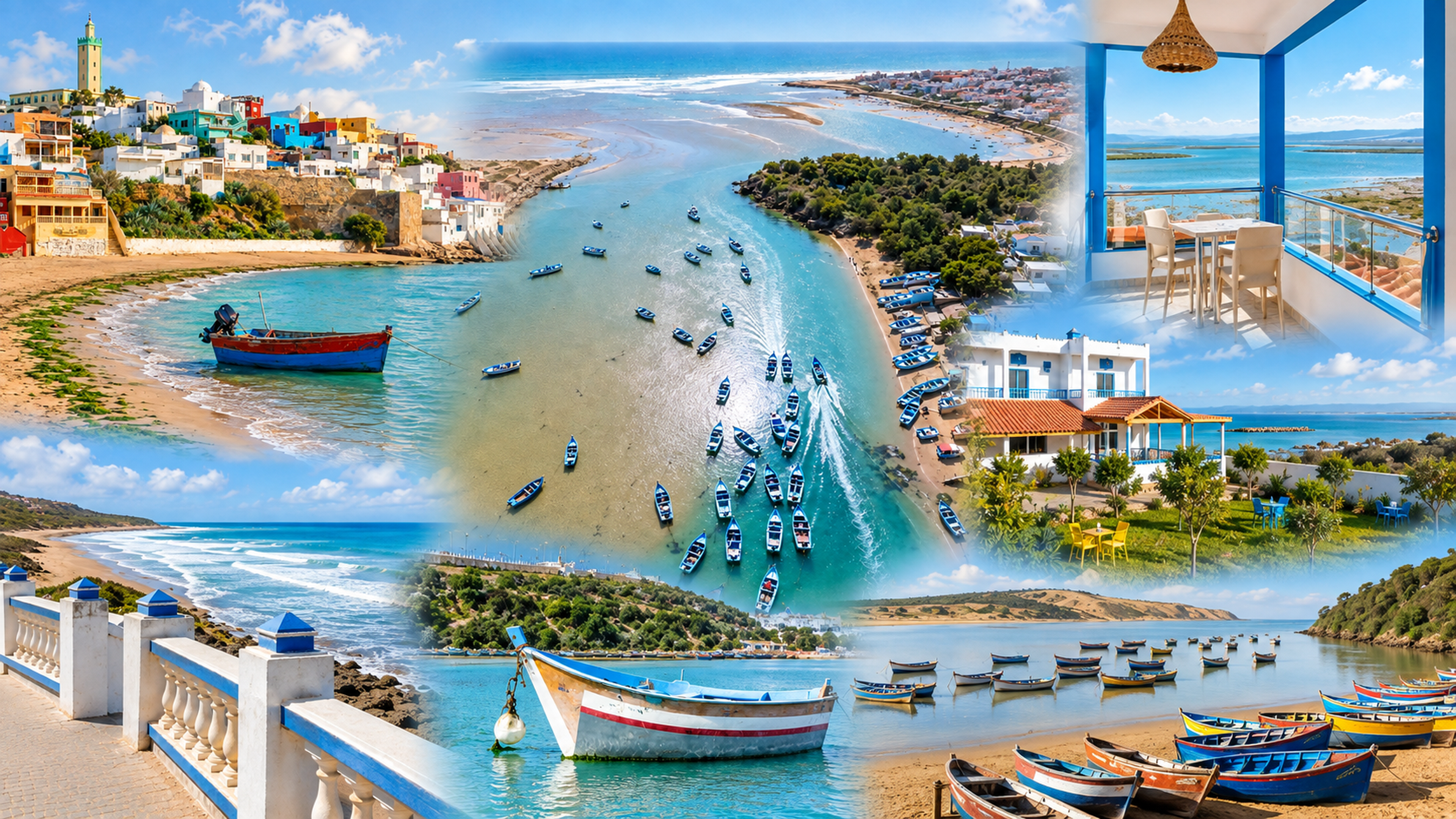
Collage of Moulay Bouslham, Merja Zerga, fishing boats and the Atlantic shore

Atlantic lagoon village

Moulay Bouslham Merja Zerga, Atlantic light and the rhythm of a fishing village

Moulay Bouslham rests between ocean and lagoon: a small Atlantic settlement where fishing boats, dune edges, reedbeds and migratory birds shape the visitor’s memory more than monuments do. It is a place to approach softly, with time for water, weather and local rhythm.

Why Moulay Bouslham matters

Between Atlantic beach and blue lagoon

Moulay Bouslham is often understood through one image: the meeting of Atlantic beach and Merja Zerga. Its importance comes from that meeting. The village looks toward open sea on one side and a protected tidal lagoon on the other, giving visitors two very different coastal experiences within a compact place.

Unlike the larger cities on Morocco’s coast, Moulay Bouslham is not built around a long checklist. Its value is quieter: boatmen on the lagoon, fishermen landing the day’s catch, families walking the beach, and birdlife moving with the tides across mudflats and reeds.
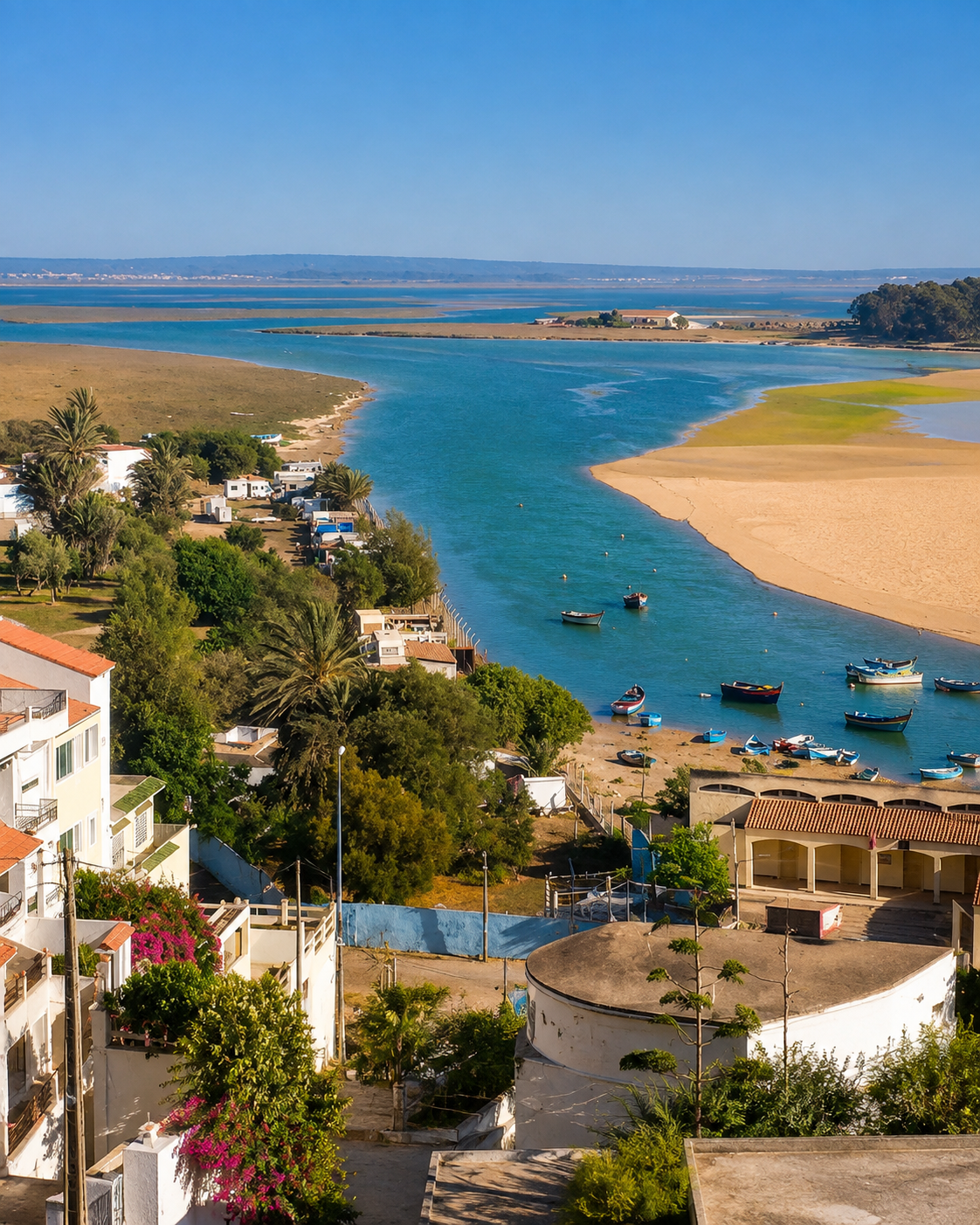
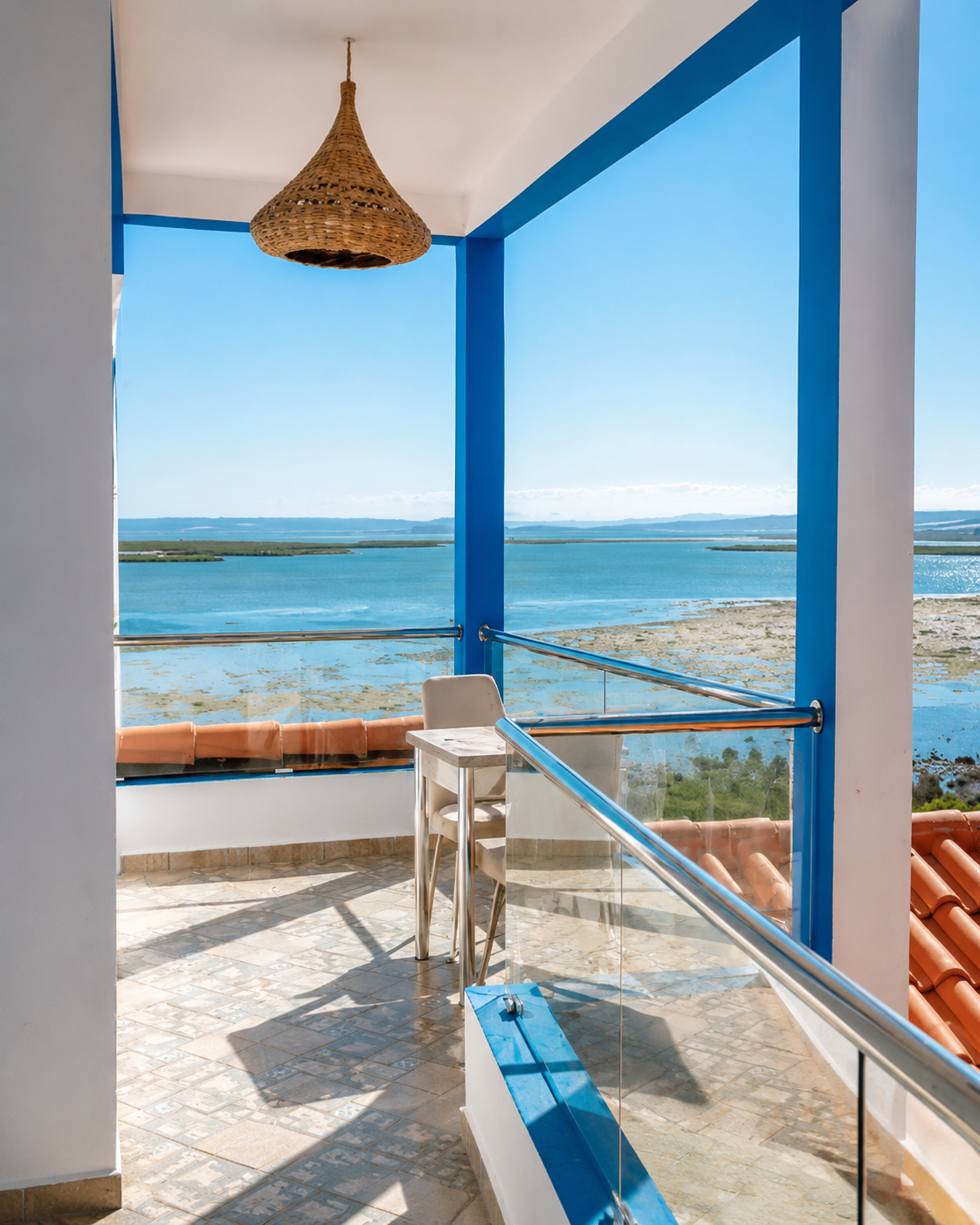
Village terraces above the tidal channel and sandbanks of Merja Zerga

A village held by water

The geography does the speaking here: lagoon, dunes, open Atlantic, low village streets and the daily work of small boats.

EXPLORE

Moulay Bouslham

Historical orientation

From coastal devotion to protected wetland

Moulay Bouslham is best understood through landscape and memory rather than dynastic architecture. The settlement is associated with a local saintly figure, a coastal headland and the living economy of fishing. Beside it, Merja Zerga became internationally recognised as a wetland of ecological importance, giving this small village a role far beyond its size.

01Local memory

A saintly name

The village takes its name from Moulay Bouslham, remembered locally through the white-domed sanctuary and the devotional memory attached to the headland.

02Atlantic setting

Beach and fishing life

The settlement developed around the practical rhythm of the coast: boats, fish, seasonal visitors, beach walks and the sheltered water of the lagoon.

031980

Ramsar recognition

Merja Zerga is listed under the Ramsar Convention, recognising the lagoon as a wetland of international importance for biodiversity and migratory birds.

04Today

A coastal nature stop

Today Moulay Bouslham works best as a slow coastal stop: lagoon boat trips, birdwatching, fish lunches, Atlantic air and careful respect for a sensitive natural site.

A visual bridge

Three glimpses between lagoon and ocean

These images connect the open Atlantic, the fishing village’s daily movement and the tidal habitats that make Merja Zerga more than a scenic backdrop.

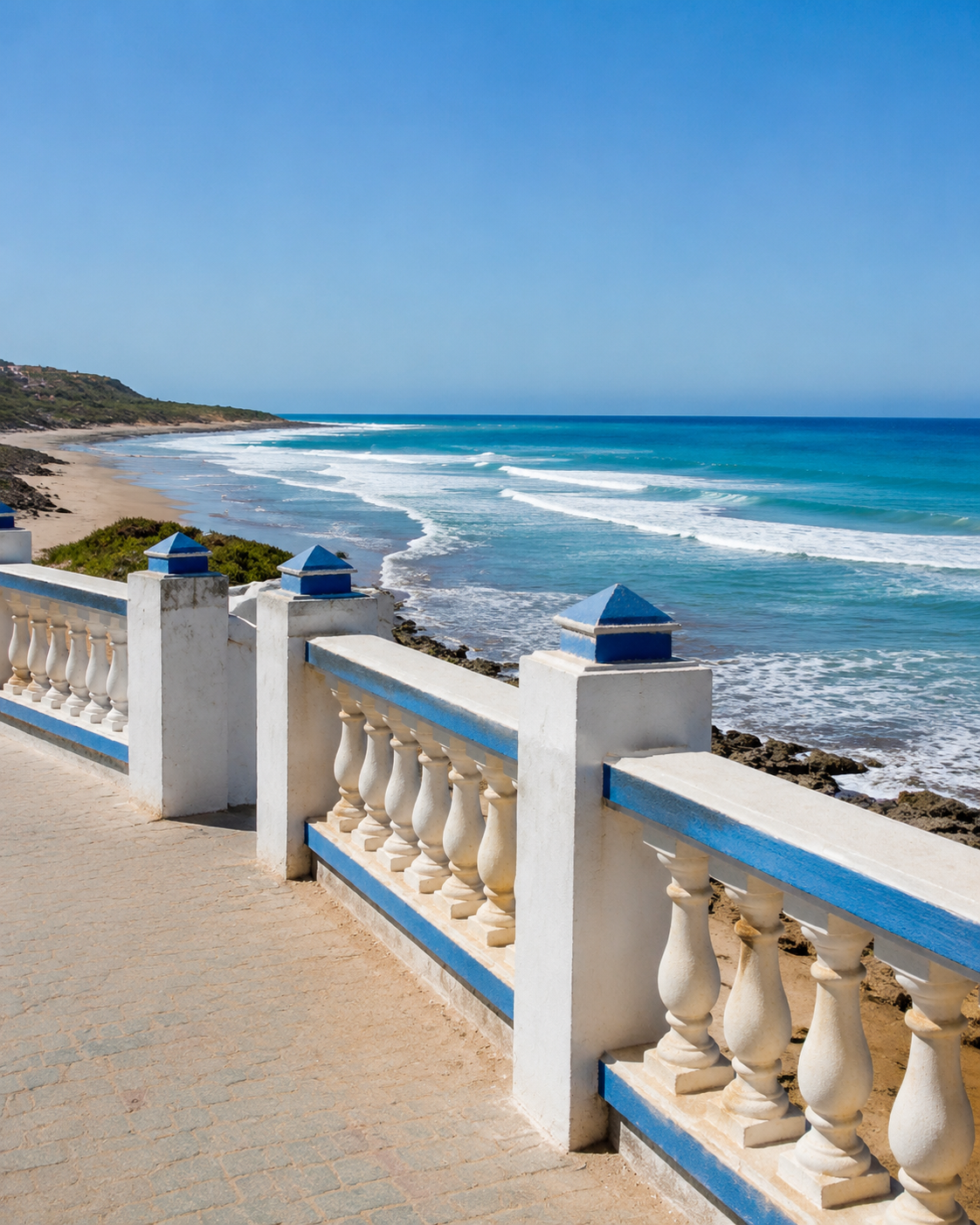
Blue and white balustrade overlooking Atlantic surf at Moulay Bouslham

Atlantic openness

Beyond the lagoon, open surf and a long horizon give the village a very different coastal outlook.

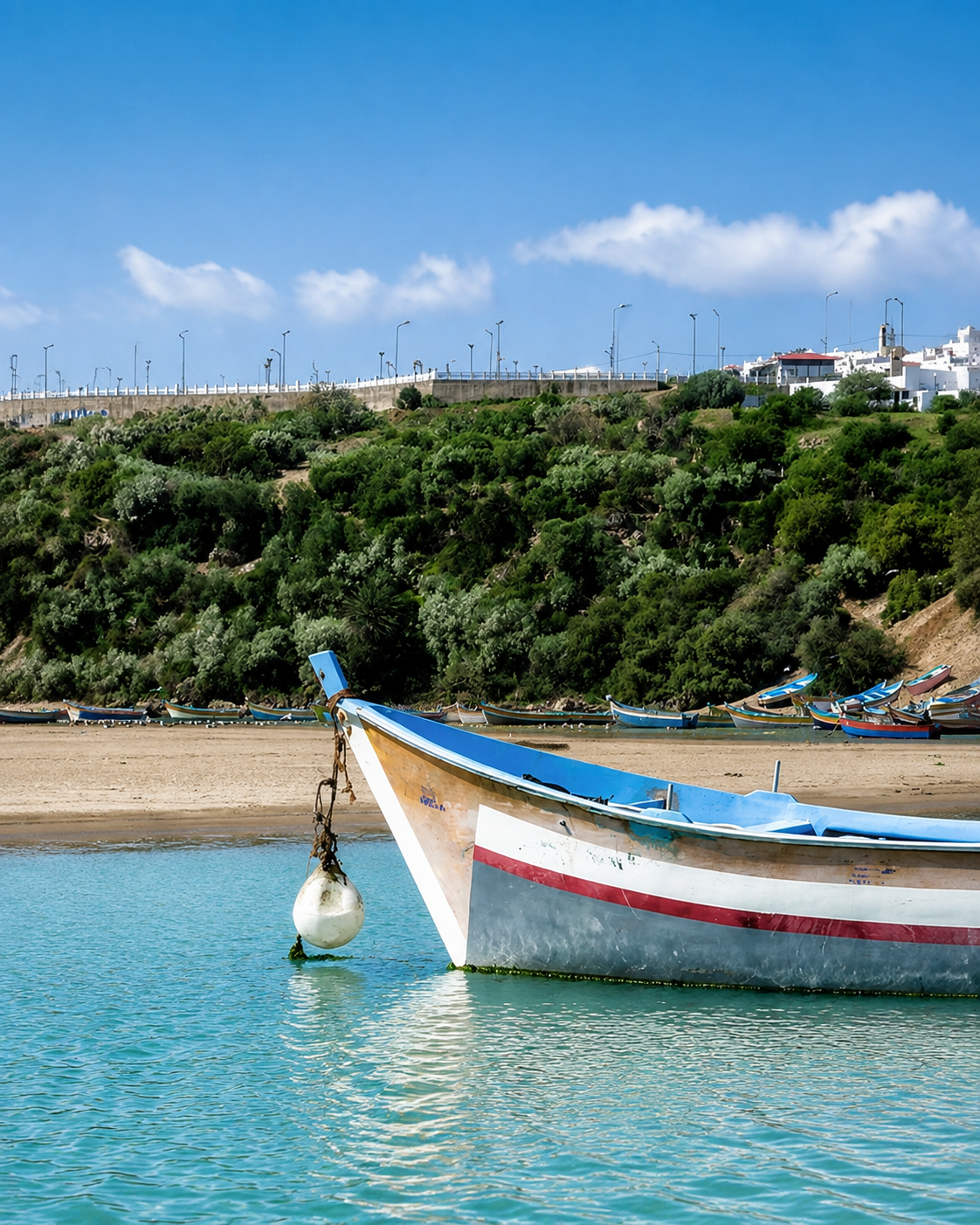
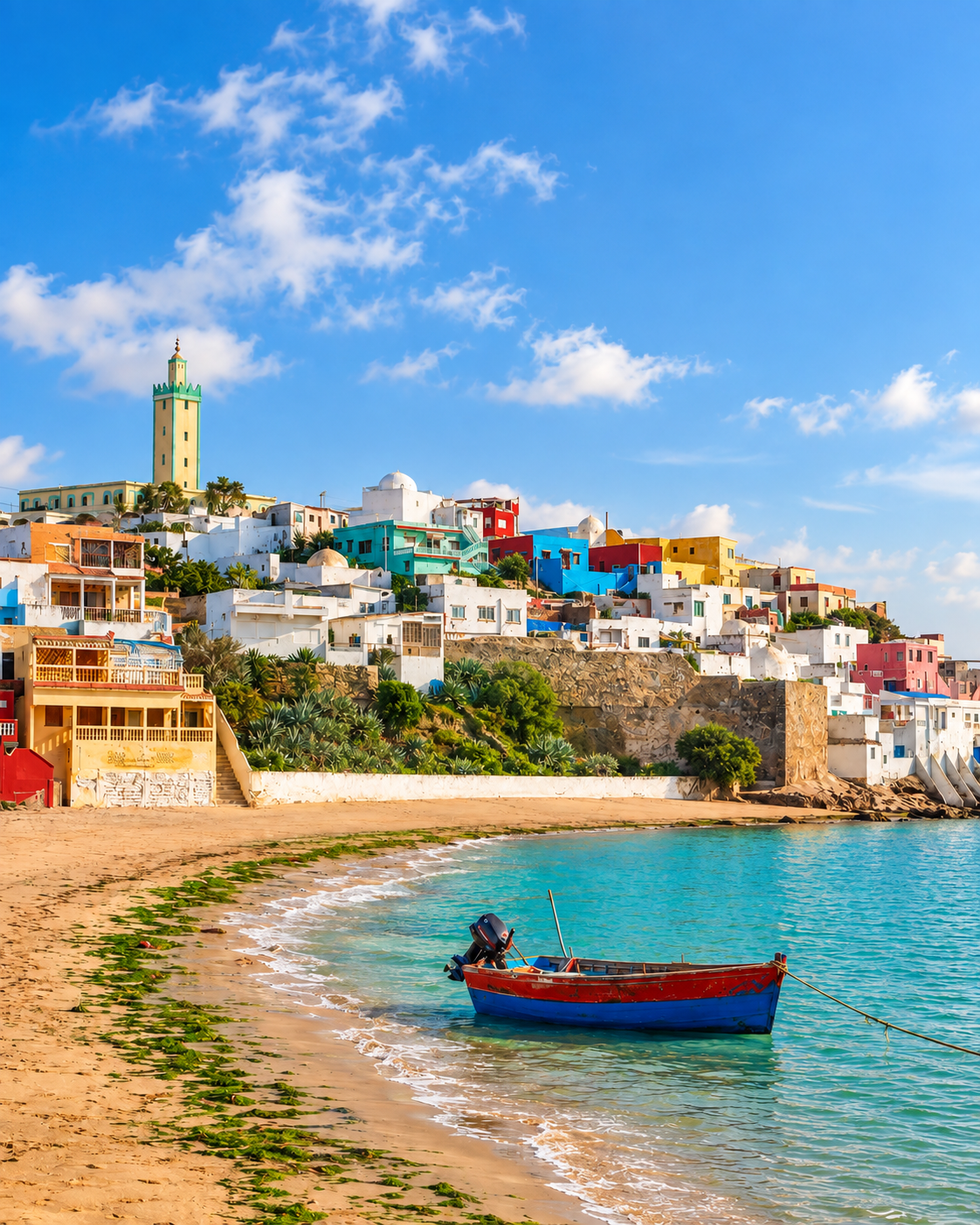
Painted wooden fishing boat in the clear shallows beside the village shore

Boats and movement

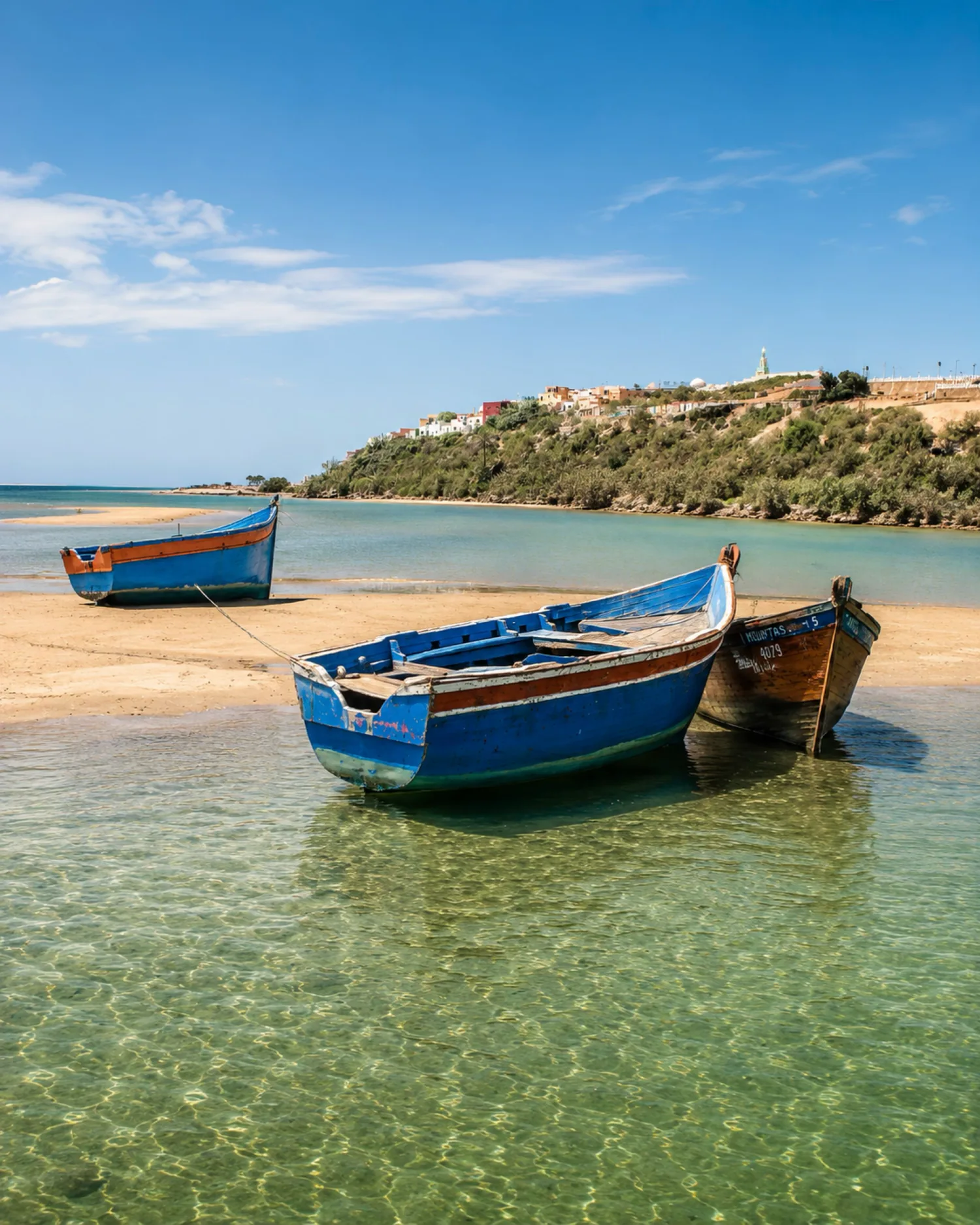
Small boats turn the lagoon from scenery into a working landscape.

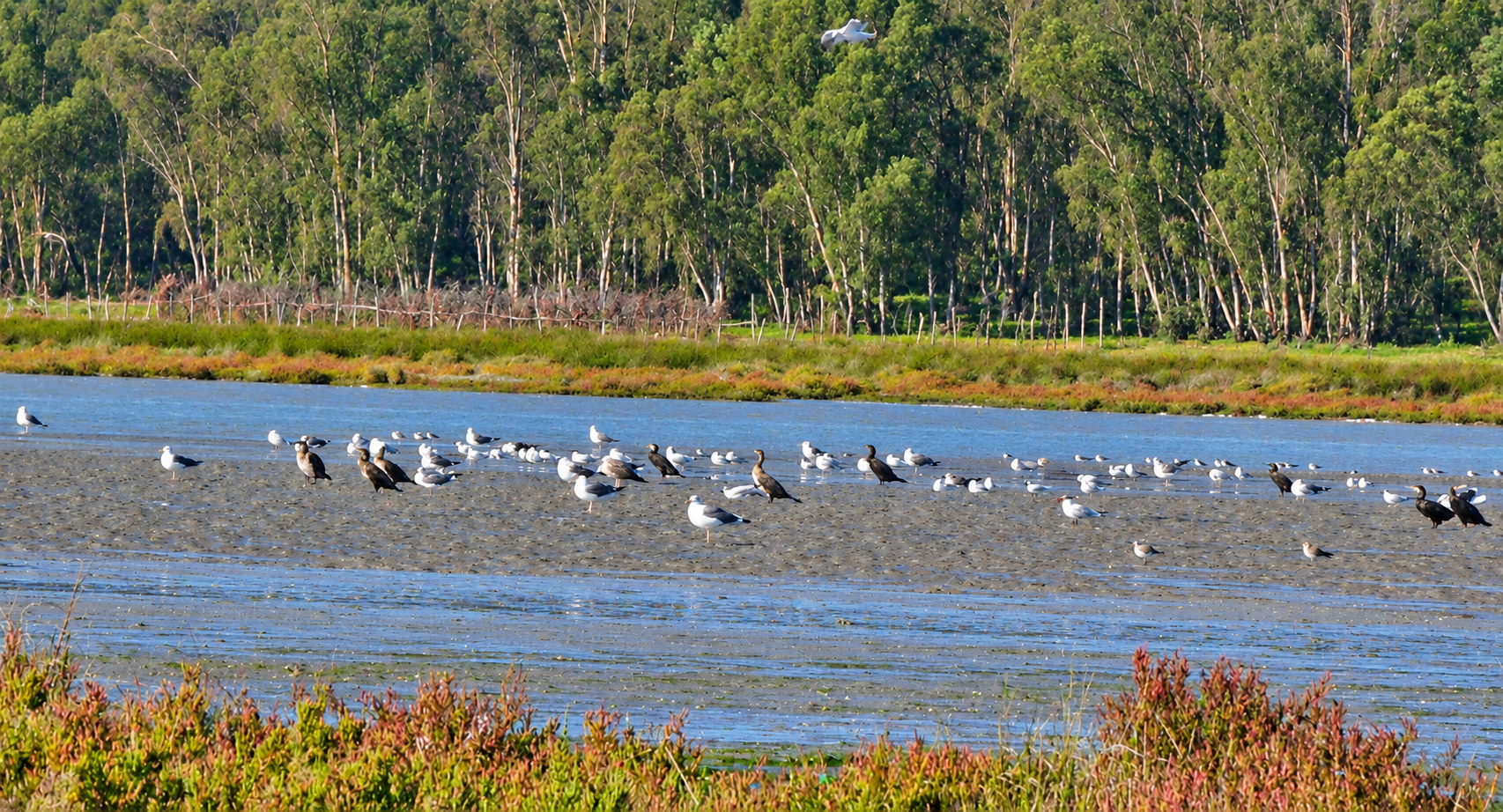
Cormorants and gulls resting on mudflats beside vegetated lagoon banks

Tidal habitat

Mudflats, saltmarsh edges and resting waterbirds reward visitors who slow down and look carefully.

Moulay Bouslham at a glance

Lagoon and Atlantic beach

The village sits between Atlantic surf and the sheltered Merja Zerga lagoon. That contrast explains the place better than any monument list: open beach on one side, quiet wetland on the other.

Ramsar-listed wetland

Merja Zerga is recognised under the Ramsar Convention. Visitors should treat it as a living ecological system, not only as a pretty boat excursion.

Small, not empty

Moulay Bouslham is compact, but it is not empty. Its meaning sits in tides, fishing routines, saintly memory, summer beach life and winter bird movement.

A gentle coastal base

The village works naturally with Larache and Lixus to the north, Kenitra and Mehdia to the south, and the wider agricultural plain of the Gharb inland.

A clearer reading of the city

A place shaped by tides, fishing and migration

To understand Moulay Bouslham, read the water first. The beach, lagoon mouth, fishing boats, reedbeds and village terraces are connected pieces of one coastal system, and each changes with season, tide and light.

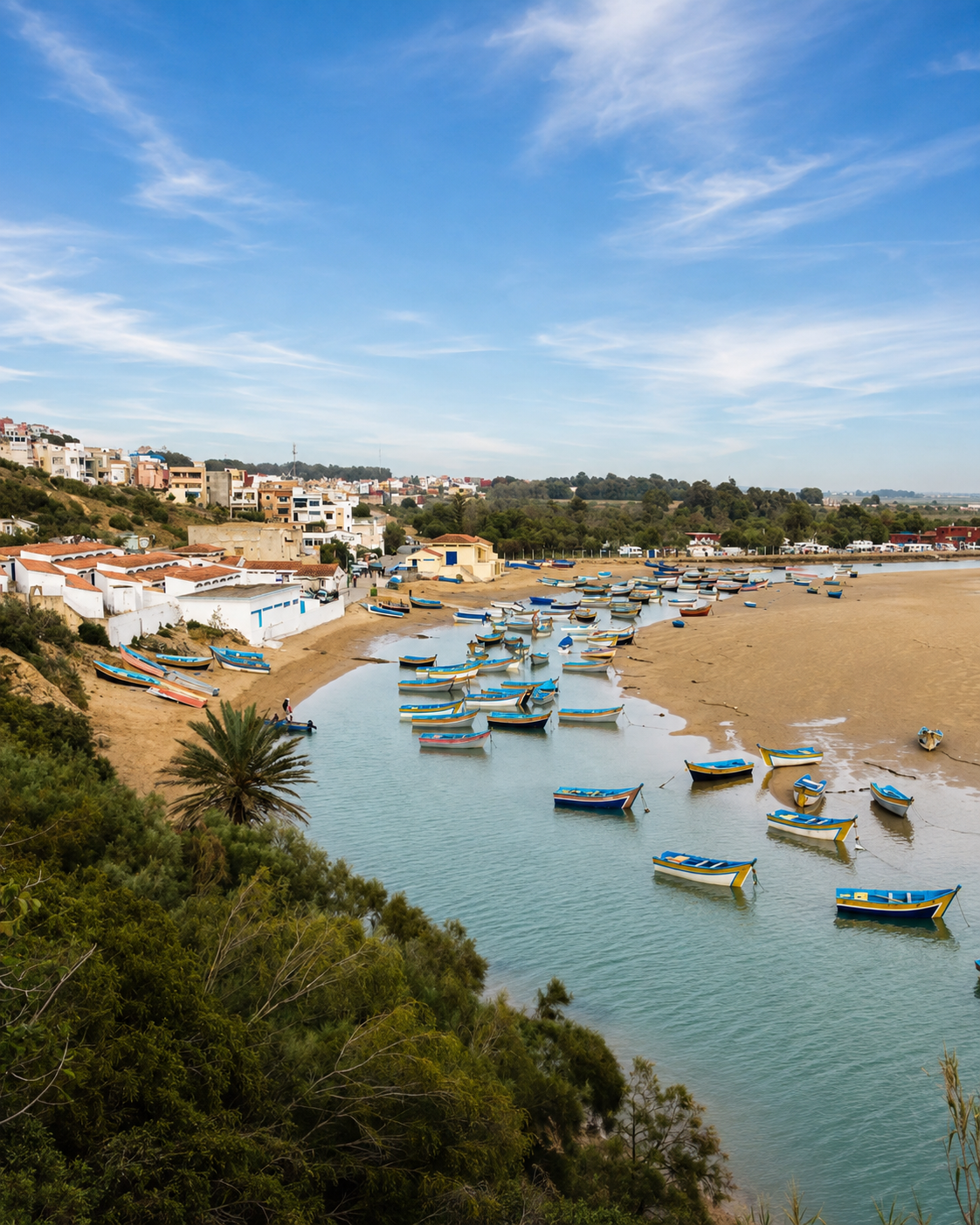
Fishing boats moored along a tidal channel between exposed sandbanks
Layer 1

Tidal systems

Merja Zerga is a tidal lagoon of mudflats, reeds and shallow water. Its beauty depends on movement: sea water, freshwater, birds, boats and changing light.

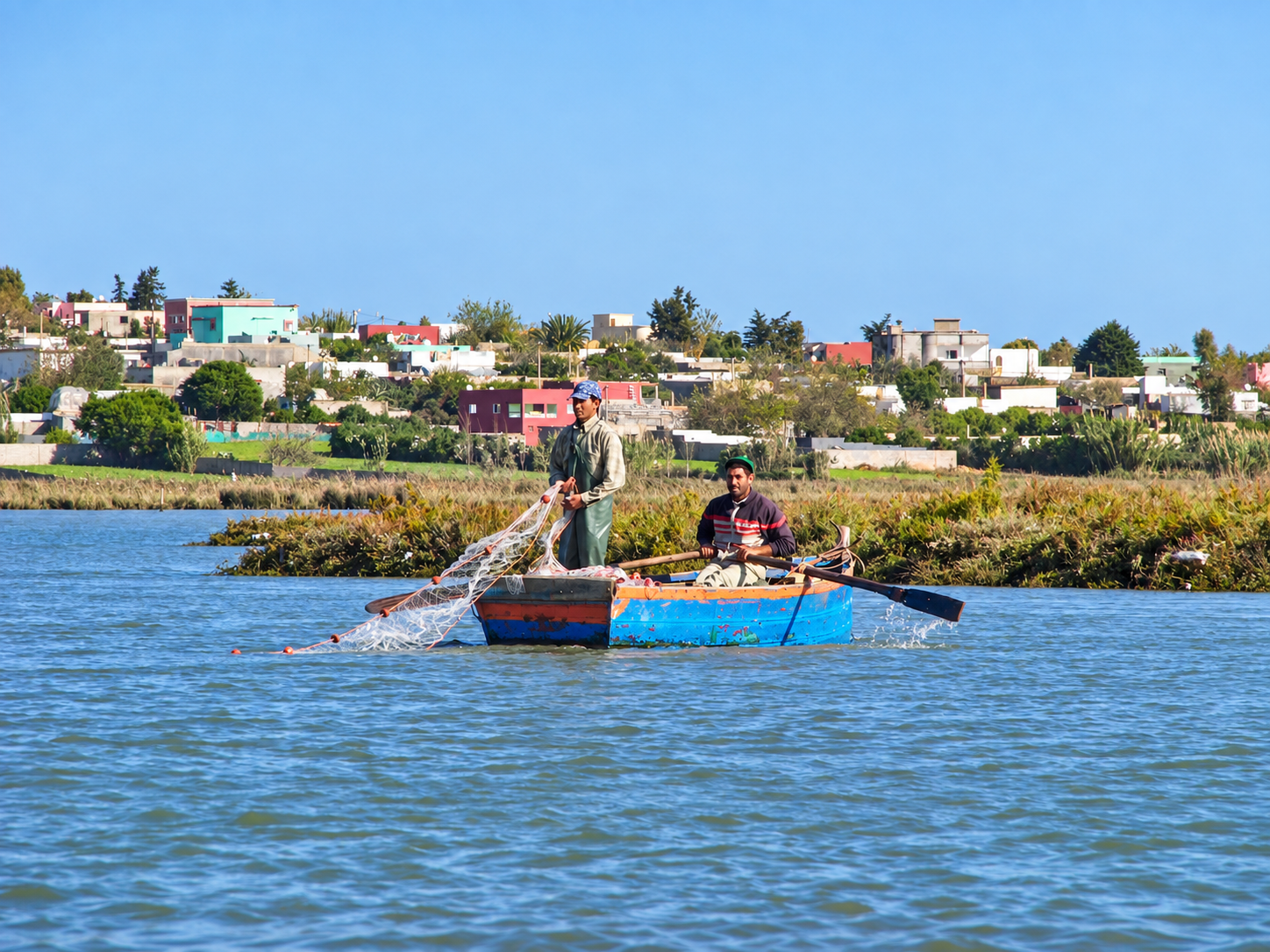
Two fishermen handling a net from a blue boat on the lagoon
Layer 2

Fishing rhythm

The village is not a resort staged only for visitors. Boats, nets, fish restaurants, simple streets and seasonal family travel all belong to the same lived rhythm.

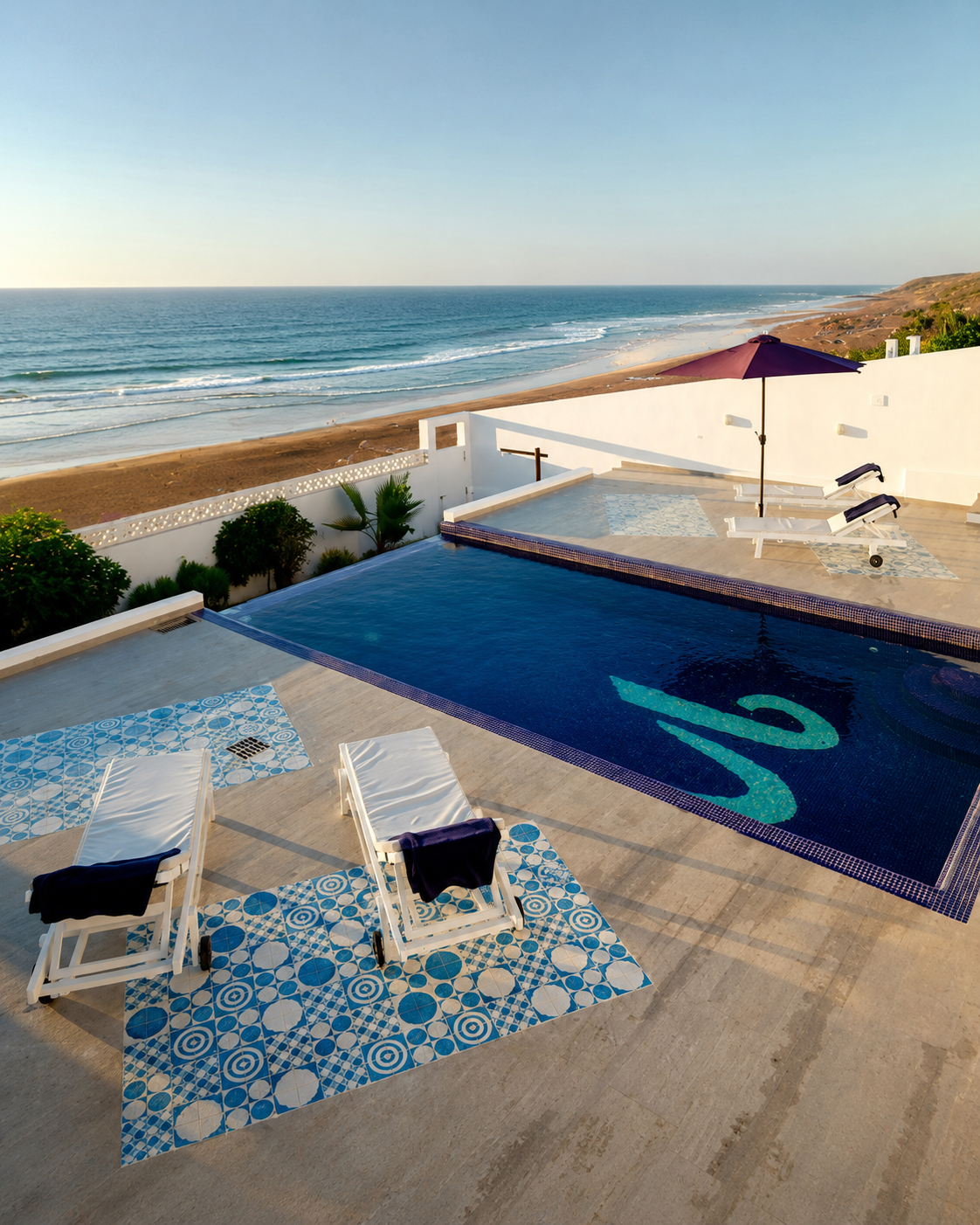
Sun loungers and a pool on a terrace overlooking the Atlantic beach
Layer 3

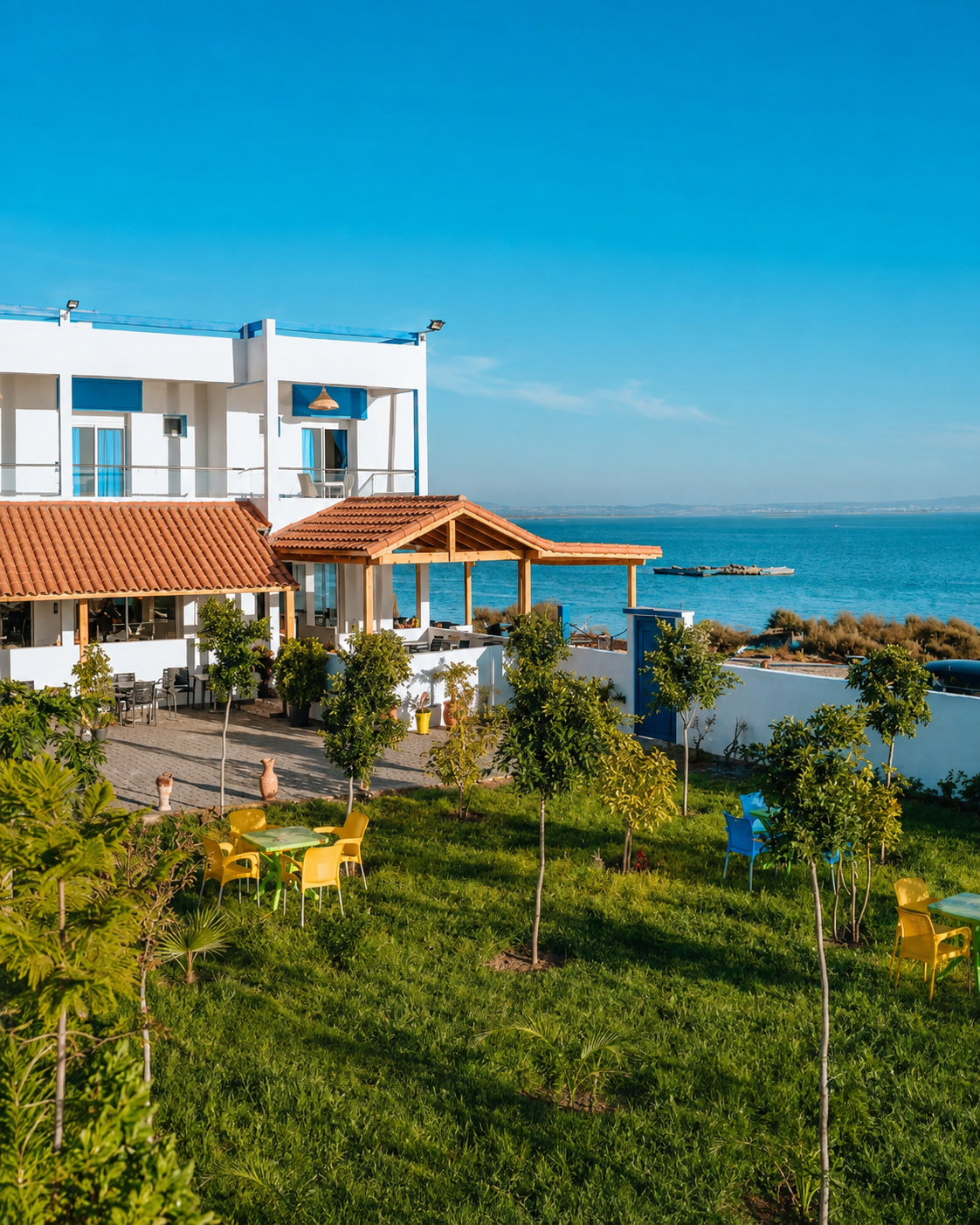
Terraces and shore life

Sea-facing terraces offer a pause between time on the lagoon and walks along the beach. Fresh fish, tea and unhurried meals remain part of the village’s coastal rhythm.

Landmarks & orientation

Read Moulay Bouslham through six defining places

No single viewpoint explains Moulay Bouslham. These six places show how beach, lagoon, village, devotion and ecology fit together.

1
Merja Zerga lagoon

The protected tidal lagoon beside the village, known for reeds, mudflats, boat trips and migratory waterbirds.

2
Atlantic beach

The long sandy edge facing the ocean, popular for walking, summer beach time and a different mood from the sheltered lagoon.

3
Lagoon boat landing

The practical starting point for local boatmen and lagoon excursions; ask locally about tide, weather and respectful routes.

4
Village headland

A useful orientation point where village, beach, lagoon and Atlantic horizon can be understood together.

5
Sanctuary of Moulay Bouslham

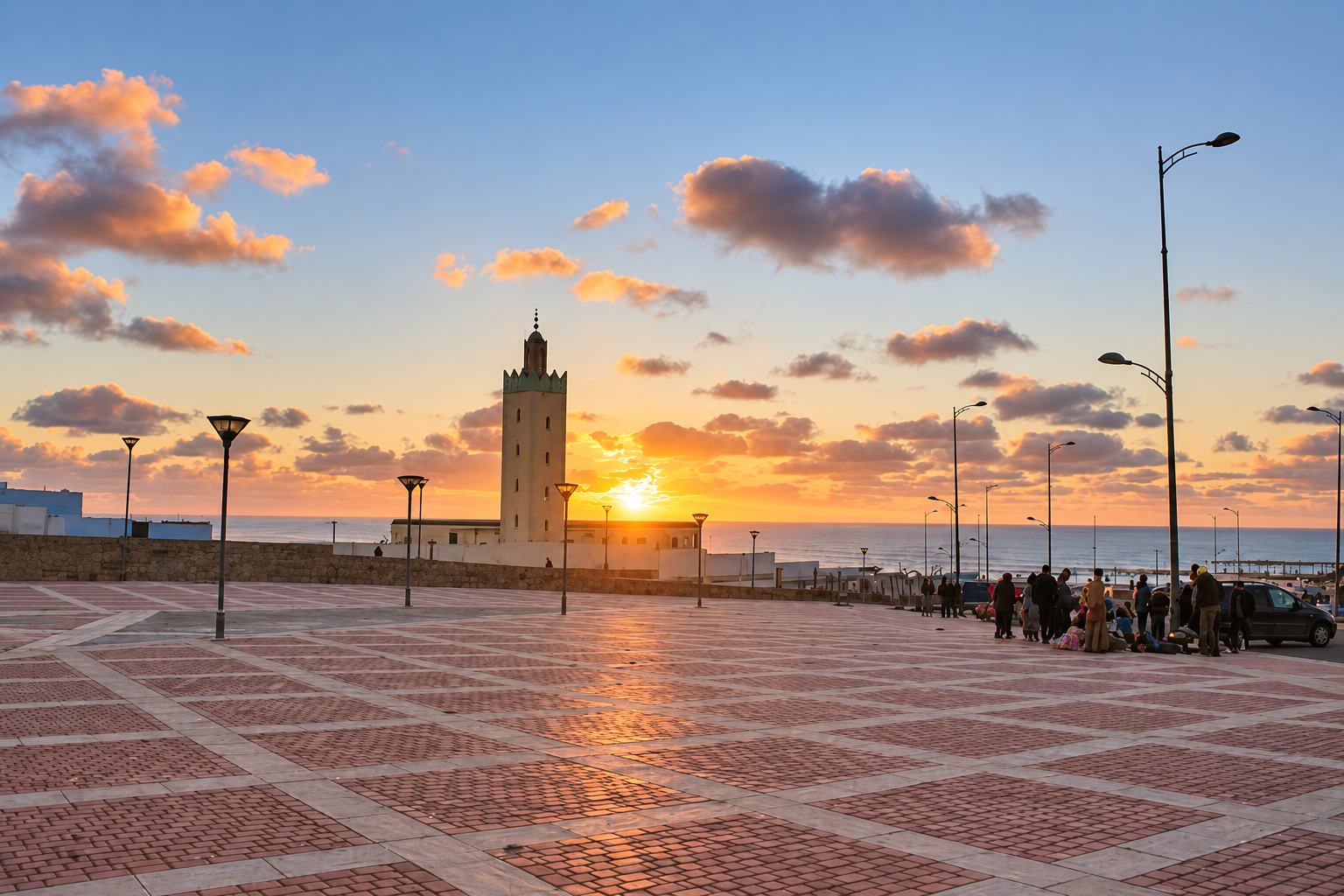
The white-domed sanctuary connects the settlement to local devotional memory. Visitors should treat the exterior and surroundings respectfully.

6
Reedbeds and mudflats

The quieter ecological heart of Merja Zerga, where patient observation matters more than quick sightseeing.

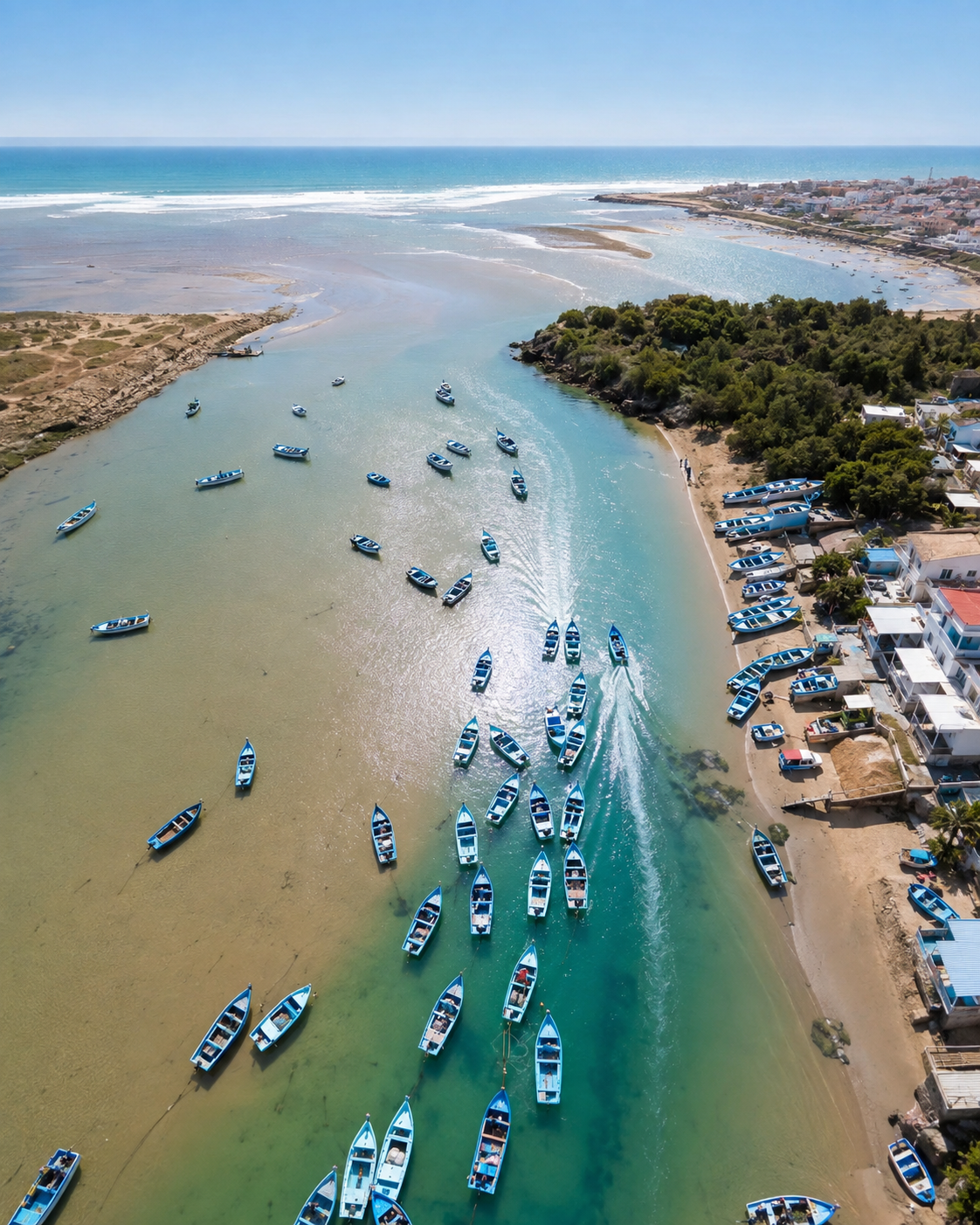
Aerial view of the lagoon mouth, moored boats, sandbars and Atlantic breakers
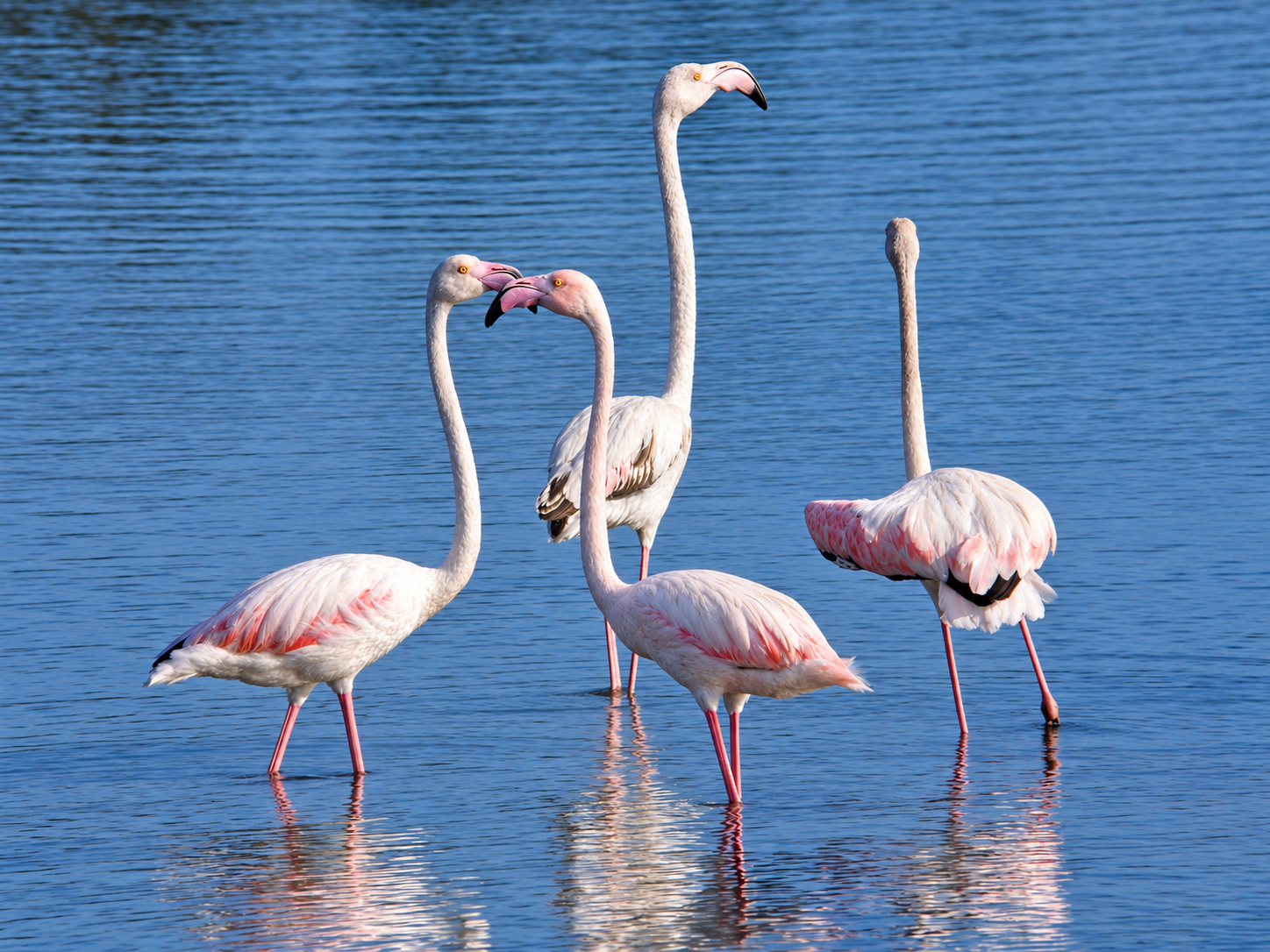
Four greater flamingos standing and feeding in shallow lagoon water

A lagoon interior

Merja Zerga — a protected wetland shaped by tide and migration

Merja Zerga is the reason Moulay Bouslham matters beyond a beach stop. The lagoon is a shallow coastal wetland with reeds, mudflats and tidal water, recognised internationally under Ramsar and valued by birdwatchers for migratory waterbirds. It should be experienced with local guidance and a light footprint.

  • Go early or late for softer light, calmer water and a better chance of meaningful bird observation.
  • Use local boatmen respectfully and understand that routes depend on tide, wind and seasonal conditions.
  • Keep distance from birds, reeds and nesting areas; the lagoon is a habitat before it is a viewpoint.

Landscape reading

Three landscape languages to notice

Open coast

The Atlantic side feels wide and exposed: surf, wind, sand and sky. This is where Moulay Bouslham becomes a beach village, especially in warmer months.

Sheltered lagoon

The Merja Zerga side is quieter and more intricate. Mudflats, reeds, boats and shallow channels create a slower visual language that changes by tide.

Village scale

The built environment is modest: low houses, simple cafés, fish restaurants and the sanctuary presence on the headland. Its restraint is part of the place.

Visual atmosphere

Water, sand and quiet transitions

Nearby highlights

Nearby coast, heritage and wetlands

Moulay Bouslham fits naturally into a northern Atlantic route. Nearby extensions can add archaeology, river-mouth landscapes and another coastal town without turning the visit into a rushed checklist.

Larache and Lixus

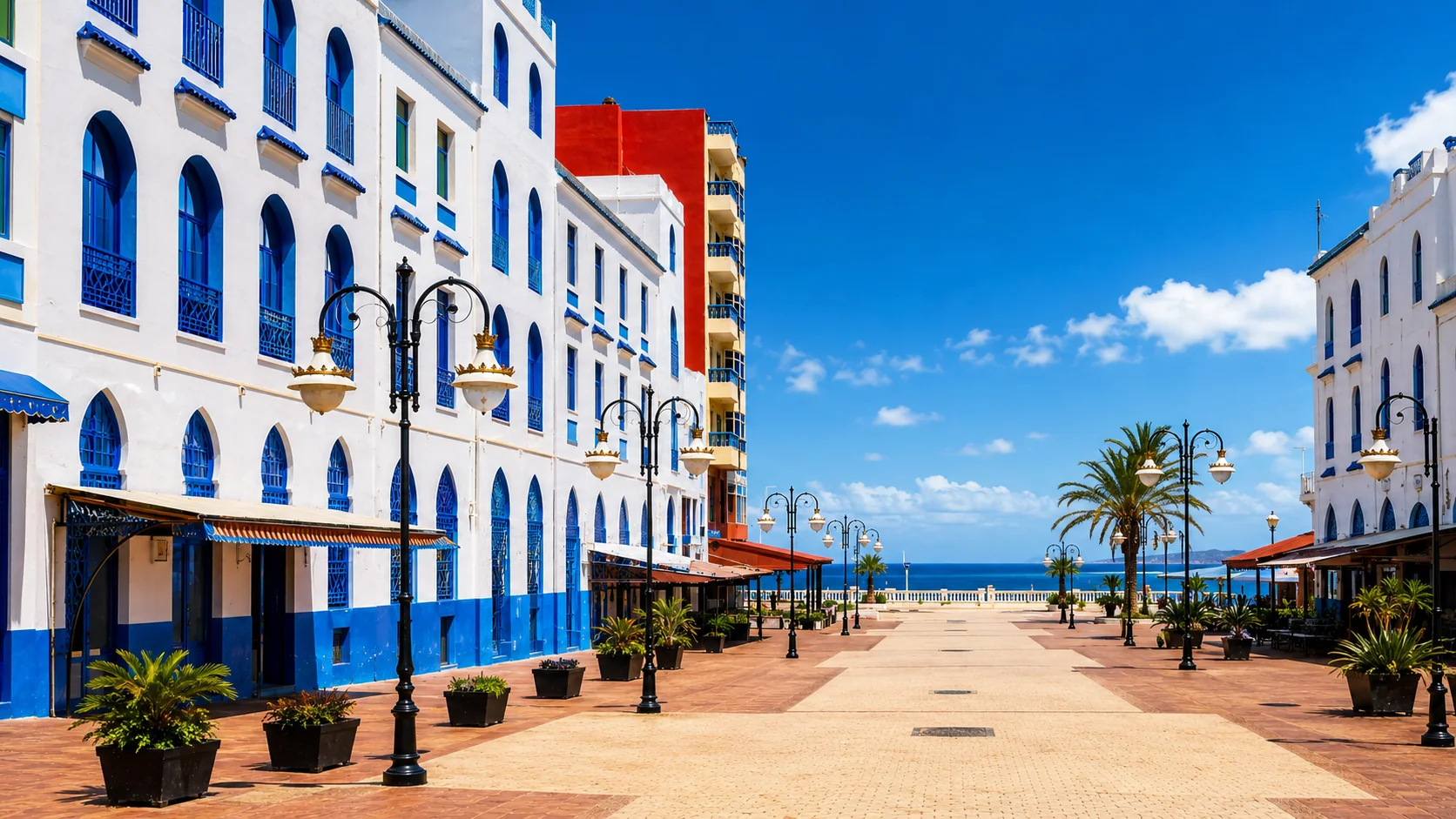
North of Moulay Bouslham, Larache and the archaeological site of Lixus add a different Atlantic layer: river, port history and ancient settlement memory.

White and blue buildings beside a sunny palm-lined promenade in Larache

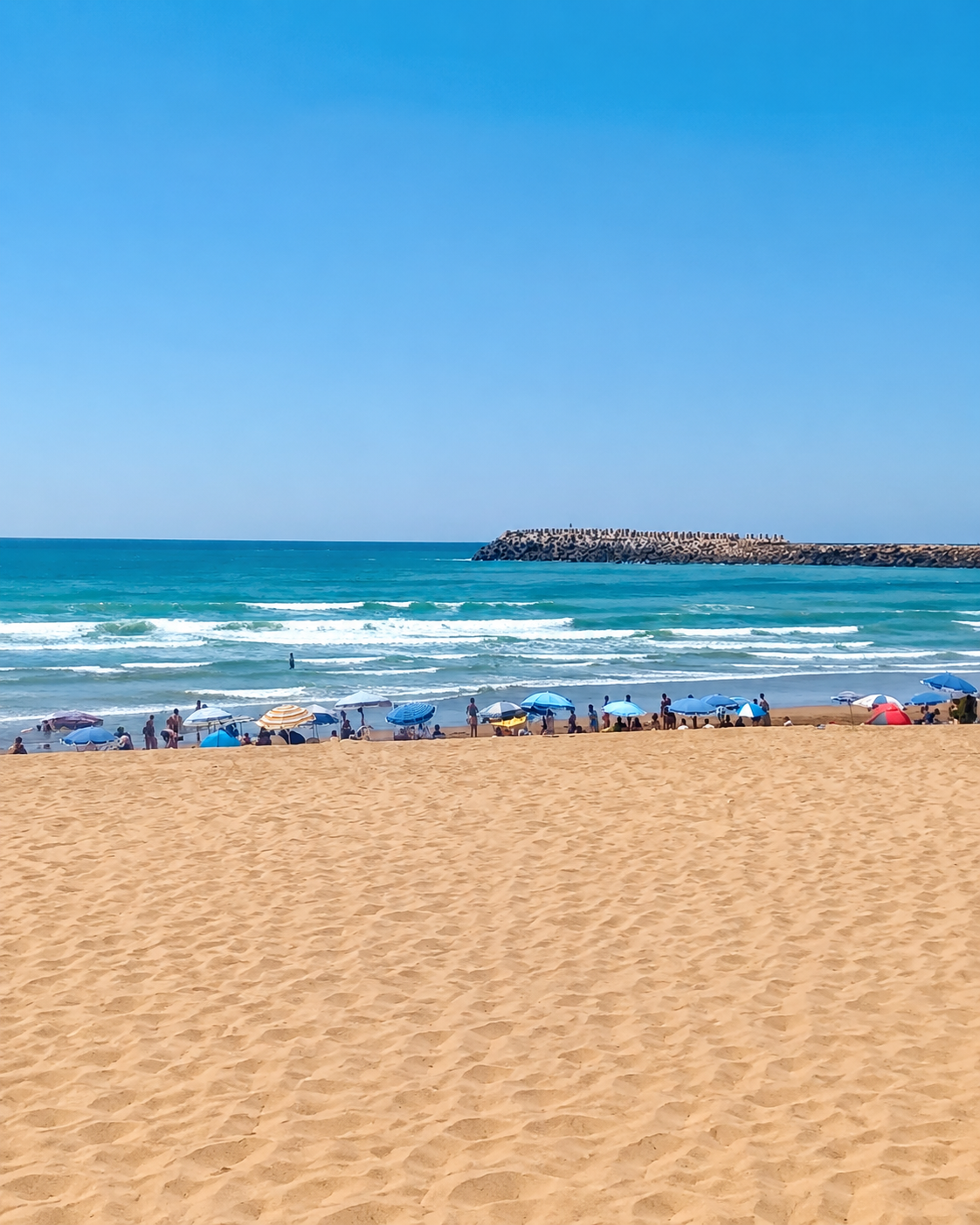
Kenitra, Mehdia and Sidi Boughaba

South toward Kenitra, visitors can connect beach, river-mouth and wetland landscapes, including the Mehdia coast and Sidi Boughaba area.

Broad sandy beach, Atlantic surf and the breakwater at Mehdia

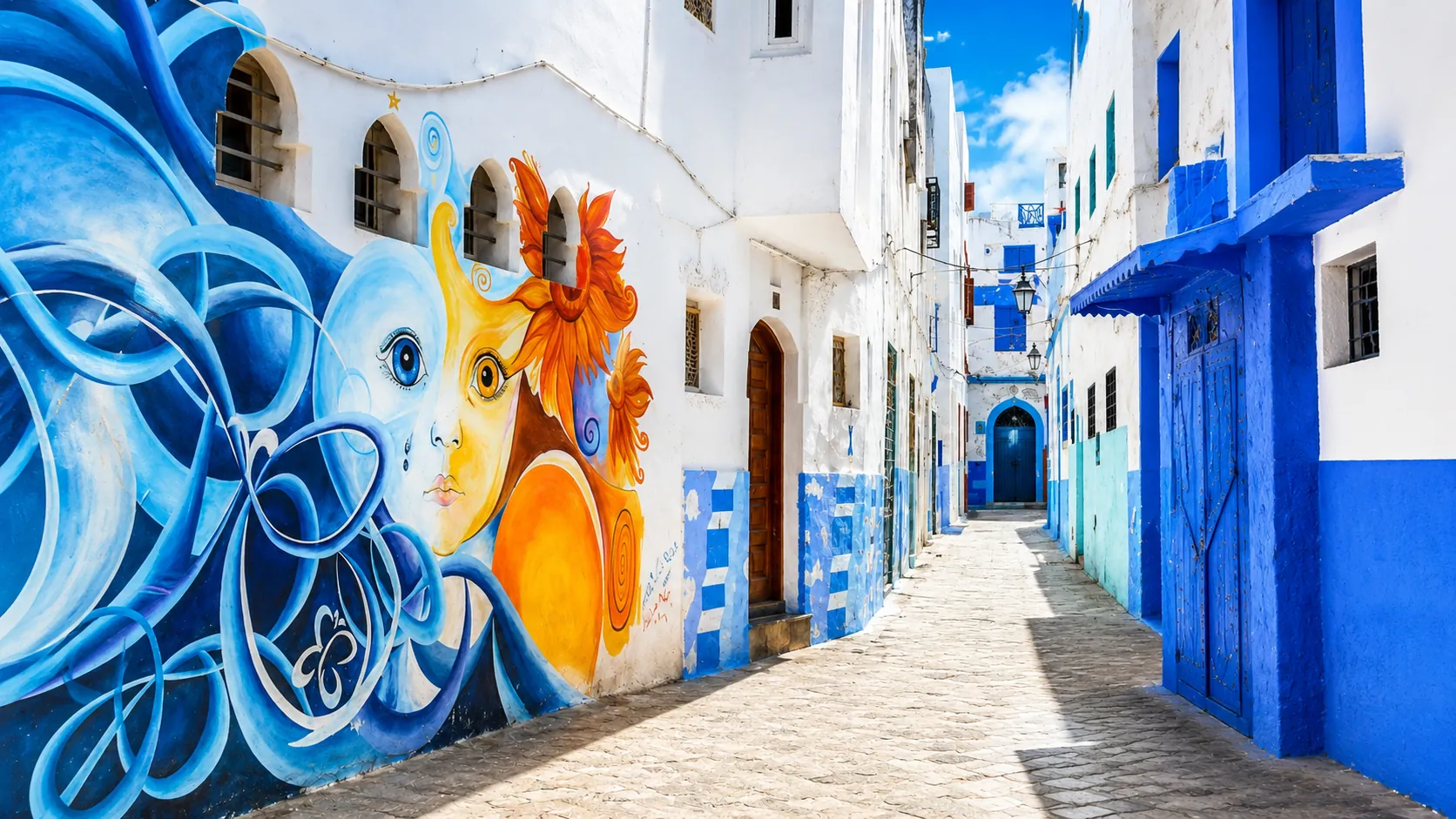
Asilah and the northern coast

For a wider coastal journey, continue north toward Asilah and Tangier, keeping Moulay Bouslham as the quieter lagoon chapter between busier stops.

Murals and blue painted doors in a whitewashed medina lane in Asilah
Travel note: opening hours, access rules, restoration work, transport conditions and local visitor arrangements can change. Check current official or trusted local information before travelling.

Practical orientation

How to experience Moulay Bouslham well

  • Give the village time beyond a quick beach stop; the lagoon is best read slowly.
  • Plan around weather, tide and season if a lagoon boat trip matters to you.
  • Use local guidance for boat routes and bird observation rather than disturbing sensitive areas.
  • Leave space for fish meals, beach walking and unplanned pauses near the water.
  • Pair Moulay Bouslham with Larache, Lixus, Kenitra or Mehdia when building a coastal route.

A strong first visit

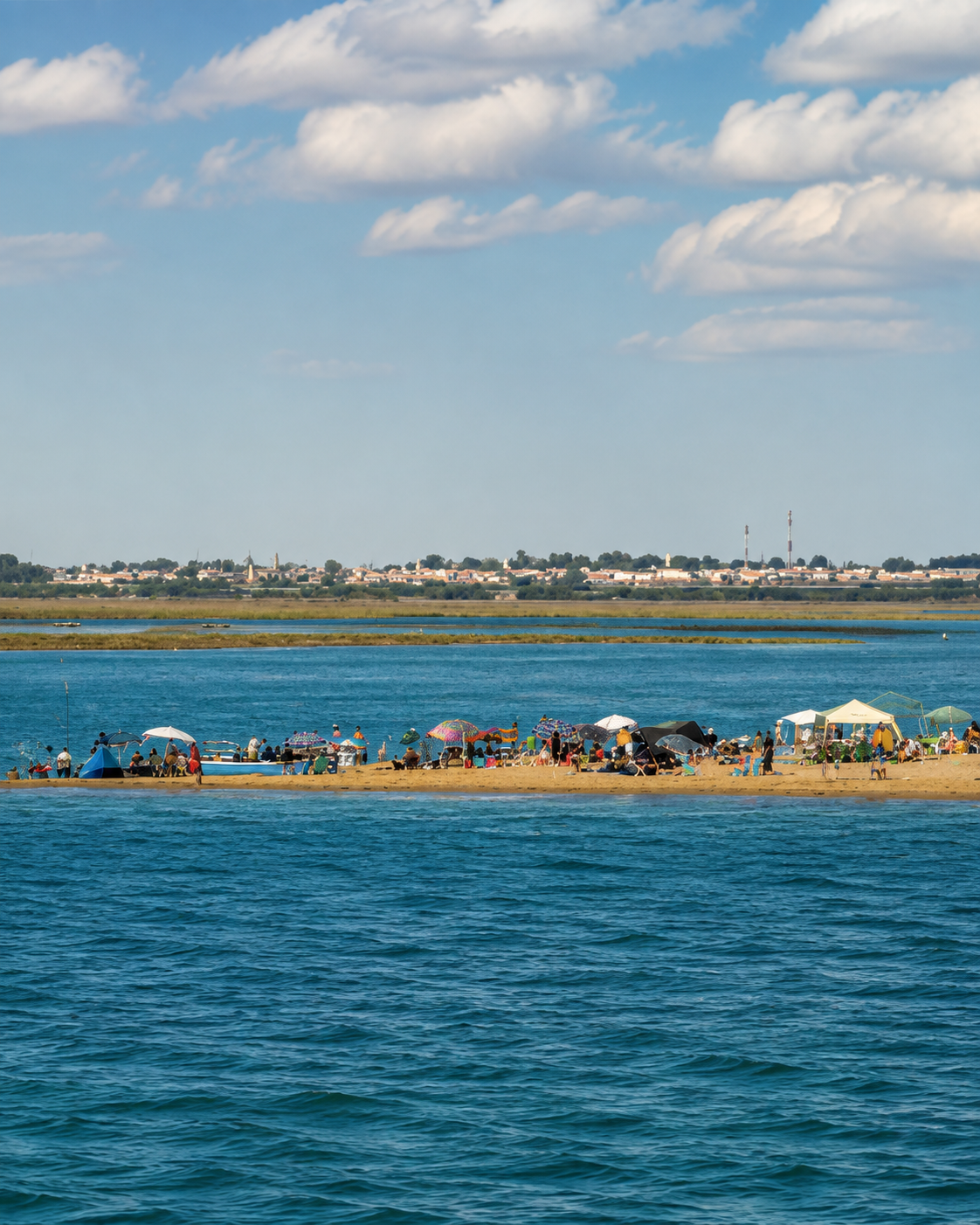
Blue lagoon water facing a low sandy shore and distant settlement

Begin with the village edge and beach, then take the lagoon seriously: ask about boat conditions, look for birds without rushing, and end with a simple fish meal or a quiet walk above the water.

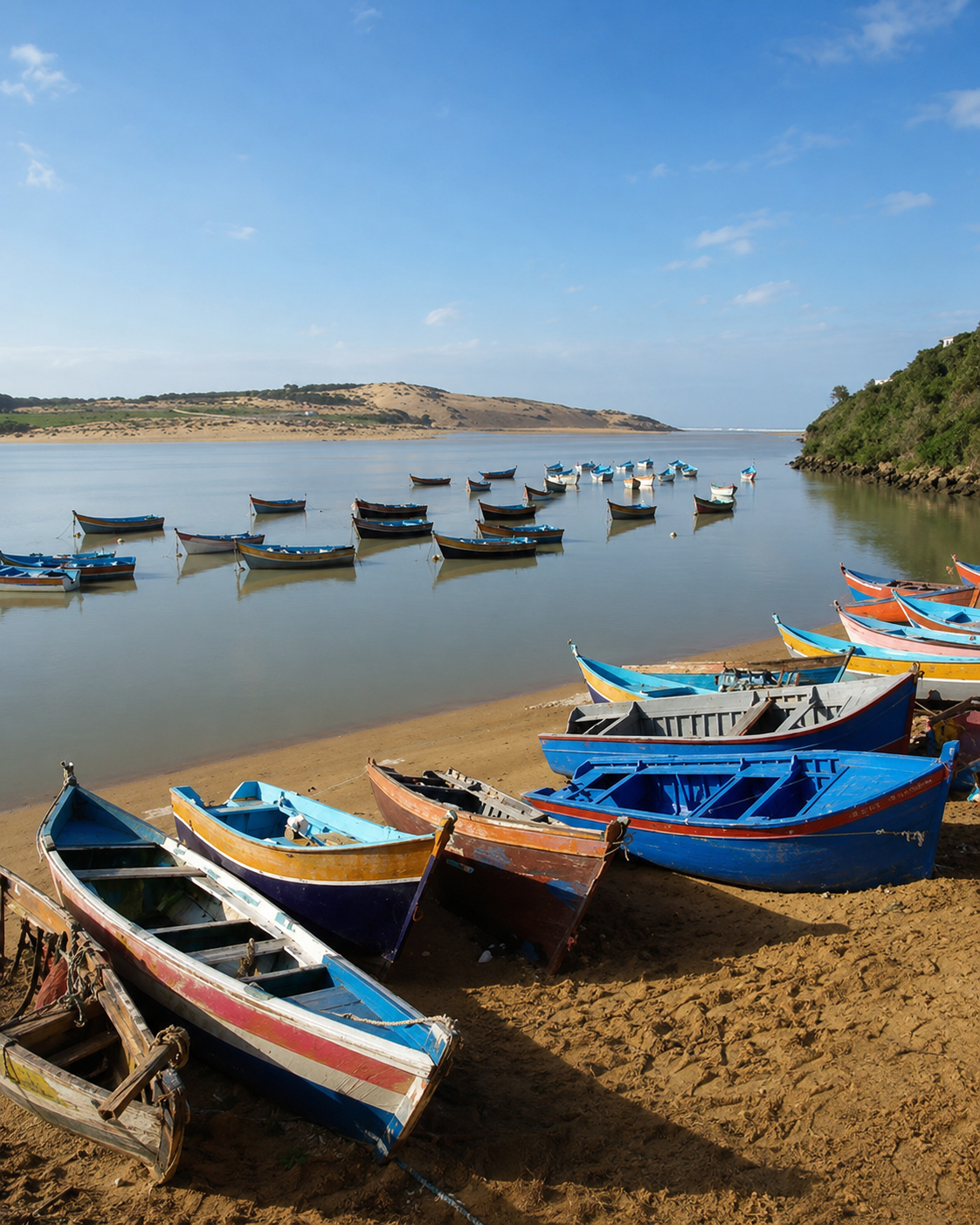
Colourful wooden fishing boats pulled onto the shore beside Merja Zerga

Go deeper with Exotic Morocco

Moulay Bouslham — Lagoon & Atlantic Coast Guide

Continue through Exotic Morocco’s wider coastal and nature guides, connecting Moulay Bouslham with Morocco’s Atlantic landscapes, wetlands, fishing villages and nearby heritage routes.

✓ Lagoon context✓ Beach orientation ✓ Birdlife & wetlands✓ Fishing village rhythm ✓ Practical travel guidance✓ Nearby highlights

Continue the journey

Continue the journey through Moulay Bouslham

Look beyond the beach and encounter a quieter Atlantic place of lagoon water, birds, boats, devotional memory and coastal routes.