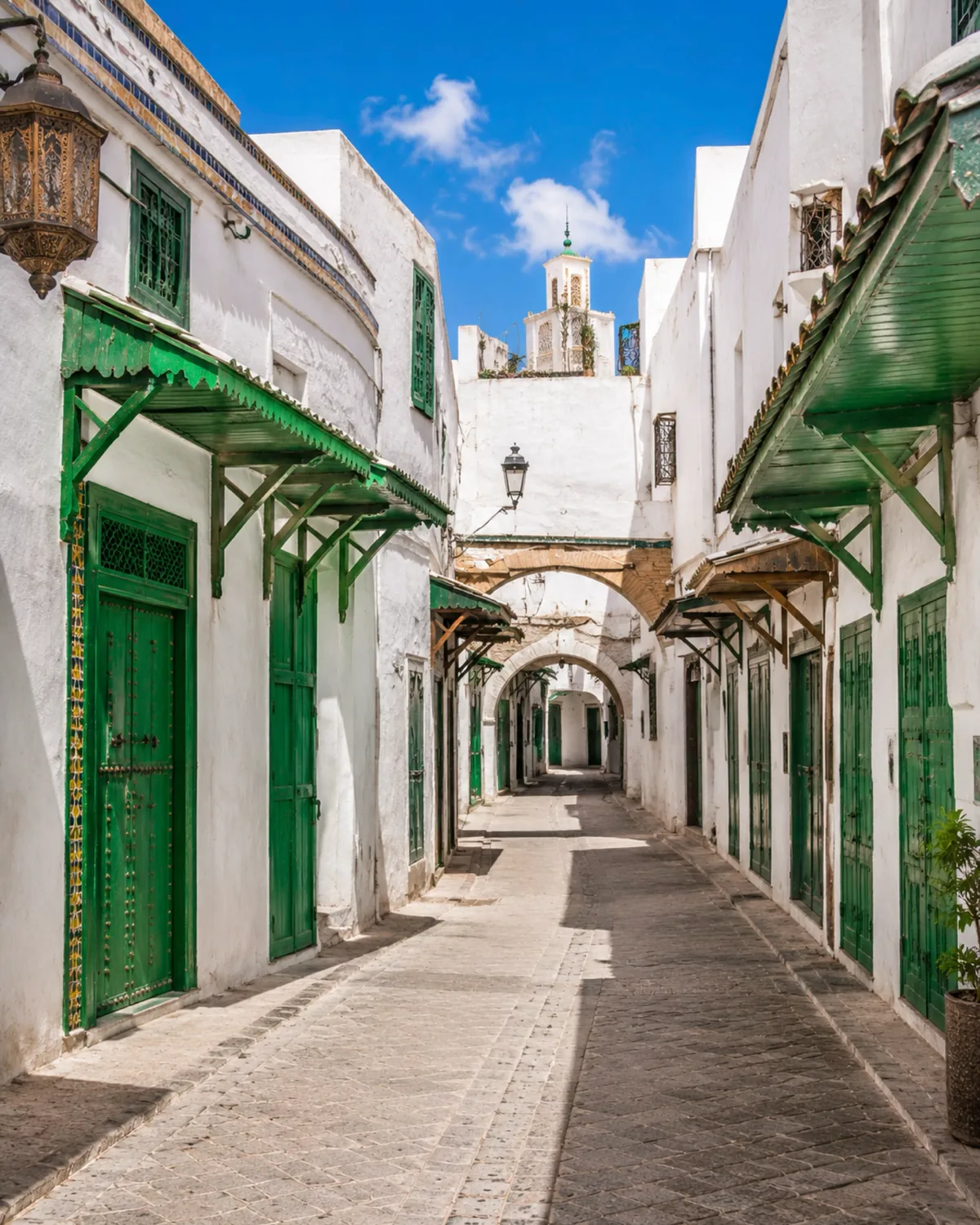
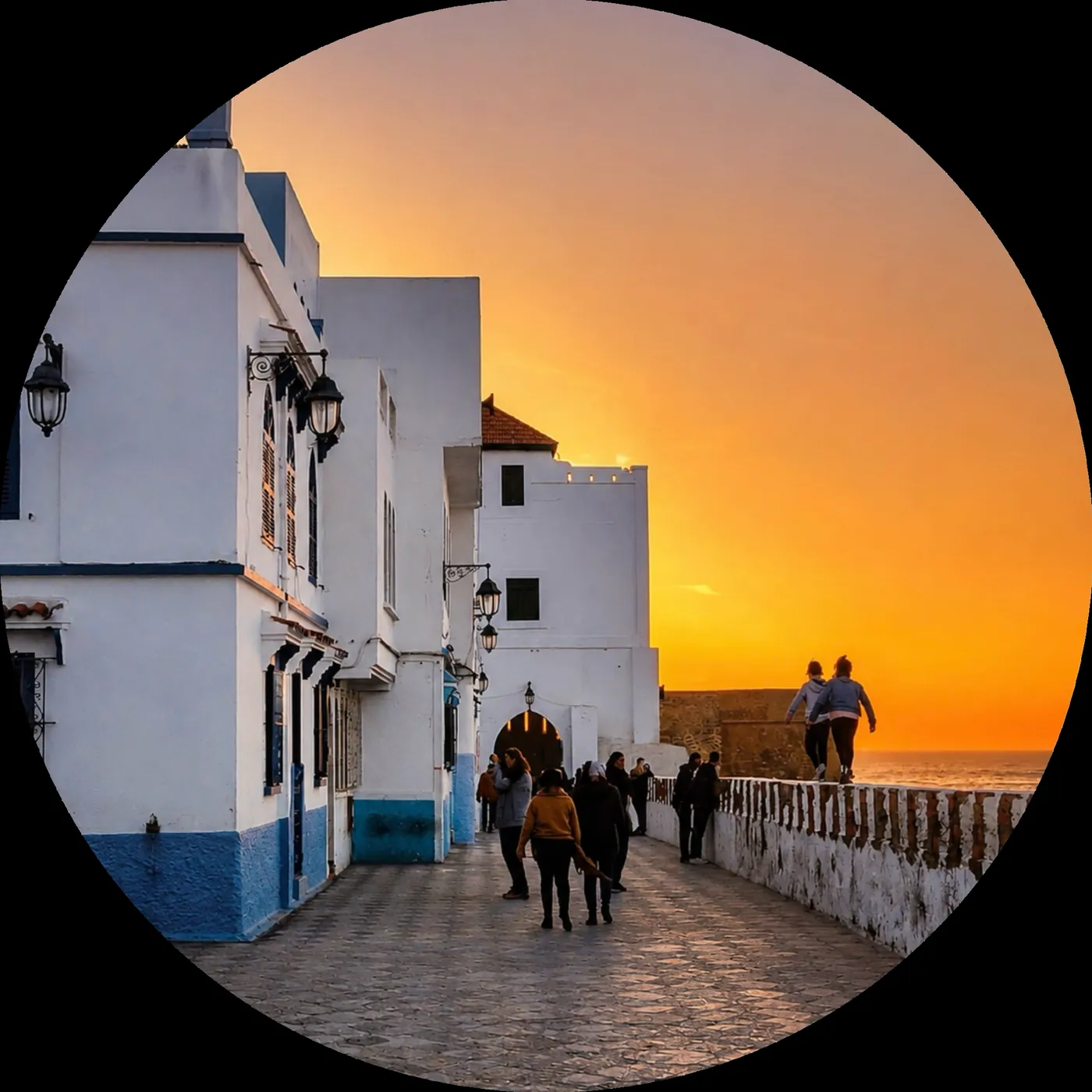
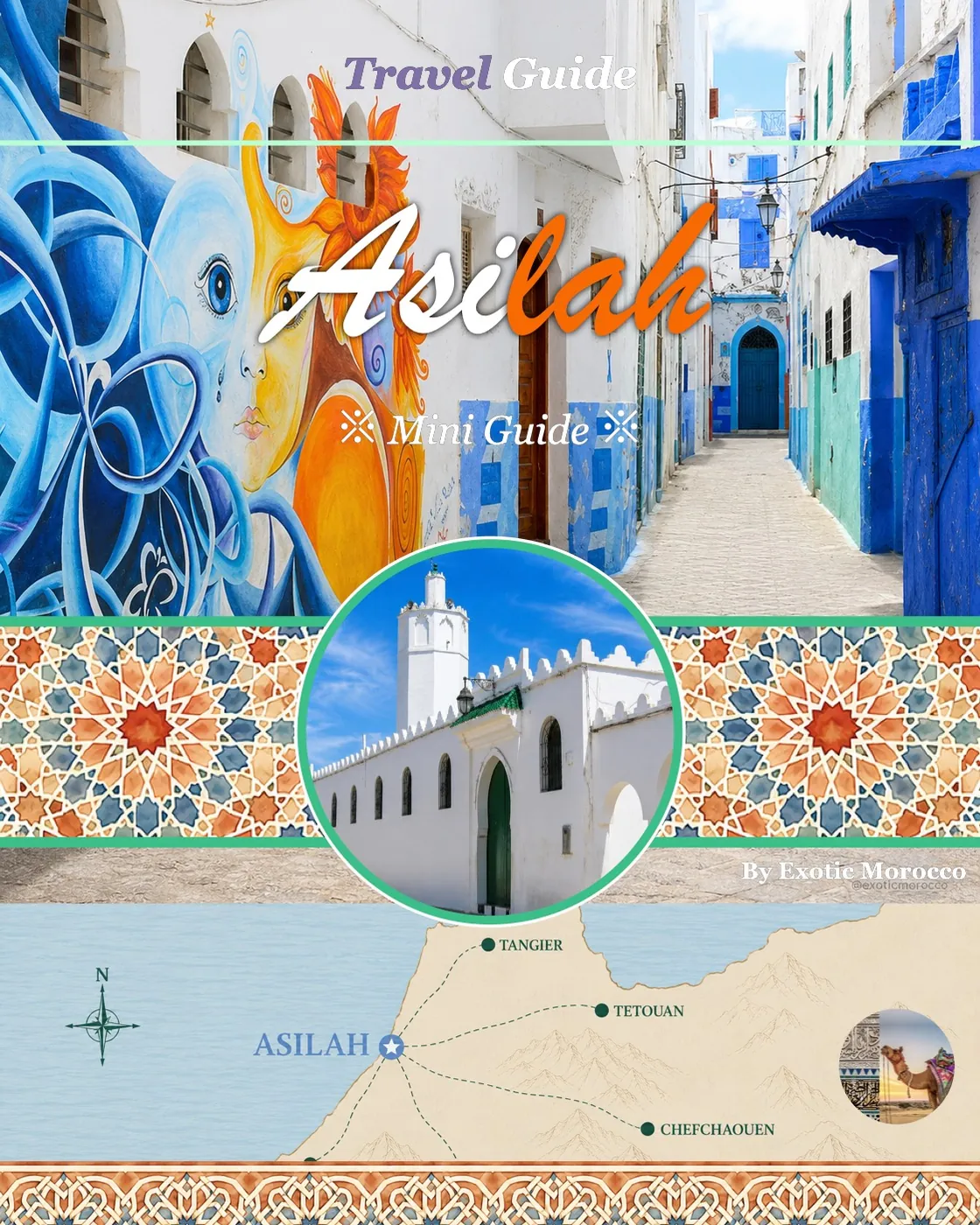
Asilah is best understood as a coastal town built in layers. Ancient trading networks preceded the Islamic town; Portuguese occupation reshaped its defensive perimeter; Moroccan rule restored religious and civic life; and the cultural revival begun in 1978 made rehabilitation and public art central to the town’s modern identity.
01Ancient and medieval rootsAtlantic trading settlement
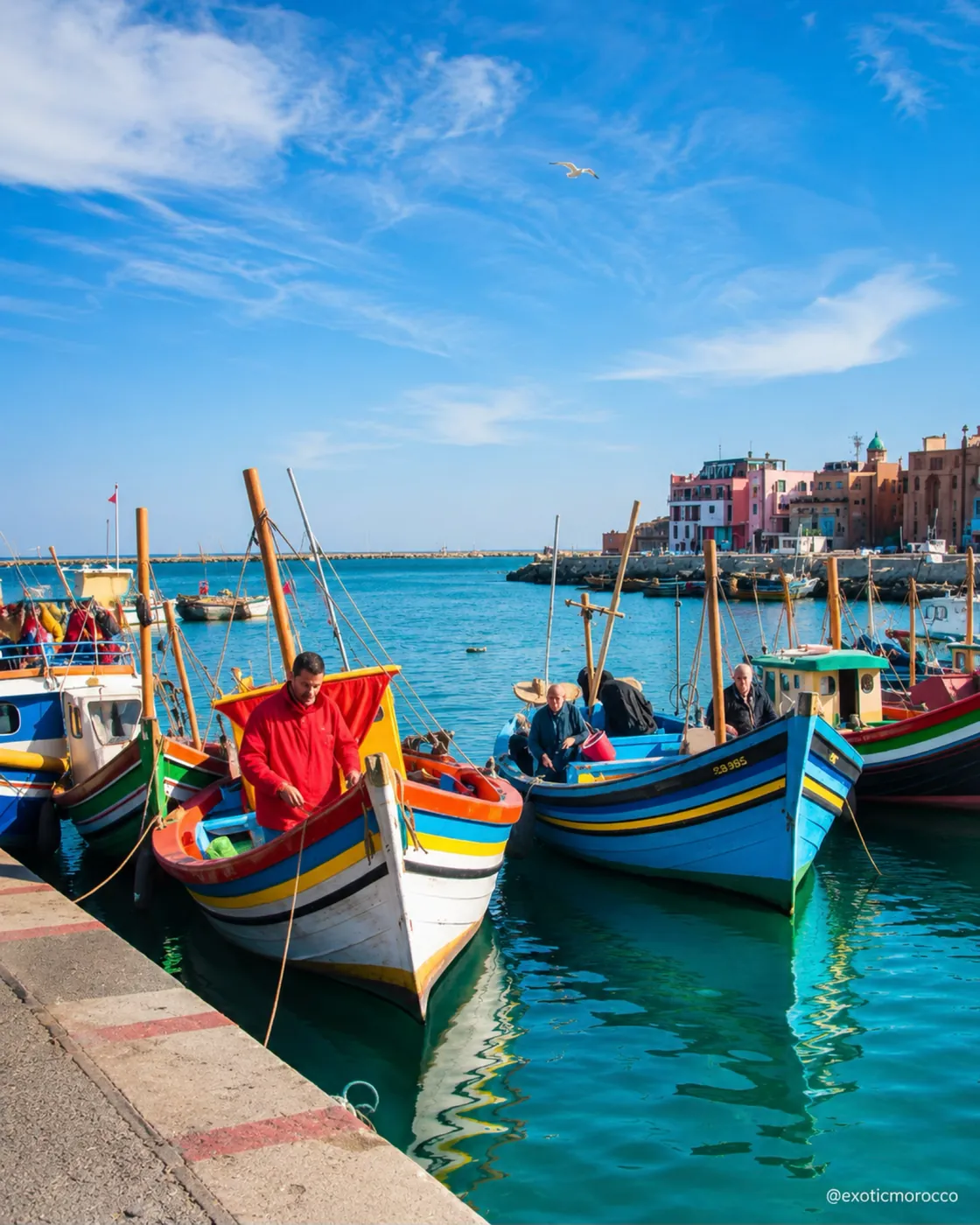
The area was connected to early Atlantic and Mediterranean trade before Asilah developed as an Islamic coastal town with a strategic harbour position.
021471–1550Portuguese stronghold
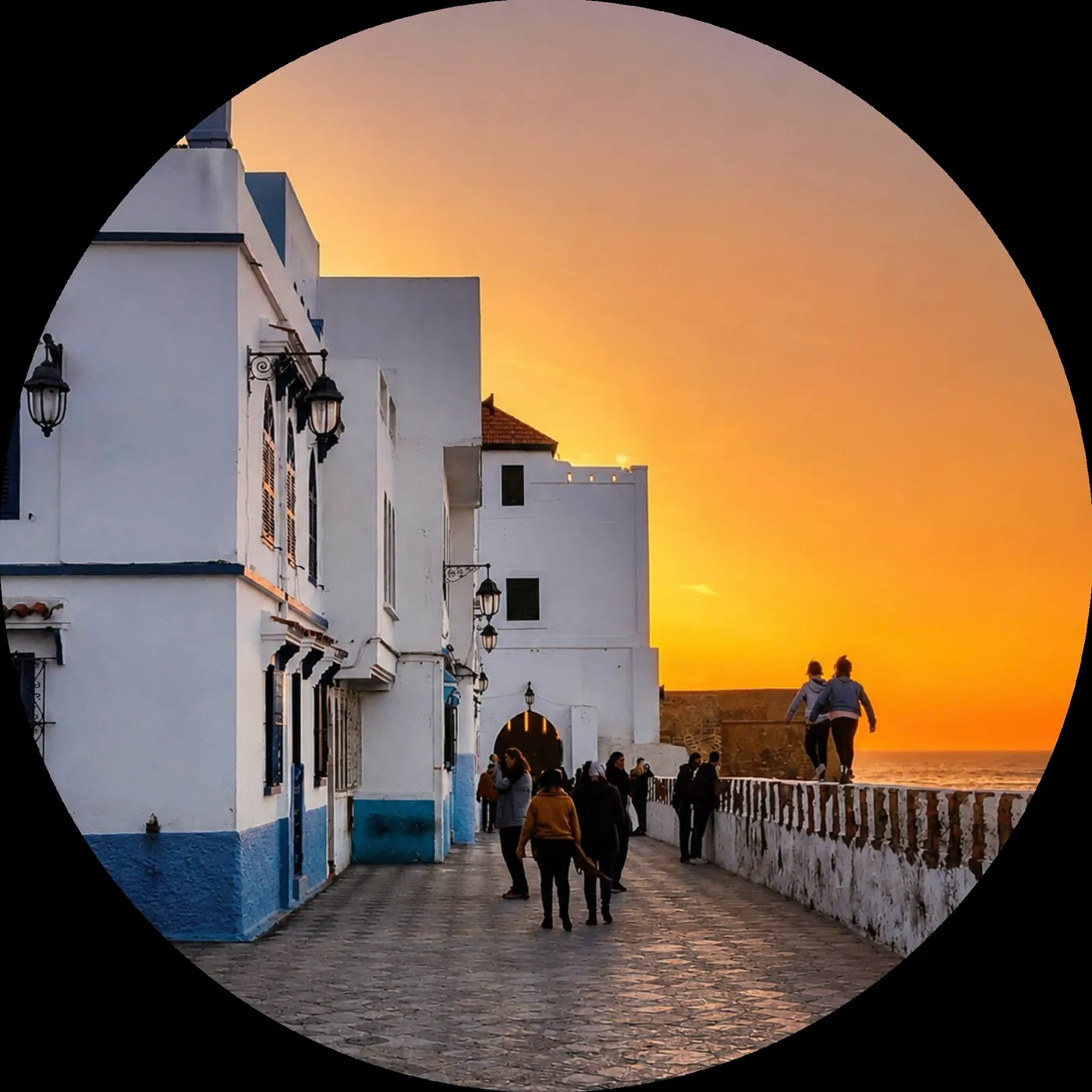
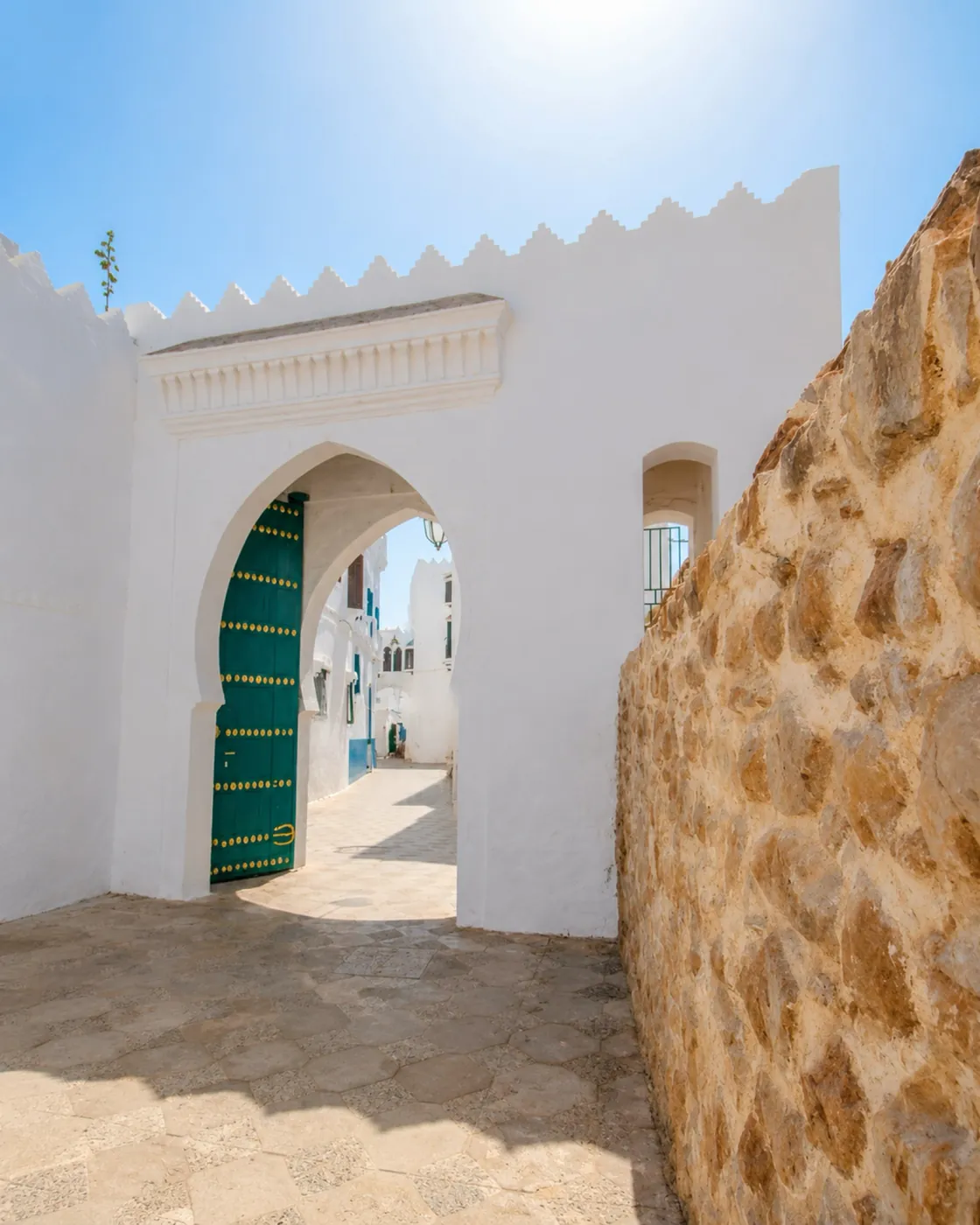
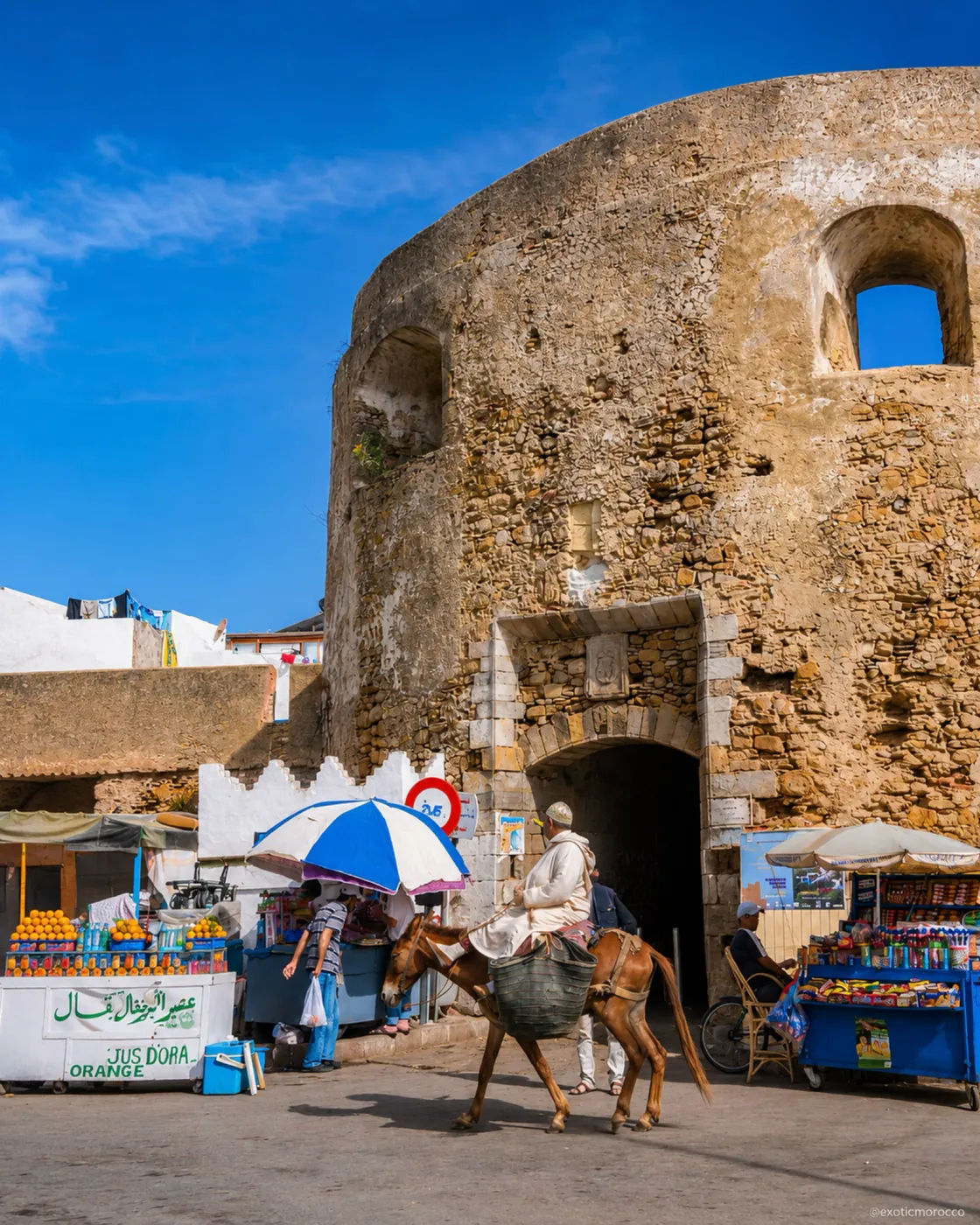
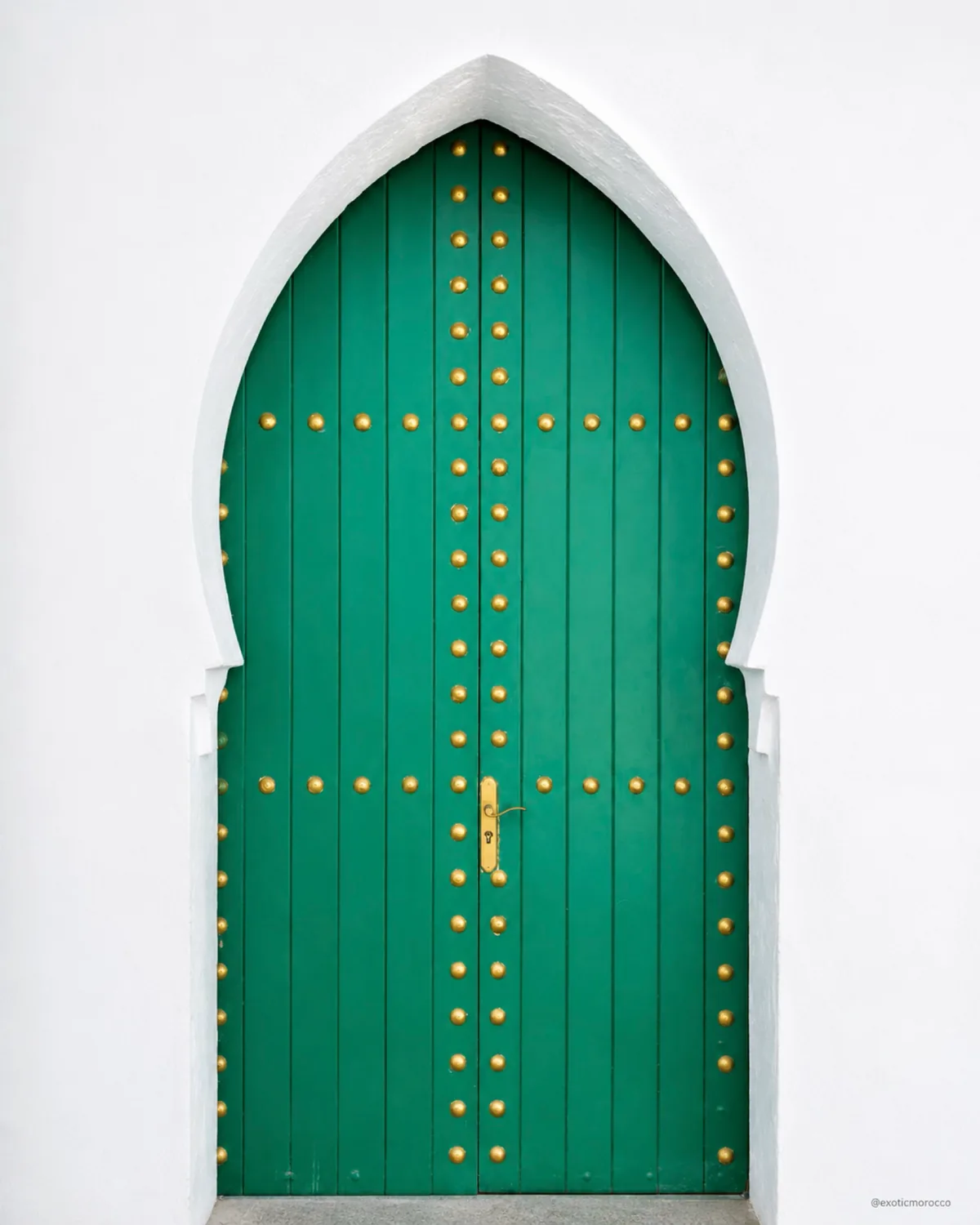
Portuguese occupation transformed Asilah’s defensive form. The walls, bastions and controlled gateways still shape how the medina is entered and read today.
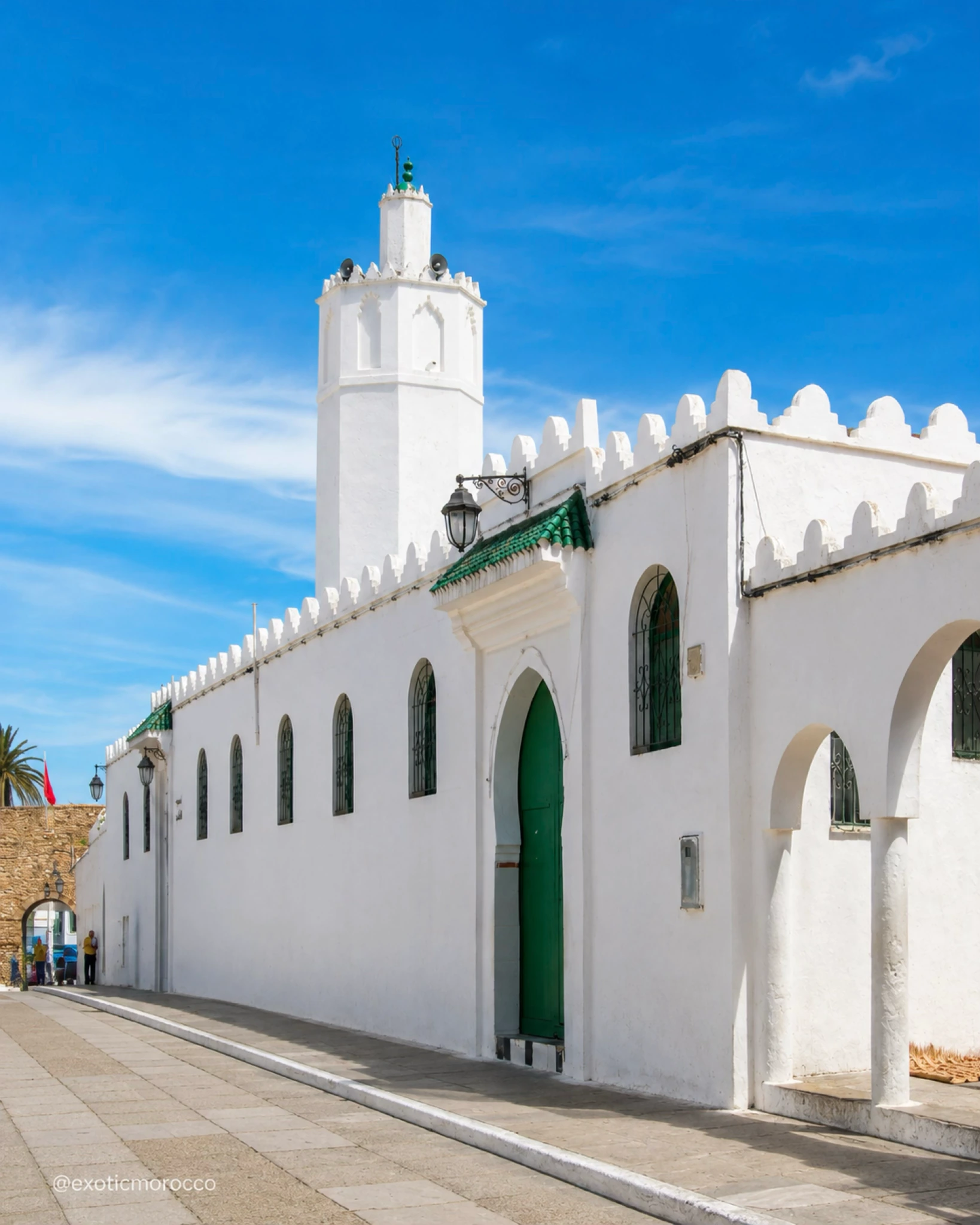
03Late 17th centuryReturn to Moroccan rule
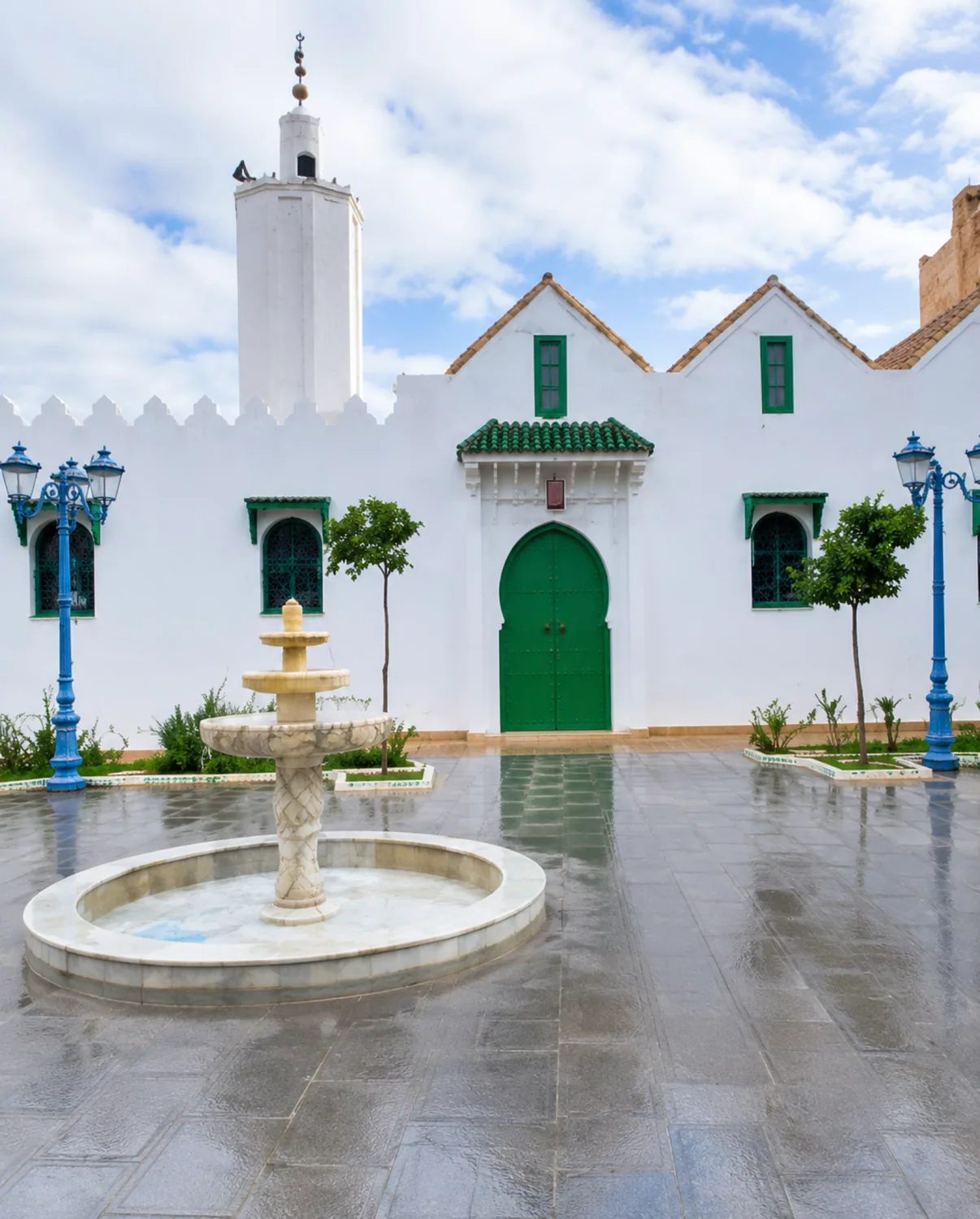
Under Moulay Ismail, Asilah returned to Moroccan authority. Mosques, a madrasa, a hammam and renewed urban life added a Moroccan civic layer inside the fortified perimeter.
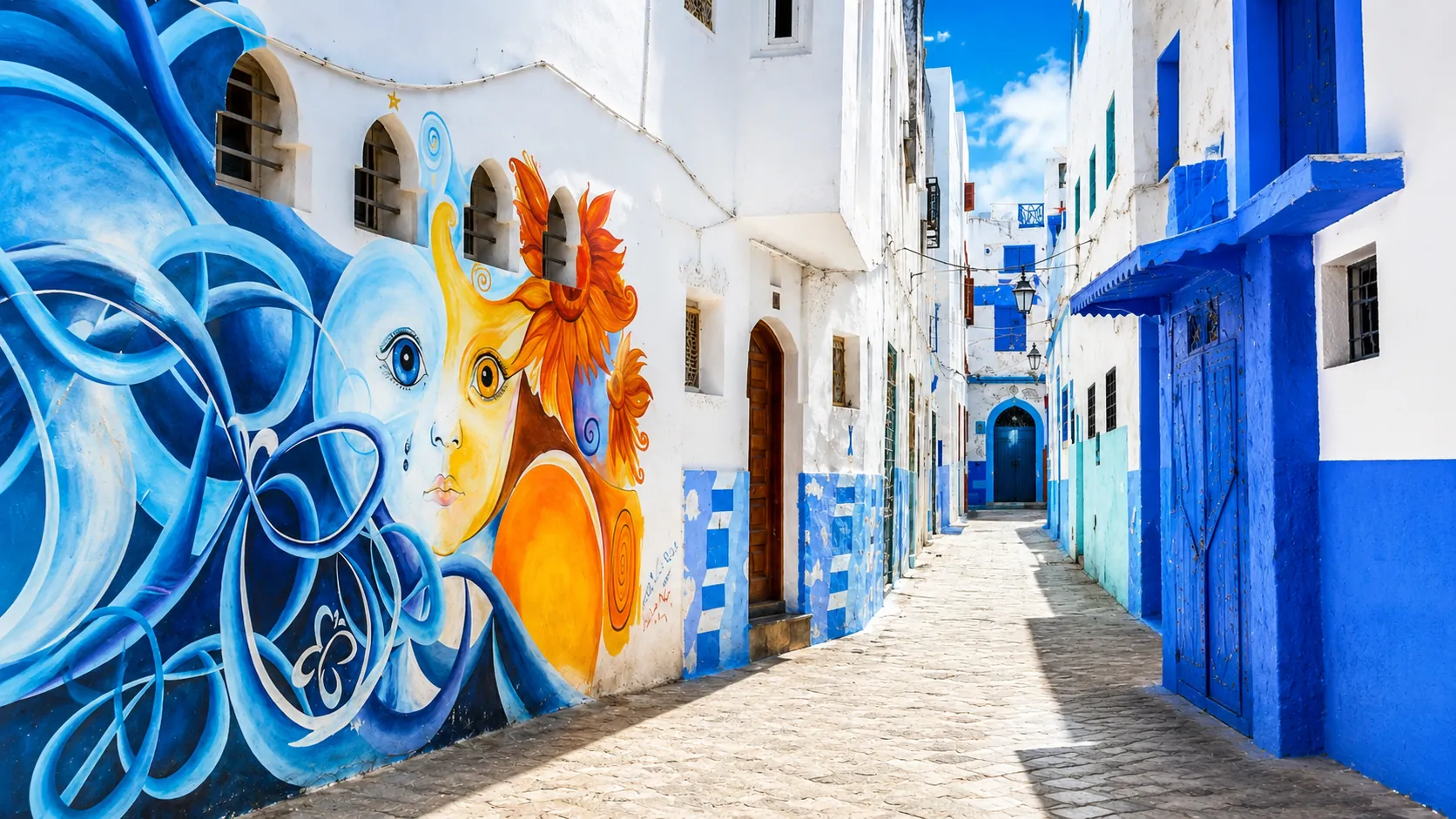
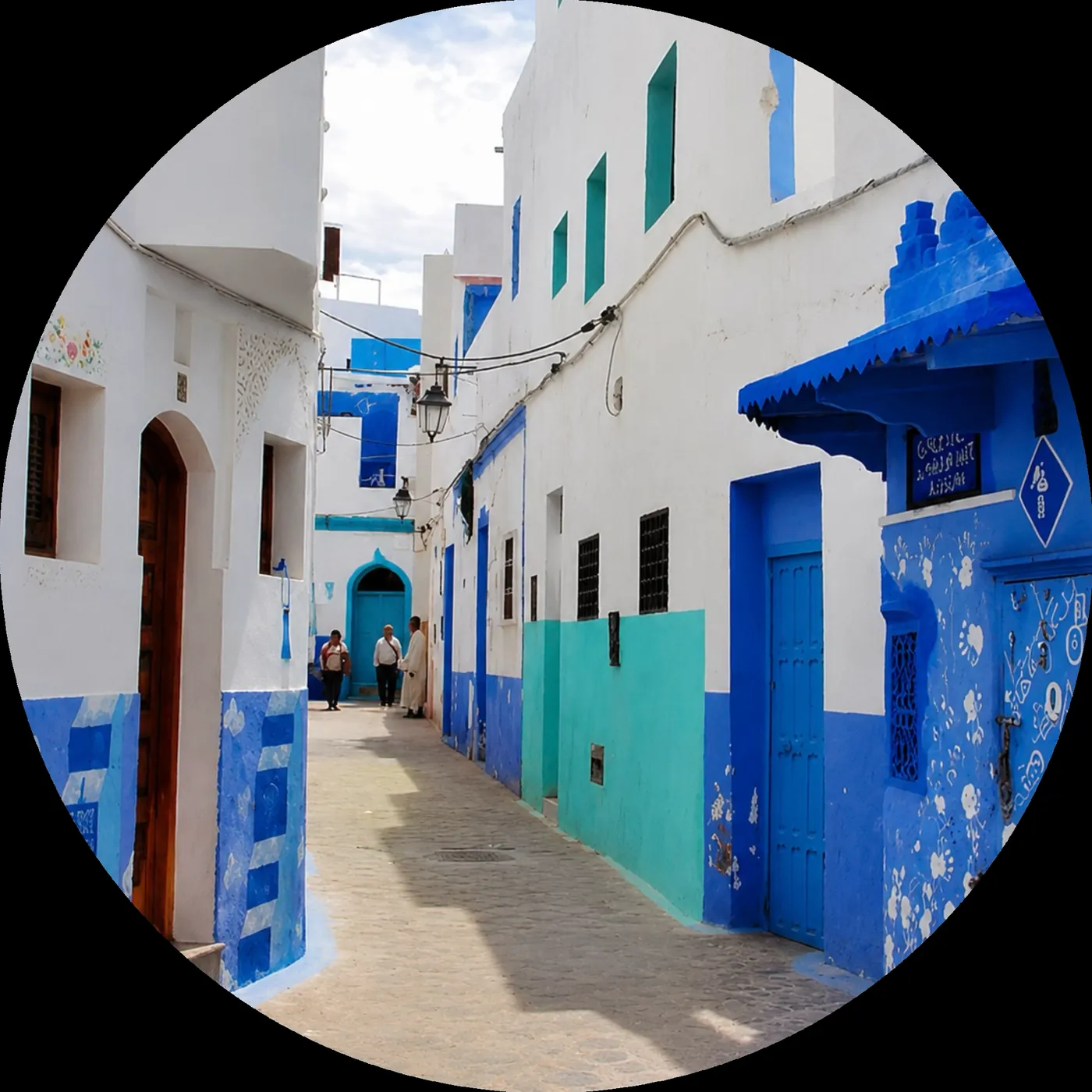
04Since 1978Cultural revival and murals
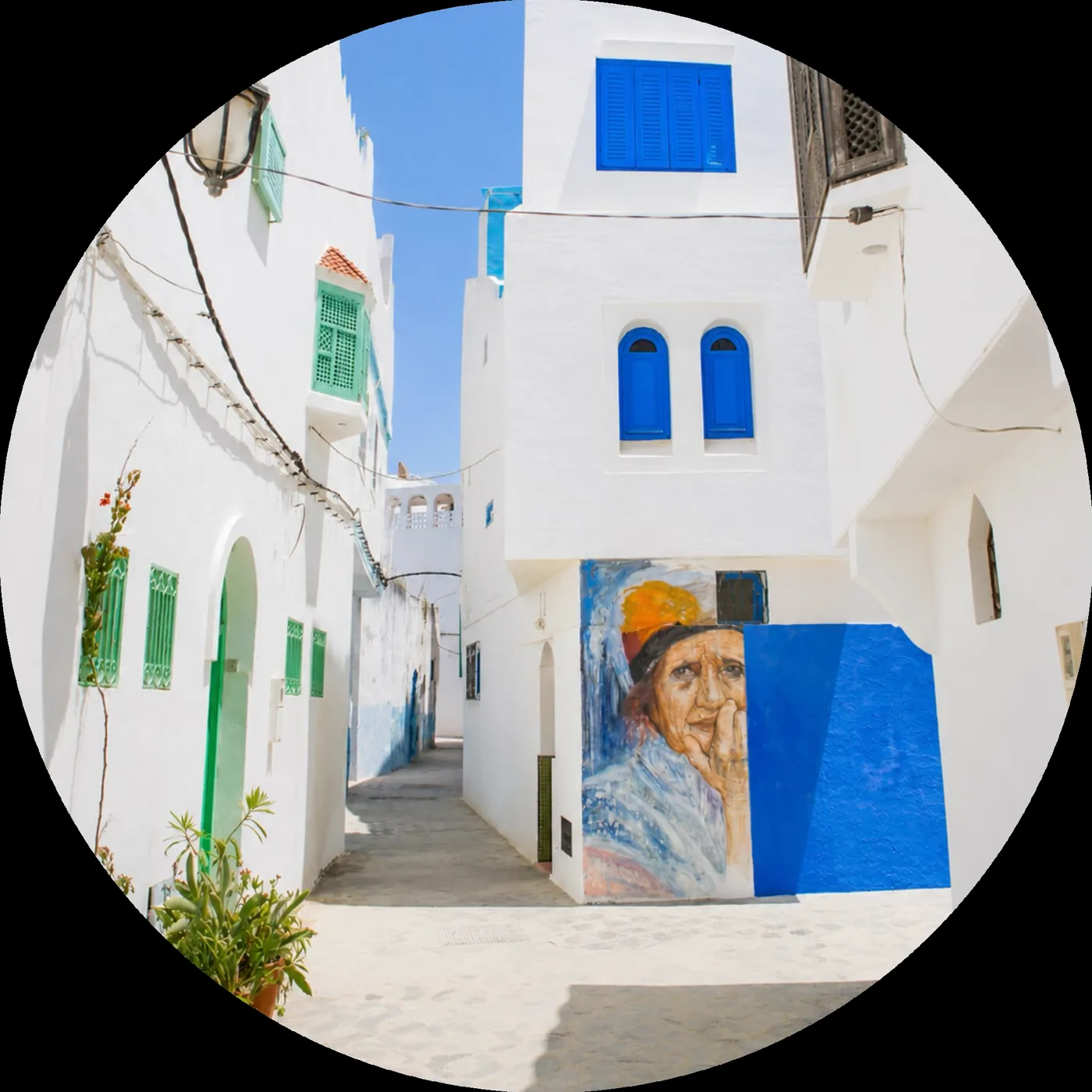
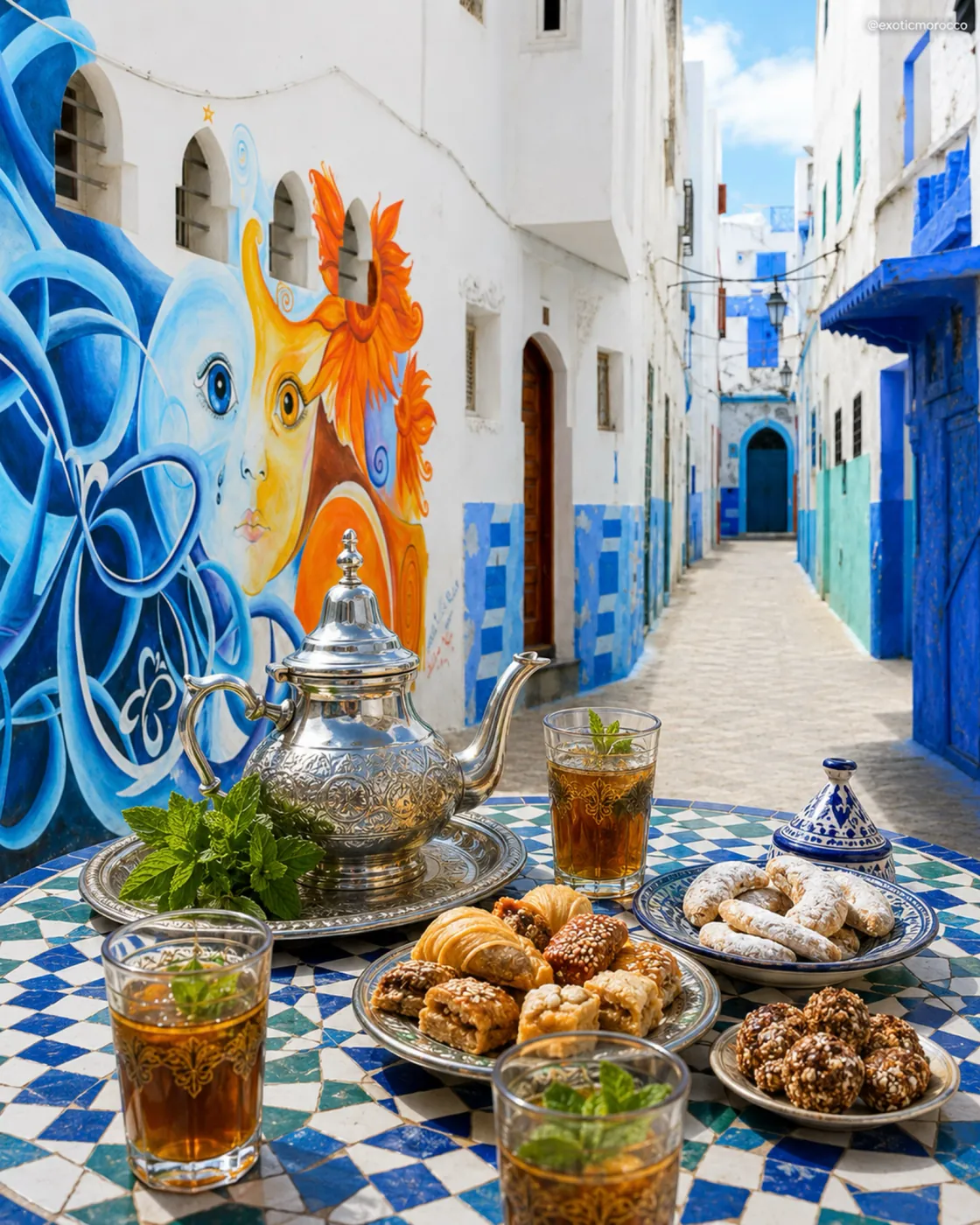
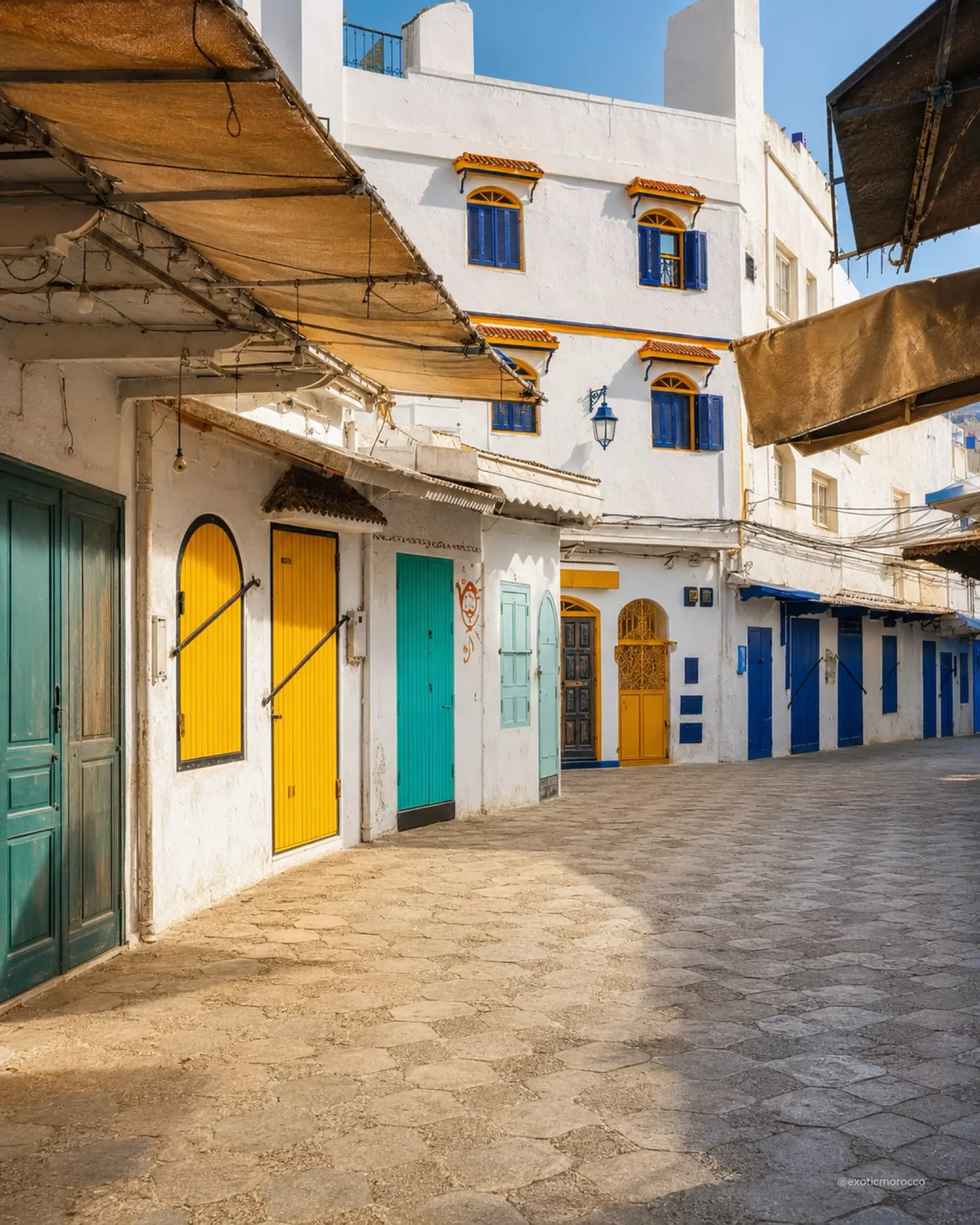
The Cultural Moussem and town-rehabilitation programme connected artists, residents and public space, making murals and restored streets part of Asilah’s international identity.