Larache
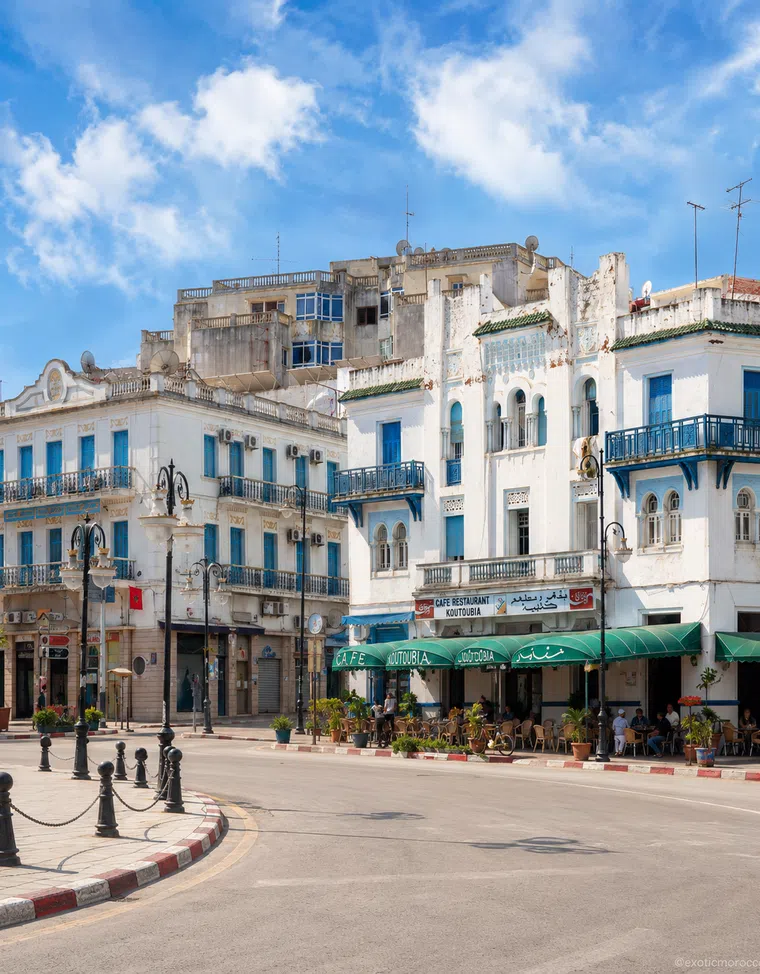
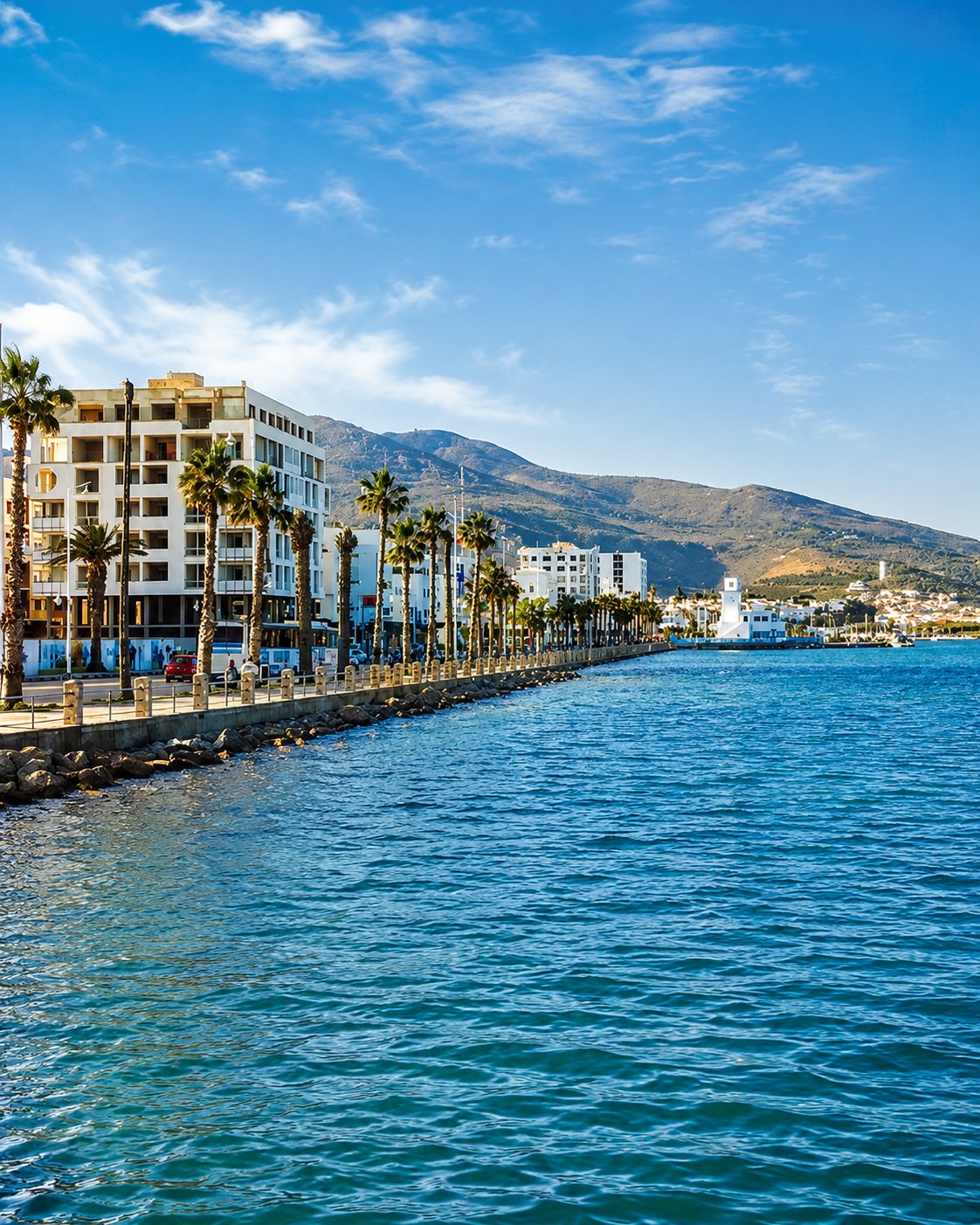
The Loukkos estuary connects the urban view with a wider landscape.

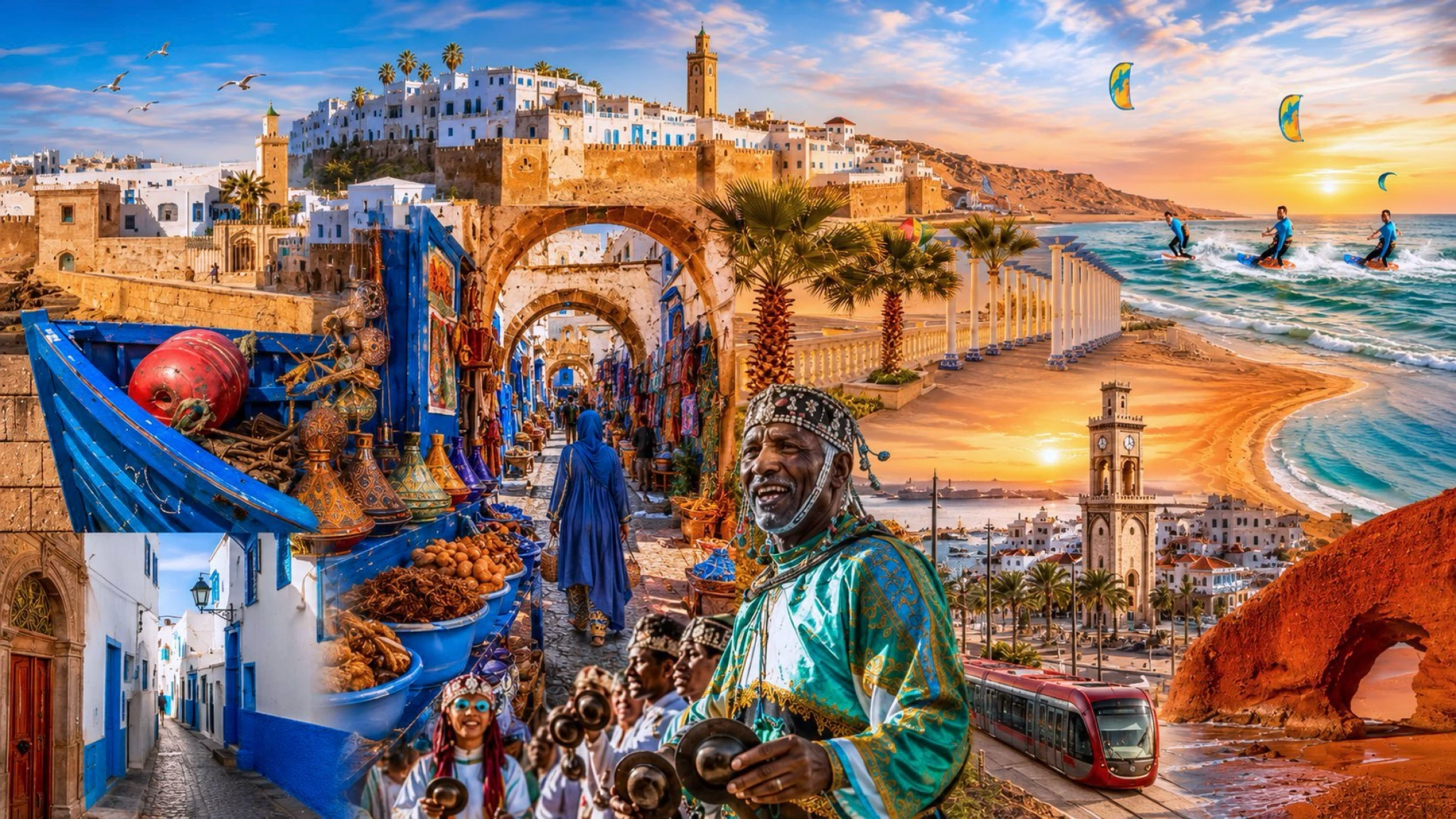
Follow the coast through the life of its towns
Explore river mouths, fortifications, working harbours and lagoon edges through Larache, El Jadida, Essaouira and Nador.
A coastal journey can be about much more than a beach. A river mouth explains the position of a town; a fortified edge frames a relationship with the sea; a working harbour connects food, labour and trade. Choose this mood for a journey that moves between open horizons and inhabited streets, giving equal attention to what happens on shore.
The Atlantic and Mediterranean do not form one compact circuit. These four portraits are starting points for separate coastal segments. Larache brings the Loukkos estuary into view, El Jadida offers the enclosed heritage of Mazagan, Essaouira connects a planned port with a lived medina, and Nador opens towards Marchica. Let their differences guide your choice of base rather than turning the whole shoreline into a transfer route.
The Loukkos estuary connects the urban view with a wider landscape.
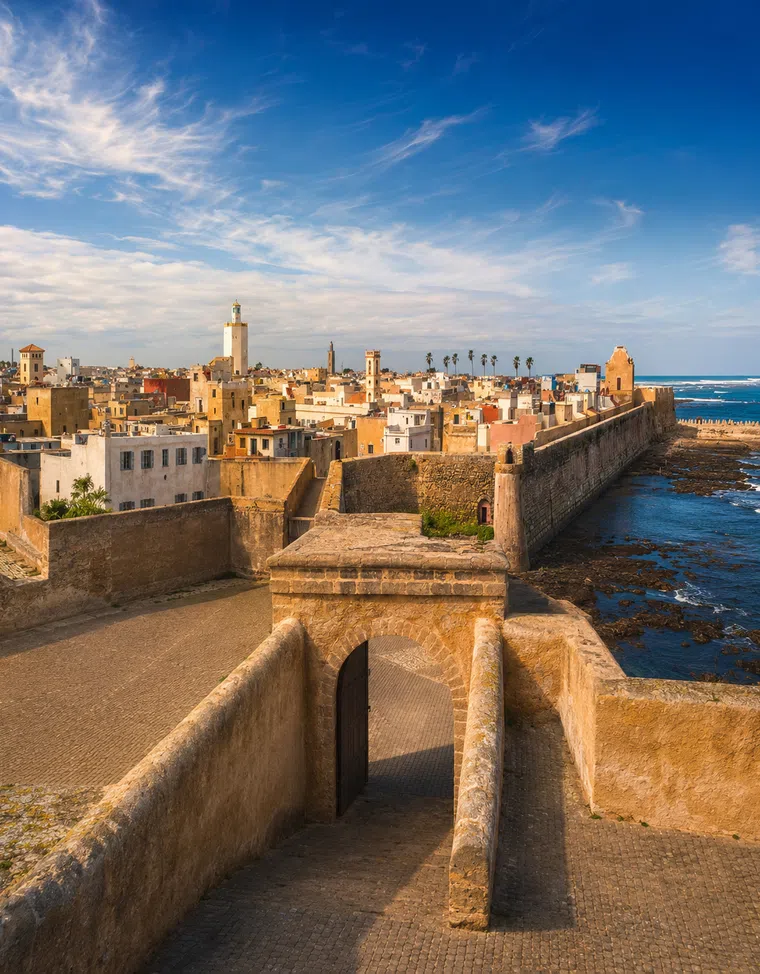
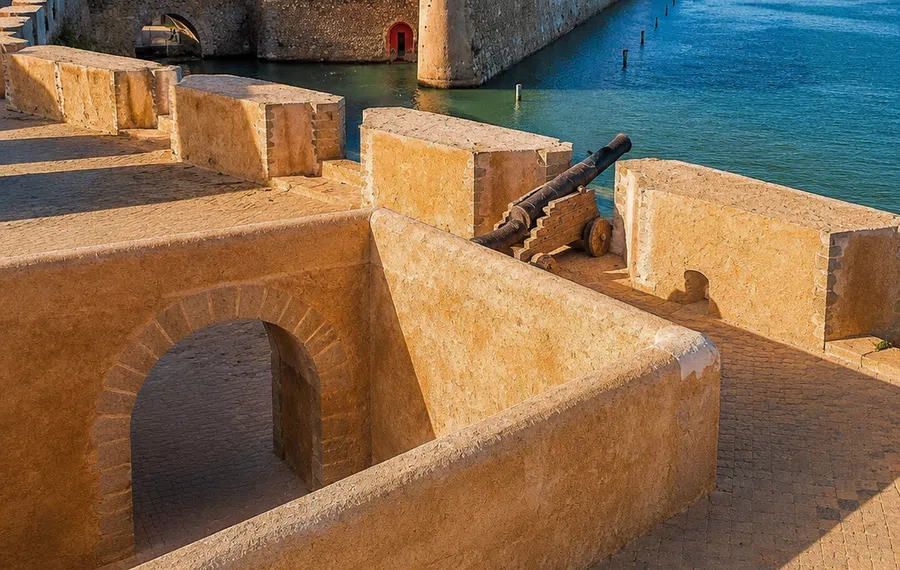
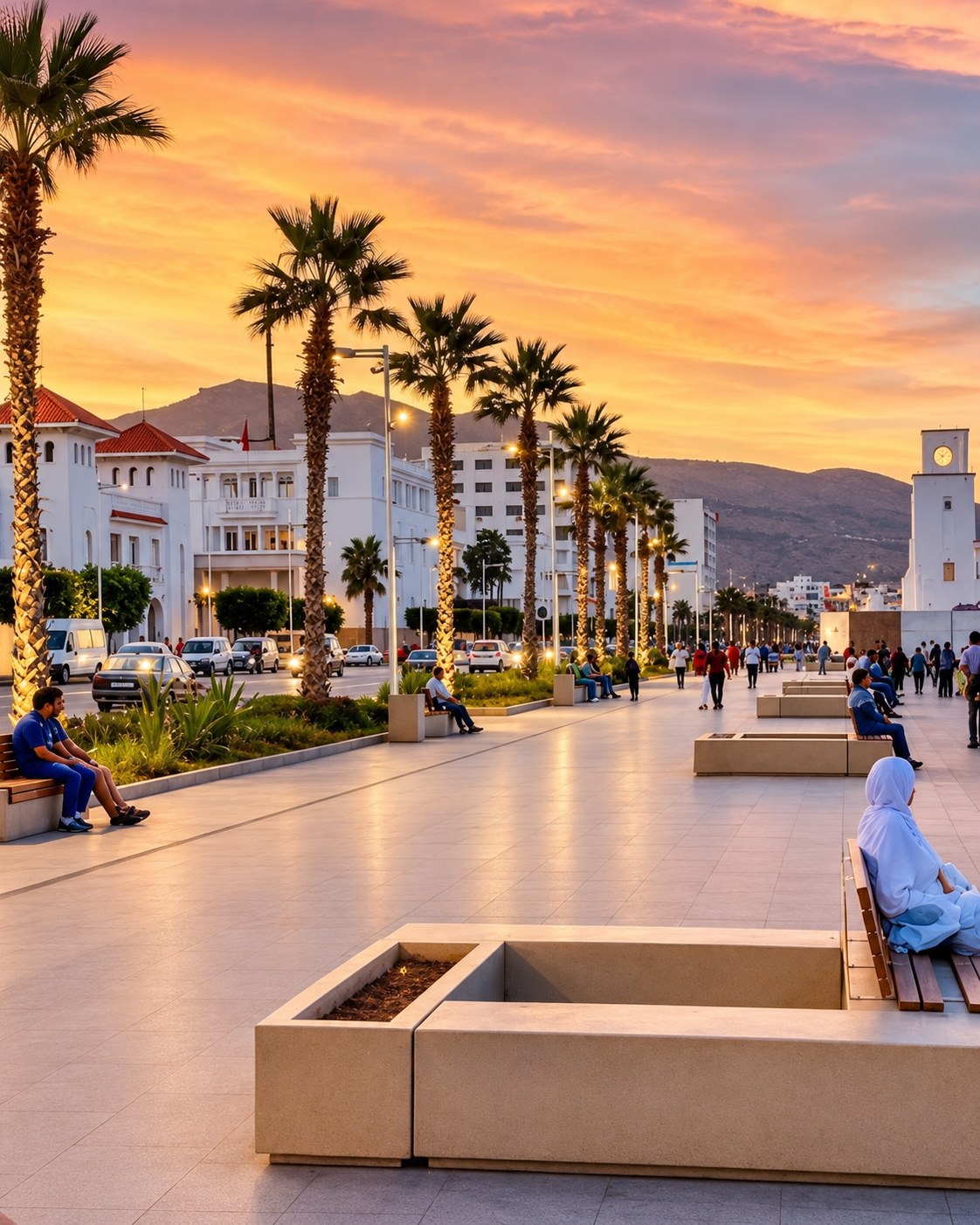
Mazagan makes the fortified coastal settlement unusually legible.
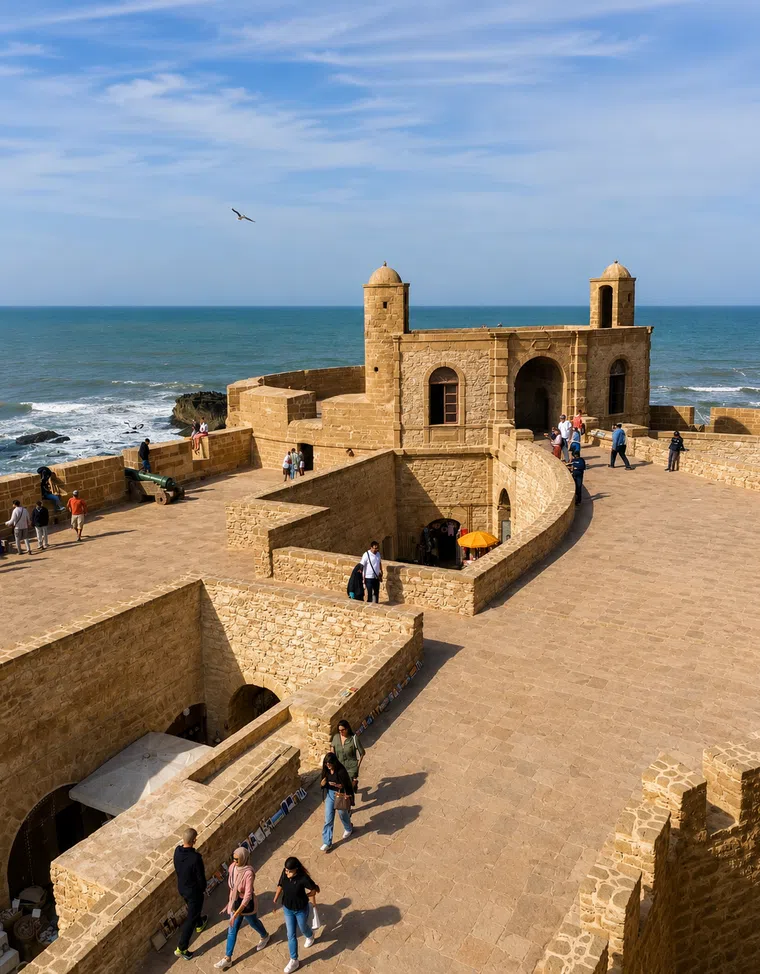
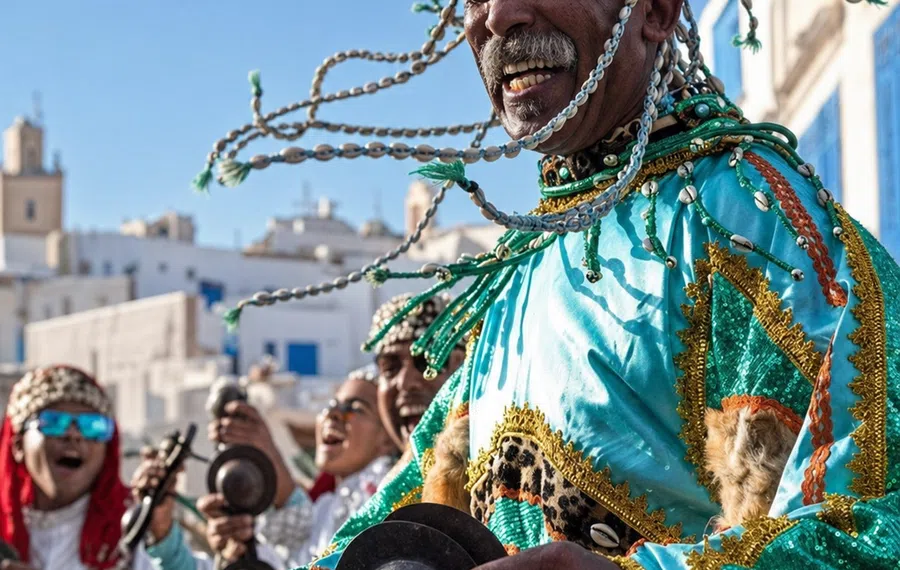
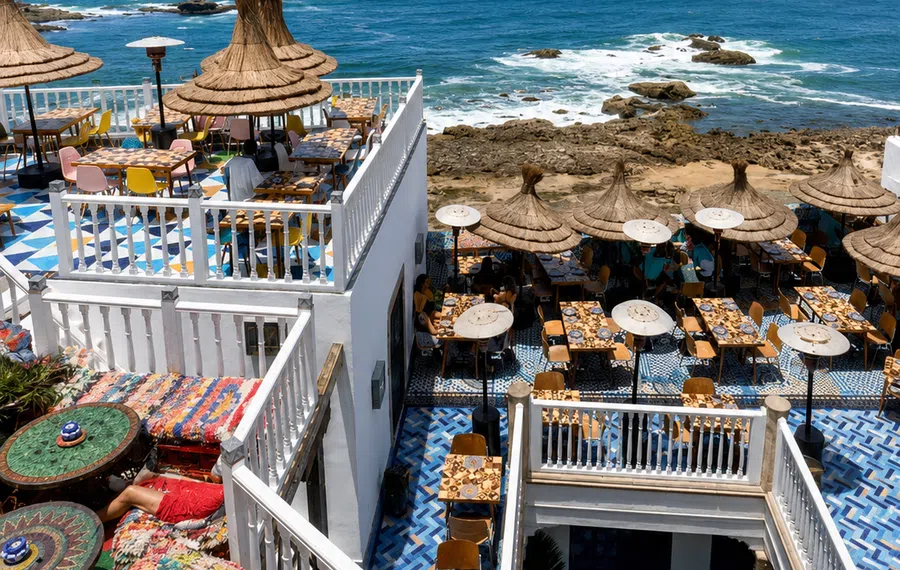
Planned streets, ocean exposure and working edges meet here.
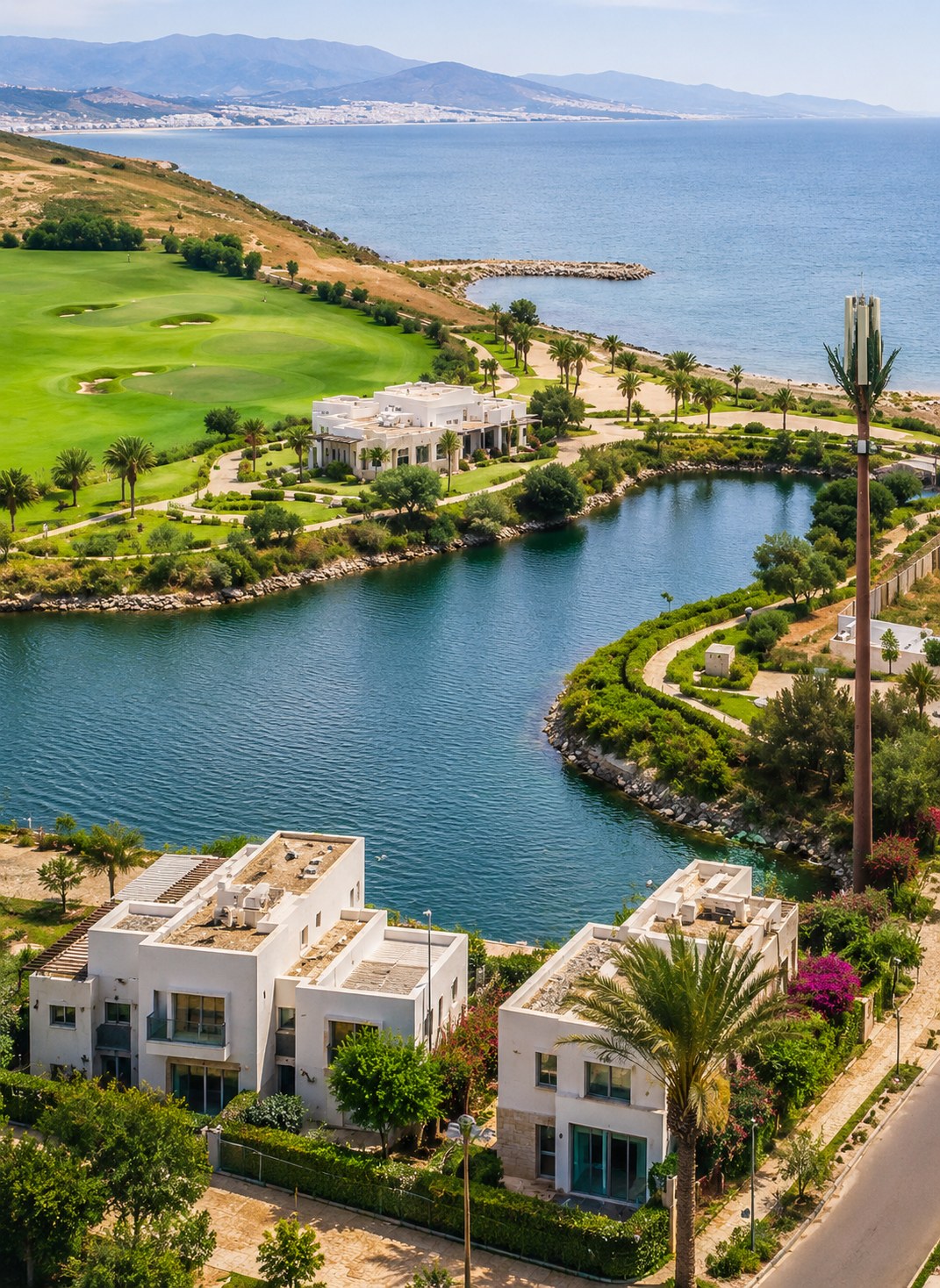
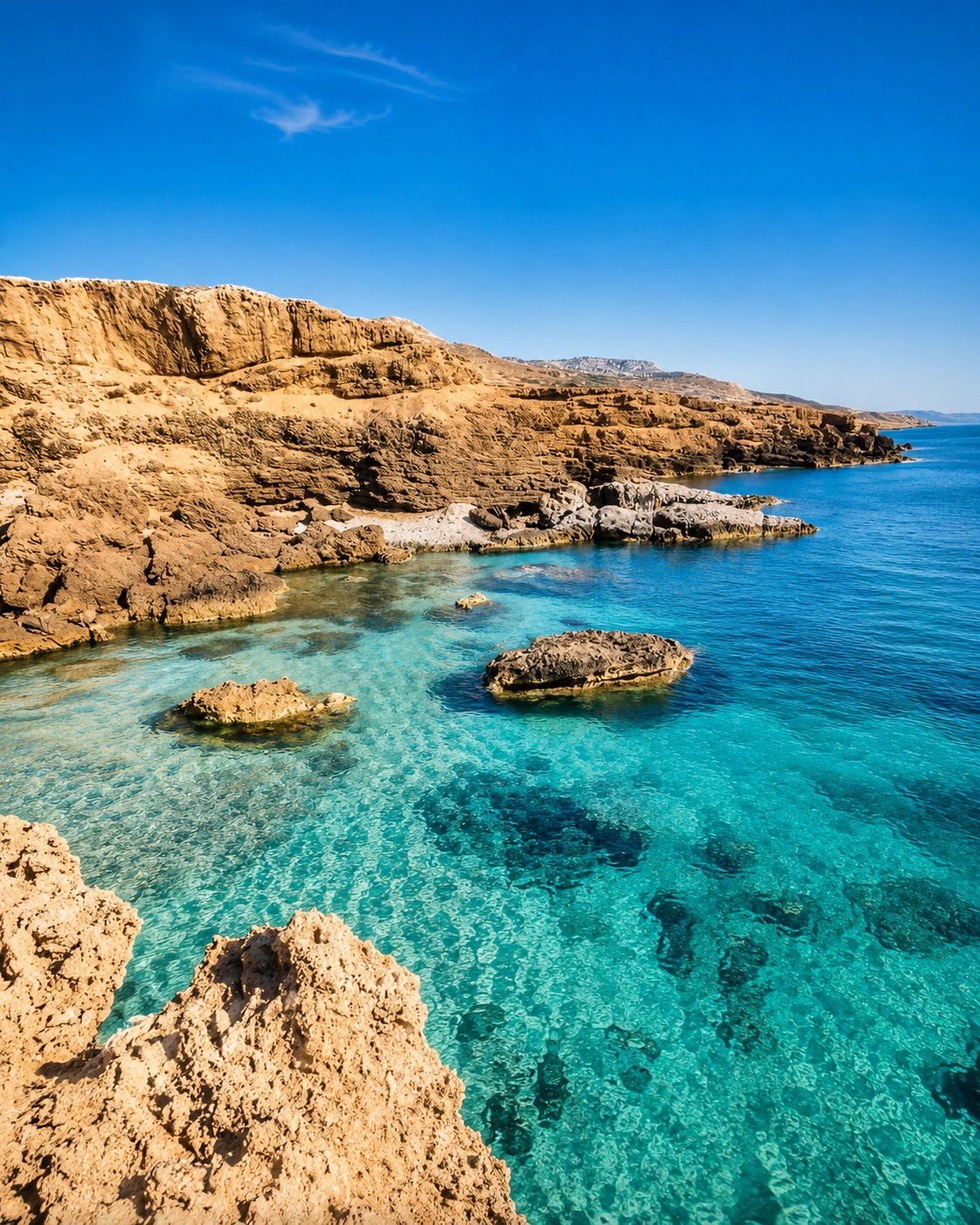
A lagoon edge asks different questions from an Atlantic rampart.
Choose an estuary, a fortified port or a lagoon as the centre of the journey. A northern Atlantic stay can make room for Larache and nearby coastal towns; El Jadida belongs to another useful segment with Azemmour and Safi. Essaouira merits a longer pause of its own. Nador is an eastern Mediterranean choice, not the next quick stop after Essaouira. Consult real distances and current connections before joining any of these portraits.
Larache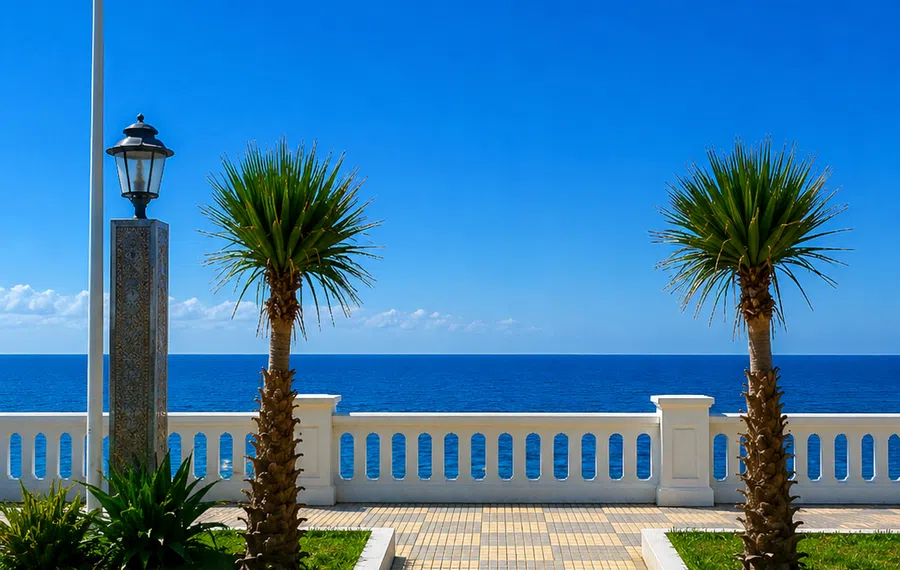 Larache
 El Jadida
 Essaouira
 Nador & Marchica
 Larache
 El Jadida
Look for the relationships that make each place distinct.
An exposed rampart and a sheltered medina lane may be only a short walk apart yet feel entirely different. Read changes in wind, sound and light as part of the town's spatial character, rather than treating the waterfront as its only meaningful edge.
Boats, unloading areas and markets belong to livelihoods. Look from appropriate public positions and let work continue. A harbour becomes more understandable when you connect it with a meal, a market or an account from someone who knows its daily operations.
A coastal wall does not identify one period or political story. Mazagan and Essaouira make a useful comparison precisely because their principal heritage accounts differ. Use named buildings and reliable interpretation to keep those histories distinct.
An estuary, a lagoon and an open Atlantic shore have different forms and uses. Establish which environment you are visiting before arranging a walk or activity. A blue photograph is an invitation to look more closely, not a complete account of conditions.
Explore river mouths, fortifications, working harbours and lagoon edges through Larache, El Jadida, Essaouira and Nador.
Begin with the river mouth
Move between enclosure and ocean
Give the port time to become a town
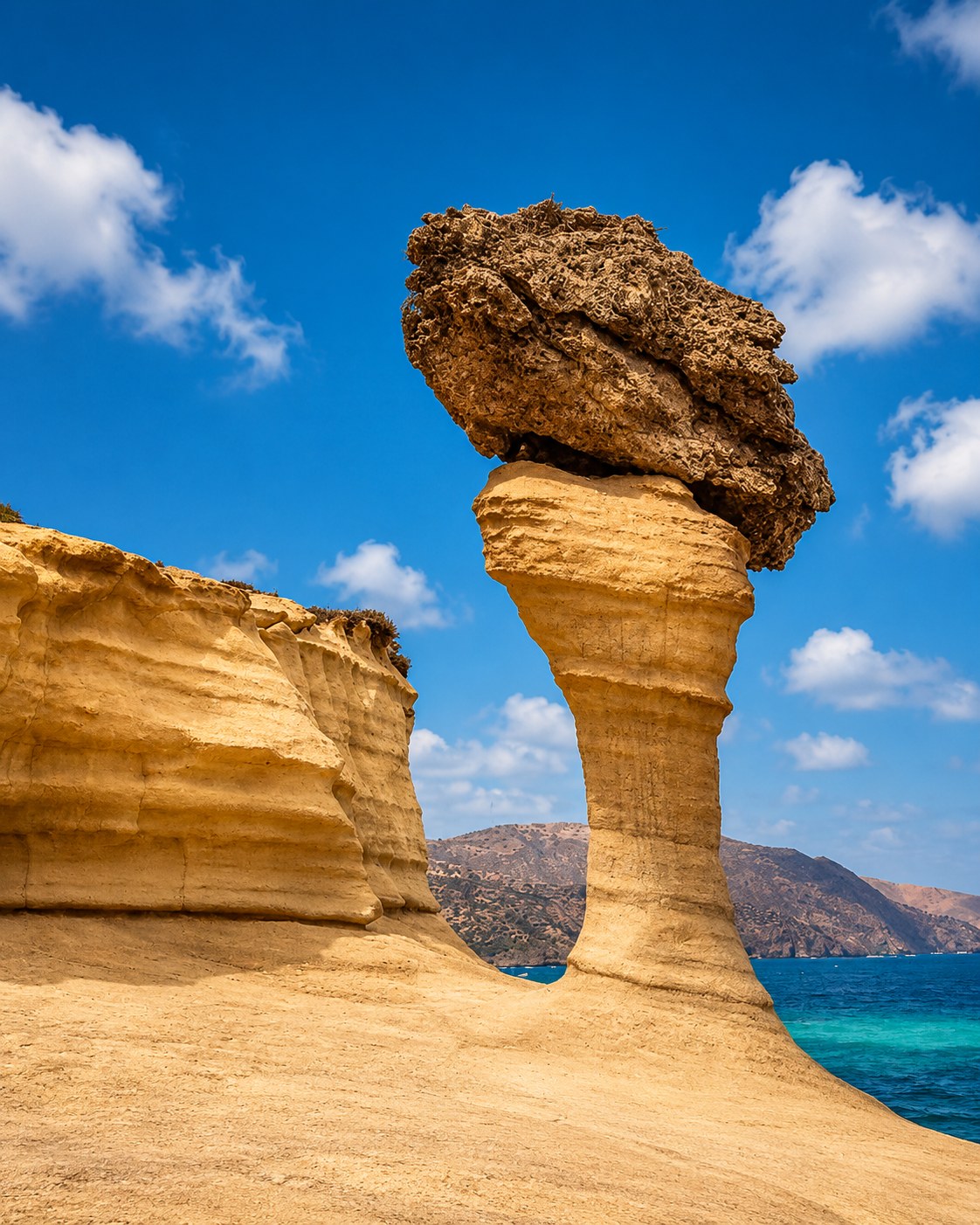
Read the lagoon as a different coast
A small set of observations can turn a waterfront stroll into a richer coastal day.
Notice how the road or street approaches the water. Does the town turn towards a river mouth, present a fortified face or spread along a bay? That first relationship helps organise everything you see later.
Move between a wall's outer and inner sides where public access allows. Compare exposure, street width and the visibility of the sea. The edge may protect, separate and frame a view at the same time.
A market links a port to inland households and visitors. Ask about the actual goods and their journey instead of assuming everything sold near a harbour was landed there. Contemporary supply networks can complicate a picturesque first impression.
A sheltered square, a working quay and an ocean-facing wall produce different soundscapes. Put the camera away briefly and attend to that contrast. It is one of the simplest ways to experience the coast beyond a repeated panorama.
Plan a sheltered alternative to an exposed walk. Wind and sea conditions can change the appeal and suitability of a location, while the same town still offers interiors, craft streets or cafés. The coast is more enjoyable with that flexibility.
Walk a familiar stretch again after time in the town. A new angle or change in light can reveal an entrance, working area or relationship to water that you missed on arrival. Repetition often adds more than another distant stop.
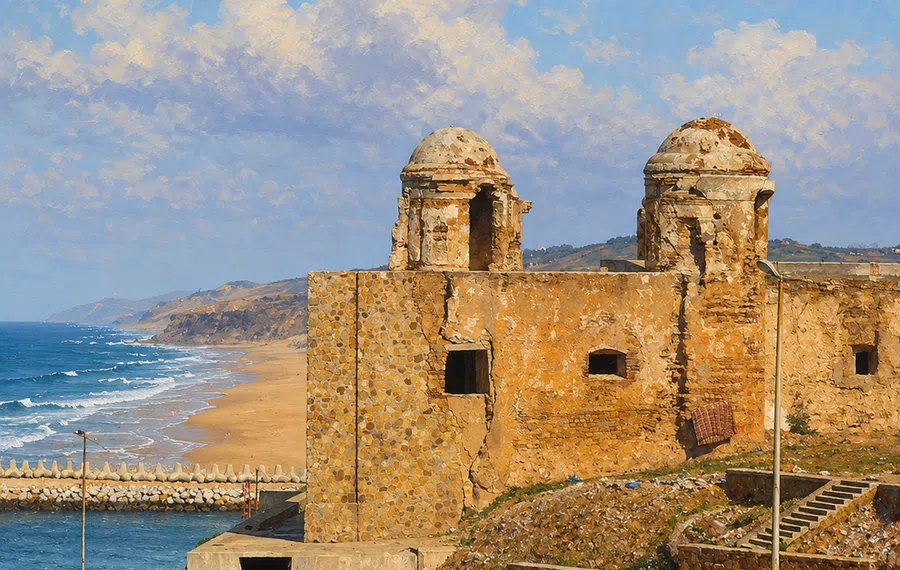
The Loukkos estuary connects the urban view with a wider landscape.
Larache is a useful choice when you want the water to explain a town rather than simply decorate it. Start by understanding the relationship between the estuary, the harbour and the Atlantic. Then follow that orientation into streets and public viewpoints. A shift of position can make the river's curve or a harbour edge newly apparent; the town rewards this kind of patient looking more than a race between photo stops.
Nearby Lixus introduces archaeological evidence of a different kind. Treat it as a considered visit with its own interpretation and access arrangements, not as an old quarter of the modern city. The pairing creates a conversation across time without pretending that every visible feature belongs to one continuous urban scene. If you are linking Larache with Asilah or Tangier, retain enough time for the town itself: an ordinary market street or a waterfront pause gives the historical comparison a present-day setting.
Atlantic balconyLoukkos riverLixus memory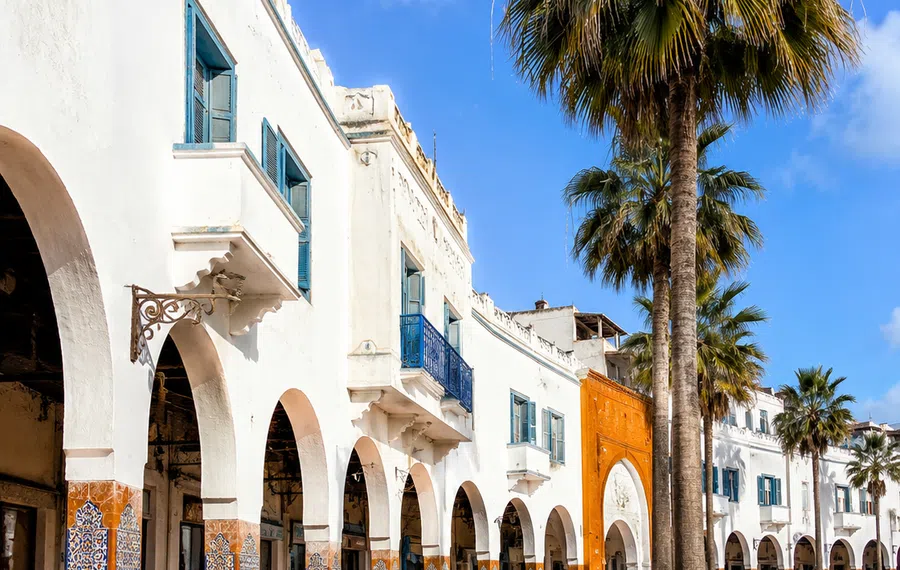 Spanish-Moroccan layers
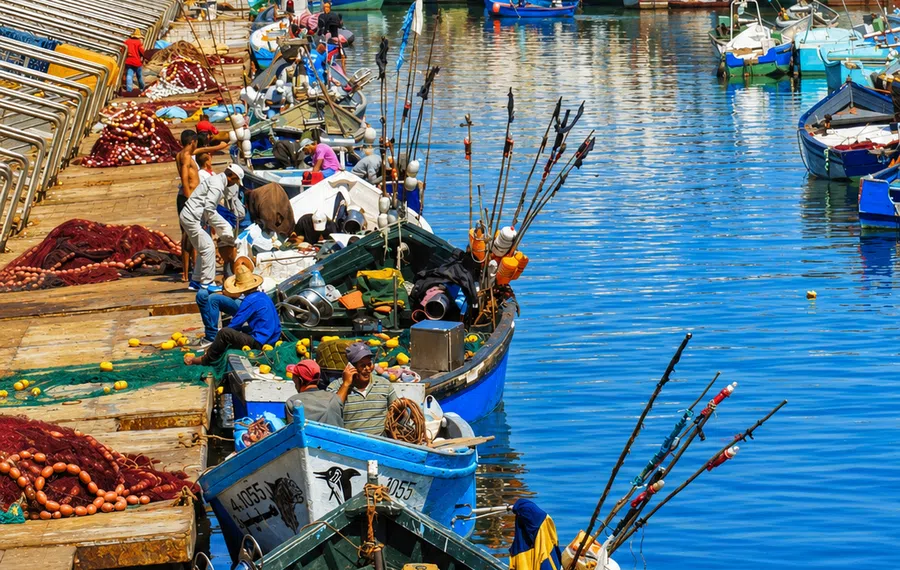 Port edge
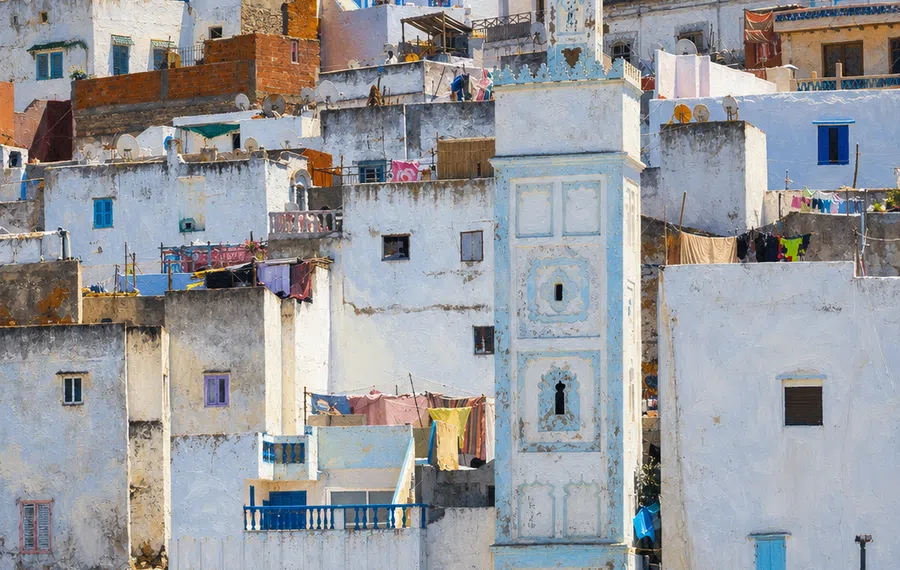 Medina view
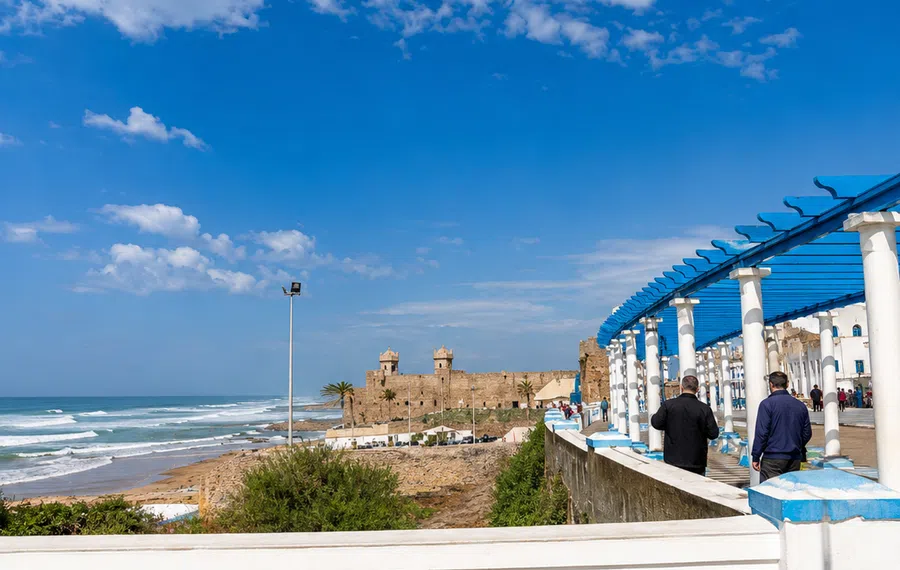 Coastal detailPortuguese CitySea wallsCistern memory
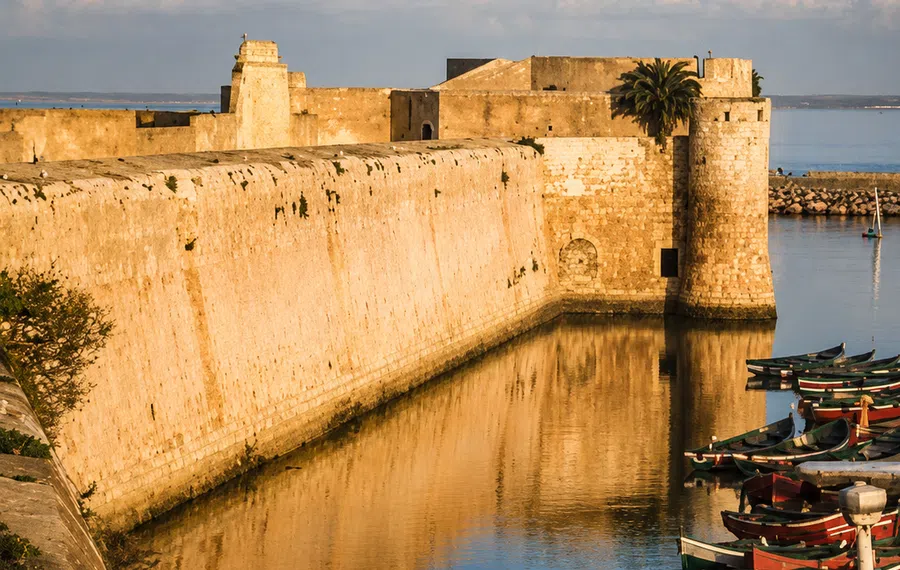 Mazagan ramparts
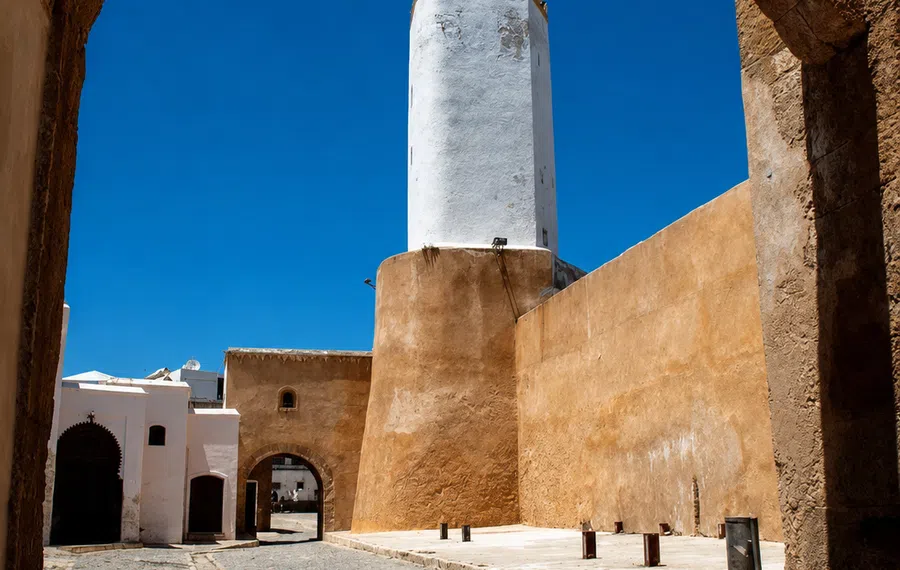 Ocean gate
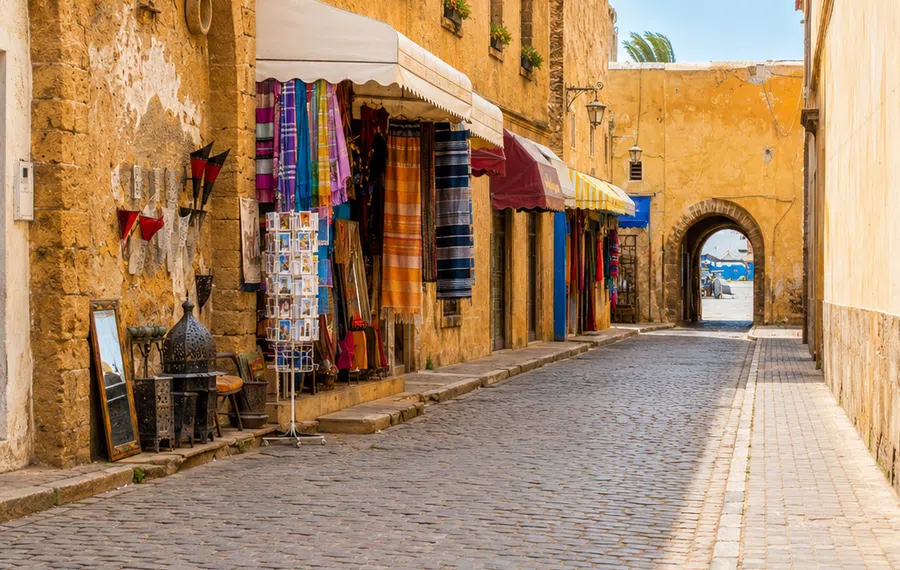 Medina lanes
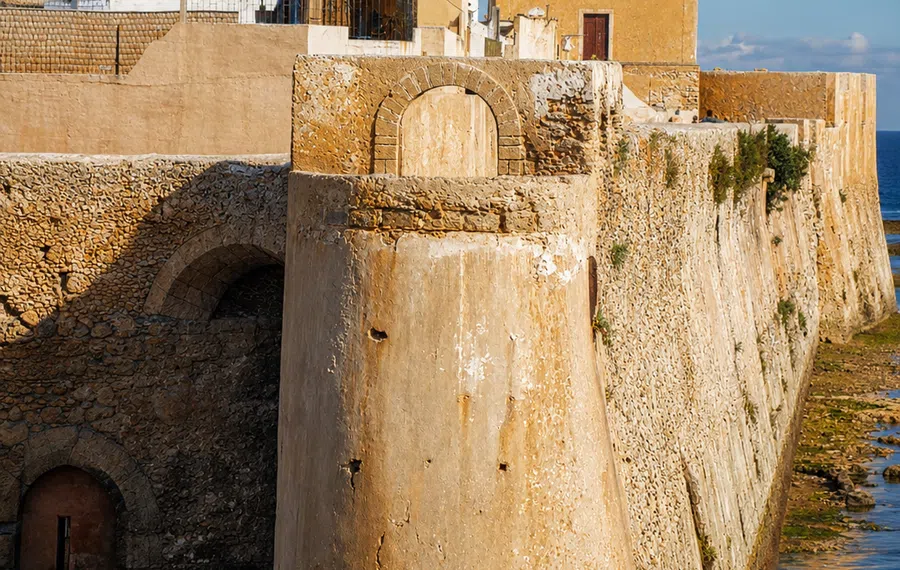 Atlantic stone
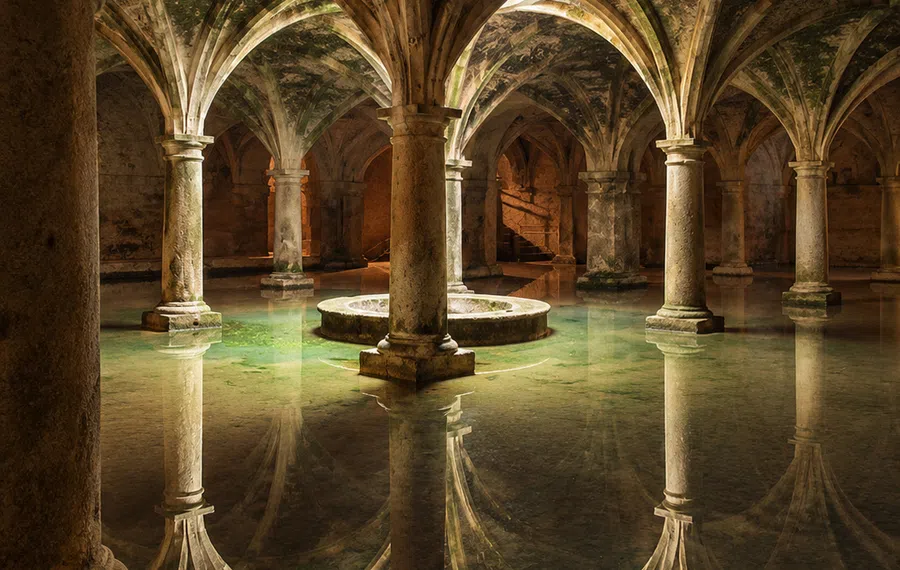
Mazagan makes the fortified coastal settlement unusually legible.
The historic fortified area of El Jadida gives you a clear spatial question: how does a compact enclosure relate to the sea beyond it? Follow the walls and approaches where accessible, then compare them with streets inside. UNESCO's account of Mazagan identifies its Portuguese heritage and later Moroccan history. Keep both in mind while allowing the surrounding modern city to remain part of the visit.
A heritage boundary is useful for understanding a designated site, but daily urban life does not stop at it. Spend part of the day outside the enclosure, then return and notice the contrast in scale. Azemmour can add a river-town comparison if your schedule supports another visit. Confirm access to individual monuments before travelling; the value of El Jadida lies in its urban relationships as well as any one interior. A careful circuit of public space can make those relationships visible without an overloaded list of stops.
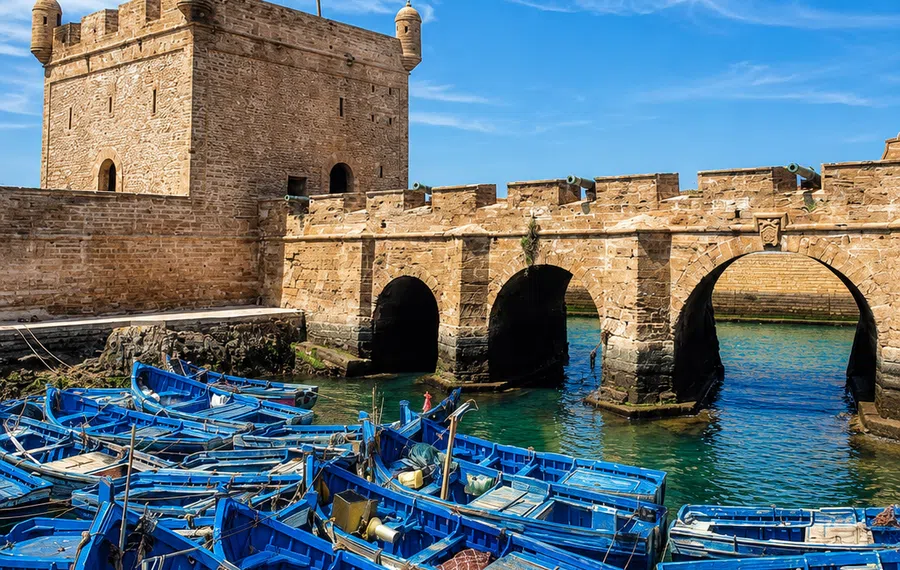
Planned streets, ocean exposure and working edges meet here.
Essaouira's principal fortified urban form belongs to an eighteenth-century port project, making it a different historical encounter from Mazagan. Begin with the relationship between the medina's street arrangement and its maritime edge. Then choose a smaller thread: a workshop, a public square or the route from a gate towards the harbour. The town becomes more interesting when its celebrated silhouette is connected with particular spaces and activities.
A longer stay makes room for changes in wind and light without requiring the whole visit to revolve around conditions on the ramparts. Music, craft and food offer other ways into the town, but check actual programmes rather than expecting a festival atmosphere every day. At the harbour, remain clear of work and ask before photographing people. A return through the medina after the waterfront gives the day a useful balance: open sea, enclosed streets and the contemporary exchanges that connect them.
Mogador rampartsGnaoua rhythmFishing port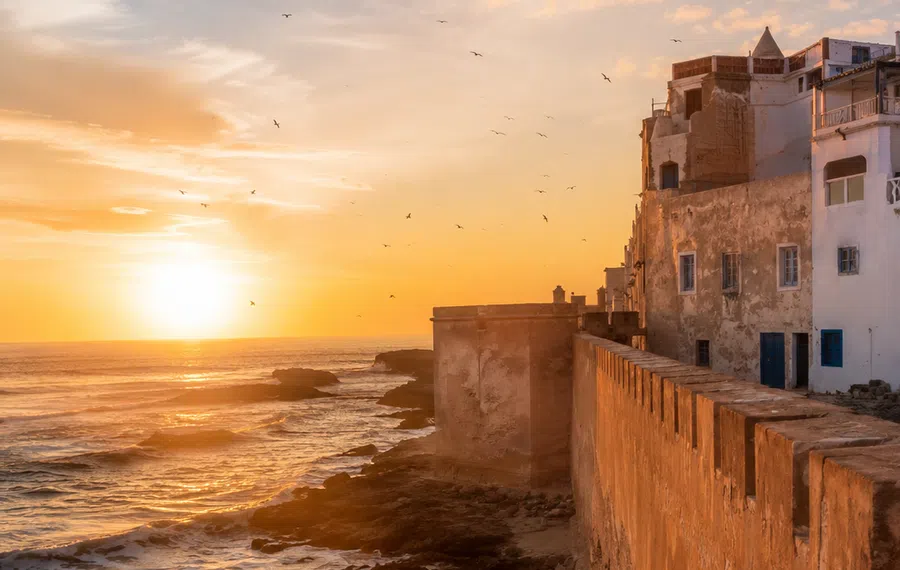 Atlantic wind
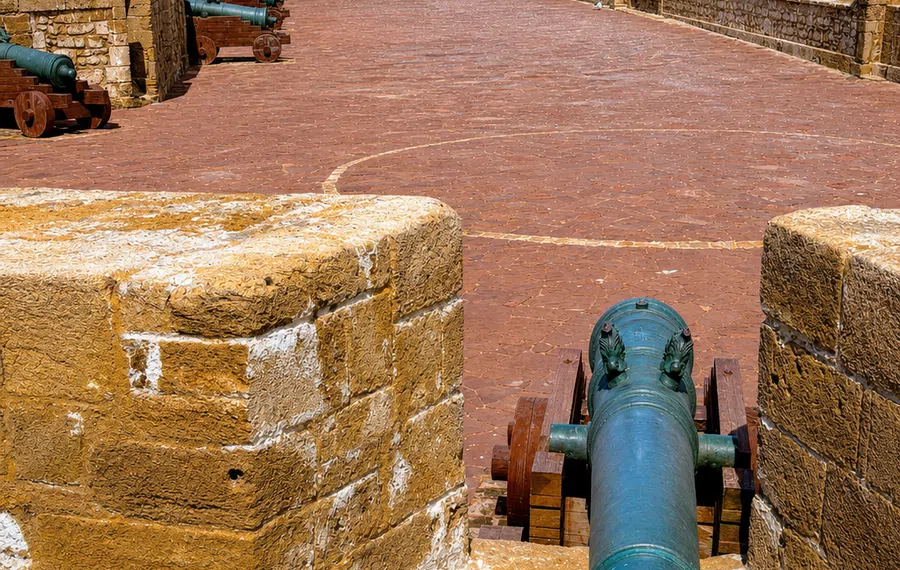 Sqala walls
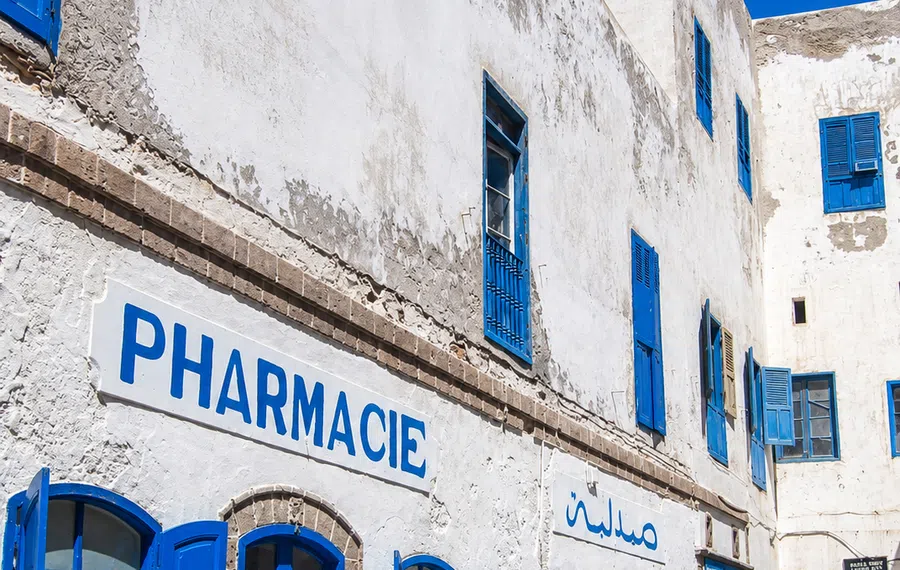 Medina lanes
 Wind lightNador coastMarchica LagoonRas El Ma
 Saïdia
 Eastern Rif
 Mediterranean coast
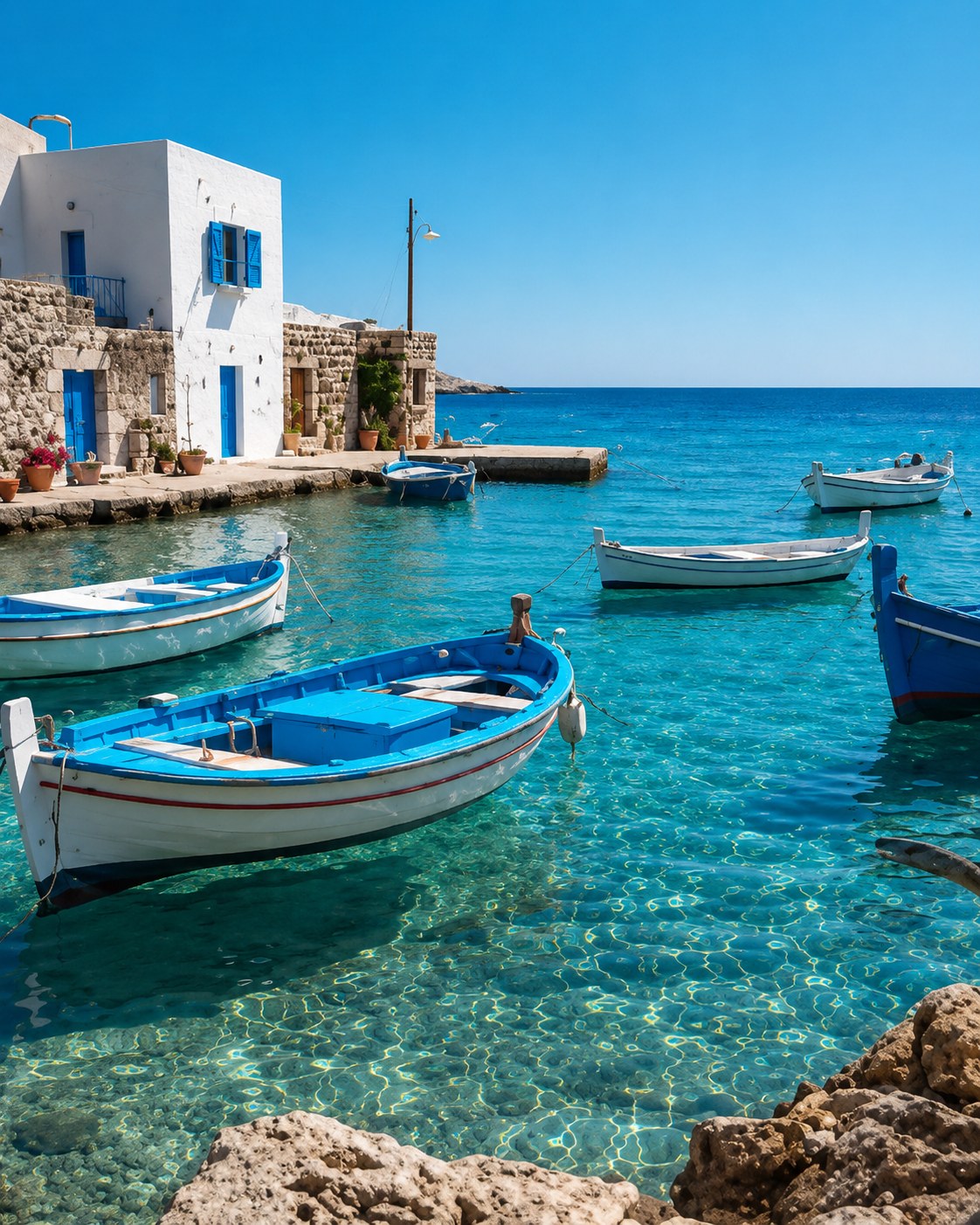 Lagoon culture
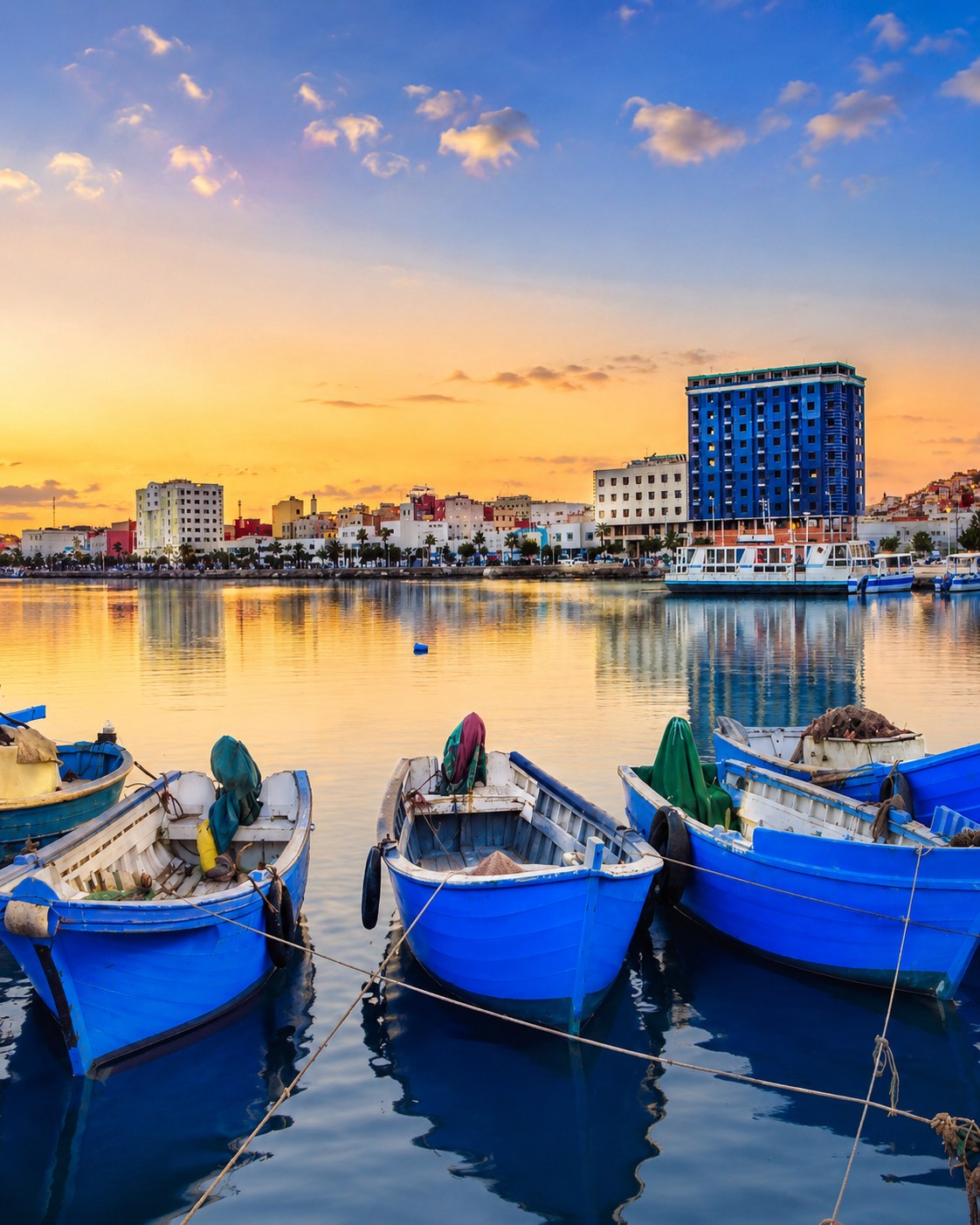
A lagoon edge asks different questions from an Atlantic rampart.
Nador broadens the sea-air mood towards the eastern Mediterranean and the Marchica lagoon setting. Look at the relationship between shore, urban development and daily public use rather than searching for another version of Essaouira. A lagoon panorama can be compelling, but the surrounding neighbourhoods and services place it within an inhabited city. The contrast is part of the reason to choose this destination.
Plan the eastern coast as its own segment. An onward visit towards other coastal places or inland Oujda changes both the distances and the subject of the journey. Use current local information to establish access and activities at the particular shore you intend to visit. If you are interested in photography, distinguish open water, built waterfront and the wider landscape in your captions. Naming the setting accurately is a small but meaningful way to preserve the difference between a lagoon and the open sea.
Larache · Spanish-Moroccan layersEl Jadida · Mazagan rampartsEssaouira · Atlantic windNador & Marchica · SaïdiaLarache · Port edgeEl Jadida · Ocean gateEssaouira · Sqala wallsNador & Marchica · Eastern RifLarache · Medina viewEl Jadida · Medina lanesEssaouira · Medina lanesNador & Marchica · Mediterranean coastA sea-facing wall can make a powerful photograph, but its inland relationship matters too. Look at the gate, the street arriving at it and the space immediately inside. Then compare with a less enclosed waterfront, where movement spreads along the shore. These observations connect architectural history with the experience of walking through a town. They also explain why two coastal places can feel different even under the same bright sky.
River, harbour, Lixus
Walls and wider city
Craft, streets, working harbour
Marchica, neighbourhoods, coast
The four circles are an editorial comparison across Morocco's coasts, not a continuous short itinerary. Build a northern Atlantic, central Atlantic, Essaouira or eastern Mediterranean stay around actual transport connections. Leave room for weather to change the order of outdoor and sheltered visits. A good coastal journey has enough time to look inland as well as out to sea.
LaracheEstuary and townEl JadidaFortified settlementEssaouiraPlanned port and medinaNador & MarchicaLagoon and urban shoreA few considered choices make the connections between these places more useful.
Ask about what is being served, how it is prepared and where the ingredients came from. A port location alone does not explain a dish. The Food & Hospitality reading provides a wider cultural context, while an ordinary conversation can make a particular meal more memorable than a claim that it represents the whole coast.
A waterfront promenade, harbour visit, shore excursion and water sport are different plans. Confirm the actual meeting place, conditions and arrangements for the one you choose. Do not infer suitability from a photograph or from another traveller's visit in a different season. Keep a town-based alternative available so a change of conditions need not spoil the day.
If port history becomes your main interest, continue into Ports & Crossings. It considers the relationship between movement, control and urban memory. The coastal region pages then offer a wider set of places, allowing you to deepen one segment rather than stretch the journey across every port mentioned here.
Historical and geographical references reviewed in September 2026. Route pairings and looking suggestions are Exotic Morocco editorial guidance. Check current access and transport arrangements before travelling. Existing regional library imagery is retained; photographs and illustrations do not establish present-day access or conditions.
Open the individual place guides for local context and a more detailed visit. Return to Regions to compare other landscapes and cultural connections.
The Loukkos estuary connects the urban view with a wider landscape.
Mazagan makes the fortified coastal settlement unusually legible.
Planned streets, ocean exposure and working edges meet here.
A lagoon edge asks different questions from an Atlantic rampart.