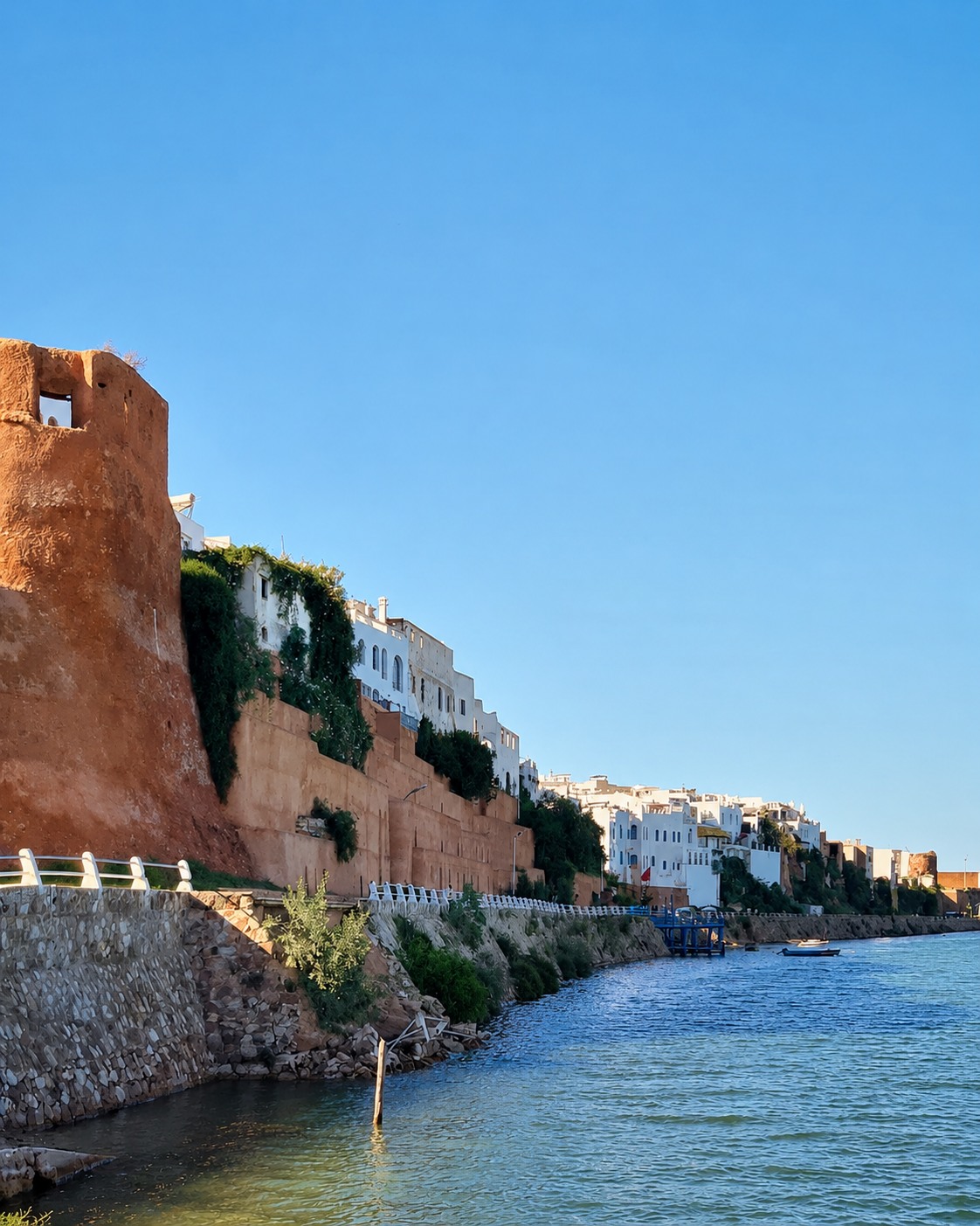
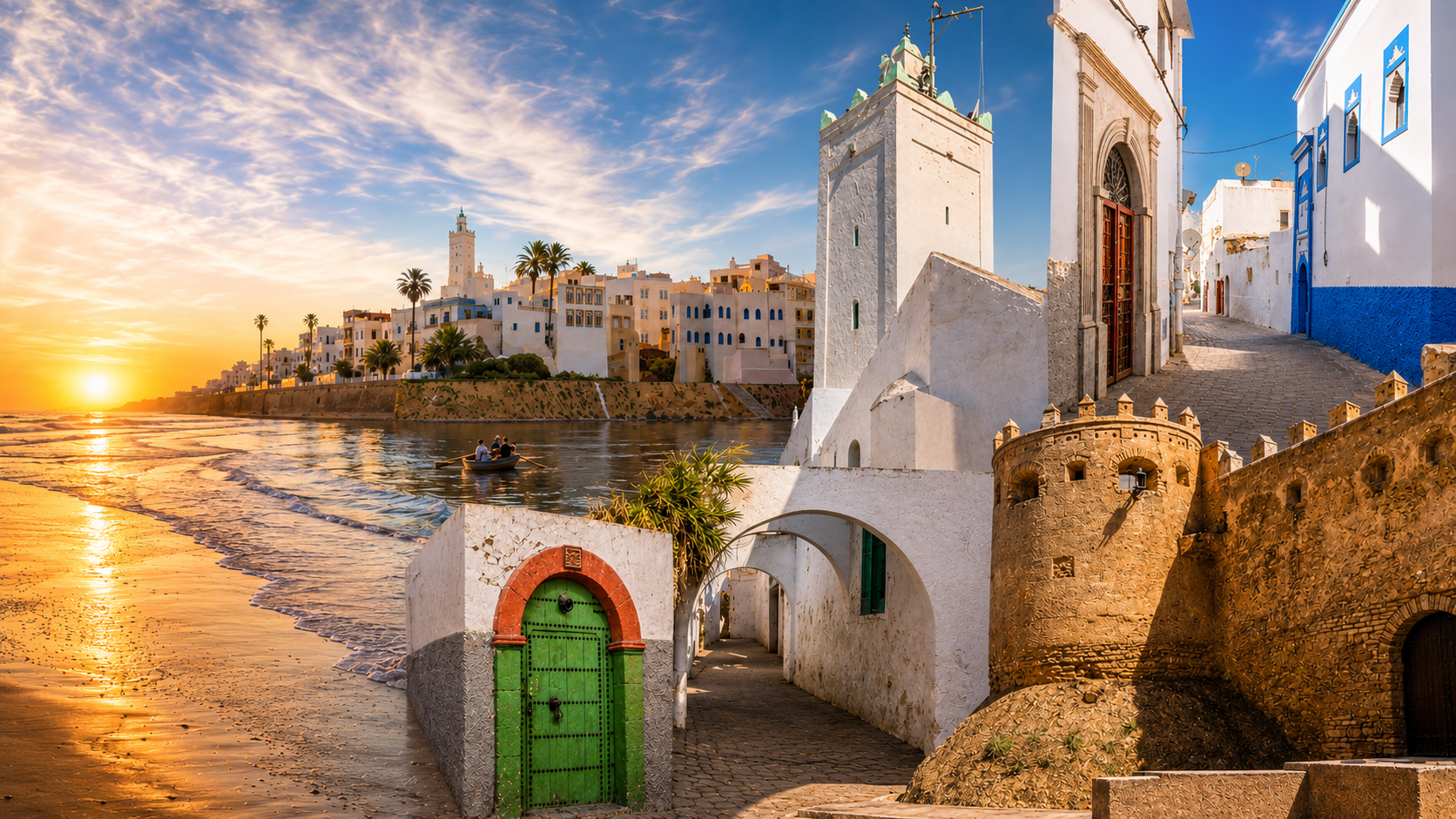
Azemmour riverfront medina, Oum Er-Rbia, white walls, green door, ramparts and Atlantic sunset

Oum Er-Rbia & Atlantic Morocco

Azemmour River walls, artists’ medina and hidden Atlantic memory

Azemmour is not a loud destination. It is a layered river town where the Oum Er-Rbia, Portuguese defences, saintly memory, painted medina walls and quiet Atlantic light create one of Morocco’s most underrated cultural landscapes.

Why Azemmour matters

Beyond the image of a quiet river town

Azemmour is often passed quickly on the road between Casablanca and El Jadida, but that is exactly why it deserves attention. The town is small enough to feel intimate, yet dense enough to hold several histories at once: river settlement, Portuguese wall traces, saintly memory, artistic renewal and Atlantic orientation.

The city’s strength is not one famous monument. It is the relationship between the old medina and the Oum Er-Rbia: balconies above the river, defensive walls, painted lanes, sanctuary thresholds and the sense of a town looking quietly toward the ocean.

Azemmour rewards visitors who move slowly: the riverfront, old walls, murals and sacred spaces together form a thoughtful alternative to Morocco’s better-known coastal stops.
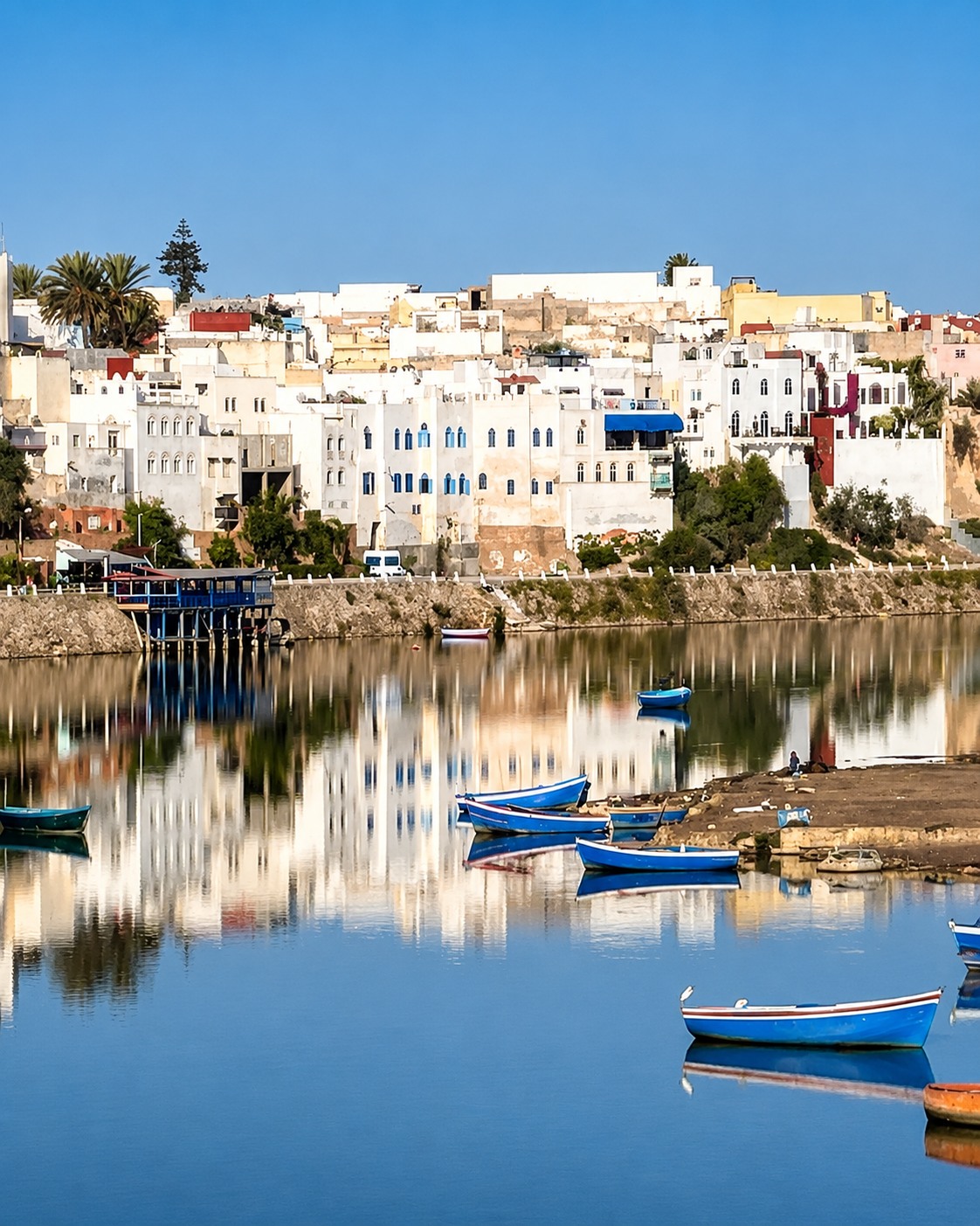
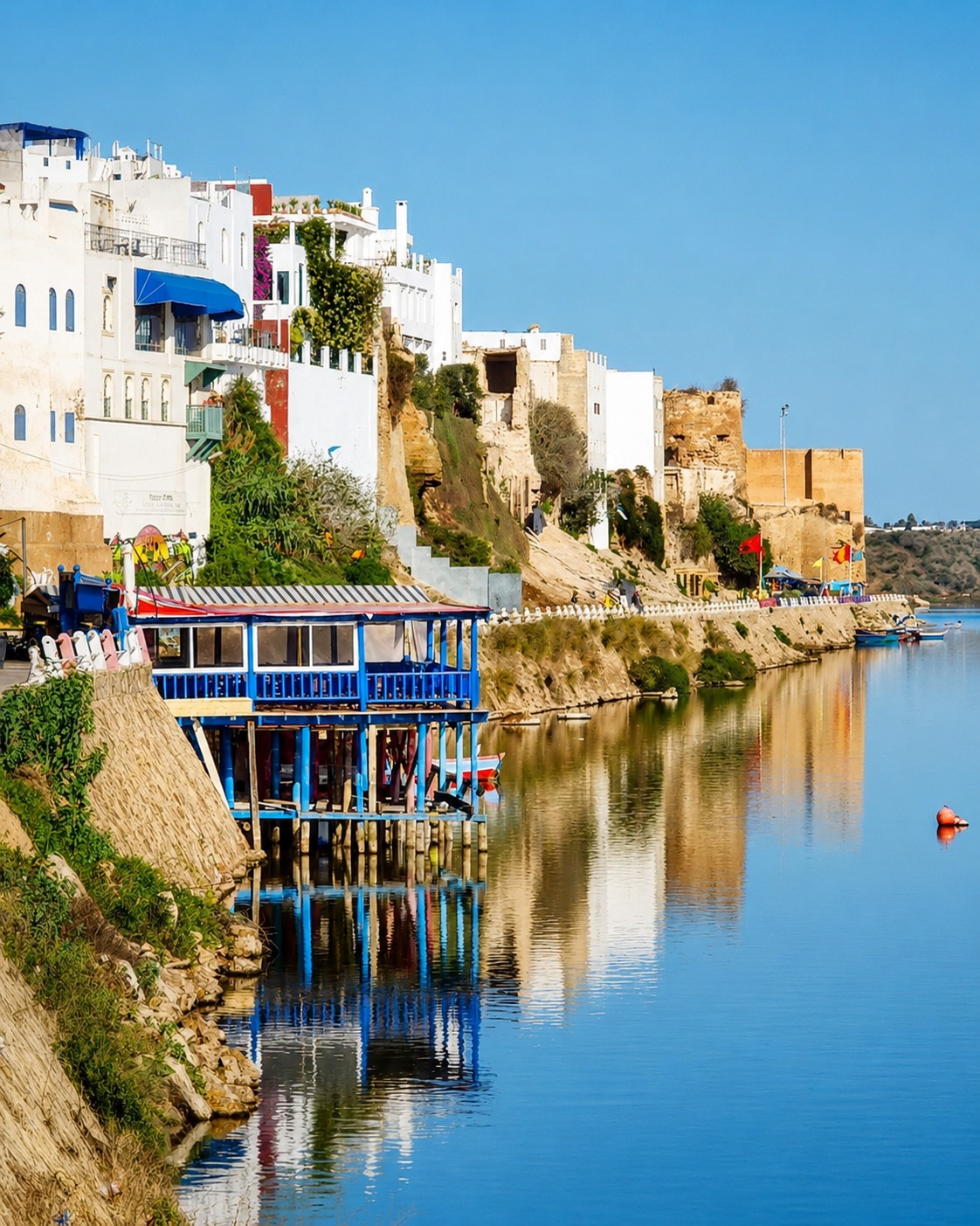
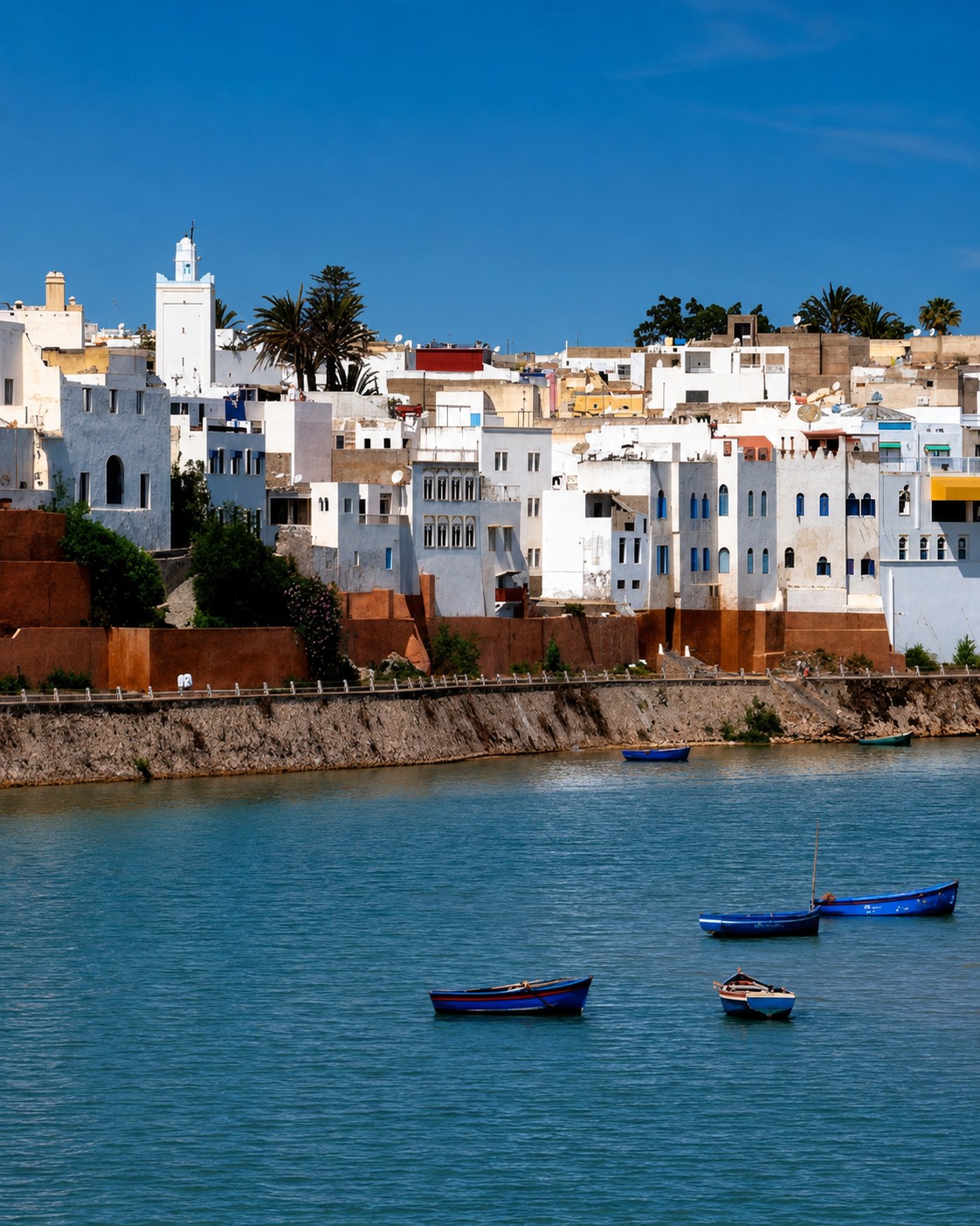
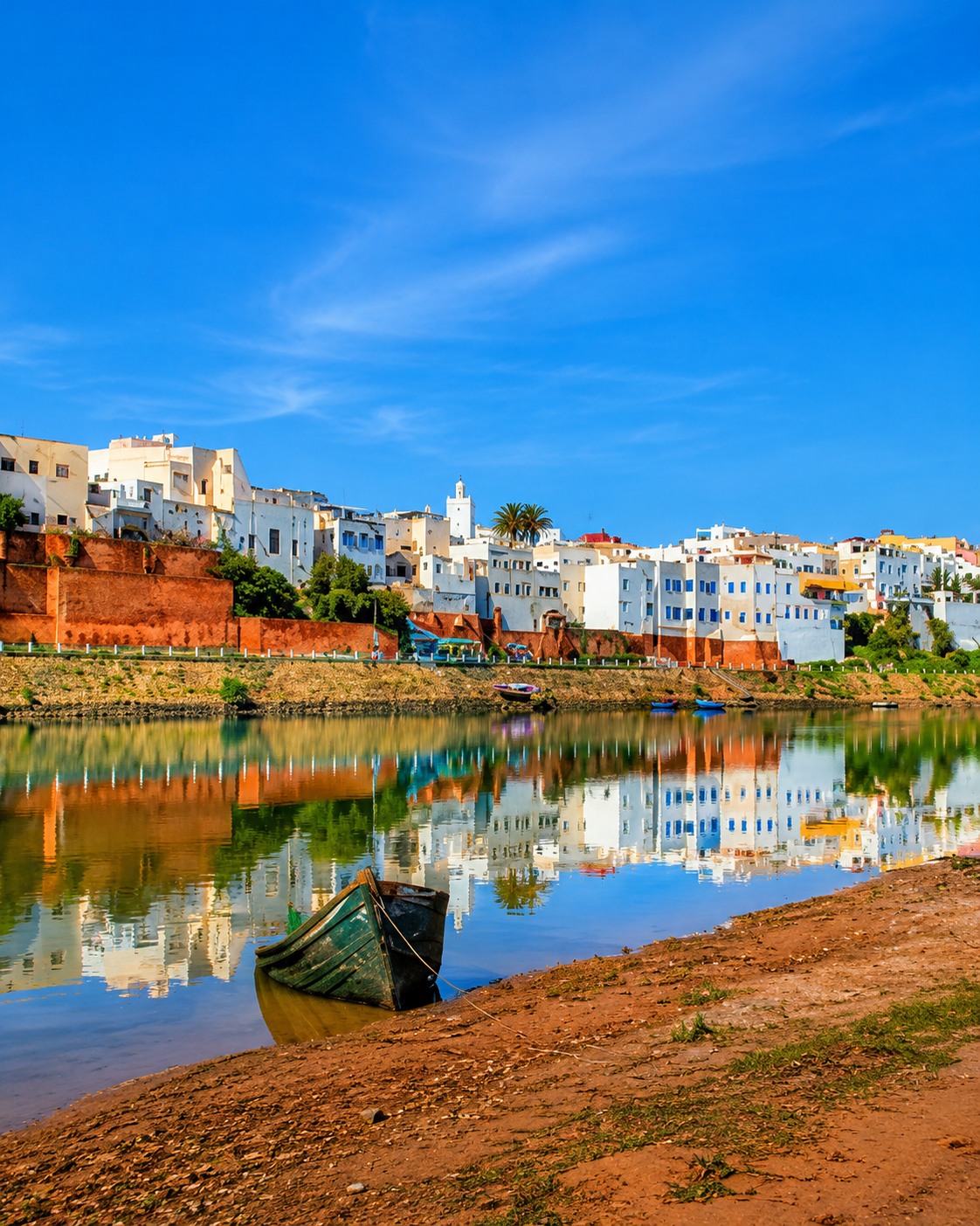
Azemmour riverfront medina reflected in the Oum Er-Rbia

A river medina of quiet depth

Read the river, the walls, the painted lanes and the sanctuary thresholds together: Azemmour is strongest when it is seen slowly.

Historical orientation

From river settlement to Portuguese-era wall traces and painted medina

Azemmour is best understood through four connected layers: the Oum Er-Rbia river, the Portuguese-era layer, religious and community memory, and the contemporary artistic life visible across the medina.

01River city

Oum Er-Rbia as foundation

The old town stands on the left bank of the Oum Er-Rbia, close to the river’s Atlantic mouth, giving Azemmour its geography and atmosphere.

021513–1541

Portuguese presence and defences

Portuguese occupation left a strong imprint on the city’s walls, limits and military character during the early sixteenth century.

03Memory

Saints, communities and thresholds

Moulay Bouchaib, Jewish memory, Andalusian traces and local religious landscapes give the town a layered identity beyond its fortifications.

04Today

Murals and quiet renewal

Street art, painted doors and local craft have made Azemmour feel like a medina in conversation with its own walls.

Three glimpses of Azemmour

Three ways into the city

Azemmour can be approached through three essential images: river light, Portuguese-era stone and painted medina surfaces.

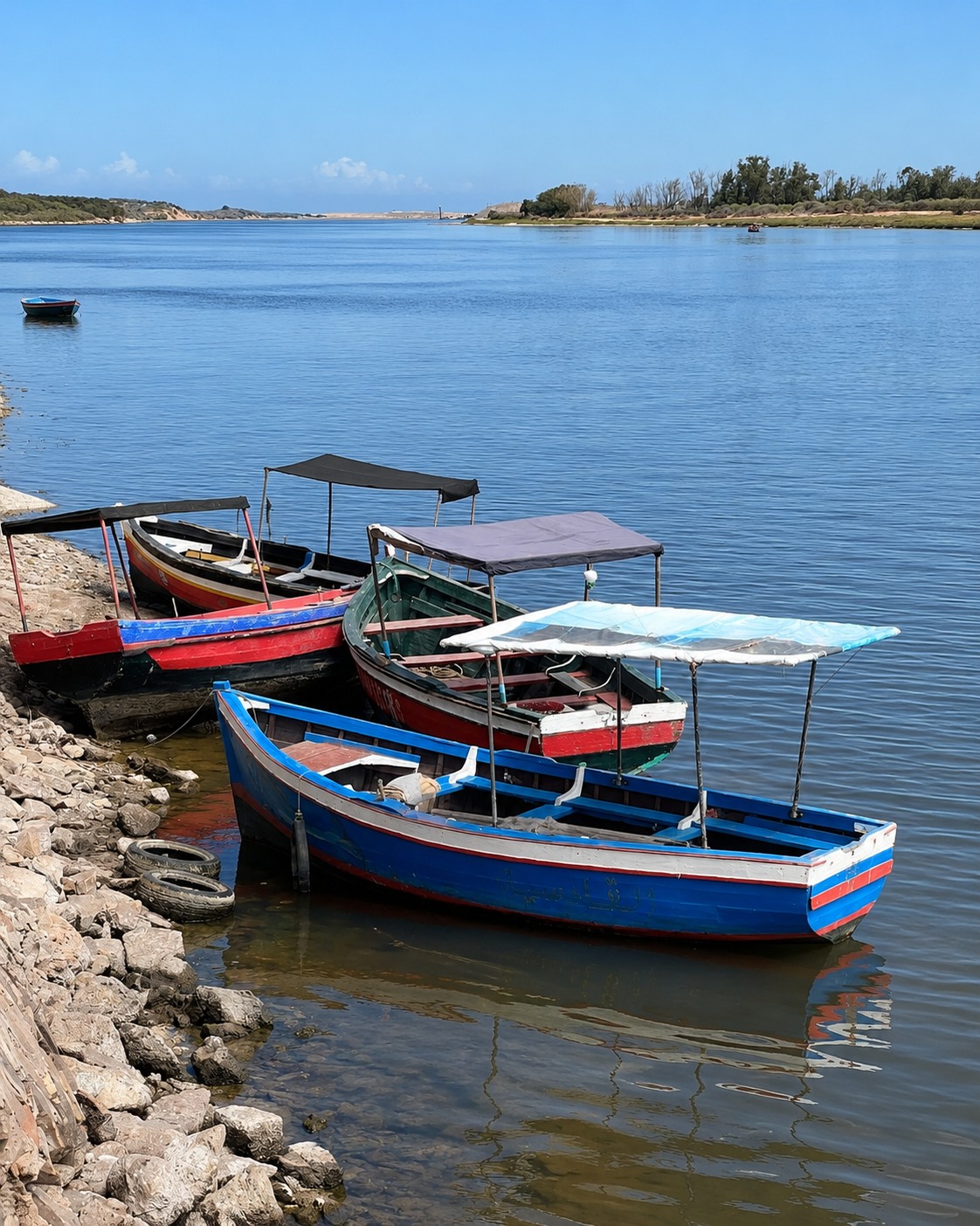
Small boats on the Oum Er-Rbia near Azemmour

Oum Er-Rbia riverfront

The river is Azemmour’s first orientation point: wide, slow, reflective and central to the town’s atmosphere.

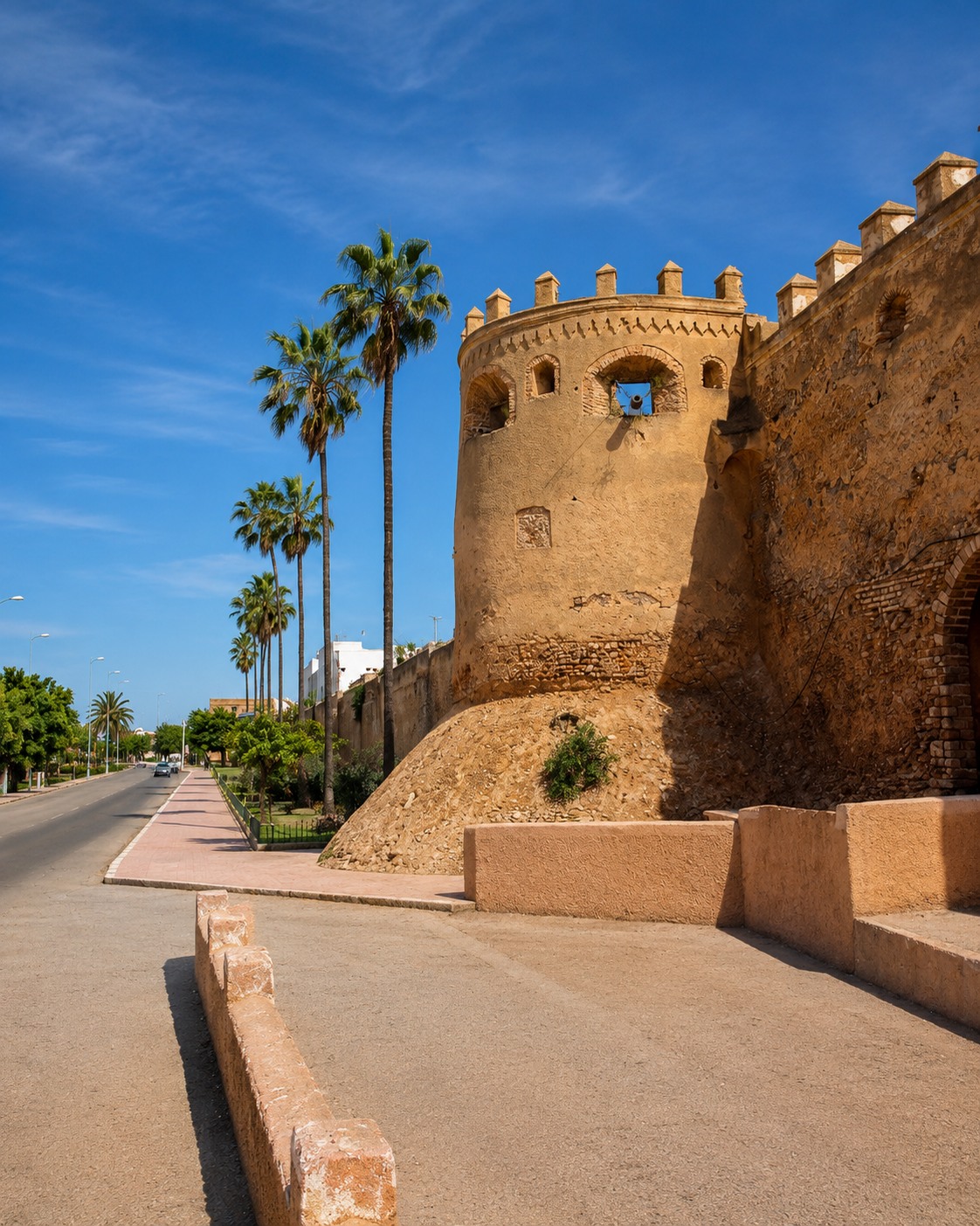
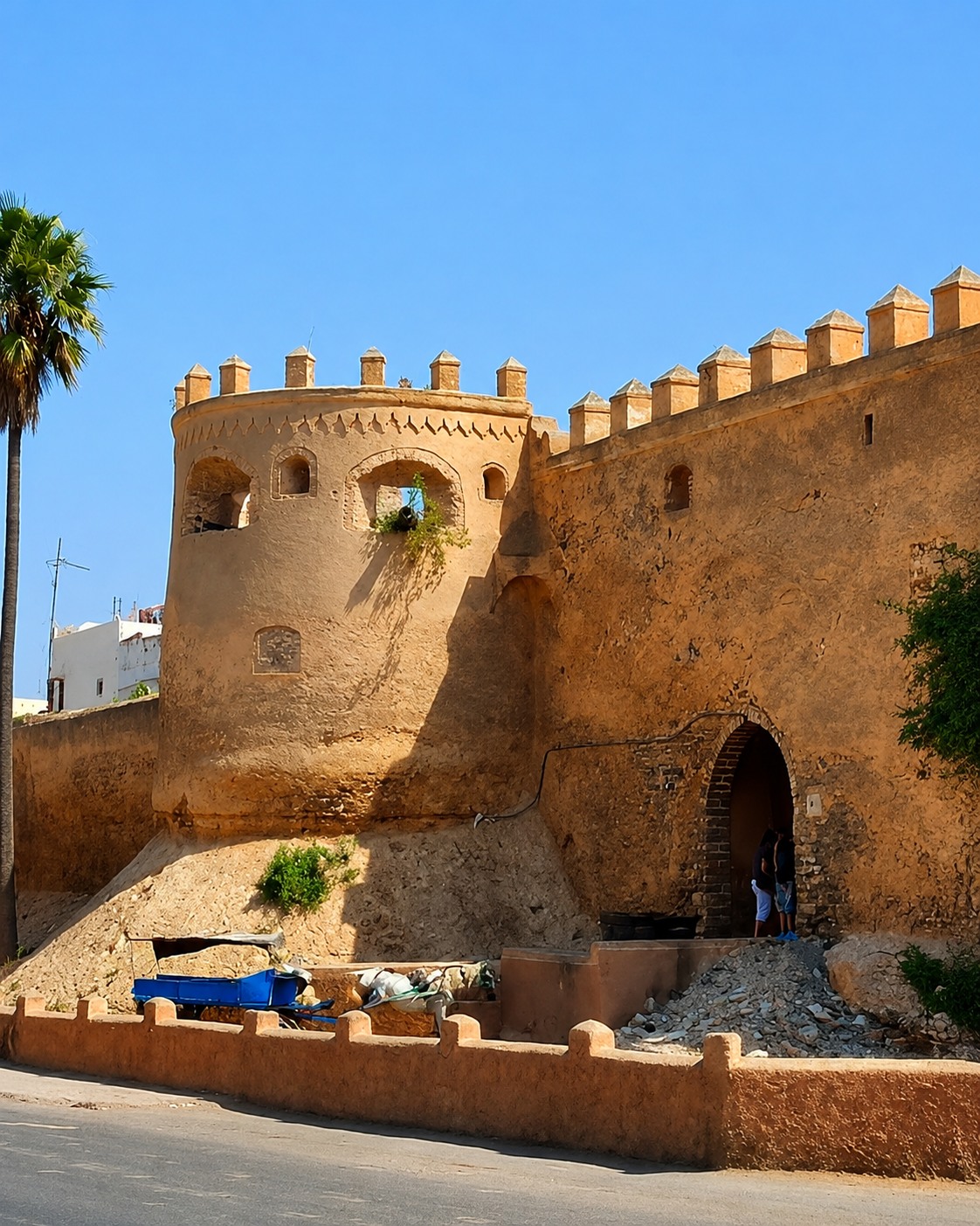
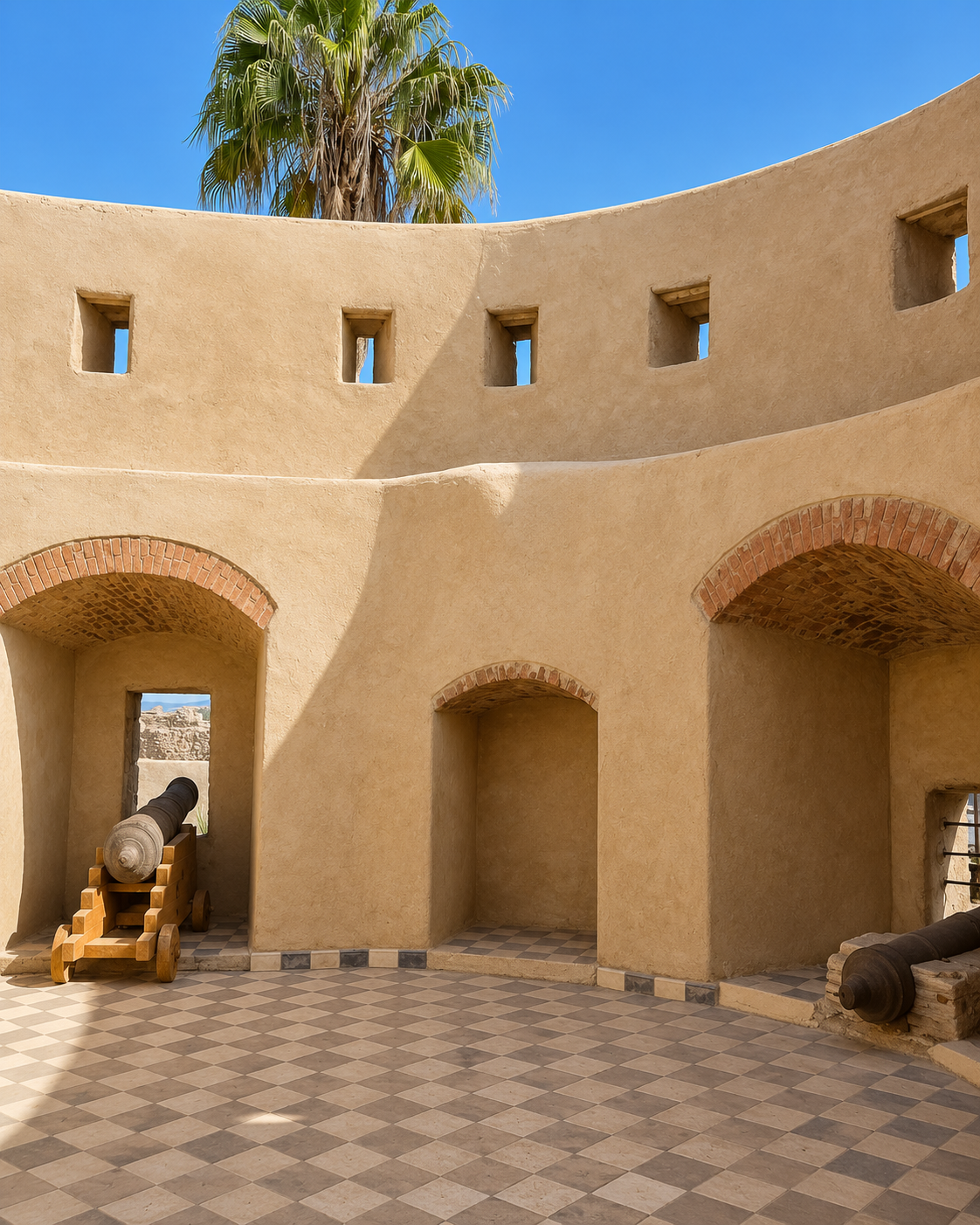
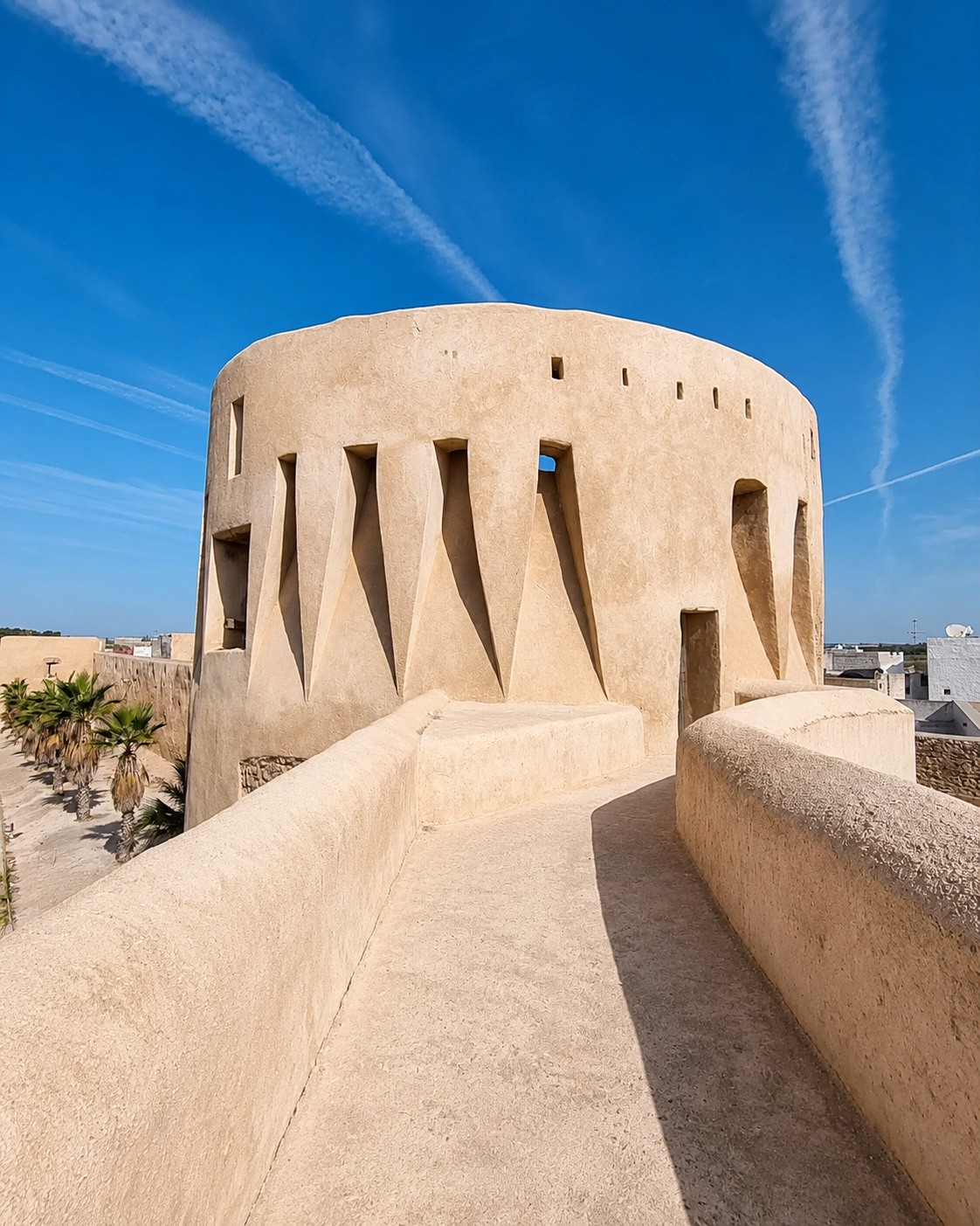
Azemmour ramparts and round bastion with palms

Kasbah walls and Portuguese-era traces

The walls and Kasbah traces reveal the early modern military layer that still shapes the medina’s edge.

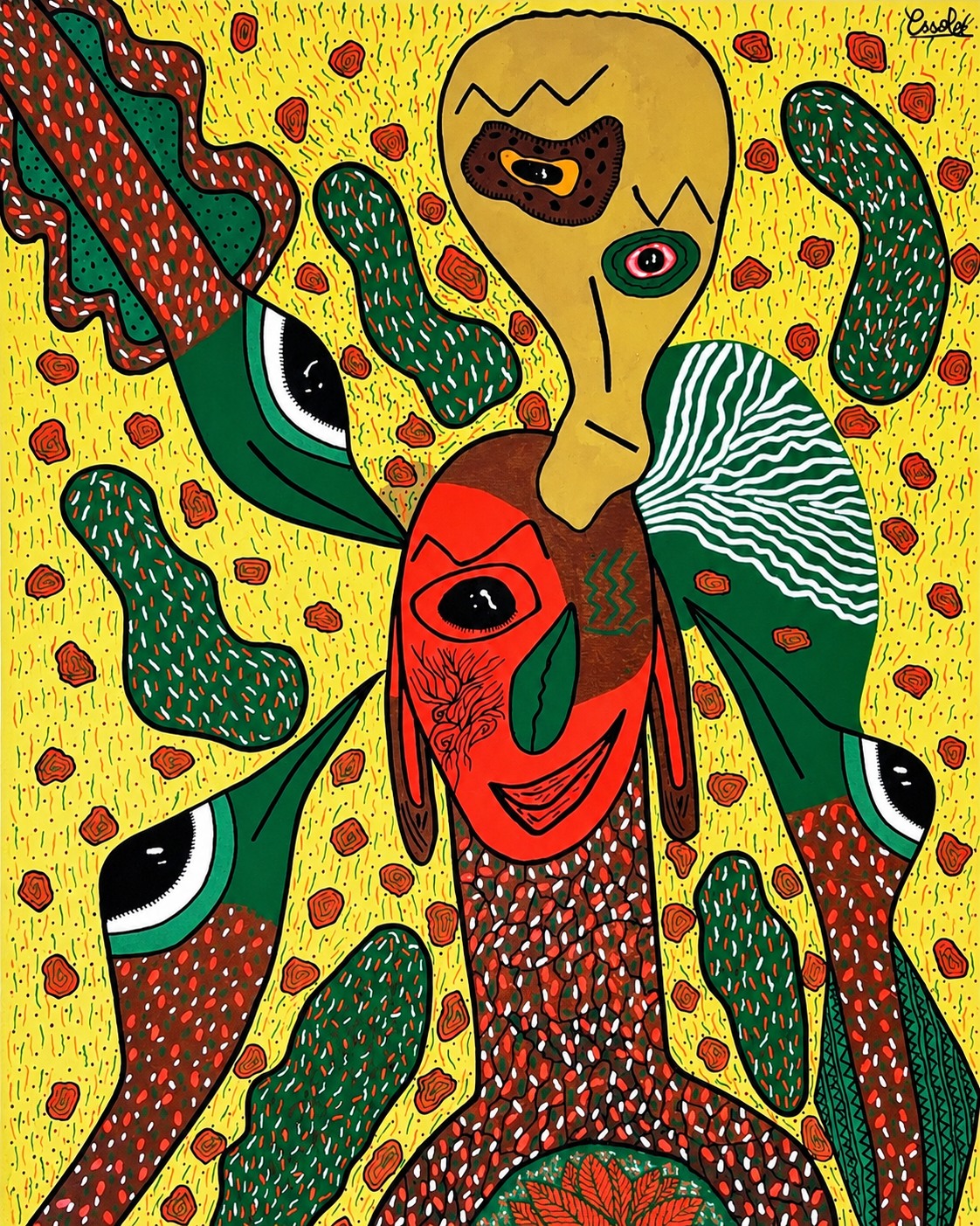
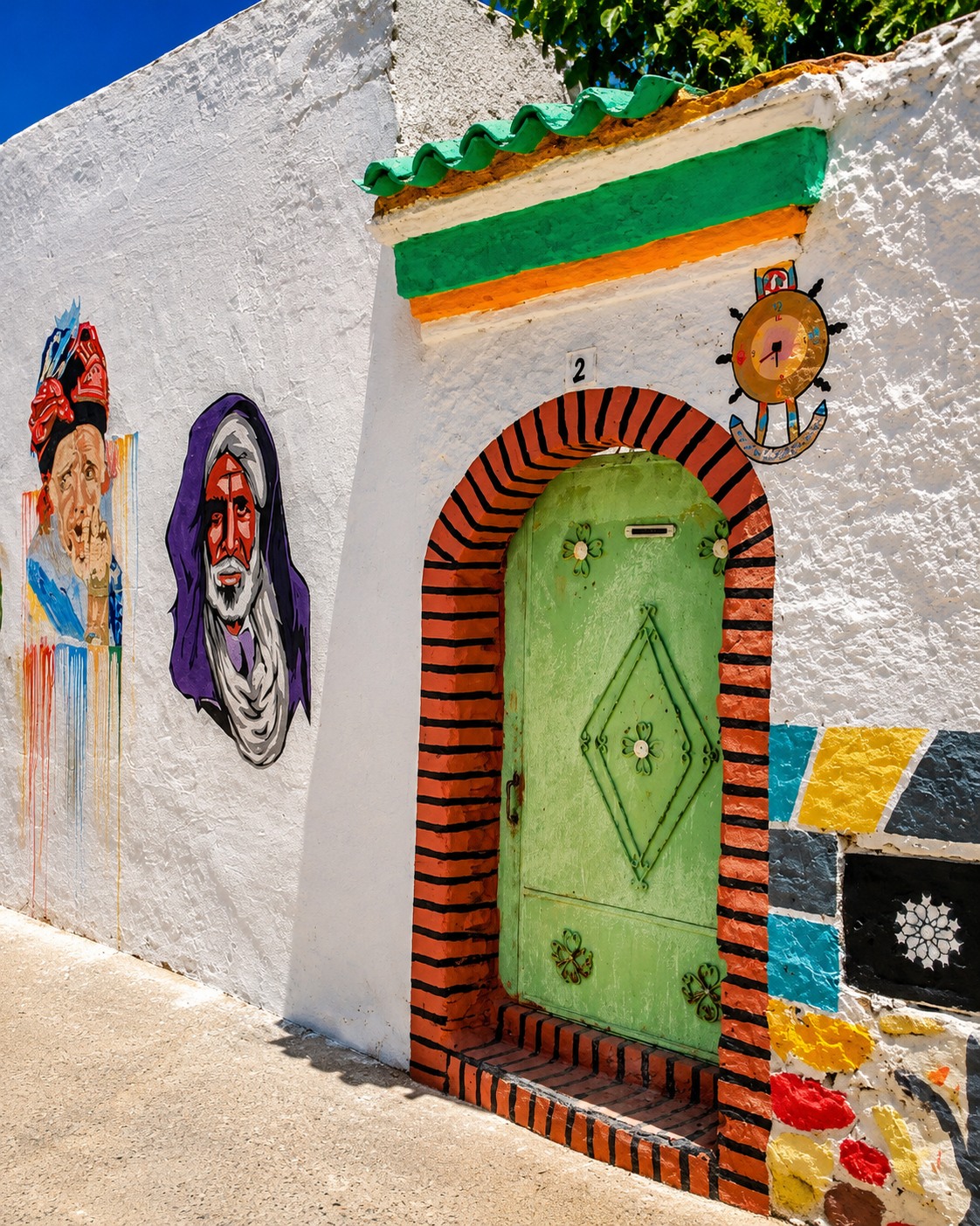
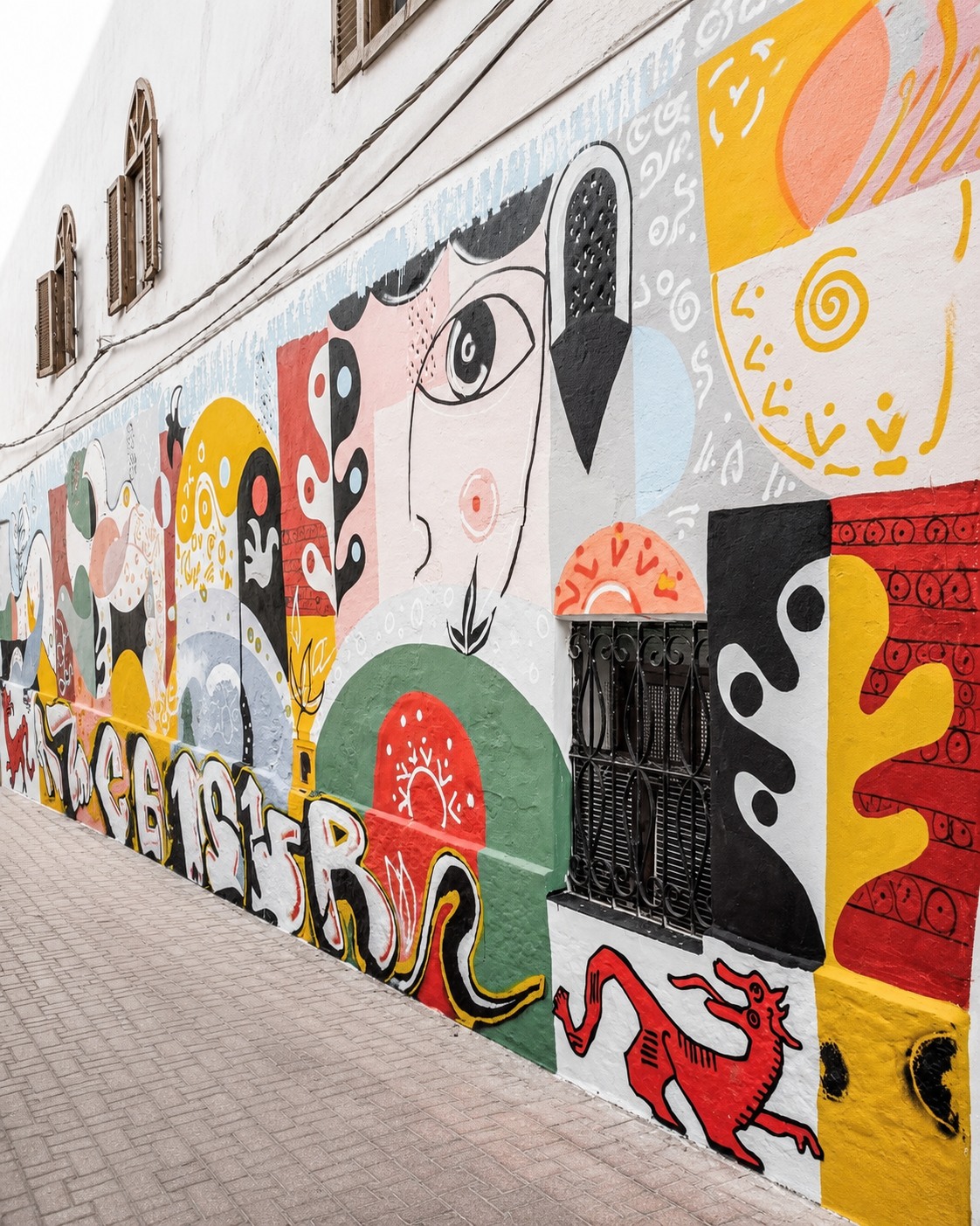
Colourful Azemmour mural on a medina wall

Murals and medina colour

Painted walls and small artistic interventions turn Azemmour’s old surfaces into a living visual archive.

Azemmour at a glance

River medina

The old city is inseparable from the Oum Er-Rbia, whose bend and banks give Azemmour its quiet power.

Portuguese-era wall traces

The 1513–1541 Portuguese presence left a visible defensive memory in the town’s ramparts and Kasbah area.

Moulay Bouchaib

The sanctuary of Moulay Bouchaib anchors one of Azemmour’s most important spiritual layers.

Artists’ medina

Murals, painted doors and art initiatives give the old town a modern, creative surface without erasing its age.

Reading Azemmour more clearly

Three defining layers

To understand Azemmour, read its river geography, fortified memory and visual culture together. The old medina is not only a historic fabric; it is a working town shaped by water, walls, sacred thresholds and painted surfaces.

Azemmour houses rising above the Oum Er-Rbia river
Layer 1

Oum Er-Rbia and the medina edge

The river is not background scenery. It explains views, movement, memory and the town’s relationship with the Atlantic plain.

Historic Azemmour wall and defensive edge
Layer 2

Kasbah walls and Portuguese-era traces

Azemmour’s defences show a short but decisive Portuguese-era layer that changed the city’s image and limits.

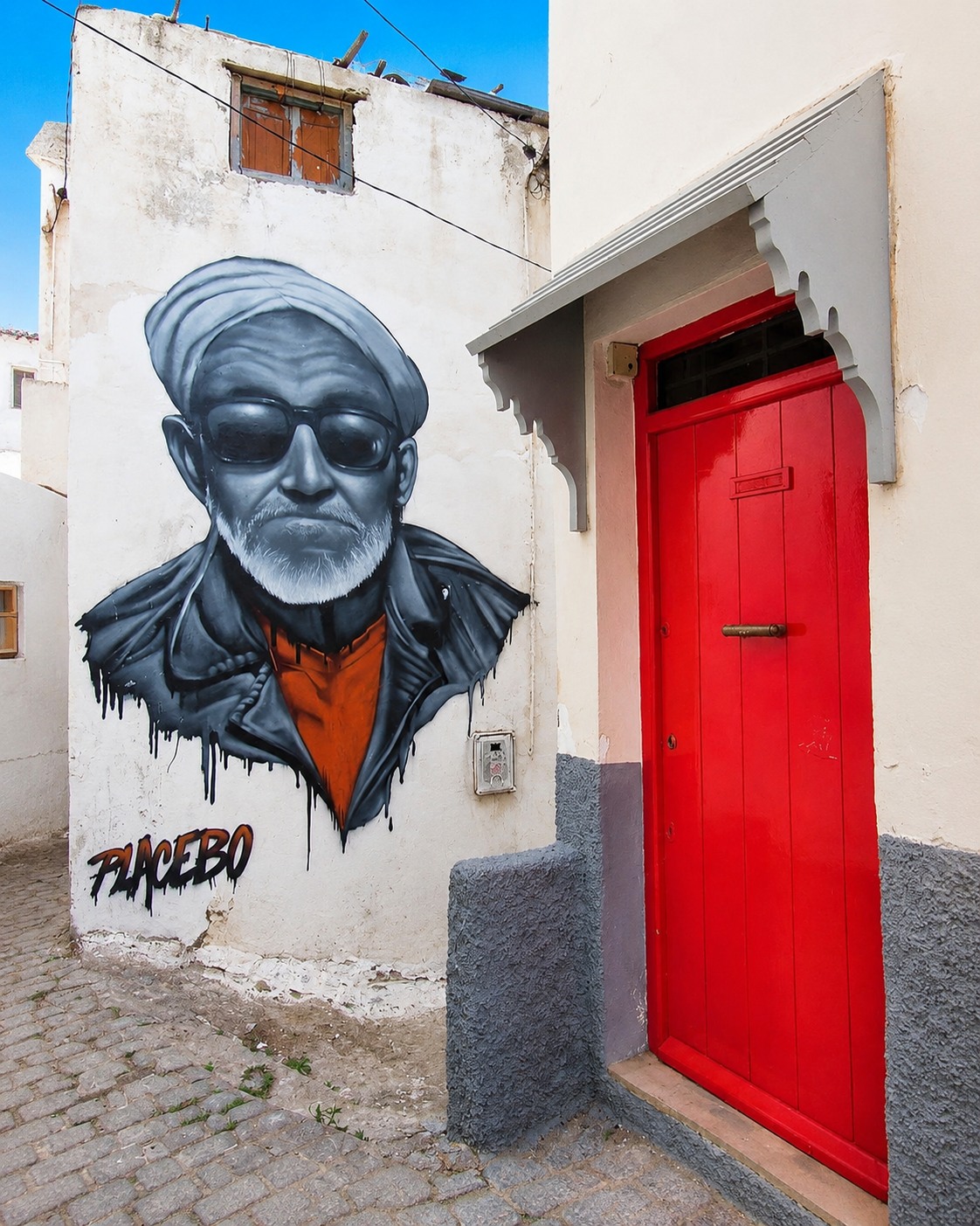
Azemmour painted doorway and medina mural detail
Layer 3

Murals, doors and lived memory

The painted medina makes Azemmour feel alive: old walls carry new images, local pride and a softer form of renewal.

Landmarks & orientation

Read Azemmour through six defining places

Azemmour is compact, but it should be read carefully: river, ramparts, Kasbah traces, sanctuary, medina art and Atlantic extensions all matter.

1
Medina of Azemmour

The old town holds the strongest walking experience: walls, painted doors, quiet streets and views toward the river.

2
Kasbah walls and Portuguese-era traces

These remains mark the period when Azemmour was part of Portugal’s North African coastal network.

3
Oum Er-Rbia riverfront

The river gives the town its scale, reflection and sense of hidden depth.

4
Moulay Bouchaib sanctuary

A key spiritual landmark that should be approached respectfully as part of Azemmour’s sacred geography.

5
Mellah and community memory

Jewish, Muslim, Berber, Andalusian and Portuguese layers all helped shape the town’s cultural identity.

6
Murals and painted walls

Azemmour’s street art is not decoration alone; it is part of how the medina speaks today.

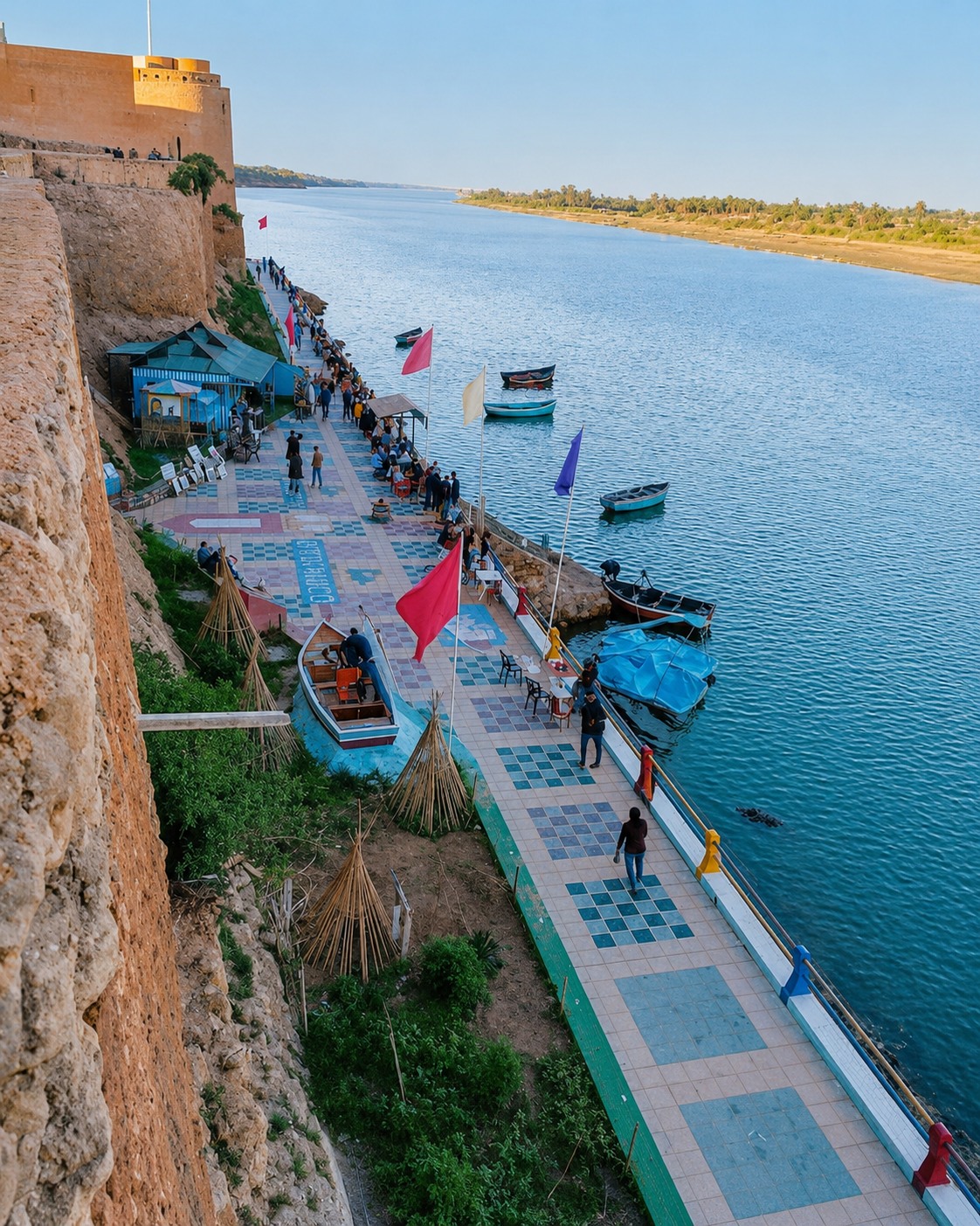
Azemmour rampart walkway above the Oum Er-Rbia
Azemmour riverfront with boats below the old medina

River and fortress

Oum Er-Rbia riverfront — where Azemmour turns toward the Atlantic

The riverfront is the best place to understand Azemmour. From the old walls and balconies, the town reads as both inland and coastal: a river city, a former fortified place and a quiet threshold before the Atlantic.

  • Read the river as structure, not scenery.
  • Connect the Kasbah and walls to the Portuguese-era layer.
  • Look for how murals and daily life soften the old stone.

Medina, art and local life

Painted streets, river views and everyday thresholds

Murals on old surfaces

Azemmour’s murals give the medina a modern voice while keeping attention on walls, doors and local memory.

Craft stalls and small streets

Small shops, courtyards and quiet streets make the town feel lived-in rather than staged.

Promenade, boats and river banks

The river keeps Azemmour connected to landscape, movement and the slower tempo of the Atlantic plain.

Visual atmosphere

Scale, river light and painted walls

Nearby highlights

Beyond Azemmour

Azemmour works beautifully as part of the Doukkala-Atlantic route, especially when paired with El Jadida/Mazagan, the river mouth and the wider coast.

Lower river wall walk

Below the medina, the river walls and waterline show Azemmour’s quieter defensive edge.

Lower Azemmour river walls and Oum Er-Rbia waterline

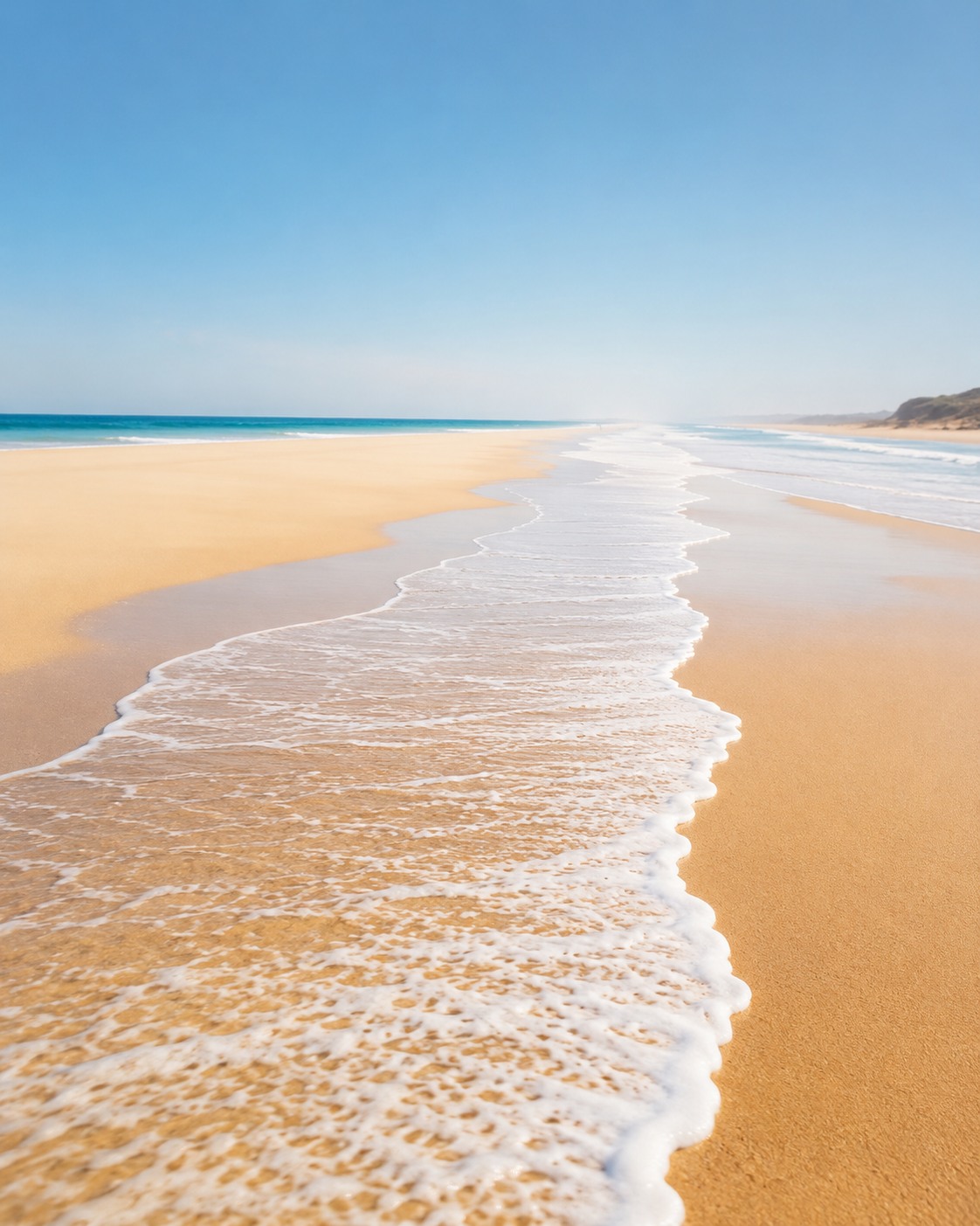
Haouzia and the Atlantic beach

The beach and river-mouth landscape show how Azemmour opens toward the Atlantic.

Haouzia and the Atlantic beach near Azemmour

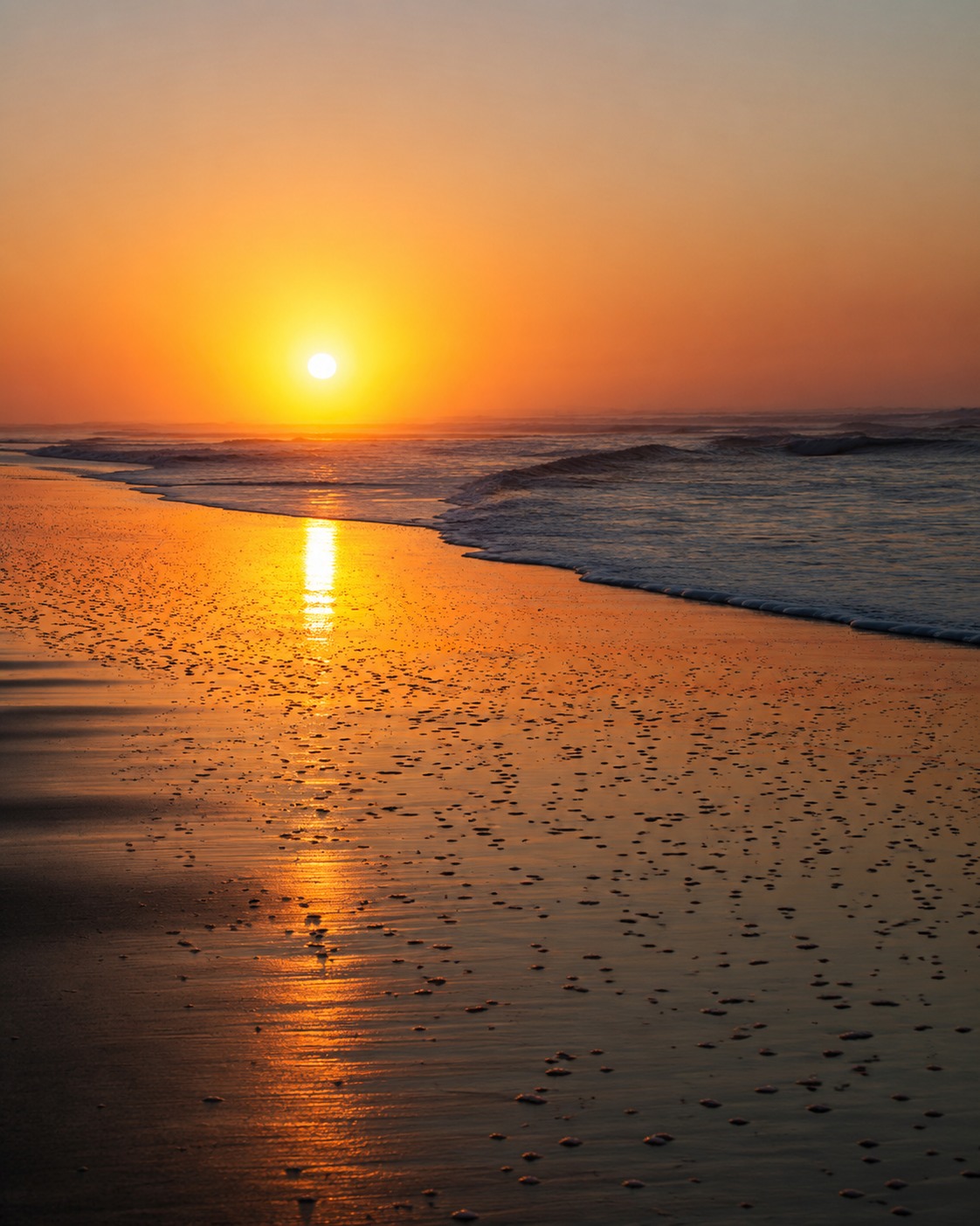
Doukkala Atlantic coast

The wider Doukkala coastline continues the journey toward long beaches, sunset light and Atlantic distance.

Atlantic sunset on the Doukkala Atlantic coast near Azemmour
Travel note: opening hours, access rules, restoration work, transport conditions and local visitor arrangements can change. Check current official or trusted local information before travelling.

Practical orientation

A simple way to experience Azemmour

  • Start at the old city: enter slowly through the medina and let the walls set the rhythm.
  • Find the river views: use the Oum Er-Rbia to understand the city’s position.
  • Read the murals: street art helps connect old surfaces with contemporary local pride.
  • Respect sacred spaces: Moulay Bouchaib and community memory need a careful, quiet approach.
  • Continue to the coast: El Jadida, Haouzia and the Doukkala Atlantic coast complete the route.

A strong first visit

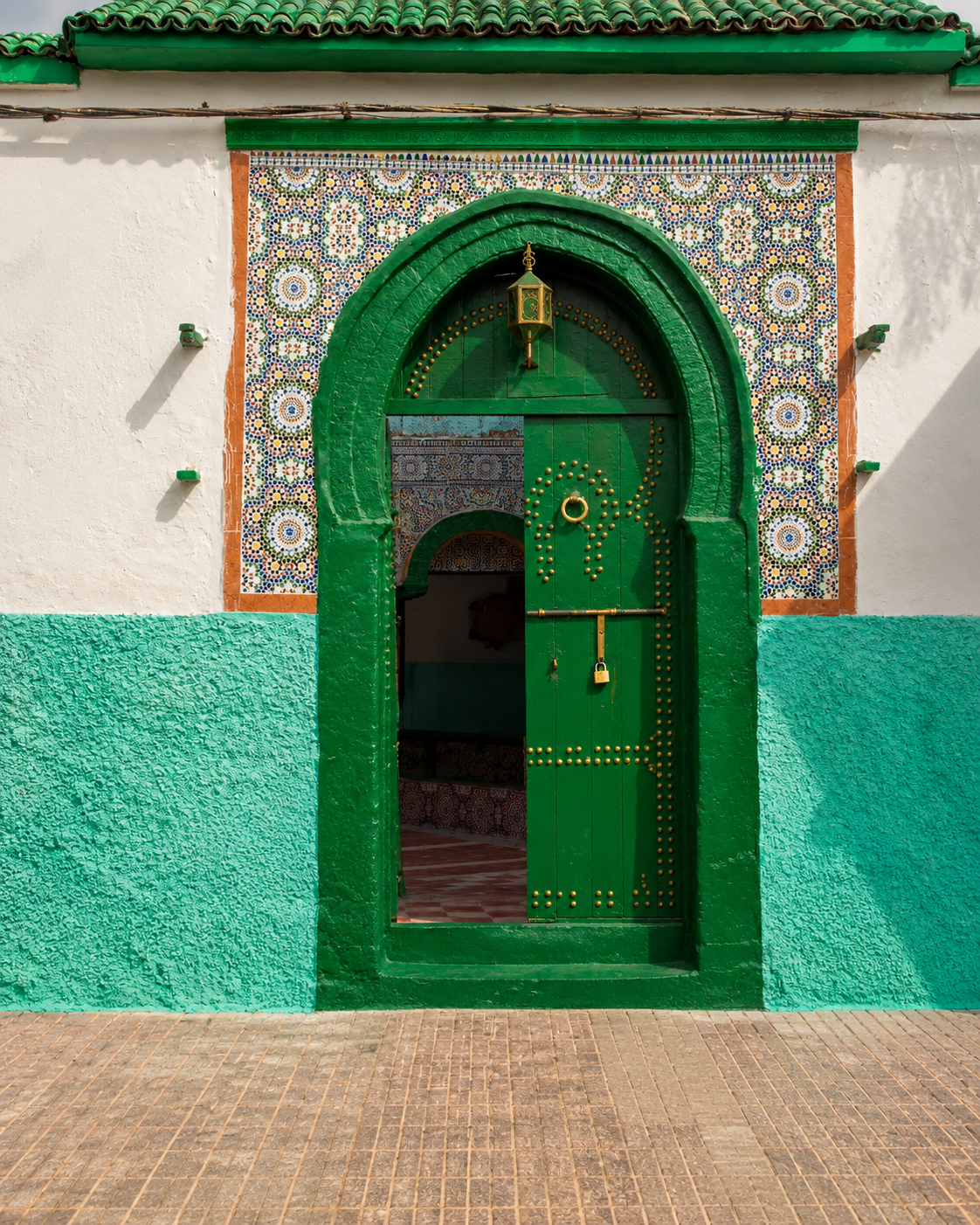
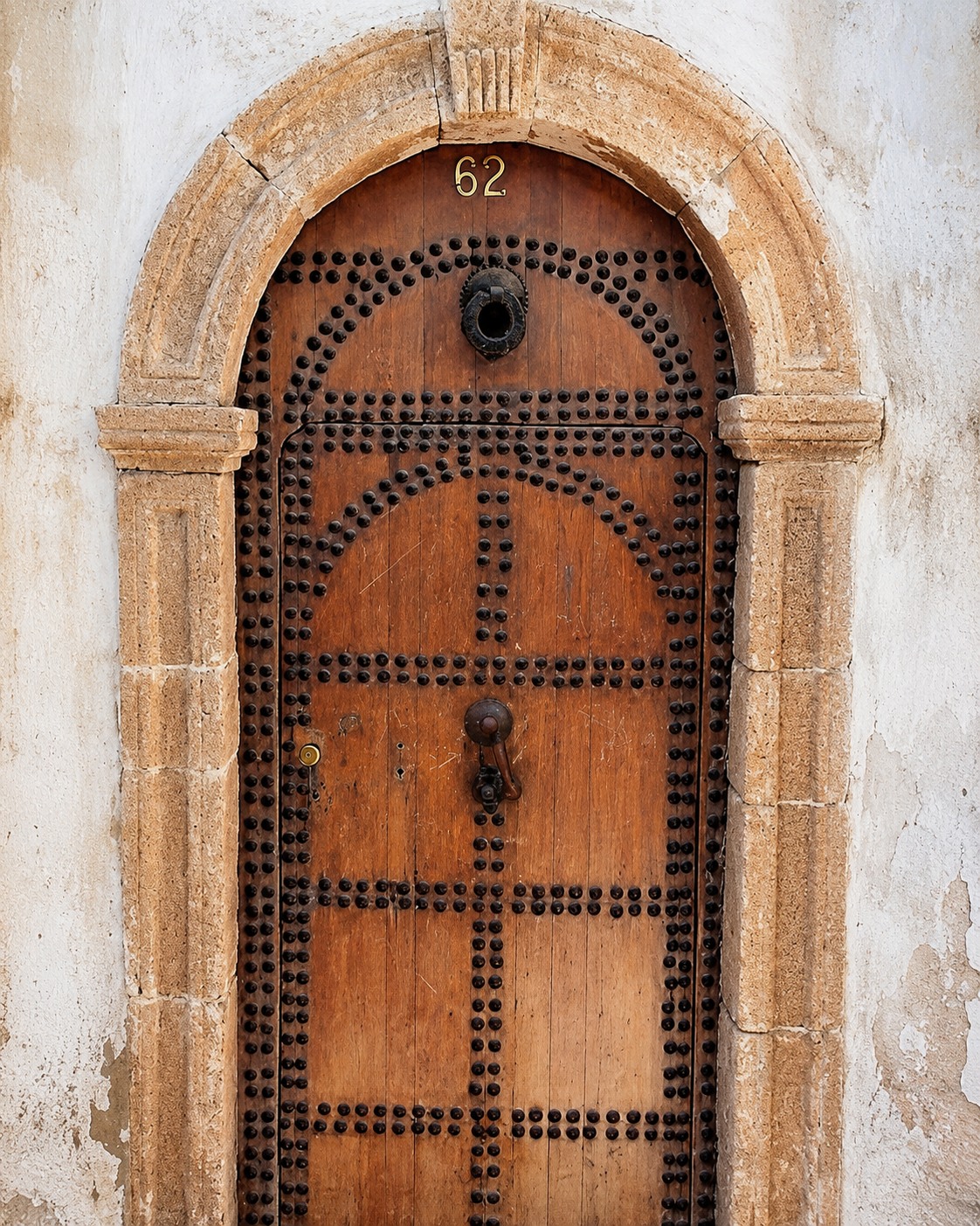
Green zellige-framed doorway and threshold in Azemmour

Start with the medina gates and walls, move toward the river views, look for murals without rushing, approach Moulay Bouchaib respectfully, and leave time for the El Jadida or Haouzia coastal continuation.

Azemmour wooden doorway for the city guide cover

Continue with Exotic Morocco

Azemmour — river medina, Portuguese-era wall traces and artists’ memory

This page prepares the Azemmour chapter inside the Exotic Morocco city collection: Oum Er-Rbia, Portuguese defences, Moulay Bouchaib, medina murals, community memory and the Doukkala-Atlantic route.

✓ Oum Er-Rbia river✓ Portuguese-era wall traces ✓ Moulay Bouchaib✓ Murals & hidden medina ✓ Practical orientation✓ Doukkala Atlantic route

Continue the journey

Discover Azemmour beyond the obvious

Azemmour is strongest when its river, walls, saints, murals and quiet streets are read together — not as a detour, but as a hidden chapter of Atlantic Morocco.