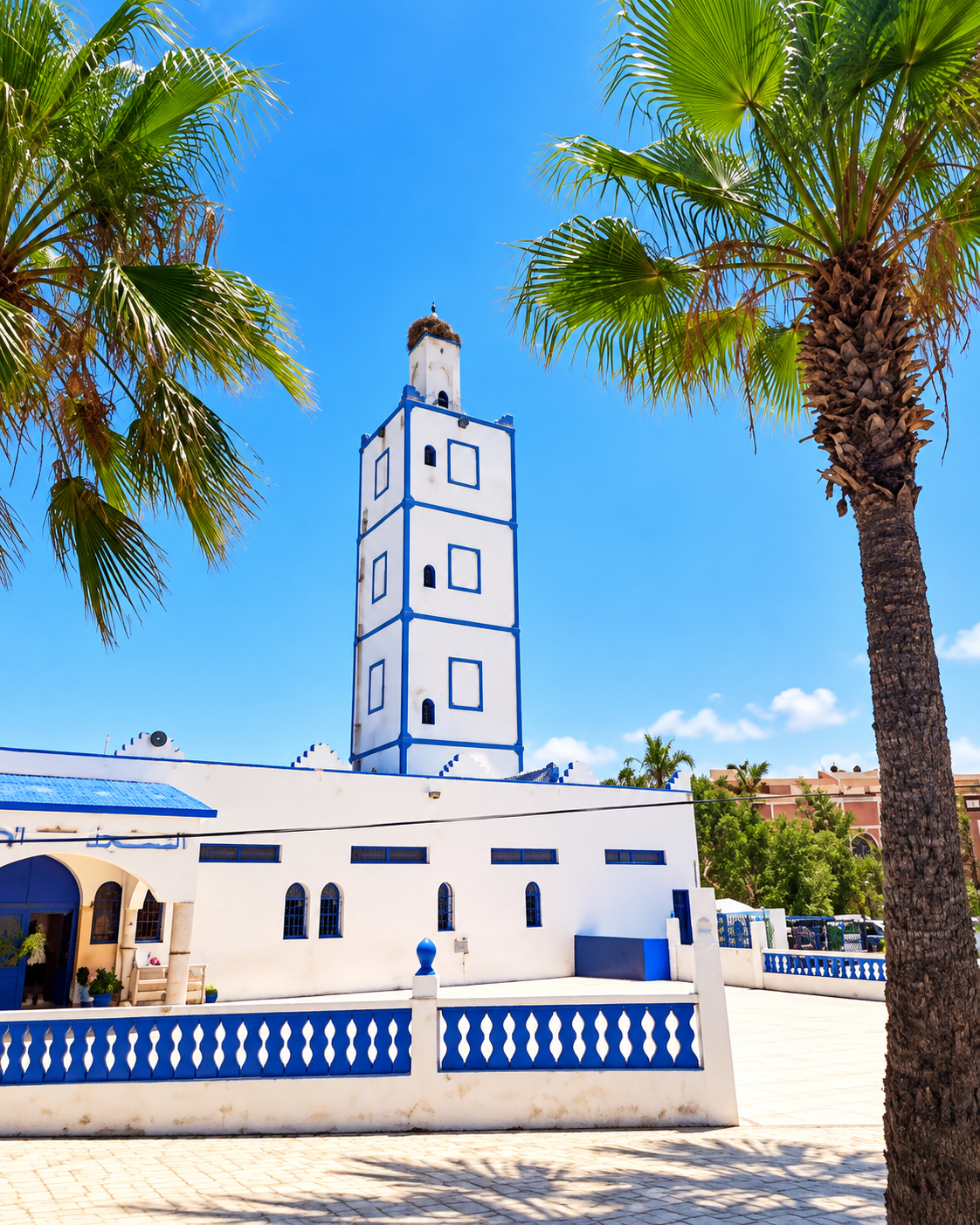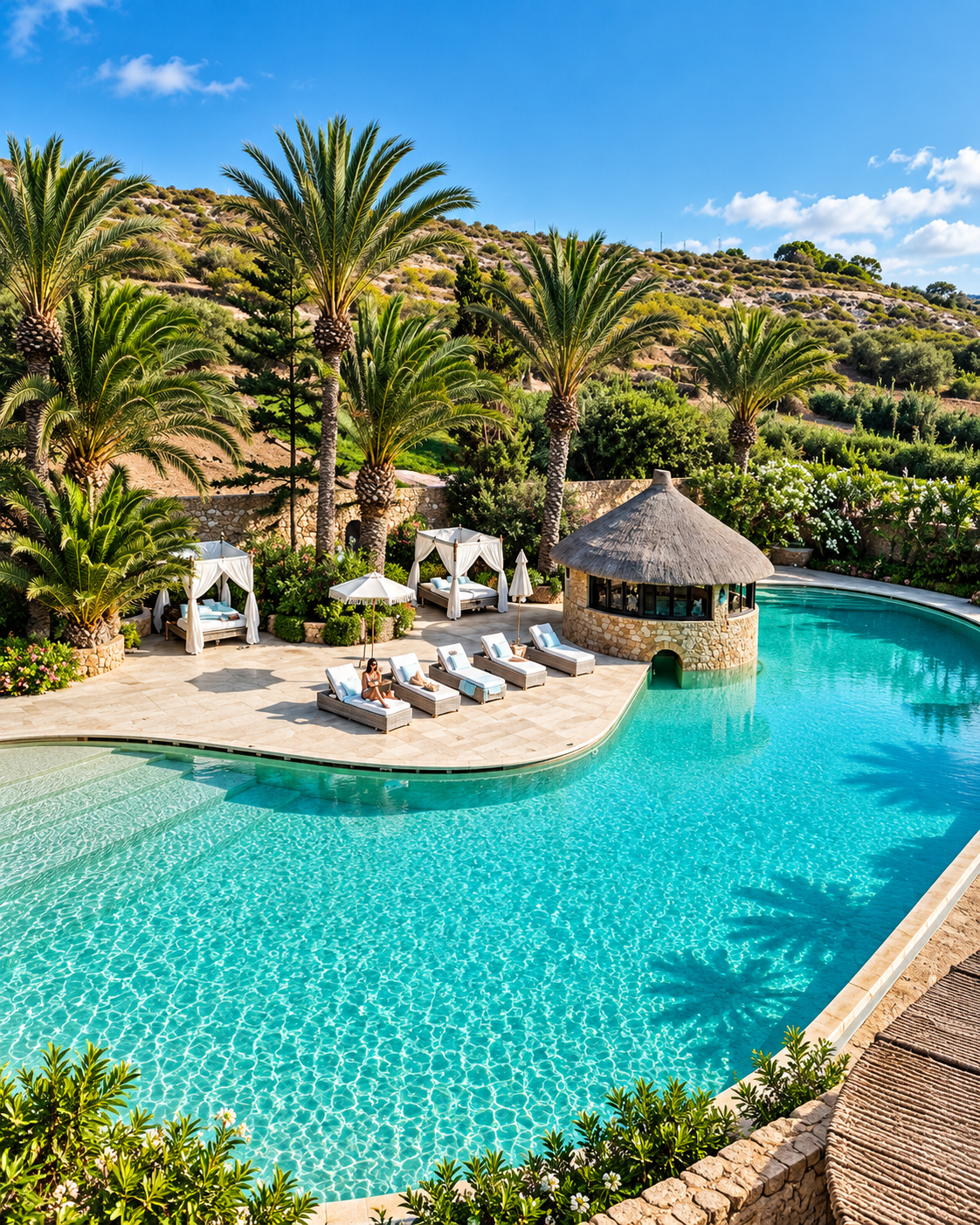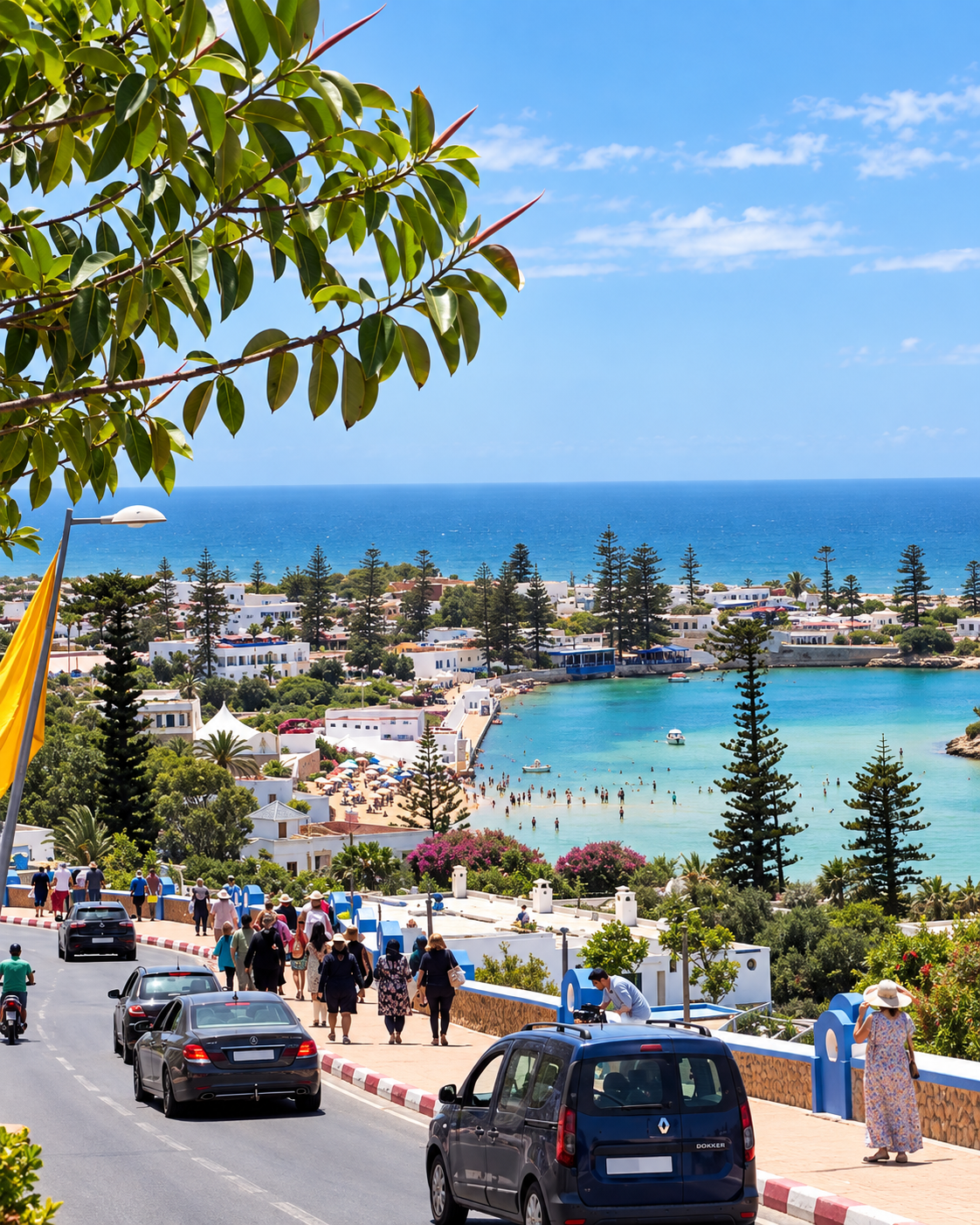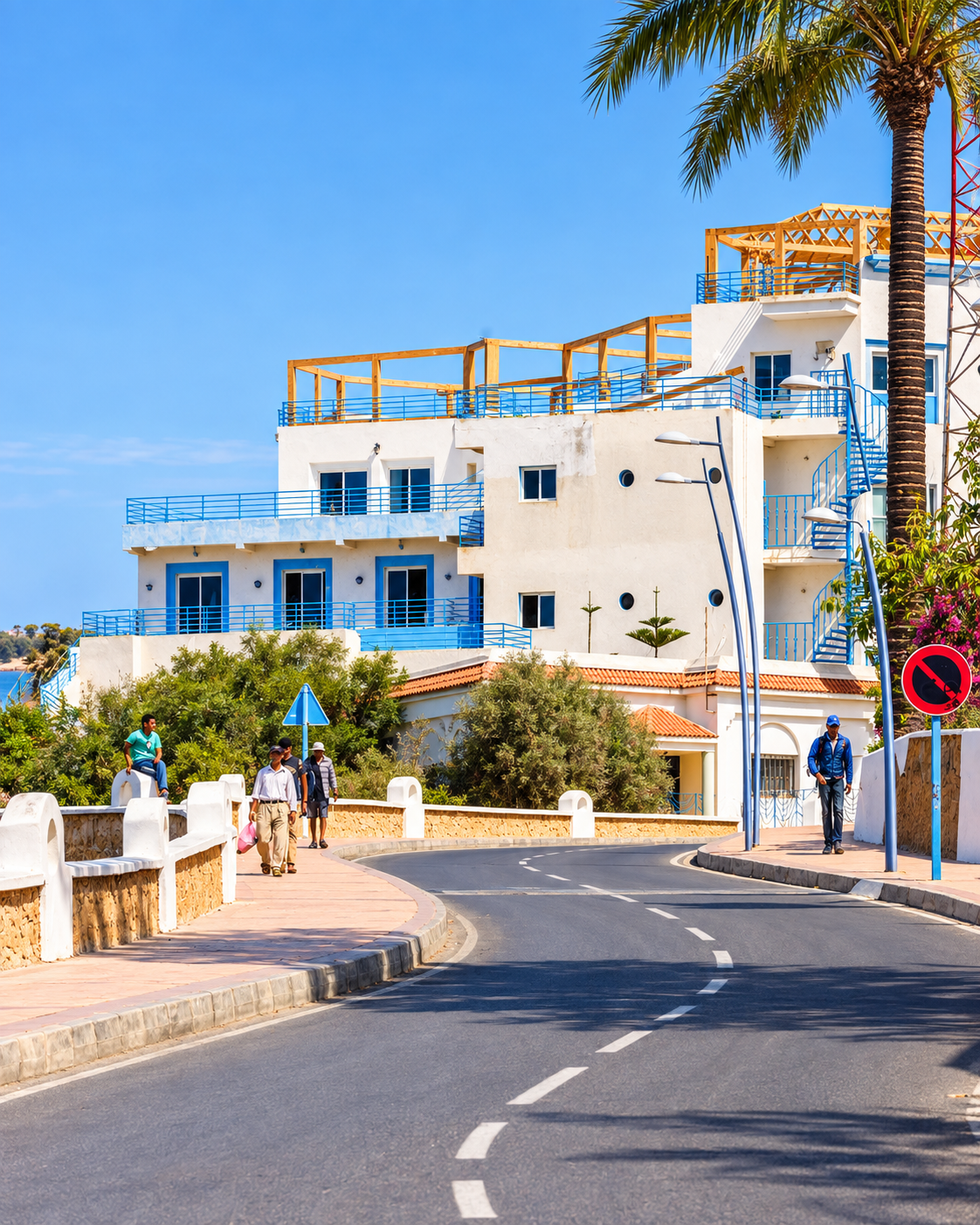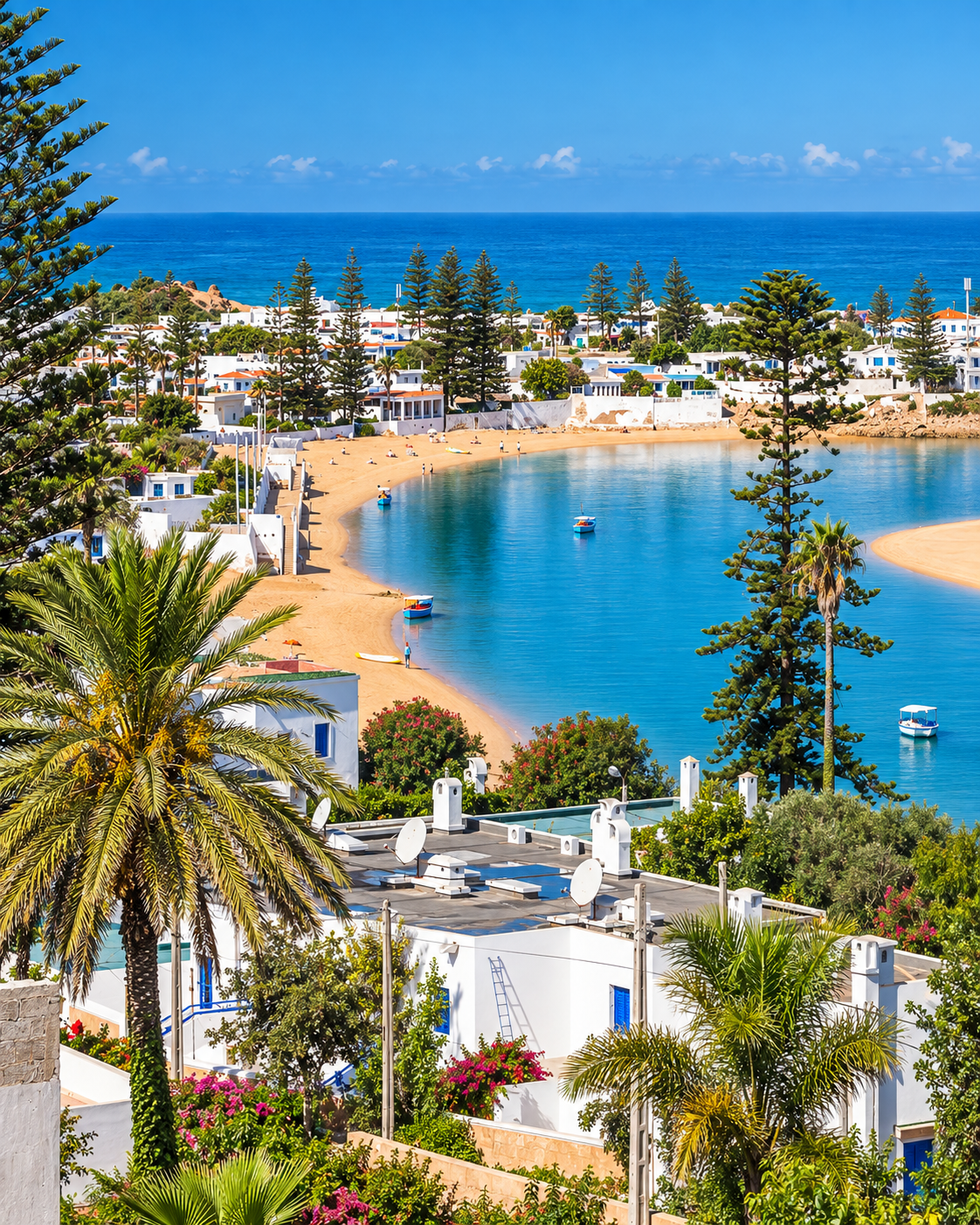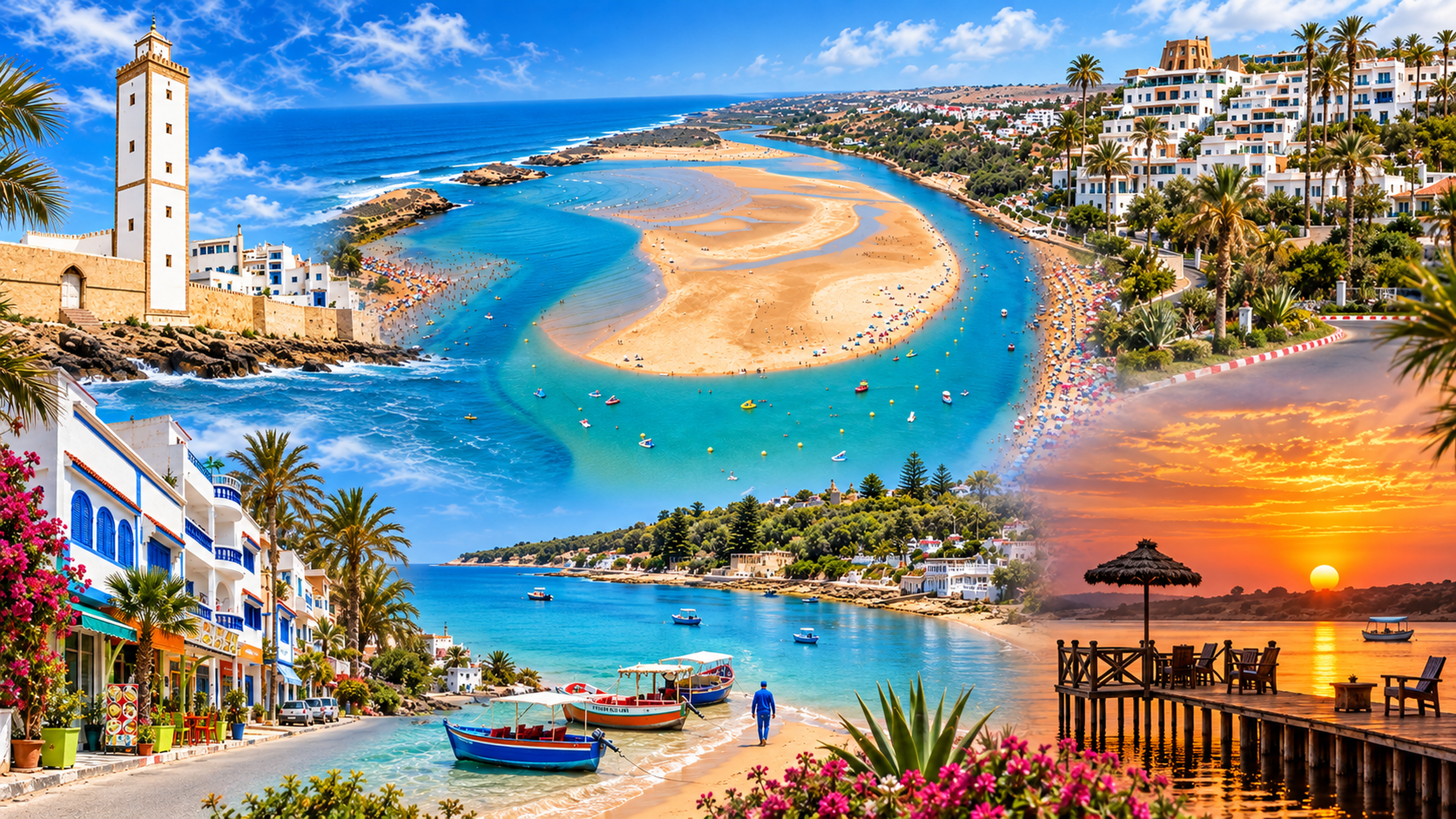
Editorial collage of Oualidia lagoon, coastal streets, boats, minaret and sunset

Atlantic Lagoon Town

Oualidia Lagoon light, oyster culture and calm Atlantic days

Oualidia sits on a protected Atlantic lagoon between El Jadida and Safi, where tides, fishing boats, oyster parks, dunes, salt marshes and migratory birds set the pace. It is not a city of spectacle; it is a coastal place to read through water, quiet movement and the intelligence of the shore.

Why Oualidia matters

A lagoon town with a serious coastal identity

Oualidia matters because its geography is immediately legible. Atlantic energy arrives from the west, but the lagoon, sandbar and low islands soften that force into calmer water, long views and a shoreline shaped by tide rather than speed.

Its role belongs to the Doukkala coast between El Jadida and Safi. Visitors come for water, oysters and light, but the place also carries Saadian memory, working fishing culture, salt-marsh ecology and one of Morocco’s most rewarding bird-rich wetland landscapes.
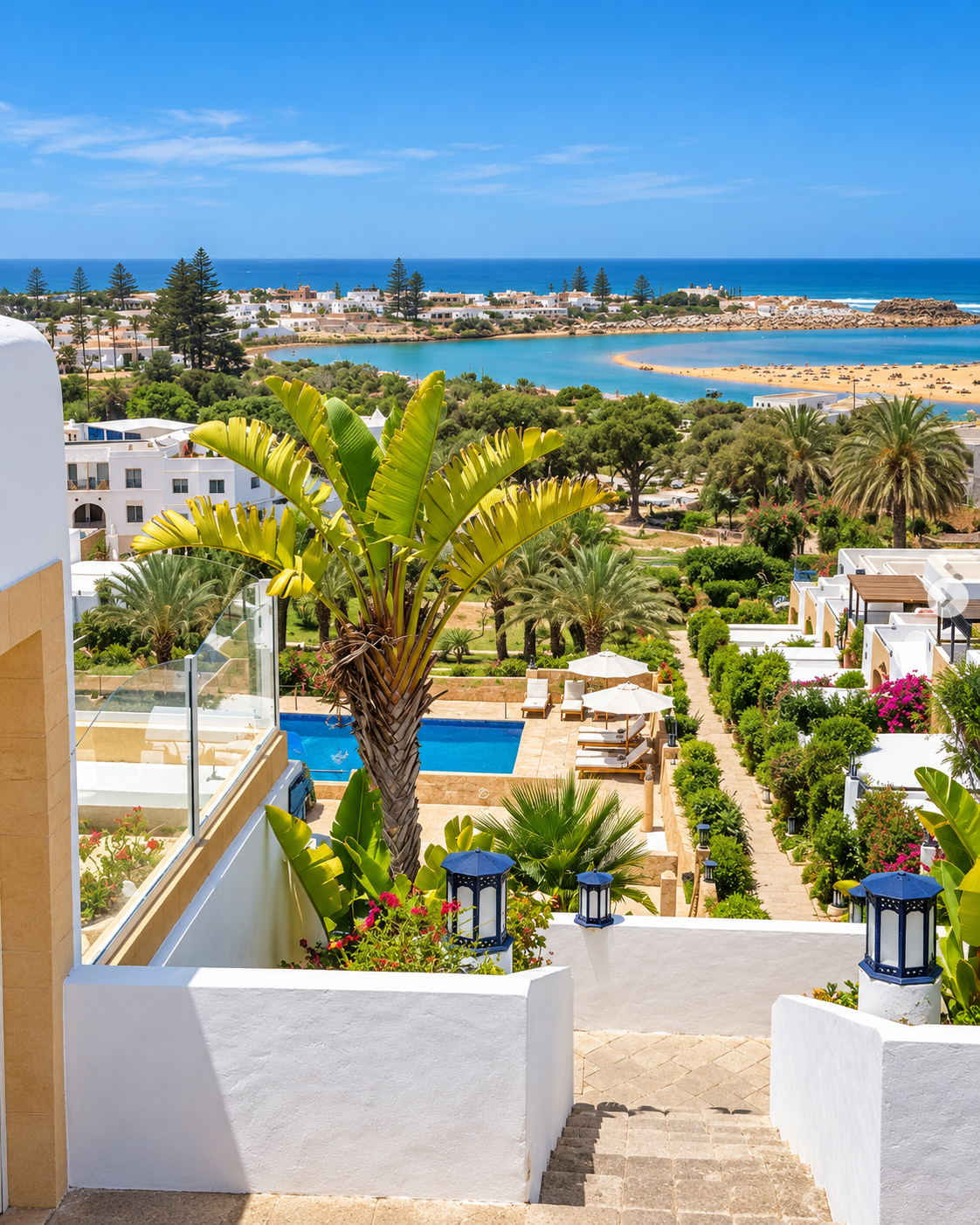
White terraces and palm gardens above Oualidia lagoon

Lagoon and Atlantic

Sheltered water and white houses beside the open Atlantic.

EXPLORE

Oualidia

Historical orientation

From Saadian shoreline to protected wetland

Oualidia is not read through a dense monument list. Its story is quieter: a Saadian coastal foundation, a small kasbah memory, fishing and shellfish economies, a lagoon that became closely associated with oysters, and a wetland system now recognised for its ecological value. The history is carried by water, work and careful observation.

0117th century

Saadian coastal foundation

Oualidia is linked to Sultan El Oualid Ben Zidane. The remains of the kasbah should be read modestly, as a historic trace rather than a complete preserved fortress.

02Coastal life

Fishing and lagoon work

Boats, fish, shellfish and the protected shore shaped daily life long before Oualidia became known as a soft Atlantic escape.

03Modern food culture

Oysters and seafood identity

Oyster farming and seafood gave the lagoon a distinct culinary reputation, connecting working aquaculture with the visitor experience.

04Since 2005

Ramsar wetland recognition

The Sidi Moussa–Oualidia wetland complex is recognised internationally for lagoons, salt marshes, coastal dunes and migratory birdlife.

A visual bridge

Three glimpses between tide, food and flight

These images connect the Oualidia experience: the lagoon horizon, the working shore and the wider wetland atmosphere that makes this coast more than a beach stop.

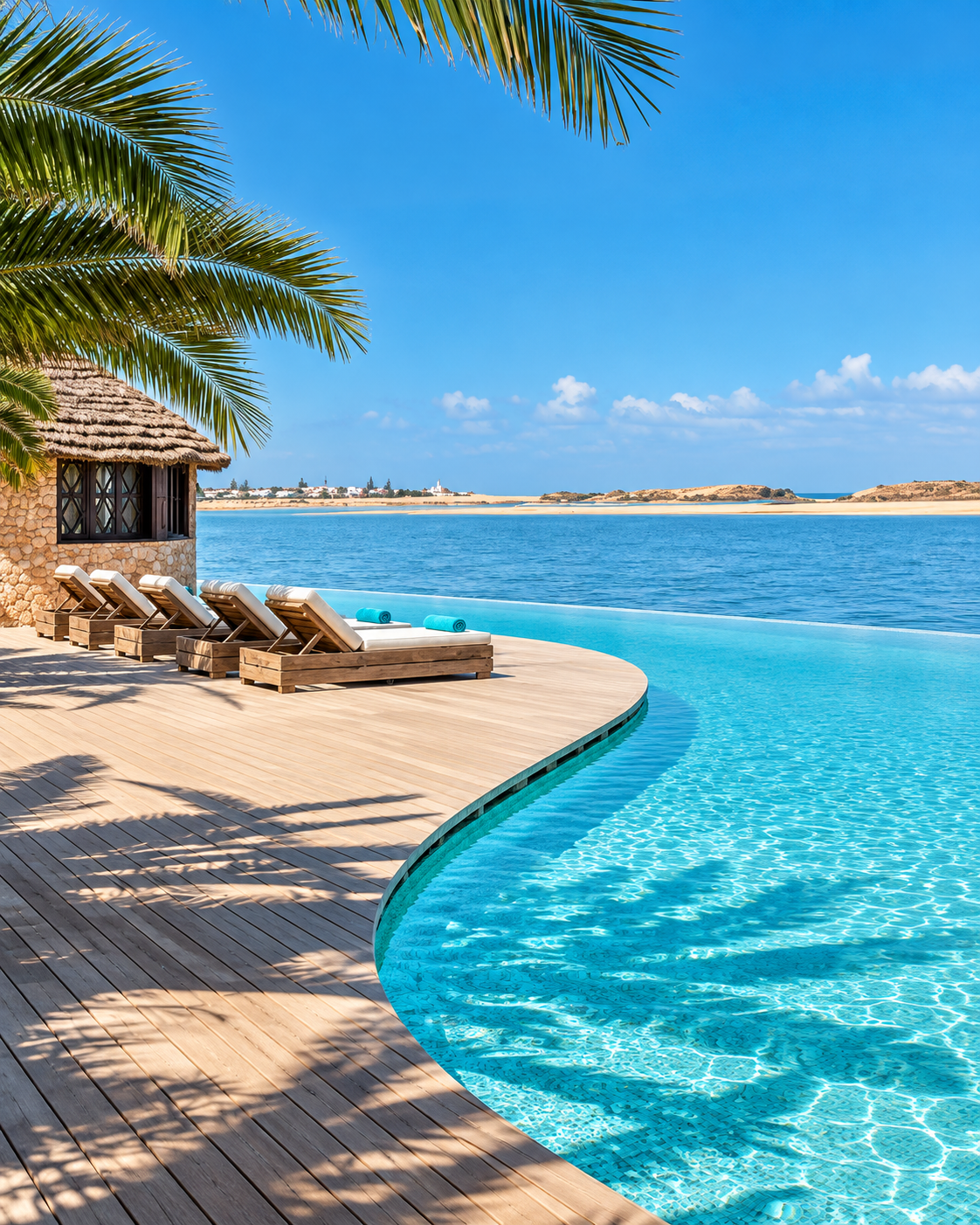
Terrace and pool overlooking the sheltered water of Oualidia lagoon

Lagoon horizon

Tidal water softens the Atlantic into a sheltered coastal world.

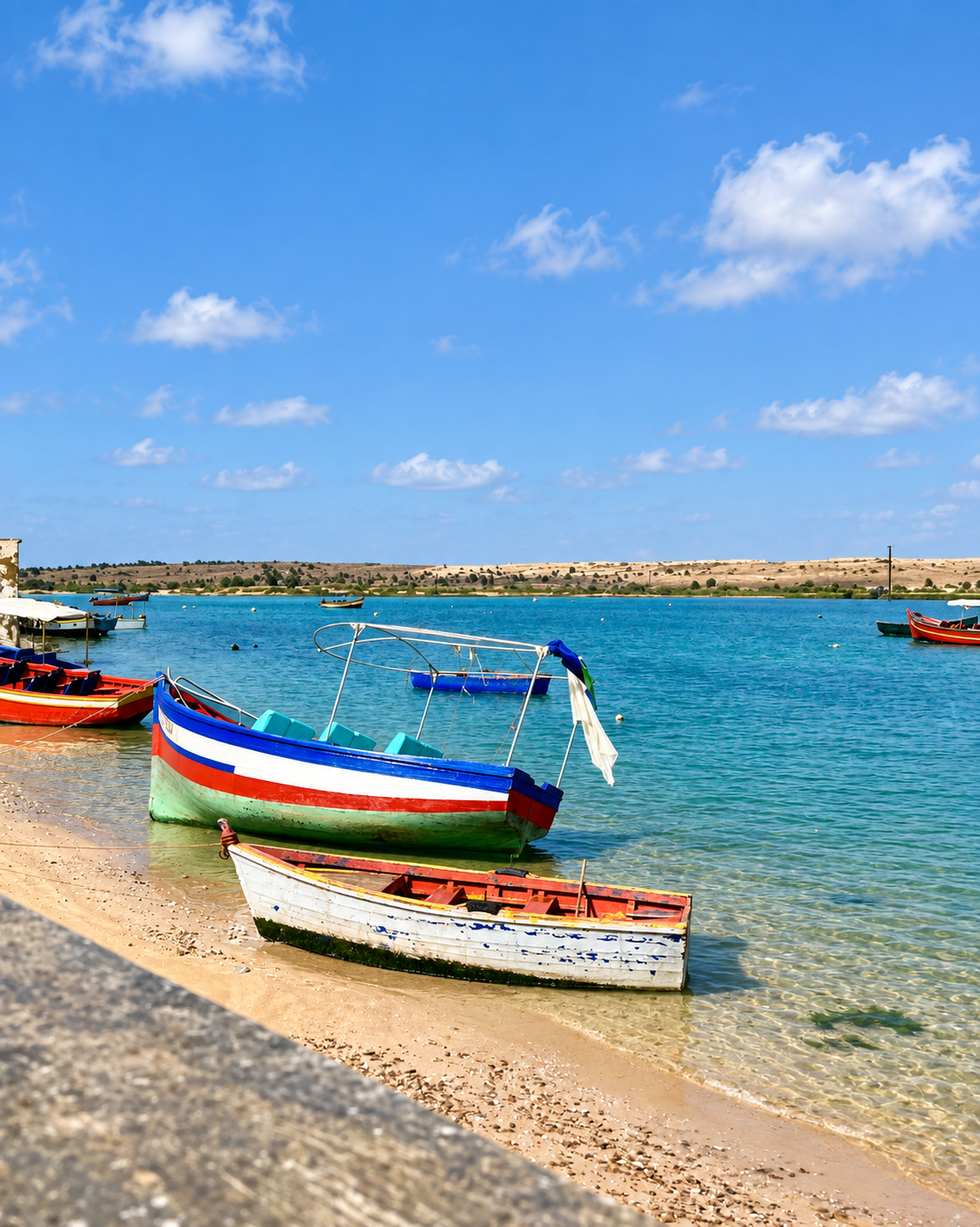
Colourful wooden boats resting on the sandy shore of Oualidia lagoon

Working shore

Boats, oyster culture and seafood keep the place connected to daily work.

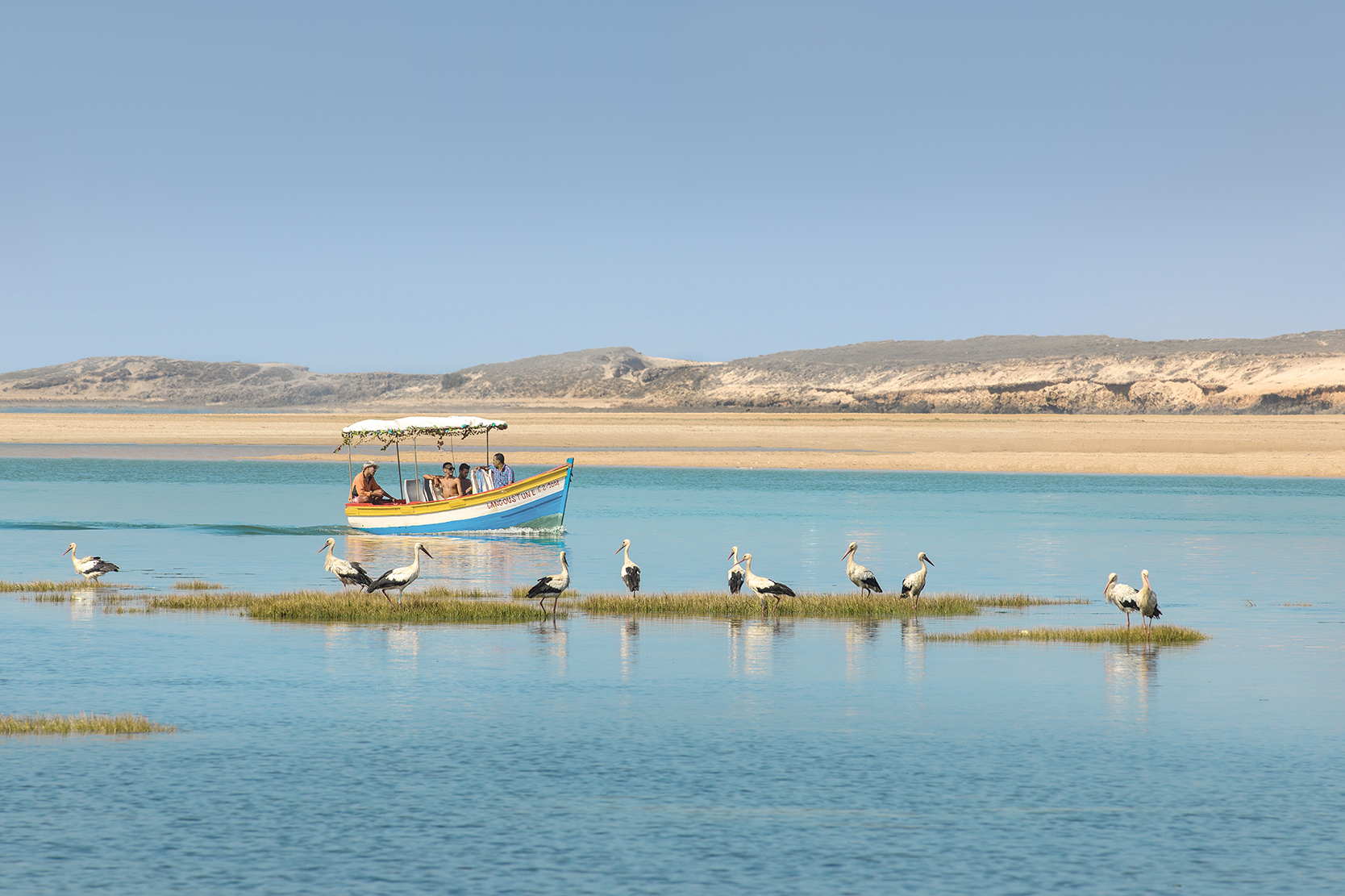
White storks on a grassy sandbank with a small boat crossing Oualidia lagoon

Bird passages

Salt marshes, sandbanks and open water form a quiet route for coastal birds.

Oualidia at a glance

Protected lagoon, not open beach alone

The defining landscape is a lagoon protected by sandbars and low coastal forms. This is why the water, light and pace feel different from exposed Atlantic beaches.

Oysters and seafood

Oualidia’s food identity is closely tied to oysters, fishing boats and shellfish. The culinary experience is strongest when it is understood as working coastal culture, not decoration.

Bird-rich wetlands

The Sidi Moussa–Oualidia wetland complex includes lagoons, salt marshes and dunes, with importance for migratory and wintering birds along the Atlantic route.

A Doukkala coast pause

Set between El Jadida and Safi, Oualidia works as a slow Atlantic pause: quiet enough for rest, rich enough for people who know how to read landscape.

A clearer reading of the town

A coastal place shaped by water, work and restraint

To understand Oualidia, read its lagoon geography, food culture and wetland ecology together. They are not separate attractions: each one explains why the town feels gentle without being empty.

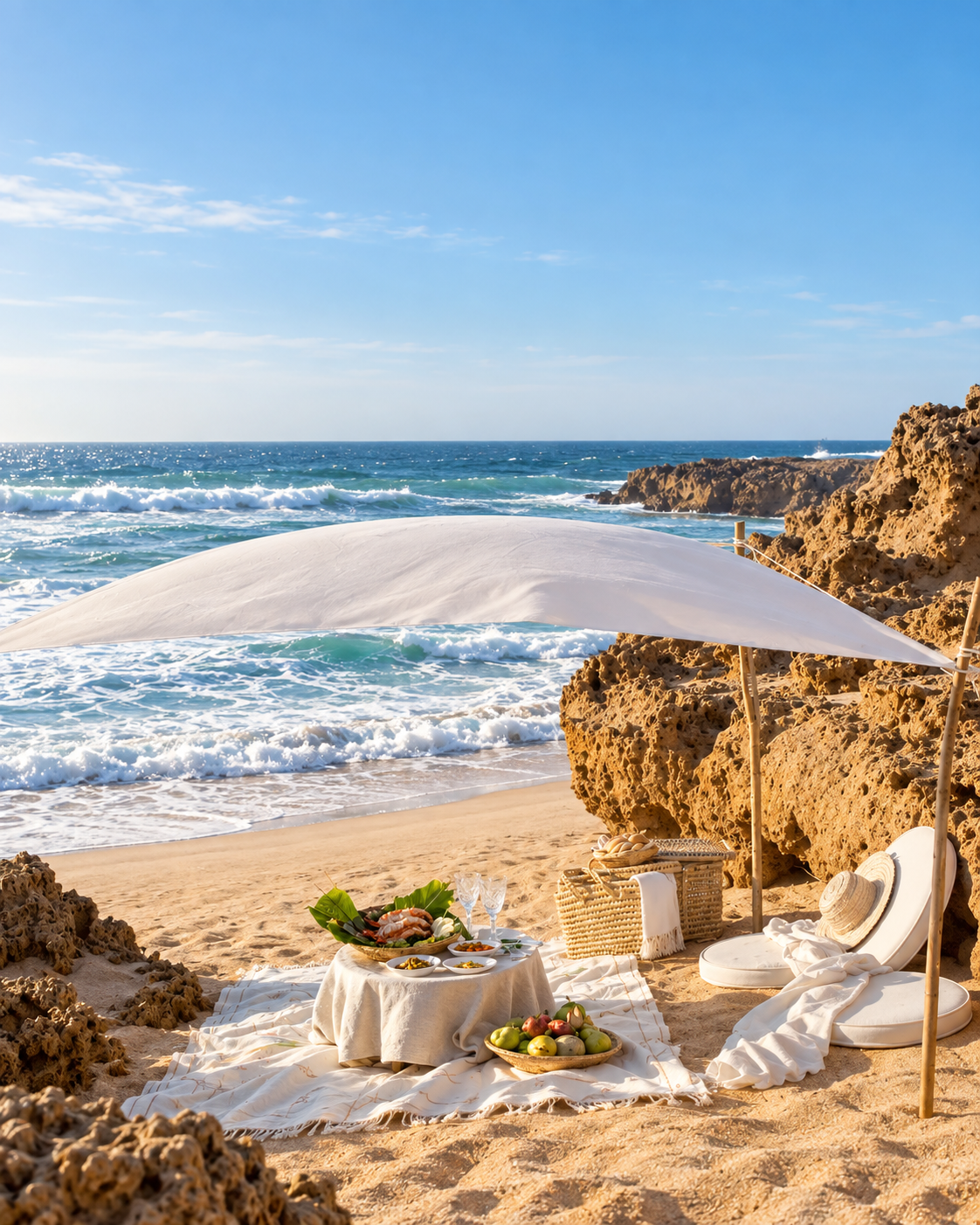
Atlantic surf and rocky shore beside a beachside dining setting in Oualidia
Layer 1

Tidal geography

The lagoon mouth, ocean rocks, sandbanks and shallow channels create a landscape that changes with water level, light and wind.

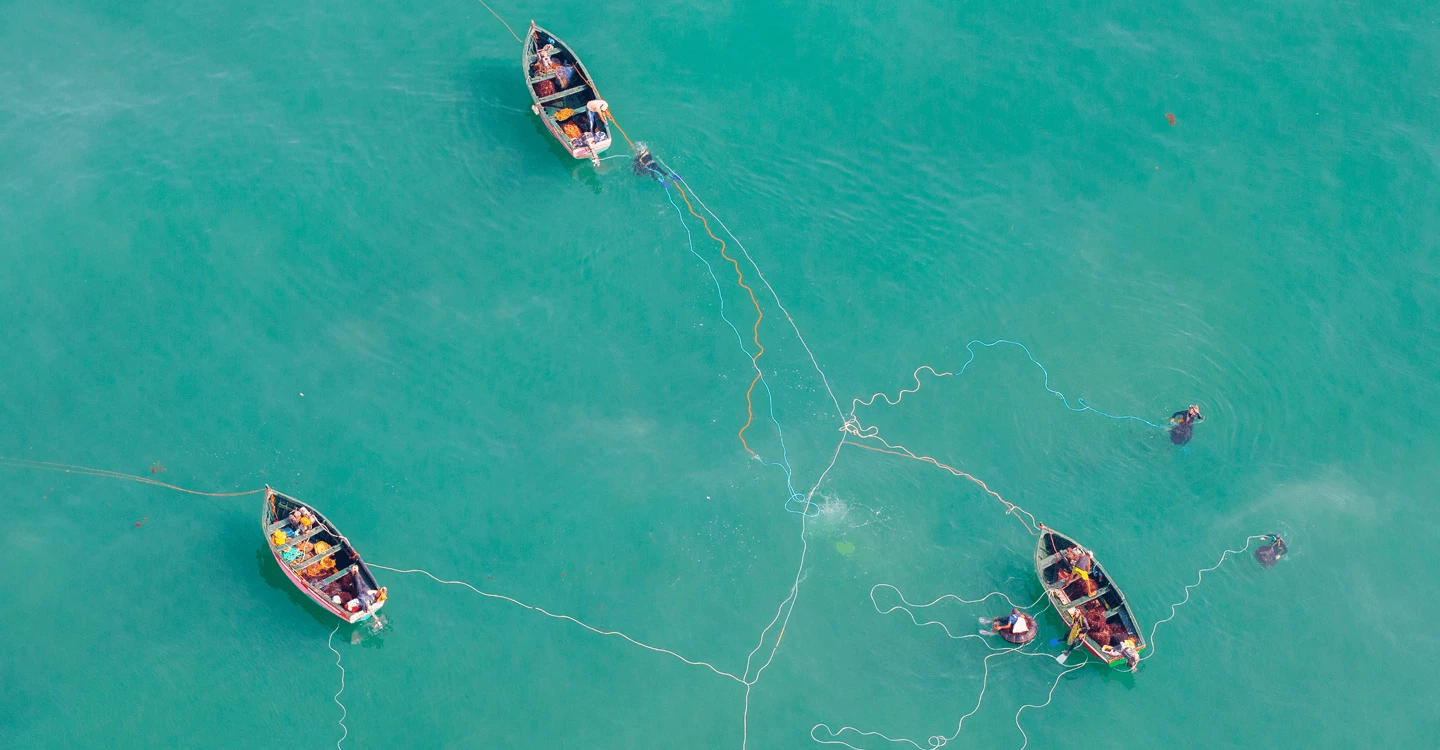
Three fishing boats and nets in the turquoise water of Oualidia lagoon
Layer 2

Working shore

Fishing boats, oyster parks and small coastal services give Oualidia its lived rhythm, balancing visitors with local work.

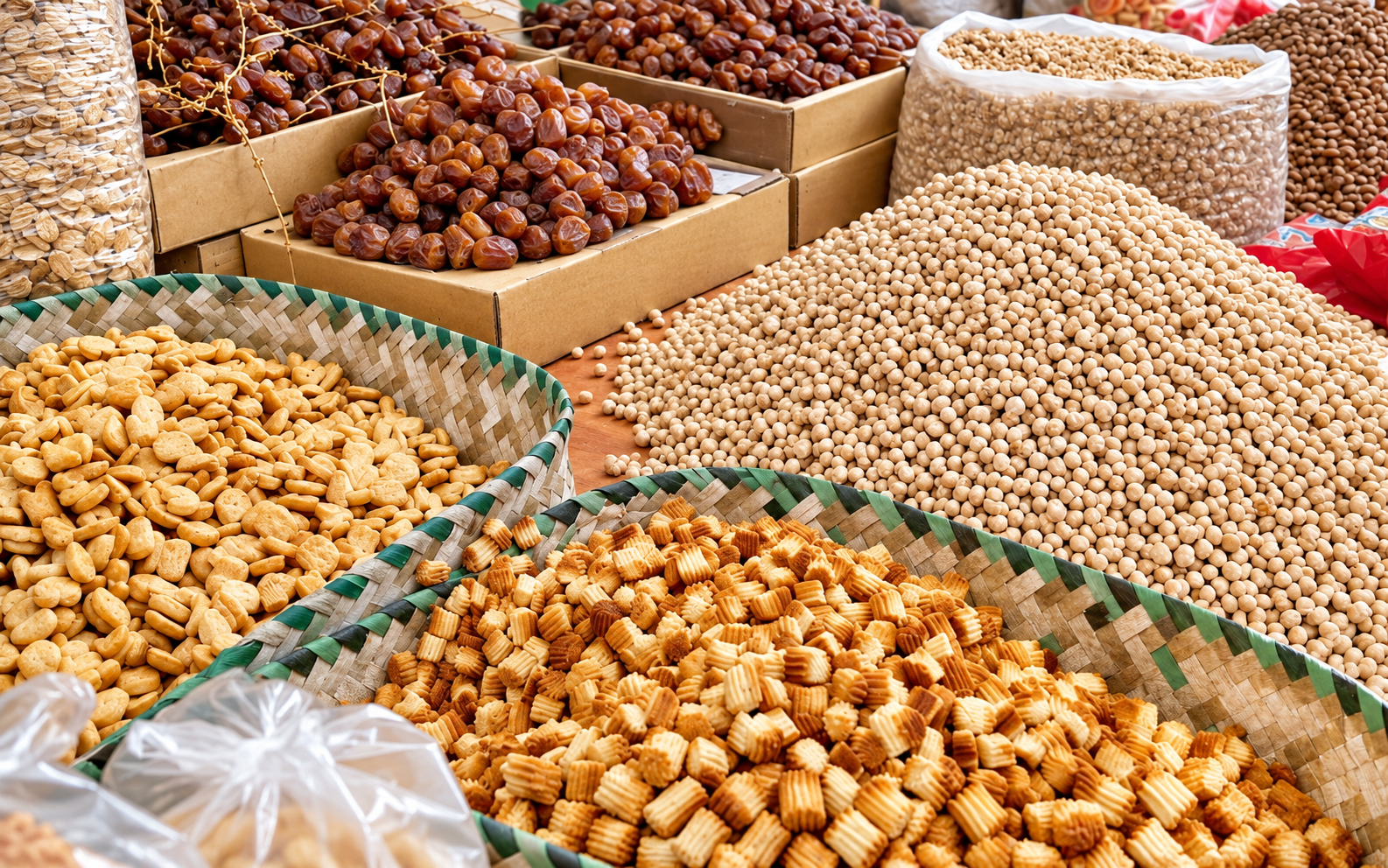
Dates, chickpeas and woven baskets of dried foods at a market display
Layer 3

Market and food culture

Seafood is central, but inland produce, weekly market life and Doukkala agriculture keep the town connected to its wider region.

Landmarks & orientation

Read Oualidia through six defining places

Oualidia is better read as a lagoon system than a monument list. These six points help visitors understand water, food, ecology, coastal memory and the Atlantic route without forcing the town into a false city narrative.

1
Protected lagoon

The calm basin, sandbanks and changing water levels give Oualidia its identity and explain the town’s softer Atlantic rhythm.

2
Ocean beach and rocky edge

Beyond the sheltered lagoon, the open Atlantic returns with surf, rocks and a stronger sense of exposure.

3
Oyster parks

Rouane and other oyster-farming areas show the lagoon as working aquaculture, linking landscape directly to local food culture.

4
Sidi Moussa–Oualidia wetland

A Ramsar-recognised wetland complex of lagoons, salt marshes, dunes and bird habitats extending the journey beyond the beach.

5
Salt marshes and low-tide flats

These quiet edges are essential to the atmosphere of the place, especially when tide, birds and working routes become visible.

6
Saadian kasbah remains

The historic remains linked to El Oualid Ben Zidane give the town a modest but important dynastic memory.

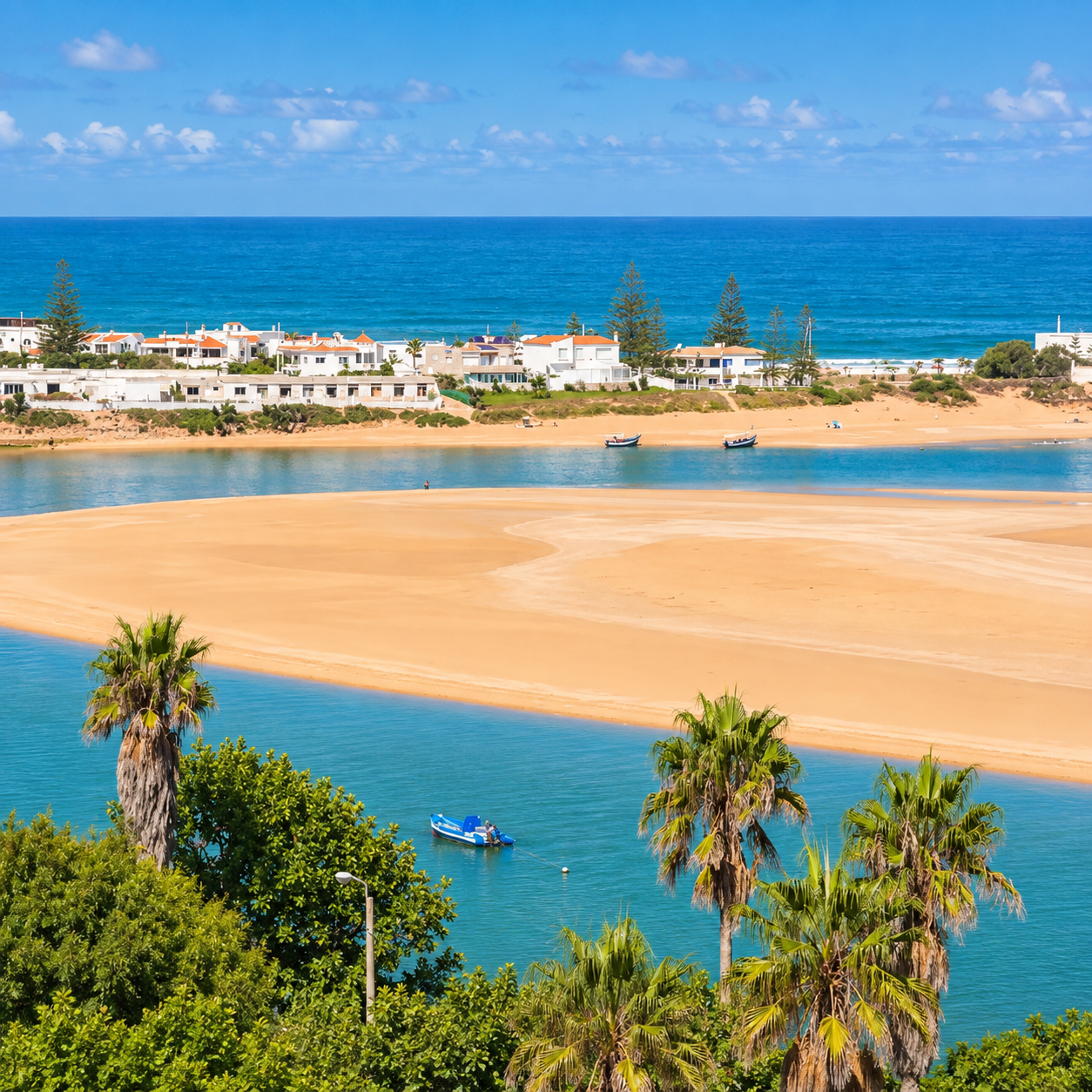
Oualidia lagoon channels and golden sandbank, with palms, boats and white shoreline houses
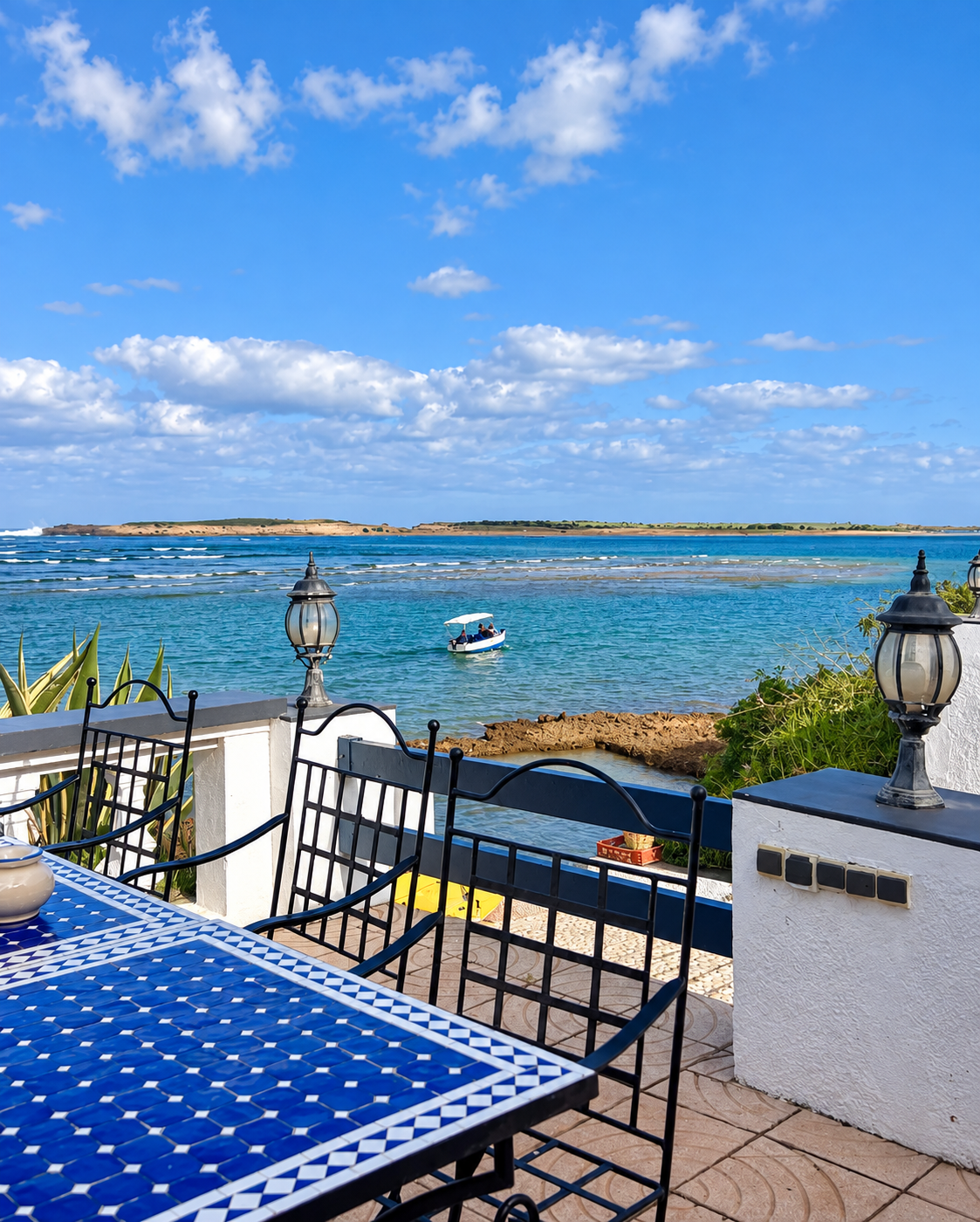
A boat crossing Oualidia lagoon seen from a terrace with blue zellige and lanterns

The lagoon interior

The lagoon — Oualidia’s architecture of water

Oualidia’s most important space is not a formal square or a monumental avenue. It is the lagoon itself: a protected body of water where sandbanks, small boats, oyster beds, swimming areas, birds and low coastal houses create a different kind of architecture. Seen slowly, the town becomes a lesson in shelter, exposure and careful coastal life.

  • Sandbanks and shallow channels reveal different routes as the tide changes.
  • Working boats and oyster beds keep the lagoon connected to food, labour and local knowledge.
  • Birdlife, salt marshes and open water make the wider wetland system part of the experience.

Coastal reading

Three coastal languages to notice

Shelter and exposure

Oualidia speaks first through contrast. Inside the lagoon, water becomes calmer and more reflective. At the ocean edge, the Atlantic reappears with rocks, swell and open horizon.

Low structures and working edges

The town’s built language is modest: terraces, boats, small access points, oyster areas and shoreline paths. Its beauty comes from how these elements stay low against the water.

Dunes, marshes and tidal marks

Sand, salt marshes and waterlines are part of the architecture. They shift with tide and season, giving the landscape a living rhythm rather than a fixed postcard image.

Visual atmosphere

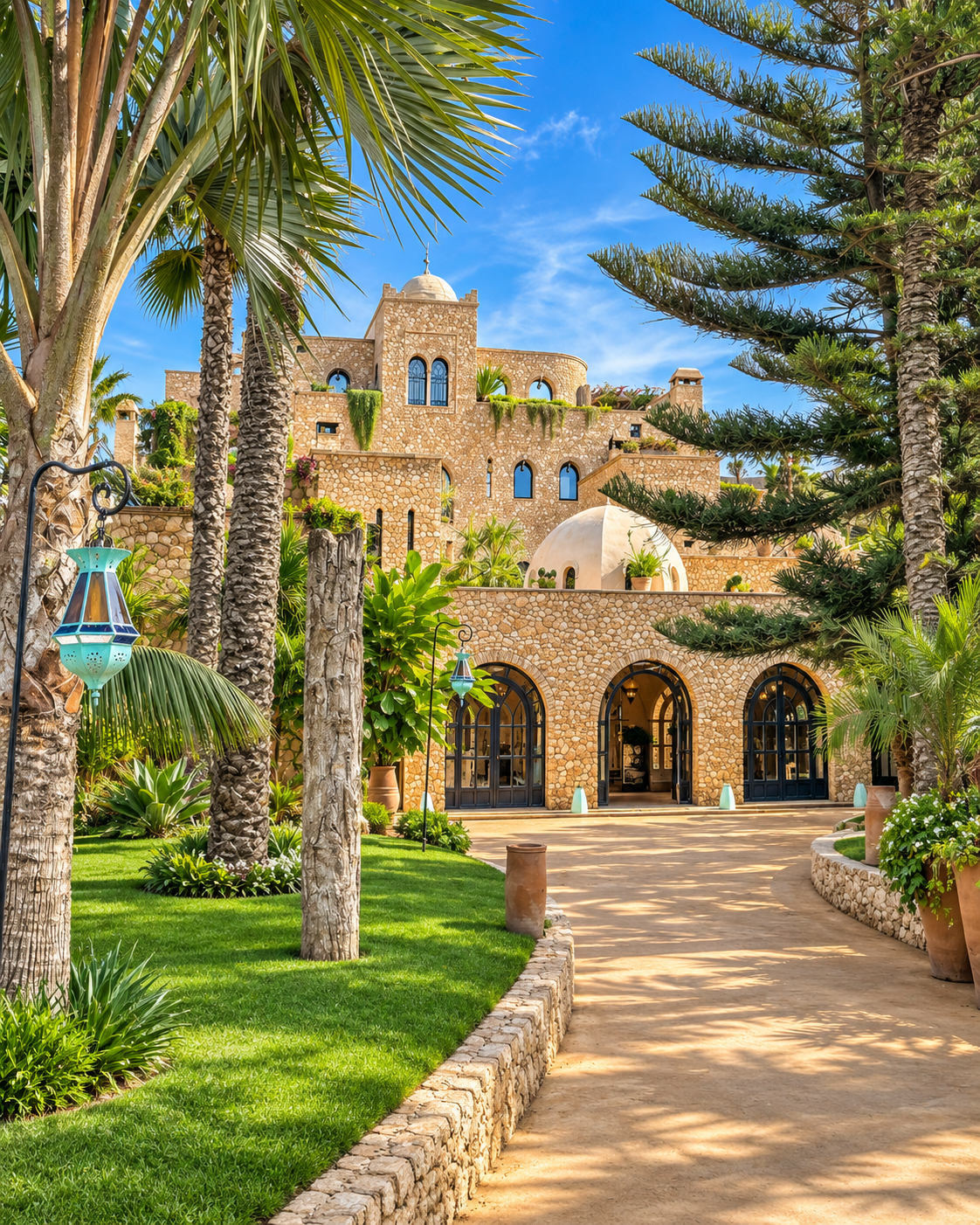
Coastal streets, gardens and Atlantic light

Nearby highlights

Nearby coast and heritage

Oualidia works best as a slower stop on the Atlantic line between El Jadida and Safi. Nearby extensions should keep the same clarity: Portuguese-era heritage to the north, ceramic and port culture to the south, and wetland landscapes immediately around the lagoon corridor.

El Jadida / Mazagan

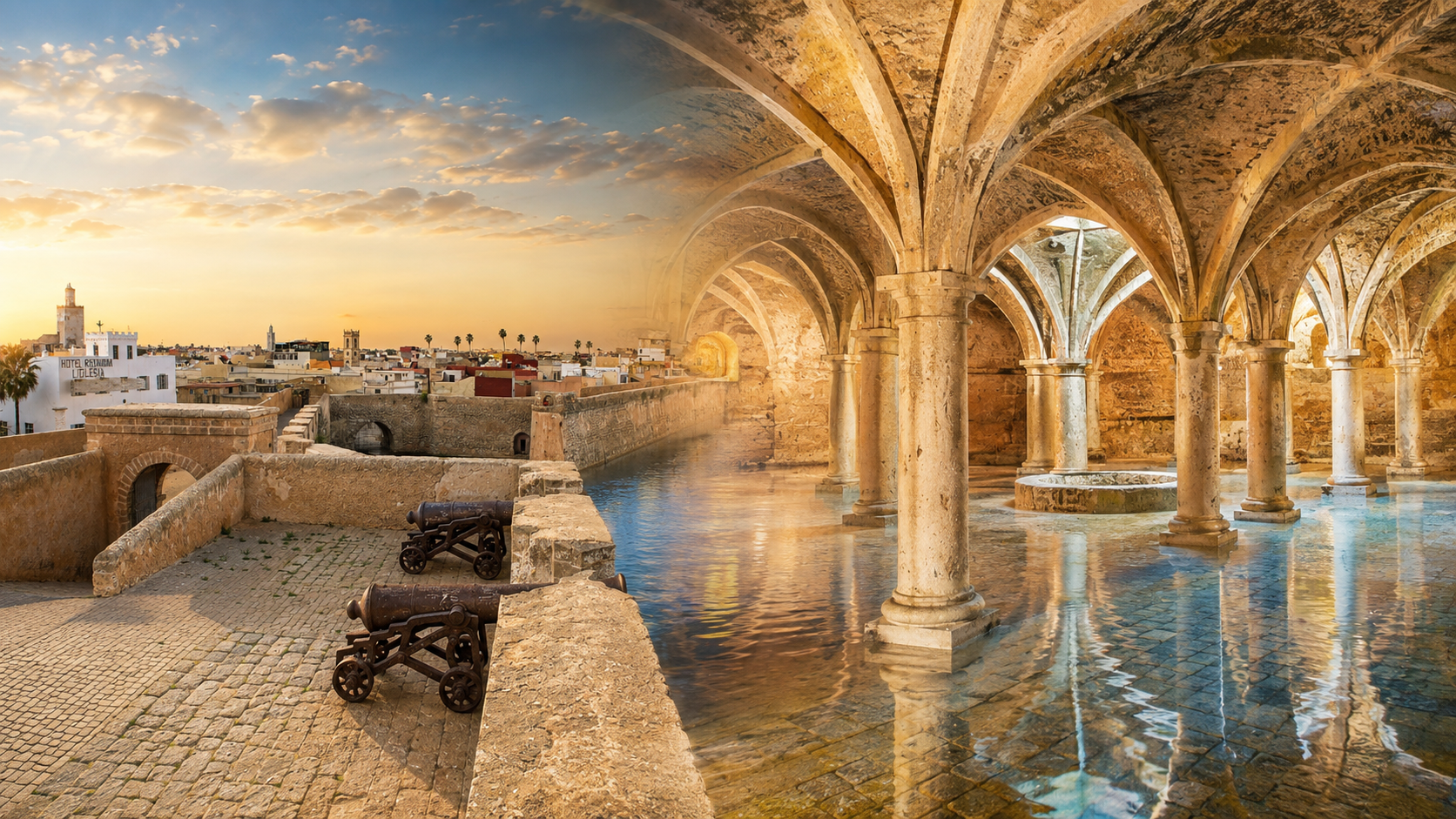
The Portuguese City of Mazagan gives the coast a different historical scale: ramparts, gates, fortified urban memory and a UNESCO-recognised Atlantic layer.

Editorial composite of the Mazagan ramparts and Portuguese cistern in El Jadida

Safi

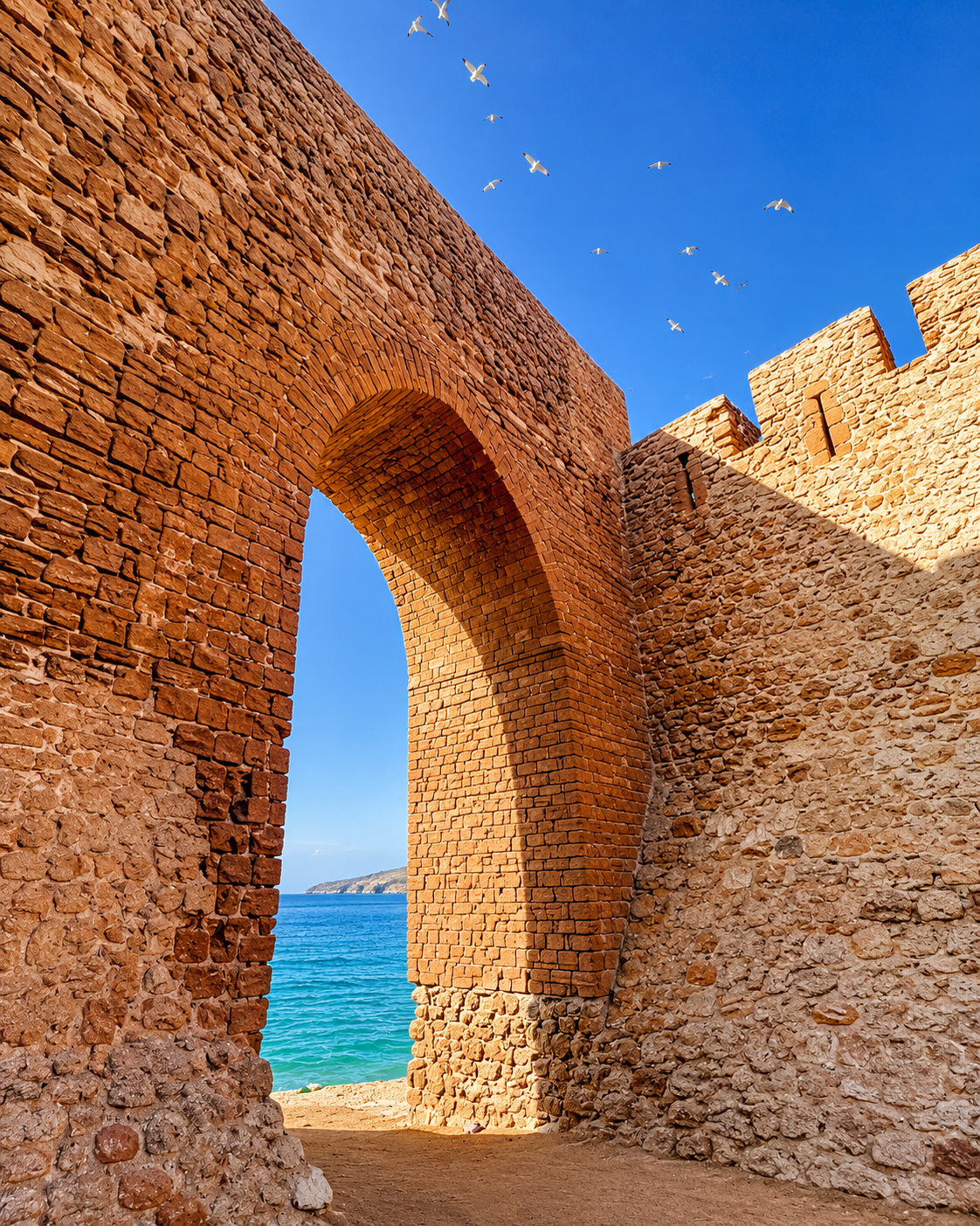
South of Oualidia, Safi adds port history, pottery, ceramics and another Atlantic identity. It is a separate coastal city, not just a quick continuation.

Stone coastal fortification and an arched opening towards the sea from the Safi image collection

Sidi Moussa wetland corridor

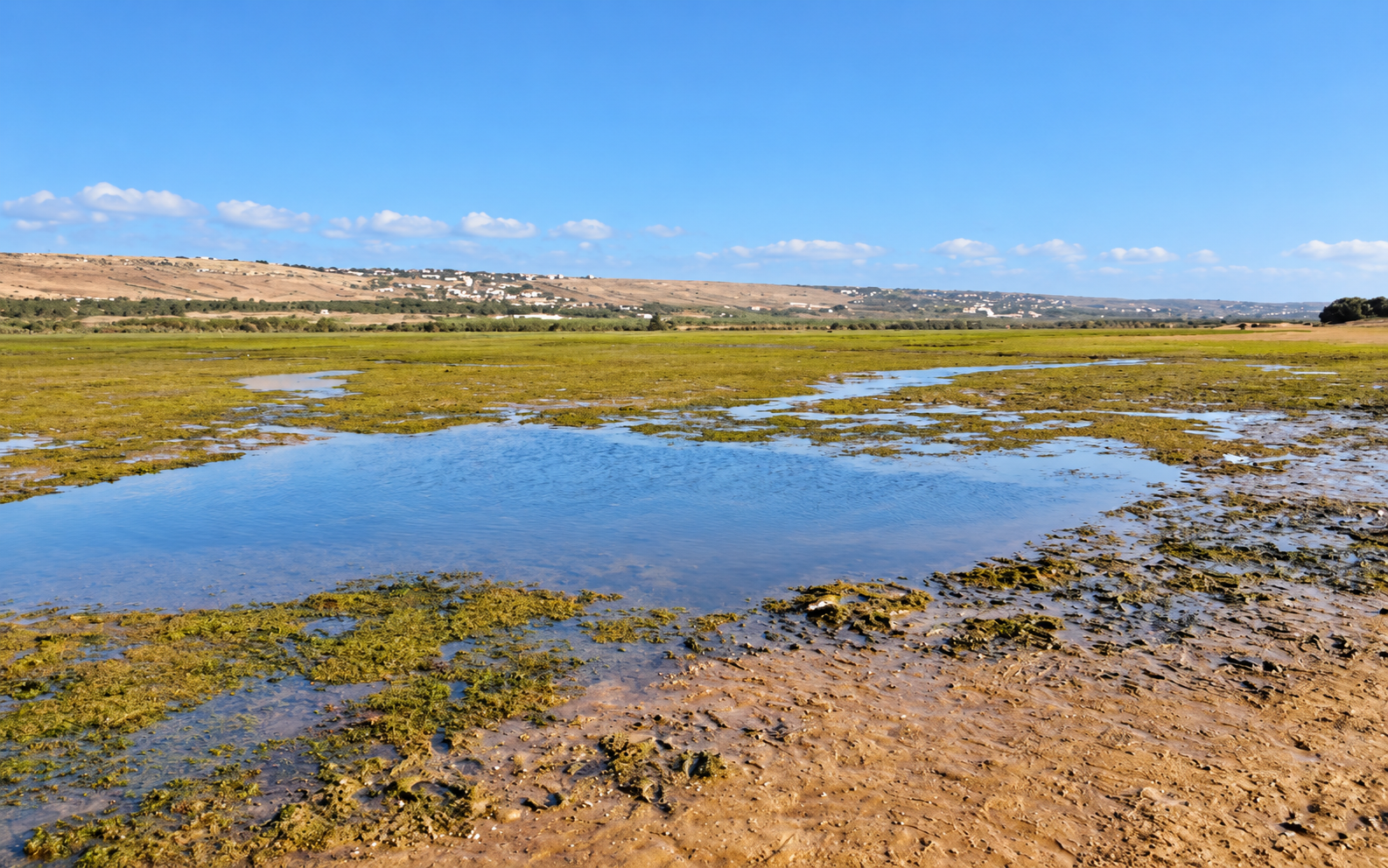
North of the town, lagoons, salt marshes and low coastal landscapes extend the ecological reading of Oualidia beyond the main beach.

Tidal channels, mudflats and salt-marsh vegetation at Sidi Moussa lagoon
Travel note: tide, weather, swimming conditions, lagoon boat arrangements, oyster visits, bird activity and local access rules can change. Check current trusted local information before travelling.

Practical orientation

How to experience Oualidia well

  • Read the tide first; the same shore can feel completely different at low and high water.
  • Use the lagoon for calm views and sheltered water, but respect local safety advice and conditions.
  • Treat oyster tastings and seafood as working food culture, not only as a holiday ritual.
  • Bring binoculars if birds, wetlands and salt-marsh landscapes matter to you.
  • Pair Oualidia with El Jadida or Safi only if you leave enough time for the lagoon itself.

A strong first visit

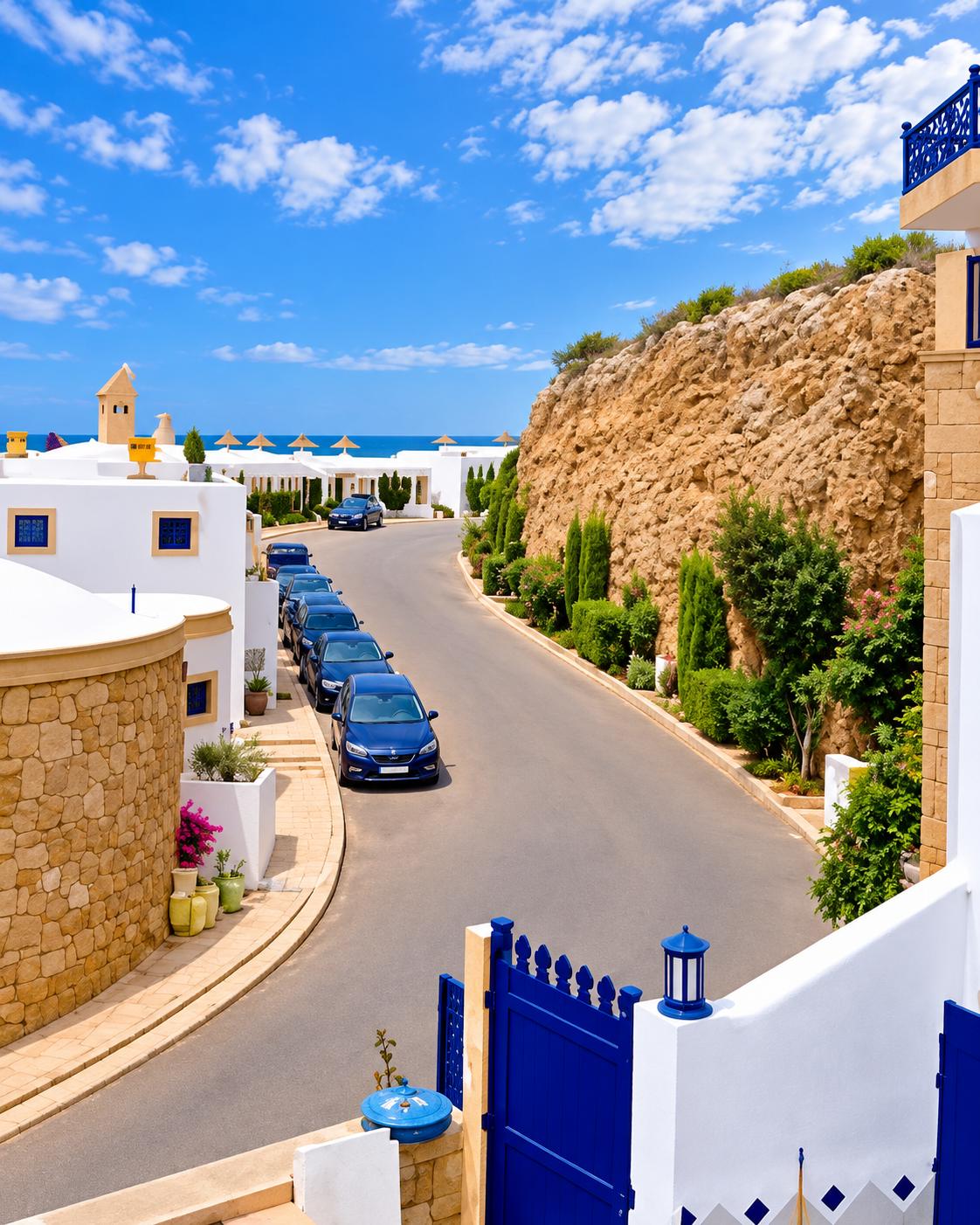
White and blue houses beside a stone wall on a lane towards the Atlantic in Oualidia

Begin from a lagoon overlook, walk toward the beach and boat activity, leave time for oysters or seafood, then choose either a quiet sunset or an ecology-focused detour toward Sidi Moussa. Keep the visit tide-aware instead of rushing it like a checklist.

Oualidia lagoon, golden beach, white houses and palms seen from above

Go deeper with Exotic Morocco

Oualidia — Premium Visual City Guide

Continue with a visual guide structure designed to connect lagoon geography, oyster culture, bird-rich wetlands, Saadian memory, practical orientation and the wider Atlantic route into one calm, useful journey.

✓ Lagoon orientation✓ Oyster culture ✓ Birdlife & wetlands✓ Coastal route context ✓ Practical travel guidance✓ Nearby highlights

Continue the journey

Continue the journey through Oualidia

Look beyond the beach day and follow the lagoon’s slower intelligence: tide, boats, food culture, salt marshes, birds and the Atlantic route toward El Jadida and Safi.