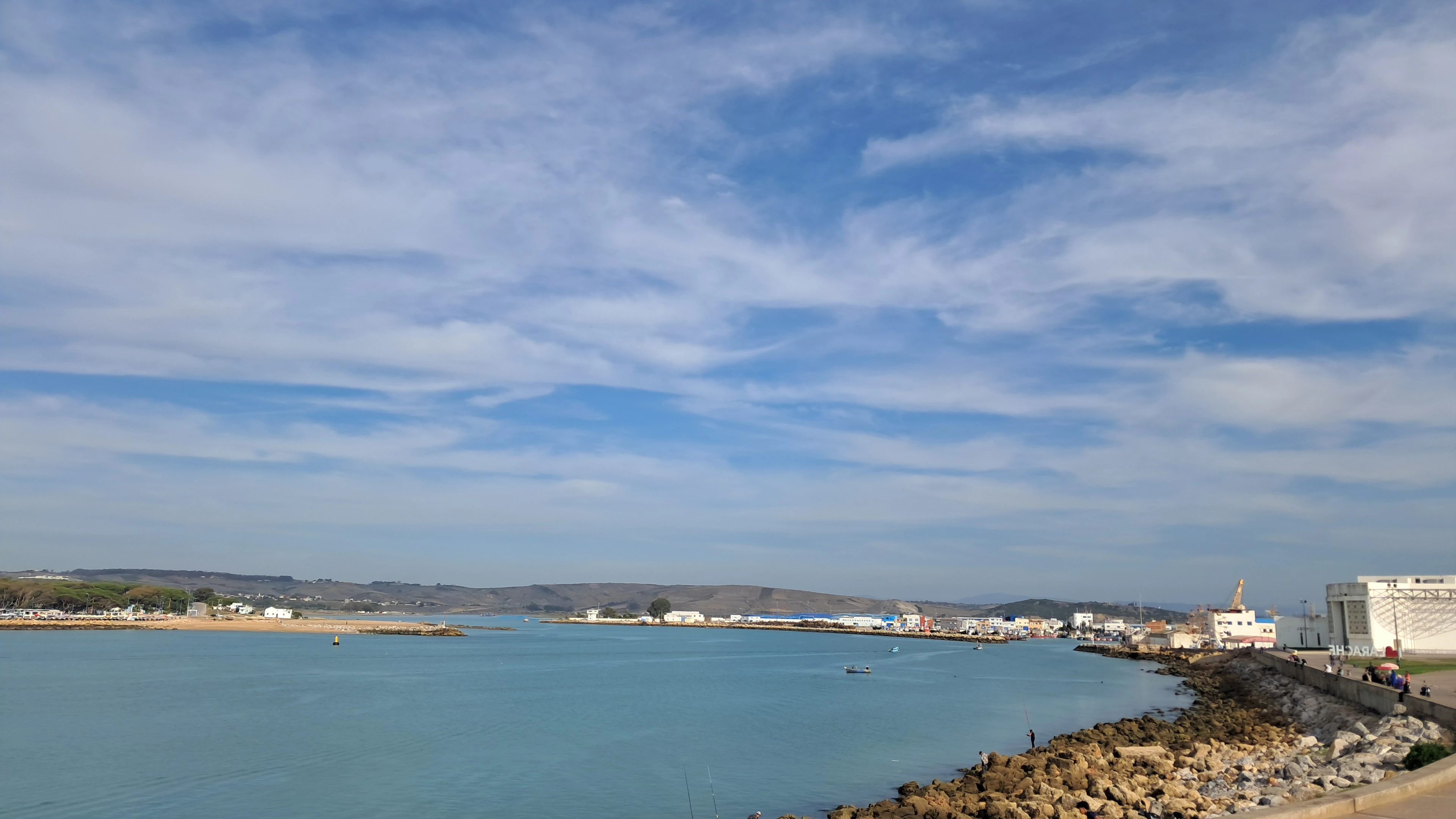
Larache, Atlantic layers
An estuary, a working port and an ancient hill across the water. Read Larache through the relationships that a sea view leaves out.
Read the story ↗
Exotic Morocco · Stories
A quieter reading of coastal towns, everyday streets and landscapes beyond the familiar frame.
Enter the story ↓01 / The starting point
“Hidden” can be a misleading word for a place where people have always lived and worked. Here it describes a gap in a visitor’s attention, not a discovery of somewhere unknown. The aim is to look beyond a small set of repeated images and let an actual place supply the questions.
Larache is a useful starting point because its estuary, port, town and archaeological neighbour cannot be understood from one viewpoint. Tétouan asks for a closer reading of streets and craft. Even well-known Chefchaouen rewards a change of frame when the mountain and ordinary uses of the town return to the picture. A quieter encounter is a way of looking, not a guarantee of empty streets.
02 / Choose your first encounter
Choose the essay that brings this subject into focus.
An estuary, a working port and an ancient hill across the water. Read Larache through the relationships that a sea view leaves out.
Read the story ↗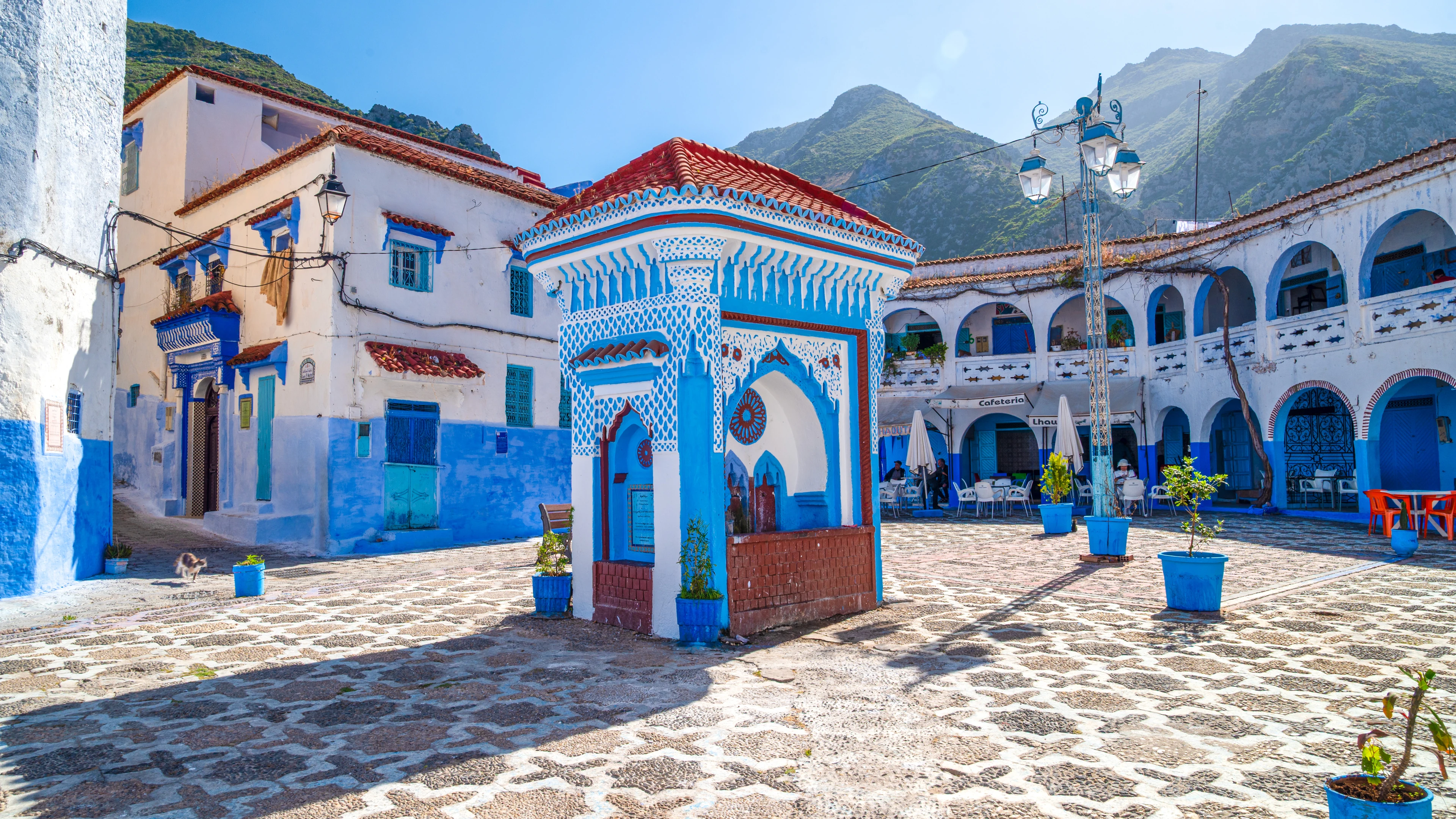
The colour draws you in. Mountains, ochre walls, water and food give the photograph a much larger story.
Read the story ↗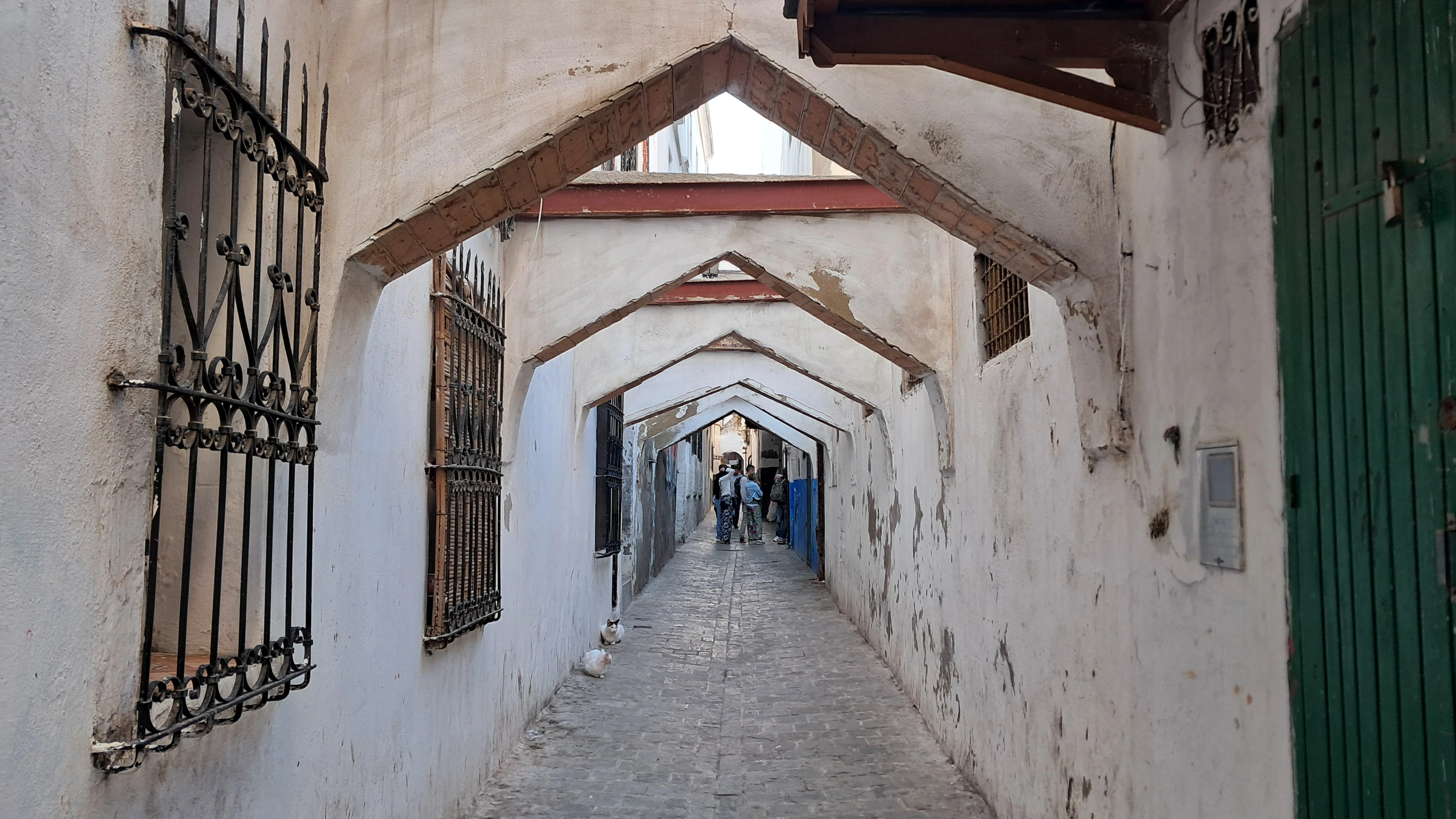
Across a white hillside city, streets, thresholds and working crafts reveal an inheritance carried by people.
Read the story ↗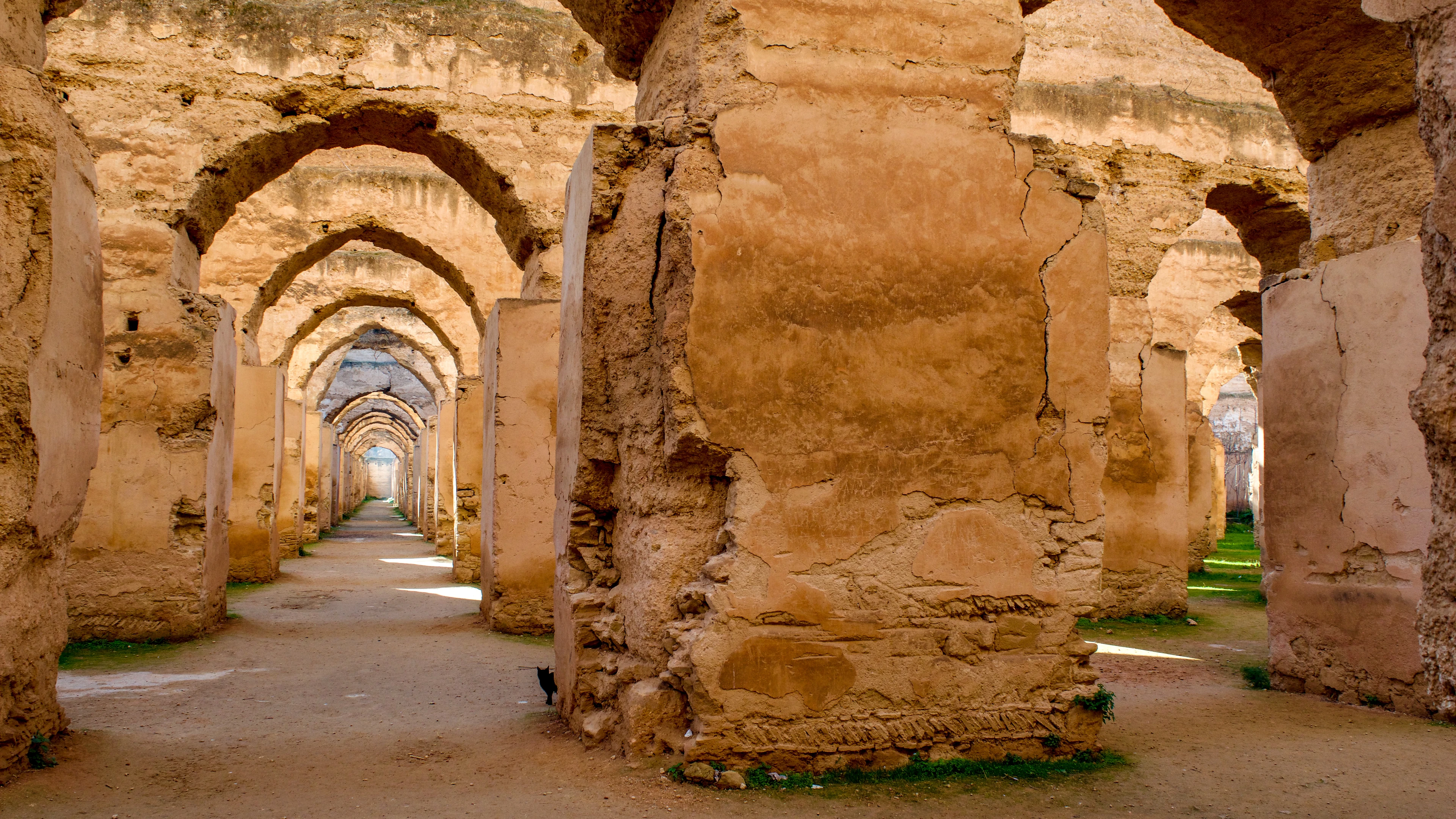
Behind the famous gateway is a city of water, provision, markets and music. Change the scale, and another Meknès appears.
Read the story ↗03 / Look closer
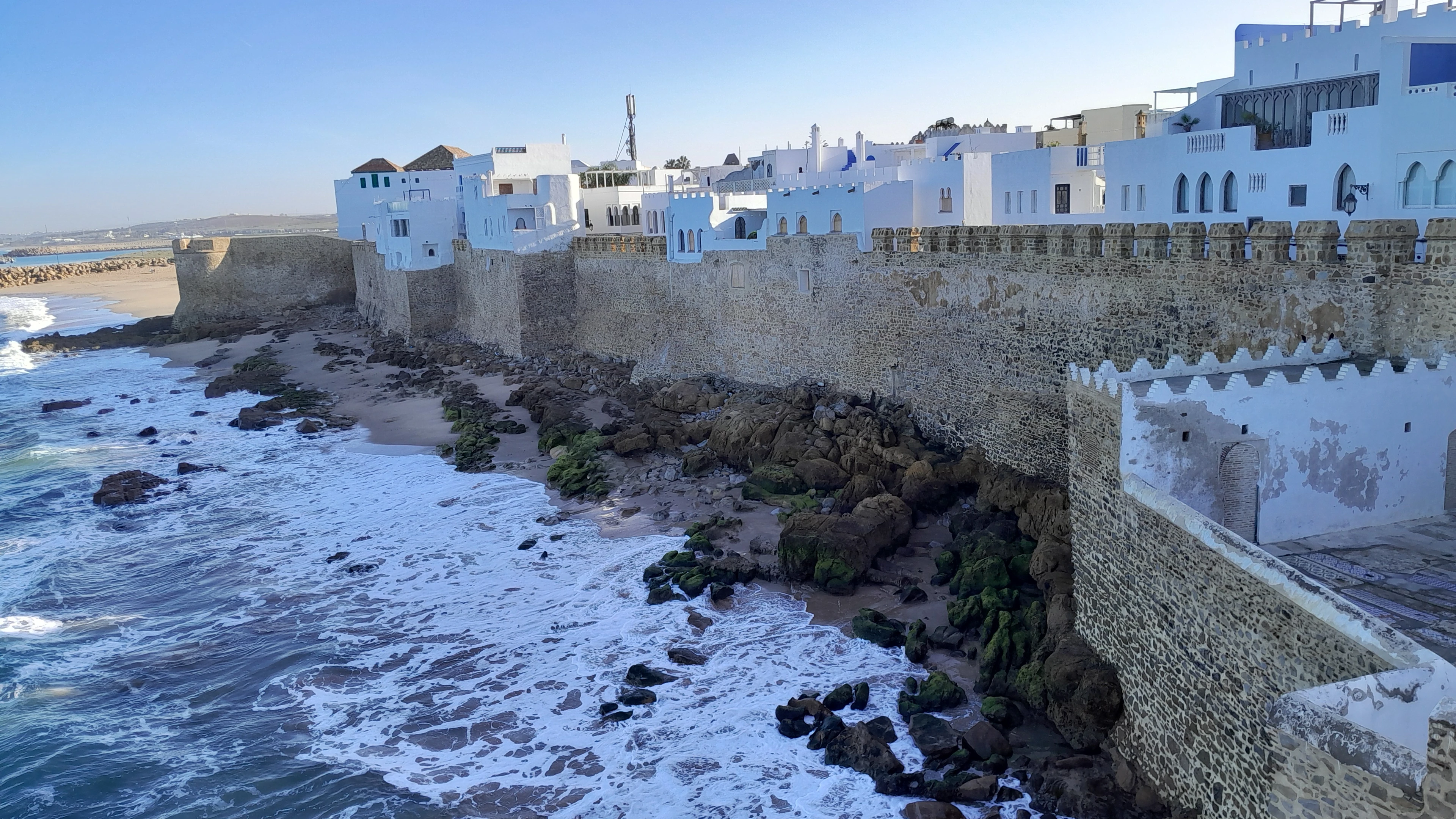
The ocean is not only scenery. A harbour gives water a working edge; an estuary links a coast to an inland landscape. Begin with the Larache essay, then widen the journey through the coastal-cities guide. The Asilah photograph above offers another coastal setting, with Atlantic water meeting the town’s ramparts. It is not an illustration of Larache. Naming the place is the first step towards noticing its particular relationships.
04 / The story in context
A place need not be unknown to reward close attention. The Larache essay follows an estuary, a city and a wider historical landscape without making discovery depend on arriving somewhere nobody else has seen. The quieter story is often the relationship between familiar things: a waterfront and the work around it, a view and the layers it leaves outside the frame.
That changes the visitor’s question. Instead of asking whether a place is a secret, ask what you can understand by giving it more time. A detour has value when it belongs to the journey and leaves room for an encounter. It does not need the language of an exclusive find to become memorable.
Larache is a useful place to start because the story holds three different settings together: the present city, the Loukkos estuary and the archaeological hill of Lixus. They can share a view without belonging to the same period or serving the same purpose. Keep the name of each place attached to the observation you make there.
The northern city stories widen that approach. Chefchaouen connects streets to their mountain setting; Tétouan asks what happens between a public route and a residential passage. ‘Hidden’ is a reading invitation here, not a claim that residents have overlooked their own surroundings. Choose a public place, give it time and let its everyday use remain visible.
A different distance
Chefchaouen is strongly associated with a colour. Its story asks what happens when the picture becomes wider: terrain, walls, water, food and ordinary doorways enter the account. This is another form of finding what was hidden. The additional layers were not necessarily inaccessible; the most familiar image had simply become an easy place to stop looking.
Choose one detail outside the expected frame and follow it carefully. Let a reliable guide, museum or documented account provide context where your observation cannot. Avoid inventing an explanation because a view feels suggestive. An unanswered question can be a useful part of a visit, especially when it encourages further reading rather than a confident caption.
A different distance
A smaller place is somebody’s everyday setting. Keep photography, access and time in that proportion. Ask before entering a workspace or making a person the subject of a close image. If a visit depends on a special arrangement, confirm it instead of assuming that quiet means permanently available.
The Hidden Morocco regional guide offers geographic connections for further exploration. Use them to make a workable route, then edit it. A place that requires a hurried arrival and immediate departure may be better left for another journey. Attention, not the number of detours, is what gives this kind of travel its depth.
Story pathways
Cities, cultural context and a connected essay, chosen for this subject.
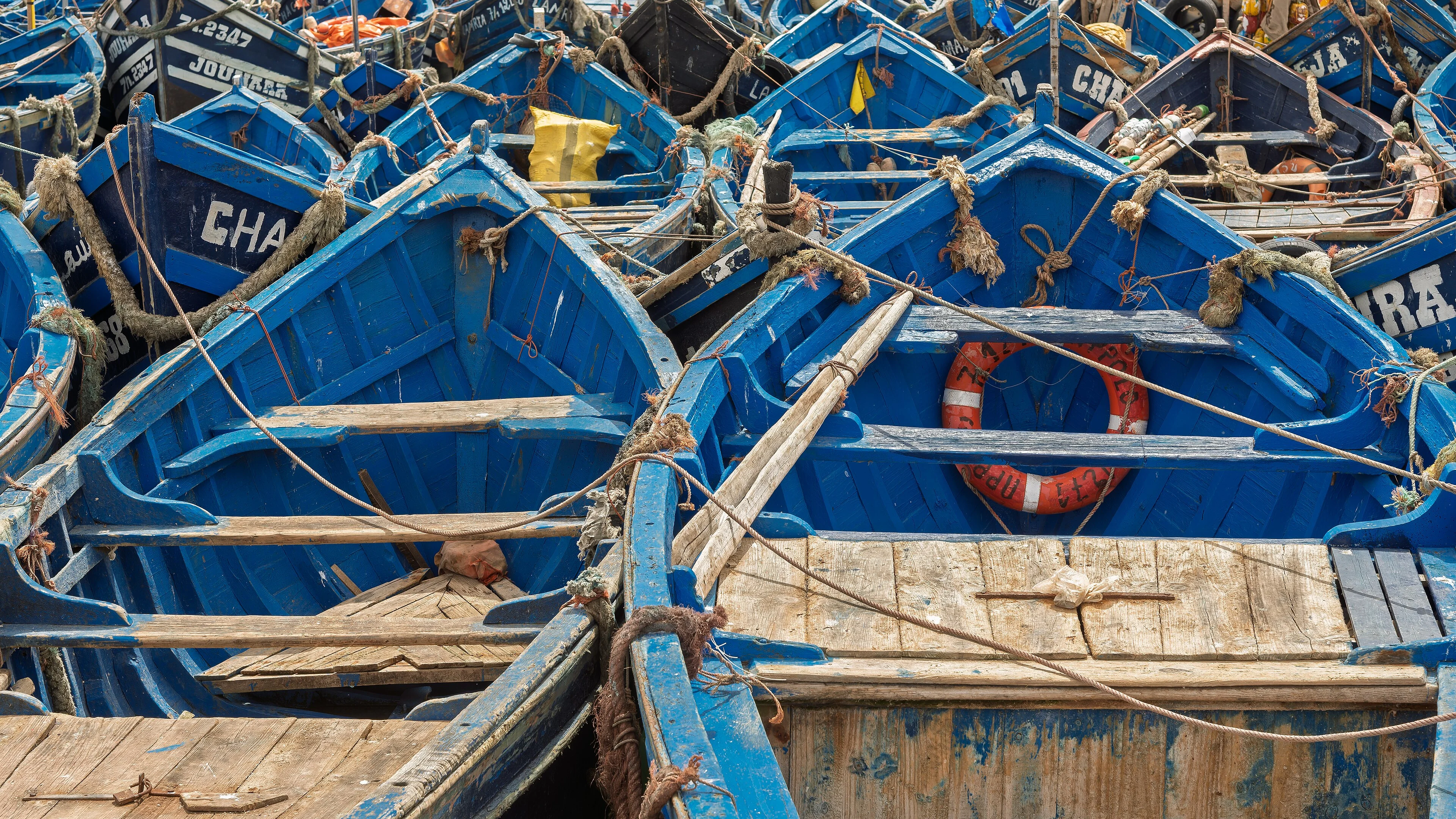
Learn Coastal cities & ports Read the differences between waterfronts, routes and urban histories. Explore ↗
Explore the context ↗An estuary, a working port and an ancient hill across the water. Read Larache through the relationships that a sea view leaves out.
Explore the story ↗The colour draws you in. Mountains, ochre walls, water and food give the photograph a much larger story.
Explore the story ↗Across a white hillside city, streets, thresholds and working crafts reveal an inheritance carried by people.
Explore the story ↗Continue reading
Keep the subject in view as you choose your next chapter.
An estuary, a working port and an ancient hill across the water. Read Larache through the relationships that a sea view leaves out.
Read the story ↗The colour draws you in. Mountains, ochre walls, water and food give the photograph a much larger story.
Read the story ↗Across a white hillside city, streets, thresholds and working crafts reveal an inheritance carried by people.
Read the story ↗Behind the famous gateway is a city of water, provision, markets and music. Change the scale, and another Meknès appears.
Read the story ↗This reading room connects published stories with contextual guides. Each linked story includes its own research and photography notes.
Photography is identified through the linked source records. Crops and responsive sizes were prepared for this layout.
Research checked 27 September 2026.


