Why Chellah matters
A necropolis before it is a ruin garden.
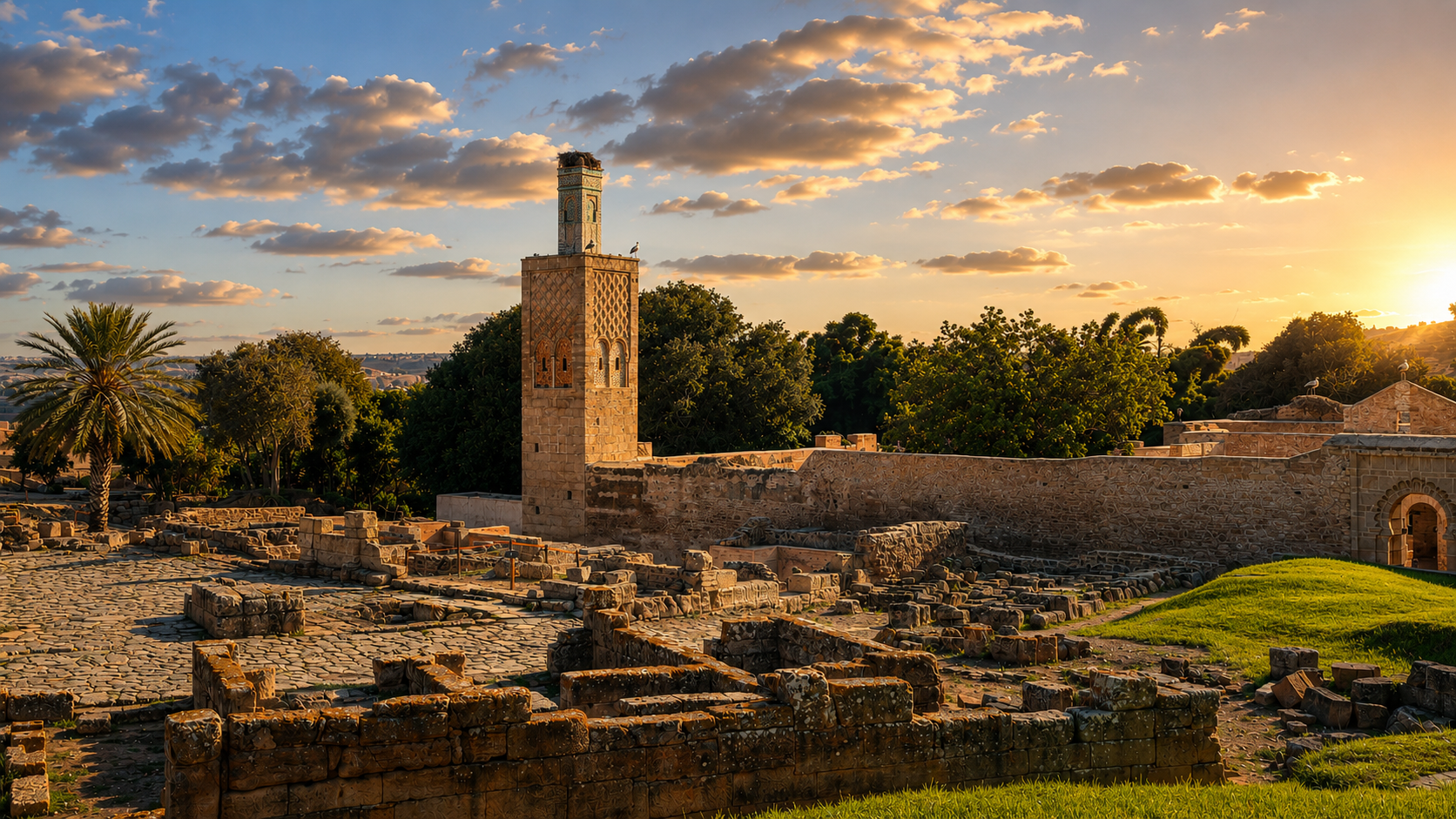
Chellah matters because it gathers several Rabat histories in one enclosed place. The visitor meets the ancient city known as Sala Colonia, the medieval Marinid necropolis, garden paths, water channels, ruined walls and the wider urban memory of Morocco's capital.
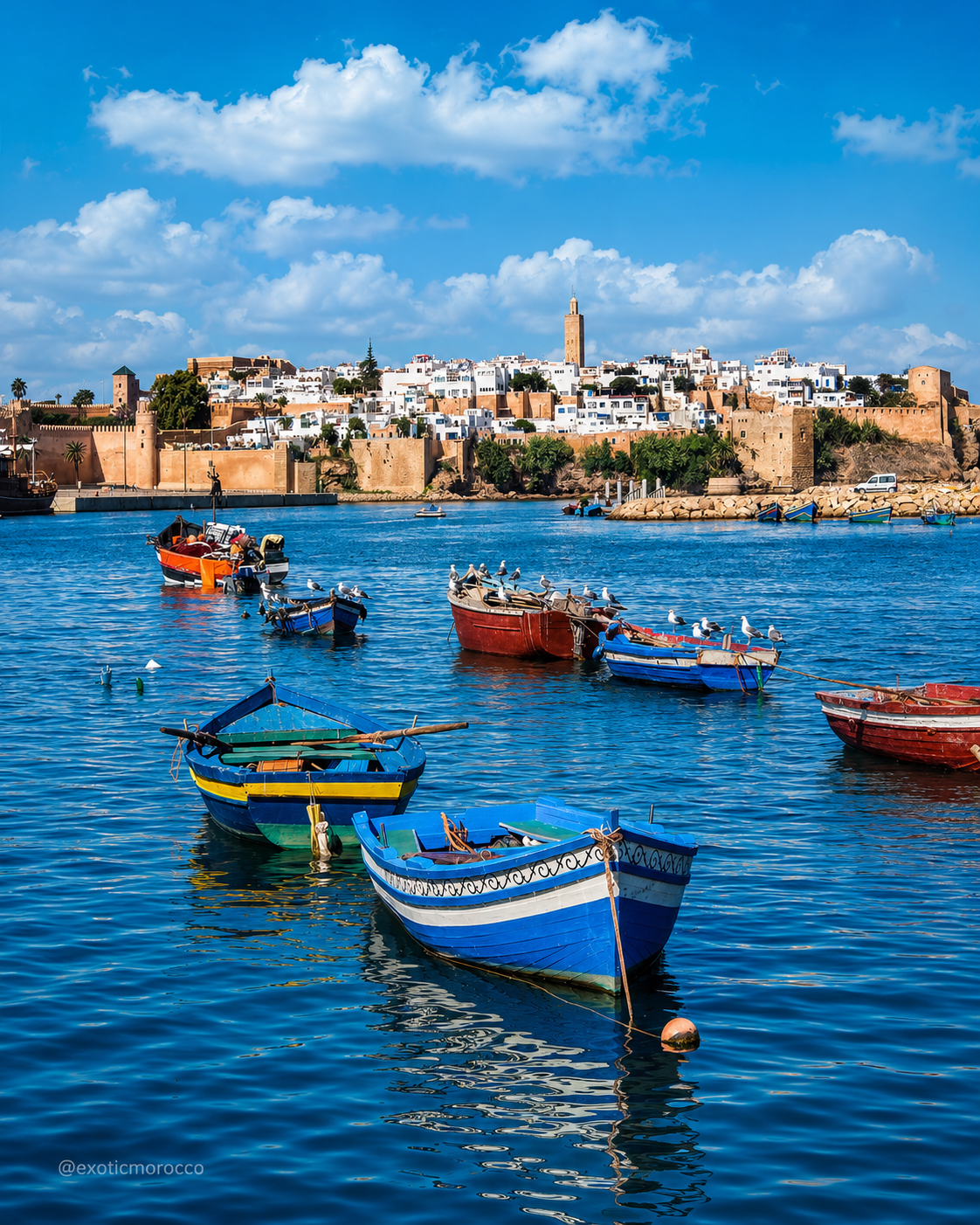
The official Chellah site places it in Rabat on the left bank of the Bou Regreg, near the Royal Palace and the Almohad ramparts. It describes ruins that bear witness to ancient Sala Colonia, later partly occupied by a large Marinid necropolis known in medieval memory as Shalla.
UNESCO inscribed Rabat, Modern Capital and Historic City: a Shared Heritage on the World Heritage List in 2012. Chellah belongs to that larger Rabat story, where ancient, Islamic, Hispano-Maghrebian and European layers are read together rather than separated into isolated attractions.
For visitors, Chellah is valuable because it teaches transition. A Roman urban ground becomes a Marinid sacred enclosure; a fortified wall becomes a garden edge; a ruined minaret becomes a vertical marker for birds, sky and memory; the modern capital stays close, but the pace changes.
The site should therefore be approached with attention rather than speed. Chellah is beautiful, but its beauty is not only visual. It comes from archaeological depth, dynastic memory, weathered material, controlled silence, planted shade and the feeling that Rabat's history is still layered under the present city.
Core facts are grounded in the UNESCO World Heritage Centre listing for Rabat and the official Chellah archaeological site. Practical details such as tickets, opening hours, access and temporary works should be checked close to travel.