Skip to learning
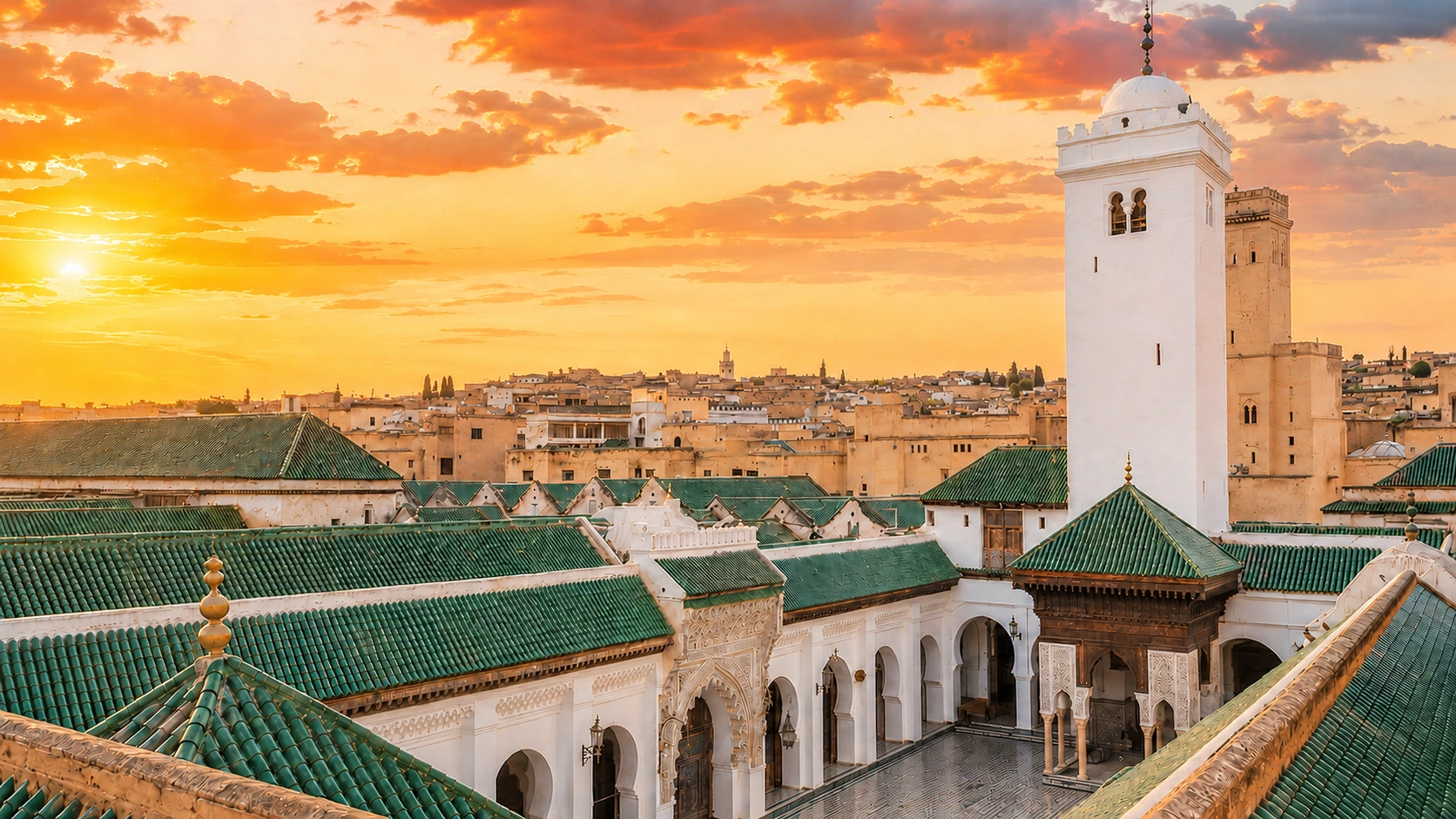
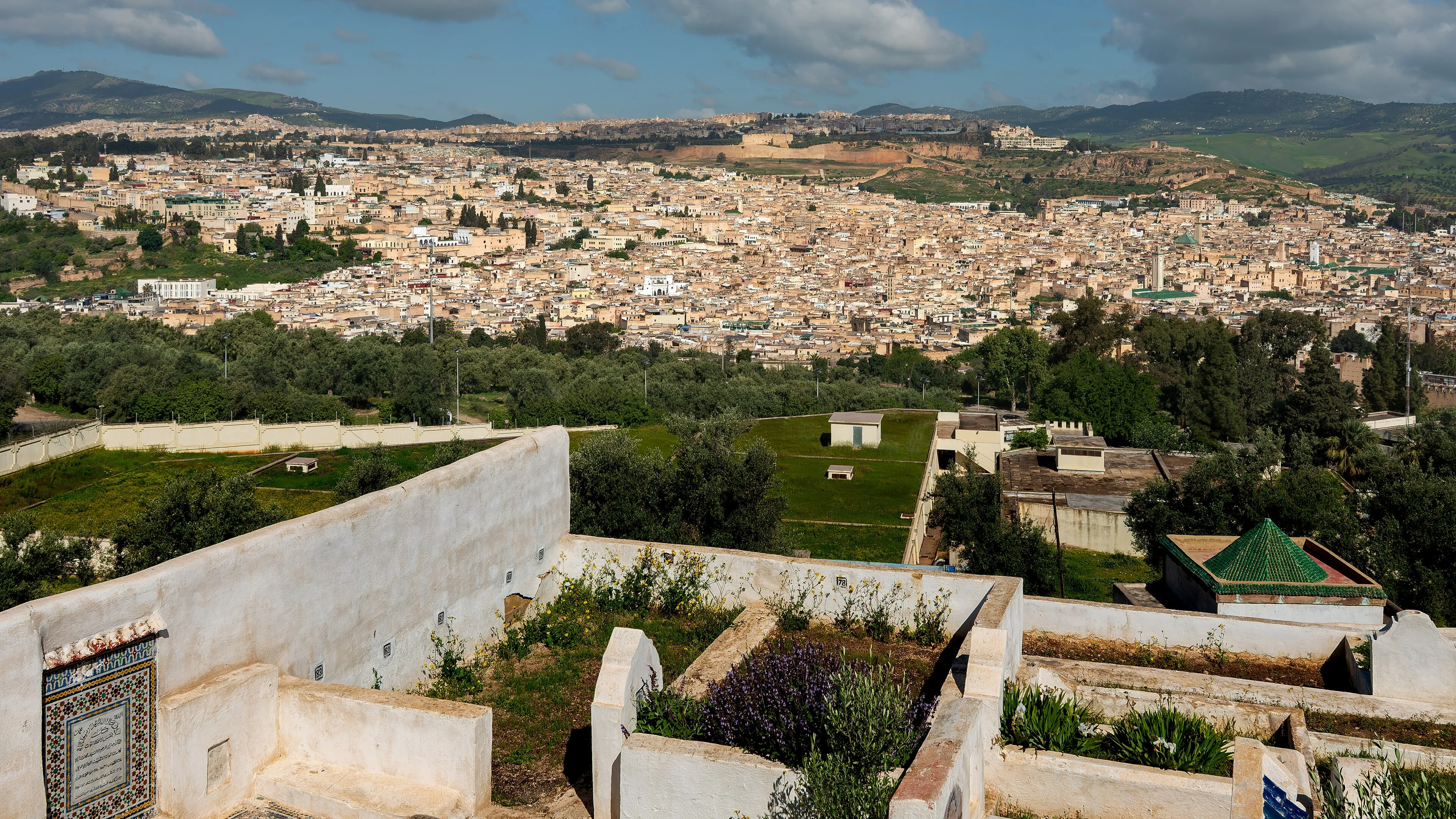
A panoramic view across the medina of Fez and its surrounding landscape.
A city understood from the inside

Medinas Explained

Look beyond the maze metaphor. Morocco’s medinas are living urban places, organised through homes, work, routes and shared institutions.

Exotic Morocco · 10 minute read
01 / A way into the story

A medina is a city, not a backdrop.

Medina means city in Arabic; in Moroccan travel writing it commonly refers to a historic urban core. Its streets serve residents, deliveries, worship, commerce and visitors at the same time. Describing it only as a maze hides that everyday organisation.

Fez and Tétouan show why the plural matters. Their histories, terrain and urban forms differ. UNESCO’s accounts describe substantial historic fabric alongside the pressures of an inhabited city; preservation and present-day needs have to be considered together.

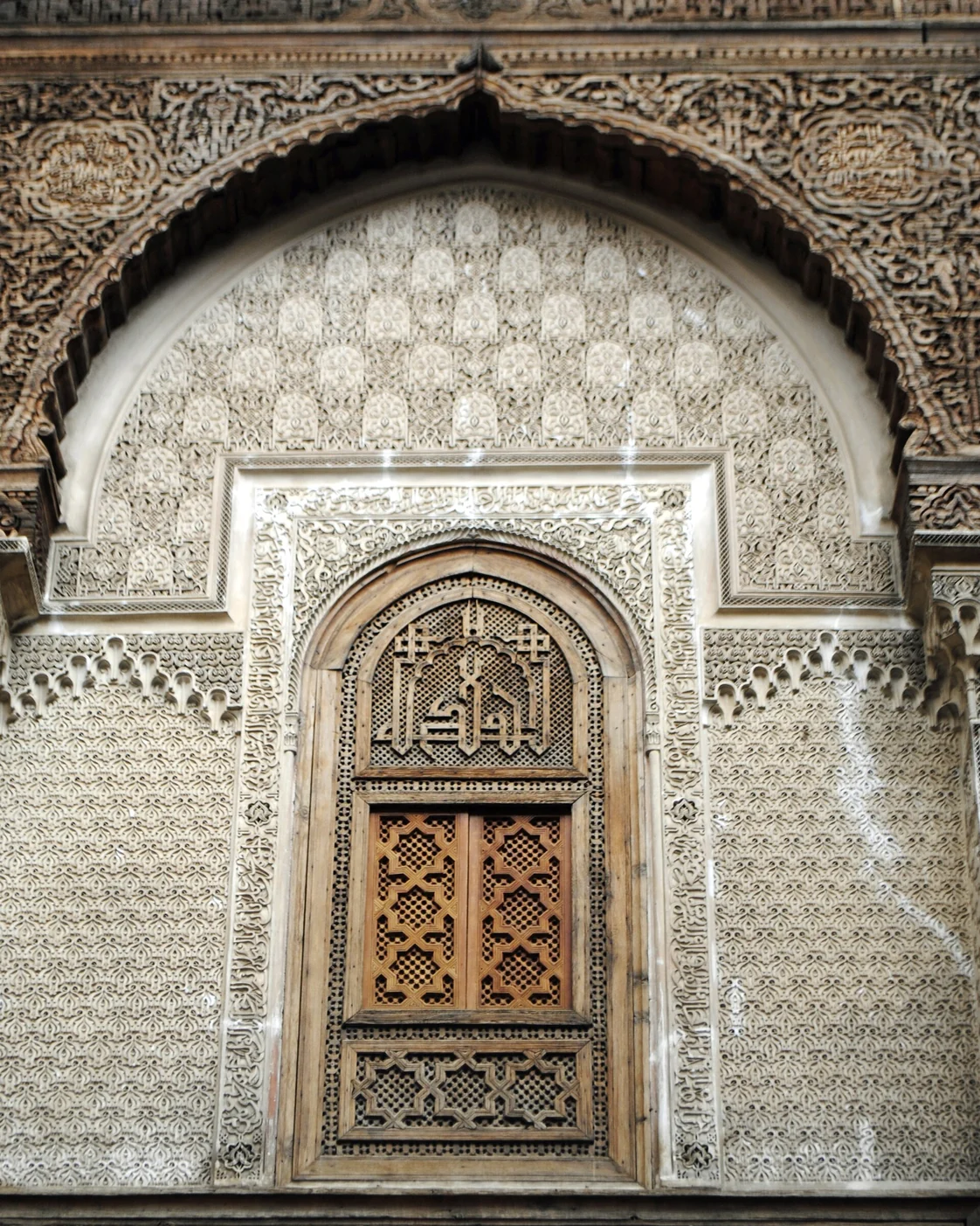
An entrance at the Al-Attarine Madrasa in Fez: one institution within a larger urban fabric.
THE SUBJECTA city understood from the inside
THE APPROACHPlace. Practice. People.
THE CONNECTIONFind it in Morocco ↗
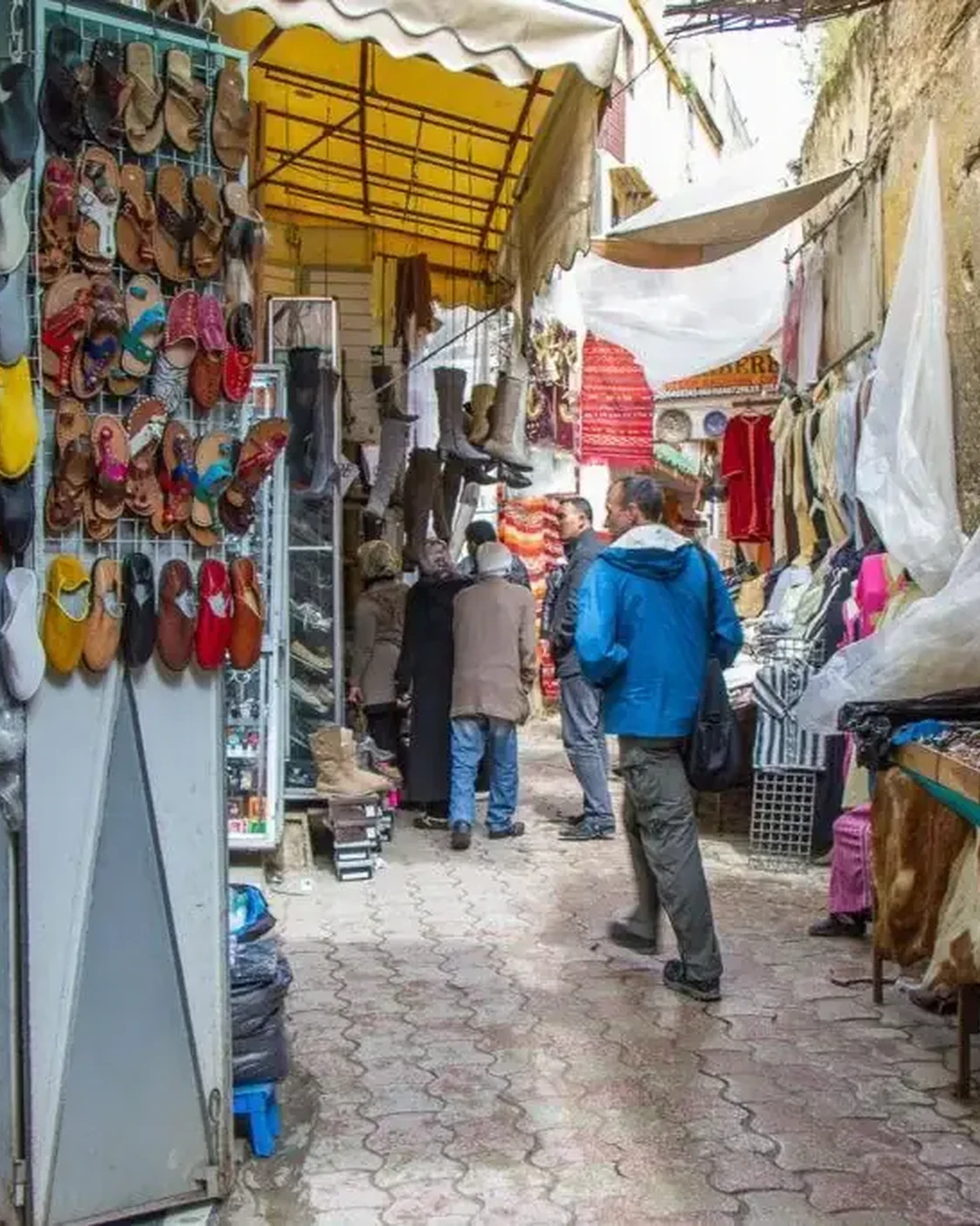
A souk lane in Meknes: shopfronts and circulation.
02 / The deeper context

A historic city.
An everyday neighbourhood.

A medina is not simply a maze built for visitors to get lost in. It is a historic urban fabric containing homes, shops, places of worship, institutions, workshops and routes that support everyday life. Its apparent complexity becomes more legible when you notice the differences between a busy commercial street, a connecting passage and a quieter residential lane.

The relationship between public and private space is particularly important. A lively market route may lead towards a very different kind of street. A doorway, turn or narrowing passage can mark a change in access without a dramatic sign. Reading those transitions helps a visitor explore attentively rather than treating every open route as an invitation to enter farther.

Medinas also change. Buildings are repaired, homes become businesses, shops serve new markets and residents negotiate the costs and opportunities of tourism. Heritage recognition does not suspend those pressures. A thoughtful visit asks how an old urban form continues to work for the people whose daily lives depend on it.

03 / From an idea to everyday life

Read a lane as part of a system.

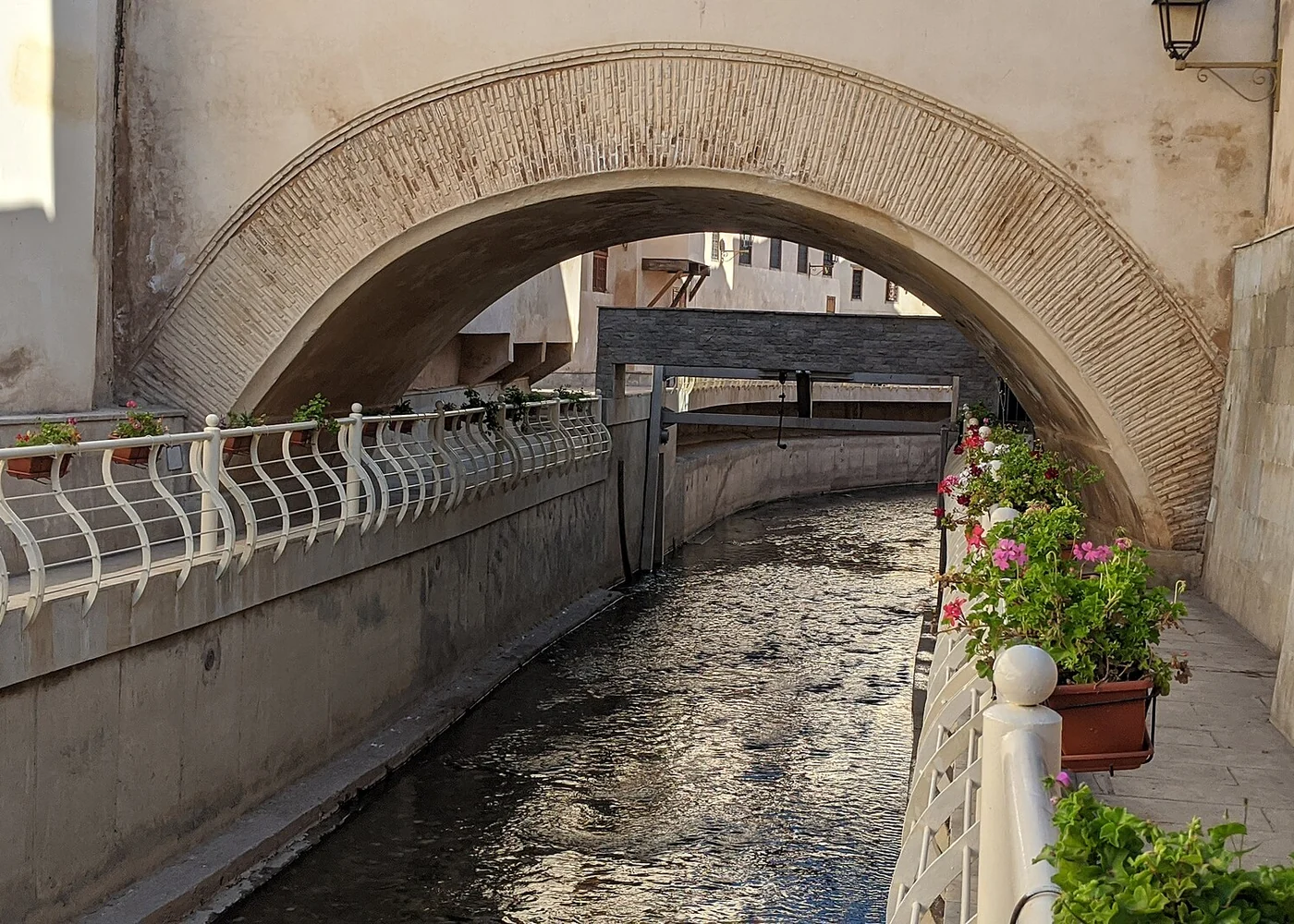
The watercourse and crossing in Fez bring infrastructure into view. Looking down a lane is only one way to read a medina. Bridges, drainage, public spaces and service routes help explain how different parts connect.

A canal and crossing photographed in Fez.
01

Follow movement

Watch deliveries, pedestrians and the rhythm of opening shops. A route’s importance may be practical rather than monumental. Stand where others can pass and notice how goods reach businesses in spaces designed before motor traffic became dominant.
02

Find the shared services

A fountain, public bath, bakery, school or place of worship can anchor neighbourhood life. Their presence helps explain why streets connect as they do. A visitor may not have access to every interior, but can still understand its relationship to the surrounding area.

03

Notice the threshold

A public street and a domestic entrance serve different purposes. Avoid photographing into homes or following someone through an entrance without an invitation. The most considerate route is not always the one that produces the most unusual view.

A closer understanding

A city works
between its landmarks.

A medina is an urban environment with residents, services and changing uses. Its less photographed connections deserve attention.

The route

Narrow does not mean without organisation.

A route carrying through traffic has a different role from a short lane serving a group of homes. Shopfronts, workshops, gates and changes in width can help reveal that hierarchy. A street network is more informative than the familiar label “maze”.

Walk slowly enough to notice how people use the route. Deliveries, school journeys and shopping create overlapping rhythms. A map designed only around visitor attractions may omit the everyday services that explain why a particular junction is busy.

The building

An institution is part of a neighbourhood.

A madrasa, fountain, market or hammam connects architecture with practical and social needs. The building’s plan can help distinguish those functions, but current use and access may differ from its original purpose. A historic label should not replace a current explanation.

Compare Fez with Tétouan rather than expecting one standard medina. Their histories of settlement and exchange differ, and so do their urban forms. The comparison makes shared features more meaningful because it leaves room for local particularities.

The present

Conservation includes the conditions of living.

An old wall can be repaired while a neighbourhood’s uses change. Housing, drainage, access, commerce and visitor demand all affect the future of a historic urban area. Protecting monuments alone does not answer every question about keeping a city habitable.

As a visitor, notice signs of present life without treating them as intrusions into a historic scene. A new delivery, a shop shutter or a school bag belongs to the place. The medina’s value includes its continuing use, not just a view cleared of modern people.

Carry this with you

Follow one ordinary route between a gate, a market and a residential lane. It reveals a different city from a circuit of monuments.

04 / The visual chapter

See what keeps a city working

Move between the close detail and the wider setting. Each view adds another part of the story.

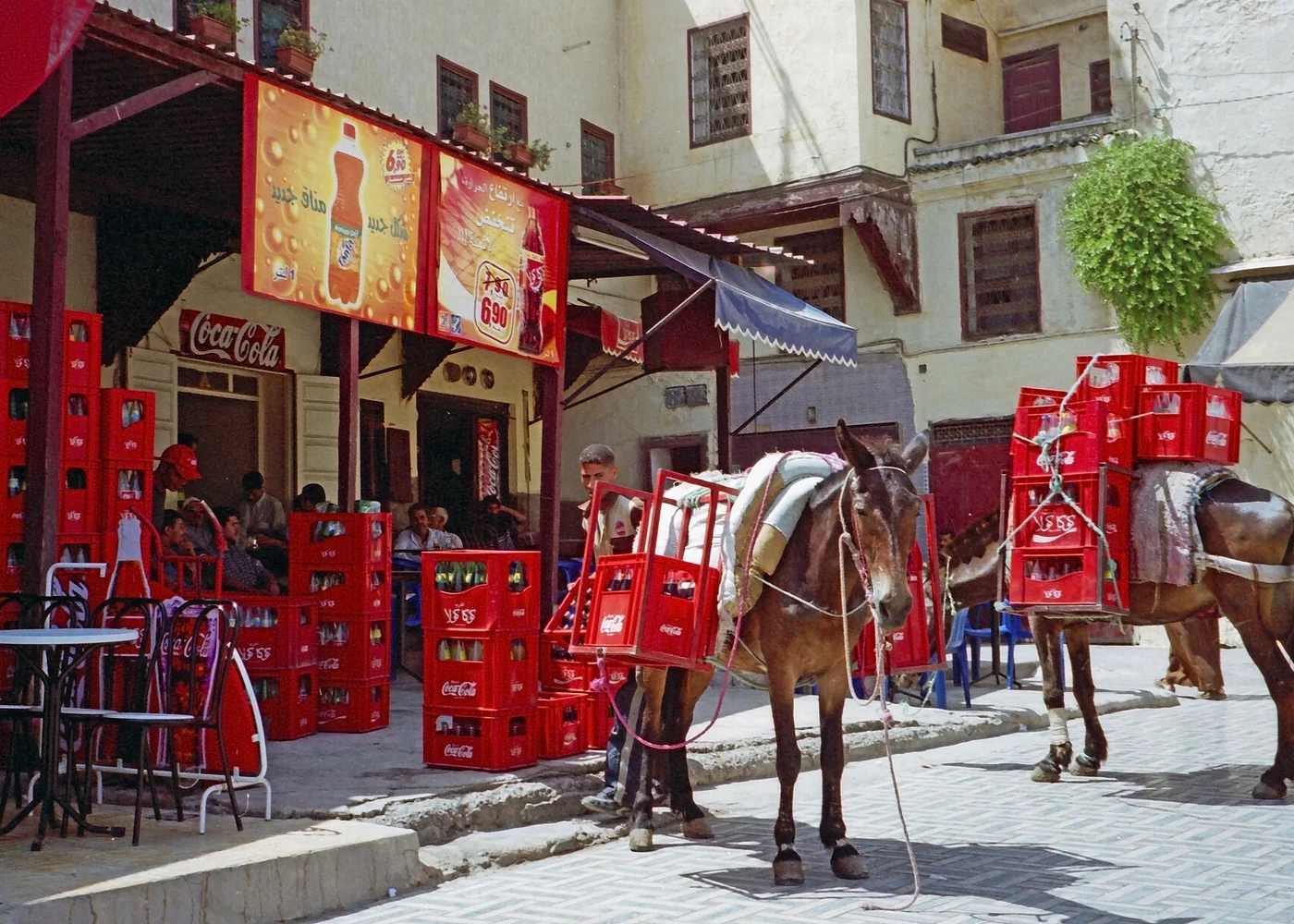
A historic film photograph of a drinks delivery in Fez.
01 / A closer look

Deliveries and labour

A delivery scene places a global branded product within historic streets. It challenges the idea of a medina untouched by modern commerce. Ask how goods move and whose work makes them available, rather than treating the transport itself as a curiosity.

A historic film photograph of a drinks delivery in Fez.
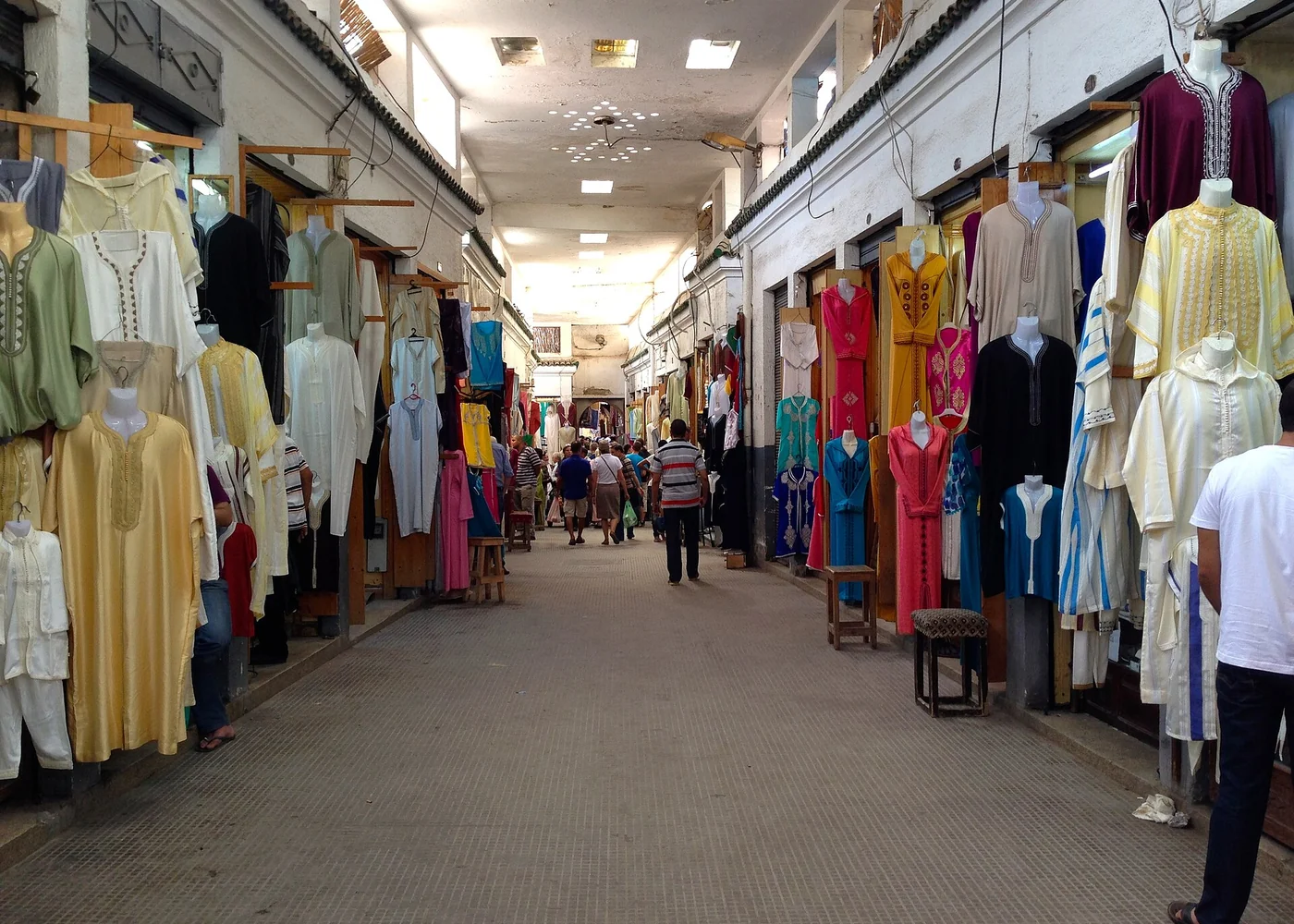
A clothing market in the medina of Fez, photographed in 2014.
02 / A closer look

A market has a routine

A clothing market is a working environment with opening hours, stock and customers. Some streets concentrate particular trades, but a single shopfront cannot explain the whole neighbourhood. Observe the different users and rhythms of a route.

A clothing market in the medina of Fez, photographed in 2014.
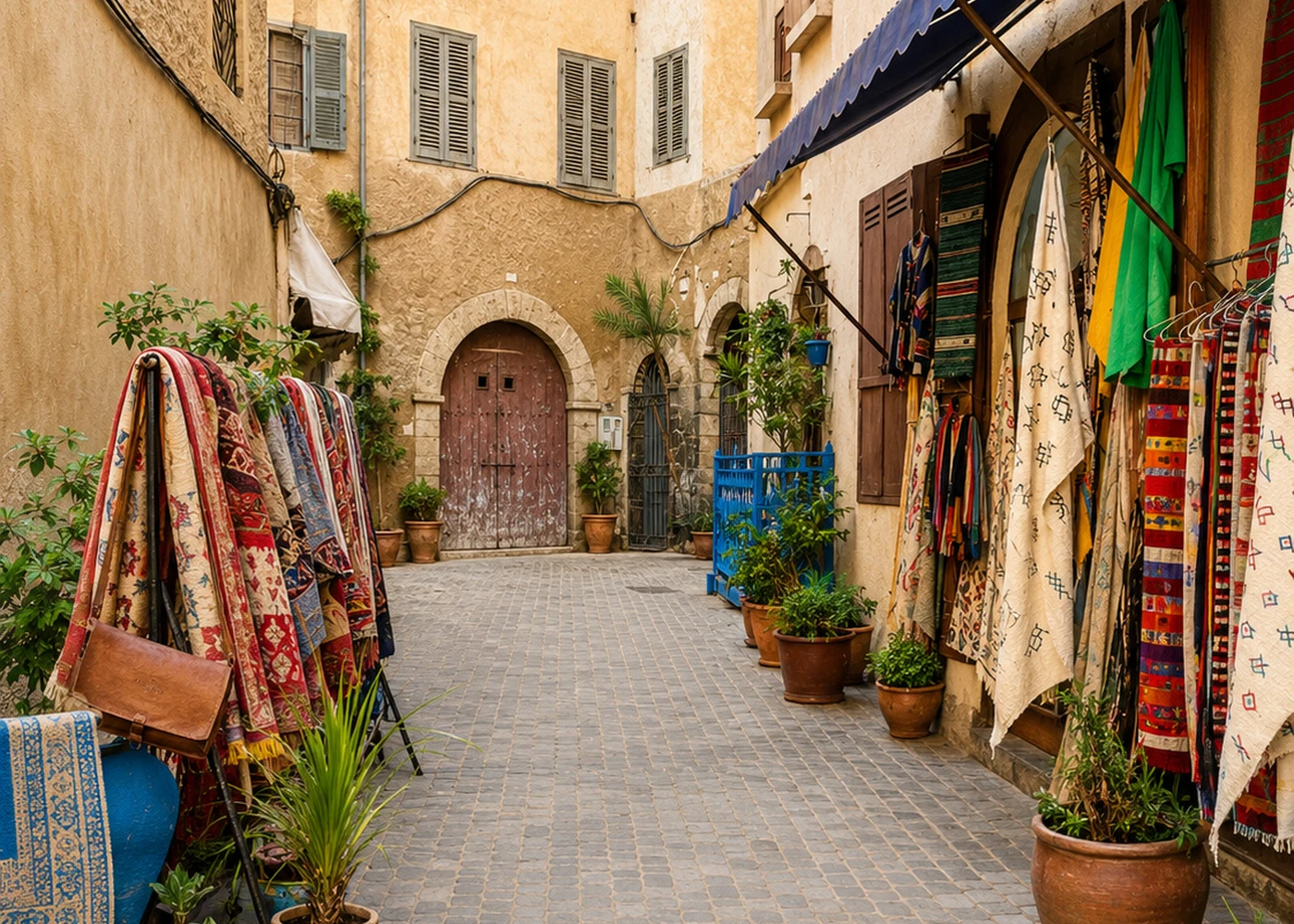
A textile-lined lane in El Jadida’s old city.
03 / A closer look

Marrakech & a wider rhythm

A major square, market routes and residential areas form different kinds of urban space. The intensity of a celebrated public place does not describe every neighbourhood. Leave room for the quieter infrastructure of daily life.

A textile-lined lane in El Jadida’s old city.
05 / More than one perspective

Look beyond
the first impression.

Perspective 01

Fez & urban depth

Fez offers a dense relationship between institutions, craft, commerce and residence. Its heritage value lies in the urban ensemble as well as individual monuments. A single spectacular courtyard should lead you back to the streets that support it.

Perspective 02

Tétouan & connected histories

Tétouan provides another scale and historical perspective, including Andalusian connections. Comparing it with Fez is more useful than expecting every medina to repeat the same visual formula. Watch how street form and building detail change.

06 / Make the connections

Read a medina in four layers

Use these ideas to connect what you notice with the materials, people and histories behind it.

01

Main routes

Begin with gates, major streets and recognisable public landmarks. These provide a framework before the smaller passages. A route useful for shopping may differ from a route used mainly to reach homes.

02

Shared institutions

Mosques, schools, fountains, baths and markets can organise neighbourhood life. Access rules differ, and some buildings are not open to visitors. Architectural interest does not override their current use.

03

Domestic thresholds

A lane can become quieter and more residential as you move away from a commercial street. Keep entrances clear and do not follow a person into a private doorway simply because the route looks interesting.

04

Change and care

Repairs, new uses, tourism and everyday needs all affect a historic centre. “Authentic” should not mean denying residents safe services or contemporary lives. Ask what is being preserved, for whom and with what consequences.

07 / A more useful conversation

Walk with a better question

Clear answers for the questions that often come next.

Are all medinas car-free?

No universal rule covers every medina or street. Access and traffic conditions vary. Pay attention to signs, service activity and local guidance, and leave room for people carrying or delivering goods.

Does getting lost guarantee an authentic experience?

No. A considered route, an informed guide or a local account can reveal more than wandering without context. Curiosity works well with awareness of private space and practical navigation.

How should I compare two medinas?

Choose a specific feature, such as a gate, market route or relationship to the terrain. Compare evidence from each place rather than assuming that one layout is the model for all others.

A thought to take with you

Keep looking. Keep learning.

On your next walk, identify one commercial route, one shared service and one transition towards private space. The medina will begin to read as an inhabited city rather than an ornamental labyrinth.

The Exotic Morocco library

Continue at your own pace.

This Learn story is free to explore. Find this subject in the guide library, with each title’s current availability clearly shown.

Explore the guide library ↗
Sources & further reading

Read the evidence

  1. UNESCO · Medina of Fez
  2. UNESCO · Medina of Tétouan
  3. UNESCO · Medina of Marrakesh
  4. UNESCO · Rabat, Modern Capital and Historic City

Source review: September 2026. Looking exercises and learning prompts are original Exotic Morocco editorial suggestions. Regional practice and personal experience vary.

Image acknowledgements

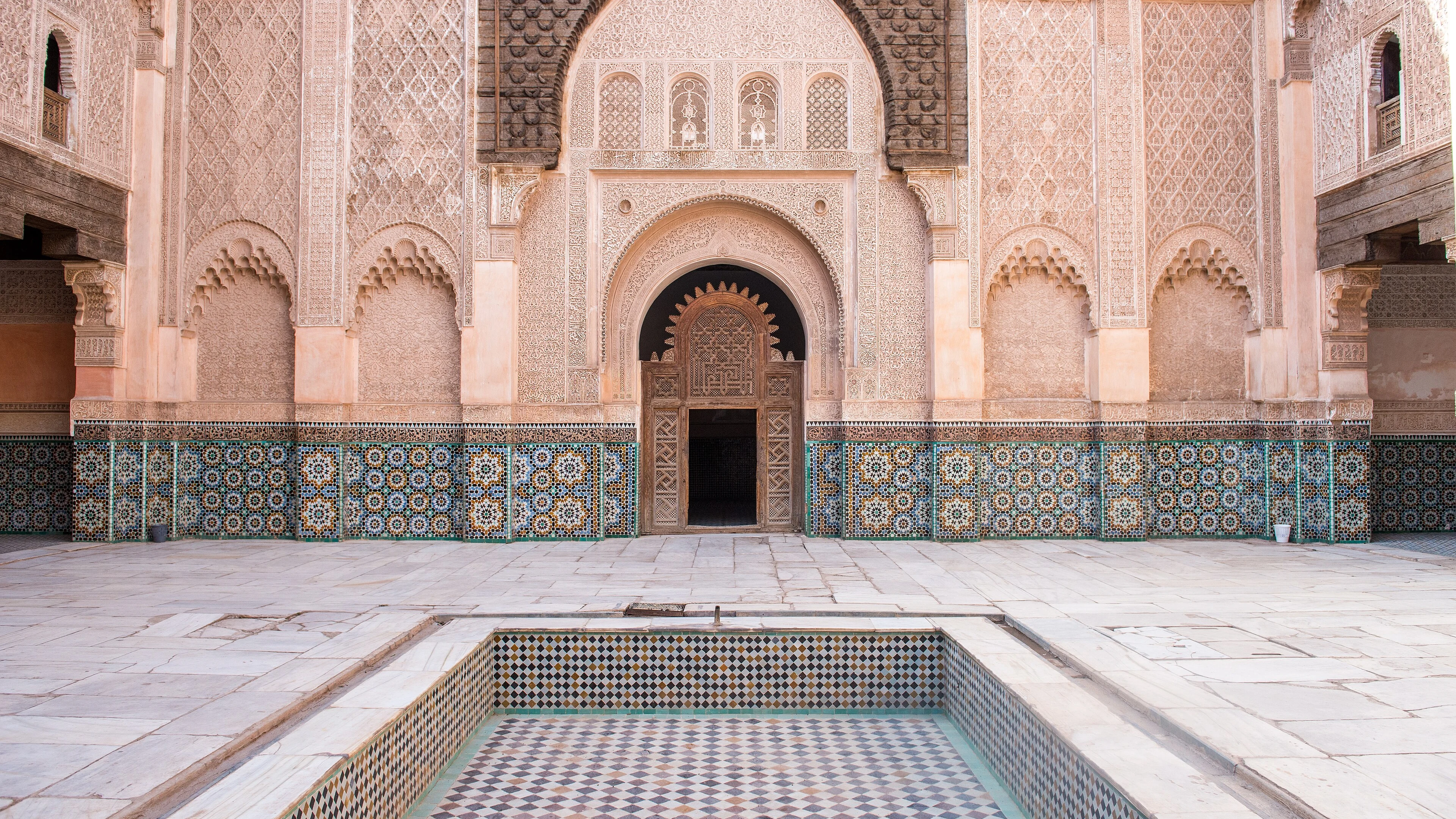
  1. Related preview: Ben Youseff Madressa.jpg — Nash Finley. CC BY-SA 4.0. Cropped/resized; original licence retained.
  2. Hero: Panoramic view of the Medina of Fes.jpg — Mustang Joe. CC0. Cropped/resized; original licence retained.
  3. Portrait: Al-Attarine Madrasa (8754799086).jpg — just_a_cheeseburger. CC BY 2.0. Cropped/resized; original licence retained.
  4. Story-1: Canal Medina Fez Morocco 100817 (49684330503).jpg — bobistraveling. CC BY 2.0. Cropped/resized; original licence retained.
  5. Story-2: Morocco-128 - Coke Delivery (from film) (2219047982).jpg — Dennis G. Jarvis. CC BY-SA 2.0. Cropped/resized; original licence retained.
  6. Story-3: Fes Morocco Medina street markets Sept 2014 - 08 (15302749453).jpg — Andrew Nash from Vienna, Austria. CC BY-SA 2.0. Cropped/resized; original licence retained.
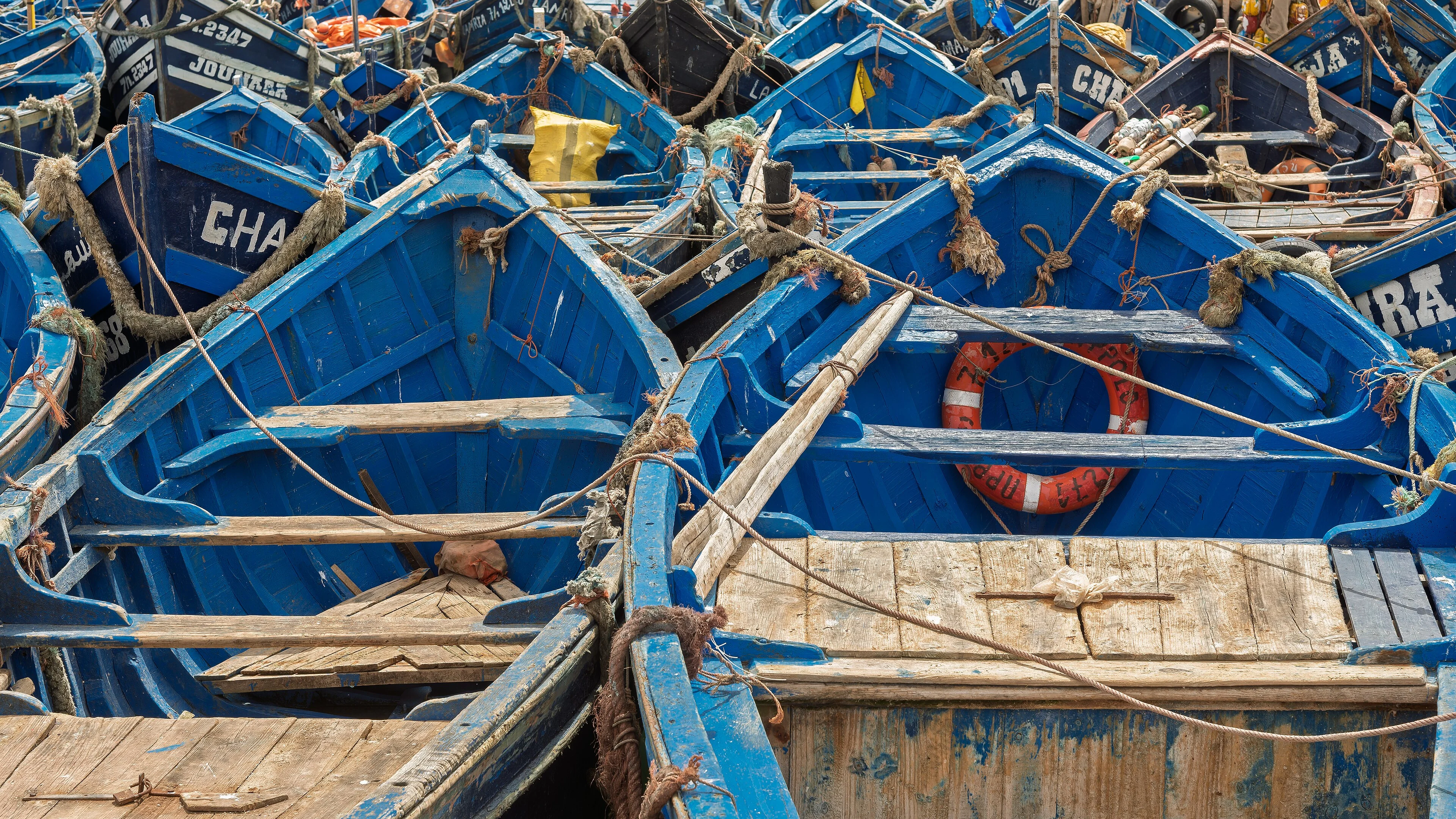
  7. Related preview: Fishing boats of Essaouira - Morocco.jpg — Mustang Joe. CC0. Cropped/resized; original licence retained.
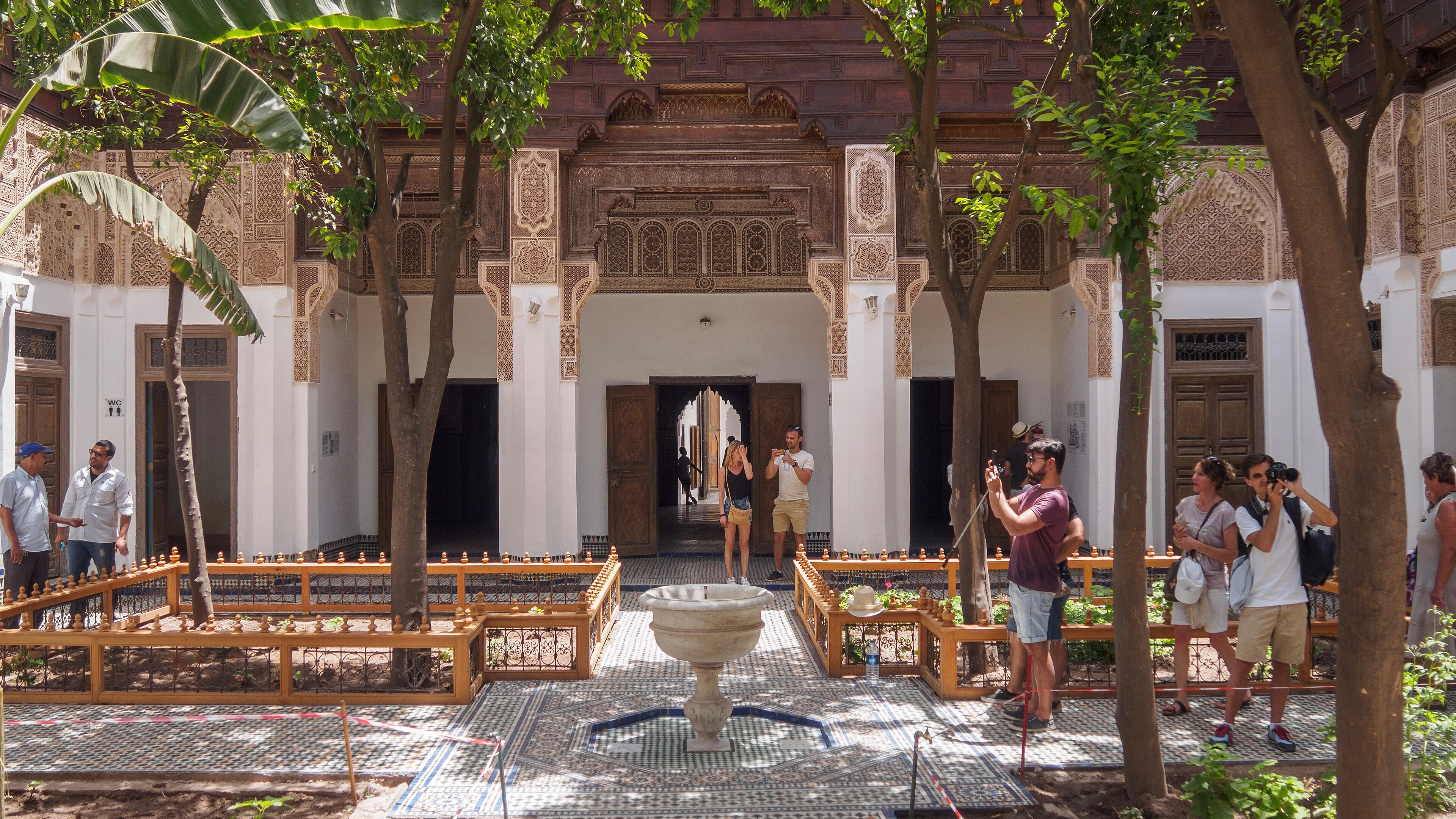
  8. Related preview: Small Riad Bahia Palace 1384.jpg — C messier. CC BY-SA 4.0. Cropped/resized; original licence retained.
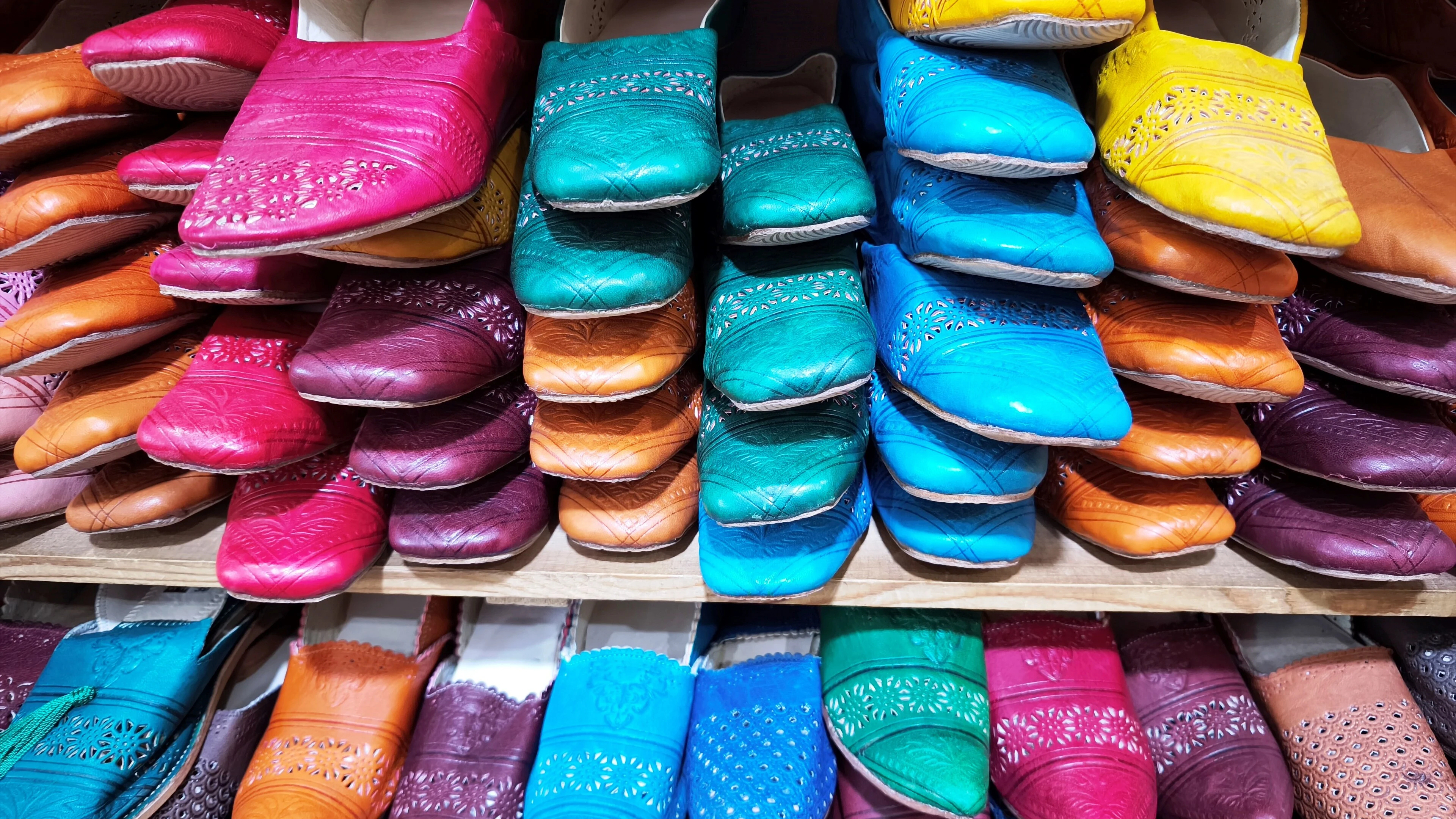
  9. Related preview: Arcobaleno di babouche.jpg — Simo.Albo80. CC BY-SA 4.0. Cropped/resized; original licence retained.
  10. Chapter: A souk lane in Meknes: shopfronts and circulation. — Exotic Morocco’s existing image collection.
  11. Gallery: A textile-lined lane in El Jadida’s old city. — Exotic Morocco’s existing image collection.

Destination and related-story thumbnails intentionally identify their linked pages. Principal story images are selected individually for this Learn page.