Skip to learning
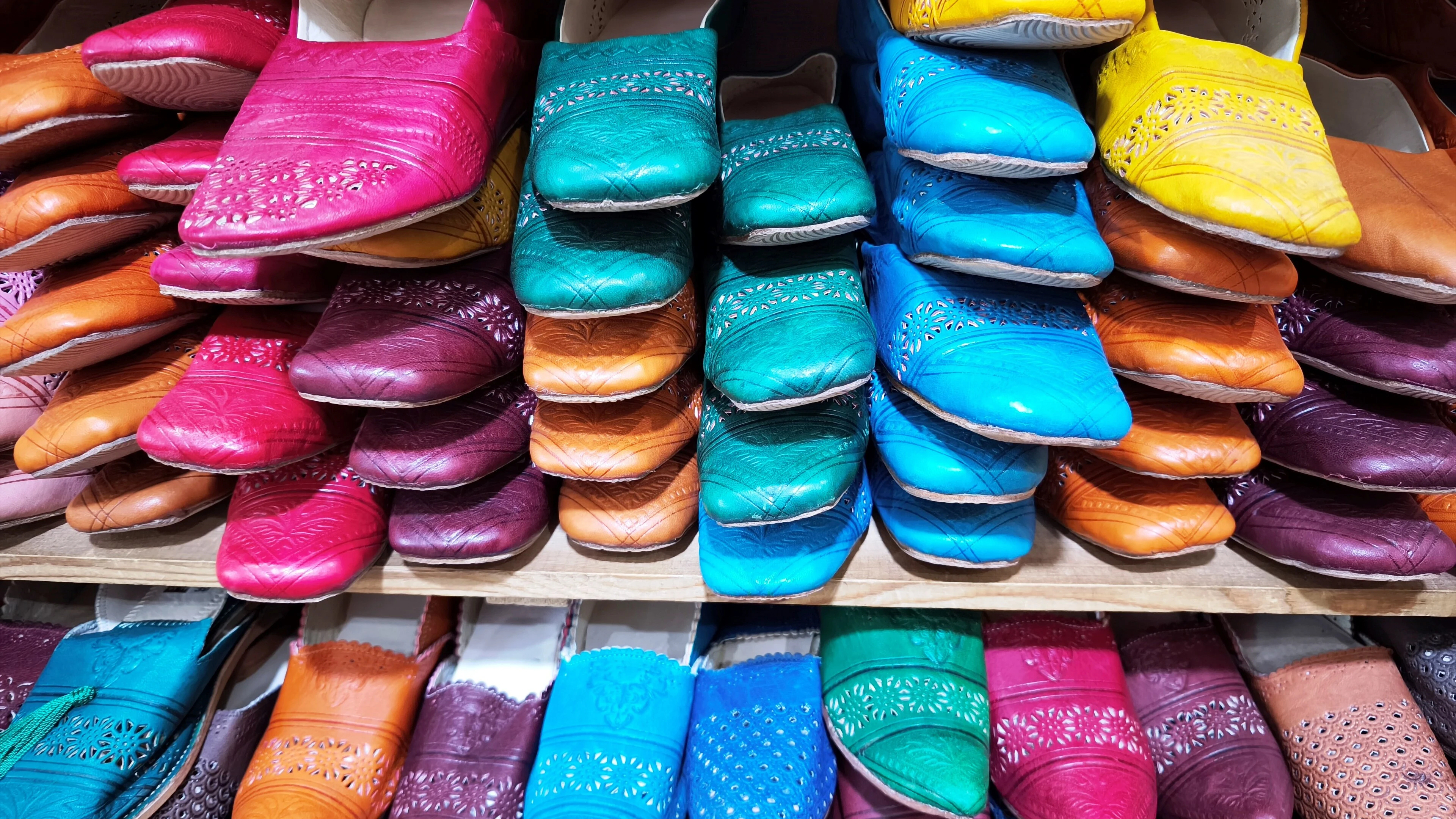
A display of brightly coloured babouche slippers.
Material, work & the market

Leather, Souks & Babouche

Follow leather from material and labour to the souk display. A pair of slippers can open a bigger story about making, trade and use.

Exotic Morocco · 10 minute read
01 / A way into the story

A finished surface has a working history.

Babouche is a familiar name for Moroccan slippers; balgha is another name you may encounter. Their shapes, materials and decoration vary. A bright display shows choice, but it cannot tell you where every pair was made or how it will perform.

Leatherwork also involves stages beyond stitching a finished object. Preparation, tanning, cutting and assembly may happen in different workplaces. Keep the people and conditions of that work in view, rather than reducing a tannery to its colour or smell.

Tanning stabilises a prepared hide to make leather. It is distinct from later cutting, sewing and finishing. The substances and equipment used vary, so an attractive colour in a tannery photograph is not a reliable account of its process.

A leatherworker in Marrakech, photographed at work with prepared material.
THE SUBJECTMaterial, work & the market
THE APPROACHPlace. Practice. People.
THE CONNECTIONFind it in Morocco ↗
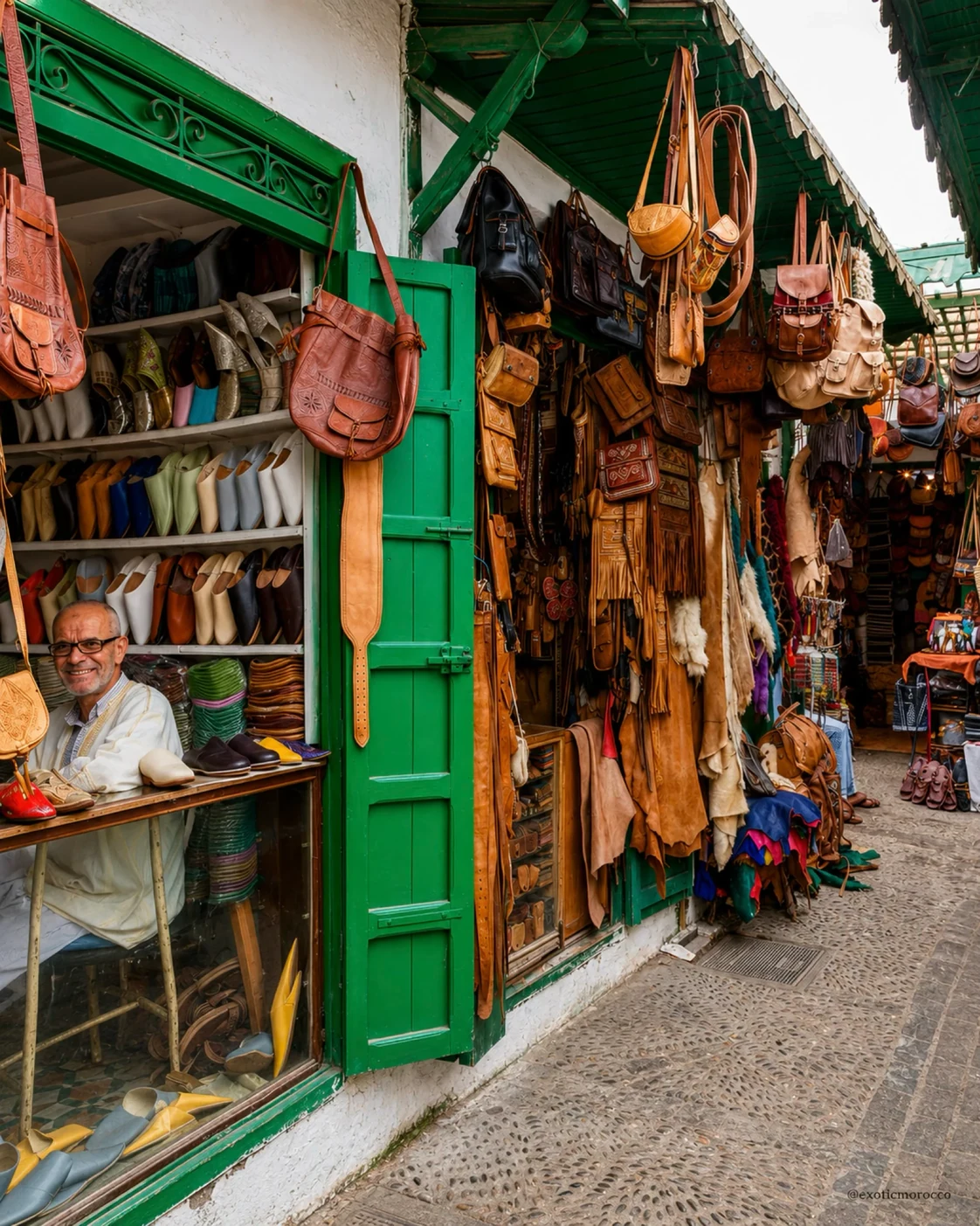
A leather shop in the Tétouan collection.
02 / The deeper context

A bright display.
A longer material story.

A wall of slippers can appear to be pure colour. Closer attention reveals a set of practical decisions: the shape of the toe, the construction of the sole, the thickness of the upper, the lining and the way the pieces are joined. “Babouche” is a familiar travel and retail term, but it should not flatten the variety of footwear or the local names used for it.

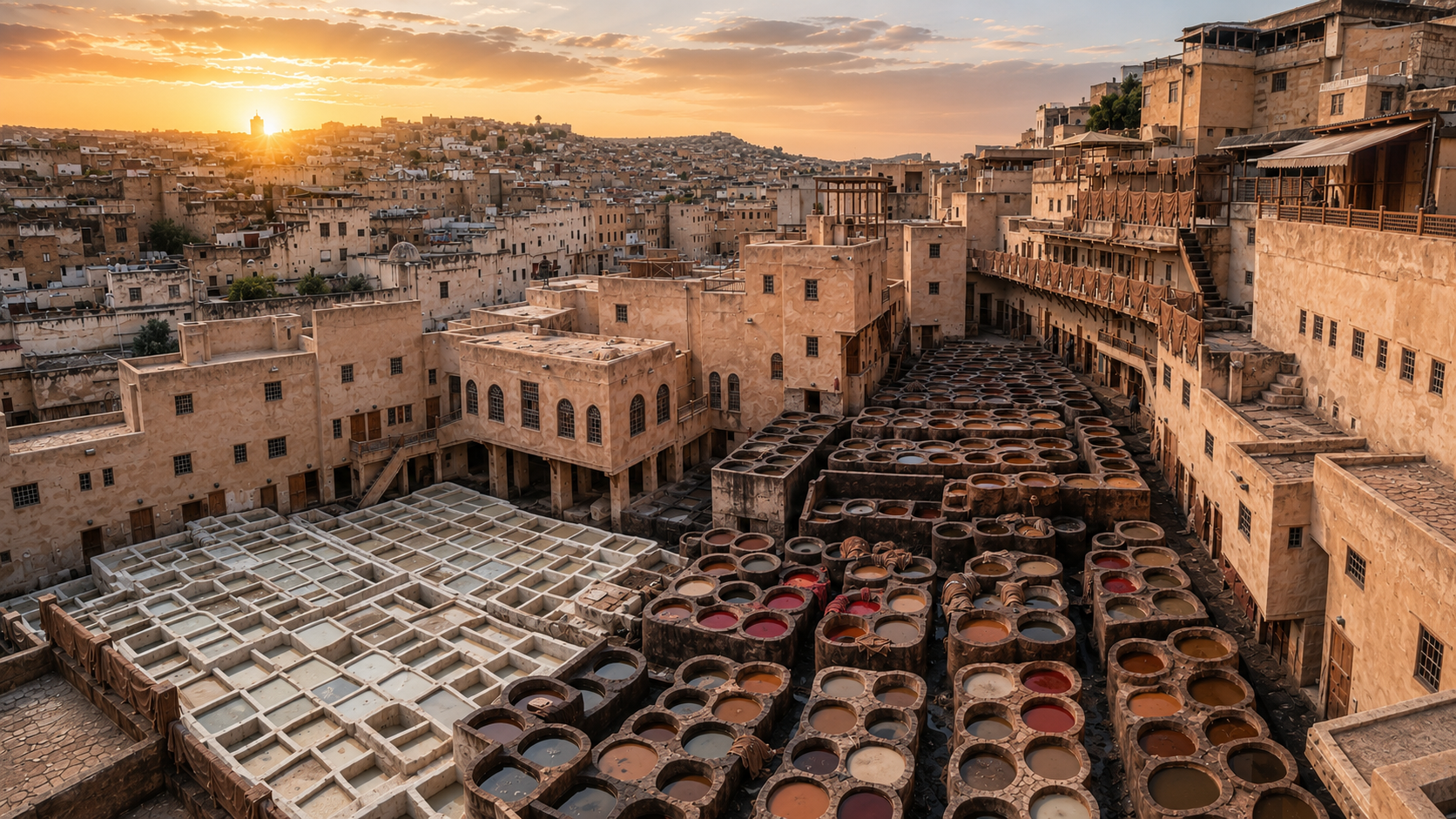
Leatherwork also extends beyond the finished shoe. Preparing hides, tanning, dyeing, cutting, stitching and retailing are different stages, which may involve different people and places. A tannery panorama is visually striking, but it is not a complete explanation of the material. Nor does it establish which process was used for a particular item in a shop elsewhere.

The most rewarding approach follows the object you can actually examine. Ask about its material, where it was made and how it is intended to be worn. A seller who can explain fit, care and repair is giving you information that matters long after the colour display has become a photograph.

03 / From an idea to everyday life

Look beyond the colour of the upper.

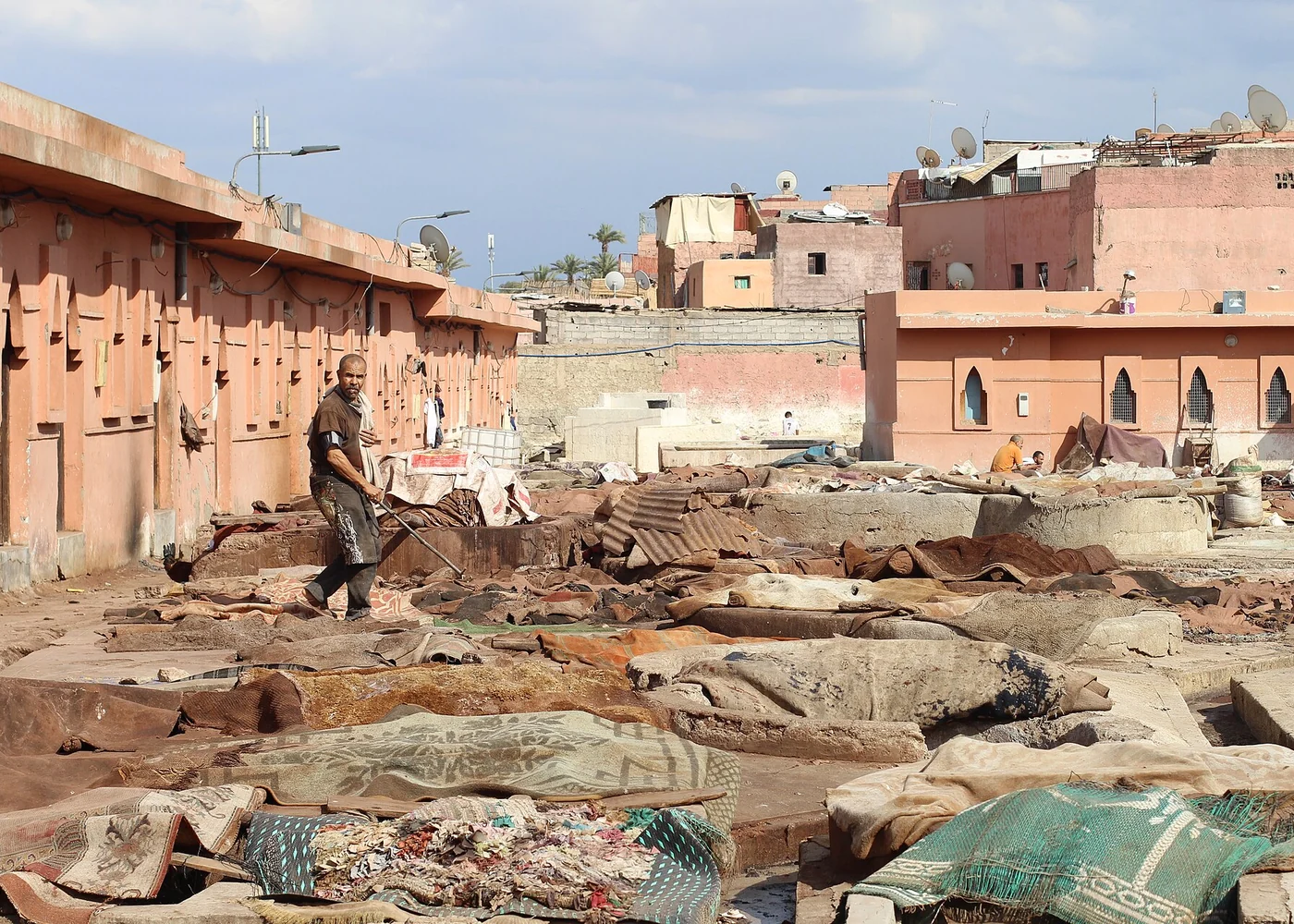
A tannery yard is organised around material, tools, water and labour. The photographed layout does not establish the chemical process or environmental practices of every tannery. Ask informed questions and avoid repeating an unverified “all natural” claim.

A tannery photographed in Morocco.
01

Shape and fit

A pointed or rounded toe changes the silhouette, but fit involves the whole shoe. Consider width, the way the foot sits and whether the heel is intended to be open or enclosed. Try footwear with permission and follow the seller’s guidance about its intended use.

02

Construction and finish

Look at the join between upper and sole, the edge finishing and the interior. These details can reveal whether a piece suits occasional, indoor or more frequent use. A handmade label is not a substitute for examining how the components work together.

03

Material and care

Ask what the upper, lining and sole are made from, and how the item should be cared for. Do not infer a tanning or dyeing method from colour, smell or a nearby tannery visit. Specific information about the product is more reliable than a general story about the city.

A closer understanding

From a material
to a pair that fits.

A leather souk brings together processes that are easy to confuse when only the finished colour is visible.

Preparation

Tanning and shoemaking are different trades.

Tanning turns an animal hide into leather. Cutting, shaping, stitching and finishing then turn that material into a particular object. A retailer may be connected with these stages without carrying them all out in the shop.

The famous view across a tannery is therefore one chapter, not a complete production story. A pair of slippers involves further decisions about pattern, lining, sole and finish. Ask which stages happen locally and which workshop made the pair in front of you.

Construction

The sole changes the experience.

Softness in an upper does not tell you how a shoe will behave underfoot. Thickness, lining, sole construction and the fit around the foot all matter. A slipper intended mainly for indoors may differ from a pair made for street use.

Look at the join between upper and sole and the finish inside the shoe. These are useful details to discuss with a maker. A bright dye or an elaborate embroidered surface is a visual quality; it cannot substitute for comfort, construction and an honest description of use.

Names and variation

A familiar silhouette has many versions.

Babouche and balgha appear in descriptions of Moroccan slippers, with naming and forms varying by context. Pointed and rounder silhouettes, plain and decorated surfaces, and different materials should not be treated as one identical product.

Avoid reading a wearer’s identity directly from one pair of shoes. Clothing choices change with occasion, taste, work and comfort. An object can have a recognised cultural history while an individual uses it in an entirely personal way.

Carry this with you

Follow the chain in the right order: hide, leather, pattern, construction, finish, use. The souk becomes easier to read.

04 / The visual chapter

Look behind the display

Move between the close detail and the wider setting. Each view adds another part of the story.

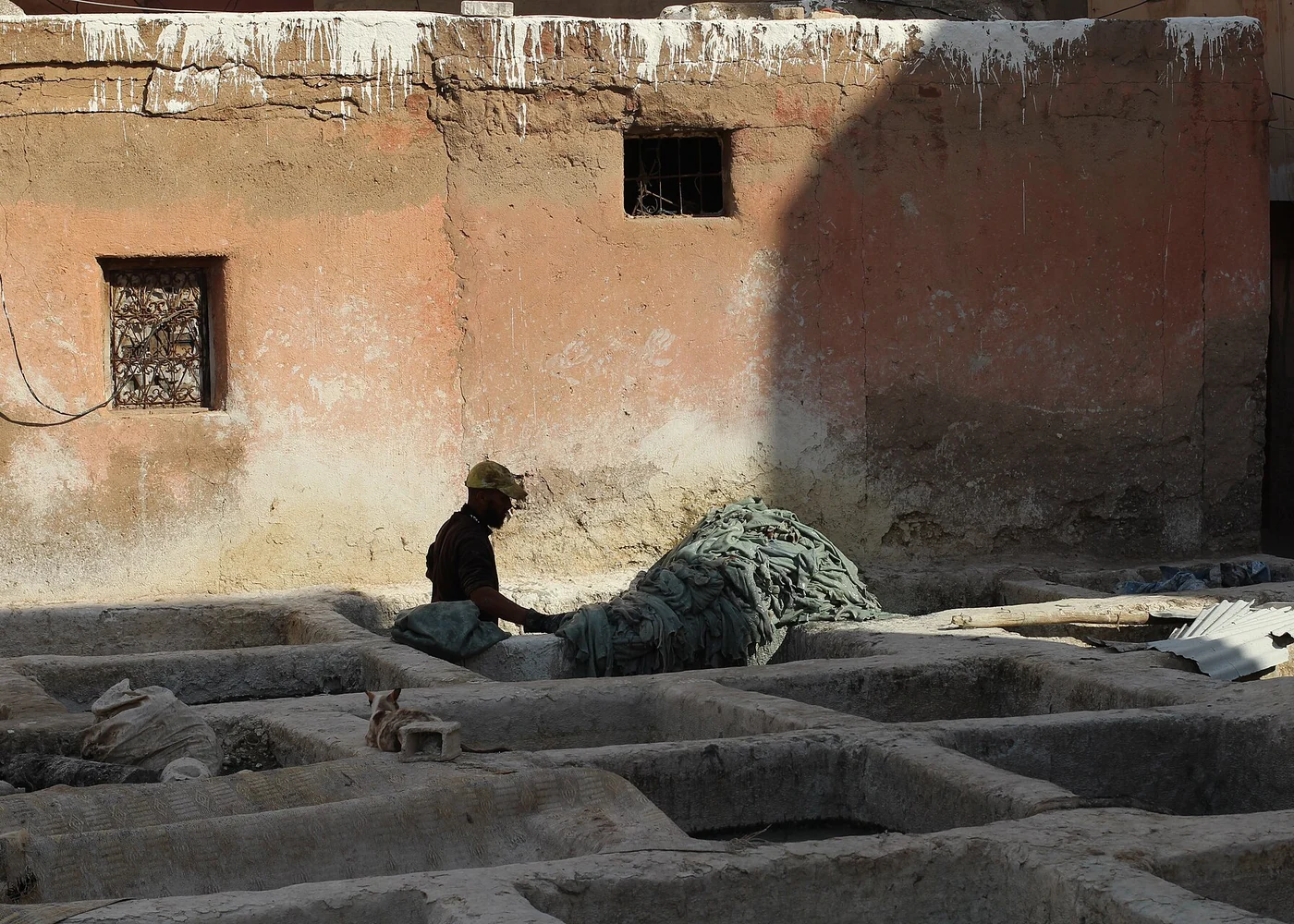
A worker photographed in a Moroccan tannery.
01 / A closer look

The person doing the work

A distant view can make labour disappear into a pattern of vats. Bring the worker back into the interpretation: what task is being done, with which tools, and under what conditions? Photography should not turn someone’s workplace into a spectacle.

A worker photographed in a Moroccan tannery.
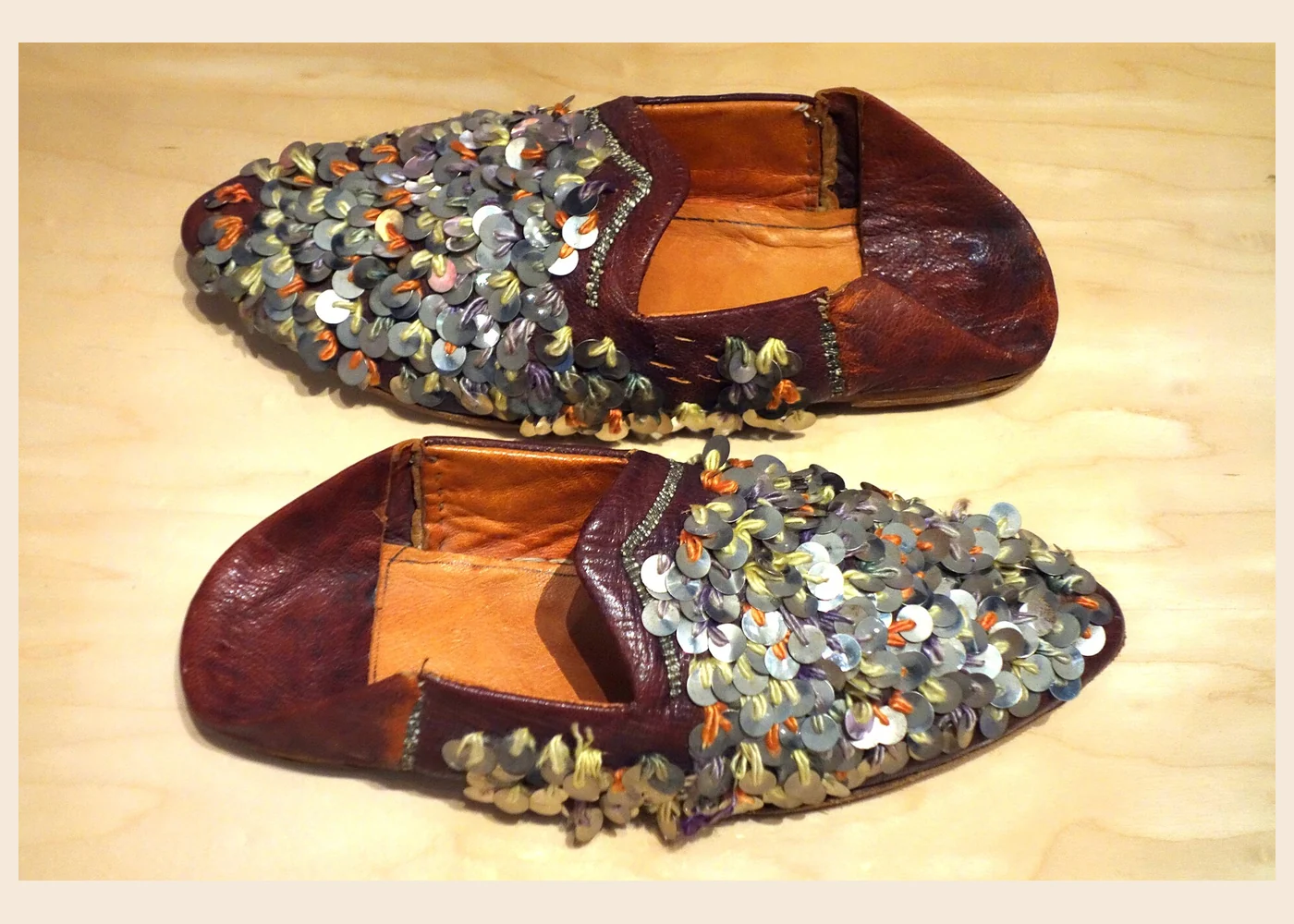
Twentieth-century Moroccan leather babouche with silver-coloured sequins, displayed at the Bata Shoe Museum in Toronto.
02 / A closer look

A slipper as an object

This decorated pair, held by the Bata Shoe Museum, differs from an everyday market display. Compare construction and ornament without assuming the same occasion of use. A museum record can add context that colour and shape alone cannot provide.

Twentieth-century Moroccan leather babouche with silver-coloured sequins, displayed at the Bata Shoe Museum in Toronto.
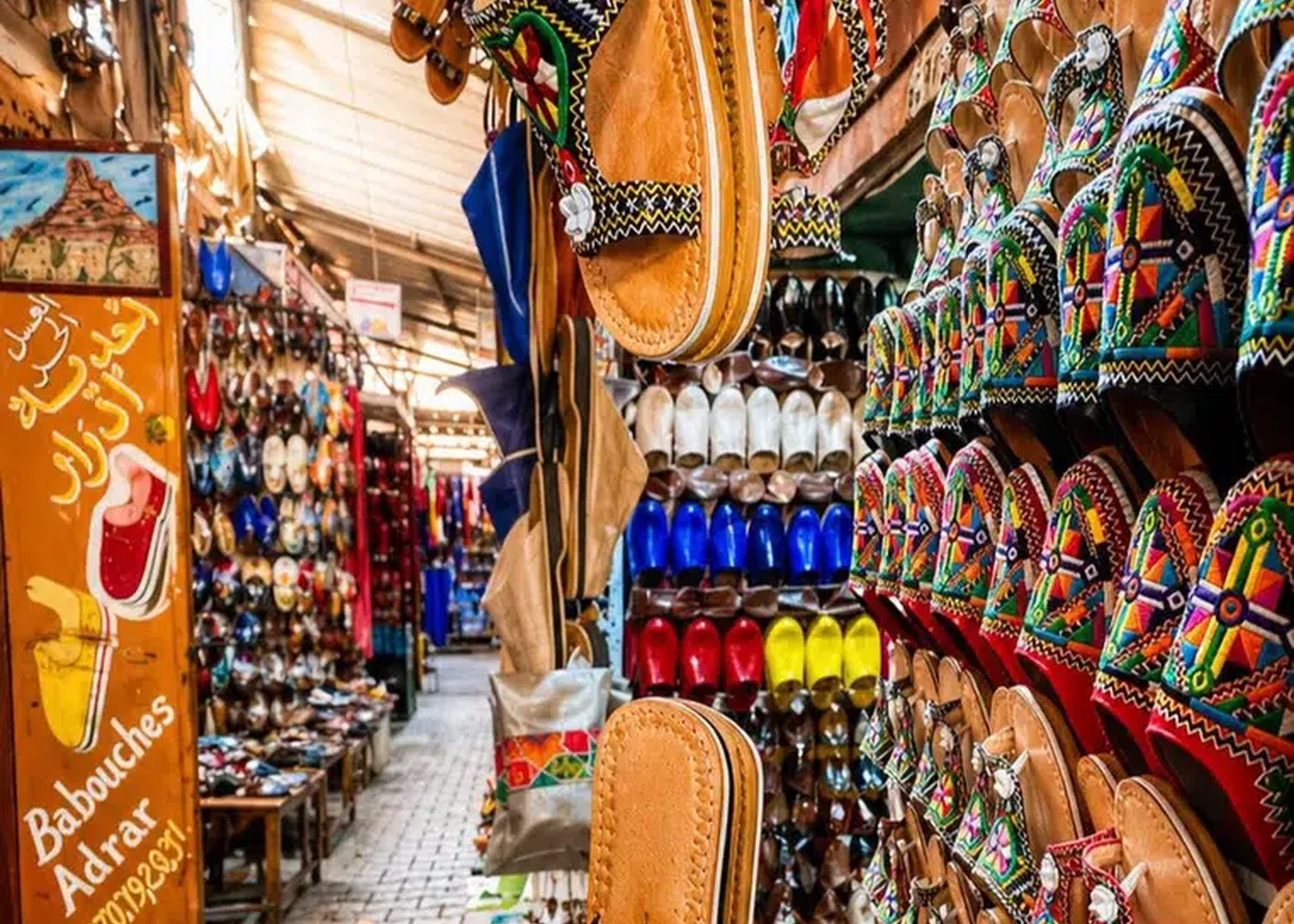
Slippers and bags presented in a souk display.
03 / A closer look

Footwear in daily life

Slippers can belong to domestic use, dress, celebration or contemporary fashion. A museum example and a current shop display answer different questions. Compare their forms without treating one as the only authentic expression of Moroccan footwear.

Slippers and bags presented in a souk display.
05 / More than one perspective

Look beyond
the first impression.

Perspective 01

A tannery is a workplace

Views from terraces show only part of a complex process. Workers, equipment and moving materials deserve space and respect. Avoid repeating unsupported claims that every substance used is natural, or that a method has remained unchanged for centuries.

Perspective 02

A souk is a commercial network

A retail shop may sell work from several sources. That is not inherently misleading, but the distinction between maker and retailer should remain clear. Ask where the piece was produced and which stages the seller can explain directly.

06 / Make the connections

Examine a pair with purpose

Use these ideas to connect what you notice with the materials, people and histories behind it.

01

Shape

Look at the toe, heel opening and how the shoe sits on the foot. A recognisable outline is not a guarantee of comfort. Intended use and personal fit matter more than a label.

02

Construction

Inspect stitching, joins, lining and the sole. Ask which materials are used in each part. Leather on the outside does not establish what the lining or sole is made from.

03

Finish

Dye, embossing, embroidery and added ornament create different surfaces. Ask how the finish should be cared for. Do not assume all colours or decorations will behave the same way in use.

04

Making and trade

A seller may also be a maker, or may source work from others. Either arrangement can be described honestly. Ask who carried out the work and where, rather than demanding a romantic workshop story.

07 / A more useful conversation

A more informed souk conversation

Clear answers for the questions that often come next.

Does a strong smell prove quality or authenticity?

No. Smell cannot reliably establish a material’s quality, processing method or origin. Construction, clear material information and appropriate use are more useful questions.

Are all babouche made for the same setting?

No. Material, sole and ornament can differ with intended use. A heavily decorated museum pair should not be treated as the standard for all daily footwear.

How can a visitor be considerate at a tannery?

Use permitted viewing areas, follow local instructions and ask before photographing identifiable workers. Do not interfere with work or infer safe practices from the appearance of the yard.

A thought to take with you

Keep looking. Keep learning.

Let the display attract you, then let construction guide the conversation. The most useful souvenir is an object whose material, purpose and care you understand, alongside respect for the people who made and sold it.

The Exotic Morocco library

Continue at your own pace.

This Learn story is free to explore. Find this subject in the guide library, with each title’s current availability clearly shown.

Explore the guide library ↗
Sources & further reading

Read the evidence

  1. Bata Shoe Museum · The World at Your Feet: Moroccan balgha
  2. Moroccan National Tourism Office · Traditional craftsmanship revisited
  3. UNESCO · Medina of Fez
  4. The Metropolitan Museum of Art · Moroccan leather slippers

Source review: September 2026. Looking exercises and learning prompts are original Exotic Morocco editorial suggestions. Regional practice and personal experience vary.

Image acknowledgements

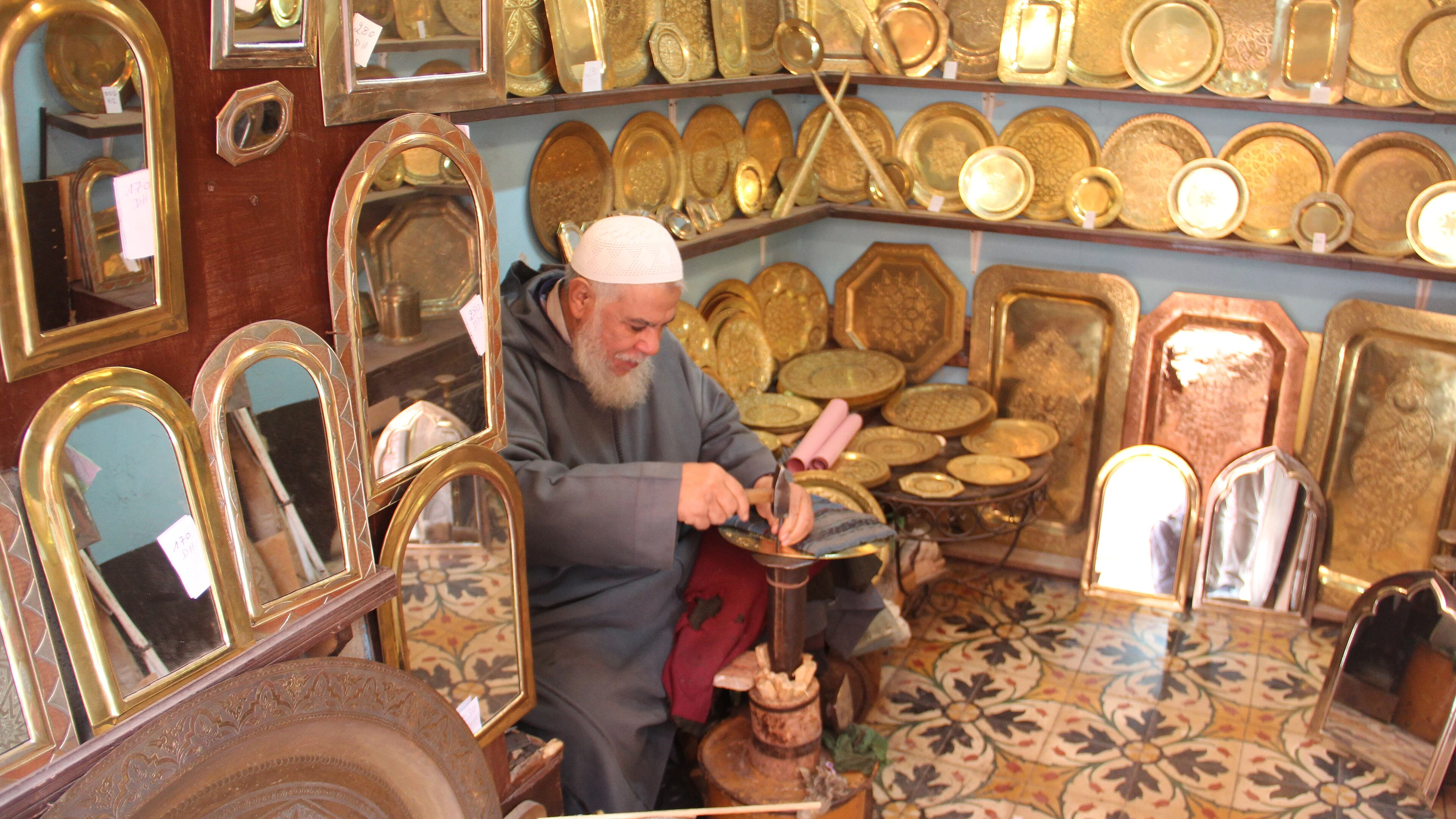
  1. Related preview: PlateMakerMarrakech.jpg — Elgaard. CC BY-SA 4.0. Cropped/resized; original licence retained.
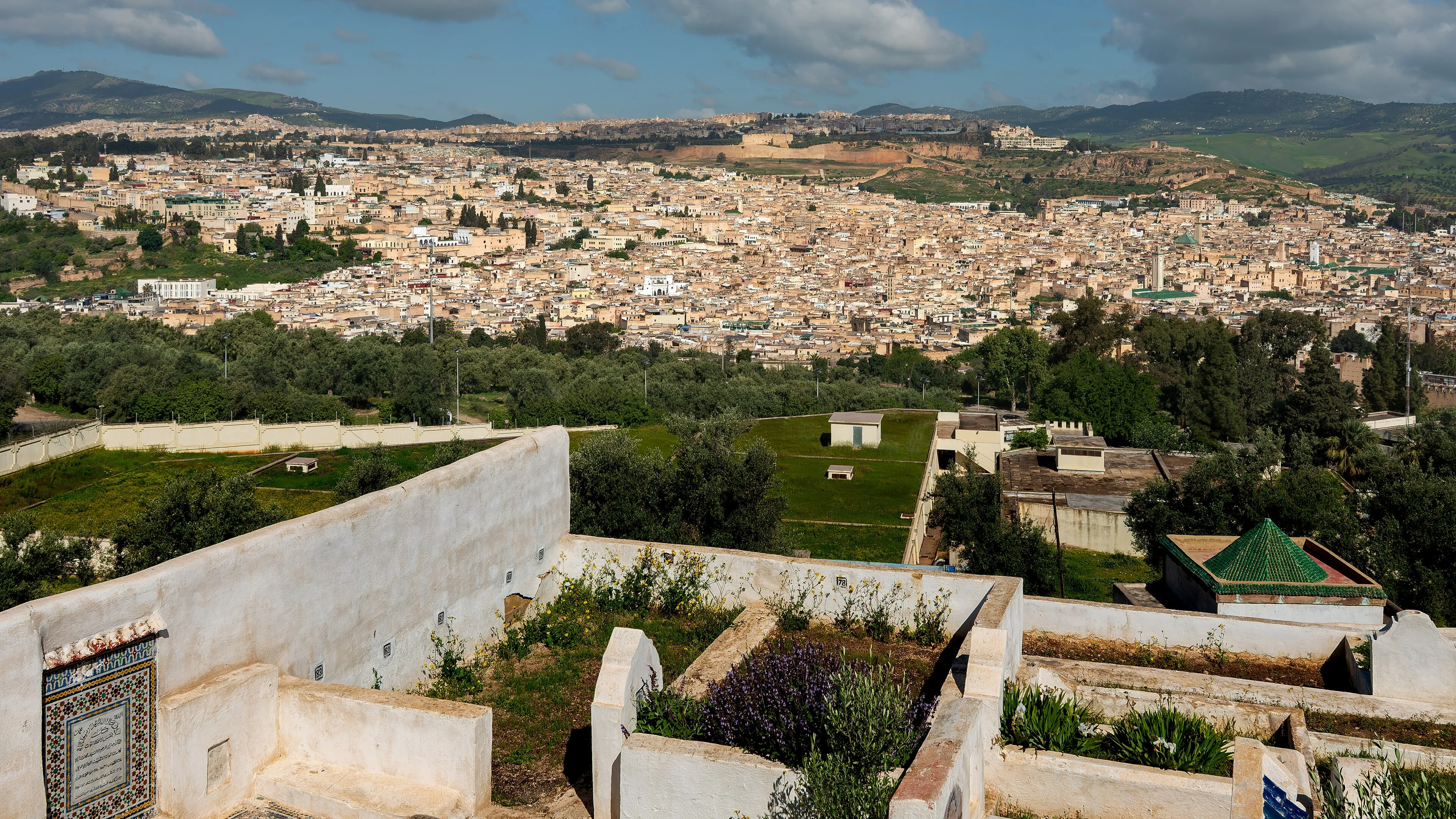
  2. Related preview: Panoramic view of the Medina of Fes.jpg — Mustang Joe. CC0. Cropped/resized; original licence retained.
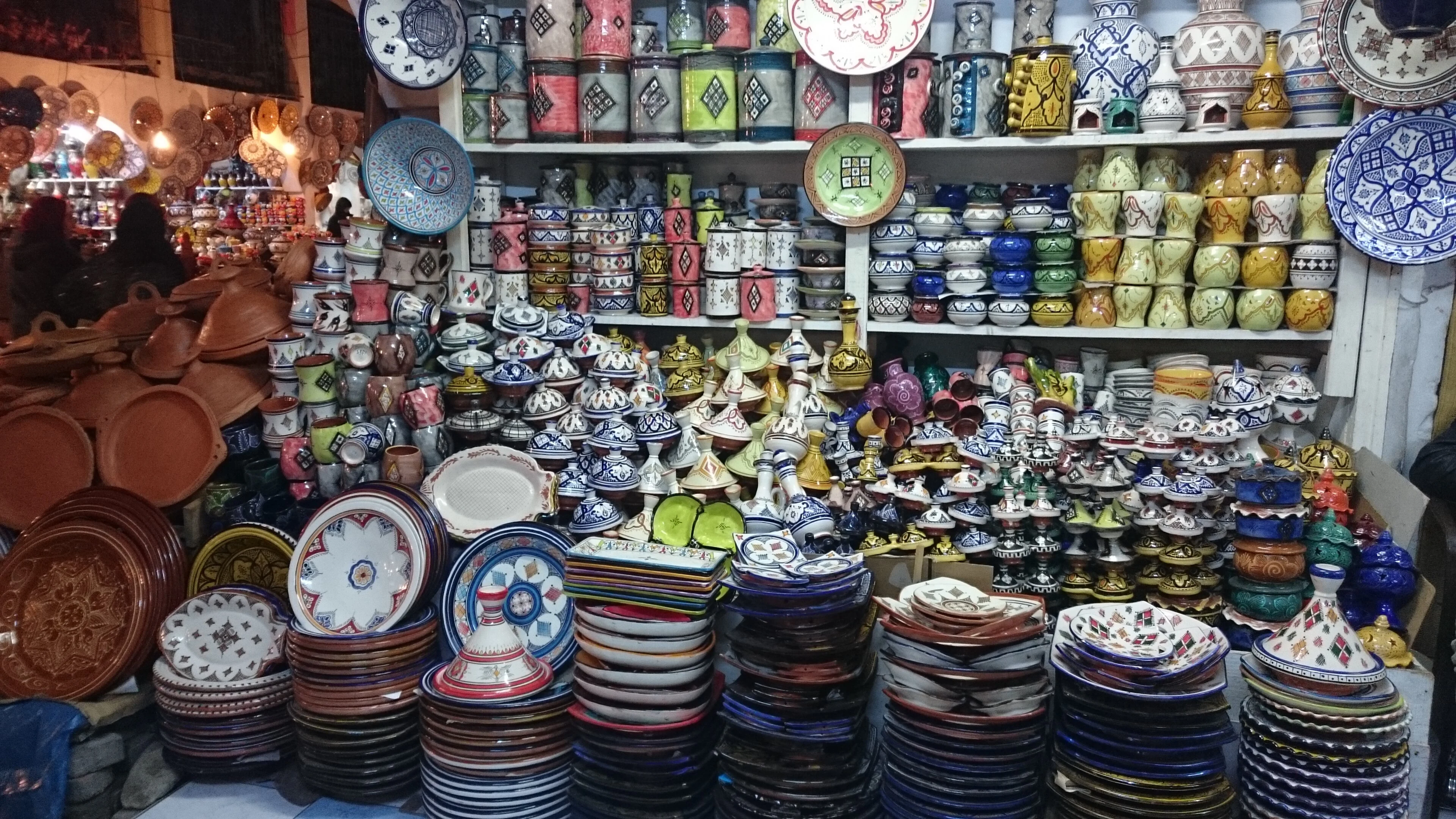
  3. Related preview: Safi.jpg — Abdelmounim Maroc. CC BY-SA 4.0. Cropped/resized; original licence retained.
  4. Hero: Arcobaleno di babouche.jpg — Simo.Albo80. CC BY-SA 4.0. Cropped/resized; original licence retained.
  5. Portrait: Tanner at work, Medina of Marrakesh.jpg — Petar Milošević. CC BY-SA 4.0. Cropped/resized; original licence retained.
  6. Story-1: The Art of Tanning.jpg — AmiraAdel93. CC BY-SA 4.0. Cropped/resized; original licence retained.
  7. Story-2: The Tanner at Work.jpg — AmiraAdel93. CC BY-SA 4.0. Cropped/resized; original licence retained.
  8. Story-3: Moroccan babouche, burgundy leather with silver sequins, 20th century - Bata Shoe Museum - DSC00131.JPG — Daderot. CC0. Cropped/resized; original licence retained.
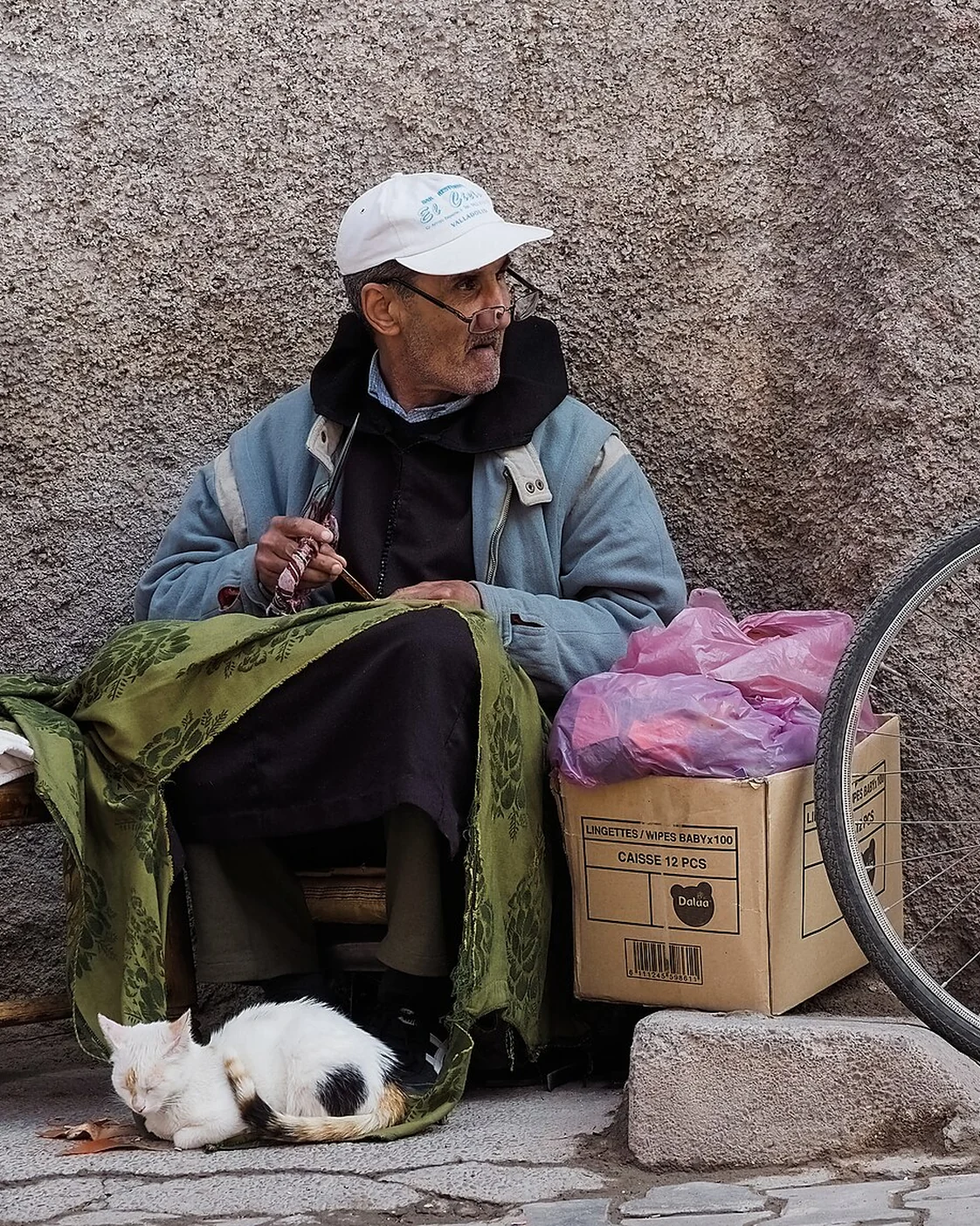
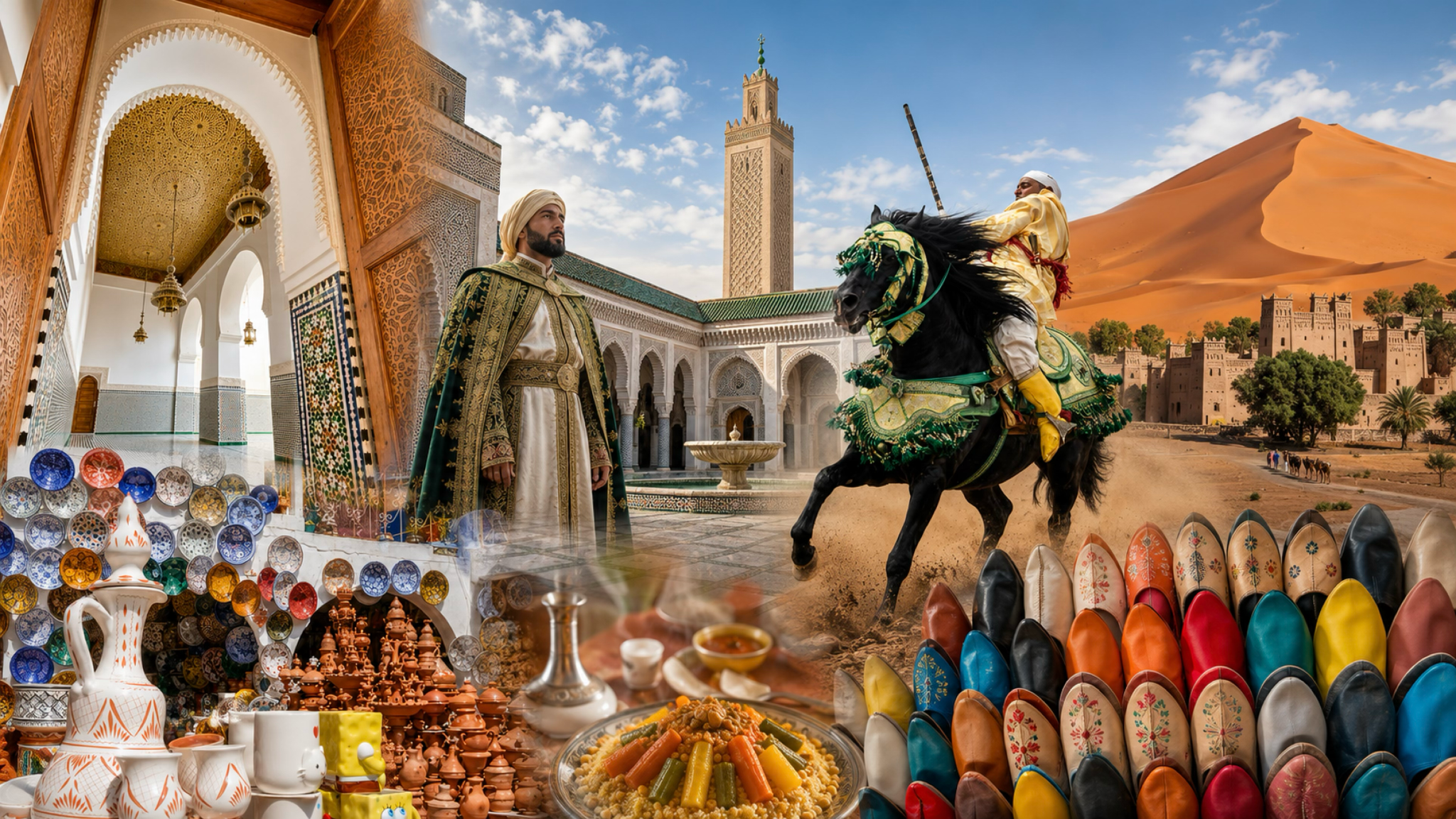
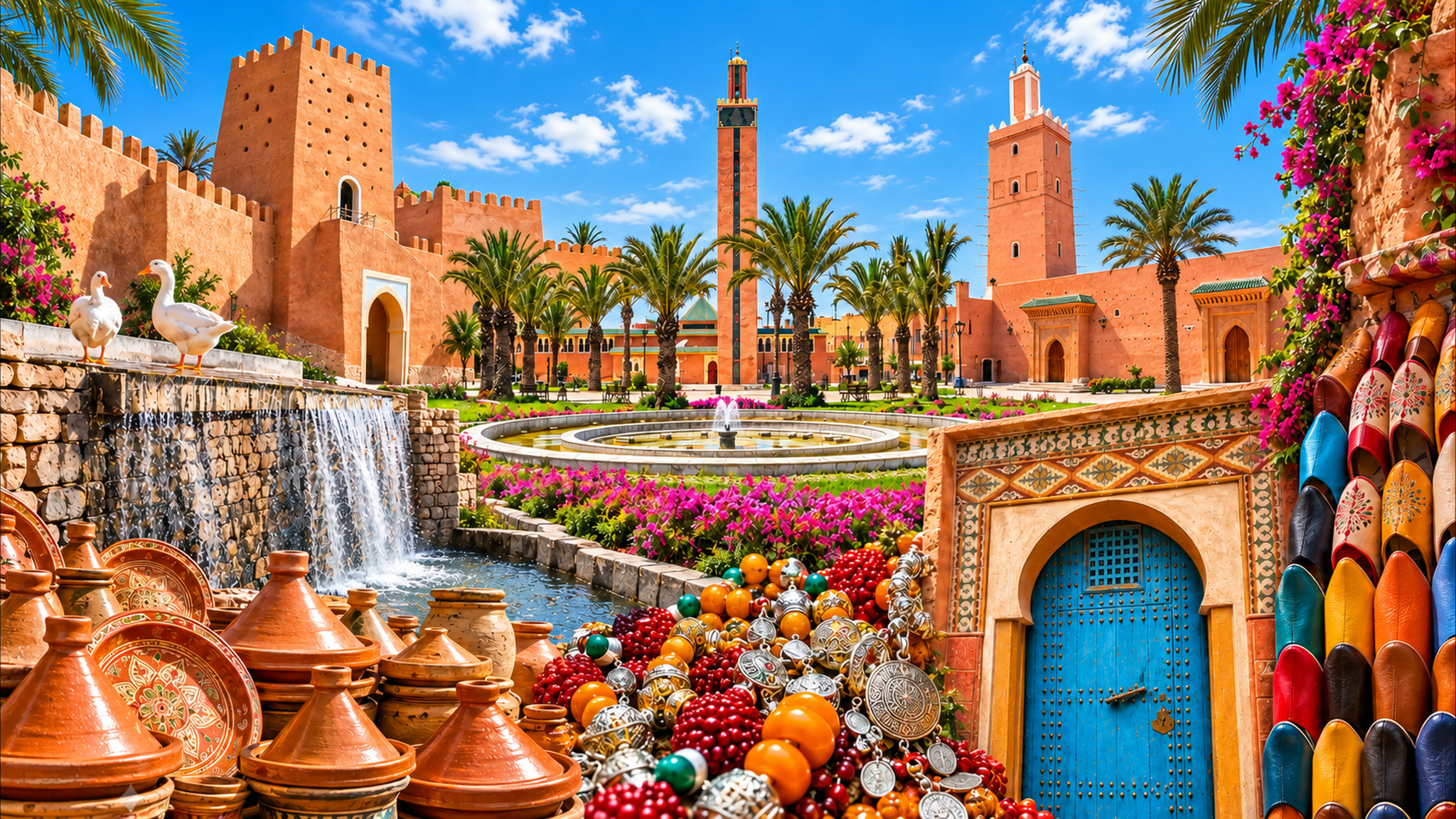
  9. Related preview: AI-generated editorial illustration by Exotic Morocco, made with OpenAI ImageGen. It represents a scene; it is not documentation of identifiable people or a recorded event.
  10. Chapter: A leather shop in the Tétouan collection. — Exotic Morocco’s existing image collection.
  11. Gallery: Slippers and bags presented in a souk display. — Exotic Morocco’s existing image collection.

Destination and related-story thumbnails intentionally identify their linked pages. Principal story images are selected individually for this Learn page.