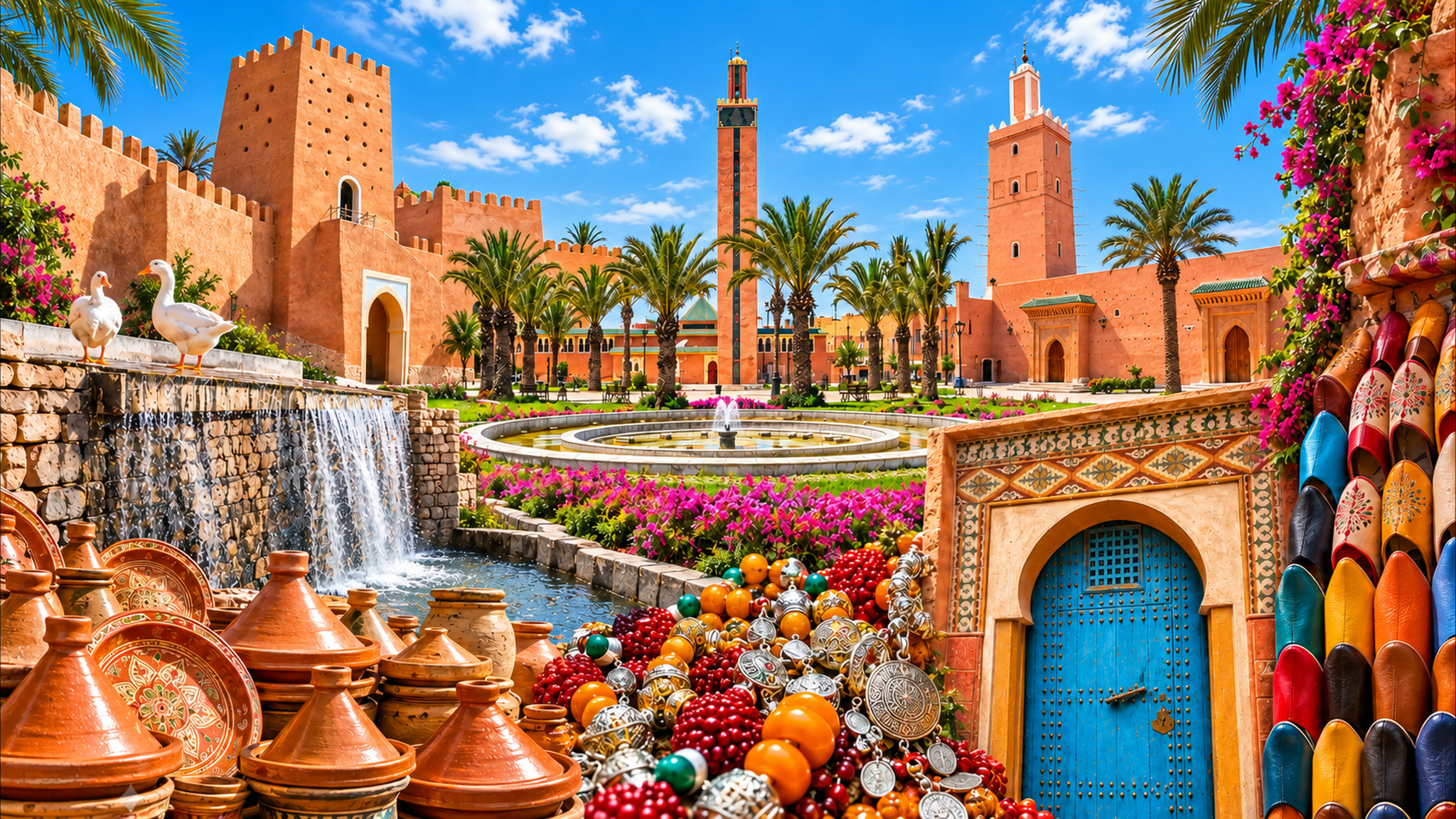
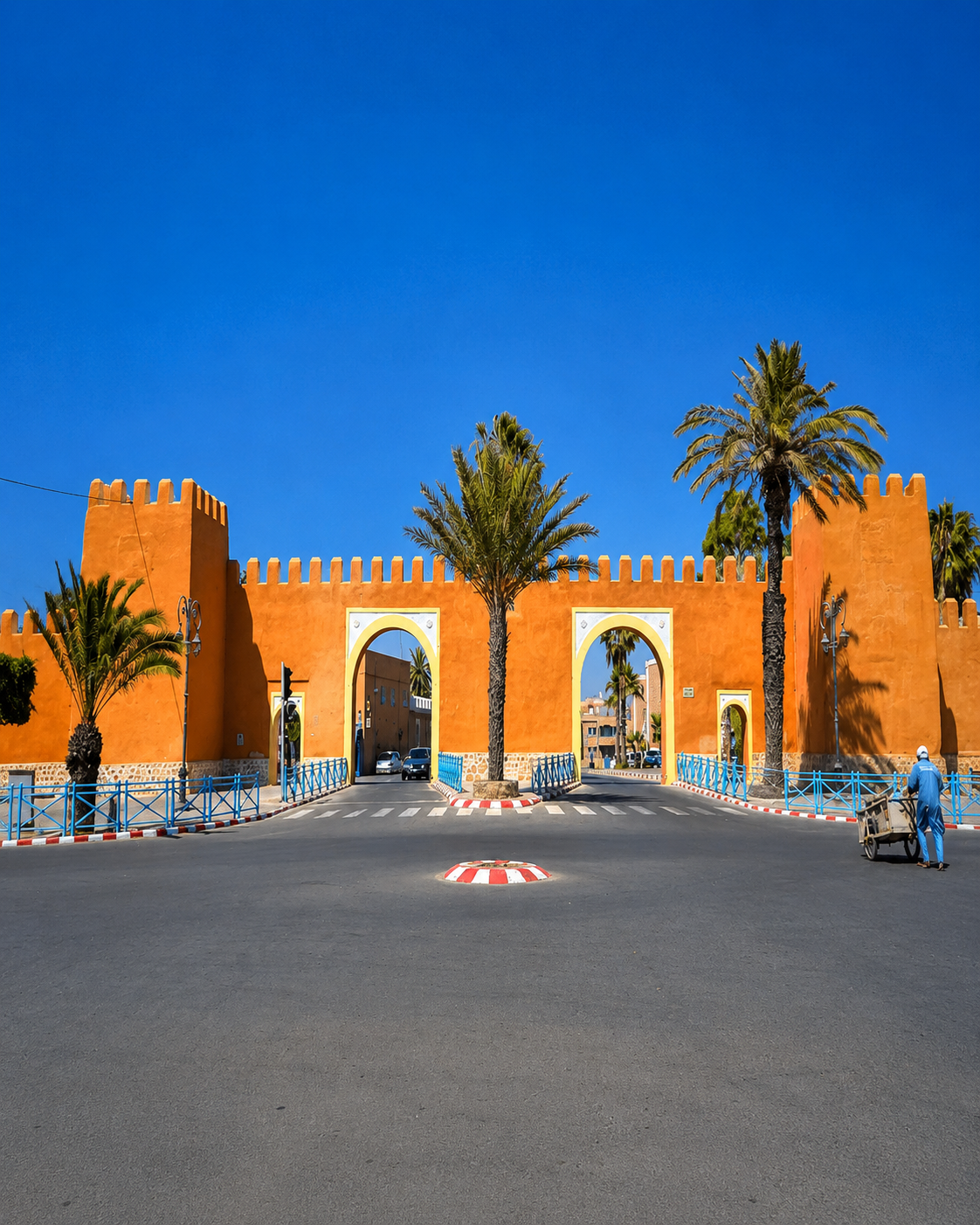
Colorful Tiznit city scene with ochre architecture and Moroccan crafts

Silver City of Souss-Massa

Tiznit Ochre ramparts, silver craft and Anti-Atlas routes

Tiznit is a southern Moroccan city of walls, workshops and measured movement — a place where the medina, the jewelers’ souk and the road toward the Atlantic and Anti-Atlas meet in one calm urban frame.

Why Tiznit matters

Beyond the silver souk

Tiznit is often introduced through its jewelry, yet the city’s deeper identity begins with the wall. Built under Sultan Moulay Hassan I in the late nineteenth century, the ramparts gathered older settlements into a fortified southern town near the Atlantic road and the Anti-Atlas edge.

Inside the gates, the city feels practical rather than theatrical: Place Al Mechouar, the kissaria, the Great Mosque, modest lanes and workshop fronts give visitors a clear reading of daily Souss-Massa life.
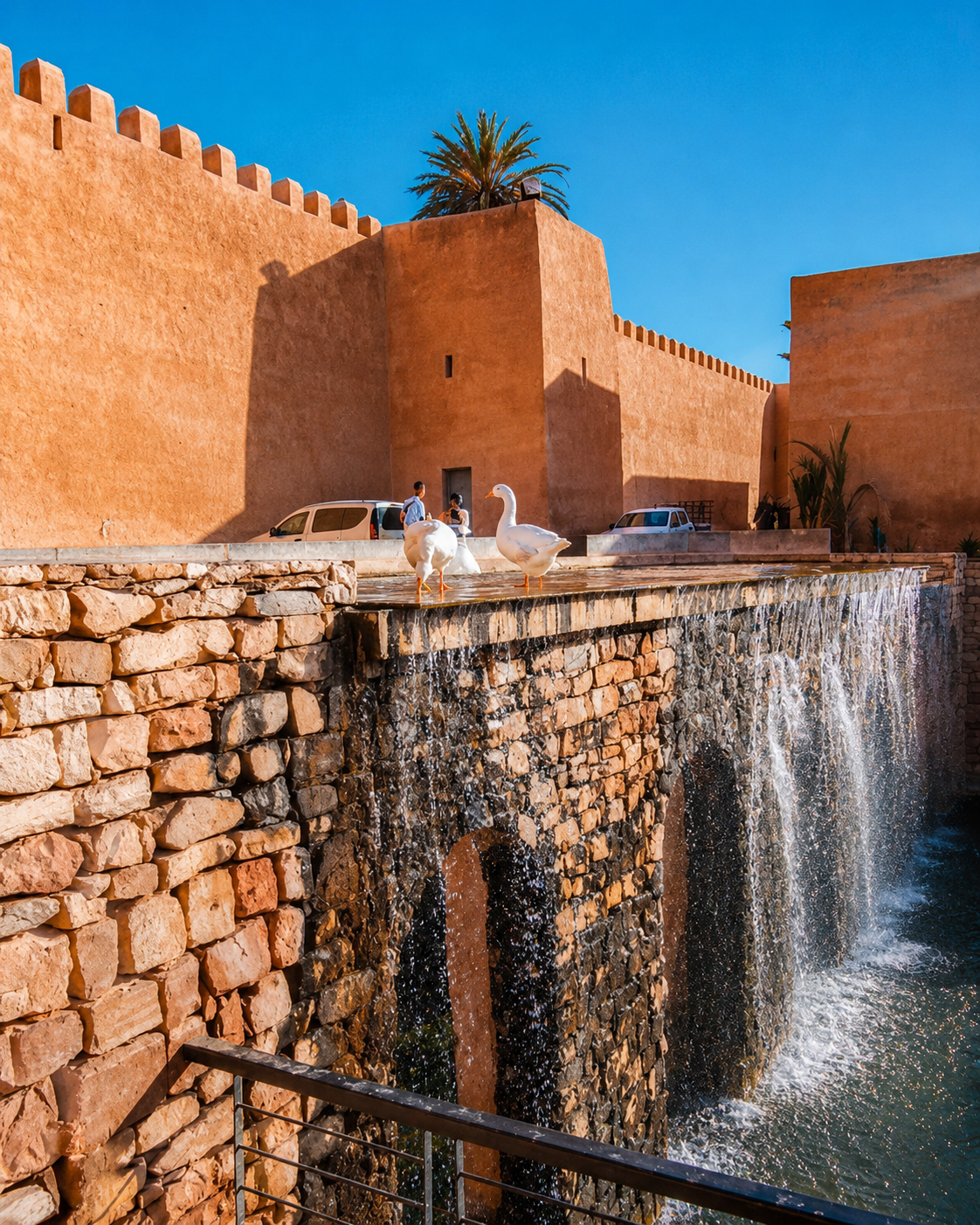
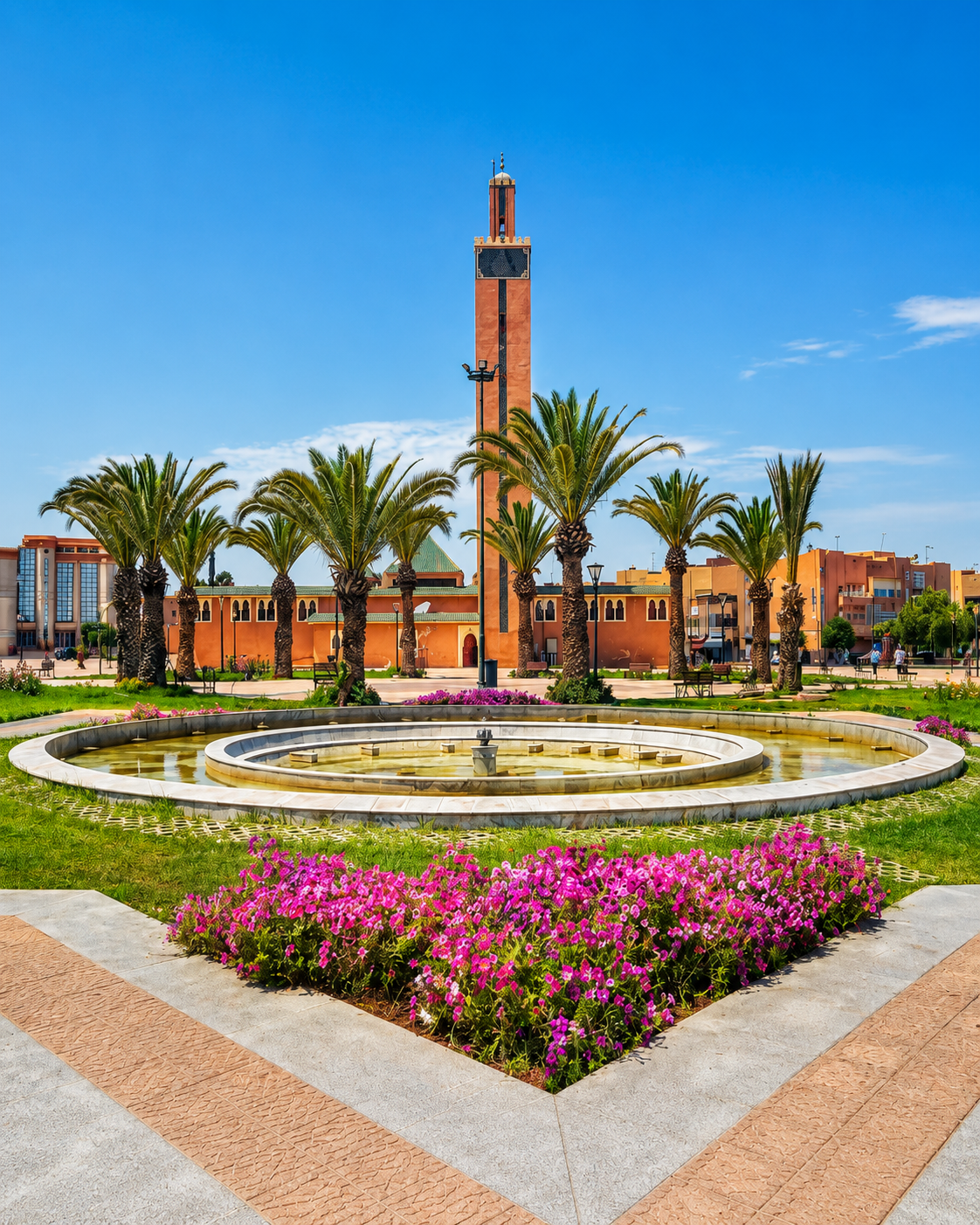
Water feature below the ochre ramparts of Tiznit

A city of craft and enclosure

Tiznit brings together defensive walls, medina commerce, Amazigh silverwork and southern route identity without turning the experience into a museum. Its strength is calm, visible and lived.

EXPLORE

Tiznit

Historical orientation

From Souss crossroads to walled city

Tiznit is best understood as a late nineteenth-century fortified city built on older local foundations. Its position near the Atlantic side of Souss and the routes toward Guelmim, Essaouira and the Anti-Atlas made the wall more than a monument: it organized security, commerce and civic life.

01Before the walls

Local settlement

The site was inhabited before the formal city took shape, with neighbourhoods, water sources and route movement forming the base of the later medina.

021882

Moulay Hassan I’s project

Sultan Moulay Hassan I ordered a fortified town here while moving through Souss, strengthening a southern coast-and-interior frontier.

03Medina and craft

Markets and silverwork

The walls enclosed a compact urban life around gates, public space and the kissaria, where Tiznit’s reputation for silver jewelry became central to its identity.

041912

Resistance memory

The city entered a wider political story through Moulay Ahmed Al Hiba, remembered in connection with resistance after the protectorate treaty.

A visual bridge

Three glimpses between wall, craft and route

These images connect the city’s clearest layers: the fortified perimeter, the working craft memory and the edges that lead toward Aglou, Mirleft and Tafraoute.

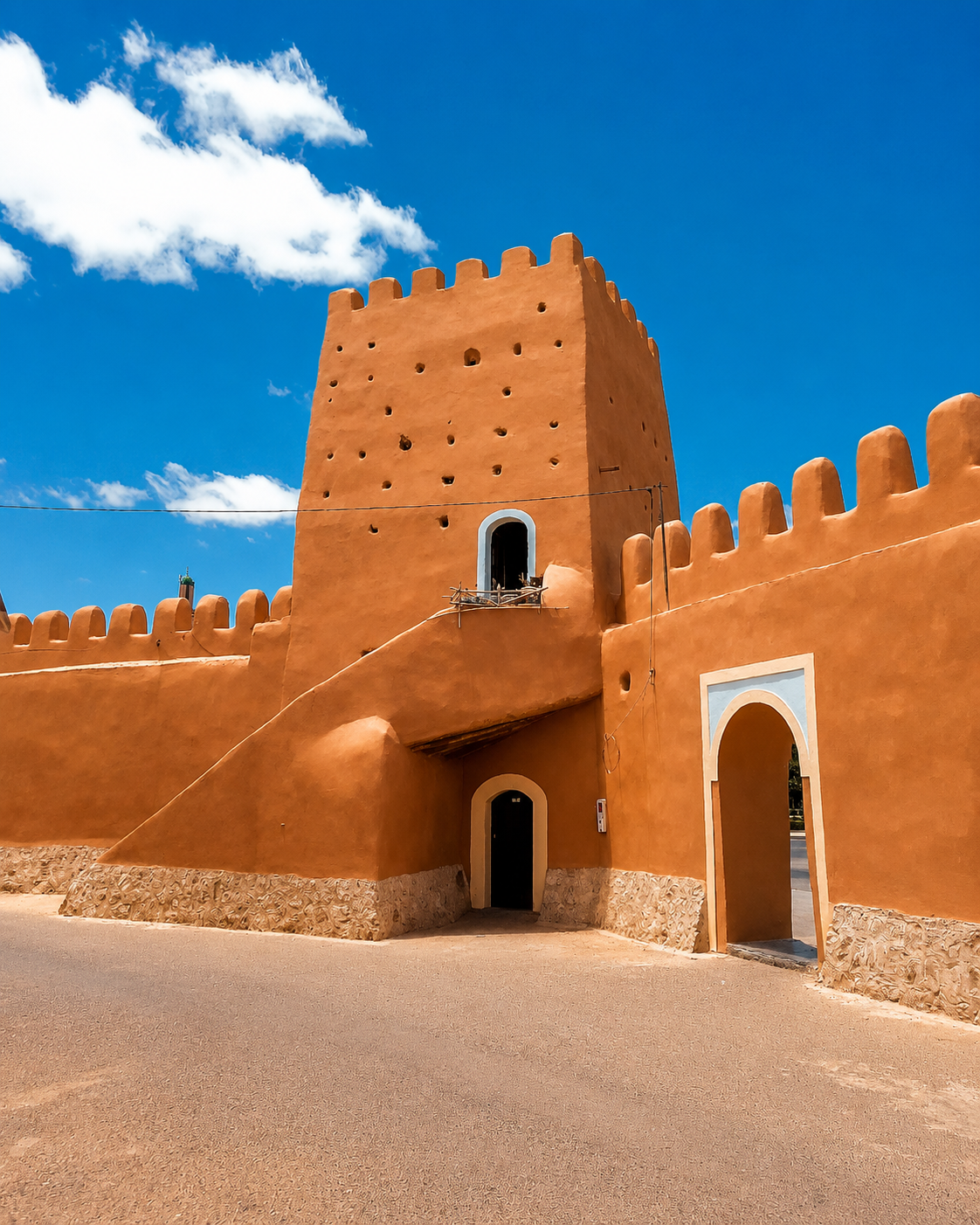
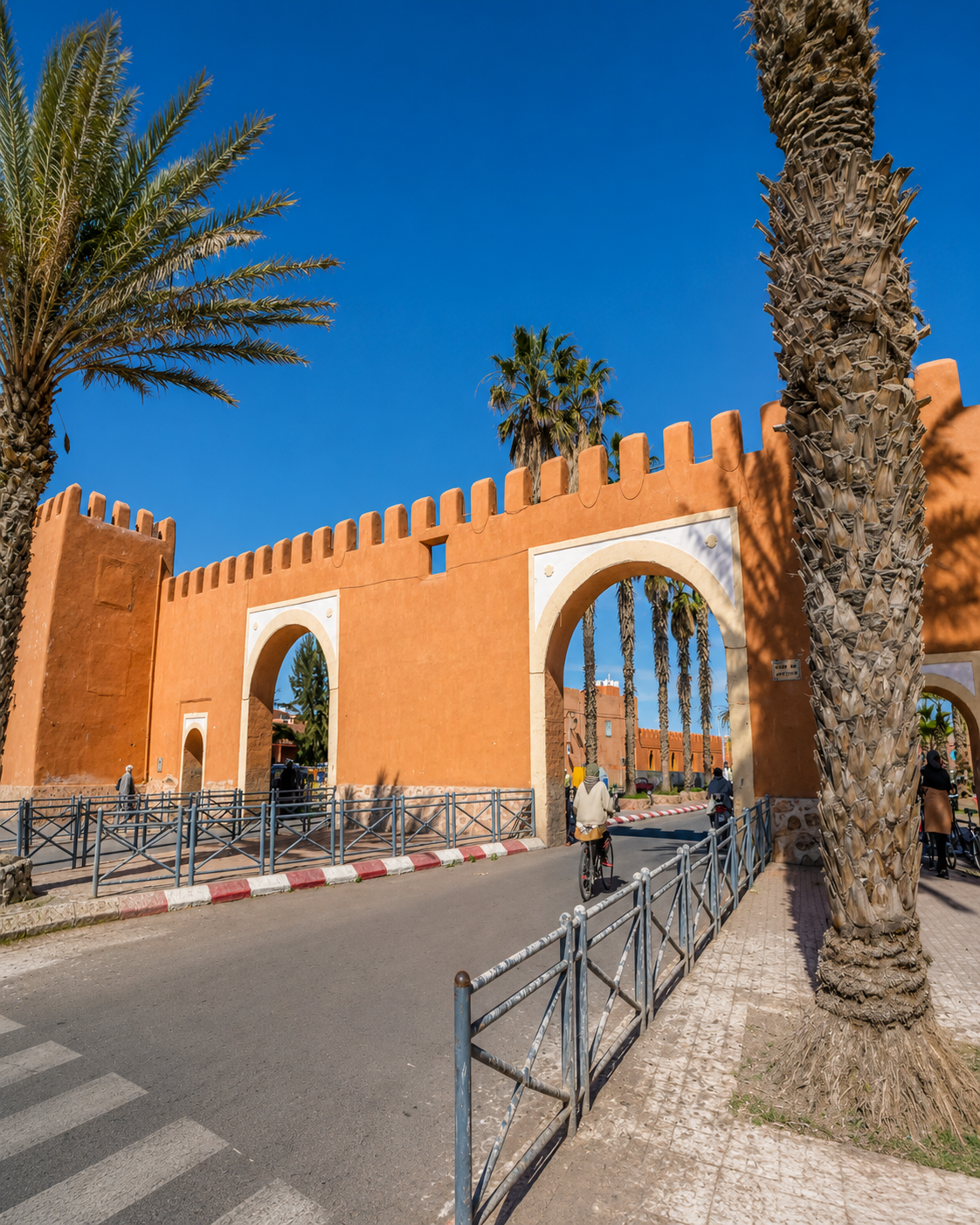
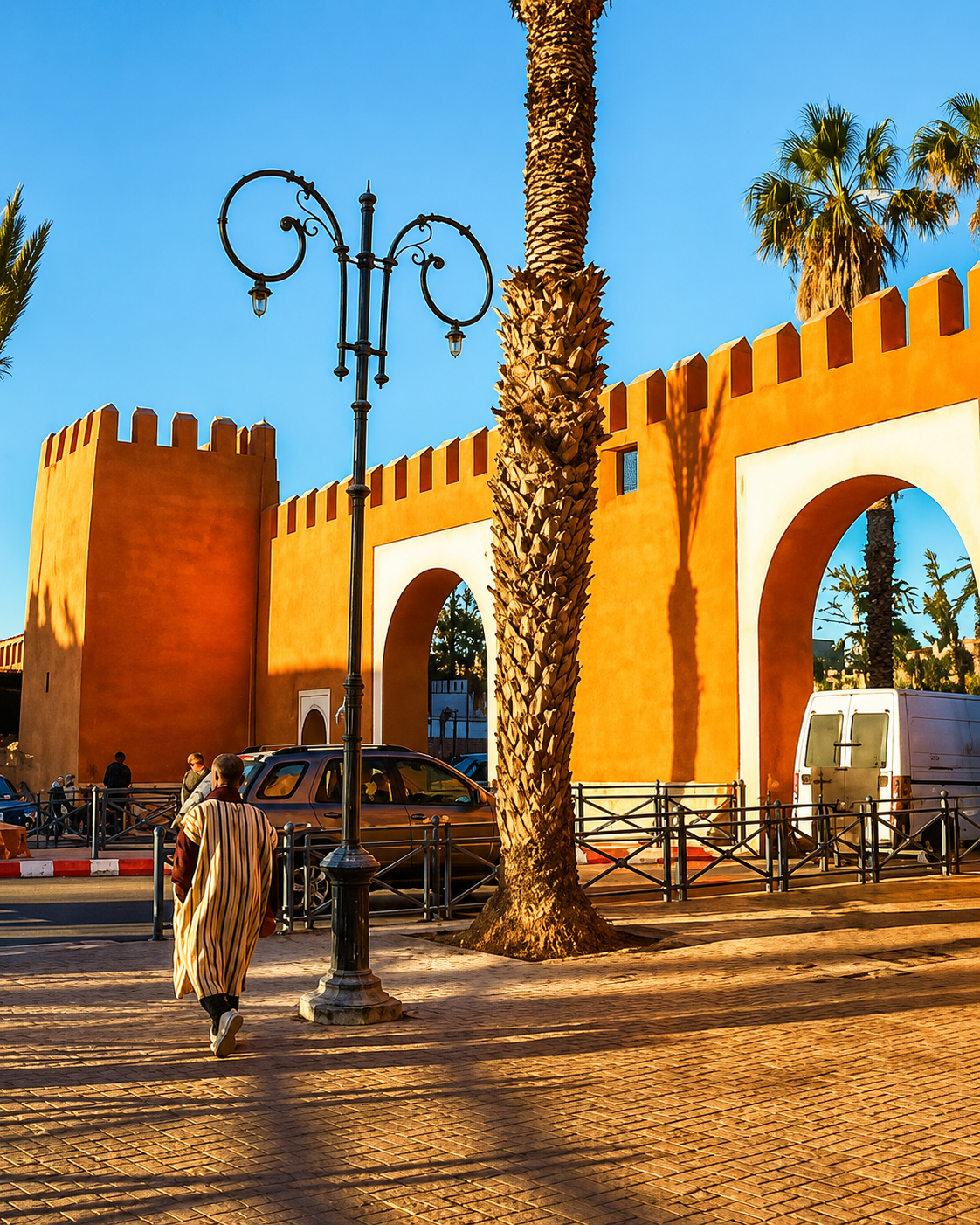
Arched gateway in the ochre ramparts of Tiznit

Ochre enclosure

A gate makes the wall readable as both boundary and invitation.

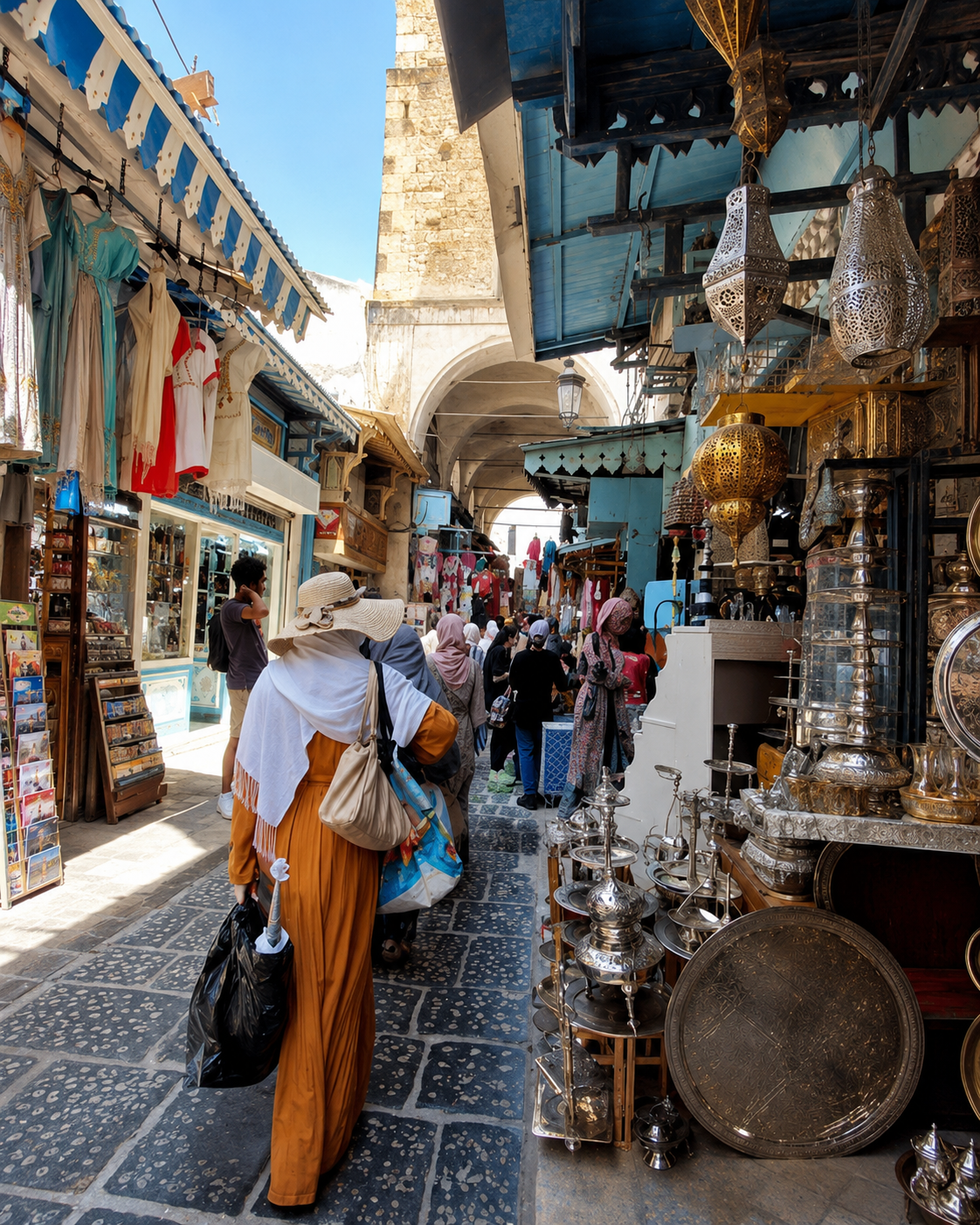
Silver jewelry, beads and metalwork associated with Tiznit craft

Silver memory

Craft gives the city one of its most distinctive public identities.

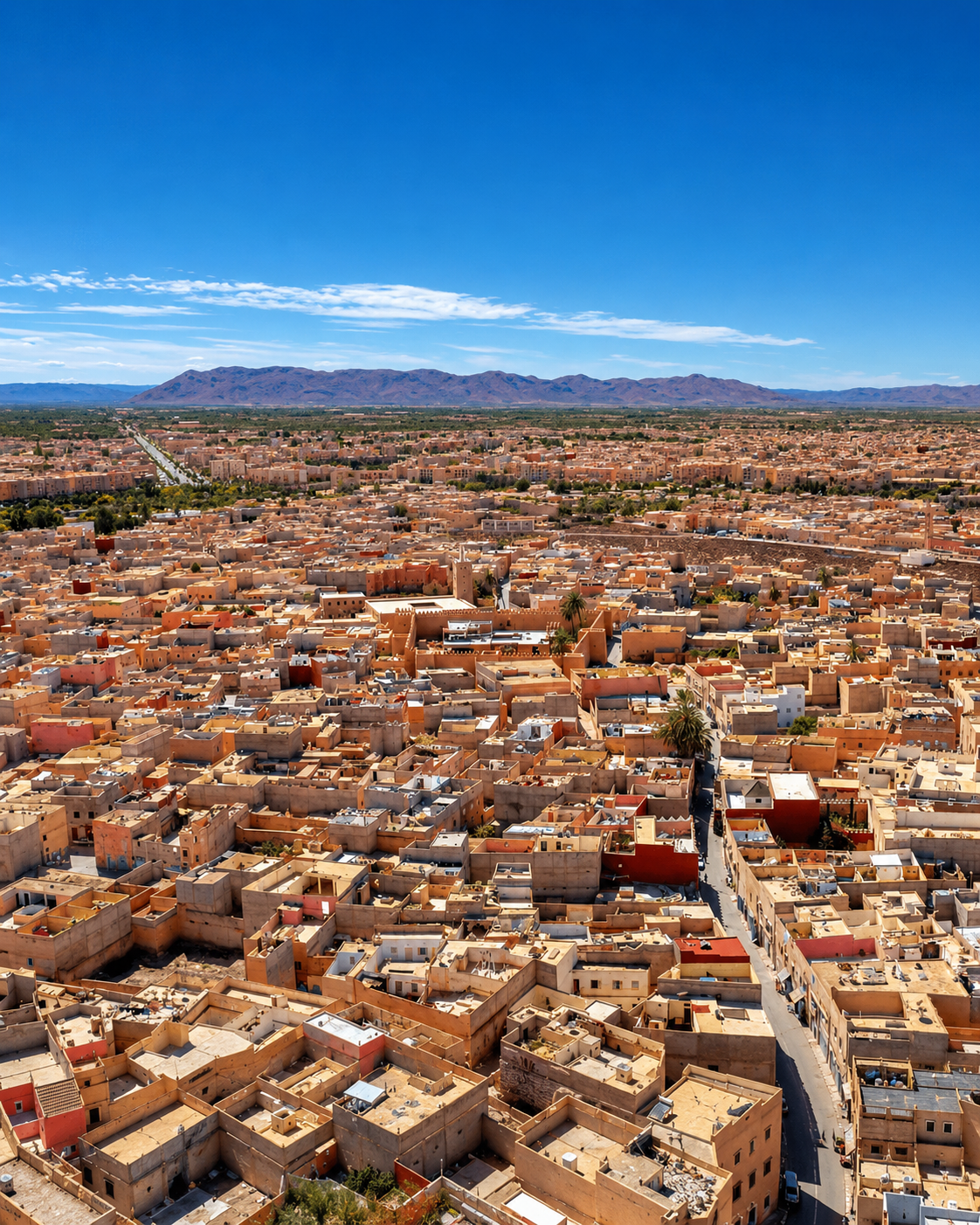
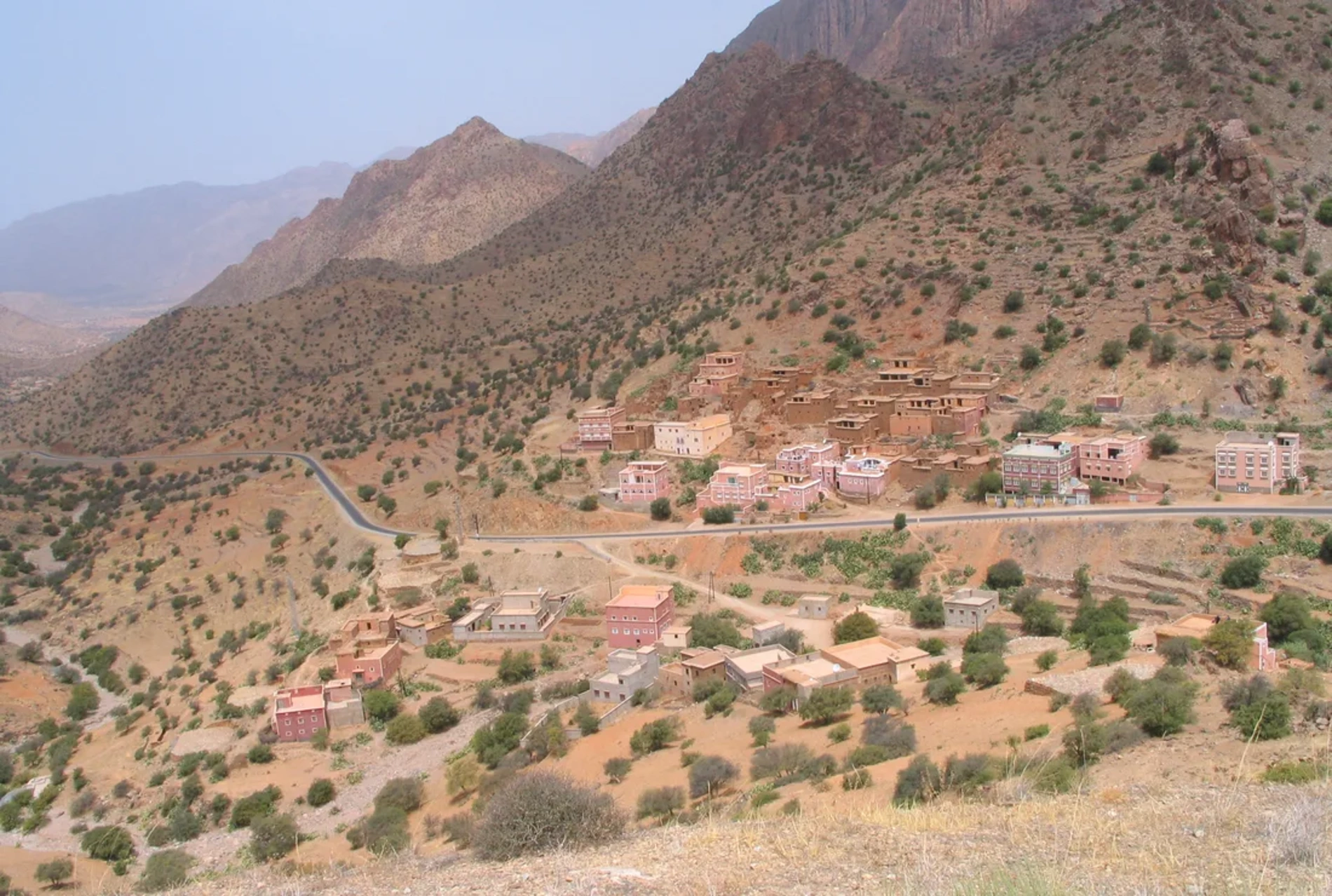
Tiznit cityscape with Anti-Atlas mountains on the horizon

Southern route edge

The city opens toward coastal stops, dry valleys and Anti-Atlas landscapes.

Tiznit at a glance

Walled southern city

Tiznit’s ramparts, towers and gates frame the historical medina and give the city its strongest first impression.

Silver craft capital

The jewelers’ souk and kissaria remain the clearest places to understand Tiznit’s reputation for Amazigh silverwork.

Compact medina rhythm

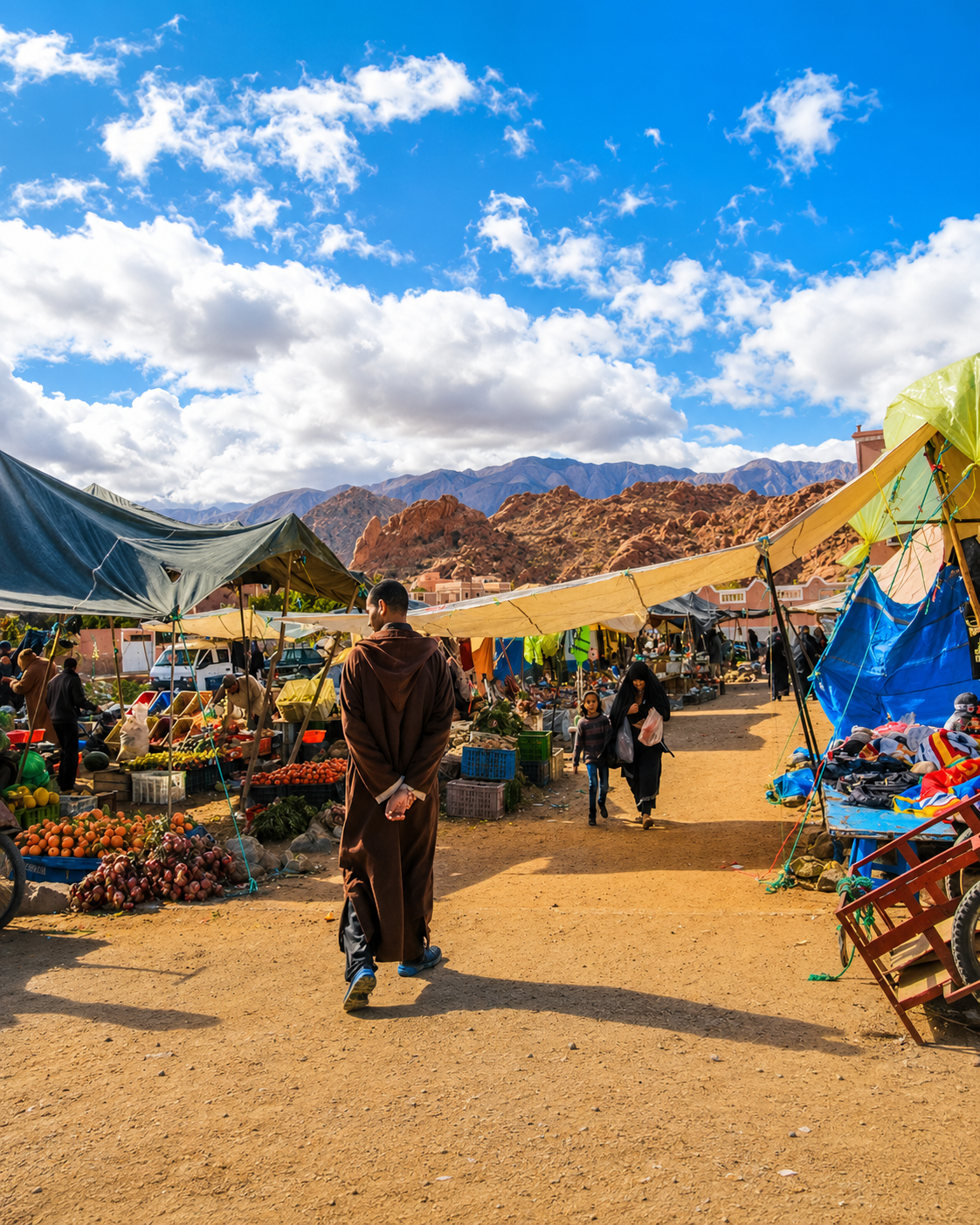
The city is best read slowly through Place Al Mechouar, market fronts, shaded lanes, mosque walls and modest thresholds.

Anti-Atlas gateway

Tiznit links naturally with Aglou’s Atlantic edge, Mirleft’s sea cliffs and Tafraoute’s mountain-road landscapes.

A clearer reading of the city

A city shaped by walls, craft and southern movement

Read Tiznit through three linked systems: the wall that organizes approach, the medina that holds civic life, and the routes that carry visitors toward coast and mountain.

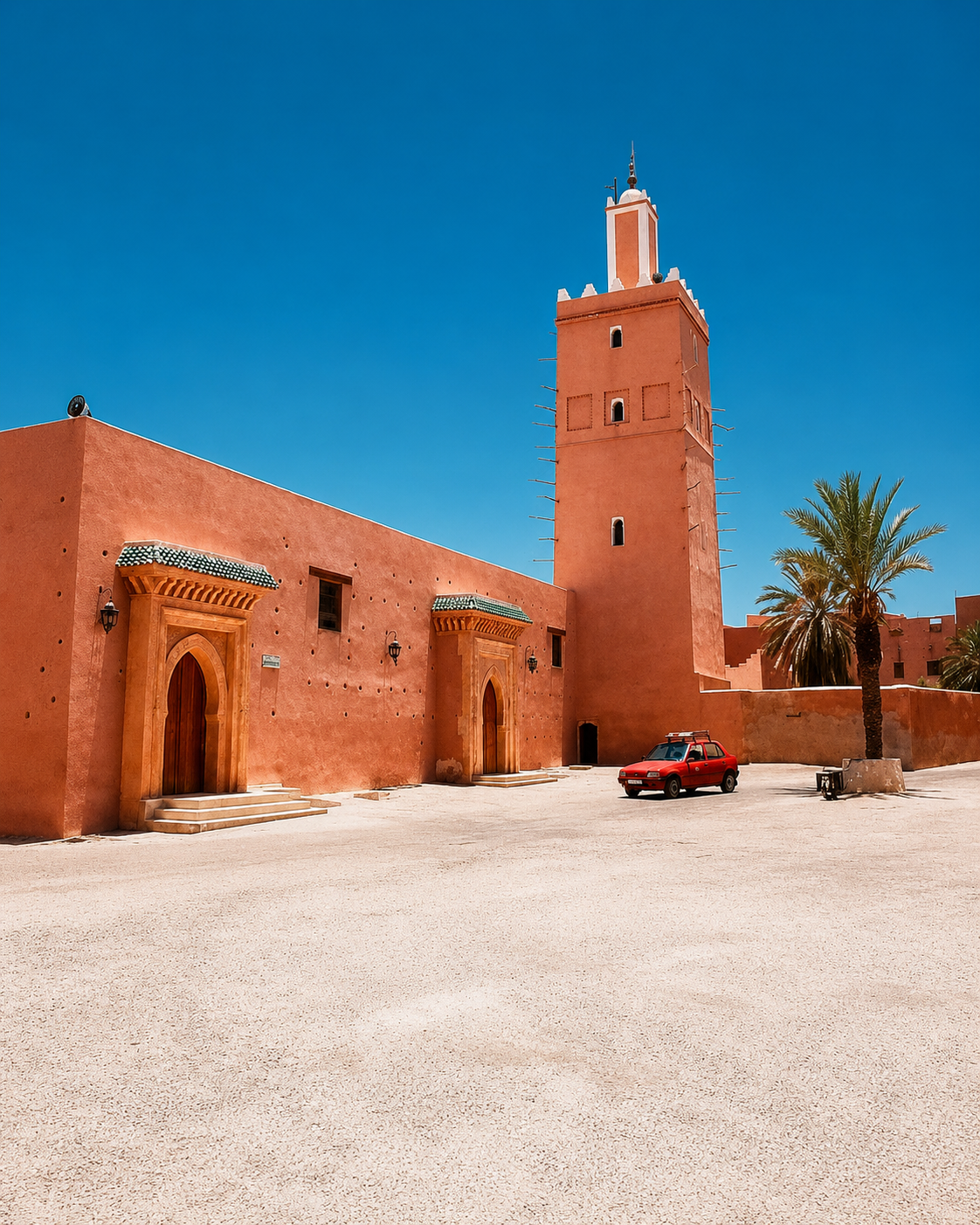
Fortified wall and tower in the historic medina of Tiznit
Layer 1

Fortified frame

Long earth-coloured walls, gates and towers still organize how the city is approached, photographed and understood.

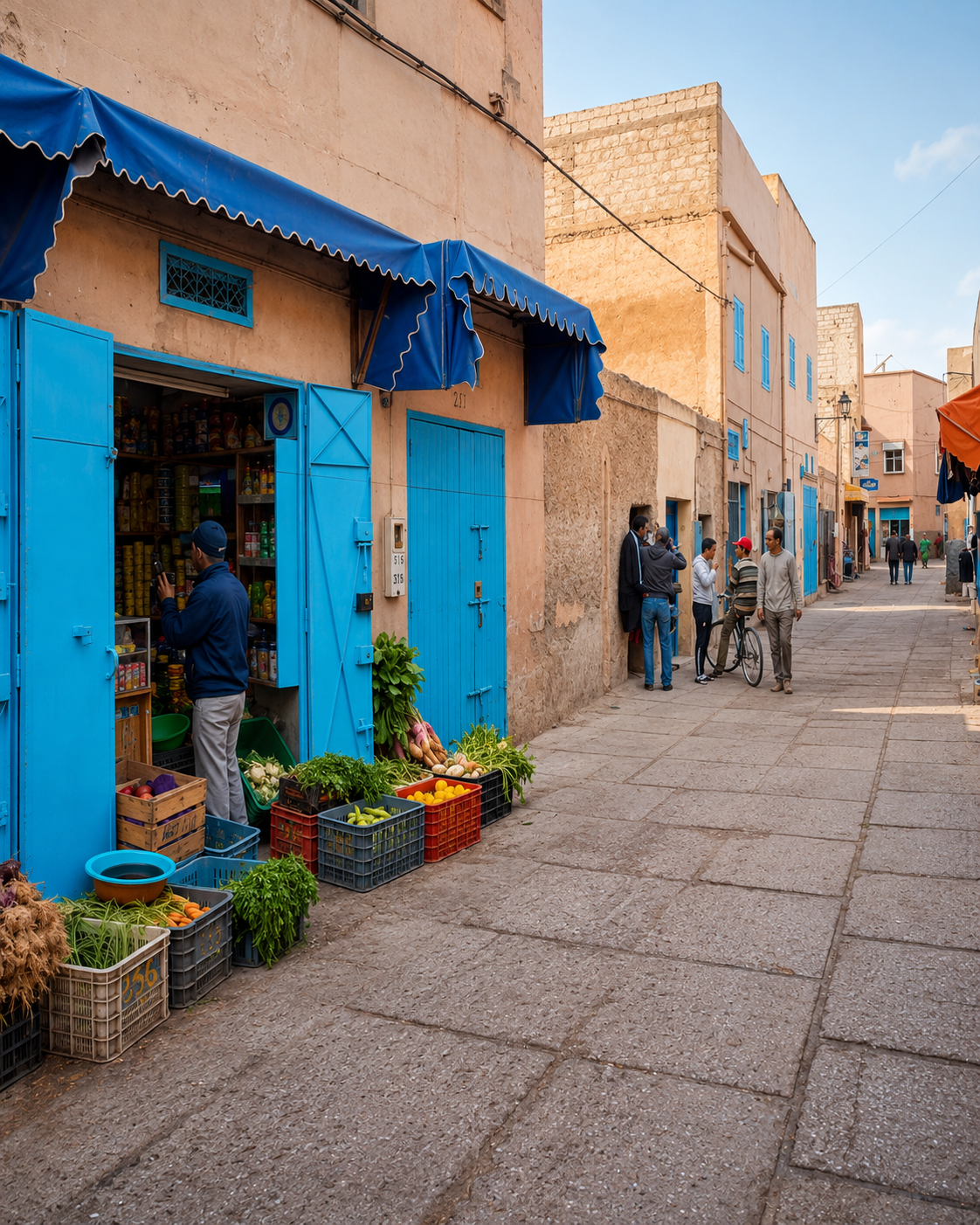
Medina street in Tiznit lined with blue doors and local shops
Layer 2

Living urban fabric

The medina remains a lived environment of small streets, modest thresholds, shops, prayer spaces and everyday movement.

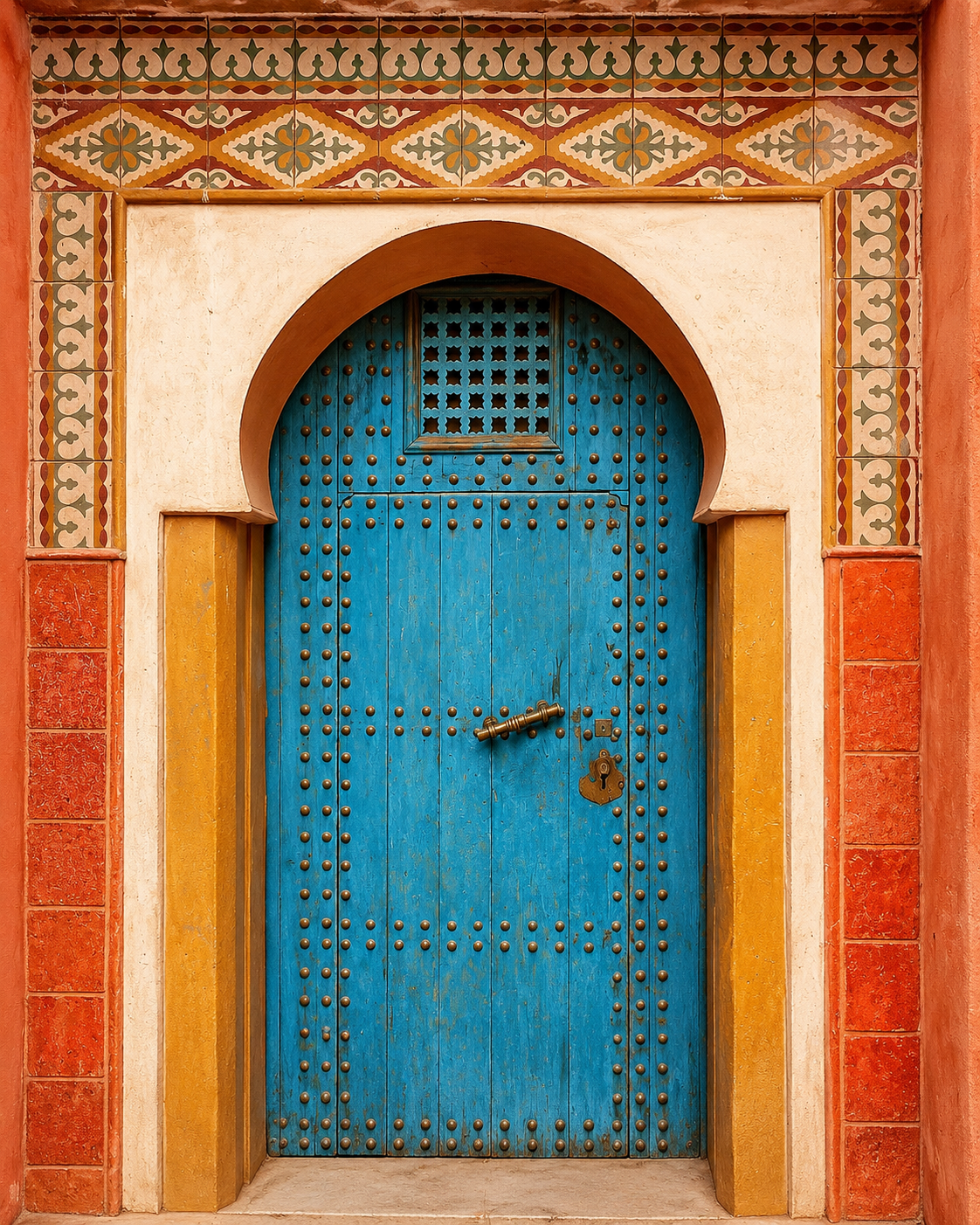
Ornate blue doorway with geometric decoration in Tiznit
Layer 3

Craft and civic memory

Silverwork, public squares, kasbah architecture and local workshops give Tiznit its most specific material identity.

Landmarks & orientation

Read Tiznit through six defining places

No single stop explains Tiznit. These six places reveal how the city’s walls, gates, square, water sources and craft streets work together.

1
Ramparts of Tiznit

The ochre walls define the old city, giving the medina a clear edge and a strong sense of arrival.

2
Bab Aglou

A historic gate that helps visitors read how the medina connects with the route toward the Atlantic side.

3
Place Al Mechouar

The central square beside the former royal residence, a natural orientation point inside the city.

4
Jewelers’ Souk

A compact craft quarter where silver jewelry, fibulae and local ornament traditions shape Tiznit’s public identity.

5
Ain Aqdim / Blue Spring

A water-source memory tied to the city’s origin story and a quieter stop after the gates and market lanes.

6
Kasbah Aghanaj

A nineteenth-century fortress associated with the medina’s architectural memory and cultural use today.

Historic arched gateway in the ochre ramparts of Tiznit
Silver jewelry, beads and metalwork associated with Tiznit craftsmanship

Craft and medina identity

The jewelers’ souk — silverwork shaped in a southern medina

Tiznit’s silver reputation is not just a label. Around the kissaria near Place Al Mechouar, jewelry shops and workshops make the city’s craft identity visible in metal, pattern and negotiation. Fibulae, bracelets, necklaces and silver cases speak to wider Amazigh traditions while remaining part of an everyday commercial quarter.

  • Look carefully at workmanship, weight, pattern and finish before thinking about a purchase.
  • Use Place Al Mechouar and the kissaria as the natural orientation point for the craft quarter.
  • Treat silverwork as a living commercial tradition, not just a decorative souvenir.

Architectural reading

Three architectural languages to notice

Wall and gate

Tiznit’s first language is defensive: long earth-coloured elevations, towers, crenellations and gates that still govern the city’s edges.

Medina measure

Inside, the architecture becomes smaller and more practical, moving through market fronts, modest thresholds and shaded pedestrian lanes.

Craft surface

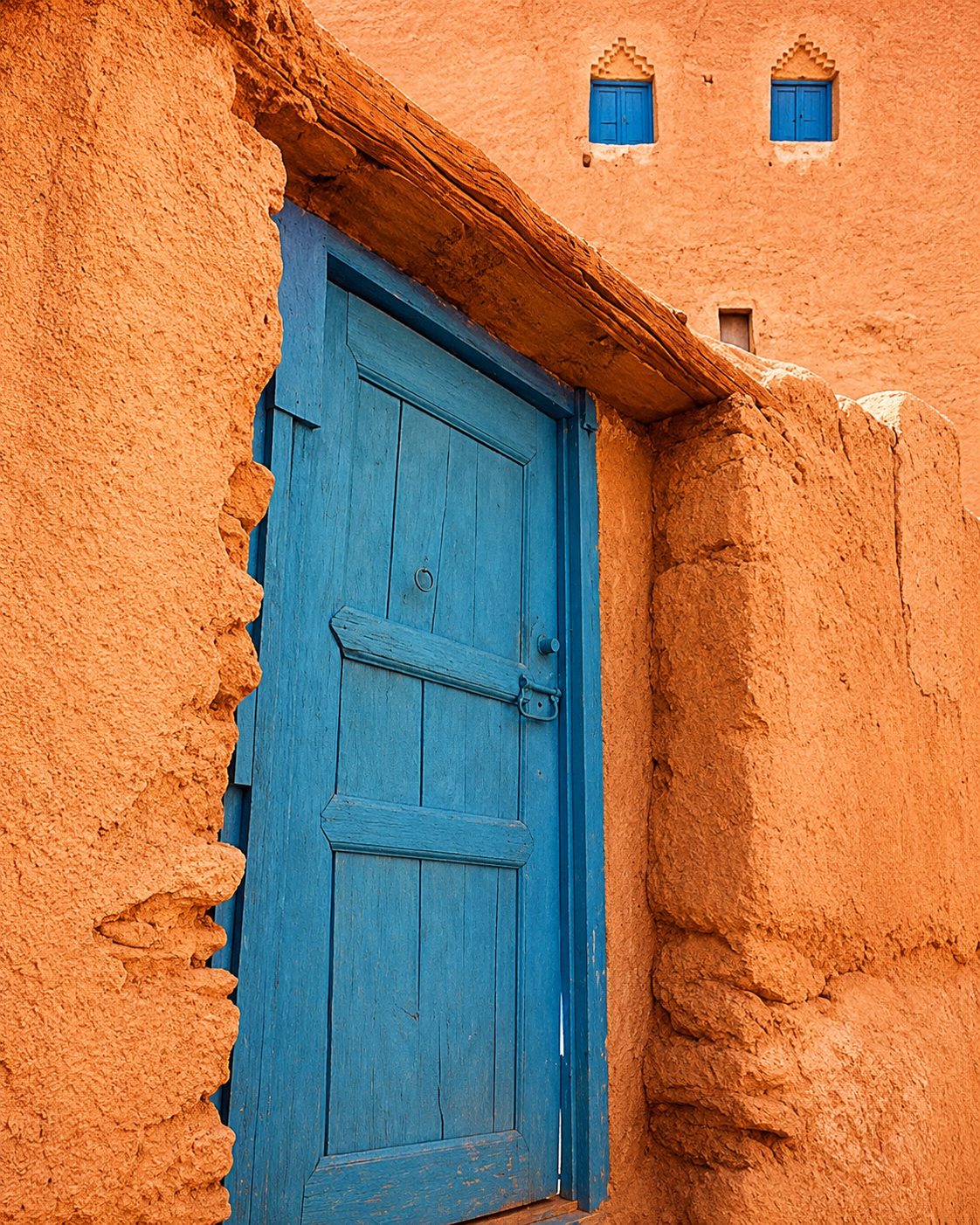
Silver, painted doors, limewashed details and everyday shop displays add texture without overwhelming the city’s calm southern character.

Visual atmosphere

Earth colour, metal detail and southern light

Nearby highlights

Coast, mountain and Souss routes

Tiznit works well as a calm base or stop between three distinct landscapes: Aglou for the Atlantic edge, Mirleft for sea-cliff atmosphere and Tafraoute for Anti-Atlas granite and valley routes.

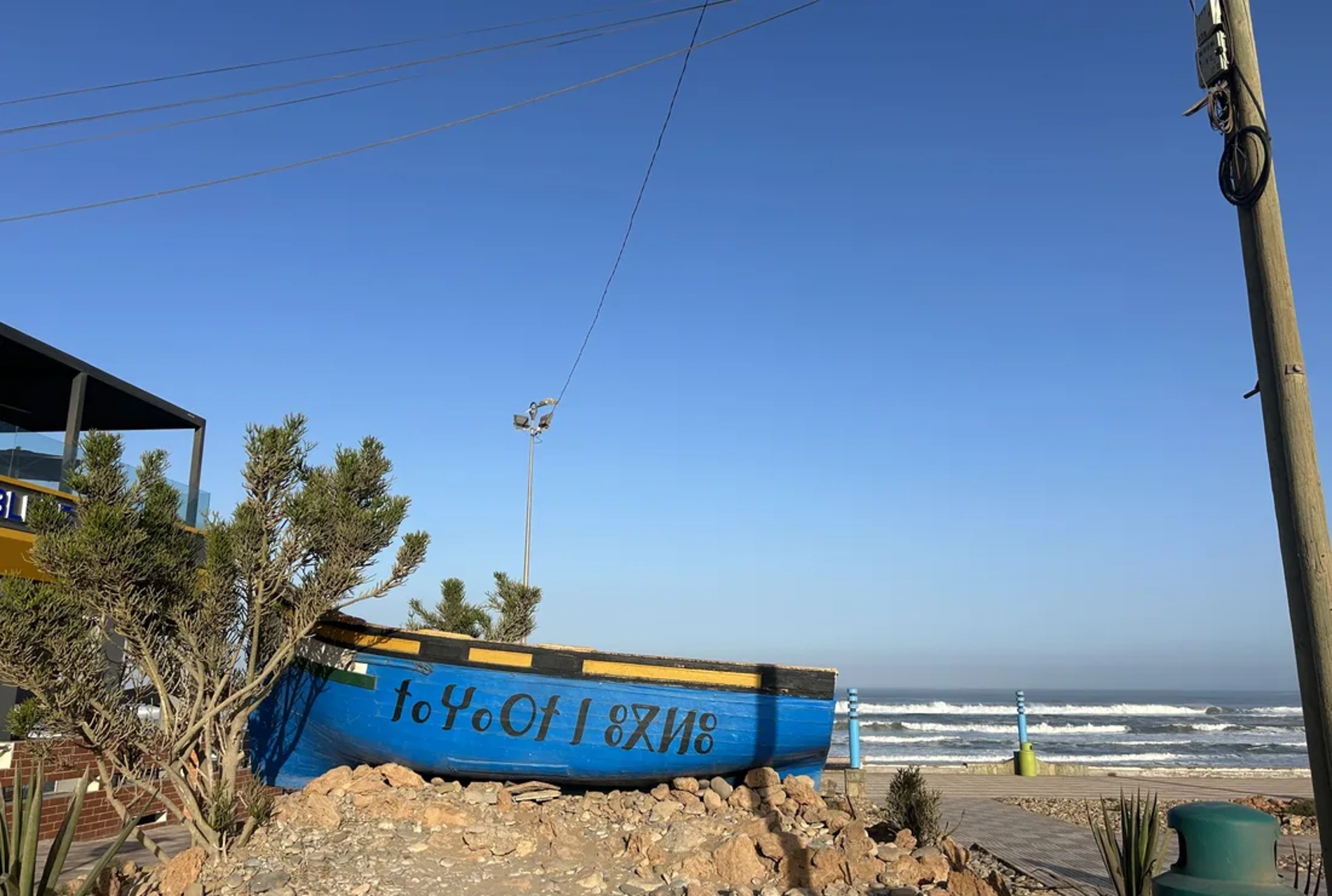
Aglou

A nearby Atlantic beach area that gives Tiznit a coastward extension and a softer end to a walled-city visit.

Aglou beach boat and Atlantic view near Tiznit

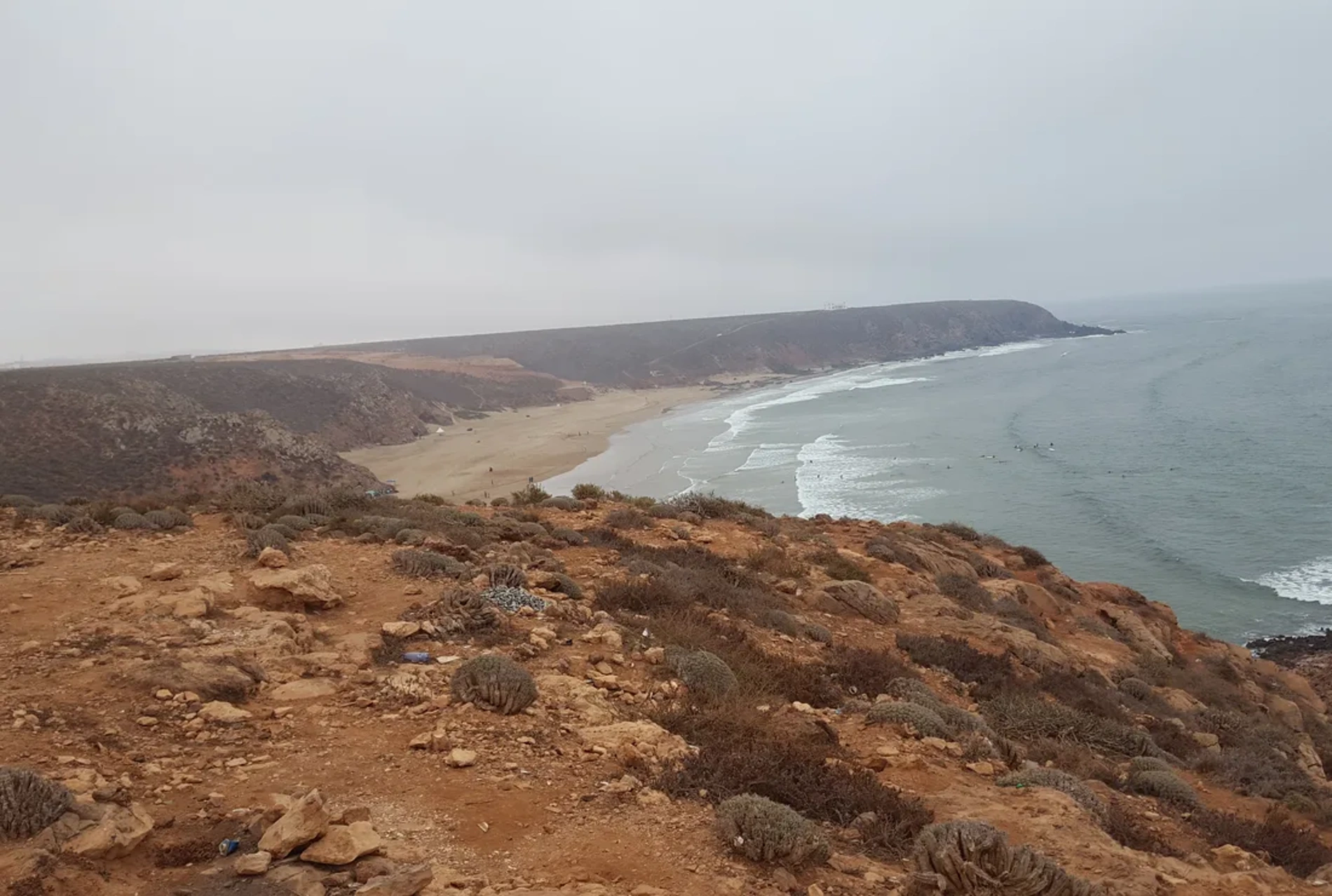
Mirleft

A sea-cliff and beach town south of Tiznit, useful for pairing medina craft with a slower coastal route.

Mirleft coastline south of Tiznit

Tafraoute

An Anti-Atlas town known for rocky landscapes, palm pockets and mountain-road approaches from the Tiznit side.

Ameln valley and Anti-Atlas landscape near Tafraoute
Travel note: road conditions, opening hours, restoration work and local access rules can change. Confirm details locally before combining Tiznit with coastal or Anti-Atlas extensions.

Practical orientation

How to experience Tiznit well

  • Begin outside the ramparts so the city’s fortified outline makes sense before you enter.
  • Use Place Al Mechouar as an orientation point, then move slowly through the kissaria and craft streets.
  • Give the jewelers’ souk time; look at workmanship, pattern and context before thinking about a purchase.
  • Add Aglou, Mirleft or Tafraoute only when the day has enough space for a real extension.
  • Carry water and plan for strong southern light, especially when walking the walls or continuing toward open landscapes.

A strong first visit

Street-side arched gate in the ochre ramparts of Tiznit

Start with the ramparts and a gate, continue toward Place Al Mechouar and the jewelers’ souk, then slow down in the smaller lanes. Use a separate extension for the coast or Anti-Atlas rather than trying to force everything into one rushed visit.

Tiznit cityscape with the Anti-Atlas mountains beyond

Go deeper with Exotic Morocco

Tiznit — Visual City Guide

Continue with a carefully structured city reading that connects Tiznit’s walls, gates, medina craft, silver identity, practical orientation and nearby coast-and-mountain routes.

✓ Historic context✓ Essential landmarks✓ Walls & gates✓ Silver craft✓ Practical orientation✓ Nearby highlights

Continue the journey

Continue the journey through Tiznit

Look beyond the walls and encounter a southern city of silver craft, calm streets, open gates, Atlantic edges and Anti-Atlas routes.