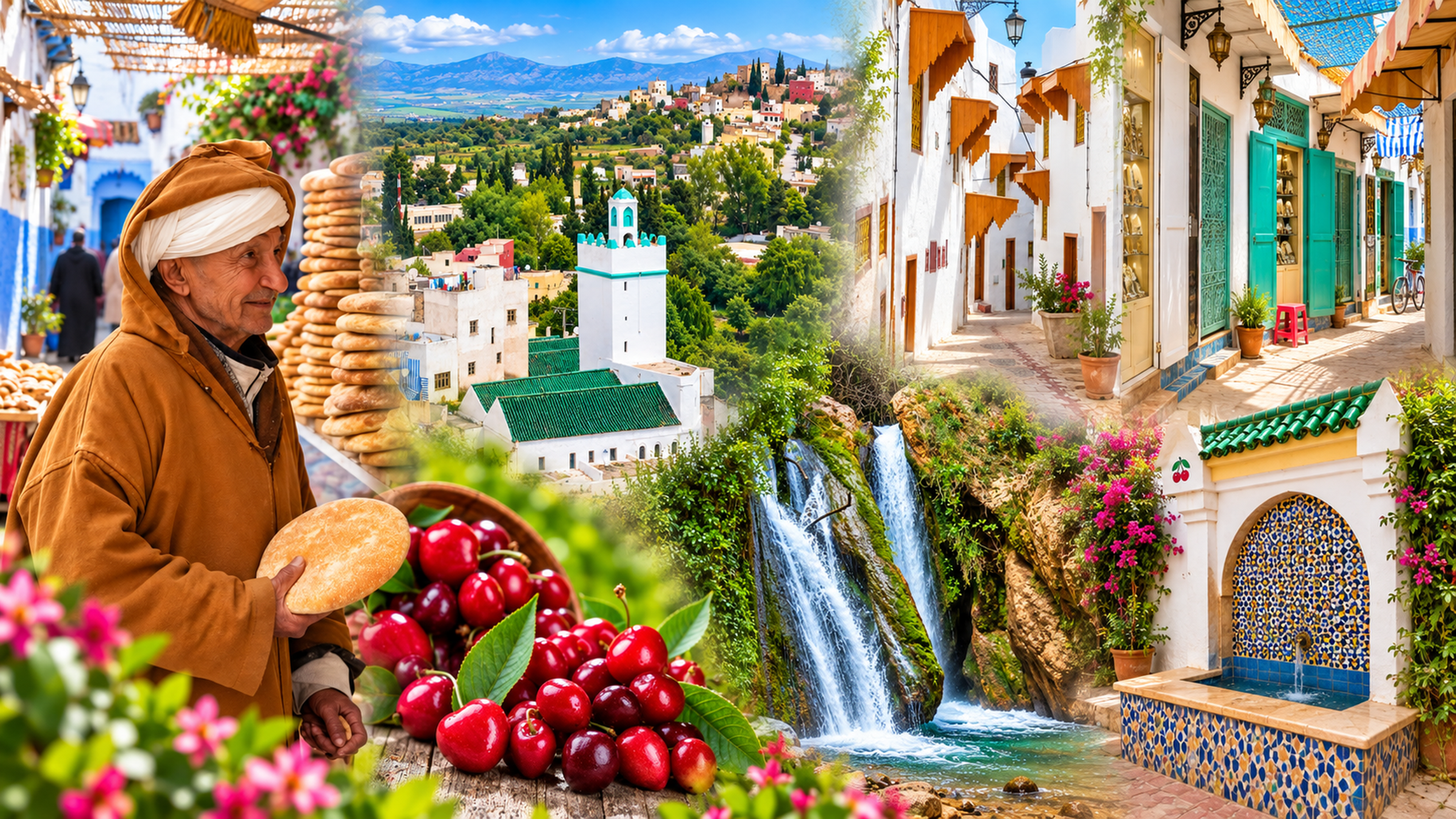
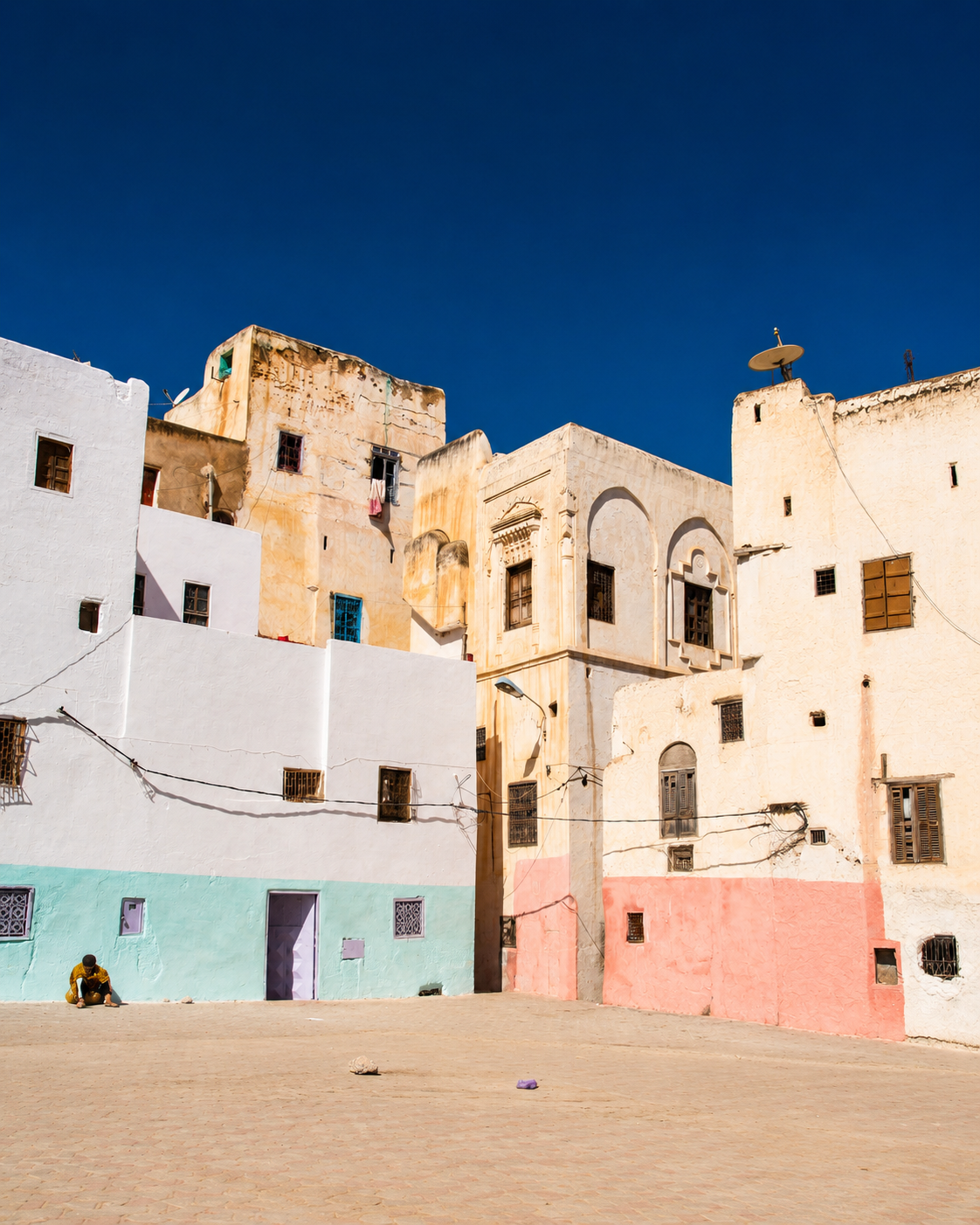
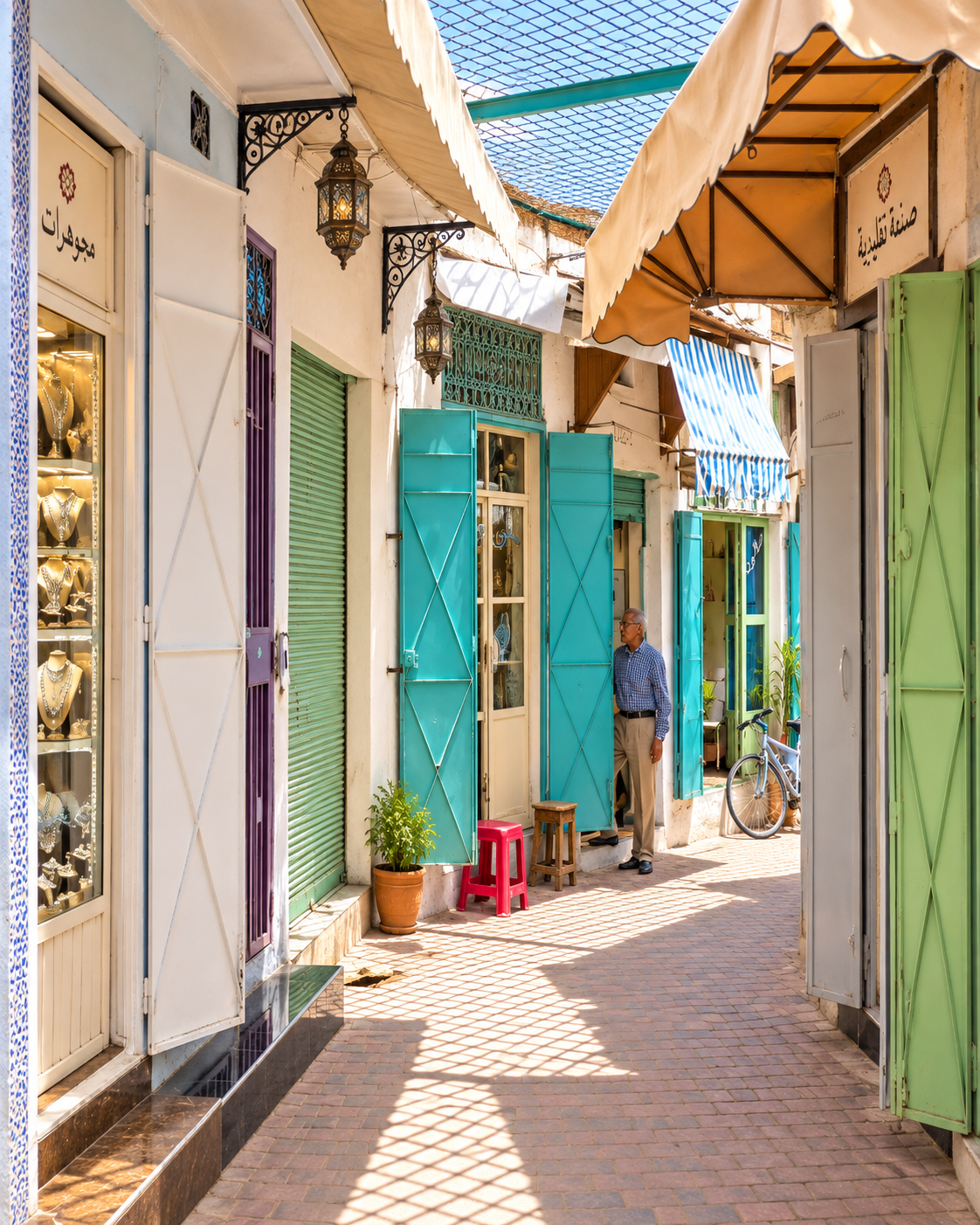
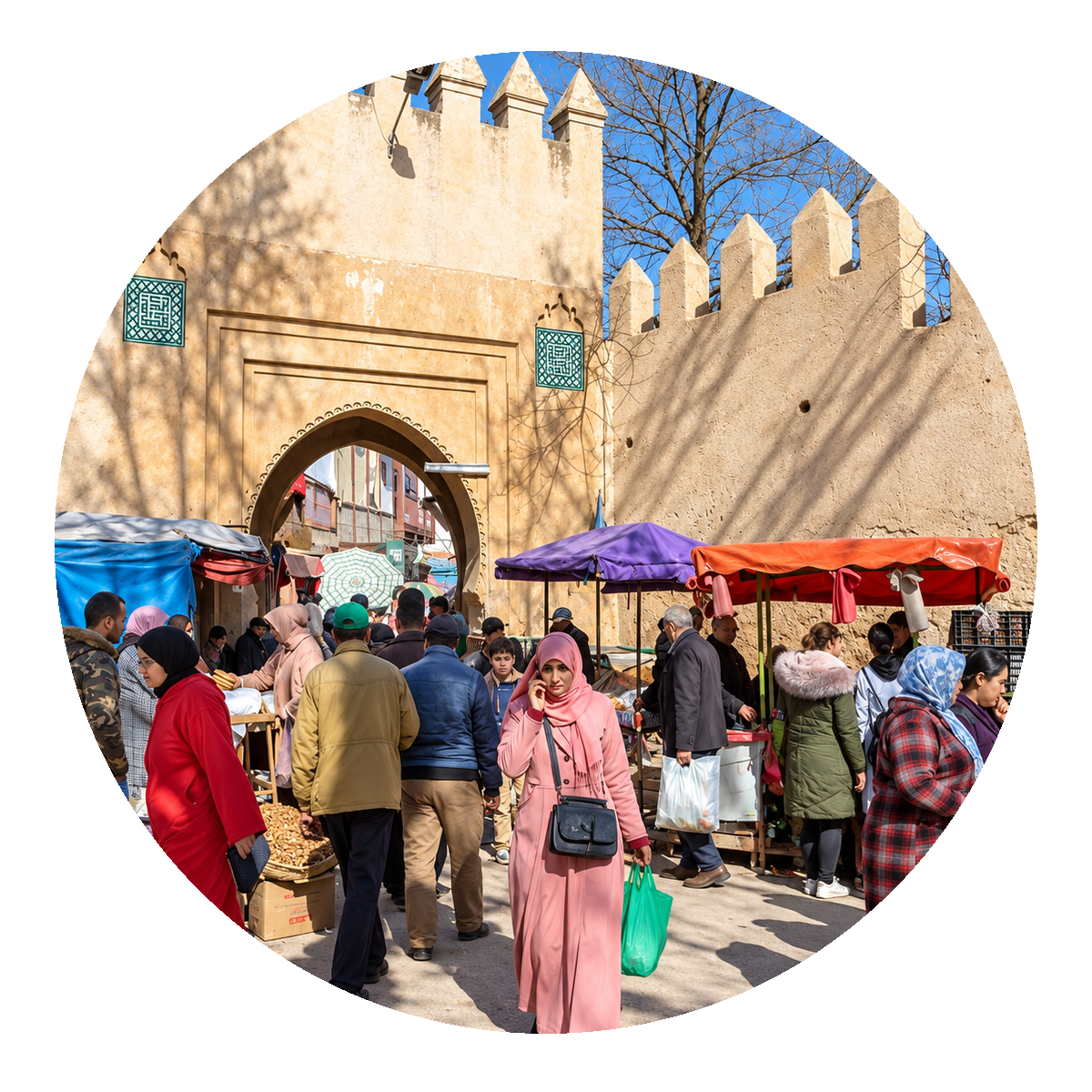
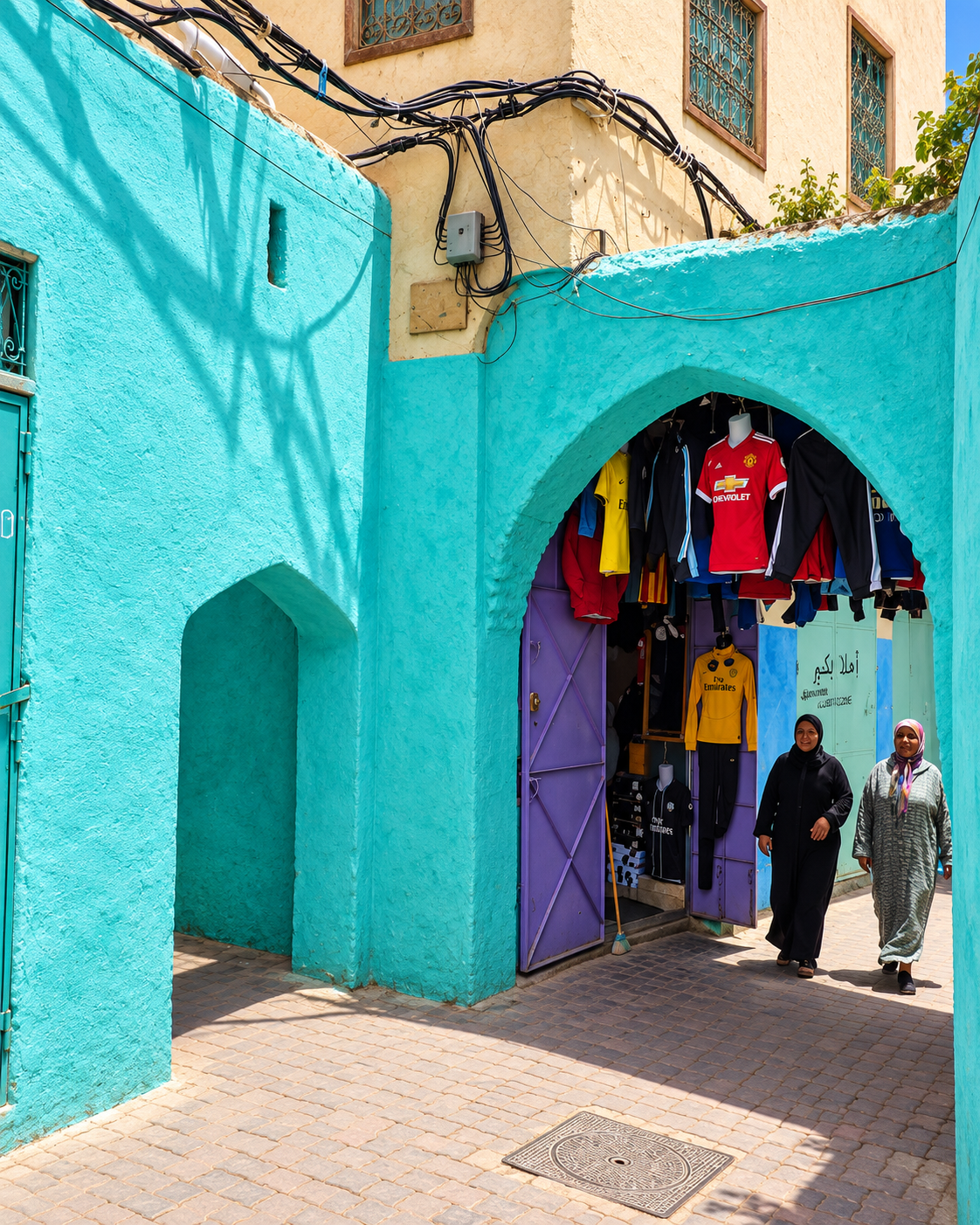
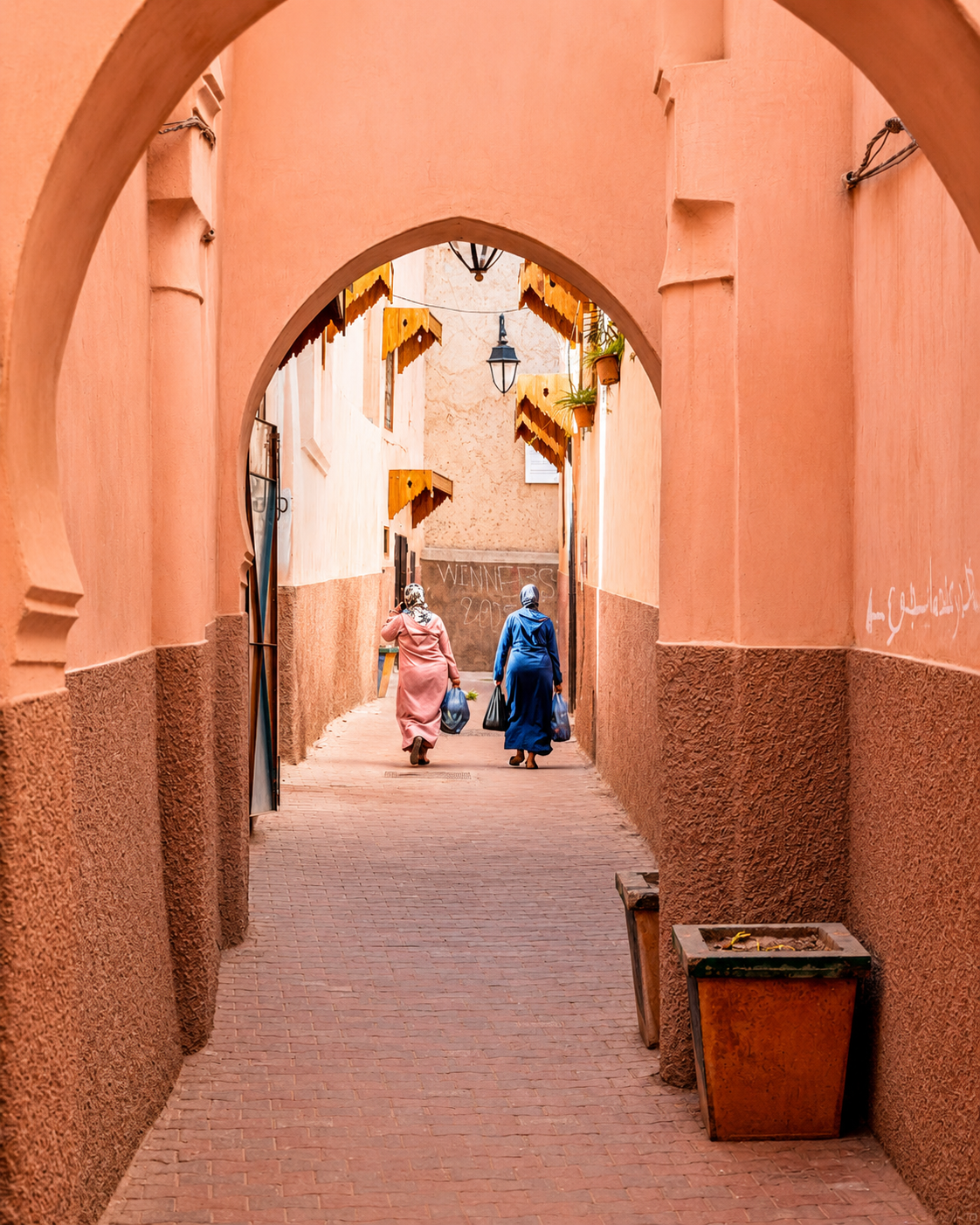
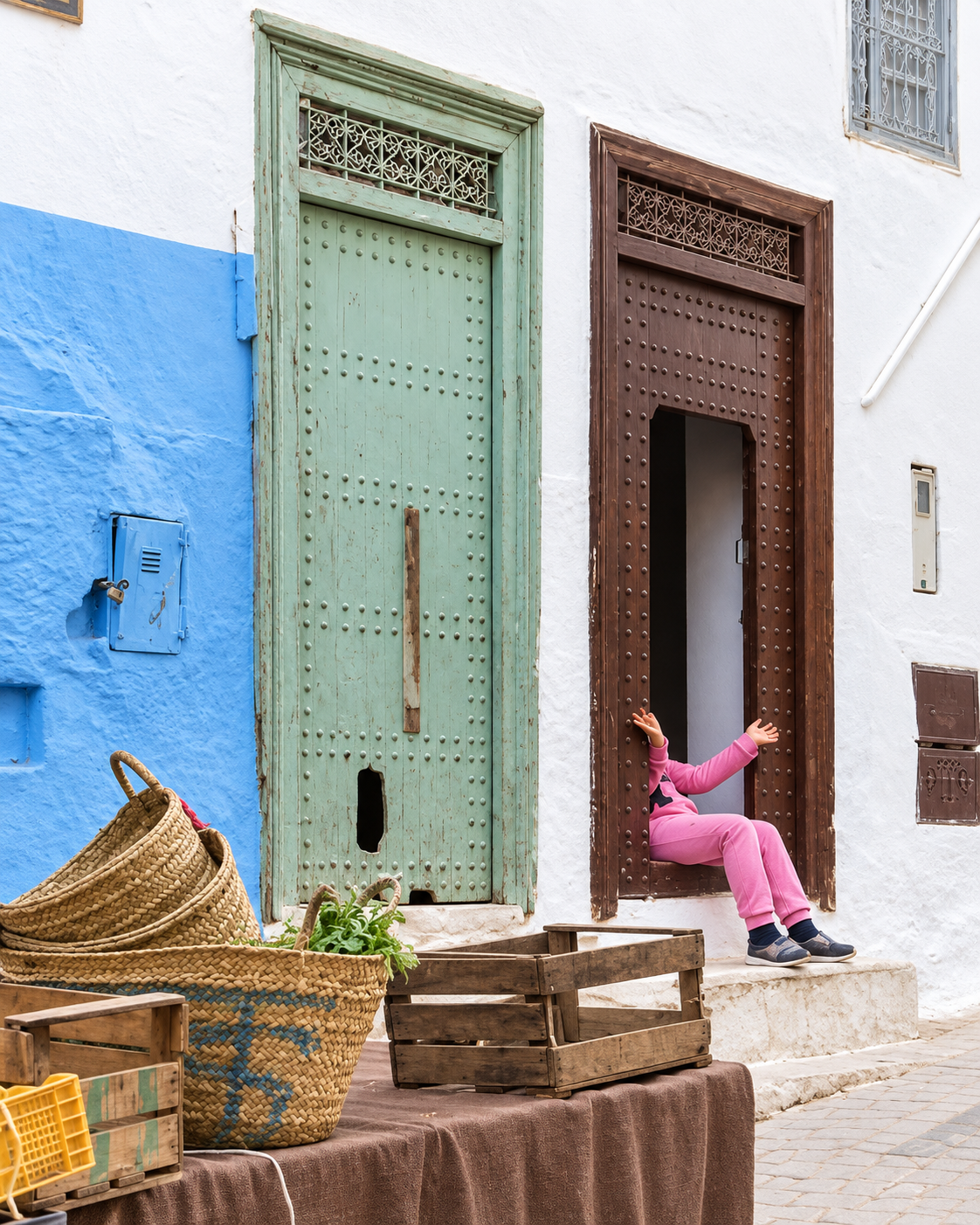
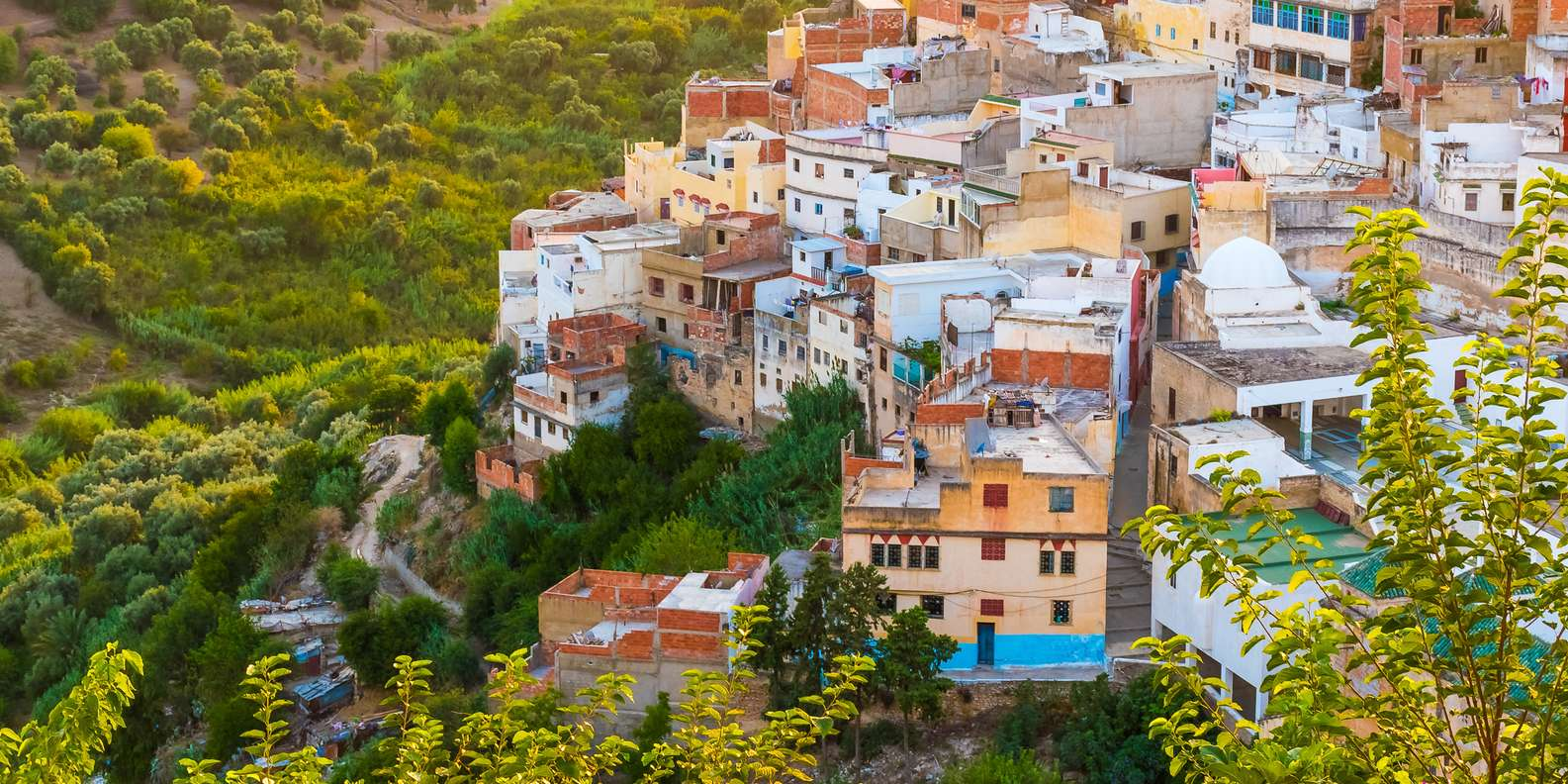
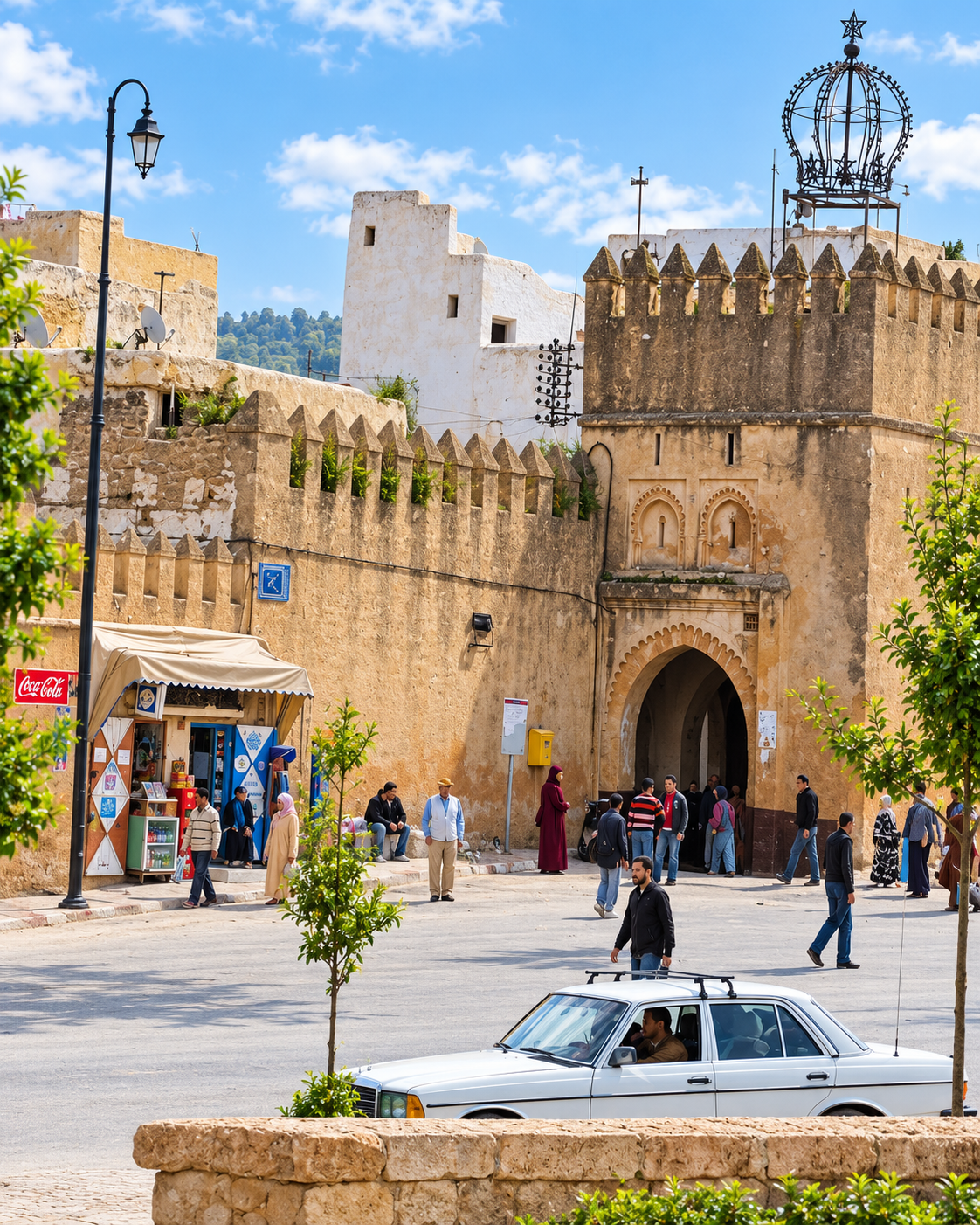
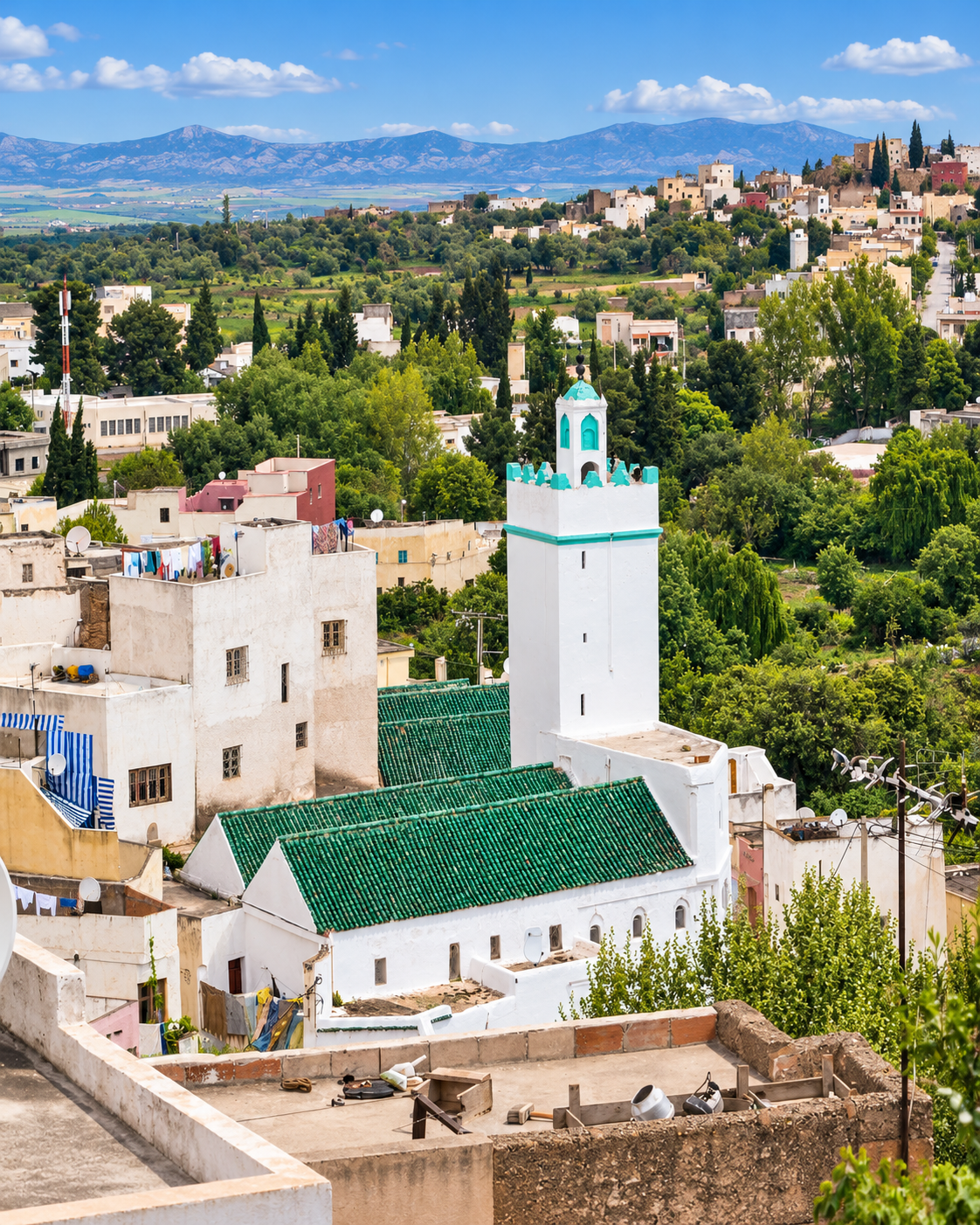
Sefrou is best approached as an older foothill settlement whose story sits beside, not beneath, the story of Fez. Regional sources describe the town through the Oued Aggai, gardens, historic quarters, Sidi Ali Bousserghine, the mellah, Bhalil and the Cherry Festival. Its importance comes from continuity: settlement, water, trade, agricultural knowledge and cultural memory held at a smaller urban scale.
01Early layersFoothill settlement
Sefrou developed on both banks of the Oued Aggai near the Middle Atlas edge, with regional traditions placing its roots very early in Morocco’s urban history.
02Idrissid memoryA city near the Fez story
Local history links the area to Idris II and the formation of Fez, making Sefrou part of a wider early Moroccan landscape rather than a simple satellite town.
03Water and gardensThe Garden of Morocco
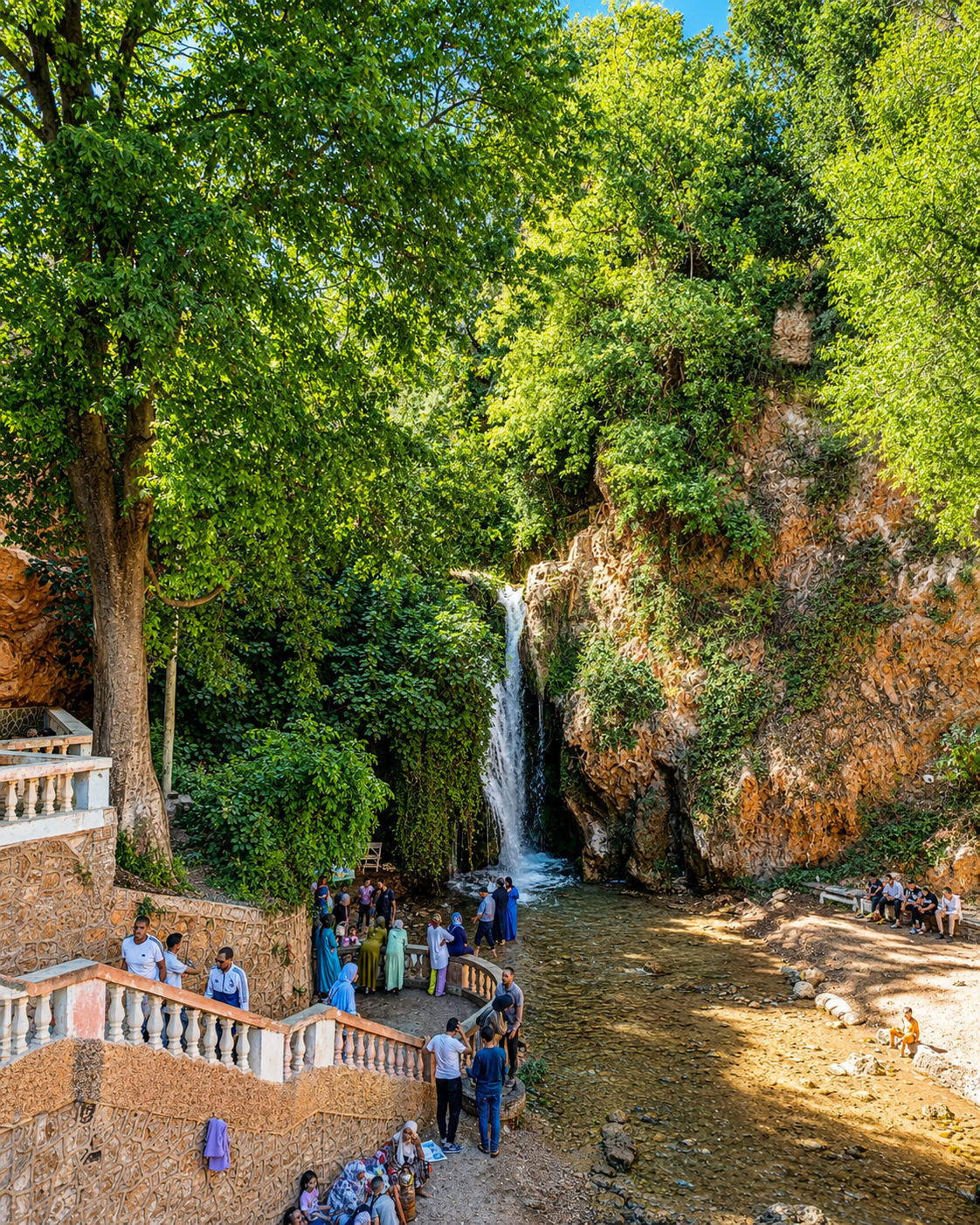
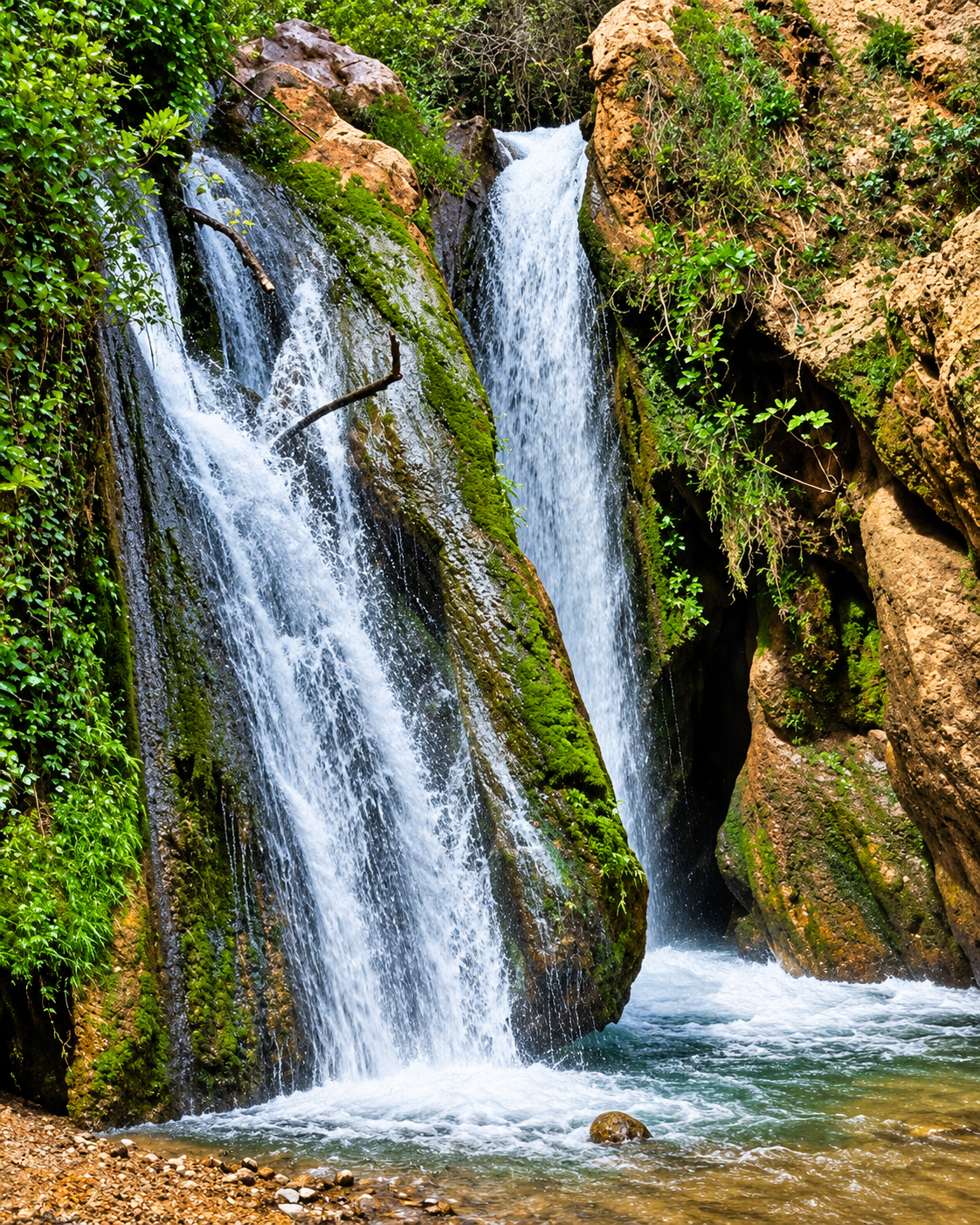
The Oued Aggai and irrigation channels shaped orchards and neighbourhood gardens, giving Sefrou its reputation as a green foothill town with an unusually close relationship to water.
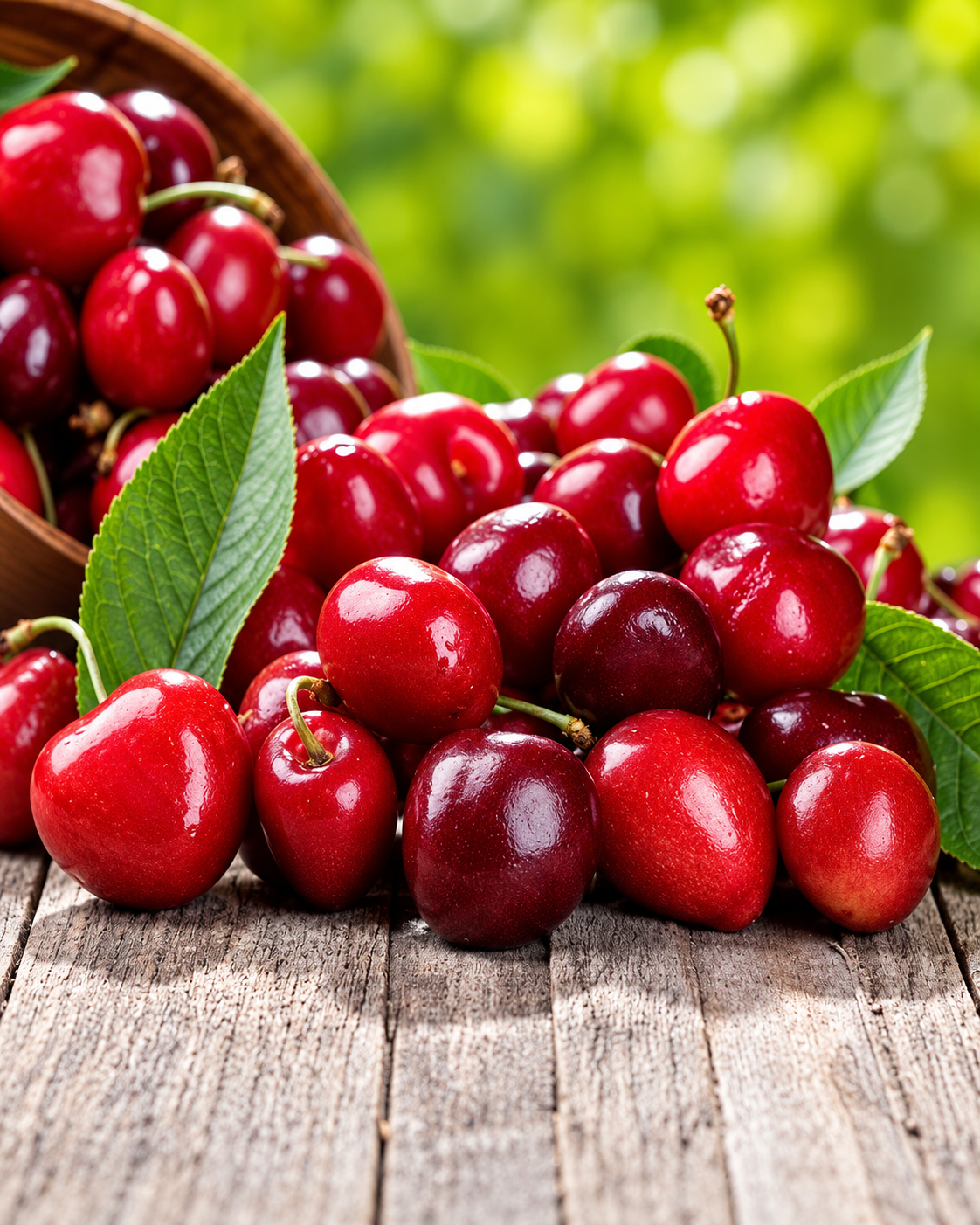
04Since 2012Cherry Festival recognition
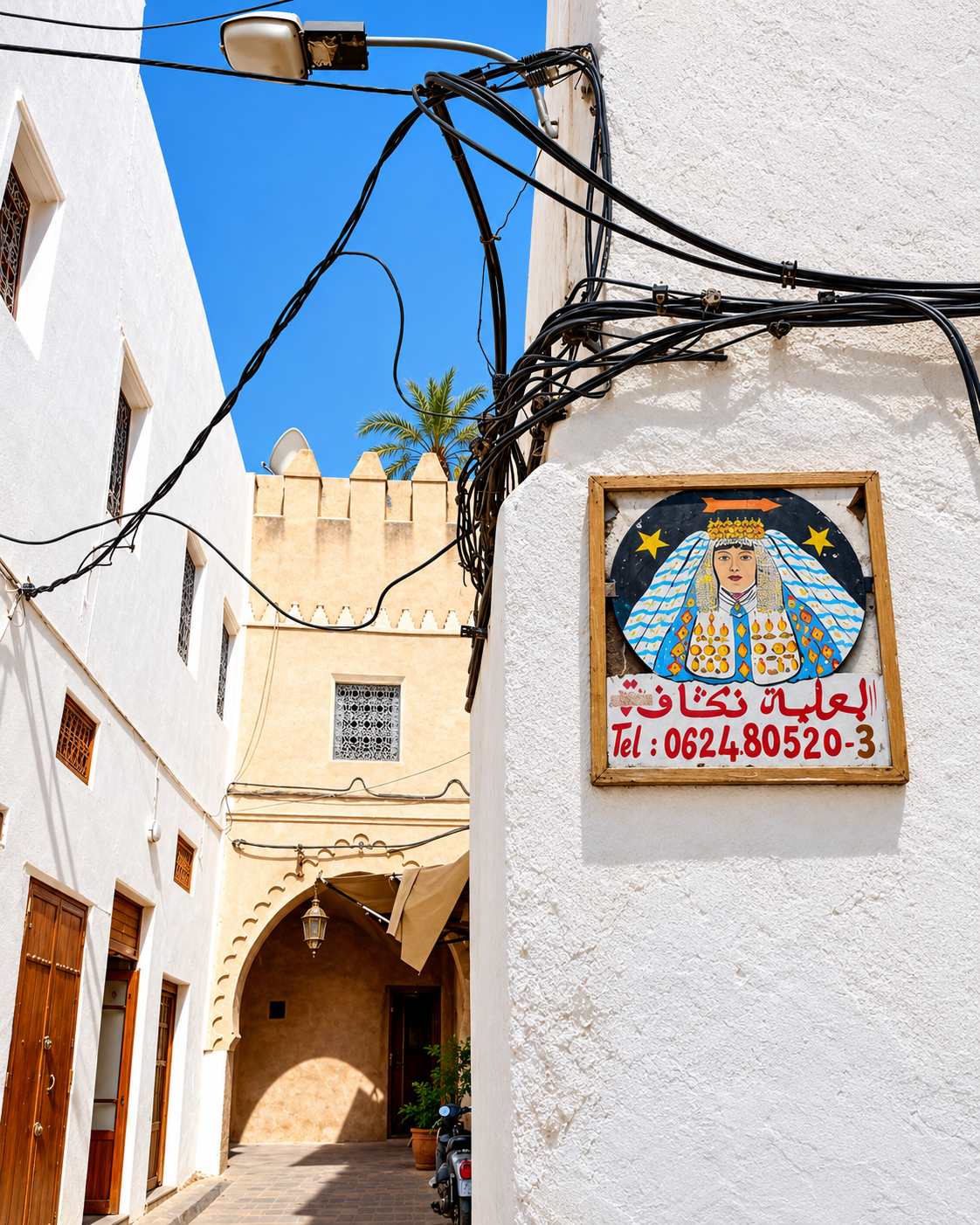
Sefrou’s Cherry Festival is recognised by UNESCO as intangible cultural heritage, connecting seasonal fruit culture, public celebration and local identity.