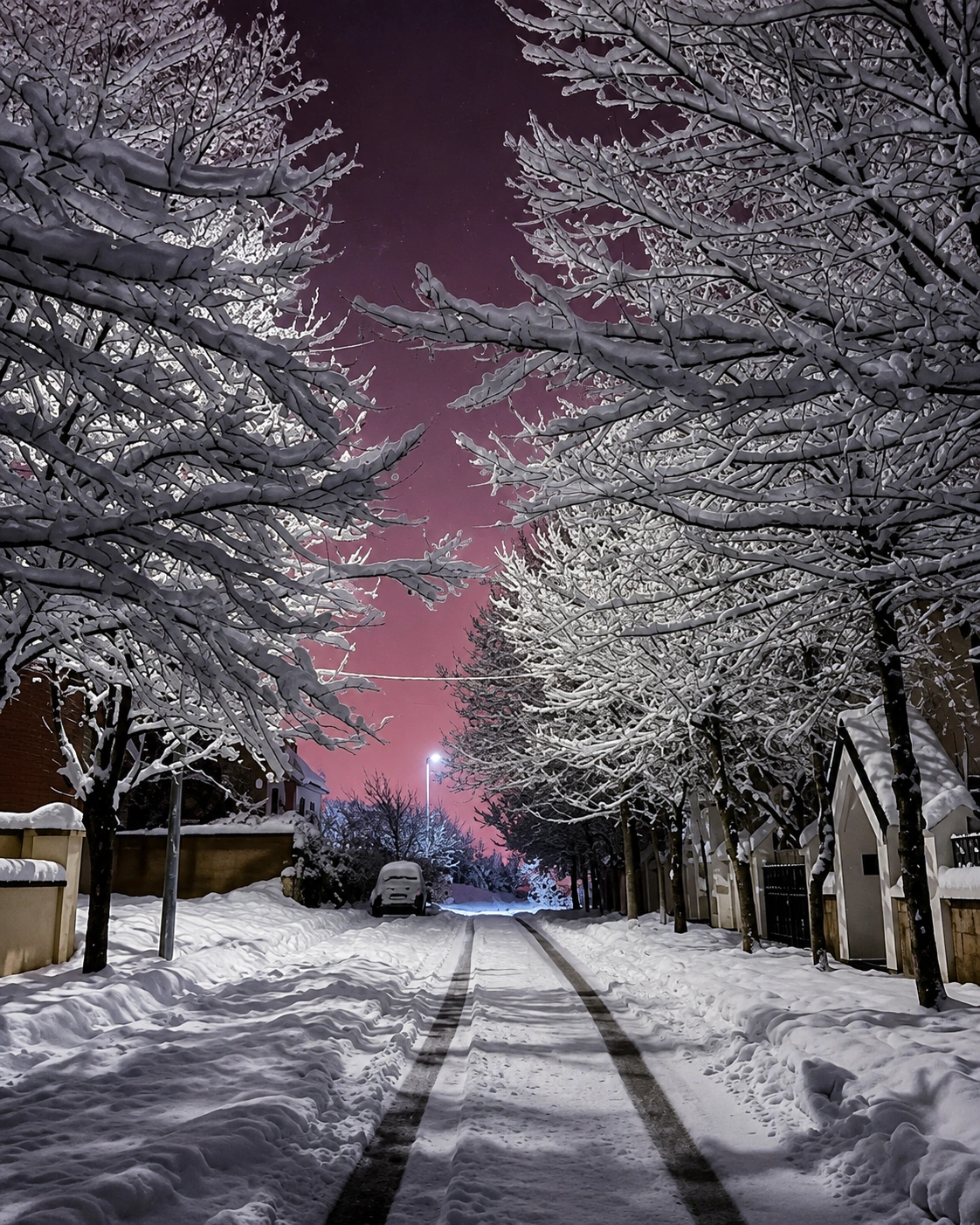
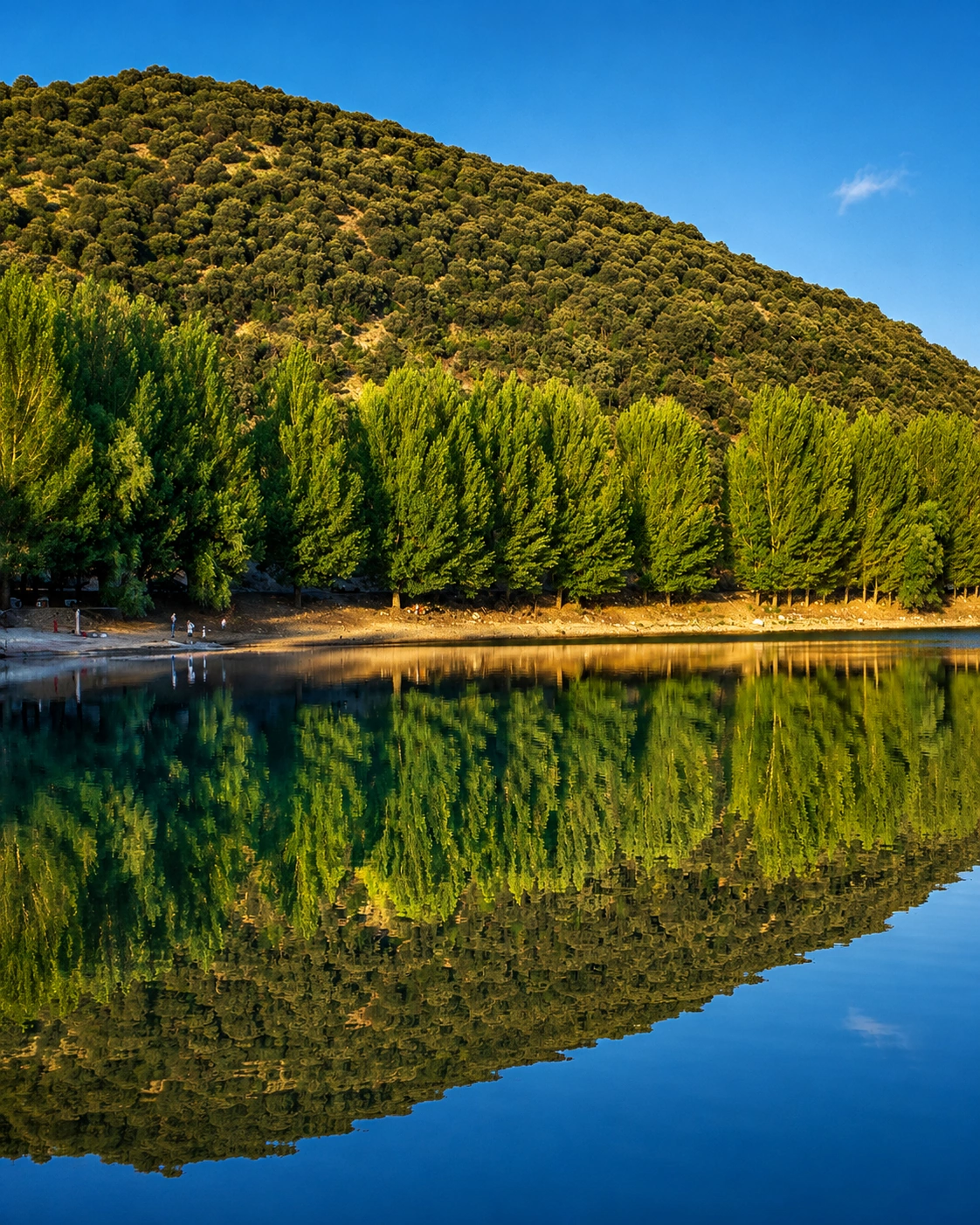
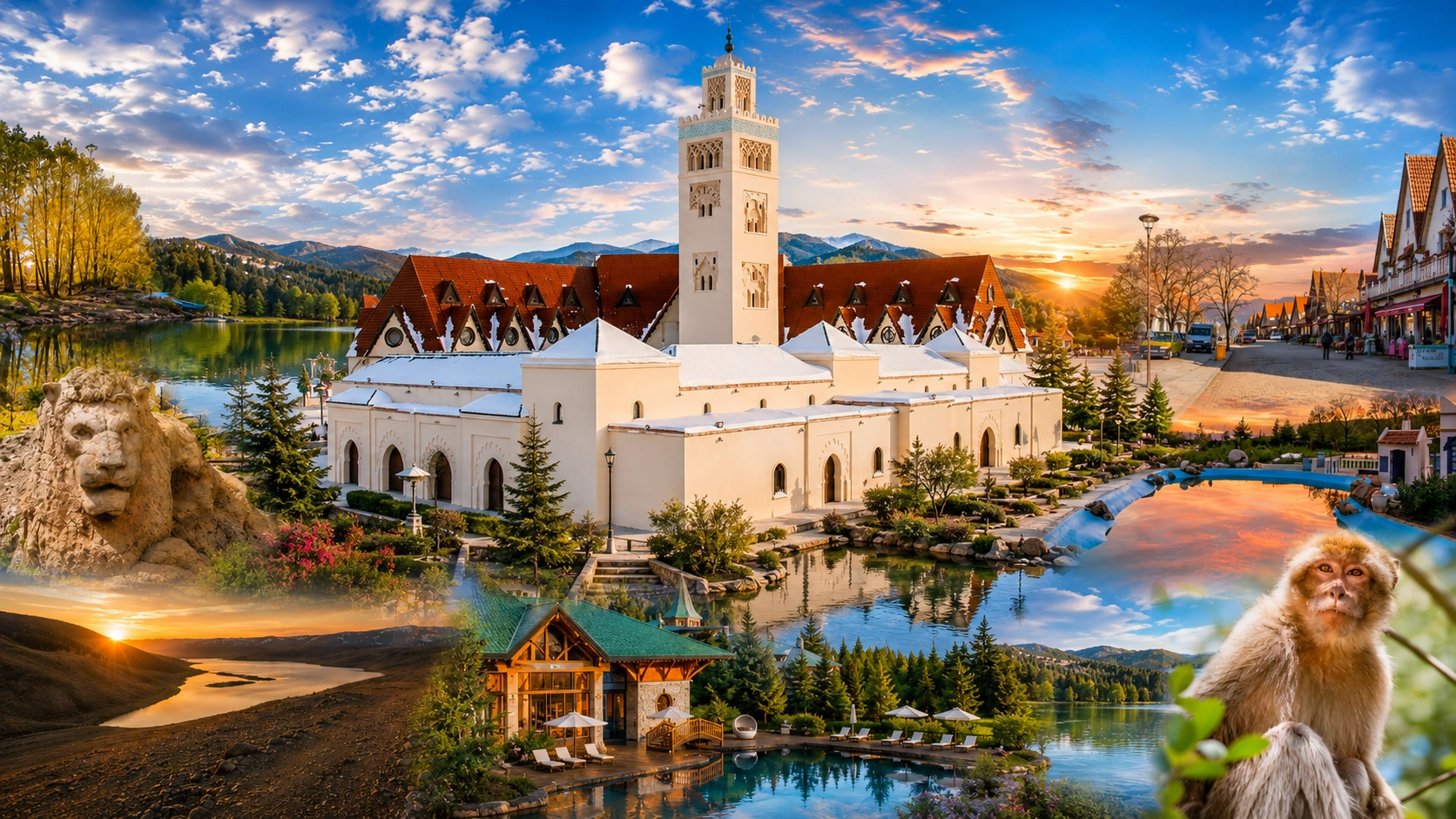
Ifrane highland collage with lake, mosque, cedar landscape and mountain light

Middle Atlas City of Morocco

Ifrane Middle Atlas calm, cedar forests and highland air

Set high in the Middle Atlas, Ifrane changes the rhythm of Morocco: red-roofed avenues, clipped gardens, winter snow and cedar country opening toward lakes, springs and forest roads.

Why Ifrane matters

Beyond the postcard mountain town

Ifrane is often reduced to red roofs and winter photographs, but its value is more specific: it is Morocco’s clearest highland city experience, a planned Middle Atlas pause where urban order, cool air and forest access sit side by side.

Unlike Morocco’s medina-first destinations, Ifrane rewards a quieter reading. Its streets lead from gardens and civic buildings toward cedar routes, lake country, Aïn Vittel and the mountain landscapes around Azrou and Michlifen.

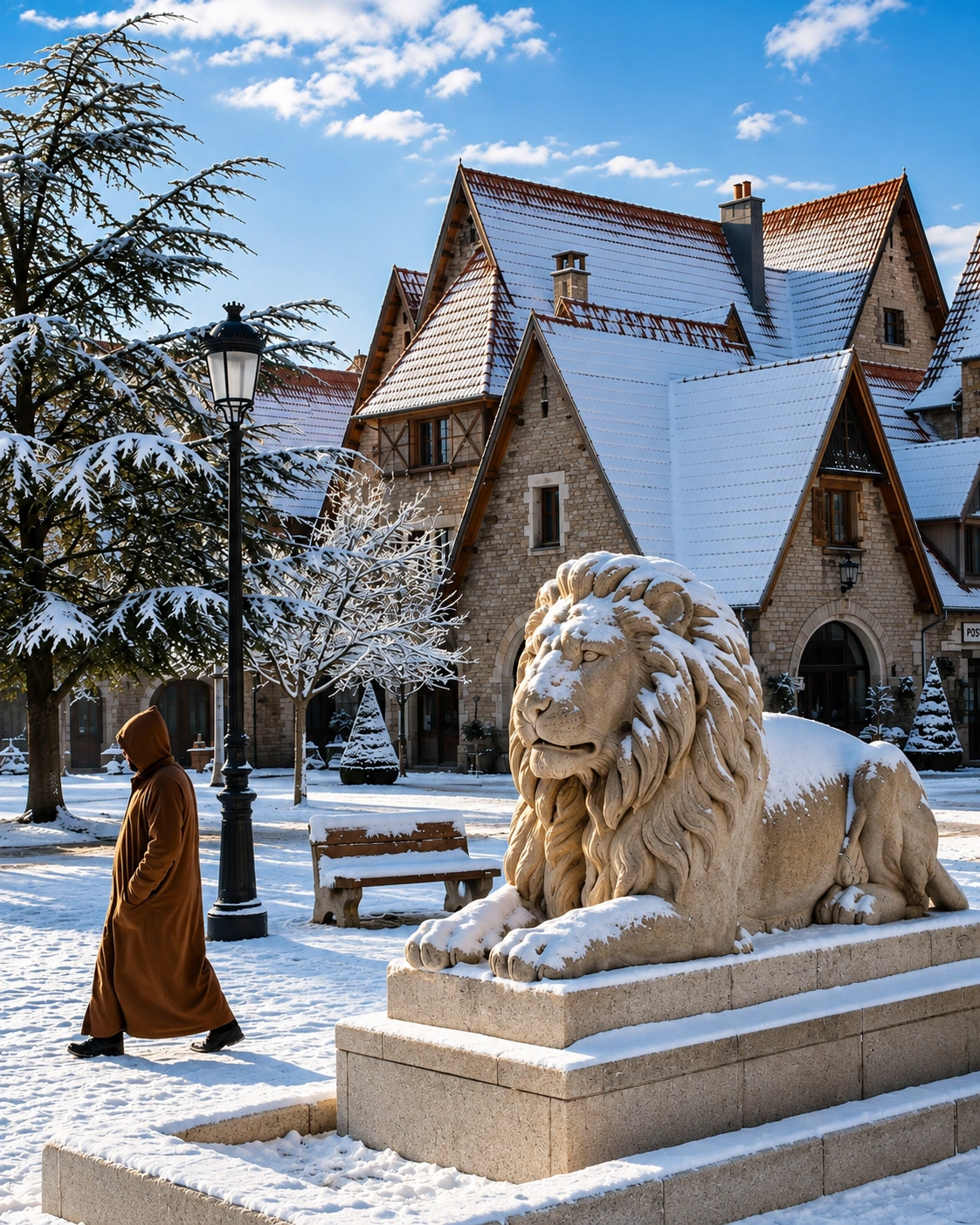
Stone Lion in snowy Ifrane with red-roofed highland buildings

A city of air, order and edges

Ifrane’s identity is measured in clean avenues, stone and tile roofs, campus lawns, public gardens, winter light and the quick transition from town to forest.

EXPLORE

Ifrane

Historical orientation

From highland routes to planned mountain city

Ifrane is best understood as a mountain-town layer, not an imperial-city layer. Older Amazigh highland routes and seasonal landscapes frame the area; the modern town took shape as a planned highland resort during the French Protectorate; and later civic, educational and conservation institutions gave it a wider Middle Atlas role.

01High Middle Atlas

Amazigh highland setting

The surrounding plateau, springs and cedar landscapes belong to the Middle Atlas world, where seasonal movement, forest edges and mountain routes shaped local life long before the modern resort image.

0220th century

Planned mountain town

Ifrane developed a distinct townscape of red roofs, gardens and ordered streets, designed for cooler air and a different pace from Morocco’s hotter lowland cities.

031993–1995

Al Akhawayn University

Founded by Royal Dahir in 1993 and opened in 1995, Al Akhawayn added a major educational presence to Ifrane’s civic identity.

04Since 2004

National park country

Ifrane National Park strengthened the city’s relationship with cedar forests, lakes and protected Middle Atlas habitats, including the wider landscape where Barbary macaques live.

A visual bridge

Three glimpses between town and forest

These images connect Ifrane’s story to the places visitors actually feel: winter edges, cedar shade and the lake country that softens the transition from city to Middle Atlas landscape.

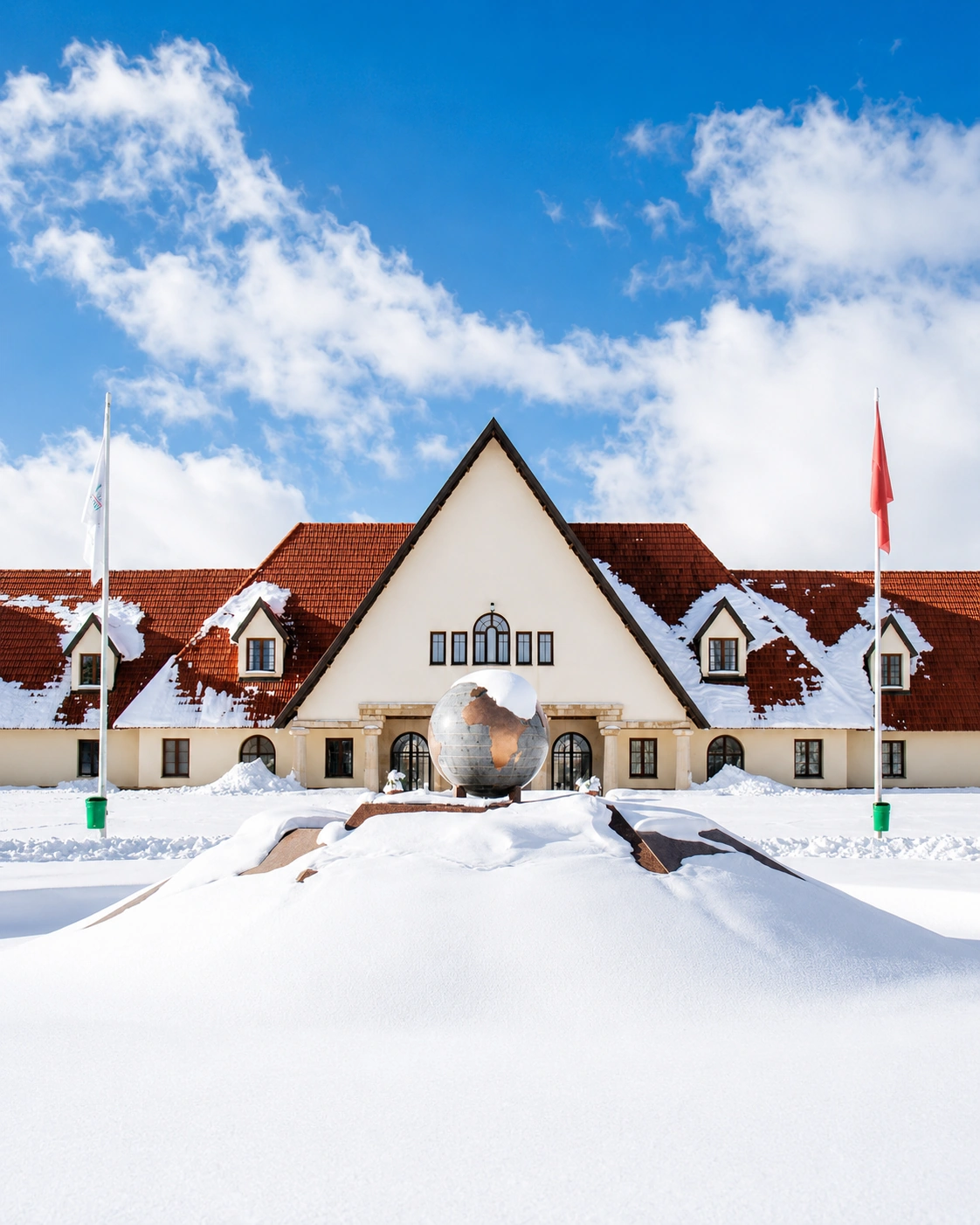
Al Akhawayn University building in Ifrane under winter snow

Winter light

Snow, red roofs and evergreens give Ifrane a seasonal face unlike the warmer Moroccan cities below.

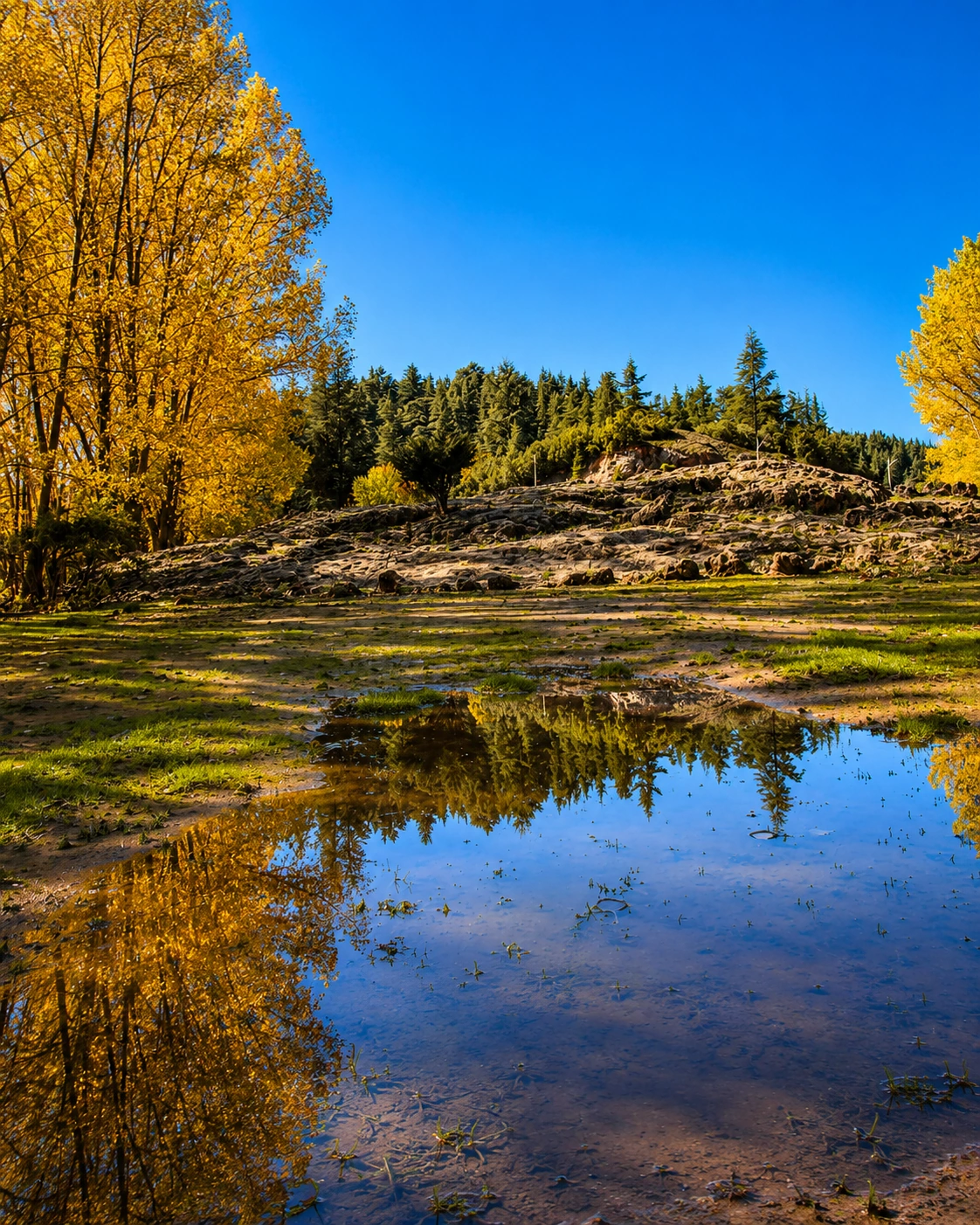
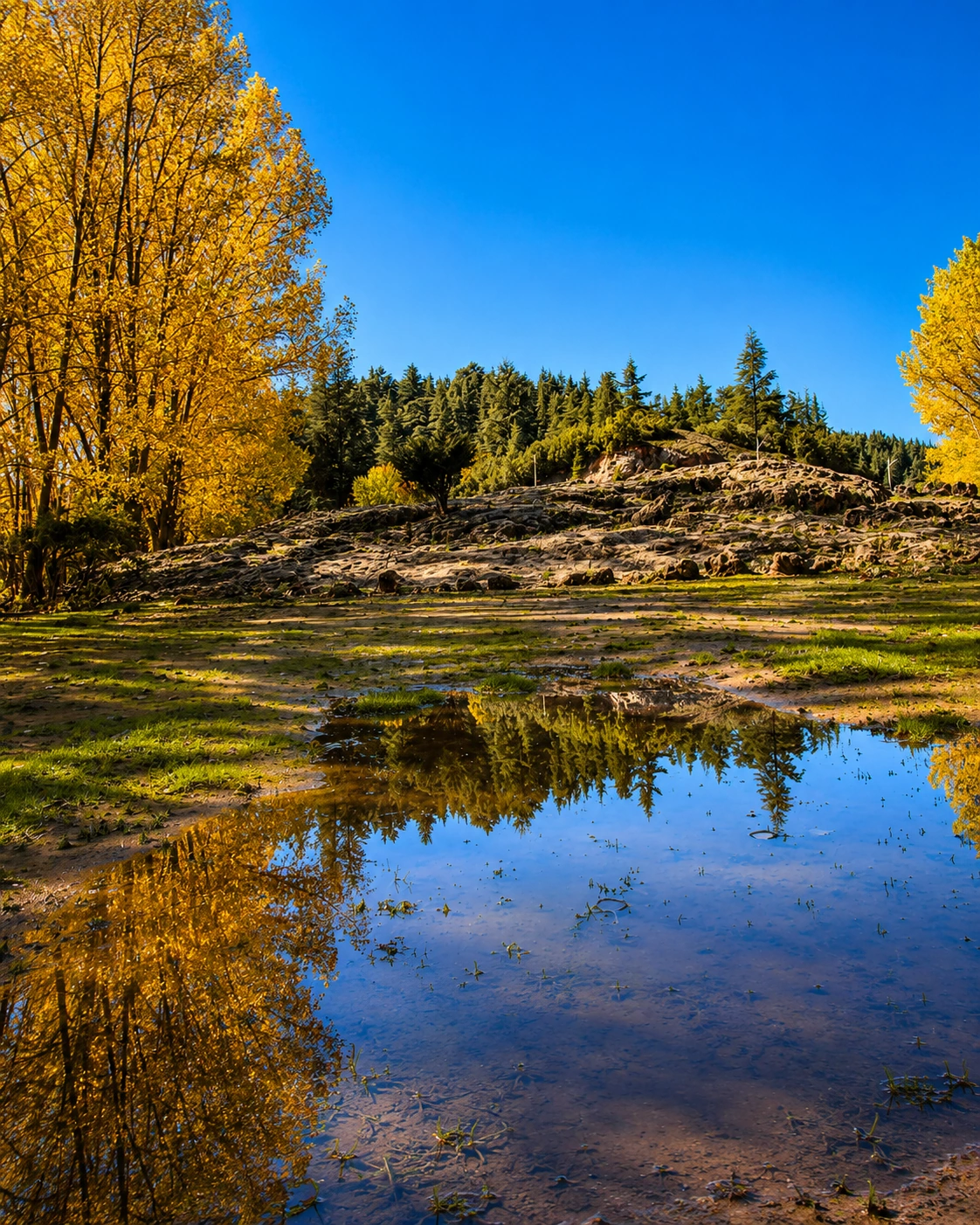
Autumn trees and cedar reflections near Ifrane

Cedar horizons

Forest roads and cedar groves begin close to the city and shape its wider purpose.

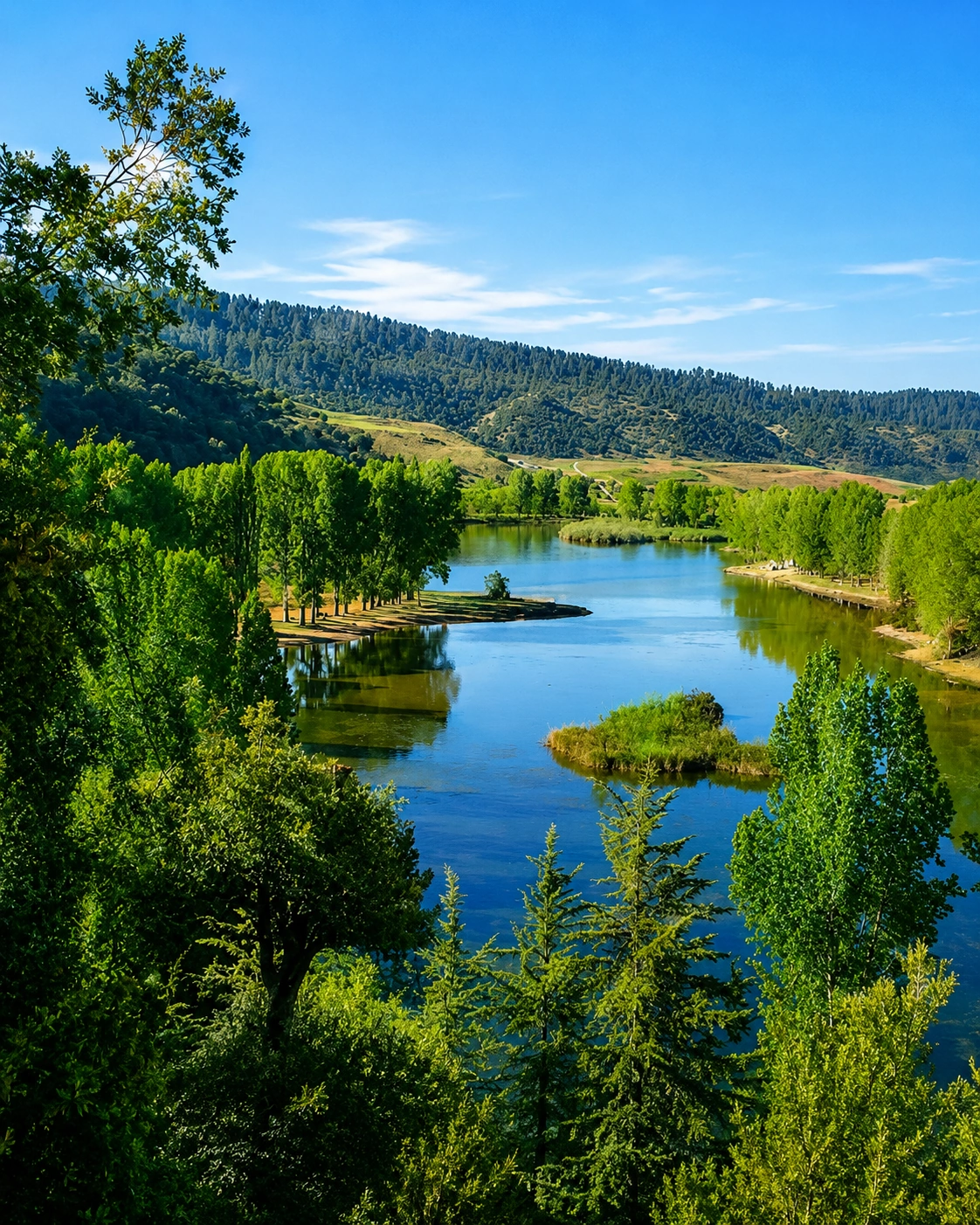
Lake and cedar-covered hills near Ifrane

Lake-country pauses

Dayet Aoua and nearby water landscapes slow the journey into open air.

Ifrane at a glance

Around 1,650 metres

The city sits high in the Middle Atlas, so visitors experience cooler air, sharper seasonal contrast and occasional winter snow.

A planned highland identity

Ifrane is not built around a historic medina. Its character comes from gardens, civic order, red roofs, campus architecture and mountain-town calm.

Forest and lake access

Aïn Vittel, Dayet Aoua, Michlifen and cedar country make the city a natural base for short highland excursions.

A quieter travel rhythm

The visit works best when paced slowly: a town walk, a garden pause, a forest drive and enough time to notice the change in air.

A clearer reading of the city

A city shaped by altitude, planning and nature

To understand Ifrane, read the town, the campus and the surrounding cedar landscapes together. The city is not a monument checklist; it is a change of climate, urban rhythm and ecological setting.

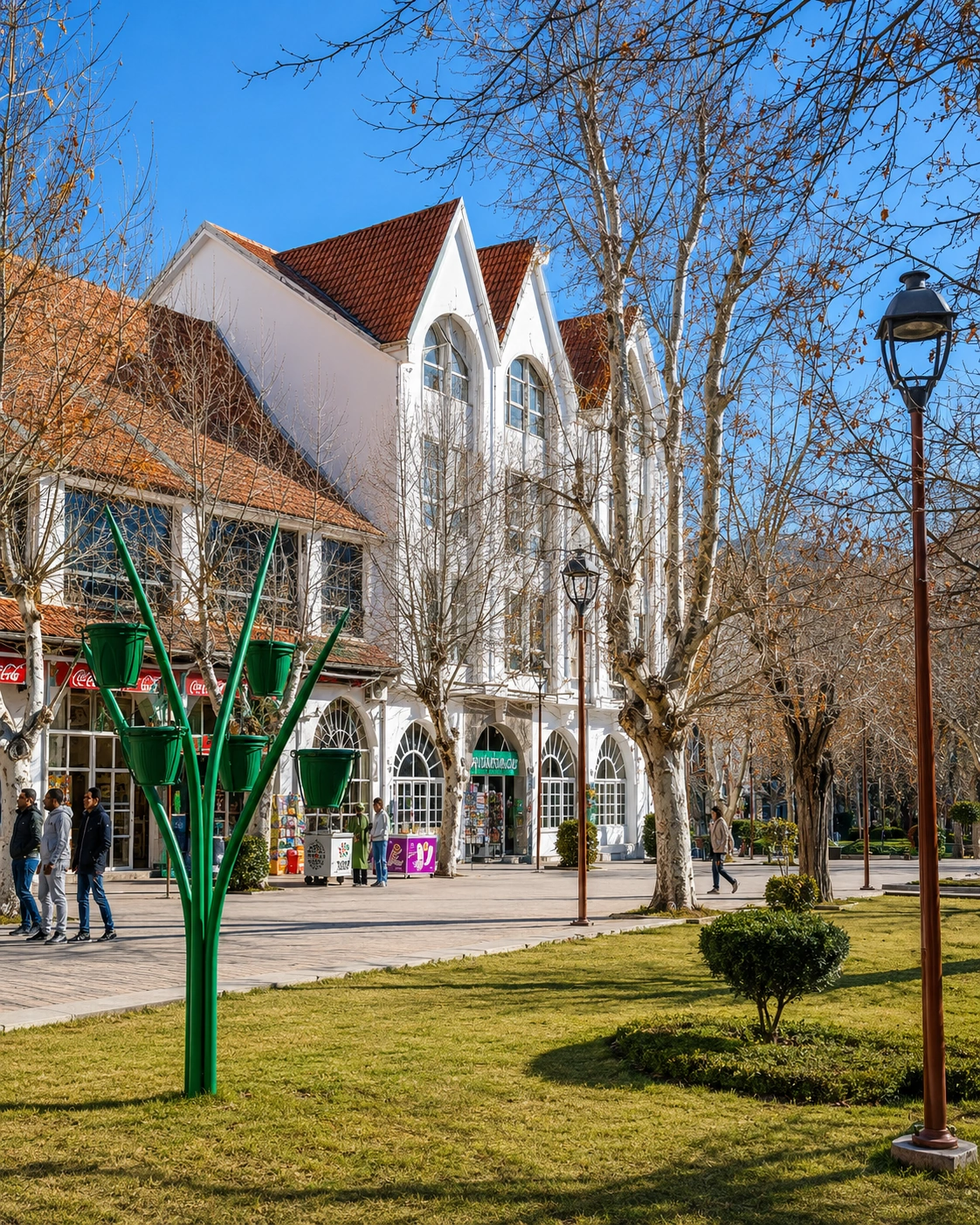
Town-centre avenue and red-roofed architecture in Ifrane
Layer 1

Highland urban calm

Gardens, avenues and red-roofed buildings establish a composed civic language that feels deliberately slower than larger Moroccan cities.

Autumn water landscape and cedar shade near Ifrane
Layer 2

Forest threshold

The city’s edges open toward cedar groves, springs and lake routes, making nature part of the urban experience rather than a distant excursion.

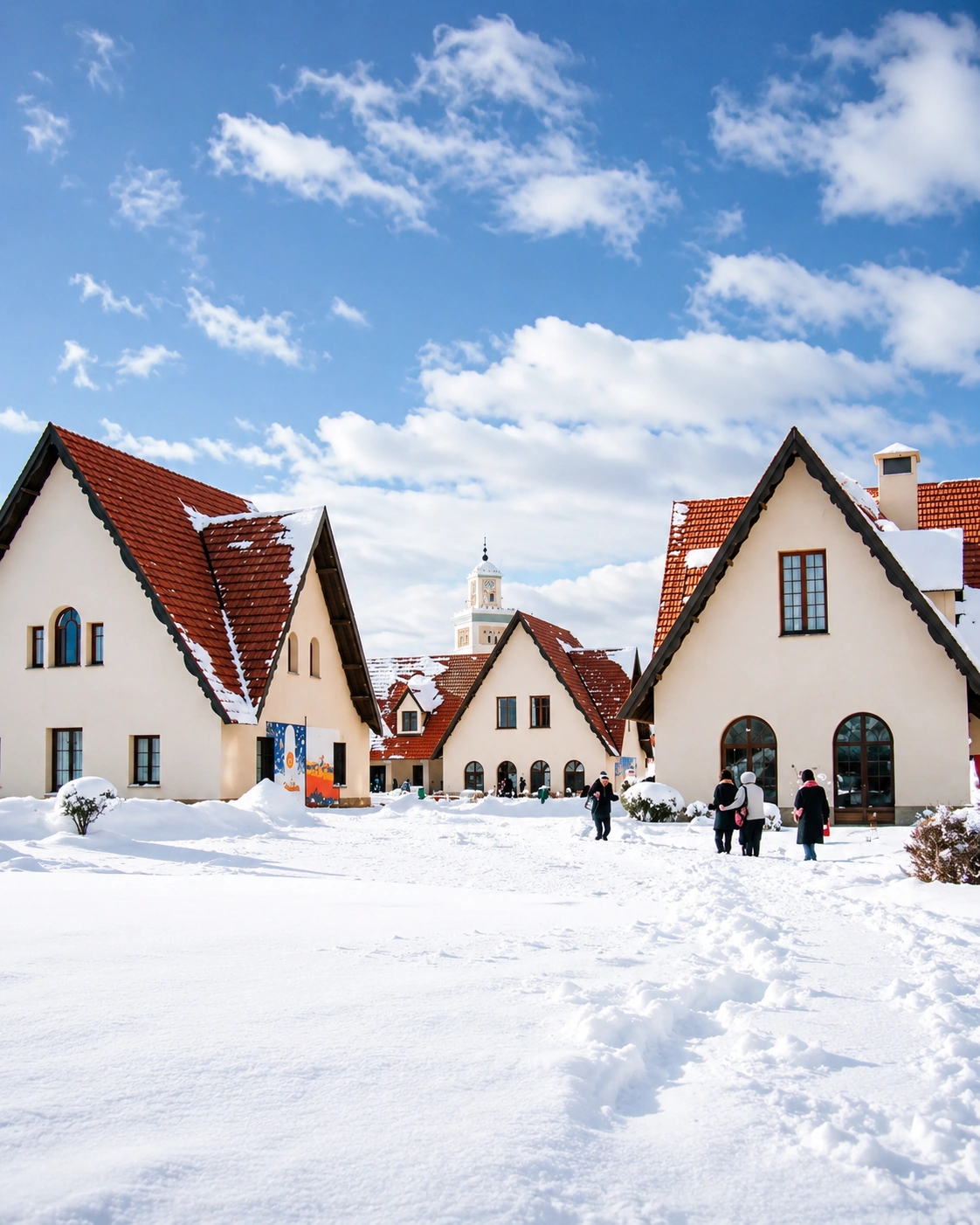
Snowy red-roofed highland quarter in Ifrane
Layer 3

Education and retreat

Al Akhawayn University, Michlifen and the seasonal resort culture add a contemporary layer to Ifrane’s mountain identity.

Landmarks & orientation

Read Ifrane through six defining places

Ifrane is best read through places that explain its highland character: a civic emblem, a university campus, protected cedar landscapes, water routes and mountain resort edges.

1
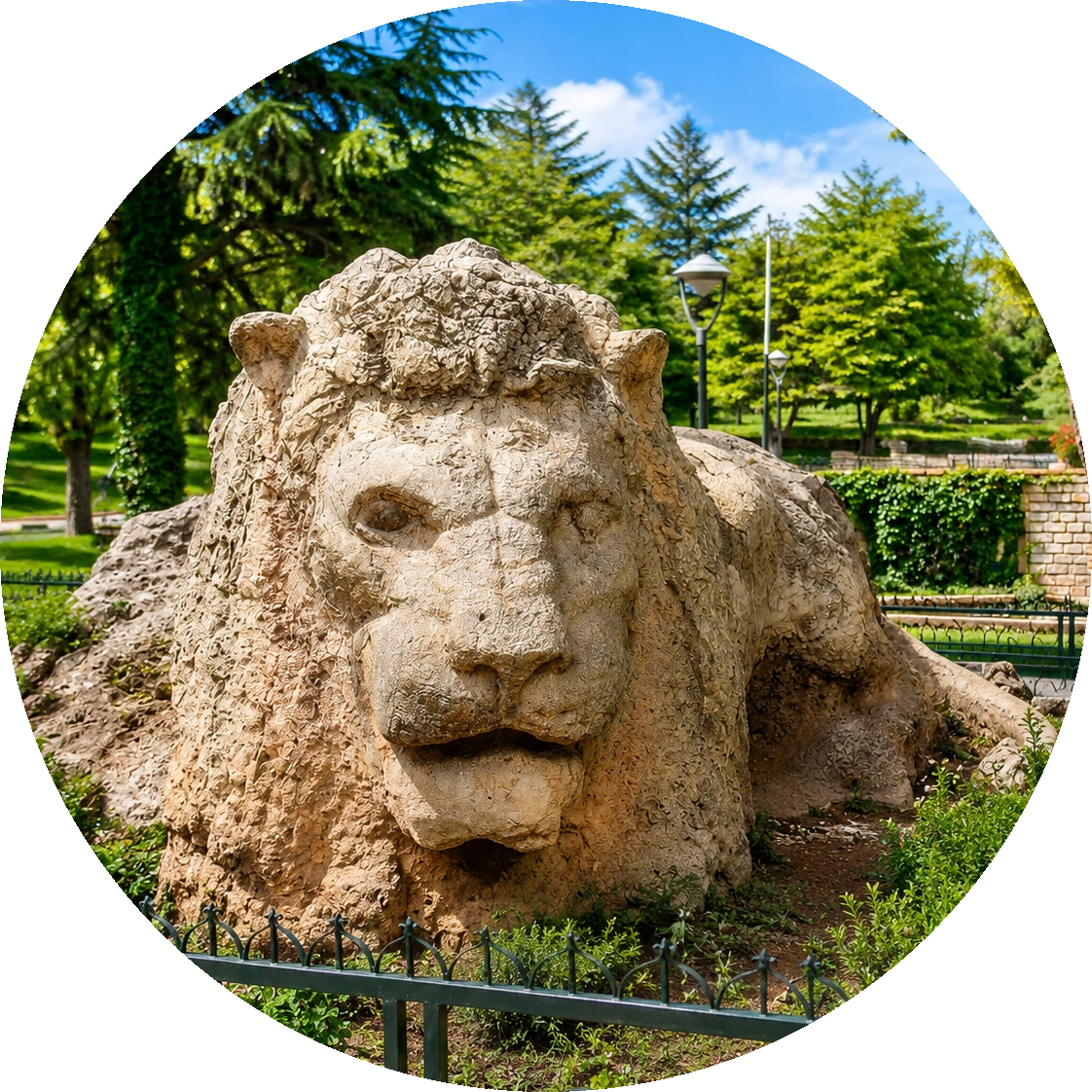
Stone Lion

The carved lion near the city centre is Ifrane’s most familiar emblem and a useful orientation point for first-time visitors.

2
Al Akhawayn University

A red-roofed campus that reflects the city’s planned, educational and international layer.

3
Ifrane National Park

The protected forest-and-lake landscape that links the city to Atlas cedar country and wildlife habitats.

4
Dayet Aoua

A calm lake excursion west of town, best approached as a landscape pause rather than a quick photo stop.

5
Aïn Vittel

A spring and garden area where water, trees and easy walking show Ifrane’s softer recreational side.

6
Michlifen

A higher mountain setting associated with winter snow, resort stays and forested routes beyond the city.

Close view of the Stone Lion sculpture in Ifrane
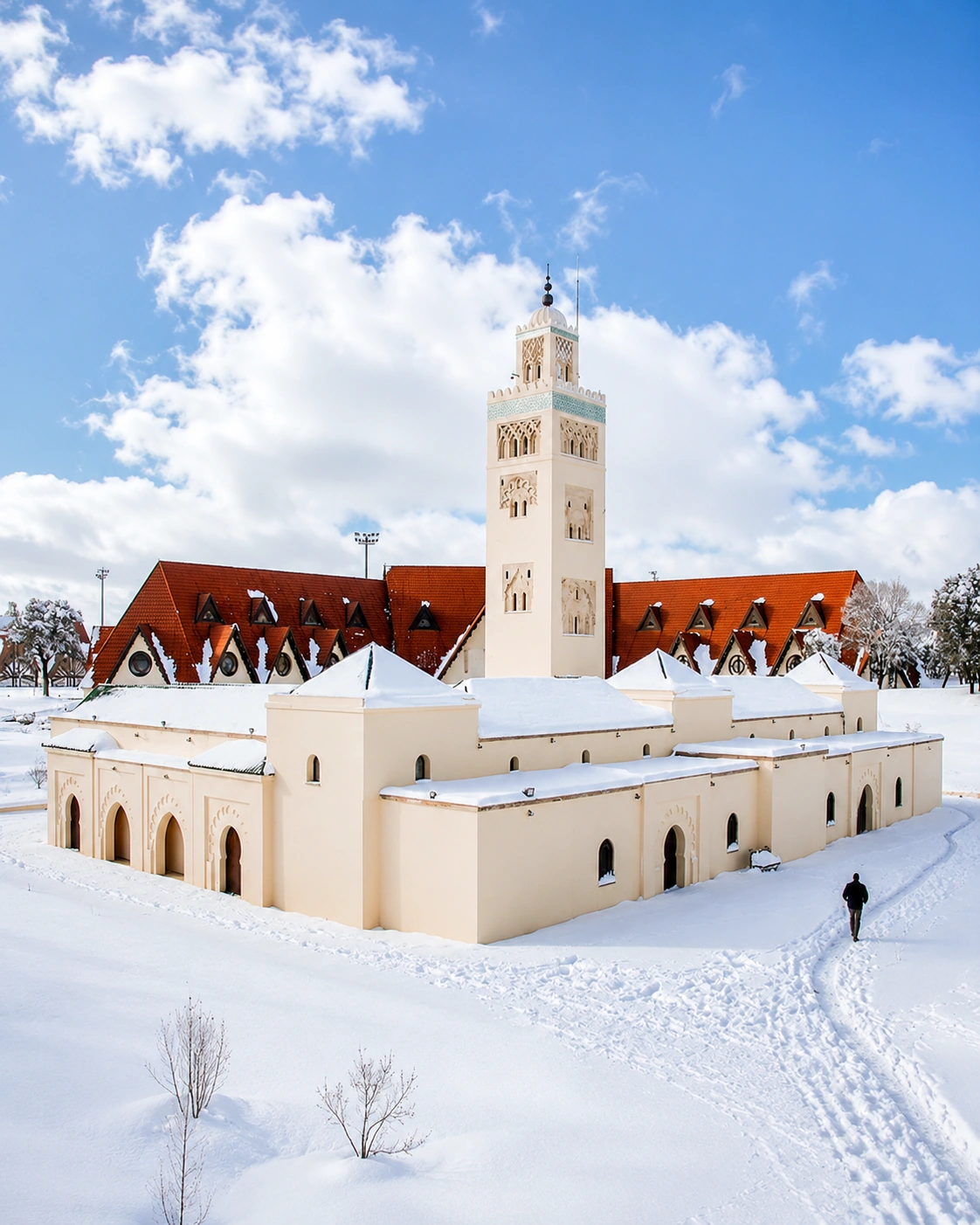
Mosque, red roofs and snow in Ifrane

A highland identity

Red roofs, gardens and civic calm

Ifrane’s architectural story is not a medina story. It is built through red roofs, garden edges, campus lawns and public spaces shaped for altitude, shade and seasonal weather. Al Akhawayn University gives this language a strong contemporary landmark.

  • The city’s red-roofed buildings reinforce a distinctive highland image.
  • Gardens, paths and tree cover make the urban experience softer and slower.
  • Campus, resort and civic spaces help visitors read Ifrane as a modern Middle Atlas centre.

Architectural reading

Three visual languages to notice

Red roofs and garden order

Ifrane speaks first through rooflines, clipped green spaces, stone walls and generous setbacks. The effect is calm, planned and seasonal, not monumental.

Cedar and mountain context

The surrounding forest gives the city its deeper frame. Even ordinary streets feel close to the Middle Atlas because the landscape is never far away.

Campus and resort scale

Institutional and resort buildings add a contemporary layer: larger forms, manicured grounds and mountain-lodge references shaped for cooler air.

Visual atmosphere

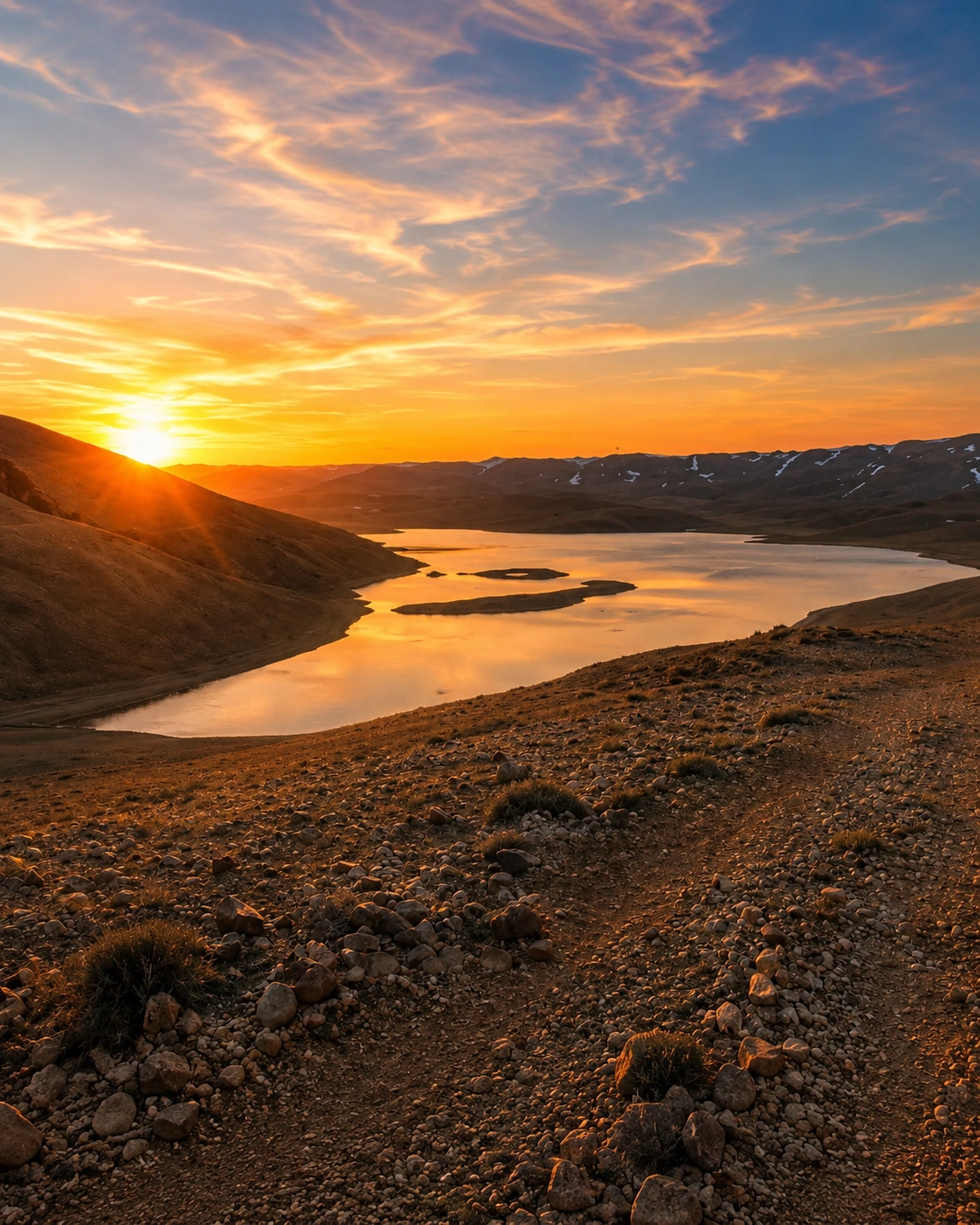
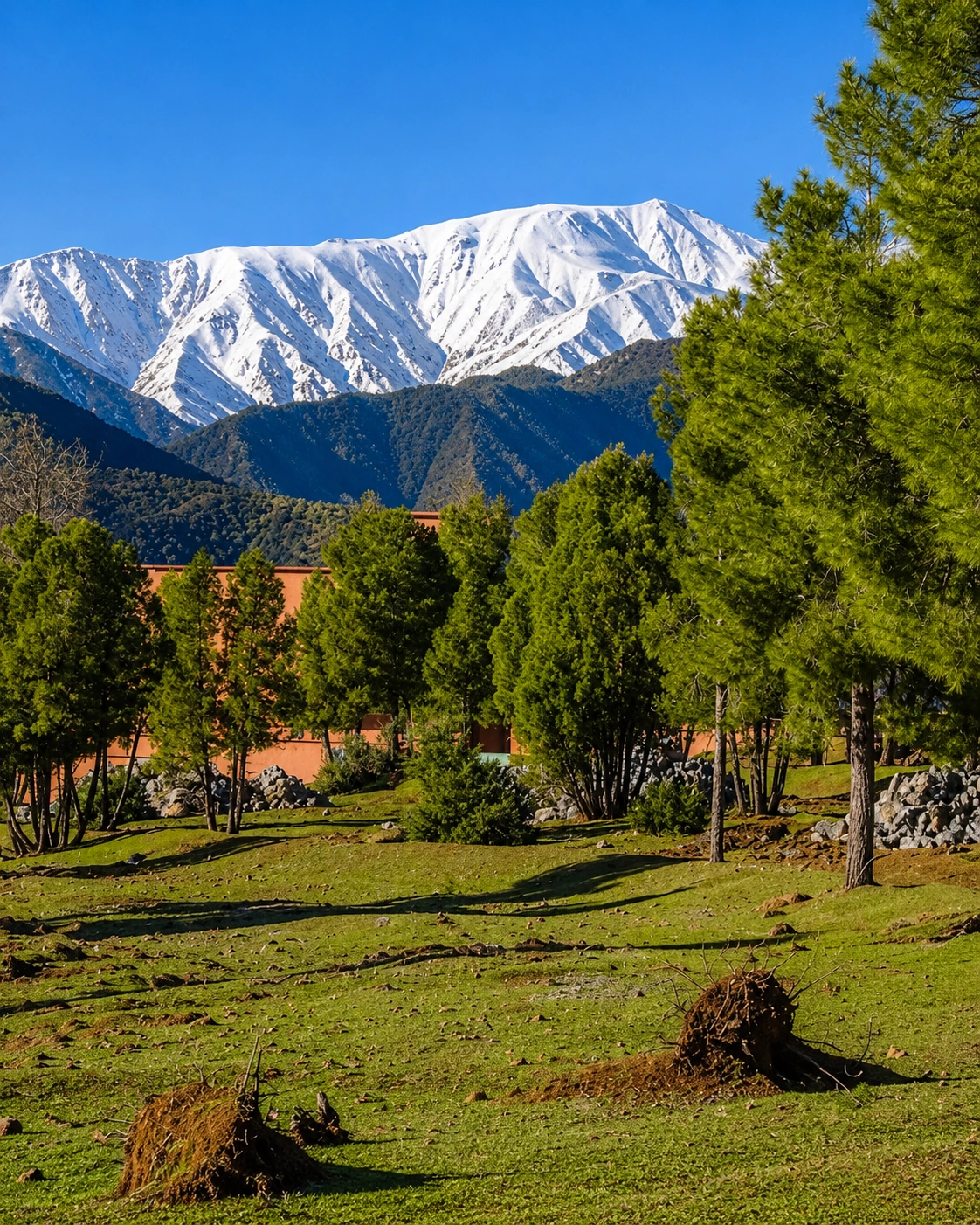
Clean air, soft water and cedar shade

Nearby highlights

Nearby mountain and lake country

Ifrane works well as a base for gentle Middle Atlas extensions: cedar forests around Azrou, the lake at Dayet Aoua and the higher Michlifen landscape. Keep the day loose so the route feels like countryside rather than a checklist.

Azrou cedar country

Forest roads and cedar groves near Azrou reveal the wider ecological setting of Ifrane. Respect wildlife and keep distance from Barbary macaques.

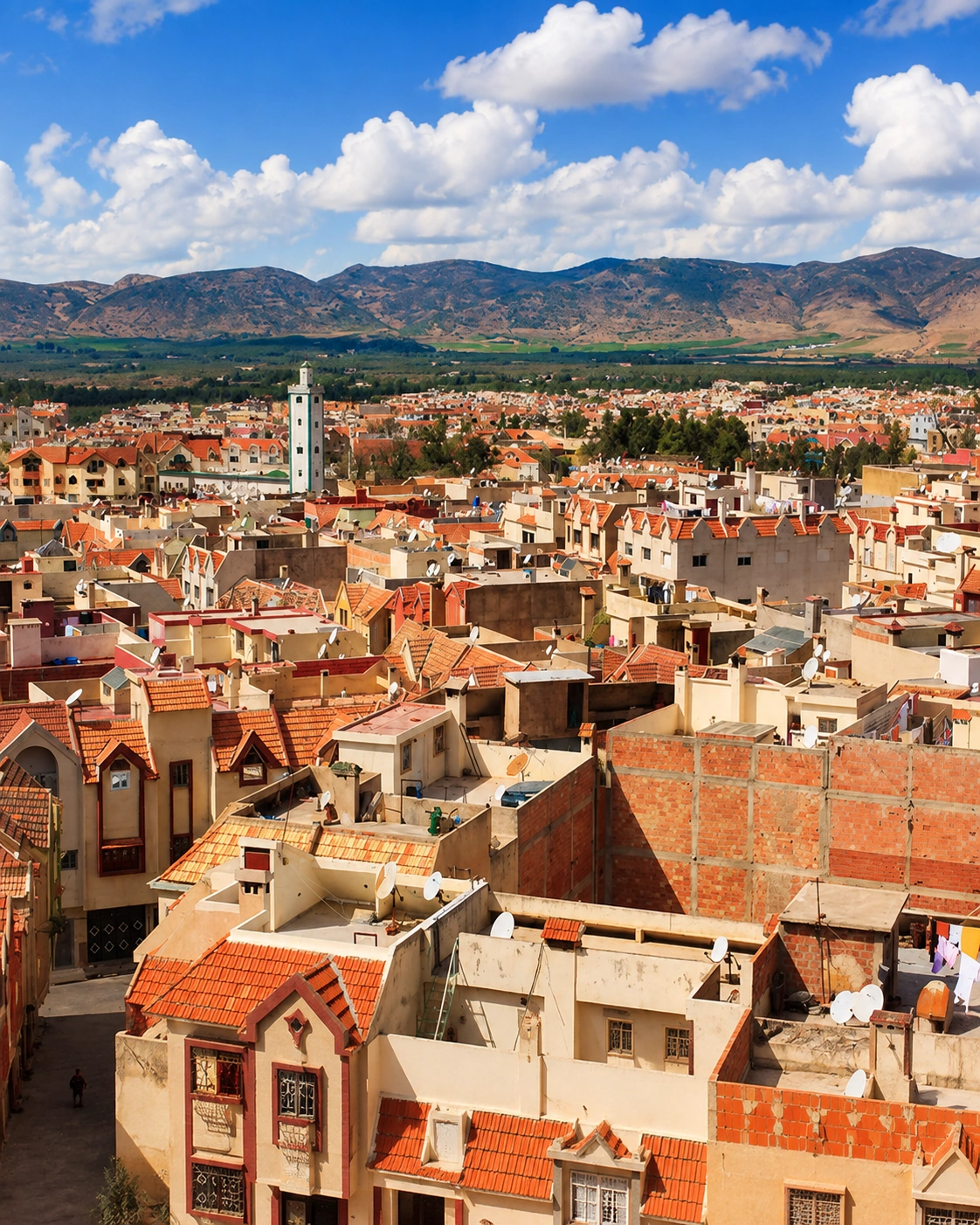
Red-roofed Ifrane city panorama with Middle Atlas mountains

Dayet Aoua

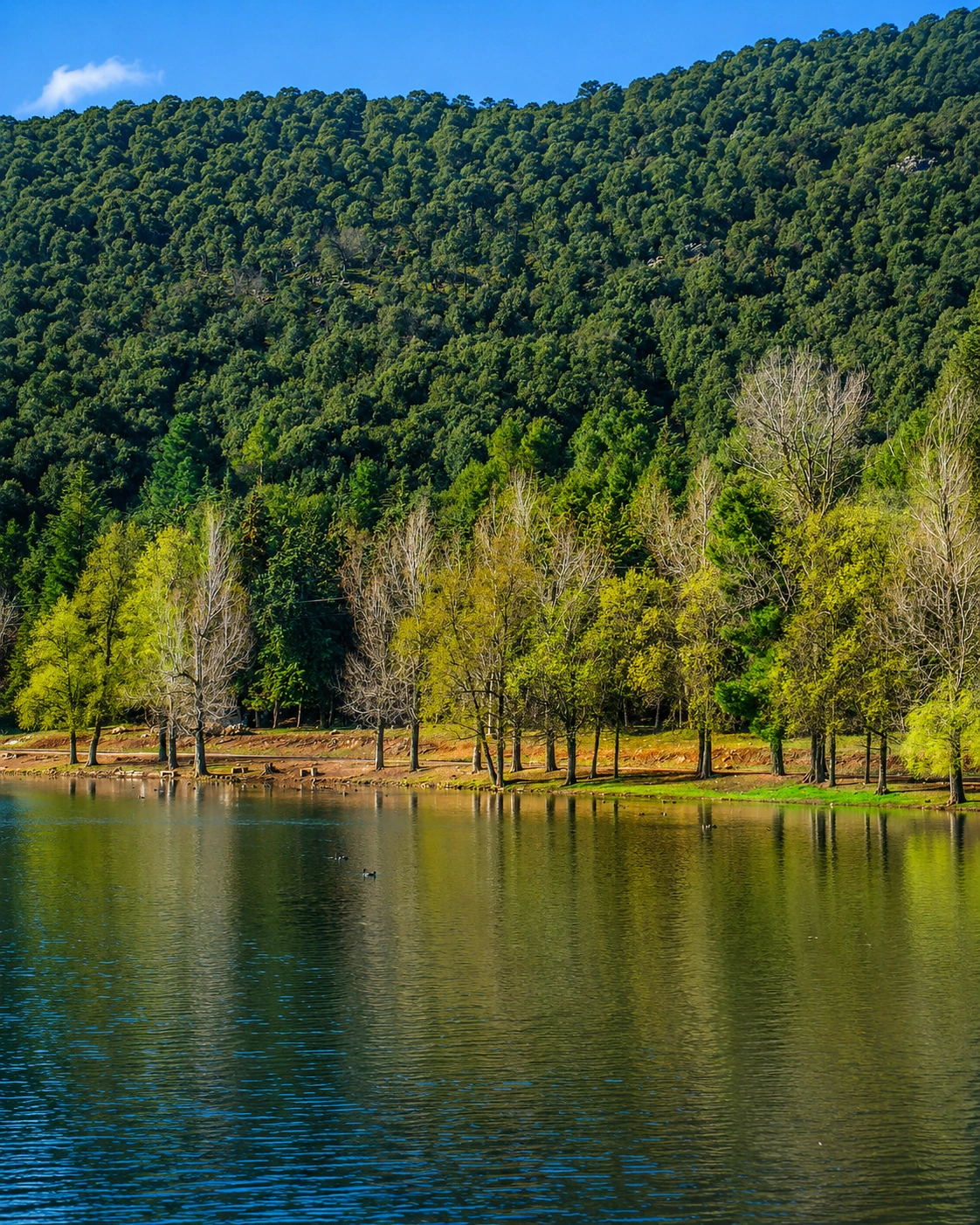
A lake landscape for open water, birds, changing light and a slower pause outside the city.

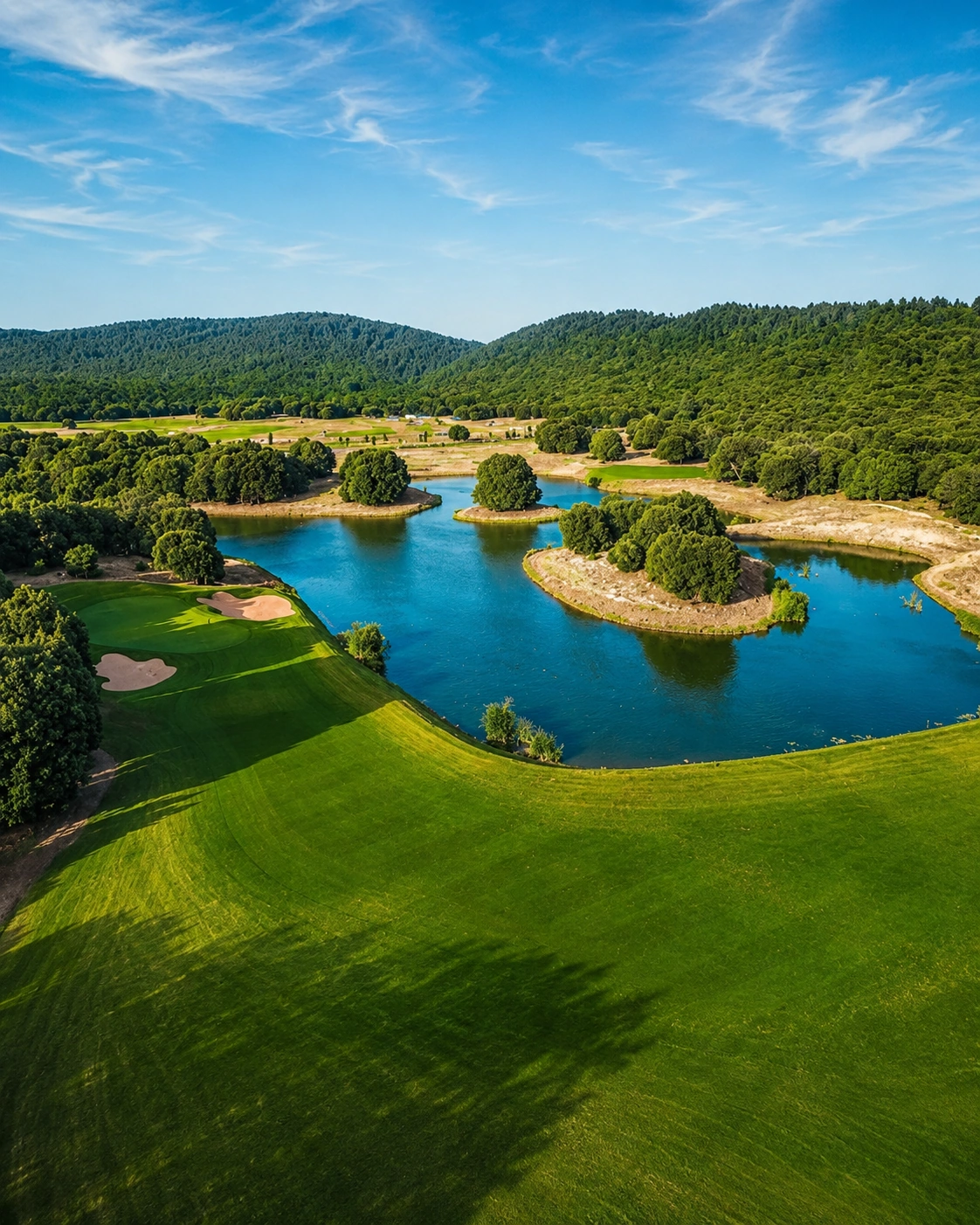
Forest lake and green hillside near Ifrane

Michlifen and highland roads

A higher mountain extension where winter weather, forest edges and resort architecture change the scale of the trip.

Snow-covered mountain and cedar foreground in the Ifrane region
Travel note: Winter and mountain conditions can change quickly around Ifrane, Michlifen and forest roads. Check local weather and road information before higher-route excursions.

Practical orientation

How to experience Ifrane well

  • Treat Ifrane as a slow highland stay, not a medina sightseeing sprint.
  • Pair a town walk with Aïn Vittel, the Stone Lion and a garden pause.
  • Use a separate outing for Dayet Aoua, Azrou cedar country or Michlifen.
  • Check winter road and weather conditions before driving into higher mountain areas.
  • Respect forest habitats, keep distance from wildlife and avoid feeding animals.

A strong first visit

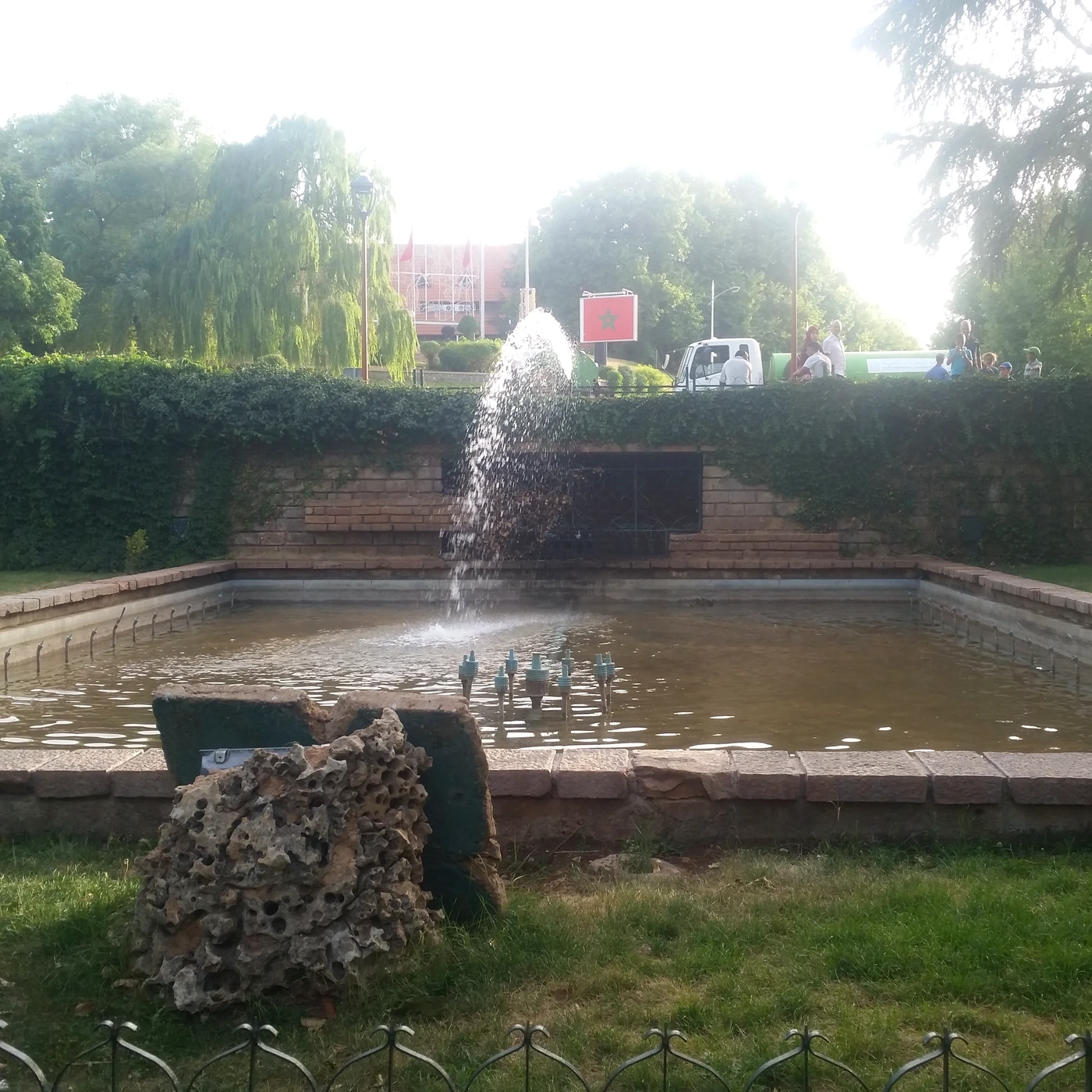
Garden water feature in Ifrane city centre

Begin with the city centre and the Stone Lion, continue through gardens and red-roofed streets, then widen the day toward Aïn Vittel or a lake-and-cedar route. Leave Michlifen or Azrou for a separate, unhurried extension.

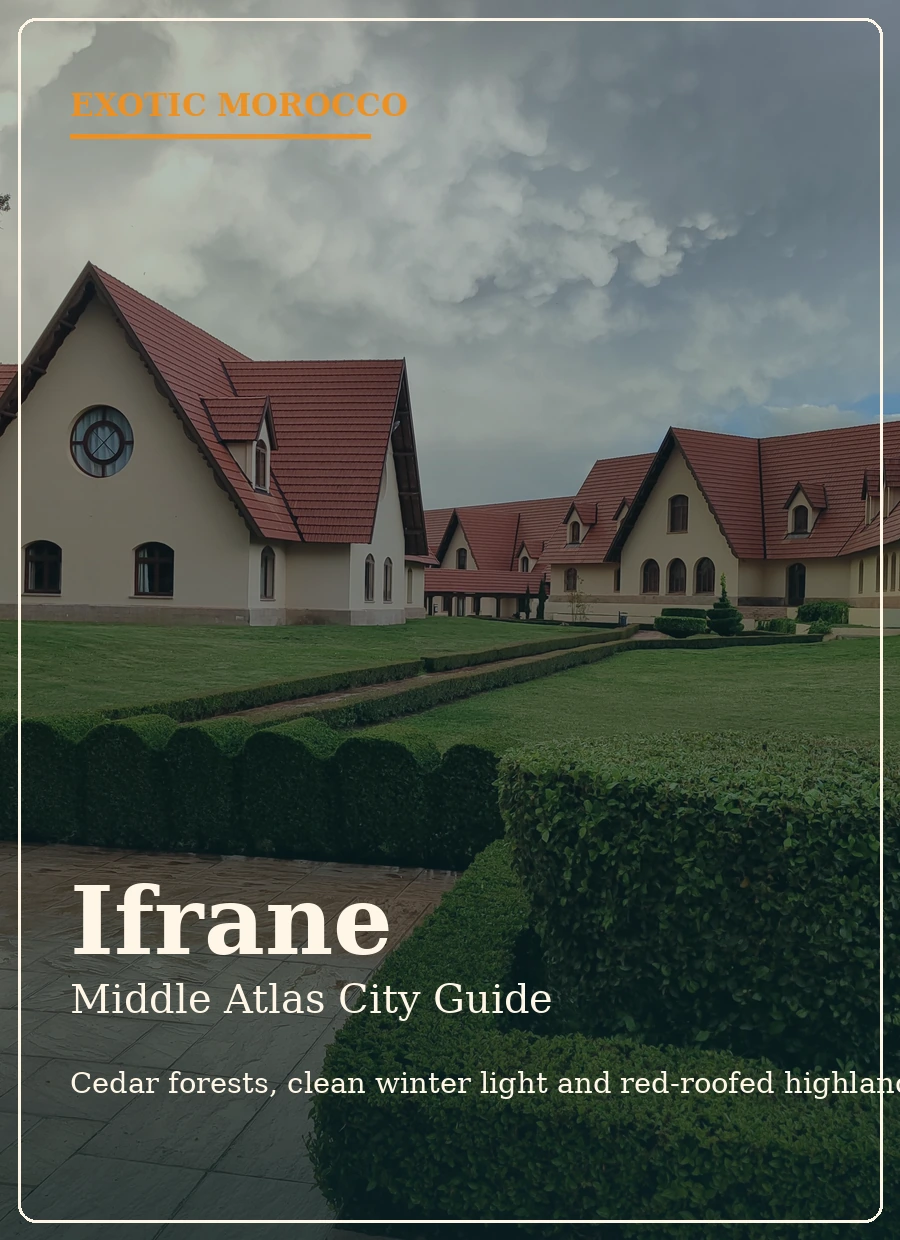
Ifrane Premium Visual City Guide cover by Exotic Morocco

Go deeper with Exotic Morocco

Ifrane — Premium Visual City Guide

Continue with a visual publication designed to connect Ifrane’s highland atmosphere, red-roofed urban identity, cedar forests, lakes, university campus, seasonal snow and practical routes into one carefully structured guide.

✓ Highland context✓ Essential orientation ✓ Nature & cedar routes✓ Architecture & gardens ✓ Practical travel guidance✓ Nearby highlights

Continue the journey

Continue the journey through Ifrane

Look beyond the red roofs and encounter a calmer Middle Atlas city of gardens, clear air, cedar routes, lake landscapes and seasonal mountain light.