Why Tinmil Mosque matters
A mountain mosque at the origin of an empire.
Tinmil Mosque matters because it ties a remote High Atlas village to the rise of the Almohads, one of the great powers of the medieval Maghreb and western Islamic world. UNESCO's Tentative List description presents the mosque as a 12th-century High Atlas monument built in memory of Ibn Tumart, founder of the Almohad dynasty.
The site is powerful because its architecture is not detached from its setting. Museum With No Frontiers describes Tinmel as the small village where Ibn Tumart settled, where his movement took root and where he was buried. The mosque built there under 'Abd al-Mu'min gave that mountain memory an architectural form.
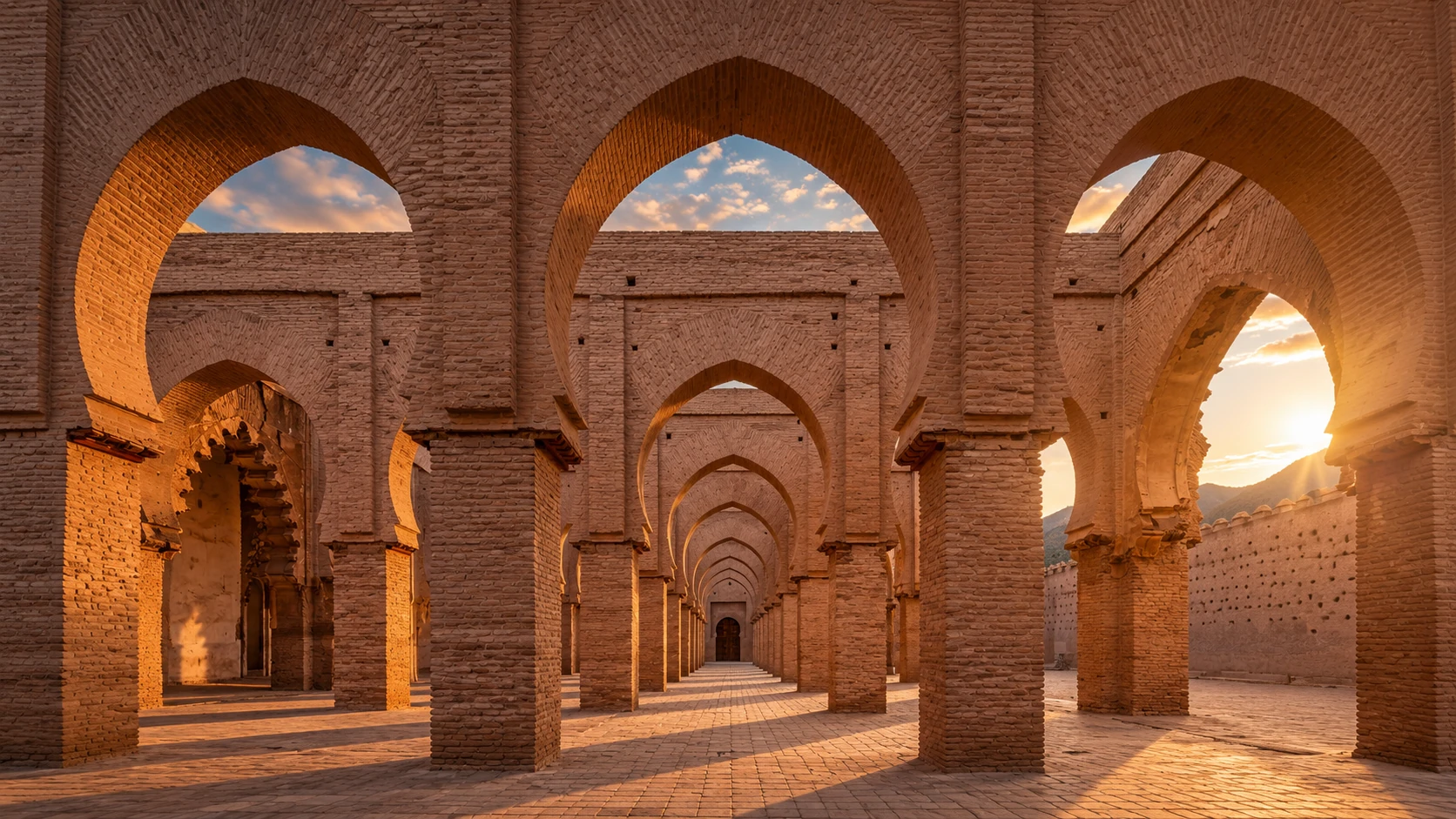
Look closely and the building becomes a lesson in Almohad clarity. The prayer room, rows of arches, qibla focus, mihrab, muqarnas cupolas and controlled decoration create an interior that feels severe and refined at the same time. The beauty is disciplined, not overloaded.
Tinmil also matters now because the 2023 earthquake badly damaged the mosque and placed recovery at the centre of its story. Visitors should therefore approach the place with extra restraint: current access, safety and restoration conditions must be checked locally before any visit.
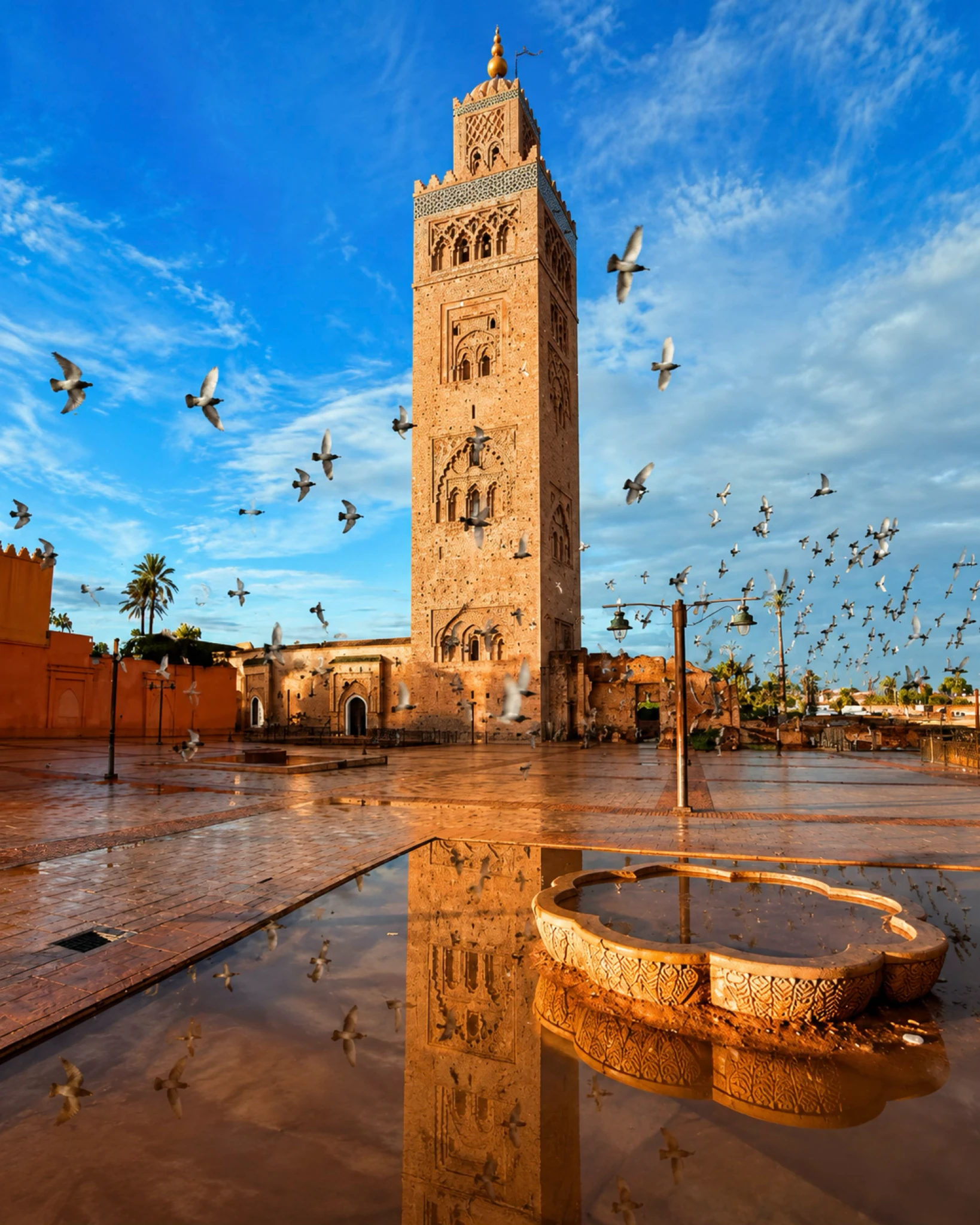
Marrakech remains the strongest city gateway, especially because the Almohad language of Tinmel can be read beside later monuments such as the Koutoubia. But Tinmil's force comes from the High Atlas: remoteness, stone, earth, sun, silence and the sense that political and spiritual history once gathered in a mountain village.
Core facts are grounded in the UNESCO Tentative List entry for Mosquee de Tinmel, the Museum With No Frontiers Tinmel Mosque entry and AP reporting on post-earthquake rebuilding. Access and restoration conditions should be verified close to travel.