smiti…
My name is…A simple introduction. Add your name and leave a pause so the other person can respond.


Move from a phrase you can recite to an exchange you can follow, repair and finish naturally.
Exotic Morocco · 9 minute readA phrasebook line gives you something to say. A real interaction adds a listener, a setting and an answer you may not expect. The useful question is therefore not simply “How do I say this?” but also “What might I hear next, and what can I do if I miss it?” That second question changes how you practise.
This page concentrates on short exchanges: meeting someone, requesting an item and repairing a misunderstanding. Each has a beginning and an ending. Learn them as small conversational patterns, then leave room for variation. The person you meet is responding to you, not reading the other half of a script.
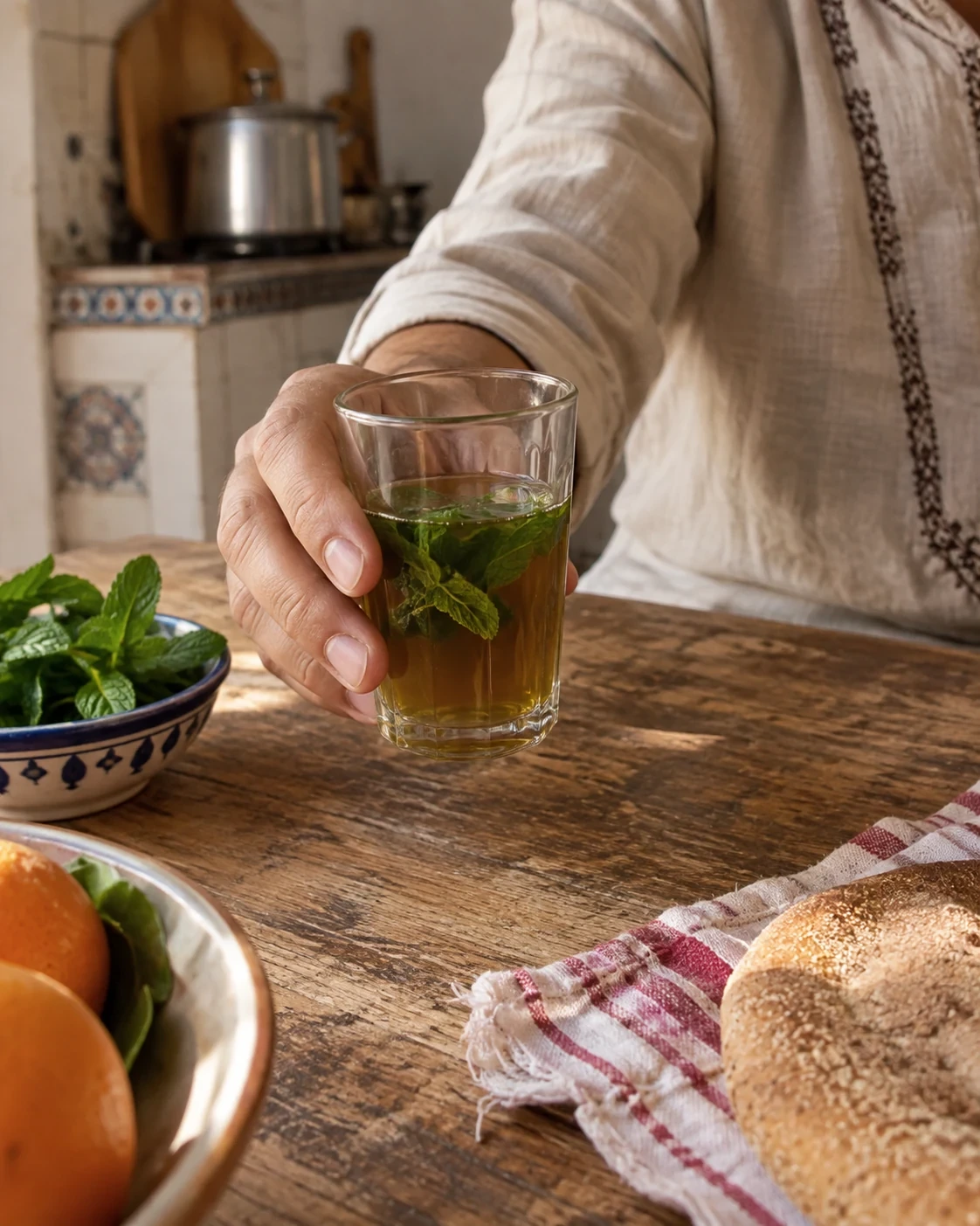
A small set of useful expressions, with the context that makes them work.
A simple introduction. Add your name and leave a pause so the other person can respond.
Suitable when introductions fit the relationship. A service interaction does not automatically require personal details.
The first addresses a man, the second a woman. Listen for the answer rather than using it as a decorative hello.
A practical request. The other person may still need to clarify the size or type.
The first addresses a man, the second a woman. These are requests for repetition, not for translation.
Keep this phrase easy to reach. It is often more useful than adding another unfamiliar sentence.
Names deserve the same care as any other part of a conversation. Repeat the name you heard and allow the person to correct you. Do not replace an unfamiliar name with an easier nickname unless invited. The point of the exchange is recognition, not completing a memorised introduction at speed.
These are approachable Latin spellings for spoken Moroccan Arabic, not IPA or a single official spelling system. sh is like the sound in “ship”; kh is like the final sound of Scots “loch”; gh is a voiced sound made towards the back of the mouth. ʿ marks ʿayn, which has no direct English equivalent. ḥ is a deeper h sound, and ṣ marks an emphatic s. The doubled vowel in bgheet is an English-oriented reading aid.
Spellings and pronunciation vary. Hyphens help show parts of an expression; they are not instructions to pause. Learn the rhythm from a willing speaker or a reliable recording. Examples are brief practice scenes, not transcripts of the people in the photographs. Relevant masculine, feminine and plural address forms are labelled.

Greetings, requests, checks and repairs do different jobs. Smiti… introduces your name; b-shwiya, ʿafak asks for slower speech. Treating them as isolated vocabulary hides their purpose. When you learn a new expression, attach it to a situation and a likely response. You will remember more than its dictionary translation.
Some forms change according to whom you address. Kif dayr? is used to ask a man how he is; kif dayra? addresses a woman. The distinction belongs to the expression, so learn the pair together. Our short examples label relevant forms instead of quietly presenting one as universal. They are introductory patterns, not a complete grammar of address.
Literal English can be misleading. Bgheet is commonly taught as “I want”, but in a café request bgheet atay, ʿafak can be naturally rendered “I would like tea, please.” English politeness cannot be transferred by judging one translated word alone. The whole expression, tone and setting determine how the request lands.
Meaning becomes clearer when you connect the words to what the speakers are doing.
After a greeting, listen for familiar pieces rather than trying to translate every sound. If you catch labas, you already have part of the exchange. Recognising a response is a different skill from producing the opening; give both some practice time.
A request may lead to a question about quantity, colour or location. Ma fhemt-sh lets you pause without pretending to agree. Ask for one repetition, show the object if appropriate, or move to a language you share. Understanding the practical detail is the goal.
Once you understand, repeat the key item or number, thank the speaker and finish clearly. This is especially useful when a phrase has led to a practical arrangement. A friendly tone is valuable, but an understood answer is what makes the exchange work.
Look beyond the phrase. Objects, working spaces and shared routines give a conversation its practical meaning.

A terrace conversation may begin with a greeting and move quickly into a practical question. Listen for what the other person needs to know. The setting can help you interpret an unfamiliar word, but do not guess a whole answer from the photograph-like scene in your mind. Ask again if the detail matters.
A café terrace beside a city street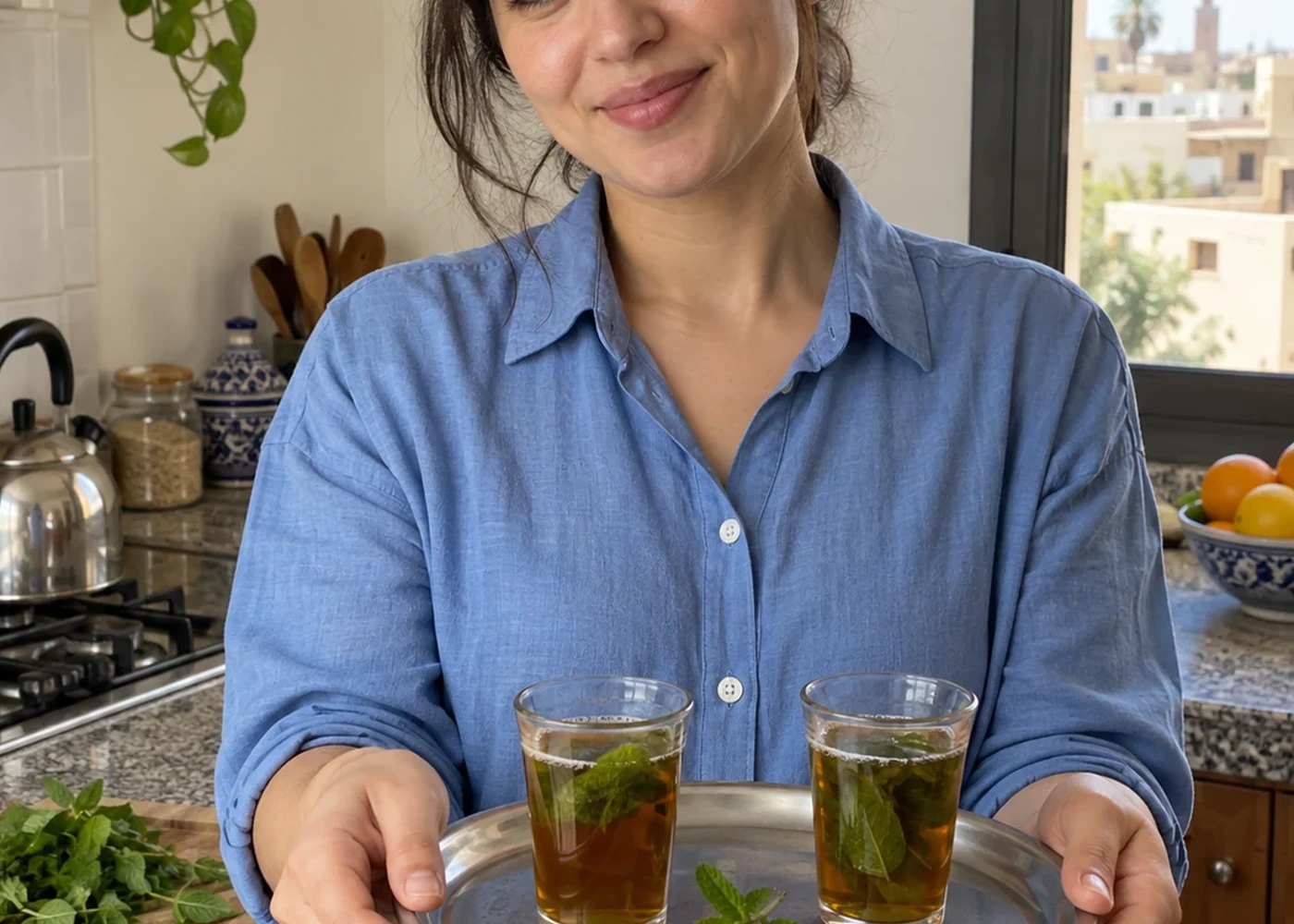
An offered tray can bring a question about whether you would like something. A clear yes or no, with thanks, is more useful than smiling while the server waits. Practise accepting and declining separately so that politeness does not become automatic agreement.
Tea offered on a tray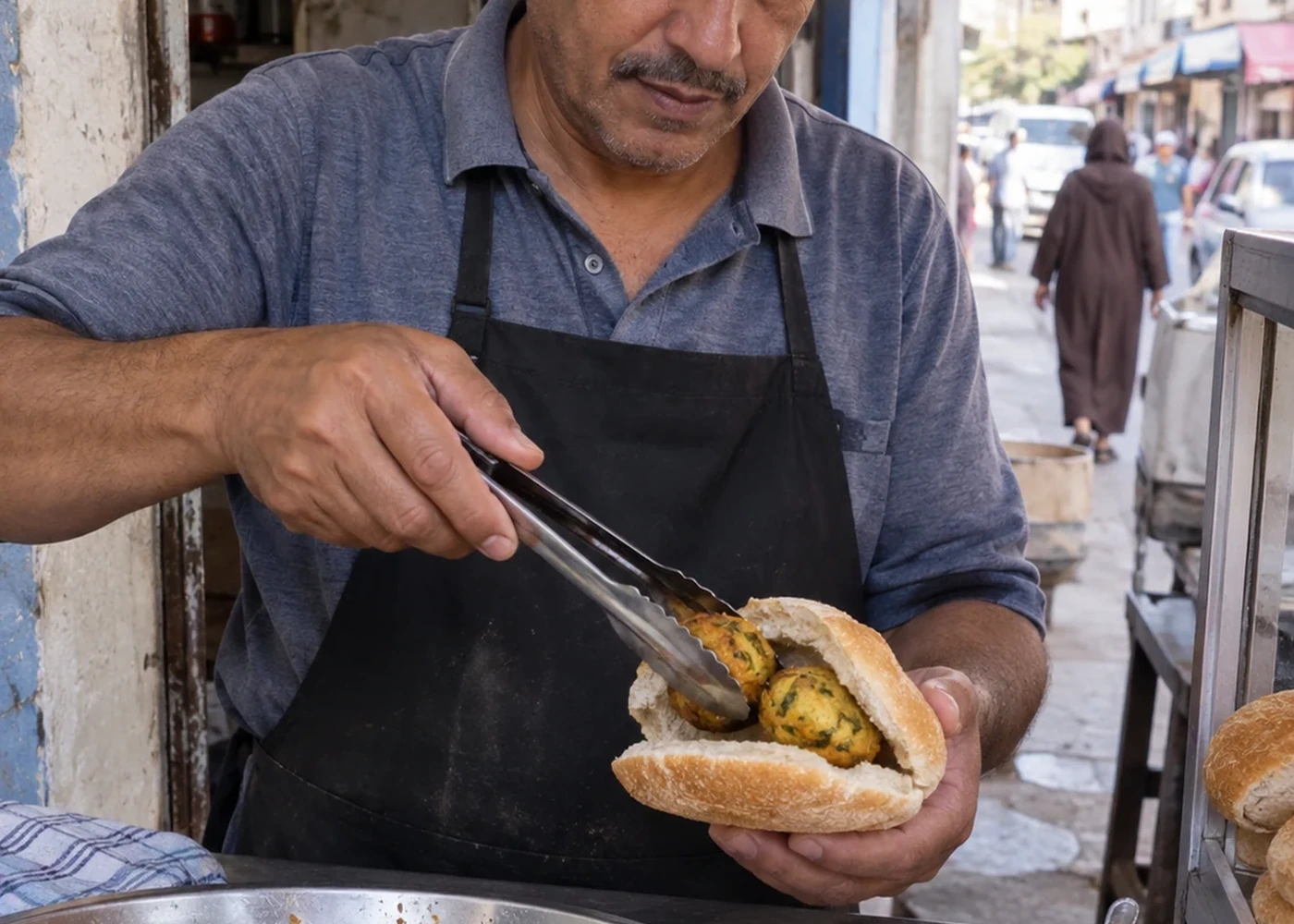
At a food counter, naming the item may leave the filling or quantity unresolved. Keep a repair phrase ready for the follow-up. You can point to the relevant option and confirm it in another shared language. The goal is an understood choice rather than preserving a perfect Darija-only exchange.
A vendor preparing a small sandwichAsk a willing partner to change one response each time you practise. They might answer more briefly, use another greeting or ask a question of their own. Your task is to notice the change and choose a repair. This prepares you better than a perfect recital because everyday conversation is cooperative and open-ended. Keep the practice short enough that both people remain interested.
Try it once slowly, then let your partner change the answer. Listen for what changes before choosing your next phrase.
Group your phrase list by purpose: opening an exchange, requesting something, checking meaning and closing the conversation. For each phrase, learn one possible reply and one way the situation might change. A list organised this way is easier to use than a page of unrelated expressions that all depend on you speaking first.
Test the list away from the page. Ask a partner to choose the situation and begin the exchange. If you cannot recognise the opening, return to that small section rather than adding more vocabulary. Review the expressions you actually needed that day. Your most useful phrasebook gradually becomes a record of real conversations.
A little nuance makes a phrase more useful.
Darija is represented through several writing conventions. French-influenced chou and English-oriented shu can point readers towards a similar sound. Our spelling is consistent within this family but does not claim to be the only correct system.
These pages focus on ordinary spoken exchanges. Formal Arabic writing has different conventions, and a conversational Darija phrase should not automatically be transferred to an official letter or document.
Pause and clarify. A short repair phrase or another shared language is more helpful than continuing a script while missing the response. Being a beginner is normal; pretending to understand can create avoidable confusion.
6 connected cities. Language travels with you; each place adds its own setting and people.

Explore the city’s streets, places and everyday settings alongside your Darija learning.
Explore this connection ↗
Explore the city’s streets, places and everyday settings alongside your Darija learning.
Explore this connection ↗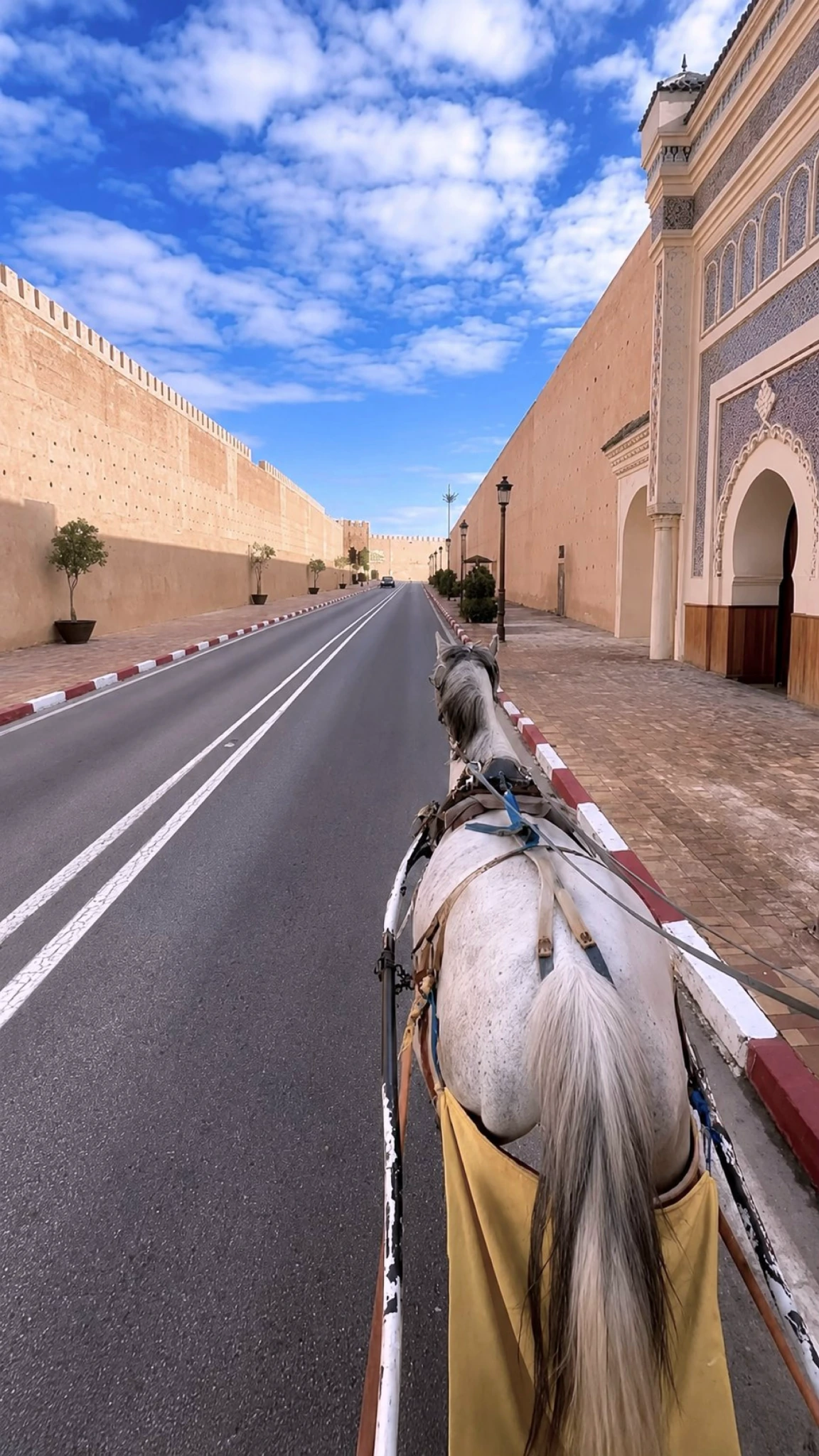
Explore the city’s streets, places and everyday settings alongside your Darija learning.
Explore this connection ↗
Explore the city’s streets, places and everyday settings alongside your Darija learning.
Explore this connection ↗
Explore the city’s streets, places and everyday settings alongside your Darija learning.
Explore this connection ↗
Explore the city’s streets, places and everyday settings alongside your Darija learning.
Explore this connection ↗
Take Moroccan Arabic Phrases further.
This public chapter is free to explore. The companion guide is in preparation, with space planned for fuller phrase sets, practice exchanges and more detailed language notes.
Find current availability in the guide collection.
Explore this guide ↗Back to the Darija collection ↗Continue with another Darija situation or explore the cultural context in Learn.
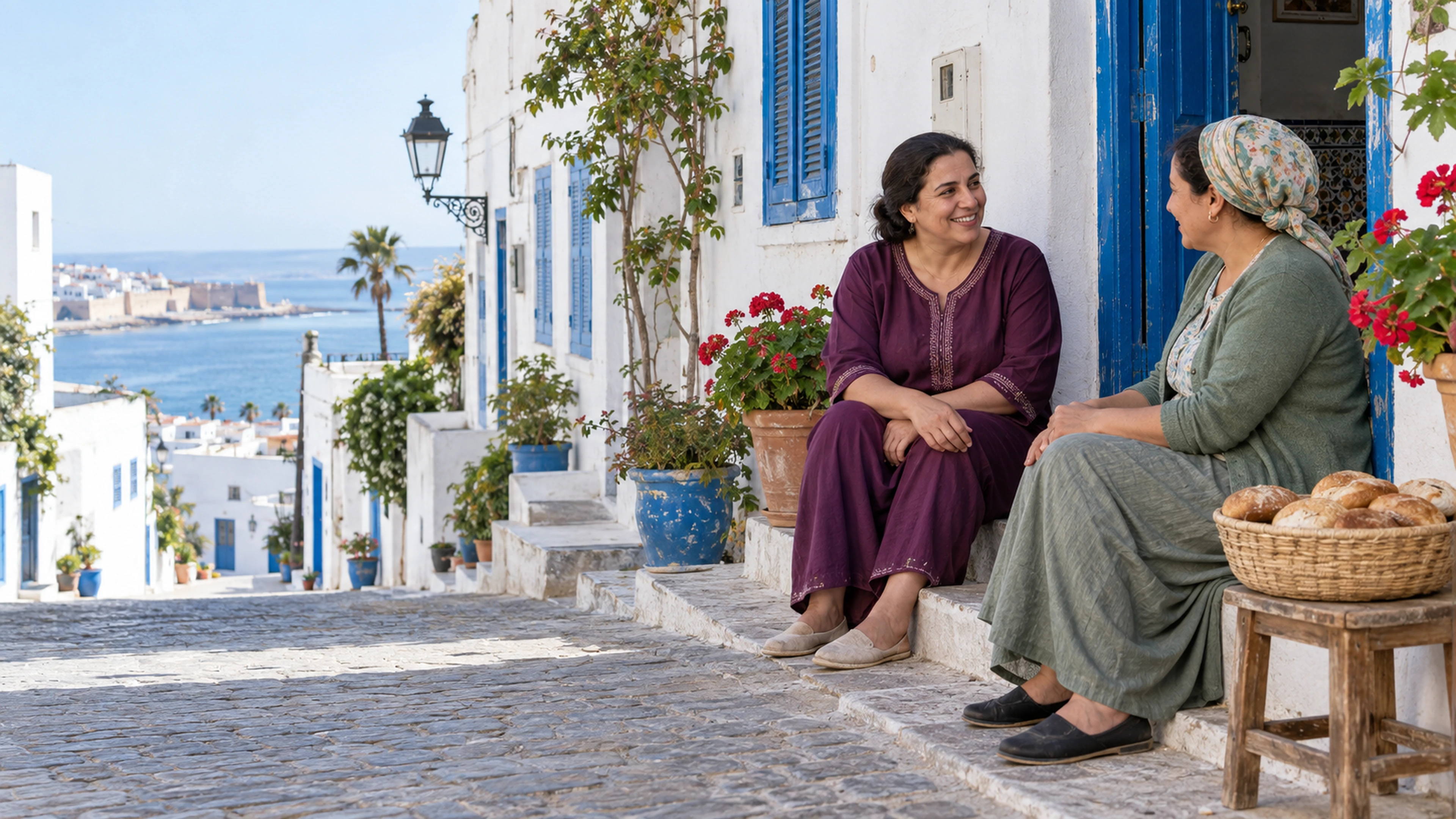
Hear Darija through neighbourhood routines, familiar encounters and the changing pace of an ordinary day.
Continue exploring ↗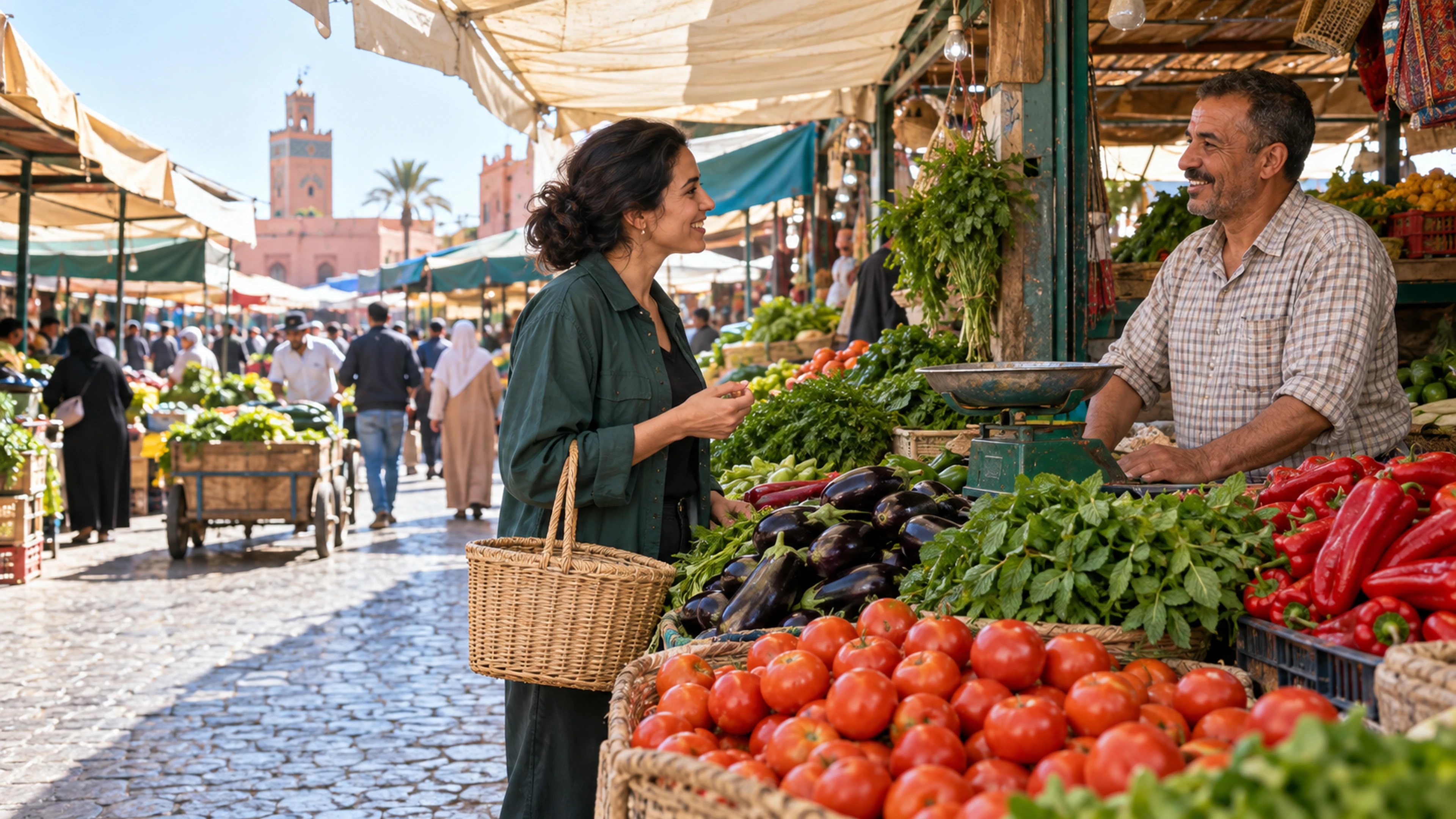
Ask about an item, understand the quantity and finish a purchase without turning the market into a bargaining performance.
Continue exploring ↗
Understand the small expressions that soften a request, acknowledge help and repair an ordinary misunderstanding.
Continue exploring ↗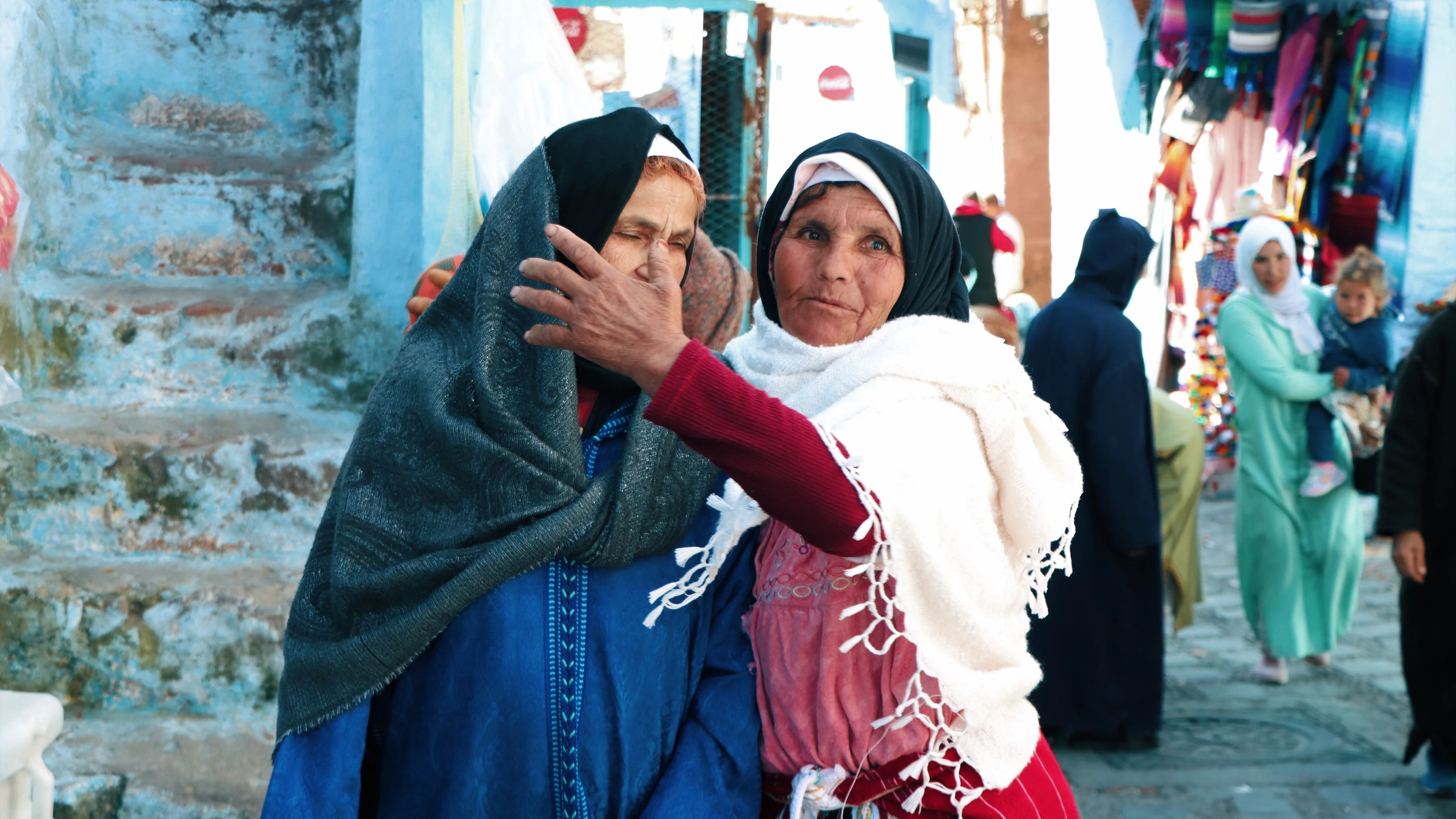
A small, useful beginning in Darija: greet, thank, ask for a slower pace and leave room for a real reply.
Continue exploring ↗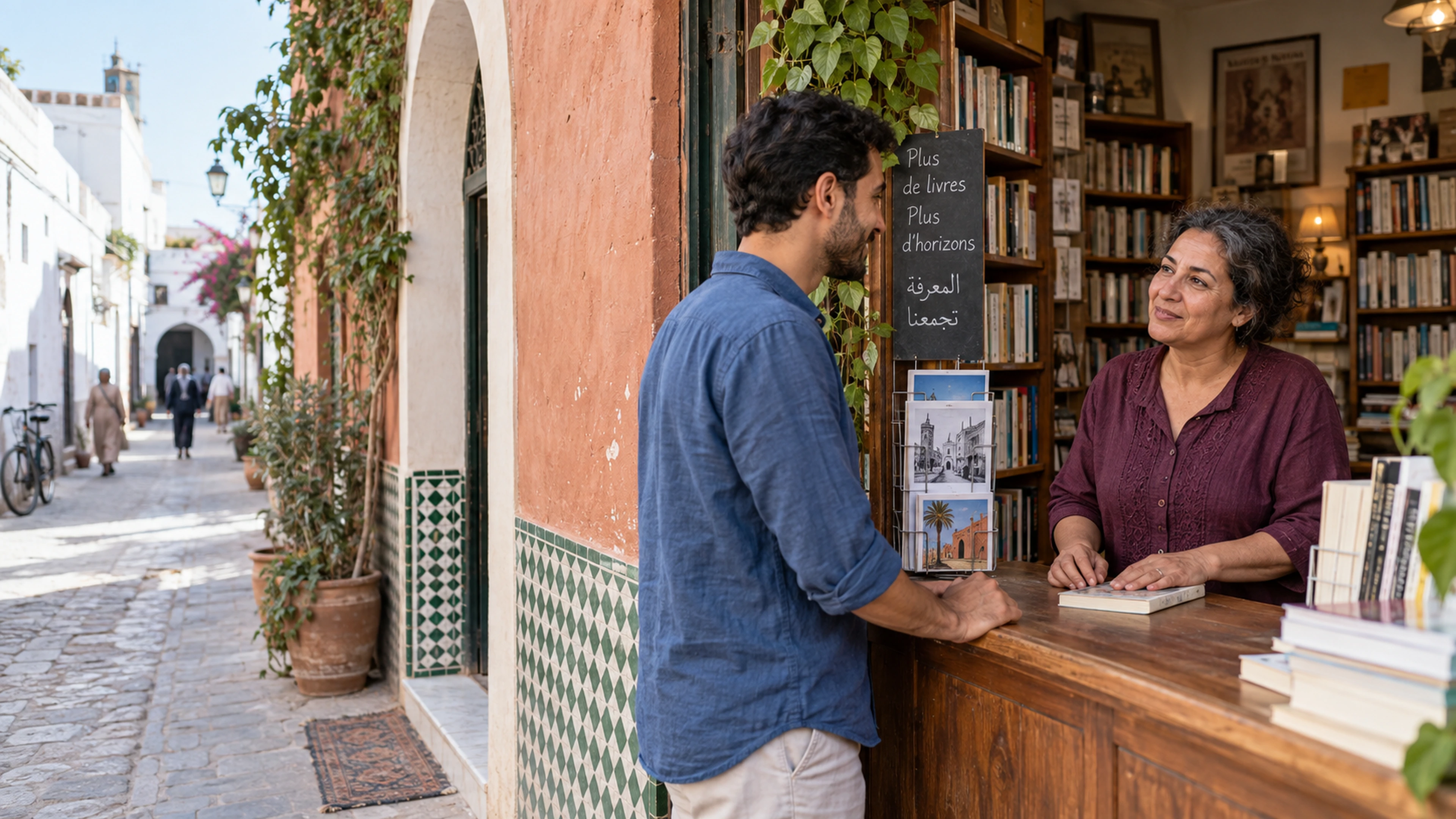
Good conversation begins with attention. Explore Morocco’s multilingual settings without assuming that appearance tells you how someone speaks.
Continue exploring ↗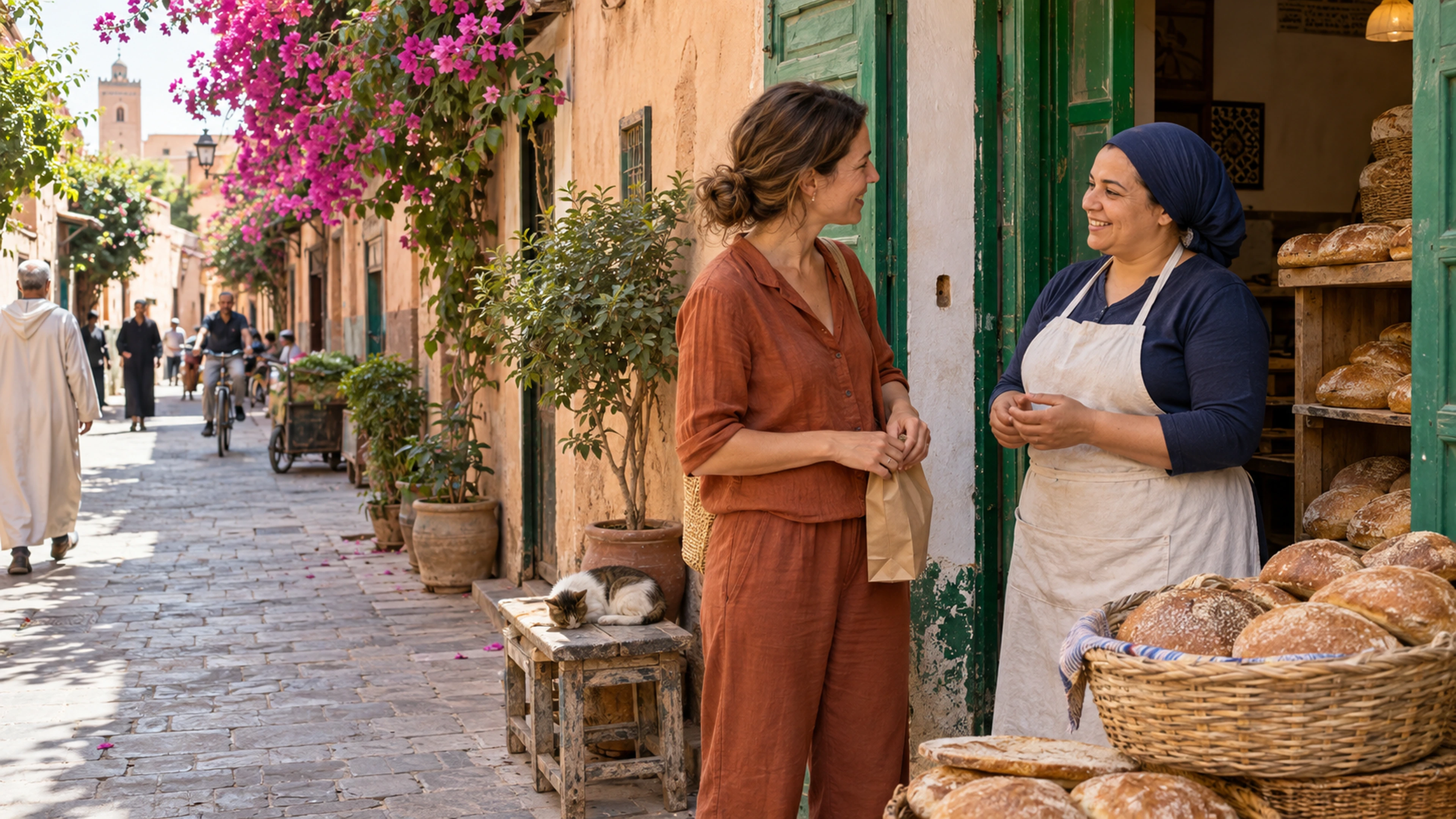
Practical courtesy for streets, shops, homes and shared spaces. Read the situation, ask clearly and let people set their own boundaries.
Continue exploring ↗