Skip to learning
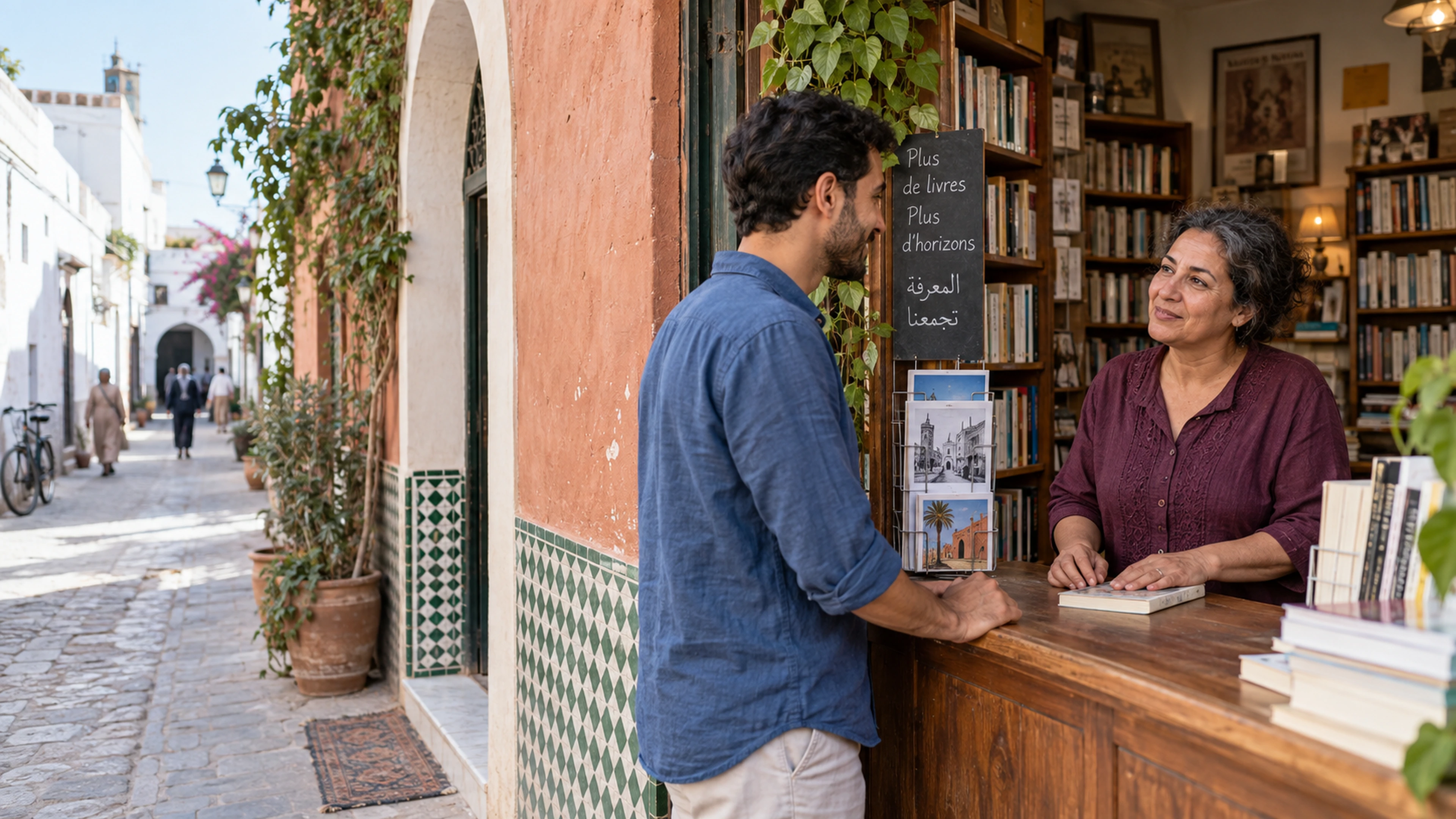
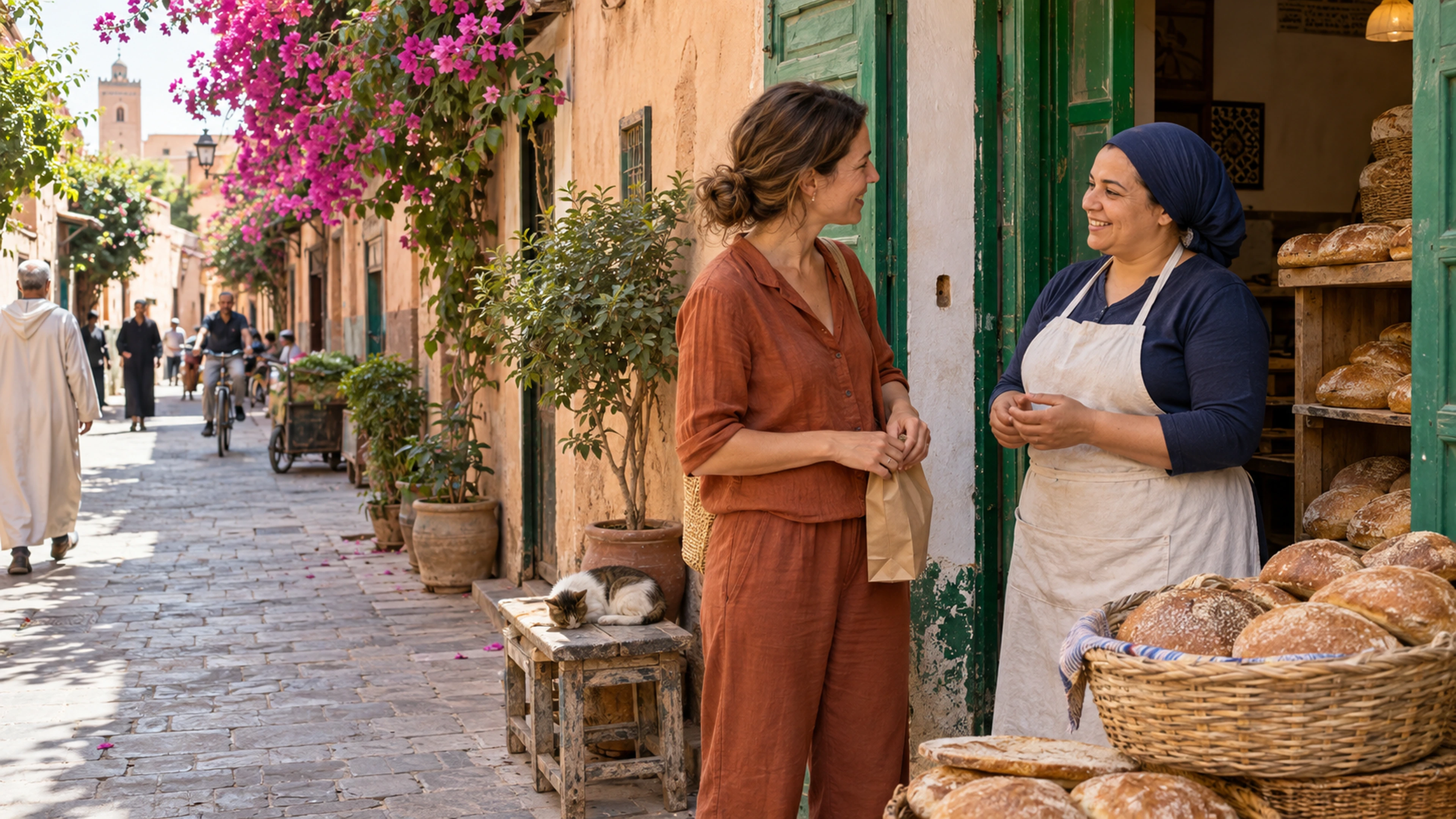
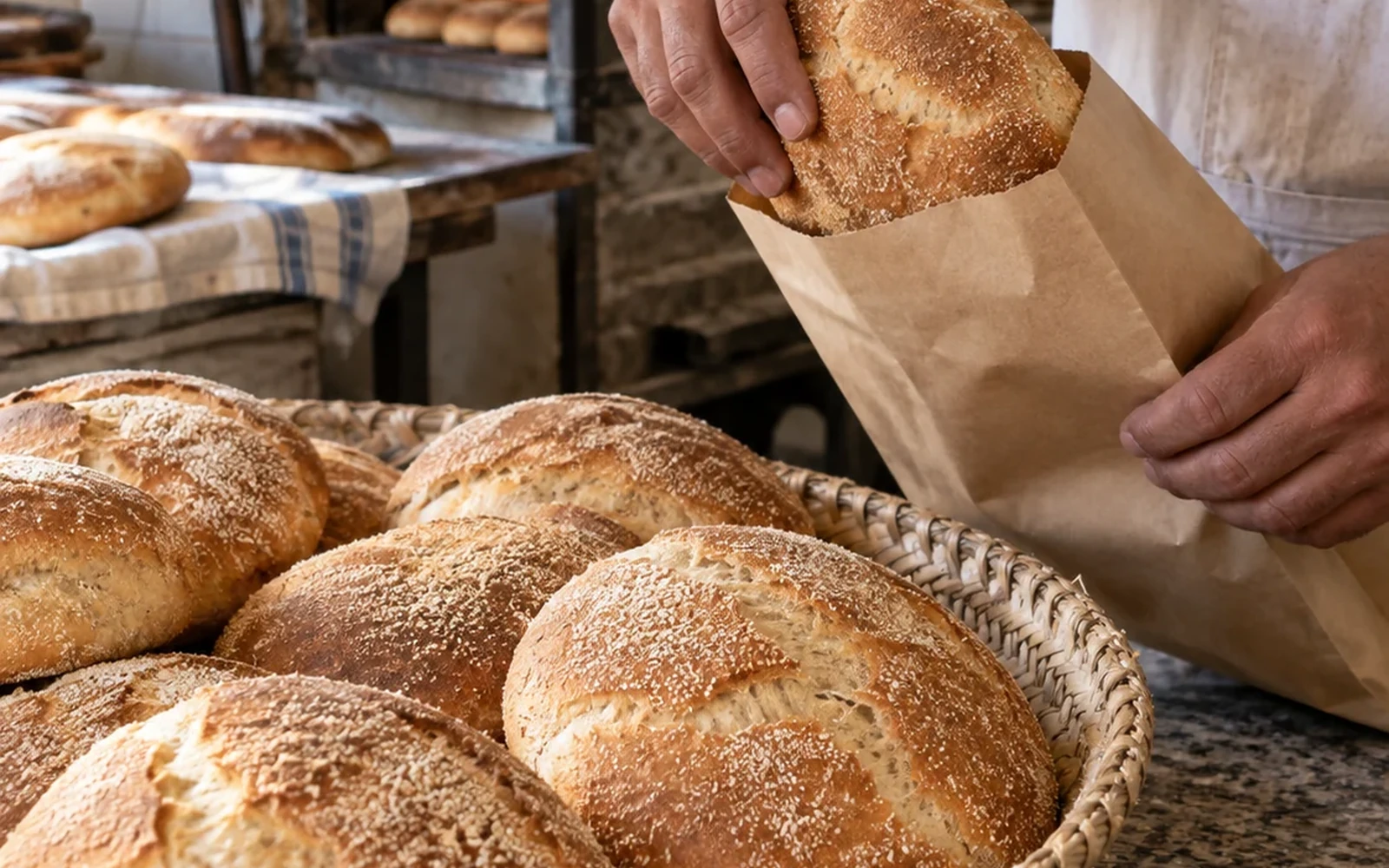
A greeting at a neighbourhood bakery. Editorial illustration.
Courtesy in context

Morocco Travel Etiquette

Practical courtesy for streets, shops, homes and shared spaces. Read the situation, ask clearly and let people set their own boundaries.

Exotic Morocco · 11 minute read
01 / A way into the story

Good manners begin with noticing.

There is no single script for every encounter in Morocco. The useful starting point is attention: who is working, who is passing through, whether a space is public and what the people around you are doing. General guidance cannot replace an individual’s answer.

Official travel advice asks visitors to respect local customs and be considerate about photography and religious settings. In practice, a clear request and a gracious response to “no” are often more helpful than a long list of assumptions.

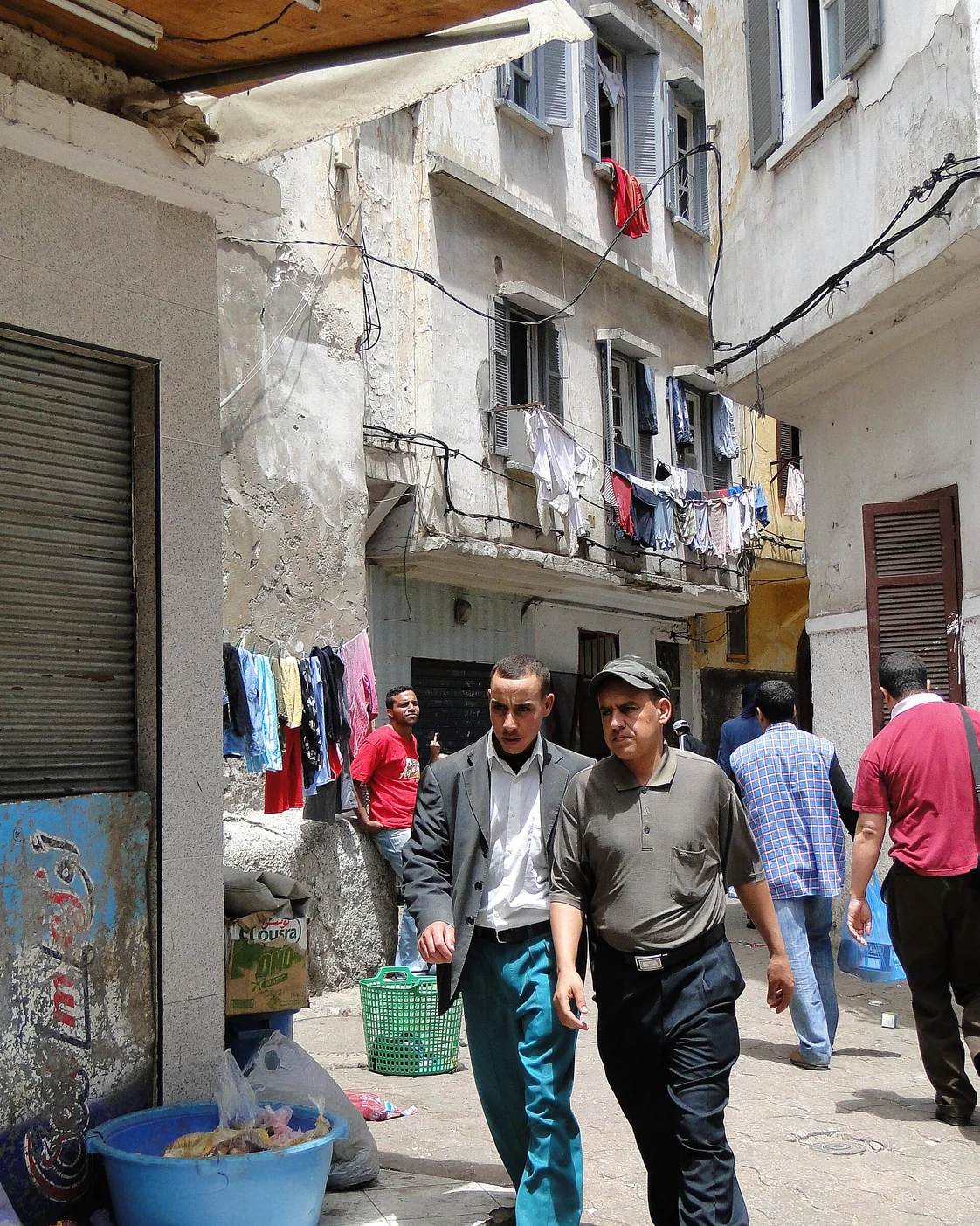
A pedestrian street in Casablanca, with residents and visitors sharing limited space.
THE SUBJECTCourtesy in context
THE APPROACHPlace. Practice. People.
THE CONNECTIONFind it in Morocco ↗
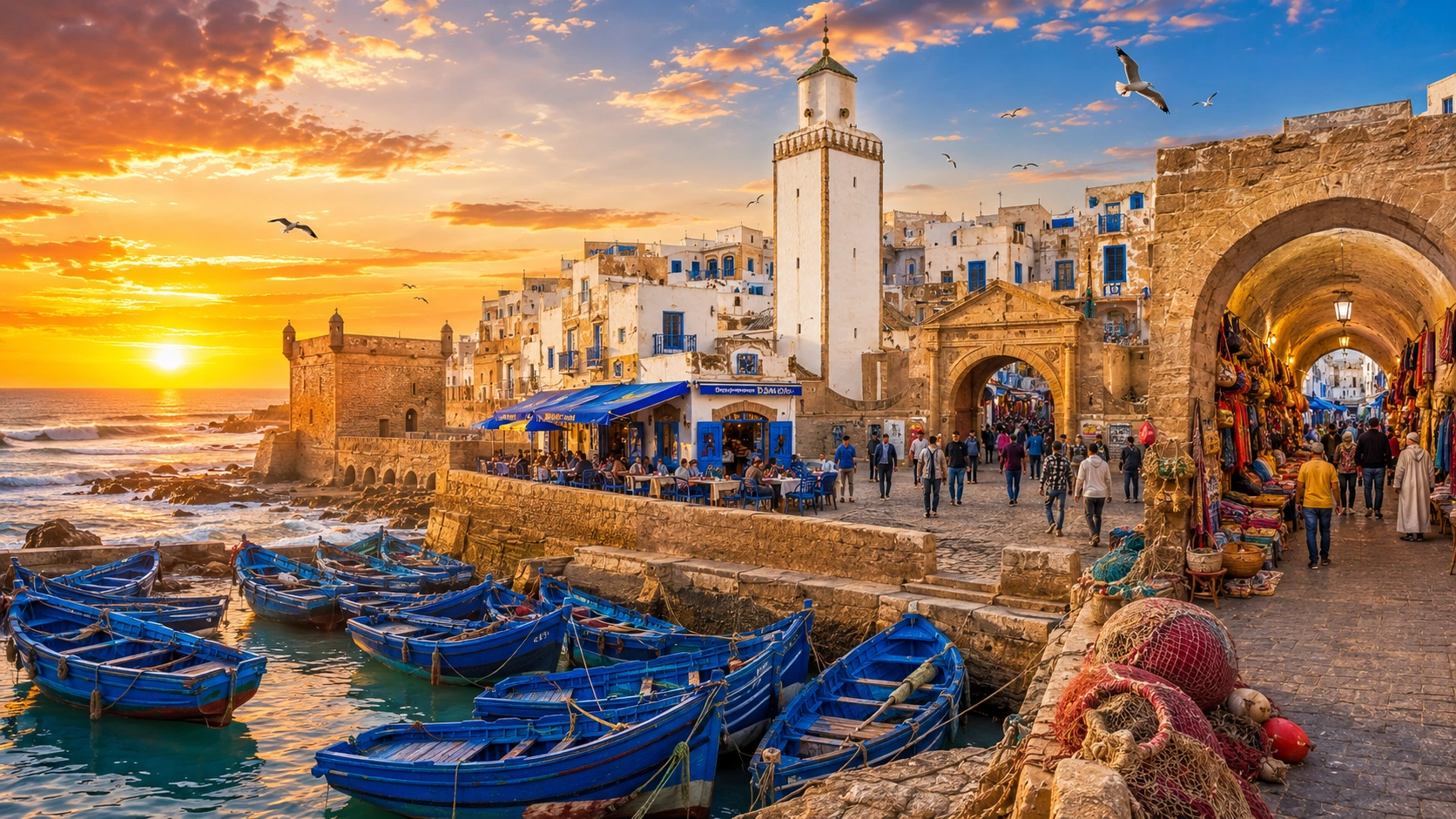
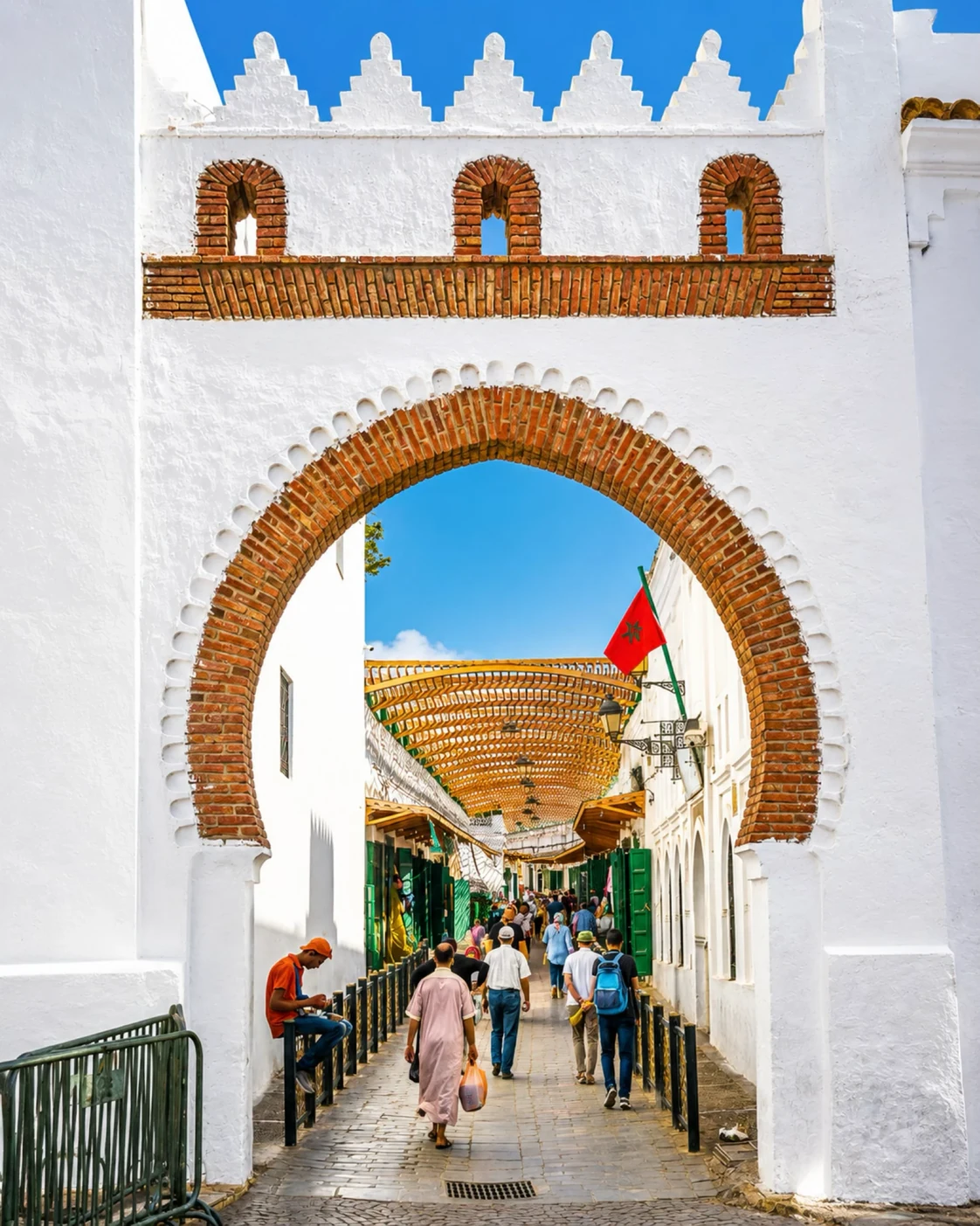
An arch frames the movement of a market street.
02 / The deeper context

Good manners begin
with paying attention.

Travel etiquette is often reduced to a list of prohibitions. A better starting point is the relationship between a visitor and a place that already has its own routines. A medina lane is a route to work and home; a workshop is someone’s livelihood; a doorway may lead into private space. Courtesy means recognising those uses before arranging the scene around your own visit.

Context matters more than a rigid performance of rules. Dress, greetings, photography and invitations are understood differently across settings and individuals. A seaside promenade, a family home and a place of worship do not make the same demands. Observe the setting, follow clearly stated rules and ask when access or participation is genuinely unclear.

The aim is not to become invisible or anxious. It is to make encounters easier. A greeting, a little patience and an unambiguous request often do more than an elaborate attempt to imitate behaviour you do not yet understand. Respect also includes a clear, polite refusal when you do not wish to buy, enter or participate.

03 / From an idea to everyday life

Three moments that reward care.

Greet before asking, keep the display clear and avoid interrupting service. If you are browsing, that can be said politely. Photographing a person selling food is a separate request from buying something at the stall.

Buying bread is an everyday exchange, not an automatic invitation to photograph. Editorial illustration.
01

Before taking the photograph

Distinguish a view of a public place from making a person the subject of your image. Ask before a close portrait, recording or sustained photography of someone at work. A refusal is complete in itself. Buying something does not purchase permission to photograph its seller.
02

Before accepting an invitation

Clarify what is being offered and follow the host’s lead. A welcome into a shop is different from an invitation into a private home. If you need to leave, thank the person and say so. Politeness does not require making a promise you cannot keep.

03

Before negotiating a purchase

Establish whether a price is fixed or open to discussion. If bargaining is appropriate, keep it courteous and avoid treating someone’s livelihood as a game for an audience. Agree the item and price clearly before concluding the exchange.

04 / The visual chapter

Courtesy changes with the setting

Move between the close detail and the wider setting. Each view adds another part of the story.

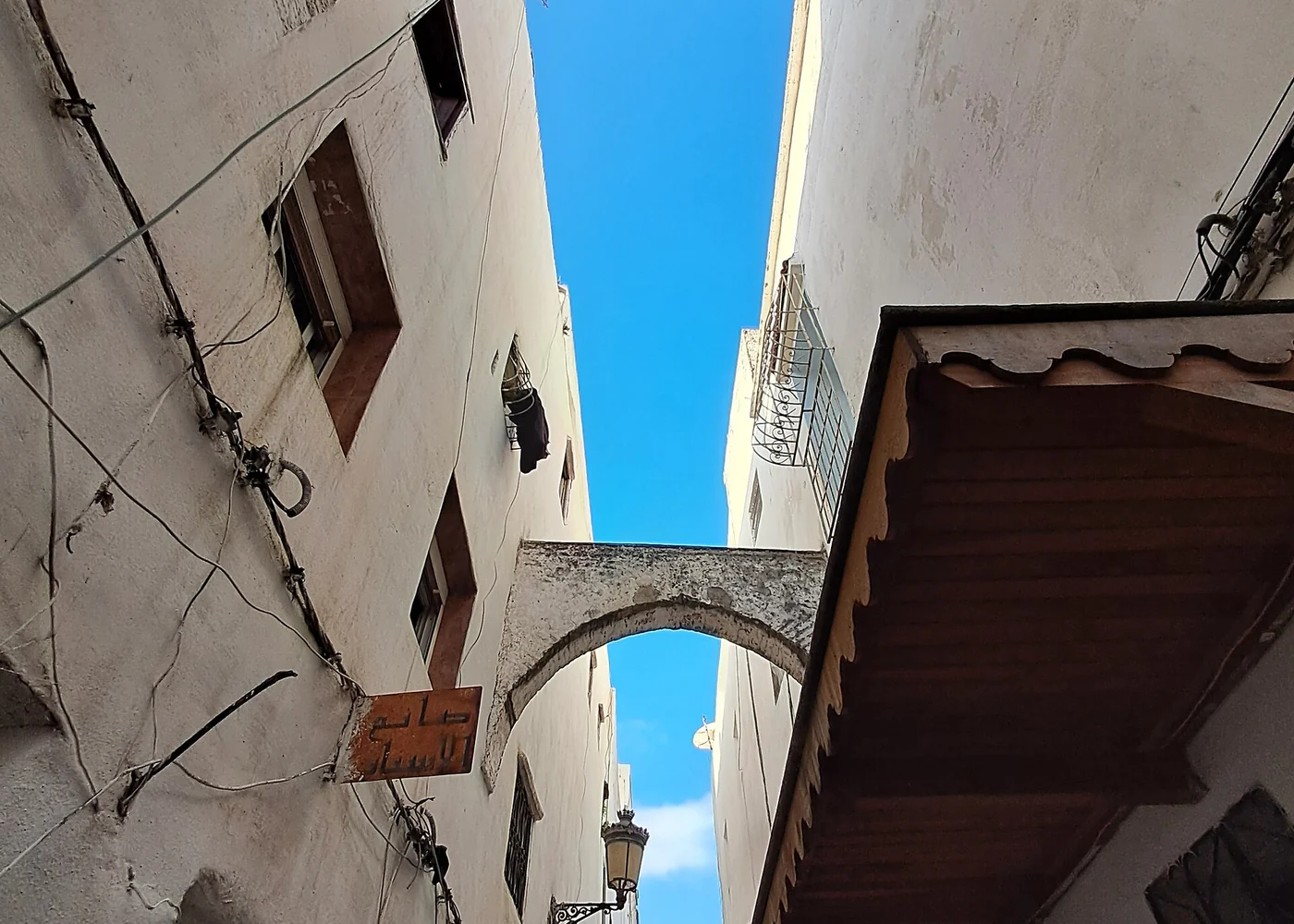
A passage in Tétouan’s medina.
01 / A closer look

A lane is a shared route

Stand aside before studying a detail or opening a map. Doorways and narrow passages may serve homes as well as shops. An interesting composition is not a reason to block access or follow someone into a private space.

A passage in Tétouan’s medina.
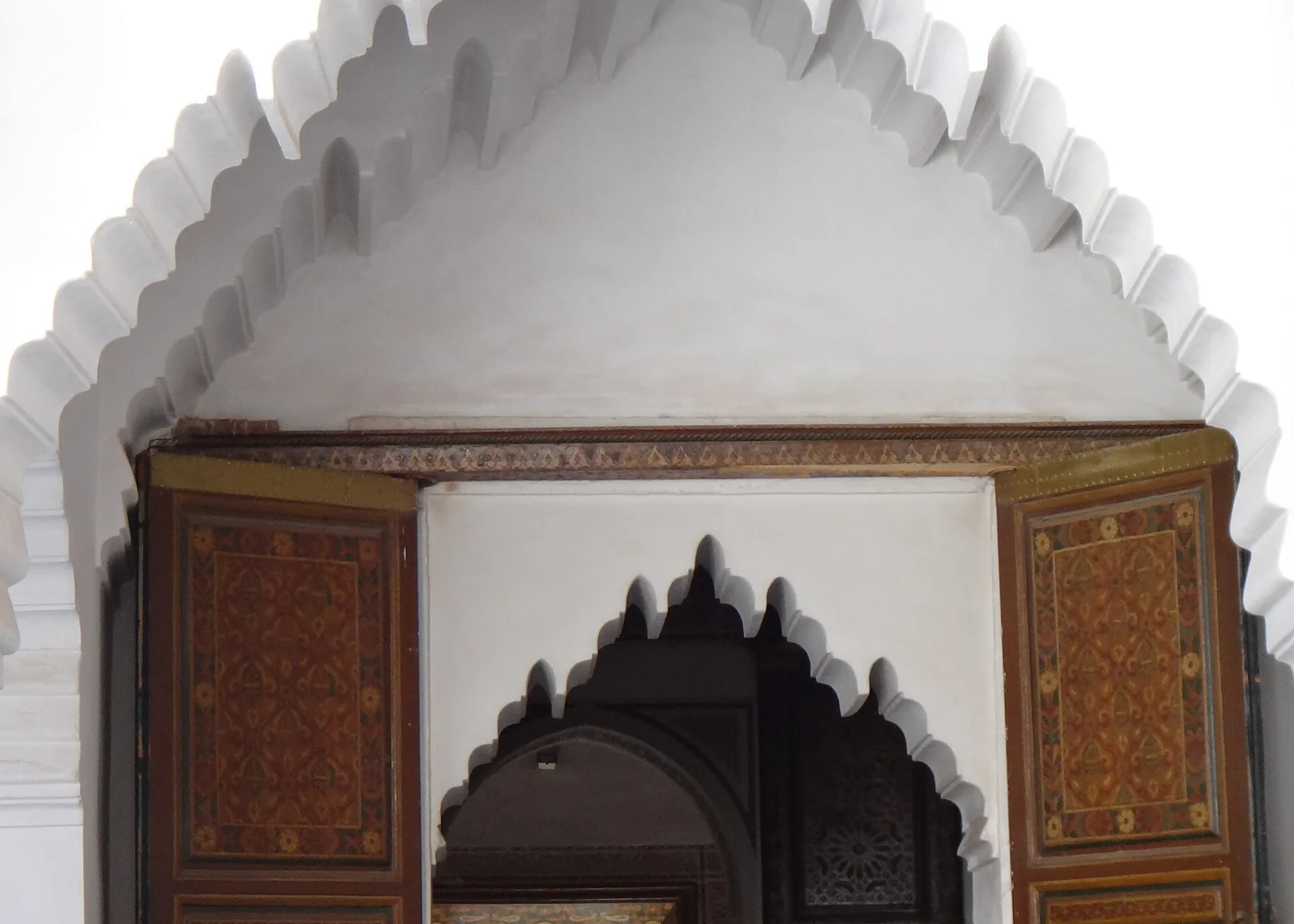
A doorway photographed in the Riad Zitoun Jdid area of Marrakech.
02 / A closer look

A threshold has rules

A beautiful doorway does not establish public access. Read signs, ask staff or a host, and follow the rules for that particular place. Permission can differ between rooms, courtyards and areas used for worship or domestic life.

A doorway photographed in the Riad Zitoun Jdid area of Marrakech.
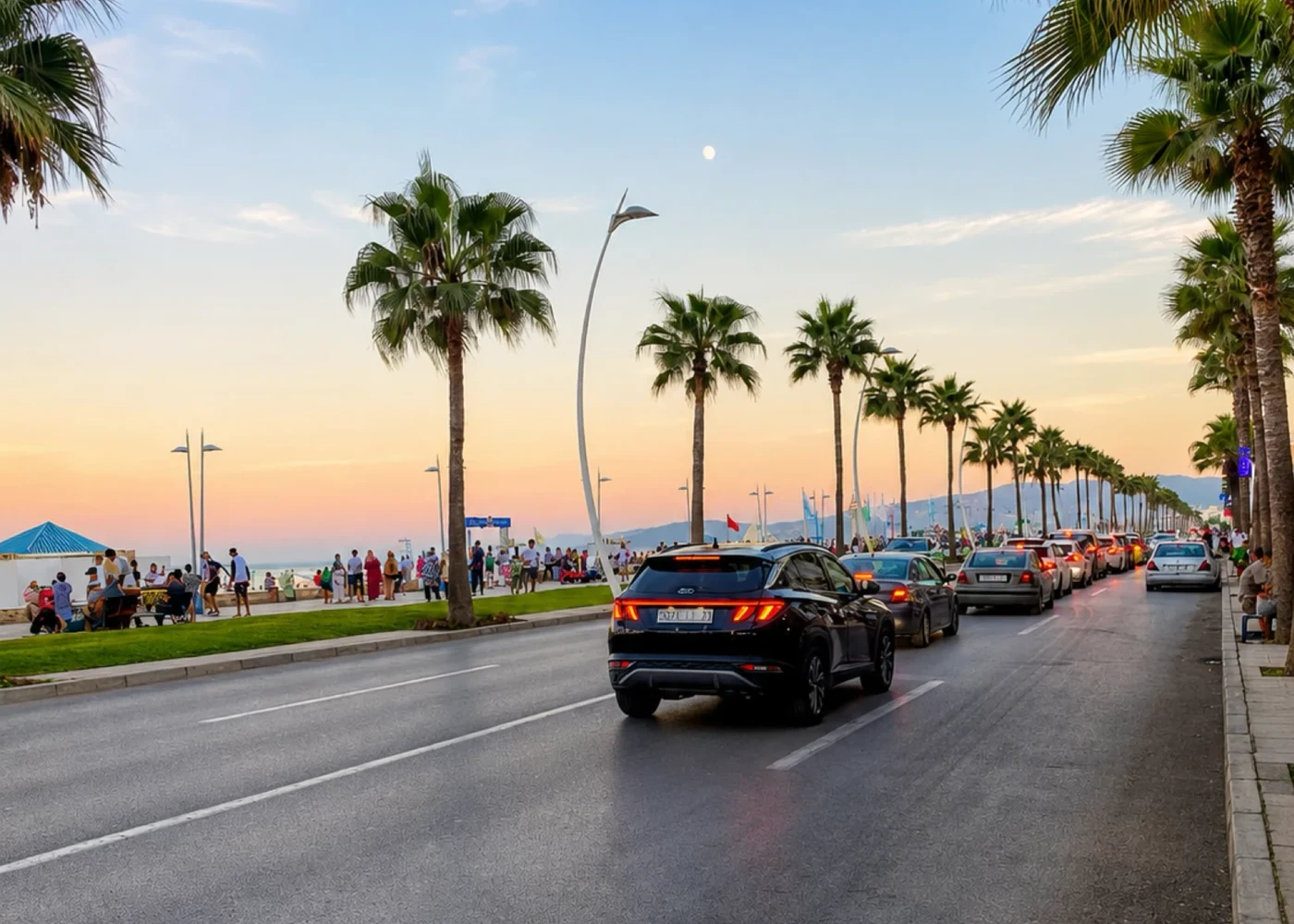
A seaside promenade: public space has several kinds of users.
03 / A closer look

Ramadan & changing rhythms

Opening hours, meal times and daily activity can change during Ramadan and other observances. Individuals participate differently. Use current local information, avoid turning private religious practice into a spectacle and be considerate about the setting in which you eat or drink.

A seaside promenade: public space has several kinds of users.
A closer understanding

Read the situation
before the rule.

Good manners are practical attention to people, access and boundaries. They are not a performance of expertise.

An invitation

Hospitality is offered by a person.

Being welcomed does not remove the host’s privacy. The invitation may concern one room, one meal or a particular activity. Let your host lead movement through a home, and ask before exploring or photographing other spaces.

A friendly refusal can be respectful too. You can thank someone and explain that you cannot accept food or stay longer. Clear, calm communication is usually better than accepting something reluctantly and creating a more awkward moment afterwards.

A shared space

Notice whose work you are entering.

A market lane is a route for deliveries, customers and residents. A workshop is a workplace. Pausing to look should not block a doorway, interrupt a tool in use or turn a craftsperson into an uninvited performer.

Photography deserves a separate request. Permission to enter a shop is not permission to photograph a person, a child, an order book or a private conversation. If someone declines, lower the camera without bargaining over the refusal.

Religion and daily rhythm

Access is specific to the place.

A beautiful doorway does not establish public access. Religious spaces can have rules that differ from museums or shops; follow the actual instructions at the entrance. Clothing, conduct and photography expectations should be understood before crossing a threshold.

During Ramadan, daily routines may change and people’s practices differ. Avoid treating everyone as a representative of one rule. A considerate visitor pays attention to the setting and the individual, while checking current official travel guidance for practical restrictions.

Carry this with you

If uncertain, pause and ask a short question. A brief check is usually less intrusive than a confident assumption.

05 / More than one perspective

Look beyond
the first impression.

Perspective 01

Moving through shared space

Keep entrances, narrow lanes and working areas clear. Step aside for deliveries and allow people to pass without walking into traffic. A guide can explain a site while the group stands somewhere that does not obstruct its daily use.

Perspective 02

Religious & domestic settings

Access and behaviour vary by site. Follow posted instructions, staff guidance and the household’s preferences. Clothing choices that feel ordinary in one setting may be inappropriate in another; practical modesty and attention are better than assumptions based on a single tourist area.

06 / Make the connections

Four useful habits

Use these ideas to connect what you notice with the materials, people and histories behind it.

01

Ask clearly

Keep a request specific: a photograph of the object, a portrait of the person, or entry into a room are different permissions. If the answer is unclear, pause rather than assuming agreement.

02

Accept the answer

A refusal does not require a debate or an explanation. Thank the person and continue. The quality of an encounter should not depend on whether you obtain the image or access you wanted.

03

Follow the local setting

Dress and behaviour that fit a beach may not fit a religious site or family occasion. Check the rules for the place you are entering and take cues from the host or staff.

04

Be considerate about timing

A person may be busy, resting, praying or serving someone else. During religious occasions and fasting periods, daily rhythms can change. Ask practical questions with patience rather than treating a different schedule as an inconvenience.

07 / A more useful conversation

Small questions, better encounters

Clear answers for the questions that often come next.

Is permission to take a photo permission to publish it?

Not necessarily. Explain if you intend to share a recognisable portrait publicly, especially in a commercial context. Keep the request understandable and respect a later change of mind where possible.

Must I bargain in every shop?

No. Some prices are fixed and some settings allow negotiation. Ask courteously. If you do negotiate, keep it good-humoured and be willing to walk away without treating the exchange as a contest.

What if I misunderstand a custom?

A brief apology and a willingness to adjust usually serve better than a long justification. Ask someone responsible for the space what is appropriate there.

A thought to take with you

Keep looking. Keep learning.

A useful test is simple: does this action make the encounter easier for the person who lives or works here? It encourages clear communication without pretending that every Moroccan person wants the same thing from a visitor.

The Exotic Morocco library

Continue at your own pace.

This Learn story is free to explore. Find this subject in the guide library, with each title’s current availability clearly shown.

Explore the guide library ↗
Sources & further reading

Read the evidence

  1. UK Foreign, Commonwealth & Development Office · Morocco: local customs and safety
  2. Moroccan National Tourism Office · Language
  3. Smithsonian · Folklife and Oral History Interviewing Guide

Source review: September 2026. Looking exercises and learning prompts are original Exotic Morocco editorial suggestions. Regional practice and personal experience vary.

Image acknowledgements

  1. Hero: Commissioned AI-generated editorial illustration by Exotic Morocco with OpenAI ImageGen. Imagined scene, not documentary evidence of named people or a specific event.
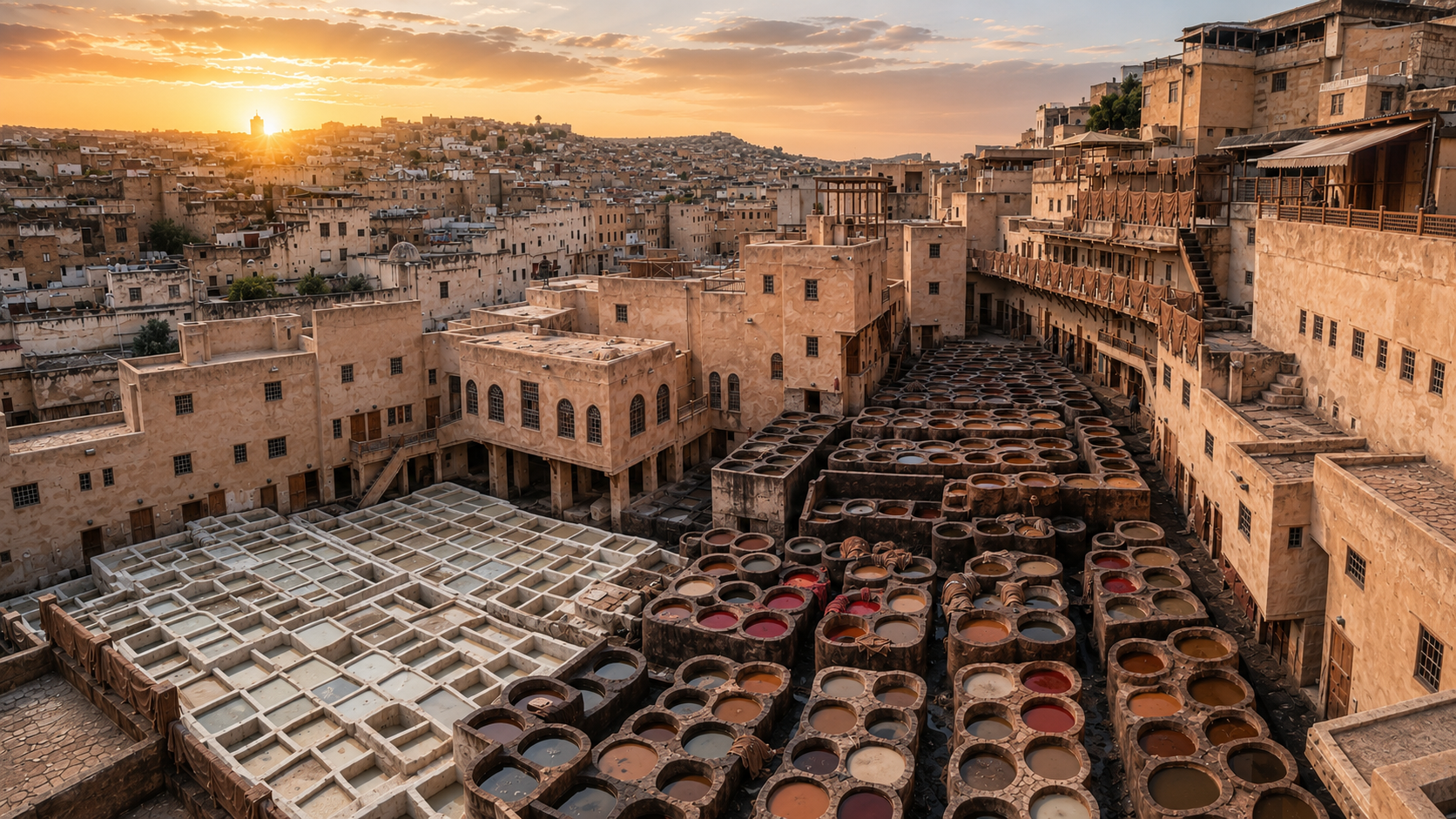
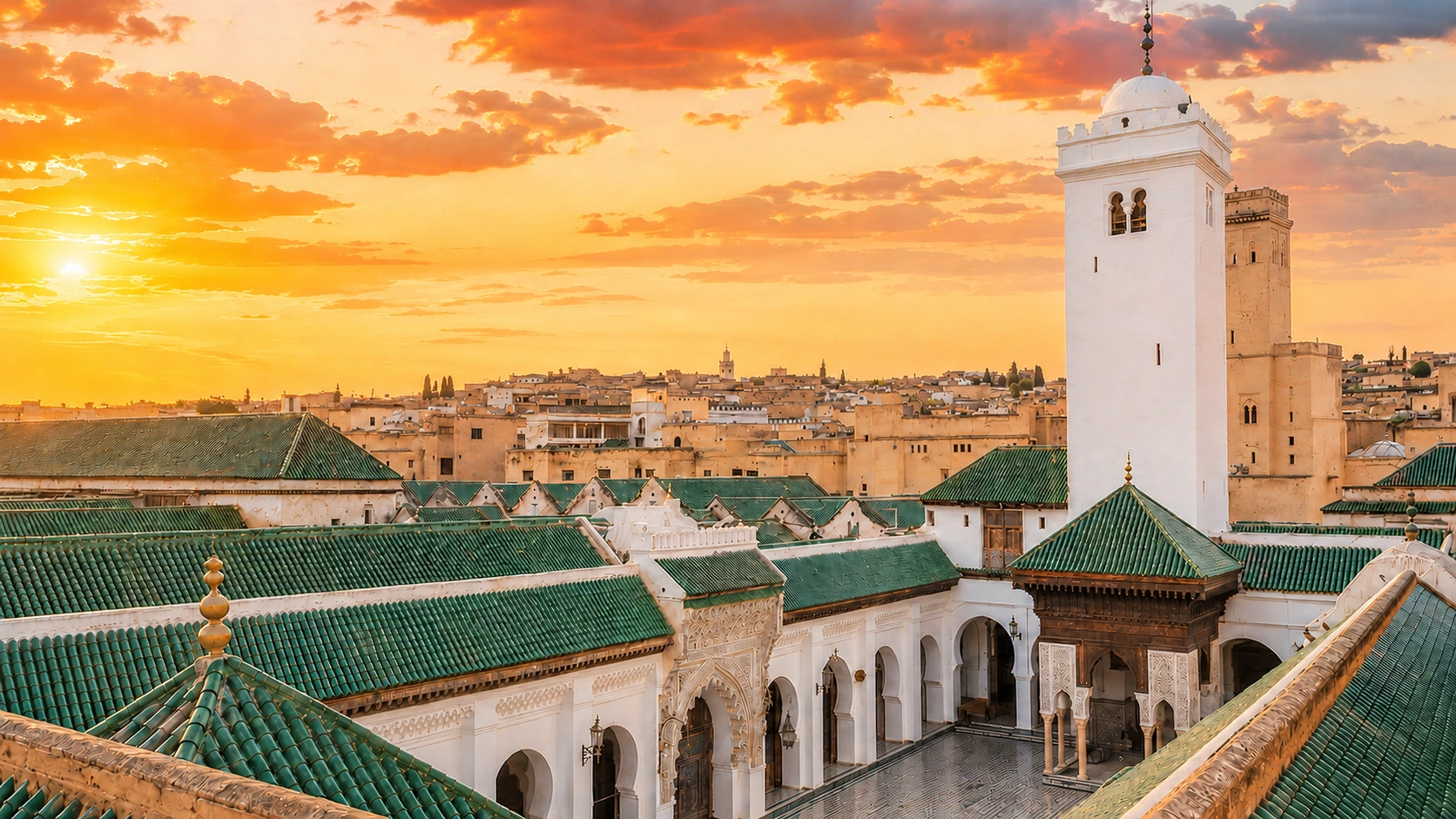
  2. Related preview: Smith's Quarter at Medina of Fés, Morocco.jpg — Bikerhiker75. CC BY-SA 4.0. Cropped/resized; original licence retained.
  3. Image 3: Existing Exotic Morocco commissioned editorial illustration, selected from the current image library.
  4. Portrait: Street Scene - Medina (Old City) - Casablanca - Morocco - 02.jpg — Adam Jones, Ph.D.. CC BY-SA 3.0. Cropped/resized; original licence retained.
  5. Story-1: Woman Selling Bread - Medina (Old City) - Marrakesh - Morocco.jpg — Adam Jones, Ph.D. / Adam Jones from Kelowna, BC, Canada. CC BY-SA 3.0. Cropped/resized; original licence retained.
  6. Story-2: Tetouan Old Medina streets.jpg — Ideophagous. CC BY-SA 4.0. Cropped/resized; original licence retained.
  7. Story-3: Riad Zitoun Jdid, Marrakesh, Morocco - panoramio (6).jpg — karel291. CC BY 3.0. Cropped/resized; original licence retained.
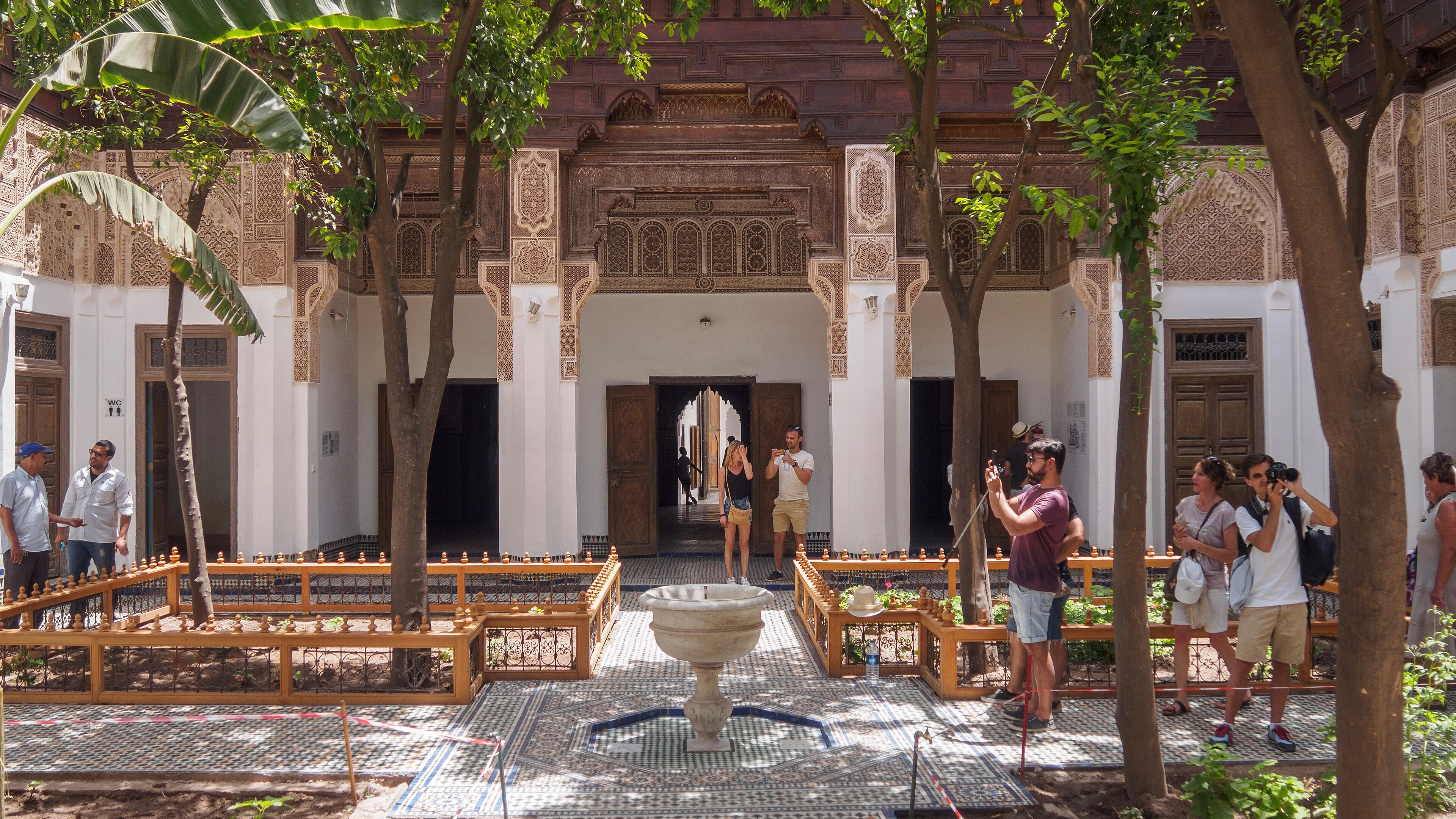
  8. Related preview: Small Riad Bahia Palace 1384.jpg — C messier. CC BY-SA 4.0. Cropped/resized; original licence retained.
  9. Chapter: An arch frames the movement of a market street. — Exotic Morocco’s existing image collection.
  10. Gallery: A seaside promenade: public space has several kinds of users. — Exotic Morocco’s existing image collection.
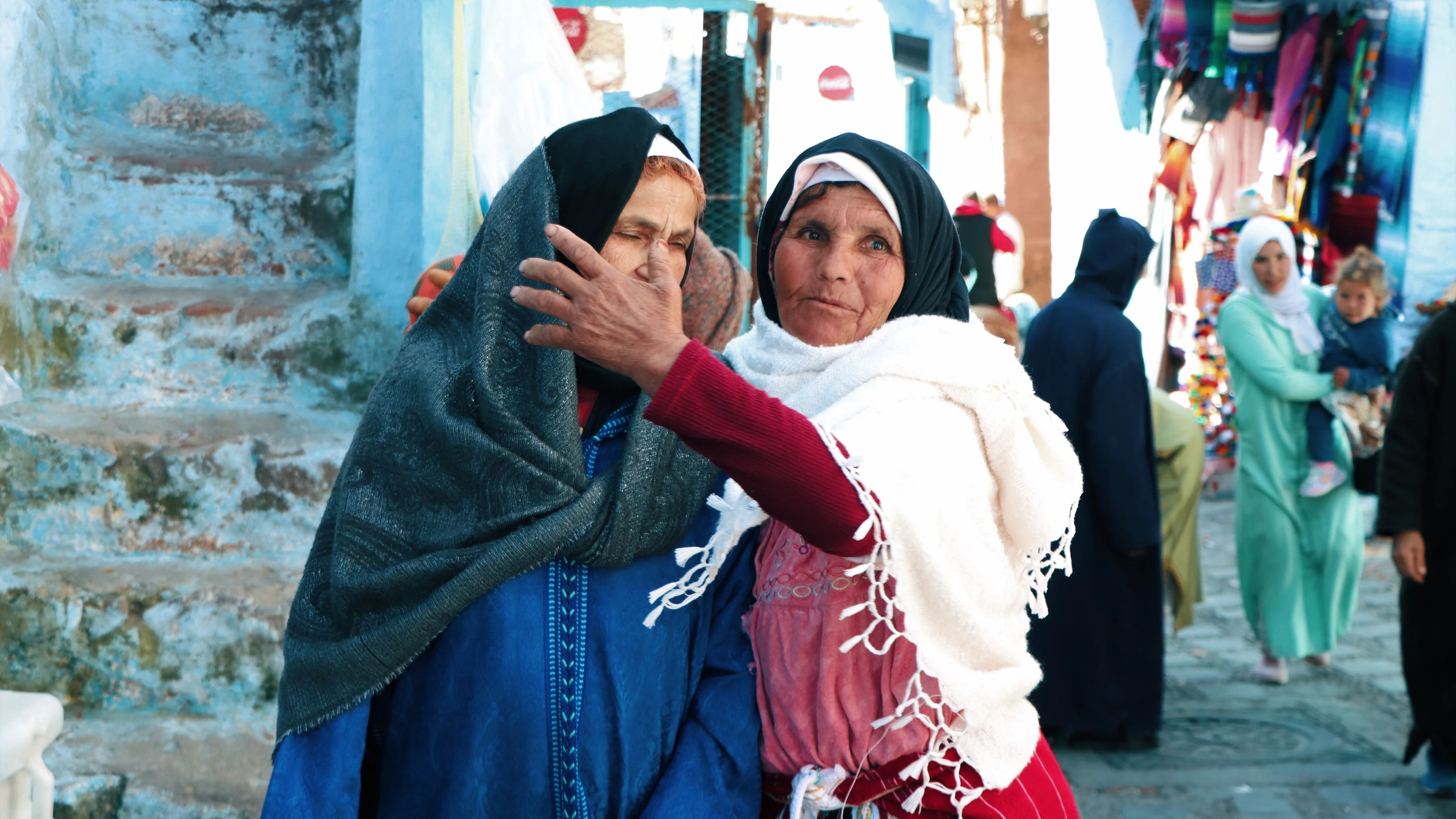
  11. Related preview: A greeting in a Moroccan street. Language is part of an encounter. — Exotic Morocco’s existing image collection.

Destination and related-story thumbnails intentionally identify their linked pages. Principal story images are selected individually for this Learn page.