Skip to learning
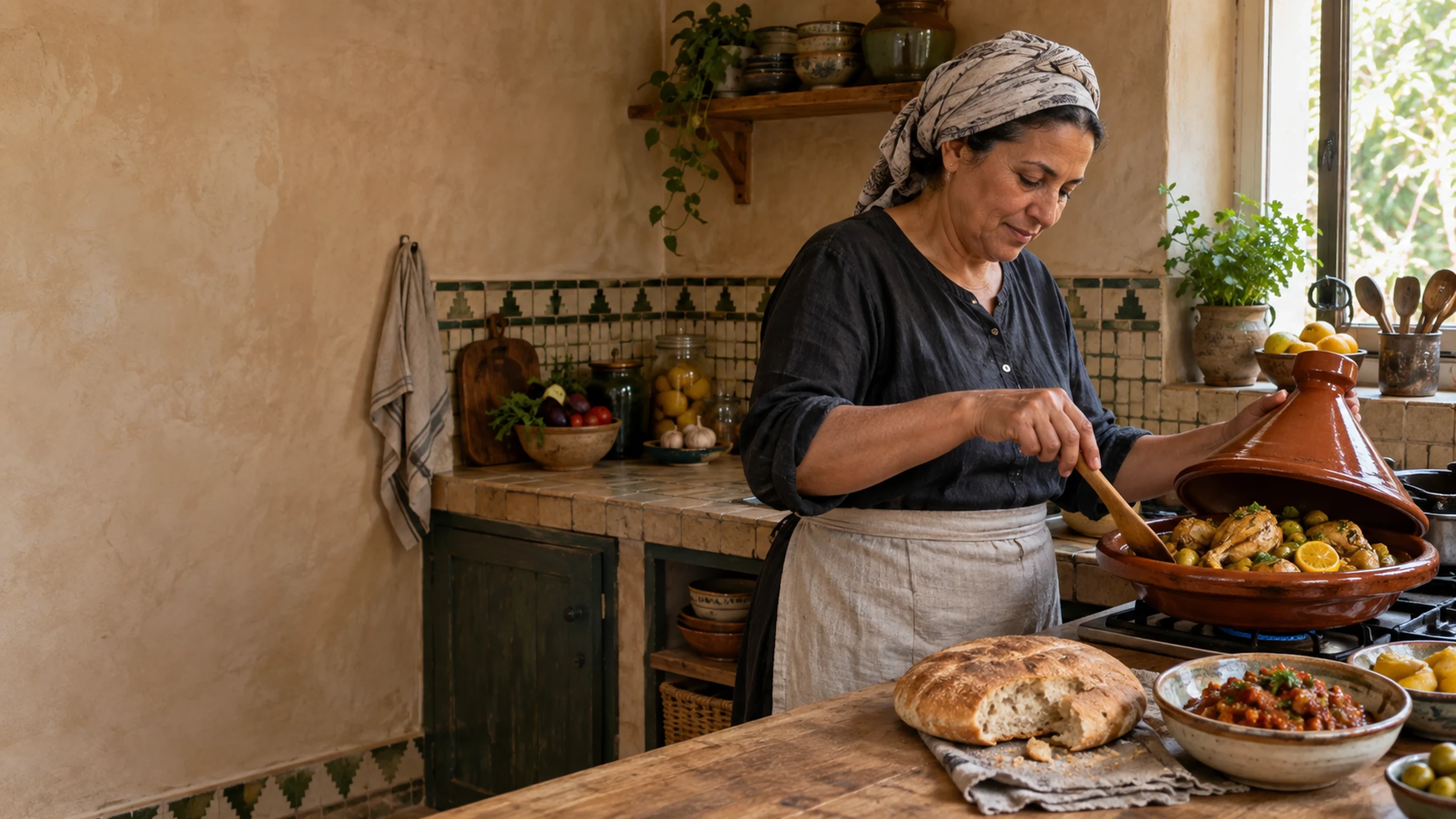
A cook at work: the meal begins well before the table. Exotic Morocco editorial illustration.
What a table can teach

Food Culture

Food is a way into work, seasons, relationships and place. Read a Moroccan table through the lives around it, as well as what is served.

Exotic Morocco · 12 minute read
01 / A way into the story

The meal begins before the table.

A market stall, a home kitchen and a shared meal show different parts of food culture. Ingredients carry questions about availability, skill and choice; a dish carries the preferences of the people who make it. “Moroccan food” is a useful beginning, but a poor substitute for a specific household or place.

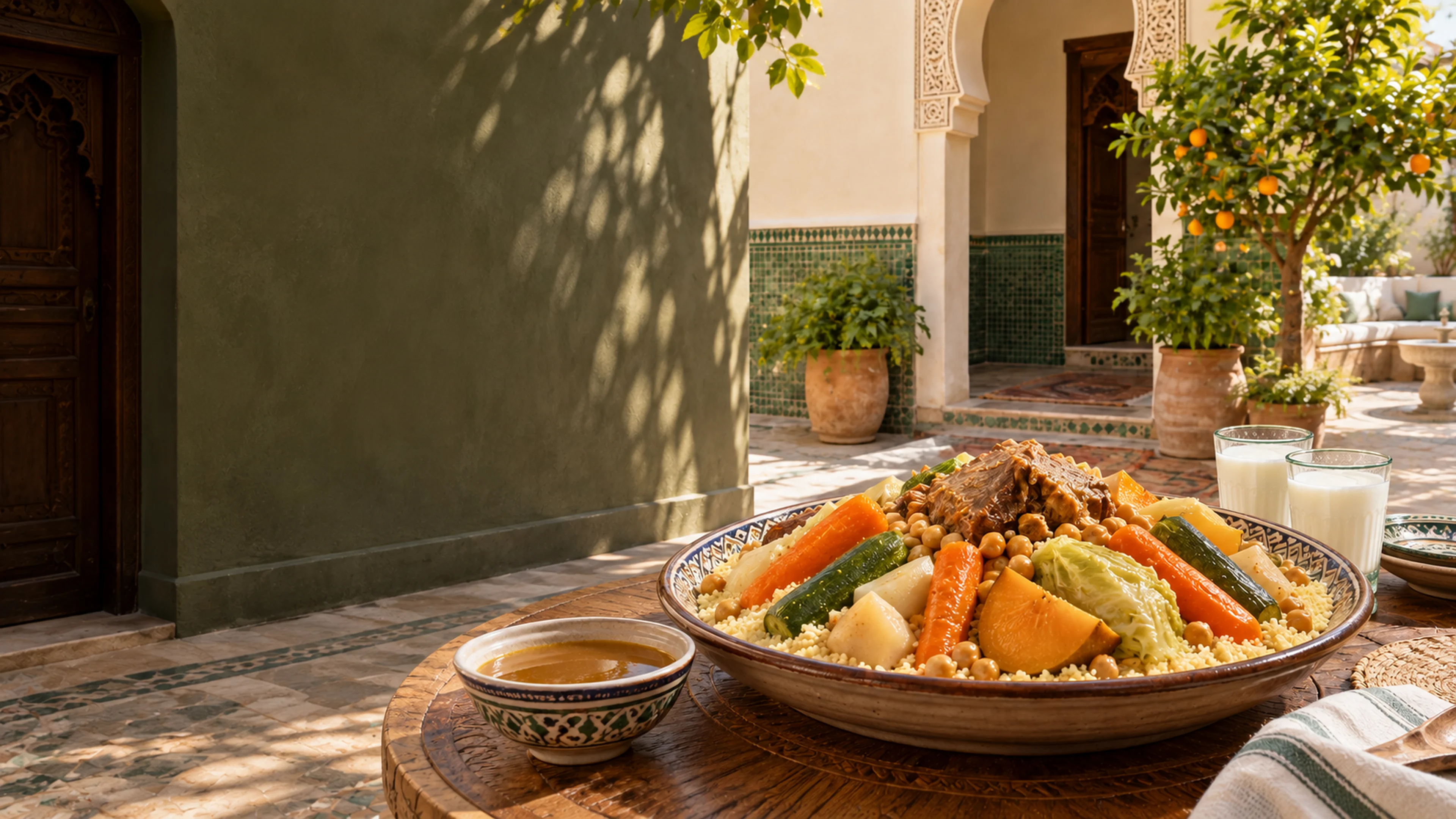
Couscous makes those connections visible. UNESCO’s joint inscription with Algeria, Mauritania and Tunisia concerns knowledge, preparation and social practices as well as the finished dish. Shared heritage does not erase the differences between cooks.

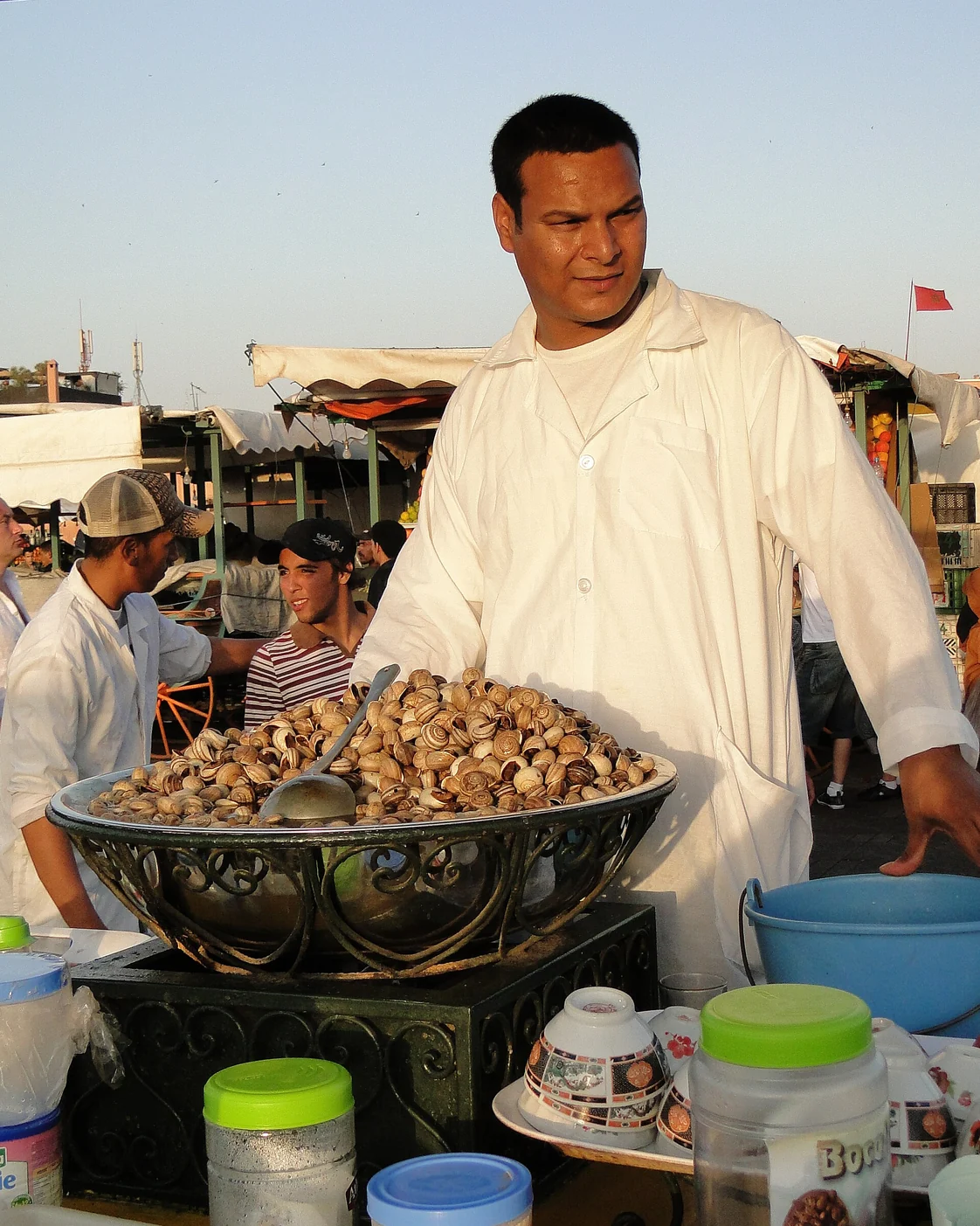
A snail seller at Jemaa el-Fna in Marrakech. Street food is one setting among many.
THE SUBJECTWhat a table can teach
THE APPROACHPlace. Practice. People.
THE CONNECTIONFind it in Morocco ↗
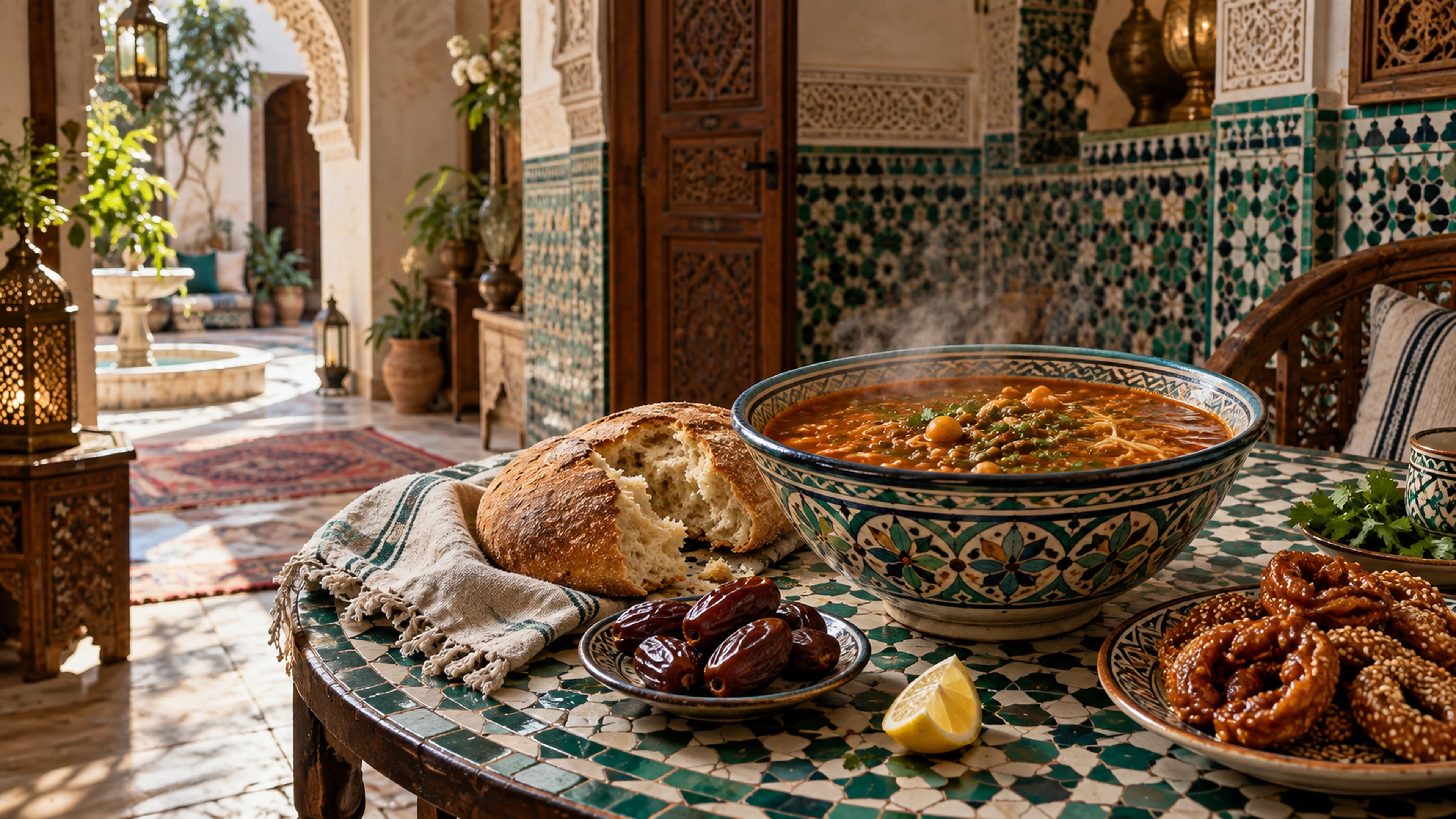
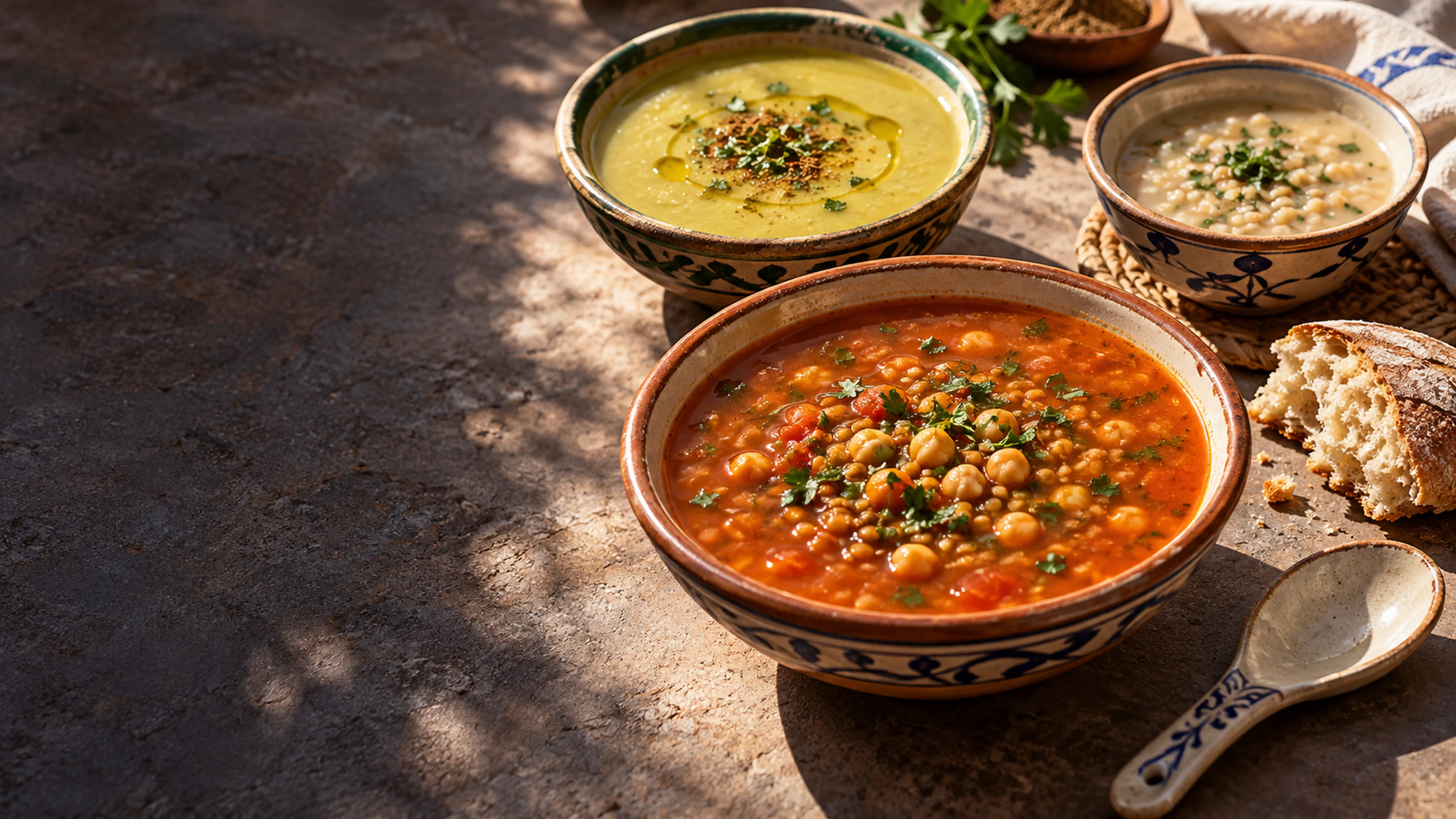
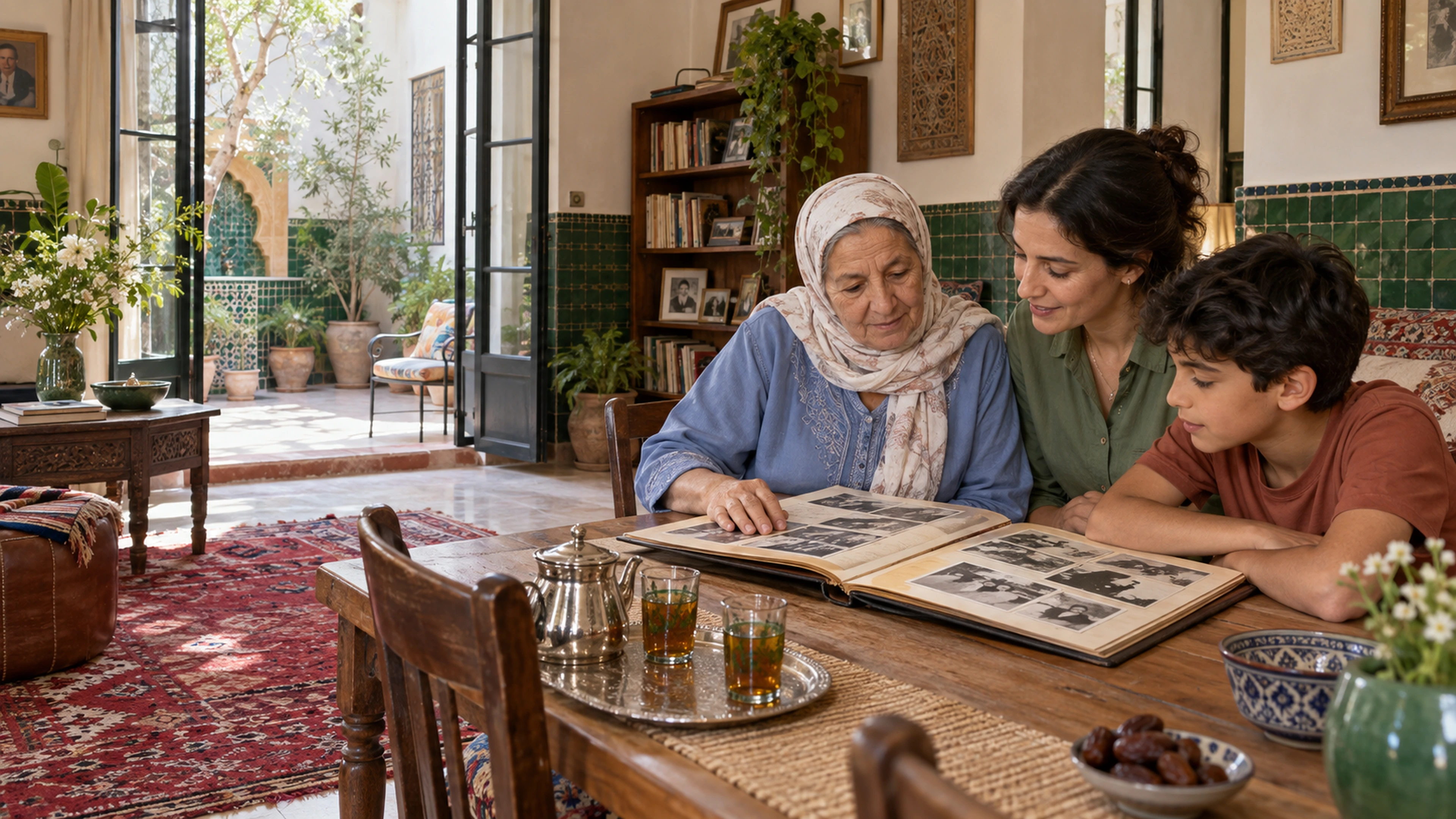
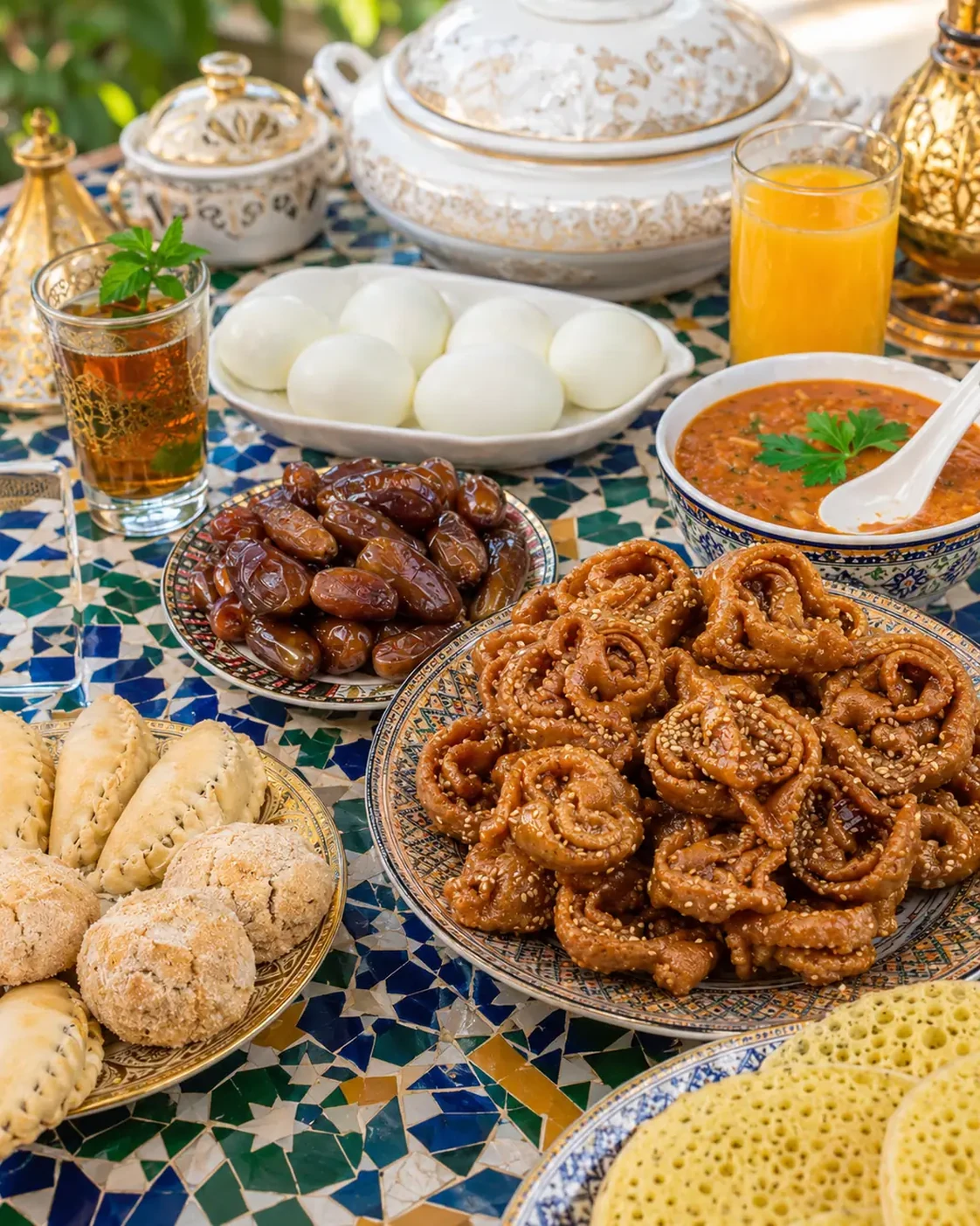
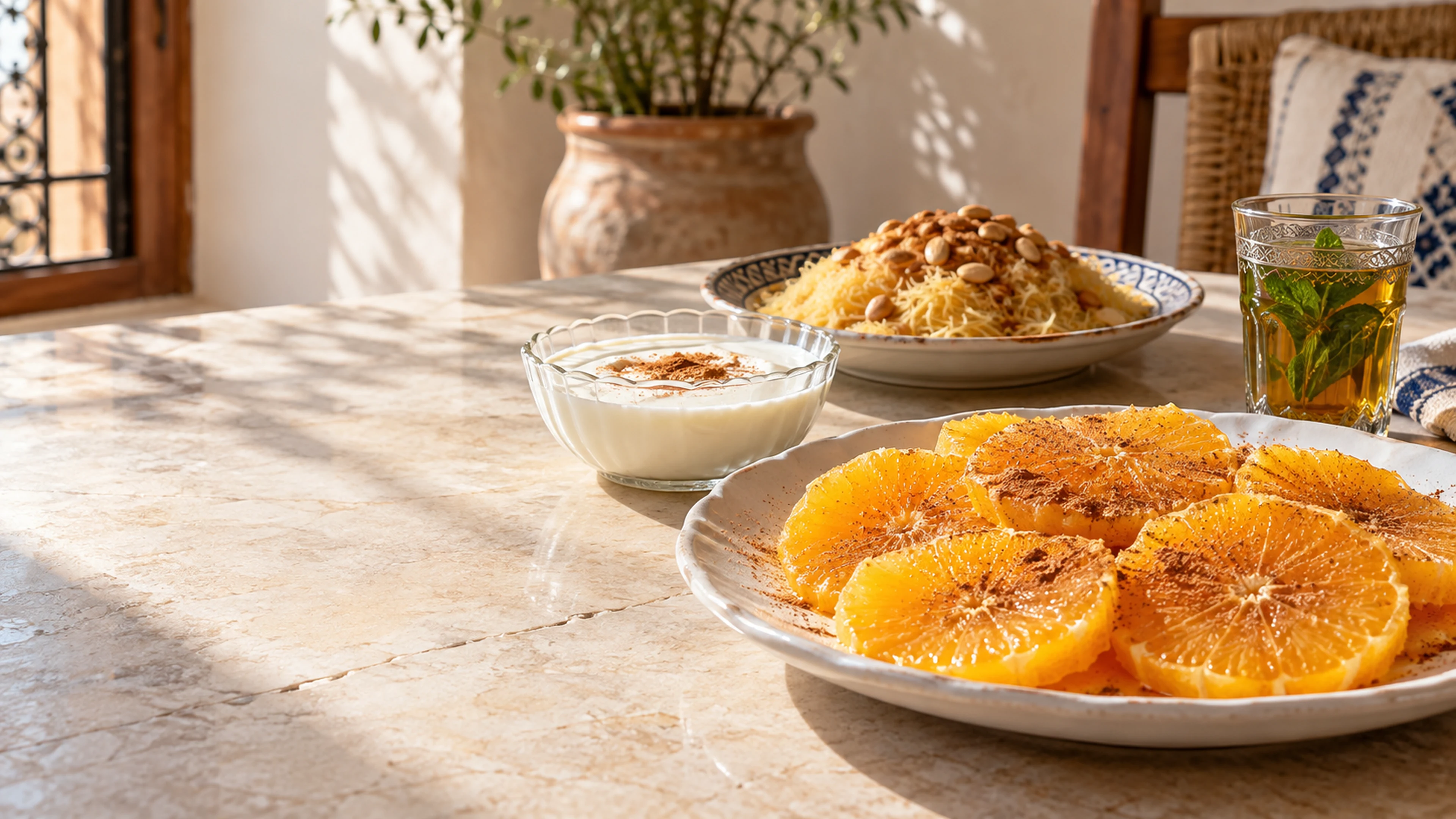
Harira, dates and sweets in a meal setting.
02 / The deeper context

A meal carries
more than flavour.

Food culture includes what happens before and after the dish reaches the table. Shopping, preparation, the order of serving, the distribution of work and the invitation to share all contribute to its meaning. A recipe explains how something can be made; a cultural reading asks how it belongs to a household, an occasion or a place.

Morocco’s food landscapes are varied. Coastal markets offer a different starting point from an inland grain-growing area or a mountain household. Season, budget, family preference and access to ingredients matter alongside regional reputations. A celebrated dish can have many household versions without one of them becoming the sole authentic form.

Hospitality is often central to visitors’ experience, but it should not be turned into an obligation imposed on every host. Generosity takes different forms, and daily meals may be modest or hurried. The useful approach is to notice the particular invitation: where to sit, when to begin, what is being offered and how to express appreciation without creating pressure.

03 / From an idea to everyday life

From market to table.

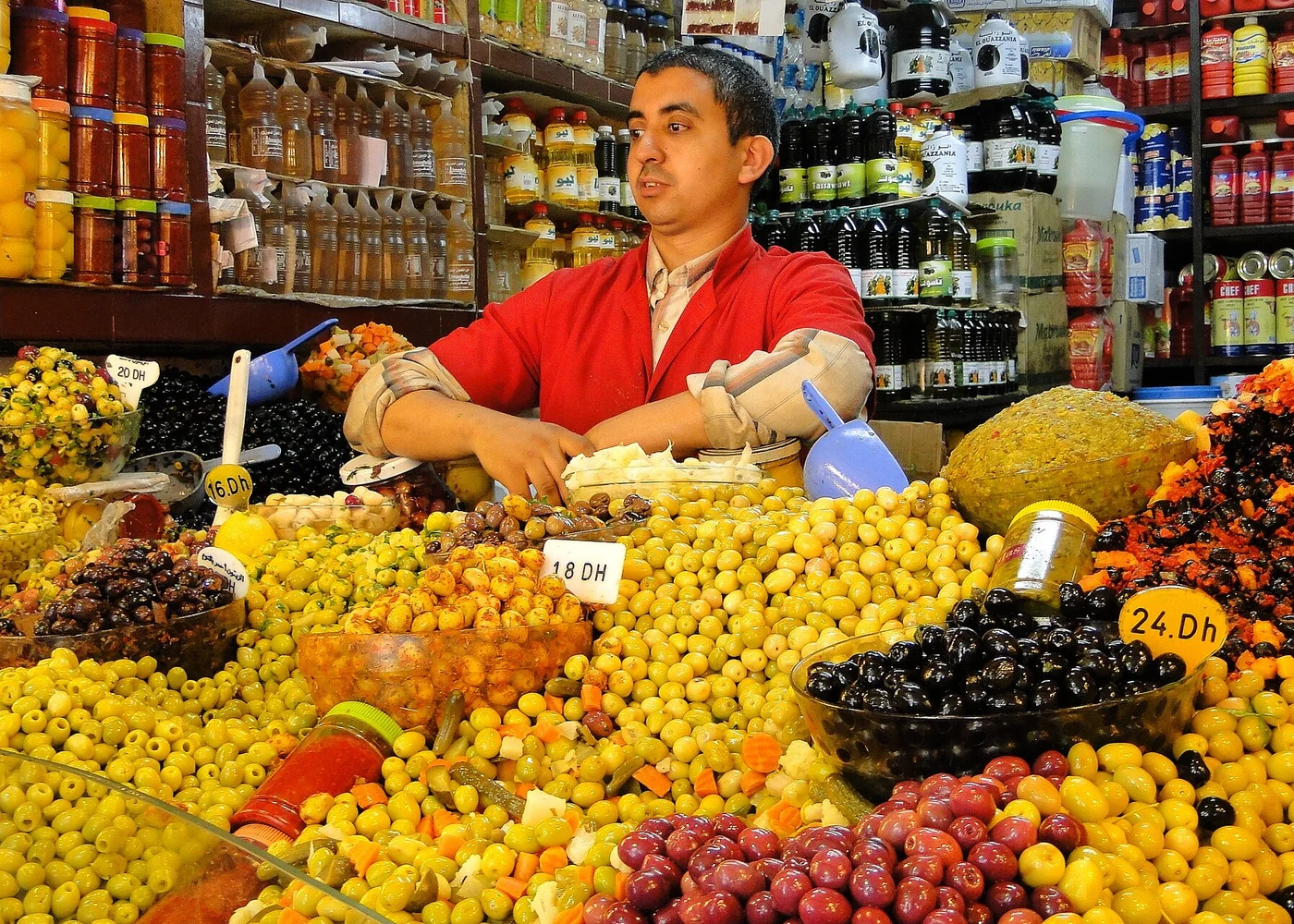
Olives on display invite questions about curing, seasoning and taste. Ask which preparation the seller recommends and how it is used. A display of many colours need not mean many olive varieties; processing and seasoning can change what you see.

An olive seller in Tangier.
01

Start with the ingredients

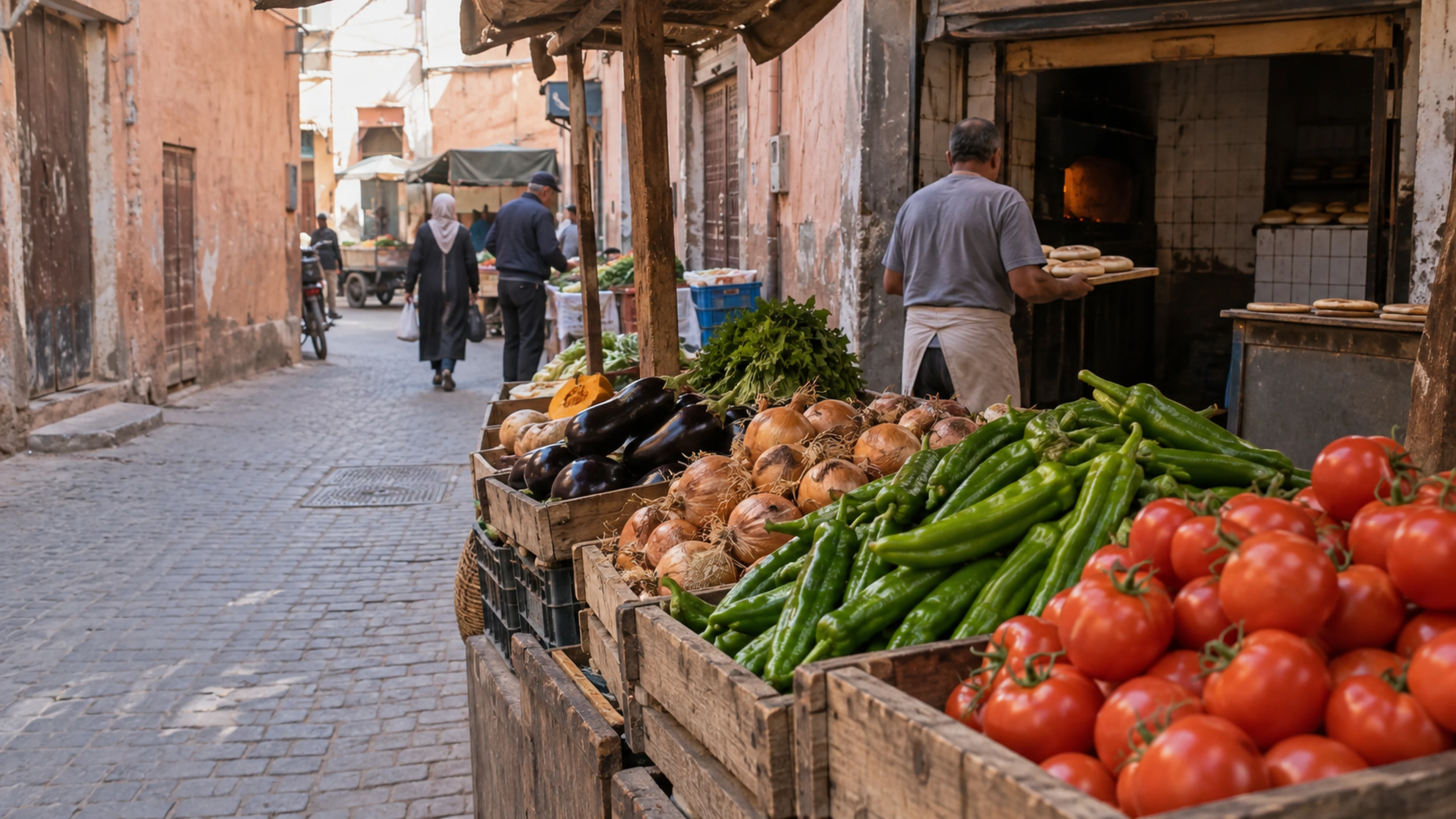
A display of olives, bread, vegetables or fish reveals choices before it reveals a recipe. Ask what is in season and how an ingredient is usually prepared in that setting. The answer may connect a household meal to a local market rhythm rather than to a national menu.
02

Notice the work

A dish can involve shopping, washing, cutting, waiting and several rounds of cooking. Some of that work happens out of view. Appreciating a meal includes recognising preparation and service, not only praising the presentation or the person who brings the plate.

03

Follow the host’s lead

Shared dishes, individual plates and mixed arrangements all occur. Watch how this table works. Ask about an unfamiliar food, state dietary needs politely and accept that a household may not be able to accommodate every request. Respect is more useful than performing a memorised ritual.

A closer understanding

A meal holds
a whole set of skills.

Ingredients tell only part of the story. Preparation, serving and company change what a dish means.

The grain

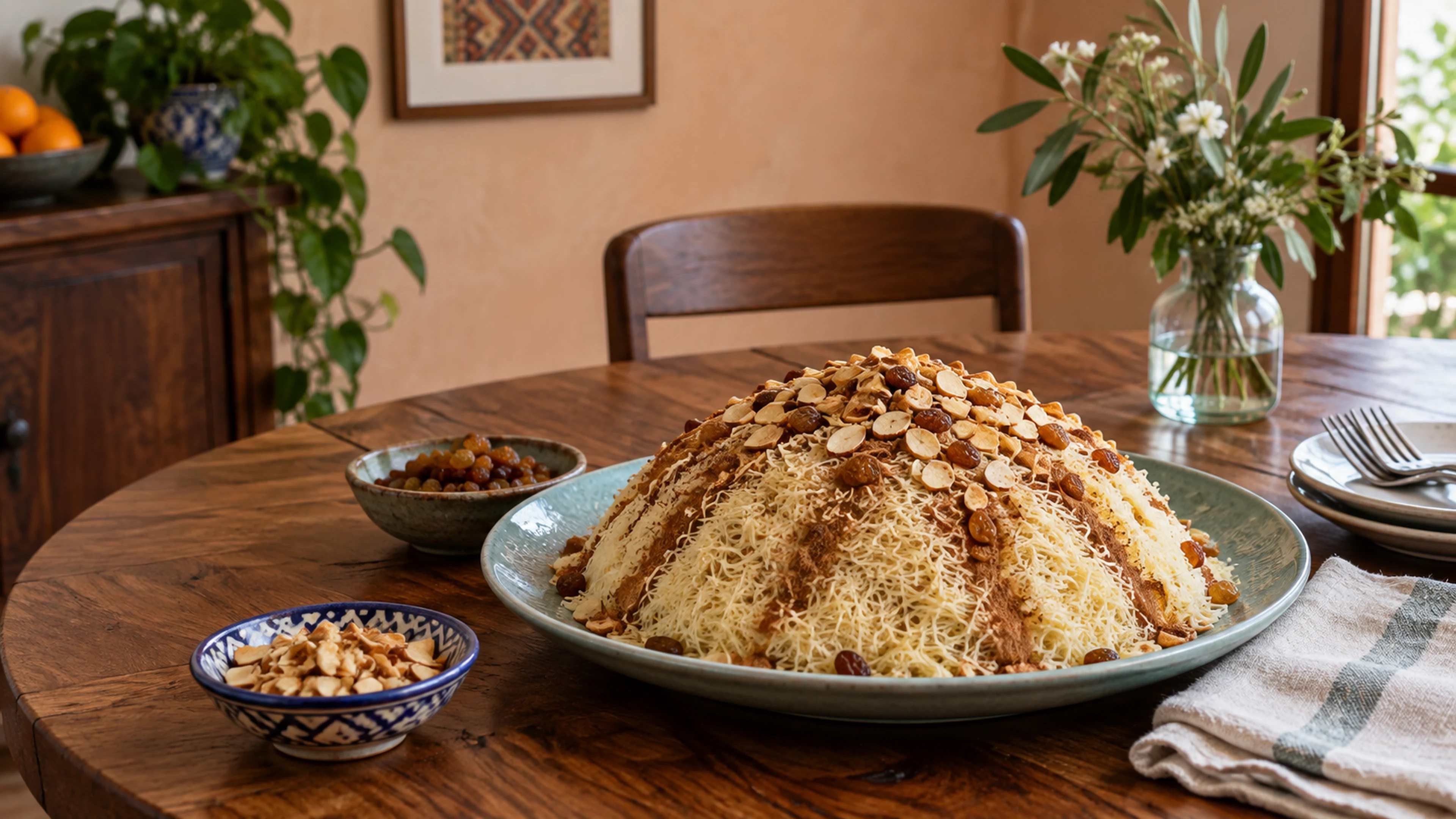
Couscous is a practice as well as a dish.

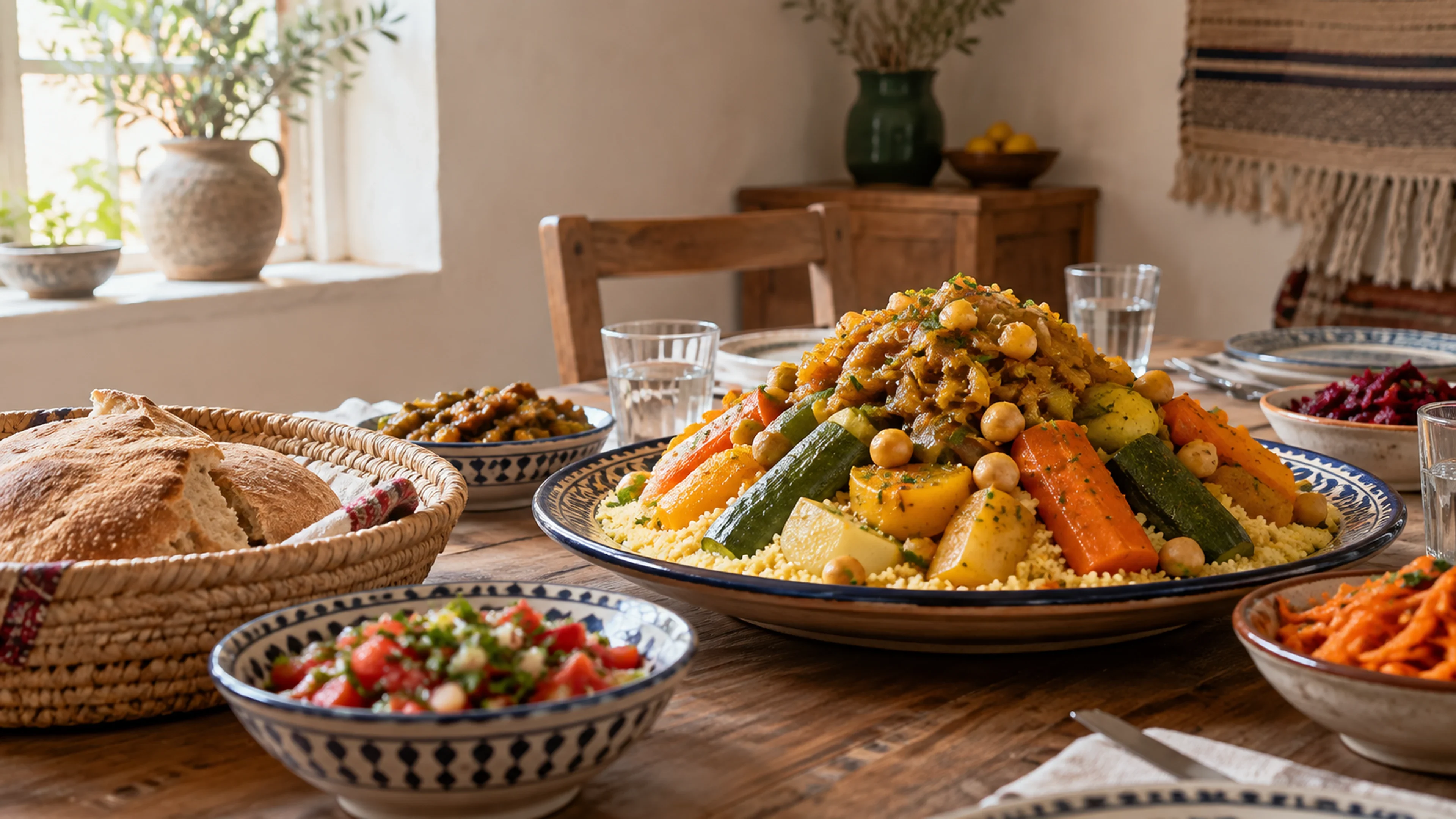
The shared UNESCO inscription of couscous traditions, submitted by Algeria, Mauritania, Morocco and Tunisia, recognises knowledge surrounding making and eating it. It is not a declaration that one fixed recipe belongs exclusively to one country.

In Morocco, a particular household’s couscous can reflect season, budget, preference and occasion. The meaningful comparison is often between the choices of cooks: the grain, steaming, accompaniments and serving. A restaurant menu gives the dish a name; a cook can explain the decisions inside that name.

The vessel

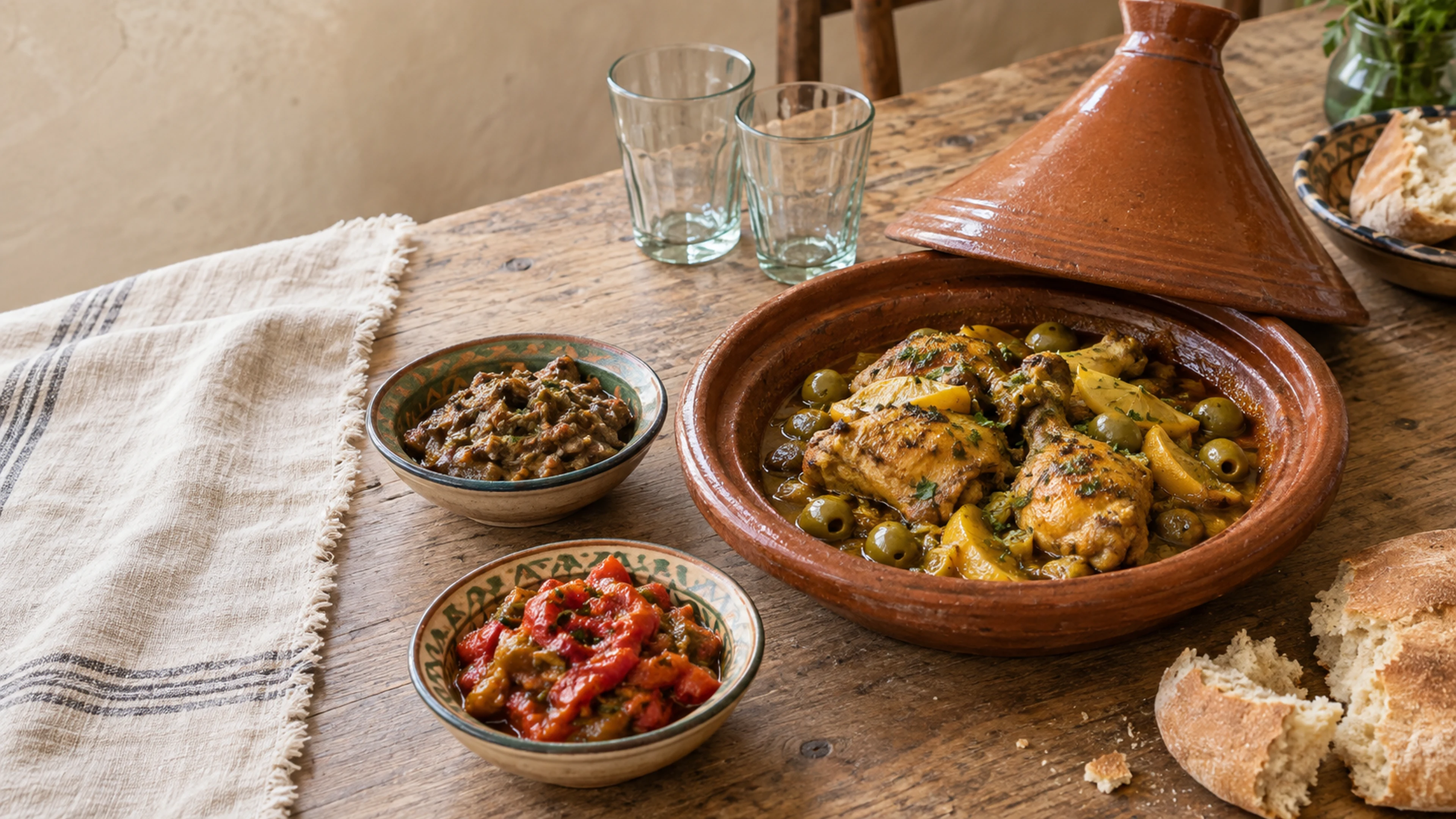
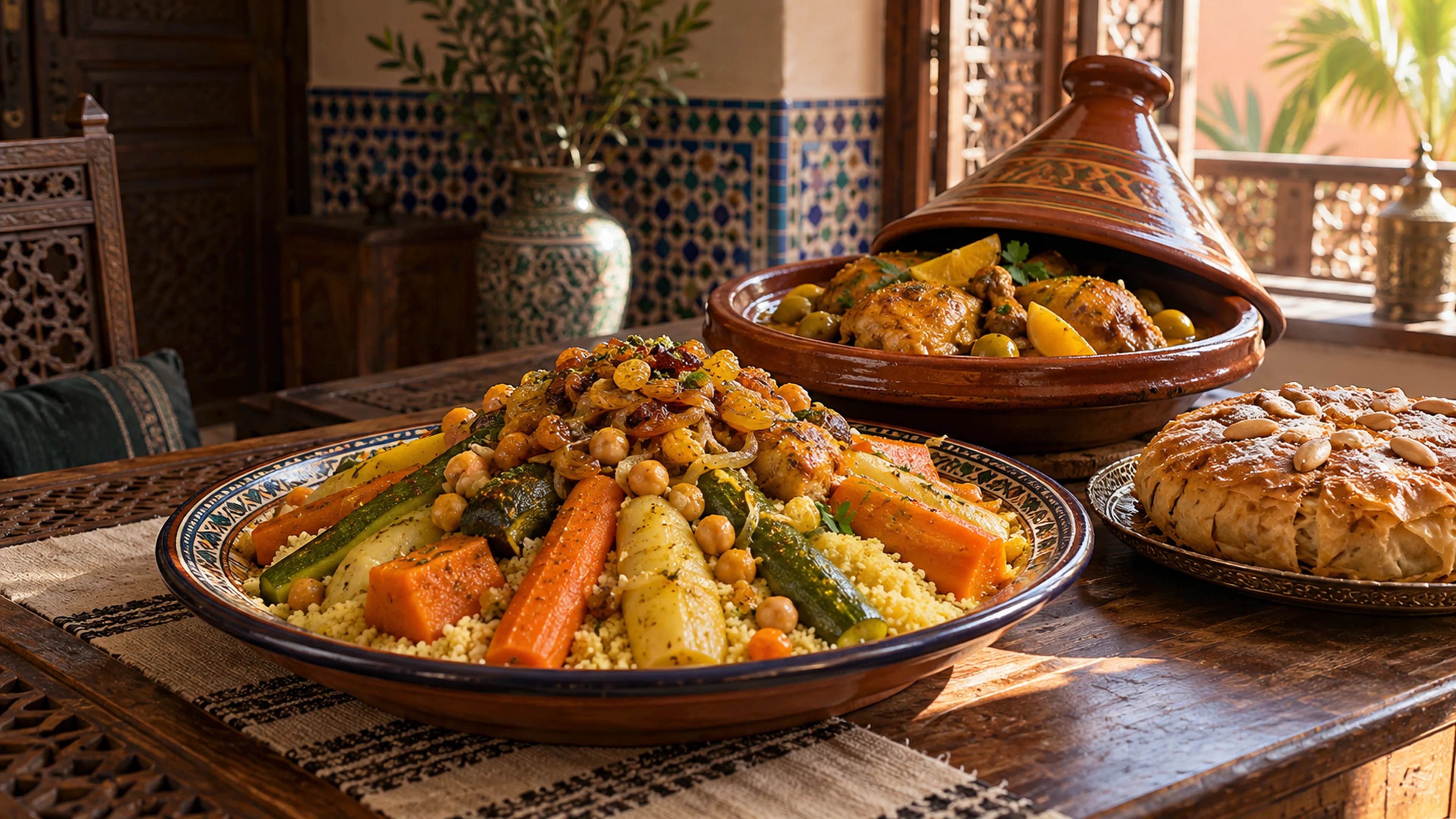
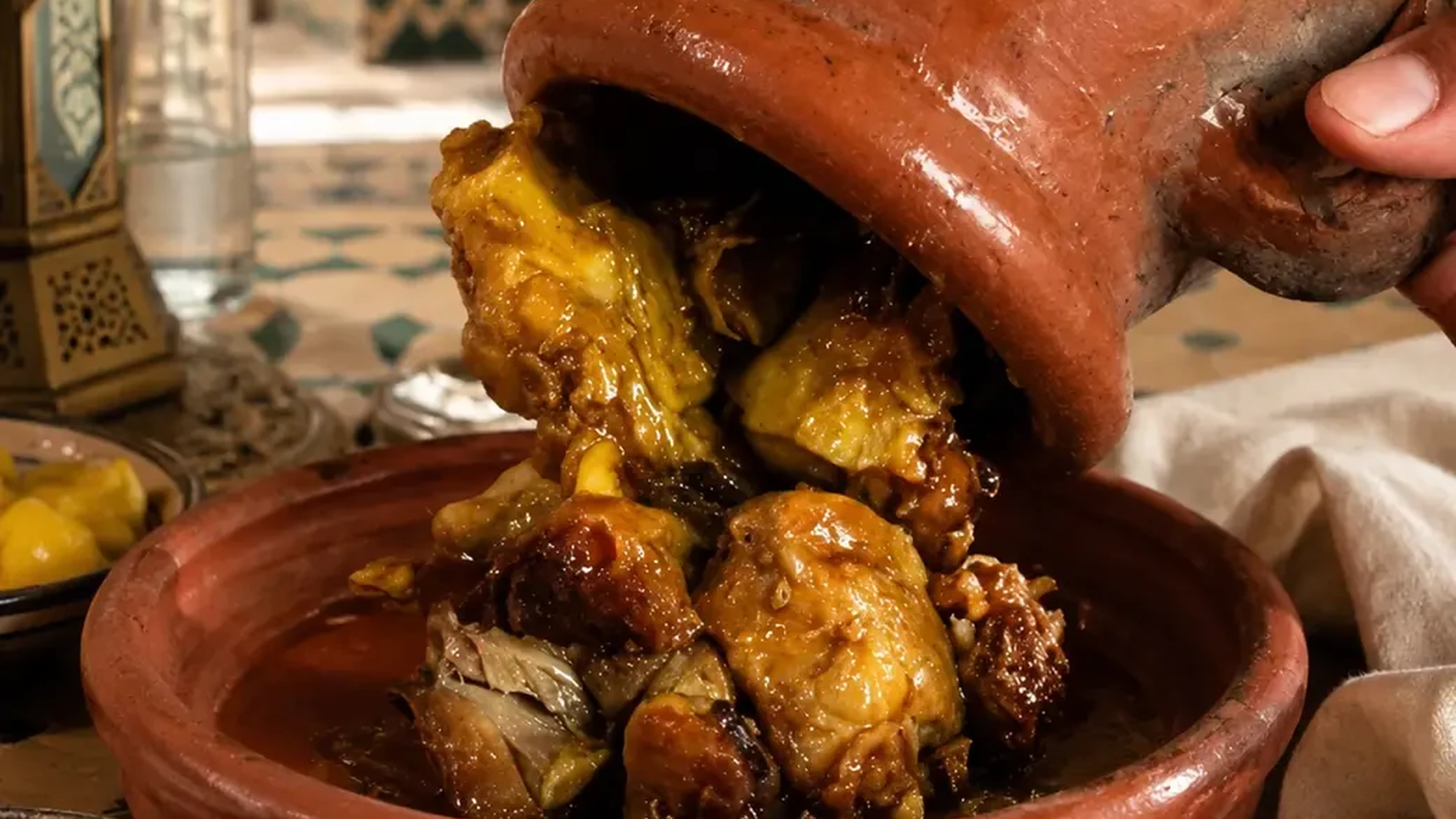
Tagine can name both pot and preparation.

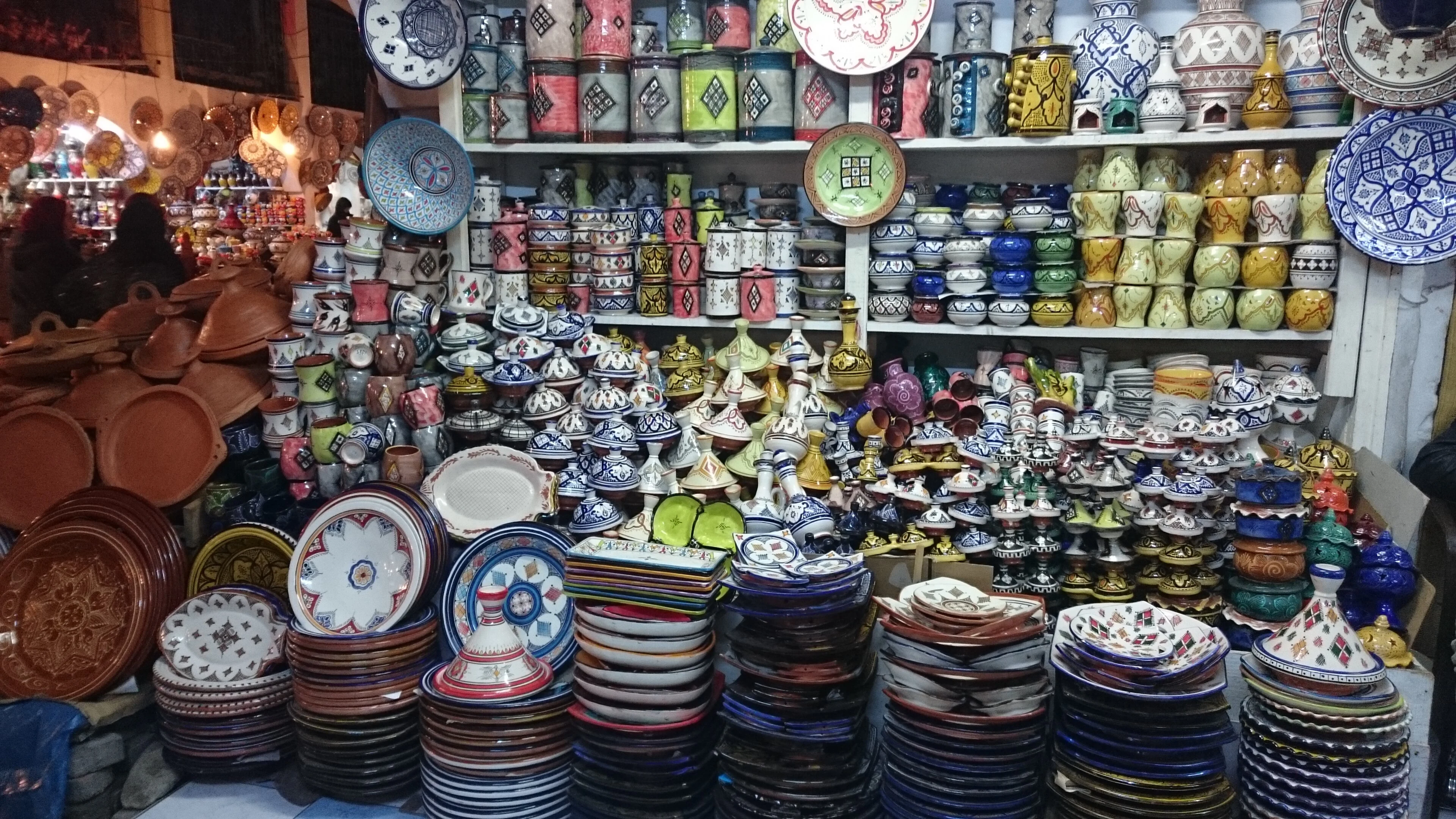
The familiar lid is only part of the cooking system. The base, heat source, ingredients and management of moisture shape the result. A ceramic object sold as a tagine may be intended for serving or decoration rather than direct heat.

That makes material knowledge part of food culture. A photograph of an ornate pot does not establish how the food was cooked. Equally, a contemporary kitchen using a different vessel can still carry family techniques and tastes. Continuity lives in practice as well as in the object.

The occasion

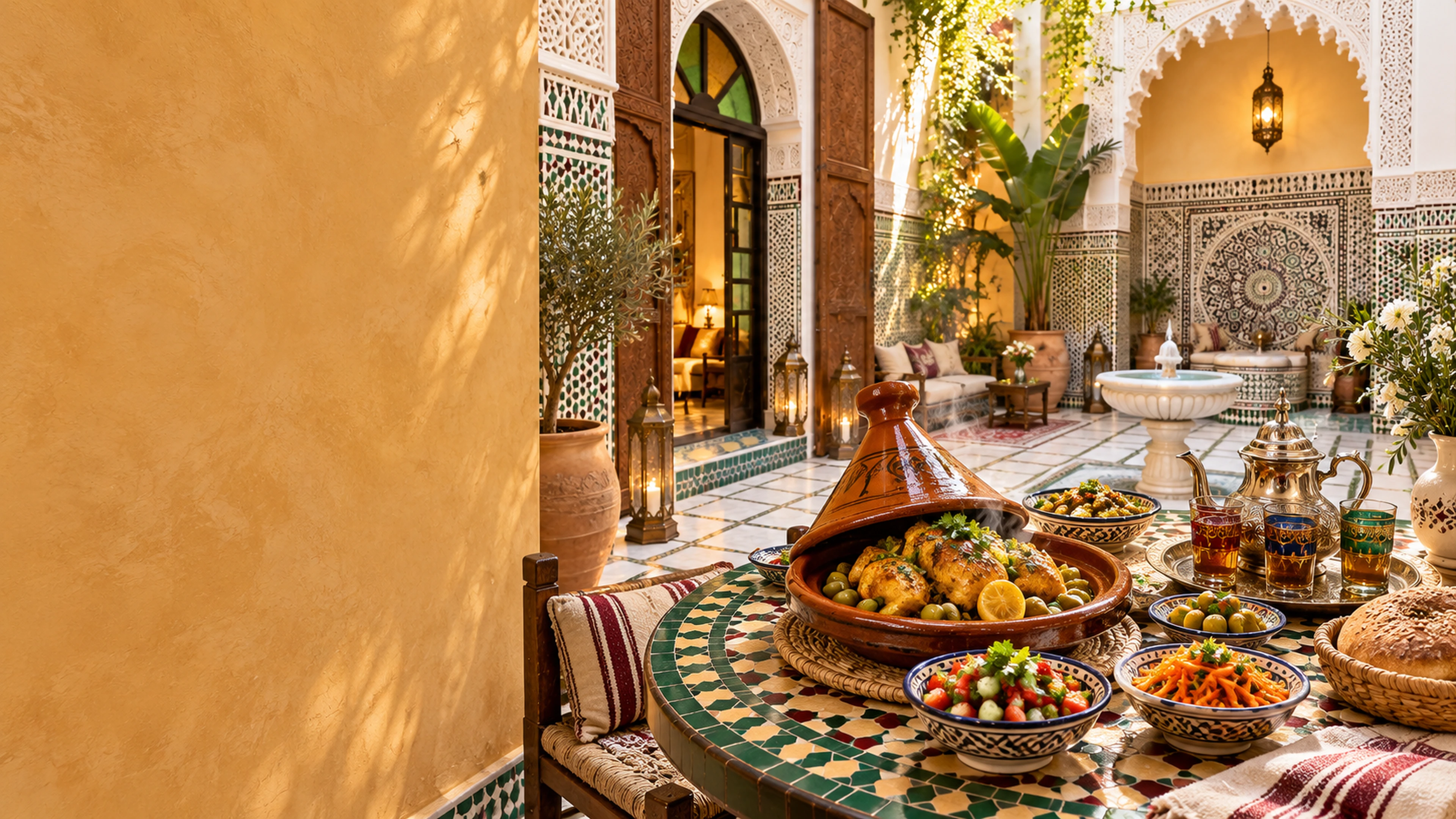
Hospitality has a rhythm.

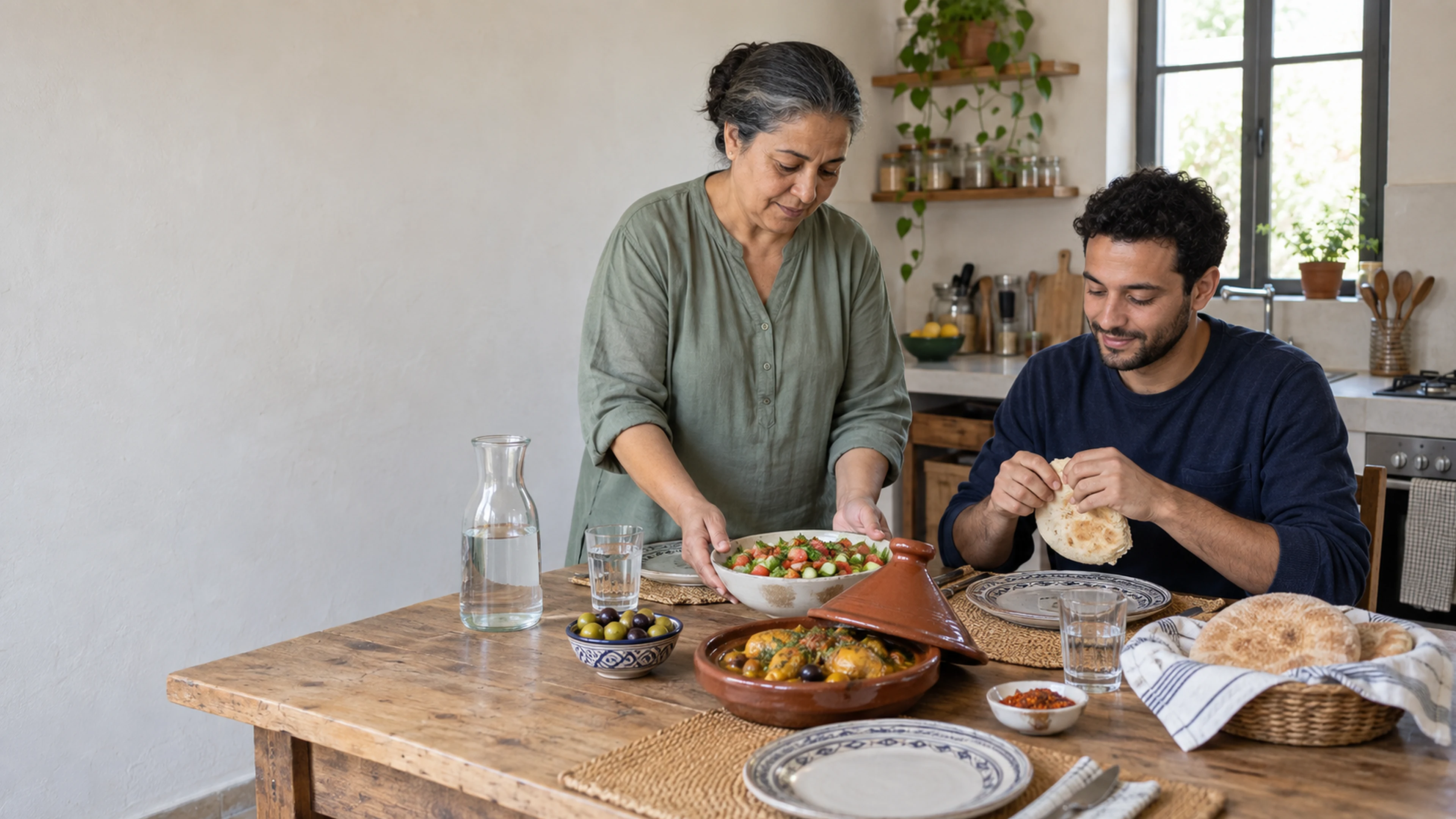
Shopping, preparation, bringing dishes to the table and making room for guests are forms of work. The most visible person at the table may not be the only person responsible for the meal. Notice that wider circle without turning a visit into an interview.

A family lunch, a celebration and a quick working-day meal should not be treated as interchangeable examples of one national ritual. Follow the host’s invitation, explain dietary needs clearly and ask before photographing people. Appreciating the food includes respecting the pace and privacy of those sharing it.

Carry this with you

Trace one meal backwards: from the table to the cook, the utensil, the market and the ingredient. Culture appears in the connections.

04 / The visual chapter

Read the market as a conversation

Move between the close detail and the wider setting. Each view adds another part of the story.

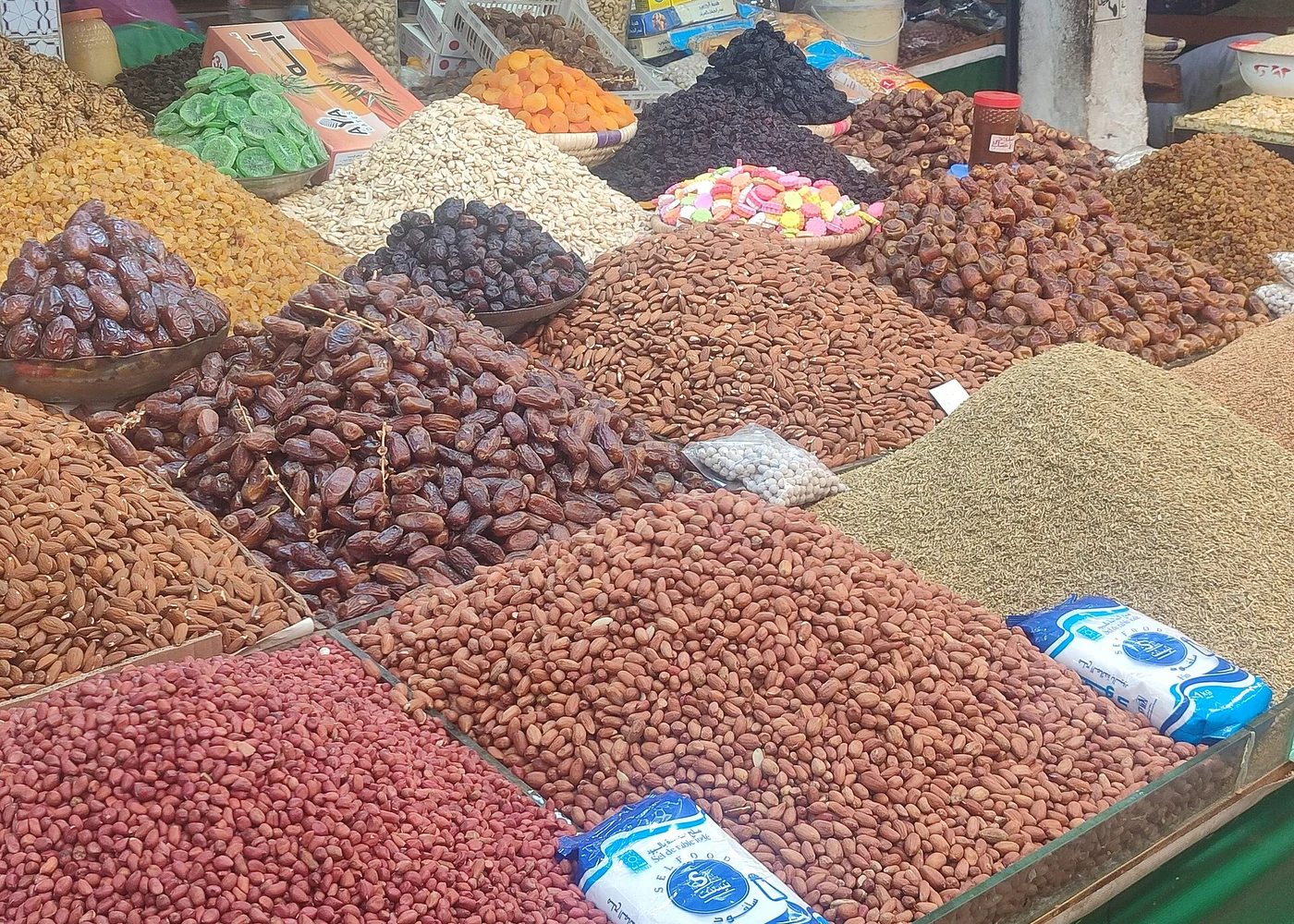
Dried foods displayed at Souk Jmiaa in Casablanca.
01 / A closer look

The pantry’s long view

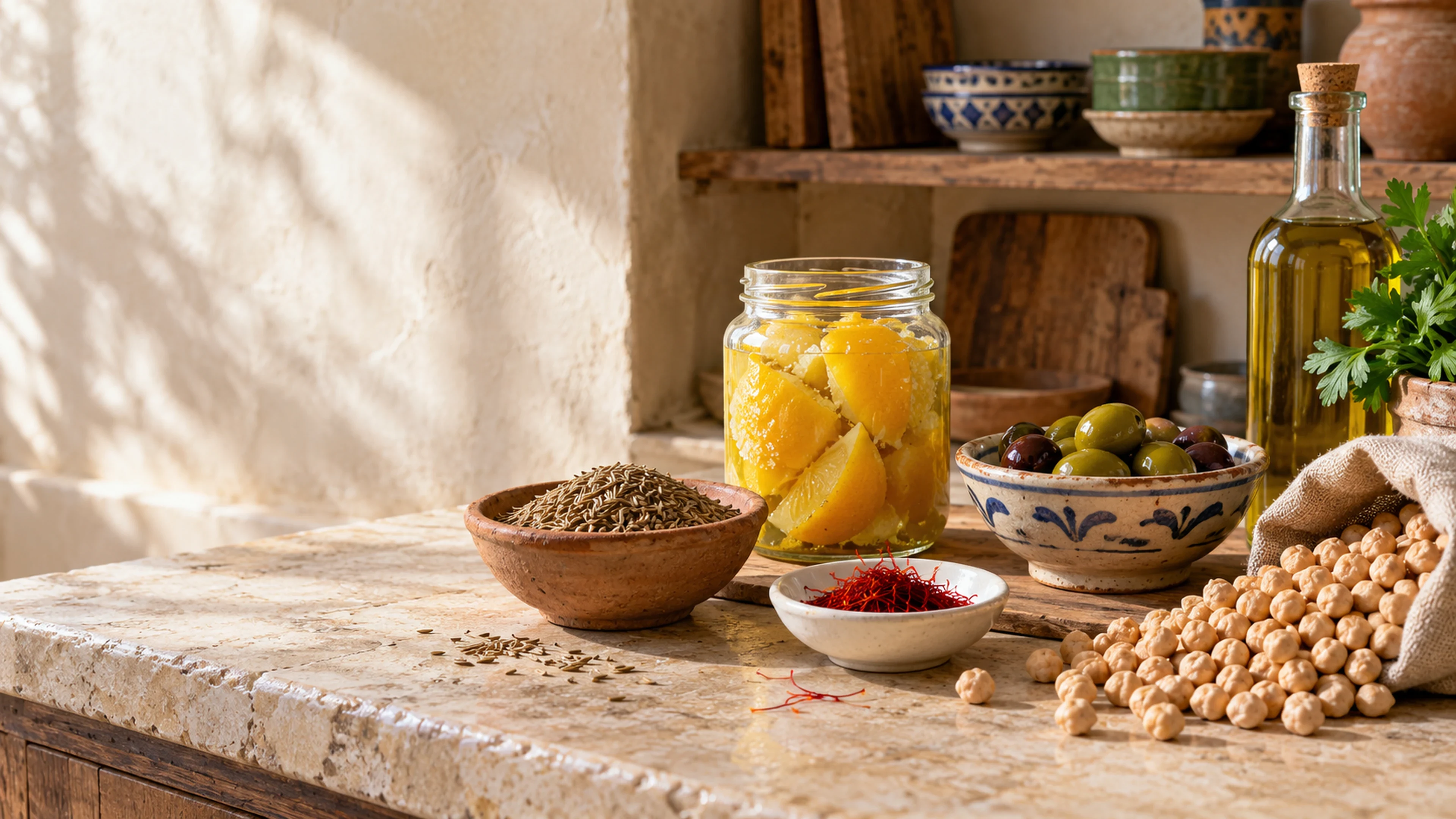
Dried pulses, grains and spices connect shopping to storage and cooking. Separate the ingredient from the dish it may enter. One bag of lentils can lead to different meals depending on the cook, season and household.

Dried foods displayed at Souk Jmiaa in Casablanca.
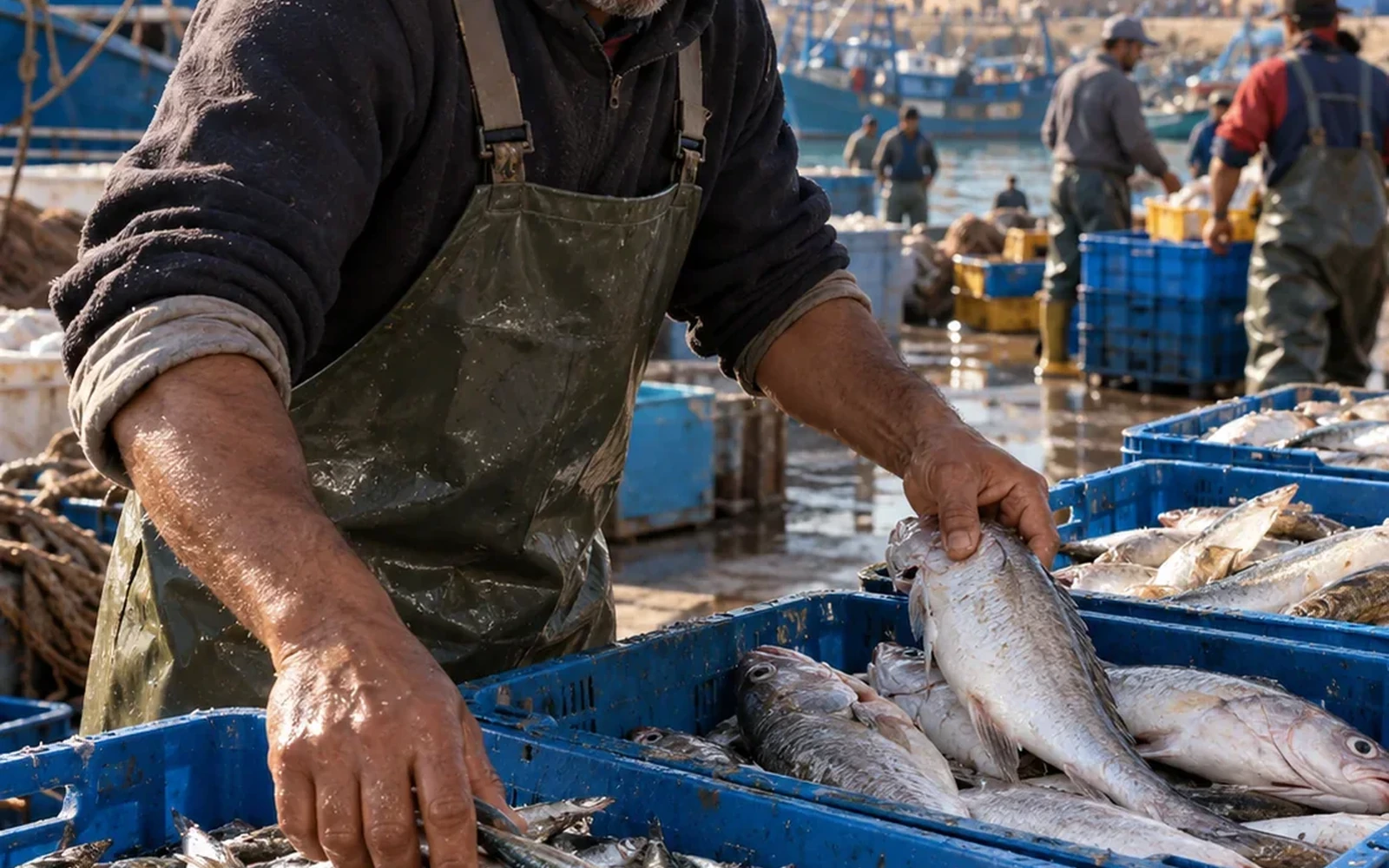
Fish handling at a working harbour: food culture begins with skilled work. Editorial illustration.
02 / A closer look

A coastal connection

Handling the catch links sea and market through skilled work. Sorting, transport and selling all come before cooking. This editorial illustration focuses on that working chain; it does not document a named fisher or a specific landing.

Fish handling at a working harbour: food culture begins with skilled work. Editorial illustration.
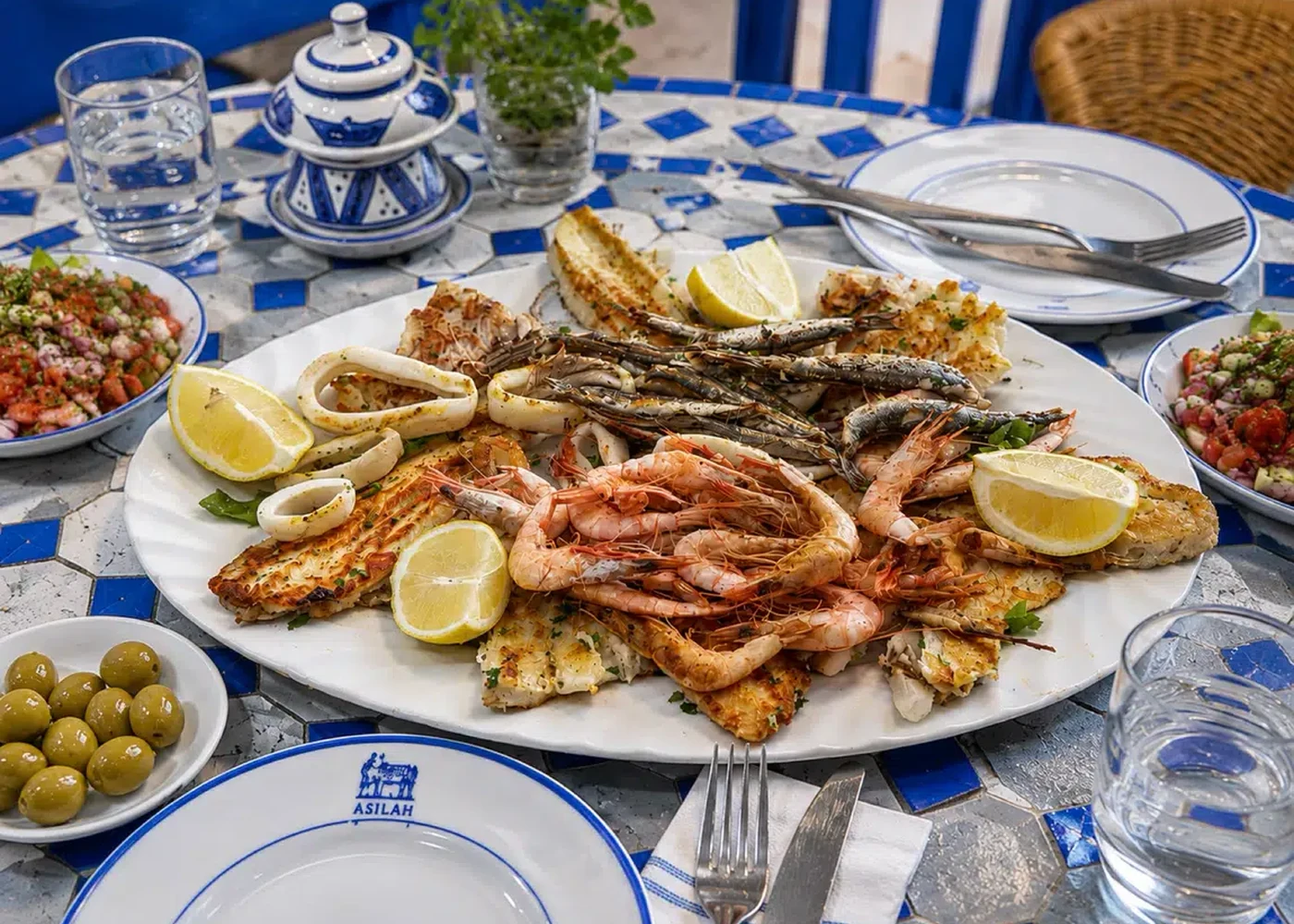
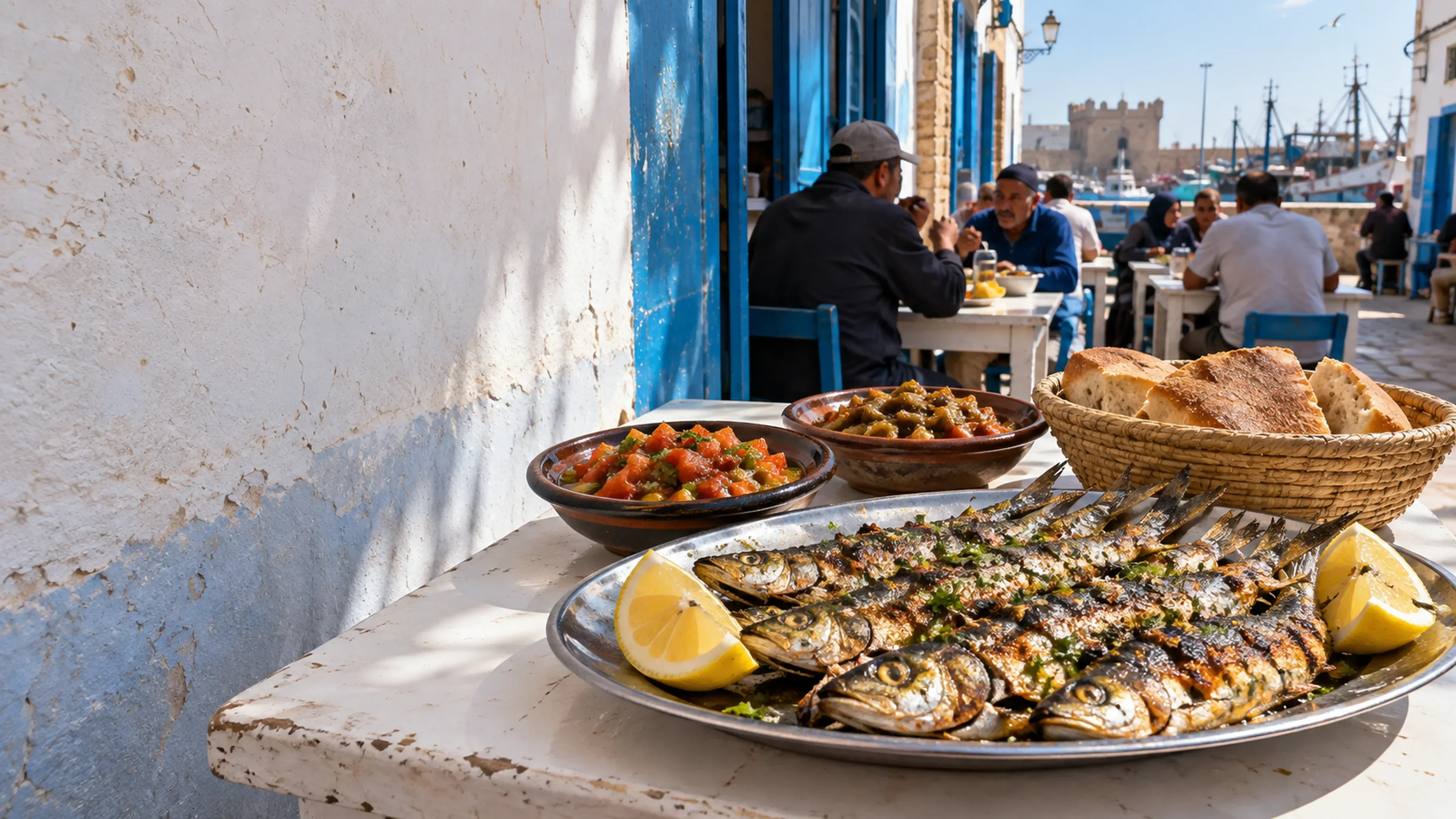
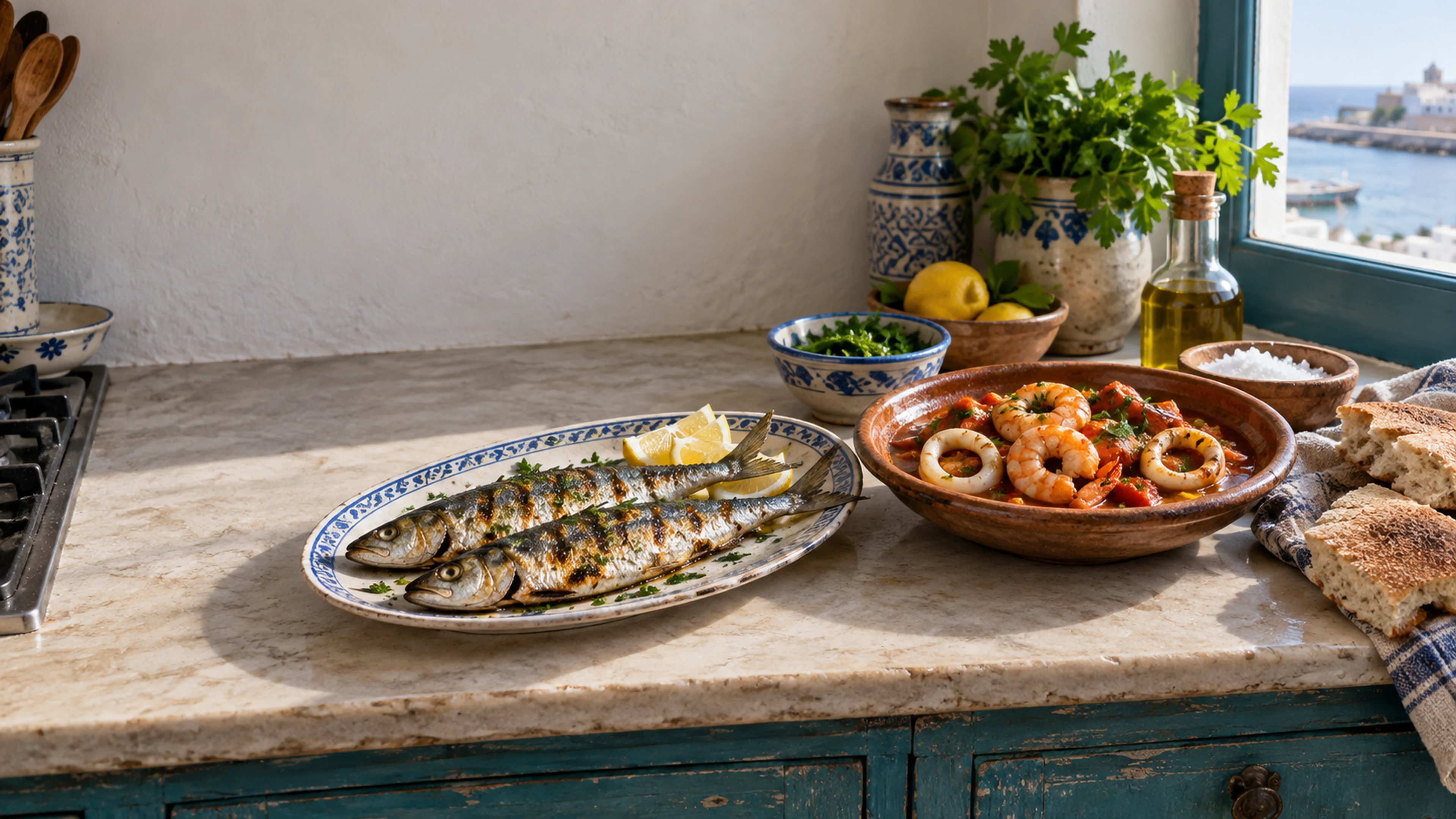
Fish and seafood create a different view of the Moroccan table.
03 / A closer look

A coast changes the table

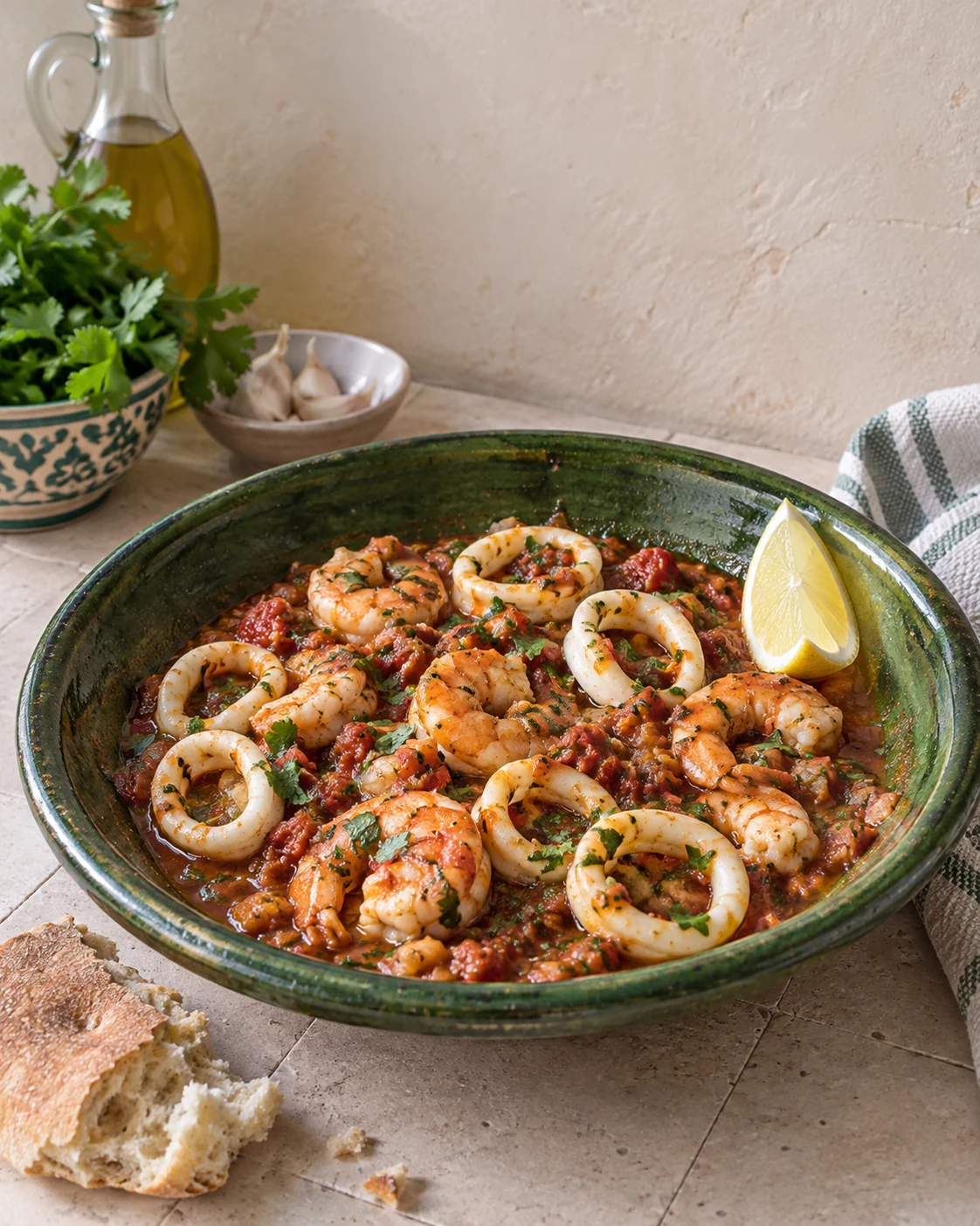
Fishing, landing, selling and cooking connect a seafood meal to a working coast. A restaurant plate is one point in that chain. Consider the market and harbour alongside the dish, while using current local information for practical food choices.

Fish and seafood create a different view of the Moroccan table.
05 / More than one perspective

Look beyond
the first impression.

Perspective 01

The everyday & the occasion

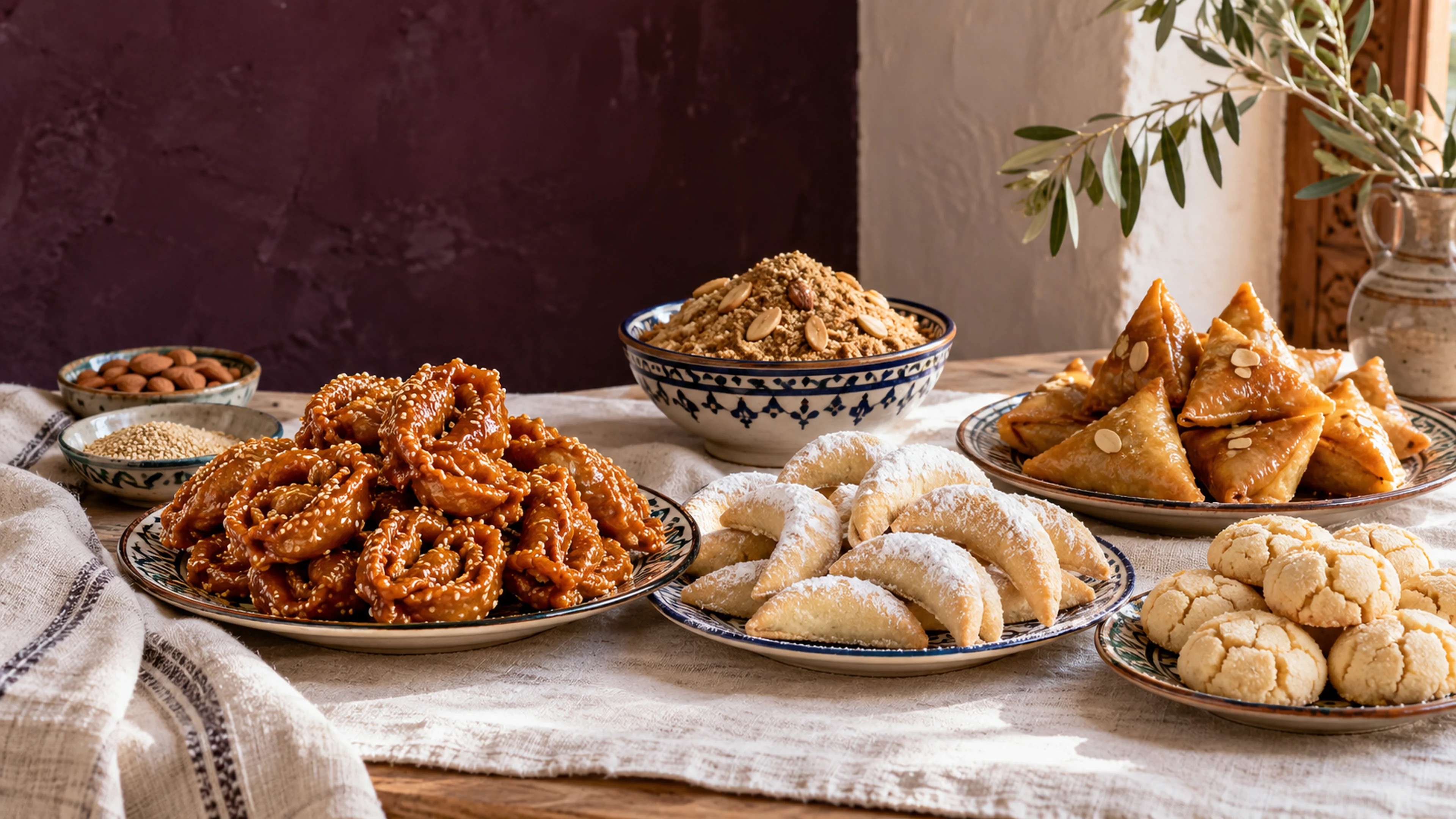
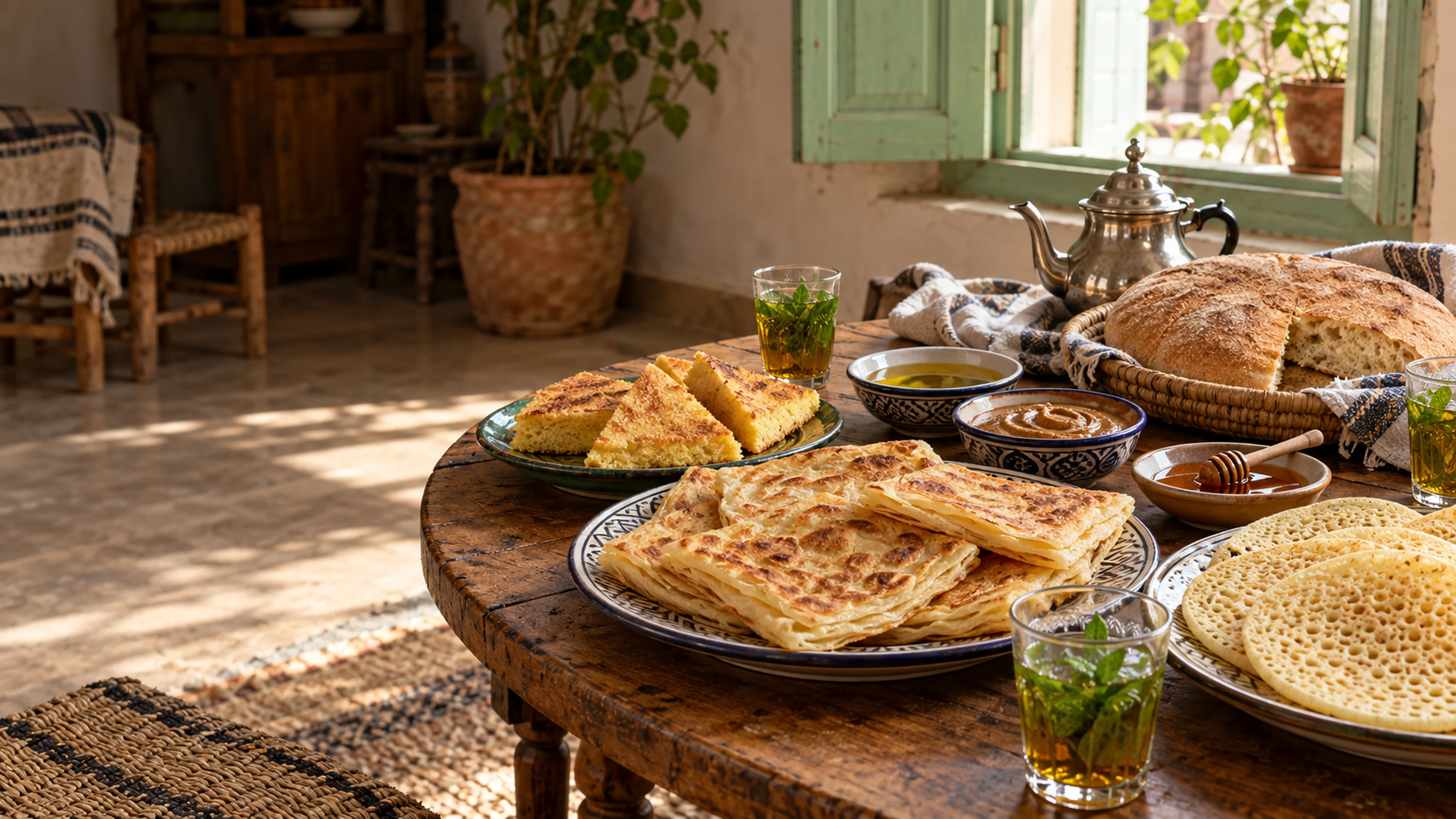
A weekday lunch, a celebration and a meal during Ramadan have different rhythms. Harira, dates or sweets in a photograph do not identify every detail of the occasion by themselves. Captions and personal explanations matter.

Perspective 02

Shared heritage

UNESCO’s couscous inscription is a joint recognition involving Algeria, Mauritania, Morocco and Tunisia. It concerns knowledge and practices as well as the dish. Regional and household variation is therefore part of the subject, not an inconvenience to edit away.

06 / Make the connections

Four ways to understand a meal

Use these ideas to connect what you notice with the materials, people and histories behind it.

01

Ingredients

Name what is actually present before explaining a recipe. A market, garden, pantry and purchased prepared food can all contribute to one meal. Availability and household preference matter alongside inherited practice.

02

Technique

Steaming, simmering, baking and preserving transform ingredients in different ways. For couscous, the handling of the grain is part of the knowledge transmitted through practice, not just a step printed in a recipe.

03

Occasion

An ordinary lunch, a family celebration and a meal offered to guests may differ in scale and presentation. Ask what occasion you are seeing before calling it a “typical Moroccan meal”.

04

Company

A shared dish can organise conversation and gestures around the table. Follow your host’s cues, ask about unfamiliar arrangements and make dietary needs clear with courtesy. Hospitality does not require anyone to ignore their needs.

07 / A more useful conversation

Be a thoughtful guest and reader

Clear answers for the questions that often come next.

Is there one national version of every dish?

No. Recipes vary by household, place and circumstance. A familiar name can describe a family of preparations. Ask what makes this cook’s version theirs.

Should I assume every meal is ceremonial?

No. Food culture includes quick meals, workday routines, shopping and leftovers. Celebratory dishes are memorable, but ordinary cooking gives a fuller picture of daily life.

Where can I learn the practical cooking side?

Continue into the Taste collection for dish-level context and recipes. Keep cultural interpretation and cooking instructions connected, while recognising that they answer different questions.

08 / Take the story into a place

Find the story in Morocco

42 connected places and stories. Follow the connection that interests you.
Moroccan Food Culture

Explore the rhythms and social settings around a meal.
Explore this connection ↗
Moroccan Cuisine

Moroccan Cuisine

Meet the dishes within a broader culinary tradition.

Explore this connection ↗

Moroccan Recipes

Move from cultural context into individual dish stories.

Explore this connection ↗

Moroccan Drinks

Continue the food-culture story through moroccan drinks.

Explore this connection ↗

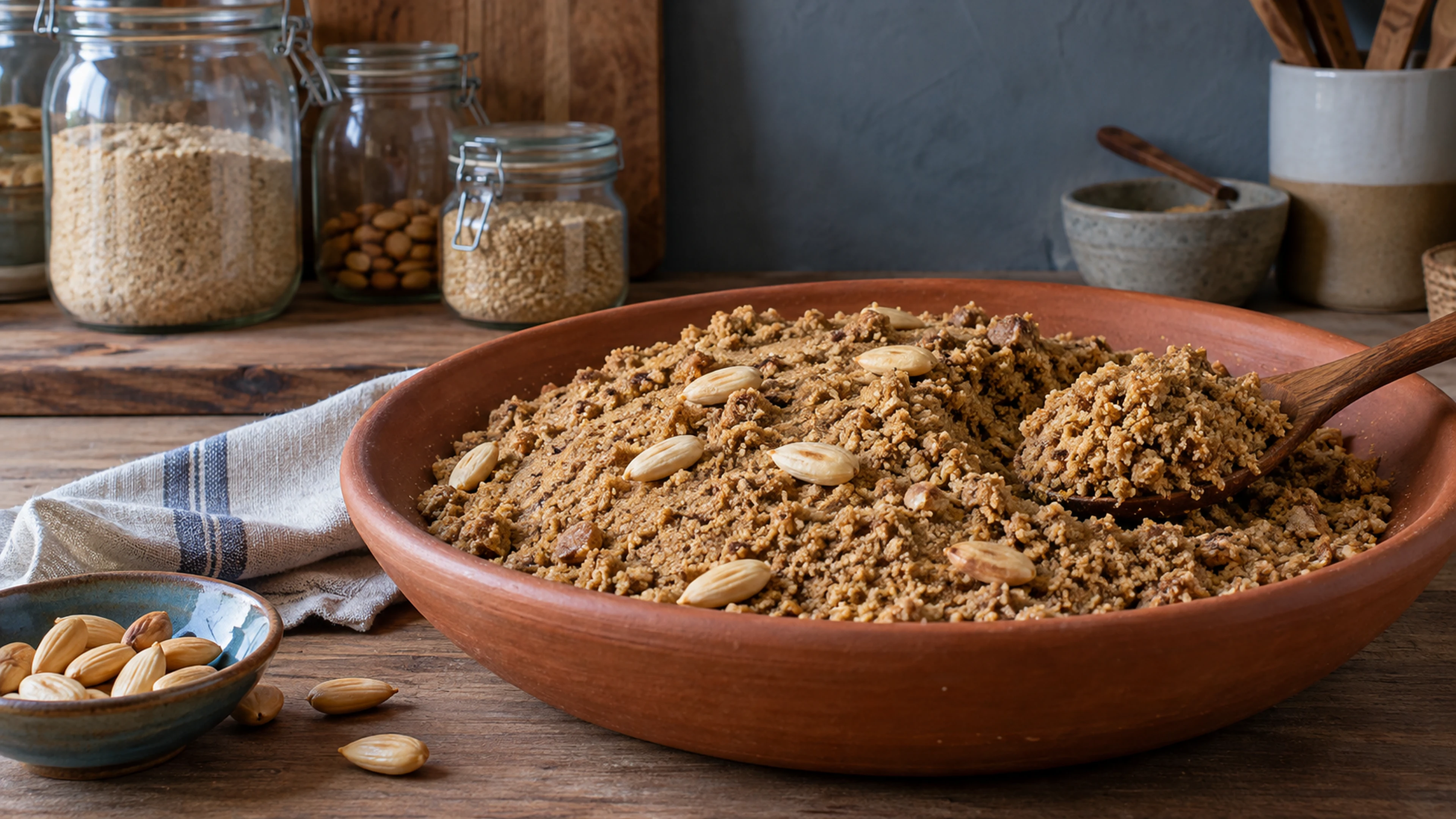
Sellou

Continue the food-culture story through sellou.

Explore this connection ↗

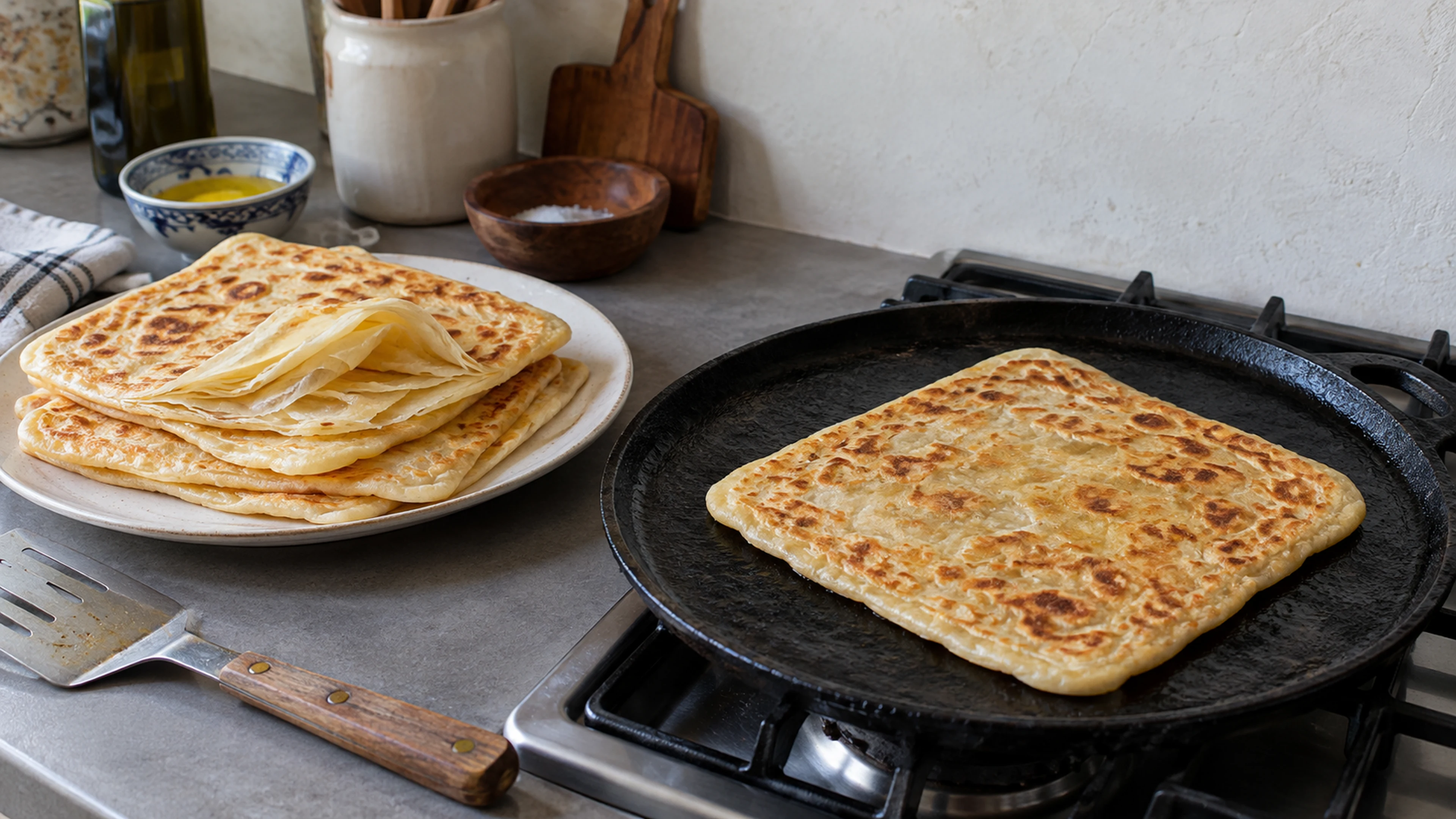
Msemen

Continue the food-culture story through msemen.

Explore this connection ↗

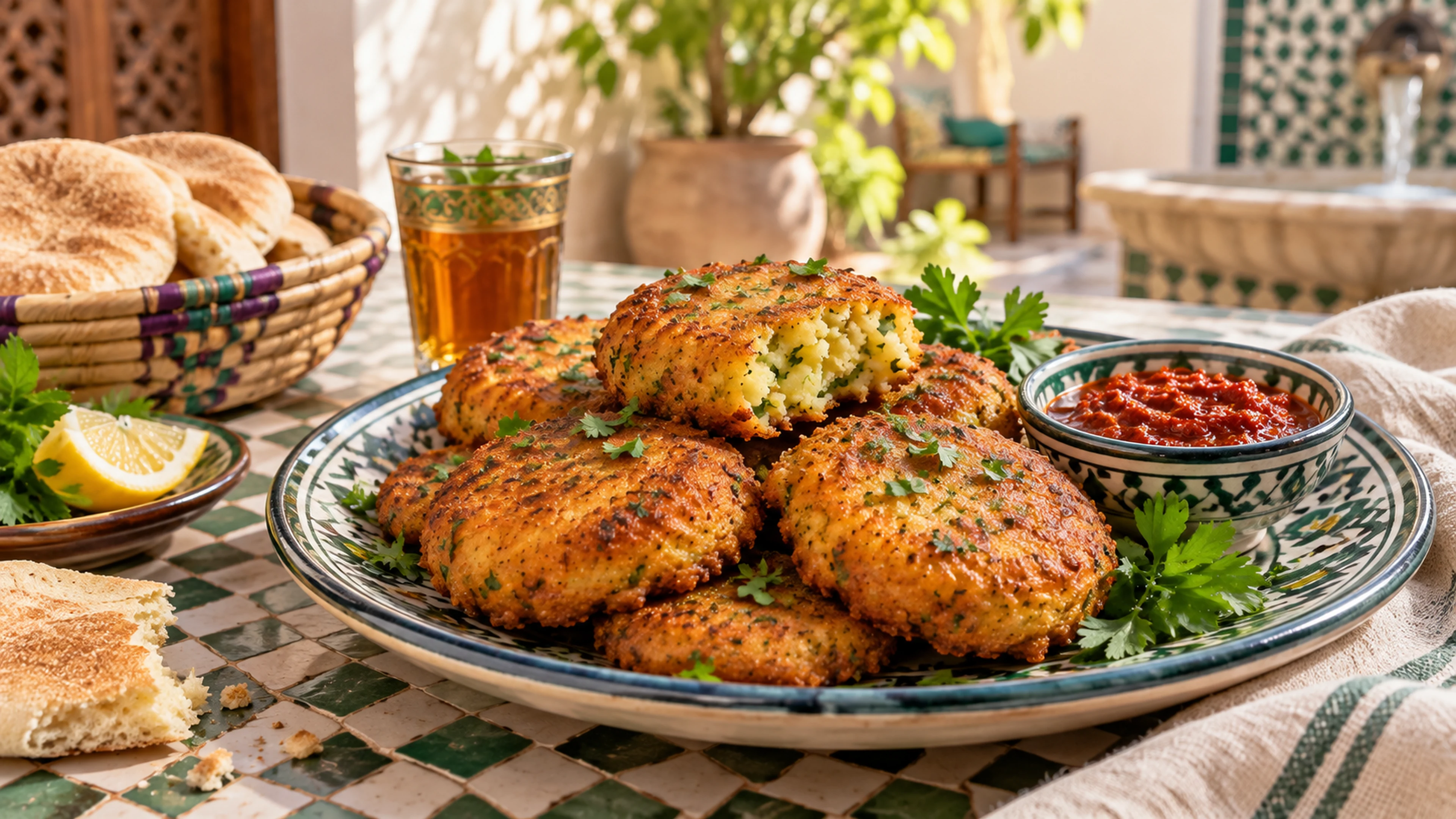
Maakouda

Continue the food-culture story through maakouda.

Explore this connection ↗

Couscous

Continue the food-culture story through couscous.

Explore this connection ↗

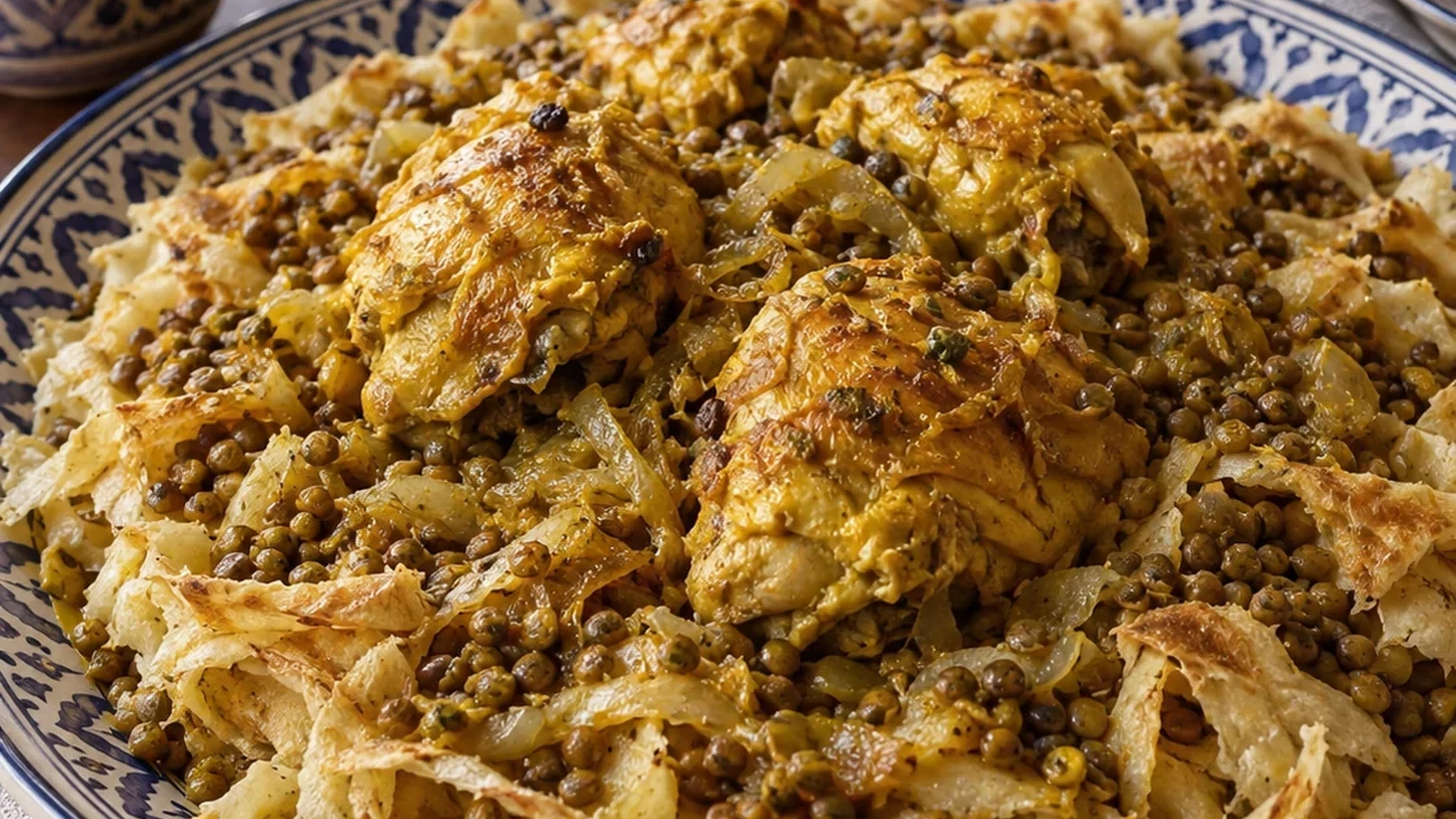
Rfissa

Continue the food-culture story through rfissa.

Explore this connection ↗

Moroccan Food Culture Route

Continue the food-culture story through moroccan food culture route.

Explore this connection ↗

Main Dishes

Continue the food-culture story through main dishes.

Explore this connection ↗

Seffa

Continue the food-culture story through seffa.

Explore this connection ↗

Moroccan Salads & Sides

Continue the food-culture story through moroccan salads & sides.

Explore this connection ↗

Moroccan Salads

Continue the food-culture story through moroccan salads.

Explore this connection ↗

Moroccan Sweets & Pastries

Continue the food-culture story through moroccan sweets & pastries.

Explore this connection ↗

Moroccan Ingredients & Pantry

Continue the food-culture story through moroccan ingredients & pantry.

Explore this connection ↗

Food & Restaurants

Continue the food-culture story through food & restaurants.

Explore this connection ↗

Harira

Continue the food-culture story through harira.

Explore this connection ↗

Chebakia

Continue the food-culture story through chebakia.

Explore this connection ↗

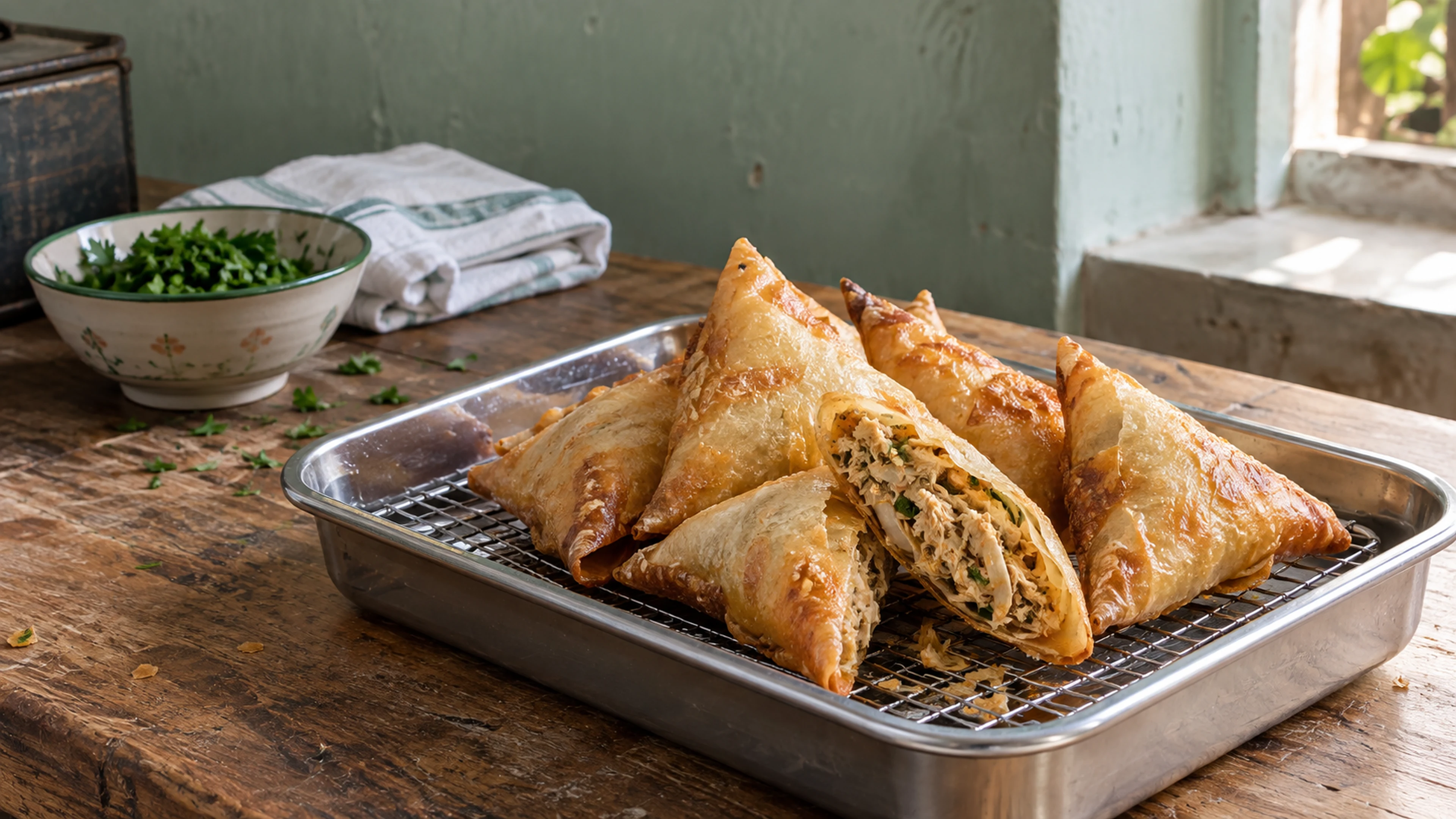
Briouats

Continue the food-culture story through briouats.

Explore this connection ↗

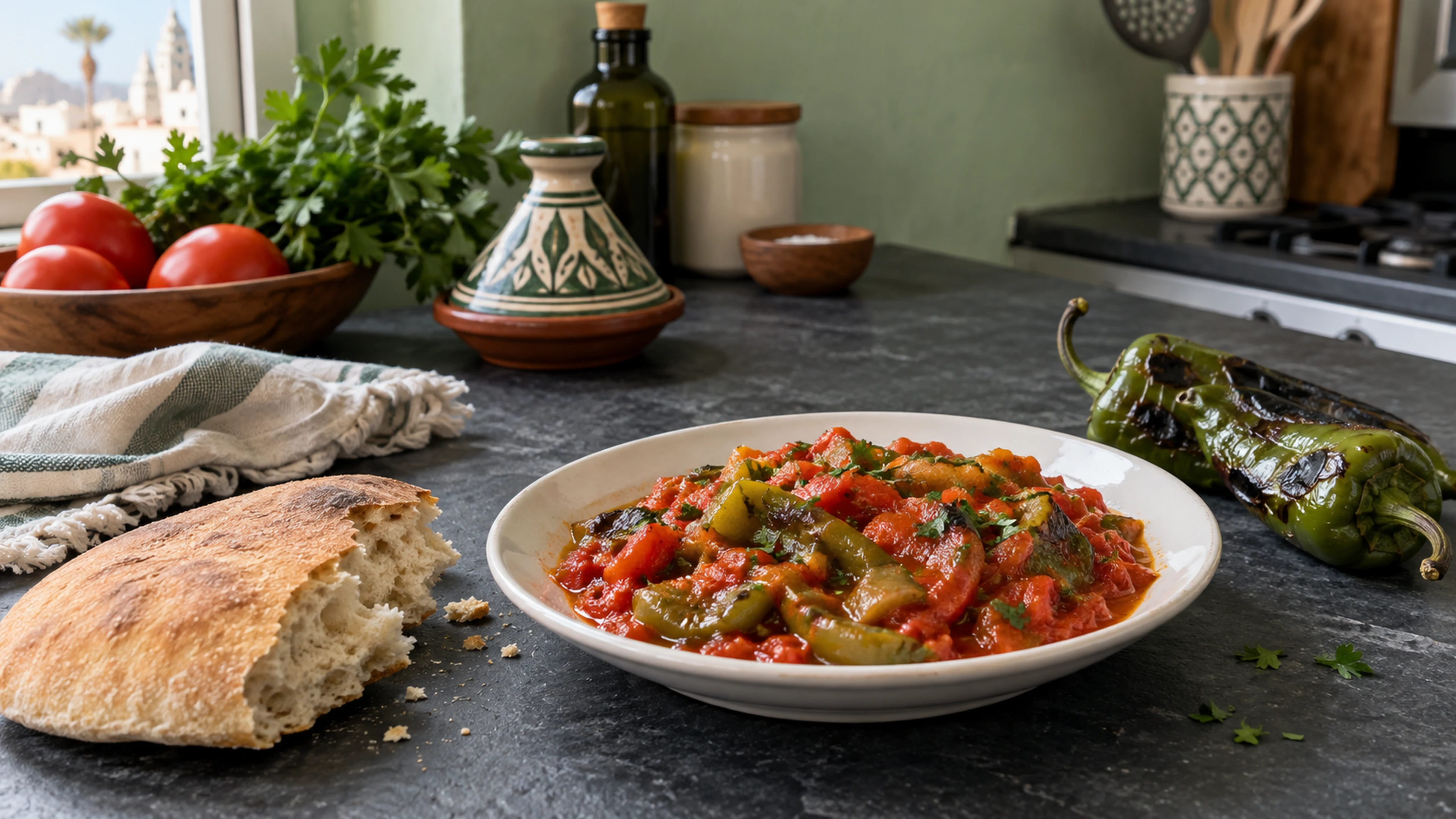
Taktouka

Continue the food-culture story through taktouka.

Explore this connection ↗

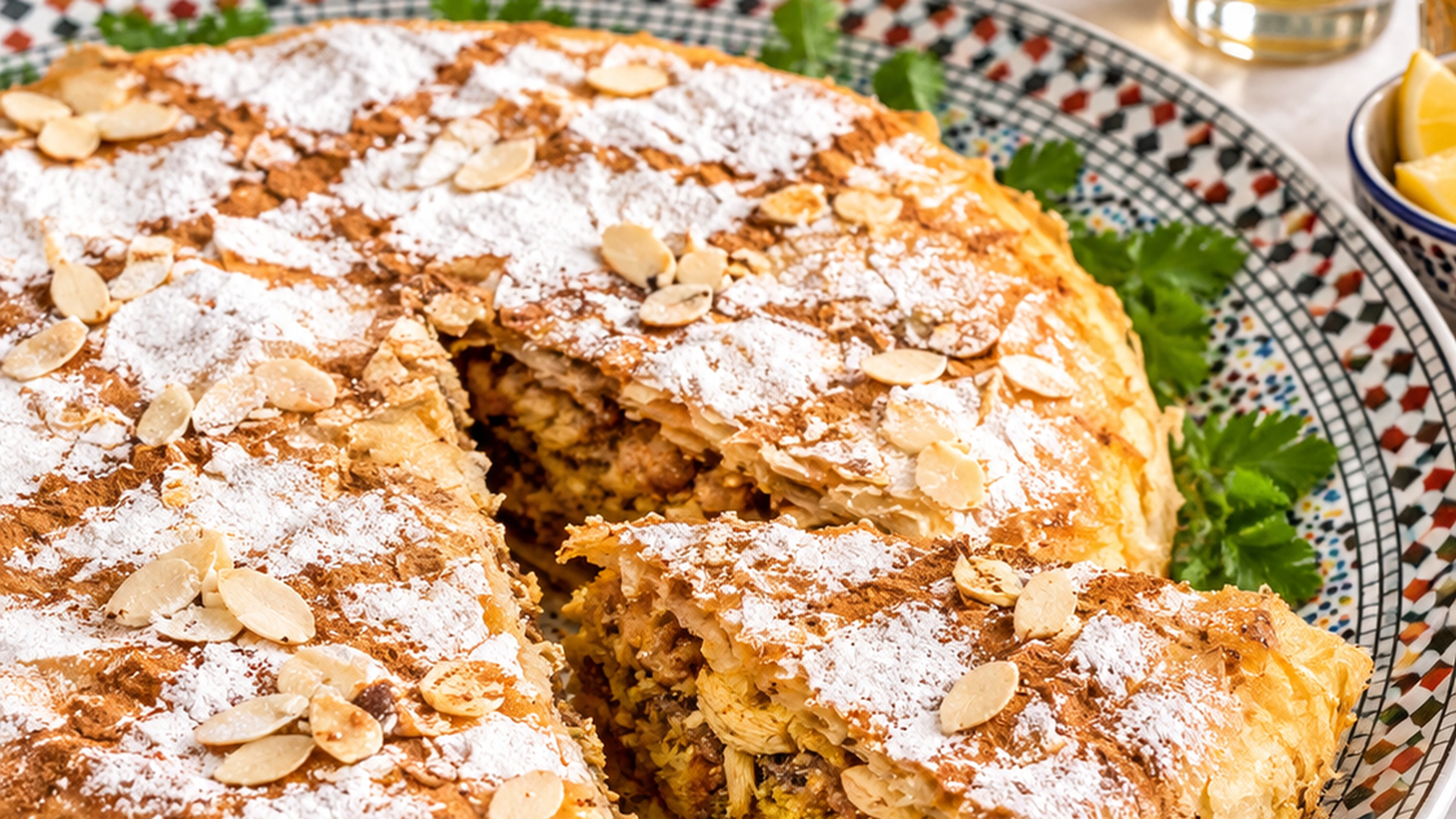
Pastilla

Continue the food-culture story through pastilla.

Explore this connection ↗

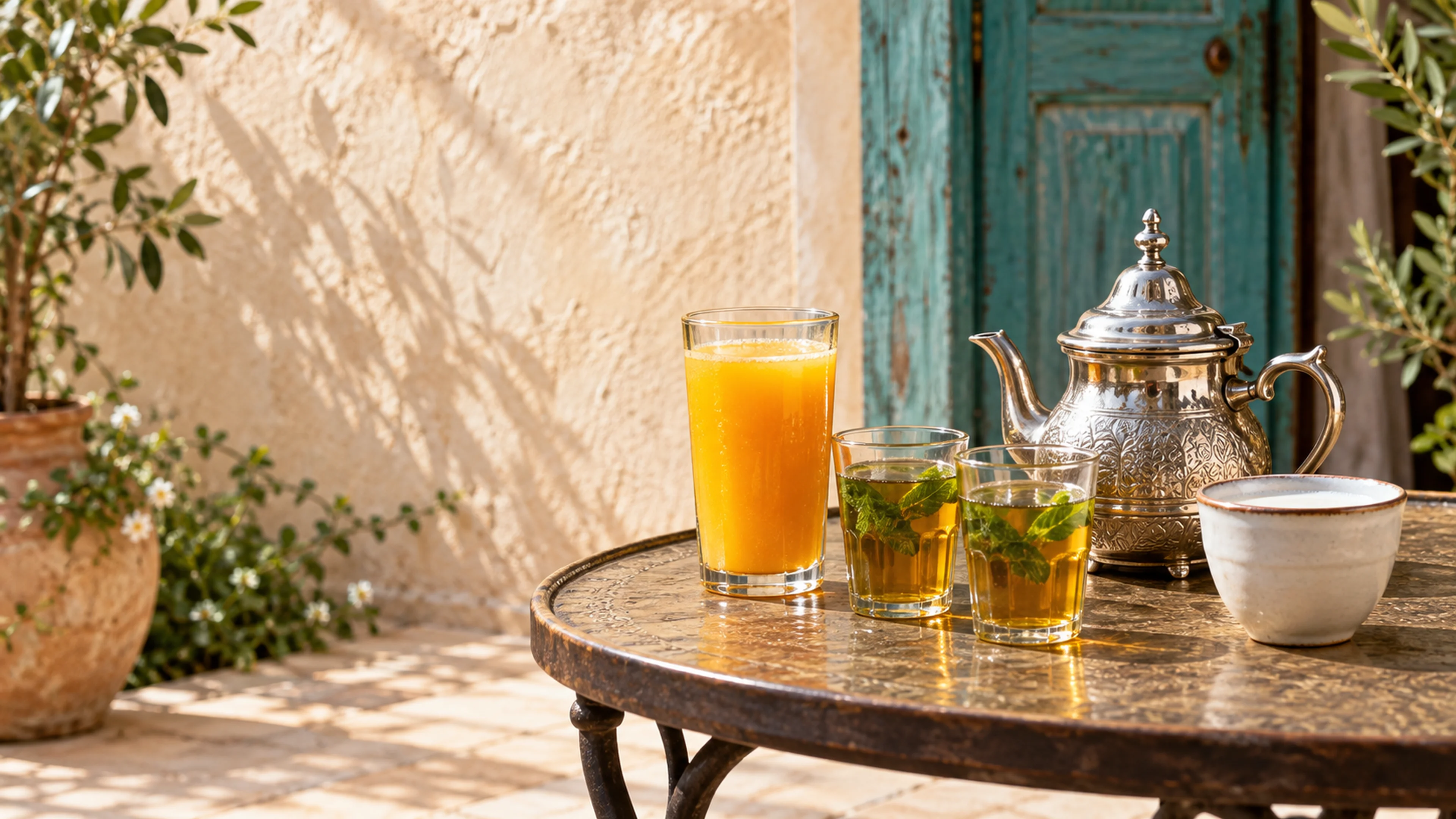
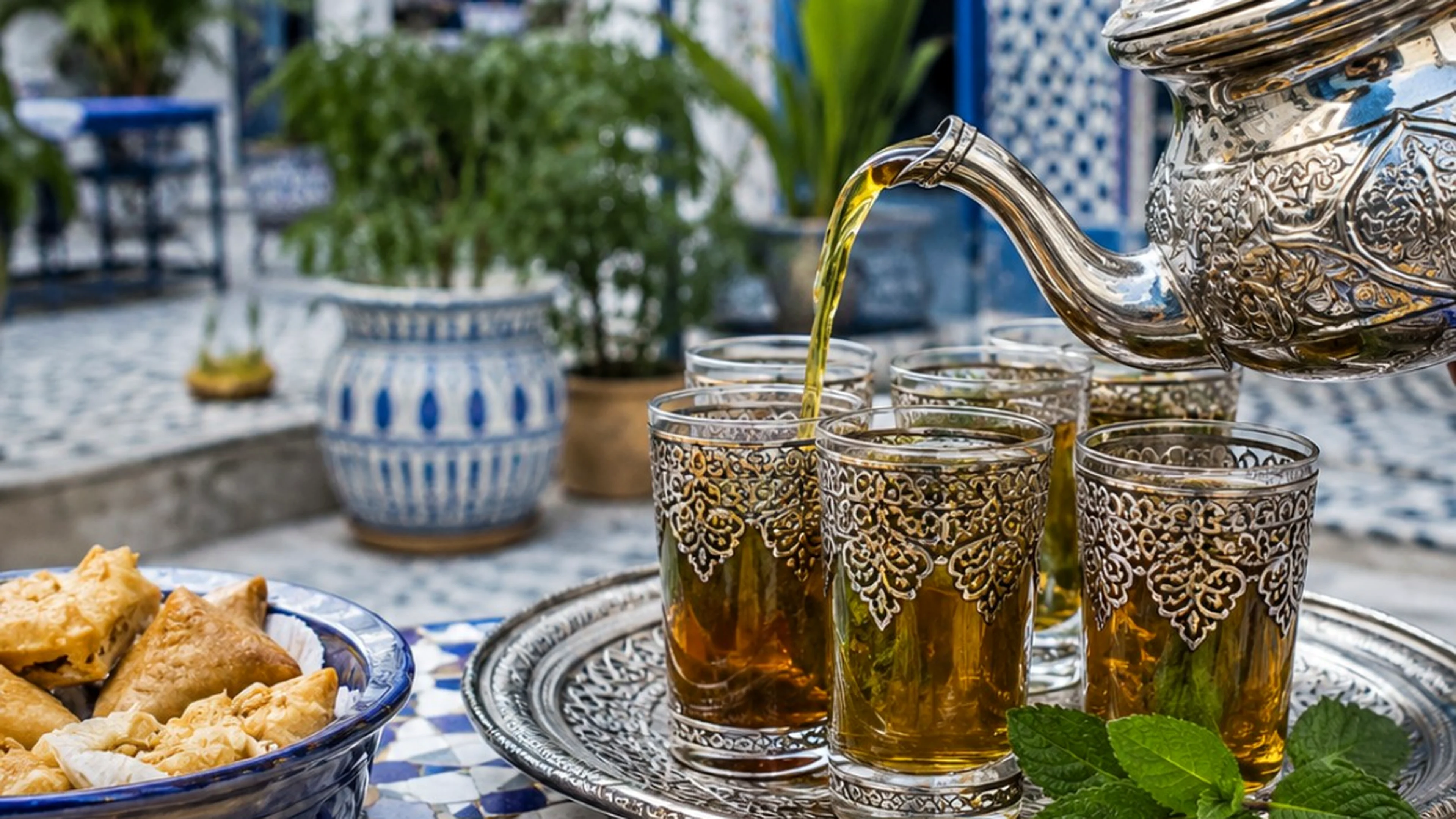
Moroccan Mint Tea

Continue the food-culture story through moroccan mint tea.

Explore this connection ↗

Harcha

Continue the food-culture story through harcha.

Explore this connection ↗

Tanjia

Continue the food-culture story through tanjia.

Explore this connection ↗

Tagine

Continue the food-culture story through tagine.

Explore this connection ↗

Amlou

Continue the food-culture story through amlou.

Explore this connection ↗

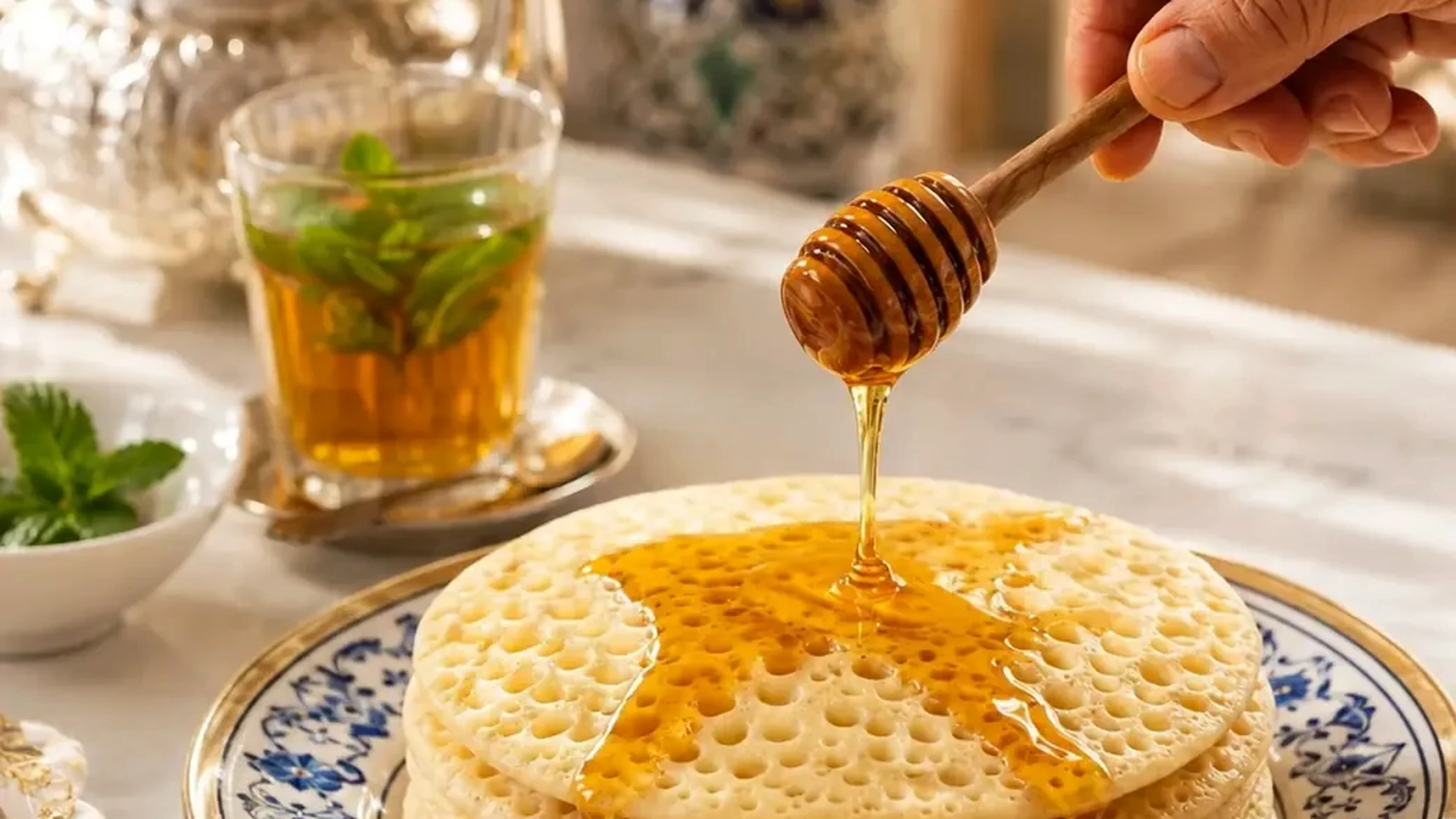
Baghrir

Continue the food-culture story through baghrir.

Explore this connection ↗

Moroccan Soups

Continue the food-culture story through moroccan soups.

Explore this connection ↗

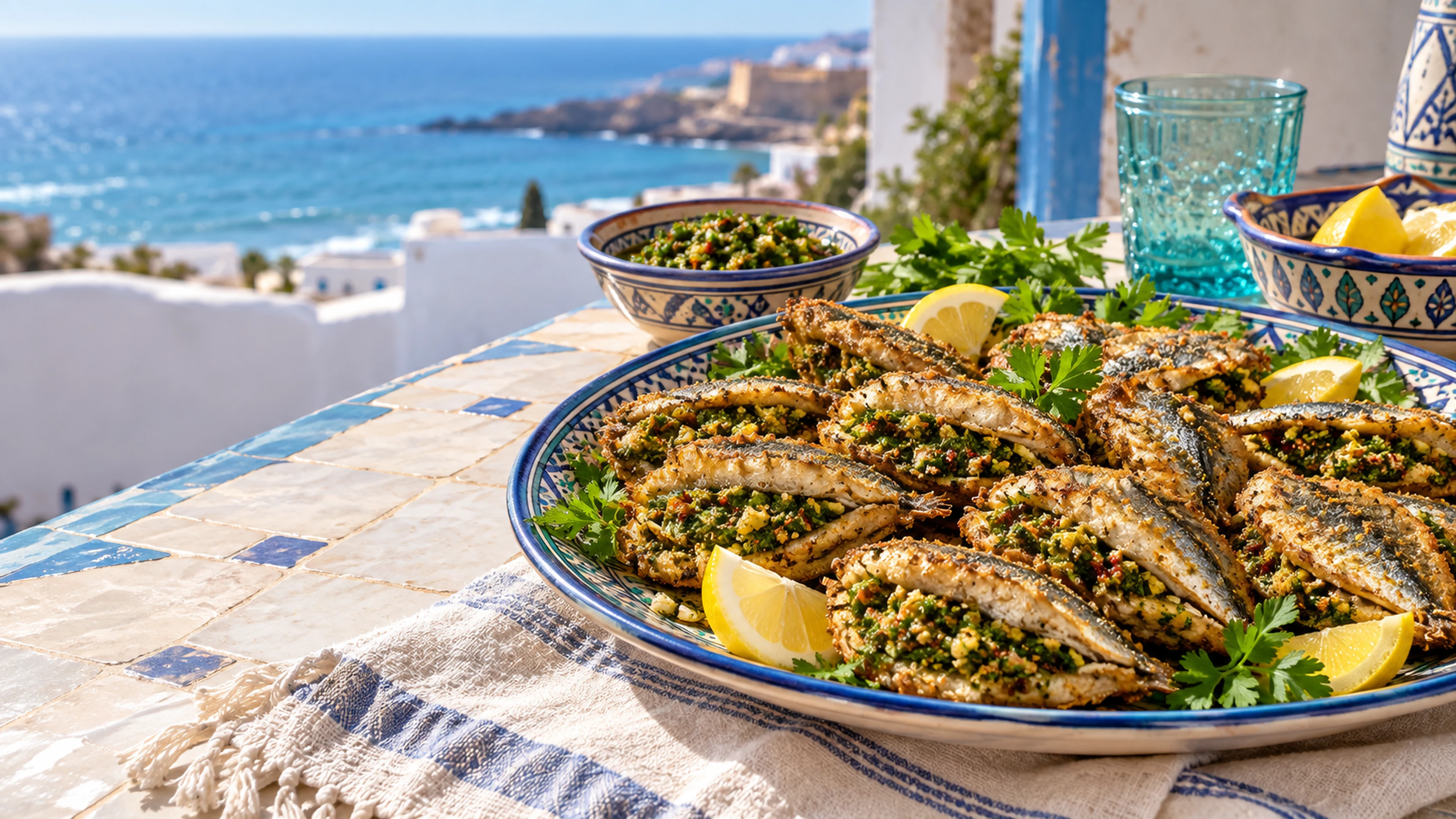
Sardines with Chermoula

Continue the food-culture story through sardines with chermoula.

Explore this connection ↗

Seafood & Coastal Cooking

Continue the food-culture story through seafood & coastal cooking.

Explore this connection ↗

Moroccan Meal Rhythm

Continue the food-culture story through moroccan meal rhythm.

Explore this connection ↗

Zaalouk

Continue the food-culture story through zaalouk.

Explore this connection ↗

Moroccan Breakfast

Continue the food-culture story through moroccan breakfast.

Explore this connection ↗

Desserts

Continue the food-culture story through desserts.

Explore this connection ↗

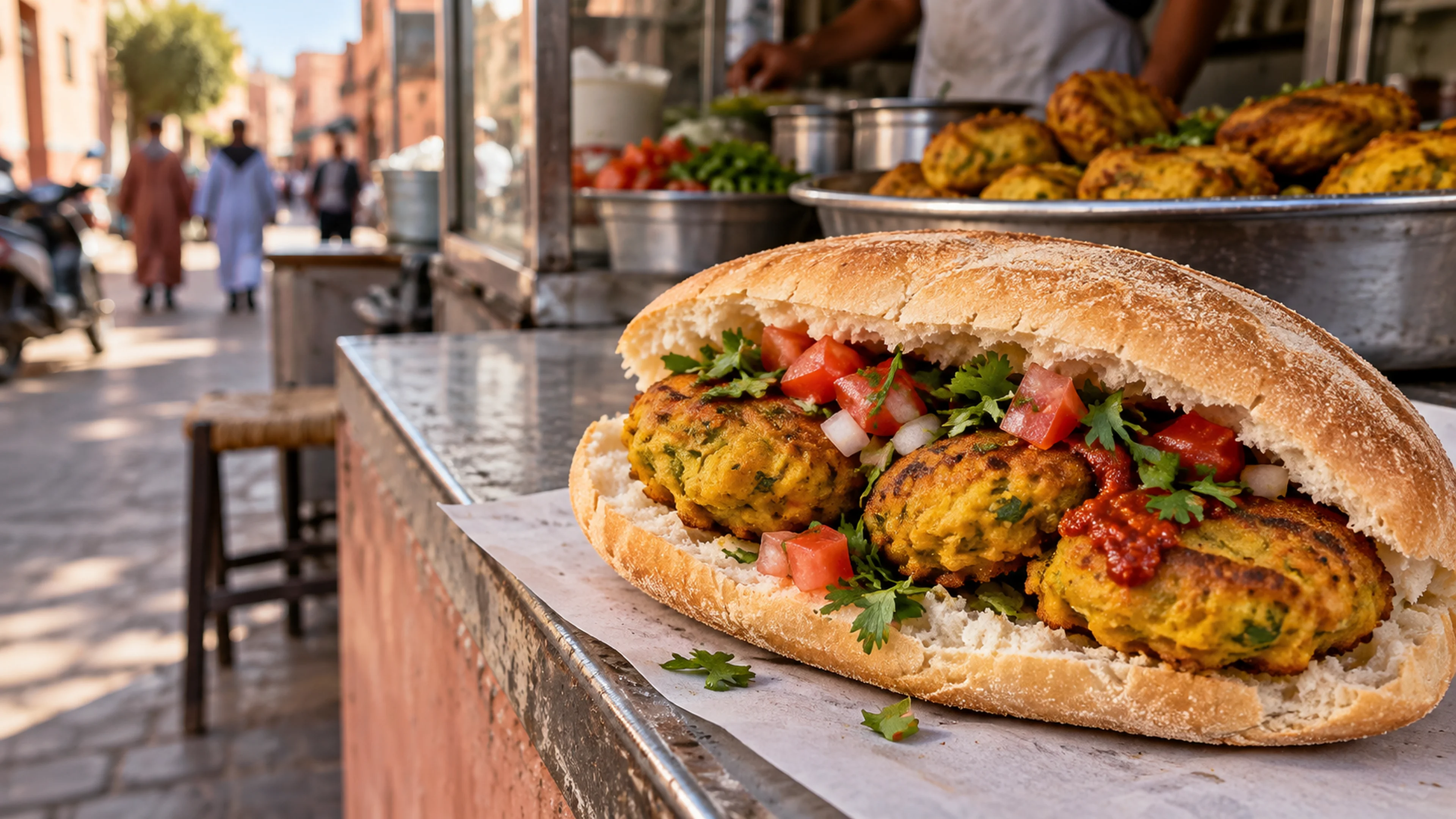
Moroccan Street Food

Continue the food-culture story through moroccan street food.

Explore this connection ↗

Marrakech

Read markets, public eating and the city’s culinary rhythms.

Explore this connection ↗

Fez

Connect food with a historic urban setting.

Explore this connection ↗

Essaouira

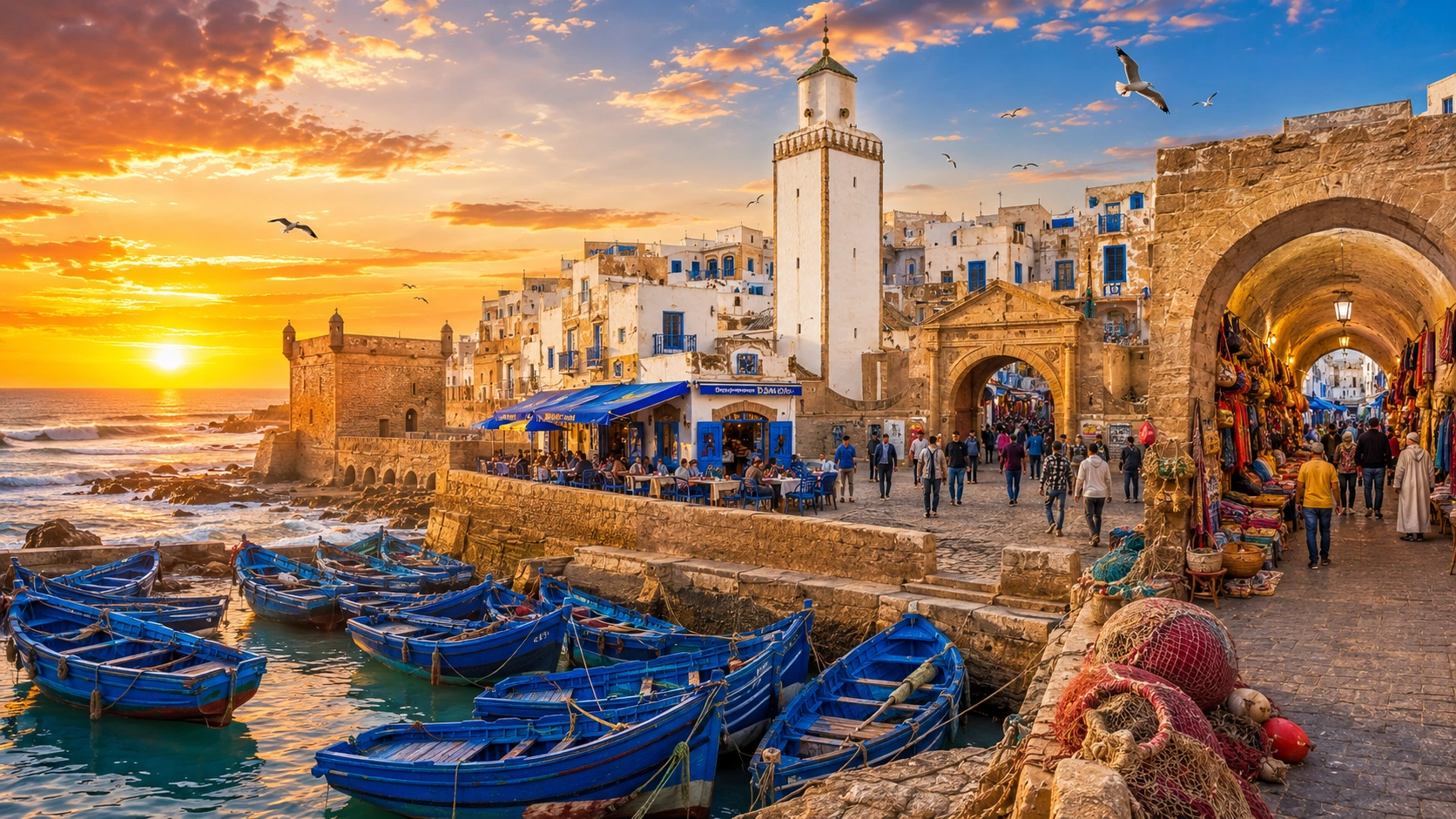
Follow harbour, market and table.

Explore this connection ↗

Safi

Connect a working coast with seafood and pottery.

Explore this connection ↗

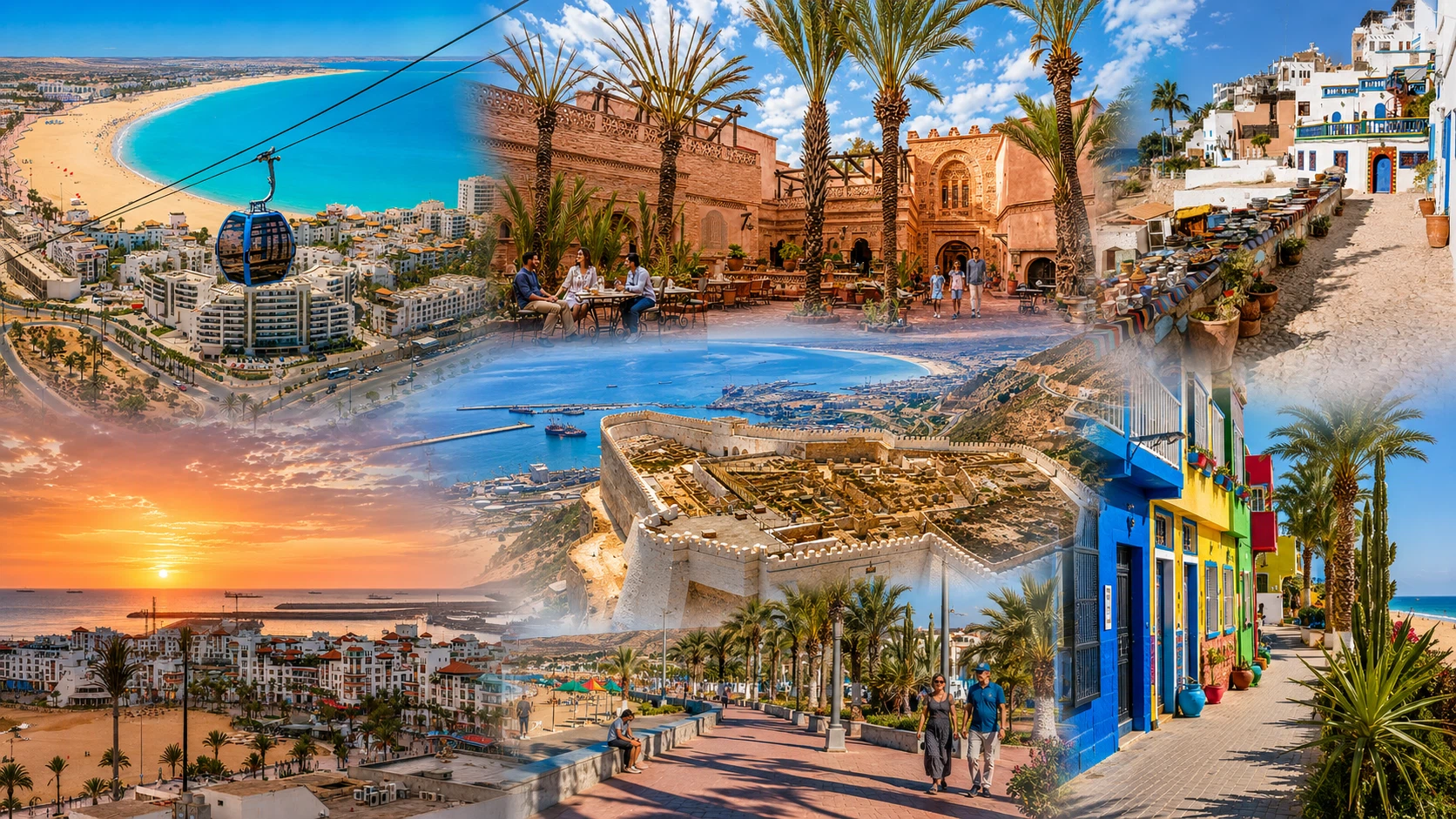
Agadir

Add a southern Atlantic culinary perspective.

Explore this connection ↗

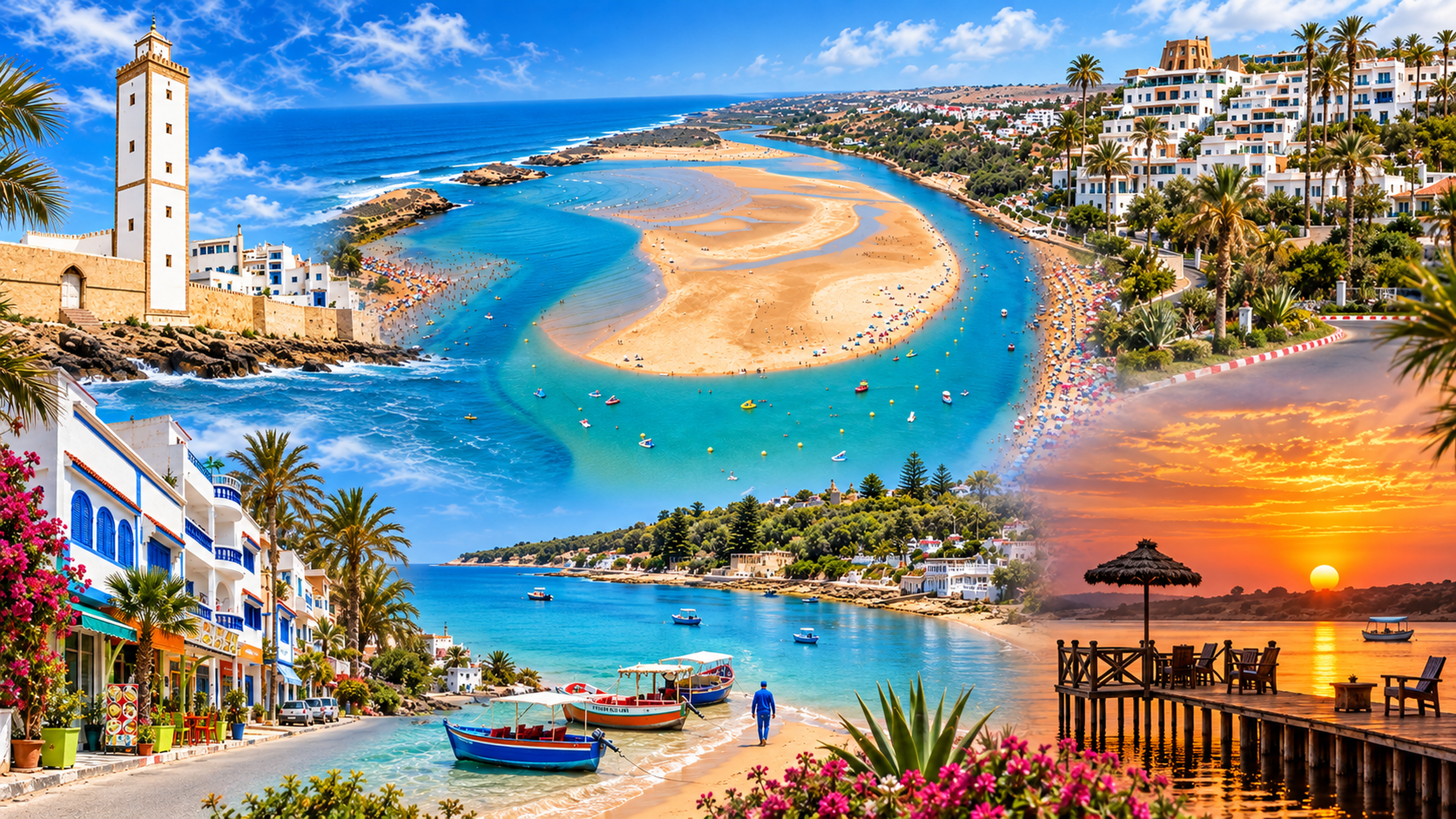
Oualidia

Explore a lagoon setting and its food associations.

Explore this connection ↗
A thought to take with you

Keep looking. Keep learning.

Take one meal as a story with several authors: growers or fishers, sellers, cooks, hosts and guests. Flavour remains the pleasure at its centre, but the connections around it make the memory fuller.

The Exotic Morocco library

Continue at your own pace.

This Learn story is free to explore. Find this subject in the guide library, with each title’s current availability clearly shown.

Explore the guide library ↗
Sources & further reading

Read the evidence

  1. UNESCO · The shared knowledge and practices of couscous
  2. Moroccan National Tourism Office · Traditional craftsmanship revisited
  3. Moroccan National Tourism Office · Language

Source review: September 2026. Looking exercises and learning prompts are original Exotic Morocco editorial suggestions. Regional practice and personal experience vary.

Image acknowledgements

  1. Hero: Existing Exotic Morocco commissioned editorial illustration, selected from the current image library.
  2. Portrait: Snails for Sale - Djermaa el-Fna (Central Square) - Medina (Old City) - Marrakesh - Morocco.jpg — Adam Jones, Ph.D.. CC BY-SA 3.0. Cropped/resized; original licence retained.
  3. Story-1: Olive Seller in Market - Tangier - Morocco.jpg — Adam Jones, Ph.D.. CC BY-SA 3.0. Cropped/resized; original licence retained.
  4. Story-2: Food from Souk Jmiaa in Casablanca 09.jpg — Mounir Neddi. CC BY-SA 4.0. Cropped/resized; original licence retained.
  5. Image 5: Existing Exotic Morocco commissioned editorial illustration, selected from the current image library.
  6. Related preview: High Atlas Mountains Taroudant Marrakesh.jpg — Ayman Abdelilah. CC BY-SA 4.0. Cropped/resized; original licence retained.
  7. Related preview: Smith's Quarter at Medina of Fés, Morocco.jpg — Bikerhiker75. CC BY-SA 4.0. Cropped/resized; original licence retained.
  8. Related preview: Safi.jpg — Abdelmounim Maroc. CC BY-SA 4.0. Cropped/resized; original licence retained.
  9. Chapter: Harira, dates and sweets in a meal setting. — Exotic Morocco’s existing image collection.
  10. Gallery: Fish and seafood create a different view of the Moroccan table. — Exotic Morocco’s existing image collection.
  11. Related preview: Hands at a loom: making is one way knowledge passes between people. — Exotic Morocco’s existing image collection.

Destination and related-story thumbnails intentionally identify their linked pages. Principal story images are selected individually for this Learn page.