Skip to learning
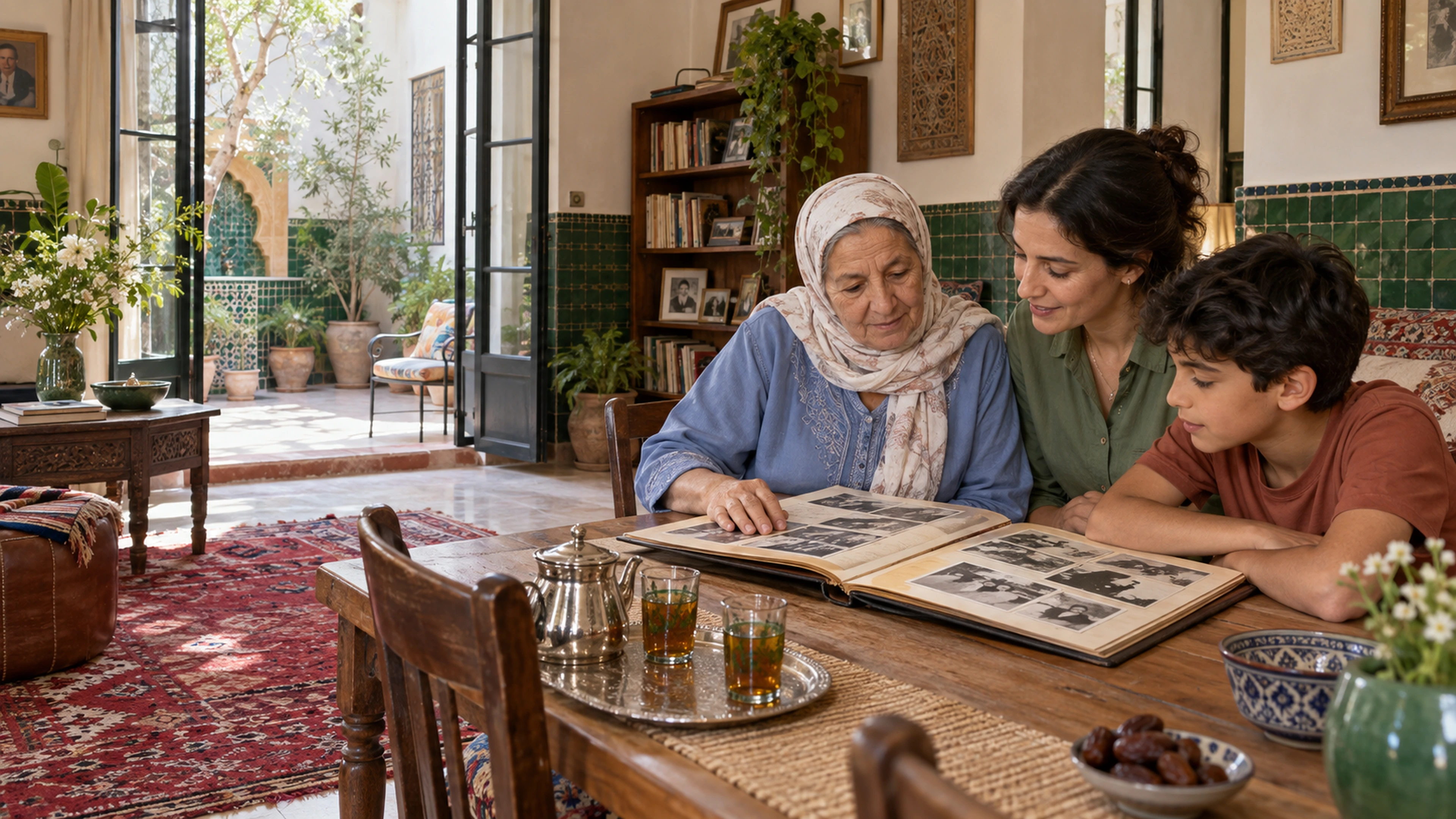
A family album opens a conversation across generations. Editorial illustration.
Connection in your own words

Families & Diaspora Learners

Explore family memory, language and belonging at your own pace. There is more than one way to build a connection with Morocco.

Exotic Morocco · 11 minute read
01 / A way into the story

Connection does not require a test.

A person can feel close to Morocco through language, family, food, place, friendship or a history they are only beginning to discover. Fluency, birthplace and familiarity with a custom are not a ranking system for belonging. Different members of one family may begin in different places.

Oral-history practice offers a gentle way in: ask open questions, listen without forcing agreement, and make permission part of the conversation. A family memory is meaningful evidence of someone’s experience, even when it needs other sources to establish a wider chronology.

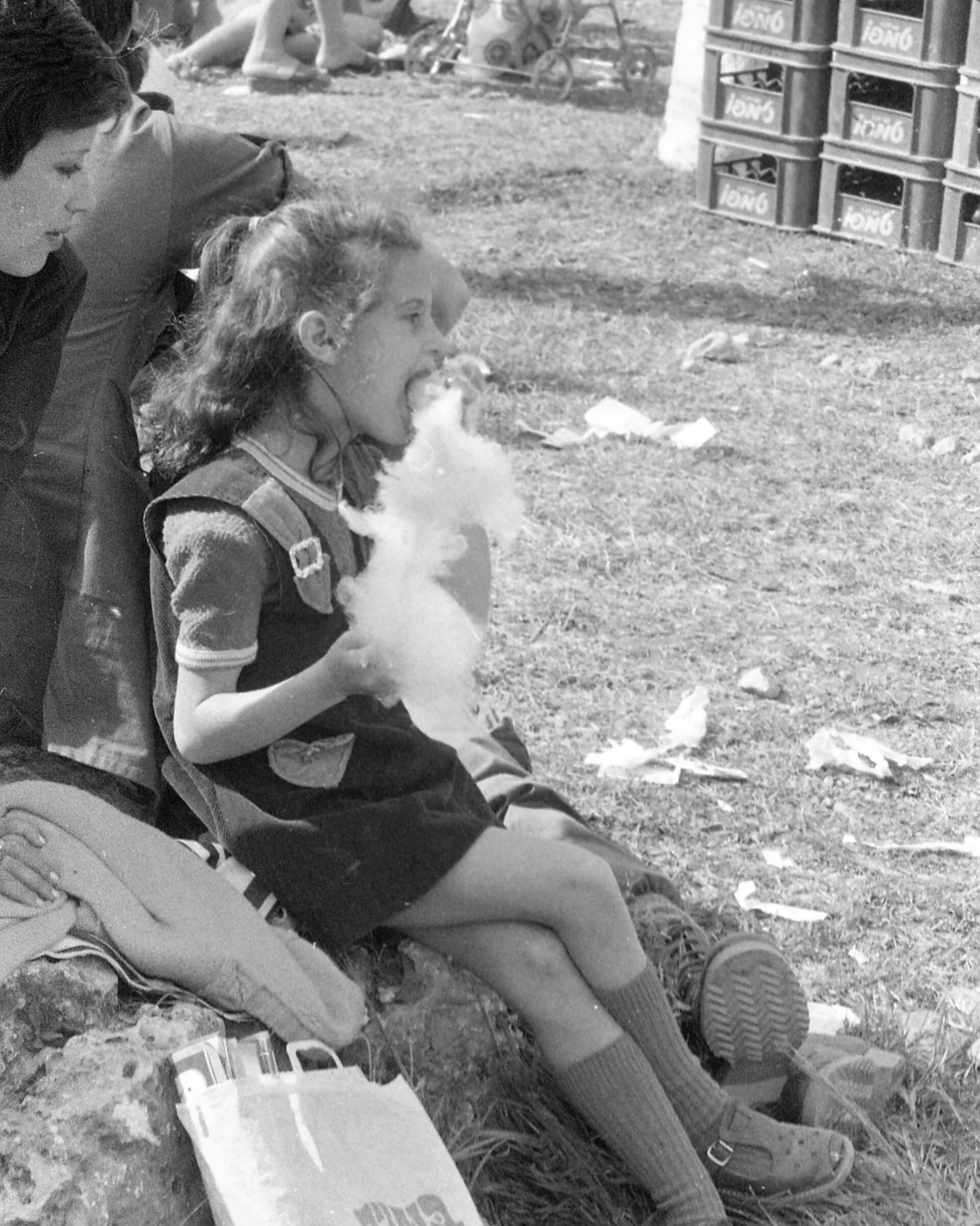
An archival photograph of a Mimouna celebration among immigrants from Morocco. The source record provides its historical context.
THE SUBJECTConnection in your own words
THE APPROACHPlace. Practice. People.
THE CONNECTIONFind it in Morocco ↗
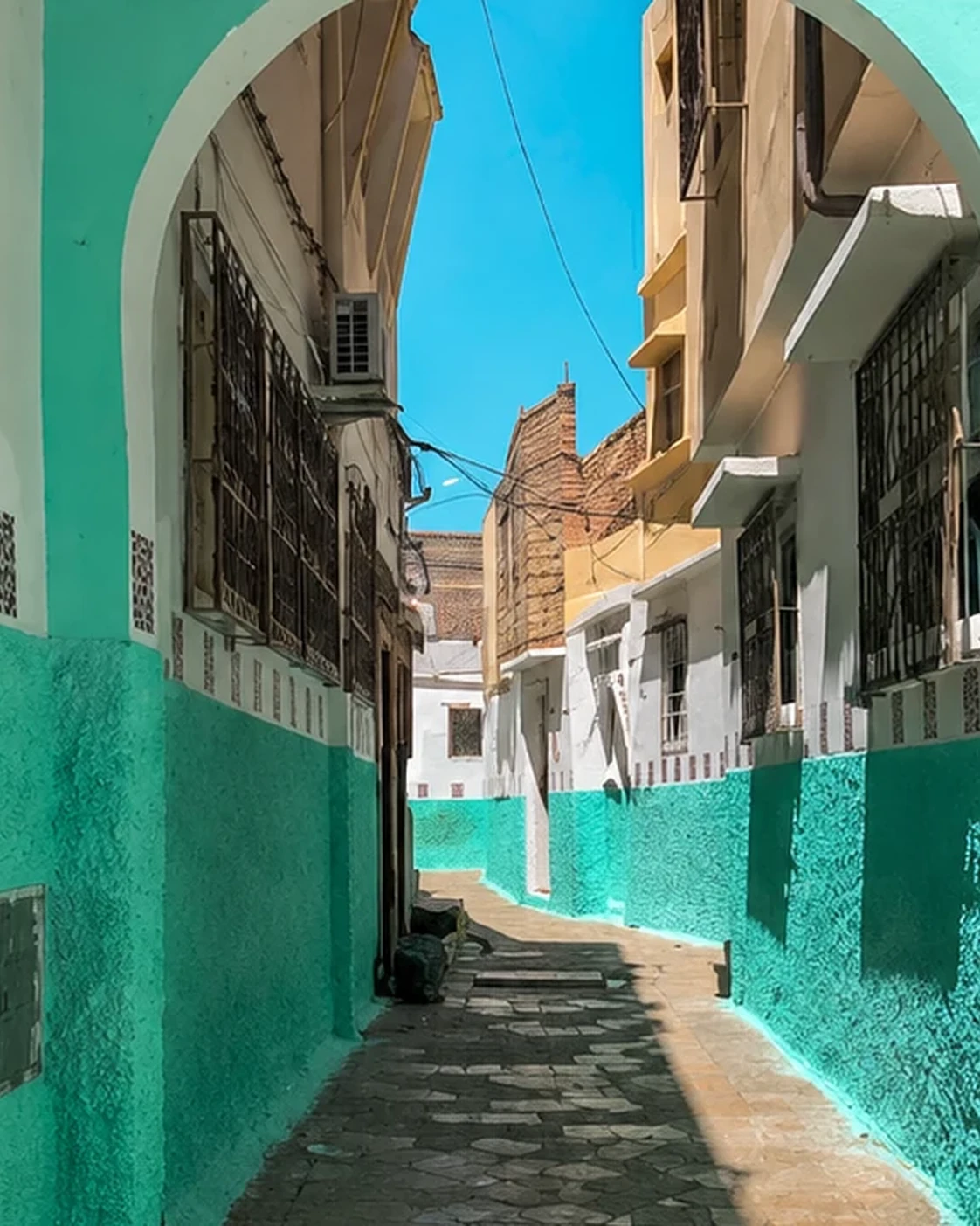
A lane in Boujaad: a place can become the starting point for a family memory.
02 / The deeper context

Some knowledge is carried
in an ordinary moment.

Family learning can begin with something small: the name of a dish, a phrase used by a grandparent, a photograph, a garment or a place mentioned in conversation. These details do not have to become a test of how Moroccan someone is. They can be invitations to ask, listen and make connections at a pace that suits the family.

Diaspora experience is not a single story of departure and return. People have different migration histories, languages, religious traditions and relationships to places in Morocco. Some know a family town intimately; others are discovering a connection after several generations. Mixed heritage, changing language use and incomplete knowledge are ordinary parts of those lives, not defects to correct.

Objects can help when a direct question feels too large. A textile may lead to a remembered room; a recipe may lead to the person who prepared it; a photograph may reveal several names for the same place. The useful aim is to preserve the specificity of the account. “In our family” is often a more accurate and more generous beginning than “Moroccans always”.

03 / From an idea to everyday life

Make a small family archive.

A photograph, a letter or a textile can prompt a memory. Ask who kept it, where it travelled and what the person remembers about it. The answer may concern one family, one person or one stage of a life.

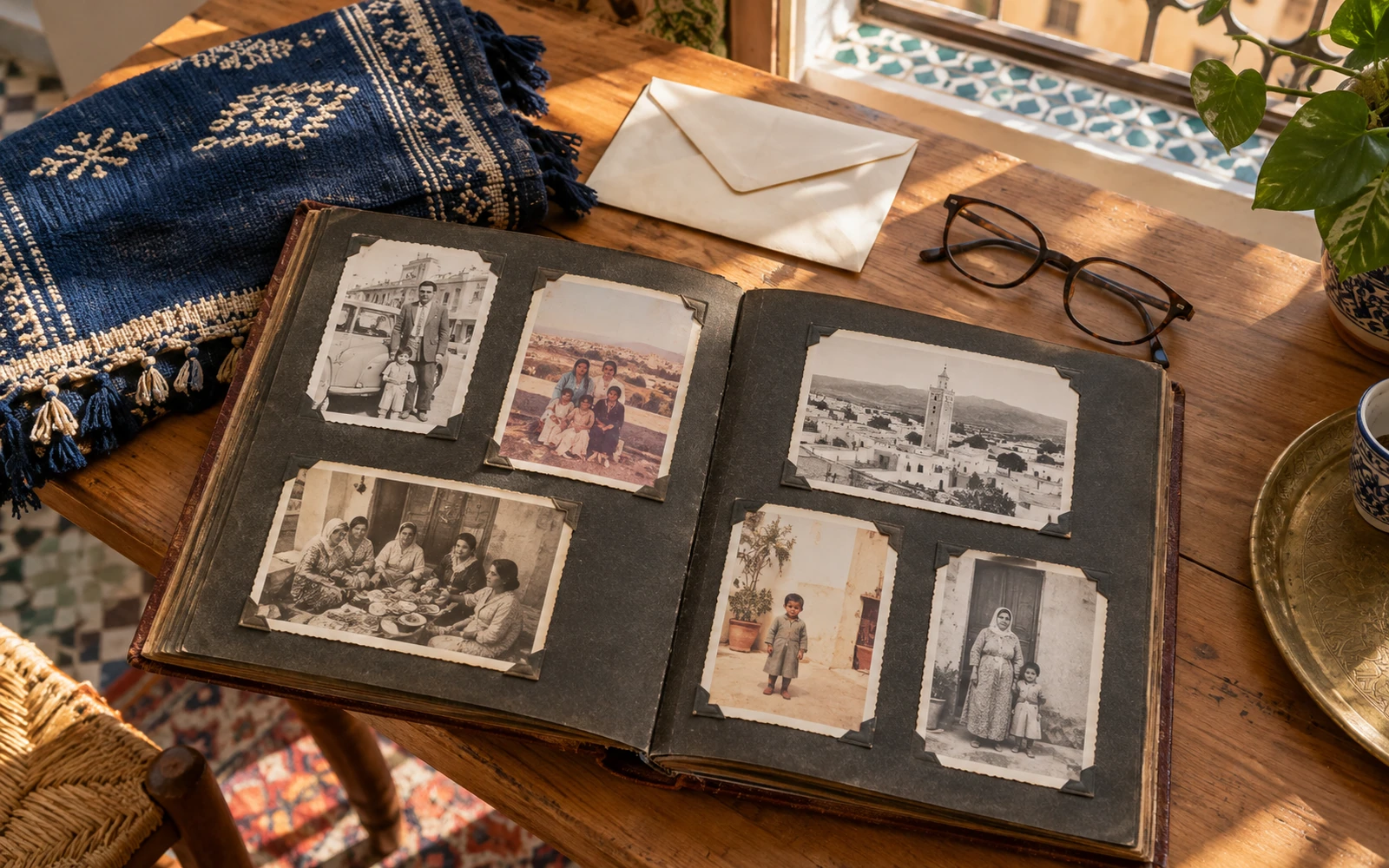
An imagined family archive: objects and photographs can open a conversation. Editorial illustration, not historical evidence.
01

Choose an object or memory

Ask someone to select a photograph, recipe, phrase or object they would like to discuss. Let their choice set the scale. Begin with “What do you remember about this?” rather than a question that already contains the answer you hope to hear.
02

Record with agreement

Explain whether you want to take notes, record audio or share the result. Permission to speak is not automatically permission to publish. Offer the person a chance to correct names, remove a passage or keep part of the account private.

03

Keep different versions

Two relatives may remember the same occasion differently. Preserve their names and perspectives instead of combining them into an artificially certain account. Memory is evidence of experience as well as a source of information about an event.

04 / The visual chapter

Objects can open a conversation

Move between the close detail and the wider setting. Each view adds another part of the story.

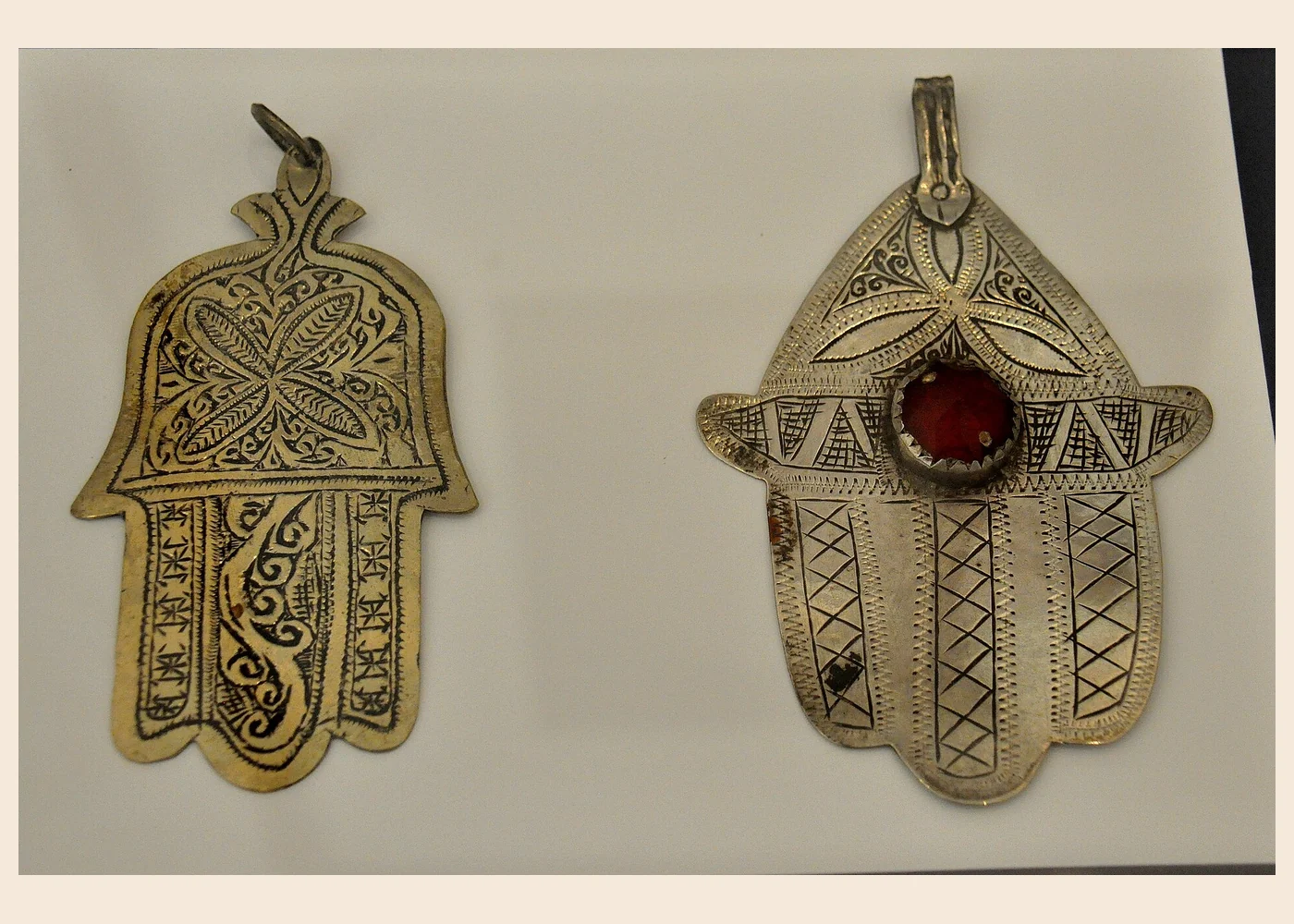
Jewellery displayed at the Moroccan Jewish Museum in Casablanca.
01 / A closer look

A remembered object

Jewellery can carry a story of use, inheritance, purchase or display. Start with what is known about this particular piece. Moroccan Jewish histories belong in the wider cultural picture; no single object can represent the experience of every community or family.

Jewellery displayed at the Moroccan Jewish Museum in Casablanca.
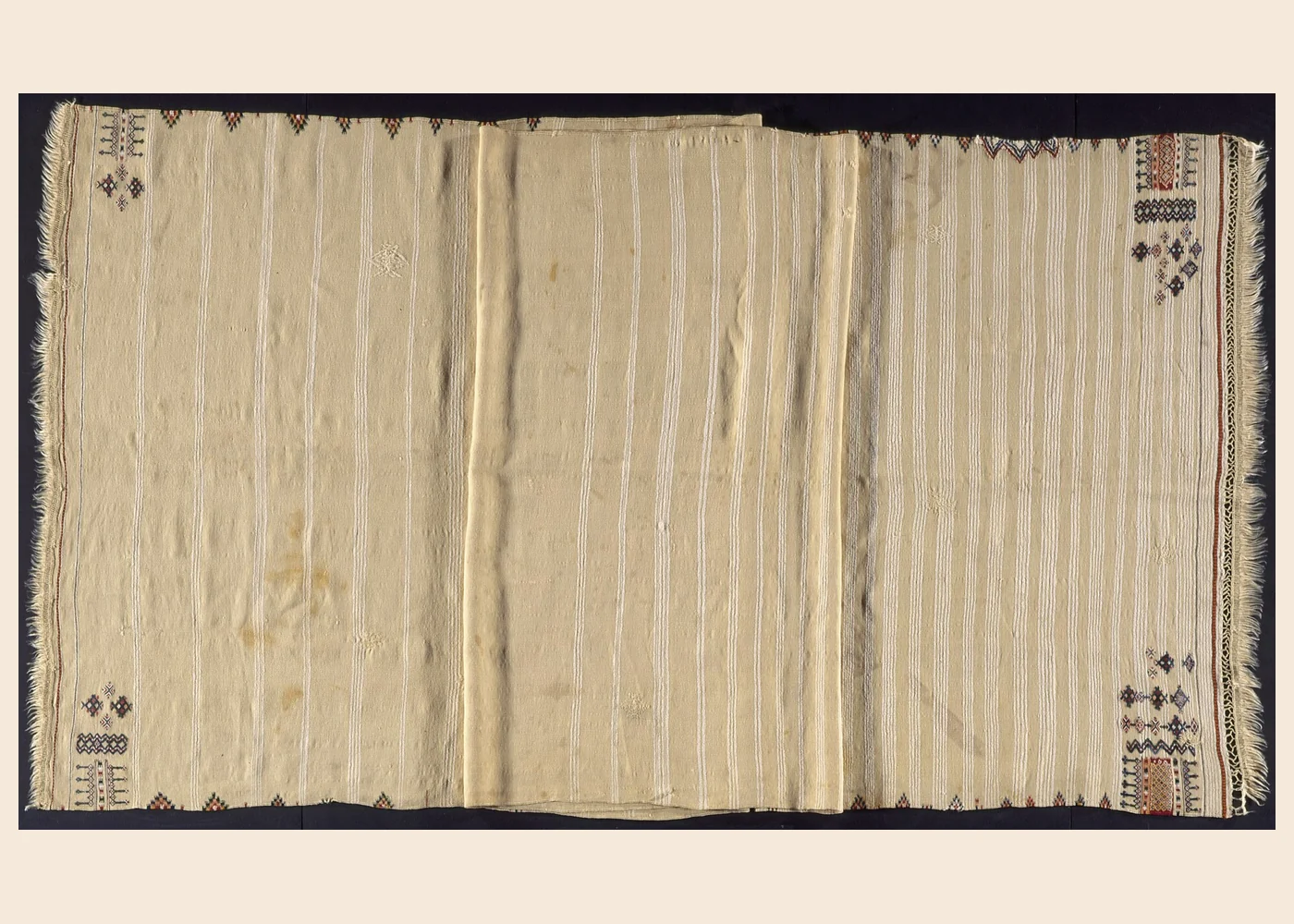
A nineteenth-century haik attributed in the museum record to the Ait Talouine, in northern Morocco’s Atlas region.
02 / A closer look

Something kept, something changed

A textile may be remembered by touch, use or a word in another language. An object in a museum and one kept at home have different records. Let the comparison open questions without assigning your own family story to an unrelated piece.

A nineteenth-century haik attributed in the museum record to the Ait Talouine, in northern Morocco’s Atlas region.
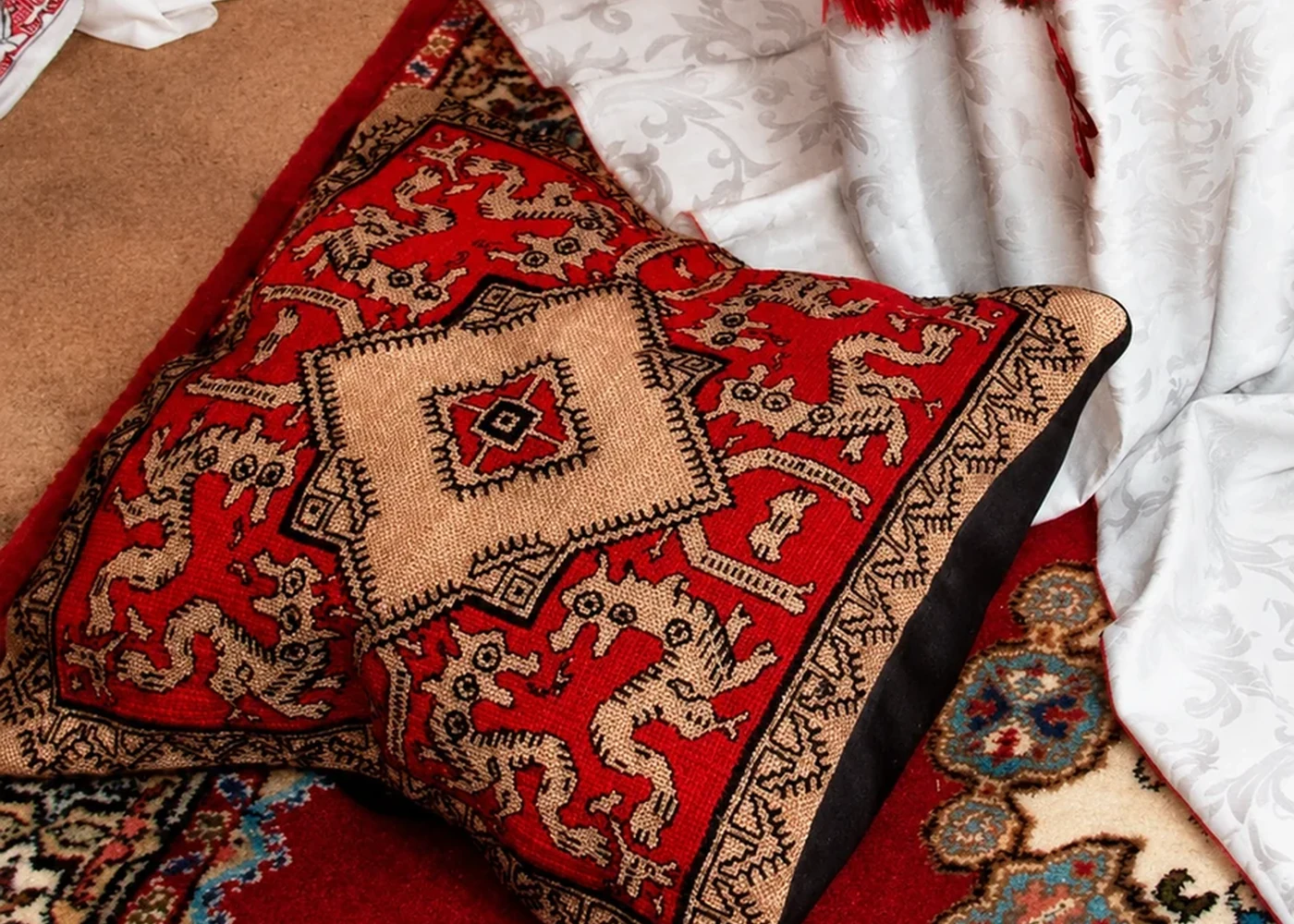
A textile detail: an object can prompt a personal story.
03 / A closer look

More than one inheritance

Moroccan family histories include Amazigh, Arab, Jewish and other interconnected experiences, alongside personal and regional differences. A family account can be meaningful without standing for everyone. Make room for the parts a person chooses to emphasise.

A textile detail: an object can prompt a personal story.
A closer understanding

A family archive
starts with one story.

You do not need a complete genealogy or fluent language to begin. Start with a person, an object or a remembered place.

The photograph

Names make a picture more than an image.

Choose one photograph and record what the person telling its story actually knows: names, approximate date, location and the occasion. Keep uncertainty visible. “Perhaps around 1970” is more useful than an exact year supplied to make the record look finished.

A photograph can prompt memories beyond the moment it depicts—a journey, a neighbour, a recipe or a change of home. Preserve those connections alongside the image. They explain why this particular picture matters within the family.

The voice

Keep the original expression beside the translation.

A nickname, a place name or a phrase may lose something when replaced by an English equivalent. Record the original form when the speaker is comfortable, then add a translation and a note about its use. There is room for more than one spelling.

Family members may remember events differently or speak different languages. A shared archive need not force agreement. Attribute recollections to their speakers and leave space for another account. Belonging does not depend on producing one perfectly consistent story.

The object

An ordinary thing can carry a route.

A garment, a kitchen utensil or a letter can connect making, use and movement between homes. Ask who used it, when it travelled and whether its purpose changed. The answer may tell you more than an unsupported claim about how old or valuable it is.

Before copying or sharing photographs, recordings and letters, agree who may see them. Family material can include sensitive relationships and memories. Keeping some things private is a valid way of caring for an archive, not a gap that needs to be filled.

Carry this with you

Begin small: one photograph, ten minutes, three names or places, and permission to keep the recording. Return later for the next story.

05 / More than one perspective

Look beyond
the first impression.

Perspective 01

Language as a shared practice

A song, greeting or kitchen phrase can be an approachable beginning. Invite correction without making the learner feel examined. Fluency takes time, and affection or belonging should not be measured by a vocabulary test.

Perspective 02

Objects across places

A garment made in one place, worn in another and kept by a later generation has several histories. Record those stages separately. The object’s museum location, purchase location and place of production may also be different.

06 / Make the connections

Begin a small family archive

Use these ideas to connect what you notice with the materials, people and histories behind it.

01

Choose one item

Start with a photograph, recipe note, letter or everyday object. Record what is already known and who provided that information. Leave blank spaces where the answer is uncertain.

02

Ask an open question

Try “Who was there?” or “What happened next?” Let the speaker choose the level of detail. Silence, a change of subject or a wish not to continue should be respected.

03

Keep permission specific

Ask before recording. Discuss who may hear, read or see the result and whether it can be shared publicly. Consent for a family conversation is not automatically consent for online publication.

04

Allow more than one version

Two relatives may remember an event differently. Preserve the names and dates of the accounts rather than quietly merging them. The differences can show how experience and memory work.

07 / A more useful conversation

Let belonging stay open

Clear answers for the questions that often come next.

What if I do not speak my family’s language?

Begin with words you want to use and a person or resource that welcomes your questions. Learning can be gradual. Language confidence is one part of a relationship with heritage, not proof of whether it is valid.

What if a family story is painful or private?

The speaker sets the boundary. You can acknowledge the importance of a subject without recording it. No archive is worth pressuring someone to revisit an experience they do not want to discuss.

Can learning include more than one homeland?

Yes. Family and diaspora lives may connect several places, languages and communities. You do not have to flatten those connections into a single identity to study them thoughtfully.

A thought to take with you

Keep looking. Keep learning.

Keep one story with its speaker’s name, place and permission. Add a question for another day. A family archive grows through trust and attention, not through the pressure to recover everything at once.

The Exotic Morocco library

Continue at your own pace.

This Learn story is free to explore. Find this subject in the guide library, with each title’s current availability clearly shown.

Explore the guide library ↗
Sources & further reading

Read the evidence

  1. Smithsonian · Folklife and Oral History Interviewing Guide
  2. Council of the Moroccan Community Abroad
  3. UNESCO · The shared knowledge and practices of couscous
  4. Moroccan Ministry of Digital Transition and Administration Reform · Official status of Amazigh

Source review: September 2026. Looking exercises and learning prompts are original Exotic Morocco editorial suggestions. Regional practice and personal experience vary.

Image acknowledgements

  1. Hero: Commissioned AI-generated editorial illustration by Exotic Morocco with OpenAI ImageGen. Imagined scene, not documentary evidence of named people or a specific event.
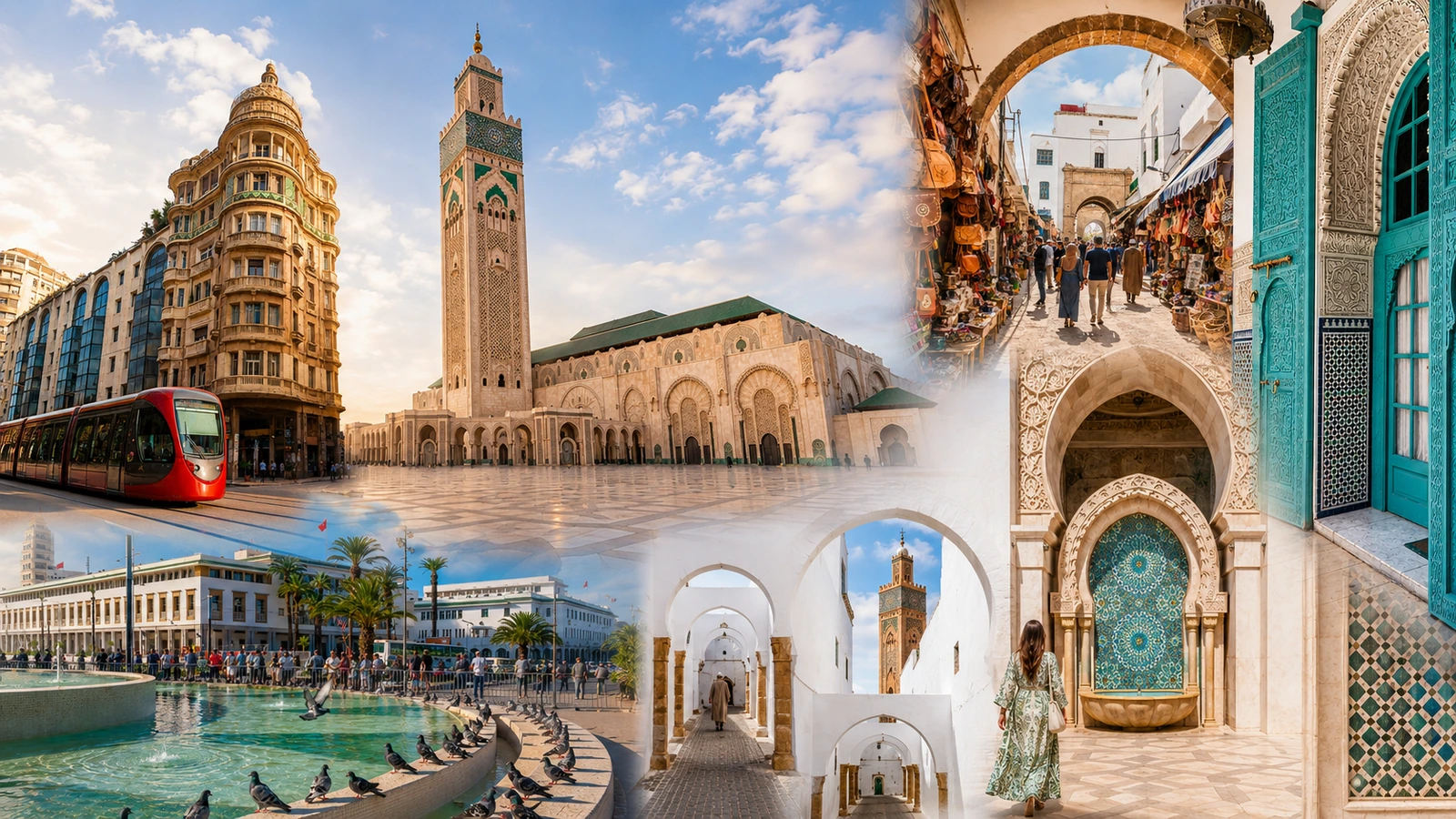
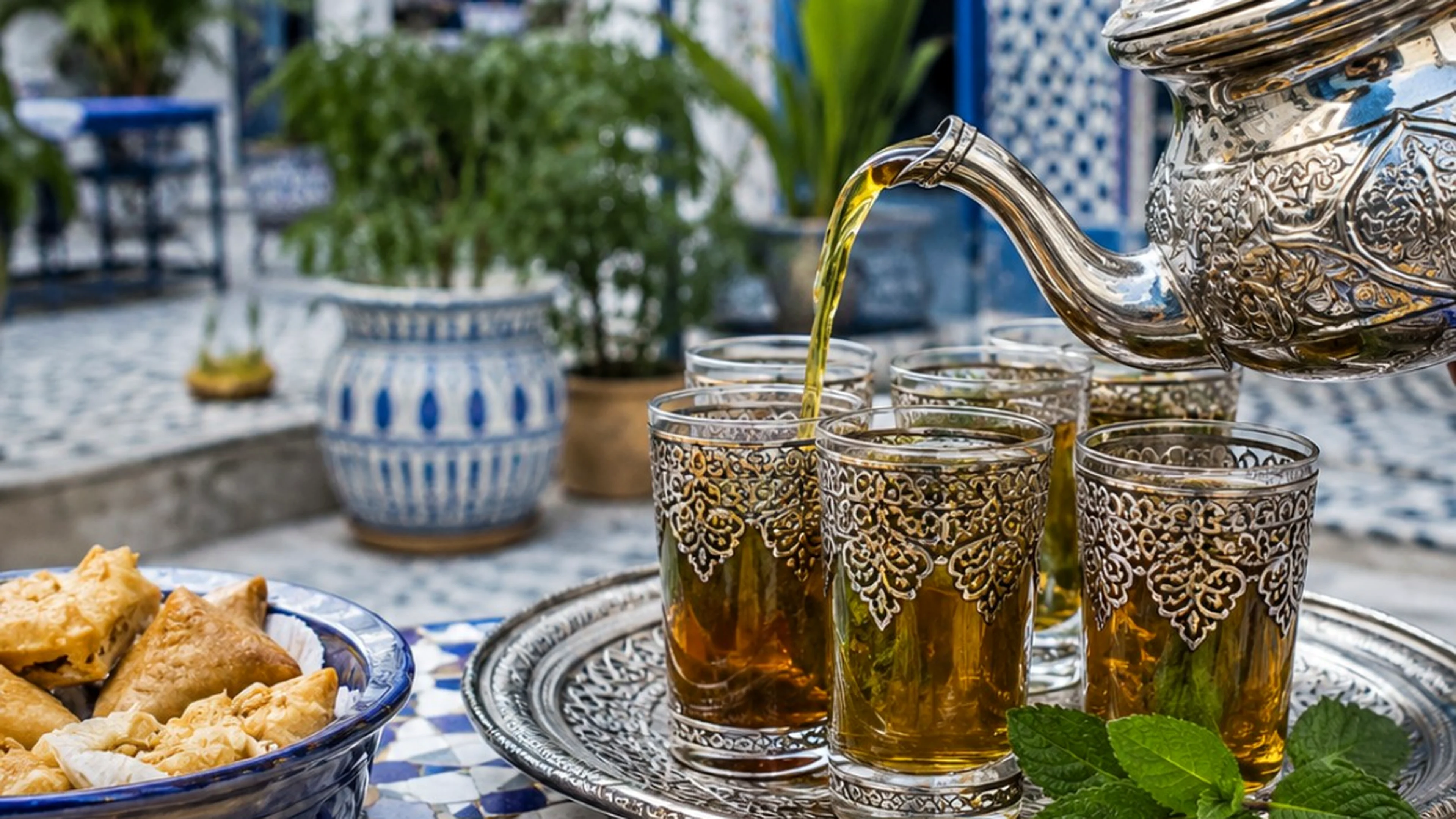
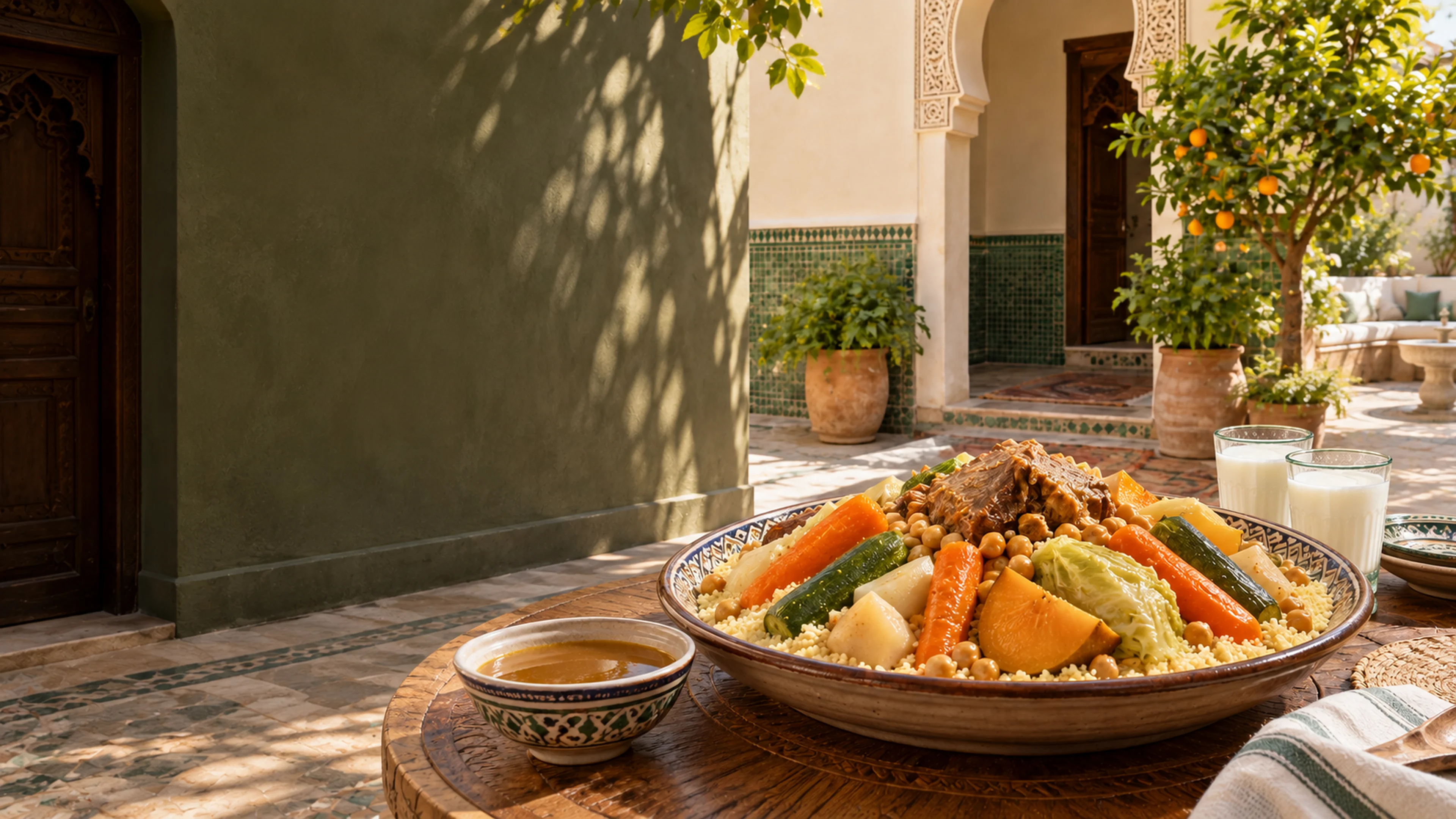
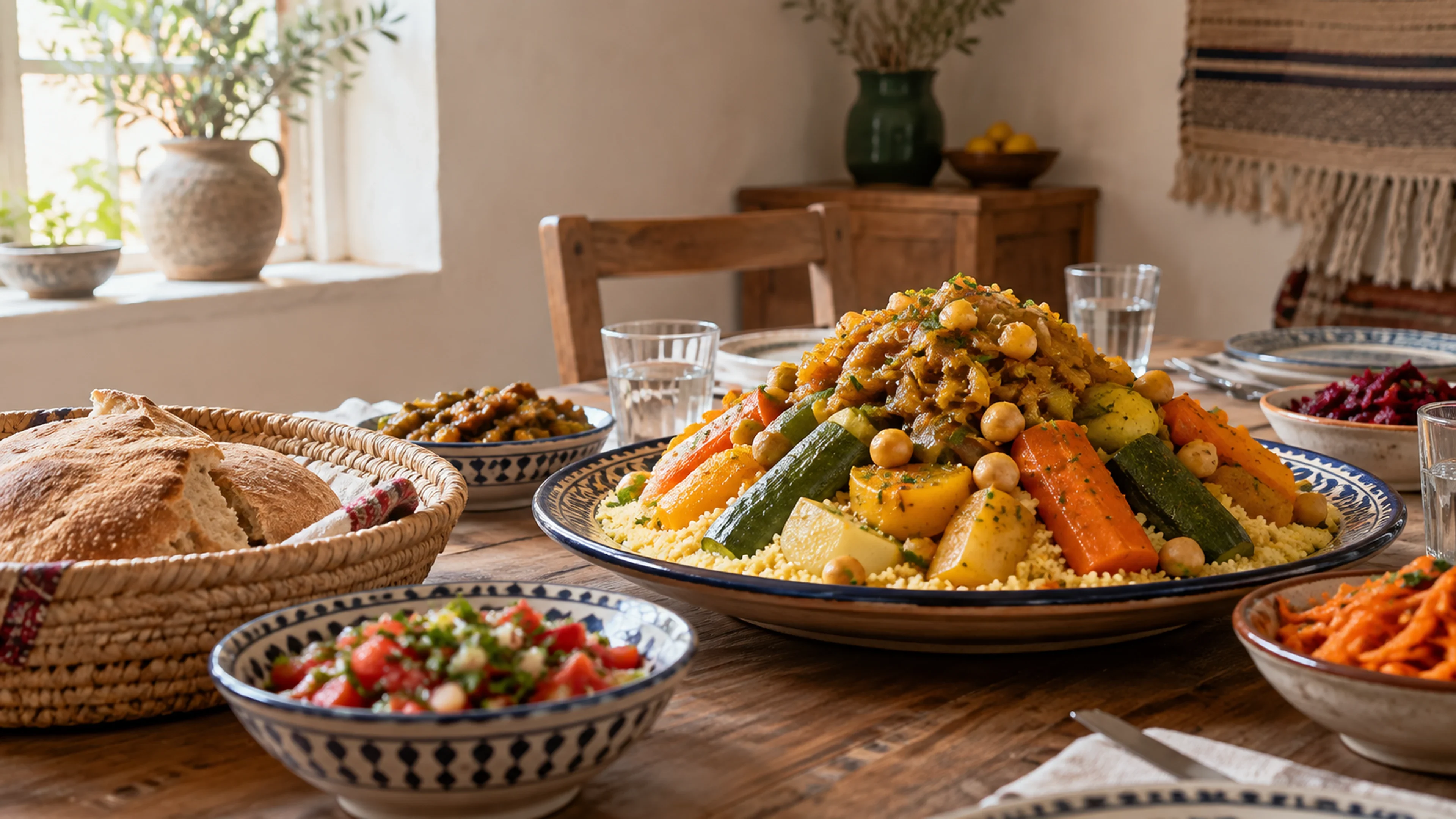
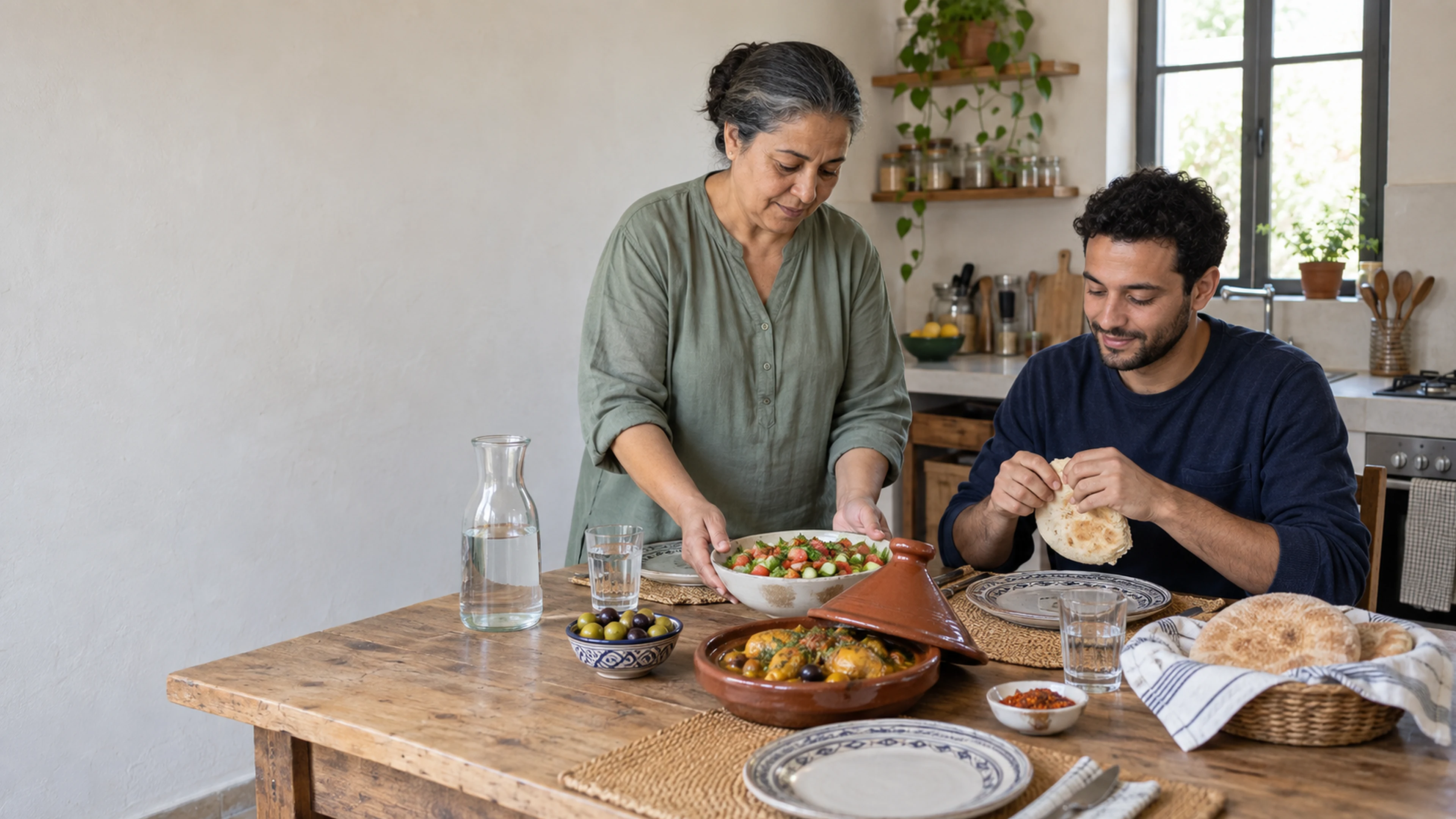
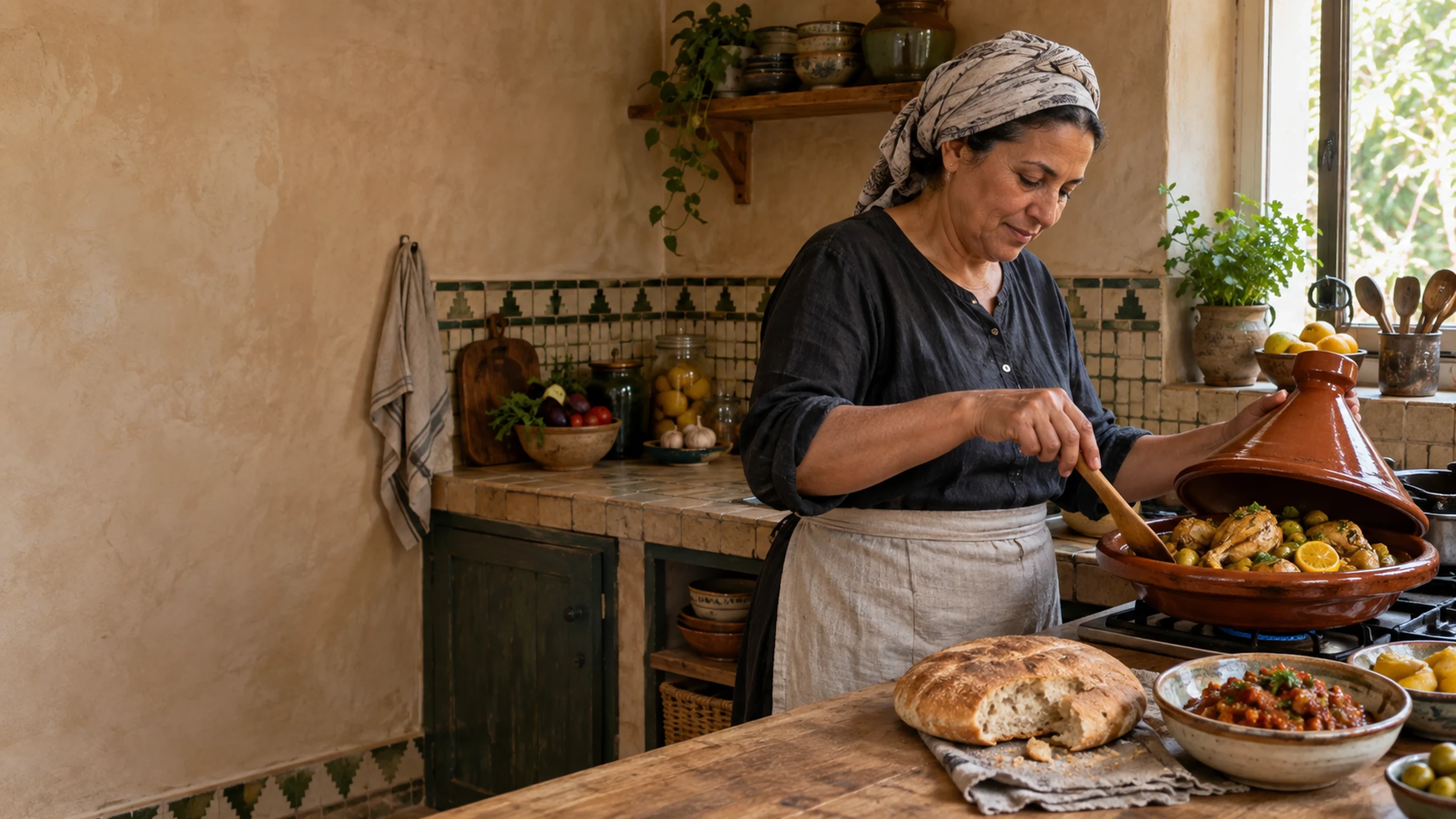
  2. Related preview: commissioned AI-generated culinary illustration from Exotic Morocco’s existing Taste collection. It does not document named people or a particular establishment.
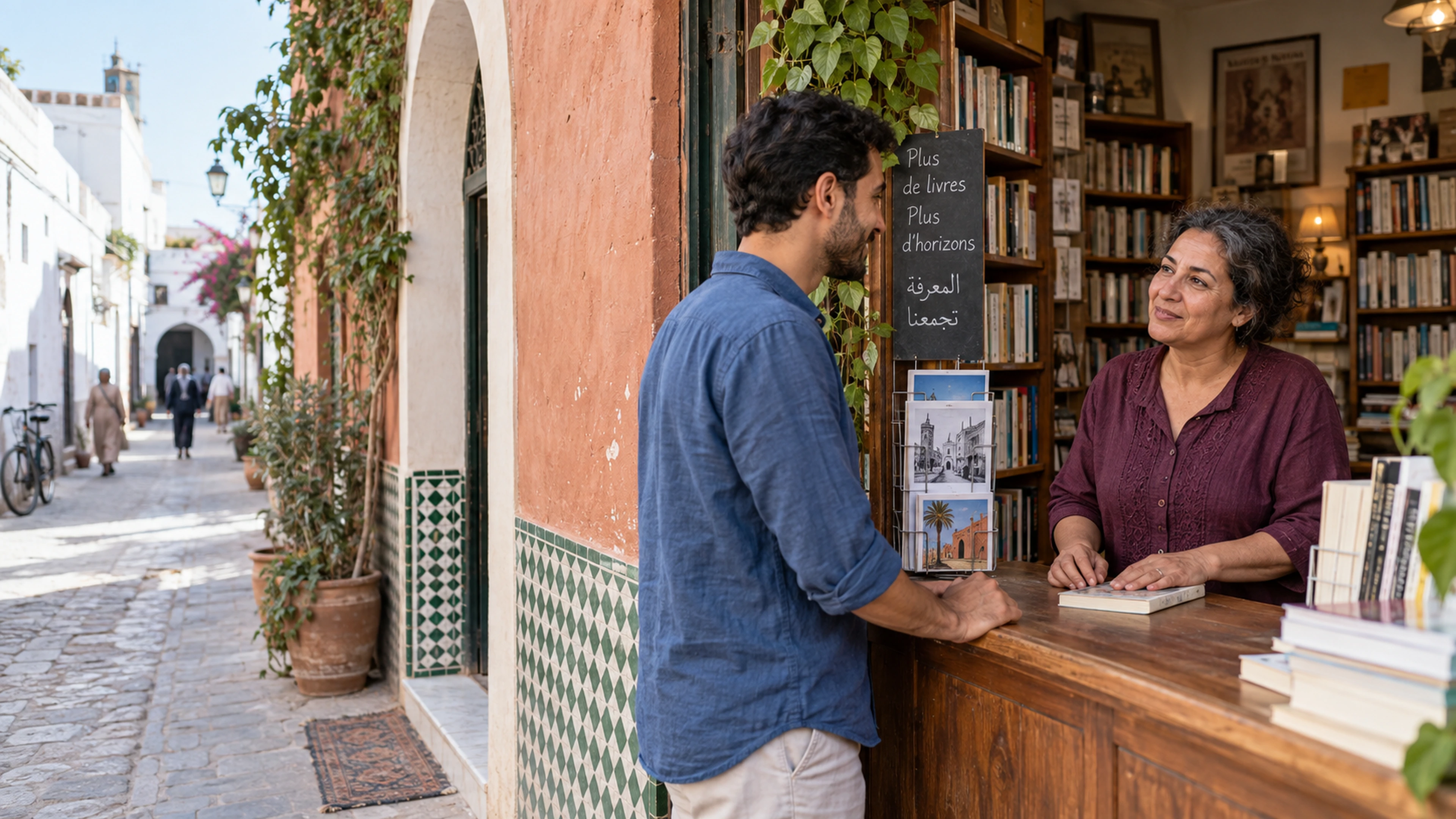
  3. Image 3: Commissioned AI-generated editorial illustration by Exotic Morocco with OpenAI ImageGen. Imagined scene, not documentary evidence of named people or a specific event.
  4. Related preview: National Photography Museum (Morocco) 02 08 11 281000.jpeg — إيان. CC BY-SA 4.0. Cropped/resized; original licence retained.
  5. Portrait: Mimouna holiday celebrated by immigrants from Morocco (FL62067648).jpg — IPPA photographer. CC BY 4.0. Cropped/resized; original licence retained.
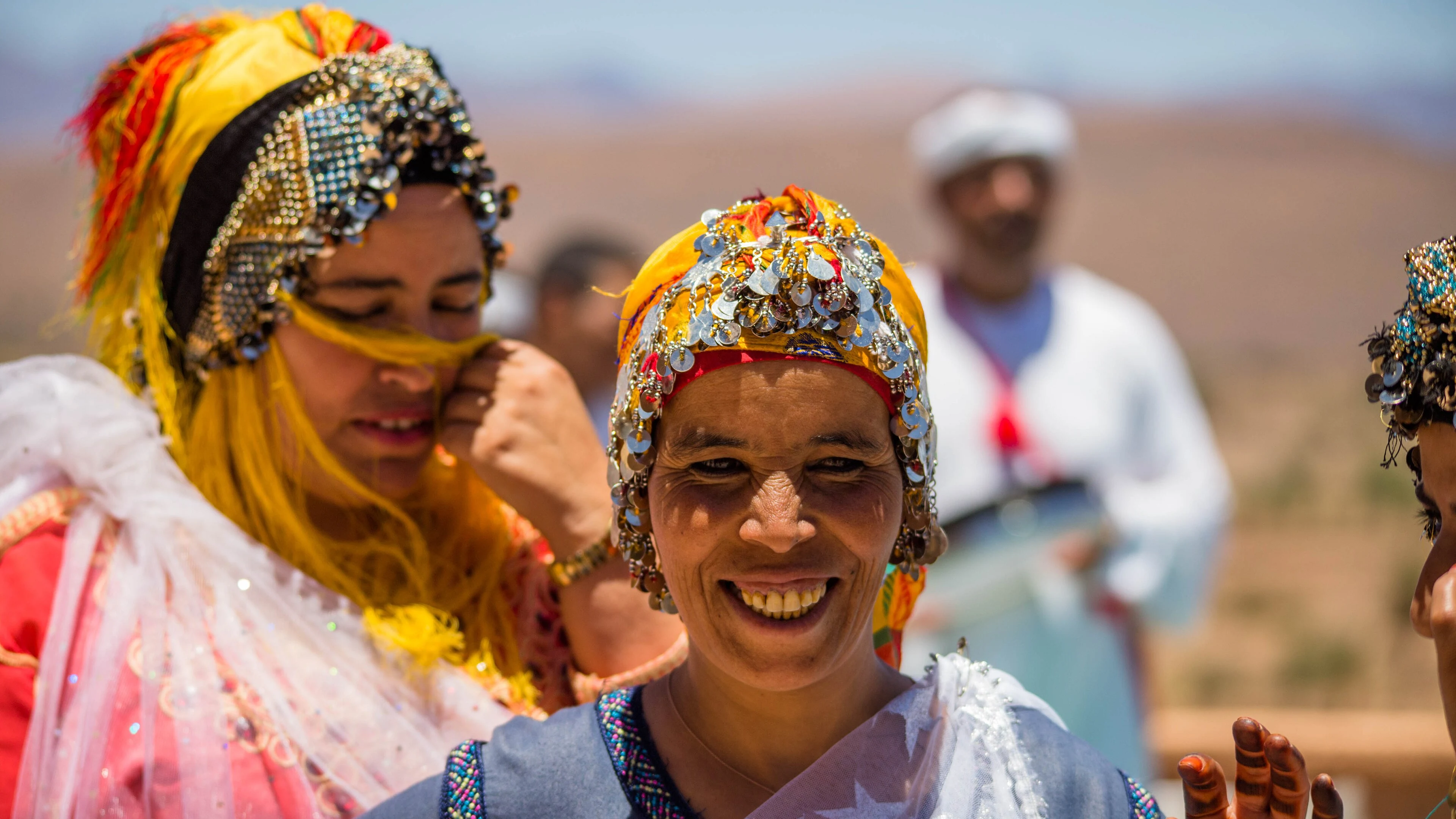
  6. Story-1: Berber family-drinking tea-Atlas.JPG — Tonkie. CC BY-SA 3.0. Cropped/resized; original licence retained.
  7. Story-2: Jewelry, once belonged to a Jewish family. Moroccan Jewish Museum, Casablanca.jpg — Osama Shukir Muhammed Amin FRCP(Glasg). CC BY-SA 4.0. Cropped/resized; original licence retained.
  8. Story-3: Woman's Wrapped Garment (Haik) LACMA AC1994.193.1.jpg — . Public domain. Cropped/resized; original licence retained.
  9. Chapter: A lane in Boujaad: a place can become the starting point for a family memory. — Exotic Morocco’s existing image collection.
  10. Gallery: A textile detail: an object can prompt a personal story. — Exotic Morocco’s existing image collection.
  11. Hero: Hands at a loom: making is one way knowledge passes between people. — Exotic Morocco’s existing image collection.

Destination and related-story thumbnails intentionally identify their linked pages. Principal story images are selected individually for this Learn page.