Skip to learning
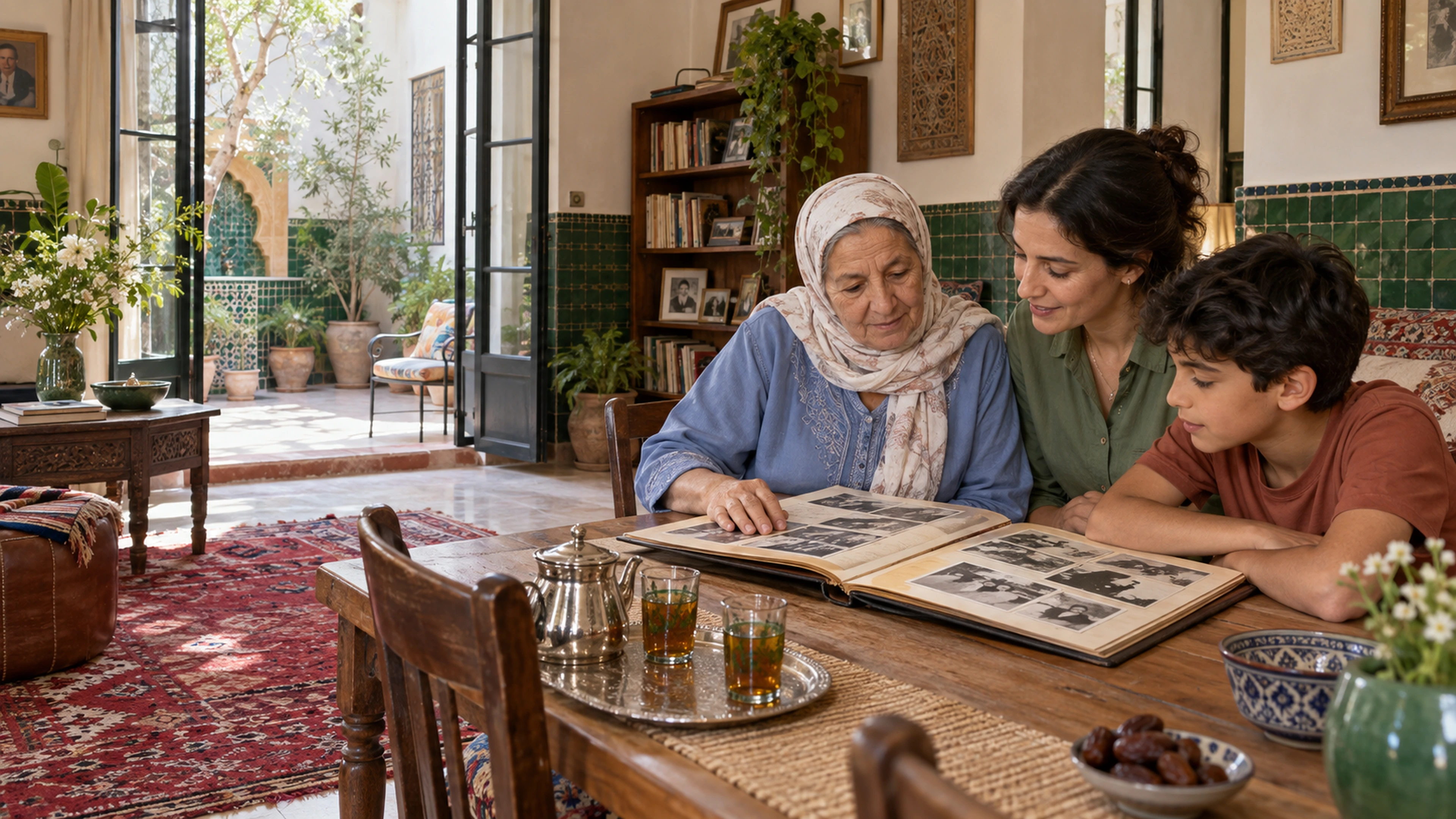
Learning through materials, observation and conversation. Editorial illustration.
Teach with evidence, invite questions

Morocco for Educators

Bring Morocco into the classroom through places, objects and evidence. Start a thoughtful enquiry without reducing a country to a themed activity.

Exotic Morocco · 11 minute read
01 / A way into the story

Teach a question before a conclusion.

A productive lesson can begin with a photograph, a map or an object and a question that the evidence cannot answer on its own. Ask learners to separate observation from inference, then choose a source that could help them go further.

UNESCO’s World Heritage Education programme provides an institutional starting point for learning through heritage. The activities below are original introductory prompts from Exotic Morocco; they are not a complete lesson plan or a UNESCO-endorsed teaching pack.

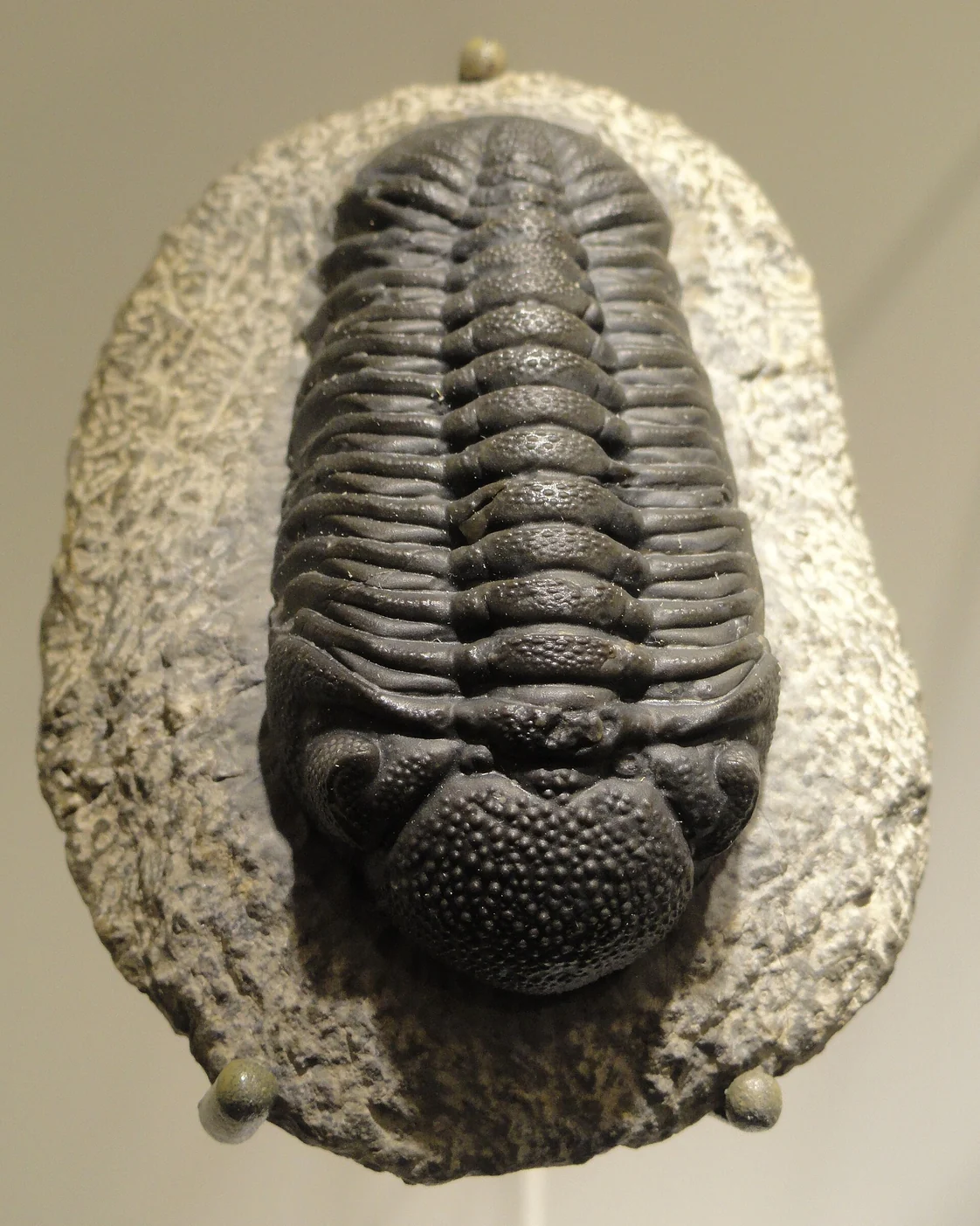
A Moroccan trilobite fossil displayed at the Houston Museum of Natural Science. Origin and present location are different facts.
THE SUBJECTTeach with evidence, invite questions
THE APPROACHPlace. Practice. People.
THE CONNECTIONFind it in Morocco ↗
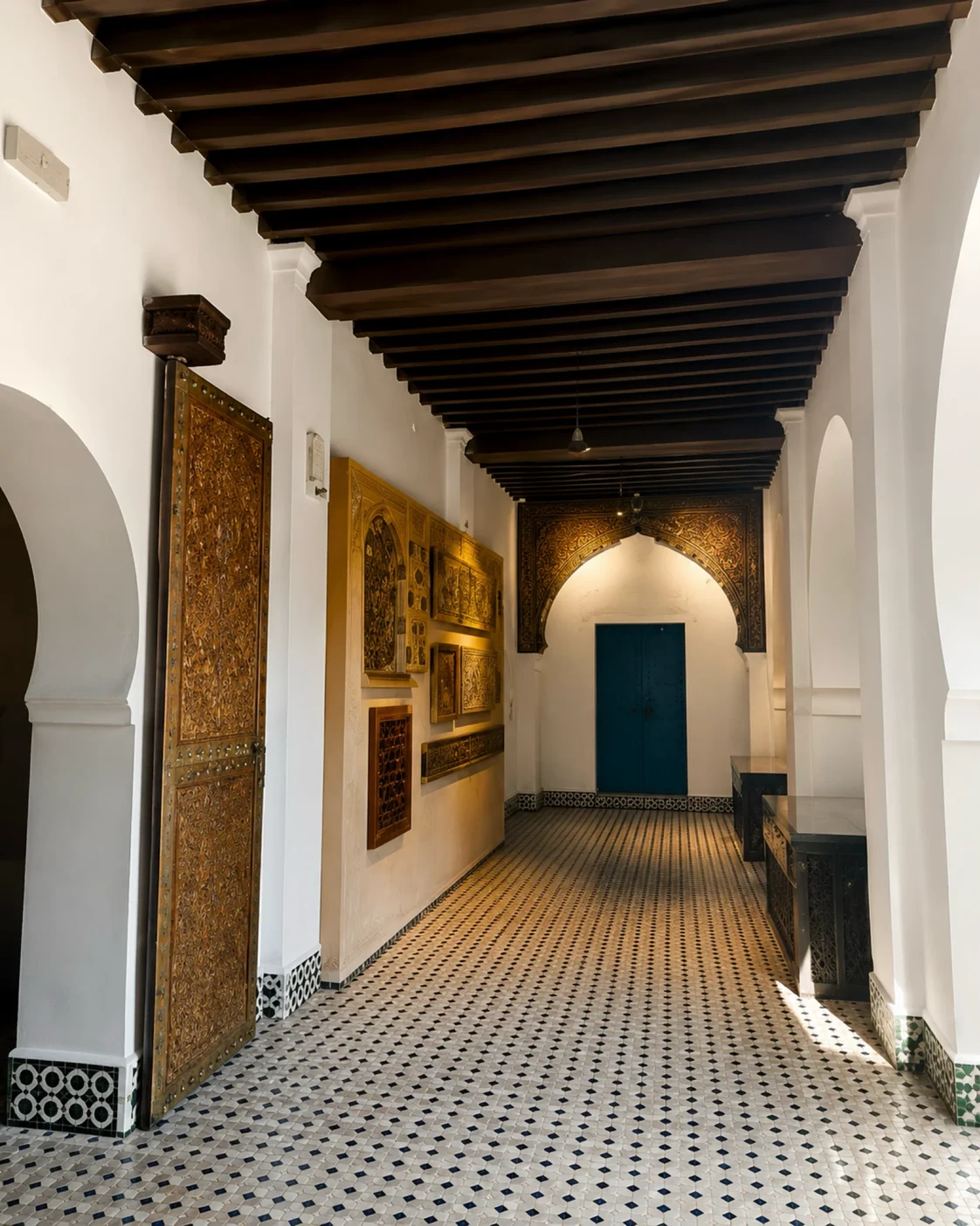
A museum corridor: space for looking and asking.
02 / The deeper context

Begin with evidence.
Make room for curiosity.

Morocco offers rich material for teaching across geography, history, language, art and everyday life. The challenge is selection. A lesson built entirely around palaces, camels and patterned surfaces can leave learners with a vivid but narrow picture. A stronger sequence puts celebrated heritage beside ordinary contemporary life and asks how the two are connected.

An object or photograph is a useful beginning because it gives learners something specific to investigate. Start by separating observation from inference. “There is a shaded passage” is an observation; “the passage was designed for cooling” is an explanation that needs further support. This distinction makes curiosity more precise without removing the pleasure of looking.

The next step is comparison. Pair a historic street photograph with a contemporary view, a museum textile with a maker’s account, or a regional map with a physical one. Learners can then see that sources answer different questions. The goal is not to produce a definitive miniature portrait of a country, but to develop habits that make any cultural study more thoughtful.

03 / From an idea to everyday life

A sequence you can use in a lesson.

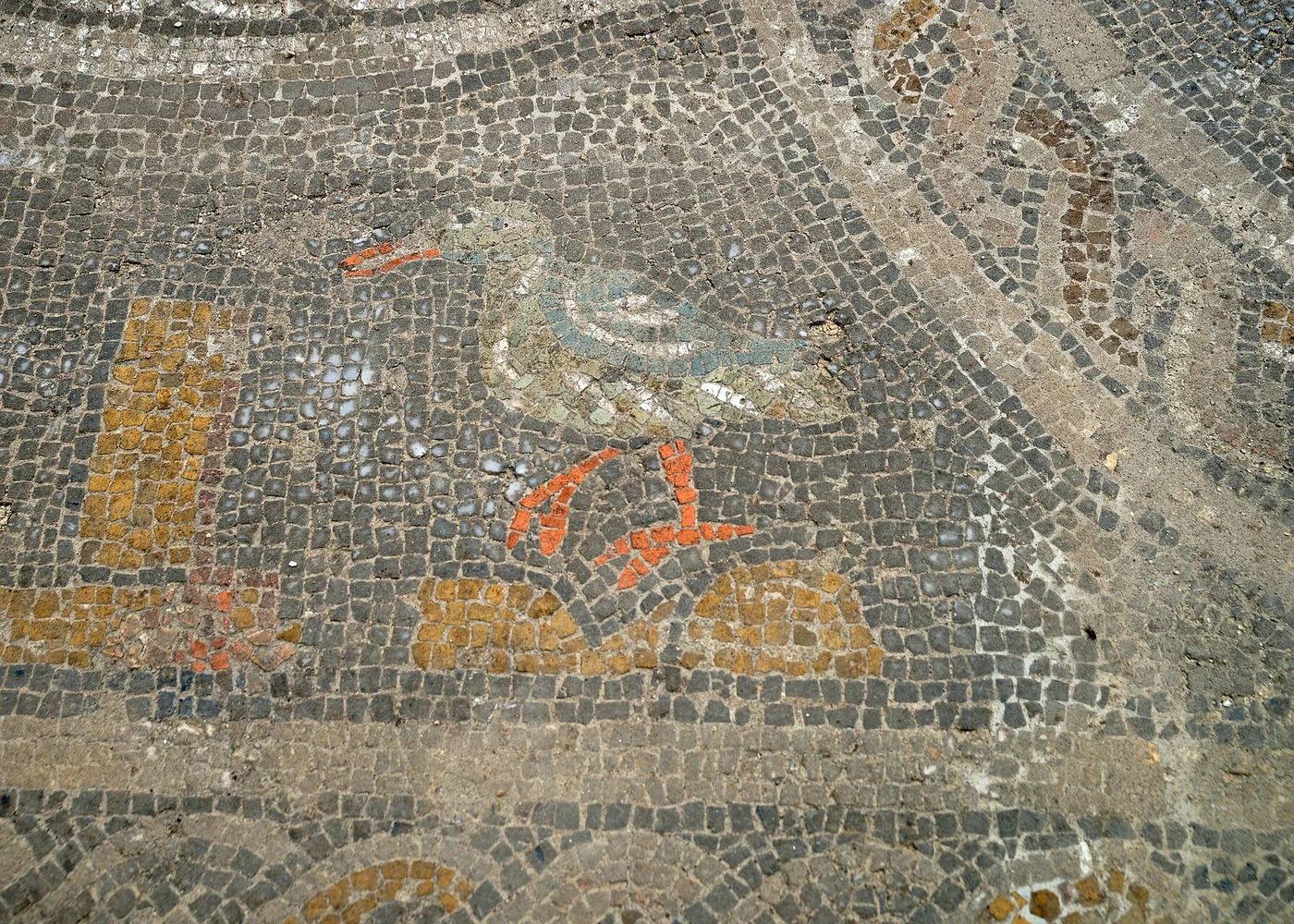
Use a Volubilis mosaic to practise close observation. Learners can identify materials, figures and damage before asking about date, patronage or use. A modern photograph records the object’s current appearance; it is not the same source as the original floor.

A surviving floor mosaic at Volubilis.
01

Observe before explaining

Give learners one image and ask for five visible details. Keep the first round descriptive: materials, shapes, positions, people and activities. In a second round, turn their interpretations into questions. This makes the boundary between evidence and assumption tangible.
02

Add a second kind of source

Introduce a map, a museum record, a short institutional text or an authorised personal account. Ask what it confirms, complicates or leaves unanswered. A caption can identify a place while still omitting the photographer’s purpose or the circumstances outside the frame.

03

Return to the first image

Invite learners to revise one claim. They might now distinguish a building’s function from its appearance, or a garment’s collection location from its place of production. Revision is a learning outcome, not a sign that the first observation was a failure.

A closer understanding

Build the lesson
around evidence.

Morocco offers a rich setting for teaching history, geography, language and material culture together. The connection should be demonstrated, not assumed.

An object

Separate observation from interpretation.

Place an image of a ceramic bowl beside its museum record. First describe only what is visible: form, colours, decoration and signs of use. Then add what the record establishes about date, material and place. Keep a third column for questions that remain open.

This simple sequence stops an attractive image from becoming an unsupported story. A learner might infer that a bowl was used for food, but that claim needs more than its familiar shape. Labels and photographs provide different kinds of evidence, and either may be incomplete.

A place

Compare plans before making a cultural claim.

Use an older urban quarter and a twentieth-century avenue as a paired exercise. Ask how width, entrances, shade, transport and public space shape movement. Then introduce dates, planning decisions and the people affected.

The aim is not to set up a timeless traditional city against a modern one. Both places have histories and both continue to change. A useful student explanation identifies a specific feature, proposes a reason and makes clear what further evidence would confirm that reason.

A voice

Make room for more than one account.

A family recollection, a museum label and a public heritage description speak from different positions. They may agree about an event while explaining its importance differently. Comparing them teaches interpretation without treating every statement as equally well supported.

When inviting a personal story, explain the purpose, audience and recording arrangements. Offer the speaker a way to decline a question or restrict sharing. A classroom exercise should not make one learner responsible for representing all Moroccan, Amazigh, Arab, Jewish or diaspora experience.

Carry this with you

An effective learning outcome is specific: “I can distinguish a visible detail, a documented fact and my own interpretation.”

04 / The visual chapter

Three objects, three kinds of enquiry

Move between the close detail and the wider setting. Each view adds another part of the story.

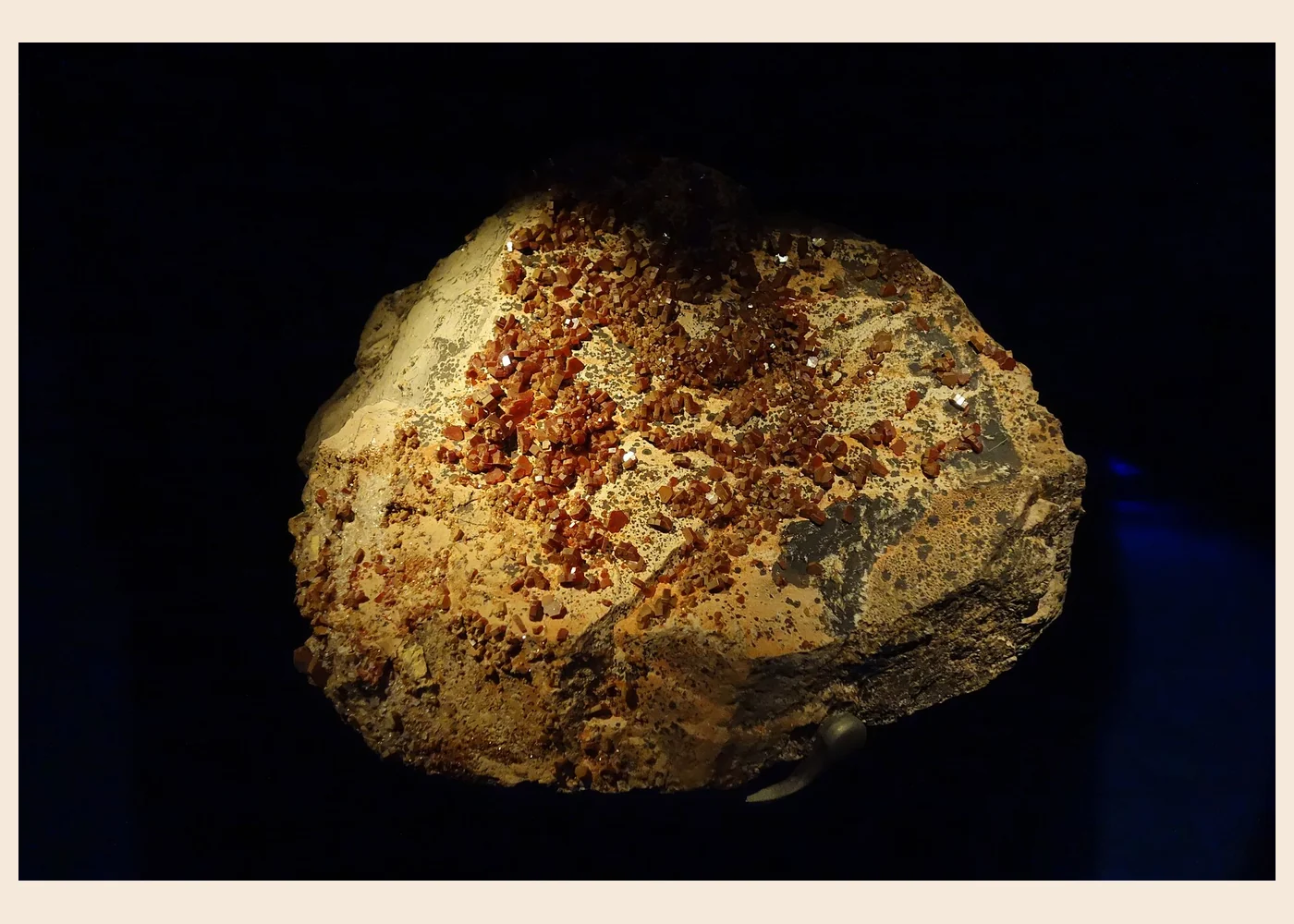
Vanadinite from Mibladen, near Midelt, displayed at London’s Natural History Museum.
01 / A closer look

A specimen and a label

A mineral label links an object to a location and a classification. Ask what evidence supports each part of the label, and what the display leaves out about extraction, collection or movement. Geography and museum literacy meet here.

Vanadinite from Mibladen, near Midelt, displayed at London’s Natural History Museum.
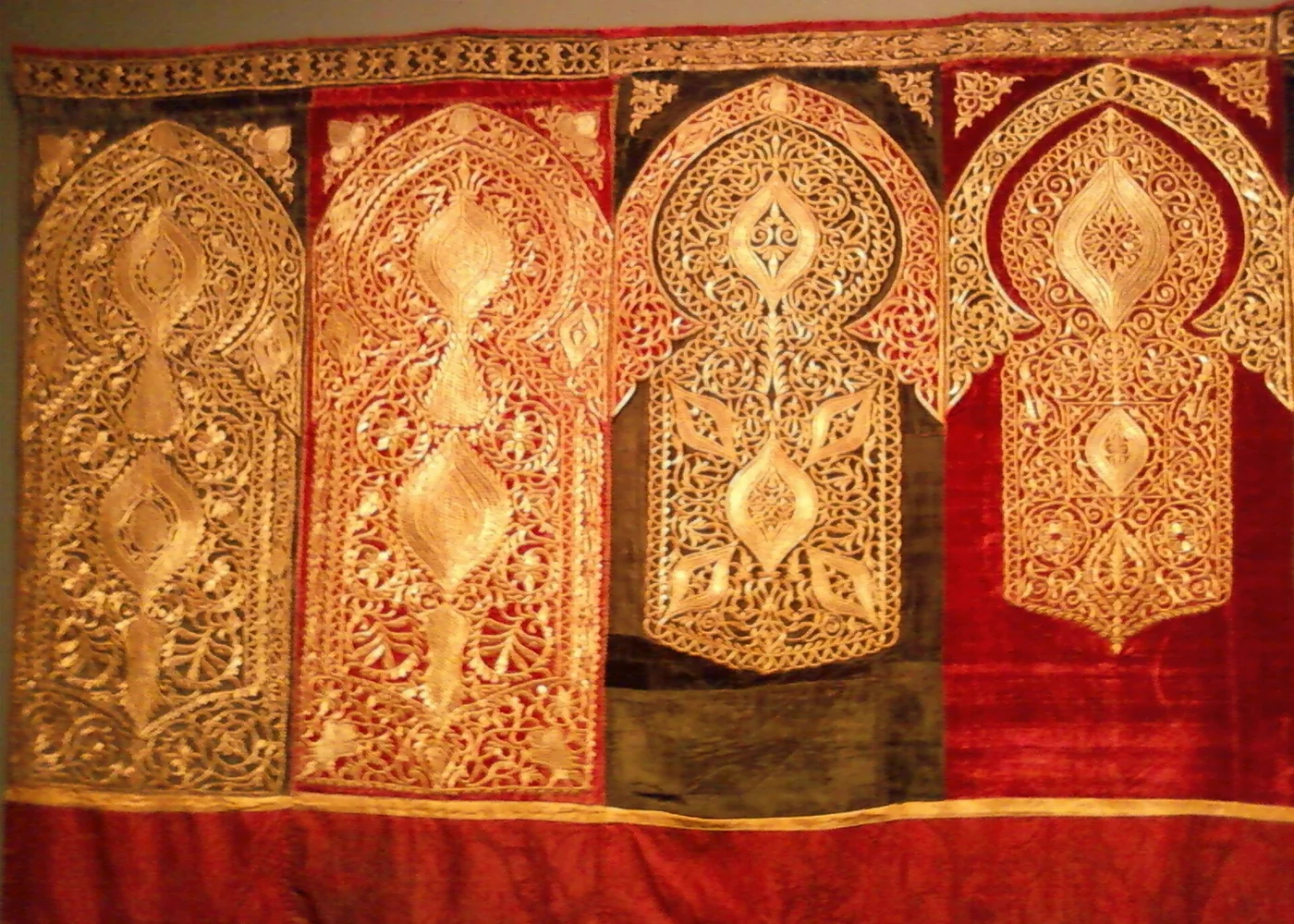
A 19th-century ceremonial hanging (haiti) of silk velvet from Fez.
02 / A closer look

A textile and a context

An elaborate hanging can begin a discussion about material, technique and use. Let learners describe the visible evidence before assigning symbolic meanings. Museum documentation can then add a date, provenance or interpretation that the image alone cannot supply.

A 19th-century ceremonial hanging (haiti) of silk velvet from Fez.
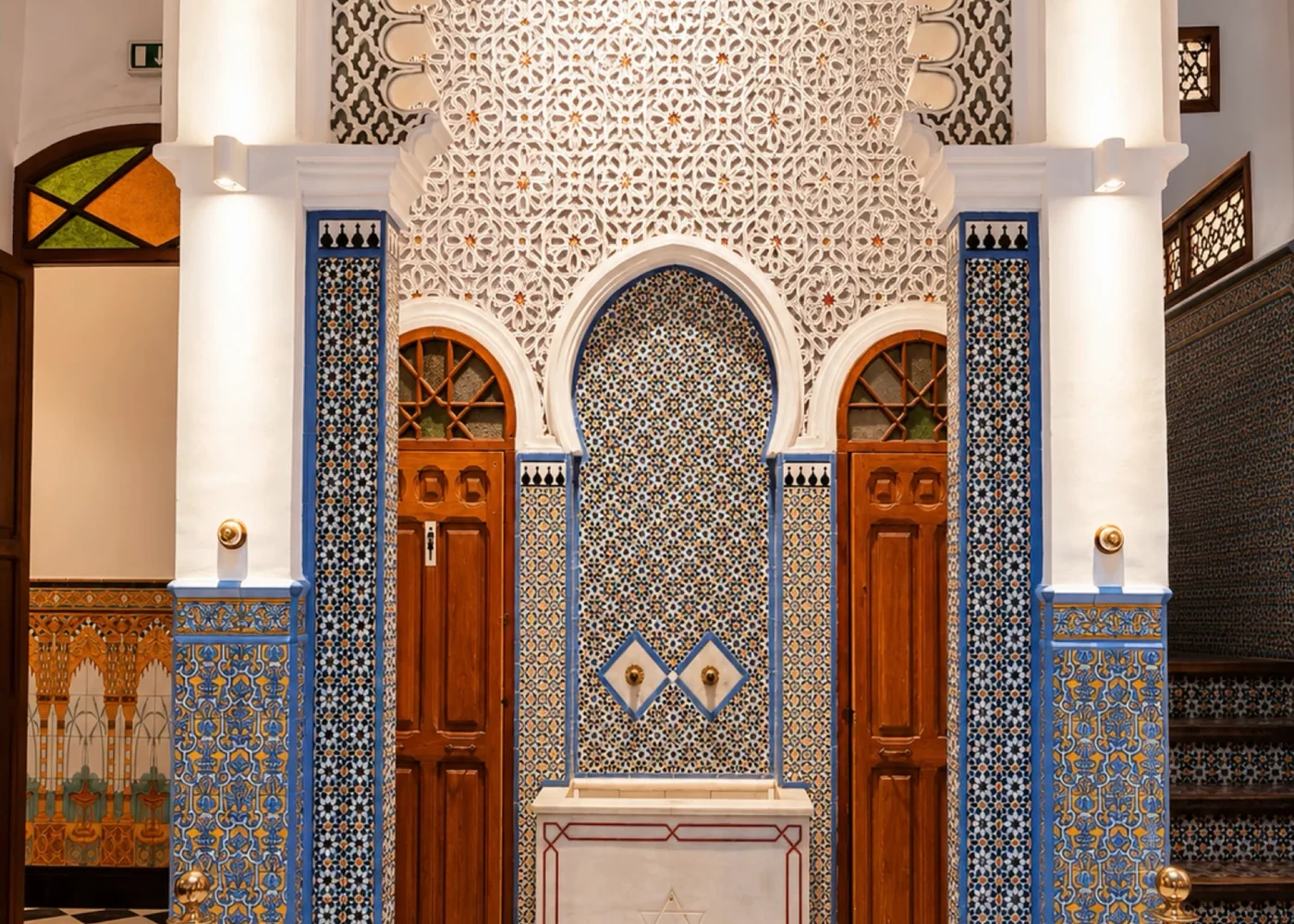
An architectural detail becomes material for a close-looking exercise.
03 / A closer look

Creative work with attribution

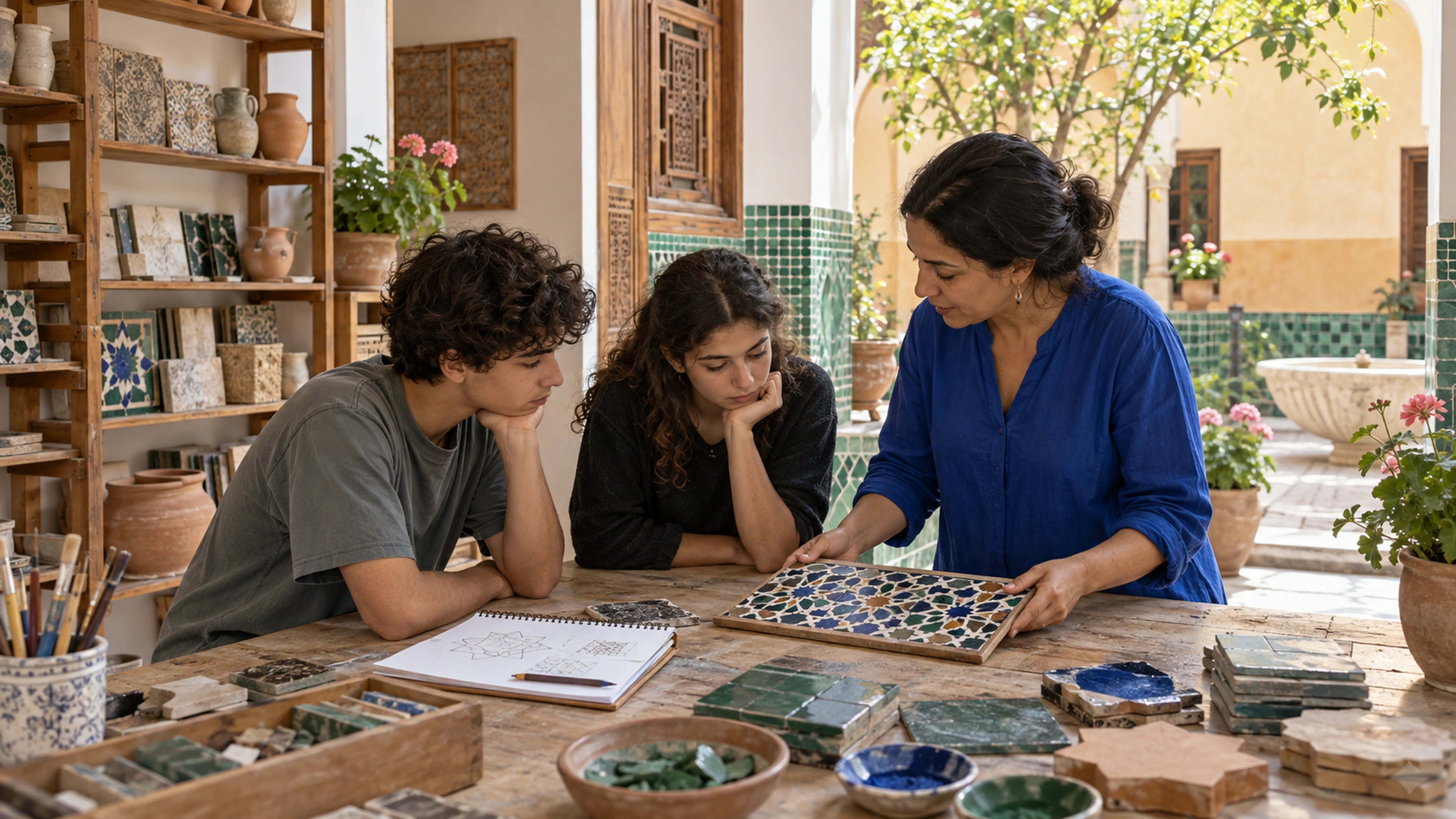
A pattern study can examine repeat, symmetry and scale without claiming to reproduce a sacred or universal symbol. Identify the source object and distinguish the learner’s interpretation from the maker’s documented intention. Credit images and observe their licences.

An architectural detail becomes material for a close-looking exercise.
05 / More than one perspective

Look beyond
the first impression.

Perspective 01

Geography without postcards

Ask learners to connect relief, water, settlement and movement. Compare two places that do not fit the same scenic stereotype. Maps should be dated and their purpose identified; administrative boundaries and cultural regions are not interchangeable.

Perspective 02

Culture without a single voice

Use more than one perspective and avoid asking a pupil with Moroccan family connections to represent an entire country. Personal experience is valuable when volunteered, but it should not become an obligation or a substitute for research.

06 / Make the connections

A compact enquiry sequence

Use these ideas to connect what you notice with the materials, people and histories behind it.

01

Observe

Write three things that can be seen directly. “The surface has small coloured pieces” is an observation. “A wealthy family commissioned it” is an inference that would require more evidence.

02

Locate

Identify the place represented, the place where an object originated and where it is now held. Add dates for creation and photography where available. These are separate coordinates in the story.

03

Compare

Choose a second source with a different perspective: a maker’s account, a map, an institutional record or a contemporary image. Ask what it adds and where the two sources cannot be directly compared.

04

Revise

Return to the opening claim and rewrite it. Encourage “This source suggests…” or “We cannot tell…” when the evidence is limited. A better question can be a valuable outcome even without a final answer.

07 / A more useful conversation

Make room for the people in the classroom

Clear answers for the questions that often come next.

Should a Moroccan student explain the culture to everyone?

Only if they freely choose to contribute. No learner should be made a representative of a nation, religion or family background. Personal experience is valuable without becoming a requirement or a universal account.

How can I avoid a tourist-only view?

Include contemporary urban life, work, language, environmental questions and Moroccan voices alongside monuments. Compare ordinary and ceremonial settings rather than making every lesson about festivals or costumes.

What should an introductory activity leave open?

Time for uncertainty, disagreement and further reading. Keep the scale manageable: one object, one place or one carefully chosen comparison is often more useful than a rapid tour of an entire country.

08 / Take the story into a place

Find the story in Morocco

14 connected places and stories. Follow the connection that interests you.

A thought to take with you

Keep looking. Keep learning.

End with a better question rather than a list of supposedly finished facts. A learner who can say what a source shows, what it does not show and where to look next has gained a durable way of understanding culture.

The Exotic Morocco library

Continue at your own pace.

This Learn story is free to explore. Find this subject in the guide library, with each title’s current availability clearly shown.

Explore the guide library ↗
Sources & further reading

Read the evidence

  1. UNESCO · World Heritage Education
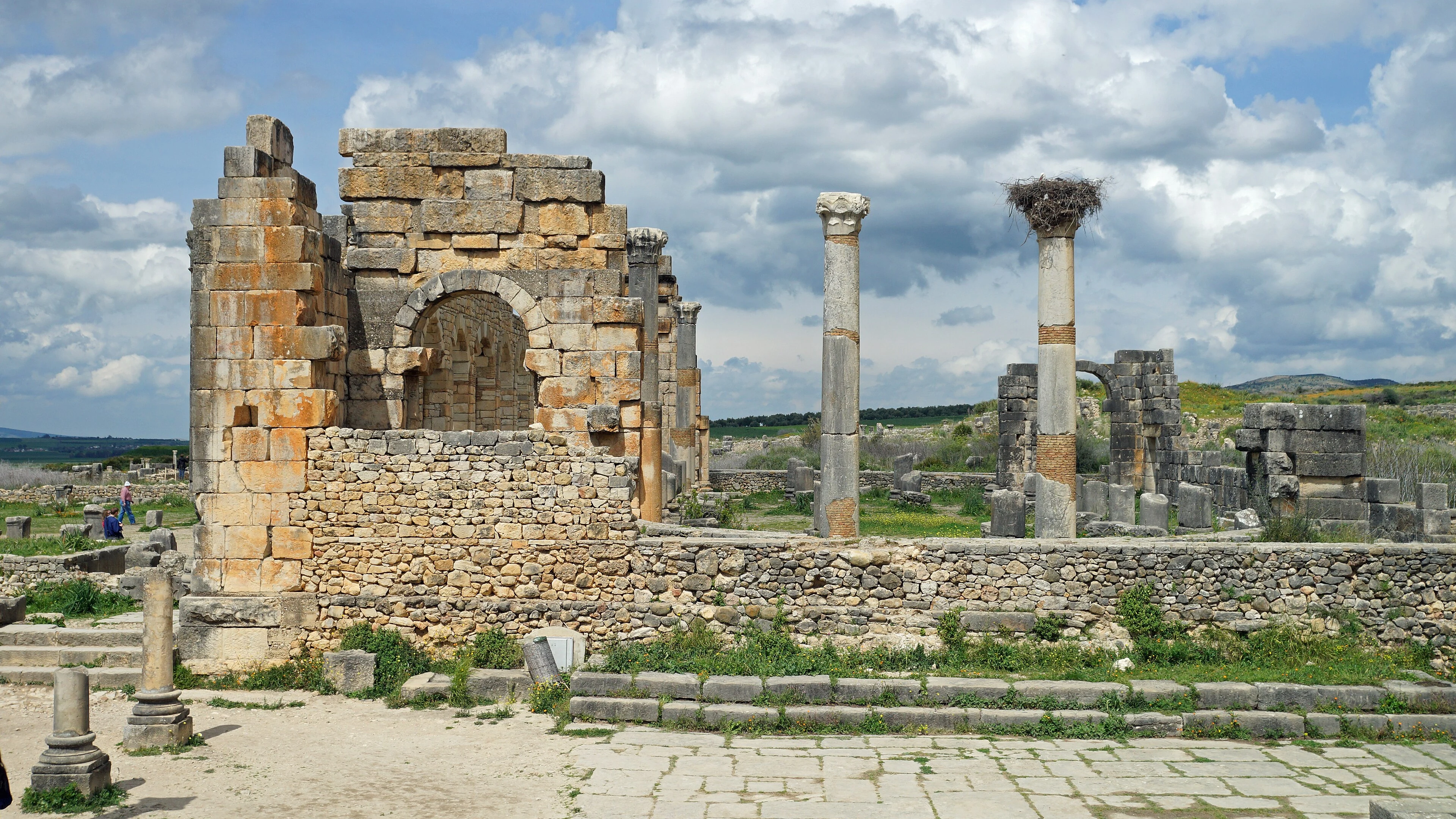
  2. UNESCO · Archaeological Site of Volubilis
  3. Smithsonian · Folklife and Oral History Interviewing Guide
  4. IRCAM · Amazigh teaching resources

Source review: September 2026. Looking exercises and learning prompts are original Exotic Morocco editorial suggestions. Regional practice and personal experience vary.

Image acknowledgements

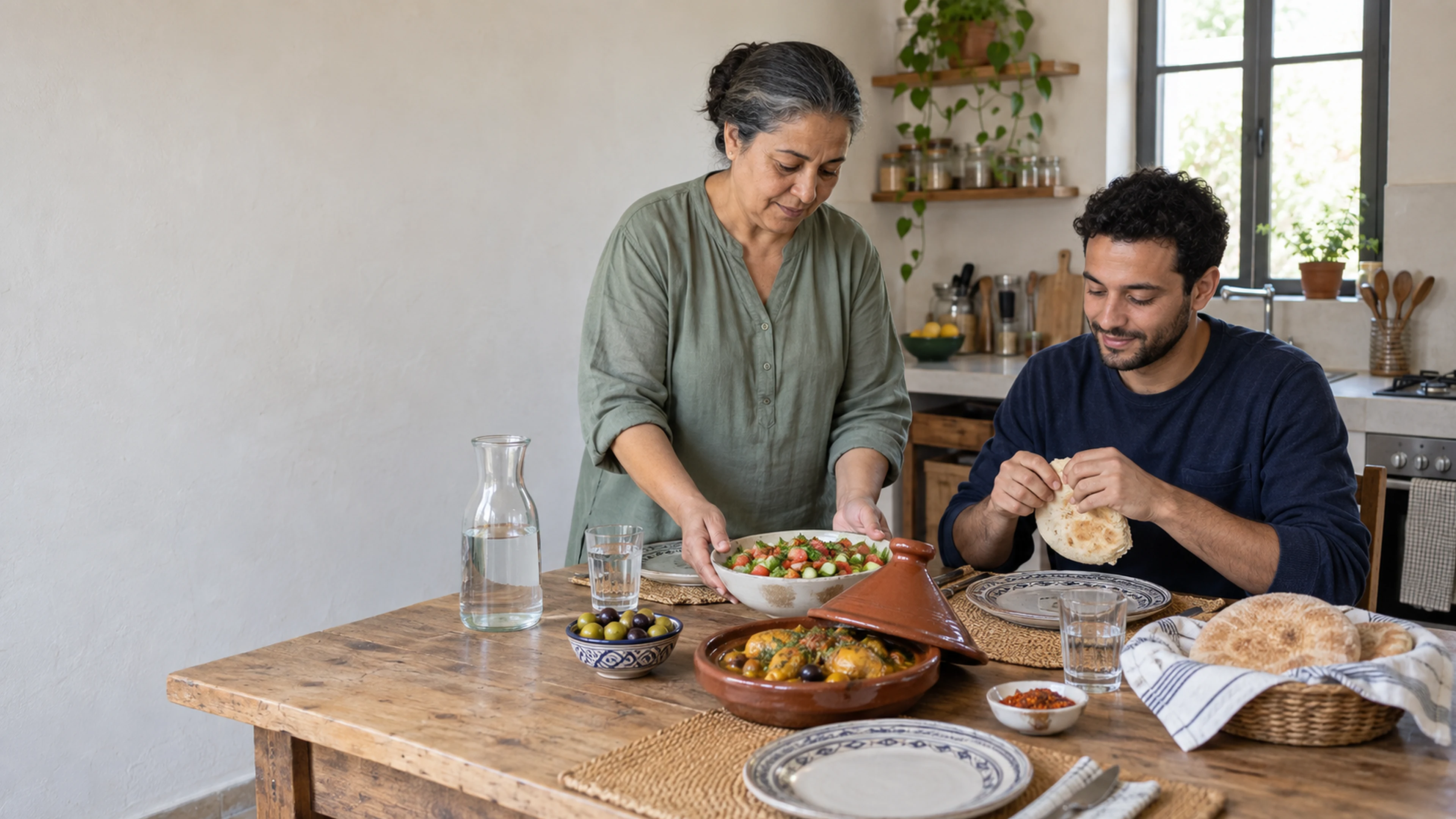
  1. Hero: Commissioned AI-generated editorial illustration by Exotic Morocco with OpenAI ImageGen. Imagined scene, not documentary evidence of named people or a specific event.
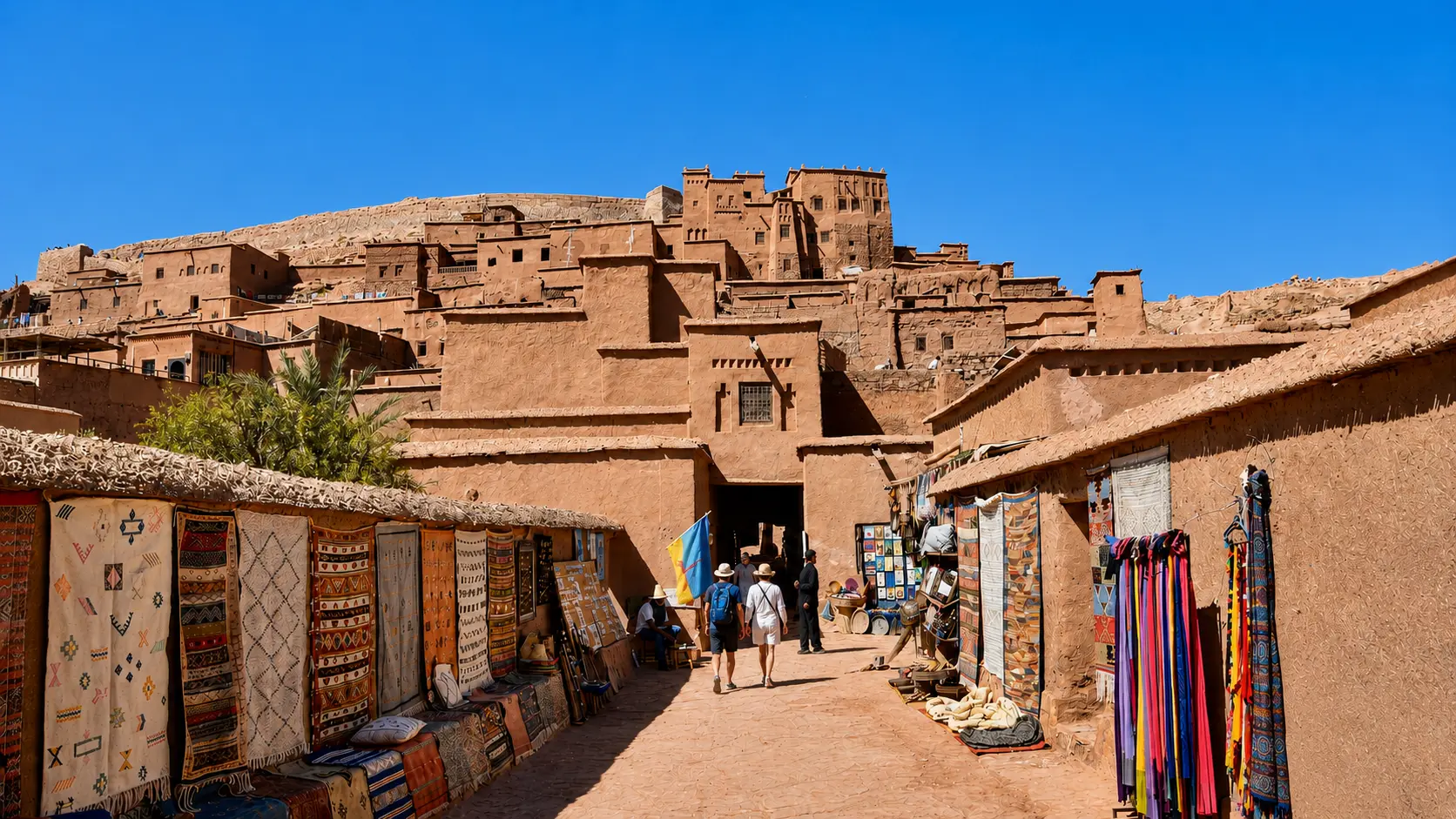
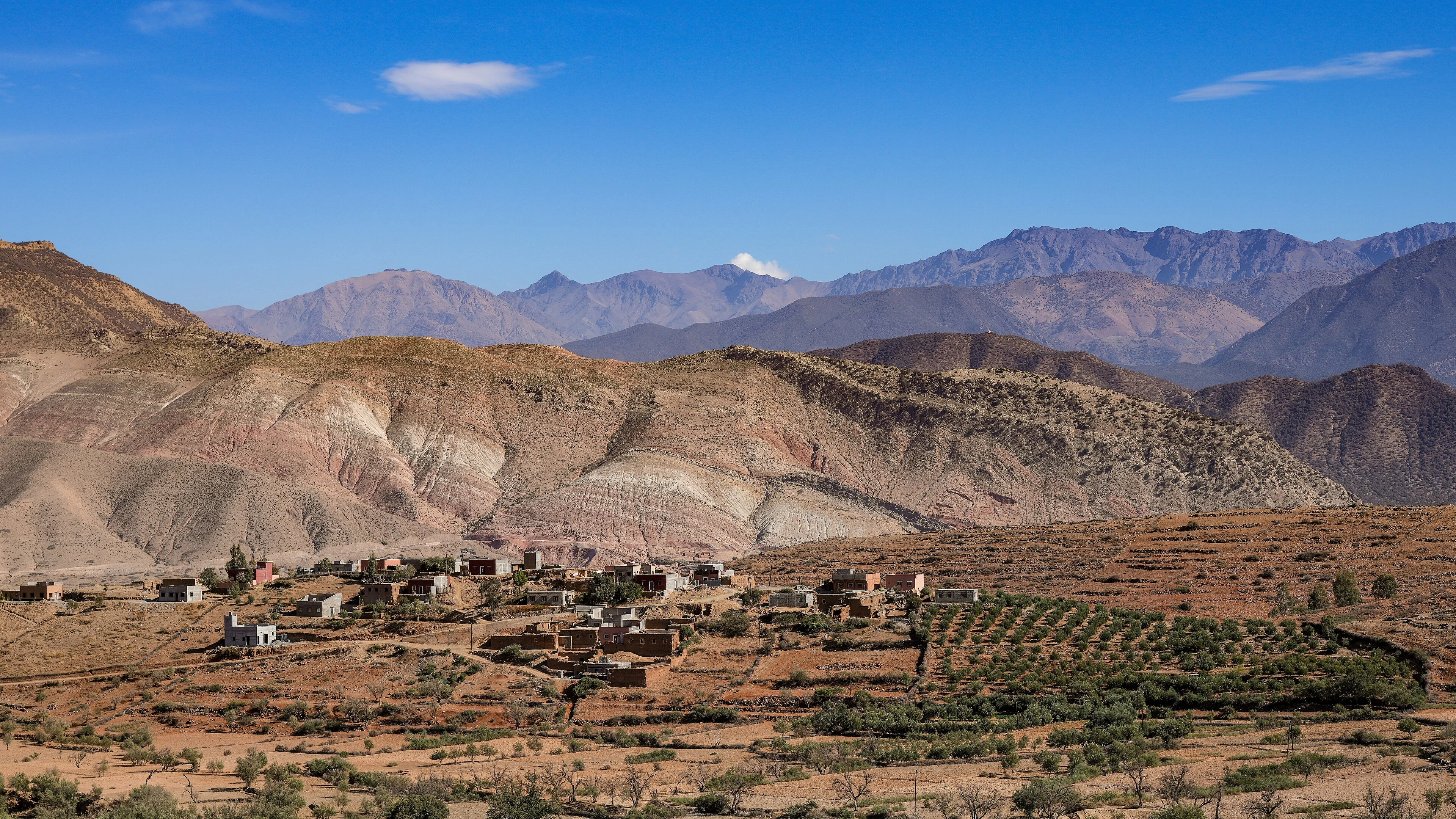
  2. Related preview: Arhbalou High Atlas Al Haouz Morocco Oct25 A7CR 08381.jpg — This Photo was taken by Timothy A. Gonsalves. Feel free to use my photos, but please mention me as the author. I would much appreciate if you send me an email tagooty@yahoo.com or write on my talk page, for my information. Please contact me before commercial use. Please do not upload an edited image here without consulting me. I would like to make corrections only at my own source to ensure that the changes improve the image and are preserved.Otherwise you may upload an edited image with a new name. Please use one of the templates derivative or extract. . CC BY-SA 4.0. Cropped/resized; original licence retained.
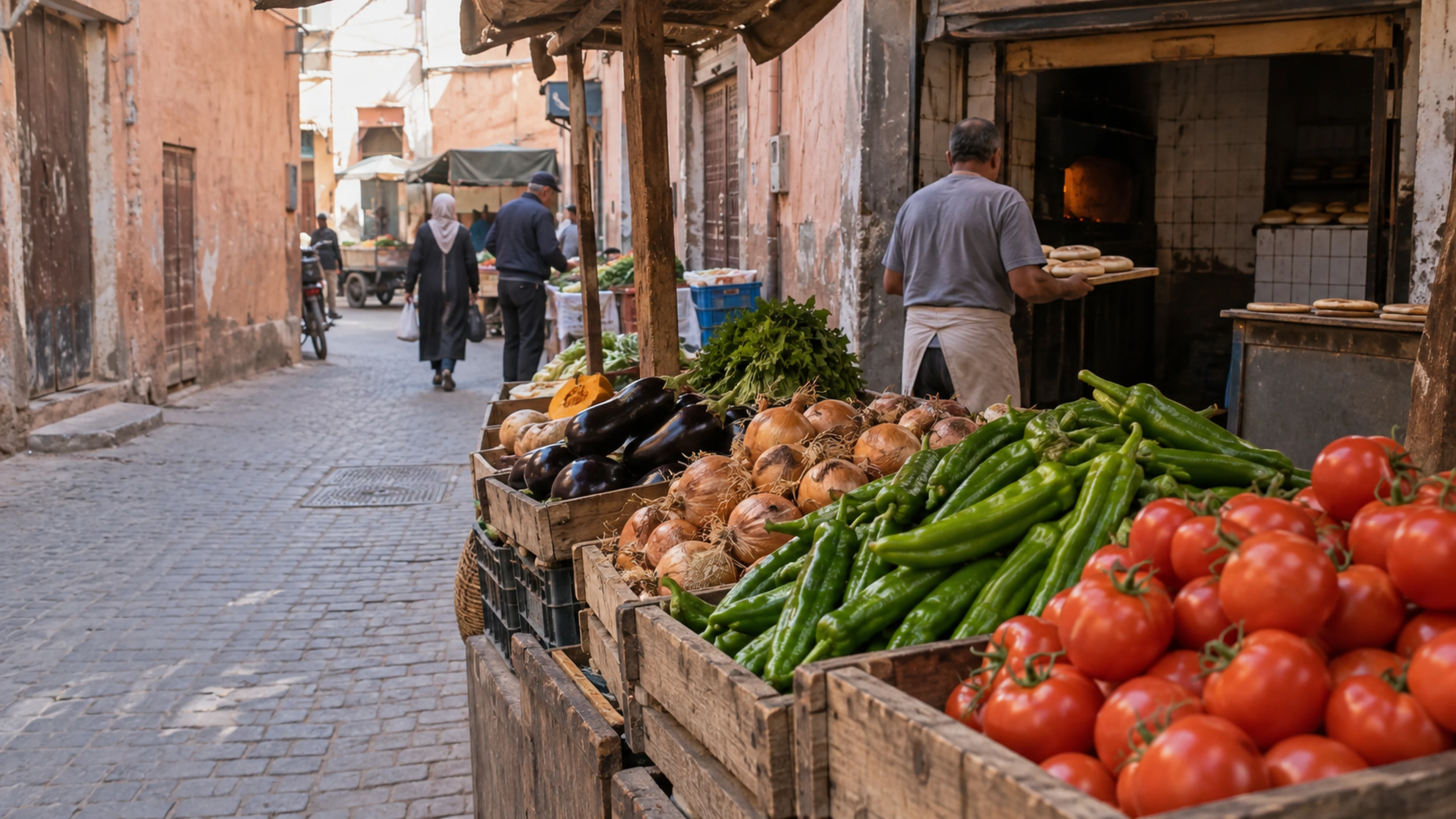
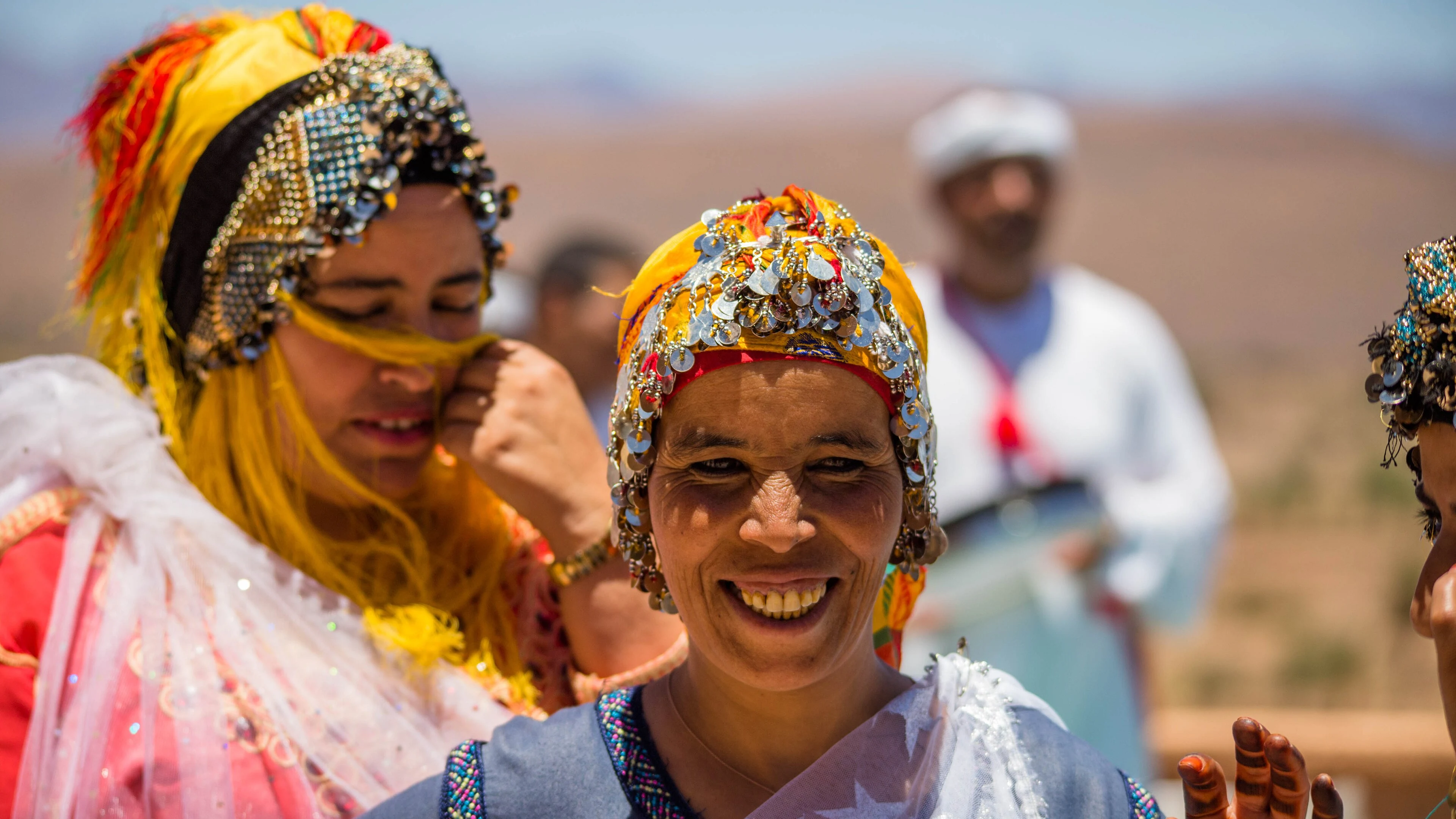
  3. Related preview: The sound of the south 2 - Nkoub village Morocco by Brahim FARAJI.jpg — Farajiibrahim. CC BY-SA 4.0. Cropped/resized; original licence retained.
  4. Hero: National Photography Museum (Morocco) 02 08 11 281000.jpeg — إيان. CC BY-SA 4.0. Cropped/resized; original licence retained.
  5. Portrait: Phacops sp., Middle Devonian, Morocco - Houston Museum of Natural Science - DSC01515.JPG — Daderot. CC0. Cropped/resized; original licence retained.
  6. Story-1: Volubilis - antikes Bodenmosaik.jpg — Mhobl. CC BY-SA 4.0. Cropped/resized; original licence retained.
  7. Story-2: Vanadinite, Mibladen, Midelt, Morocco - Natural History Museum, London - DSC05184.jpg — Daderot. CC0. Cropped/resized; original licence retained.
  8. Story-3: 19th century Moroccan ceremonial hanging.jpg — Moroccan artisan. Public domain. Cropped/resized; original licence retained.
  9. Chapter: A museum corridor: space for looking and asking. — Exotic Morocco’s existing image collection.
  10. Gallery: An architectural detail becomes material for a close-looking exercise. — Exotic Morocco’s existing image collection.
  11. Related preview: Hands at a loom: making is one way knowledge passes between people. — Exotic Morocco’s existing image collection.

Destination and related-story thumbnails intentionally identify their linked pages. Principal story images are selected individually for this Learn page.