Skip to learning
Asking about a station: an imagined Moroccan conversation.
Hear the turn. Confirm the destination.

Directions & Transport

Use Darija to ask where, follow one step at a time and make the practical details of a journey clear.

Exotic Morocco · 9 minute read
01 / A way into the conversation

A destination needs more than a city name.

A useful transport exchange establishes where you want to go, which service or vehicle you mean and what happens next. The name of a city may not identify the right station; the name of a neighbourhood may not identify your doorway. Language helps most when it makes those practical details more precise.

Start with a greeting and a clear destination. Keep the address or place name available in writing, especially when several places share a similar name. If an answer contains more directions than you can follow, ask for a slower repetition or the first step. Understanding one junction accurately is better than nodding through a route you have lost.

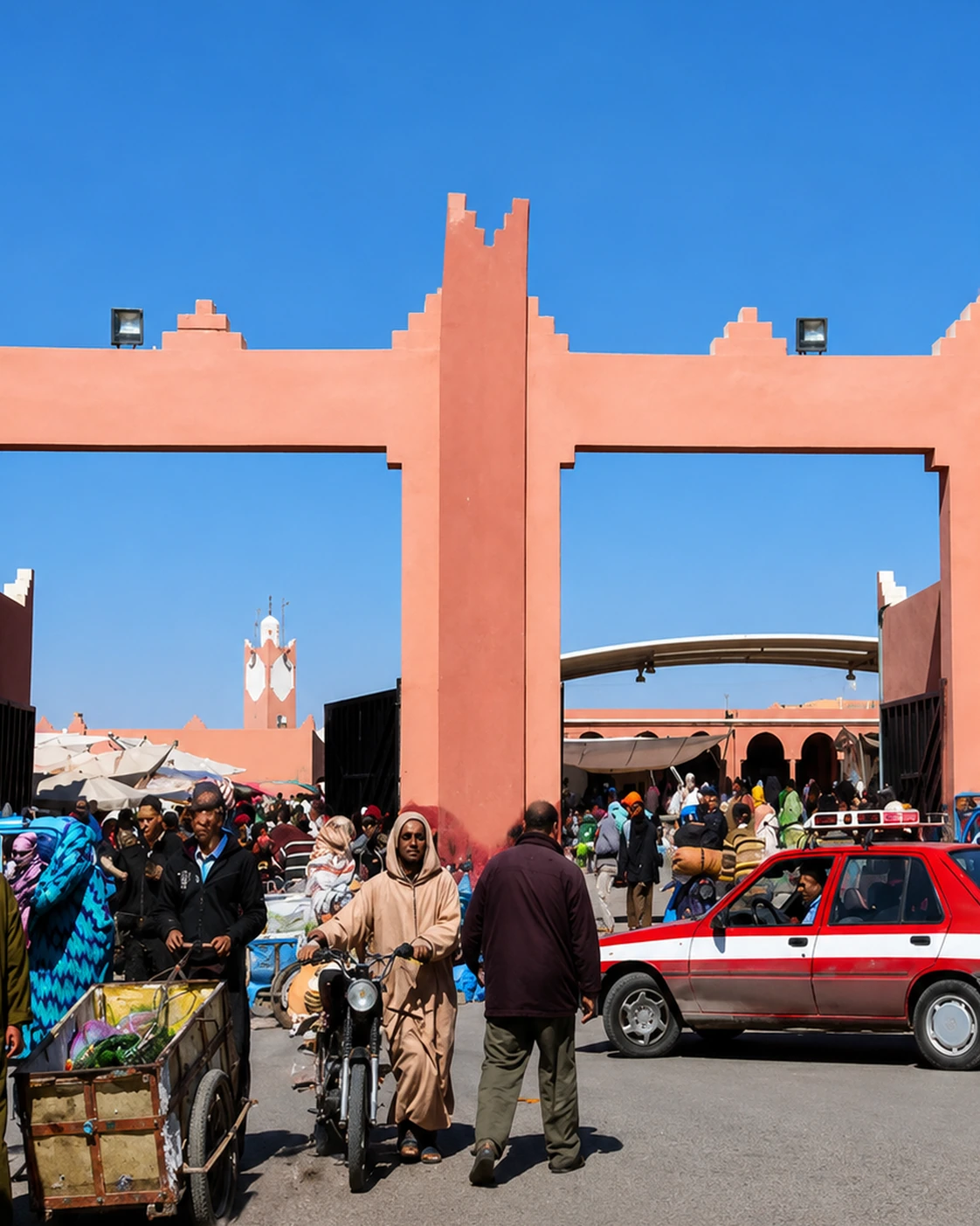
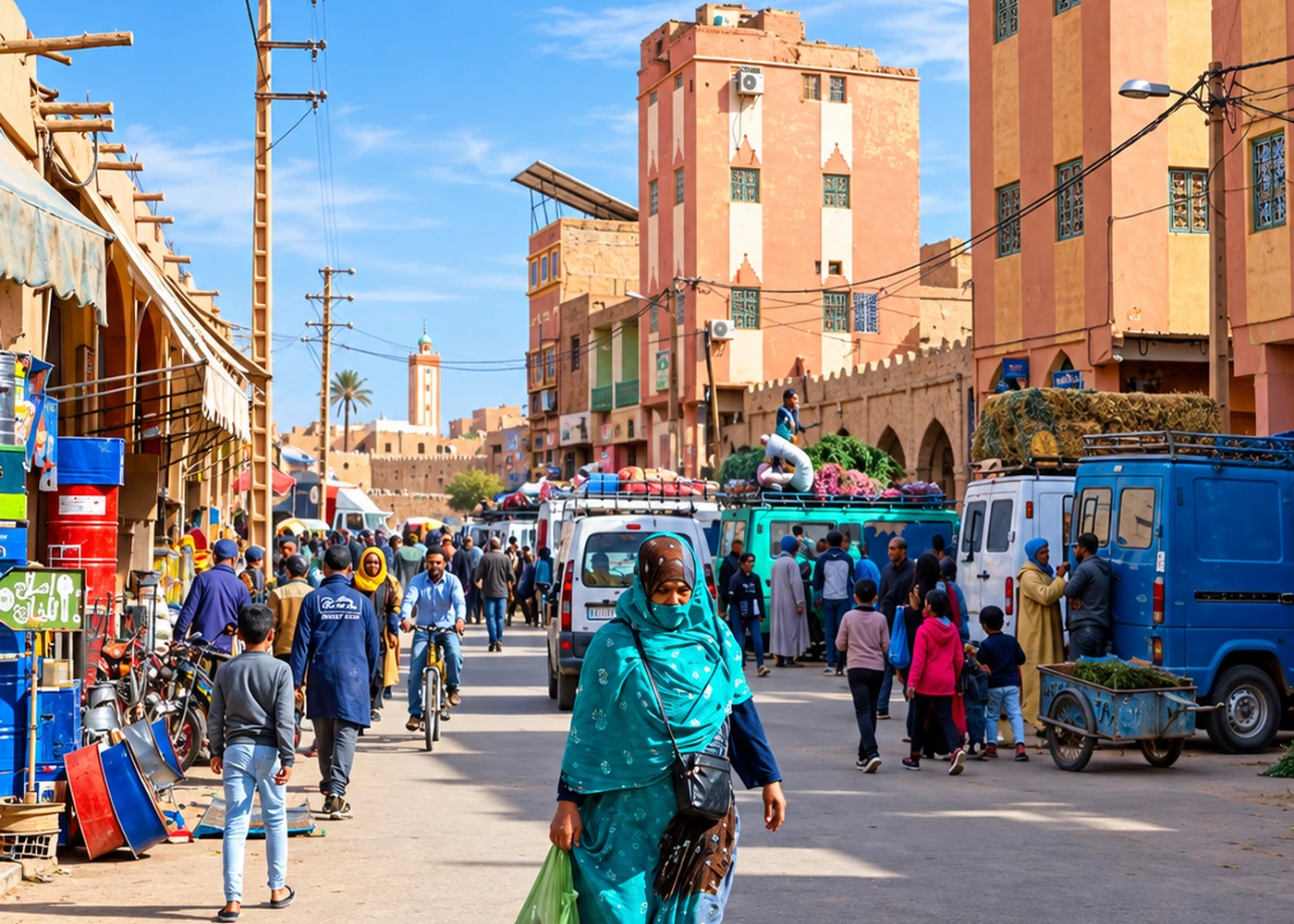
A market gateway with pedestrians and a vehicle
THE LANGUAGEMoroccan Arabic · Darija
THE APPROACHListen. Respond. Connect.
THE CONNECTIONFind it in Morocco ↗
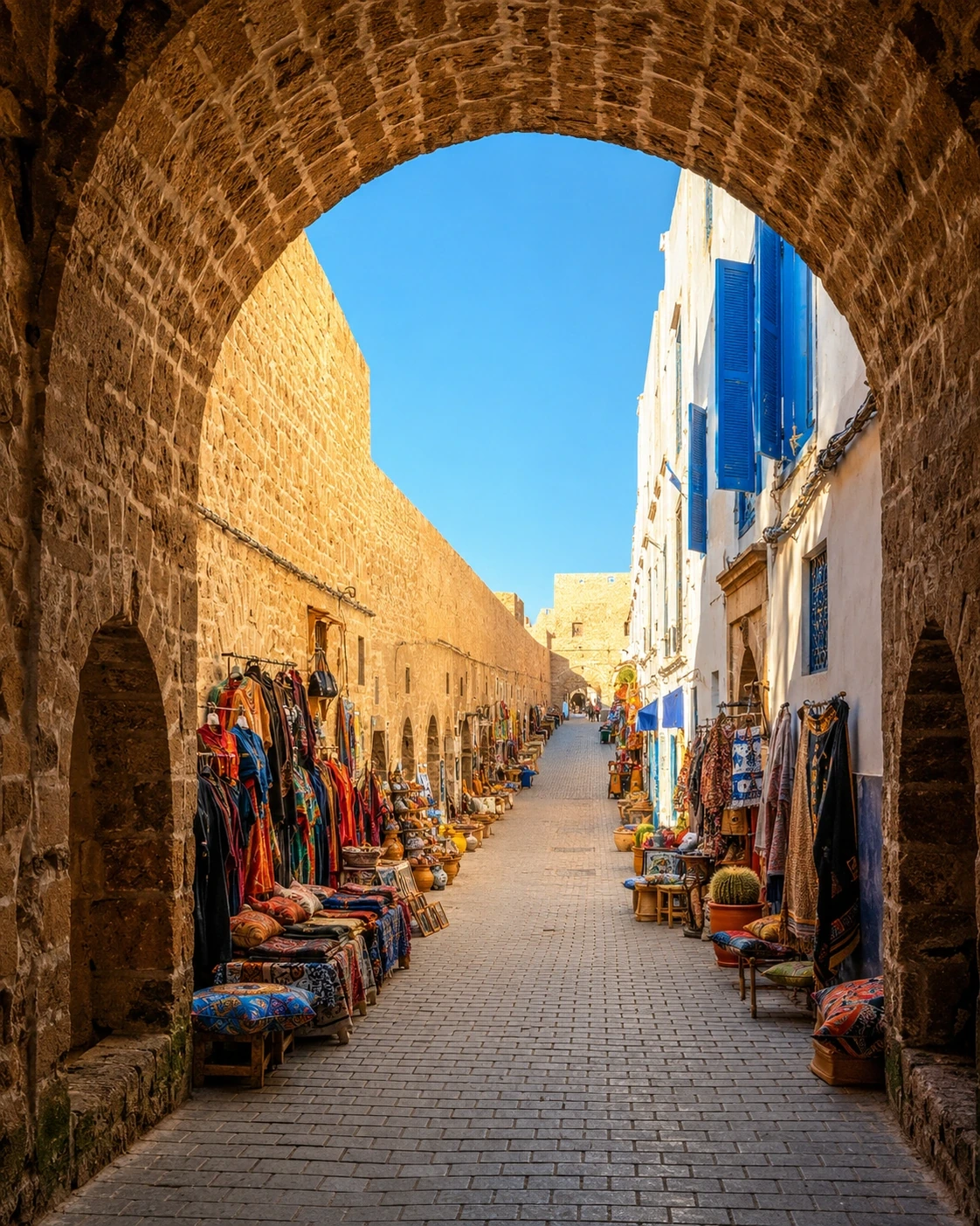
A stone passage opening into a medina street
02 / Language in context

Asking where is only the beginning.

Fin la-gar, ʿafak? asks where the train station is. The borrowed station word appears in the teaching reference, but naming the actual station remains important. Larger cities can have more than one relevant stop or terminal. A local phrase and an exact destination work together; neither replaces the other.

Directions combine movement with landmarks. You may hear sir nishan, go straight, followed by a turn or a named point. Limen and liser identify right and left in the examples here. Listen for the sequence: a direction given after a landmark is different from an immediate turn. If you lose the order, stop and clarify rather than guessing from the last word you recognised.

Transport vocabulary is not a timetable. Services, fares, routes and operating arrangements can change. Use the operator’s current information for those details and the phrases here to communicate around them. A friendly answer from a passer-by can help with orientation without being authoritative confirmation of a departure, ticket condition or service change.

A closer understanding

Keep three layers separate

Meaning becomes clearer when you connect the words to what the speakers are doing.

01 / Notice this

Place

Confirm the full destination, including the station, entrance or street when relevant. Showing a saved address can resolve a pronunciation difficulty. Make sure you and the other person are looking at the same place before discussing how to get there.

02 / Notice this

Movement

Learn the basic direction words as recognition vocabulary. Practise with a simple sketch and ask someone to change one turn. Do not walk into traffic or across a platform while concentrating on a phone translation; choose a place where you can pause and understand.

03 / Notice this

Arrangement

For a ride or ticket, establish the practical arrangement before departure. The route, fare basis and destination are separate questions. This is communication practice rather than a claim that every Moroccan transport service operates in one way. Check the actual service you are using.

04 / The visual chapter

The setting changes the exchange.

Look beyond the phrase. Objects, working spaces and shared routines give a conversation its practical meaning.

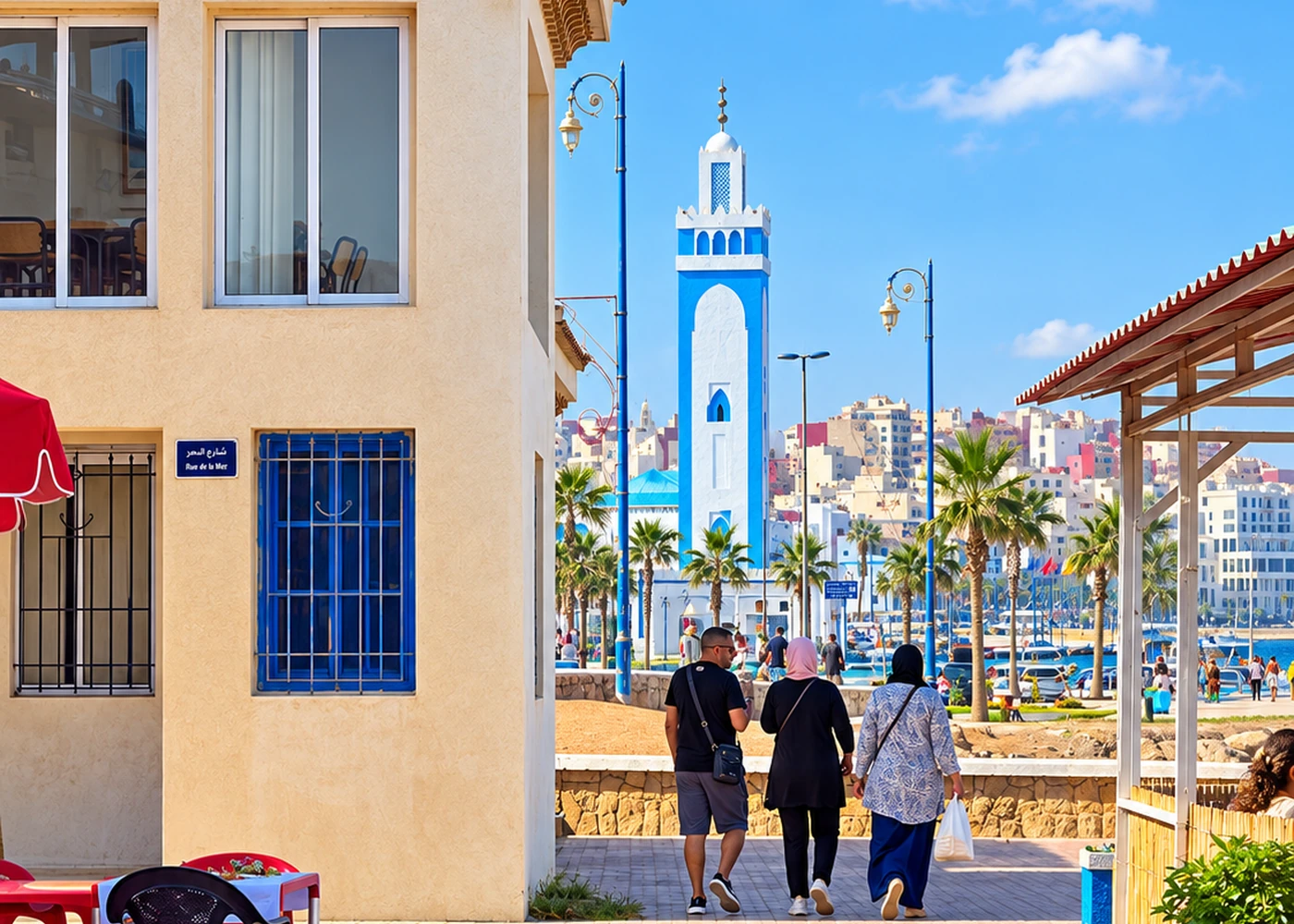
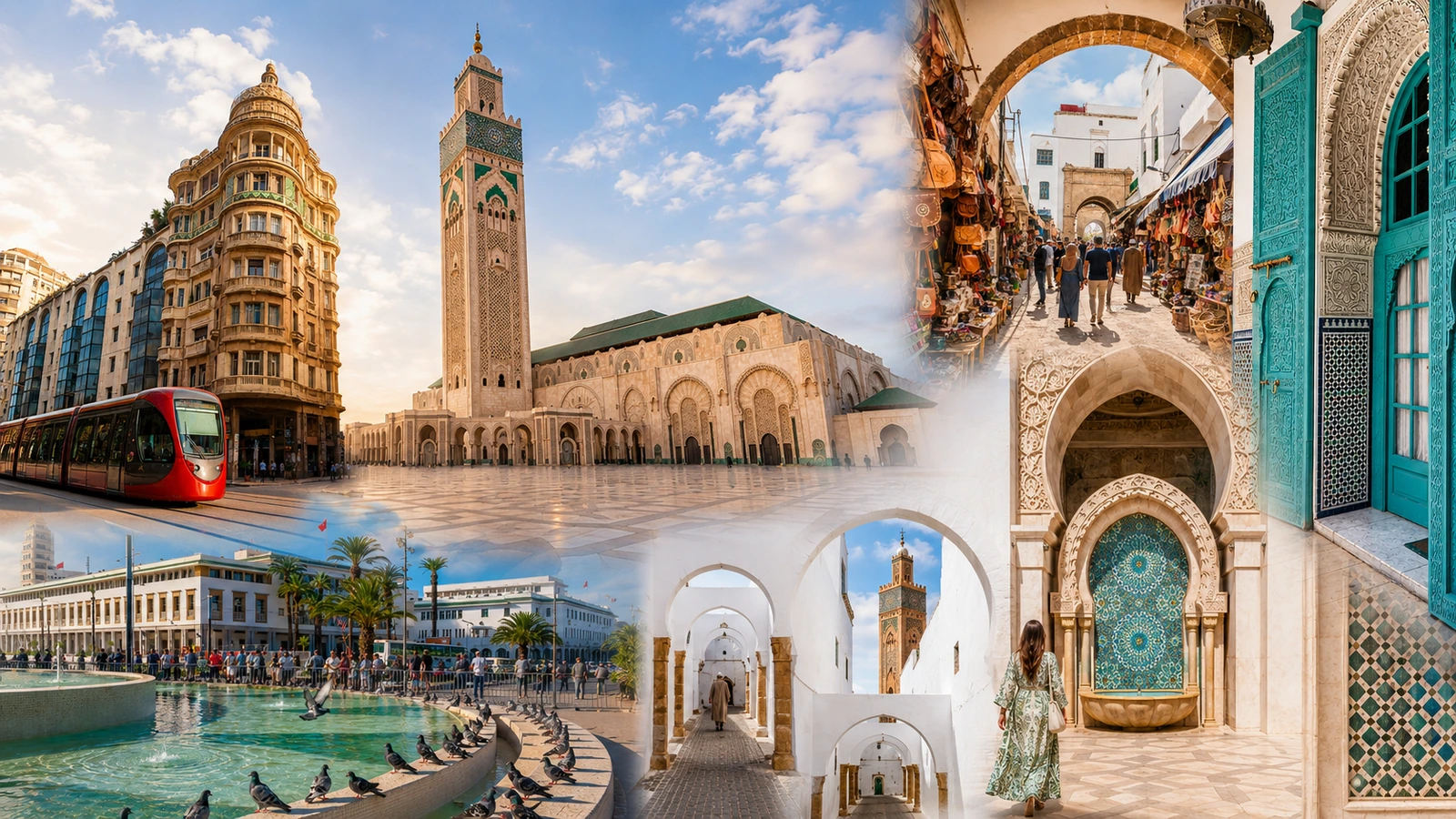
A bright street with buildings and a visible landmark
01 / Language in daily life

Use a landmark carefully

A tall building or distinctive corner can help identify a turn. Confirm that the speaker means the landmark you are looking at, especially when several similar features are visible. Describing the first step clearly is more useful than agreeing to a route you have already lost.

A bright street with buildings and a visible landmark
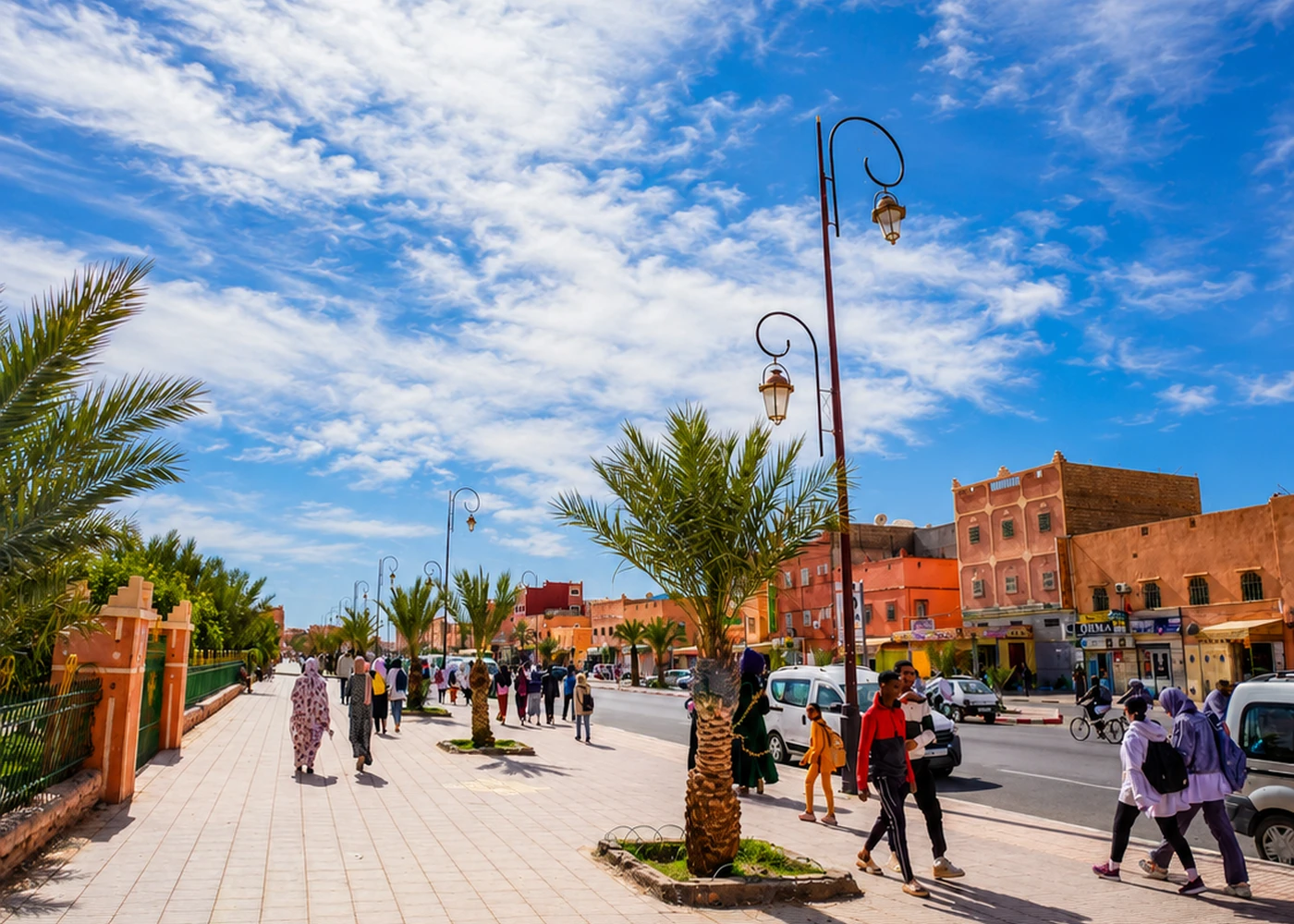
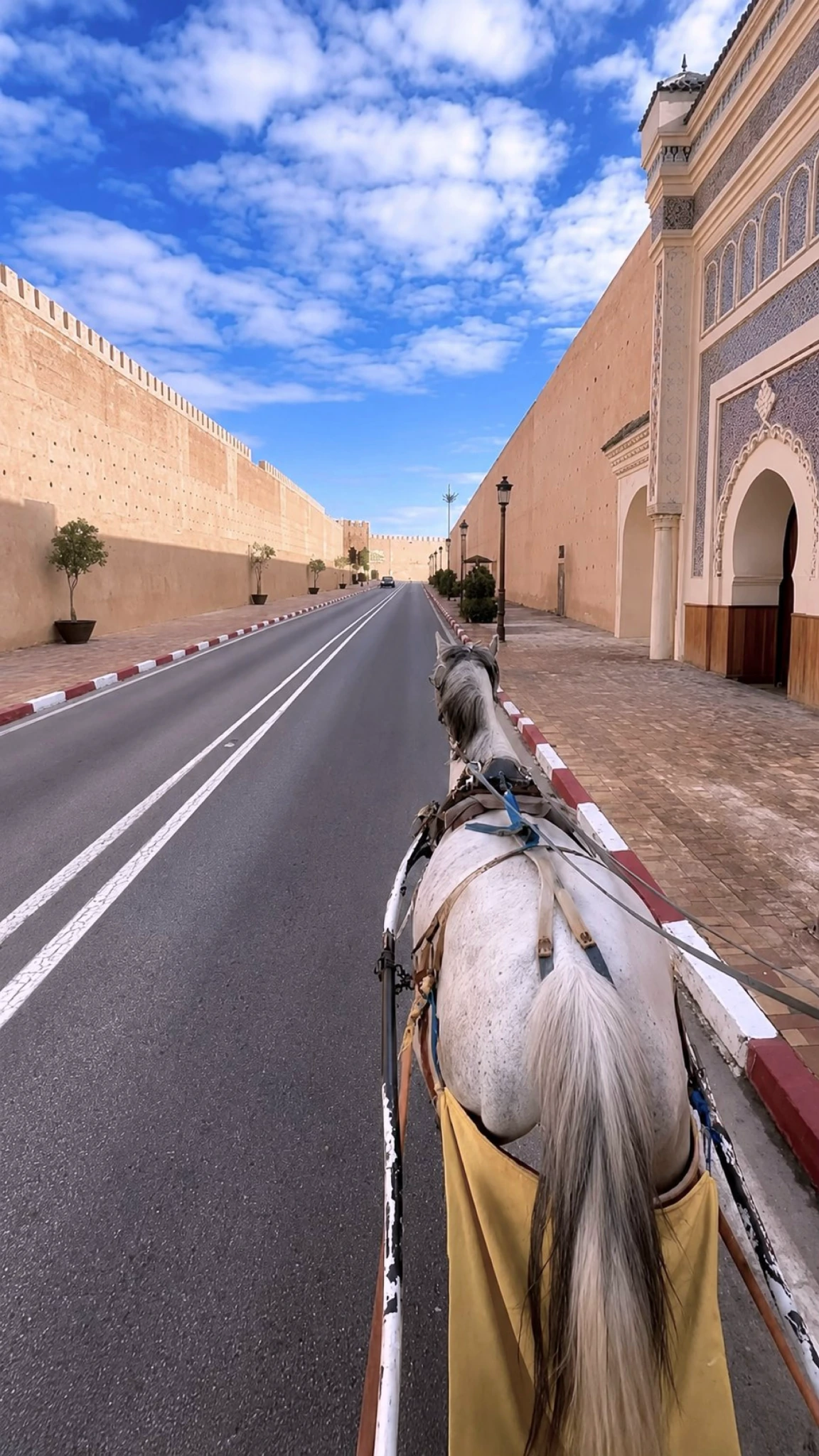
A broad avenue with shops and pedestrians
02 / Language in daily life

Break the route into steps

A broad avenue may look simple while the required entrance is on a side street. Ask about the precise destination and sequence of turns. If you need the explanation repeated, use a repair phrase before starting to walk. A route is a sequence, not a bag of familiar direction words.

A broad avenue with shops and pedestrians
A busy street shared by pedestrians and vehicles
03 / Language in daily life

Choose a place to pause

Busy streets divide attention between movement and conversation. Step to a suitable place before checking a map or phone. Thank someone who helps, then compare the explanation with your destination. Clear communication is easier when neither person has to speak over traffic while moving.

A busy street shared by pedestrians and vehicles
03 / From words to an exchange

Say a little. Understand more.

A small set of useful expressions, with the context that makes them work.

01 / An expression to recognise

fin la-gar, ʿafak?

Where is the train station, please?

Name the particular station if there may be more than one.

02 / An expression to recognise

sir nishan

Go straight

A form addressing one man in the teaching example. Sir-i nishan addresses one woman; listen for the route, not just the verb.

03 / An expression to recognise

dur ʿla limen / dur ʿla liser

Turn right / turn left

Recognition examples in the masculine singular. Feminine singular commands add -i to the verb.

04 / An expression to recognise

bgheet nmshi l…

I would like to go to…

Add a clear destination. Keep its written name available if pronunciation causes uncertainty.

05 / An expression to recognise

wqef hna, ʿafak

Stop here, please

A request to a male driver. A stop still needs to be possible and appropriate for the actual service.

06 / An expression to recognise

b-shwiya, ʿafak

Slowly, please

Useful when a route is explained faster than you can follow.

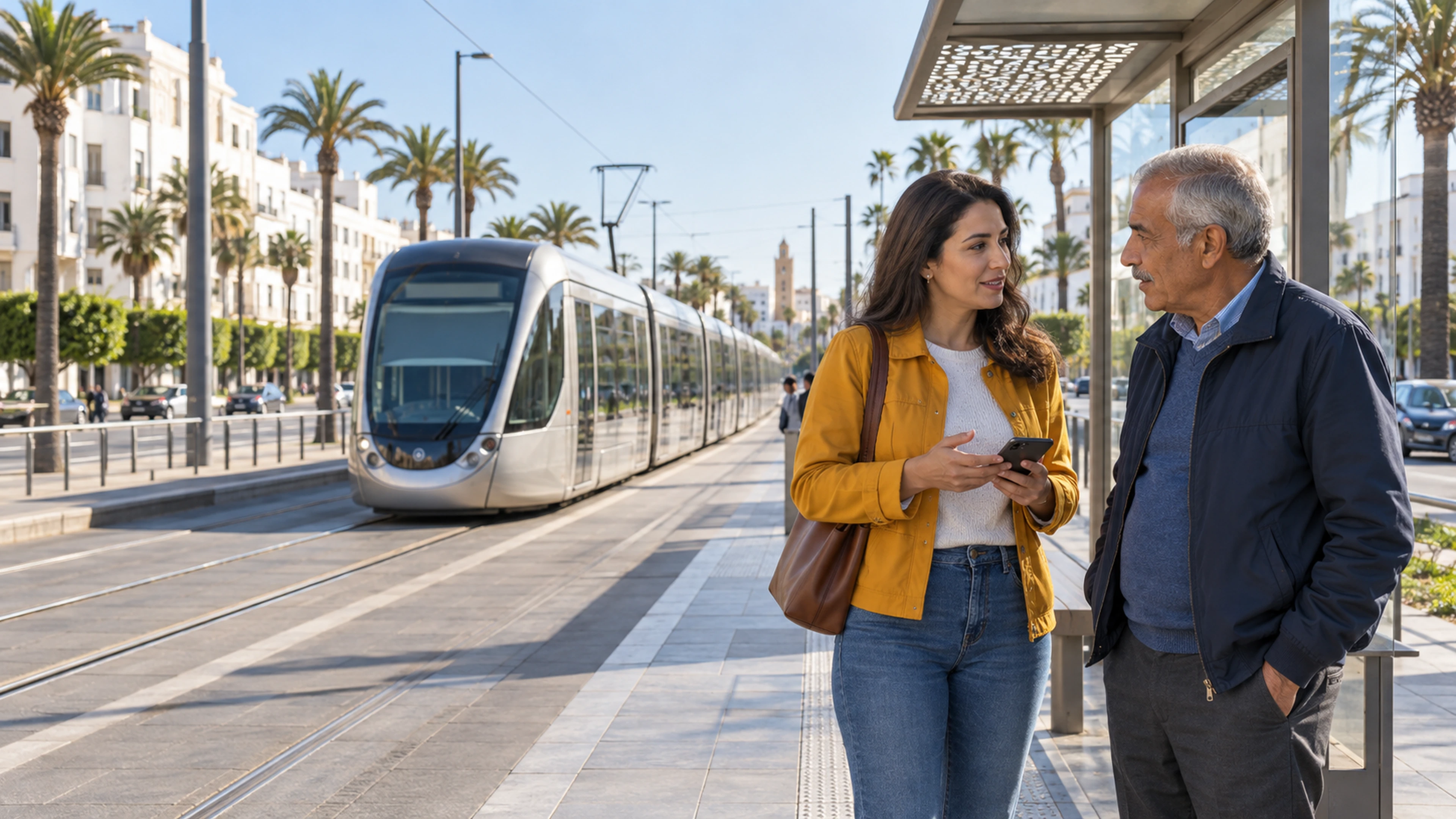
A short practice scene

Asking about a station

The direction in this practice scene is addressed to a man and is not a real route to any named station. Treat it as listening practice. In an actual city, check the station name, ask about the relevant landmark and confirm the next step rather than applying an invented lesson route to the street.

  1. Yous-salamu ʿalaykumHello.
  2. Youfin la-gar, ʿafak?Where is the train station, please?
  3. Person giving directionssir nishanGo straight.
  4. You, if more instructions become unclearb-shwiya, ʿafakSlowly, please.
How to read the Darija examples

These are approachable Latin spellings for spoken Moroccan Arabic, not IPA or a single official spelling system. sh is like the sound in “ship”; kh is like the final sound of Scots “loch”; gh is a voiced sound made towards the back of the mouth. ʿ marks ʿayn, which has no direct English equivalent. ḥ is a deeper h sound, and ṣ marks an emphatic s. The doubled vowel in bgheet is an English-oriented reading aid.

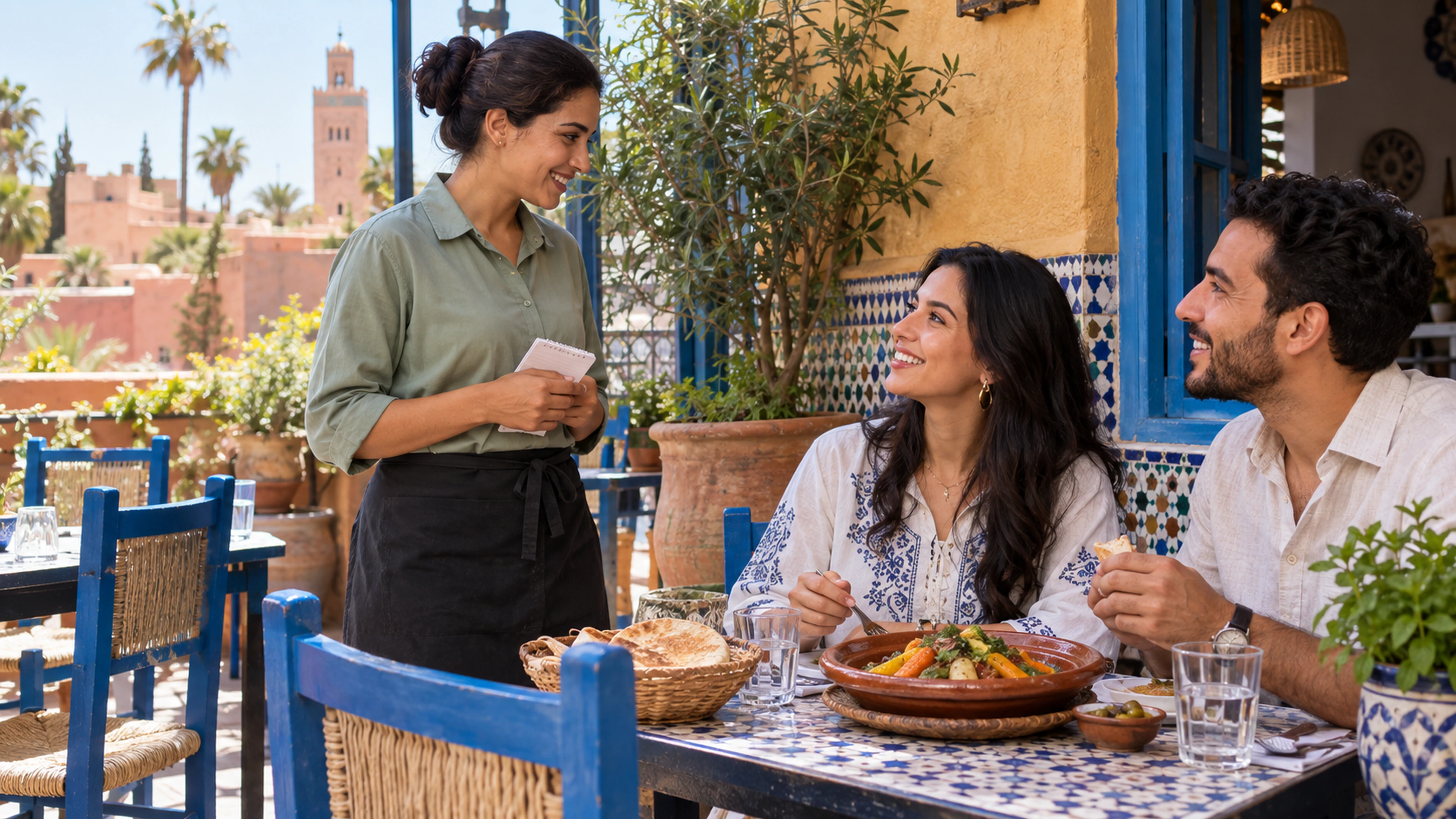
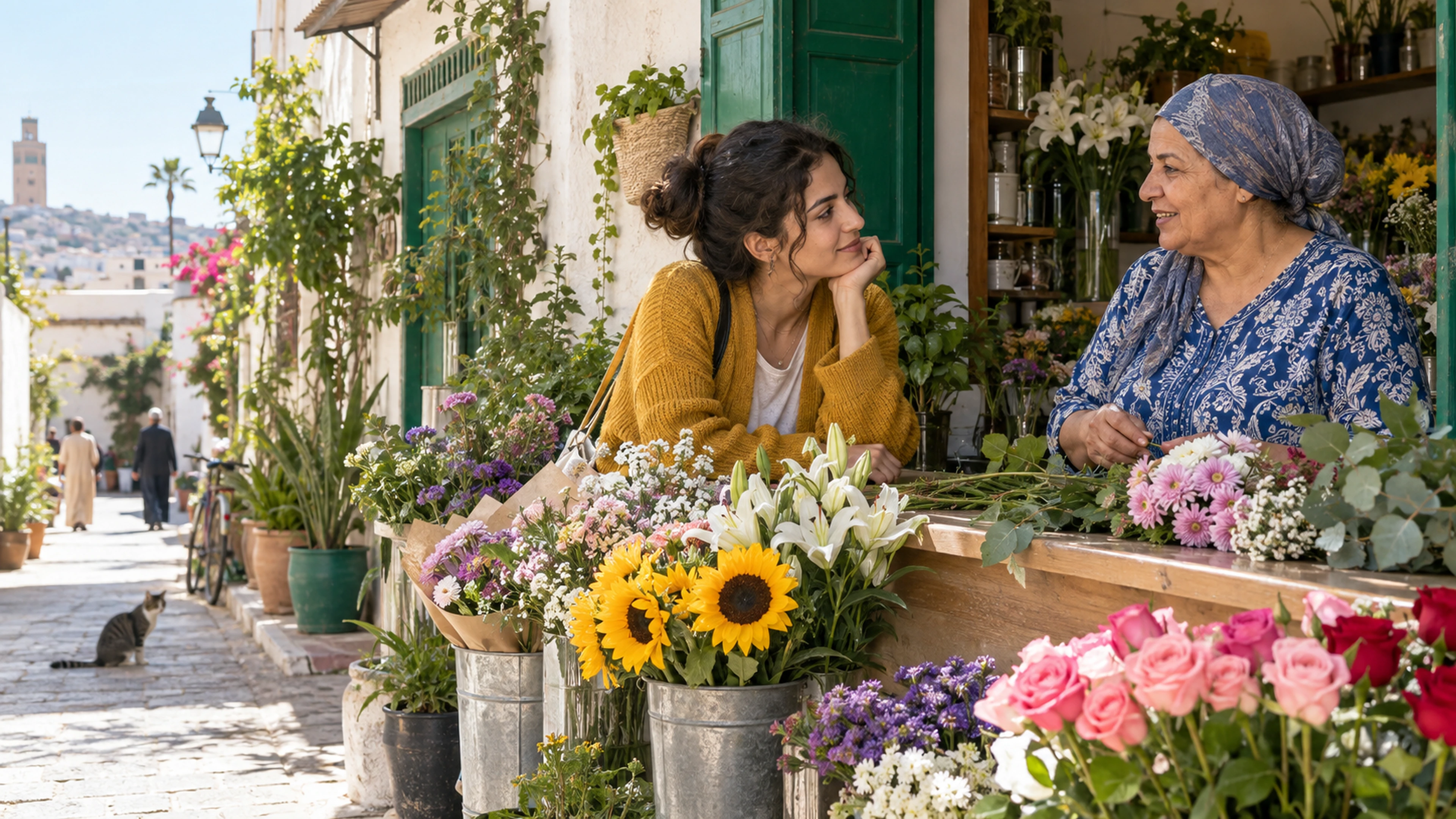
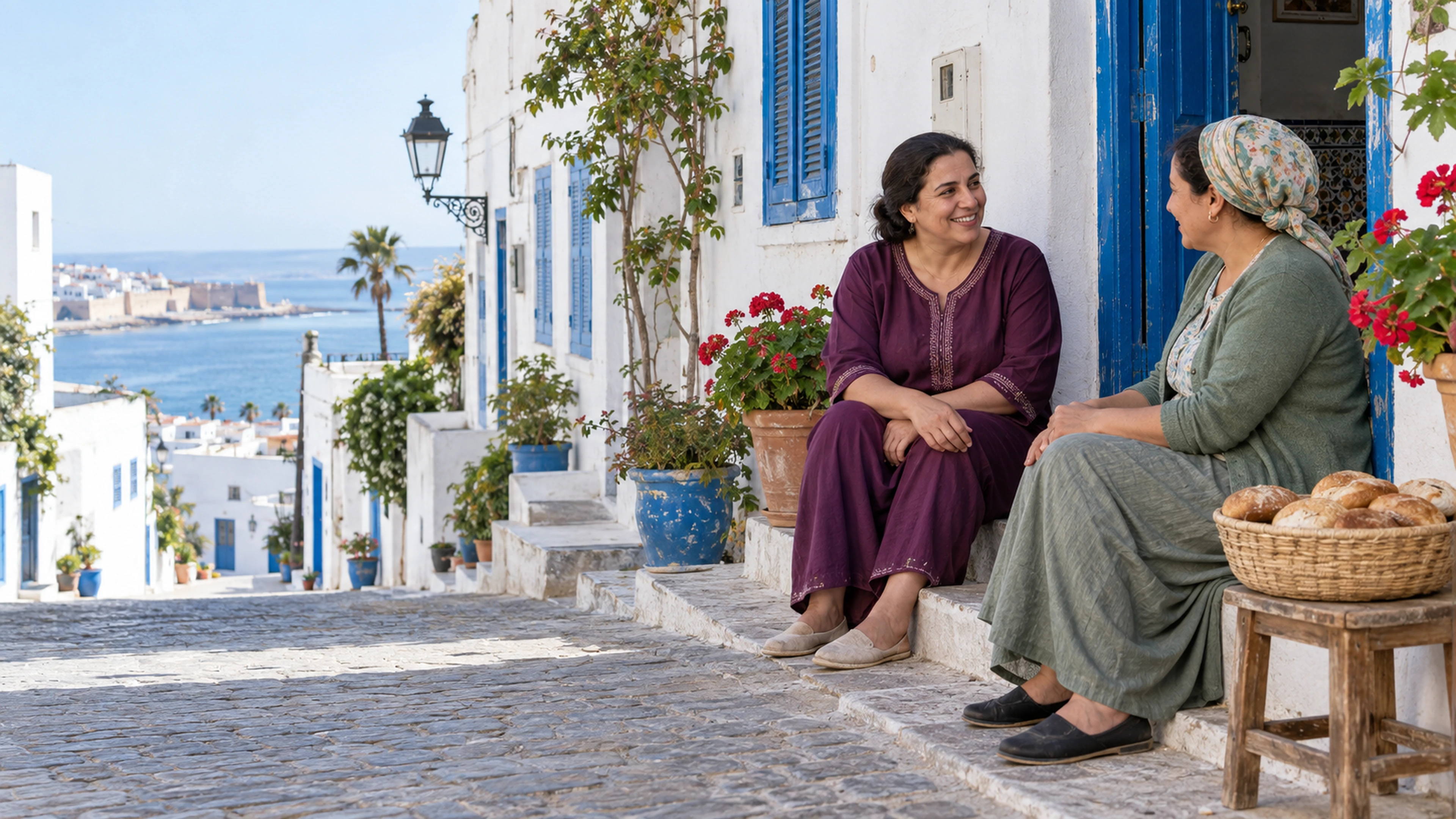
Spellings and pronunciation vary. Hyphens help show parts of an expression; they are not instructions to pause. Learn the rhythm from a willing speaker or a reliable recording. Examples are brief practice scenes, not transcripts of the people in the photographs. Relevant masculine, feminine and plural address forms are labelled.

06 / Try it with attention

Repeat the destination, not just “okay”.

Before a journey begins, check the place name together. If an address is difficult to pronounce, show it and let the other person repeat it. At a ticket counter, compare the destination and date on the actual ticket or confirmation. Darija can make the conversation warmer, while written details make the arrangement easier to verify. Both belong in a well-understood journey.

Try it once slowly, then let your partner change the answer. Listen for what changes before choosing your next phrase.

Prepare a small destination card on your phone: the place name, its written address and a map pin. Point to that shared reference while asking your question. If someone gives directions, check the next turn separately from the final destination. A long explanation is easier to follow when you confirm one useful piece at a time.

Before entering a vehicle, separate the destination from the arrangement. Confirm where you will be dropped, then clarify the fare or ticket with whatever shared language works. Repeating the city name cannot confirm a particular hotel entrance. Keep the address available after the journey too, so the final walk is part of the same plan.

07 / A more useful conversation

Questions worth asking.

A little nuance makes a phrase more useful.

Will these phrases tell me current fares?

No. This is a language page. Consult the actual operator or service for current fares, routes and ticket conditions, and confirm the amount relevant to your journey.

Why label the direction commands by gender?

Because some common singular command forms change according to whom they address. Recognising the variation helps explain why a spoken answer may not match the first form you memorised.

What if I cannot follow a long explanation?

Ask for slower speech, request one step at a time or use a map in a mutually understandable way. Thank the person even if you need to confirm the route elsewhere.

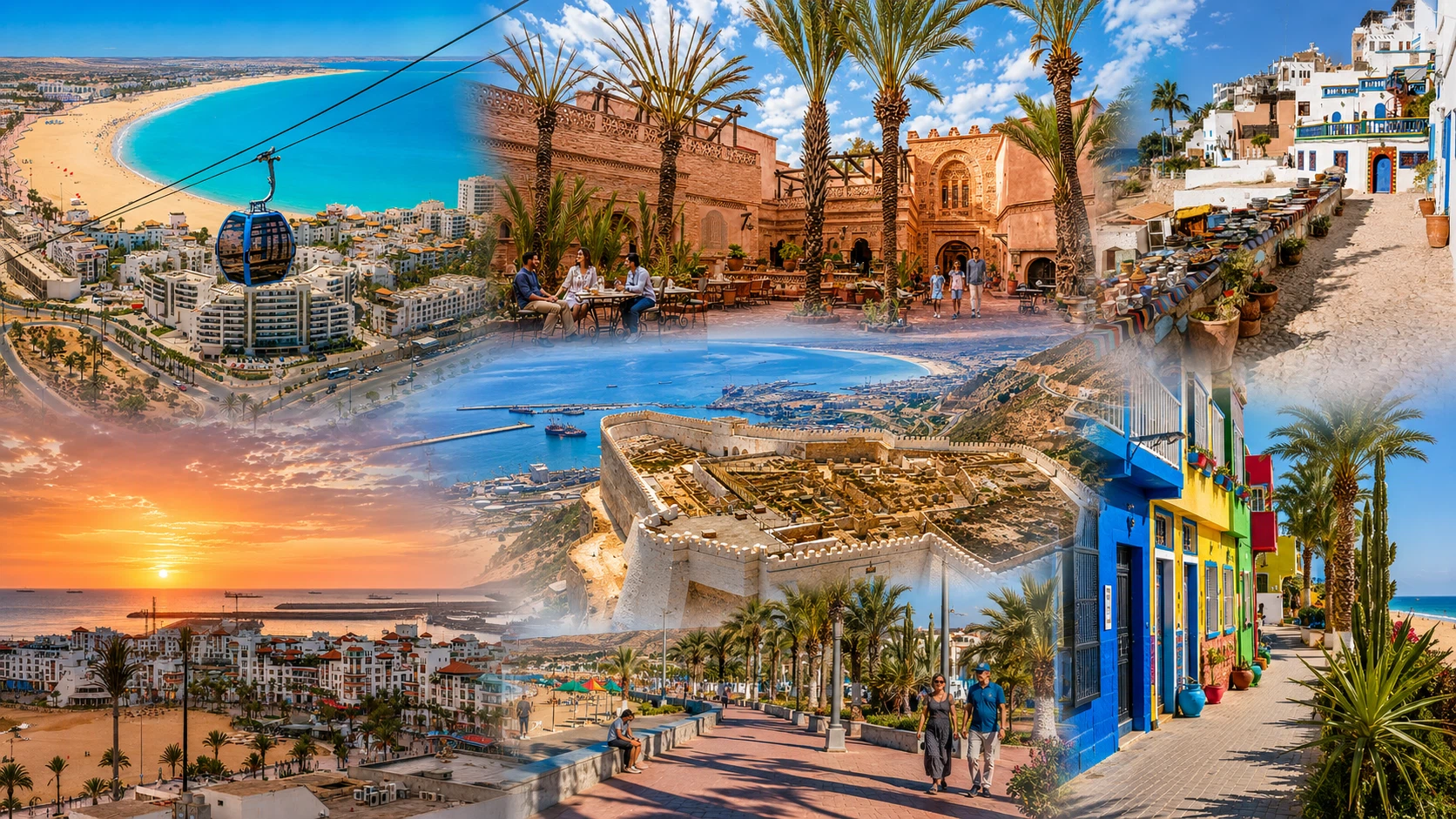
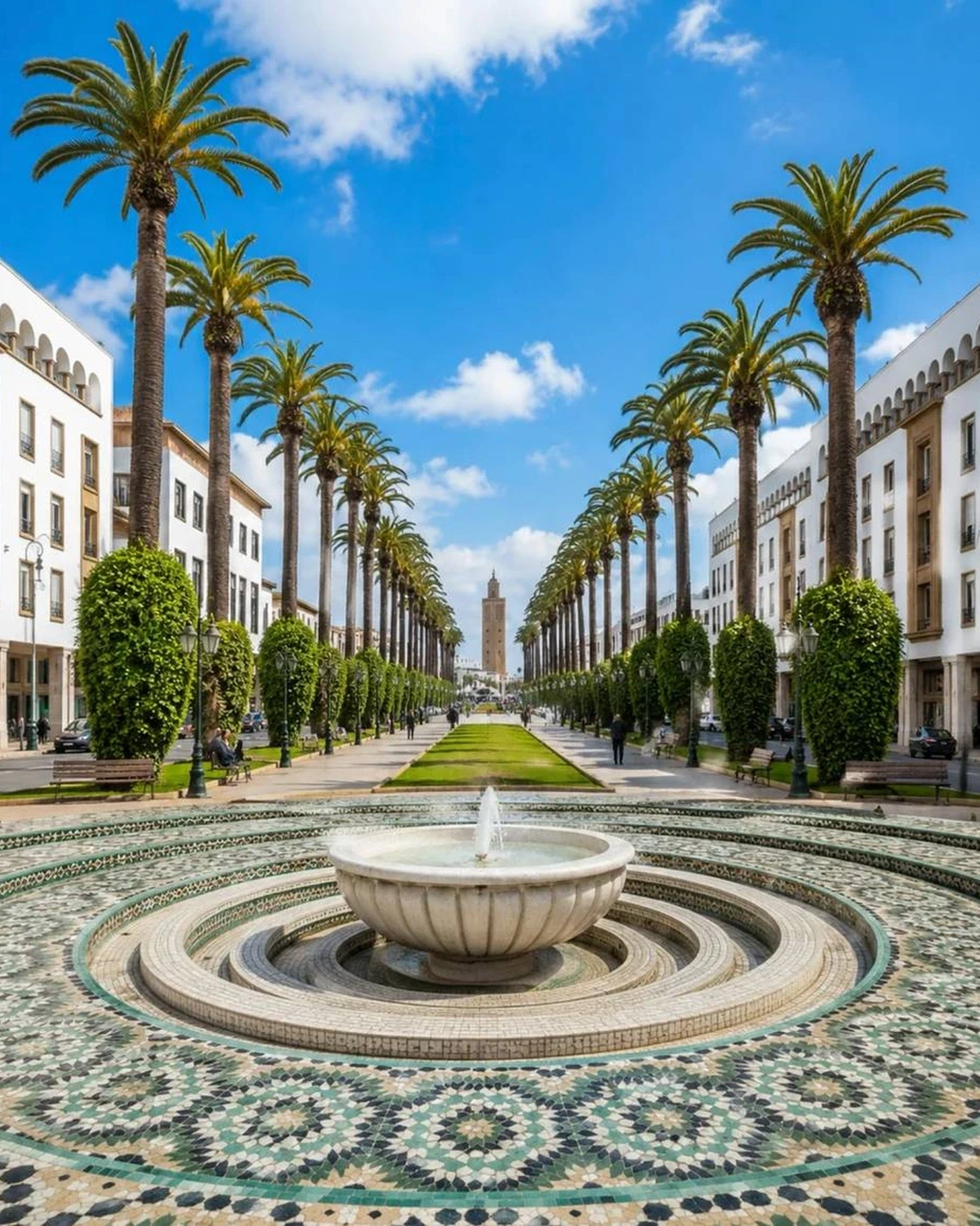
A palm-lined avenue and fountain
The Exotic Morocco guide library

Keep the conversation going.

Take Directions & Transport further.

This public chapter is free to explore. The companion guide is in preparation, with space planned for fuller phrase sets, practice exchanges and more detailed language notes.

Find current availability in the guide collection.

Explore this guide ↗Back to the Darija collection ↗
Sources & further reading

Language references

  1. Peace Corps Morocco · Moroccan Arabic textbook (2011) — transcription; greetings; useful expressions; numbers; shopping; directions; restaurant language.
  2. IRCAM · Amazigh language teaching resources — wider multilingual context.