
A capital gathers
in more than one way.
Begin by identifying the kind of occasion.
A museum opening, an outdoor concert, a civic commemoration and a large music festival can all bring people together in Rabat. They do not offer the same invitation. One may be organized around an exhibition ticket, another around a public audience, and another around official participation or restricted access.
This page reads the city through those different forms of gathering. It is not a promise of a fixed annual programme at a particular monument. Use the institution, municipality or organizer’s current announcement to establish what is happening, where the public may go and whether a booking is required.
Old fabric.
A planned modern city.
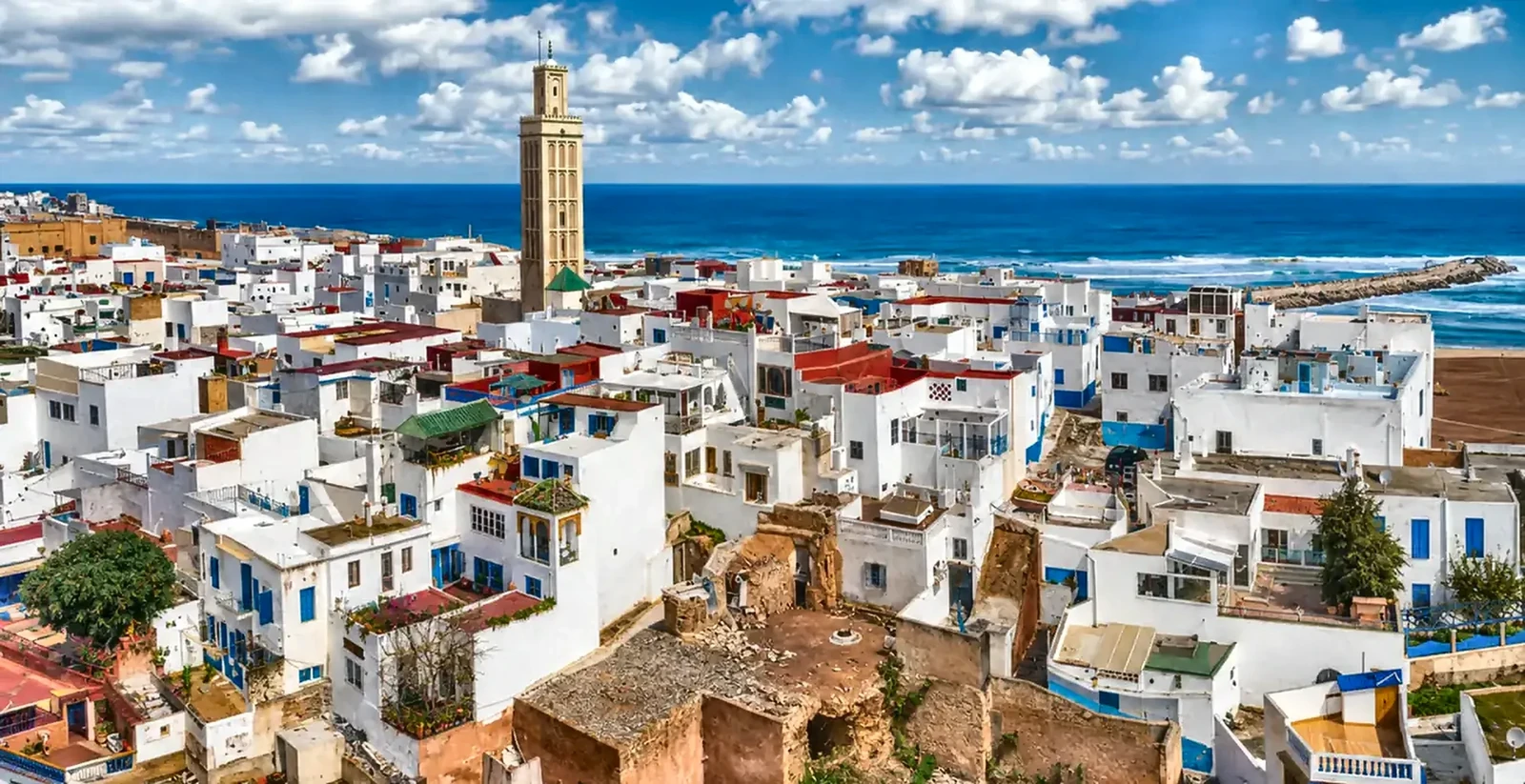
UNESCO’s Rabat inscription, added in 2012, brings historic urban fabric and the modern capital into one heritage account. It includes older monuments and neighbourhoods alongside the new town developed in the early twentieth century. This layered geography helps explain why public occasions can feel so different from one setting to another.
Look at the scale of the space around an event. A broad avenue, a museum forecourt and a narrow historic passage shape movement and attention differently. Architecture is not merely a backdrop: it affects how people arrive, where they pause and how an audience disperses.
Keep the specific occasion in view. A significant public place may host a programme at one time and have another everyday or ceremonial function at another.
Three invitations
to the capital.
The institution
An exhibition, talk or workshop offers a curated encounter. Read the programme’s language, duration and reservation requirements. A general museum ticket may not include every special activity.
Understand heritage openingsThe festival stage
A music programme creates temporary audience spaces with their own entrances and access zones. Choose a performance and understand its setting before trying to connect several stages.
Read the Mawazine dossier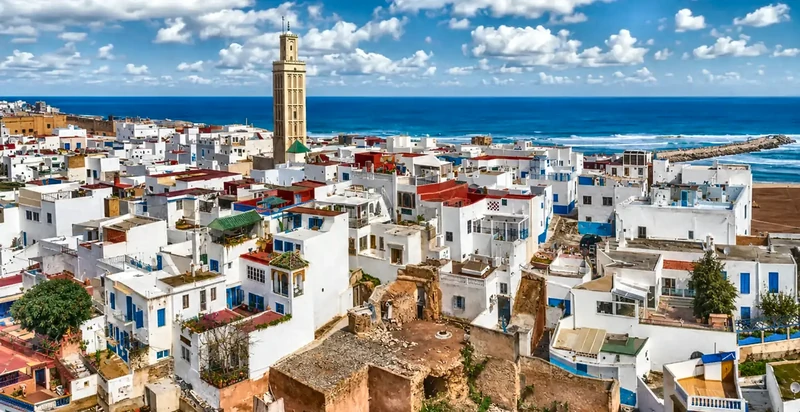
The civic occasion
A commemoration or official celebration may include public elements and spaces reserved for invited participants. Follow the published public arrangements rather than interpreting decorations or barriers as an invitation.
Plan public accessA museum programme
is a conversation with a collection.
An exhibition asks you to follow selections, labels and the relationships between works. A talk or workshop can add another voice to that arrangement. Read the institution’s own description so you know whether the activity is designed for a general audience, a particular age group or people with prior knowledge.
Give a small number of works time. Notice what the curator places beside one another, what the labels establish and where your own interpretation begins. A cultural visit becomes more useful when you can distinguish those levels.
The National Foundation of Museums publishes institutional information and programmes. Check the particular museum rather than extending one institution’s opening hours, photography policy or ticket terms to every site in the network.
Public space
still has an organization.
Read the temporary arrangement
Barriers, stewarded entrances and designated walking routes can change how a familiar square is used. Follow the current arrangement even if you have visited the place before.
Keep a useful distance
A broad ceremonial or performance space can look empty near the front while still being reserved for a purpose. Choose the public viewing area and ask when its limits are unclear.
Separate watching from joining
Being present at a public occasion does not necessarily make a visitor a participant in a procession, ceremony or performance. Join only when the invitation is explicit.
Rabat through
a few clear anchors.
The historic city and modern centre
Use the city guide to understand the relationship between neighbourhoods and cultural places. Keep actual walking and transport connections in the plan; a city-wide programme rarely fits into one compact venue.
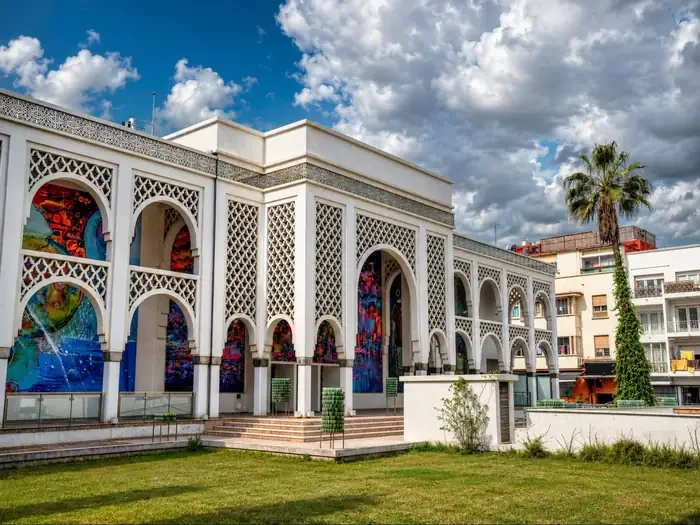
Explore The historic city and modern centreMohammed VI Museum of Modern and Contemporary Art
Consult the museum or National Foundation of Museums for the current exhibition and programme. Confirm the specific activity’s admission, language and photography conditions rather than relying on a general city listing.
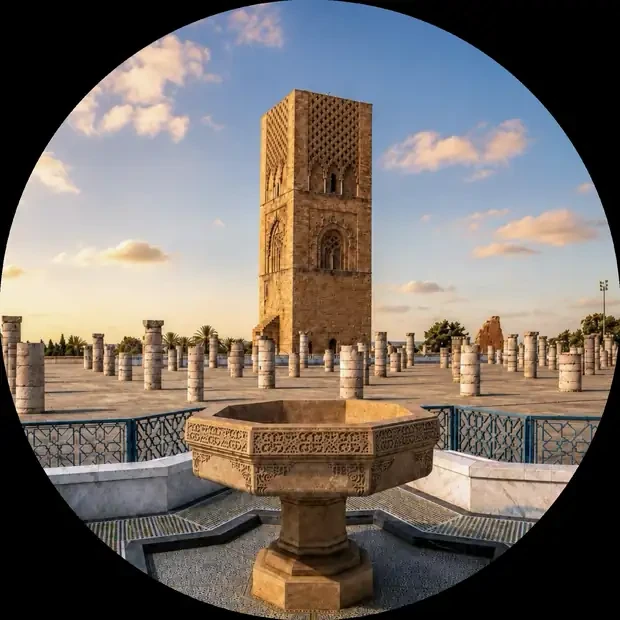
Hassan Tower and the surrounding monumental area
Treat the site’s heritage and ceremonial context with care. An event nearby does not establish unrestricted access to every adjoining space. Verify the public route and the current conditions for a visit.
Explore Hassan Tower and the surrounding monumental areaThe Bouregreg connection
A festival programme may extend across Rabat and Salé. Confirm the actual stage and the return crossing before adding a performance on the other side to an evening plan.
Read Mawazine. Rabat & Salé.One institution.
One public-space walk.
A manageable cultural day can pair a focused institutional visit with a walk that helps you read the city around it. Choose the order according to opening times, weather and the evening appointment, rather than trying to fit every landmark between two performances.
Leave room for a seated pause. Looking at art, reading labels and navigating unfamiliar streets all require attention. A break can make the second part of the day more rewarding than another rushed stop.
If the programme changes, preserve the intention of the day. A cancelled talk may still leave an exhibition worth visiting; a closed public route may call for another walk. Confirm the alternative’s own access instead of assuming that it is available because your first plan changed.
A city audience
is never only visitors.
At an institution
Respect staff guidance and the attention of other visitors. Keep conversations appropriate to the room and move aside before consulting a phone. Ask about recording a speaker or an artwork when the policy is unclear.
At a civic gathering
Watch how the occasion is organized and avoid interrupting participants for photographs. A person’s public role at that moment does not make every interaction with them available to a visitor.
In the surrounding streets
Residents, workers and commuters continue to use the city. Keep transport stops and entrances clear, and allow ordinary movement to coexist with the temporary programme.
Confirm the invitation
at its source.
Save the announcement that names the event, date, venue and organizer. Check whether the invitation is public, ticketed, reserved or limited to a particular audience. A social-media photograph of an earlier occasion does not establish current access.
For a museum programme, use the institution’s official information. For a festival, use the organizer’s current stage and ticket pages. For a civic occasion, follow the published public arrangements and local guidance. The more official the setting looks, the less useful it is to infer permission from appearance alone.
Keep practical questions precise: which entrance, what arrival time, what access route and which companion arrangements. These are easier to answer than a broad request to explain everything about the day.
Notice how
the city makes room.
After the event, consider how the space shaped the encounter. Did a building encourage quiet attention? Did a broad public area allow a larger audience? Did a street become a connection between several kinds of activity?
These observations can make another visit more interesting. The capital’s cultural life is not confined to one festival or one monumental image. It is also present in how institutions invite people in and how everyday urban spaces accommodate a temporary gathering.
Another lens
on the capital.
Heritage openings
Read institutional invitations with care.
Mawazine
Understand a distributed city festival.
City celebrations
Compare how different cities hold an audience.
Rabat
Give the host city more time.
Sources, date checks & image context
Event information checked on 29 September 2026. Dates marked typical describe a seasonal pattern, not an announced booking date. Recheck the linked organizer before committing to travel.
Library images illustrate the host place, materials and cultural context. They are not presented as documentary records of a particular festival edition.