
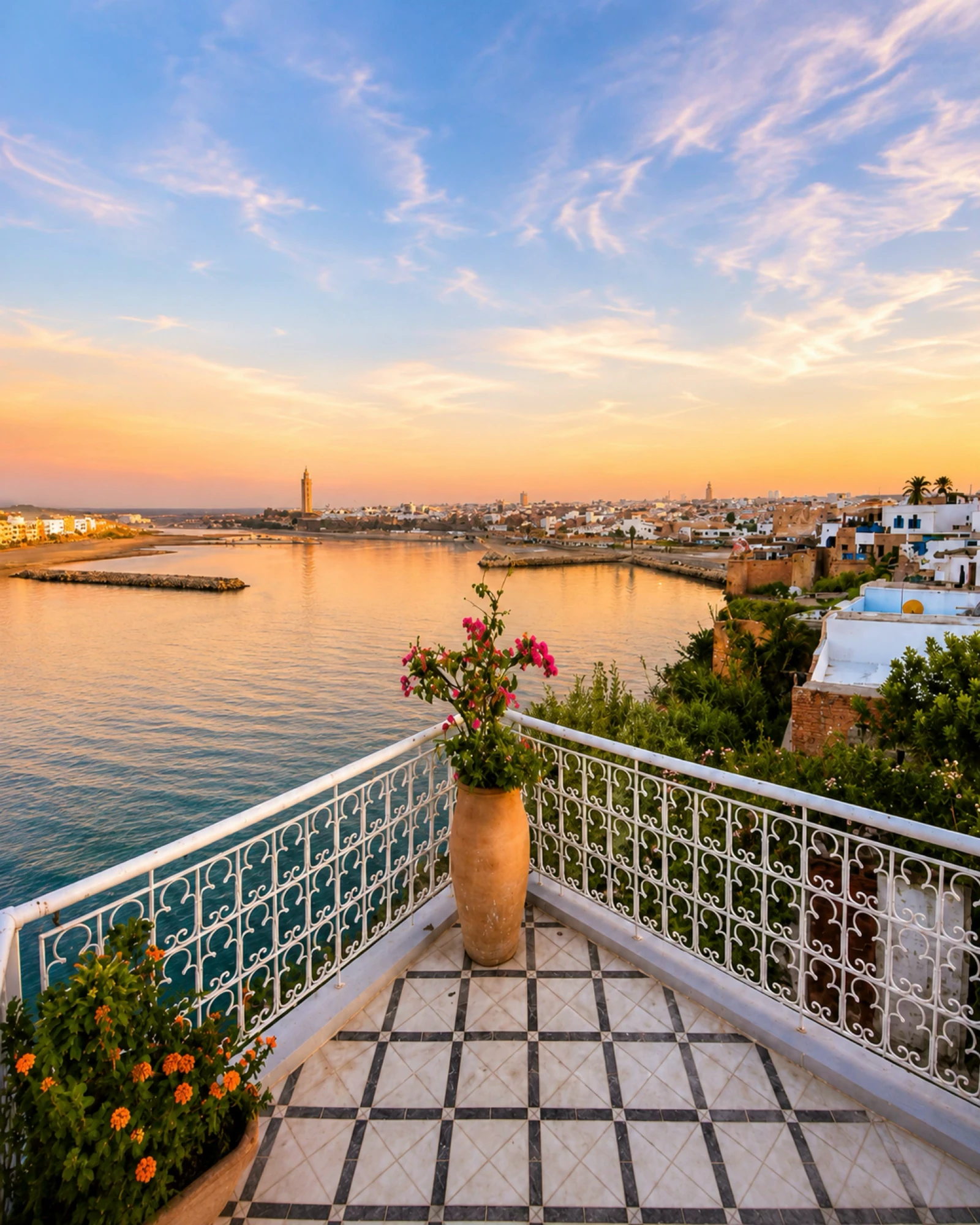
One festival.
A distributed experience.
Dates not announcedTypically June · Next dates not announced
Choose the performance first. Then understand the place that holds it.
Mawazine — Rhythms of the World is organized by the Association Maroc Cultures and has taken place since 2001. Its programme brings international, Arab and Moroccan music into a festival spread across Rabat and Salé. That scale creates choice, but it also means there is no single audience experience that represents the whole event.
The organizer’s account places the twenty-first edition on 19–27 June 2026. Those dates are now past; the next edition’s dates were not announced in the checked reference. Use the current official programme to identify the artists, stage locations and admission arrangements when they become available.
The stage changes
the evening.
A broad outdoor audience, a paid front area and an indoor performance can differ in sound, sightlines, seating, entry and departure. A name on the programme is only the beginning of the decision. Look at the venue and access category alongside the artist.
The organizer’s charter describes extensive free access, alongside paid provision. This is a commitment to a broad public festival, not a promise that every area of every performance is free. Read the current ticket information carefully when a specific viewpoint or venue matters to you.
If two artists appeal equally, choose the setting that better suits your group. A manageable return journey and room to step away can contribute more to a good night than proximity to the stage.
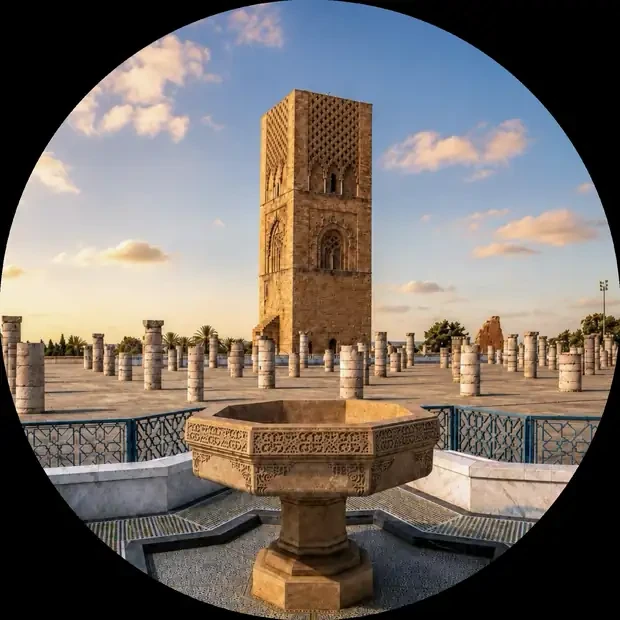
Build your own
musical route.
Begin with an artist
Read the programme entry and listen to the artist’s own published work. Genre labels are useful signposts, but a live collaboration or special presentation may differ from the recordings you know.
Add a discovery
Choose a second act because something about the music interests you, not simply because it is nearby on a timetable. A festival is a chance to give an unfamiliar performer an attentive audience.
Protect the listening time
Do not fill every gap with another transfer. Arriving halfway through a set and leaving before its conclusion can turn an ambitious schedule into a sequence of interrupted encounters.
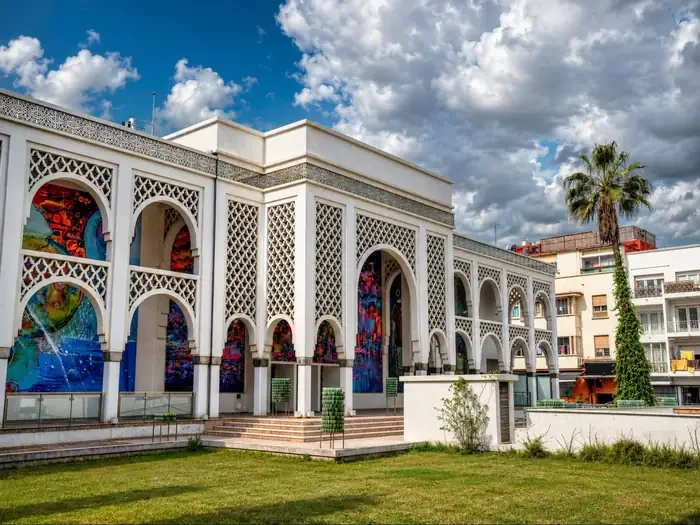
Free access still
has a threshold.
An event without an admission charge can still have security checks, controlled entrances, capacity limits and areas that are unavailable to the public. Follow the actual stewarded route. A gap in a barrier is not an alternative entrance, and a crowd moving towards a space does not establish that it is open.
For a paid area, match the ticket to the date, stage and access zone. Keep the current terms, including any collection or identity requirements. Do not assume that buying access to one performance supplies transport, seating or entry to another stage.
When the website contains older pages, check the year of the booking product itself. A price from a previous edition is useful historical information only; it is not a current offer.
A whole evening
in three decisions.
Where to enter
Identify the official entrance and the approach from your arrival point. Large stages can have separated access zones. Establish the correct side before joining a queue, especially when travelling with people who find long walks difficult.
Where to stand
Choose a position with acceptable sound, a comfortable view and a clear route away. Avoid blocking pedestrian movement to improve a photograph. If crowd density feels uncomfortable, move earlier while choices remain available.
How to return
Agree on a pickup or transport point outside the immediate stage exit. Check the operator’s current service information and have a fallback that does not depend on everyone leaving at the same moment.
Two cities.
One connected plan.
Rabat
The capital contains several kinds of public and cultural space. Use the current festival map to connect a stage with its surrounding streets, rather than assuming every performance sits near the same landmark.
Explore RabatSalé and the Bouregreg crossing
A programme on the other side of the river can change your travel plan substantially. Confirm the precise stage, crossing and last return option. A line drawn across a map does not account for queues, closed approaches or the time needed to reach transport.
A daytime cultural visit
A museum or heritage visit can complement an evening concert if its own opening times and location fit. Keep it optional when the festival requires a long arrival window, and check institutional access separately.
Read Rabat. The city in public.Let the city
keep its ordinary life.
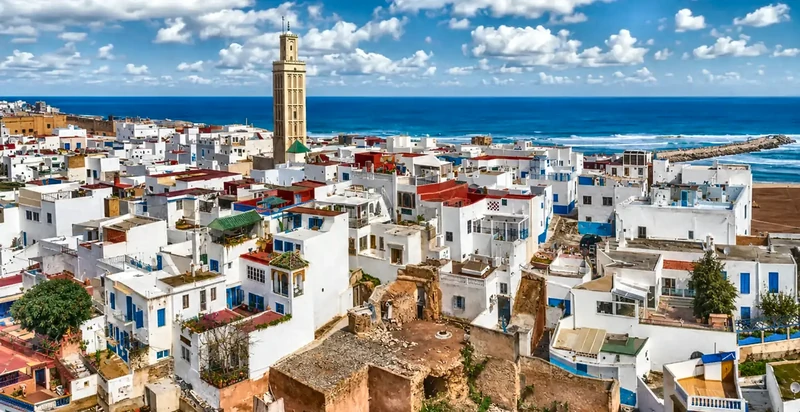
Festival crowds share streets with people returning from work, making deliveries and reaching their homes. Keep shop entrances, building thresholds and transport stops usable. Ask before using a café’s seats or toilets, and buy from businesses on their stated terms rather than treating them as festival facilities.
The same care applies after a performance. Moving through a residential street is part of your journey, not an extension of the amplified stage. Lower voices, collect your litter and follow the route agreed with your companions.
A city-scale festival depends on many people whose work is not visible from the audience: transport staff, cleaners, stewards and technicians. Clear questions and patient cooperation help them manage the shared space.
Plan for your
actual group.
Families
Check age conditions for the chosen performance and access area. Decide in advance what would make you leave: fatigue, crowd density or a child becoming uncomfortable. A short visit can be the right length.
Different access needs
Ask the organizer about the complete route, viewing provision, toilets and companion arrangements. A venue described as accessible may still involve a long approach from the available drop-off point.
Different energy levels
Agree whether the group stays together or uses a clear meeting plan. Avoid pressuring someone to remain in a crowd because the rest of the group wants another set. Preserve an independent route back where practical.
Before the programme
becomes a booking.
Is Mawazine entirely free?
The organizer emphasizes broad free access, with paid areas and ticketed provision as well. Check the current rules for the exact performance and zone you intend to use.
Can I visit several stages in one night?
Only if the published times, distances and transport allow it. Plan one priority performance first and treat any additional stage as optional.
Are the next dates confirmed?
The checked organizer reference documents 19–27 June 2026. A forthcoming edition was not verified as announced on 29 September 2026.
Does a paid ticket guarantee a seat?
Only if the current ticket description explicitly includes seating. Do not infer seating or a particular view from the fact that admission is paid.
Remember the act.
Keep the connection.
Save the names of performers you discovered and the programme notes that introduced them. That gives the evening a life beyond the headline act. A festival encounter can lead towards recordings, other performances and a better understanding of an artist’s own context.
When sharing photographs, identify the stage and edition accurately. An image of a large audience does not explain the whole festival, and a single concert cannot stand for the cultural life of Rabat or Salé. A specific account is more useful than a sweeping one.
Another stage.
Another way to listen.
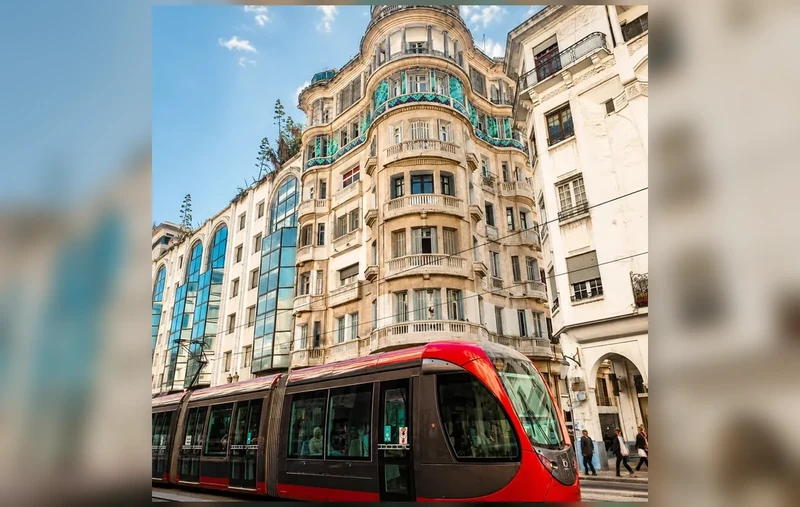
Jazzablanca
A different urban music experience.
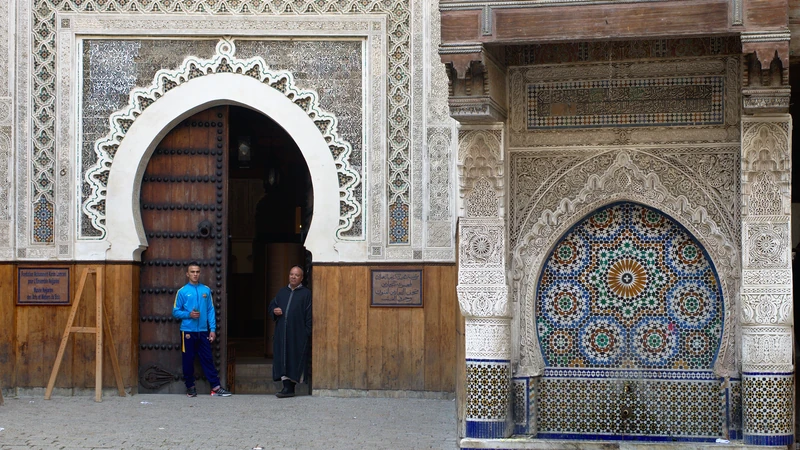
Fès Sacred Music
Music in a distinctive historic setting.
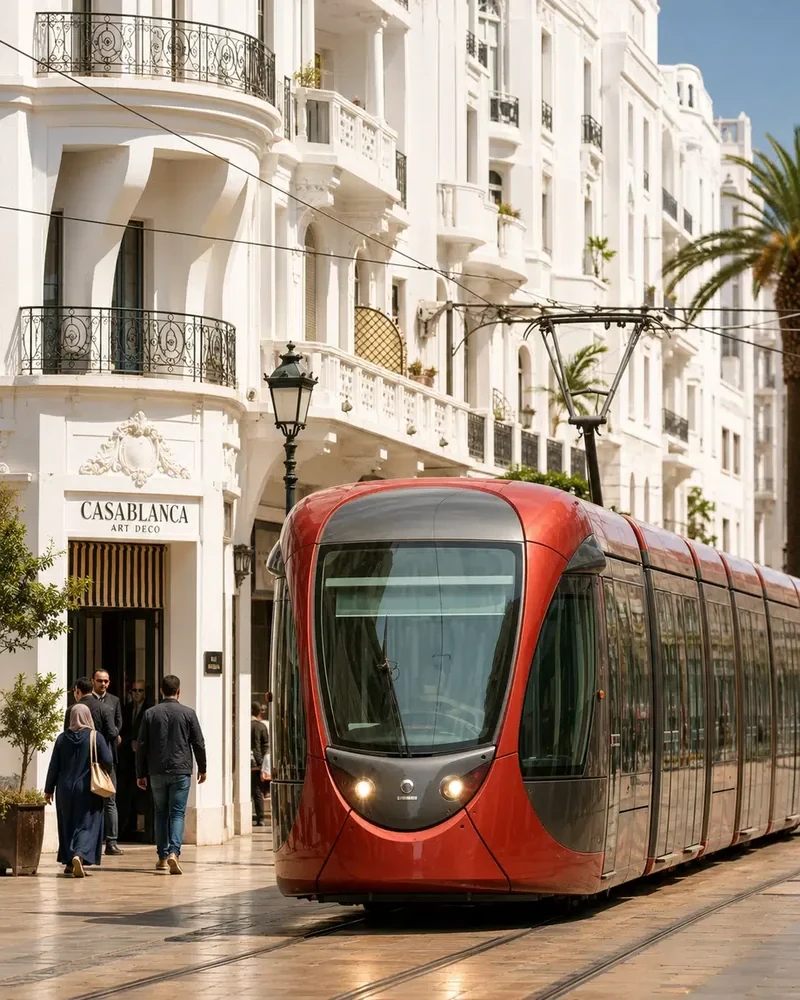
Arrival & transport
Complete the journey before setting out.
Capital celebrations
Read Rabat through its public spaces.
Sources, date checks & image context
Event information checked on 29 September 2026. Dates marked typical describe a seasonal pattern, not an announced booking date. Recheck the linked organizer before committing to travel.
Library images illustrate the host place, materials and cultural context. They are not presented as documentary records of a particular festival edition.
- Mawazine — Rhythms of the World — official reference
- Mawazine — festival charter
- Mawazine — ticket categories
Photograph credits
Attributions retained from the canonical library. Responsive resizing and WebP conversion; each photograph’s stated licence continues to apply.
- Library photograph: Marek Kubica from Copenhagen, Denmark · CC BY-SA 2.0.Editorial crop, resizing and WebP conversion. The adaptation retains the source licence.
.jpg)