
A name with jazz.
A programme that travels.
Confirmed dates1–10 July 2027
Jazzablanca’s official site announces 1–10 July 2027 for its twentieth anniversary. Its musical identity reaches across jazz, soul and other contemporary sounds, so the festival name is a starting point rather than a strict description of every act. Read the announced artists and programme notes to understand the particular edition.
The festival’s format has evolved. Its official history records a move to a ten-day format in 2025, while the 2026 programme ran on 2–11 July and identified Anfa Park and the Parc de la Ligue Arabe. Those are useful references for understanding the recent event, but they do not establish the venues, lineup or admission offer for 2027.
Listen across
the labels.
Jazz can be a way of organizing musical conversation as much as a category on a poster. Listen for the relationship between a repeated pattern and a musician’s variation, or how a group changes direction after a solo. Soul, funk and other sounds may bring different balances of voice, rhythm and improvisation into the programme.
Use artist descriptions to choose what interests you, without demanding that every performance demonstrate a fixed idea of a genre. A singer’s phrasing, a rhythm section’s restraint or the shape of an ensemble can reward close attention even when the music is new to you.
The most useful preparation is modest: hear a little of the artist’s own work, read the festival entry and arrive willing to notice what changes in performance.
A headline.
A discovery. A pause.
The act you came for
Check the exact day, performance time and stage when published. Work backwards from admission, including the journey across Casablanca. Protect this appointment before adding other plans.
The act you do not know
Leave one part of the programme open to curiosity. Read beyond the name and look for an instrument, collaboration or musical idea that gives you a reason to listen.
The time between
A festival day needs food, conversation and rest as well as music. Gaps can help you hear the next set freshly. Avoid treating every interval as wasted time that must be filled.
Understand the offer
behind the ticket.
A day ticket, a multi-day pass and a particular access category can offer different rights. Match the product to the programme you actually want, then check its current conditions. Establish whether entry is tied to a date, whether re-entry is allowed and whether the category includes any seating or separate area.
Do not infer future prices from an older edition’s page. Festival websites often preserve programme and ticket material as an archive. Confirm the year at the point of purchase and keep the official confirmation with the applicable terms.
If a companion has different needs, compare the complete experience rather than price alone. A less crowded time or a different viewing arrangement may matter more than the number of acts covered by a pass.
An urban festival
needs a city plan.
Choose the base
Select accommodation with the full evening journey in mind. Check the actual venue map before estimating distance. A central address can be convenient for daytime exploration without necessarily being close to the festival entrance.
Check the final connection
Use current operator information for public transport, then identify the walking stage from the stop. If using a taxi, agree a legal, recognizable pickup point away from the immediate crowd release.
Leave a buffer
Account for admission queues and the time to find your position. At the end, allow for many people making the same journey at once. Avoid tying the last set to a tightly scheduled onward departure.
Casablanca
around the music.
Casablanca
The city adds architectural, commercial and everyday urban life to a festival stay. Give daytime exploration a separate rhythm, with enough rest before an evening programme.
Explore CasablancaAnfa Park
The official 2026 programme named Anfa Park. For a forthcoming edition, verify whether it is retained, which entrance is used and what access your ticket covers. Do not navigate from a previous year’s screenshot alone.
Parc de la Ligue Arabe
This park also appeared in the 2026 programme. A performance here may have different conditions from another venue. Consult the current schedule and public-access information for the specific session.
Hear well.
Leave yourself room.
Choose a listening position that suits your comfort and gives you a clear way out. Loudness, sightlines and crowd movement vary across an audience area. Moving a little farther back can make conversation with a companion, a break or an early departure easier to manage.
With children, check the organizer’s admission rules and make a shorter plan that can change. Consider appropriate hearing protection for amplified music and step away if anyone is uncomfortable. Do not rely on the mood of the first performance to predict the intensity of the whole evening.
If you require seating, step-free access or particular facilities, confirm them directly for the current venue and category. The existence of a park does not establish the accessibility of a temporary festival installation.
A shared rhythm
needs shared space.
Screens
Keep photography brief and below neighbouring sightlines. Follow any artist or venue recording restrictions. A public performance is not permission to make a full recording or obstruct the view of the people behind you.
Conversation
Move away from attentive listeners when you want a longer conversation. A quiet passage in the music is not necessarily an interval. Give the performers the chance to shape the room’s attention.
Movement
Keep circulation routes open and take drinks or bags into account when moving through the audience. Agree on a meeting point before separating, rather than trying to locate one another by holding phones overhead.
Useful answers
before booking.
When is the next Jazzablanca?
The official website announces 1–10 July 2027, checked on 29 September 2026. The detailed programme and ticket conditions require their own current check.
Is it only jazz?
No. The festival presents a wider musical range. Read the edition’s artist descriptions rather than expecting every act to fit the same genre.
Will the 2026 venues be used again?
Do not assume that. Anfa Park and Parc de la Ligue Arabe are documented in the 2026 programme; use the forthcoming edition’s map for your visit.
Is a multi-day pass the best choice?
It depends on the acts you want to hear and the access it provides. Compare the published terms with your realistic schedule and energy, not just the number of festival days.
Keep listening
after Casablanca.
Write down a musician’s name while it is still clear in your memory. A festival can introduce you to an ensemble, a record label or a collaboration you would not otherwise have found. Follow the artist’s official channels to continue that discovery.
When describing your experience, identify the performance rather than relying on a general claim about the whole festival. One night may emphasize danceable rhythms; another may reward a different kind of attention. That variety is part of the reason to read each programme afresh.
Another city.
Another musical lens.
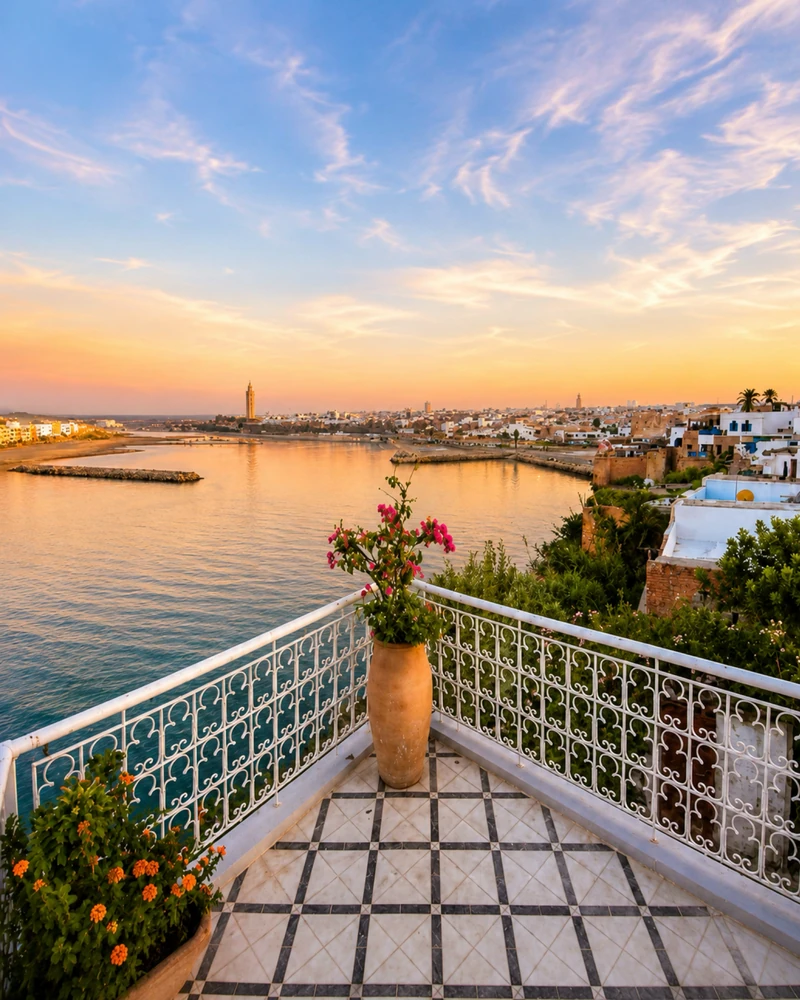
Mawazine
Compare a distributed city-stage festival.
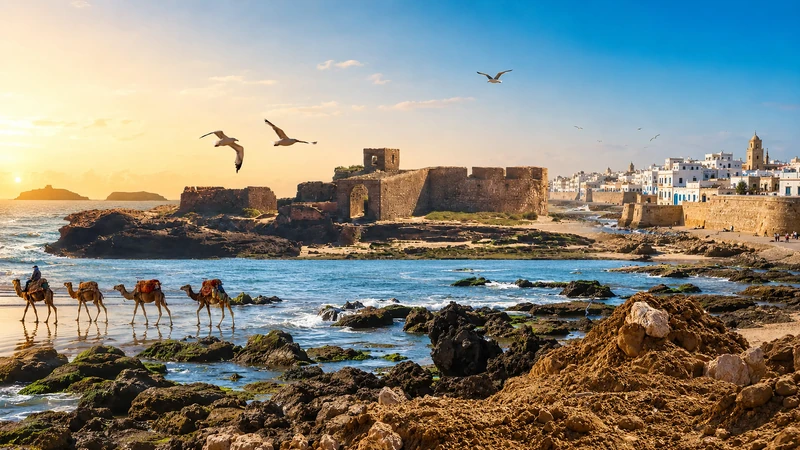
Gnaoua Festival
Explore a different musical meeting.
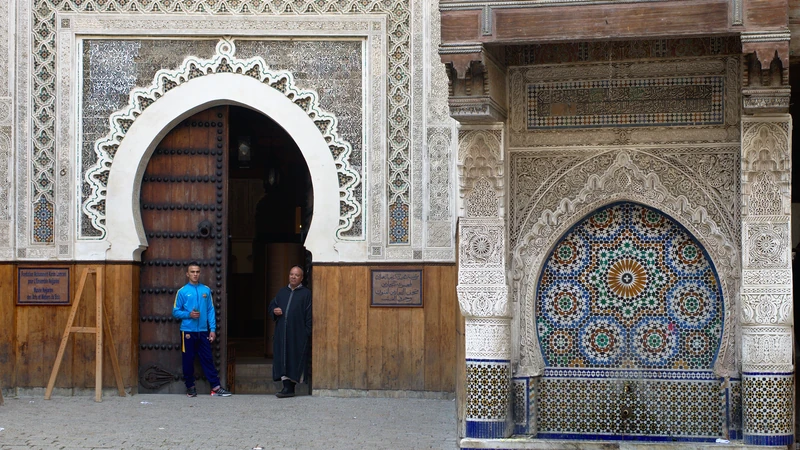
Music festivals
Choose by sound, setting and access.
Casablanca
Continue through the host city.
Sources, date checks & image context
Event information checked on 29 September 2026. Dates marked typical describe a seasonal pattern, not an announced booking date. Recheck the linked organizer before committing to travel.
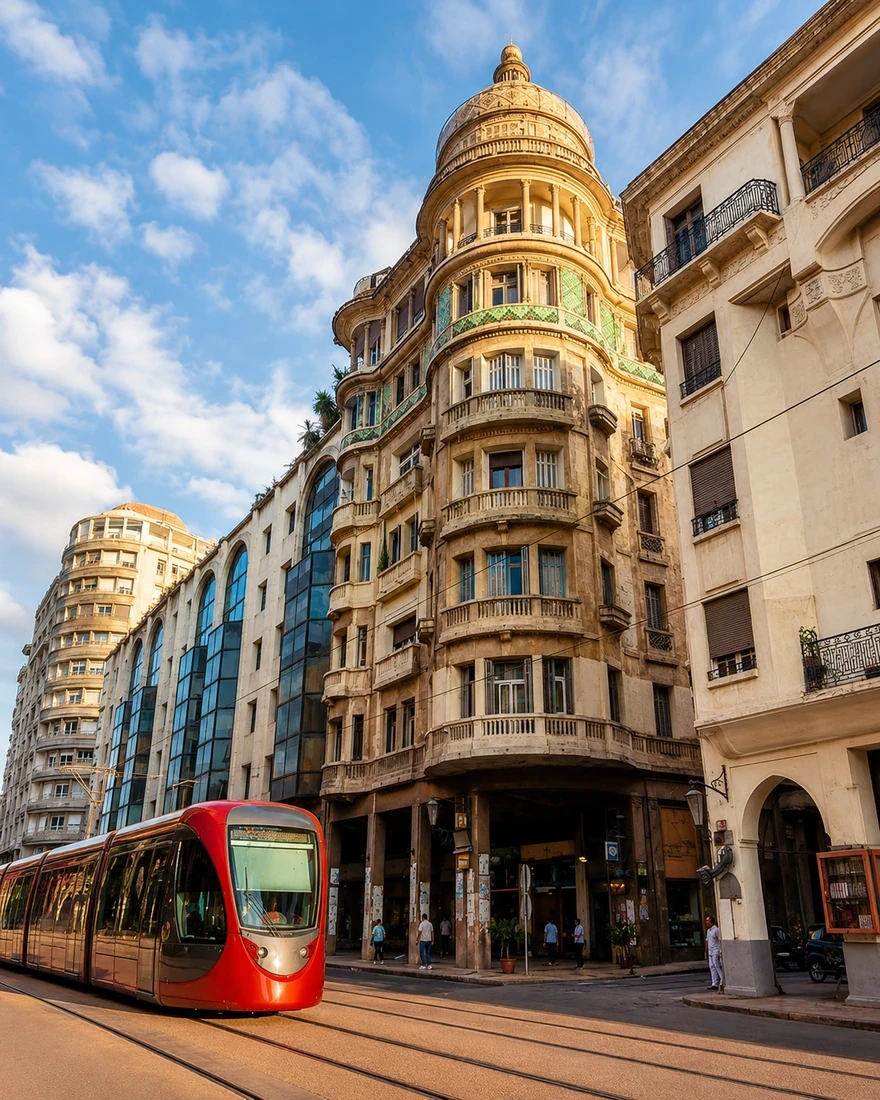
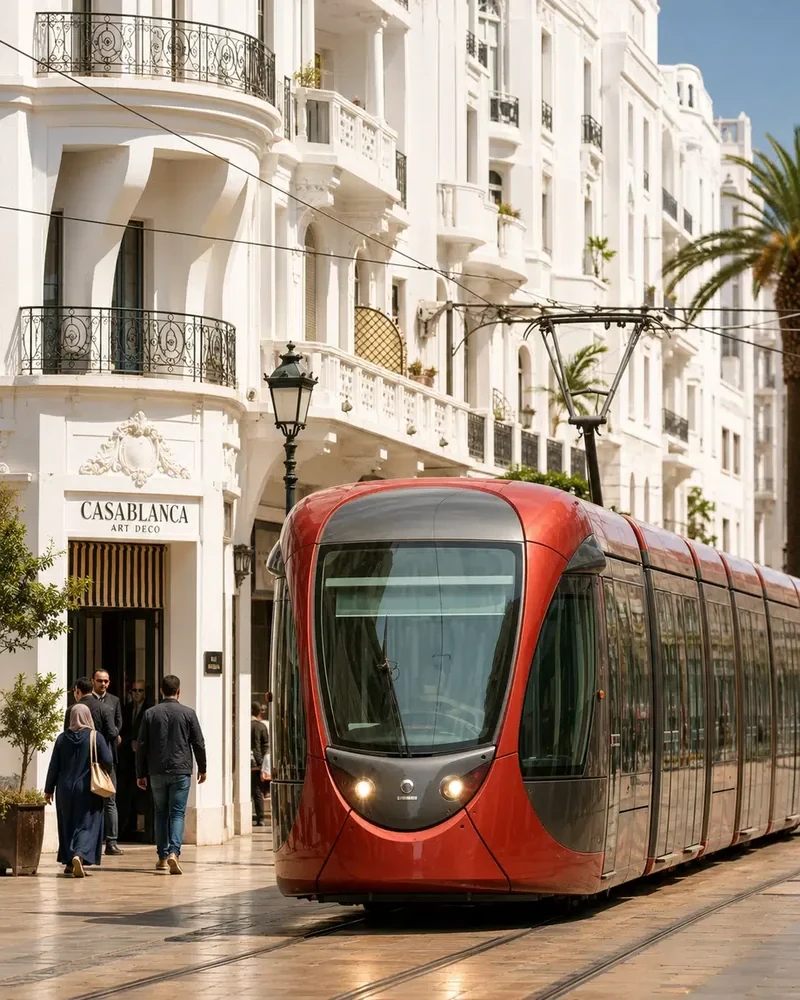
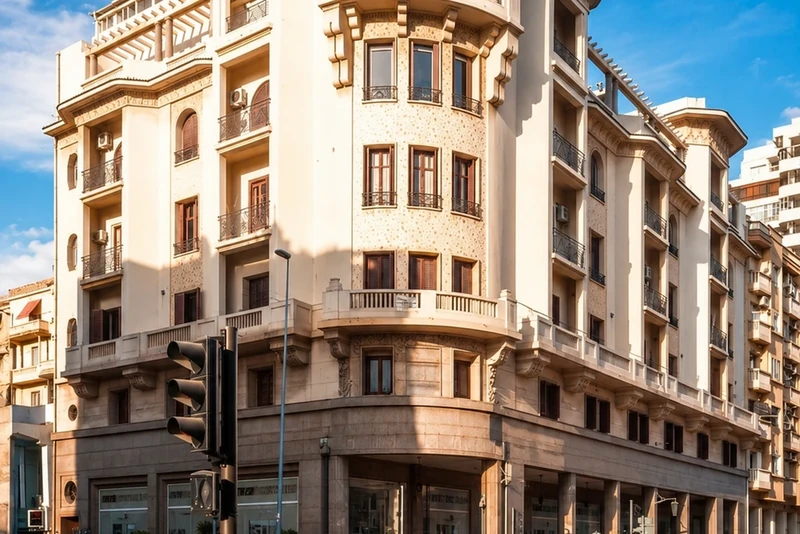
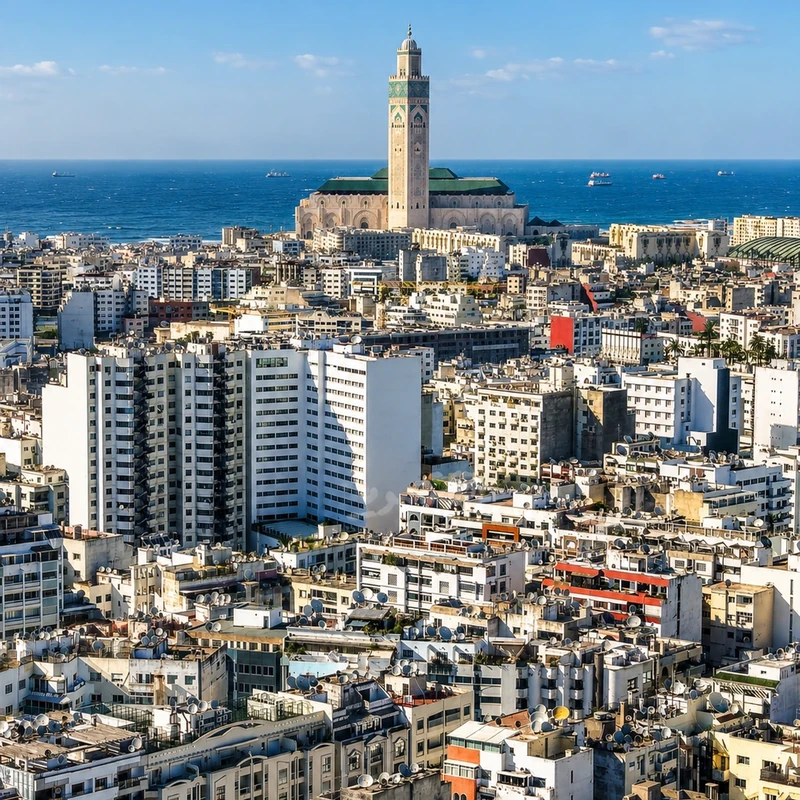
Library images illustrate the host place, materials and cultural context. They are not presented as documentary records of a particular festival edition.
Photograph credits
Attributions retained from the canonical library. Responsive resizing and WebP conversion; each photograph’s stated licence continues to apply.
- Library photograph: Marek Kubica from Copenhagen, Denmark · CC BY-SA 2.0.Editorial crop, resizing and WebP conversion. The adaptation retains the source licence.
.jpg)