
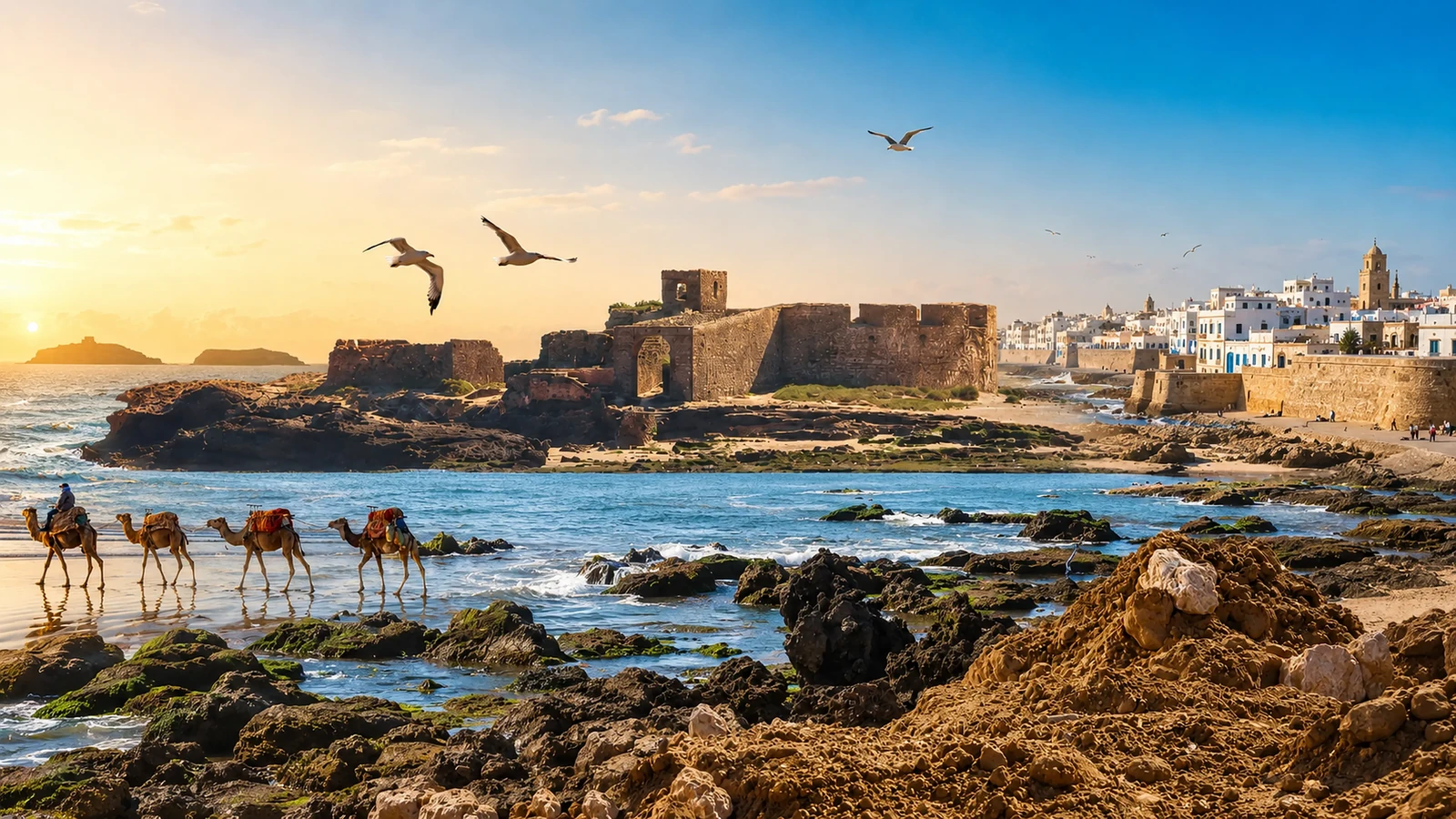
The next gathering.
The deeper tradition.
Confirmed dates24–26 June 2027
The organizer announces 24–26 June 2027 for the next Essaouira Gnaoua & World Music Festival. Use those confirmed dates as the starting point, then wait for the edition’s programme and admission details before deciding which performances to attend. A festival date does not by itself establish a lineup, a stage location or the conditions of a pass.
Gnawa is a living musical and cultural tradition, inscribed by UNESCO in 2019. Its histories include African connections, enslavement, spiritual practice and community transmission. The festival creates a public setting in which masters and other musicians can meet. That stage presentation is one encounter with the tradition; it does not make every dimension of Gnawa life public.
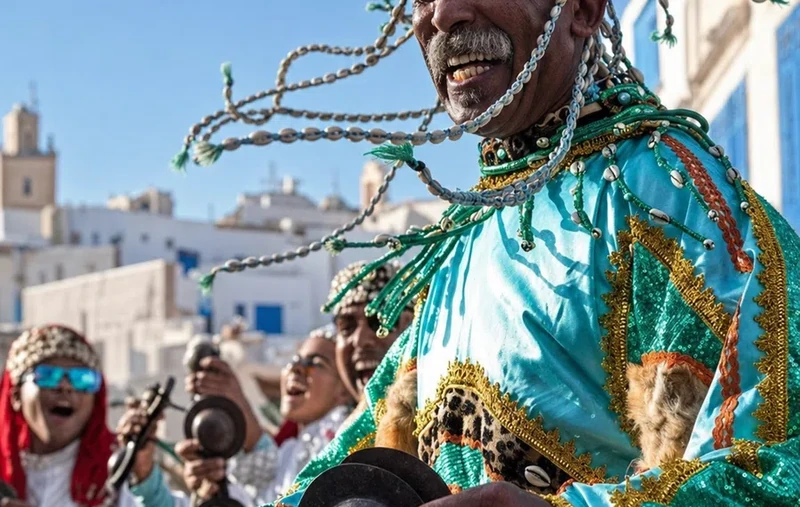
Listen for
a conversation.
A collaboration is most interesting when the musicians can respond to one another. Listen for changes in the pulse, a phrase offered and answered, or the moment when a voice alters the direction of the ensemble. You do not need to identify every instrument to notice how attention moves between performers.
Read the programme’s artist descriptions before choosing a session. A presentation led by a Gnawa master, a cross-genre collaboration and a different world-music act may sit within the same festival while asking different things of the audience. Give each its own terms.
Applause, dancing and quiet attention can all have a place, but take cues from the immediate performance. Avoid treating every pause as the end of a piece or every unfamiliar sound as an invitation to talk over it.
A festival
with several scales.
The open-stage experience
A larger public performance can bring a broad audience together. The quality of your visit depends on where you stand, how easily you can leave and whether you are comfortable with the crowd. The closest position is not automatically the best listening position.
The intimate performance
A smaller setting can reward concentration and make entry conditions more specific. Check reservations, arrival time and photography restrictions for that session. An intimate programme should not be assumed to share the rules of an outdoor stage.
The space between
Meals, walks and time away from amplified sound help a multi-day visit remain enjoyable. Leave gaps in the programme. The city is also a place where residents work, shop and return home during the festival.
The stage is public.
Meaning is not unlimited.
The UNESCO account of Gnawa describes musical practices with both ritual and secular dimensions. This distinction matters to a visitor. A concert is offered to an audience under festival conditions; a private or devotional gathering follows its hosts’ own boundaries. Attending the first does not create an entitlement to enter or record the second.
Avoid describing a performance as a healing ceremony simply because its musical language is unfamiliar. Use the terms supplied by the artists or programme, and leave room for meanings that have not been explained to you.
Curiosity becomes more useful when it is specific. Ask about the performer’s work, the collaboration or the programme note. Do not ask one musician to stand for every community or every practice associated with Gnawa.
Read the pass
before choosing the night.
Match the year
The organizer’s ticket pages can retain material from previous editions. Confirm that the booking product, dates and performance all refer to 2027 before paying. A new headline above an older price table is not enough.
Match the venue
Establish whether the pass covers a named performance, a venue, a day or several days. Check the access zone and any reservation or collection requirement. Keep the confirmation with the terms that applied when you bought it.
Match the visitor
Read the current rules for children, companions, seating and equipment. Previous intimate performances have had specific restrictions; do not extend one old rule to the whole future festival.
An Atlantic city.
Several thresholds.
Essaouira medina
Narrow passages and everyday shopfronts connect larger public spaces. Give yourself time between sessions and keep entrances clear. Use the city guide to build a daytime orientation walk before the busiest evening.
Explore Essaouira medinaThe confirmed festival venues
Use the current organizer map when it appears. A familiar square or cultural building may have a different role in another edition. Confirm both the performance address and the actual admission entrance.
The coast and the return route
The waterfront is part of the city’s appeal, but wind and evening conditions affect comfort. Choose a meeting point that remains easy to find after dark and a return route that does not depend on crossing the densest audience.
Read Festival streets. Essaouira.Make room
for the whole evening.
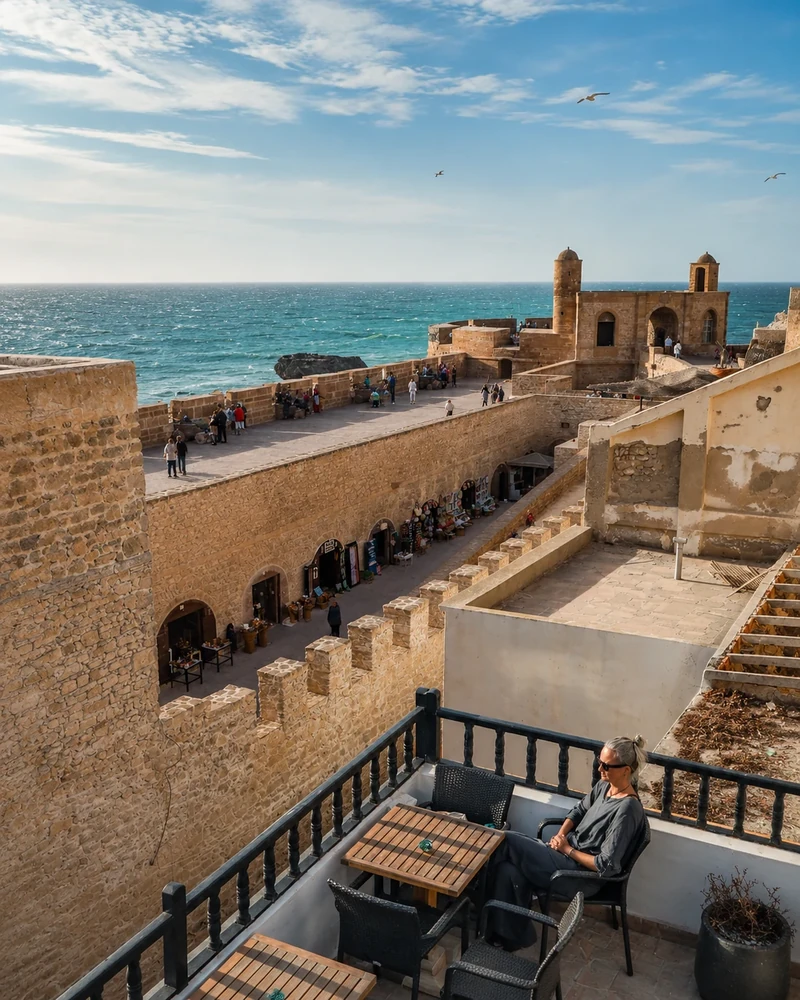
Build the night around one performance you most want to hear. Work backwards from admission time, leaving room for a meal and the walk to the correct entrance. Add a second performance only when the distance and finish times make the connection plausible.
Check your accommodation arrangements early if the festival is the main reason for travelling. Before committing, consider whether the location suits your return journey and preferred level of night-time activity. A room that looks close on a map may sit across a route that becomes crowded.
Carry only what you can comfortably manage under the current venue rules. A light layer, a charged phone and a saved address can be more useful than trying to document every set with extra equipment.
Be a good listener
and a good neighbour.
Around performers
Keep screens below other people’s sightlines. Follow the announced recording policy, including at smaller performances. Asking for a portrait before or after a set is different from assuming that a performer must interrupt their work.
Around residents
Do not treat a doorway or staircase as festival seating without permission. Lower voices on the way home through residential passages. The public programme occupies only part of the city’s social space.
Around companions
Agree on an exit plan before entering a dense audience. With children or anyone who needs breaks, choose a position that preserves a clear route out. Leaving early can be a successful decision, not a missed opportunity.
A few useful distinctions.
Is the entire festival free?
Do not assume a single access rule. Public stages and ticketed or reserved performances can coexist. Check the current edition’s official admission information for each session.
Is every performance a ritual?
No. A public festival programme and a private devotional practice are different contexts. Describe a performance according to the artists and organizer, without assigning an unverified ritual purpose.
Are 2027 dates announced?
Yes. The official festival home page announces 24–26 June 2027, checked on 29 September 2026. Recheck the programme and ticket conditions as planning progresses.
Should I attend every day?
Choose according to the published programme and your listening stamina. One well-planned day can be rewarding; several days allow more time for discovery and rest between performances.
Let one sound
lead you further.
After a performance, note the artist’s name and the programme description. It is easier to continue listening when the memory is attached to a person and a piece of work, rather than to the broad label “festival music”. Use official artist information or recordings made available by the musicians to explore further.
Keep your account of the evening proportionate to what you experienced. A festival can open a door into a tradition without explaining it completely. That unfinished understanding is a reason to listen again, read carefully and return with better questions.
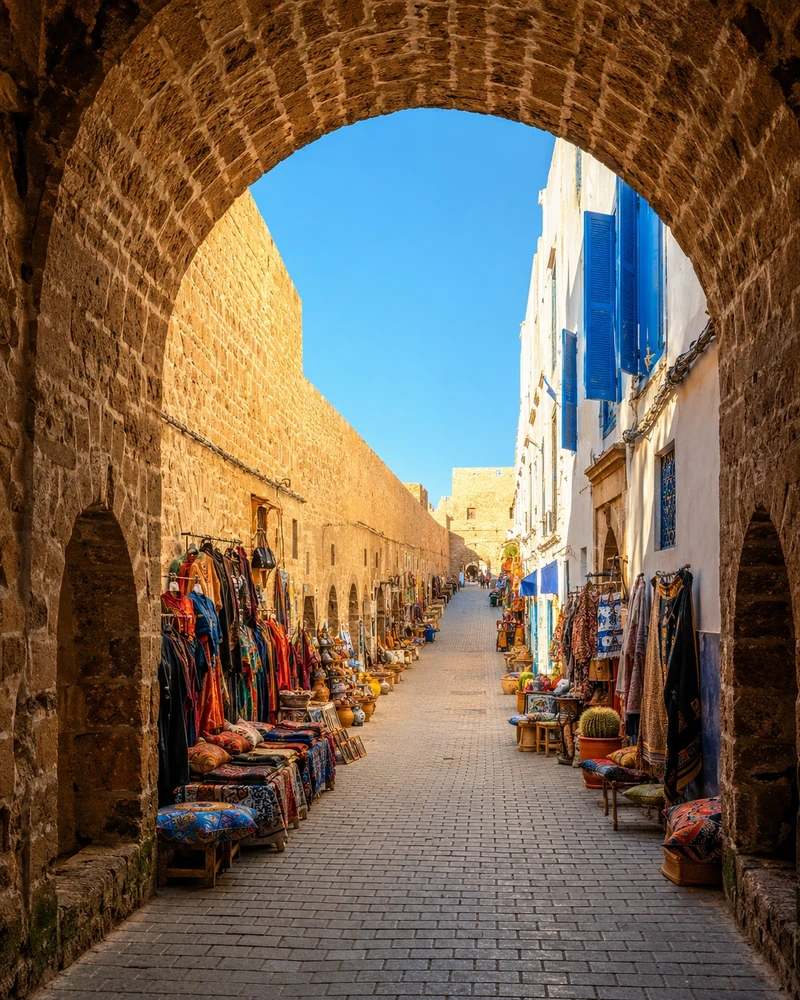
Follow the sound.
Read the city.
Sacred sound
A listening primer across different contexts.
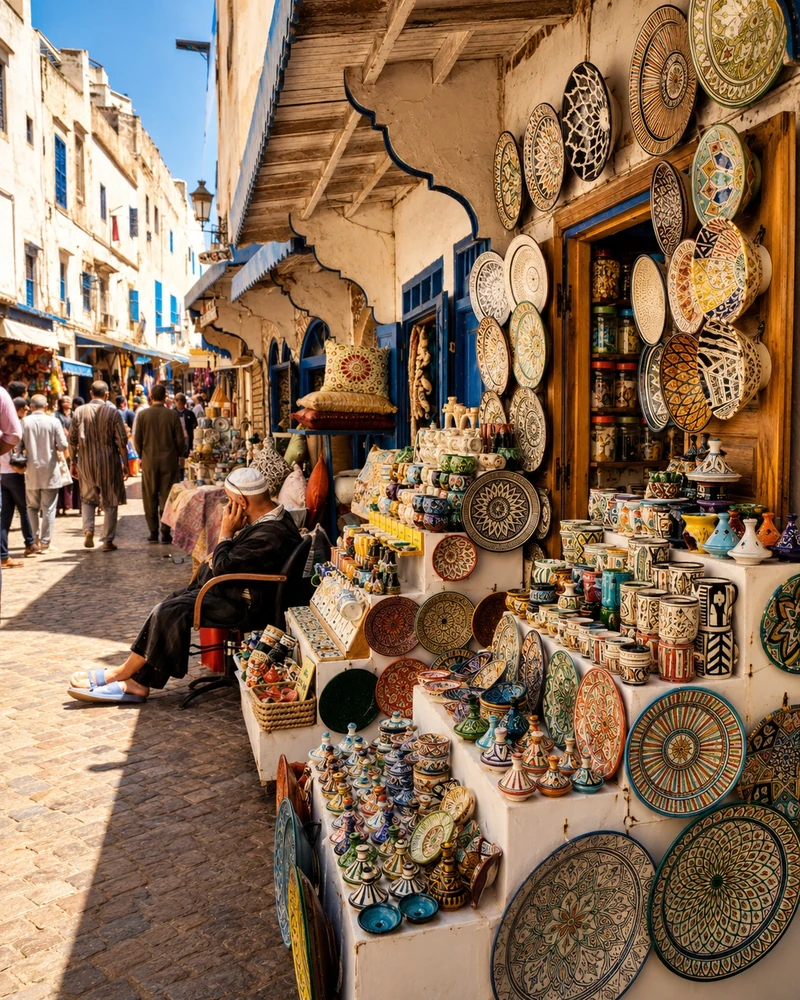
Festival streets
Understand movement through Essaouira.
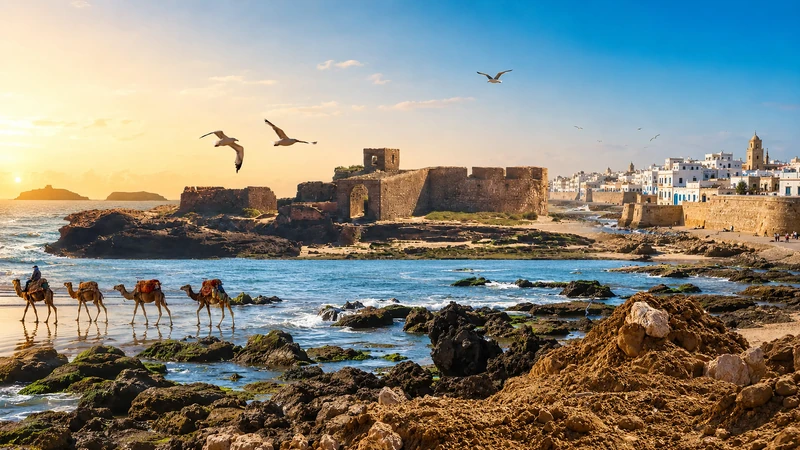
The Story
A slower reading of the city during festival time.
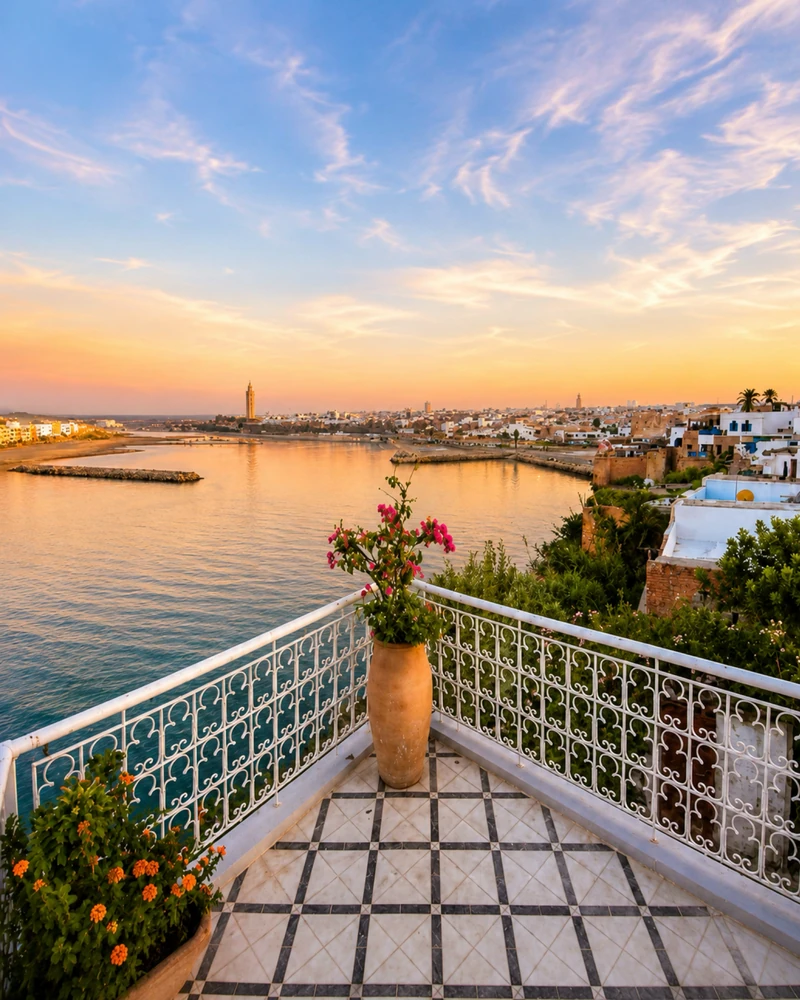
Music festivals
Compare musical focus and venue experience.
Sources, date checks & image context
Event information checked on 29 September 2026. Dates marked typical describe a seasonal pattern, not an announced booking date. Recheck the linked organizer before committing to travel.
Library images illustrate the host place, materials and cultural context. They are not presented as documentary records of a particular festival edition.