
A genre label
is only the beginning.
A festival’s name can suggest a musical direction without describing every artist on its programme. Start with the identity of the event, then read the actual line-up and the way performances are arranged.
The four music festivals in this collection offer different entry points: sacred-music encounters in Fès, Gnawa and collaboration in Essaouira, a broad multi-stage programme at Mawazine, and jazz alongside wider contemporary currents at Jazzablanca. None should be reduced to a single sound.
Your choice also concerns how you want to listen. A complete concert in one venue, an open-air evening or several sessions across a city can each be rewarding. Choose the format that lets you give the music your attention.
Four festivals.
Current date status.
Fès Festival of World Sacred Music
Dates not announcedTypically early summer · Next dates not announced
A programme of musical encounters with spiritual and cultural depth in the historic city.
Explore this event
Essaouira Gnaoua & World Music Festival
Confirmed dates24–26 June 2027
Gnawa masters and musical collaborations meet the Atlantic city’s open spaces and intimate settings.
Explore this event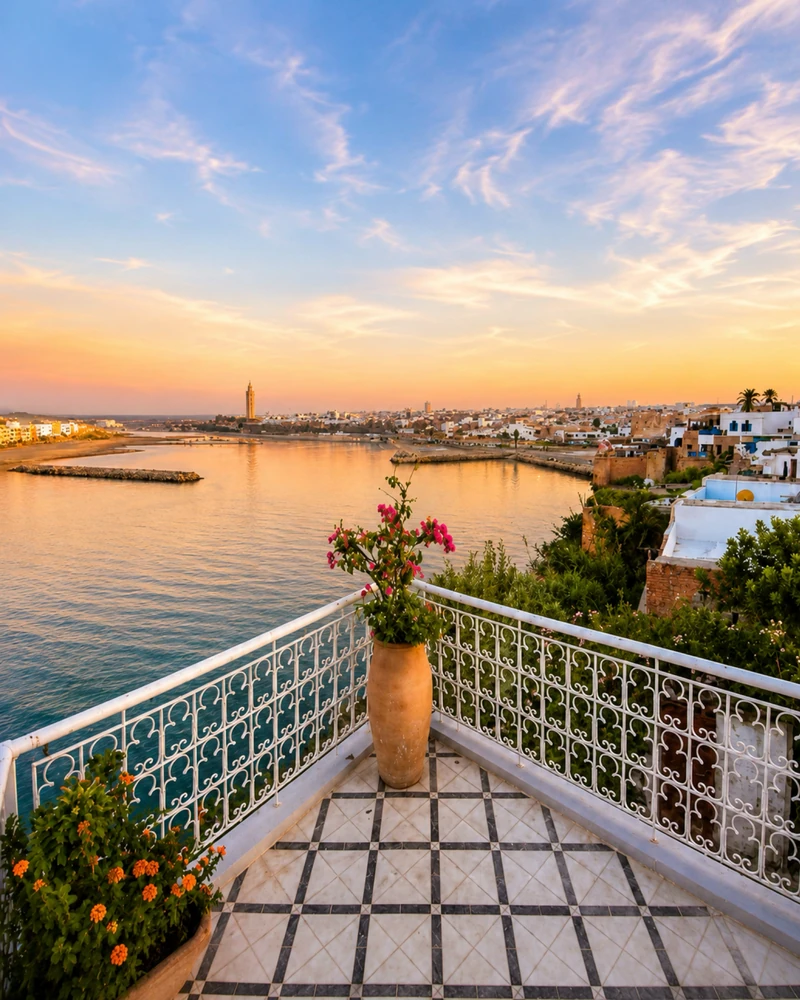
Mawazine — Rhythms of the World
Dates not announcedTypically June · Next dates not announced
A distributed urban festival with international, Arab and Moroccan music across different stages.
Explore this event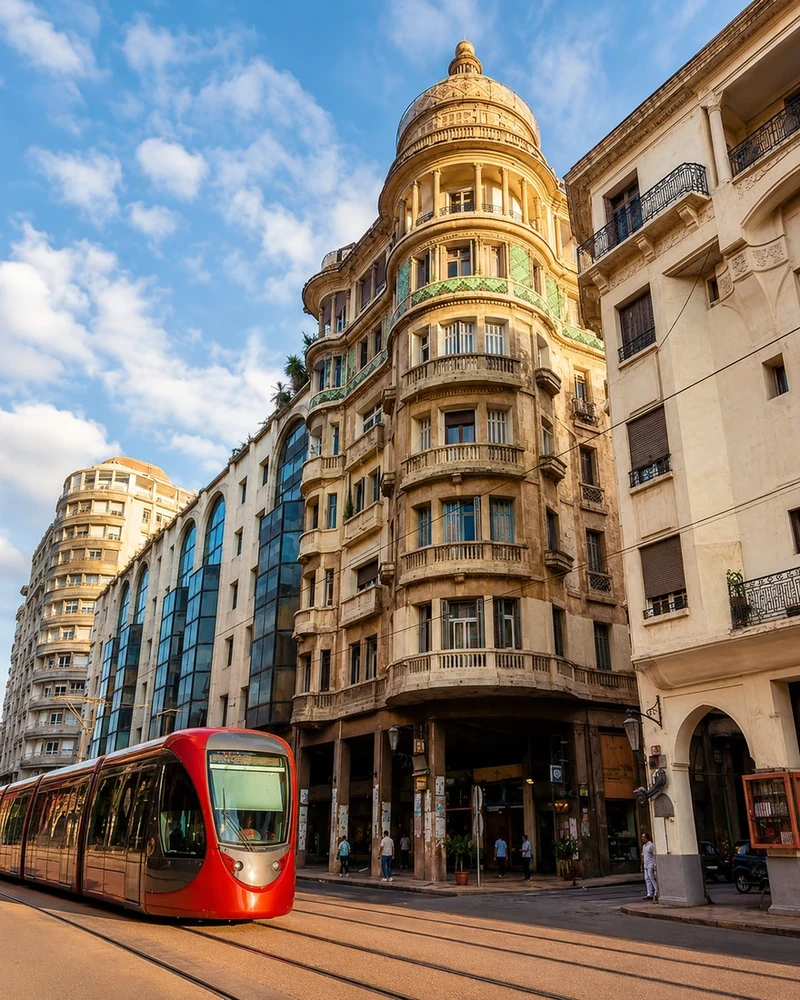
Jazzablanca
Confirmed dates1–10 July 2027
Jazz, soul and wider contemporary sounds in a city festival whose format has continued to grow.
Explore this eventFès.
Listen across traditions.
The Festival of World Sacred Music frames its programme around musical encounters with spiritual and cultural dimensions. Its historic-city setting can add architectural depth, but the artists and works deserve attention in their own right.
Choose a session by reading its introduction. Ask which tradition or collaboration is being presented and how the artist describes it. The word “sacred” does not mean every performance has the same religious function or that attending a concert gives access to private devotional practice.
This choice suits a visitor who wants to concentrate on listening and context. Plan the approach to the specific venue carefully, then give the performance enough time to unfold without a rushed transfer competing for attention.
Essaouira.
Masters and meetings.
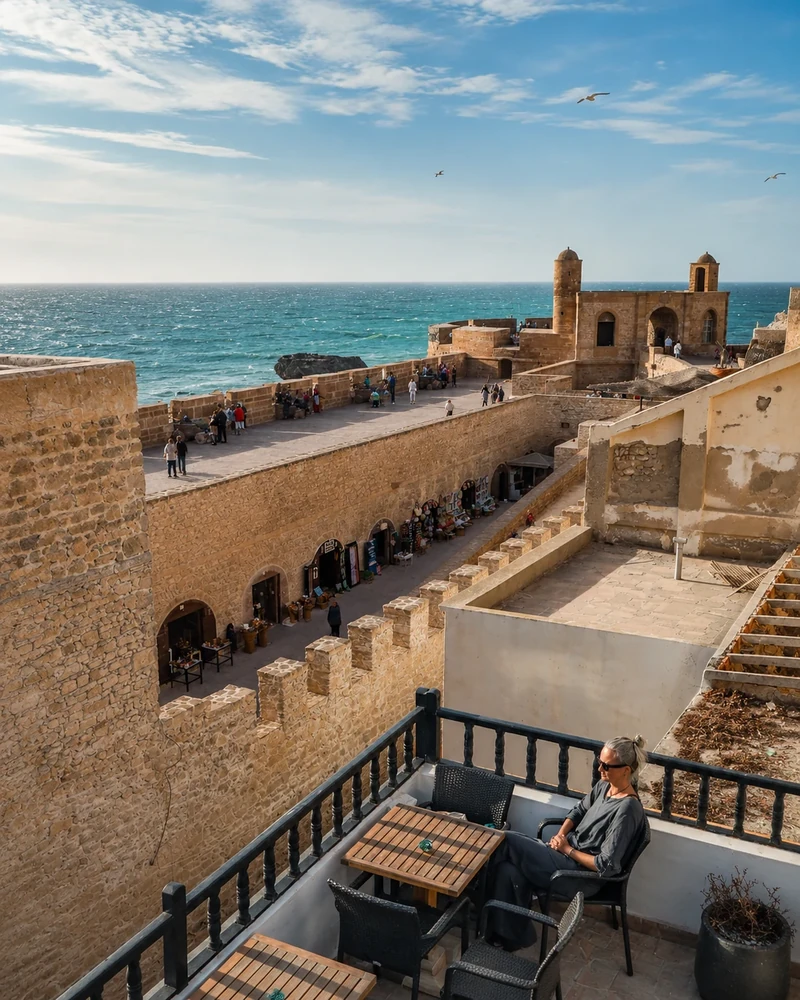
The Gnaoua and World Music Festival brings Gnawa masters into a public programme that also includes musical collaborations. Its identity lies partly in the relationship between a living practice and the new encounters made on stage.
Read artist biographies and collaboration descriptions before choosing. A performance by an established ensemble and a new musical meeting can offer different kinds of listening. Notice how the musicians share space rather than expecting every session to demonstrate one fixed idea of tradition.
The host city is compact in appearance, but festival movement still needs thought. Streets connect working spaces, homes and public venues. Select a manageable route and leave room for the city’s ordinary passage around the event.
Mawazine and Jazzablanca.
Two urban programme choices.
Mawazine’s broad programme across Rabat and Salé invites selection among different artists, stages and access arrangements. It is especially useful to begin with a specific session, because the city-scale festival is not one venue with one admission rule.
Jazzablanca offers another urban identity, combining its jazz roots with a wider range of contemporary music. Look at the current edition’s artists, sites and daily format rather than assuming the title describes a narrowly defined repertoire.
For either event, choose between depth and movement. Remaining for a complete session can reveal more than trying to cross the city for fragments of several performances. The best itinerary depends on the actual timetable and the time needed to enter each venue.
The setting changes
the listening plan.
Fès — historic-city venues
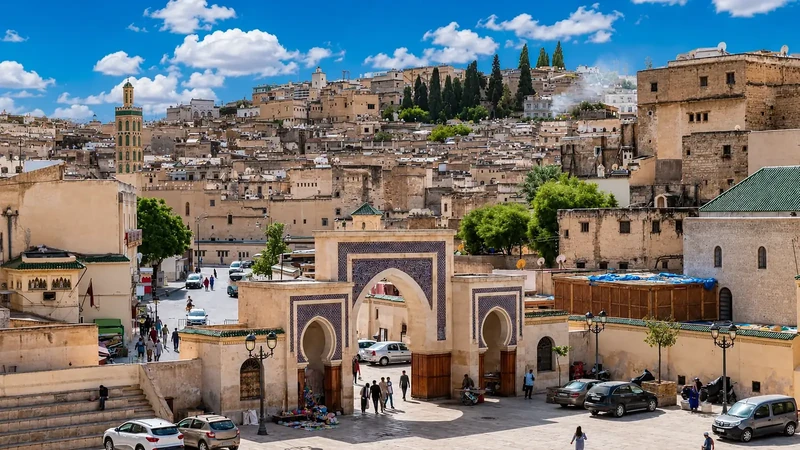
Use the current programme to identify the exact venue. A garden, a monumental setting and an enclosed cultural space can require different approaches and arrival arrangements.
Read Fès. Sacred music.Essaouira — streets and performance spaces
Keep the route from accommodation to the chosen event legible. Public areas and ticketed sessions may coexist, so confirm the invitation for each one.
Read Gnaoua. Essaouira.Rabat and Salé — a distributed festival
Allow realistic travel time and check venue-specific access. Do not treat admission to one area as a pass to the whole Mawazine programme.
Read Mawazine. Rabat & Salé.Casablanca — the announced edition
Use the current Jazzablanca venues when selecting a base and return route. A previous edition’s map is useful history, not proof of the forthcoming layout.
Read Jazzablanca. Find your groove.Compare the practical shape.
Three useful tests.
The programme test
Can you name two or three artists or works that interest you? Listen to official samples where available. A festival becomes a stronger choice when its content matters beyond its reputation.
The attention test
Would you enjoy one long session, several shorter ones or a mix of concert and cultural visits? Match the plan to your own listening habits and energy.
The journey test
Can you reach the session, enter comfortably and return afterwards? If the answer depends on a tight connection, simplify the programme before adding another venue.
Free, ticketed, reserved.
Read the actual offer.
Music festivals can combine several access models. An open public stage, a paid zone, a day pass and a reserved concert do not grant the same experience. Read the current terms for the session you want.
Check whether a pass requires another reservation and whether capacity or arrival conditions apply. Confirm age rules and any access arrangements your group needs. Do not carry the previous edition’s price or policy into a new booking.
Our Tickets and Public Access guide provides a decision sequence. The principle is simple: identify the exact performance first, then establish which permission gets you to the place where you intend to listen.
Give the ears
and the evening some room.
A good listening plan includes breaks and a place away from the loudest sound. WHO advises distance from loudspeakers, hearing protection in noisy settings and limits on exposure. Choose your position with comfort in mind, not only proximity to the stage.
If attending with children or people with particular sensory needs, check the session format and the practical route out before entering. A long evening is not automatically a better experience than a carefully chosen shorter visit.
Keep recording modest and follow artist and venue rules. The camera can preserve a fragment, but a sustained piece of listening may produce the more valuable memory.
Let the programme
open a larger interest.
One festival appearance can lead to an artist’s recordings, a poetic tradition, an instrument collection or another cultural question. Follow the name or detail that caught your attention.
Use the Music and Sacred Sound guide for context, and the related Stories for a slower reading of place and encounter. A festival can be the beginning of an interest that continues after the event dates have passed.
Keep the distinction between the session you attended and the wider tradition clear. Appreciating one performance does not require claiming that it represents every musician or community connected with it.
Choose a sound.
Keep listening beyond the stage.
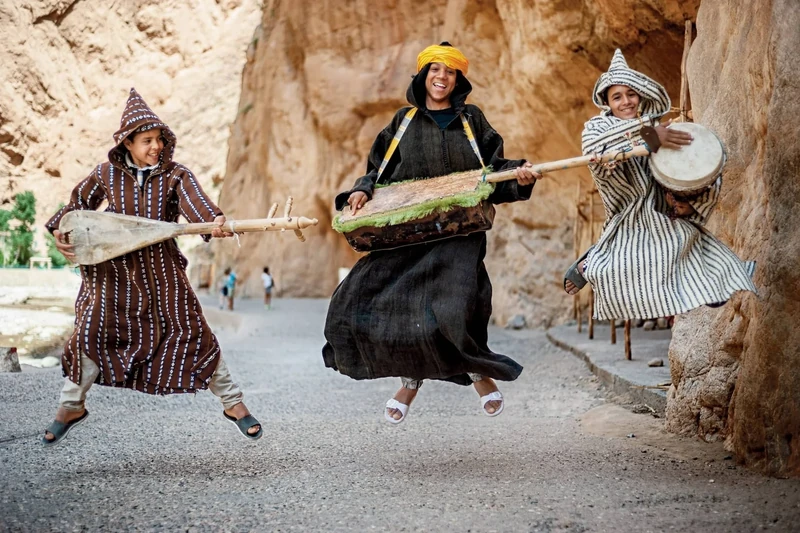
Music & sacred sound
A cultural listening primer.
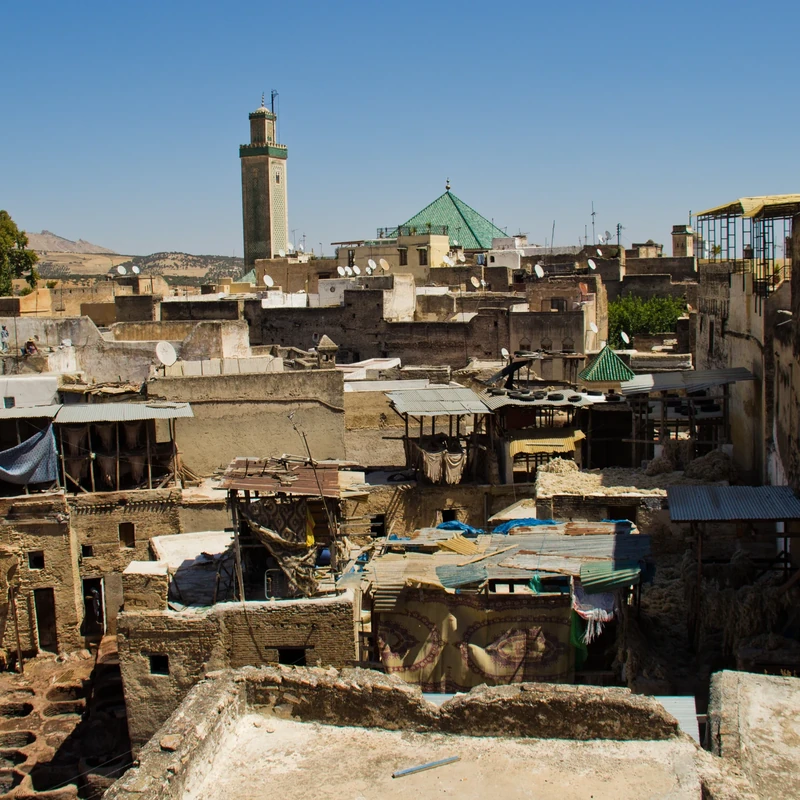
Festival nights in Fès
Build a complete evening around one encounter.
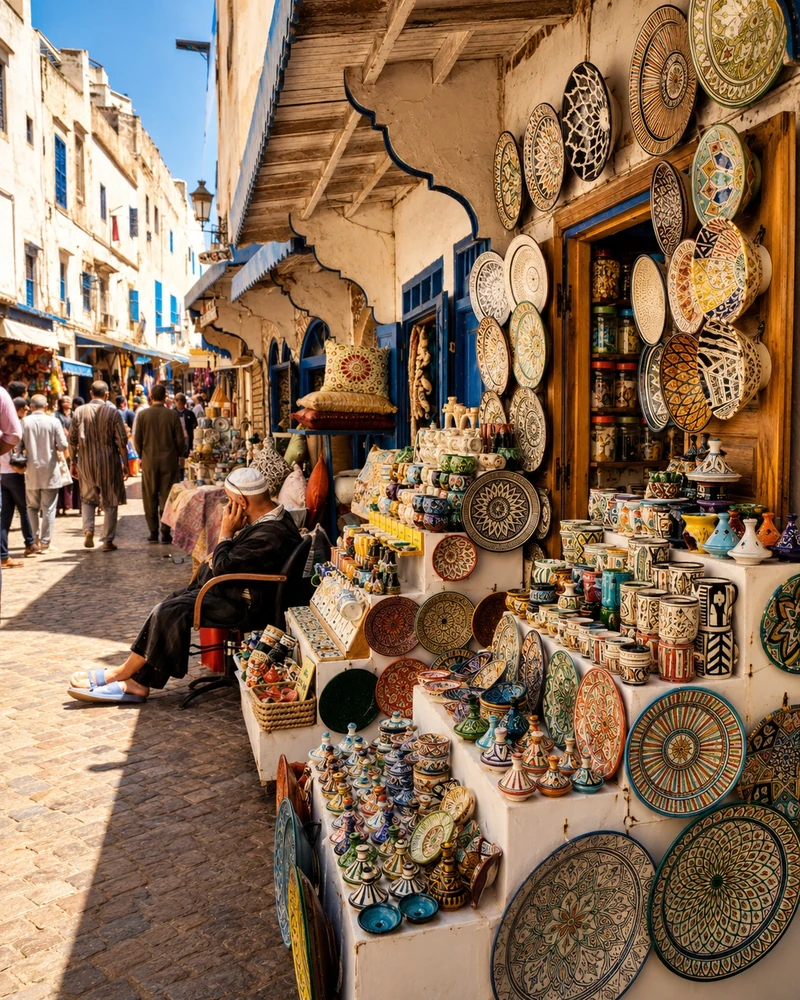
Essaouira festival streets
Read the movement around the music.
Summer festivals
Compare the seasonal journey.
Sources, date checks & image context
Event information checked on 29 September 2026. Dates marked typical describe a seasonal pattern, not an announced booking date. Recheck the linked organizer before committing to travel.
Library images illustrate the host place, materials and cultural context. They are not presented as documentary records of a particular festival edition.
- Fès Festival — programme
- Gnaoua Festival — official organizer
- Mawazine — festival charter
- Jazzablanca — official organizer
- WHO — tips for safe listening
Photograph credits
Attributions retained from the canonical library. Responsive resizing and WebP conversion; each photograph’s stated licence continues to apply.
- Library photograph: Marek Kubica from Copenhagen, Denmark · CC BY-SA 2.0.Editorial crop, resizing and WebP conversion. The adaptation retains the source licence.
- Library photograph: Dieglop · CC BY-SA 4.0.Editorial crop, resizing and WebP conversion. The adaptation retains the source licence.
.jpg)
.jpg)