
A festival built around
the act of listening.
Sacred music is the meeting point. Curiosity is the way in.
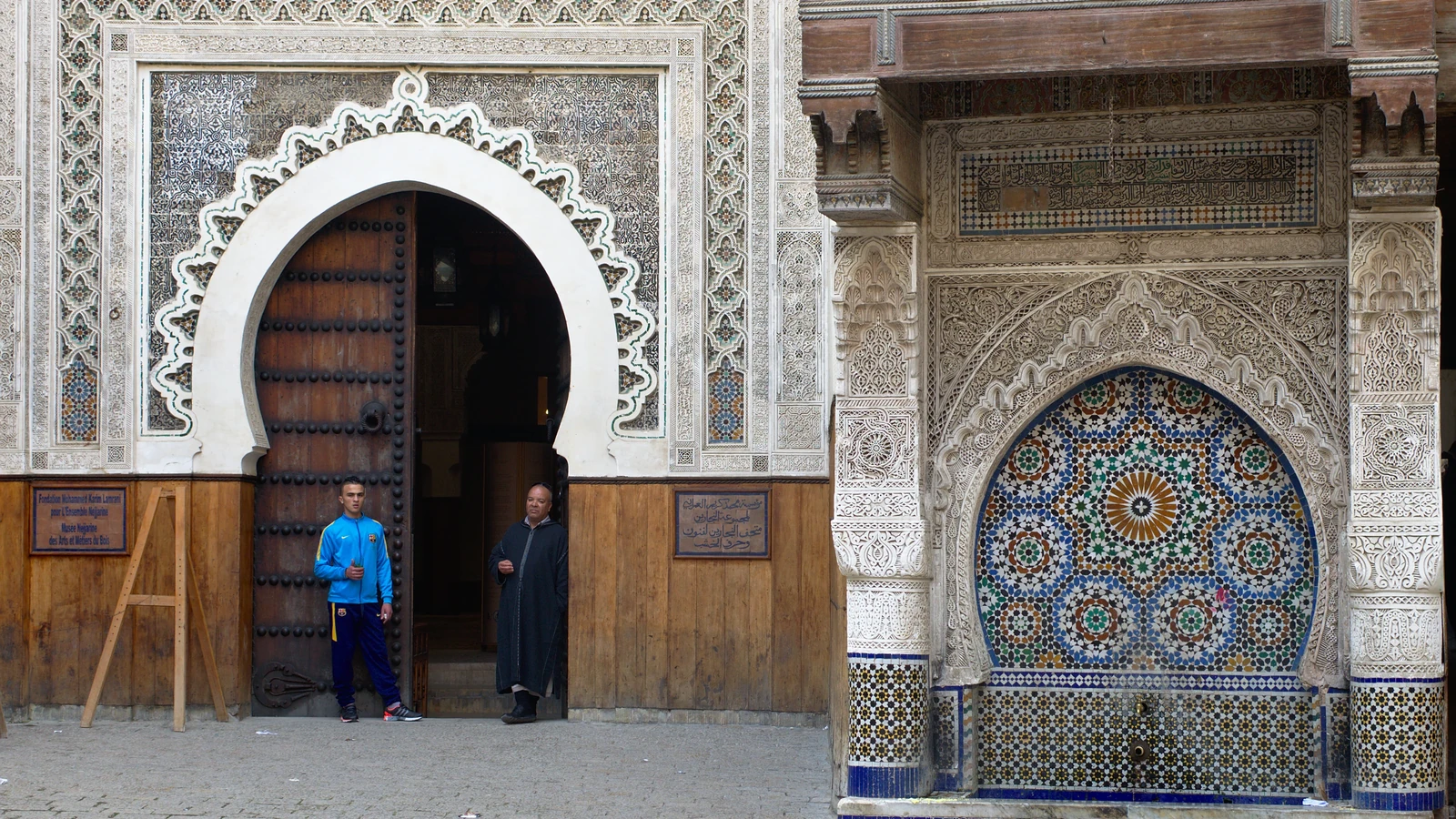
The Fès Festival of World Sacred Music brings artists and audiences together around musical traditions with spiritual meaning. Its official history dates the festival’s beginning to 1994. A performance may invite close attention to a voice, a rhythmic cycle or the dialogue between instruments; it need not share your own language or belief to reward careful listening.
For a first visit, resist treating the programme as a collection to complete. Choose a performance you want to hear fully, understand its setting and leave time on either side. A smaller evening with enough space to arrive calmly can be more revealing than a hurried sequence of entrances.
This dossier explains the named festival. For the rhythm of an evening through the city, continue with Festival Nights in Fez.
- Host city
- Fès
- Focus
- Sacred & world music
- Planning unit
- One venue, one evening
More than a beautiful
setting.
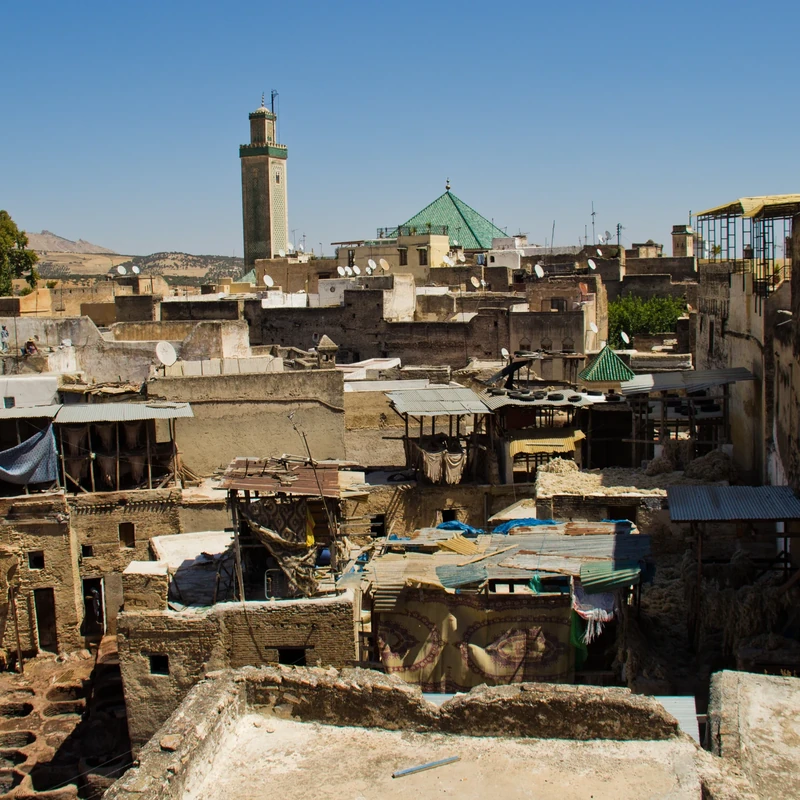
The architecture changes how you approach the music.
The festival’s history connects its musical encounters with a wider forum of ideas. That relationship matters: a concert is one expression of exchange, while conversation gives listeners another way to consider what they have heard. The current programme is the authority on whether a discussion, performance or other activity belongs to the edition you plan to attend.
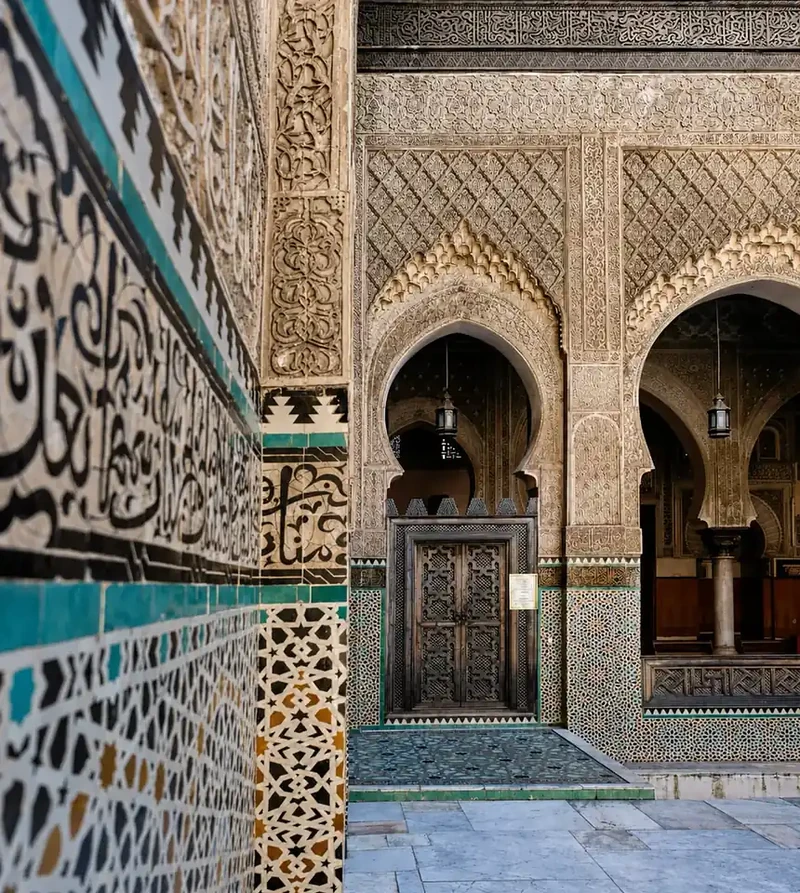
Historic settings can make arrival feel ceremonial, but a building does not explain a tradition by itself. Read the artist’s introduction. Look for the musical form, the community or school named, and the context in which the repertoire is usually performed. This gives an unfamiliar sound a human and historical frame without reducing it to a visual atmosphere.
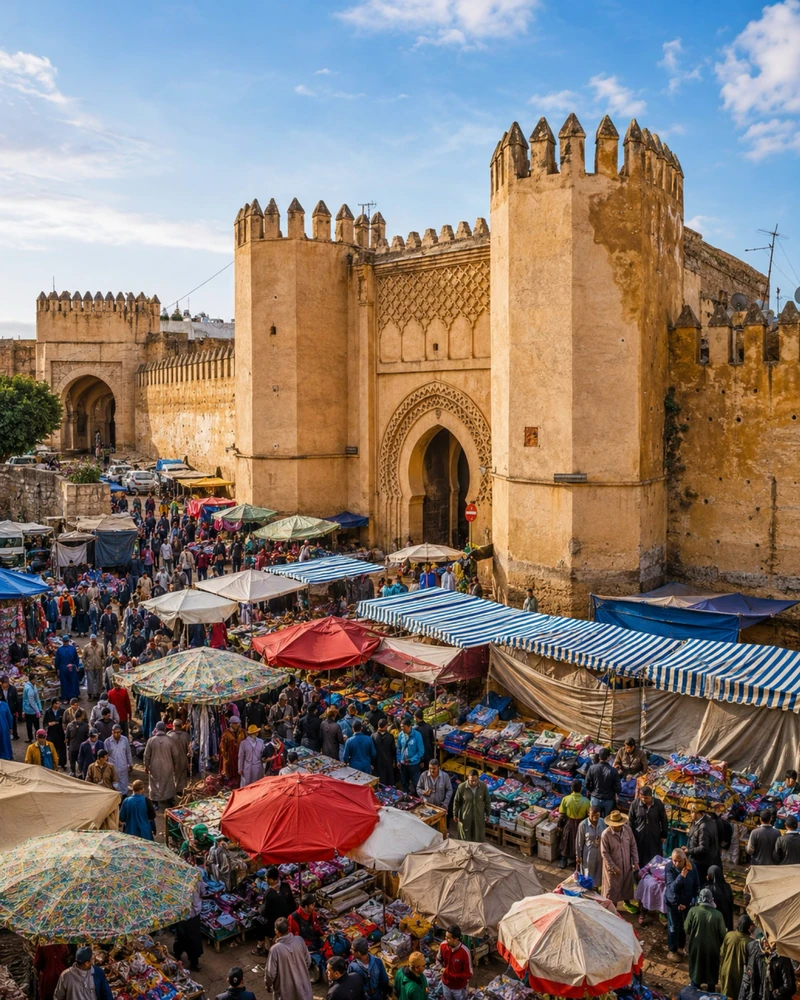
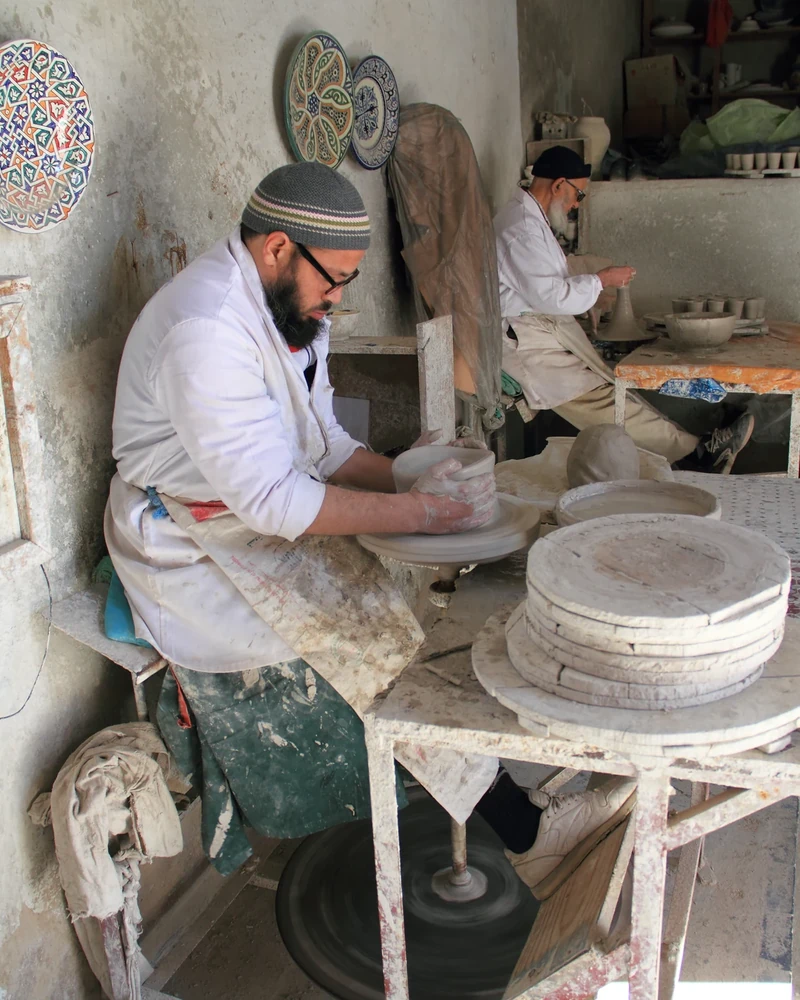
The city’s everyday life continues around the festival. Workshop doors, shopping routes and quiet residential passages deserve the same consideration during a cultural event as on any other day.
Read the programme
before the poster.
Begin with the artist
A headline may tell you that a performance is sacred, classical or a collaboration. The artist biography and programme note tell you more: who is playing, which instruments are involved and what has brought these musicians together. Keep one unanswered question in mind while you listen.
Check the actual venue
A city name on a poster is not an entrance address. Save the named site and its access point. A ticket for one courtyard or stage should never be assumed to cover another performance elsewhere.
Make room for the unfamiliar
A programme can introduce forms that unfold slowly or depend on repetition. You do not have to understand every reference immediately. Stay for the shape of the performance and read further afterwards, rather than judging the whole tradition from a brief recording.
Dates have a year.
So does every promise.
Next dates not announced in checked sourceThe official programme checked for this guide lists 4–7 June 2026. That edition is past.
Do not move those dates forward by one year when planning a future trip. The length of the festival, its daily schedule and its venues can change. A past programme remains useful for understanding the kind of event, but it cannot confirm next year’s access.
Before making a non-refundable booking, check that the organizer’s announcement names the intended year. Then compare the dates on the programme, ticket page and purchase confirmation. If they disagree, ask the official ticket service to resolve the mismatch before paying.
Keep the festival as the anchor of the trip only once that year’s dates are clear. Until then, choose flexible travel arrangements or plan a city visit that would remain worthwhile without a concert.
Check the festival’s own programmeAn evening has
several thresholds.
Before entry
Identify the ticket or booking format, the published opening time and any collection requirement. Save the confirmation offline, with a charged phone or a paper backup. A ticket image should include the information needed by the organizer, rather than an incomplete screenshot.
Inside the performance
Choose a place that allows you to stay without frequently crossing other listeners’ sightlines. Silence notifications. If you need to leave, use a pause and follow the steward’s route; a short interruption near the front can affect many people behind you.
After the last note
Give the crowd time to separate. A meeting point outside the busiest doorway is easier to find than a moving group. Decide on your return route before the performance, when you can still compare the venue address with your accommodation’s actual entrance.
Different places.
Different arrivals.
The 2026 programme names several settings. These modules explain their city context; confirm the next edition’s exact venues and entrances with the organizer.
Bab Makina
A monumental outdoor setting associated with the festival. Plan for the specific entrance printed on your ticket, then leave time for queues and any security check. Do not use a general medina map pin as a substitute for event access instructions.
Explore Bab MakinaJnan Sbil
A garden setting named in the 2026 programme. The atmosphere of a garden does not determine its concert seating, admission or accessible route. Check those details for the scheduled performance.
Explore Jnan SbilBatha
The programme’s venue wording matters: Batha can appear in several local place names. Match the full listed name to the organizer’s map before setting off, especially if you intend to walk from within the medina.
Explore BathaThe medina between events
Leave unstructured time for the city without turning every courtyard into a festival venue. Fès has working craft streets and historic buildings with their own hours and admission arrangements. The city guide helps separate a daytime visit from concert access.
Explore The medina between eventsListen as a guest.
Record with restraint.
A public stage opens a performance to an audience. It does not remove every boundary.
Follow the rules for the specific concert before raising a camera. A policy allowing photographs may still restrict flash, video or professional equipment. If recording is prohibited, put the device away rather than assuming a discreet clip is harmless. Keep your screen from becoming the brightest object in someone else’s view.
The word “sacred” is not an invitation to enter private devotional activity elsewhere in the city. A public festival presentation and a community’s own religious practice have different purposes. If a doorway, gathering or ceremony is not clearly open to visitors, ask an appropriate host and accept the answer.
The same care applies to portraits in the surrounding streets. A friendly exchange is a better starting point than a long lens. Consent to a photograph does not automatically include consent to promotional use.
Photography & respect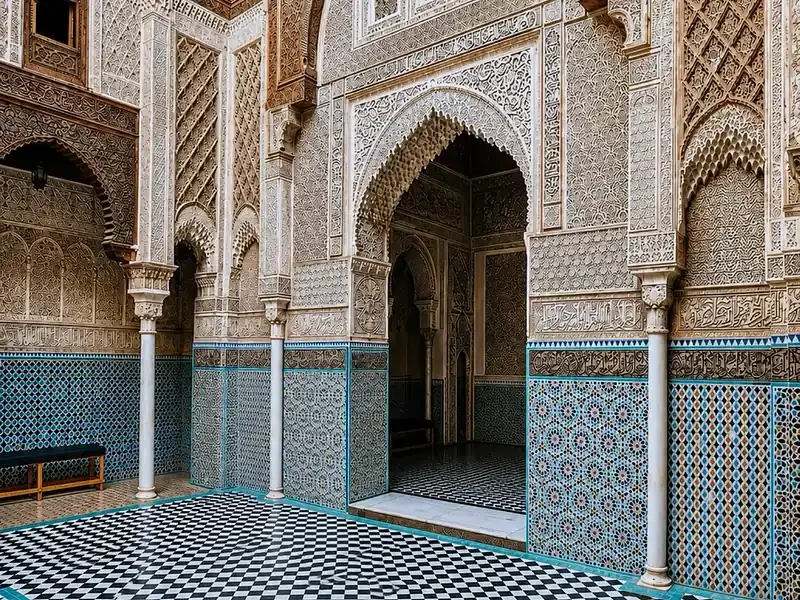
Build the return journey
into the beginning.
Choose one base
Compare the concert location with where you are staying. A picturesque accommodation address may involve a final walk through narrow streets. Ask your host for the practical meeting point that a driver can actually reach.
Keep a clear margin
Avoid coupling a long intercity arrival with a performance you would hate to miss. Traffic, check-in and the last walk can consume more time than a map suggests. Arriving in Fès earlier gives you a chance to orient yourself in daylight.
Agree a fallback
For a group, choose a meeting point and a time to leave it if someone is delayed. For a solo visit, keep the accommodation address available offline. After the show, use the return arrangement you prepared instead of improvising in the densest part of the crowd.
Useful questions.
Clear distinctions.
Is every festival concert free?
Do not assume so. The checked 2026 programme includes ticketed performances. Look up the access terms for the particular event and year; a festival-wide reputation for openness cannot replace a ticket or venue rule.
Can children attend?
Check the stated age policy, seating format and expected finish time for the concert you choose. A child who enjoys a short daytime performance may find a long evening or dense standing audience less comfortable. A realistic exit plan is part of choosing the right session.
Does a historic venue mean step-free access?
No. Ask about the actual route from the entrance to the audience area, including steps, surfaces, seating and toilets. Send the full venue name and performance time so the organizer can answer about the correct event.
What if the next programme is not published?
Use the city and cultural context here for preparation. Keep the festival dates provisional, and use the calendar’s status labels to distinguish an announced edition from a typical season.
Let the music
open the city.
A good festival visit leaves room for a different pace the next morning.
Follow a late concert with an unhurried city day. The point is not to find a visual equivalent for every sound you heard. A workshop visit, a quiet meal or time spent reading the programme can give the experience space to settle.
Choose one further thread: architectural craft, the city’s scholarly history or the relationship between a stage and its audience. Carry that question into the next visit. You will notice more by following a specific curiosity than by trying to fit every named monument into the same morning.
Follow another
way of gathering.
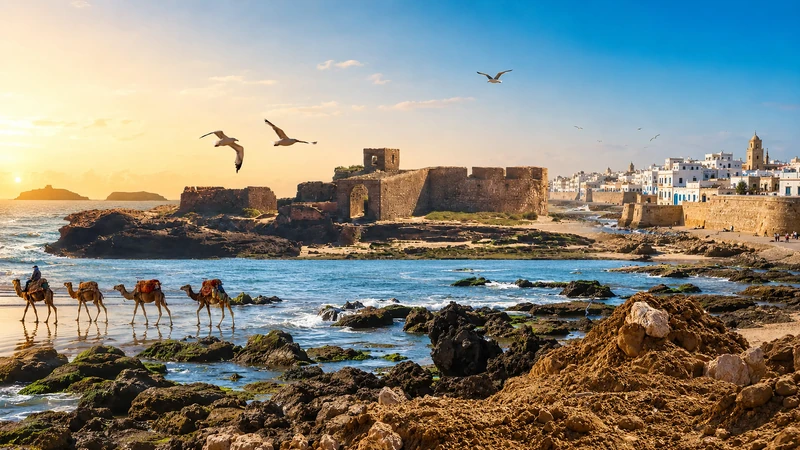
Essaouira Gnaoua
A different coastal setting for musical encounter.
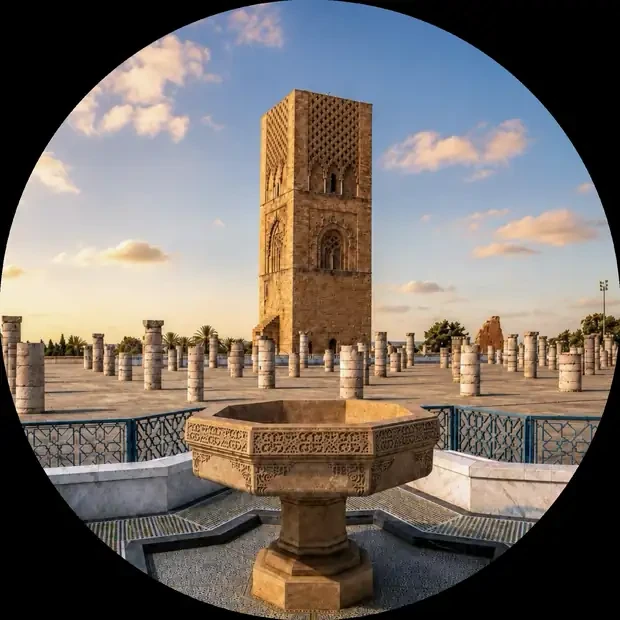
Mawazine in Rabat
Understand a festival spread across a capital and its neighbour.
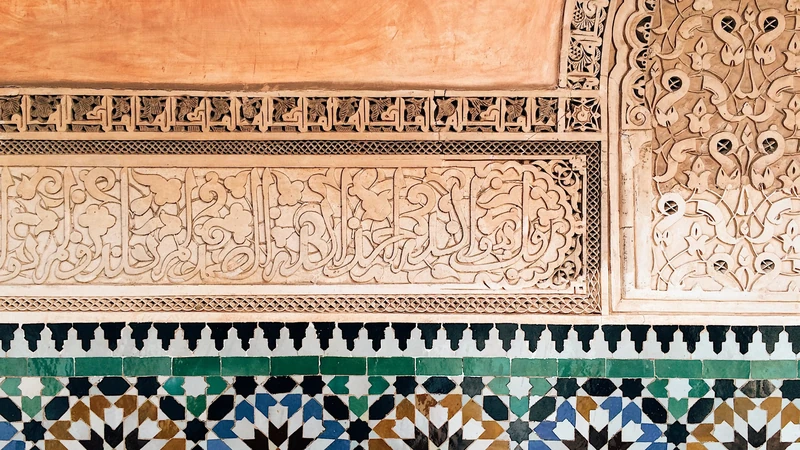
Sacred sound
Listen with a better sense of context and boundaries.
Festival nights in Fez
Shape a thoughtful evening around the city.
Sources, date checks & image context
Event information checked on 29 September 2026. Dates marked typical describe a seasonal pattern, not an announced booking date. Recheck the linked organizer before committing to travel.
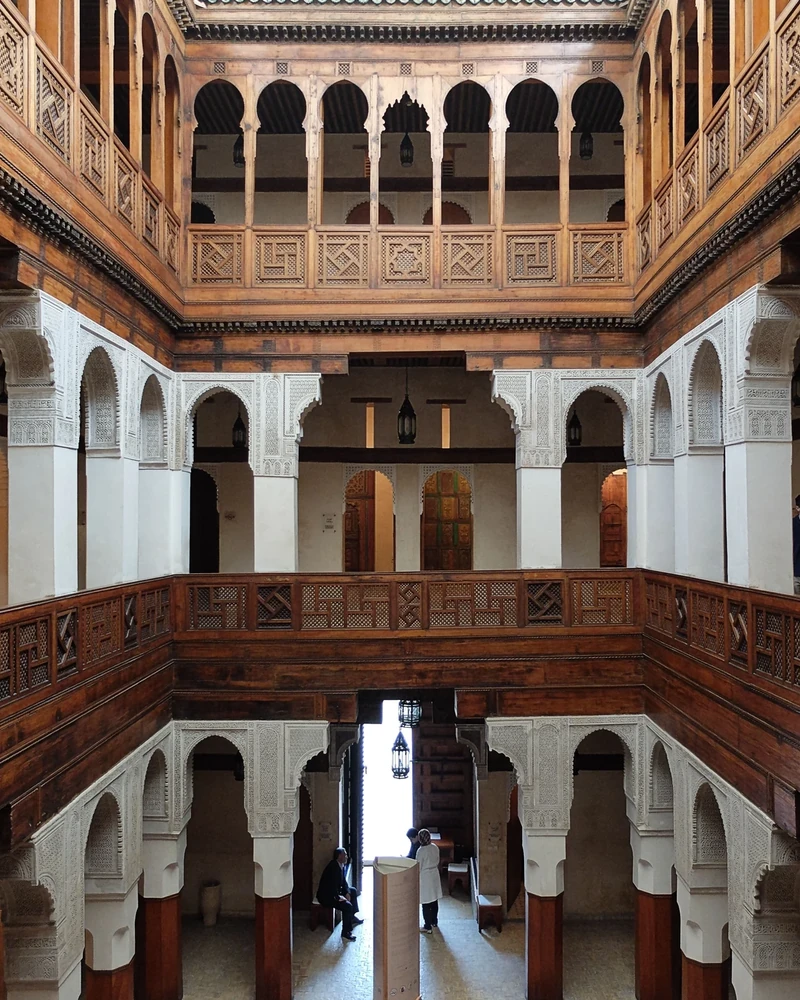
Library images illustrate the host place, materials and cultural context. They are not presented as documentary records of a particular festival edition.
- Festival official programme — 2026 edition
- Festival history
- Festival performance schedule — 2026 edition
- UNESCO — Medina of Fez
Photograph credits
Attributions retained from the canonical library. Responsive resizing and WebP conversion; each photograph’s stated licence continues to apply.
- Library photograph: Marek Kubica from Copenhagen, Denmark · CC BY-SA 2.0.Editorial crop, resizing and WebP conversion. The adaptation retains the source licence.
- Library photograph: Dieglop · CC BY-SA 4.0.Editorial crop, resizing and WebP conversion. The adaptation retains the source licence.
- Library photograph: Robert Prazeres · CC BY-SA 4.0.Editorial crop, resizing and WebP conversion. The adaptation retains the source licence.
- Library photograph: Schorle · CC BY-SA 4.0.Editorial crop, resizing and WebP conversion. The adaptation retains the source licence.
- Library photograph: مدرسة ابن يوسف 04 24 52 023000.jpeg — إيان. CC BY-SA 4.0. Cropped/resized; original licence retained.
.jpg)
.jpg)


