
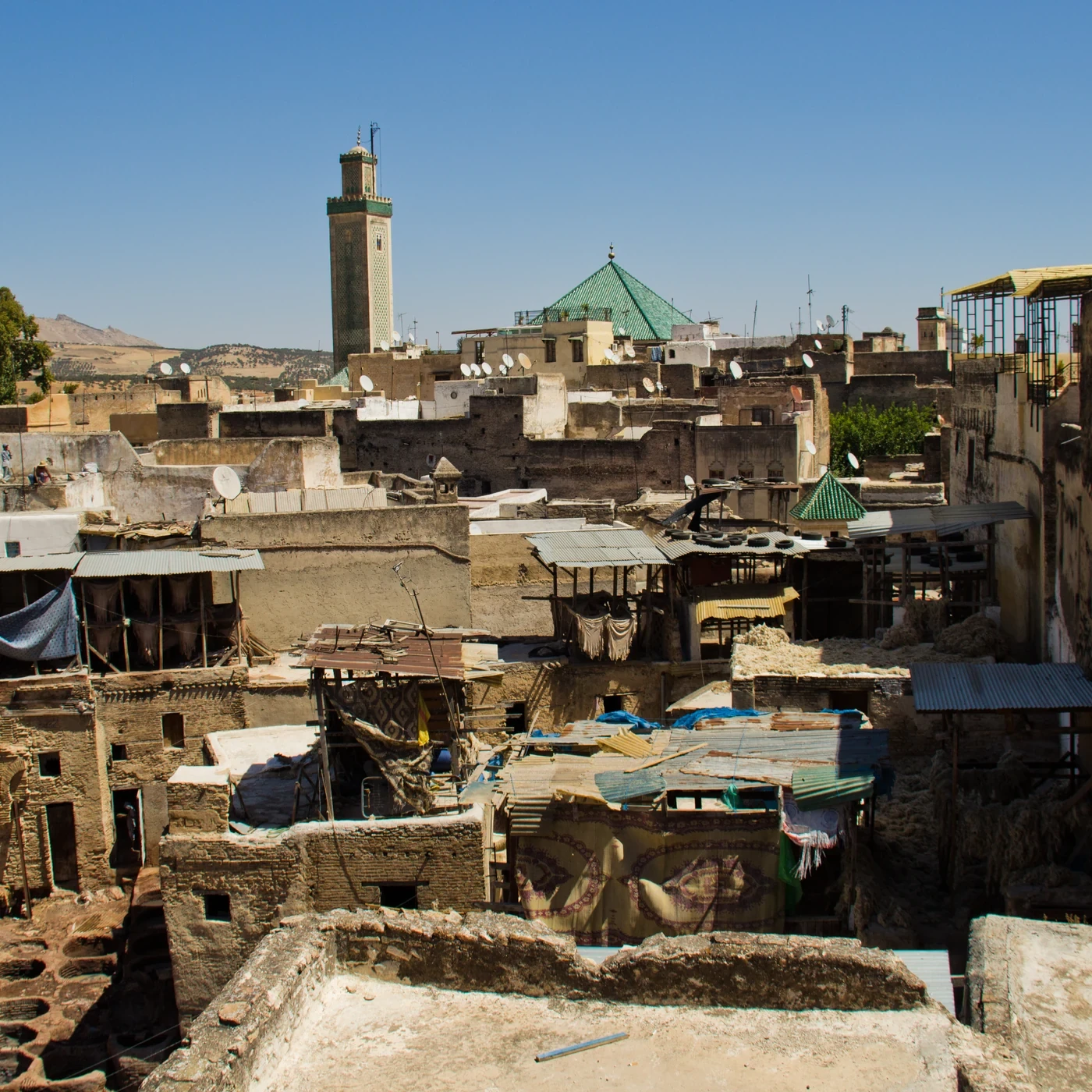
Choose one evening.
Give it room.
Start with a performance you want to hear all the way through.
A festival night becomes easier to enjoy when it has one clear centre. Read the artist’s introduction, identify the venue and confirm the admission time. Then leave space on either side. A programme that looks generous on paper can become hurried once walking, queues and unfamiliar entrances are included.
This is a guide to the rhythm of an evening, rather than a dated festival programme. The Fès Festival of World Sacred Music has its own dossier, with verified edition information and venue context. Other cultural evenings require their own current announcements. Do not assume that a familiar building hosts music simply because a past photograph shows a concert there.
Read the named festival dossierFind the way
while the city is legible.
If the route is unfamiliar, make a daylight orientation part of the visit. Find the actual entrance and a recognizable point from which you can retrace your way. Notice what the route asks of you: steps, slopes, narrow stretches or a final walk from a vehicle drop-off.
A map can locate a building without explaining its usable entrance. Ask your accommodation host or the venue for a clear route, and save the address and instructions before leaving. If you use a guide, agree on the service and meeting point in advance.
The aim is not to memorize every turning. It is to remove the uncertainty that would otherwise occupy your attention just as the performance begins.
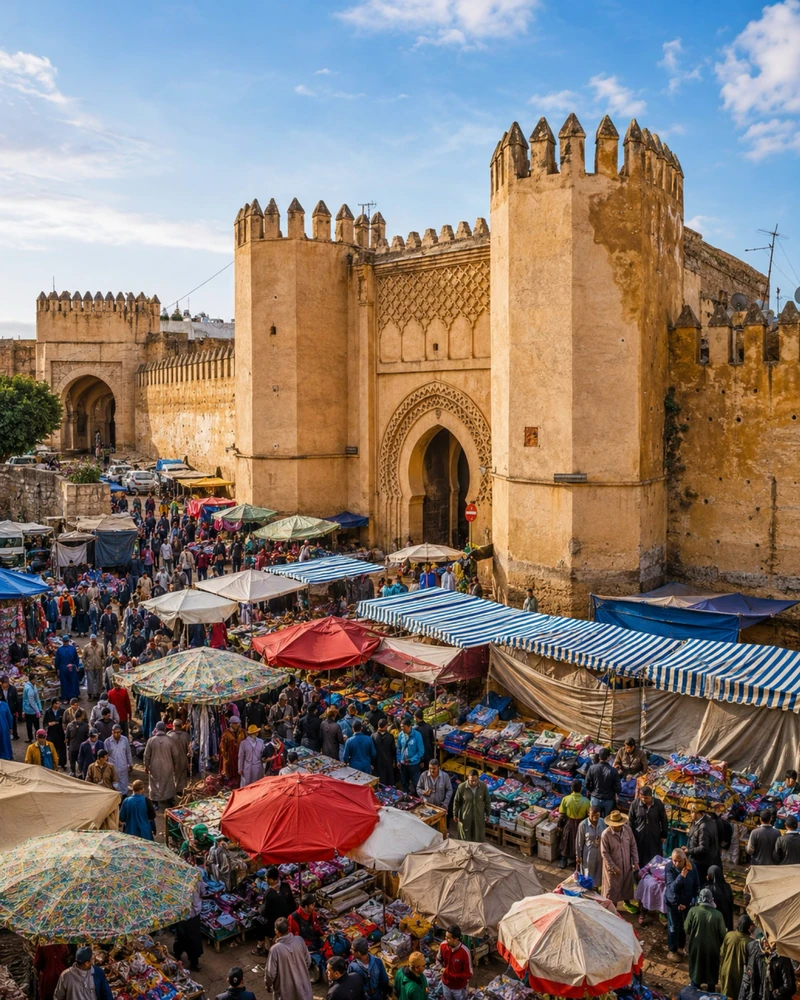
A small bag.
A complete plan.
Admission
Keep the correct ticket or confirmation and any required identification accessible. Check the date and venue one last time. A screenshot should preserve the information needed for entry, rather than only a decorative booking headline.
Comfort
Choose footwear for the actual approach and a layer appropriate to the evening. Check the venue’s bag and equipment rules. Carrying less makes queues, seating and narrow passages easier to manage.
The return
Save your accommodation address and the agreed route or pickup arrangement. Decide how companions will reconnect if separated. These details are easiest to settle while everyone is calm and the phone is charged.

Cross the threshold
at the host’s pace.
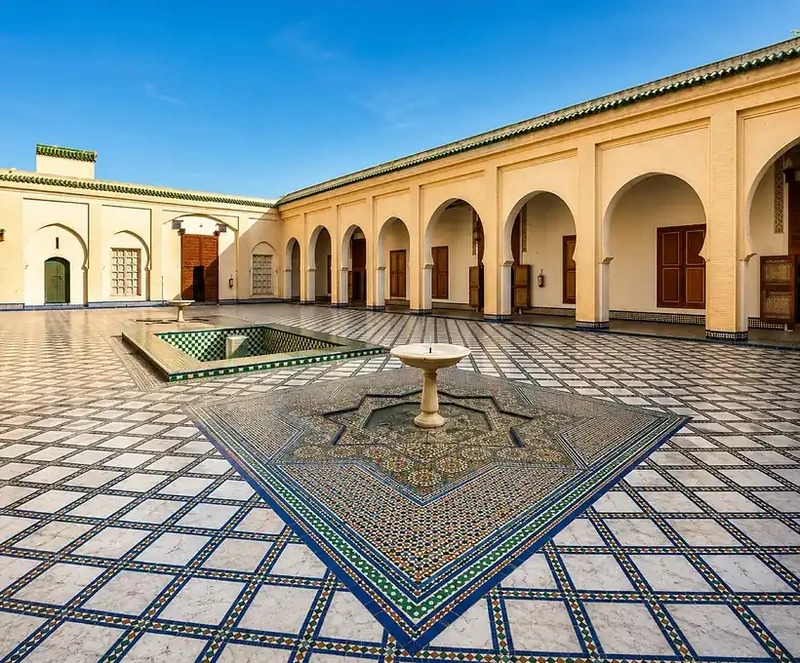
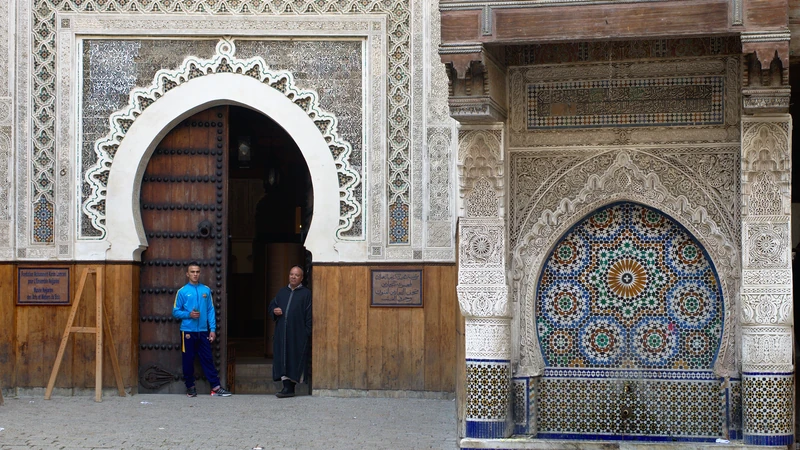
At the venue, find the correct queue and allow the entry process to do its work. An old courtyard or monumental entrance can be striking, but the people checking admission are managing a performance space. Keep the doorway clear and take photographs only where the policy allows.
Once inside, understand the seating or standing arrangement before settling. If you need to leave during the performance, identify a route that will cause little disturbance. Ask a steward when the arrangement is unclear rather than following someone into a reserved or working area.
Historic surroundings add texture to the evening, but they do not turn a concert ticket into permission to explore the whole building. Stay within the public route offered for that event.
Let the first minutes
change your attention.

An unfamiliar musical form may take time to become intelligible. Begin with the sound itself: a pulse, a voice, the relationship between instruments or the way a phrase returns. You do not need to translate everything into a familiar category immediately.
Read any programme explanation as an aid, not as a script telling you what to feel. A performance with spiritual roots can reach listeners who do not share its language or belief, while still belonging to a context that deserves accurate description.
Keep the phone away for a while. A screen can make you attend to framing and exposure precisely when the musicians are asking for another kind of concentration. Let the room and the sound establish the experience first.
Know the place
around the performance.
The Fès medina
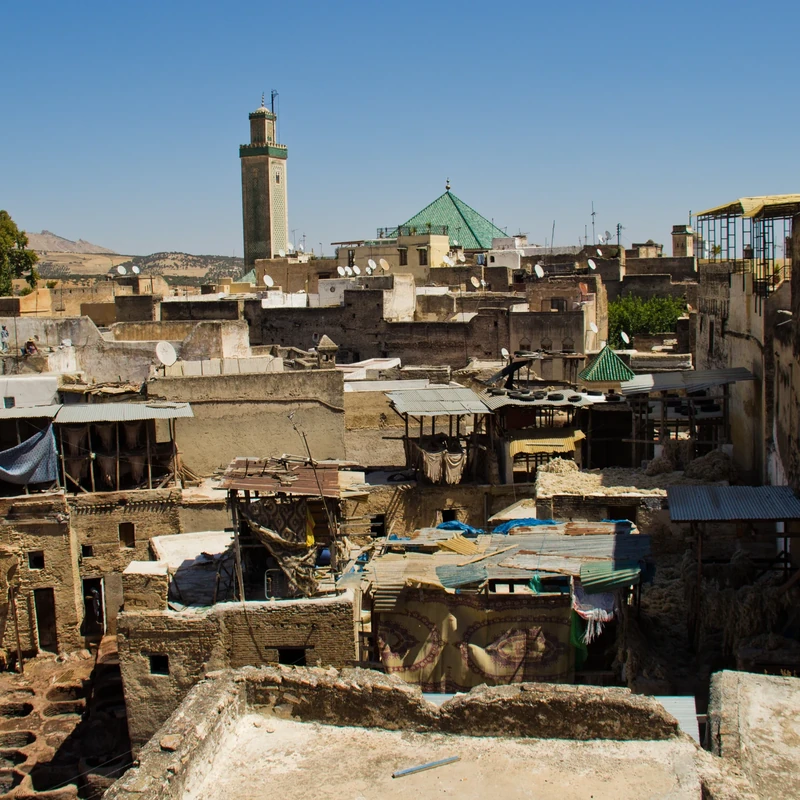
The historic city is also a working and residential environment. Give pedestrian routes, shop entrances and household thresholds space. An evening visitor is sharing a place that continues beyond the festival.
Explore The Fès medinaYour announced venue
The current programme is the authority for the performance location. The festival has used different historic and cultural settings; consult the named-event dossier for checked edition context, then verify your own session.
Read Fès. Sacred music.Your return point
Choose a clearly described meeting or pickup place that remains usable after the performance. Confirm whether the final part of the journey must be walked and whether companions understand the same location.
An interval
can remain an interval.
Use a break to stretch, find water or compare impressions with a companion. It does not have to become another sightseeing appointment. Returning without hurry preserves the attention you have already given the first part of the programme.
If you leave the admission area, establish whether re-entry is allowed before doing so. Do not assume that a ticket can be scanned repeatedly or that a nearby door returns to the same space. A short question to a steward can prevent a frustrating end to the evening.
A meal is best planned as a real part of the night. Give a café or restaurant enough time to serve you, and avoid making a performance deadline the staff’s emergency.
After the applause,
the city changes scale.
The collective energy of an audience can continue into the street. Allow it to soften as you leave the event area. People in nearby homes may be resting, and others may still be working. A quiet return is part of being a considerate guest.
Let the crowd clear rather than turning an exit into a race. Follow the agreed meeting plan, and move away from the immediate doorway before stopping to discuss the performance or call a driver. Keep companions informed if you decide to leave by a different route.
The route home can be a moment to notice what the evening has changed in your own attention. It should remain an ordinary journey through someone else’s neighbourhood, not a search for private scenes to photograph.
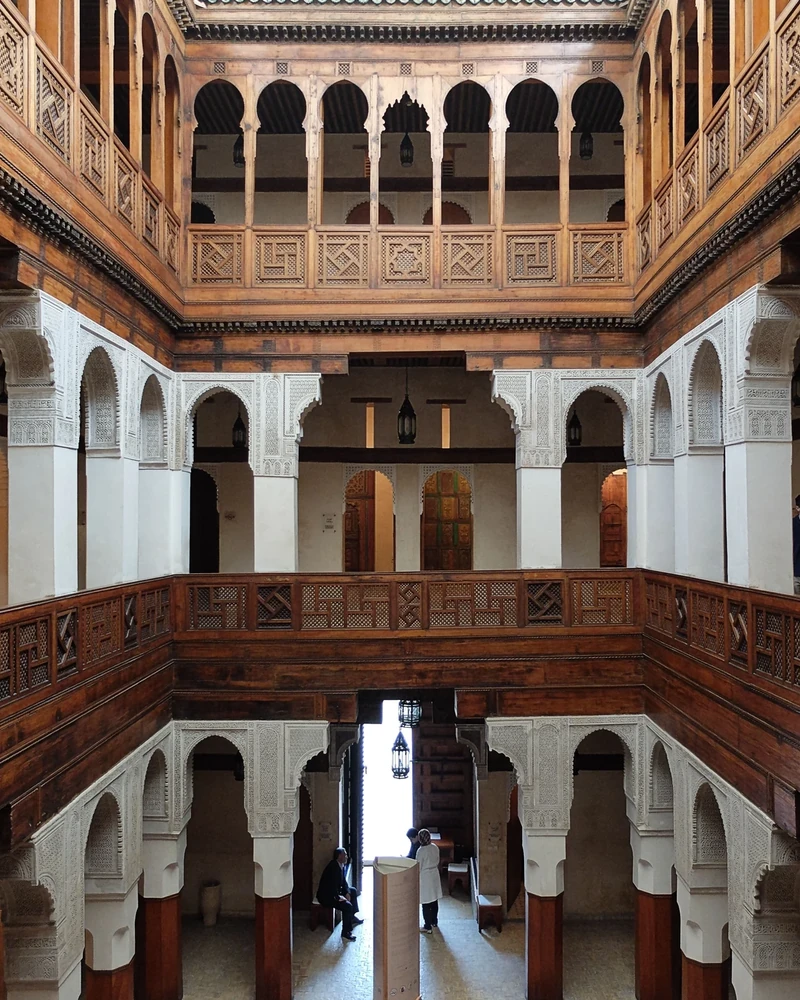
When the plan changes,
keep the evening whole.
The performance is delayed
Check the organizer’s update and reconsider the return arrangement. Decide how long you are comfortable waiting. A clear limit is more useful than repeatedly promising companions that departure is only a few minutes away.
The route feels too demanding
Ask for a practical alternative before entering the busiest part of the evening. A shorter programme, another access point or a different night may serve the group better than pressing on with a plan that no longer fits.
You cannot enter
Use the official channel to understand the ticket or capacity issue. Avoid improvised side entrances or offers that bypass the organizer. Let another cultural visit carry the evening if the performance cannot.
The next morning,
keep one clear memory.
Write down the performer’s name and one detail that stayed with you. Perhaps it was a phrase, a change in the ensemble or the way a room became quiet. A precise observation is more useful than a grand claim about the city or a whole musical tradition.
Use the programme to continue learning about the artist. If a conversation with a host or guide helped you understand the evening, keep their explanation distinct from your own interpretation. The night can become the beginning of a longer interest without pretending to have explained everything at once.
Follow the evening
into another thread.
Sacred Music Festival
Dates, identity and verified programme context.
The Fès night Story
A longer reflection on listening and the city.

Music & sacred sound
Read the different contexts around performance.
Arrival & transport
Plan the complete journey.
Sources, date checks & image context
Event information checked on 29 September 2026. Dates marked typical describe a seasonal pattern, not an announced booking date. Recheck the linked organizer before committing to travel.
Library images illustrate the host place, materials and cultural context. They are not presented as documentary records of a particular festival edition.
Photograph credits
Attributions retained from the canonical library. Responsive resizing and WebP conversion; each photograph’s stated licence continues to apply.
- Library photograph: Dieglop · CC BY-SA 4.0.Editorial crop, resizing and WebP conversion. The adaptation retains the source licence.
- Library photograph: Robert Prazeres · CC BY-SA 4.0.Editorial crop, resizing and WebP conversion. The adaptation retains the source licence.
- Library photograph: Marek Kubica from Copenhagen, Denmark · CC BY-SA 2.0.Editorial crop, resizing and WebP conversion. The adaptation retains the source licence.
.jpg)

.jpg)