
An event changes
how a place is used.
The setting of a celebration shapes the experience as strongly as its programme. A wide square gathers people differently from a narrow approach to a courtyard. A garden offers another pattern of arrival, movement and rest. An auditorium concentrates attention within a defined room.
These spaces do not lose their everyday purposes when an event arrives. People still travel to work, open shops, meet relatives and return home. An attentive visitor sees the celebration within that continuing city.
Use this guide to choose the kind of urban encounter you want. It compares spatial forms and visitor decisions rather than promising that every city has a public celebration on a particular date. The edition-specific programme remains the source for venues and access.
Read the setting.
Then choose the session.
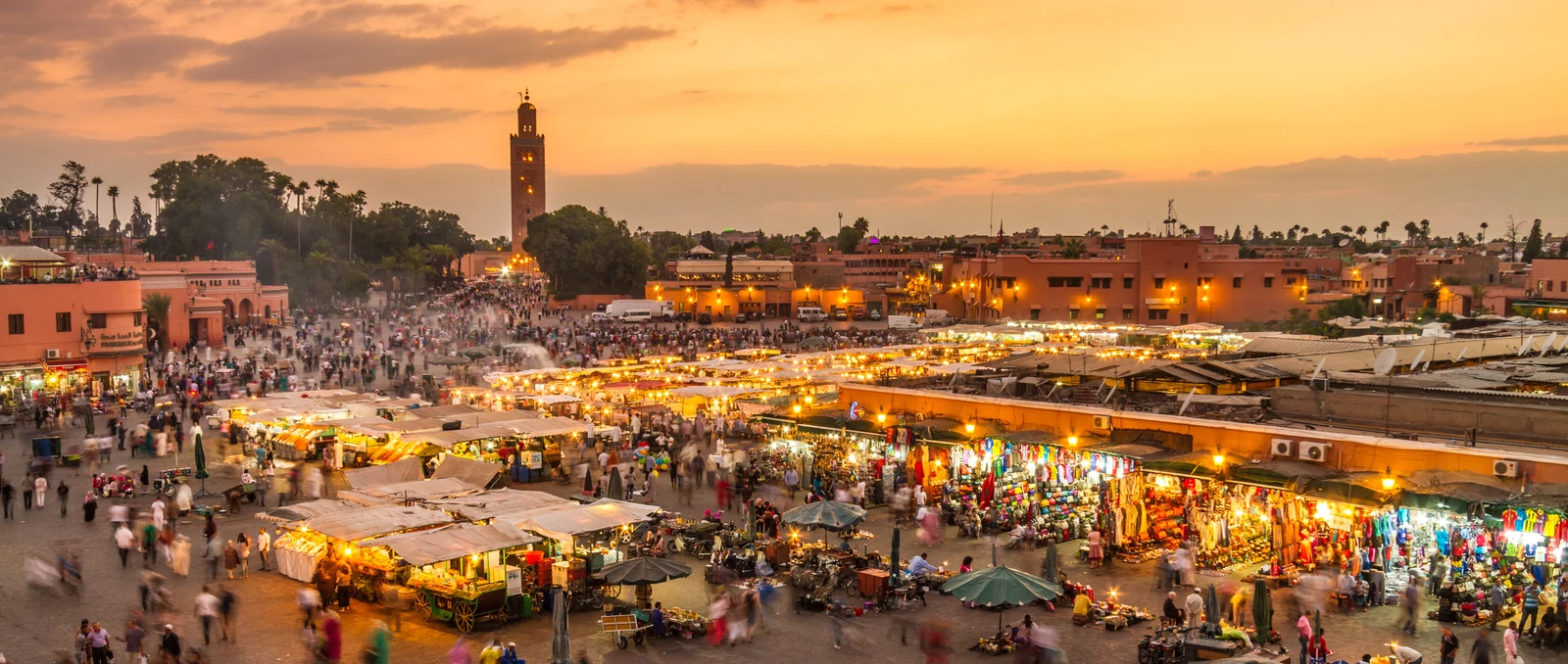
The open square
Look for the relationship between the performance area, entrances, food stalls and ordinary routes across the space. “Open air” does not necessarily mean unrestricted admission or unlimited room.
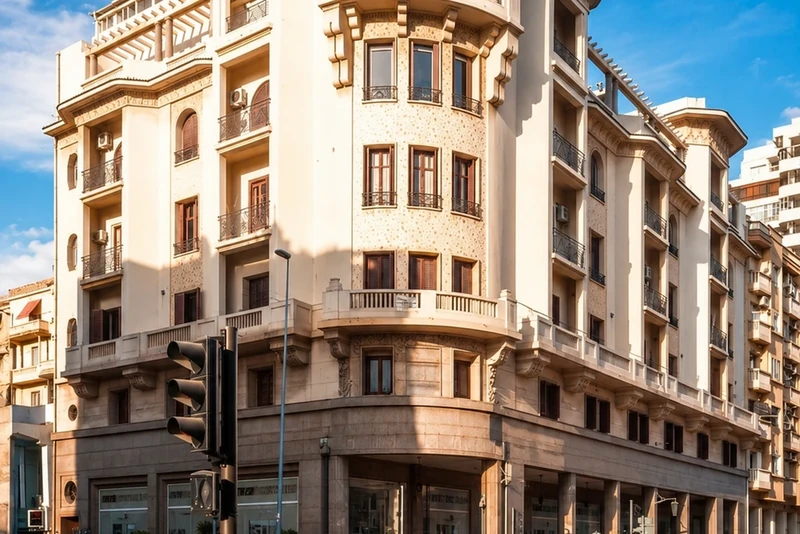
The enclosed venue
A garden, courtyard or theatre may concentrate arrivals at a small number of gates. Check entry time, reservations and whether leaving ends your access. The route outside the venue still matters.
The distributed programme
Several venues across a city create choices about distance and timing. Treat each session as an appointment with its own address and admission conditions, rather than assuming you can move effortlessly between them.
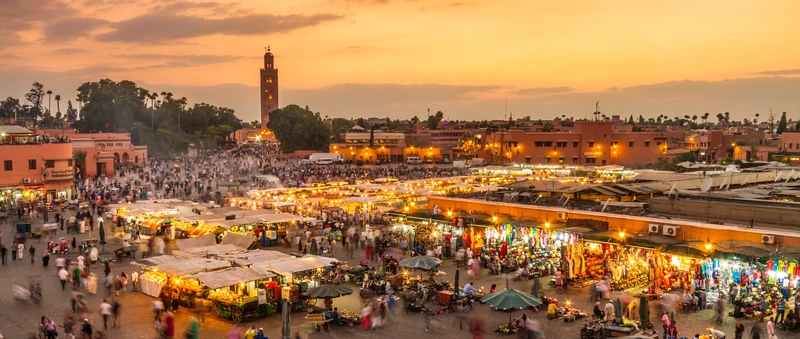
The square is
never only a backdrop.
A square can hold performance, commerce, movement and conversation at the same time. The most interesting way to read it is often from an edge, where you can see how people enter, pause and continue.
Avoid stopping in a route simply because it offers a symmetrical photograph. Notice where deliveries, local pedestrians or families are trying to pass. A visitor’s lingering should not make daily movement harder.
If a public event brings temporary barriers or a stage into the space, orient yourself again. Familiar photographs and an earlier walk may no longer show the route that is available. Follow the current arrangement and establish a meeting point outside the densest area.
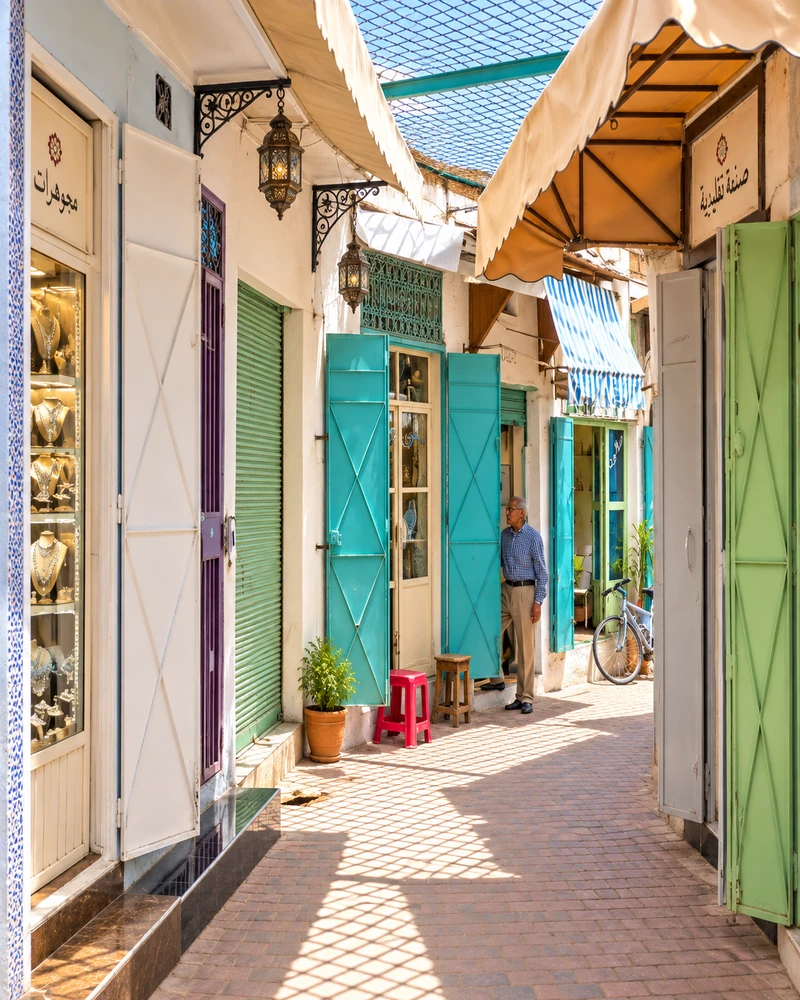
A medina approach
is part of the evening.
An event inside historic urban fabric asks for a different sense of distance. The journey can involve turns, thresholds, uneven surfaces and a final approach on foot. A short line on a map may not describe the effort or time of reaching an entrance.
Save the venue’s actual access instructions and the name of a recognizable nearby point. If assistance is needed, arrange it with the venue or accommodation in advance. Do not rely on the expectation that a vehicle will reach every doorway.
Treat the approach as a transition rather than a race. Arriving with time lets you confirm the entrance, understand the queue and settle before a performance without pushing through the city around it.
The riverfront and garden
open another scale.
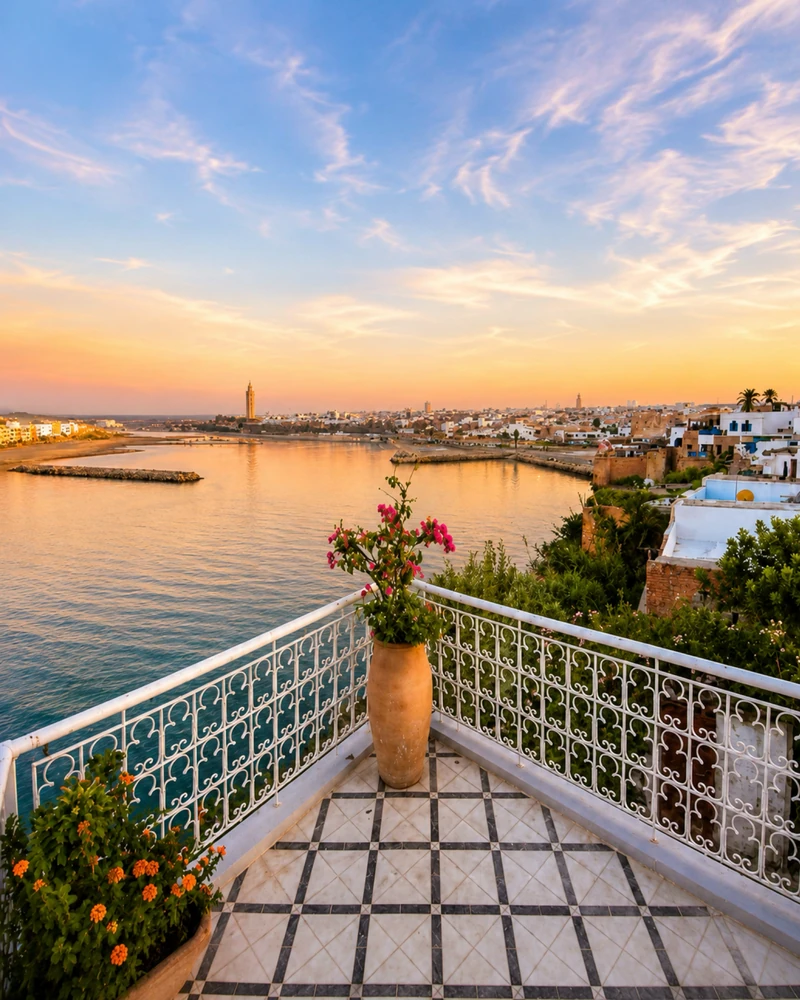
A wider landscape can make an event feel easy to enter, while still involving long walks between transport, gates and the place where you will watch. Look beyond the apparent openness of the photograph to the actual route.
Check which spaces are part of the event and which remain ordinary public areas. A festival may combine free and paid zones, or several sites with different conditions. One admission rule should not be carried across the entire programme.
Weather, light and the time of departure also shape the experience. Establish where you can rest and how you will leave before becoming absorbed in the performance. Open space can be generous without making every practical question disappear.
Four cities.
Different ways to gather.
Marrakech
A stay can connect public performance with cinema and cultural venues. Use the specific FNAP or film-festival programme to establish the current locations, rather than treating the city’s famous square as the venue for everything.
Explore MarrakechFès
Historic settings give a cultural evening a strong architectural context. Read the programme venue by venue and plan the approach and return through the city with care.
Explore FèsRabat and Salé
Mawazine demonstrates the possibilities of a programme distributed across two connected cities. Choose a session and venue first, then build the transport plan around that address.
Read Rabat. The city in public.Casablanca
An urban festival can sit within a city of active streets, public transport and varied cultural places. Verify the edition’s sites before selecting a base from a previous programme map.
Explore CasablancaDraw a small mental map.
Four points are enough.
Your base
Know the name and address of the place you will return to. Save it in a form you can use without a live data connection and share it with companions who may separate during the day.
The correct entrance
A large venue can have several gates. The event entrance may differ from its everyday visitor entrance. Follow the ticket or organizer’s directions rather than choosing the nearest point on a map.
A quiet meeting place
Choose a recognizable place beyond the busiest flow, with a clear description. Agree what to do if messages fail or someone chooses to leave early.
The return connection
Identify the actual stop, pickup area or walking route that fits your departure time. A route available on arrival may change after a performance or under temporary traffic measures.
An institution offers
a different public rhythm.
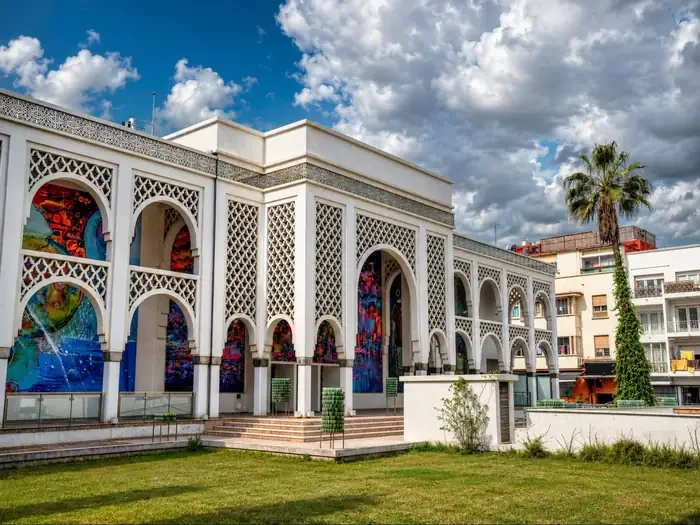
A museum programme, talk or film screening may be a useful companion to a large outdoor event. It can provide a more concentrated encounter with an object, an argument or a work of art. It also has its own reservations, opening times and audience expectations.
Do not treat an indoor alternative as a guaranteed walk-in refuge. Check the actual institution’s current programme. A building’s normal hours do not prove that a special evening event has the same admission arrangements.
Choose the visit for its content. Connecting an exhibition with a performance can enrich a cultural stay when the subjects speak to each other, but there is no need to fill every gap simply because another venue is nearby.
Choose by experience.
Three useful comparisons.
One complete session or several fragments?
A concentrated visit reduces transfers and lets a performance unfold. Moving between venues can work when travel time, entry and the timetable genuinely allow it.
A central base or a direct connection?
A famous address is not always the most convenient for your chosen venue. Compare the actual journey and the return arrangements, especially when the programme is spread across the city.
A major crowd or a smaller cultural encounter?
Both can be rewarding. Select according to your attention, mobility and energy rather than treating the largest audience as the only meaningful celebration.
Leave room for
the ordinary city.
The morning after an event can reveal a different pace: a café opening, a street being cleaned, a shopkeeper arranging goods. There is no need to turn these moments into another spectacle. They simply remind you that the city’s life is larger than its programme.
Give some of your stay to an unhurried public walk, an ordinary meal or a cultural place you would value without a festival. That balance makes a visit more resilient to changes and gives the celebration a setting you have begun to understand.
Find the urban rhythm
that suits you.
Capital celebrations
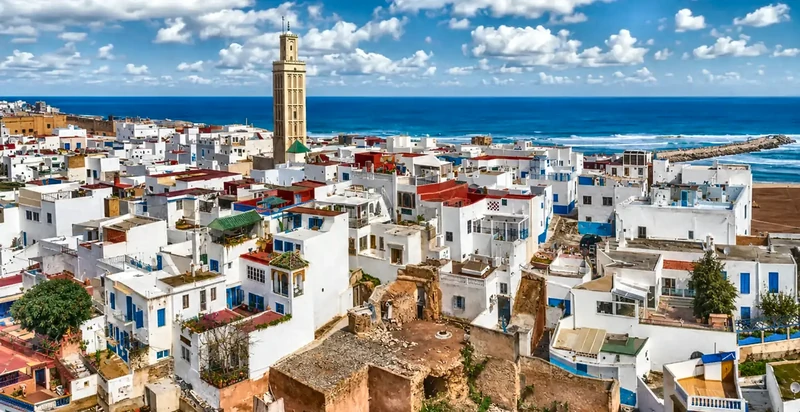
Read Rabat through civic and cultural space.
Essaouira festival streets
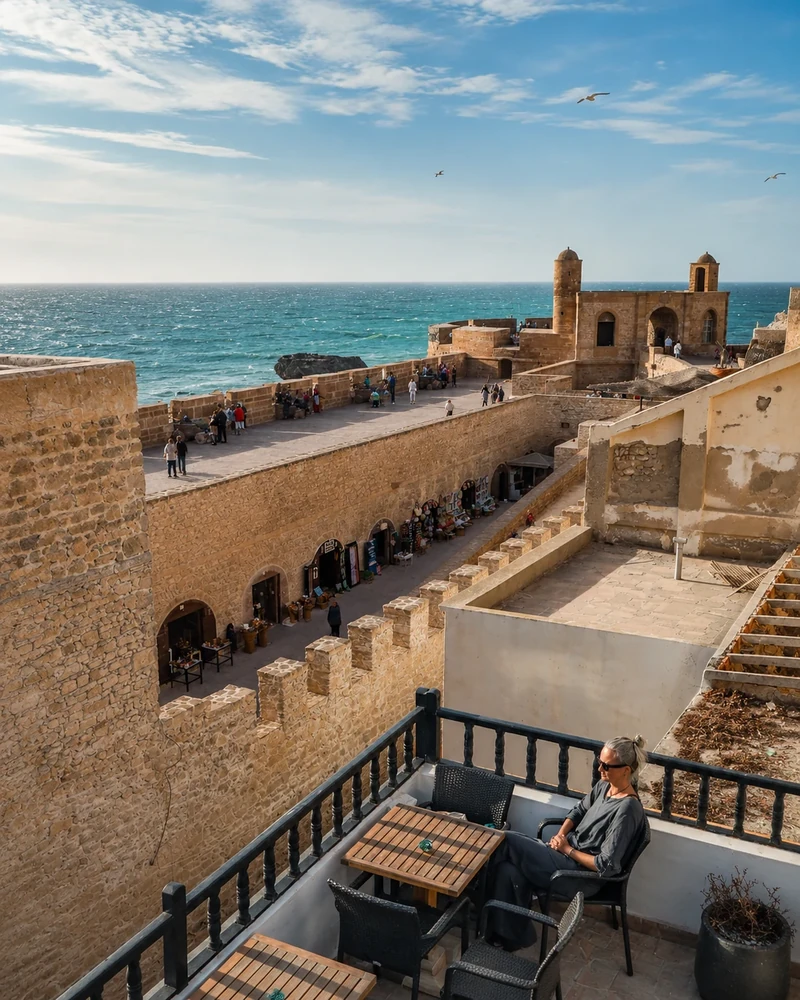
Follow the relationship between shore and medina.
Arrival & transport
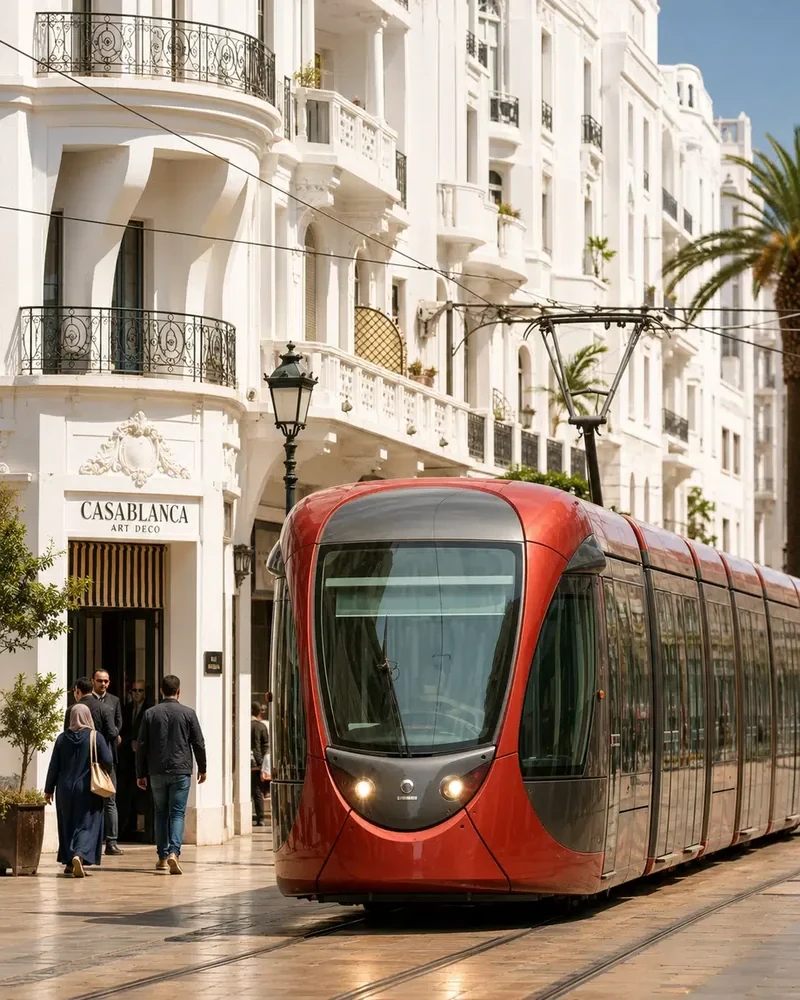
Plan the whole journey, including the return.
Morocco festivals
Choose an event by interest and format.
Sources, date checks & image context
Event information checked on 29 September 2026. Dates marked typical describe a seasonal pattern, not an announced booking date. Recheck the linked organizer before committing to travel.
Library images illustrate the host place, materials and cultural context. They are not presented as documentary records of a particular festival edition.