
Begin with an interest.
Give it a place.
The most useful festival choice starts with what you want to understand or experience. A musician’s work, a crop, a film programme or an equestrian tradition gives you a more precise starting point than a general search for the largest celebration.
Then consider the form of the encounter. Will you spend an evening listening, several hours moving through an exhibition or a day within a wider community gathering? These formats involve different levels of walking, concentration and planning.
This index connects twelve researched named events with the broader cultural guides around them. It helps you compare their identities. Use the Cultural Calendar for current date status and each event dossier for the organizer, place and edition-specific questions.
Which kind of attention
do you want to give?
Listen
Choose a musical programme by artist, repertoire and setting. A complete performance can offer more than a rushed sequence of famous names.
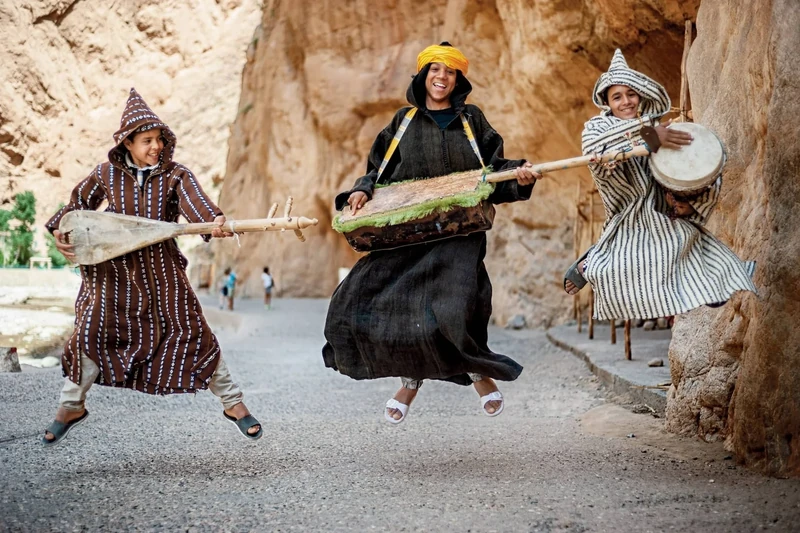
Compare music festivals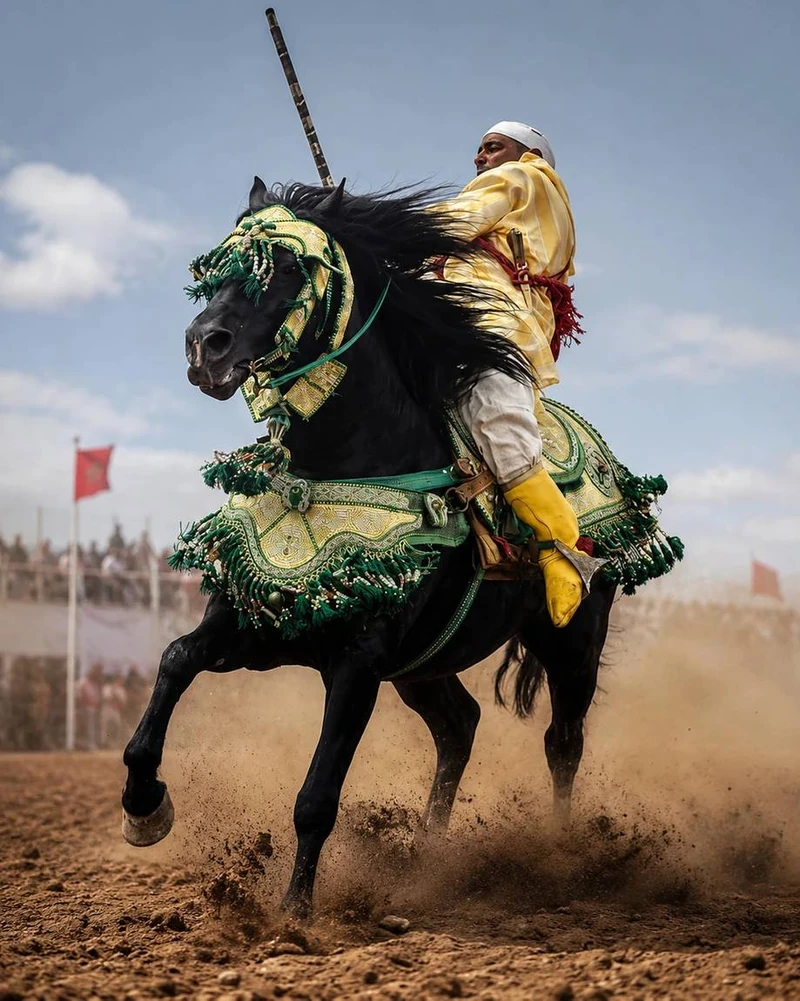
Understand a gathering
Look beyond the performance to the community, place and occasion. Public presentation and private participation have different boundaries.
Explore moussems and traditions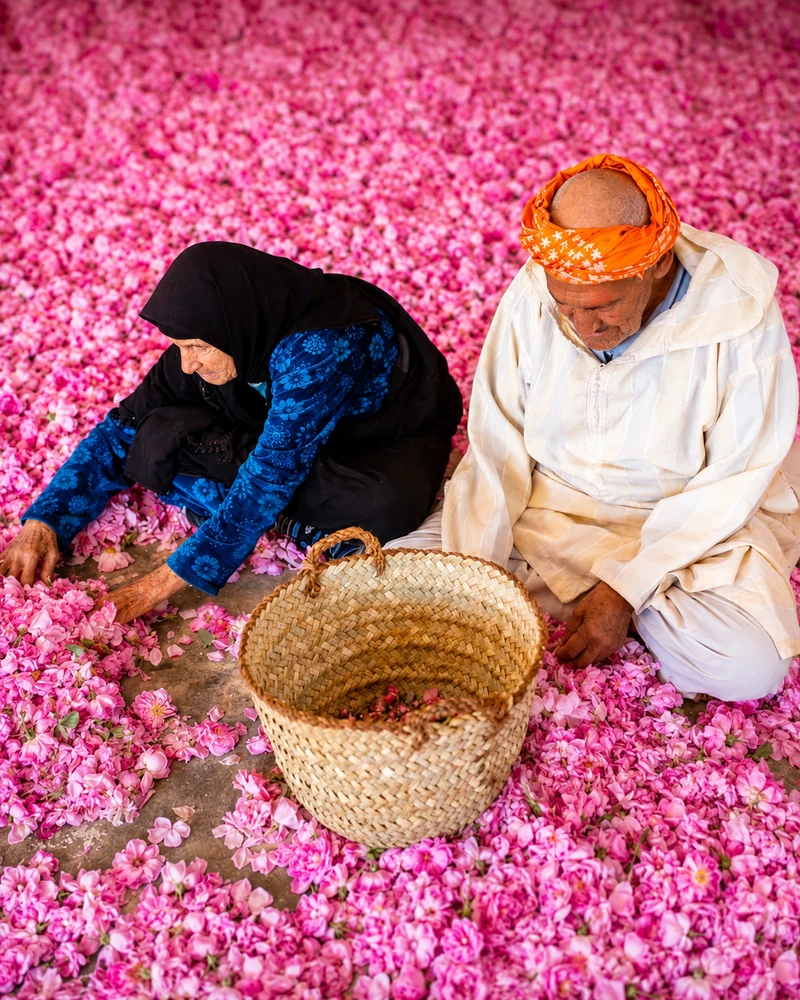
Follow a product
Connect a seasonal crop with cultivation, exchange and public celebration. A harvest and an exhibition may use different dates.
Compare harvest eventsMusic.
Four distinct programme identities.
Fès offers a festival framed around sacred music and cross-cultural encounters. Essaouira’s Gnaoua and World Music Festival centres Gnawa masters and collaborations. Mawazine brings a broad programme across Rabat and Salé. Jazzablanca presents jazz alongside wider contemporary musical currents in Casablanca.
These descriptions are starting points, not a substitute for the actual line-up. Read the artist introductions and listen to selected recordings before choosing a session. Consider whether a large outdoor stage, a garden or a more enclosed venue is part of the experience you want.
Our music index places these events side by side, while the Music and Sacred Sound guide helps distinguish a public concert from the wider cultural practices that may inform it.
Living heritage.
Keep the occasion specific.
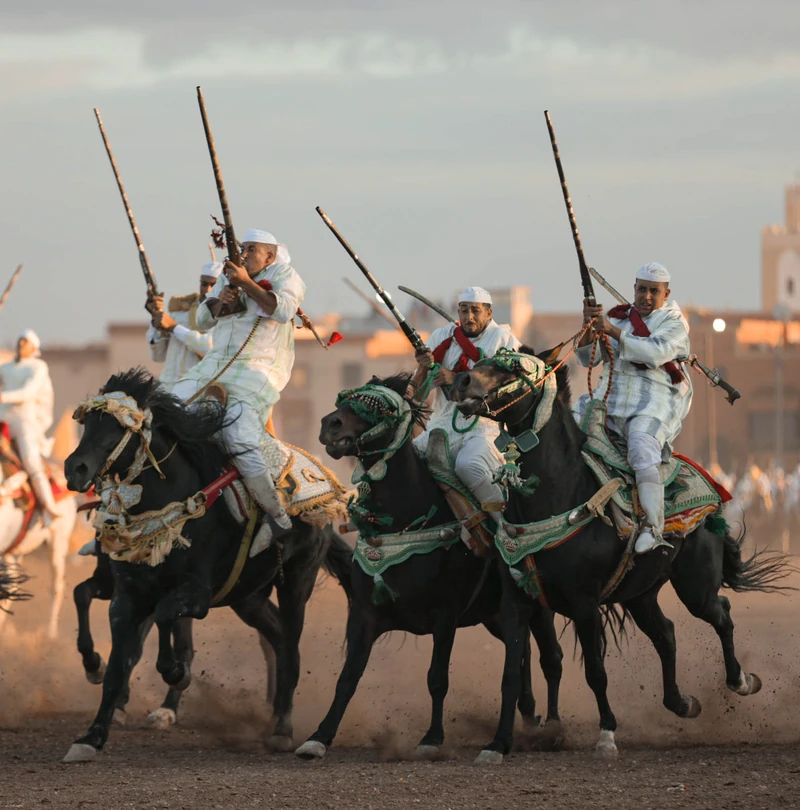
Moulay Abdellah Amghar
A coastal moussem near El Jadida with religious, equestrian and artistic dimensions. Tbourida belongs within a wider gathering.
Read the moussem dossier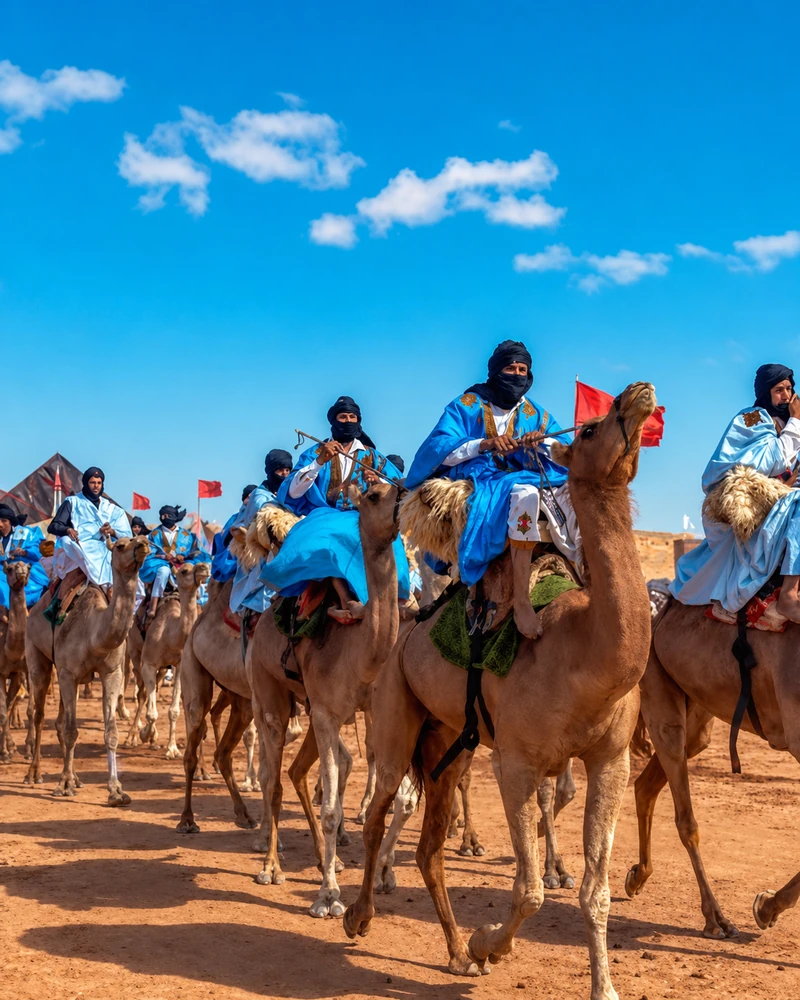
Tan-Tan Moussem
A southern gathering associated with nomadic heritage, oral culture and exchange. Its geography and community context differ from the Doukkala occasion.
Read the Tan-Tan dossier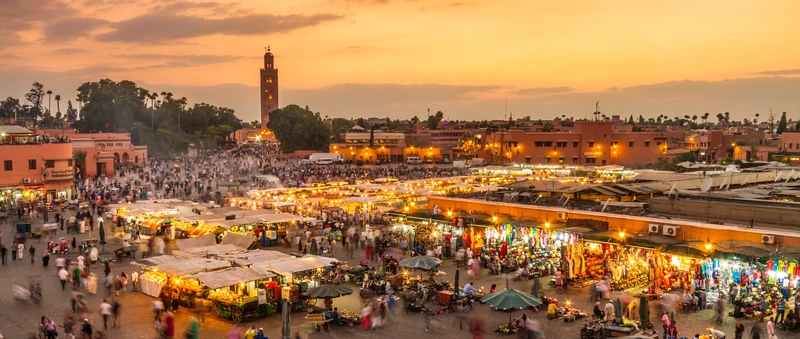
Marrakech Popular Arts
A programmed festival bringing regional performing traditions into a city setting. Staged presentation is one way to encounter living cultural practices.
Read the FNAP dossierAgriculture.
Compare the public purpose.
SIAM in Meknès is an agricultural exhibition with professional and public dimensions. It offers a sector-wide view that differs from a celebration associated with one crop. Begin by checking which visitor category and programme suit your interests.
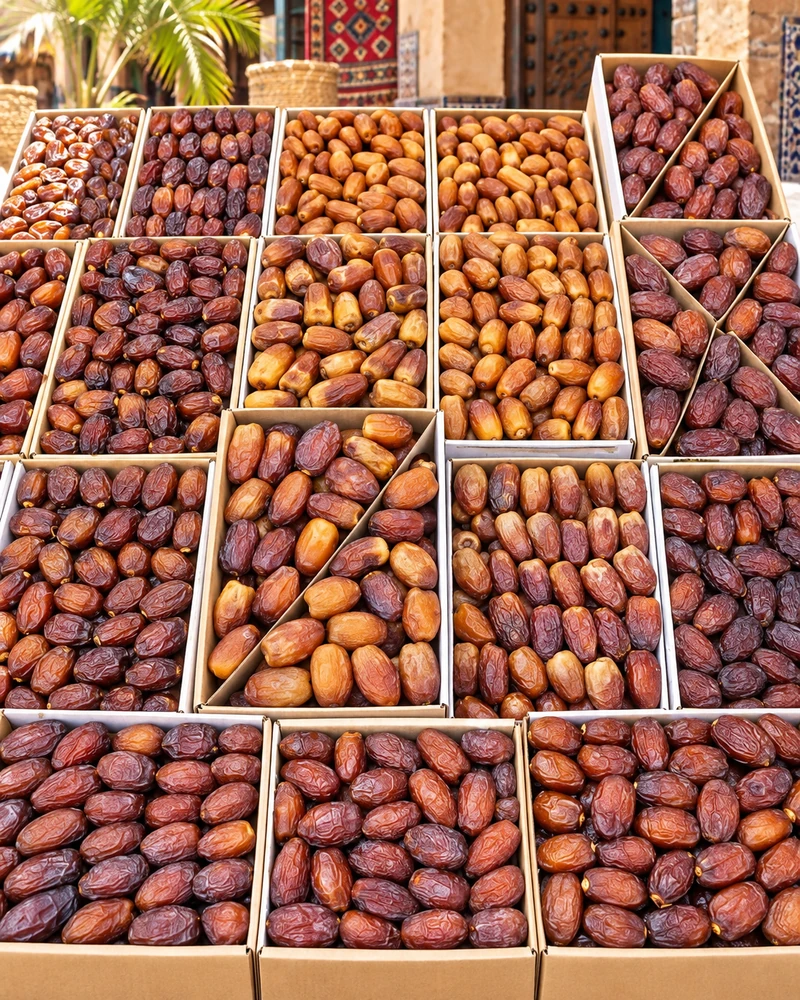
Sefrou’s Cherry Festival has a civic and living-heritage identity. Kalaat M’Gouna connects rose cultivation, festivities and a professional rose salon whose schedules must be distinguished. Erfoud’s date season and SIDATTES likewise need separate treatment.
The common thread is agricultural work, but the experience is not interchangeable. Decide whether you want to understand a production chain, attend a public celebration or explore a landscape through an arranged visit.
Choose a base
for the event you want.
A city programme
Fès, Rabat, Casablanca and Marrakech can support a stay centred on one or several cultural sessions. Select the actual venue before judging how convenient an accommodation address will be.
Read The city. A shared stage.An Atlantic encounter
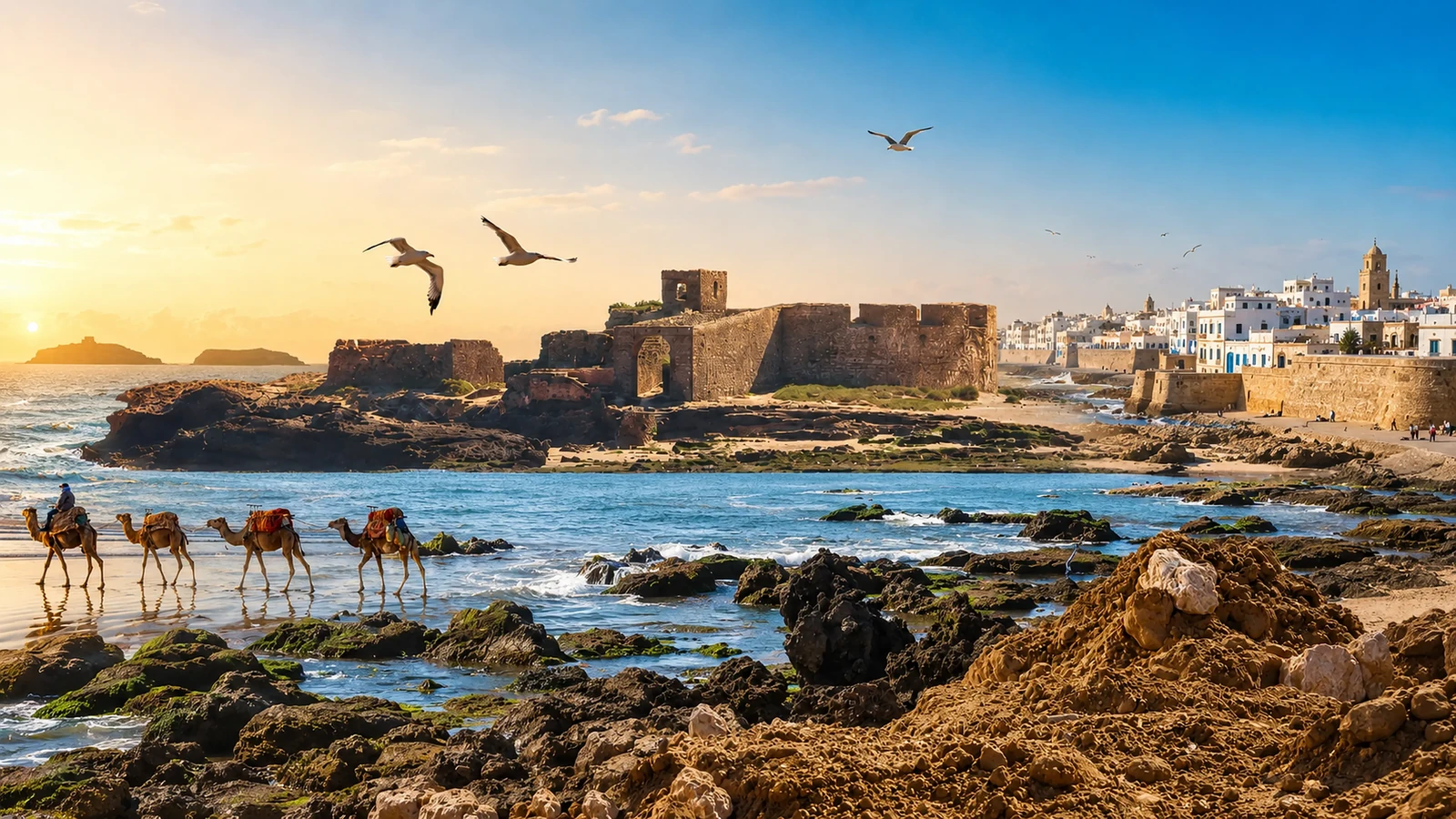
Essaouira and the Doukkala coast offer different event settings. The shore may connect your journey visually, but the Gnaoua festival and the Moulay Abdellah moussem have distinct purposes and access arrangements.
Explore An Atlantic encounterAn agricultural or southern route
Sefrou, Kalaat M’Gouna, Erfoud and Tan-Tan should each be given their proper place in a route. A shared seasonal label does not make distant destinations easy additions to one another.
Explore An agricultural or southern routeCinema.
Stay with another point of view.
The Marrakech International Film Festival offers a different rhythm from an outdoor performance circuit. Films ask for sustained time, and a programme can invite attention to unfamiliar languages, filmmakers and ways of seeing.
Read screening details for language, subtitles, running time and admission. Allow time between sessions to move, eat and think. A film festival stay can be rewarding because you remain with one cultural form long enough for connections to develop.
Do not confuse the announced festival dates with unrestricted public access. Accreditation, reservations and individual screenings must be checked through the current official arrangements.
Follow the named film-festival dossier for the verified edition and the distinctions that matter when planning.
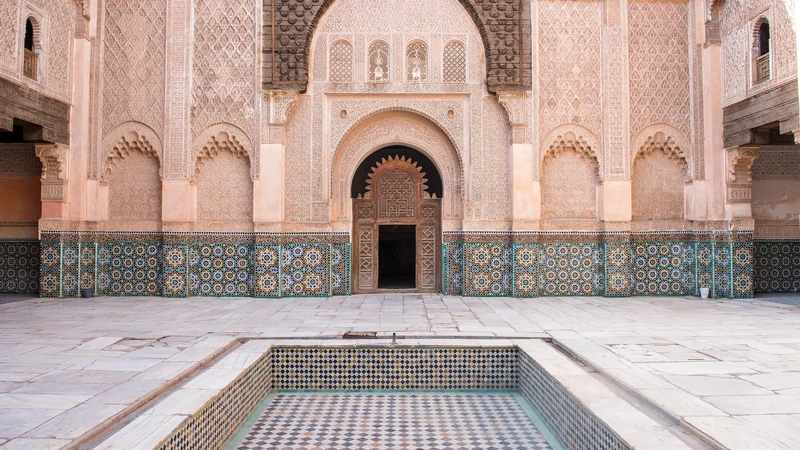
Three kinds of timing.
Three booking decisions.
Confirmed dates
An organizer has announced a defined event period. You can plan around it while continuing to check the programme, admission and any later updates.
Dates not announced
The event has a known identity, but the next edition’s exact dates were not established in our checked source. Do not convert the previous year’s dates into a future promise.
Typical seasonal timing
A season can guide research into crops and recurring patterns. It is not an admission date or a guarantee that a named public event will be taking place during your stay.
Choose a travel shape
that fits the interest.
One event, several sessions
Stay in one base and let the programme create connections. This suits an interest in a musical or film programme and reduces repeated travel.
One event, a wider place
Give a gathering a clear day, then explore the host city or region. The place remains valuable if an individual activity changes.
One subject, several encounters
Follow craft, music or agriculture through a museum, an invited working visit and a public event. Link them through a question rather than a desire to collect more stops.
Complete the practical plan
before adding more.
Once the event is chosen, settle admission, transport and the return. Check whether the format suits your group’s mobility, tolerance for sound and preferred pace. These decisions are easier when the plan still contains room to adapt.
Then consider a related Story or cultural place. Good context can deepen a single encounter more than another hurried event. Leave space to follow a detail that interests you, and avoid treating every public occasion as an invitation to photograph or join in.
The aim is a coherent visit: a reason to attend, a clear way to participate and enough time to understand the setting.
Explore the collection.
Choose your next question.
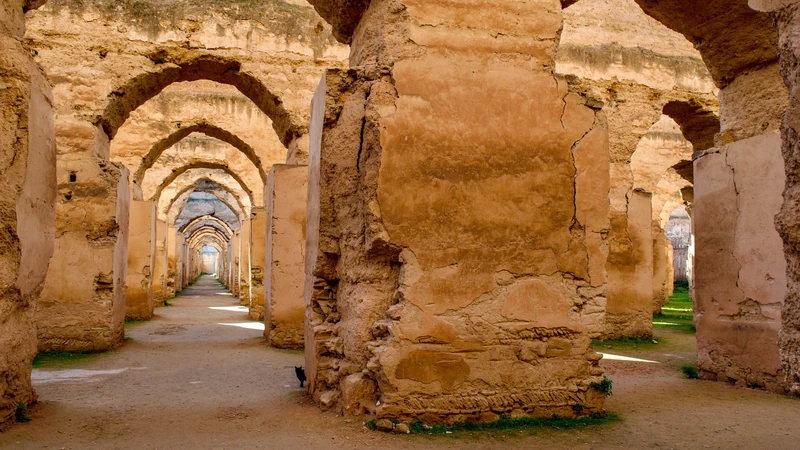
SIAM Meknès
Agriculture at exhibition scale.
Marrakech film festival
Cinema and programme discovery.
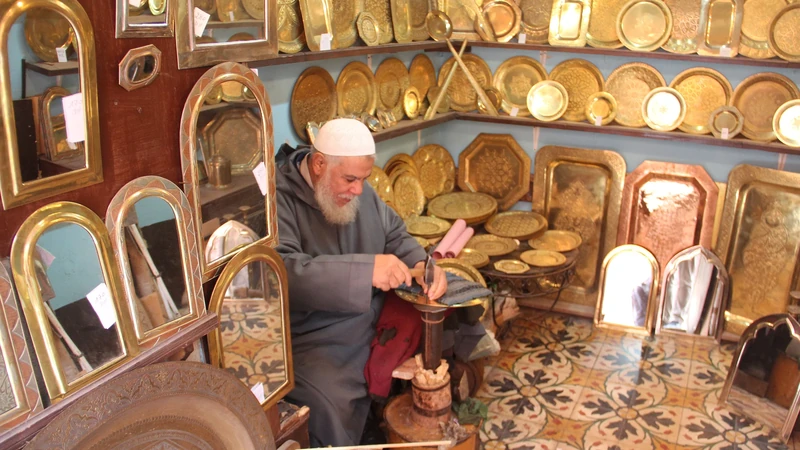
Craft fairs & artisan events
Making, exhibitions and exchange.
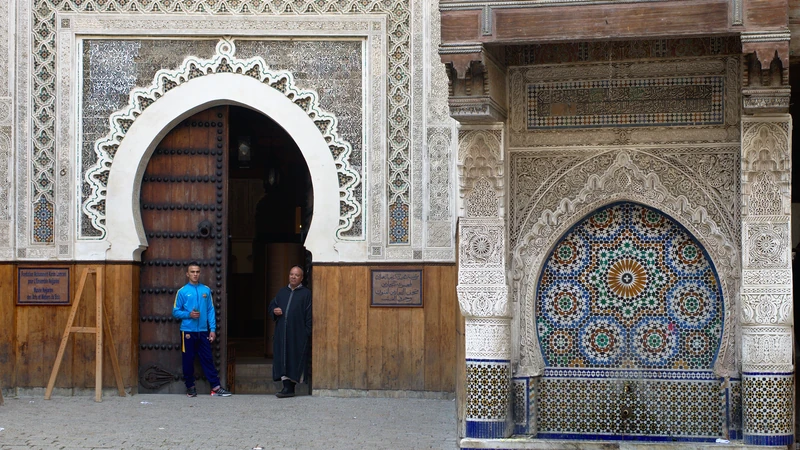
Cultural Calendar
All twelve named events and date status.
Sources, date checks & image context
Event information checked on 29 September 2026. Dates marked typical describe a seasonal pattern, not an announced booking date. Recheck the linked organizer before committing to travel.
Library images illustrate the host place, materials and cultural context. They are not presented as documentary records of a particular festival edition.
- Fès Festival — official programme
- Gnaoua Festival — official organizer
- Mawazine — festival charter
- Jazzablanca — official organizer
- Marrakech International Film Festival
- SIAM — official organizer
- UNESCO — intangible cultural heritage lists
Photograph credits
Attributions retained from the canonical library. Responsive resizing and WebP conversion; each photograph’s stated licence continues to apply.
- Library photograph: Ben Youseff Madressa.jpg — Nash Finley. CC BY-SA 4.0. Cropped/resized; original licence retained.
- Library photograph: Andrew Brehmer · CC BY 2.0.Editorial crop, resizing and WebP conversion. The adaptation retains the source licence.
- Library photograph: PlateMakerMarrakech.jpg — Elgaard. CC BY-SA 4.0. Cropped/resized; original licence retained.
- Library photograph: Marek Kubica from Copenhagen, Denmark · CC BY-SA 2.0.Editorial crop, resizing and WebP conversion. The adaptation retains the source licence.

.jpg)

.jpg)